Political Science Study Set: Political Beliefs & Terms
 Call Kai
 Learn
Learn Practice Test
 Spaced Repetition
 Match
Match Flashcards
 Knowt Play
1/45

There's no tags or description
Looks like no tags are added yet.
Name | Mastery | Learn | Test | Matching | Spaced | Call with Kai |
|---|
No analytics yet
Send a link to your students to track their progress
46 Terms
public policy
the choices the government makes and the actions it takes in response to a particular issue or problem
political parties
groups that help elect people and shape policies
third parties
rarely win, but want to get attention for their issues
Partisanship
Government action based on firm allegiance to a political party
gender gap
The regular pattern by which women are more likely to support Democratic candidates.
electorate
All of the people entitled to vote in a given election
horse race journalism
news coverage that focuses on which candidate is ahead in rather than on the issues
political socialization
the process by which people gain their political attitudes and opinions
family
the number one agent of political socialization
liberal
open to new behavior or opinions and willing to discard traditional values, presently associated with the views of the Democratic Party
conservative
holding to traditional attitudes and values and cautious about change, typically in relation to politics or religion, presently associated with the views of the Republican Party
opinion polls
A method of systematically questioning a small, selected sample of respondents who are deemed representative of the total population.
random sampling
a sample that fairly represents a population because each member has an equal chance of inclusion
exit poll
a poll taken by the media of people leaving a polling place, asking how they voted, in order to predict the results more quickly
Suffrage
the right to vote in political elections
voting rights act of 1965
a law designed to help end formal and informal barriers to African-American suffrage
15th Amendment (1870)
U.S. cannot prevent a person from voting because of race, color, or creed
19th Amendment (1920)
U.S. cannot prevent a person from voting because of gender.
26th Amendment
Lowered the voting age from 21 to 18
National Voter Registration Act of 1993
"Motor voter Act"- required states to allow voters to register when they get their driver's license
politicial socialization
the process by which people gain their political attitudes and opinions
early voting
the option in some states to cast a vote at a polling place or by mail before the election
voter registration
System designed to reduce voter fraud by limiting voting to those who have established eligibility to vote by submitting the proper documents in advance of the election.
literacy test
A test administered as a precondition for voting, often used to prevent African Americans from exercising their right to vote.
poll tax
A requirement that citizens pay a fee in order to register to vote
voter fraud
Illegal interference with the process of an election. Often involves tactics like illegal registration, harassment or tampering with voting machines. It is an attempt to narrow an election by swaying the direction of a vote
exit polls
polls based on interviews conducted on election day with randomly selected voters
name calling
an attack on a person instead of an issue
Testimonial
attempts to persuade by using a famous person to endorse a candidate
simplification
The ad makes broad, vague statements that they don't define.
bandwagon
encourages the voter to follow the crowd, be with the majority
plain folks
the candidate pretends to be one of the common people
transfer
the ad uses symbols to help voters make connections between an object and the candidate (i.e. the American flag evokes feelings of patriotism).
Electoral College
the body of electors who formally elect the United States president and vice-president
270
magic number to win the presidency
Iowa Caucus
The first caucus of the presidential campaign season, which is closely watched and strongly contested.
Primary elections
A preliminary election in which voters nominate party candidates for office.
voter turnout
the percentage of eligible voters who cast a ballot in an election
factors affecting voter turnout
(1) Education- the more you are the more you're likely (2) Age- the older you are the more likely (3) Women more likely (4) Marital Status- Married people more likely (5) Union members more likely. These factors can also add up together to make someone even more unlikely or likely to vote.
Reasons for not voting
reasons for which a citizen will not vote including the limited choices for the office, too much work to register, apathy (JUST DON'T CARE), or education
Democrats and Republicans
2 major parties since mid-1800s; inform Americans on issues
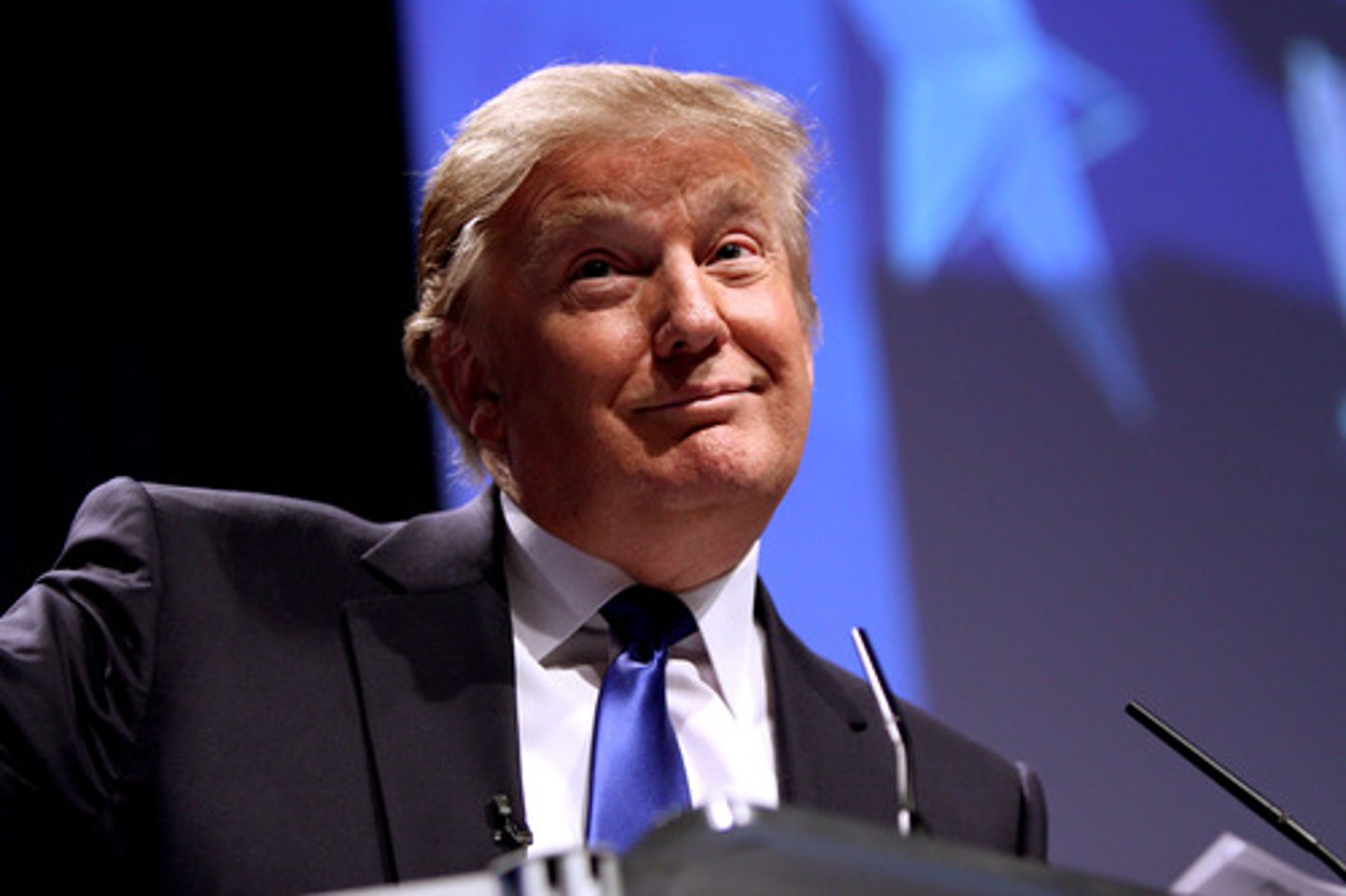
Donald Trump (Republican)
2024 Candidate for President
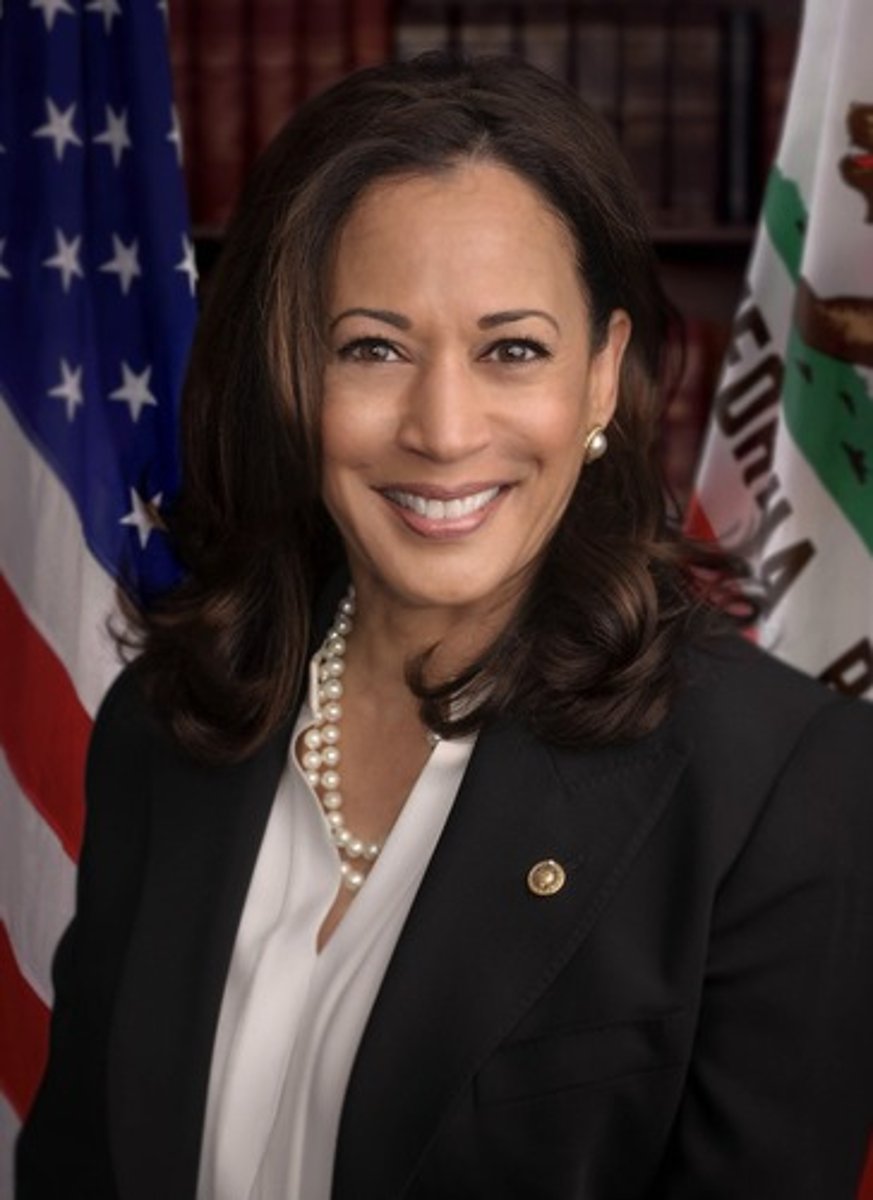
Kamala Harris (Democrat)
2024 Candidate for President
winner-take-all system
an election system in which the candidate with the most votes wins
proportional system
Maine and Nebraska; split electoral votes
US Territories voting
Cannot vote for President