Marketing - Exam 3 review
 Call Kai
 Learn
Learn Practice Test
 Spaced Repetition
 Match
Match Flashcards
 Knowt Play
1/65

There's no tags or description
Looks like no tags are added yet.
Name | Mastery | Learn | Test | Matching | Spaced | Call with Kai |
|---|
No analytics yet
Send a link to your students to track their progress
66 Terms
How are services different from products?
4 WAYS: intangibility, inseparability, variability, perishability
Intangibility
Services cannot be touched or physically possessed
EX: haircut, place flight, copyright
Variability
service quality can vary depending on who provides it and when its provided
EX: fruit size, weather patterns
Inseparability
Services are produced and consumed at the same time
EX: hospital and food, school and sport, haircut and makeup
Perishability
Services cannot be stores or later use
EX: stuff that expires, an empty airplane seat cannot be saved
What is a product?
Anything that can be offered in a market for attention, use, or consumption that satisfies a need or want
Consumer products
Products purchased by individual consumers
EX: car from dealership
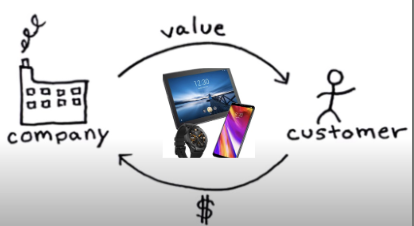
durable
long last stuff (ac unit)
nondurable
stuff not lasting for a while (local newspaper)
Convenience products
Items bought frequently, low price, minimal effort to purchase
examples: toothpaste, snacks
Shopping products
consumers compare price, quality and style
example: different kinds of JBL speakers
Speciality products
unique characteristics or strong brand loyalty
example: luxury cars, designer brands
unsought products
Products consumers don't normally think about buying
Example: life insurance, funeral services
Industrial products
products purchased for business use/production rather than personal consumption
example: car builders buying car parts
(MANUFACTURING PRODUCT)
What is a Brand?
things that identifies one seller's good or service unique from those of other sellers.
Examples: name, logo, packaging, design (barbie, adidas)
Why is branding important
it provides info to customers, creates reliability and trust, act as status symbols, encourage customer loyalty, allow companies to charge premium prices, help differenciate products from competitors
Individual Branding
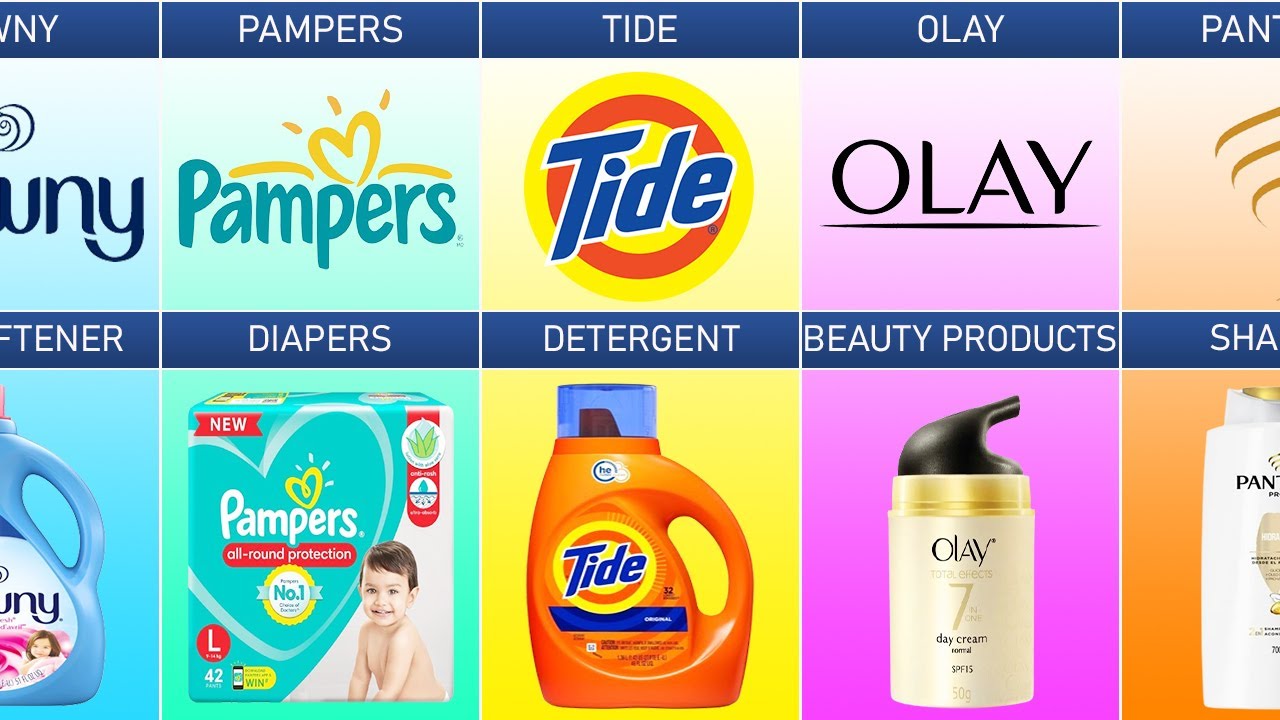
Each product has its own brand name.
EX: P&G owns different brands, but they have their own packaging LIKE……Tide Detergent, Pampers Diapers, Pantene Shampoo
Family Brand
multiple products share the same brand name
example: Apple products
National Brand
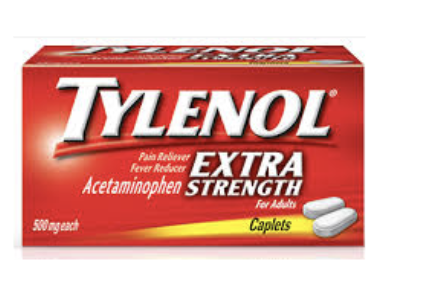
Manufacturer's brand thats sold nationwide
example: Tylenol
Private brand
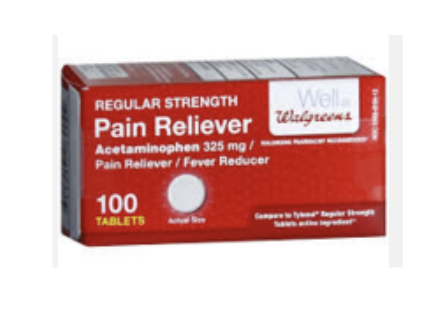
brand owned by retailers (store brands)
example: Kirkland (costco only) or walgreens
Brand Licensing
Allowing another company to use a brand name for a fee.
Example: MCD and Kpop demon hunters with kids meals
Co-Branding
Two brands used together on one product
example: DORITOS LOS TACOSSS
Ingredient Branding
Highlighting a branded component inside a product
example: case for a laptop is the ingredient
Brand Line extension
new variations within the same product category
Example: new flavors of a RedBull energy drink (RedBull category)
Brand Category extension
using an existing brand to enter a new product category
example: Crest toothpaste, floss, white strips (teeth category)
What is Innovation?
something new or different that is initially purchased by a small group and then spreads throughout populations
EX: Starbucks reusable cups, needohs
The Product Life Cycle (PLC)
Introduction, Growth, Maturity, Decline
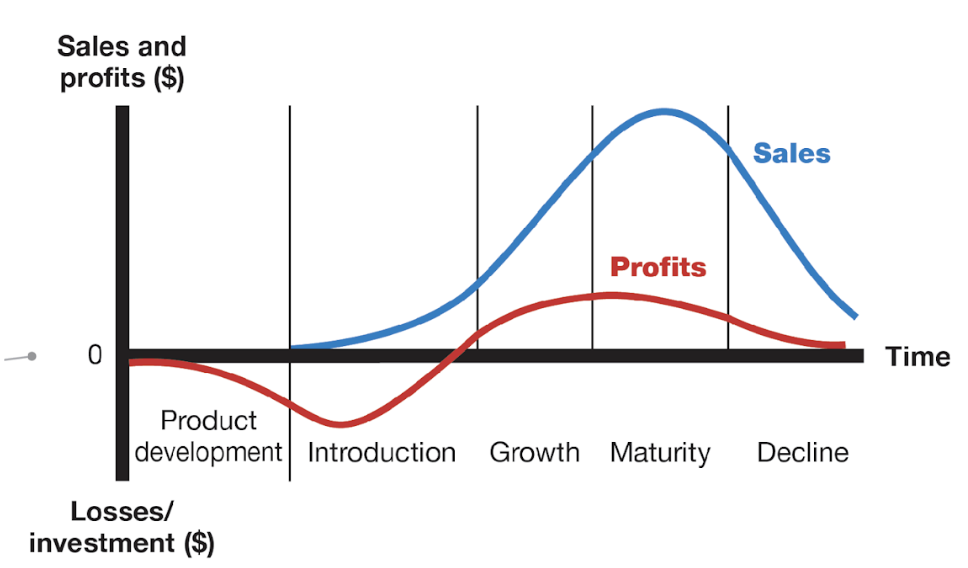
Introduction PLC
product launched
low sales
high promotion costs
Growth PLC
Sales increase quickly
profits grow
competitors enter
Maturity PLC
sales stablize
competition increases
marketing focuses on differentiation
Decline PLC
Sales decrease
product may be discontinued
What is Price?
the amount consumers must exchange to receive a product/service
its the only element of marketing mix that produces revenue, other elements create cost
EASIEST P TO ATTRACT ATTENTION!!!
Pricing Objectives
Sales objective (increase market share)
Profit objective (maximize profit)
Competition objectives (match/beat competitors)
Cost based pricing
Price is determined based on production costs plus a markup price
Value based pricing
price is based on customer perceived worth rather than just cost
Profit Formula
(Price × Demand) – (Fixed costs) – (Variable costs × Demand)
Break-even analysis
Determines when revenue equals total costs
Formula: fixed costs / (Price - variable cost)
BEP (units)
total fixed costs / contribution per unit to fixed costs
contribution per unit to fixed costs
selling price per unit - variable cost per unit
BEP (in $)
total fixed costs / (variable cost per unit / price per unit)
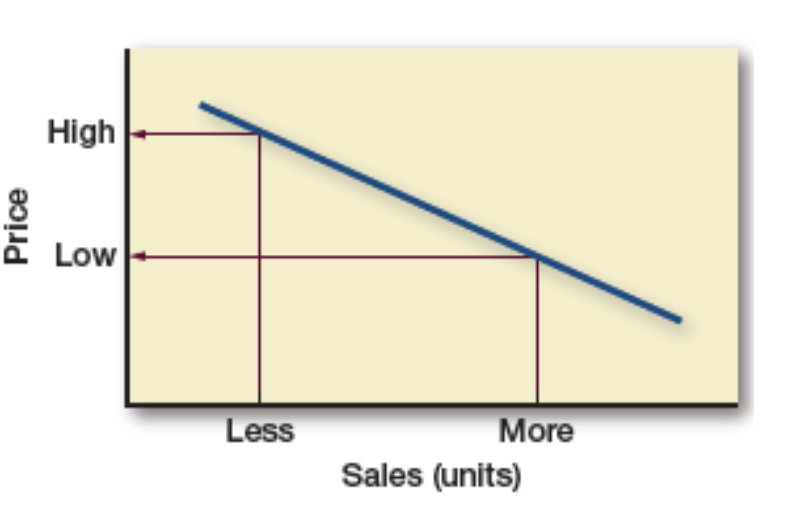
Demand curve
Shows relationship between price and quantity demanded.
higher price = lower demand
lower price = higher demand
Price Elasticity
measures how much demand changes when price changes
formula: % change in demand / % change in price
large changes in price will cause small changes in demand
% change
old price - new price / new price
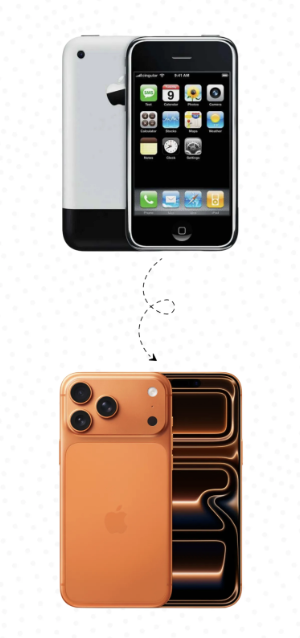
Marketing skimming pricing
high intial price
target customers willing to pay more
often used with new techology products
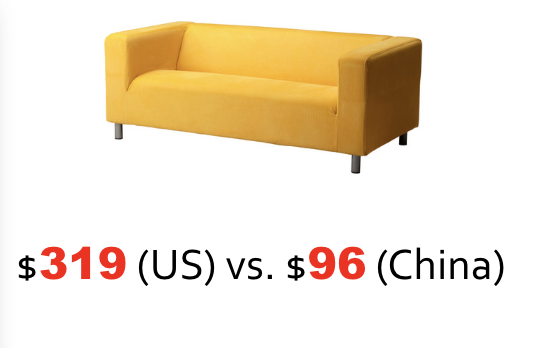
market-penetration pricing
low inital price
designed to quickly gain market share
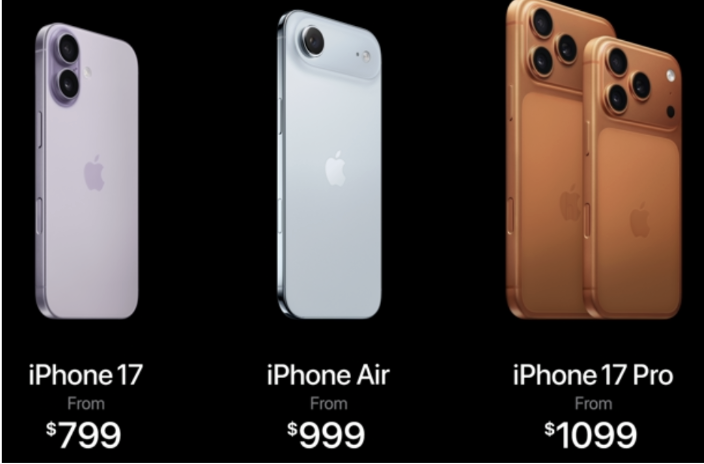
Product line pricing
setting prices for an entire product line rather than a single product
(line of a product in different versions (REDBULL EXAMPLE)
optional-product pricing
pricing optional add ons for the main product
EX: screen protector for iphone
captive product pricing
product that must be used with another product
Example: printers and ink cartridges
Product bundle pricing
selling multiple products together for a lower combined price
Example: sephora perfume bundles, MCD $6 meal deal
Segmented pricing
selling the same product at different prices to different customers
EX: Depop (making offers)
Dynamic pricing
prices change continously based on customer demand or situation
EX: ticketmaster resalers, needoh resellers, uber
What is promotion?
coordination of marketing communication efforts to influence attitudes or behavior
EX: BOGO, free samples, loyalty rewards
Promotion mix elements
advertising
content creation
direct marketing
public relations
sale promotion
Advertisment
any paid form of nonpersonal communication, presentation and promotion of ideas, goods, services by identified sponsor
must EDUCATE, EMPHASIZE and ENSURE target audience
key tool of promotion
Content creation
UGC and social media marketing
direct marketing
Direct communications with carefully targeted individual consumers
Narrow ads to a specific audience/person
EX: period products for women
Public Relations (PR)
building good relations with the company's publics through favorable publicity, a good corporate image and effective handling of unfavorable news
EX: press release, sponsorship marketing, PR packages
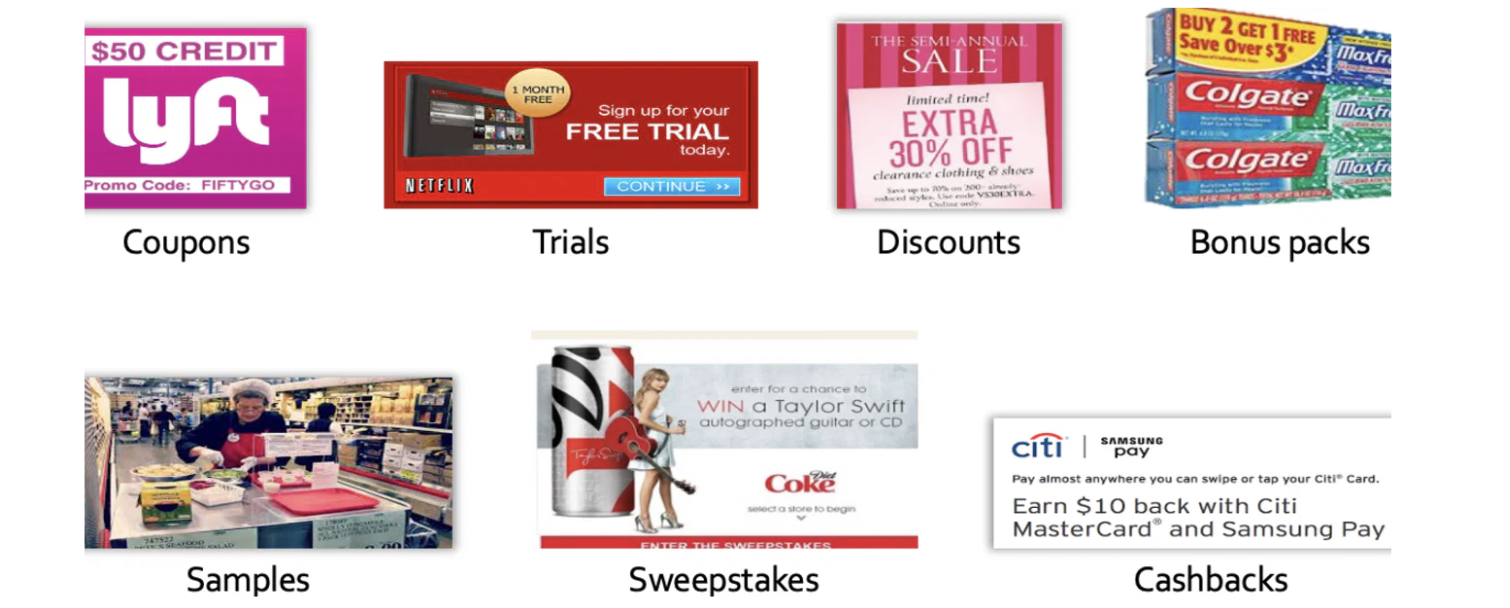
Sales promotion
short-term incentives to encourage purchase or sales of a product or service
EX: bonus packs, samples, cashbacks, dicounts, free trails, coupons
Marketing Channel
set of organizations involved in making a product or service available for use or consumption
Include: manufacturer, wholesaler, distributor, retailer, customer
Direct distribution channel
producer —> consumer
EX: farmers market: from seller to customer
LULULEMON: sells products from its stores
indirect distribution channel
producer —> intermediaries → customer
it directs you to a seller/store/market
EX: The 3M website
Hybrid distribution channel
Combines direct and indirect selling methods.
EX: Nike
4 types of intermediaries
wholesalers, distributors, agents/brokers, retailers
Intensive distribution
product is available in as many outlets as possible
example: ramen packets
Selective distribution
product sold in a limited number or stores
example: FORD car dealership/ CarMax
exclusive distribution
Product only sold through only one or a few retailers
Example: Kirkland (costco products) or Tiffany and co. Jewelry