ARTH 109 Quiz 2
 Call Kai
 Learn
Learn Practice Test
 Spaced Repetition
 Match
Match Flashcards
 Knowt Play
1/29

There's no tags or description
Looks like no tags are added yet.
Name | Mastery | Learn | Test | Matching | Spaced | Call with Kai |
|---|
No analytics yet
Send a link to your students to track their progress
30 Terms
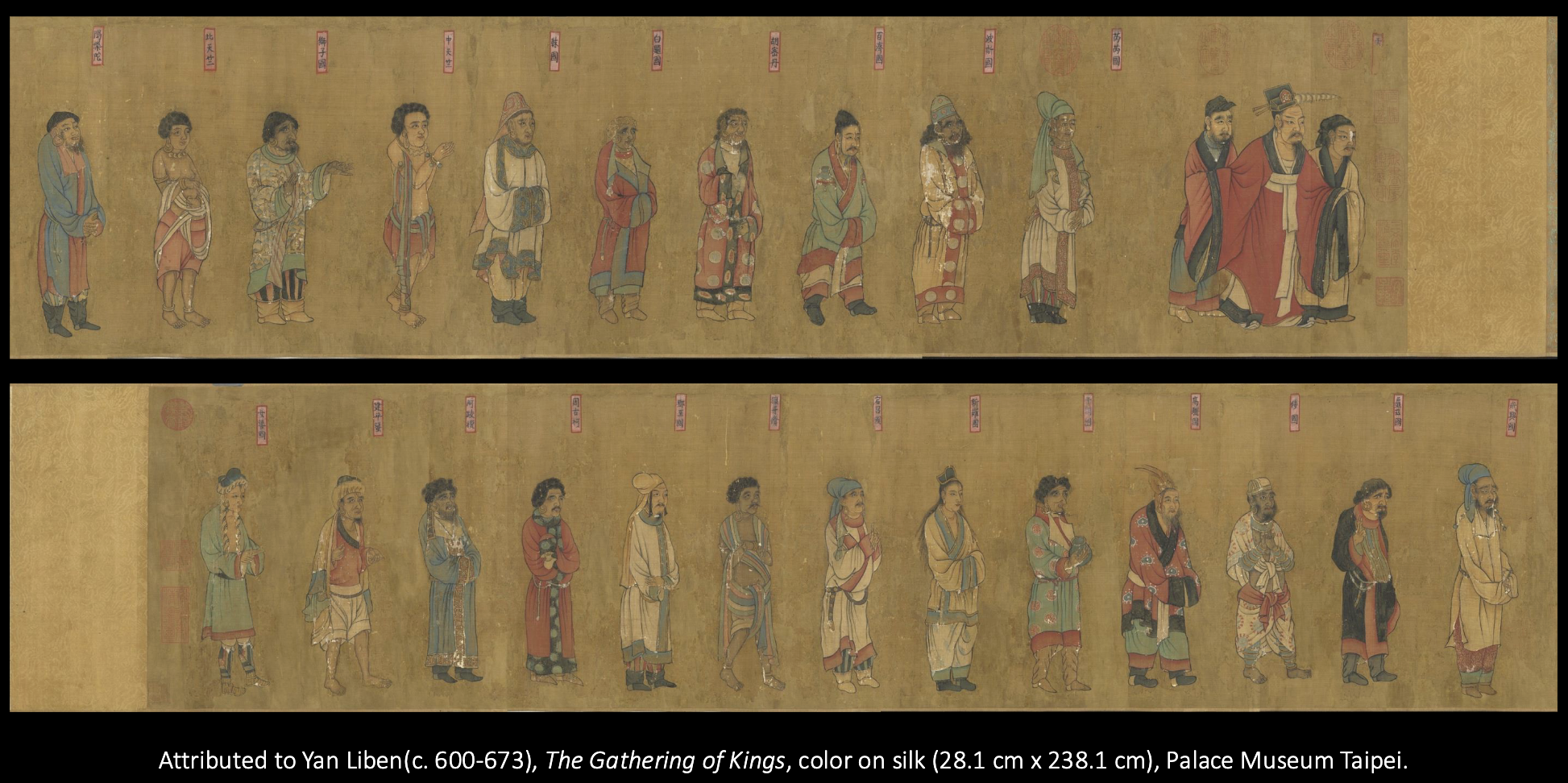
The Gathering of Kings
Kings from different cultures and kingdoms
Sassanian, khotan, goguryeo, srilanka
Came to chang’an to give king gfts
Chang’an “Perpetual Peace”- Cpaital of tang dynasty
Most cosmopolitan and international center at the time
Shows that people during the Tang empire were aware of and interacted with their neighbors
Can also see how people dressed at that time in different cultures
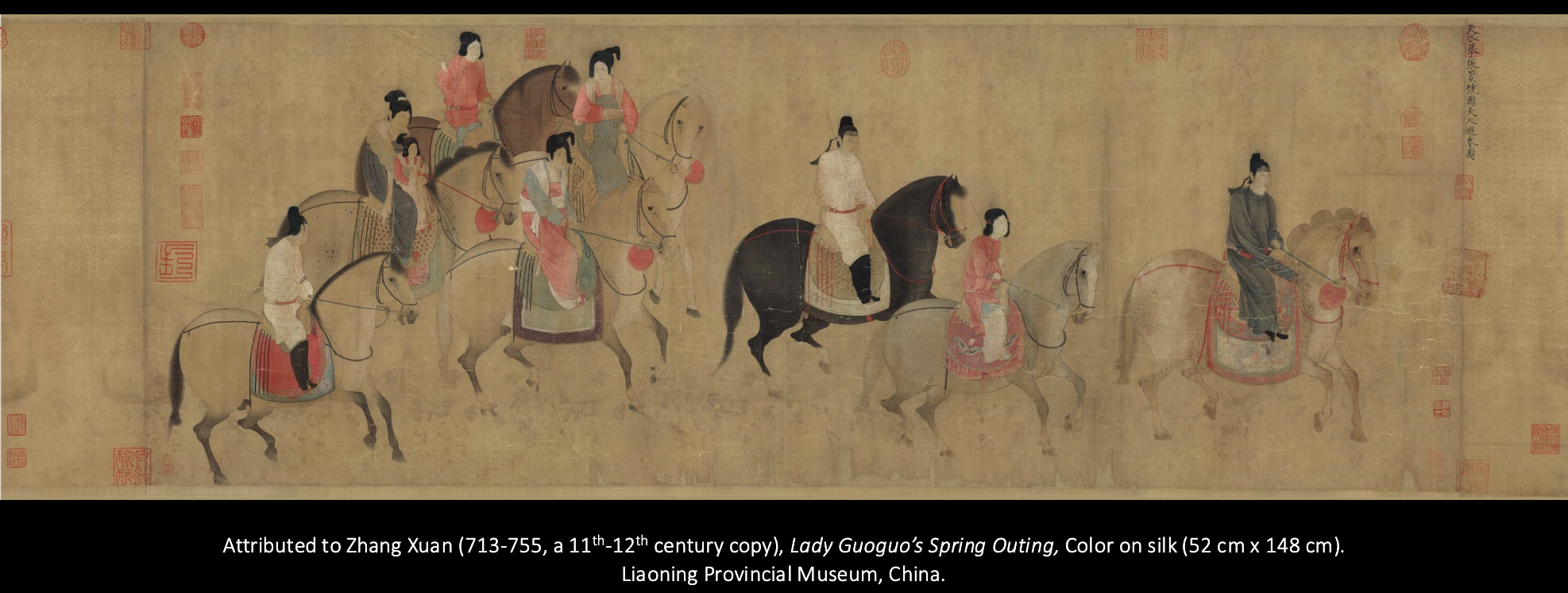
Lady Guoguo’s Spring Outing
She's riding horses with other women
Hard to tell which one is Lady Guoguo because women were also able to wear men's clothing
Hu figurines during the Tang dynasty: Female figures are riding horses, playing polo, and wearing men’s robes
Showed increased power with women during this time
Can sometimes tell if the figure is wearing lipstick
Show women have a different and higher social status than women in previous dynasties
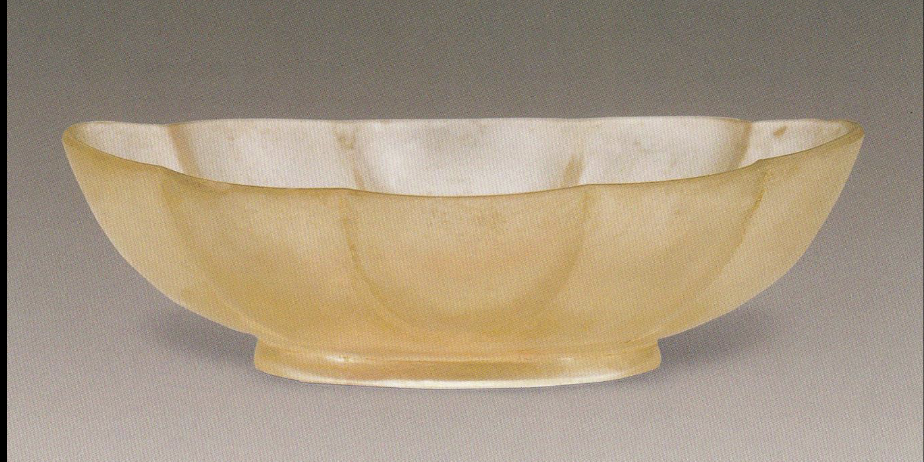
Crystal lobed elliptical bowl
Hejia Village Hoard (Tang Dynasty)
Only object made from crystal, dating back to the Tang dynasty, very thin
Similar to the Sassanian lobed elliptical bowl found in Iran
But this bowl does not have motifs
Also, a similar jade lobed bowl was found in Hejia village
This bowl has decorations, but they are different from Sassanian
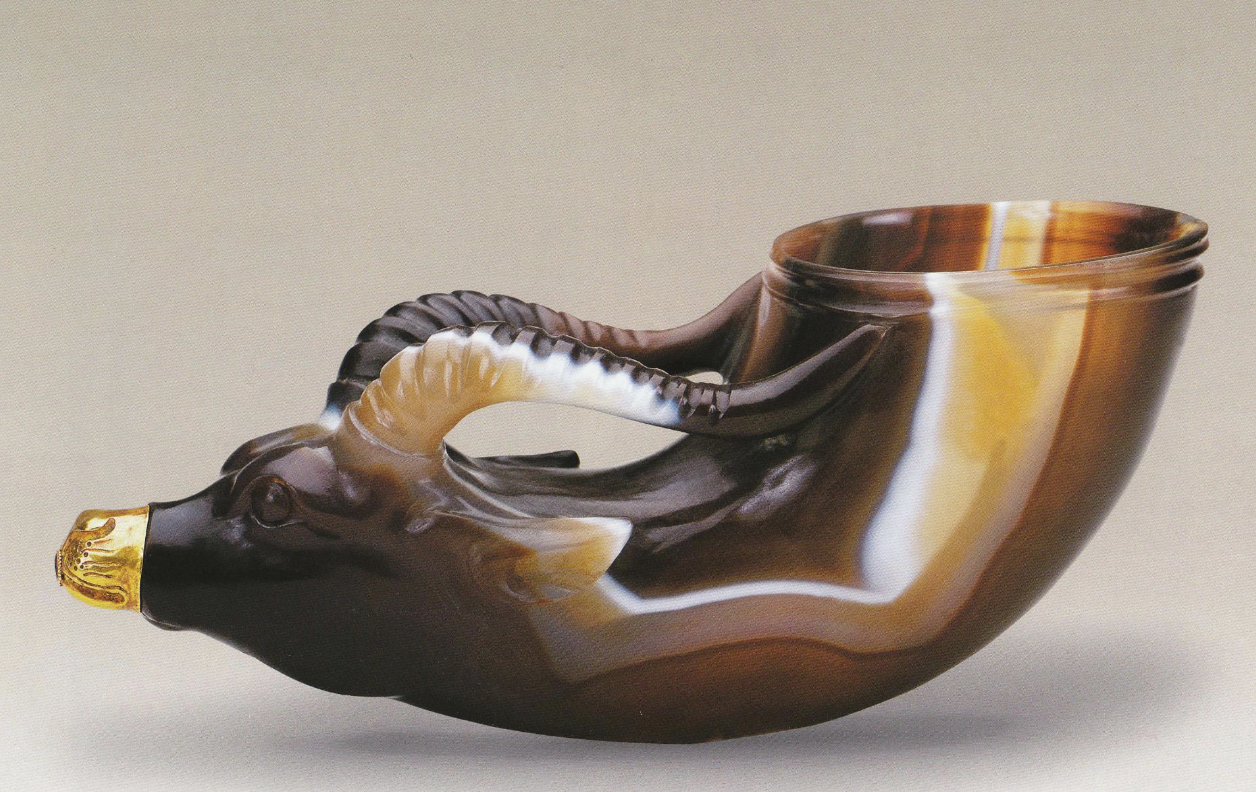
Agate Horn Rhyton (shape of bull’s head)
Hejia Village Hoard (Tang Dynasty)
Drinking vessel in the shape of a bull’s head, drink from the side
Dates back to 2nd century bce in Iran
Also seen in Roman fresco painting, Sogdian art
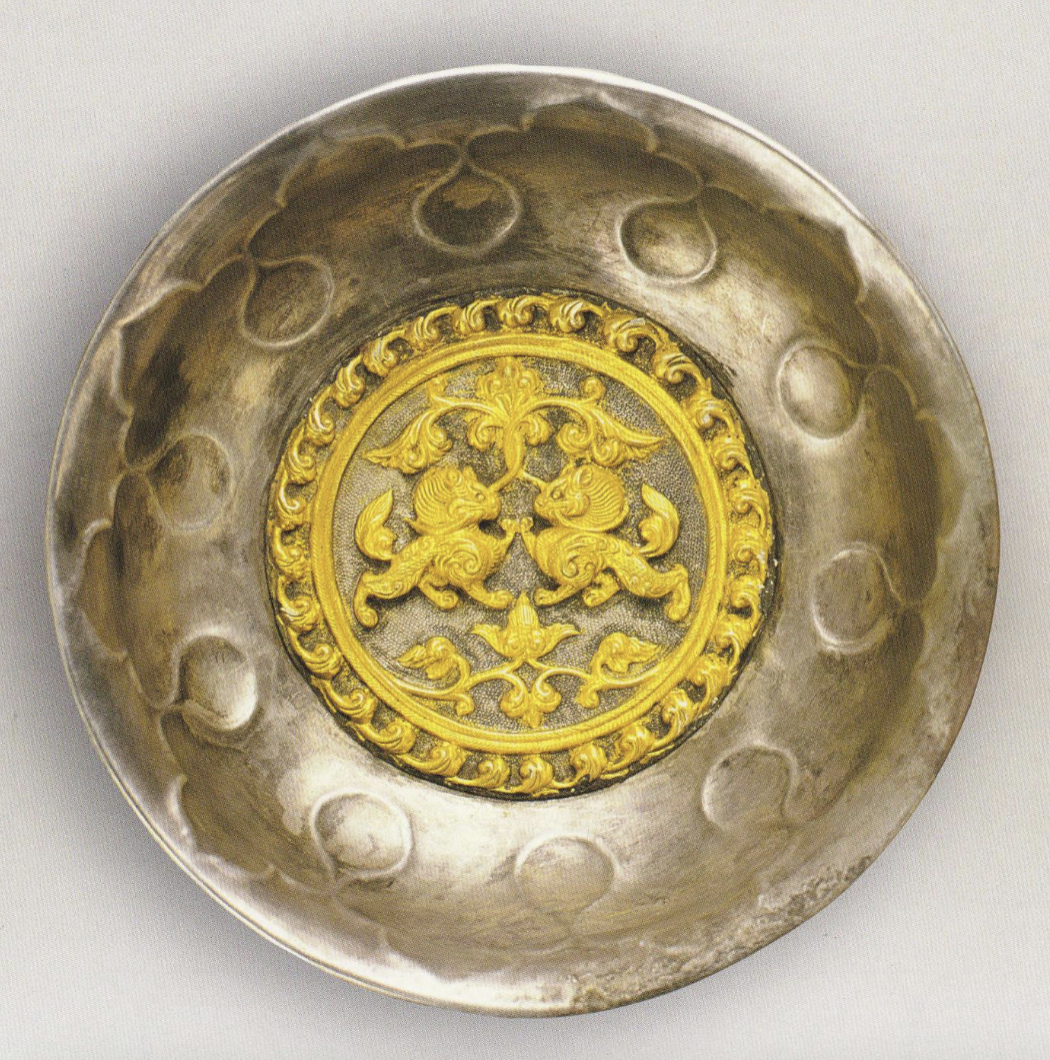
Gilt silver bowl with two lion patterns
Hejia Village Hoard (Tang Dynasty)
Technique similar to Sassanian metal work
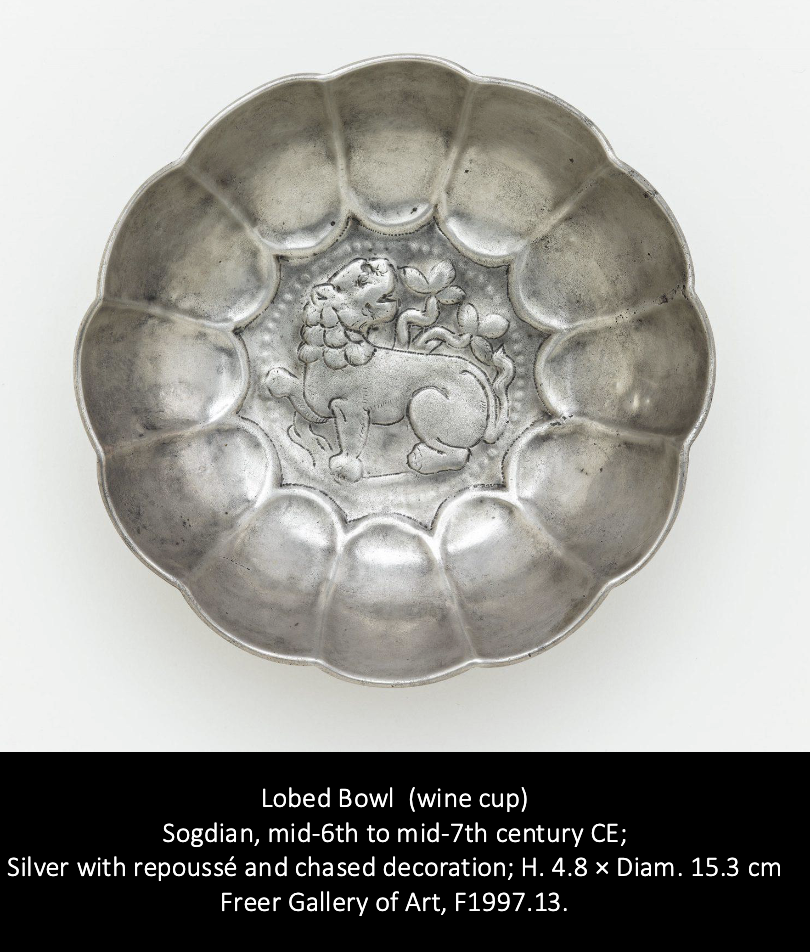
Similar designs to the Sogdian bowl (wine cup)
animal at the center, lobed pattern
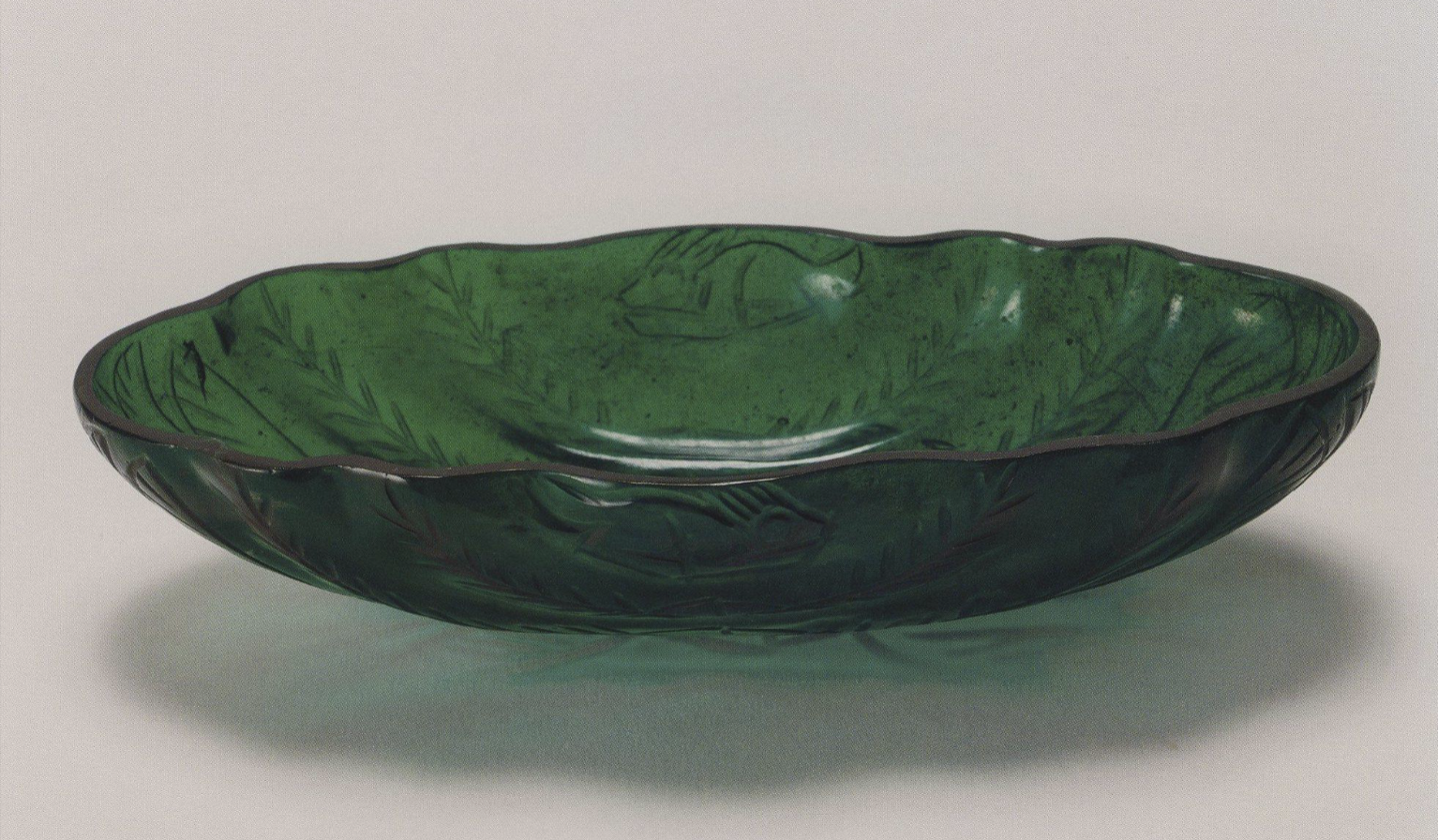
12-lobed oblong cup of green glass
Shoso-in collection in Japan
Emperor shomu and empress komyo
Both Buddhists and established several monasteries
Similar to crystal lobed bowl in Hejia village hoard (pattern originates from Iran)
Silver Incense Burner
Shoso-in collection
No matter how hard you shake this, the center remains stable and upright
Smaller one found in Hejia village
Found its way to Italy, became a valuable item, seen in european art in 16…
Japan→ central asia→ europe
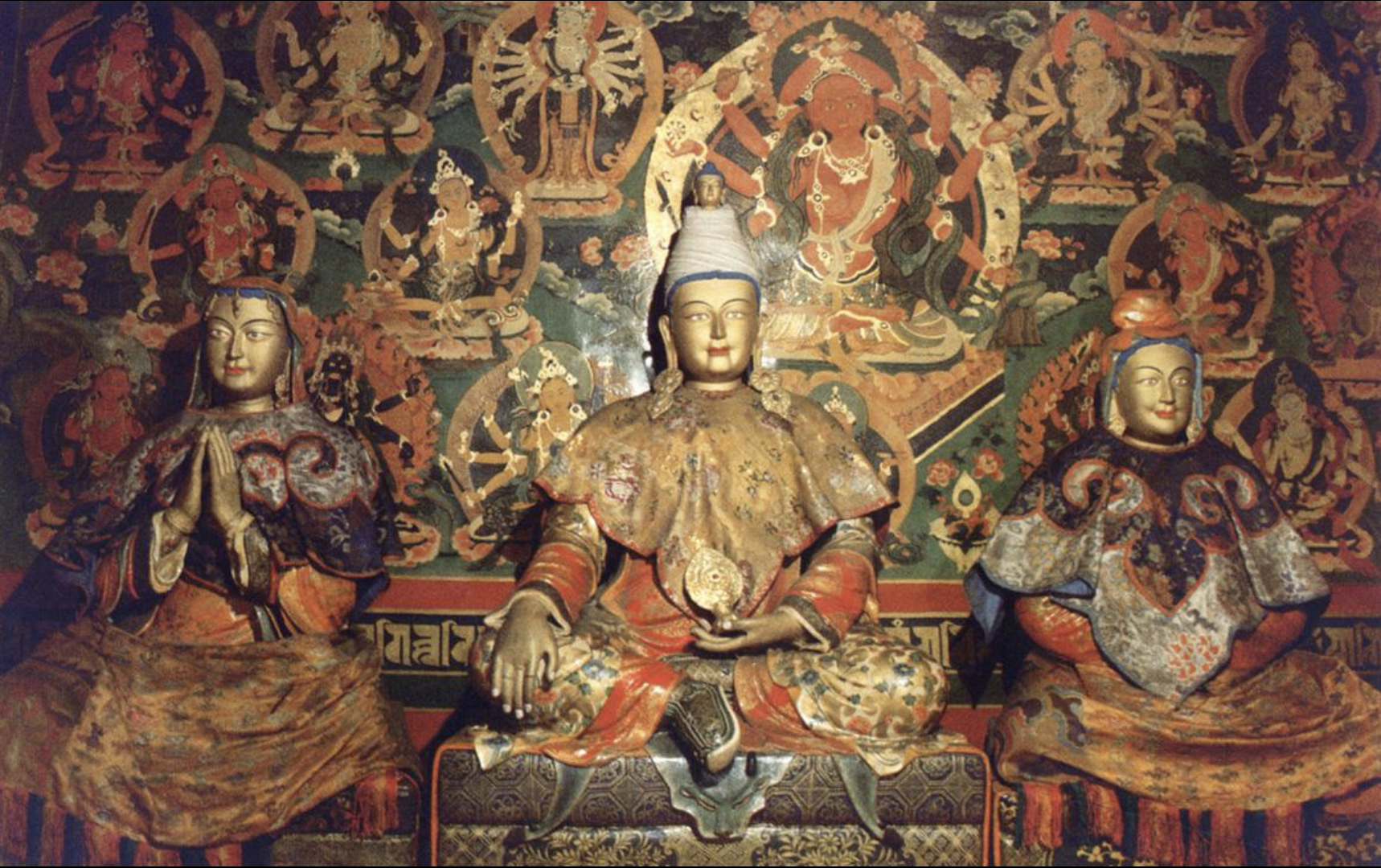
Songtsen Gampo, Princess Wencheng (china) and Princess Tritsun (nepal)
Songtsen Gampo- 33rd Tsenpo of Yarliung Dynasty (tibetan king), introduced buddhism to Tibet, Tibetan scripts created during his time
Princess Tristsun– literally translates to “princess princess” in tibetan
Didn’t know if she actually existed
Princess Wencheng of China
Her history is well-recorded
Came from imperial family of the Tang, daughter of military official
Short marriage bc emperor died, she stayed in Tibet and died there
Credited with brining China goods and ideas to tibet, and the ppl really like her
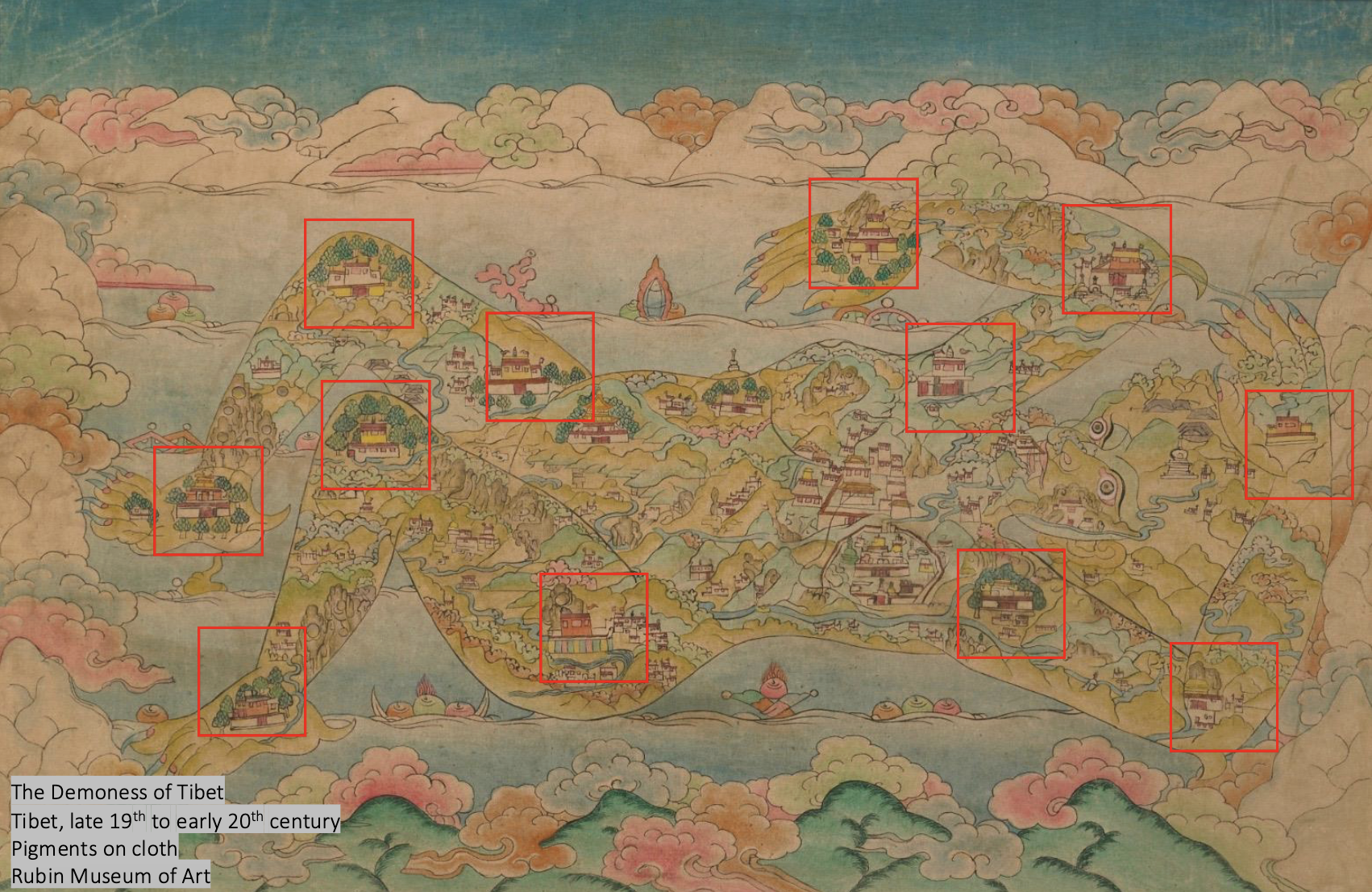
The Demoness of Tibet
When Princess Wencheng arrived in Tibet, she wanted to build buddhist monasteries, but it was hard because Tibet was on a demoness
Must have 12 monasteries across her body (joints, hands, feet, knees, etc) so she cannot move
Built one last monastery on her heart, Jokhang monastery
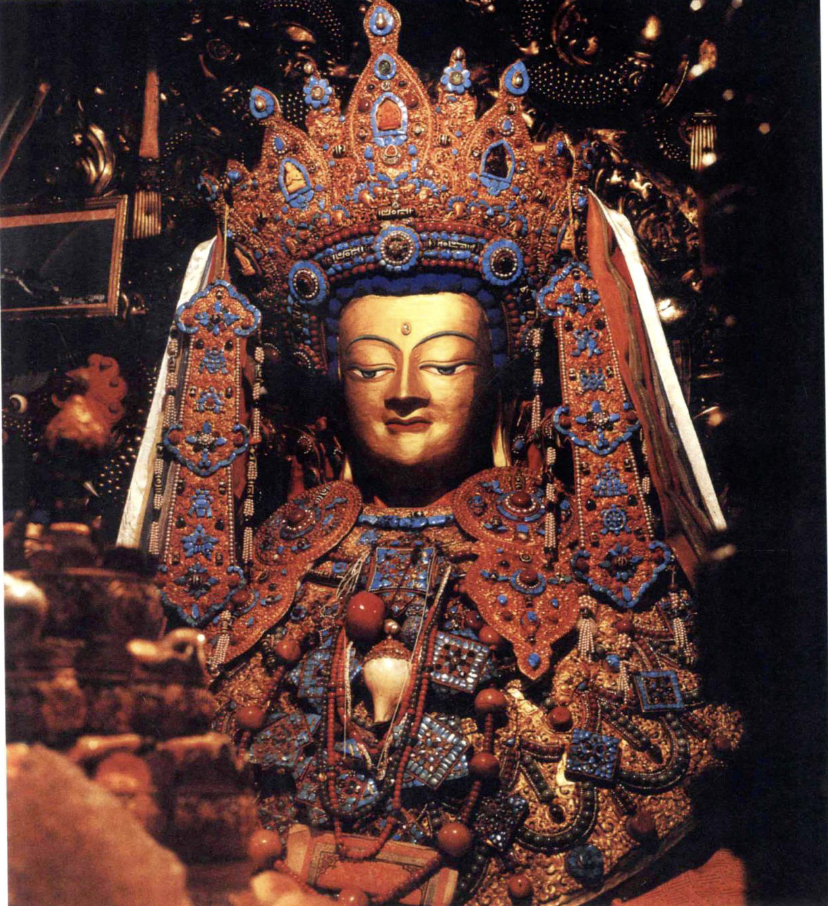
Jowo Shakyamuni, Jokhang
The most famous and holiest image in Tibet
Argued about where and when the sculpture was created
Tibetans believed this was a true image of the Buddha Shakyamuni
This is problematic because we learned the earliest image was in the Great Stupa in India
So there is likely no image of the Buddha when he was alive (500 BCE)
They believed it was blessed by teacher (historical Buddha, Buddha Shakyamuni)
Believed it was a gift from an Indian King
Because it’s impossible for this sculpture to have been made in 500 BCE
This sculpture is different from other 7th-century sculptures (chin protrudes more)
Similar to Buddha in the Mahabodhi Temple in India from the 11th to 12th century
This proves the jowo sculpture is not from the 7th century
Tourists can no longer see this sculpture because Tibetans believe its so sacred
Temple only open for Buddhists and Tibetans in the morning
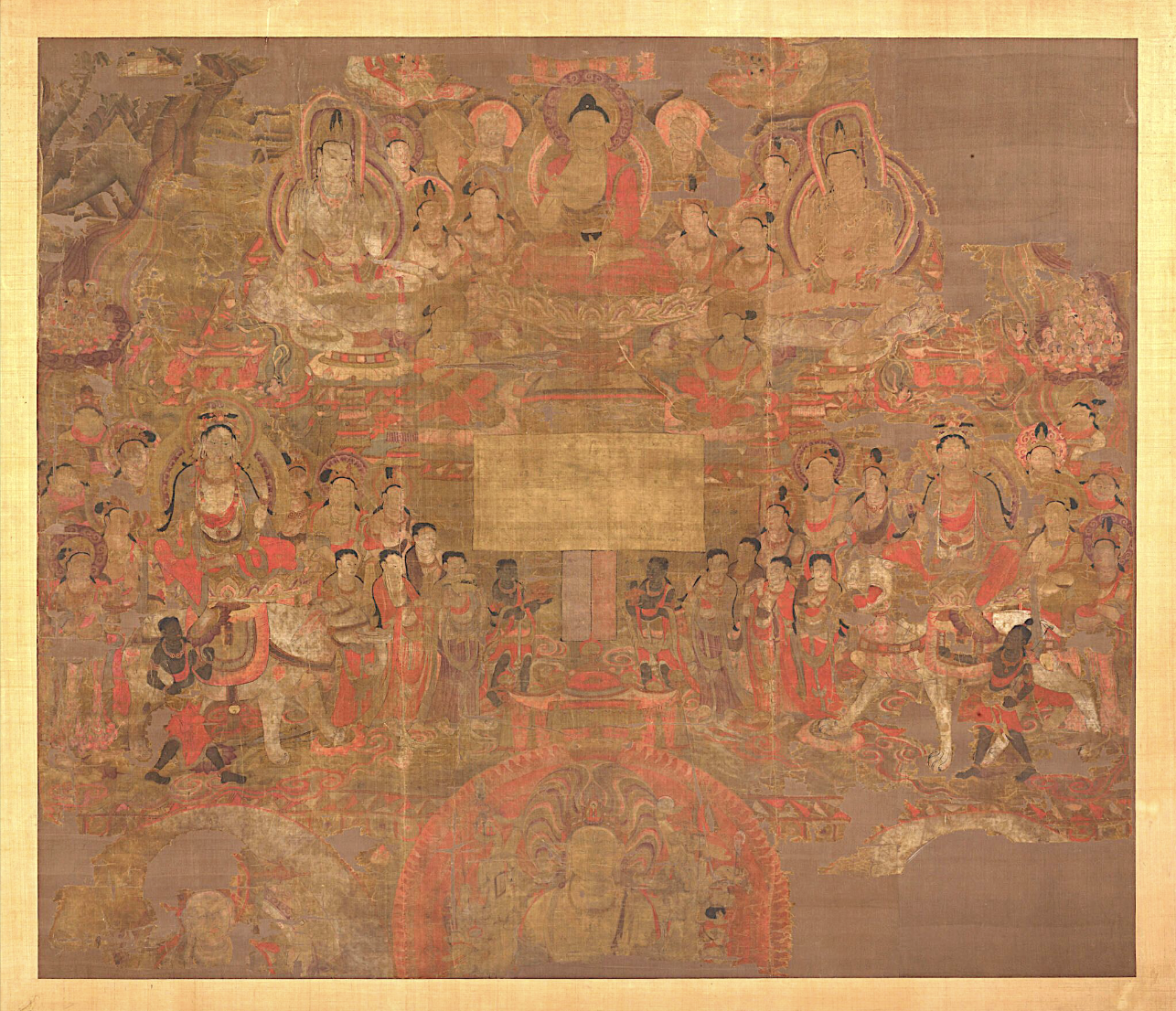
Paradise of the Medicine Buddha
discovered in Library Cave (Dunhuang)
9th century
Blank box at the center of the painting with 2 inscriptions
Chinese inscription
Tibetan inscription identified the deity and the painter, year of the dragon
The earliest name on a painting that has the name of a Tibetan monk
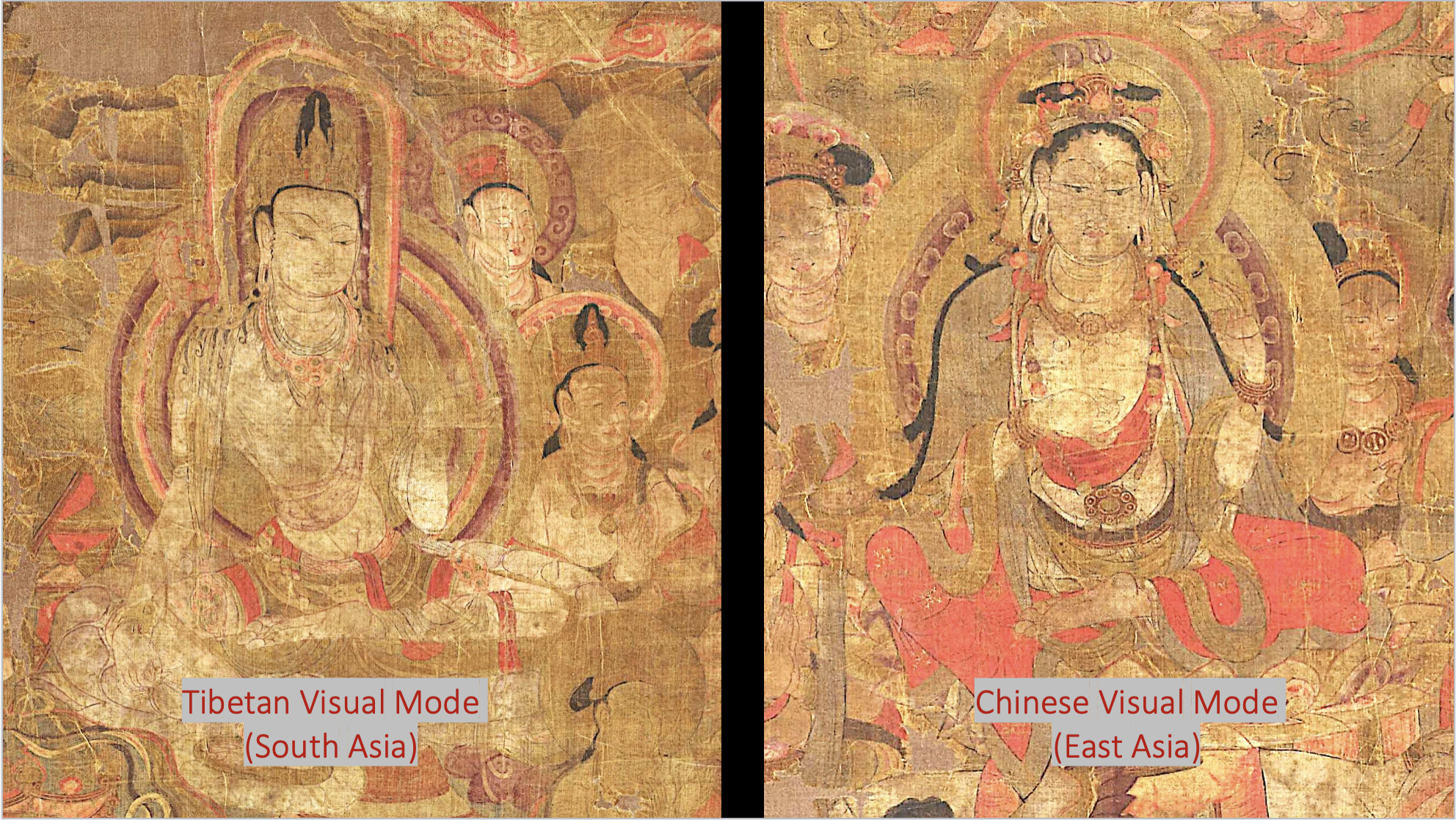
Compare tibetan and chinese visual mode, and be able to tell why each one is different
(3 figures painting)
Right bodhisattva (tibetan visual mode)
rectangular “U” shape
Dynamic position with a small waist
Seagull eye shape
body more exposed
Left bodhisattva (Chinese visual mode)
circular halo
body more covered by Chinese style clothing,
posture more upright and centered
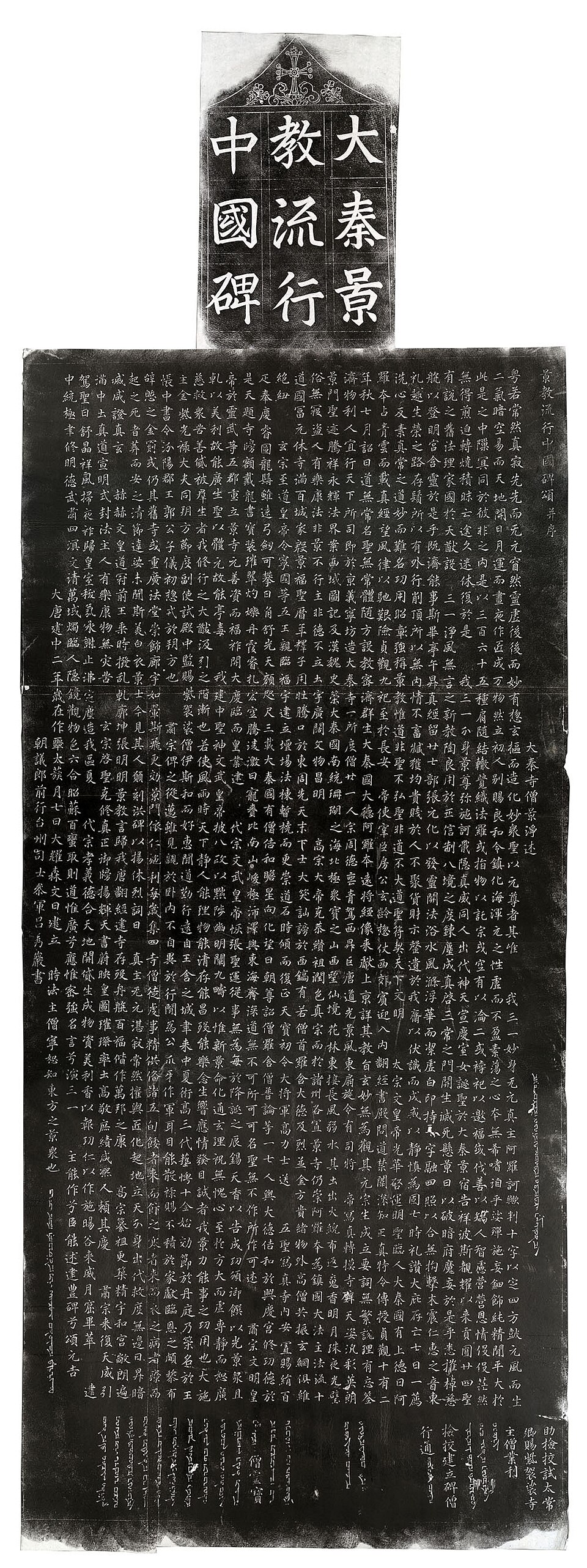
Xi’an Stele (Jingjiao/Nestorian Stele)
erected by Jingjing, Syriac name was Adam
records history of the Christian community in Tang China, contains both Chinese and Syriac inscriptions (localization and foreign identity)
a cross (Christianity), clouds, and a lotus (Buddhist motif)
Typically see a Buddha above a lotus base, but here we see a the cross
Eastern cross, pearl shape in the middle, more centered
Christian symbolism expressed through Daoist and Buddhist visual language
Manichaeism: absorbed elements from Christianity, Zoroastrianism, and Buddhism (?)
781 CE
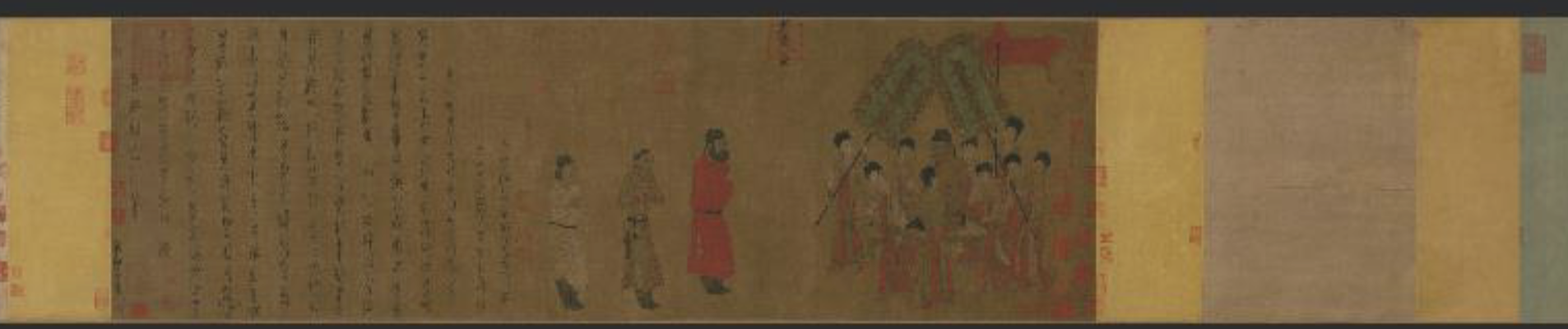
Emperor Taizong of tang receiving the Tibetan Envoy
likely Song Dynasty
Person in a patterned robe is Tibetan
Came to court to ask for marriage, (later married Princess Wencheng)
He doesn’t look like other common Tibetans, according to Dunhuang pieces, Tibetans wore more flowy, v-neck robes without patterns
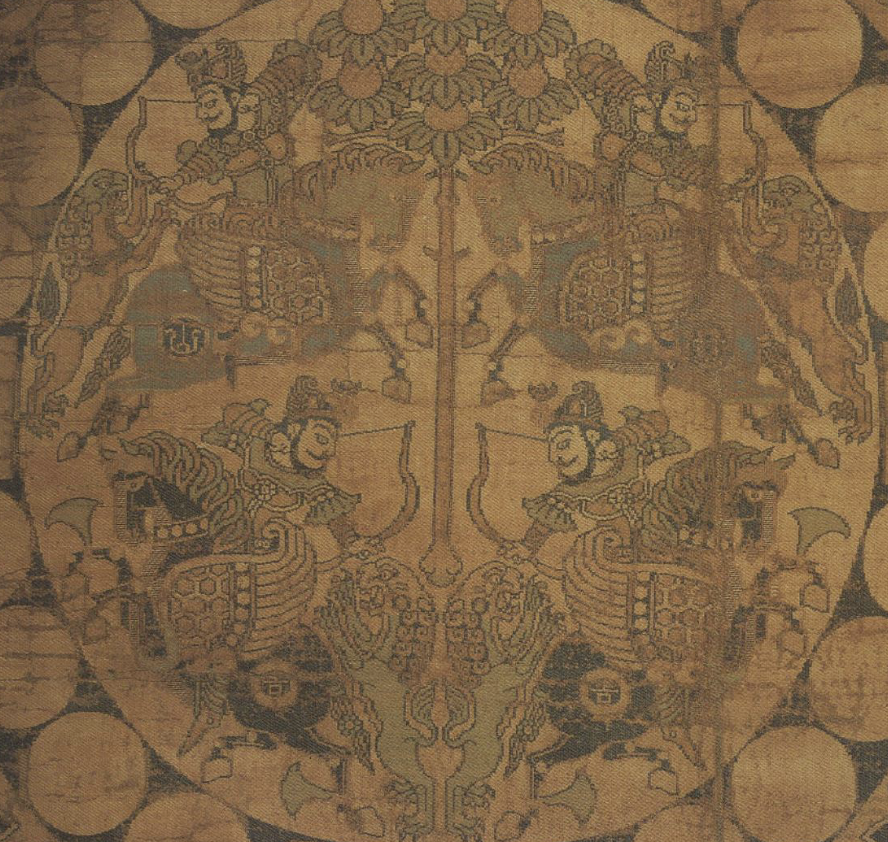
Pattern of the robe in the painting
Roundel with animal in the center, beaded jewel pattern
Similar to clothing of the ambassadors from Iranian states
Artist may have been confused and just painted him as a central asian
Important to note how it is important to be critical because not every figure may be depicted accurately
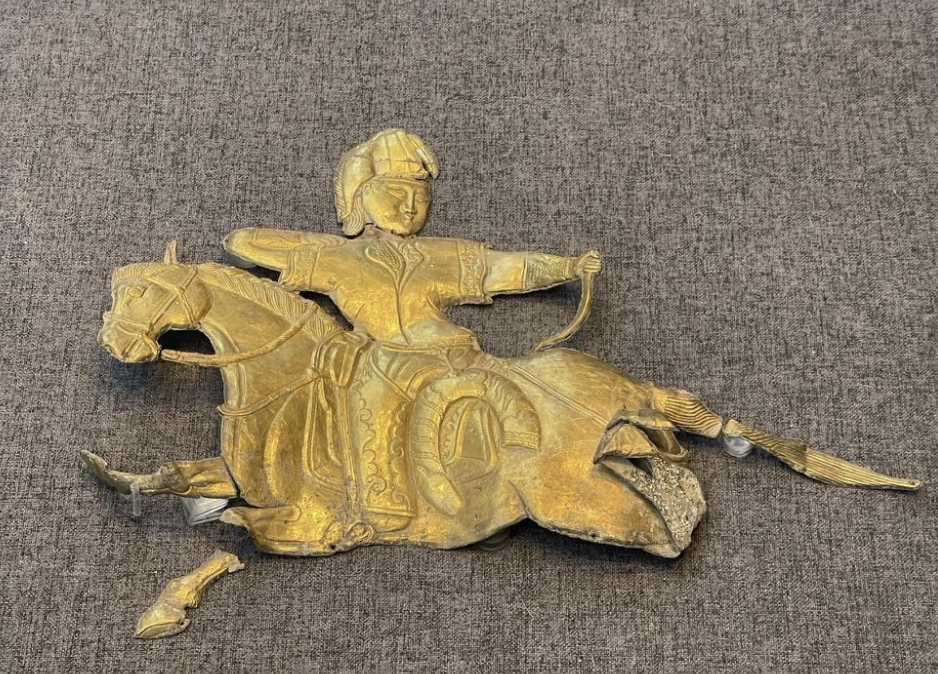
Gold artifact from Xuewei Tomb No.1
Pro-Tibetan Tuyuhun tomb located in Dulan/Eastern Tibet
Tuyuhun kingdom split, some stayed under rule of tibetan, others went to Tang China
Parithian Shot: Running away on horse, turn around shoot them
This tactic was made popular by Parthians
Earliest parthian shot artifact is found in Iran
Also seen in Korean art
In Japan, the parthian shot was put in a roundel (Horyu-ji Collection 6-7th century)
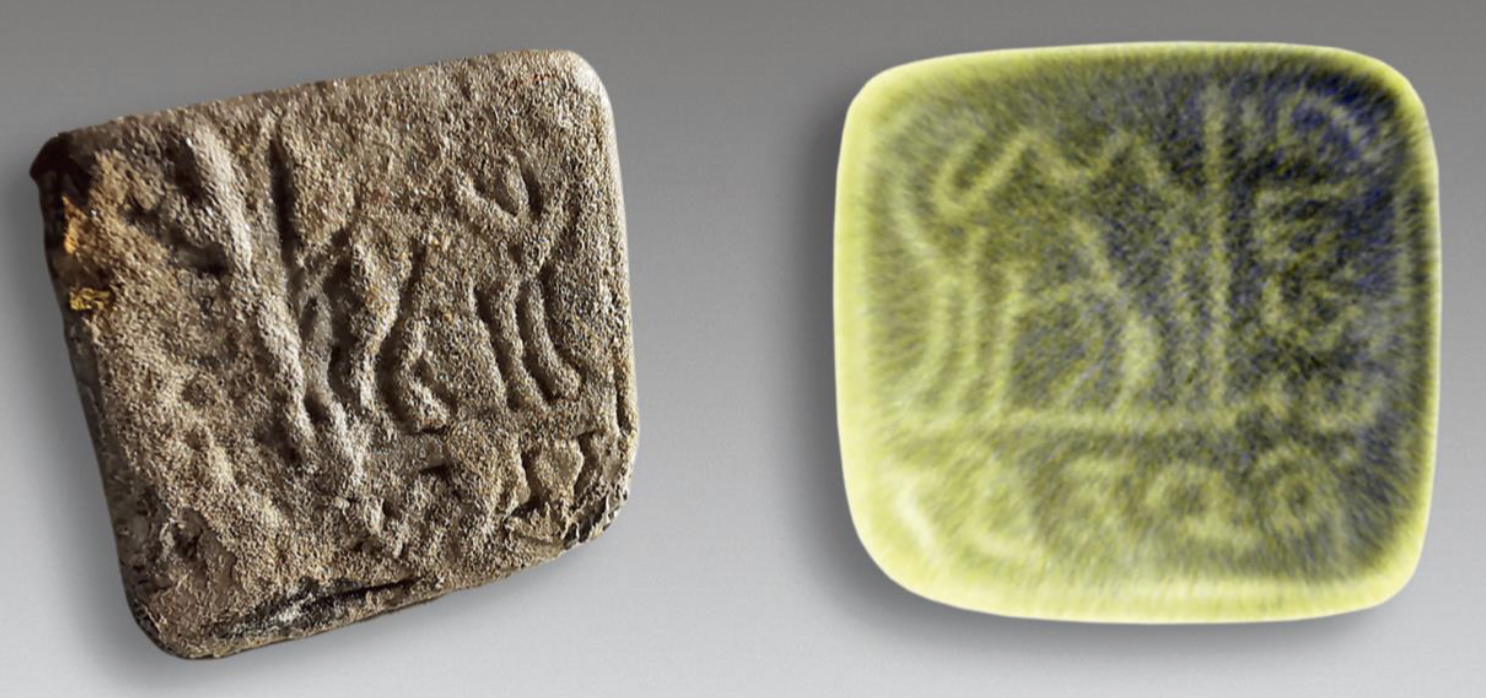
Seal excavated from Xuewei Tomb No. 1
8th century
“Seal of the King of Achai The Nephew” in Tibetan
King Achai, king of Tuyuhun under tibetan kingdom?
Mother was Tibetan princess,
pro-tibetan Tuyuhun
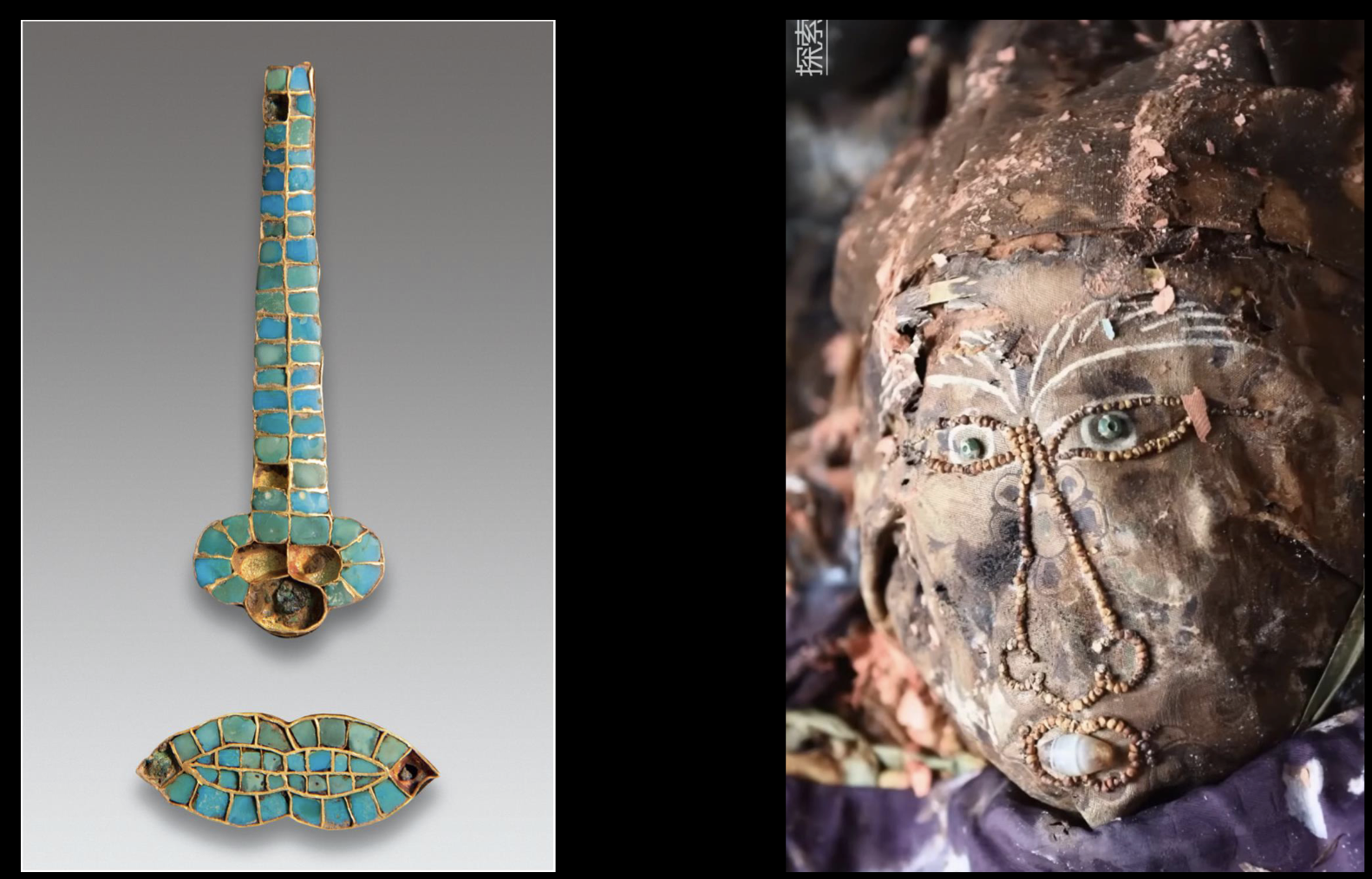
“funerary mask” of Murong Zhi
found in tomb of Murong Zhi (7-8 century)
Pro-Tang Tuyuhun
Grandson of the last ruler of the independent Tuyuhun kingdom
Mother was the princess of the Tang Empire + he served as a Tang general
mouth piece and nose
Piece of silk covering his face with paintings on his face (on the silk)
Seeds, agate, and glass beads to draw out facial features on the silk
Chinese and Tibetan people have gold funerary mask
Tibetan people seem closer to nomadic people in the North
Family commissioned for a new tomb back in tuyuhun, to return home
They always went back to their cultural root and where they were born
Funerary mask seem to be shared practice with tuyuhun people
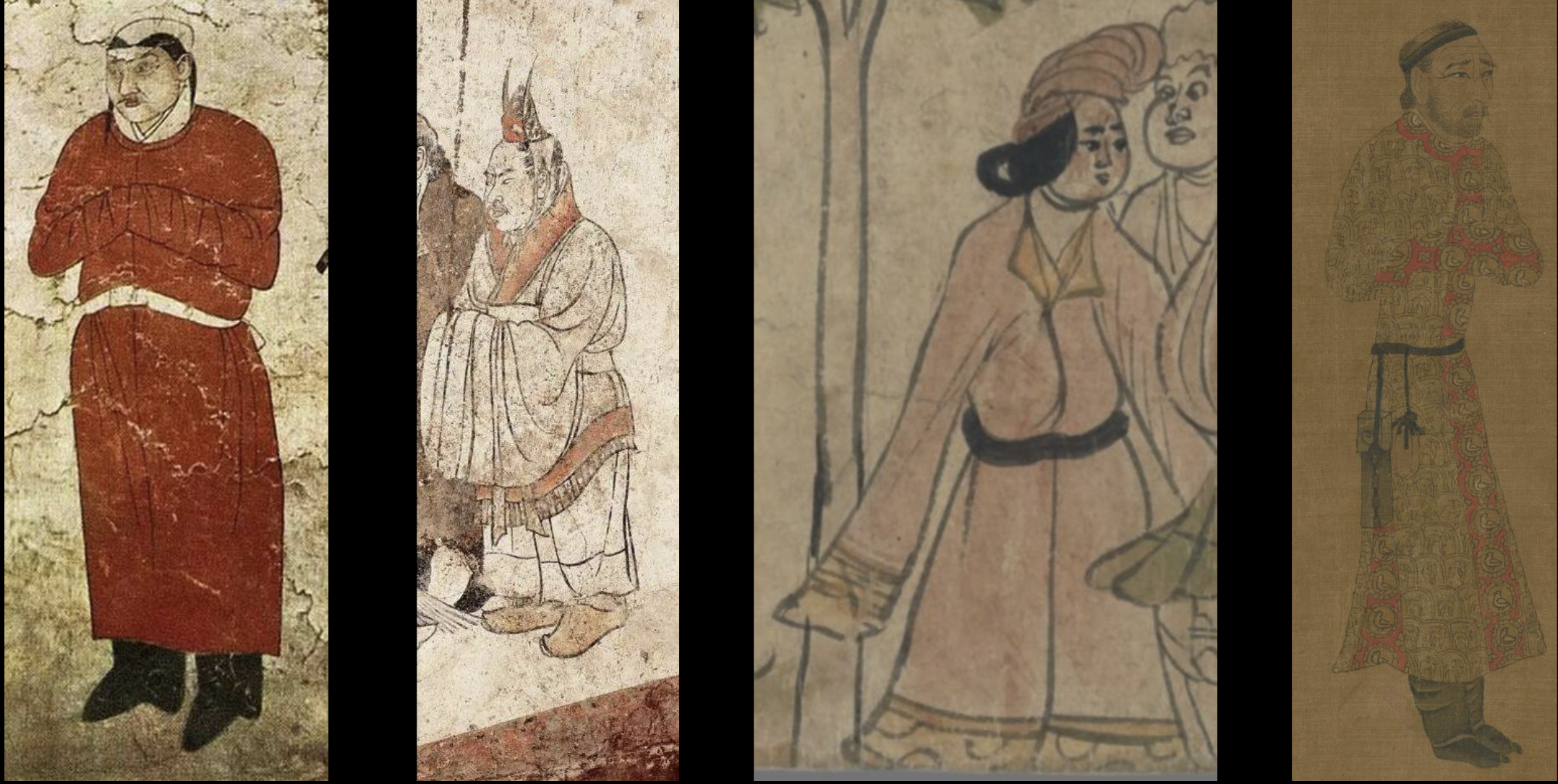
Identify these people
1st Khitan (based on hairstyle), 2nd korean, 3rd tibetan, 4th central asian (based on the pattern of the robe)
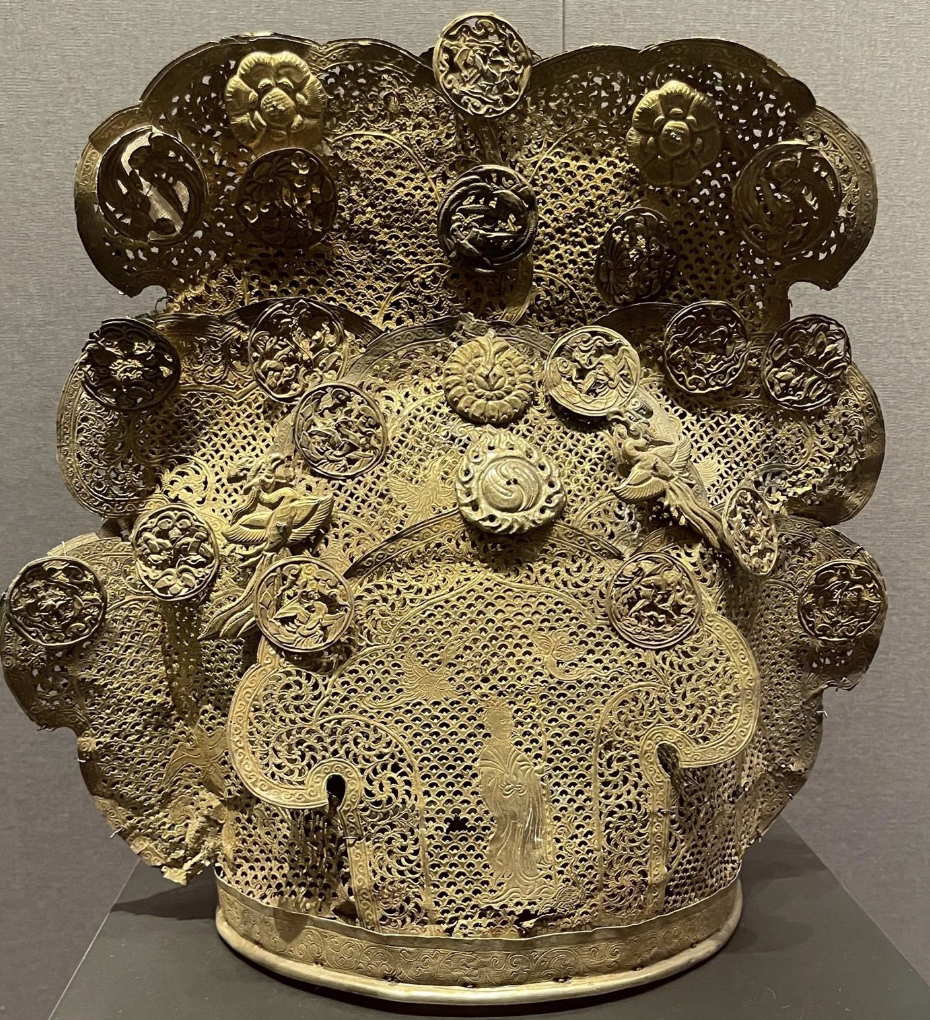
Gilded Silver Crown of Princess of Chen’s Husband
Khitan Liao Dynasty, 10-11th century
Daoist Deity is depicted in the crown, we know it's Daoist because it has a beard (don’t see beards with Buddhism)
doesn’t have leaves like the Afghan, three Yan, and Korean crowns
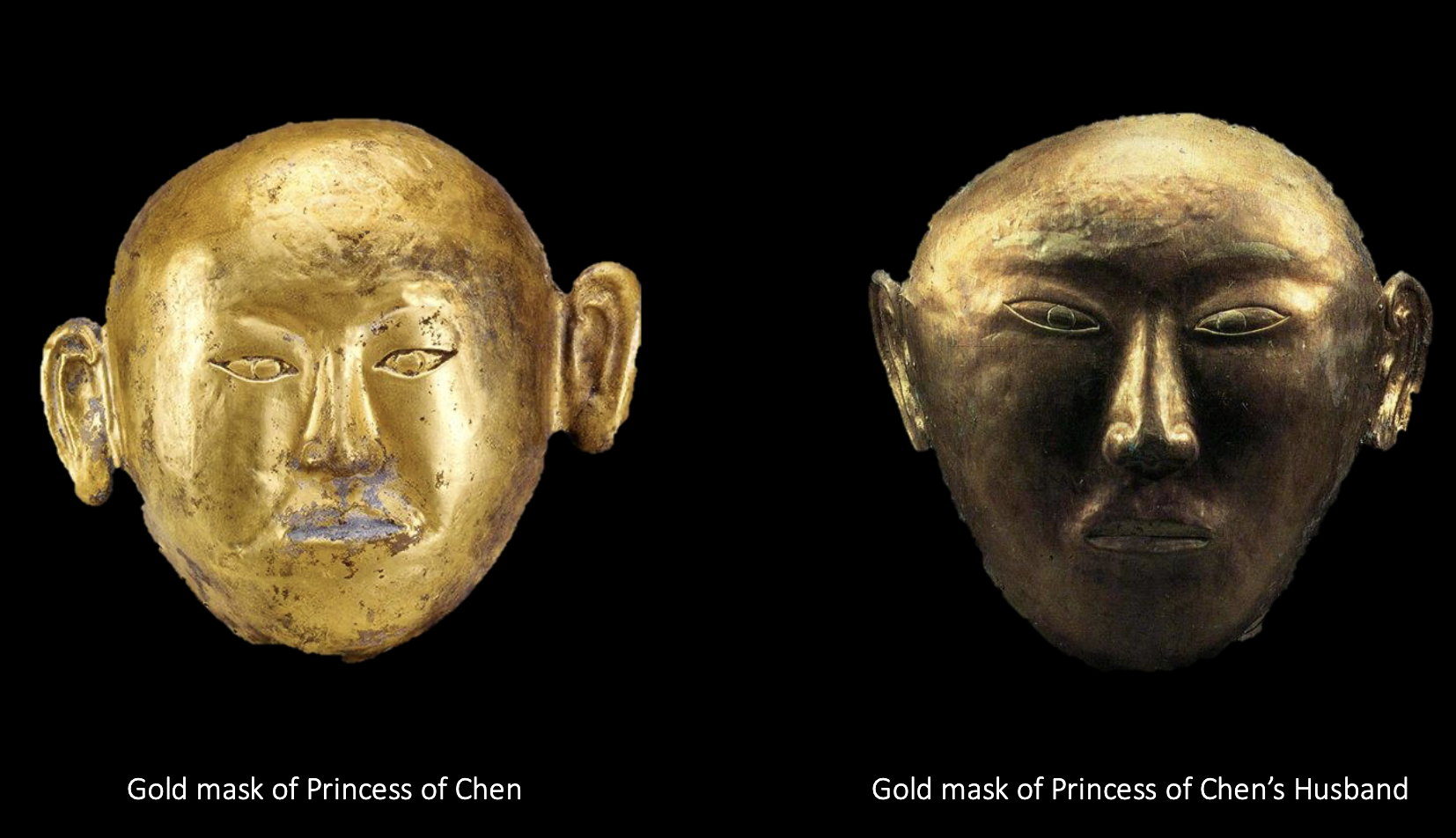
Gold Masks of Princess of Chen and Husband
The masks are supposed to reflect what they truly look like
Wearing a mask is a common funerary tradition in Liao/Khitan dynasty
The maskes were attached to a suit mad with metal wire
Unique to Khitans funerary traditions
When a wealthy person dies, they remove the stomach and intestines, fill them with herbs, salt, etc, sew them back together, drain fat and blood, and create a mask and metal wire suit
Wire suit was often copper, for the princess of Chen and her husband, they used silver
No other group uses a wire suit
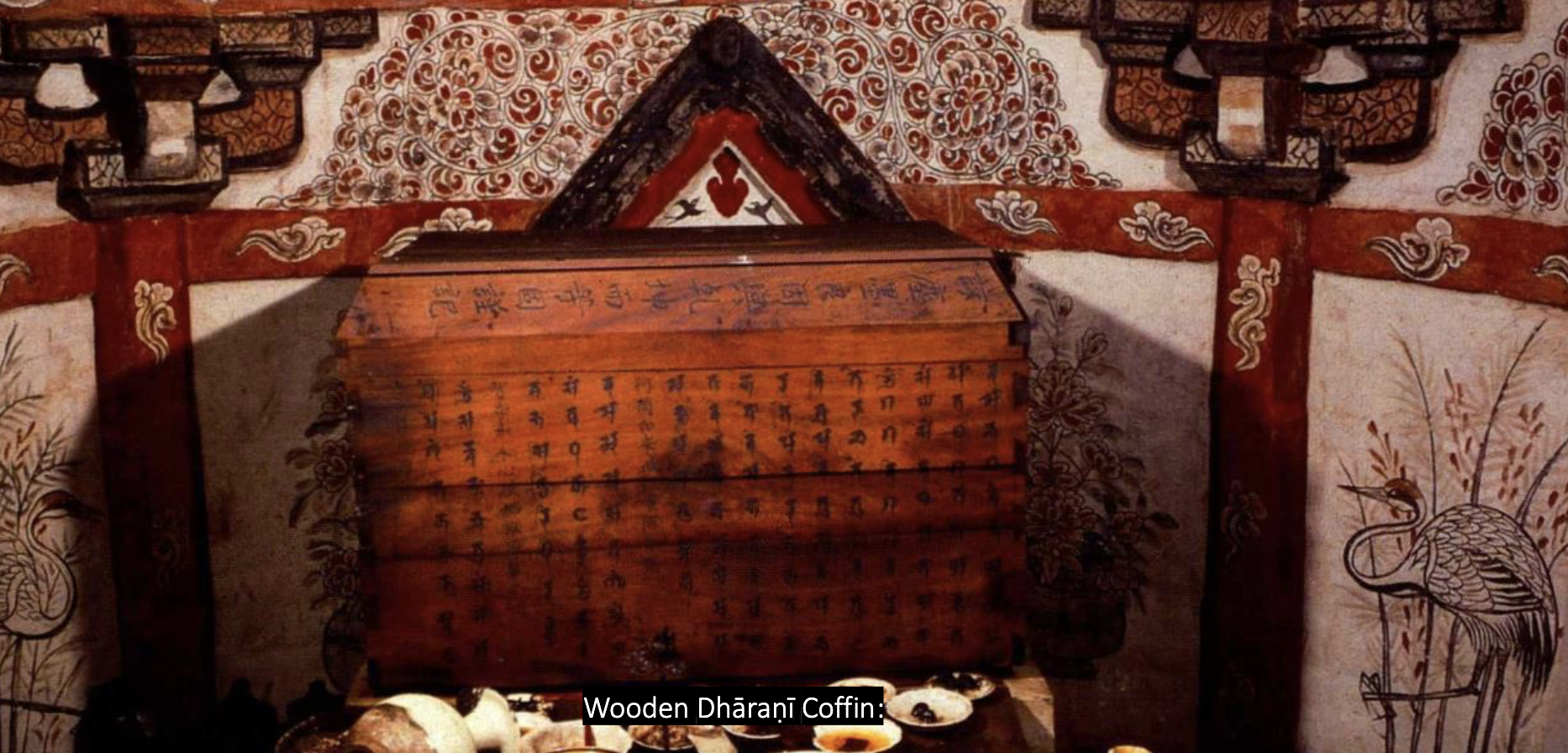
Wooden Dharani Coffin of Zhang Wenzao and his wife
Khitan Liao, excavted in inner-Mongola
Tomb of Zhang Wenzao and his wife
Ethnically Han (Han under the Liao)
Chinese and Sanskrit text
Buddhist spells (Dharani) are used for protection, purification, and the accumulation of merit
Ashes of the tomb owner and wife, placed inside life-size straw mannequin
True face mannequin
Painted wooden mannequin dressed in textiles with features, remnants of fabrics
Realistic depiction of the tomb owner’s face→ “true face”
Can see details of the ear, eyes, wrinkles, and nose
Several individual parts of the mannequin (hands, joints, feet)
There is a small opening that can be removed to put the ashes in the mannequin (usually in the chest section)
Why True Face: Buddhist- cremation, Han- Funerary tradition to, maintain the wholeness of the body, Subject of Khitan- has a quest for the true face depiction
Why is the true face mannequin movable: Prayer, protestation, and meditation are important positions
It is likely that the mannequins were positioned in meditation positions in the tomb, thats why the joints had to be movable
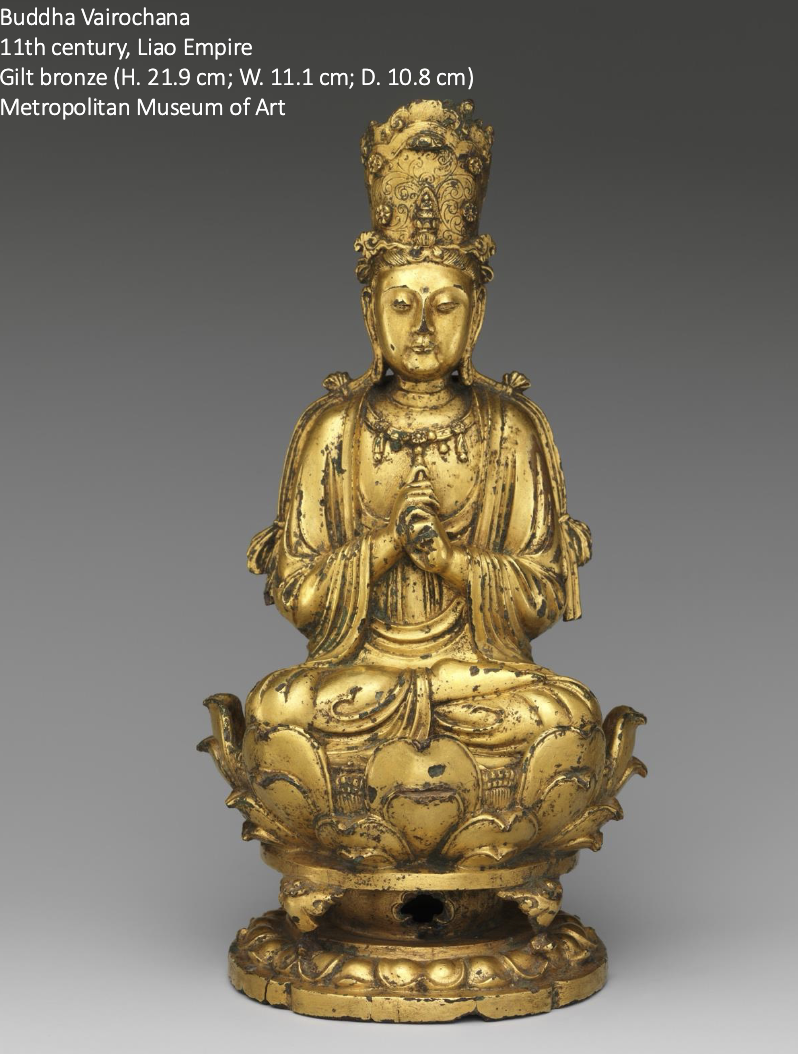
Buddha Vairochana
Khitan Liao dynasty, 11th century
significant Buddha, especially in esoteric buddhism
rapid enlightenment in this life
Compared to Tang Empire Buddha Shakyamuni
Tang sculpture is dressed more modestly, body exposed more masculine
Liao one has a necklace and long robe (Han aesthetics), hand position is different
Crown had a Buddha on it
Vairochana in Sanskrit means shining, illuminator
Sancai Pottery Arhats
Khitan Liao dynasty, 11th century
sancai = 3 color glaze
Low temperature to fire this, earthenware not ceramic
Amber, green, white (sometimes black and blue)
Colors achieved by mixing metal oxides with lead glaze (chemically created)
The cobalt blue came to China through the Sogdians
The liao pieces did not have blue, which indicates trade with central asia and east asia were no longer strong/active
11th century
Faces are very realistic
Similar for quest for realism with Liao funeral rituals (masks)
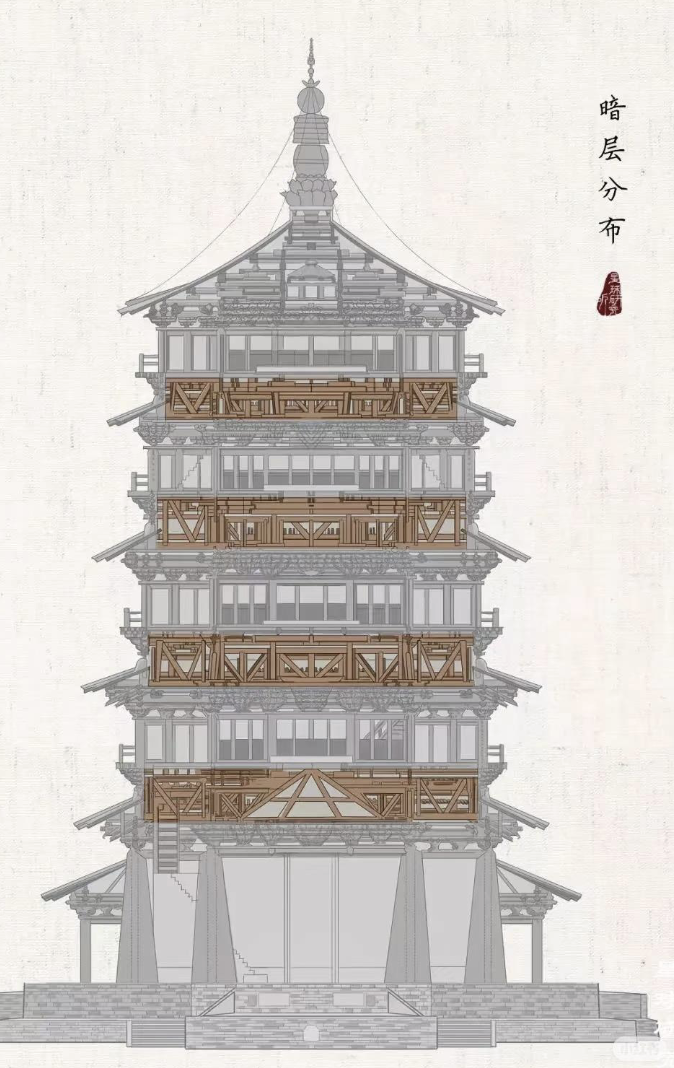
Pingzuo
Khitan Liao Dynasty
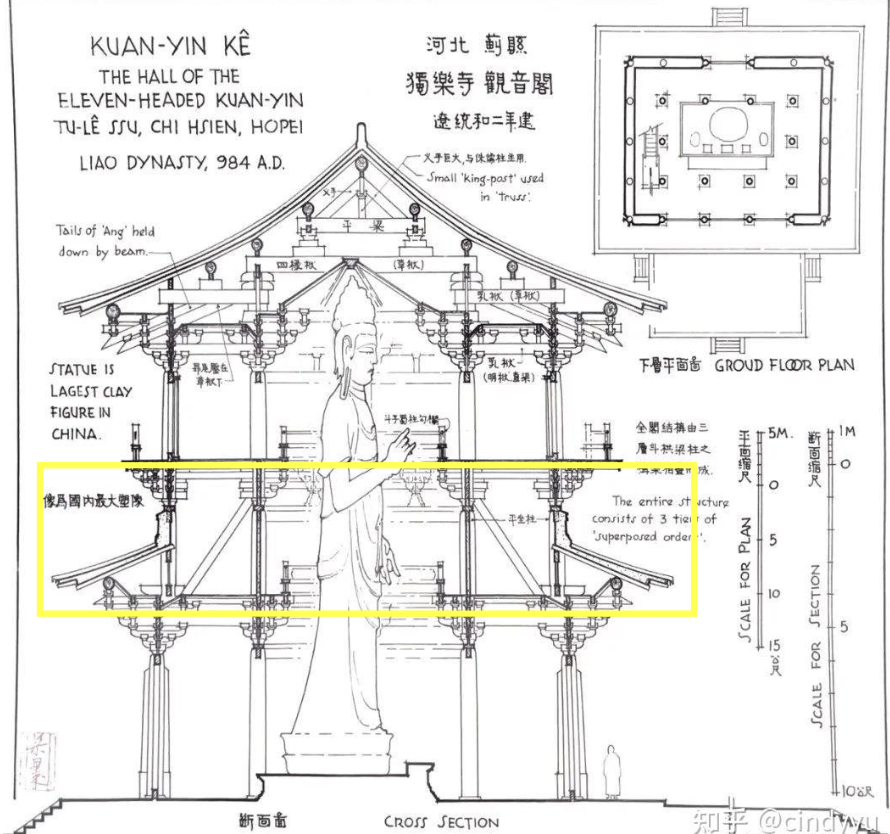
Guanyin Hall at Dule Monastery
23 m in height, actually really tall
One colossal bodhisattva sculpture
Mezanine level built between every two stories to keep tall buildings stable
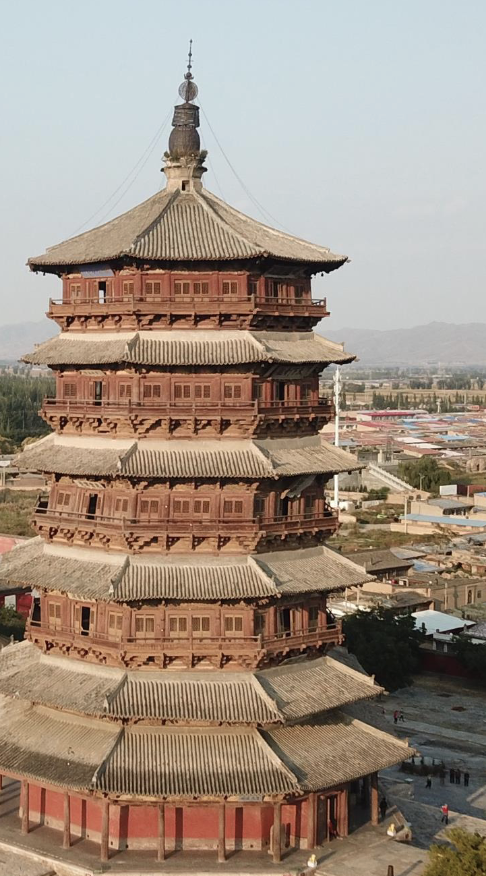
Yingxian Timber Pagoda
Khitan Liao Dynasty
67 m, very tall, still the highest building in the county since 1154
Built by Khitans, associated building with Buddhas relics
4 pingzuo levels
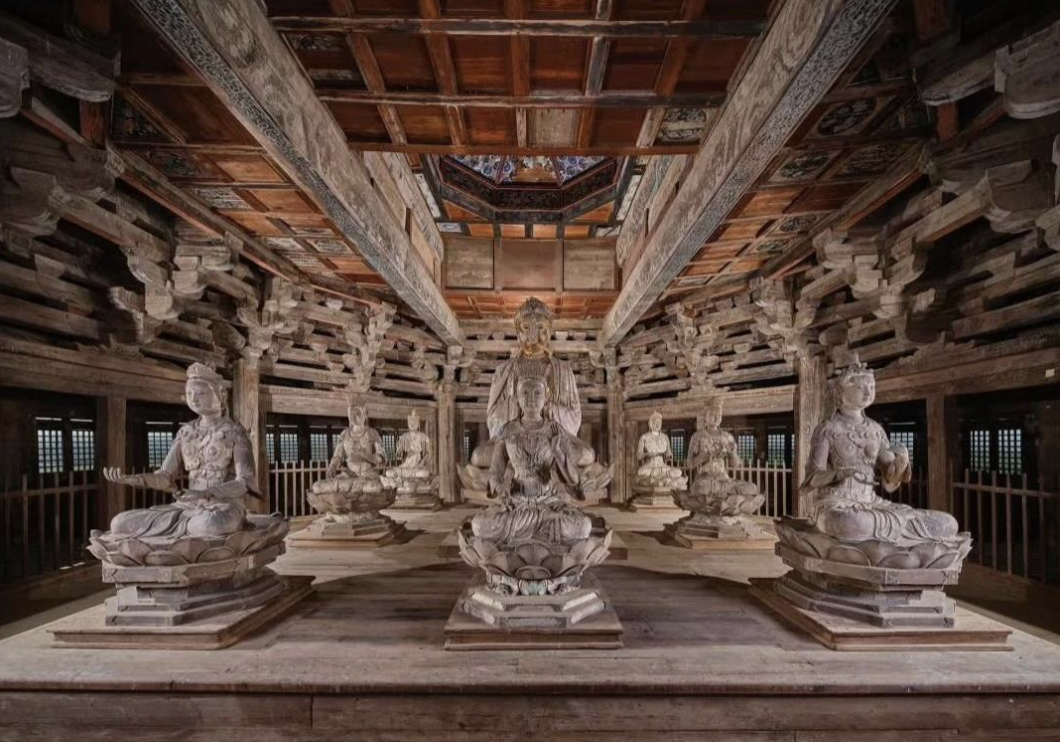
Fifth floor: 3-dimensional mandala
One buddha at center (Vairocana Buddha), accompanied 8 boddisattvas
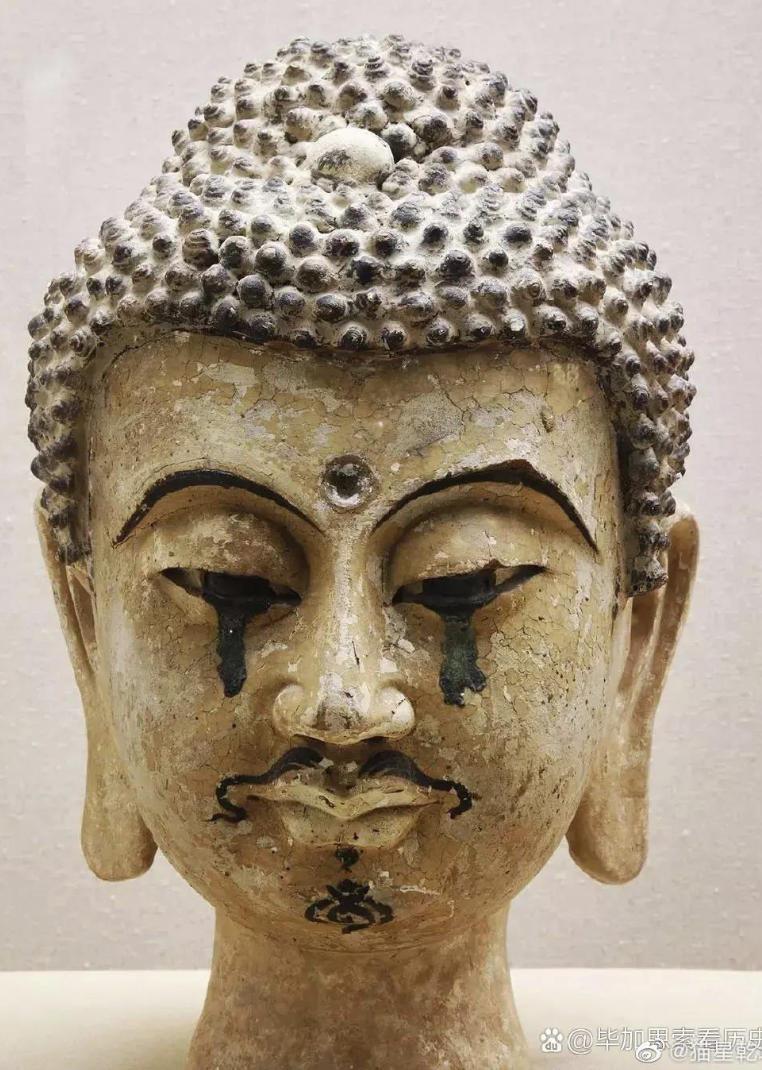
weeping buddha head
Tangut Empire, 12th century, excavated from Hongfu Stupa
Was it intentional design, or was the glaze not fired currently?
Likely was intentional, because several other Buddha sculptures were found with this weeping look
No other buddhas were depicted like this in all of Asia
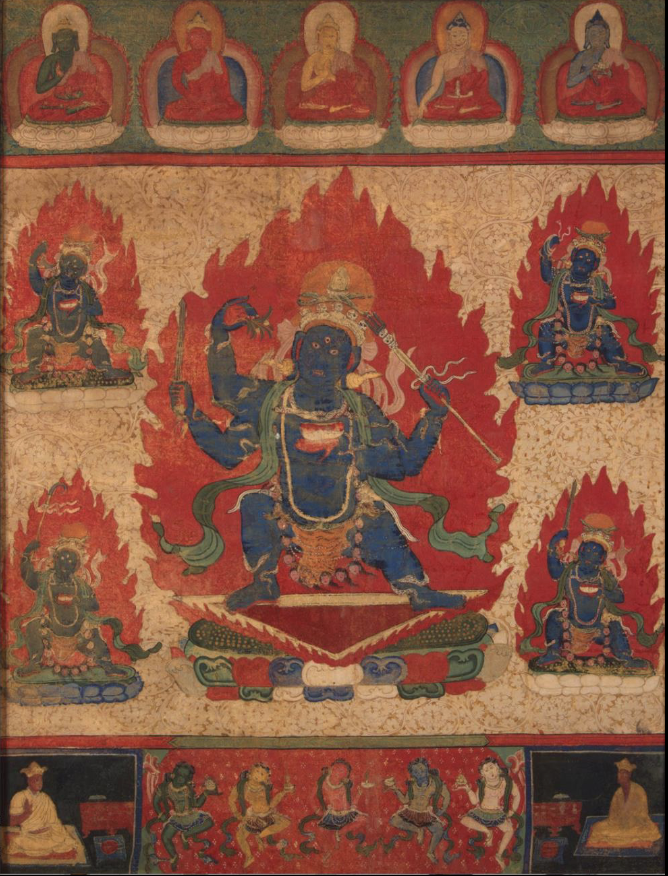
Acala
Tangut Empire, excavated from Khara Khoto
several hands, human heads, drinking blood
cotton- preferred surface in South Asia
esoteric- accelerated enlightenment in a single lifetime rather than multiple, teachings held to be beyond understadings of ordinary persons
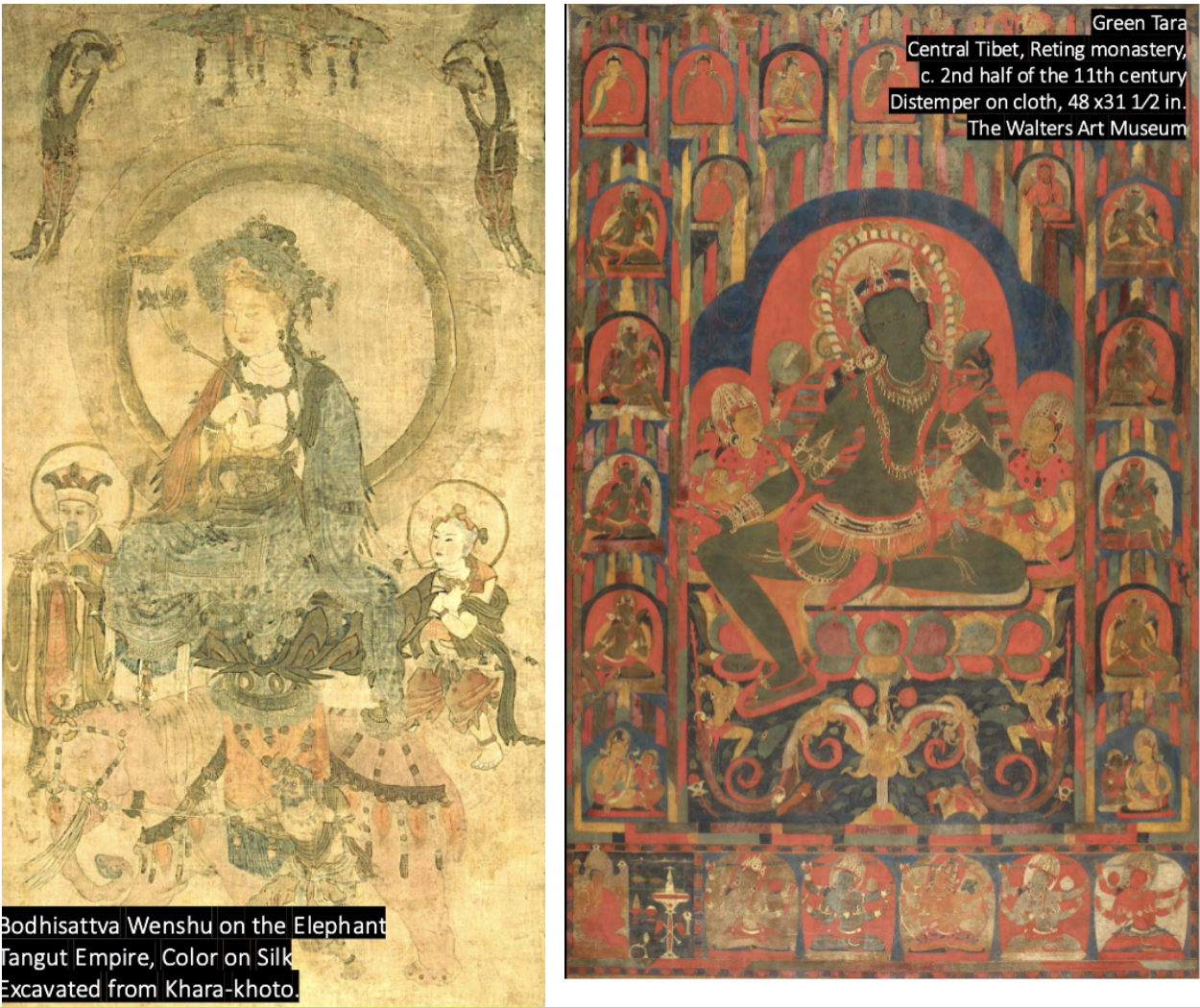
Green Tara: uses Register Composition (popular in South asian and Tibet)
Main deity in the center, surrounded by figures in well organized composition, usually symmetrical, full view
Similar to Acala
Bodhisattva Wenshu on the Elephant: uses Floating Composition (Han Chinese Influence)
Han styles clothing, non-esoteric, uses silk (preffered surface in China)
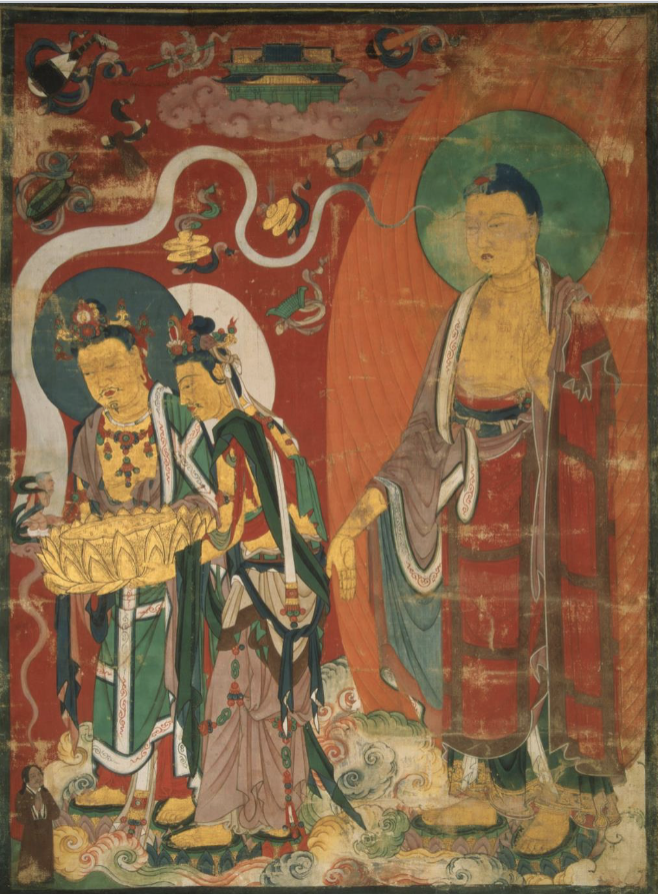
Amitabha Buddha welcoming the souls of devotees into Western Pure Land
Tangut Kingdom, Khara Khoto
Non-esoteric bc people are floating around, no figures have multiple hands or heads
2 bodhisattvas both have little baby who will jump on lotus
Devotee is the Tangut male in bottom left corner
Smoke coming off his head→ this turns him into small baby→ baby will jump onto lotus flower→ from there baby will go up to pure land in the west
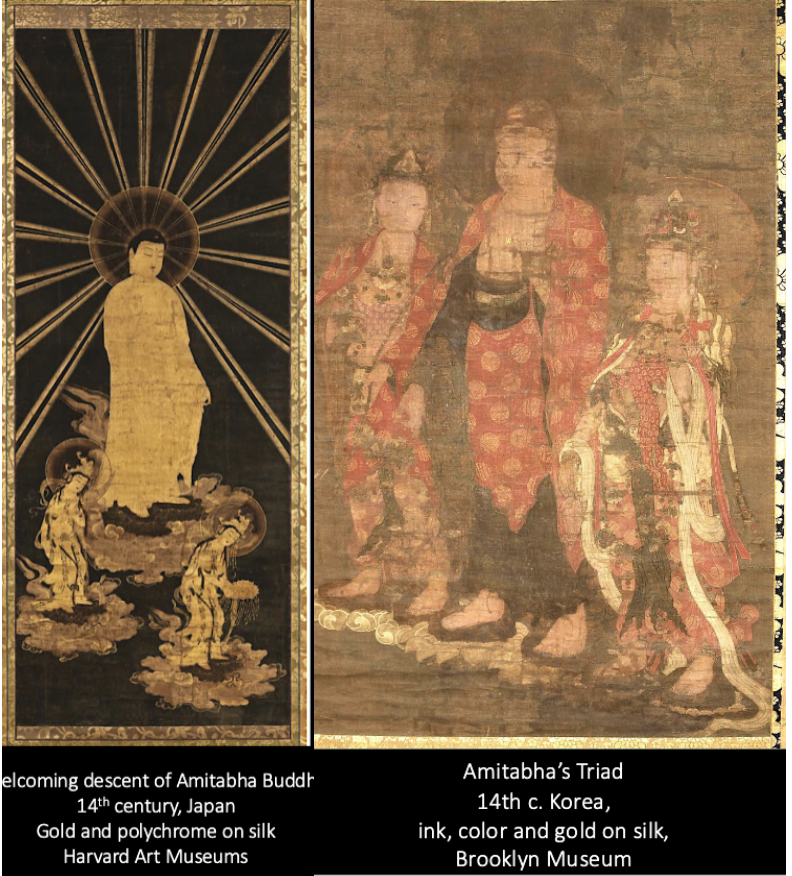
This image was also discovered in Japan
Difference between these two pieces: the figures are facing different directions
Japan facing our right, Tangut facing our left
Poses directional questions
Also discovered in Korea
These bodhisattvas are facing same direction of Tangut
Tangut painting (11-12th century), Korean and Japanese (13-14th century)
No paintings like this were found in Song Dynasty China
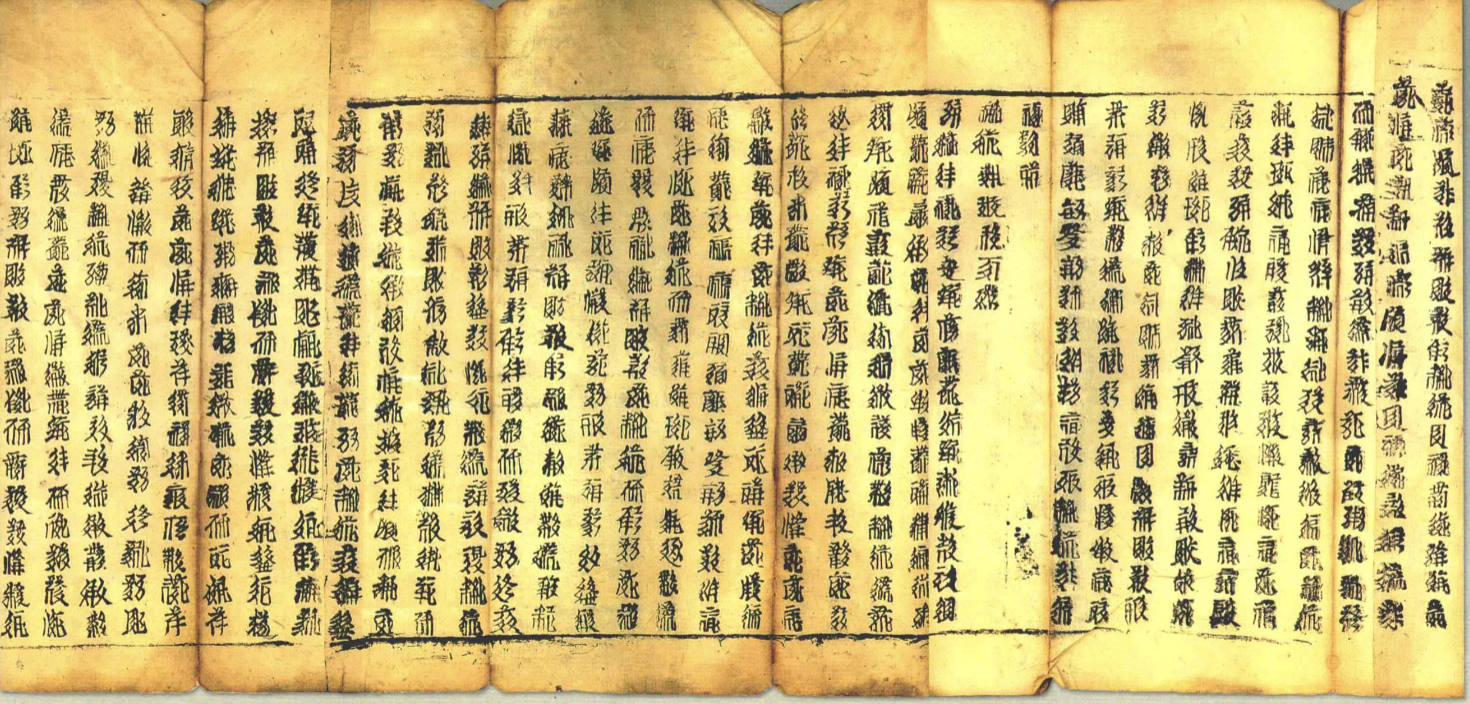
Vimalakirti Sutra
Tangut Empire
movable-type print on paper
Clay
Haimu Cave, Wuwei
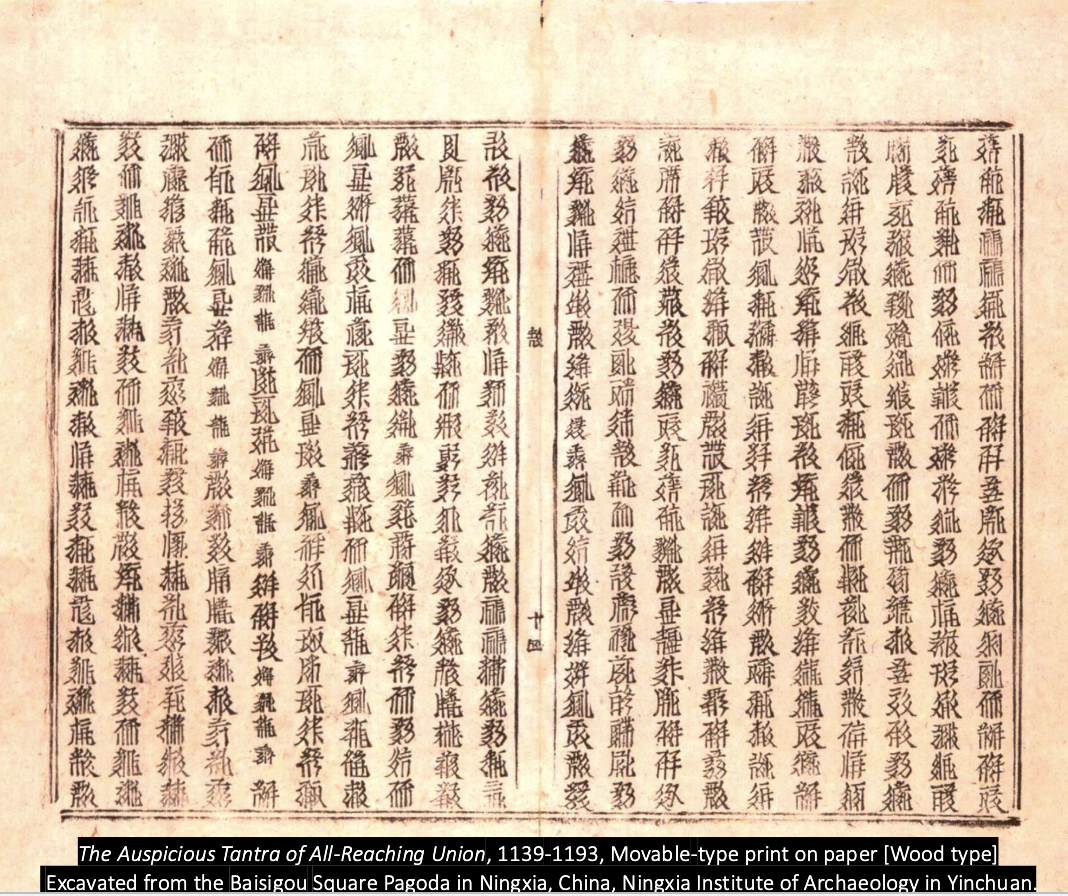
The Auspicious Tantra of All-Reaching Union
Tangut empire
movable-type printing
wood
Baisigou square Pagoda
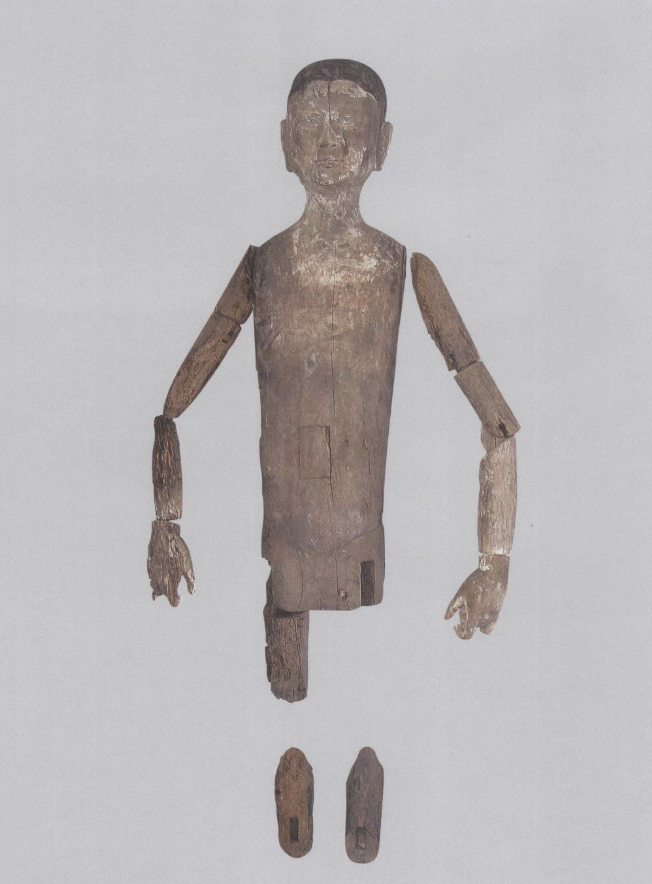
True face mannequin
Painted wooden mannequin dressed in textiles with features, remnants of fabrics
Realistic depiction of the tomb owner’s face→ “true face”
Can see details of the ear, eyes, wrinkles, and nose
Several individual parts of the mannequin (hands, joints, feet)
There is a small opening that can be removed to put the ashes in the mannequin (usually in the chest section)