CADS 1740 final exam
 Call Kai
 Learn
Learn Practice Test
 Spaced Repetition
 Match
Match Flashcards
 Knowt Play
1/182

There's no tags or description
Looks like no tags are added yet.
Name | Mastery | Learn | Test | Matching | Spaced | Call with Kai |
|---|
No analytics yet
Send a link to your students to track their progress
183 Terms
what is space?
All the available area within a given 2 or 3 dimensional boundary
What is composition?
Arrangement of elements within space
2D space + 5 P's
Areas within the boundaries of a building facade
a landscape floor plan
A wall, a ceiling, a floor
a product silhouette
a web or catalog page
a magazine advertisement
signature
packaging
3D space + 5 P's
Area within the architectural structure
the landscape
the products form
window display
subdivisions of the store interior
packaging
Hot spaces in a store
Areas of the store that receive a significant amount of foot traffic
cold spaces in a store
Areas of the store that consumers skip over
How can hot and cold spots be determined in stores?
Through sales data and video footage
What can you do within the information of hot and cold spots in a retail store?
Change the spatial layout (fixture placement, pathways)
move items around in the store
How can sensory qualities of space differentiate a brand? example: Cabelas
They can create sensory-appealing themed megastores
Cabin retreat on steroids- timber, stone, skylights, stuffed animals, mountainous terrain, waterfall, live fish
What is place attachment?
an emotional bond to a place that leads to a strong tendency to maintain physical and psychological closeness to that place
What does place attachment have to do with retail space?
The location, temperature, architecture, or color help retailers capture a local sense of place
ex: shopping center design - reminiscent of main street shops or southwest/vacation areas
How is space changing in retail?
Shopping area spaces are changing.
Shopping areas are no longer JUST for shopping but are small communities for recreation and entertainment.
What is 2-D Space?
Flat plane
Can you identify a 2-D space and tell the elements of the composition?
Composition created by the placement of colors, lines, shapes, textures, patterns on the surface
Fabric used for a garment is 2-dimensional. The print on the fabric is the composition
What is 3-D Space?
Height, weight, depth
Can you identify a 3-D space and tell the elements of the composition?
The area within the store is 3-dimensional. the placement of physical structures within the store and their formal qualities would be the composition
Filled 2D space
very little ground is visible
Unfilled 2D space
much ground is visible
What is filled or unfilled space describe?
Describes the level of occupation of the visual ground (background) of a 2D space or the available physical space
How does visual weight influence the level of 2-D fill?
The store may look less filled if you use clear glass fixtures, and the back wall (ground) can be seen
What is a filled 3D space?
Has little room for physical movement and maneuvering
What is an unfilled 3D space?
Allows easy movement and maneuvering
What is retail density?
filled 3D retail space
What is a filled 2-D surface for fabric?
When the ground is visible, the 2D space is filled
What makes a filled 2D surface for fabric filled?
Colors, lines, shapes, textures, and patterns
What makes a filled 3-D space for apparel and the body?
Garments that fit the body closely and limit the movement of the body
What makes a 2D surface for fabric unfilled?
colors, lines, shapes, textures, and patterns
What an unfilled 3-D space for apparel and the body?
Garments with much space between the body and the garment, allowing freedom of movement
What is ease ? What does it have to do with space?
The amount of roominess in a garment
additional space is added to the garment beyond the dimensions of the body to create space between the body and the apparel item
What is fit ease? What does it have to do with space?
Allows for a normal expansion and movement of the body
waste measurement for pants for breathing and sitting
What is design/style ease? What does it have to do with space?
Extra fabric added to a garment for style or design reasons only
The amount of ease in a design affects the degree to which the body fills the 3D space available in the garment
Fitted silhouette
Shaped, close to the body
semi-fitted silhouette
Shaped, skims body
Relaxed silhouette
Slightly shaped, easy fit
Loose silhouette
Oversized fit
Body primary focus
entails visual focus on body shapes, surfaces, and contours.
Created when the product is UNFILLED 2-dimensionally and FILLED 3-dimensionally
Clothing primary focus
entails visual focus on the product
The product is FILLED 2-dimensionally and UNFILLED 3-dimensionally
How can the design of a 3-D space affect pleasure? Large vs Small spaces? How can this be applied to department stores with large and small spaces?
Large roomy spaces with uncluttered aisles, well-spaces merchandise, and well-organized layout -> positive impact on emotional pleasure
How can the design of a 3-D space affect pleasure in Large vs Small spaces?
Large spaces may enhance arousal (The Awe factor)
Small spaces are calming and provide the consumer with a sense of dominance in the space
How can the pleasure affected in large and small spaces be applied to department stores with large and small spaces?
Larger spaces give more room for merchandise and gives the customers more room to walk around
What is human density?
The number of people in a space
When is human density pleasurable?
The presence of other human beings is exciting and reassuring and adds to the fun of the experience
When is human density unpleasurable?
The presence of too many other human beings frustrates, increases shopping time, and encourages escape of the space
What is spatial density?
The level of crowdedness caused by displays, furnishings, and layout of the space
Why do consumers have higher negative associations with the brand with spatial density over human density?
As spatial density increases, perceived control decreases, which decreases pleasure, willingness to buy, and willingness to return to retailer
What are the associations/ meaning behind large and small spaces?
Upper price point retailers, like Prada, have very little product per square foot - low human density
Lower price point retailers, like Target, have large quantities of merchandise in an area - High retail density overall
What is the meaning behind an open space in retail?
can be a sign of status for retailers - higher price point so lower quantity of products EX. Prada
What is the meaning behind a high-density space in retail?
Target - more quantity of products in all of the spaces around the store
What effect does music have on consumer behavior?
Increasing sells
positively influencing purchase intentions
Enhance perceptions of service and merchandise quality
Increase shopping time
Decrease perceived shopping and waiting time
How do auditory elements help to build brand identity?
Enhanced brand awareness
differentiation through appealing sensory form
enhanced emotional experience
support of the brands message
increase the number of purchases and the amount of money spent
How can music transform the in-store experience for consumers?
Music can help create an emotional bond and engage emotions to put customers in a mood to try on clothes
How does music produce positive connections to the brand?
Evaluative conditioning
What are the formal qualities of music?
Time or duration
Pitch
Texture
What is articulation?
How a sound is made, determining the length of time a note sounds
How is staccato different from legato in sound/visual content?
Staccato notes sound for a short period of time - abrupt, sharp sound
Legato notes sound for a longer period of time - connected, smooth sound
What is rhythm?
Recurring pattern of pulses (notes) and rests (silences)
What are the types of rhythm?
Regular rhythm - repeated pattern
Irregular rhythm- more random
What is density?
The number of notes in a given amount of time
Thick density
A large number of notes with few rests played in a given amount of time
Thin density
A small number of notes and many rests per given time
What is tempo?
Speed, or rate, at which the pulses (notes) move
slow and fast tempo
What is pitch?
Number, or frequency of vibrations of sound per second
High pitch
light and small visual qualities (faster vibrations)
Low pitch
dark and large visual qualities (slower vibrations)
What is harmony?
A group of notes of two or more pitches sounded simultaneously
Consonant
blended notes
Dissonant
disjointed notes
What are the two types of mode?
Major- happy, freedom of movement
Minor- sad, restricted movement
What is timbre and how does it relate to musical and visual qualities
Distinguishable quality, or color, of the different musical instruments
thinness of flute
sonority of saxophone
brassiness of the trumpet
brittleness of xylophone
What are the expressive qualities of music?
pleasure from music is linked to the physiology of the body
music arouses and expresses emotion
In what ways can brands link to the symbolic qualities of music?
formal qualities of the composition
ex: instrumental music
What is unit?
an identifiable part of the aesthetic form - color or geometric shape
What do complexity and order relate to?
The degree of stimulation
What 3 ways can complexity and order be affected?
The number of physical quality of units
the degree of dissimilarity
the level of organization in the arrangement of units
What is novelty?
The perceived newness of the units and their organization
What do Gestalt principles emphasize?
relationships between perceived parts (units) and the whole
What are the 5 organizing factors of the Gestalt Principles?
Similarity of units
proximity of units
closure of units
continuation of units
interaction/combination of similarity, proximity, closure, continuation
Similarity of Units
grouping of units due to sameness
Proximity of units
grouping of units due to sameness and closeness in space
closure of units
perceived shapes that are not actually enclosed forms
continuation of units
uninterrupted path or line
Combination of similarity, proximity, closure, & continuation
influence the level of complexity and order
decrease the level of complexity
decrease the perceived number of units
increase cohesion
What is the preferred level of complexity?
not too complex and not to simple
What are the 3 determinants of complexity?
1) number of units
2) degree of interest of the units
3) cohesion among the units
- similarity
- order
Cohesion of units - Whole
Initial blending of the units due to sameness and/or arrangement
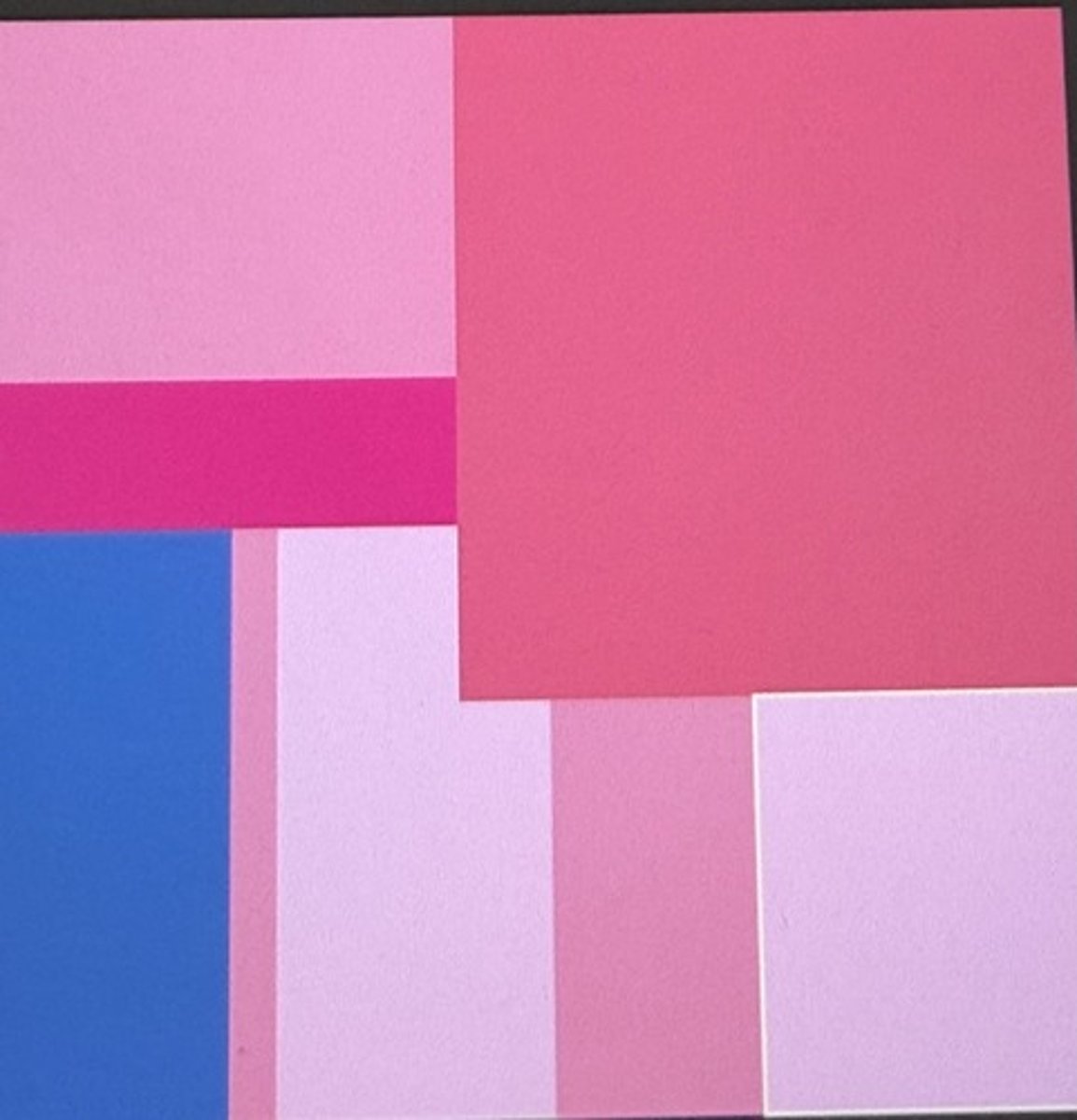
Cohesion of Units - Part
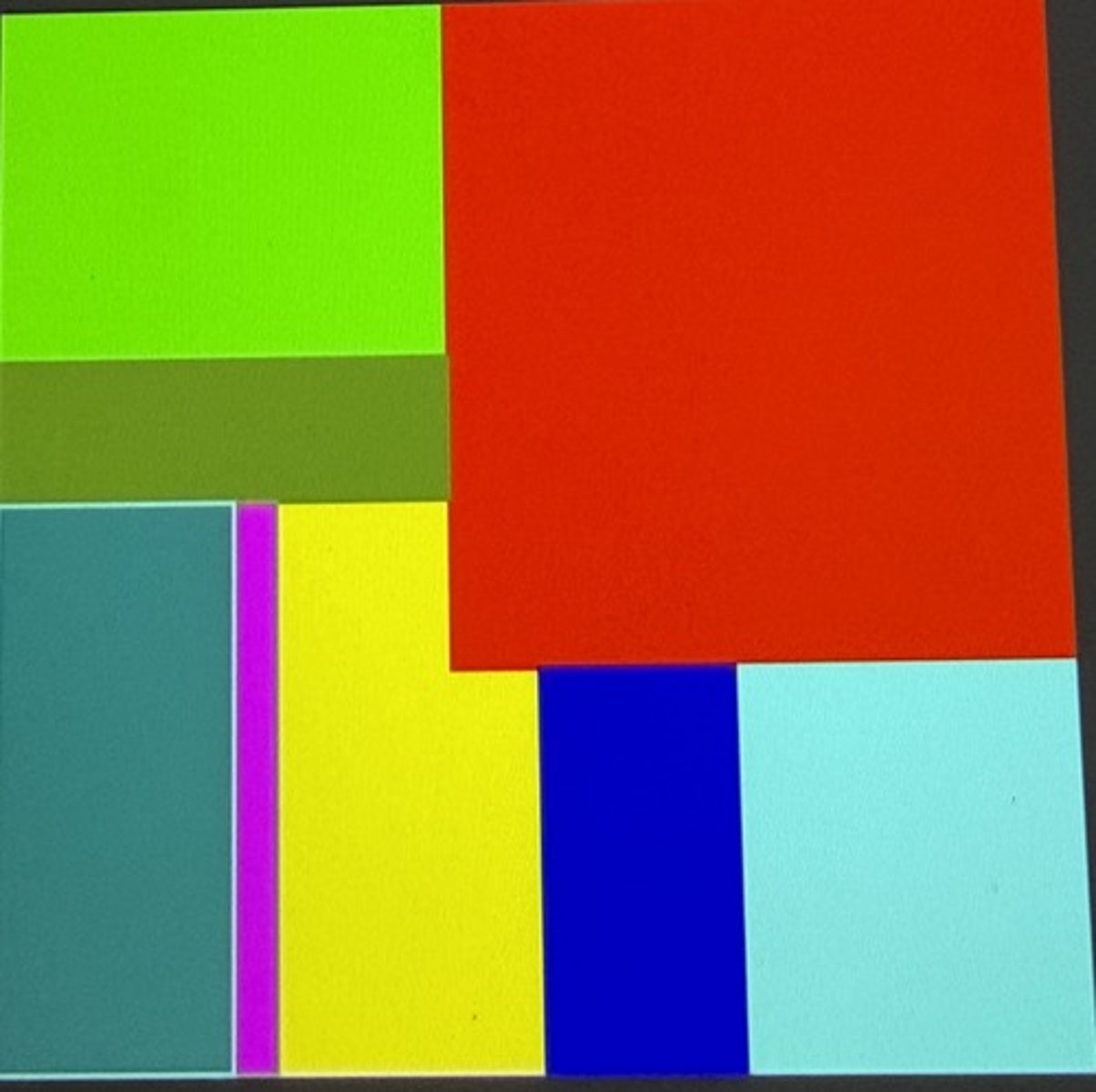
Units that are distinct from each other due to differences and/or arrangement
More complex
How are the concepts of complexity and order relevant to describing Product
Basics, classics, fashions, post-modern designs
How are the concepts of complexity and order relevant to describing Property
Post modern or traditional design
How are the concepts of complexity and order relevant to describing Promotional activities
combinations of products, people, technology
How are the concepts of complexity and order relevant to describing product presentation?
Complexity increases with the increase in SKUs in the store
What are basic goods?
Products of simple styling with little demand for change
EX: Gap khakis and grey shirts
Where are basic goods on the inverted-U graph
Right above pleasure and right past low
What are classic goods?
Stable styles characterized by design integrity, versatility, and easy coordination with other products
EX: White trench coat with gold buttons
Where are classic goods on the inverted-U graph
Higher above pleasure than basic goods and more past low than basic goods
What are fashion goods?
Products with more complex styling susceptible to frequent change
EX: A dress with a jacket or just a plain white dress
Where are fashion goods on the inverted-U graph?
higher above pleasure than basic and classic goods (almost to pleasant) and more past low than basic and classic goods (almost to complexity)
What are postmodern design goods?
Most complex, exaggerated styles and organization may be less apparent than in fashion goods
EX: A feathered dress with purple white and black tall socks
Where are postmodern design goods on inverted-U graph?
between pleasure and pleasant and between complexity and high
How does novelty affect pleasure?
Something that is too new or too familiar may not be pleasurable for people
evolution - novelty
When a moderate level of novelty is built into the product for a slow change