Definitions / Wordy Questions
 Call Kai
 Learn
Learn Practice Test
 Spaced Repetition
 Match
Match Flashcards
 Knowt Play
1/55

There's no tags or description
Looks like no tags are added yet.
Name | Mastery | Learn | Test | Matching | Spaced | Call with Kai |
|---|
No analytics yet
Send a link to your students to track their progress
56 Terms
What are different types of specialist jobs for an electrician?
Highway electrical systems
cable jointing
electrical maintenance
Electrical machine drive installations
panel building
instrumentations
How a design stage works for projects?
The architect, consulting engineer, quantity surveyor and clerks of works are traditionally part of the architect’s design team.
In smaller firms, the client expects the electrician to ensure that the installation is properly designed and carried out.
In larger firms, they might have an internal architect team that makes things simpler and possibly cheaper.
What is a tendering process?
Tendering is the process by which a contractor works with the drawings and specifications issued by the consulting engineer and submits in writing, in competition with others, a total estimated cost for carrying out the work (i.e. materials, tools, equipment and labour).
What does an estimator do?
The estimator’s task is to calculate the total cost that will be given in the tender.
How can all types of information be stored?
Email (most used way)
Printers
Fax machine
Telephone
written messages ( hand written notes)
USB flash memory drives
Electronic file server
external flash drives
optical media (CDs)
microforms (stores images)
Printed materials (papers)
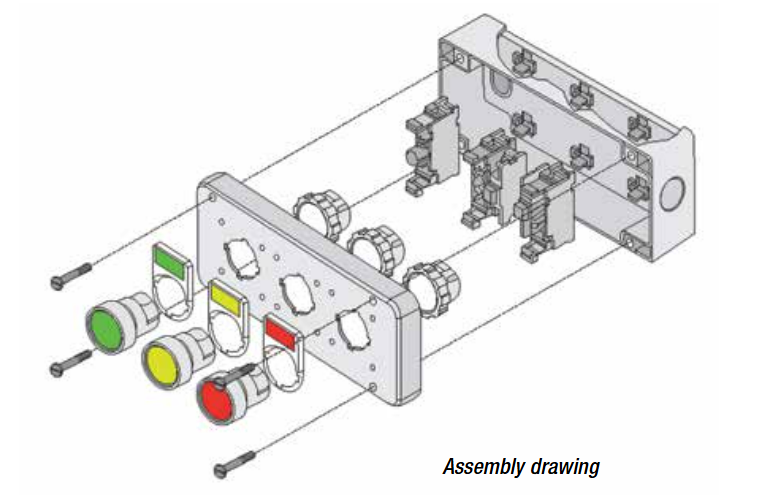
What is an assembly drawing?
Assembly drawings are technical drawings that illustrate how multiple components fit together to form a complete product or structure, showing the arrangement and relationship of parts
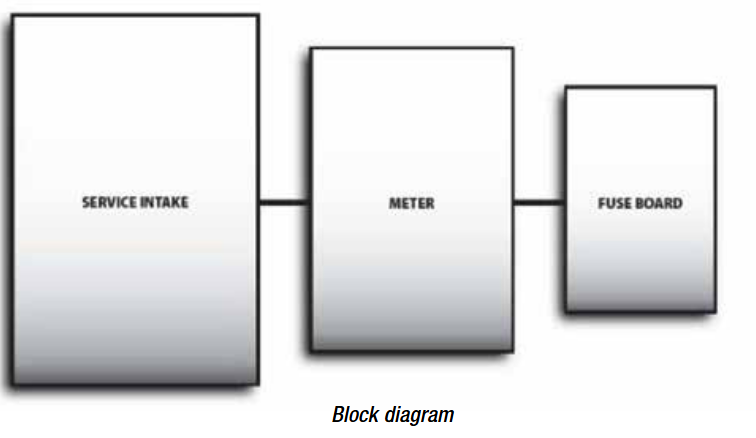
What is a block diagram?
A block diagram can be used to relate information about a circuit without giving details of components or the manner in which they are connected. In block diagrams, the various items are represented by a simple figure or symbol, such as square or rectangle, labelled to indicate its purpose.
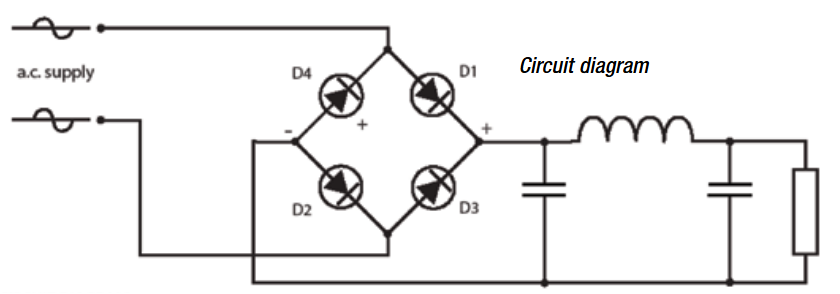
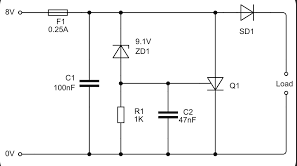
What is a circuit diagram?
A circuit diagram uses symbols to represent all circuit components and shows how they are electrically connected. The diagram should be clear and follow a logical progression from the supply to the output. However, a circuit diagram does not represent the physical layout or physical appearance of the circuit, so it cannot be used as a direct guide for installation or component positioning.
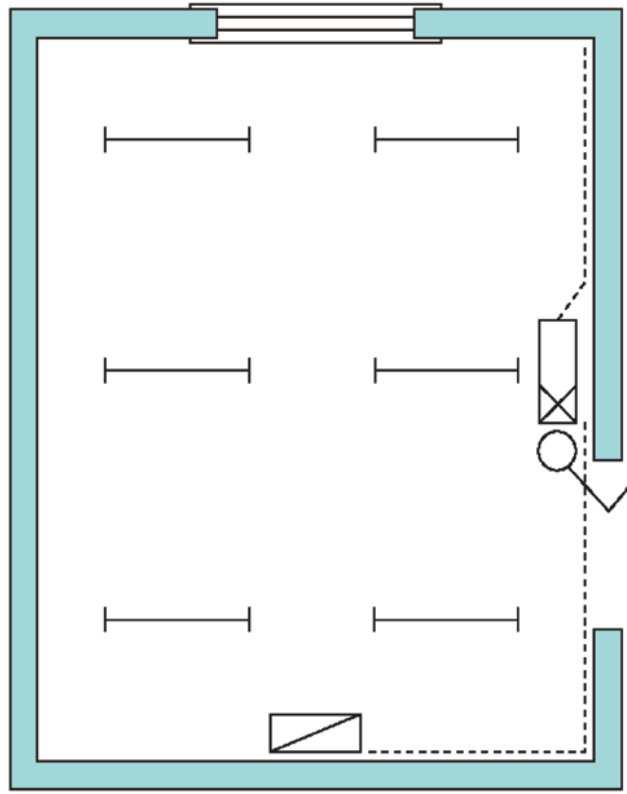
What is a lay out diagram?
A layout drawing is often based on an architect’s drawing of the building where the electrical installation will be fitted. It shows the planned positions of equipment, accessories, metering, and control gear, usually in a plan view (top-down view) of the installation.
Why is recording of drawing changes so important?
In an ideal world, every installation would exactly follow the architect’s, designer’s, or consulting engineer’s original plans. In reality, however, everyone knows that problems can occur which will mean that cables must be routed in another way, or conduit must be fixed in a different position. These changes must be recorded so that, in future, when maintenance or alterations are needed, the actual layout of the installation is known.
What is a schematic diagram?
A schematic diagram uses standard electrical symbols to show how a circuit operates. It does not show the exact physical wiring or physical locations of components, but instead shows the functional relationships between them. Schematic diagrams are commonly used for larger or more complex systems such as motor starter controls, heating systems, and industrial control circuits.
What is a site plan?
A site plan will show the entire area that is being worked upon. In terms of a house, for example, the site plan would not just show a single room or a floor but the whole dwelling, including all the land and gardens up to and including the property boundary.
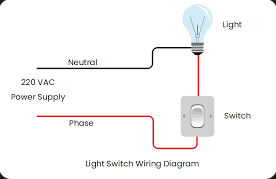
What is a Wiring diagram?
A wiring diagram takes the physical layout of the installation into consideration. It shows components and connections in a way that resembles the actual circuit arrangement. Wiring diagrams are used to provide specific information about the wiring and connections between components, and may include details such as terminal numbers, wire colours, and cable routes.
How are manufacturers data and service manuals used?
Almost all equipment will be supplied with manufacturers’ fitting instruction and other technical data or information sheets. These should be read and understood. Occasionally you may need more details about an item. You can get this from the manufacturer’s catalogue or datasheets, website, or by speaking directly to the manufacturer. Once the installation of the item is complete, they should be kept safely in a central file then to be given to the customer once the installation is installed.
What is a Gantt chart used for and how does it work?
A Gantt chart shows jobs or activities (normally in one colour) and when it is due to happen and for how long it will take. Main contractors use this sort of chart as it shows when individual trades are coming into a site. Another line of colour can be added underneath the certain trade to show weather it is on time or behind schedule.
How do scales work when designing?
Layout, assembly and site drawings give information about physical objects, such as the floor layout in a building, or a mechanical object. If the drawing were the same size as the object, the drawings would often be far too big to handle.
To find a measurement on the actual physical object, you measure the distance on the drawing and multiply it by the scale.
1:100 means in reality the object is 100 times bigger than on paper. Where as, 100:1 means the object is magnified 100 times bigger on paper than in reality. Any types of units can be used.
What does maintenance cover in the construction industry?
This covers the repair, refurbishment and restoration of existing buildings and structures.
What does civil engineering cover in the construction industry?
Civil engineering involves the construction and installation of services for large structures such as bridges, roads, motorways, docks, harbours and mines.
What does building and structural engineering cover in the construction industry?
This type of company broadly covers the construction and installation of services for buildings such as factories, offices, shops, leisure centres, hospitals, schools, and of course, houses. Specialist contractors are normally the people who operate in this field.
What is a time sheet?
Timesheets are important to both employees and the company. They provide a permanent record of work carried out on a site and may include details such as:
Each job completed
Expenses
Overtime
Travelling time
The information recorded on a timesheet allows the company to track costs and calculate employee wages. If an employee works on several sites during the week, a separate timesheet may be required for each job.
What is the purpose of a job sheet?
Some electrical contracting companies issue job sheets to their electricians. A job sheet provides detailed information about the work to be carried out. It is often signed by the customer to confirm that the work has been completed.
A job sheet will usually include:
A clear description of the work to be carried out
Any special instructions or special conditions (for example, collecting special tools or materials)
The customer’s name and address
The date and time of the job
Any materials or equipment required
What is the purpose of a variation order (VO)?
A variation order (VO) is used to record and approve any extra or changed work requested by the client. It also records any changes to cost or completion date. A variation order is needed when the work differs from the original contract and job sheet to make sure all changes are officially agreed.
What is the purpose of a day worksheet?
Day work is extra work carried out outside the original contract after the change has already been approved (often by a variation order). It records the actual labour, equipment, and materials used and is usually charged separately. A day work sheet must be completed and signed so the work can be processed and kept as a record.
What is the purpose of a purchase order?
Before a supplier sends out any materials or equipment, they usually require a written purchase order. The purchase order should include details of the materials, quantities required, and may sometimes specify a particular manufacturer.
The purchase order may also include the delivery date and delivery address. Purchase orders can be created following communication by phone calls, emails, or websites. Once the order has been placed, a confirmation code or reference number is normally sent to the customer.
What is the point of a delivery note?
Materials delivered directly to a site will normally arrive with a delivery note. The delivery note should contain the following information:
A list showing the type, quantity, and description of the materials being delivered
The name of the supplier
The time period allowed for reporting damage or making claims
The name of the person or company the materials are being delivered to
When materials arrive on site, you should:
Check each item against the delivery note
Check for any obvious signs of damage
Ensure the materials are unloaded and stored correctly
What is the purpose of a site report?
Site reports contain details about work progress, defects, problems, and delays, and most companies require regular reports on the progress of work on site. Additional reports may sometimes be produced for specific problems or incidents. These reports may help the company to:
Provide evidence when making claims for progress payments
Identify recurring problems and take action to prevent them
Take prompt action to avoid difficulties developing on site
A site report memo is usually short and concise and normally deals with a single issue, such as materials not being delivered on time or a particular safety concern.
How scaled drawings work
Scale drawings are used for planning and preparing an installation. Scaled drawings use fixed ratios, for example 1:150. This would mean that every 100 mm on the drawing is 150 times bigger in reality. Scaled drawings can therefore be used to plan detailed installations in advance.
How to take recording in-site measurements for materials for a job.
When you arrive on a site to take measurements it is always best to carefully record them in a notebook, and keep this safe. If you measure incorrectly or forget the measurement It could mean that you order too much or too little material. That is why its best to write down the measurements and to keep it safe.
If you are required to carry out measurements on site, there are a number of tools that you can use to help, such as long measuring tapes and laser distance measurers.
How to prepare a materials list for a new project.
If you are working for a large contractor you would probably be able to order the materials needed from a central store. If not, then you could order them directly from a local wholesaler. In either case, the process of working out what you need is exactly the same.
The first thing to do is to get a copy of the layout drawing. As it would be a scaled down drawing it is possible to take measurements from the diagram and work out the actual dimensions of the building, so that you can prepare a materials list for the job.
Step 1: Count up all the major pieces of equipment needed
Step 2: Decide the best runs of conduit and trunking
Step 3: Calculate lengths of trunking, conduit and cable required
Step 4: Include accessories, fixings, etc.
Step 5: Consider special access equipment like a ladder.
What should site members do for visitors when they visit a site that don’t have facilities?
Brief the visitor on site safety
Check the reason for the visit
Check the validity of the visitor
Establish whom they wish to see
If a request is made that is beyond your authority, contact an authorised person
Issue an identification badge if necessary
Issue them with a hard hat and high visibility jacket if necessary
Log their arrival time and departure time
Receive visitors in a manner that fosters goodwill
Checks for when using a hire company for equipment
check that any hire company you may use operates a proper system of Preventive Plant Maintenance, as well-maintained plant and equipment is less likely to break down, will emit fewer pollutants, and will help prevent spillage of oil and fuel to the environment site because if it brakes whilst its your responsibility, you will have to pay for the costs.
What are the two types of specifications?
A specification is an explicit set of requirements to be satisfied by a material, product, or service, as detailed by the end user (the client).
Section 1: General specification
This section will give general information about an installation’s circumstances. This could include things like the wiring systems, enclosures and equipment. It may also give generic requirements applicable to any project issued by the consulting engineer.
Section 2: Particular specification
This section is where you would find any specific details about the project being tendered for. For example, Section 2 may say that for this job the installation will be carried out in over braided flexible conduit to provide EMI/RFI shielding. If there are no specific conditions that apply to the project, then the contractor would need to see what the consulting engineer’s general requirements are; this information would be contained.
How Manufacturers’ data sheets and manuals should be used
Almost all equipment will be supplied with some form of fitting and installation instructions and may also have other technical data or information sheets. These instructions and data sheets should be read and understood before attempting to fit the item concerned.
Once an item is installed, any manuals, data sheets, etc., should be kept safely and given to the customer in a handover manual when the project is completed.
Why are technical information and reports important on a work site?
Technical information must be shared clearly with everyone involved in a job so work can be completed safely and correctly.
People who may use technical information include:
Operatives (tradespeople)
Supervisors
Contractors
Subcontractors
Site agents
Clients
Reports are used to give information about problems, investigations, or work progress. They help people make informed decisions and may include recommendations for action.
Reports should be clear, concise, and follow company procedures.
What are site diaries (like a daily record)?
As a project develops, more labour force, tasks and work areas will increase. This will make it more difficult for the person in charge to control. Circumstances like these are where a site diary as like a daily record is needed. Typically a site diary should be used to record things such as:
Both official and unofficial meetings, including their dates and times
The details and dates of any actions that needed to be taken
Any staffing issues
Details of any discrepancies in deliveries and action taken
Agreed variations
What is critical path analysis?
Critical path analysis (CPA) is a way of planning a project so tasks are done in the correct order, because some jobs must be completed before others can begin (for example, walls must be built before the roof). To do this, all tasks are listed along with how long they take and what order they must be done in. These tasks are then linked together to show the sequence of the project. The critical path is the longest sequence of tasks, and it determines how long the whole project will take. Any delay in a task on the critical path will delay the entire project, while tasks not on the critical path have some flexibility.
Who is the person responsible for issuing job sheets and time sheets on site?
The contract supervisor.
What is an induction normally mad up of?
An induction is normally made of these parts:
structure - who does what in the company, including my self.
procedure - how the company handles certain events such as injuries, fires and disputes.
Regulations - how the company conforms to legal requirements such as PPE.
What is company procedures about?
Wages
Hours
Holidays
Time sheets
Illness
Absents reports
What is a safety data sheet (SDS)?
It is a sheet to provide information on the safe handling of hazardous substances
What does ‘CITB’ stand for?
The construction industry training board
What does ‘JIB’ mean?
The joint industry board
What does NVQ mean?
National vocational qualification
What does the ‘ECA’ mean?
The electrical contractors association
What does the ‘NICEIC’ mean?
The national inspection council of electrical installation contractors
What does IET mean?
The institution on engineering and technology
What are the minimum amount of holiday days are you allowed to have?
28 days
What cant a company refuse to hire you because of?
Age
Disability
Gender reassignment
Marriage or civil partnership
Pregnancy or maternity
Race (including colour, nationality, or ethnic origin)
Religion or belief
Sex
Sexual orientation
What is a permit to work?
A permit to work is a formal written system used to control hazardous work activities. It states what work is to be carried out, when and where it will take place, the safety precautions required, and which equipment or areas are safe to work on. Permits to work are usually written documents used to help ensure work is carried out safely.
How many days off from being sick are you allowed to have statutory sick pay?
Over 4 days
What is the main reason for recording test results?
To provide a reference for future fault finding.
What is the inspection checklist of an installation?
Integrity of enclosures.
Insulation of live parts
Type and rating of fuse
Identification of conductors
adequate size tails
What are class 1 and 2 equipment?
Class I equipment has basic insulation and exposed metal parts, so it must be earthed
Class II equipment is double insulated and does not require an earth connection
What is maximum demand?
Maximum demand is the highest level of current (or power) expected to be used in an electrical installation at any one time
How are class one equipment easily identifiable?
Firstly class II is identifiable by a square within a square. if not, you can assume that the piece of equipment is class I.
What are the roles in construction and what do each role do?
Project manager - pays for the project and decides what gets built
Contracts manager - controls the whole project
Oversees multiple sites/contacts and makes sure project run profitability
Site manager - runs one construction site day to day
Supervisor - organises workers and checks work is completed correctly
Foreman - leads one specific trade team and allocates work