GEO 1310 Exam 3 Cooper
 Call Kai
 Learn
Learn Practice Test
 Spaced Repetition
 Match
Match Flashcards
 Knowt Play
1/43

There's no tags or description
Looks like no tags are added yet.
Name | Mastery | Learn | Test | Matching | Spaced | Call with Kai |
|---|
No analytics yet
Send a link to your students to track their progress
44 Terms
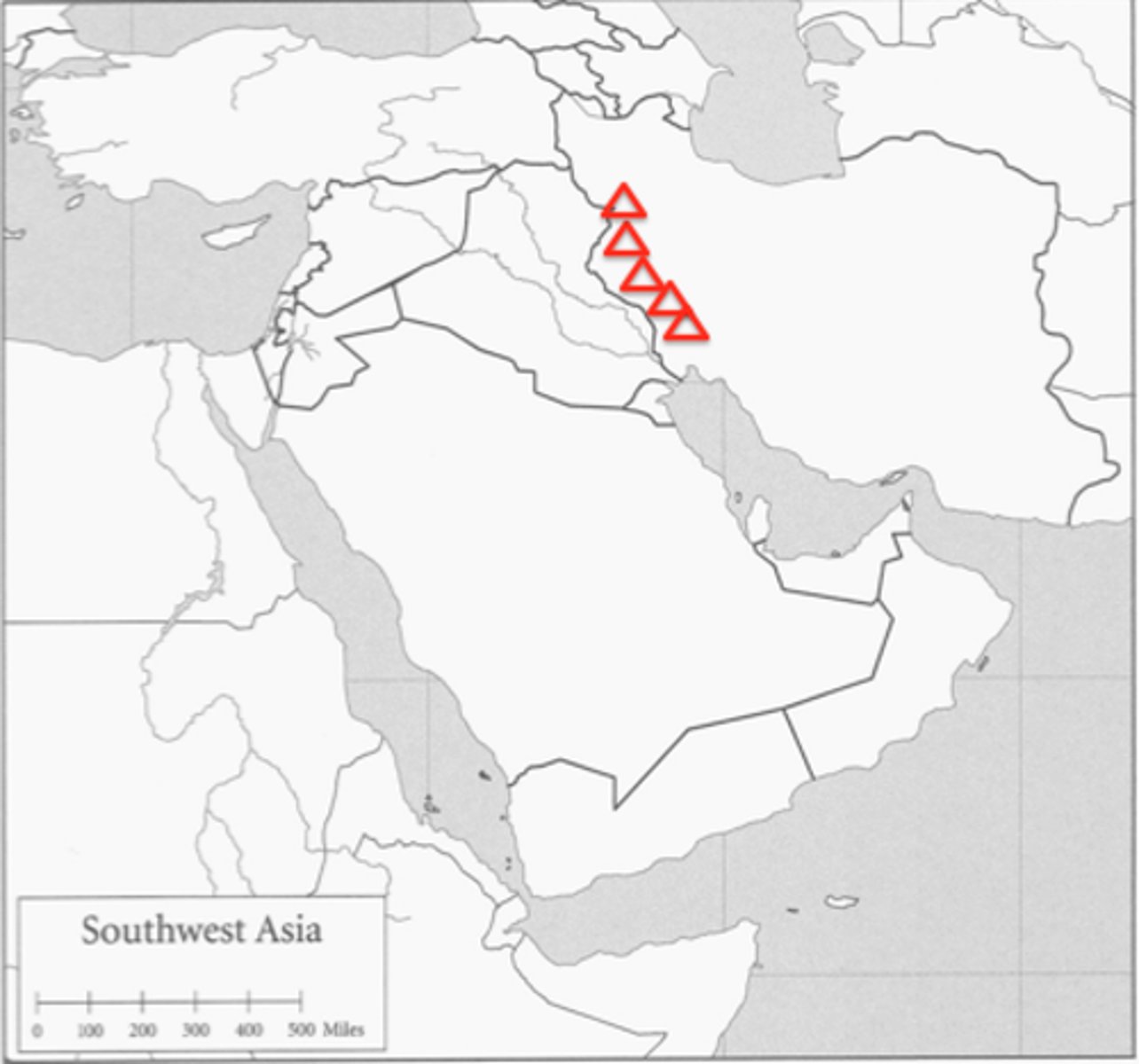
Zagros Mountains
(same as Elburz)
•Young, rugged mountain range
•borders Iraq & Iran
•Impact of high elevation = snow caps on top of mountains.
•high risk for earthquakes
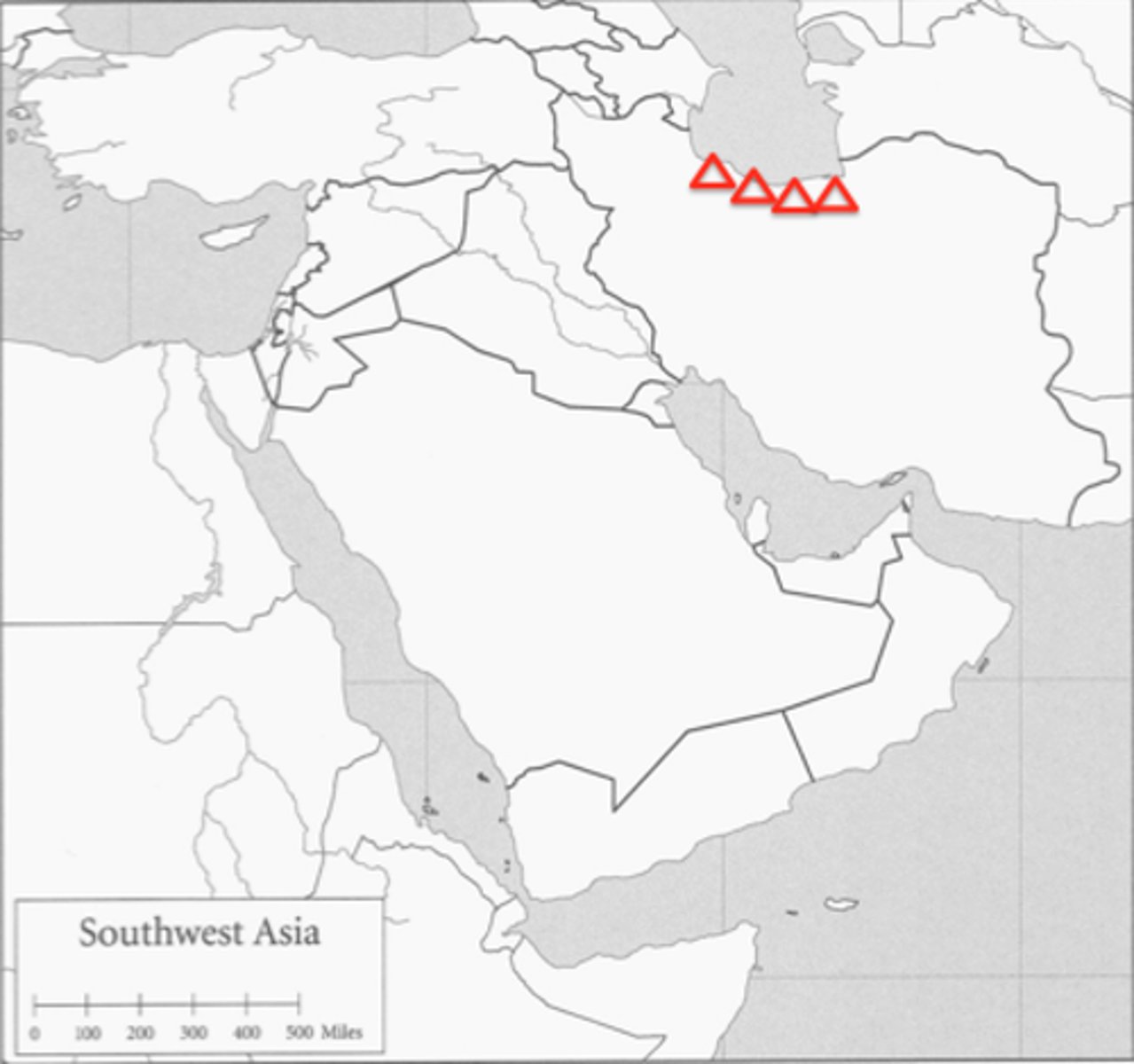
Elburz Mountains
(same as Zagros)
•high enough you can see snow- not typically a place you'd see snow.
•Arabian Plate: pushes into southwestern tier of Asia, creates Elburz and Zagros.
-earthquake hazards
-can be well above 7.0 on Richter scale
-Northern portion of southwest asia is high in risk due to con't movement of Arabian plate.
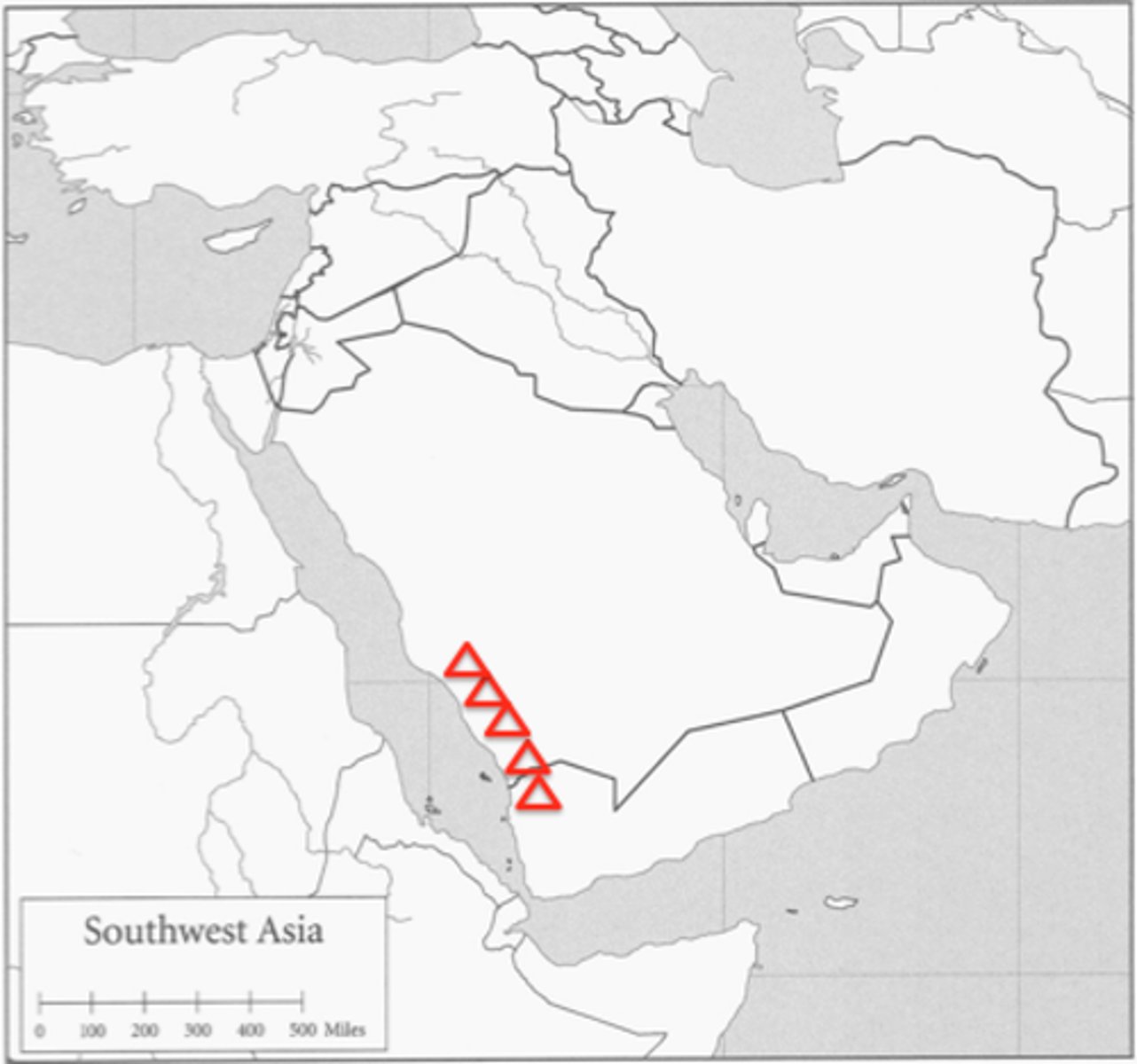
Asir Mountains
•Semi-arid, but is one of the more wetter parts due to orographic effect caused by mountains. Due to rain, wealthy Saudis have summer homes in the Asir mountains. Summers can be VERY HOT in Saudi Arabia.
-many spend summers in mountains due to rain/higher elevations.
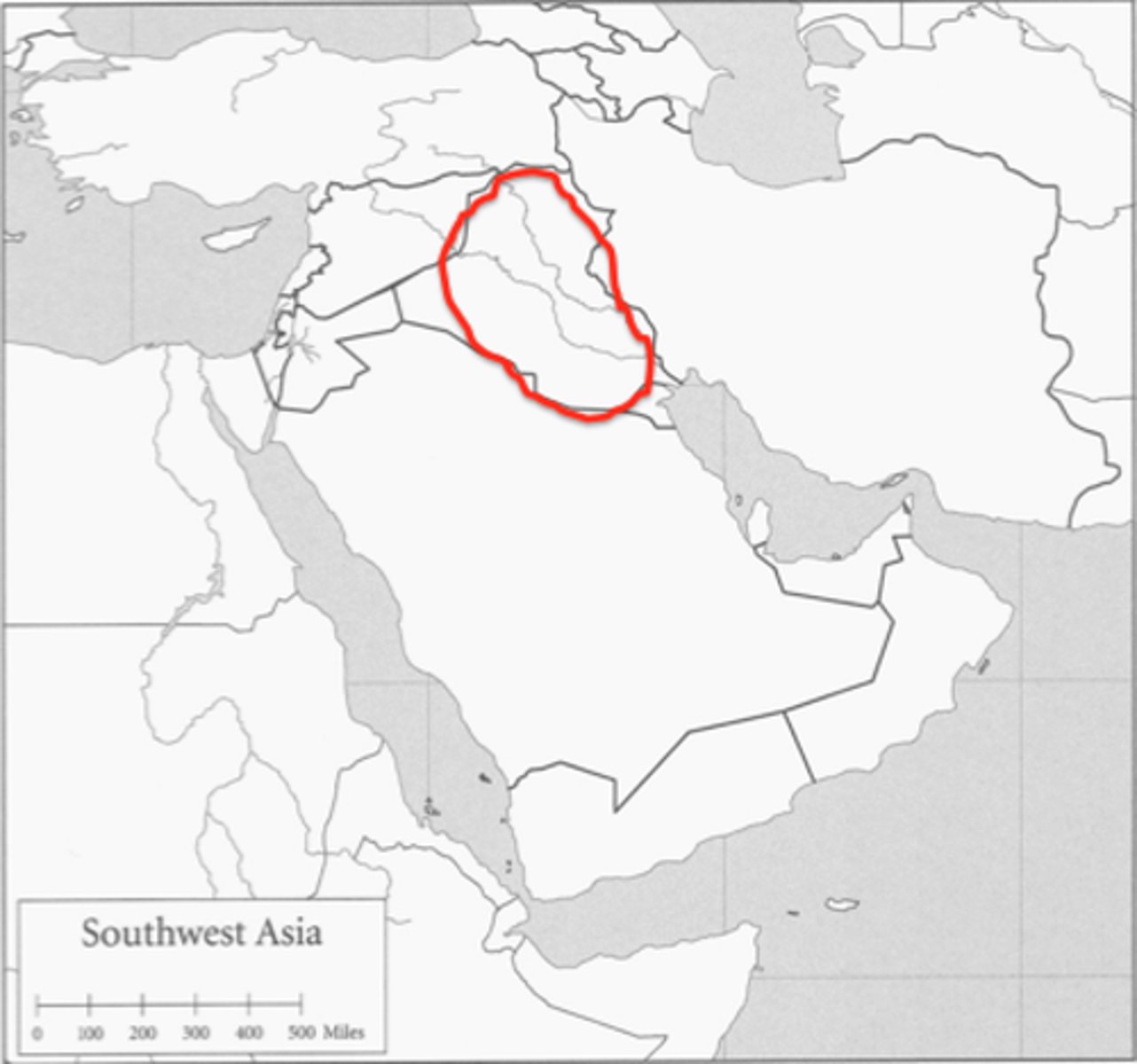
Mesopotamia
•Means "land between the two rivers"
•One of the cradles of western civilization, ancient civilization
•Euphrates and Tigres river runs through it.
•Culture hearth: areas where ideas, innovations, and technologies first emerged. (The wheel, irrigation, etc;)
-Agriculture completely changed human lifestyles. Settlement patterns, etc;
-Euphrates and Tigres provided fresh water source, rivers themselves create fertile flood plain.
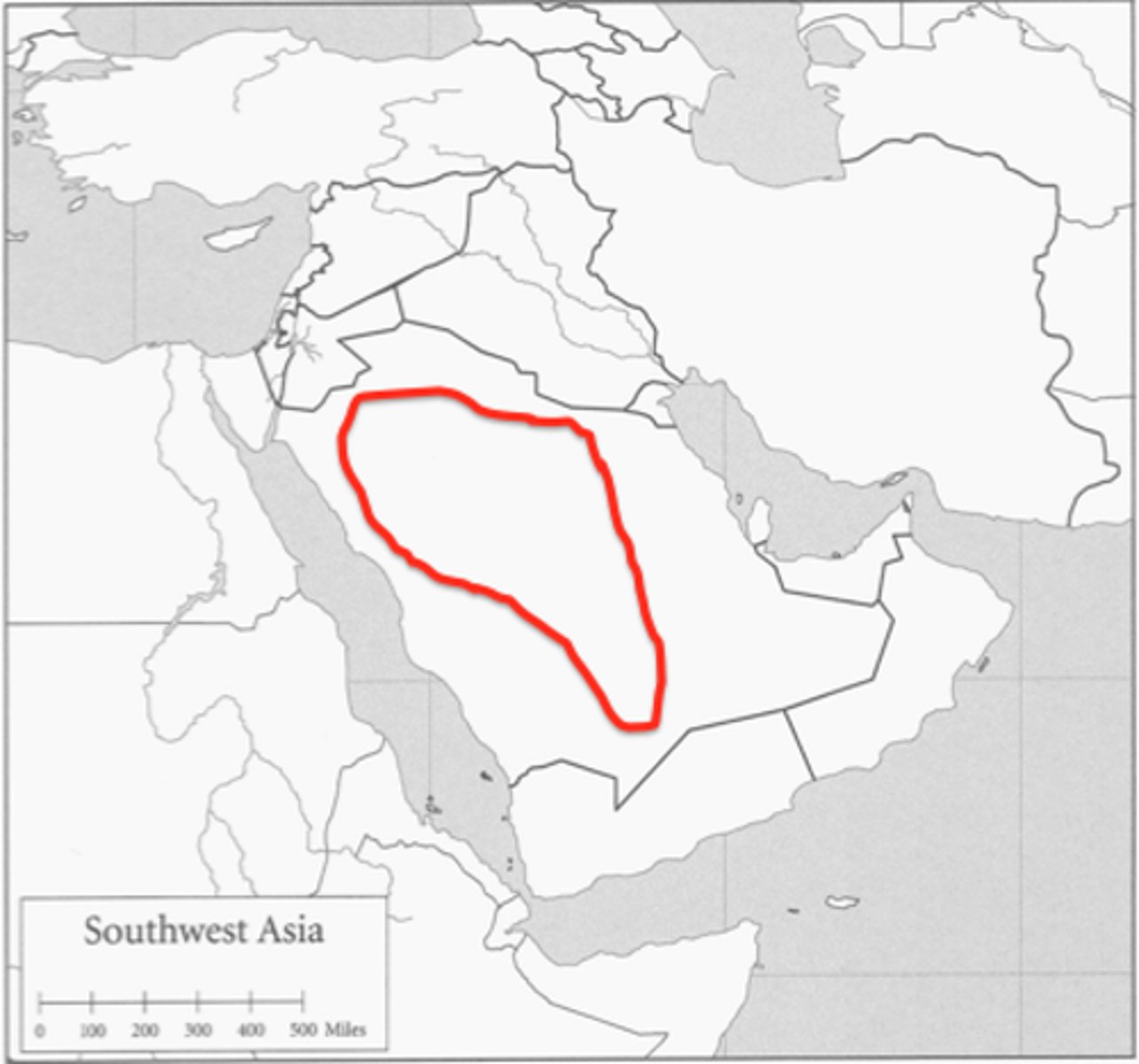
Plateau of Saudi Arabia
•Southwest Asia is one of the most oil rich areas of the world. LOTS of oil reserves. Most oil is found in and around the Persian gulf.
-oil formations: formed from ancient plants. from high heat and pressure.
-Tethys Sea: Persian gulf is an extension from the ancient Tethys sea. This area has been underwater for a long time which is what creates heat and pressure.
-not much oil is found on the plateau because it's not underwater.
-plateau is resource boundary in terms of distribution.
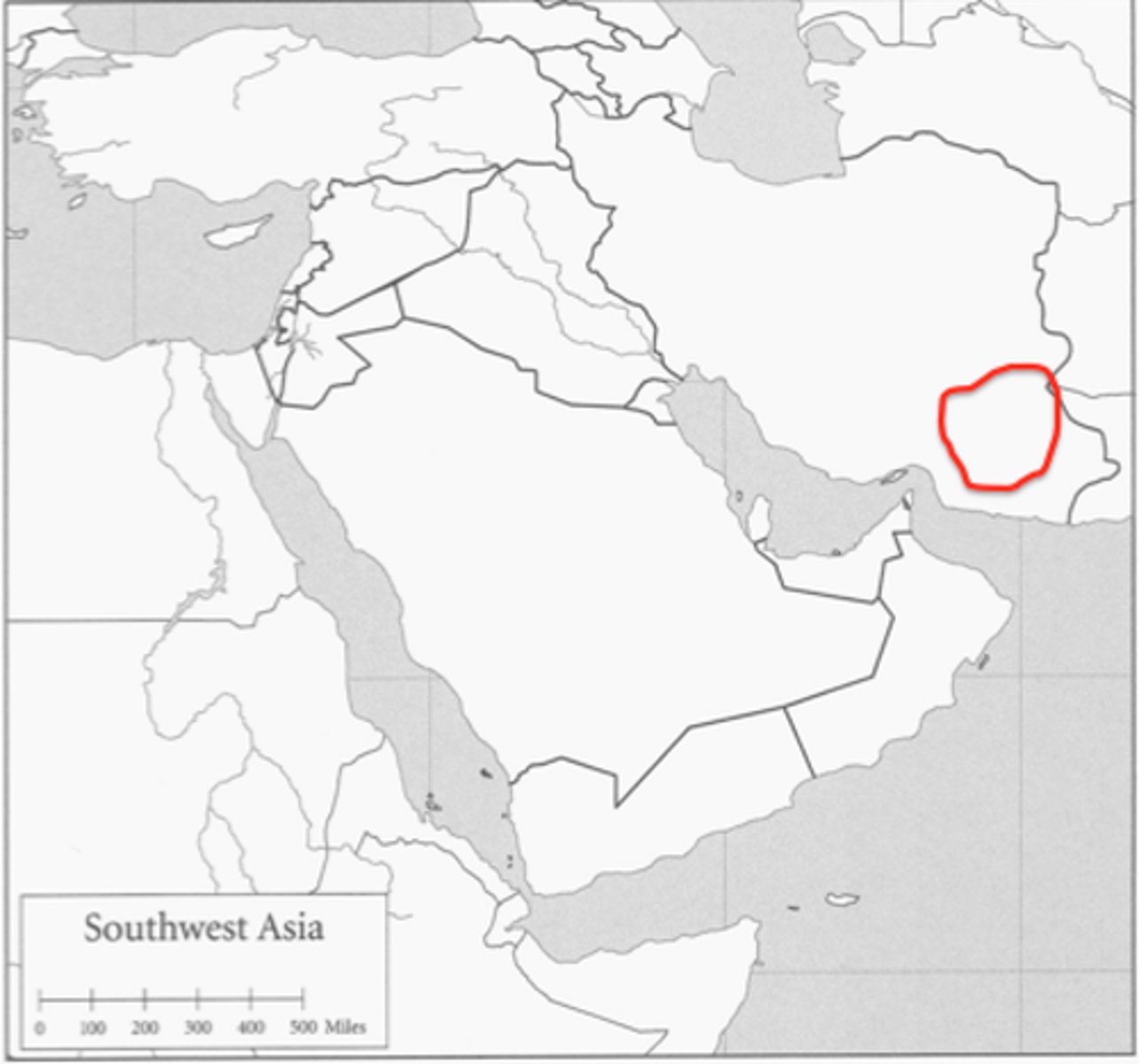
Plateau of Iran
•Most people in Iran live to North or West of the plateau.
•Plateau: pretty harsh conditions
-hot summers, cold winters
-Makes it a difficult area for people to survive in (extremely dry)
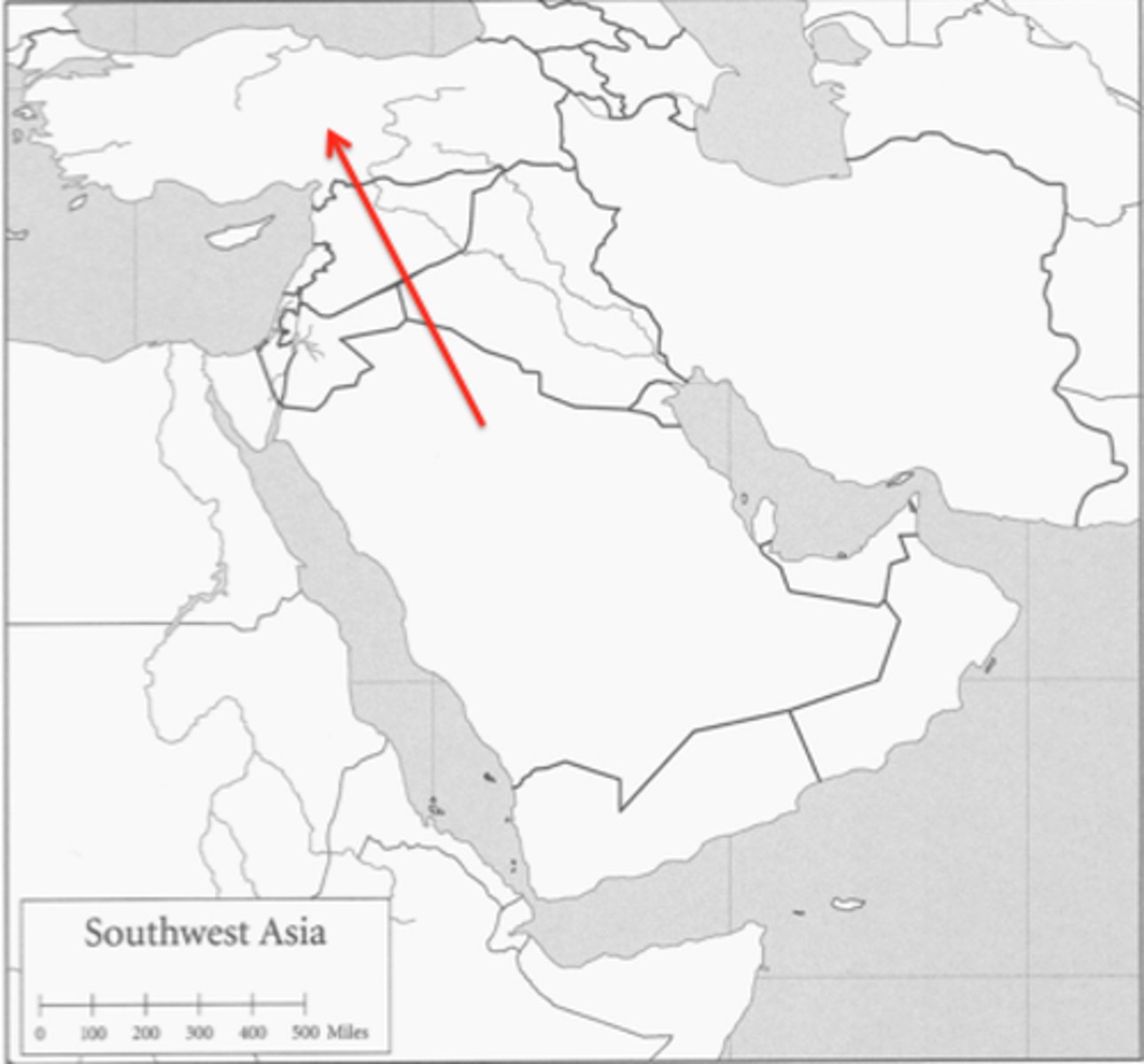
Turkey
•Ottoman Empire
•WWI- decline of Ottoman Empire
-Allied with central powers, Mustafa Kemal Ataturk (the "father" of the Turks)
•Secular country: separation of church and state- has civil law, not based on religious teachings.
•Kurds: state-less nation - Turkey has always had a problem with them here.
-They are spread throughout 4 other countries
-Kurds in Turkey have been the most active- Turkey doesnt wanna give up land so they can have their own state.
Iran
•Iranians speak "Farsi"
•The Persian Empire- major power
-ruled by "Shahs" - monarch title, became known as modern Iran.
-last Shah of Iran was Shah Mohammad Rezi Pahlavi
•US wanted to protect business interests and wanted Iran to remain an ally
-Last Shah was very pro-western, wanted to modernize Iran.
•There are two major sects in Islam: Sunni and Shia. Shia Islam is predominant in Iran (90%) and they are conservative.
-85% = Sunni; 15% = Shi'ites worldwide.
•Said that Pahlavi was going against the Quran.
-Ayatollah Ruhollah Khomeini was vocal about disgust with what was happening, had to go into exile because Shia was sensitive about criticism.
-SAVAK: most brutal secret police organization
-1979: Islamic Rebellion began and they declared independence.
•Dual Containment: We looked @ Iran and Iraq as major threat to our close allies. Sold both of them enough weapons to fuel fight, but not enough to create a winner. Shrewd geopolitical approach.
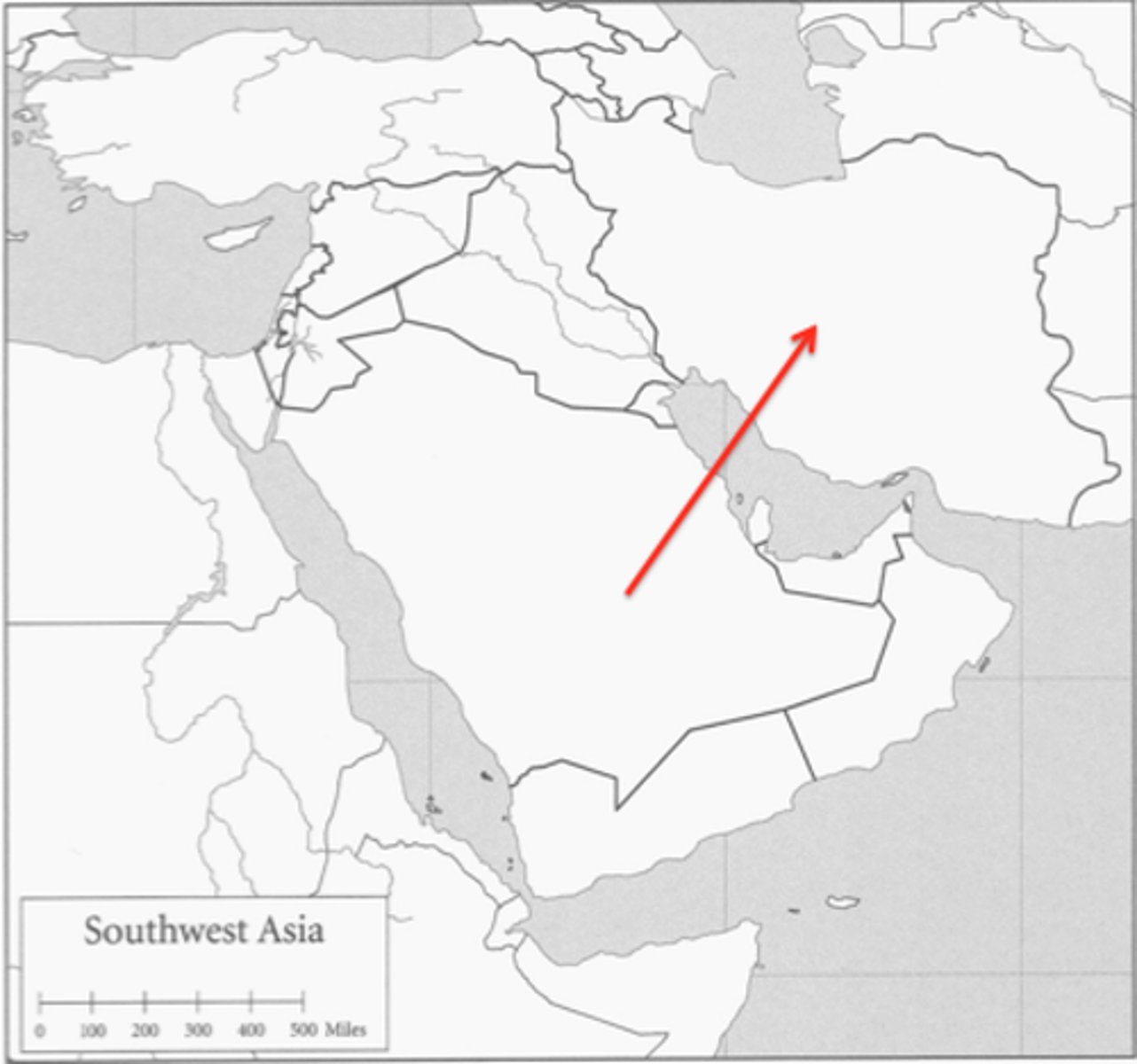
Iraq
•Iran-Iraq war (1980-1988)
-we had to find $$$ to help Sandanistas, sold arms to Iran
-We were also providing arms to Iran.
•Saddam Husein
-in western Iran, there are sizable oil reserves.
-Shat al Arab- access to the Persian gulf.
^^^ reasons for the Iran-Iraq war
•Invasion of Kuwait
-August 1990, partly because they wanted to secure access to Persian Gulf again
-Allocation dispute- dispute over resources that straddle a boundary. In Iraq: OIL
-Rumaila Oil Field: Iraq accused Kuwait of violating oil boundary underground.
•Operation Desert Storm: Liberation of Kuwait
-took 100 hours for Kuwait to be liberated, we left Saddam Husein in power- dual containment- kept Iran in check. Under condition that UN could do weapon inspections, but they began messing with inspection eventually.
•Second Gulf War
-weren't cooperating with inspectors, we went into the second gulf war where we took him out of office.
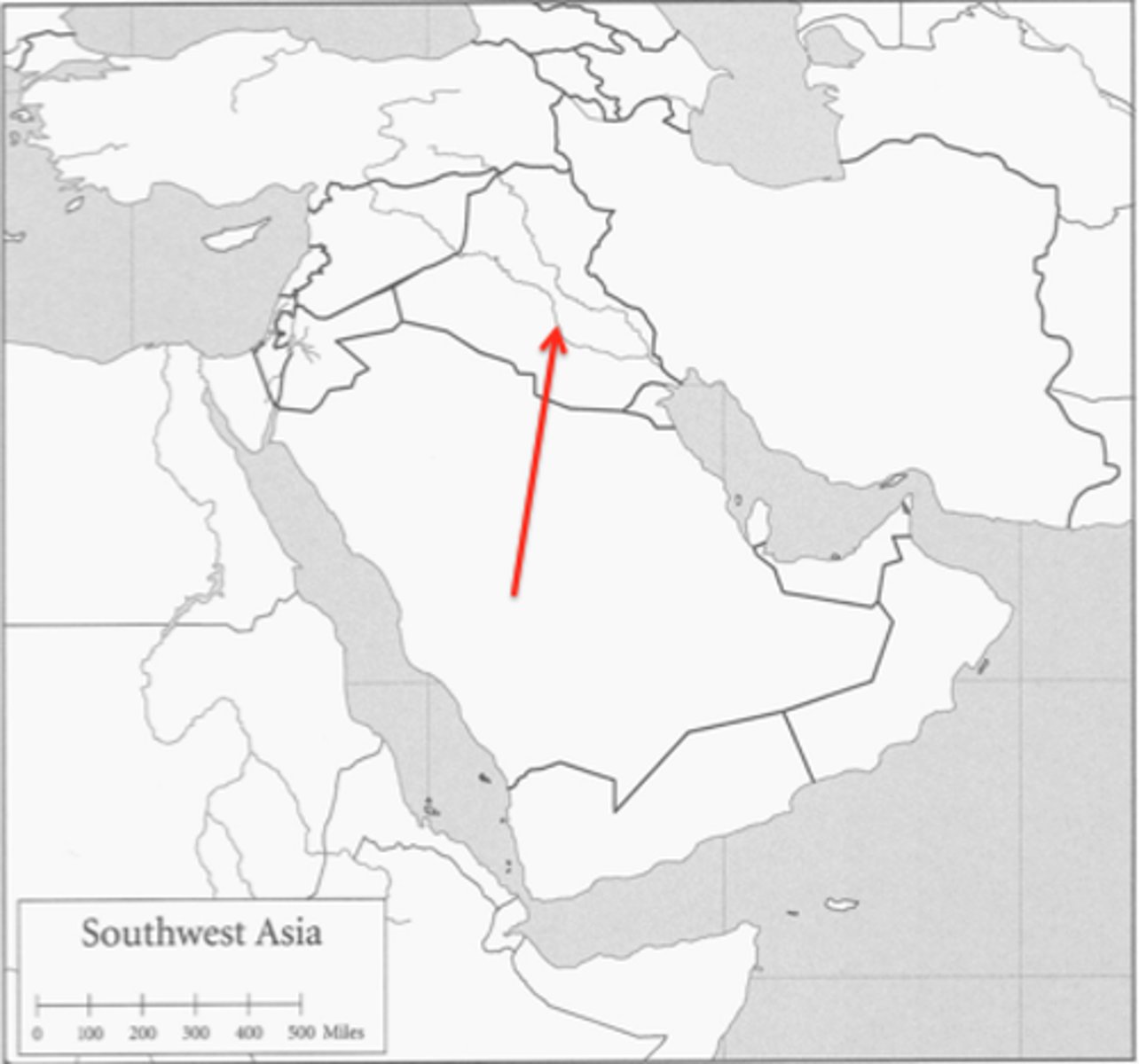
Kuwait
•liberation of Kuwait was very expensive- 15 Billion - they paid it off in full w/ oil money
•War debt repayment, extremely rare to repay in full
•Environment cost of war
-extremely detrimental to environment
-Iraqi's had complete intension to create environmental damage in Kuwait.
-580 oil rigs caught fire- took 6 months to put out.
-oil fires got caught in the atmosphere, cooled temperature for years, Iraq dumped Kuwait oil into the Persian gulf.
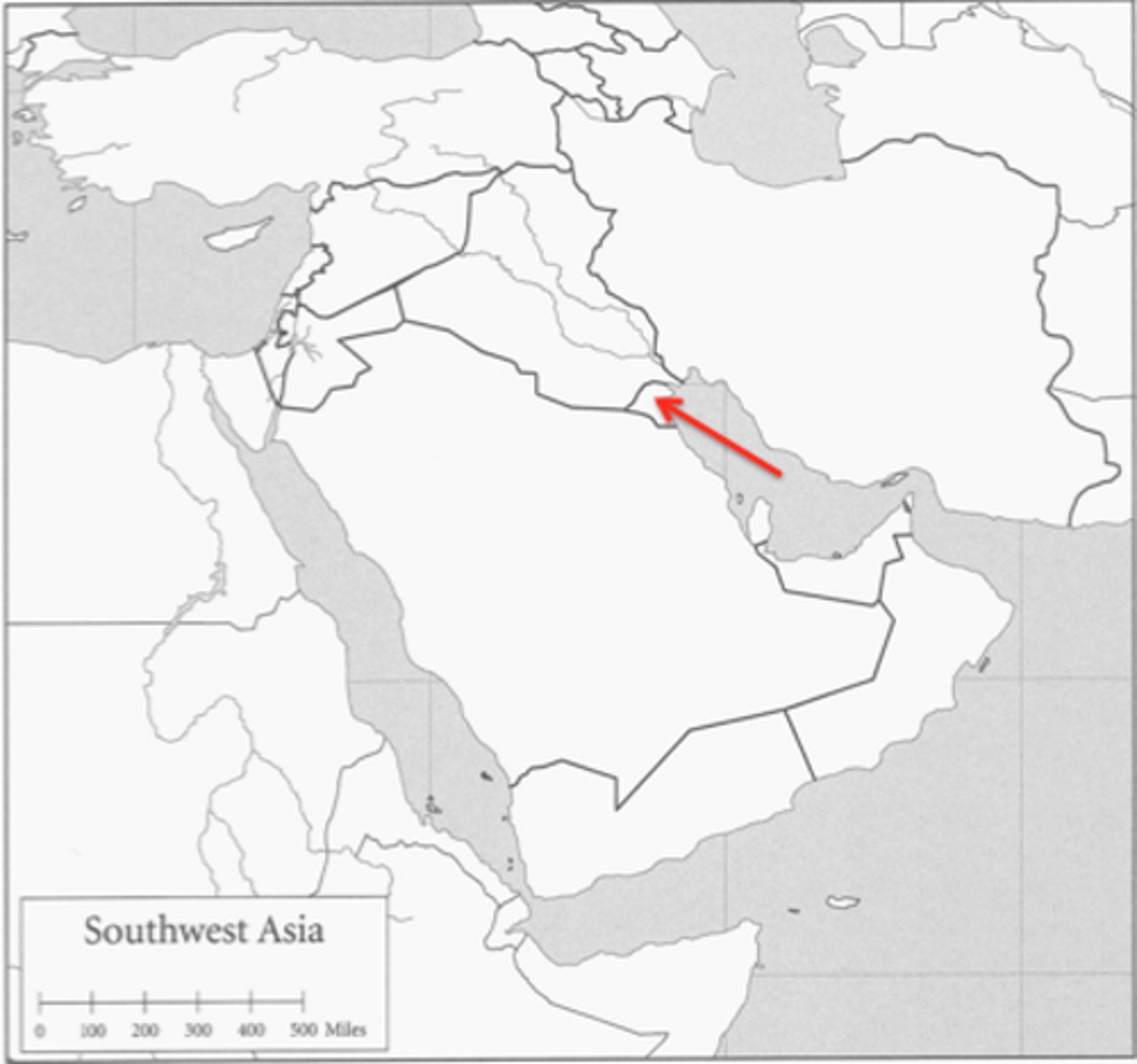
Saudi Arabia
•rank 2nd in proven oil reserves- 261 Billion barrels
•oil is much more attractive to international buyers here
-lighter, sweeter oil that is easier to process
-easier to access- just have to dig a hole..
•Oil= blessing and a curse
•absolute monarchy: power is held by King
-one of the most politically repressive societies on the planet: women can't drive
•Social welfare: numerous programs to help citizens, surpasses cradle-to-grave socialism.
-education, utilities (free), CHEAP gas prices, low and even non-existent taxes
-completely or partially subsidized by oil revenues. suddenly oil $ are stretching thinner, population is growing faster
-monarchy in shaky situation in fear of pulling back on social welfare, they might get overthrown
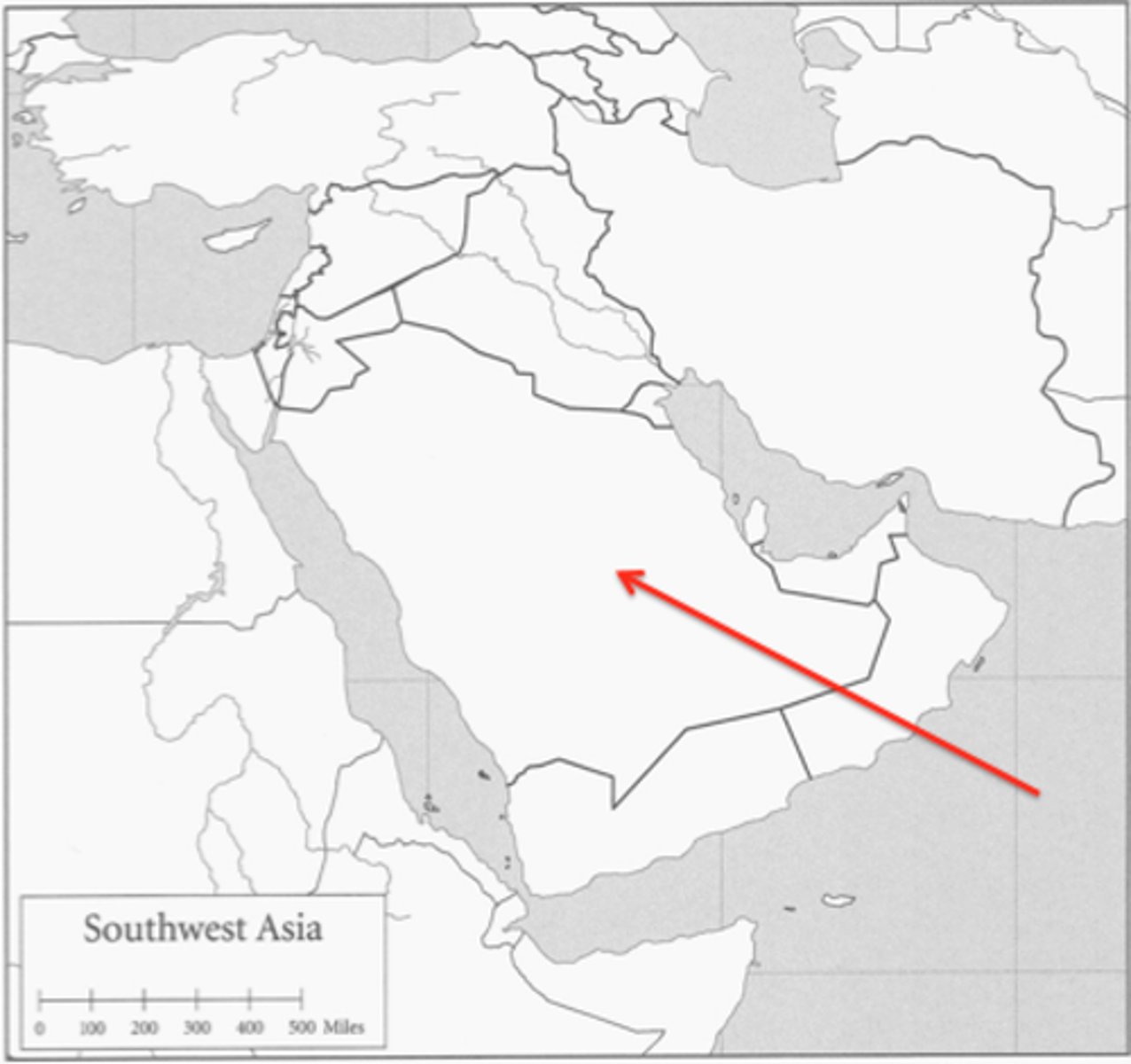
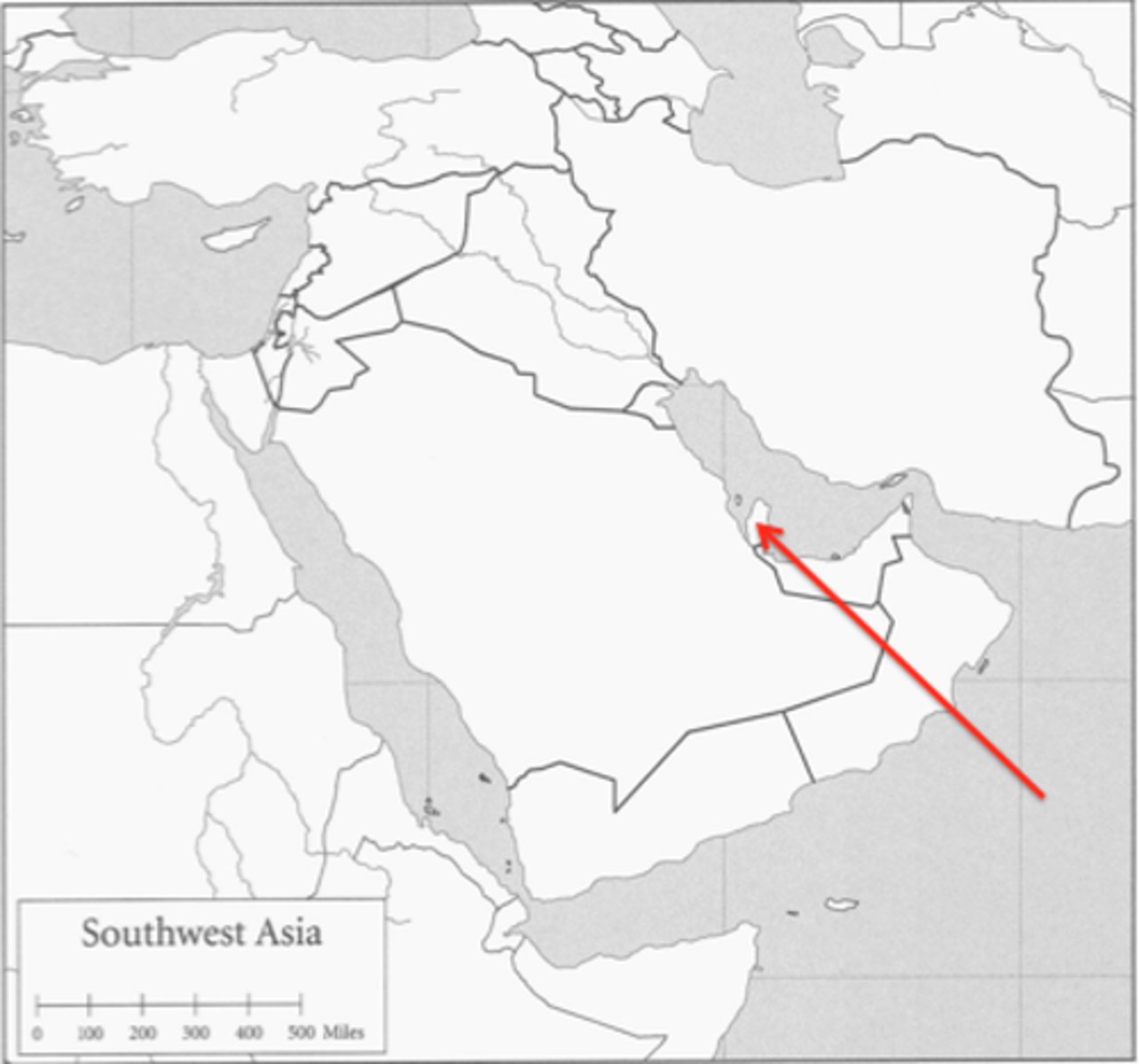
Qatar
•Very small, struck rich in resource lottery
•3rd largest proven reserves of natural gas on planet.
-associated natural gas: North field,
associated: natural gas WITH oil
•natural gas is making Qatar very wealthy
-cold conditions at high pressure: must be put in specially designed supertankers to transport it to places like Japan.
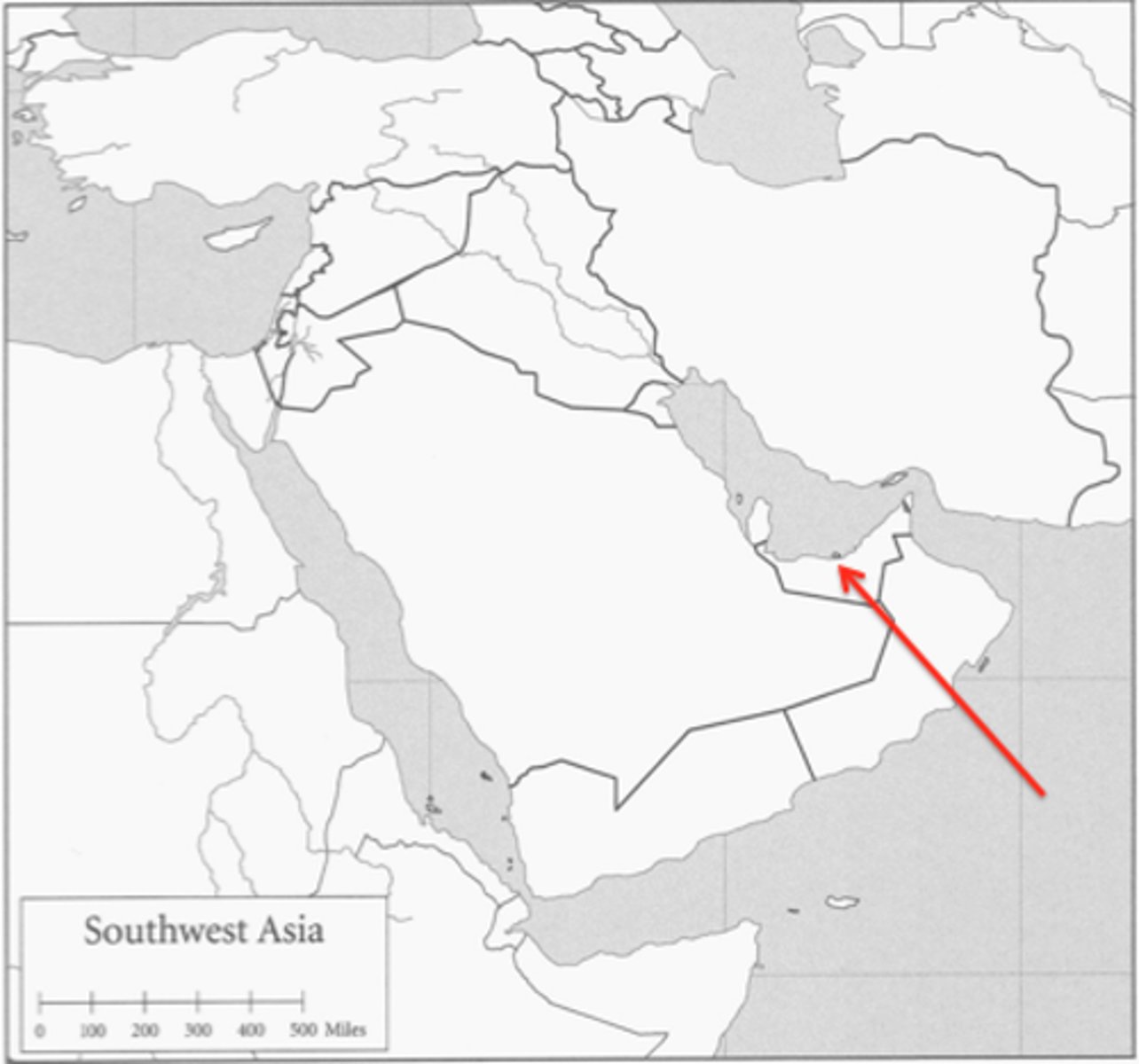
United Arab Emirates
•Composed of 7 Emirates- 2 Major
-Abu Dhabi: largest, most powerful, where most of the oil is located.
-Dubai: made $$$ off being major center for trade and commerce. home to world's tallest building - The Burj Dubai. use buildings as symbols as an emerging economy.
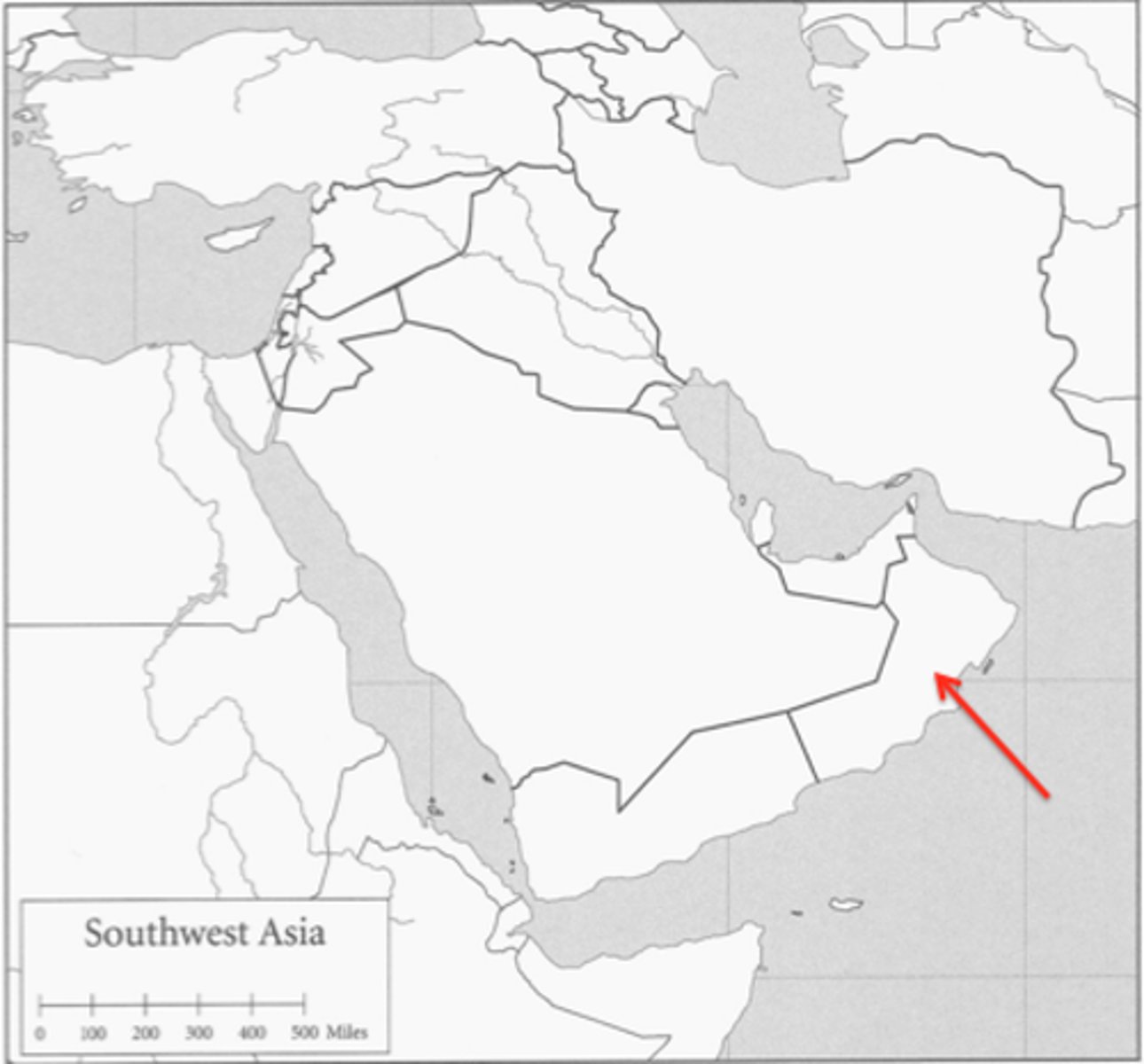
Oman
•Musandam Peninsula
-Control of this little piece of territory gives them control of the Strait of Hormuz.
-Navigable channel: deepest portion that boats can safely move through.
•Strait of Hormuz
-20% of oil moves through this strait
-security is critical to oil supply
-Oman is peaceful, it's good they control it.
•Maritime tradition: oman sailed many places to make trade with these places.
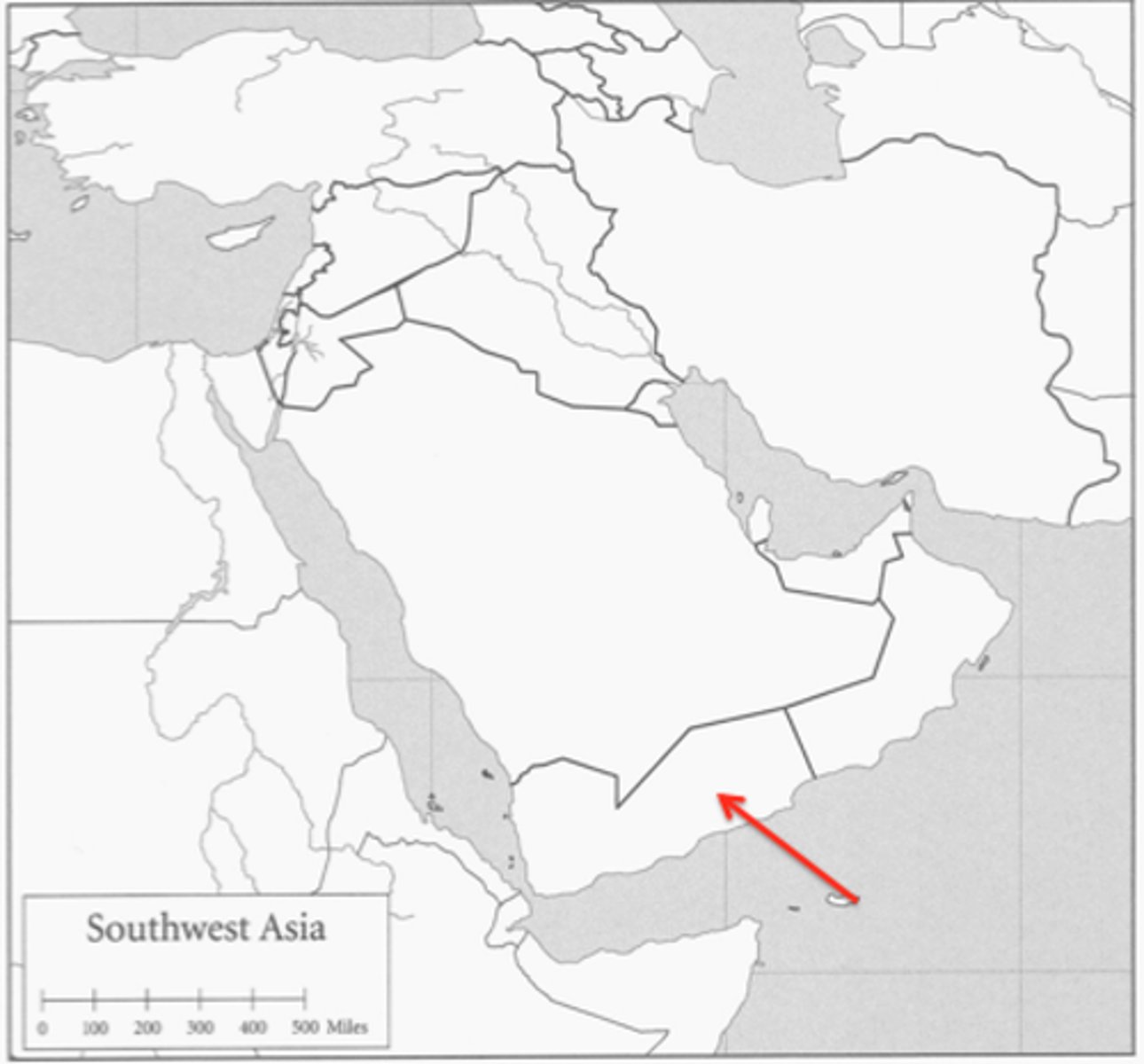
Yemen
•Located next to Strait known as Bab-el-Mandeb strait
•Aden: port city located on strait
-USS Cole bombing of 2000
-Al Queda pulled up next to vessel and detonated bombs, since then Aden is very active area on war on terror.
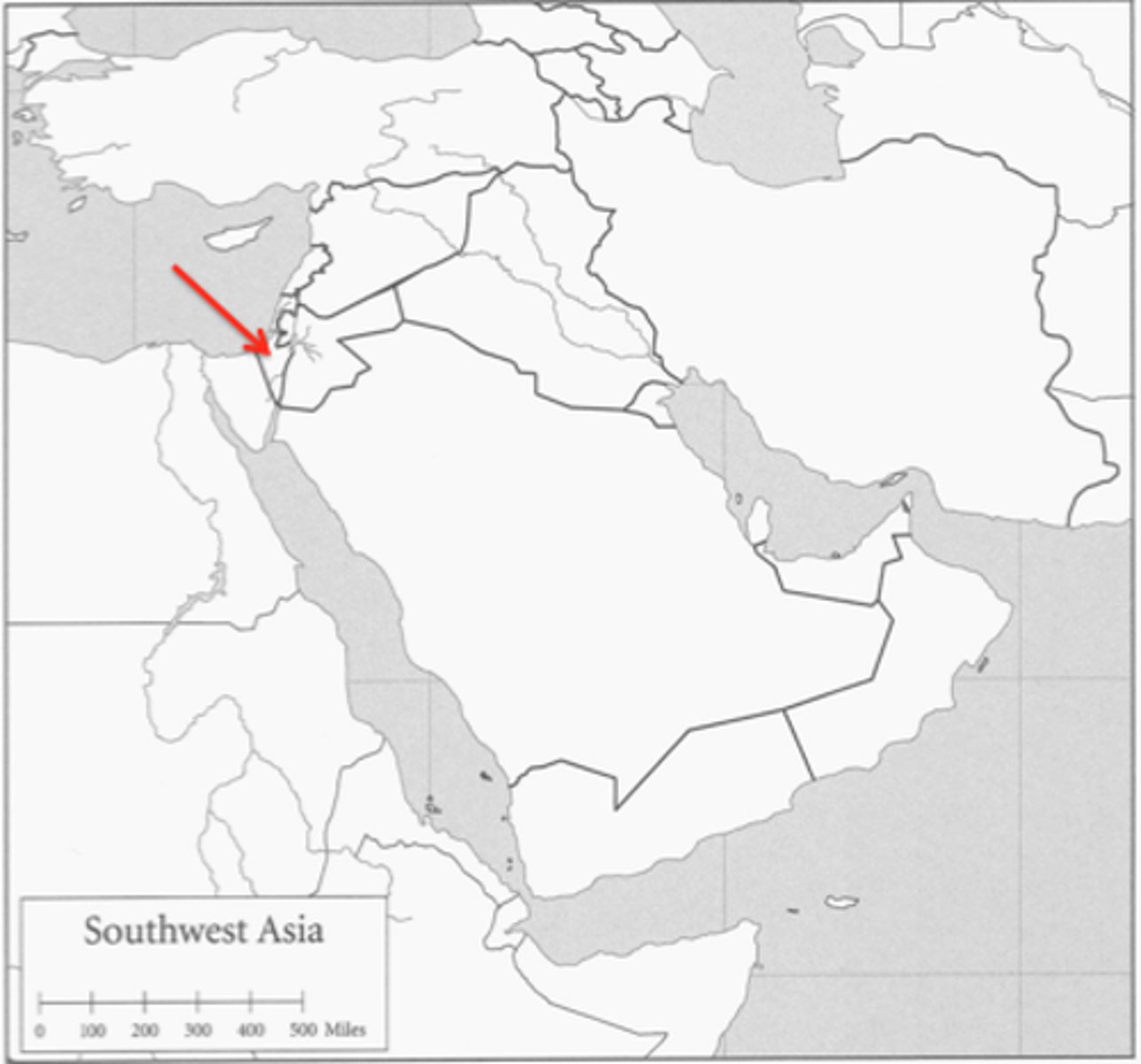
Israel
•At the heart of the issue between US and Iraq
•Zionist movement: pursuit of Jewish homeland.
•WWI: 1914- British win and large chunks of Ottoman empire are given to British/Frnace. Known as League of Nation mandates.
-Palestine: European Jews got very excited about this area. This is the "promise land", THE home land.
•UN Partition Plan:
-British withdrew from Palestine and gave it to the UN. 56% set aside for Jewish state of Israel, 43% set aside for Arab/Palestinian state. Jerusalem was to be set aside as international free city under UN control. (THIS WAS THE PLAN)
•In 1948 Israel declares itself independent and they get attacked by Arab neighbors in the Arab-Israeli war. Israel won by a large amount and gained 72% of the territory. Palestinians are left without a country, they are a stateless nation --> CREATES PROBLEMS
•Six Day War (1967)
-Launched by Israel bc they felt threatened, attacked neighbors
-they absorbed 5 territories and these became known as occupied territories.
-West Bank, East Jerusalem: Jordan
-Syria
-Gaza Strip: Egypt (Sinai peninsula was later returned to Egypt after Camp David Accords)
•International Law says you cant settle citizens on occupied territory and and Palestinian terrorist groups began to become very active.
•Israel Recognizes Hamas as terrorist group.
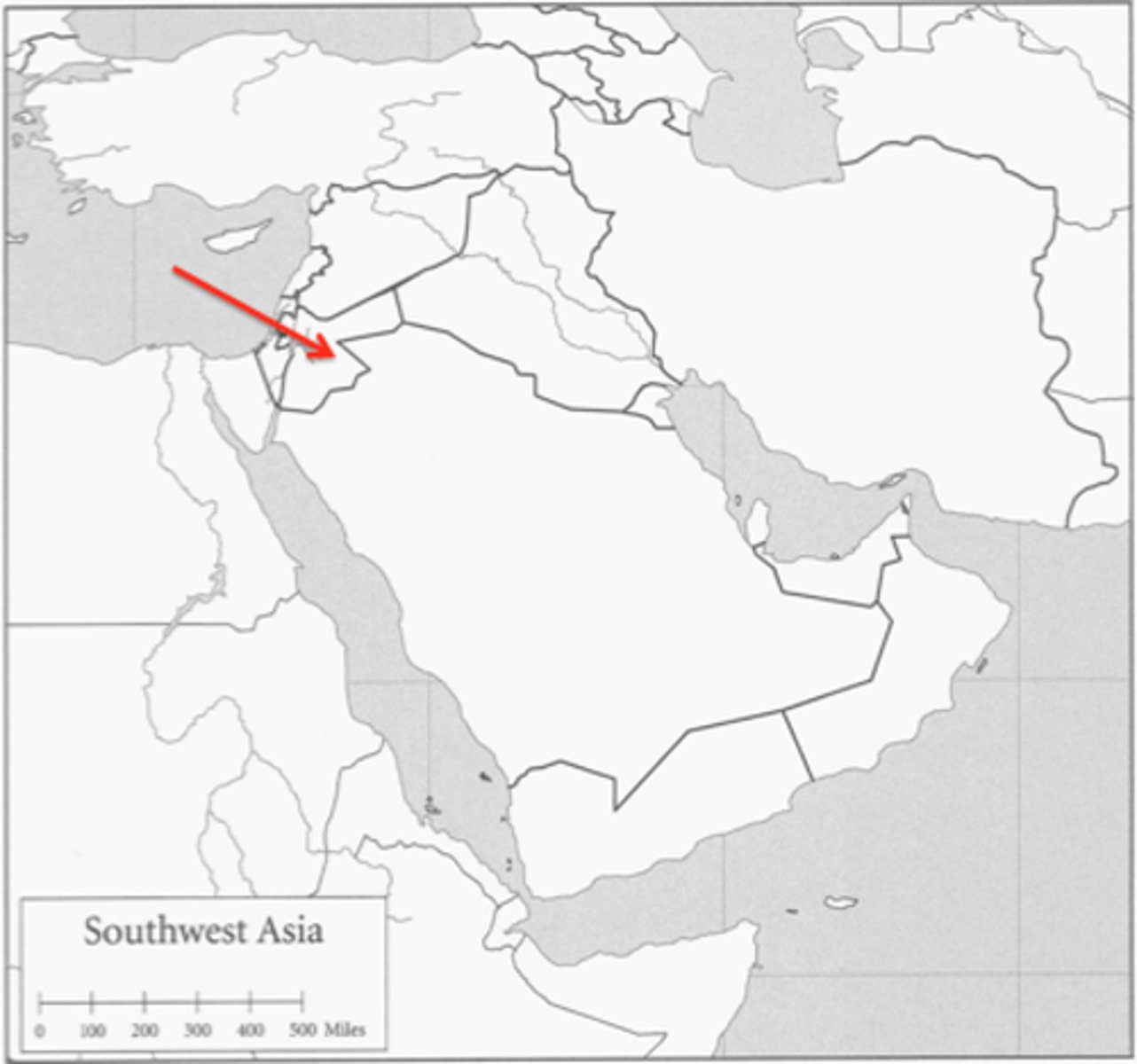
Jordan
•Big location for people fleeing from Palestine.
•Refugees create large burden on place they're inhabiting. Can be destabilizing factors.
•Right of return of these refugees is sticking point in war with Israel/Palestine. Palestinians outnumber native Jordanians in the country.
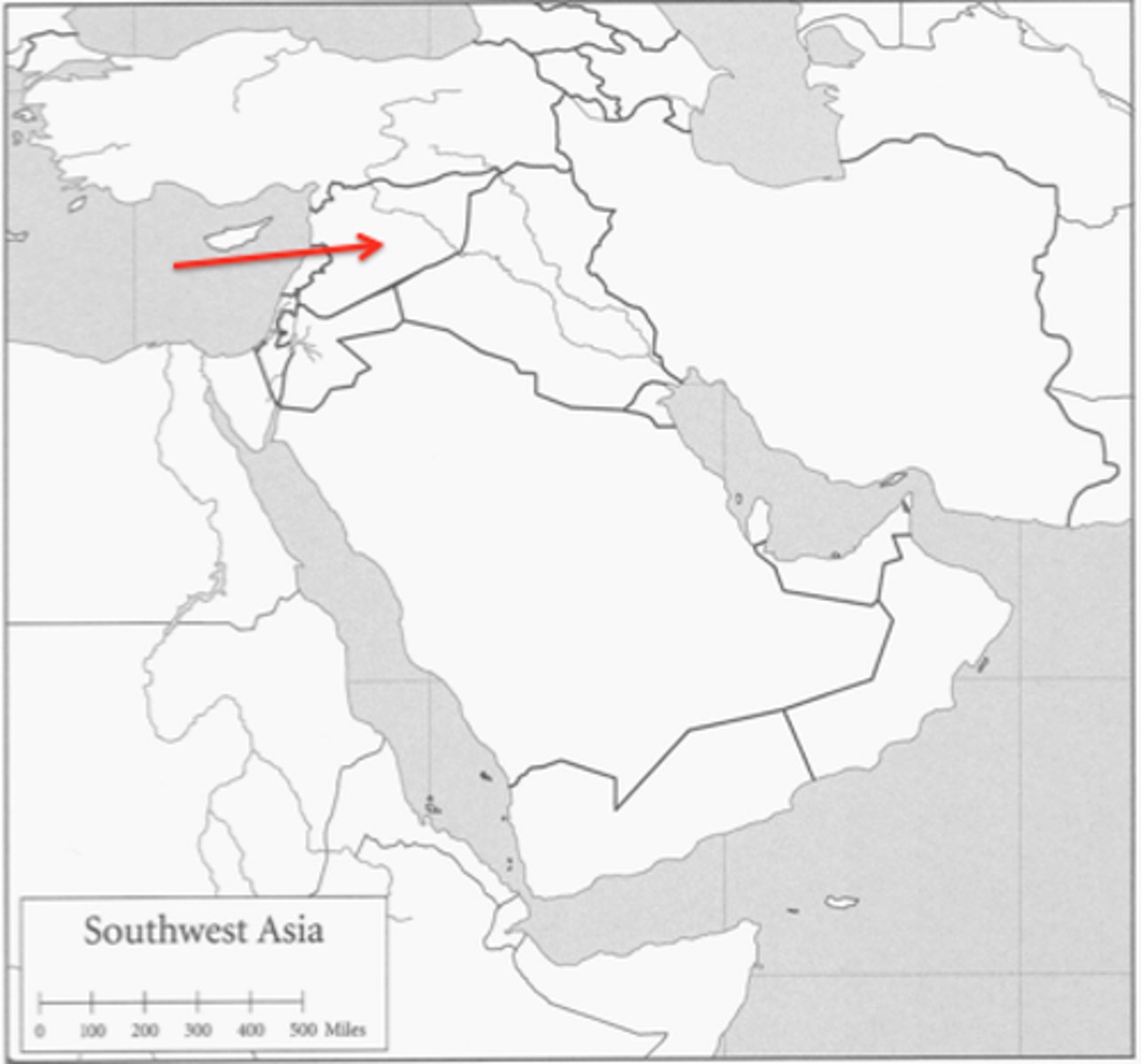
Syria
•Syrian civil war- has been happening now for ~3 years
-Trying to overthrow Bashad Al-Assad
-War broke out in climate of political change w/ Arab Spring
•Alawites: minority group ruling over country.
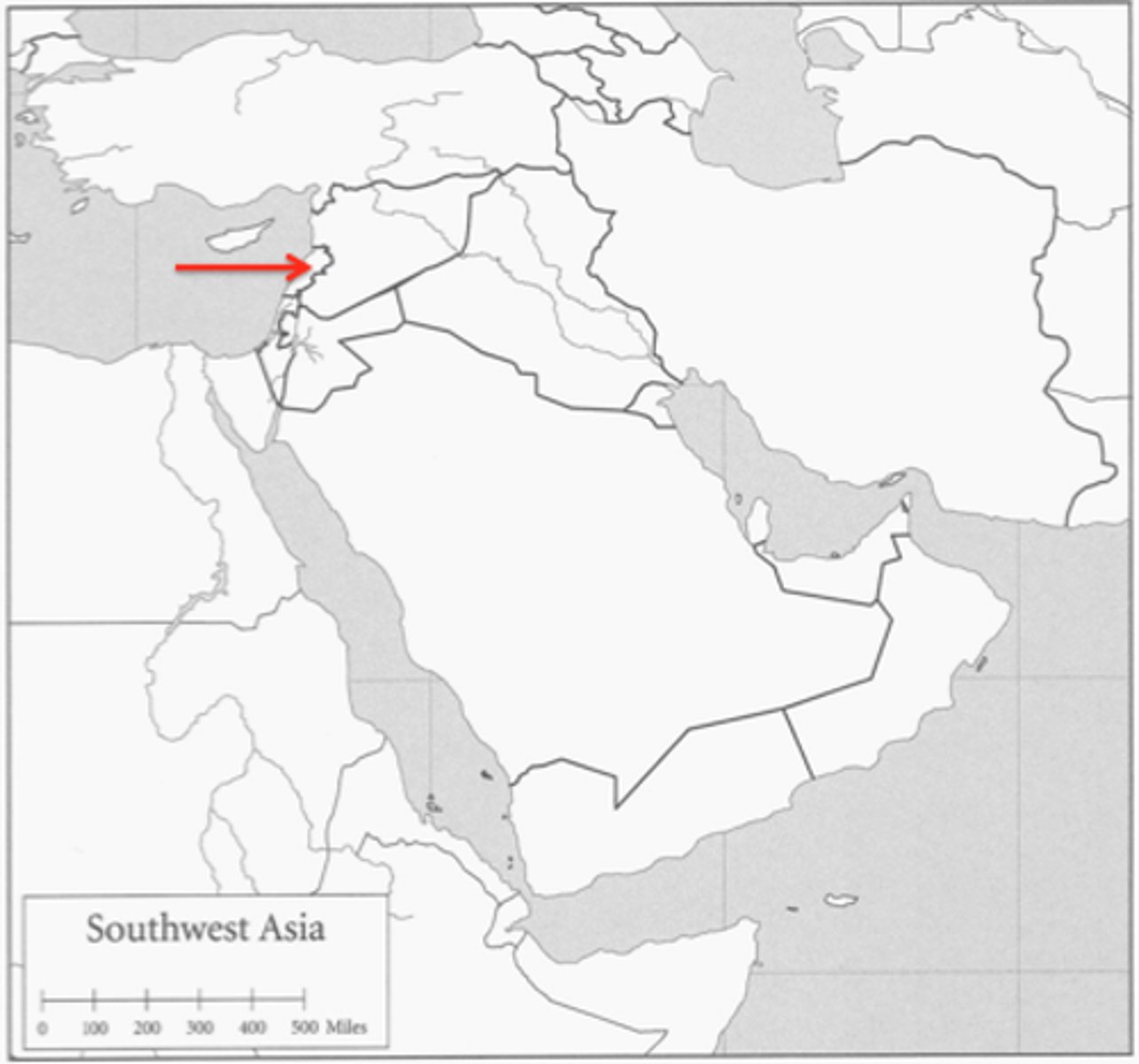
Lebanon
•French carved off Lebanon from Syria because they wanted it to be an area for the Christian majority in this area.
-Beirut: referred to as the "Paris" of the middle east int he past.. soon became synonymous with war zone.
•1970's: Christian became minority.
•1975: Lebanon broke out into civil war until 1990.
•Hezbollah: terrorist group that operates out of Lebanon.
Pamir Knot
•Tectonic Activity created these ranges.
•home to some of the highest peaks on the planet. These mountains are still growing, high risk for earthquakes. Indian subcontinent continues to push into Asia.
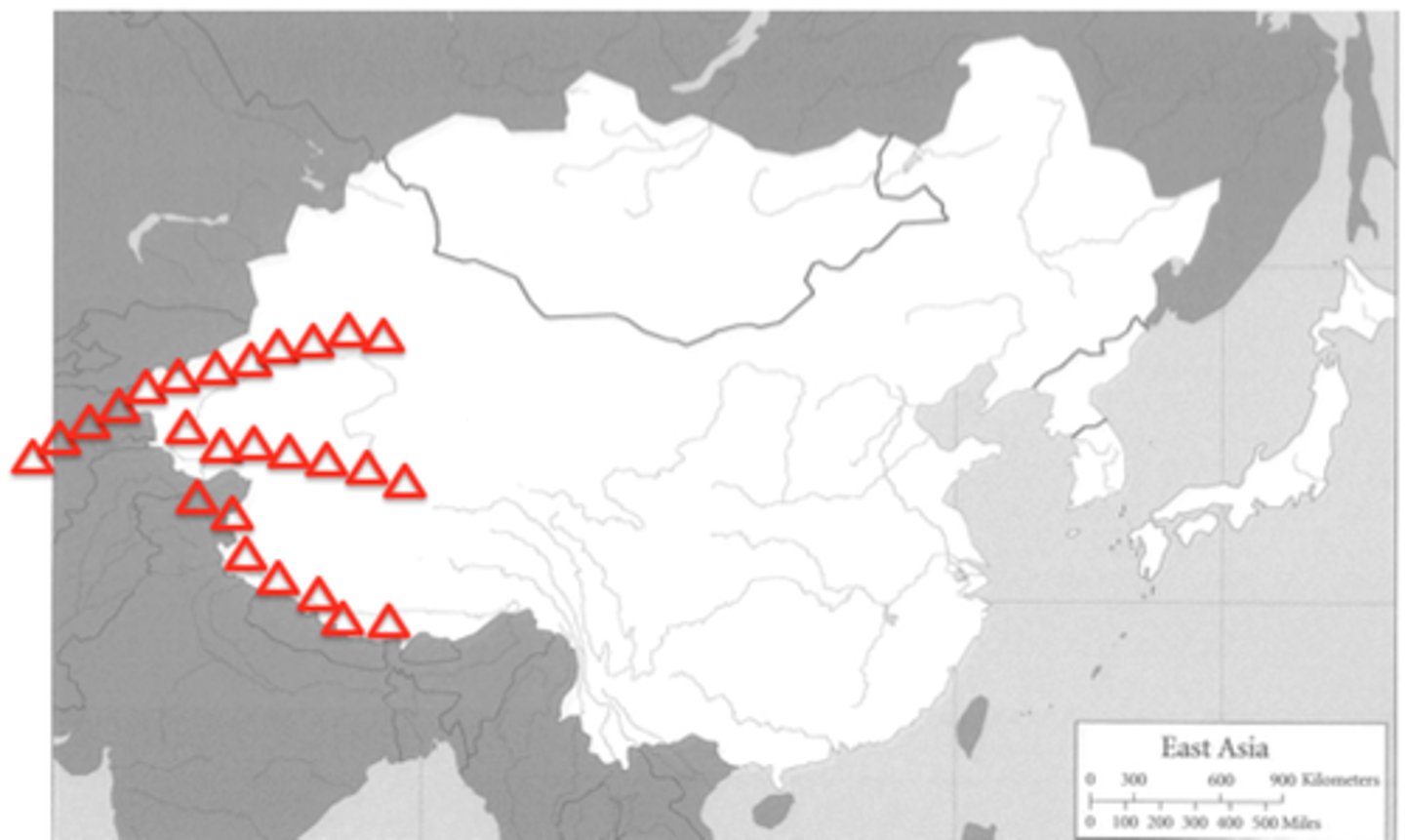
Hindu Kush
•Created difficulties for many groups to invade Afghanistan.
-harsh climate, transportation struggles.
-1979, Soviet Union invades Afghanistan due to Brezhnev Doctrine which said no communist government bordering Soviet Union could be overthrown.
-Afghan fighters use guerilla warfare, knew terrain better than Soviets. perfectly suited terrain for guerilla warfare.
-Soviets withdraw in late 1980's.
-Afghanistan nicknamed "Graveyard of empires".
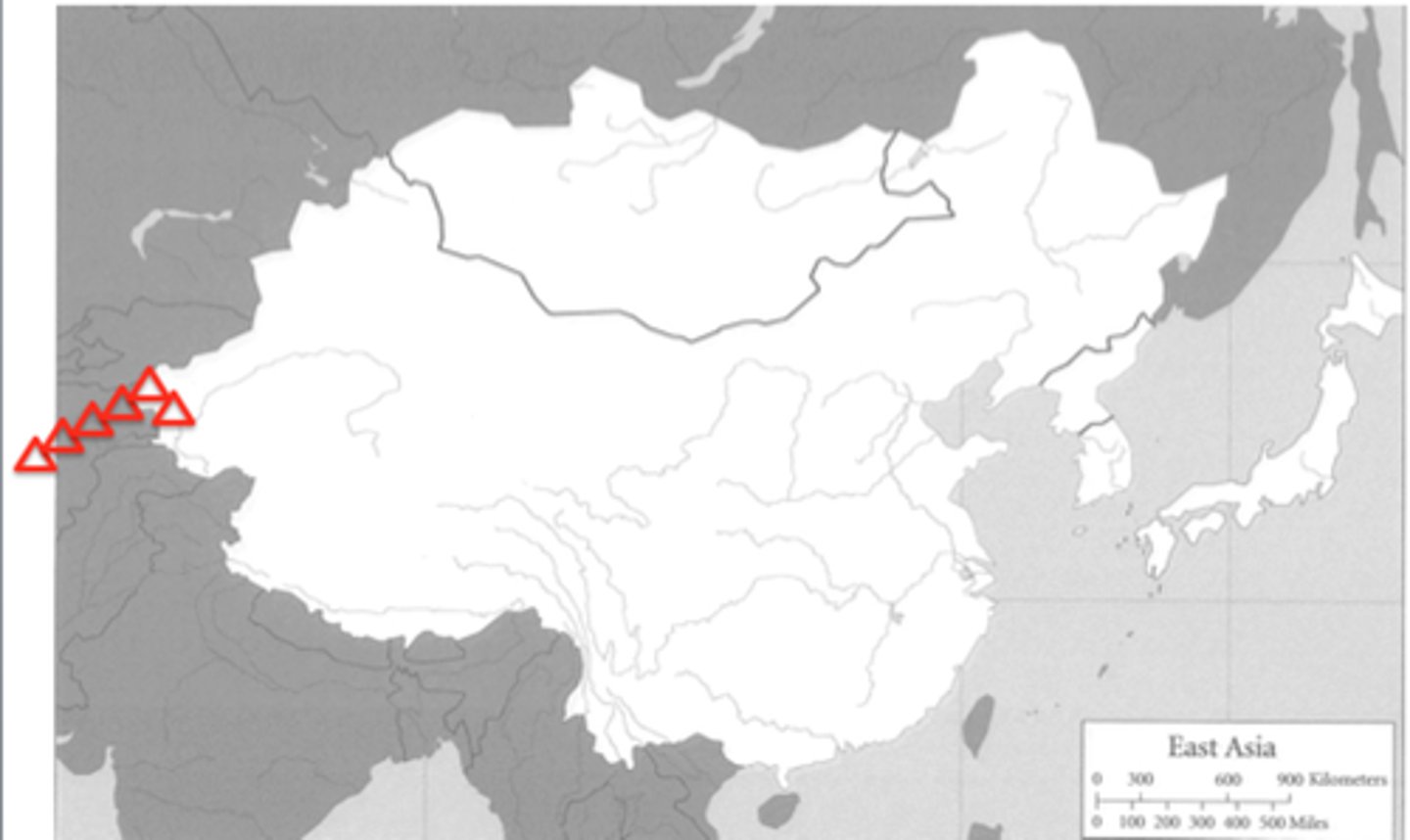
Tien Shan
•translates to English to mean "mountains of heaven".
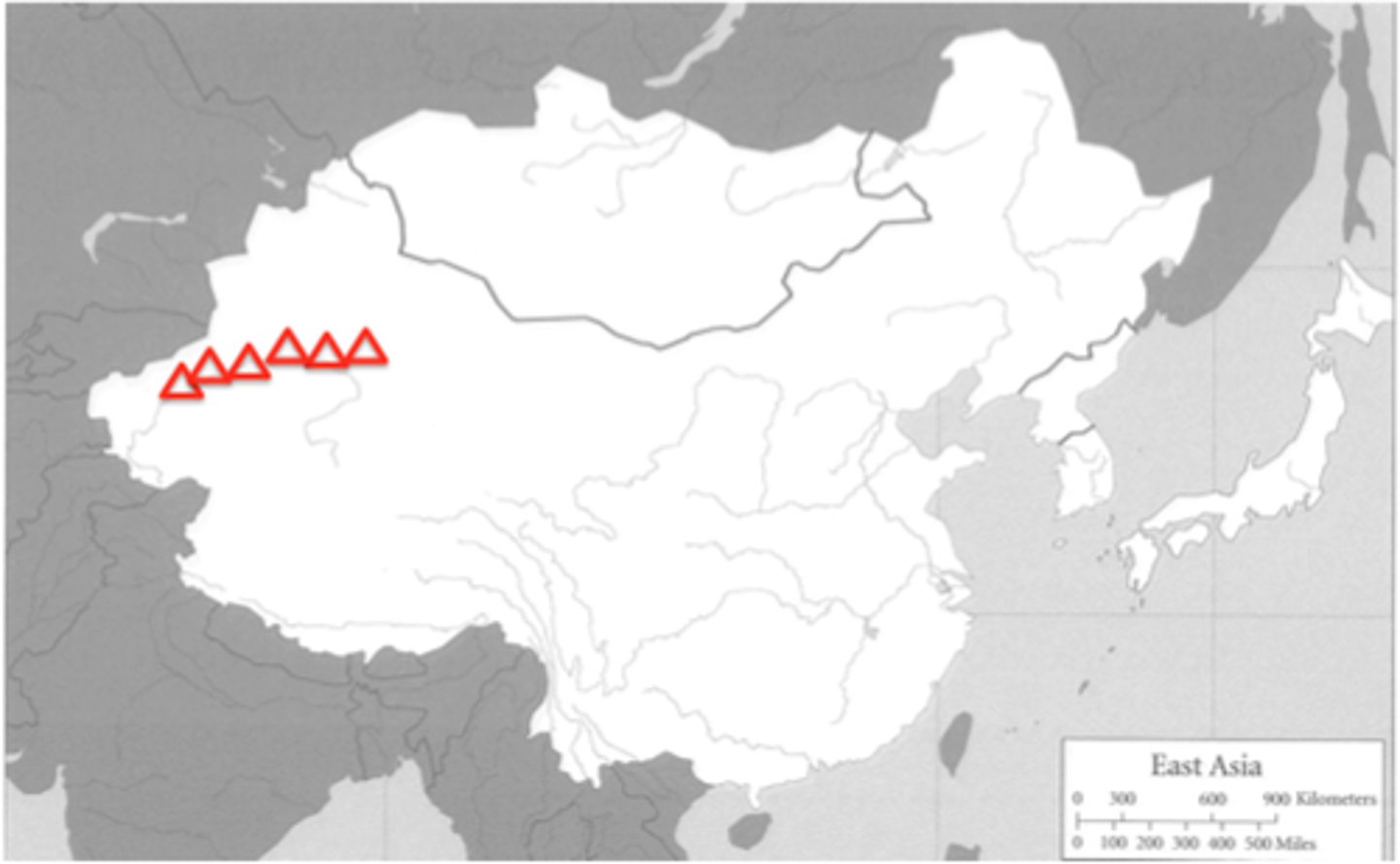
Kunlun Shan
•forms northern tier of the Plateau of Tibet. Largest and tallest plateau region on planet. Often nicknamed "roof of the world".
•Nomadic livestock herding.
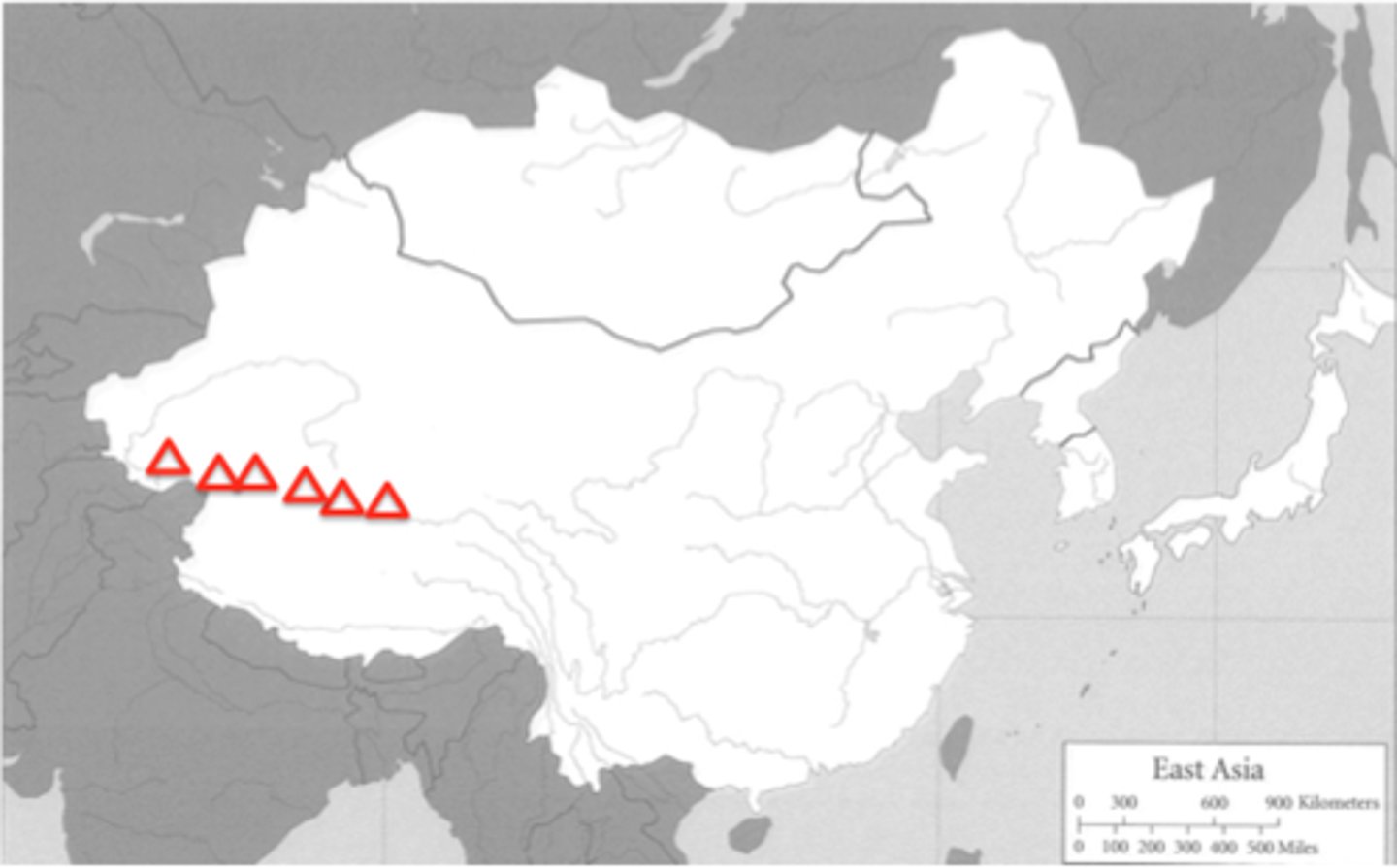
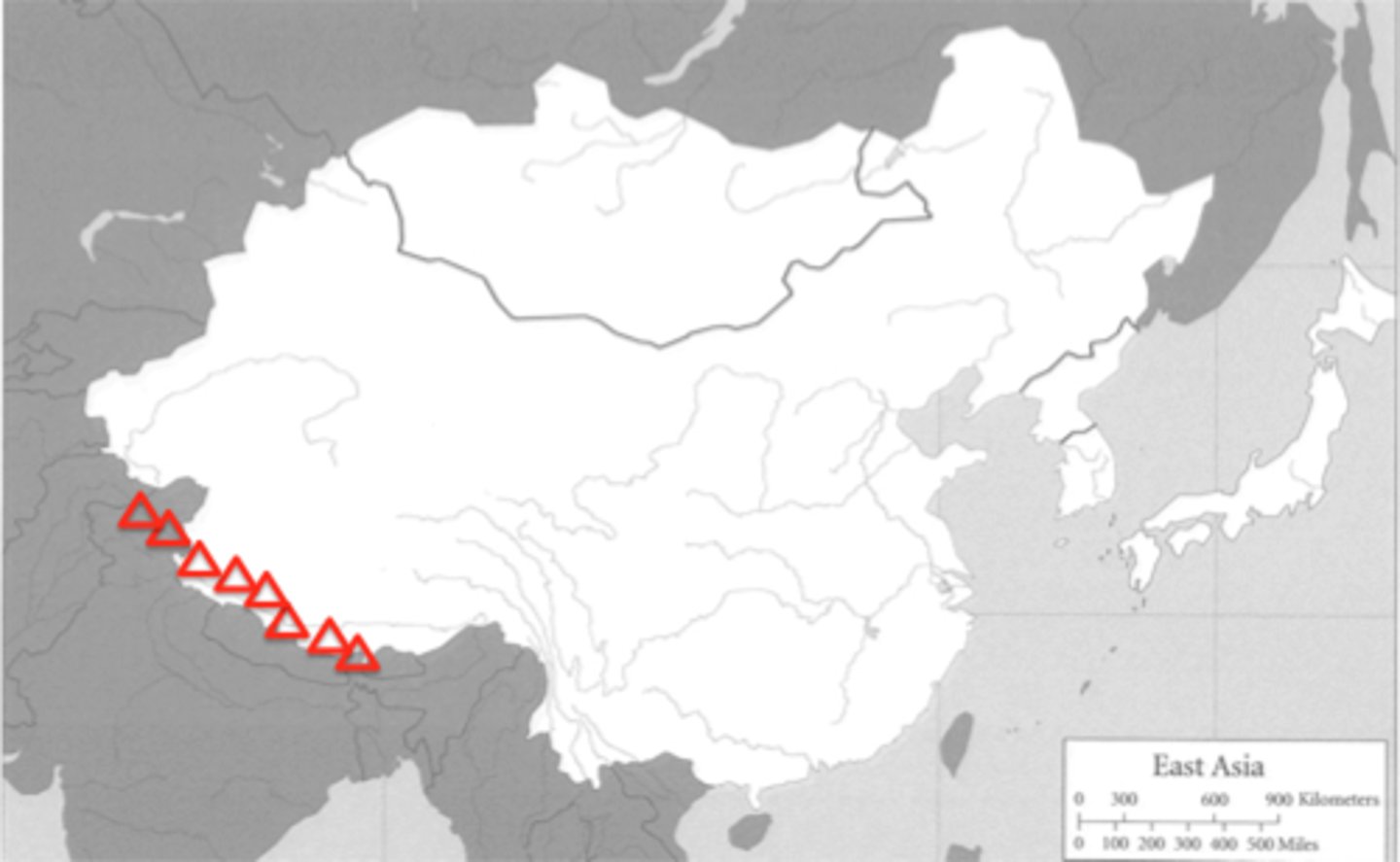
Himalayas
•Tallest of the tall- highest peaks on earth.
•Mount Everest, 29,032 feet above sea level.
•Most people consider it highest peak. Mt. Everest is tallest peak above sea level.
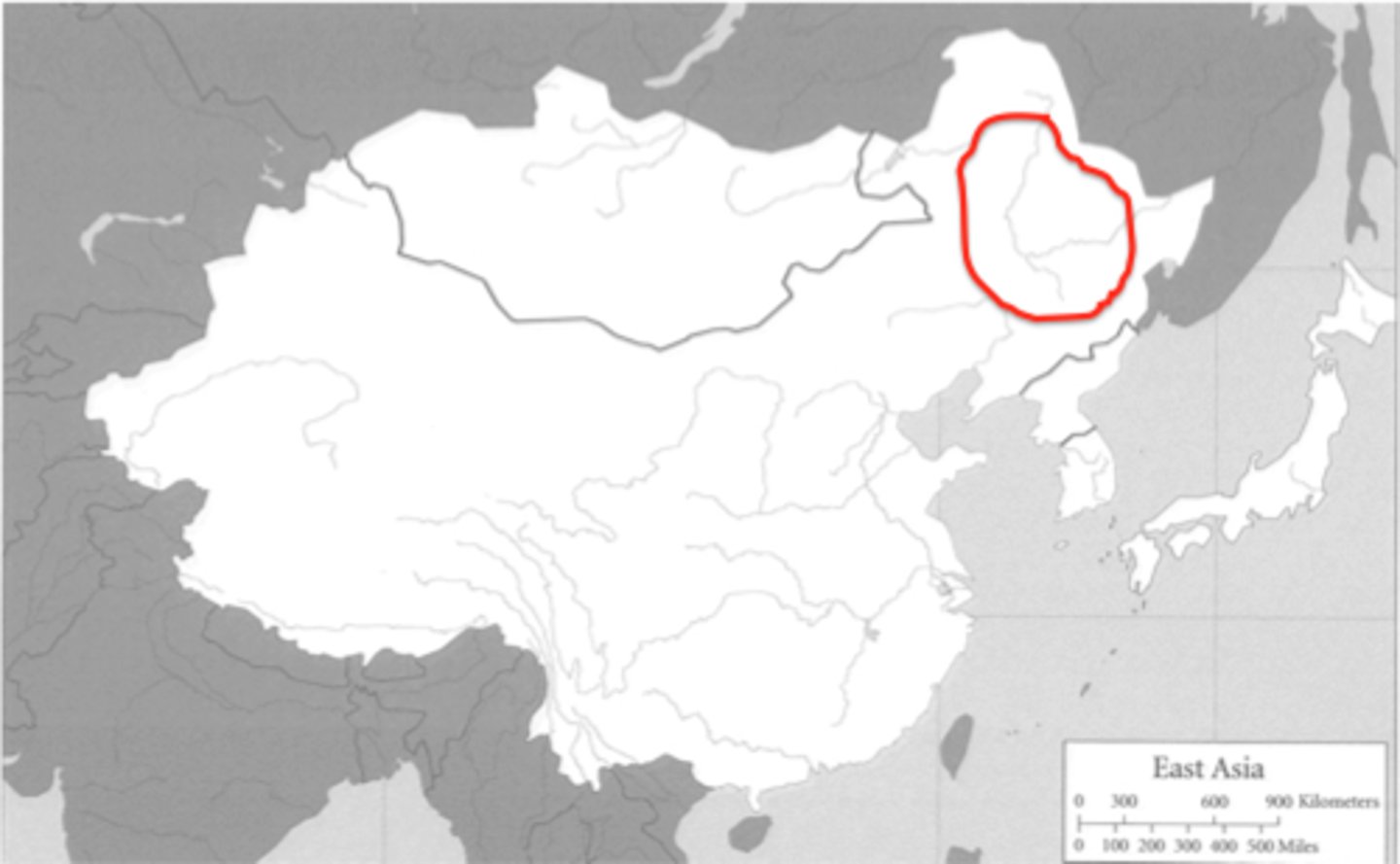
Northeast China Plain
•Heavy industry manufacturing
•Labeled as "Manchurian plain" on some maps...
-on official Chinese map, you wont see it labeled as "Manchuria".
-last imperial dynasty is associated w/ the name Manchuria, they were overthrown in 1911.
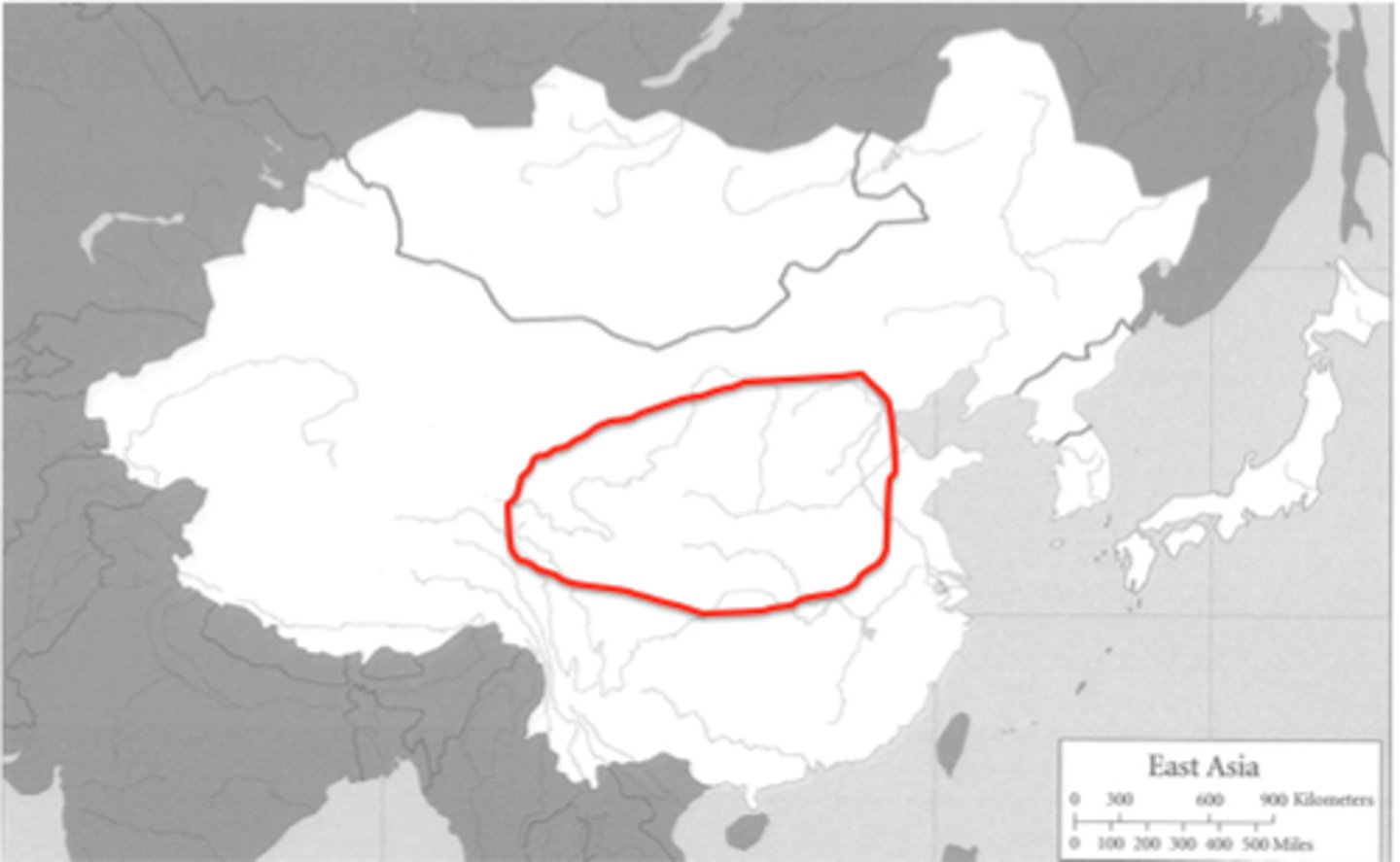
North China Plain
•Referred to as the "cradle of Eastern civilization".
•Loess soils: wind blown sediments that originate from 100s, even 1000 miles away. some of the most fertile soils in the world.
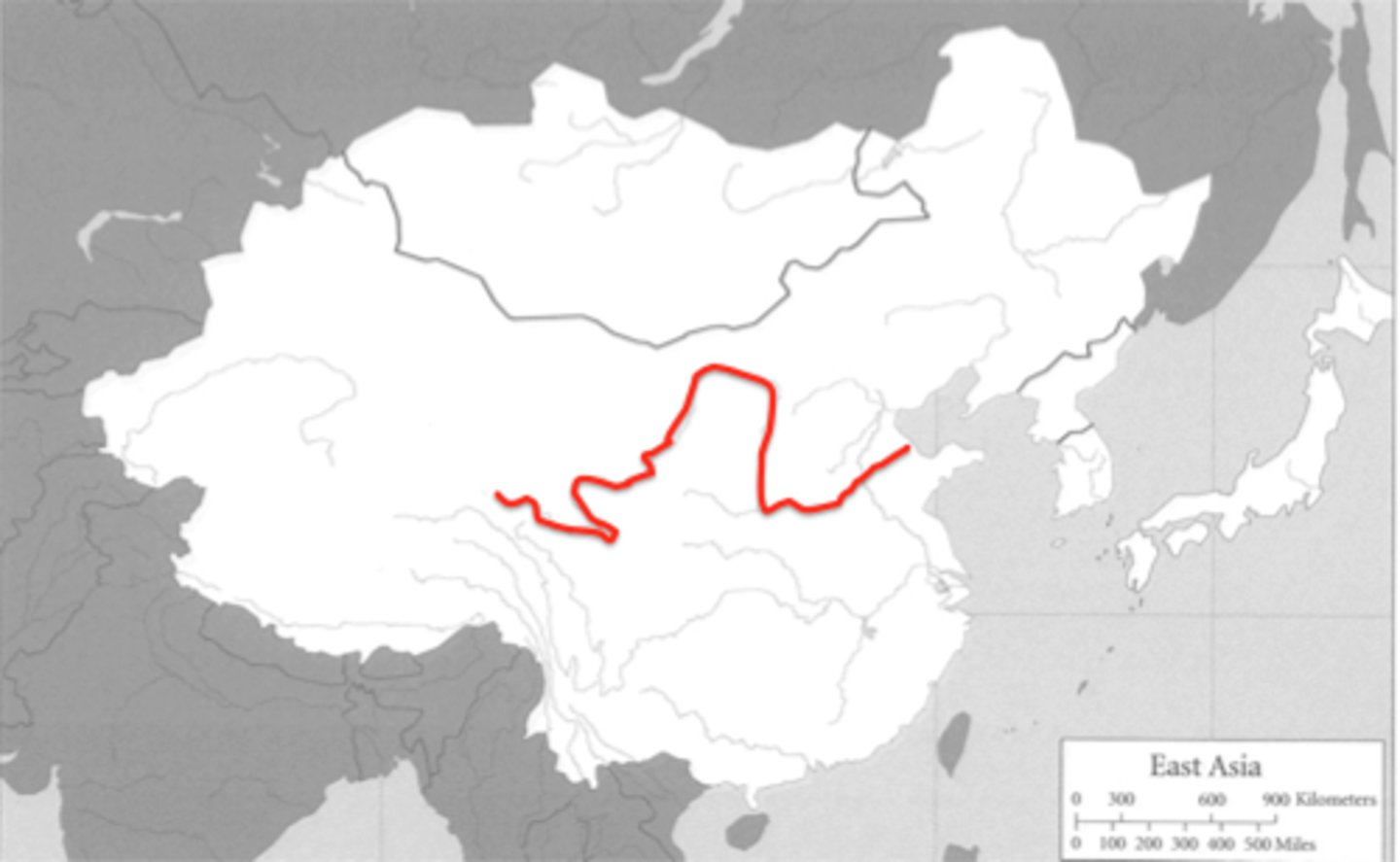
Huang He
•Major crop crown here is wheat.
Chang Jiang
•Rice is grown here
-hydrophyte: water loving plants
-rice NEEDS a lot of water to grow and survive.
•Mulberry Trees
-grown to feed the chinese silk worm
-silk production
•Three Gorges Dam
-began in the 1980's
-worlds largest hydroelectricity facility
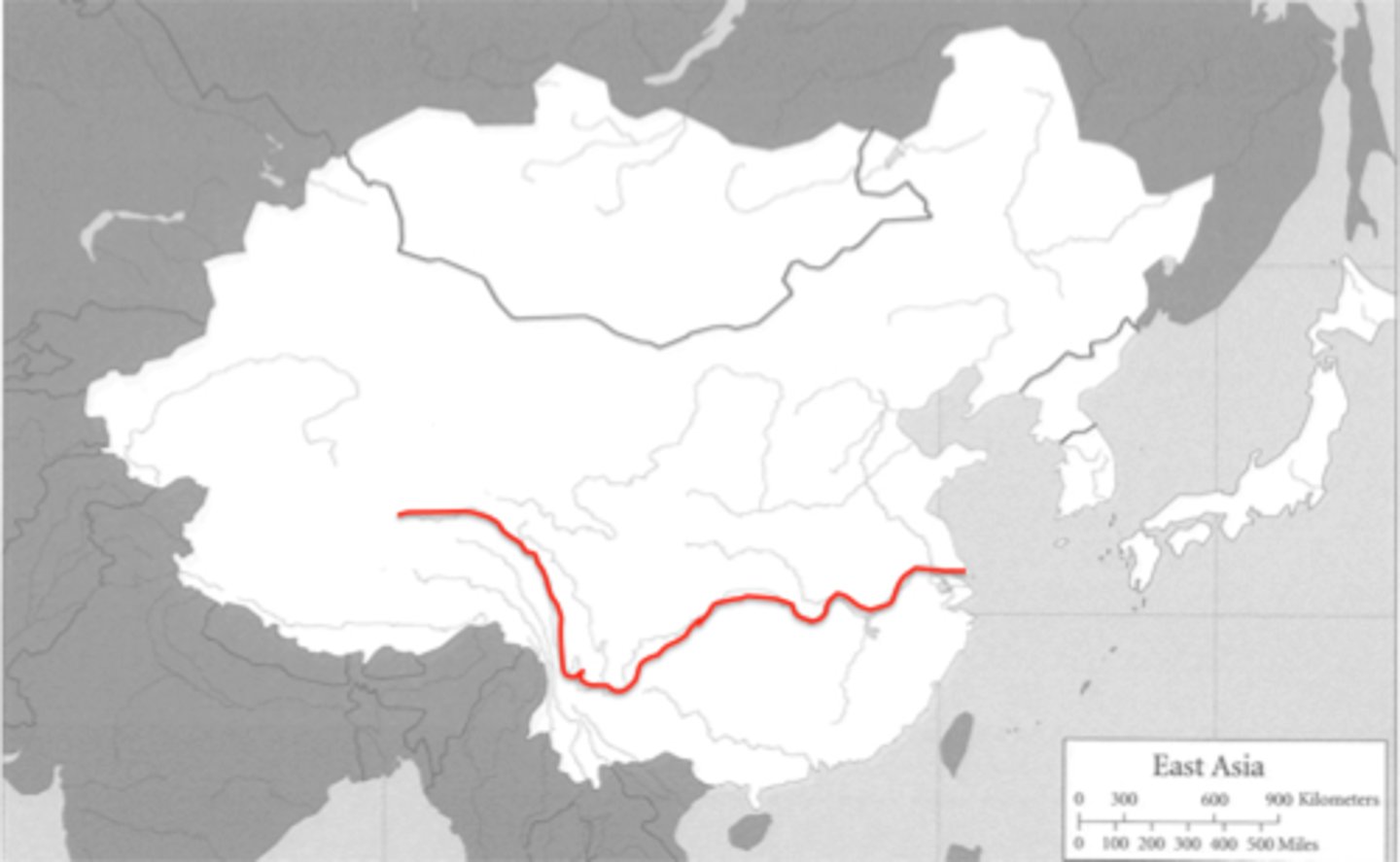
People's Republic of China
•221 BC: Qin Dynasty - first Chinese state was born. First portion of Great Wall of China was built.
•Spheres of influence: various European powers came in and took economic control.
•1911- Chinese nationalist, lead by Sun-Yat-Sen, overthrew the last emperor and 2000 years of imperial dynasty came to an end.
•Chiang Kai-Shek took over Nationalist chinese parties after Sun-Yat-Sen died.
-felt Chinese communists threatened his power.
-The Long March- communists marched pursued by nationalists party. Fights broke out. Communists lost 80% of membership.
•Mao Zedong
-Leader after China declares victory in civil war. Began restructuring the country.
•"The Great Leap Forward" - Took all family farms and put them under gov ownership and put into place collective farming operations.
-30 million starved due to famine
•Great Proletariat Cultural Revolution: wanted to squash negativity so he published a little red book and you had to know the ins and outs of it.
•Richard Nixon: first US President to visit China.
•Deng Xiaopeng took over in 1979 after Mao dies.
•"One Child Policy"
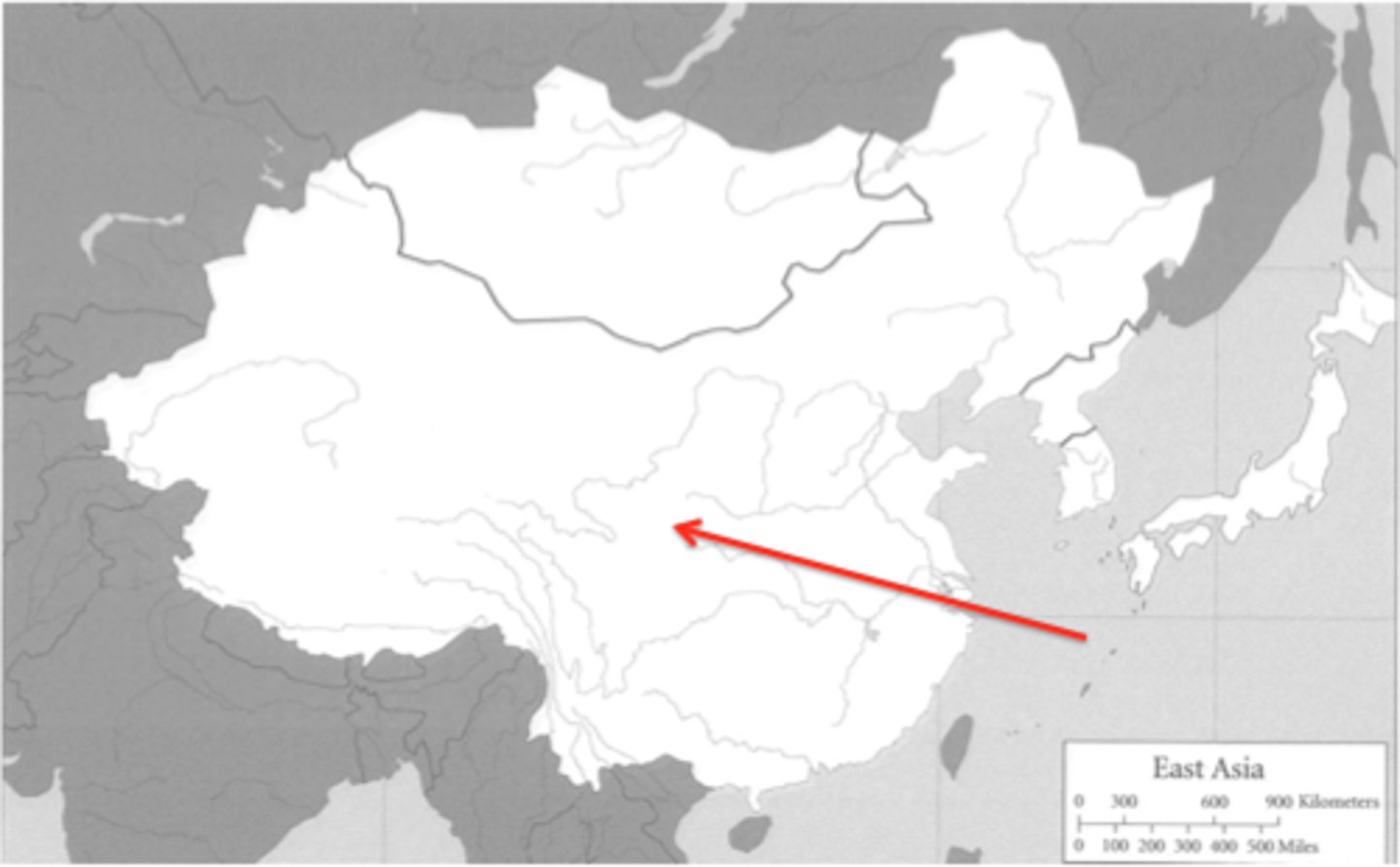
Taiwan
•China doesnt like when Taiwan acts like an independent country. They're a "renegade province"
•US doesnt recognize Taiwan. Only a few different countries actually recognize Taiwan which creates resentment from China.
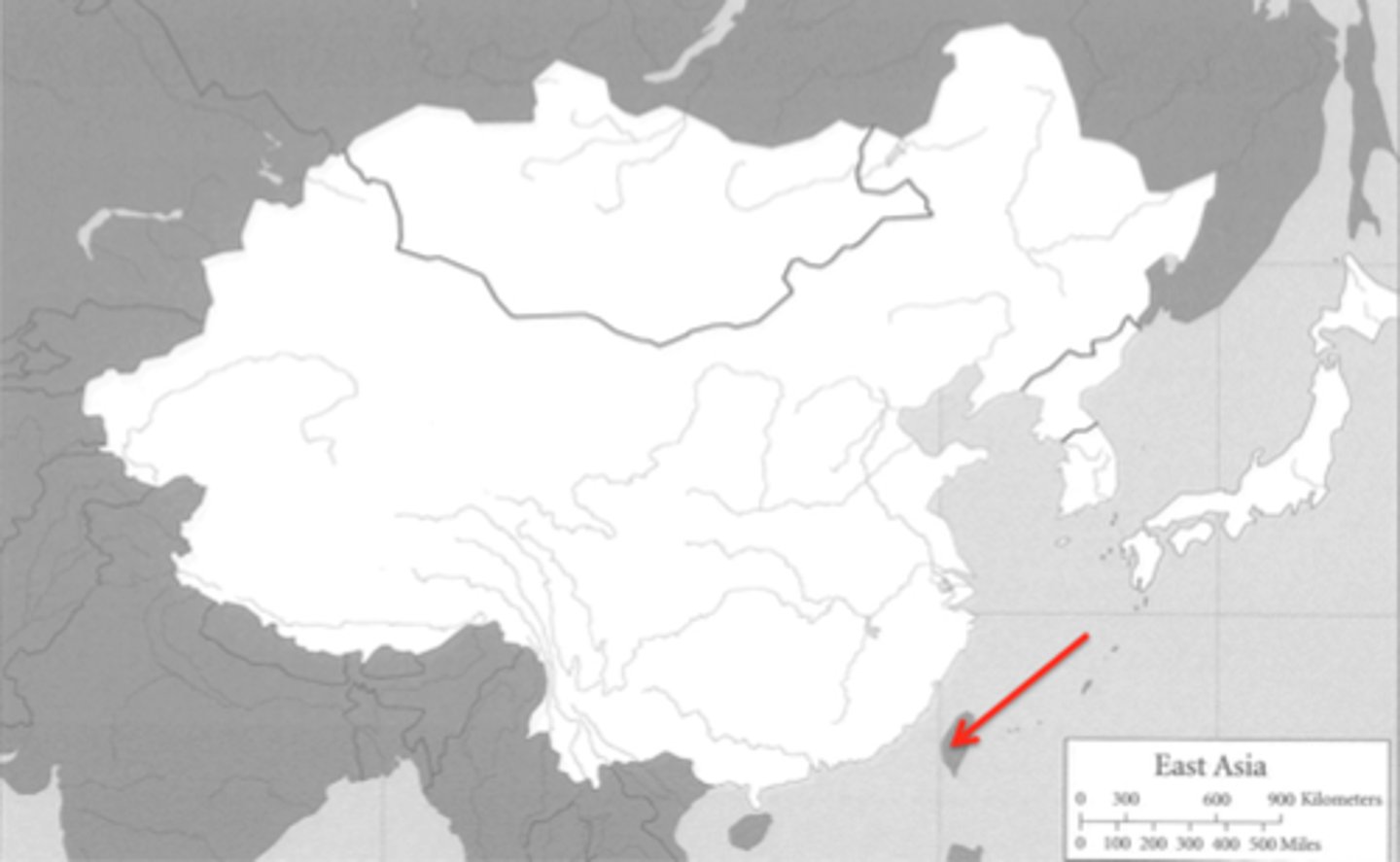
Japan
•high risk area for tectonic activity (earthquakes, tsunamis, etc;)
•Spring of 2011- Tsunami
-strong earthquake
-bulk of damage was done by Tsunami
-3 major plates converged in one place
-Tsunami: large wave generated by TECTONIC ACTIVITY
•Fukushima: nuclear plant was damaged here. This was the 2nd worst nuclear accident in history.
•Japan was a fairly feudal state until 1850 when they turned to Britain for advice in rebuilding their economy.
•Pearl Harbor: Japanese thought by weakening our forces we would remain neutral (isolationism) but WE FOUGHT BACK ALMOST IMMEDIATELY.
•We helped rebuild Japan as an ally and in the 1970's Japan was once again a leading economy.
•Population Period- pyramids that depict age in a population by %.
•Immigration: Japan is a nation-state and they don't want to tarnish that by allowing immigration.
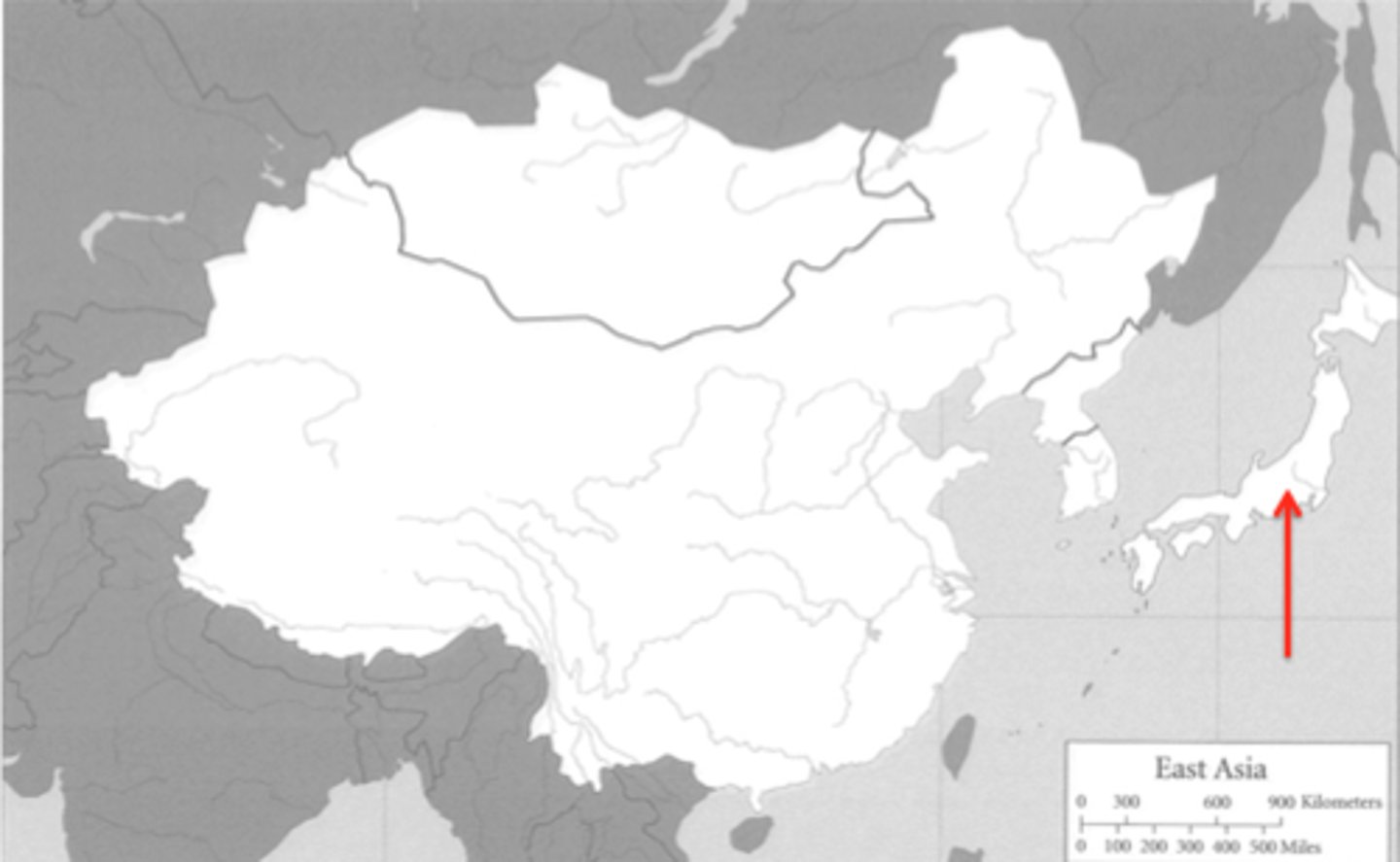
North Korea
(know location)
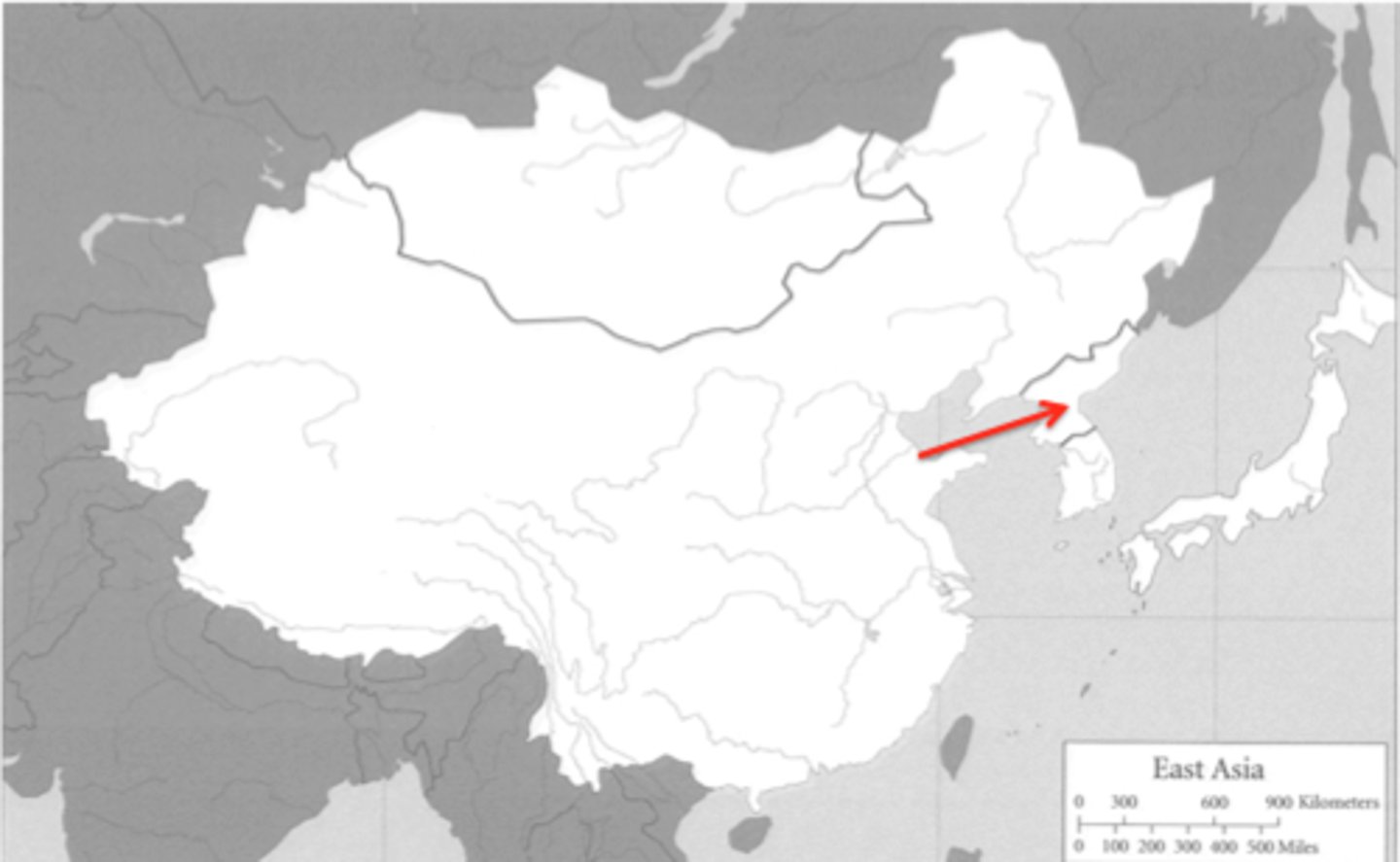
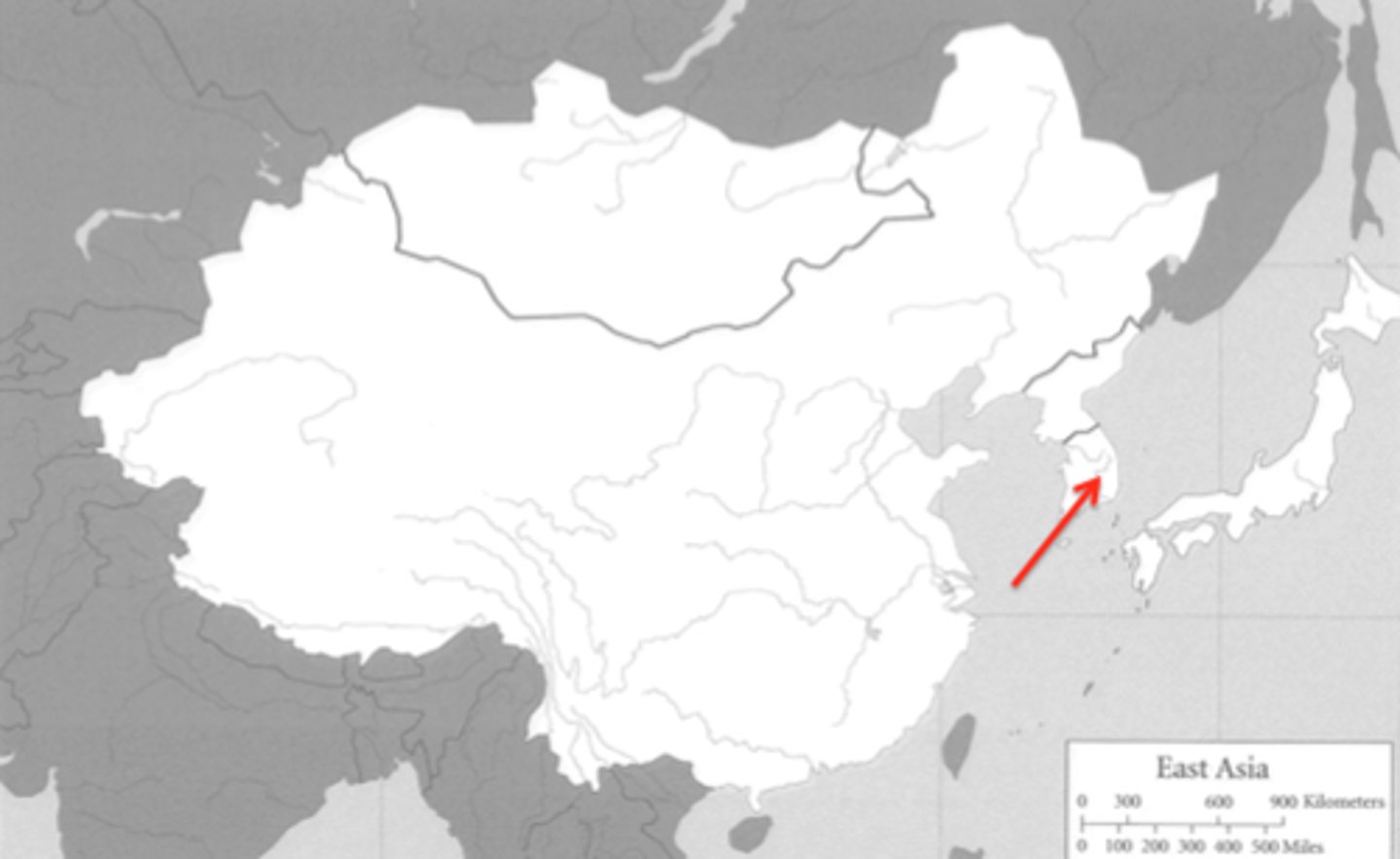
South Korea
•After WWII, Korea was taken away from Japan and divided along the 38th parallel into North and South. South was going to be rebuilt by the UN and North was going to be rebuilt by Soviets. Soviets established communist government under leadership of Kim Il Sung.
•The Korean War
-North Korea tried to take over South Korea. US got involved and began pushing communists back again. Yalu River: where we had them backed up and Chinese came to back up the communist allies.
-Went back and forth for 3 years and a ceasefire begins in 1953.
•Asian Economic Crisis of 1997
-North Korea is stuck in time- stuck in 1950's. NOW under the leadership of Kim Jong Un after Kim Jong Il died. North Korea is a nuclear power.
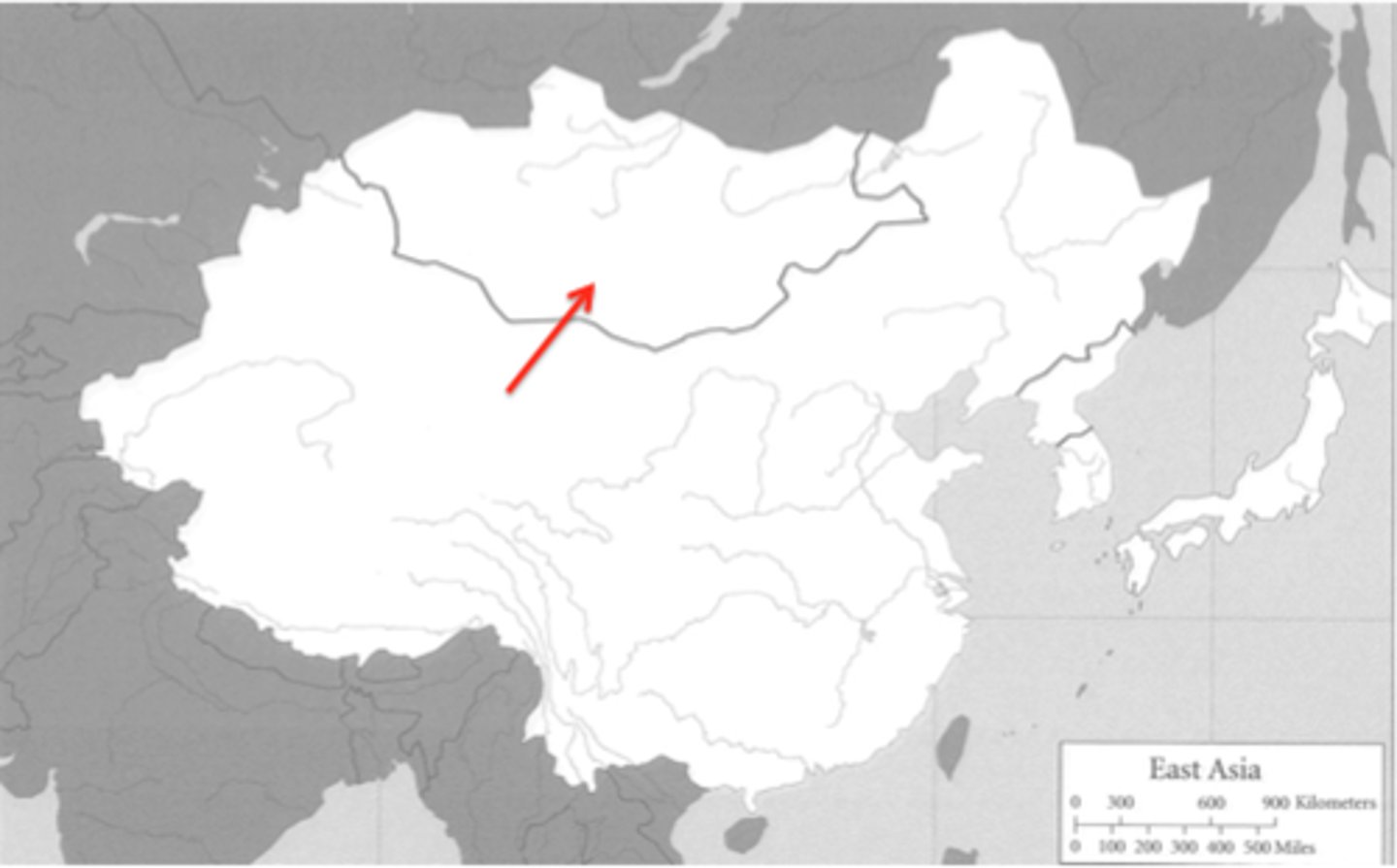
Mongolia
•Landlocked, sandwiched between Russia and China.
•Buffer state: a weaker state between areas of strength. Can be a good thing and bad thing.
•Soviets basically ran Mongolia as a soviet satellite.
•Least densely populated country on entire planet.
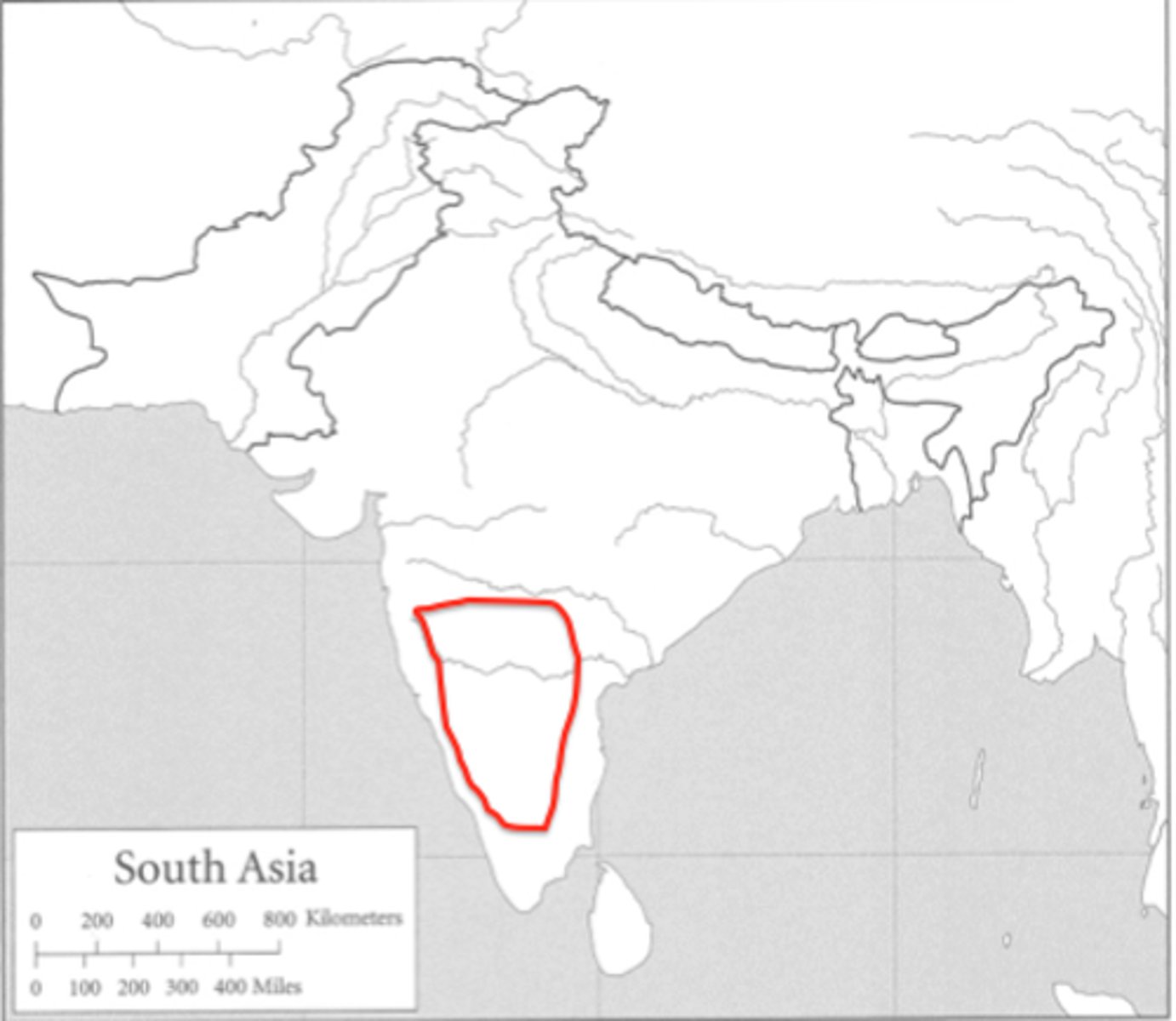
Deccan Plateau
•Formed millions of years ago by lava flows.
•Dravidian language family is unique to this area.
•Easy to thrive in isolation due to rugged nature of plateau.
Indus River
•Lifeblood of Pakistan, ancient culture hearth.
•Cradle of western civilization
•River creates fertile flood plain. North: wheat production, south: rice production.
•This area would not be able to support it's population without this river
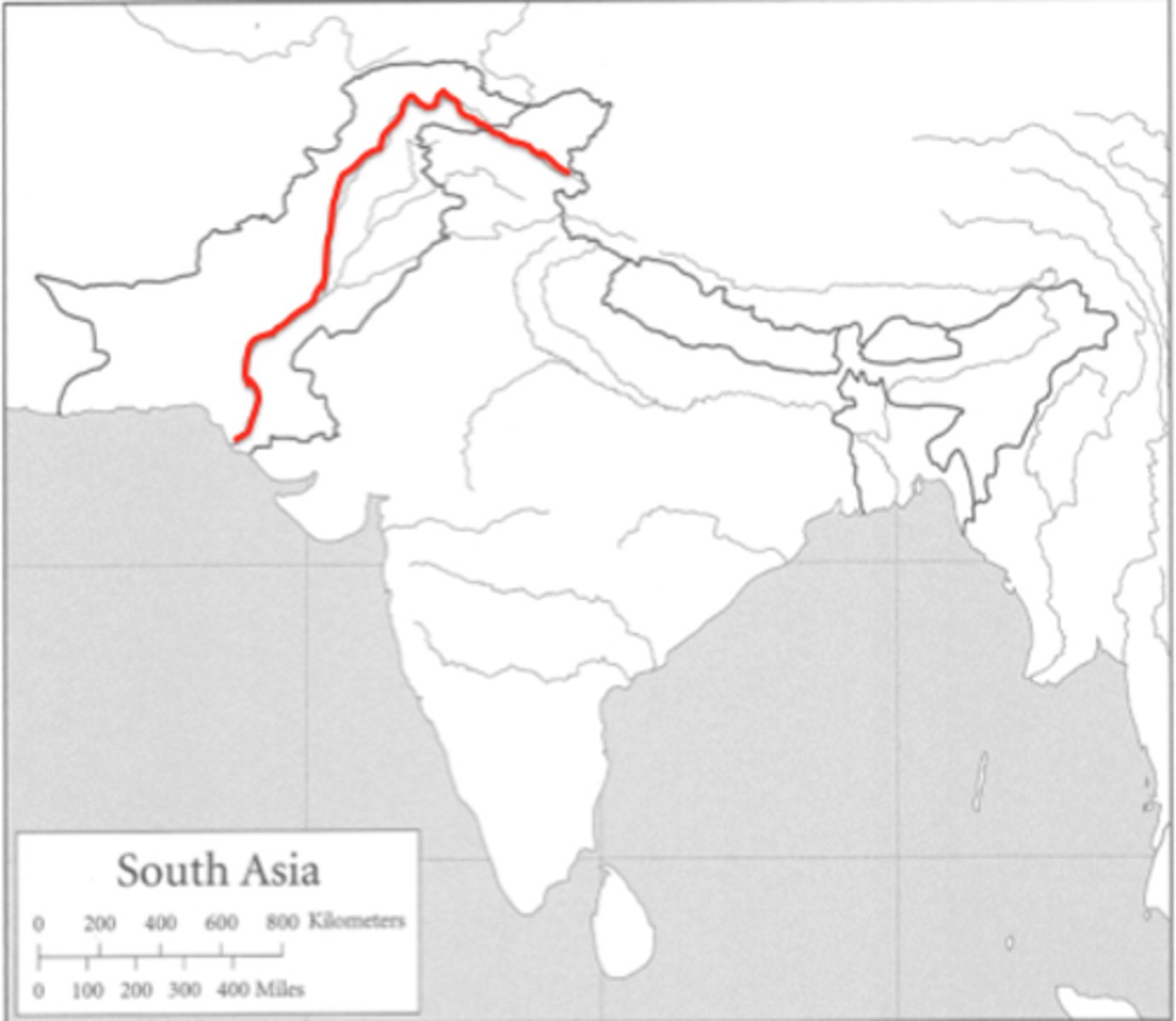
Brahmaputra River
(know location)
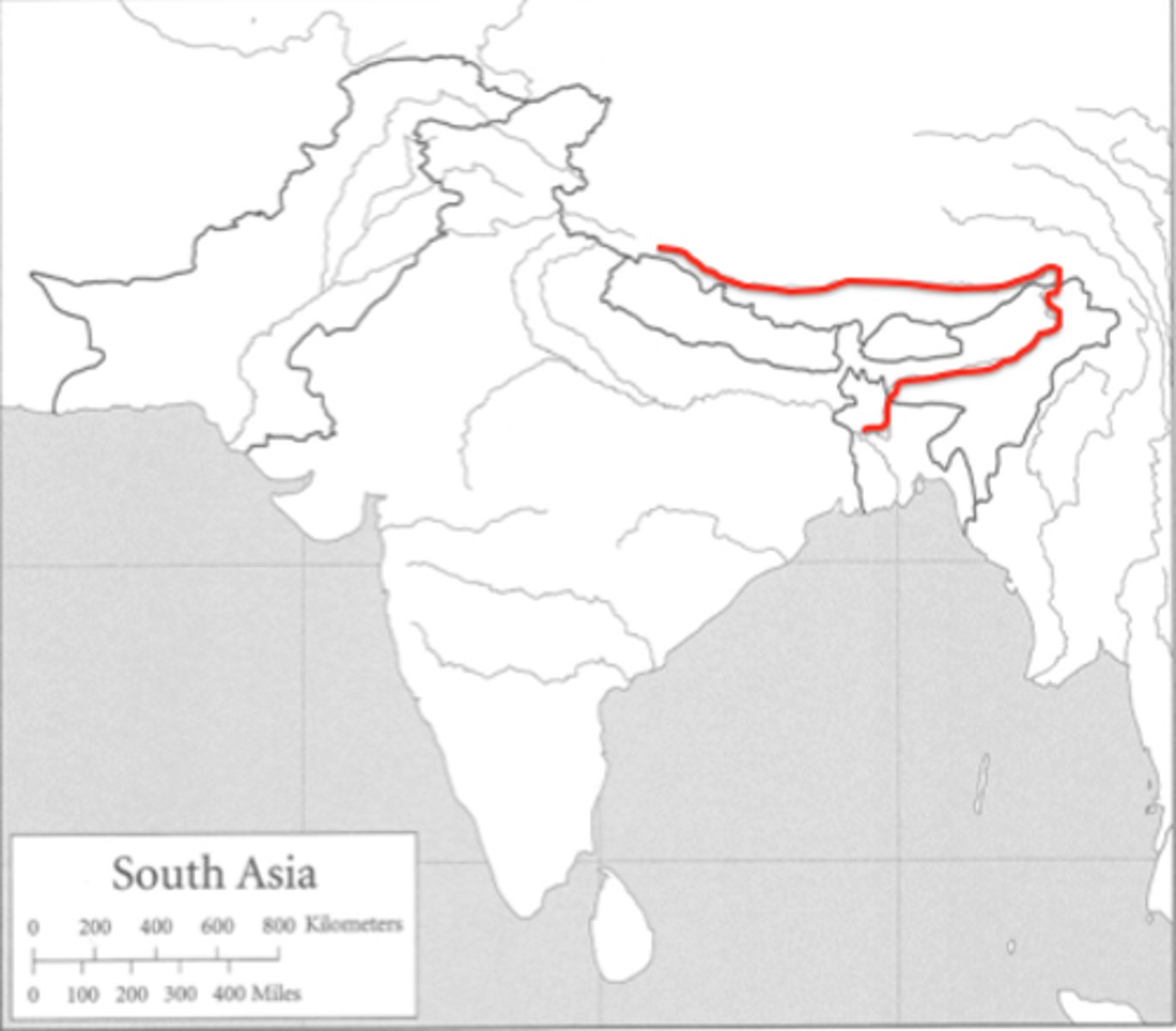
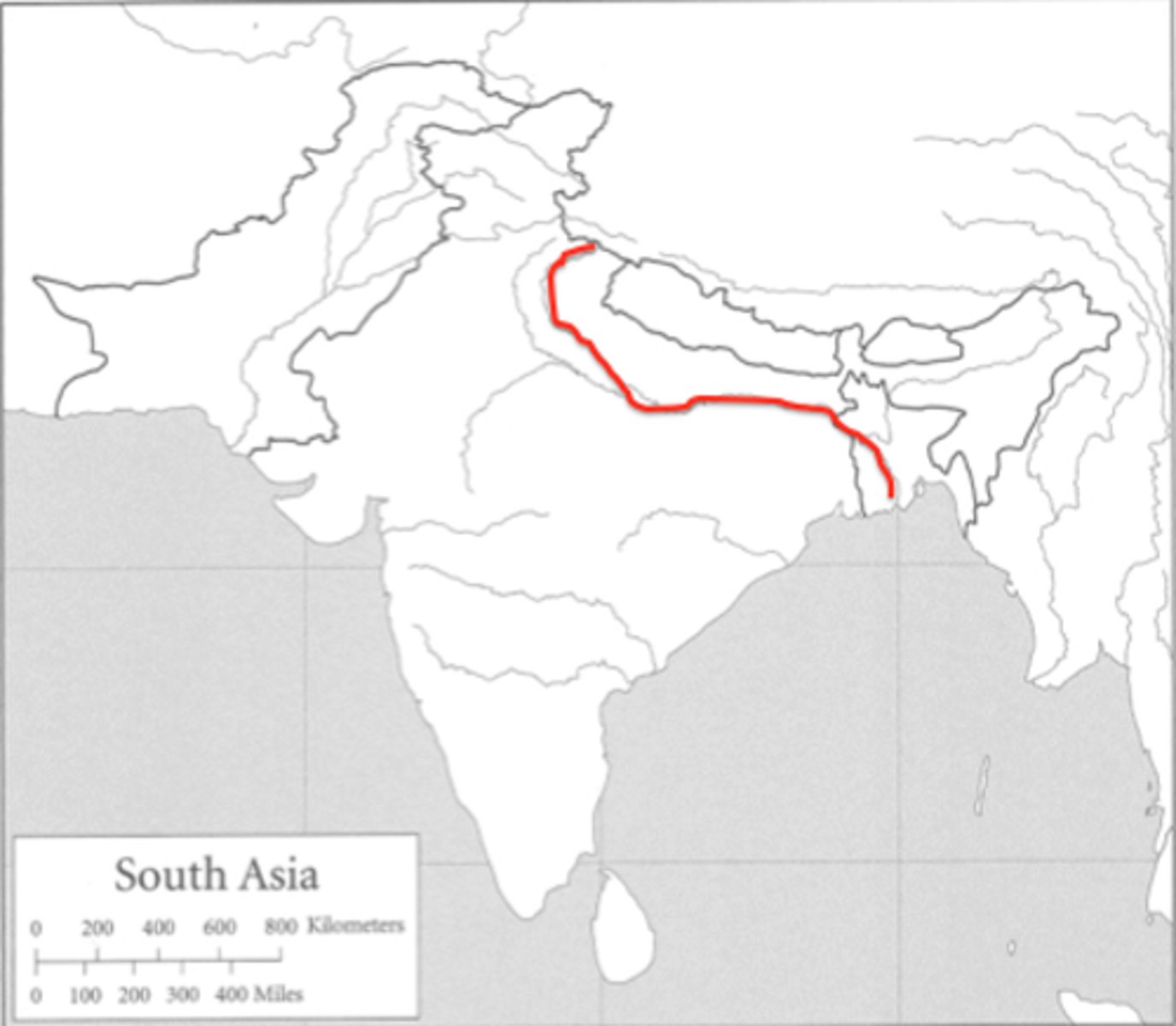
Ganges River
•Brahmaputra and the Ganges river come together to form a giant delta known as the Bay of Bengal.
•Both rivers are prone to flooding due to snow melts in the spring.
•Early june: wet monsoon season. June-September is wet monsoon season.
•Tropical cyclones: bay of bengal is very high risk area for cyclones. Heavy rainfall, high winds, storm surge, etc;
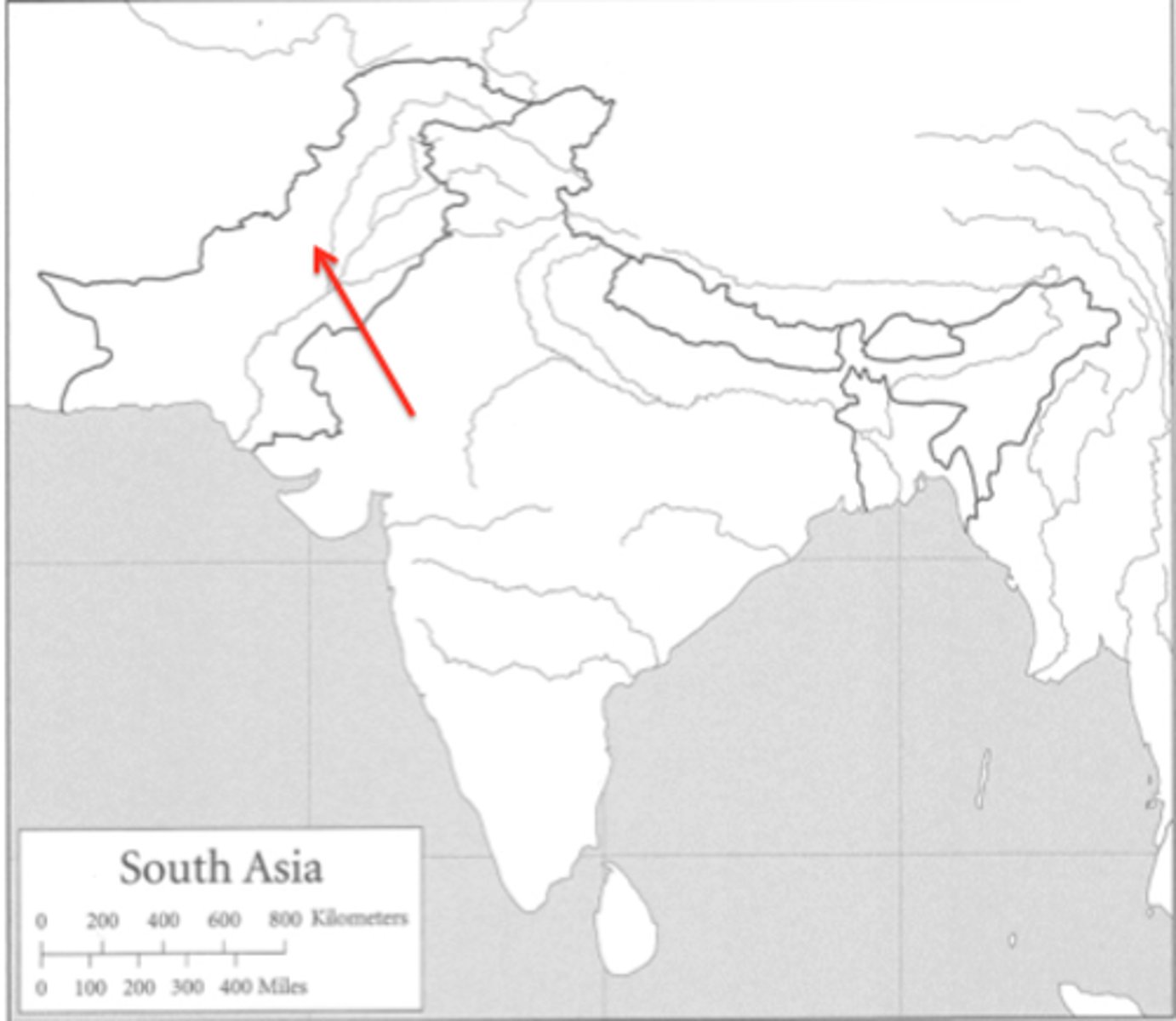
Pakistan
•British Colony here is valuable to them.
-Indirect rule: British would sign treaty to gain economic rights but left "day to day" administration to locals.
-There were parts they did directly administer though.
•South Asia independence was in question in 1940's. Two major religious groups here: Hindus and Muslims.
-Hindus: polytheistic, majority
-Muslims: monotheistic, minority, favored by Britain
•Muslim Dominated Area: "Pakistan"
•Hindu Dominated: "India"
•Jammu and Kashmir: this was an area where British indirectly ruled, so it was left up to them to decide where they wanted to go. It was a majority muslim area but ruled by Hindu prince. Tried to declare separate independence but was overthrown by Muslims.
•Karachi was Pakistan's original capitol, wanted to move capital into Islamabad as a forward capital. Placed here to reinforce Muslim claim of Jammu and Kashmir.
India
•Crown jewel of British Empire
-British hardened caste system between classes to keep them under British control
•Education- has more colleges/universities than any other country in the world
•Green Revolution: series of high yielding varieties of Grain seeds were developed. New seeds produced A LOT MORE and were of higher quality.
-wasn't super effective because farmers didn't have modern technology to fully extract full potential from seeds.
•Major manufacture industry: textiles
•Major developer of computer software
•"Brain Drain": when developing world loses it's most highly educated, highly skilled, highly trained individuals to the developed world.
•A lot of people migrate to oil fields to work to send remittances back home.
•India is birthplace to hinduism (oldest major religion on the planet) and buddhism.
•Overpopulation-- hard to enact government mandated birth control due to democracy.
-Literacy effects birth rate
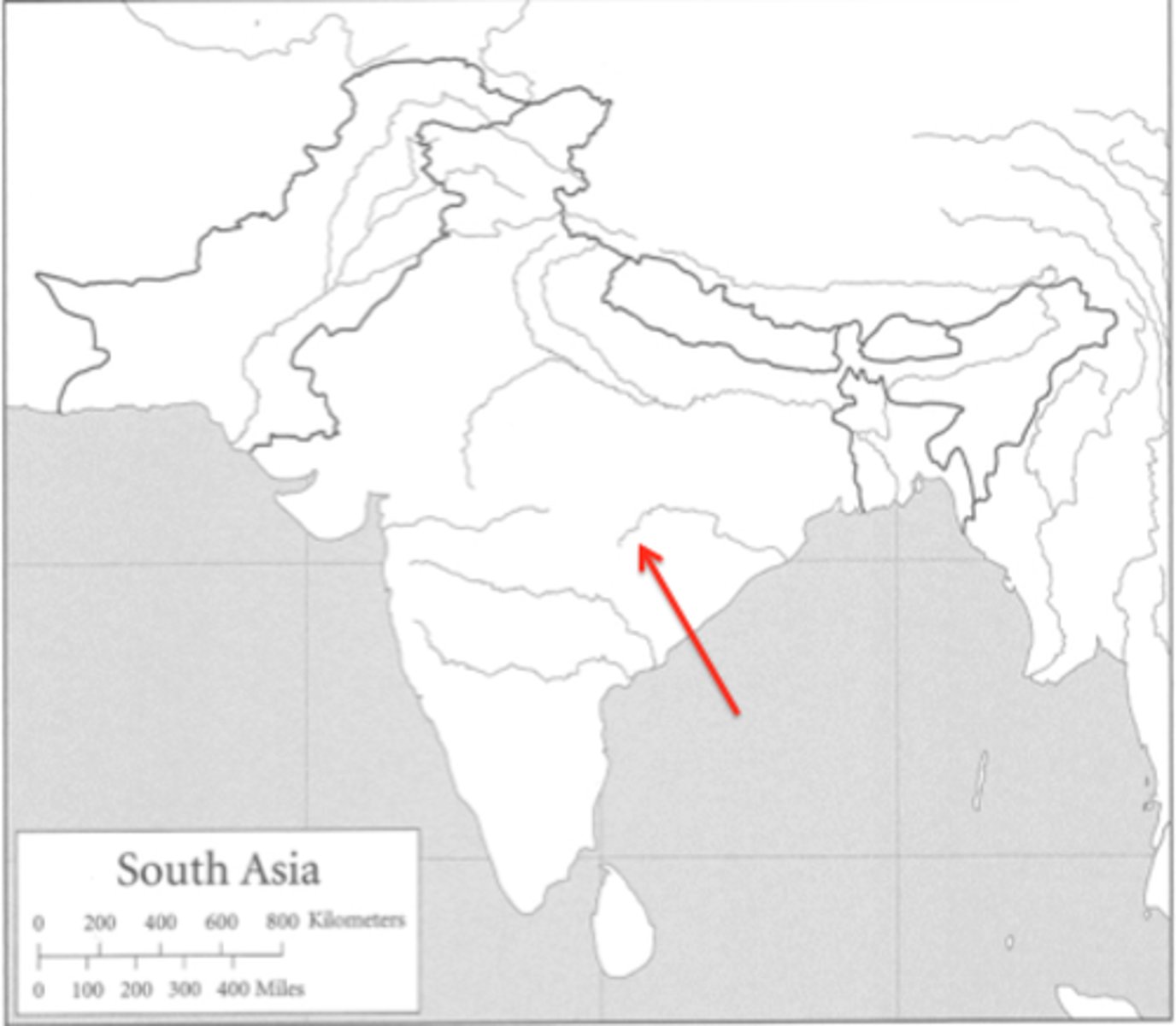
Bangladesh
•Formerly East Pakistan
•Over populated
•High risk area for monsoons, also vulnerable due to high population.
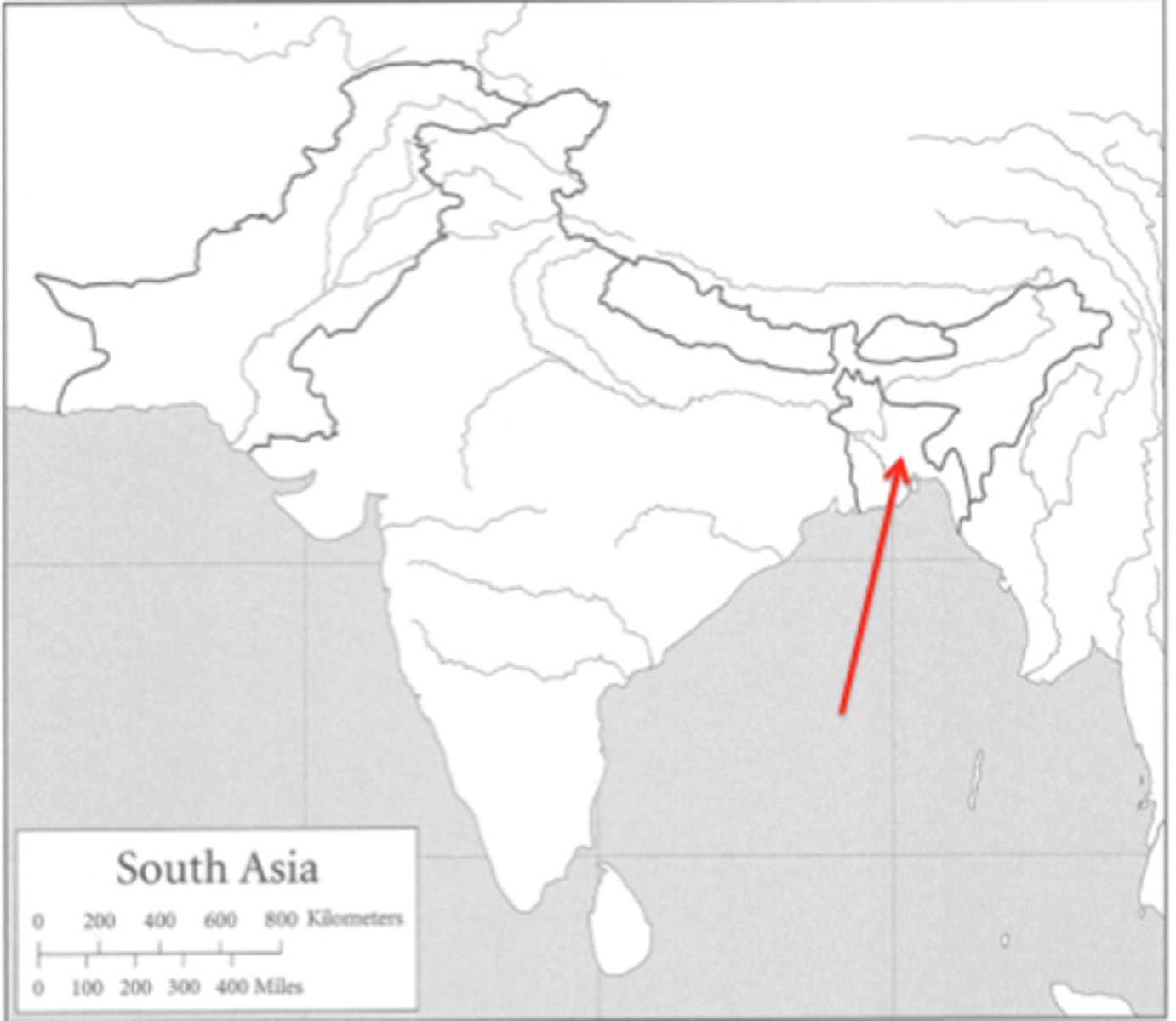
Bhutan
•Mountain country
•buffer state
•Bhutan and Nepal are sandwiched b/w India & China.
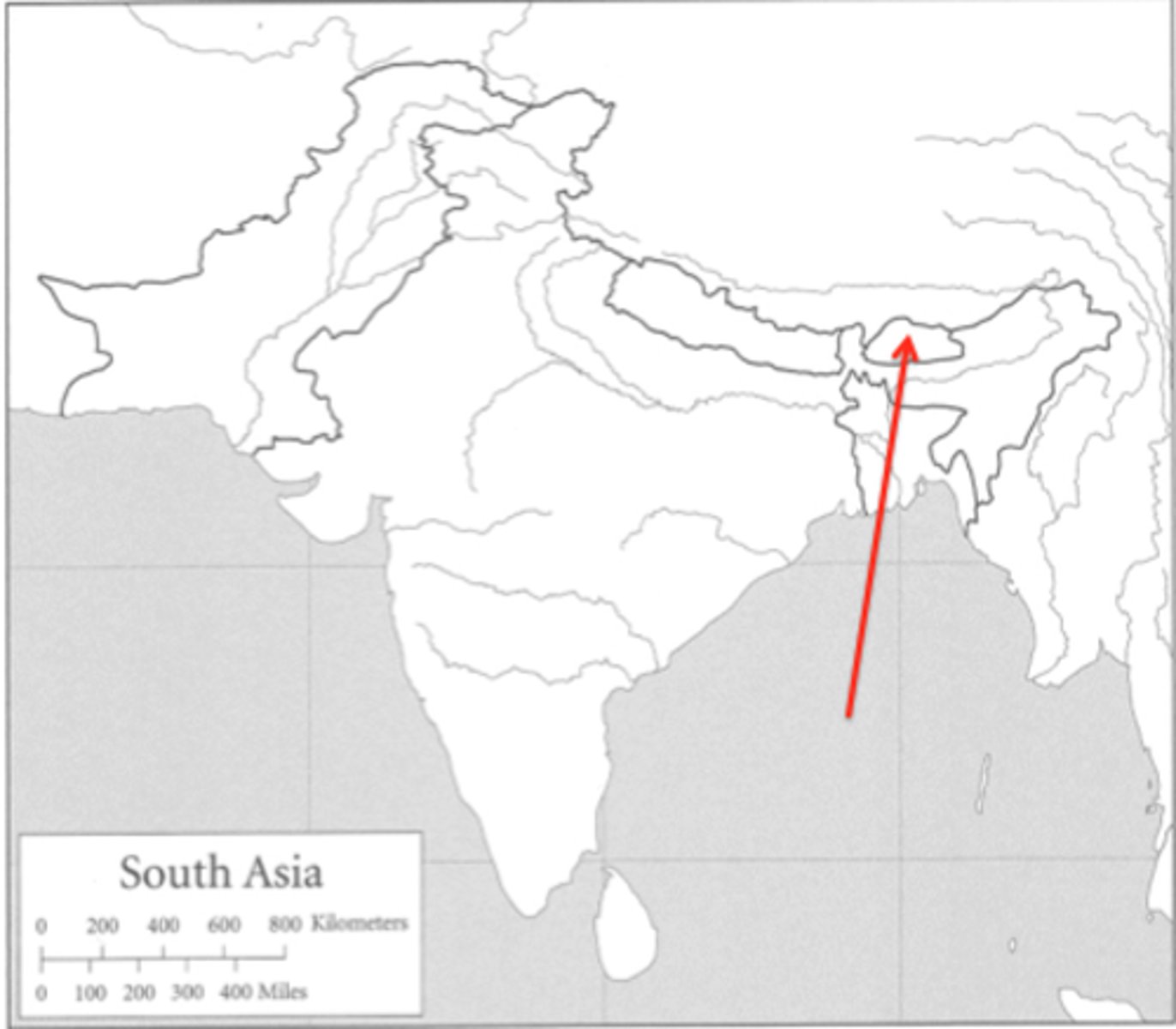
Nepal
•Buffer State
•Mt. Everest exists here, himalayas run through it
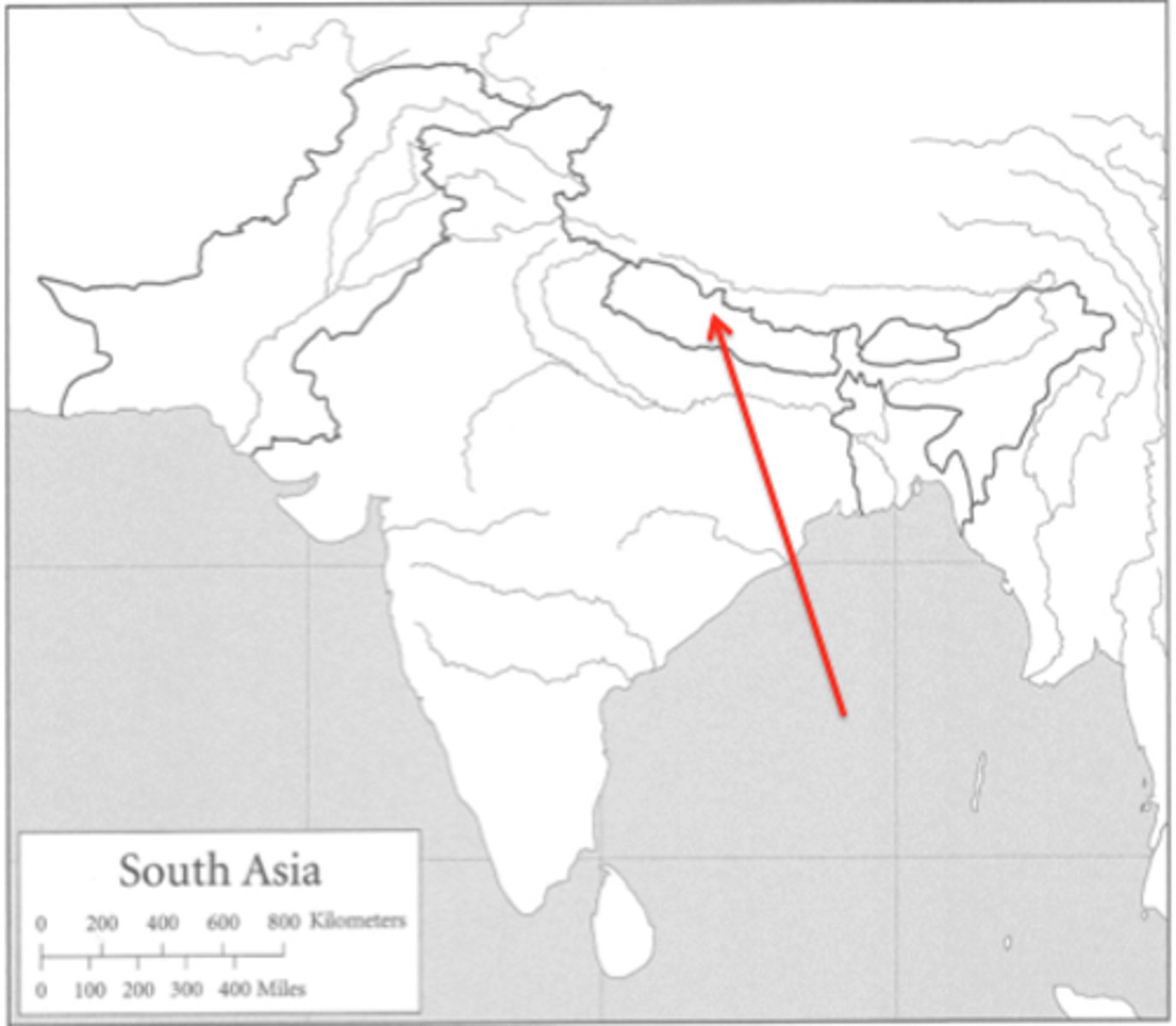
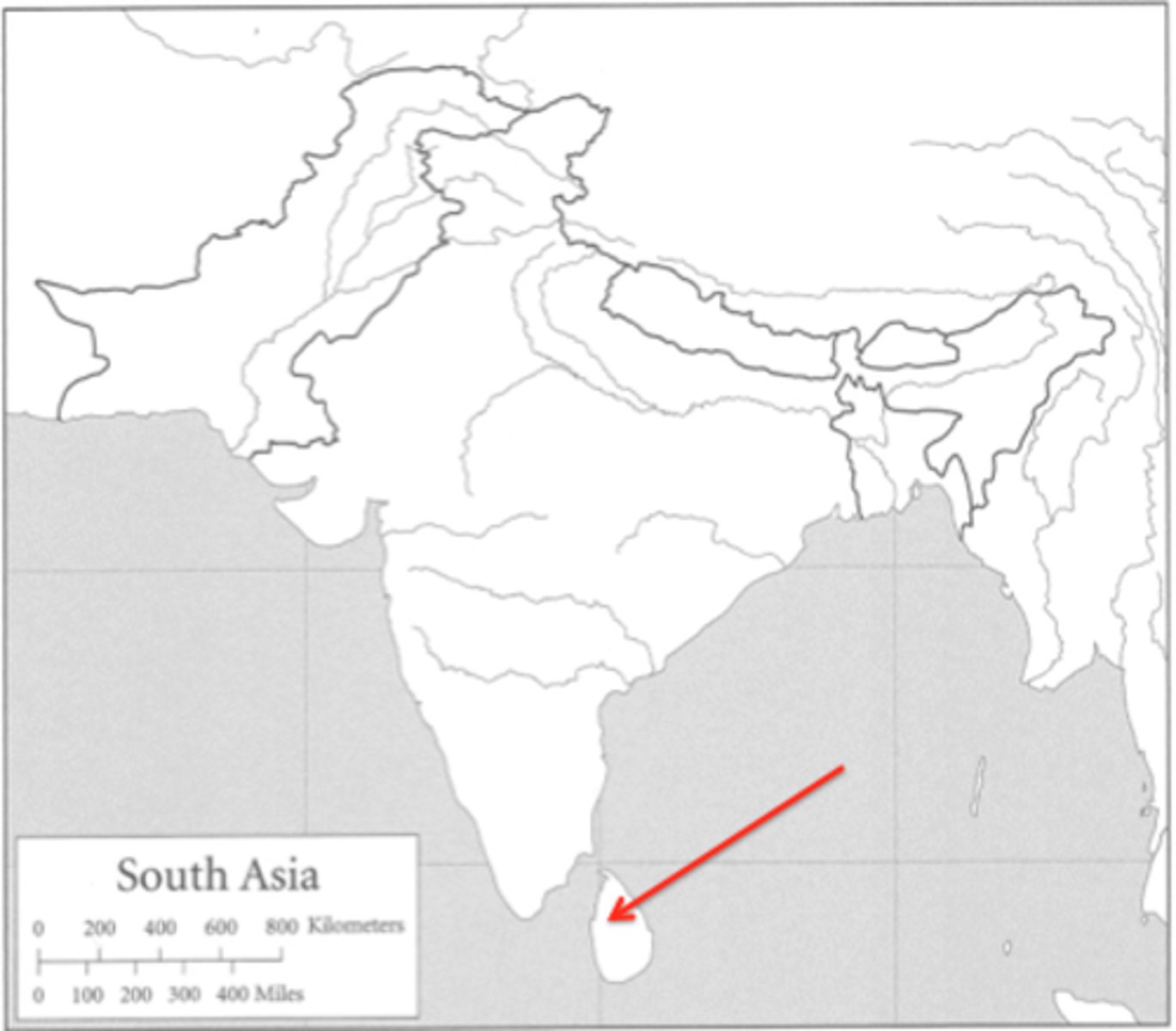
Sri Lanka
•Almost torn apart by it's multi-national character
•Sinhalese
-majority here
-Indo European language
-primarily buddhist
•Tamil
-a sizable minority
-Dravidian family language
-Primarily Hindu
-British responsible for creating Tamil minority
•Big Reason British were in Sri-Lanka was because of tropical plantation agriculture
-established plantation agriculture; Tea.
-producer of 1/4 of world's tea supply
•Civil War: b/w Sinhalese & Tamils
-Eelam = Tamil Insurgent State
-Insurgent State: rebel group takes it over and begins to run things like a government. ultimately wanted independence from Sri Lanka.