(1) Poland: Political History and Notable Figures
 Call Kai
 Learn
Learn Practice Test
 Spaced Repetition
 Match
Match Flashcards
 Knowt Play
1/22

There's no tags or description
Looks like no tags are added yet.
Name | Mastery | Learn | Test | Matching | Spaced | Call with Kai | Chat |
|---|
No analytics yet
Send a link to your students to track their progress
23 Terms
960 - 1370 - House of Piast / Piast Dynasty (All Facts)
First and Founding Dynasty / House of the Kingdom / Duchy of Poland
Founded by Prince / Duke Mieszko
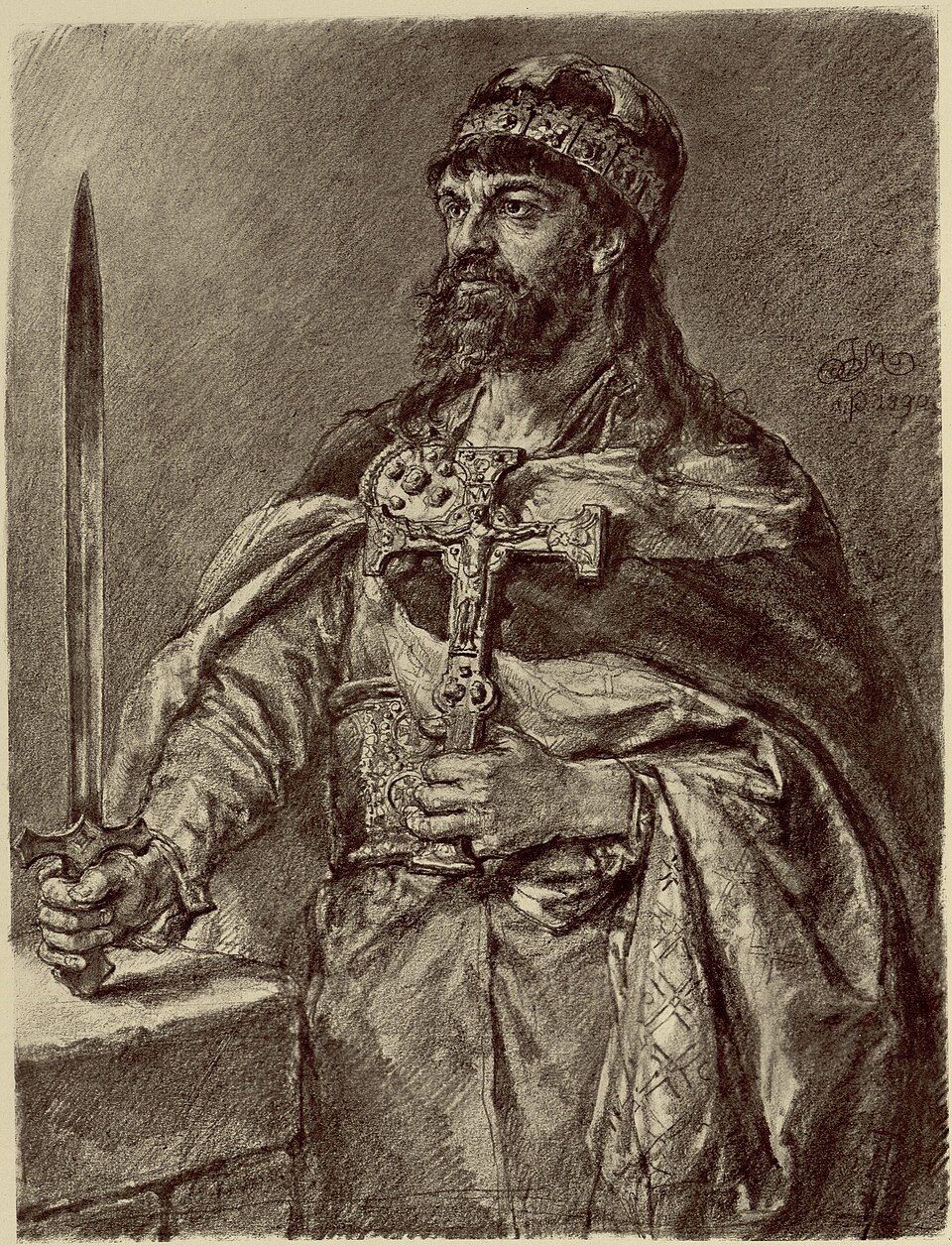
960 - 992 - Mieszko (All Facts)
First Ruler of Poland and of the Piast Dynasty / House of Piast of Poland
He established Poland into a unified and powerful state
He defeated the Slav tribes between the Oder and Vistula Rivers
He converted to Christianity, having accepted baptism, and thus made Poland a Christian Kingdom by the start of his reign
He turned to Rome, in which Poland became a diocese directly attached to the Holy See
He did this due to
fears of Otto the Great’s expansionism in Germany
attraction to the superior level of civilization already established by and associated with Christianity such as its
Books
Ceremonies
Links with the Roman past
His wife already had taken the lead and was already baptized prior to his own acceptance of baptism
This thus established a religious but also political alliance between Poland and the Holy Roman Empire
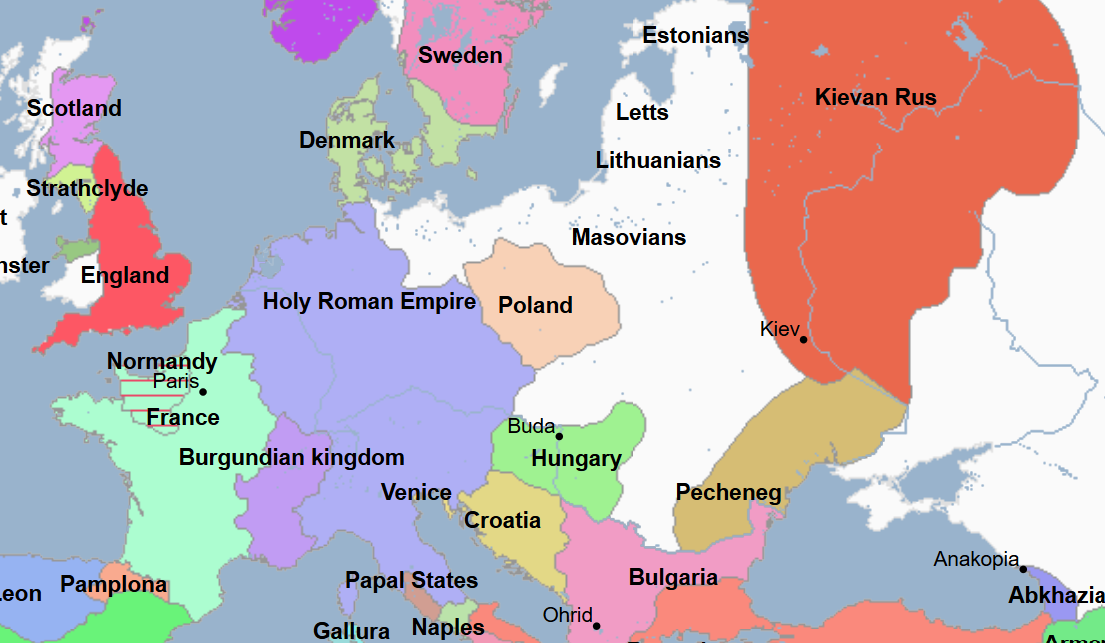
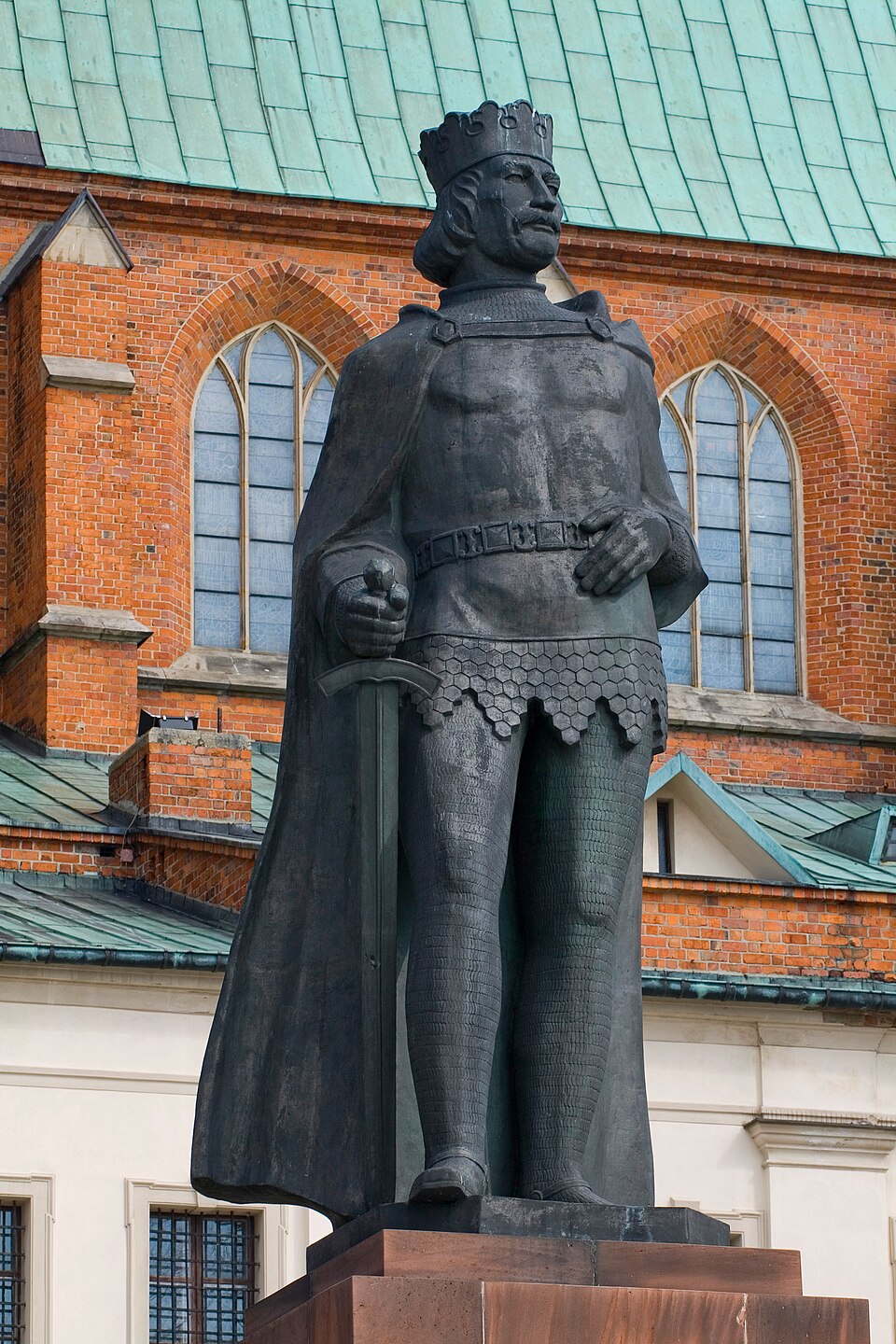
992 - 1025 - Boleslaw (All Facts)
Second Ruler of Poland, First King of Poland (and the 2nd King of the House of Piast / Piast Dynasty)
He was nicknamed “The Brave”
He continued the Polish alliance with the Holy Roman Empire started by his predecessor
He was crowned having received the pope’s blessing
He defeated Henry II of the Holy Roman Empire / Germany in a series of wars that ended with the Peace of Bautzen, conflicts during which
He exploited anarchy in Bohemia to attack Moravia, Silesia, and Krakow as well as Lusatia and Milsko
His gains were consolidated in the Peace of Batzen
When Henry II of the Holy Roman Empire died, he established Poland as a sovereign state independent of the Holy Roman Empire, severing the alliance begun by his predecessor, and thus became Poland’s first real king
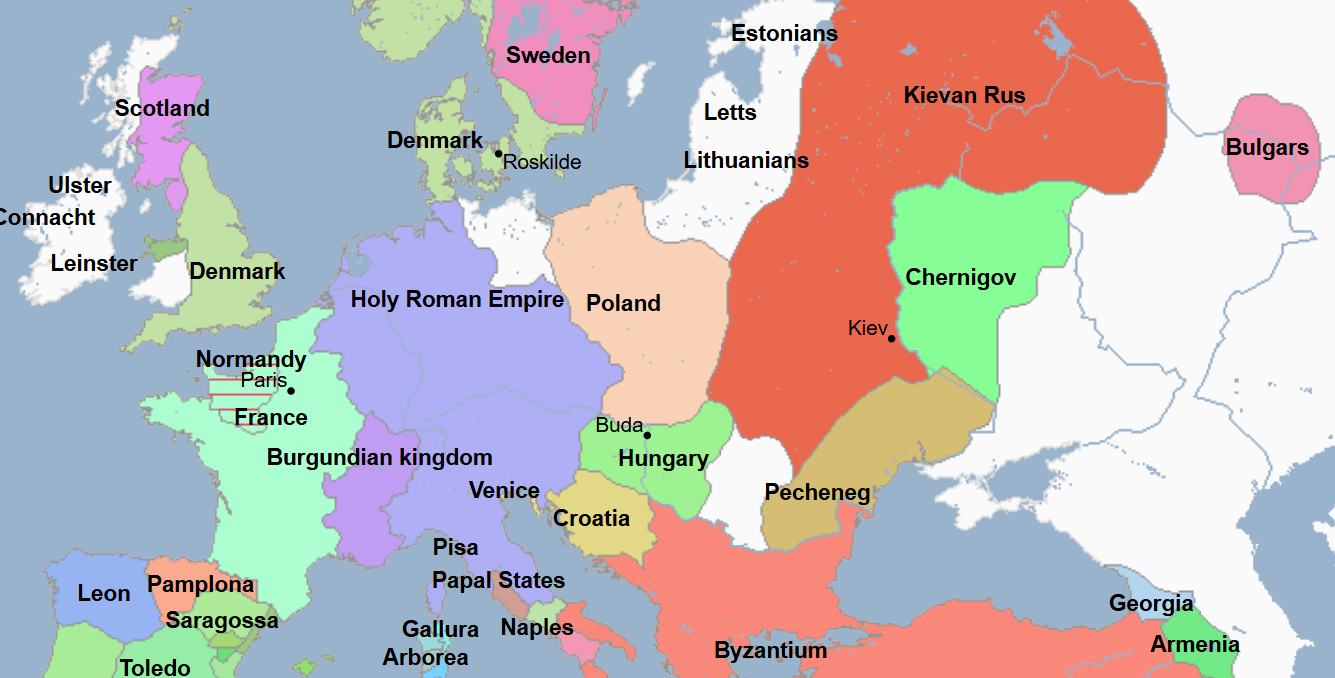
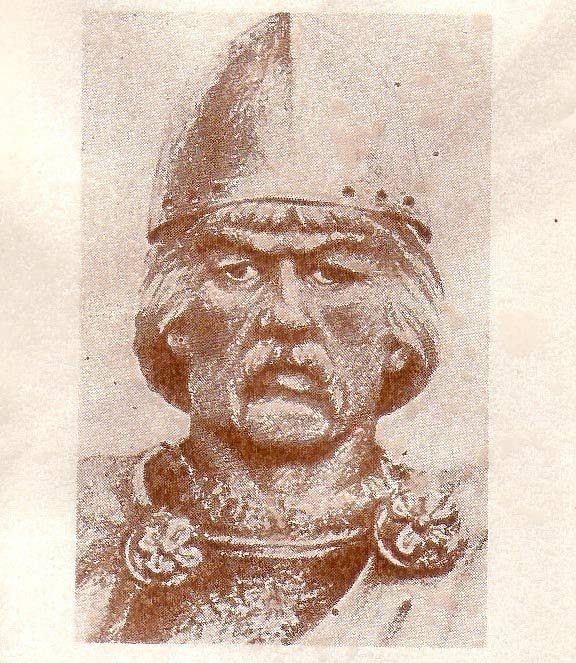
1107 - 1138 - Boleslaw III (All Facts)
13th Ruler of Poland and the Final Ruler of the Piast Dynasty / House of Piast of Poland
He strengthened Poland and expanded its rule to the west and north
His will split Poland into four principalities
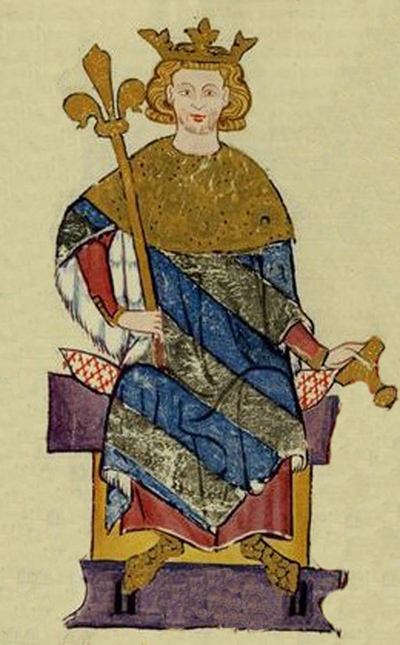
1296 - 1305 - Wenceslaus II (All Facts)
37th Ruler of Poland
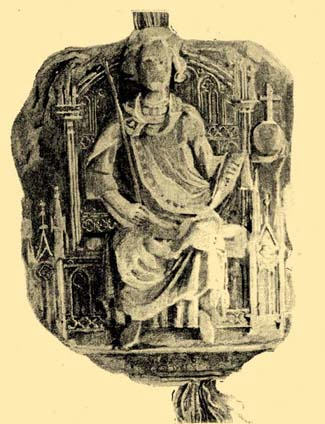
1305 - 1306 - Wenceslaus III (All Facts)
38th Ruler of Poland
He was murdered
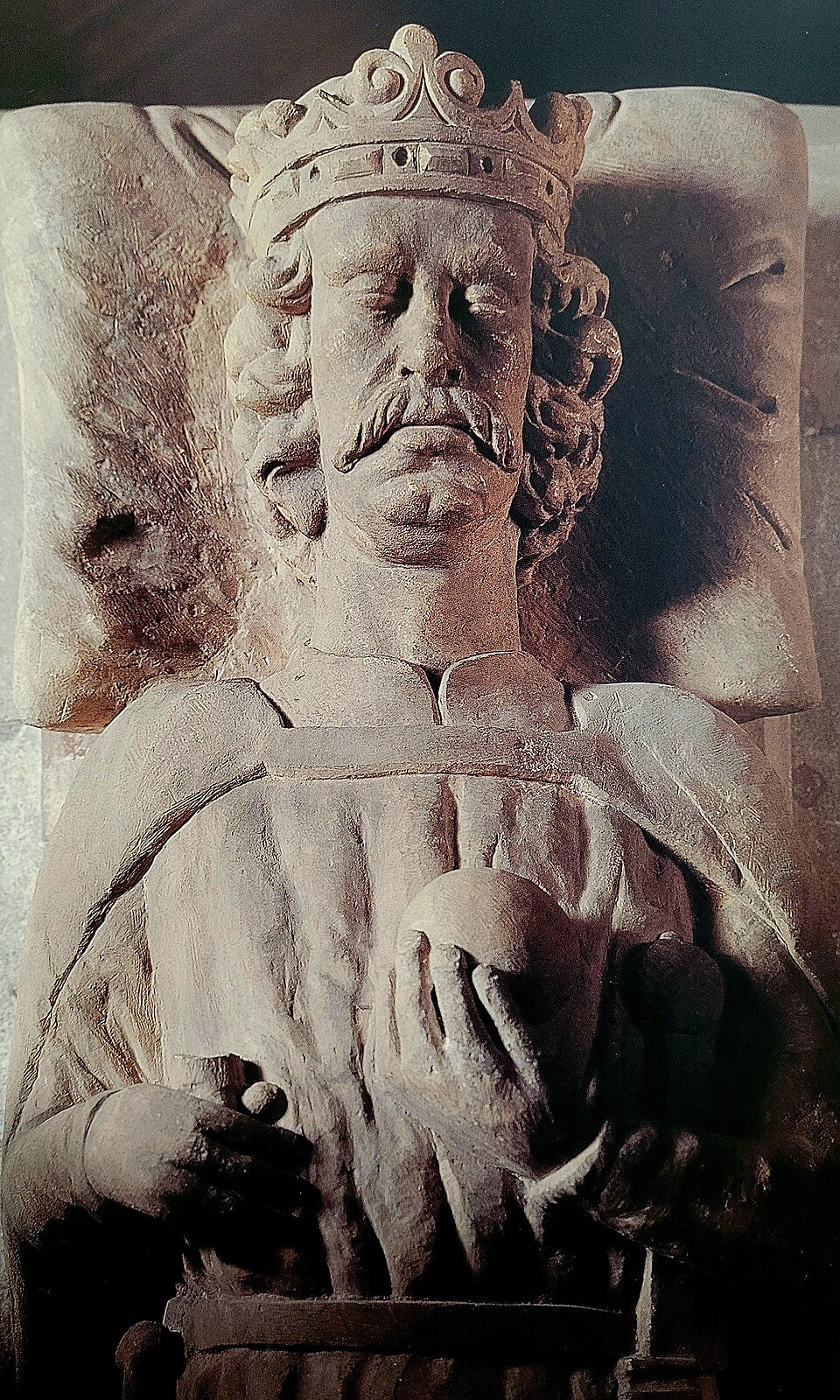
1320 - 1333 - Vladyslav (All Facts)
39th King of Poland
He was nicknamed “The Short”
He was already the ruler of Kujavia on the lower Vistula River
He slowly but steadily worked to reunify Poland
He declared war on the Teutonic Knights
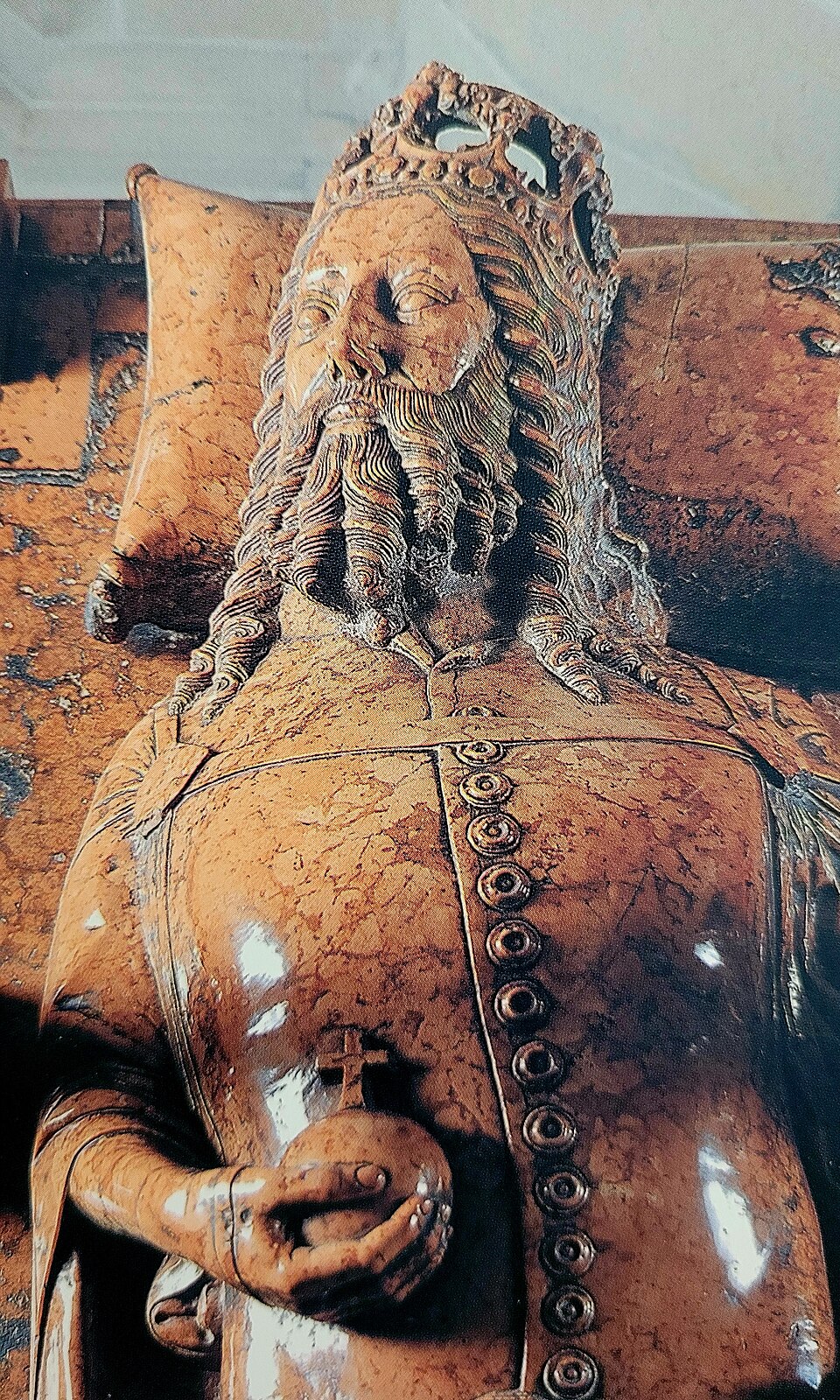
1333 - 1370 - Casimir III (All Facts)
40th King of Poland
He was nicknamed “The Great”
Upon ascending the throne, his kingdom was threatened on all sides
He
repulsed a Mongol invasion
created well-defined national frontiers
abandoned the war with the Teutonic Knights started by his predecessor
annexed Galicia
He
encouraged the immigration of Jews
to serve as tax-collectors and bankers
who had fled from their being massacred by
the Flagellants
other groups during the Black Death
gave peasants the right to migrate from one place to another
He
established a firm and efficient administration
codified the laws of the land
Under his reign,
Poland experienced strong economic growth
The University of Krakow was founded
He died in a hunting accident
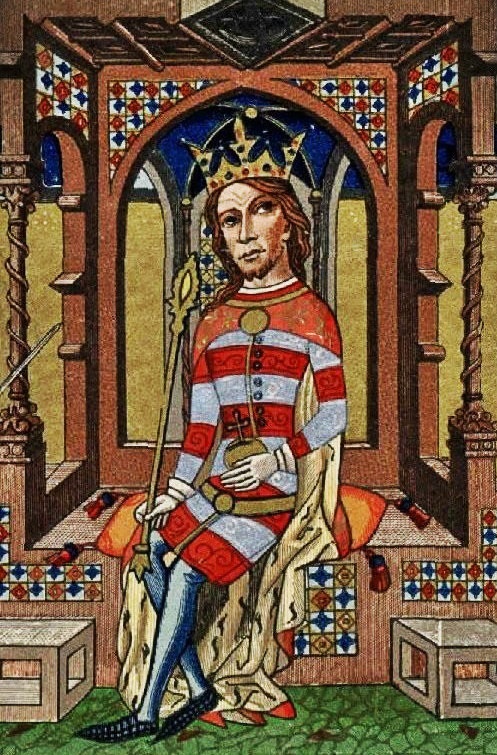
1370 - 1382 - Louis (All Facts)
41st King of Poland
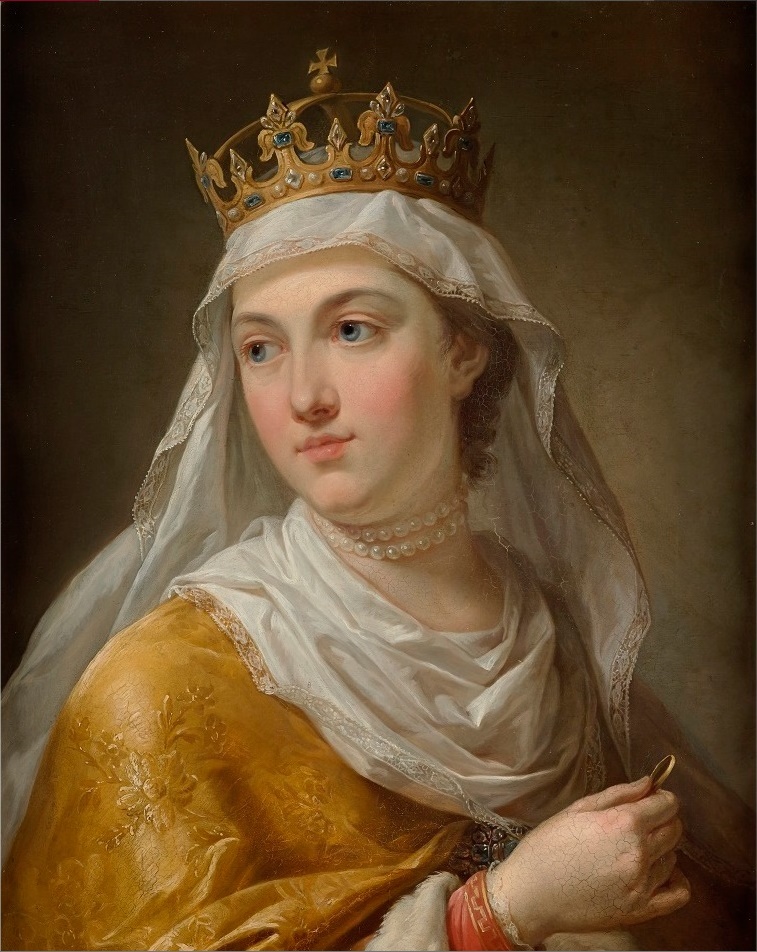
1384 - 1399 - Jadwiga (All Facts)
42nd Queen of Poland
She had hoped to marry a Prince of Austria, at first resisting the idea of union with the pagan Jagello, the Grand Duke of Lithuania
She was eventually persuaded by Polish lords and priests to sacrifice herself for Poland’s sake
During her reign, she laid the foundations for the Polish-Lithuanian Commonwealth via marriage to Jagello, the Grand Duke of Lithuania
They did this in order to unite their two kingdoms against the Teutonic Order, their common enemy
The marriage also ended the two kingdoms’ longstanding rivalry
The marriage also led to the Lithuanian adoption of Christianity
Despite the namesake’s youth, her royal dignity, which was legally equal that of her husband Jagello, worked out well in practice
Under her reign,
Lithuanian nobbles proceeded to adopt the manners and traditions of the Polish aristocracy
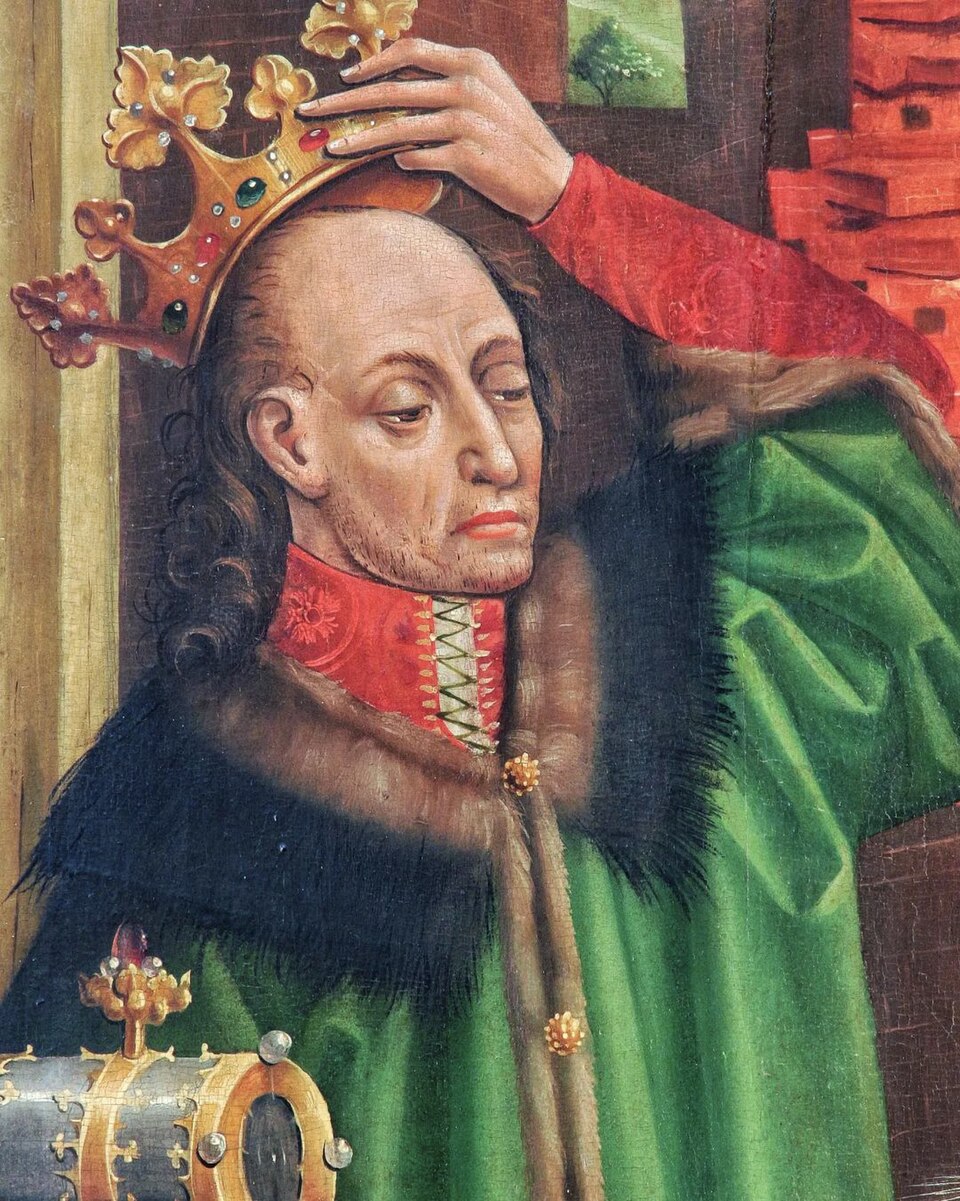
1386 - 1434 - Wladyslaw II / Jagiello (All Facts)
42nd King of Poland
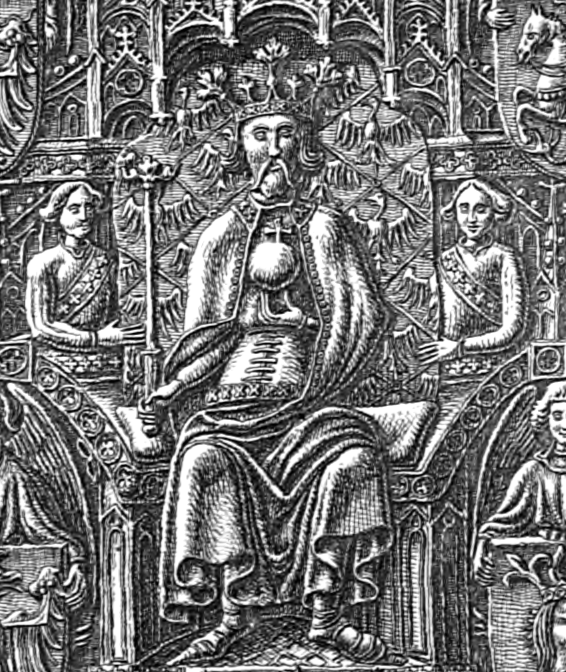
1434 - 1444 - Wladyslaw III (All Facts)
43rd King of Poland
He vanished after the Battle of Varna
He was succeeded by his namesake brother
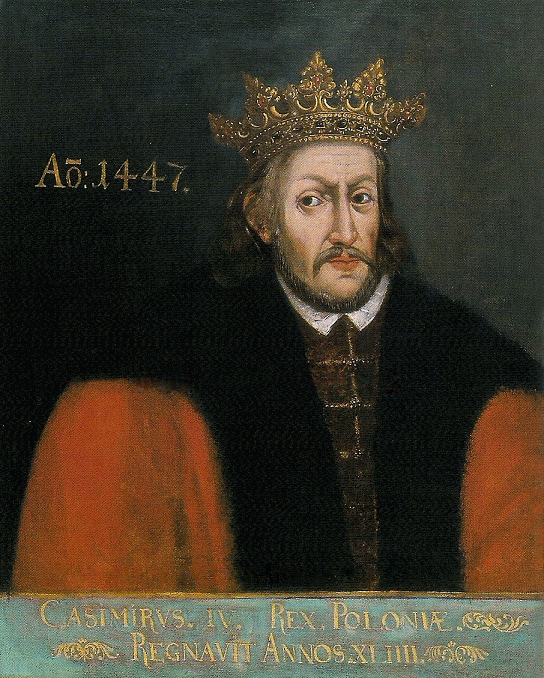
1447 - 1492 - Casimir IV (All Facts)
44th King of Poland

1506 - 1529 / 1548 - Sigismund (All Facts)
47th King of Poland
He eventually co-ruled with his successor
He ruled for more than 40 years
He was Catholic and kept Poland a Catholic state in the midst of the Protestant Reformation
He was considered blessed with a strong character and considerable political perception
During his reign,
He established serfdom in Poland
He implemented a series of financial reforms
He enforced strong measures against Lutherans, anxious to unite his realm of Poland to the Catholic Church in Rome
He introduced death at the stake for anyone who imported heretical books
He ordered all his subjects attending heretical universities abroad to return home
He brought in a similar penalty to burning at the stake for subjects who disobeyed his order to return home from heretical universities
These edicts of his, however, were widely ignored
He attended the First Congress of Vienna, where he
forged an alliance with Holy Roman Emperor Maximilian and King Vladislaus II of Bohemia and King of Hungary
He and his Polish-Lithuanian forces were defeated by Vasily III and his Muscovite forces in the Fourth Muscovite-Lithuanian War / Ten Years’ War
He was forced to sign an armistice treaty with Vasily III, forced to settle with Vasily III after Vasily III had made a defensive alliance with Holy Roman Emperor Maximilian, creating papal concern about the conflict and having brought pressure from the Catholic Church on the namesake to settle
At one point during this war, however, he and his forces defeated Vasily III and his Russian forces
He imposed his rule on Wallachia
He stamped his authority on East Prussia
Under his reign,
Poland was at its peak
Poland had been (profoundly) influenced by the Italian Renaissance
Nicolas Copernicus proposed the “Heliocentric Theory” of the Universe
He died in Cracow, in which he was buried in his namesake monument / tomb at Wawel Cathedral

1529 / 1548 - 1572 - Sigismund II Augustus (All Facts)
48th King of Poland and Final King of Poland from the House of Jagiellon
He initially co-ruled with his predecessor
During his reign,
The Union of Lublin was established
His lands thus stretched from the Baltic Sea to the Dniester River
He died with no heir
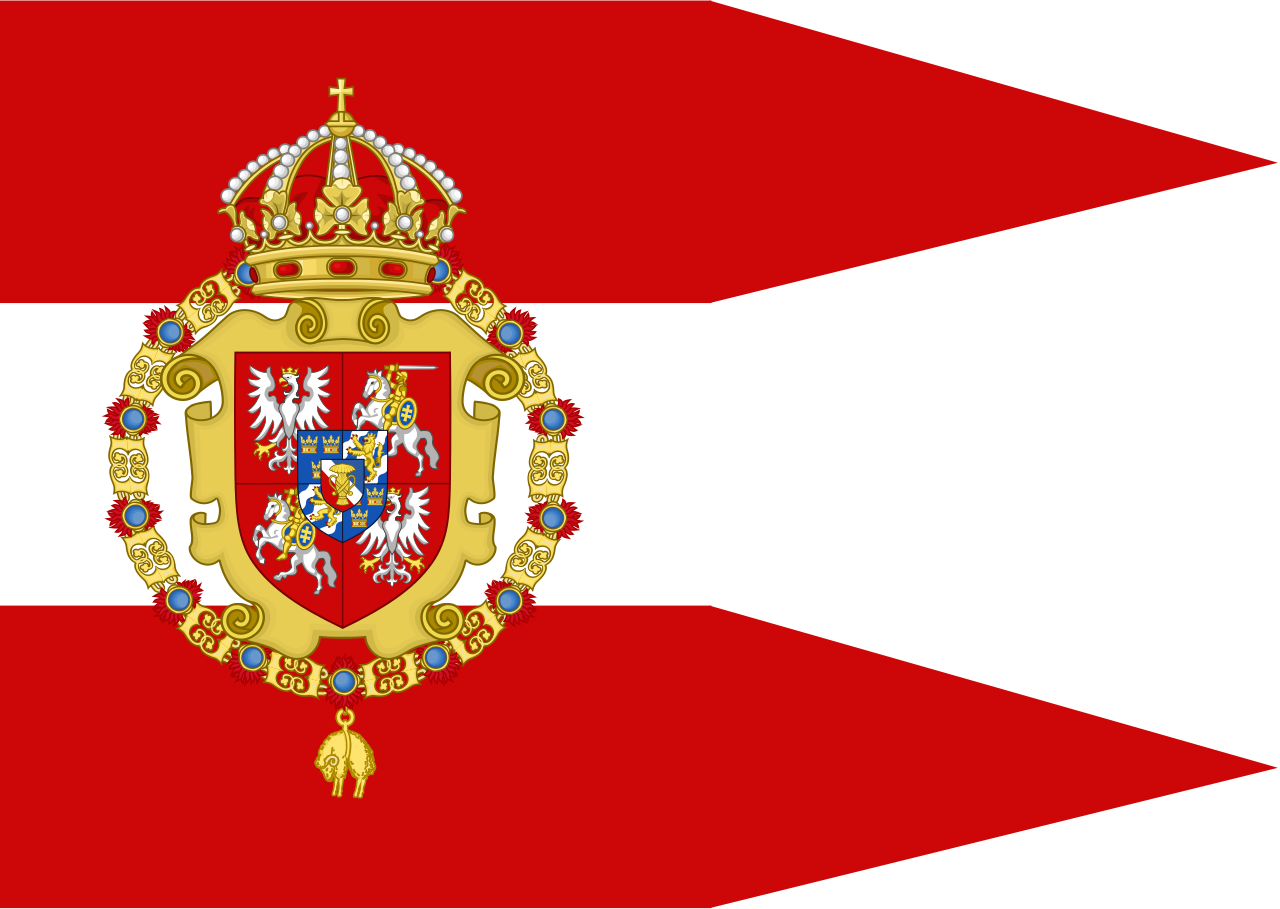
1569 - 1795 - Polish-Lithuanian Commonwealth (All Facts)
State which stretched from the Baltic Sea to the Dniester River
State established via the Union of Lublin, during the reign of Sigismund II Augustus
State which was officially Catholic but which was (initially) tolerant of Orthodox and Protestant Christians as well as Jews
State in which the King had to work through the Polish parliament despite his many various powers and prerogatives
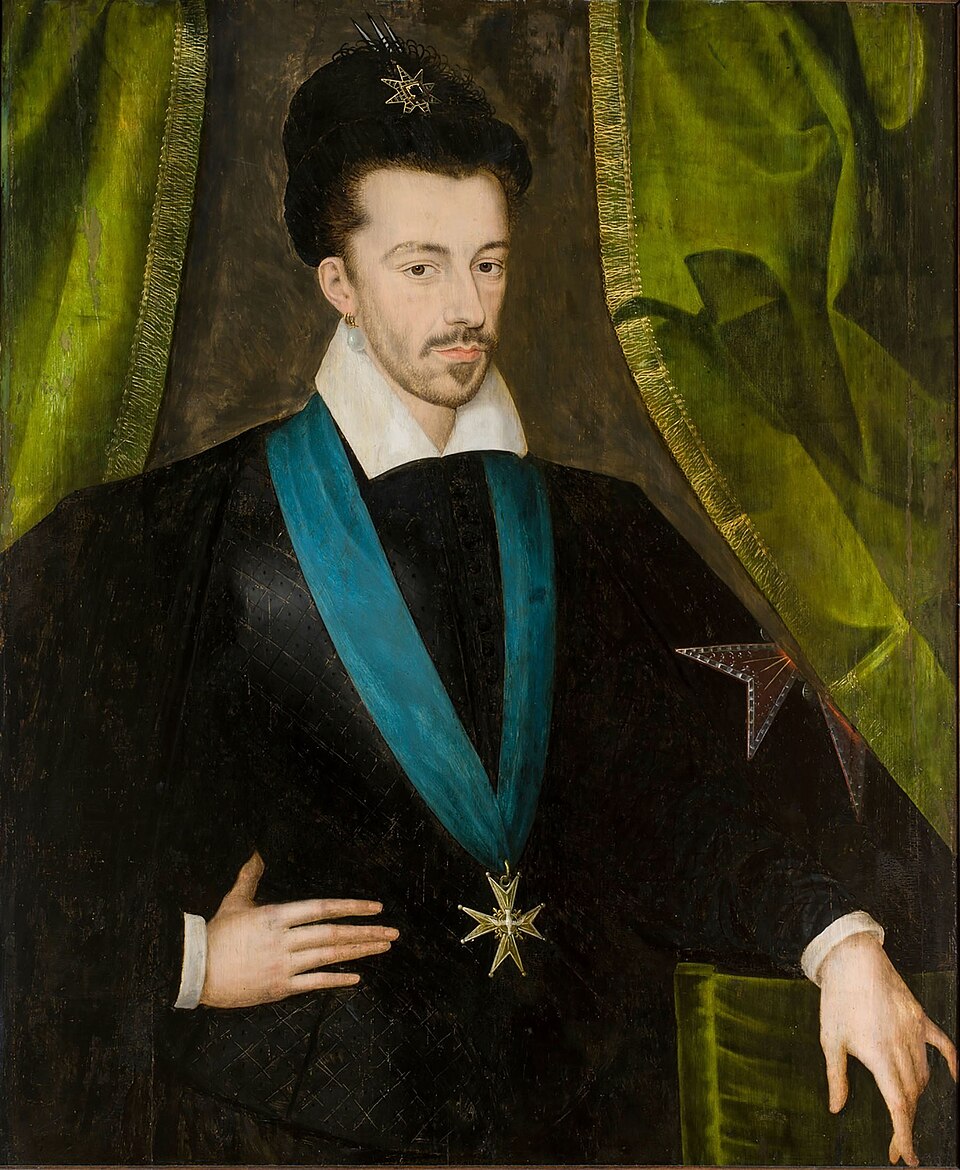
1573 - 1575 - Henry / Henry III of France (All Facts)
49th King of Poland
He was from the House of Anjou
He was the brother of King Charles IX of France
His election in Poland was secured by Catherine de Medici (his mother)
She by dint of propaganda and persuasion succeeded in building up a pro-French party among the Polish nobles
He became the first “elected” king of the Polish-Lithuanian Commonwealth
He was elected by some 40K Polish nobles and gentry, who assembled for the election on the Warsaw plain
He was considered devious, egotistical, and effeminate
His election by the Polish nobles and coronation was precipitated by the death of his predecessor, who had no heir
During his reign,
He had to face a hostile nobility which wanted to keep effective power
The powers of the Polish crown were being drastically reduced, as Poland was going to be governed by its Senate, rather than the crown head on
He eventually lost interest in Polish power as a result of the aforementioned developments

1576 - 1586 - Stephen Bathory, of Transylvania (All Facts)
50th King of Poland
He was initially the Prince of Transylvania
His rule was supported by the Ottoman Empire
He was “elected” King of Poland
He ruled for ten years
He had a forceful personality and was an experienced soldier
He created a big Christian empire in eastern Europe which prevented Tsar Ivan IV and Russia from overtaking those territories
However, the Poles did not support the almost limitless personal ambitions he had
He had the same problem as his predecessors, which was failing to banish from his mind the thought of his native country (Transylvania) which had a fear-reaching effect on both his domestic and foreign policy
He died suddenly and was succeeded

1587 - 1632 - Sigismund III Vasa (All Facts)
51st King of Poland
He was the son of King John III of Sweden
He was “elected” by some 15K voters who preferred him to Holy Roman Emperor Maximilian II
He and his Polish-Lithuanian forces
defeated
Tsar Vasily IV and his Russian and Swedish forces in the First Russo-Polish War
He had his son Ladislaus IV installed as the succeeding Tsar of Russia
were defeated by
Gustavus Adolphus and his Swedish forces in the Fourth Polish-Swedish War
Gustavus Adolphus and his Swedish forces in the Fifth Polish-Swedish War
Under his reign,
The Confederation of Vilna made it so that various branches of the church in Poland unite against the power of the Roman (Catholic) Church
Protestant churches in Poznan (in Poland) were demolished, as part of his rule during the Catholic Counter-Reformation
The Truce of Altmark was made (with Sweden)

1632 - 1648 - Ladislaus IV (All Facts)
52nd King of Poland
He and his Polish-Lithuanian forces
defeated the Russian forces in the Siege and War of Smolensk
Upon his arrival, the town was relieved
He obtained support of the Dnieper Cossacks, who had been disillusioned by Russia’s failure to come to their aid previously
He offered an armistice to the leader of the Russian forces, which he accepted and permitted the remaining 8K Russian forces to retire

1648 - 1668 - John II Casimir Vasa (All Facts)
53rd King of Poland

1615 - 1672 - Władysław Siciński (All Facts)
He was a deputy of the General Sejm (Polish-Lithuanian Parliament) who exercised his veto power for the first time, voicing his disagreement with the prolongation to Sejm
after a vote on increased taxes
because he wanted to go home