[ORGANIC CHEMISTRY] Introduction to Organic Reactions, Alkanes, Alkenes, Alkynes
 Call Kai
 Learn
Learn Practice Test
 Spaced Repetition
 Match
Match Flashcards
 Knowt Play
1/47

There's no tags or description
Looks like no tags are added yet.
Name | Mastery | Learn | Test | Matching | Spaced | Call with Kai |
|---|
No analytics yet
Send a link to your students to track their progress
48 Terms
a. Addition
Organic reactions:
A + B → AB
a. Addition
b. Elimination
c. Substitution
d. Rearrangement
b. Elimination
Organic reactions:
AB → A + B
a. Addition
b. Elimination
c. Substitution
d. Rearrangement
c. Substitution
Organic reactions:
AB + CD → AD + CB
a. Addition
b. Elimination
c. Substitution
d. Rearrangement
d. Rearrangement
Organic reactions:
Isomer 1 → Isomer 2
a. Addition
b. Elimination
c. Substitution
d. Rearrangement
f. a and c
Reagent is only present in which type of reaction?
a. Addition
b. Elimination
c. Substitution
d. Rearrangement
e. a and b
f. a and c
b. Elimination
Usually involve increase number of double bonds.
a. Addition
b. Elimination
c. Substitution
d. Rearrangement
a. Addition
Usually involve decrease number of double bonds.
a. Addition
b. Elimination
c. Substitution
d. Rearrangement
f. All
Type of reagents.
a. Electrophile
b. Nucleophile
c. Radical
d. a and b
e. b and c
f. All
a. Electrophile
Electron poor type of reagent.
a. Electrophile
b. Nucleophile
c. Radical
d. a and b
e. b and c
f. All
b. Nucleophile
Electron rich type of reagent.
a. Electrophile
b. Nucleophile
c. Radical
d. a and b
e. b and c
f. All
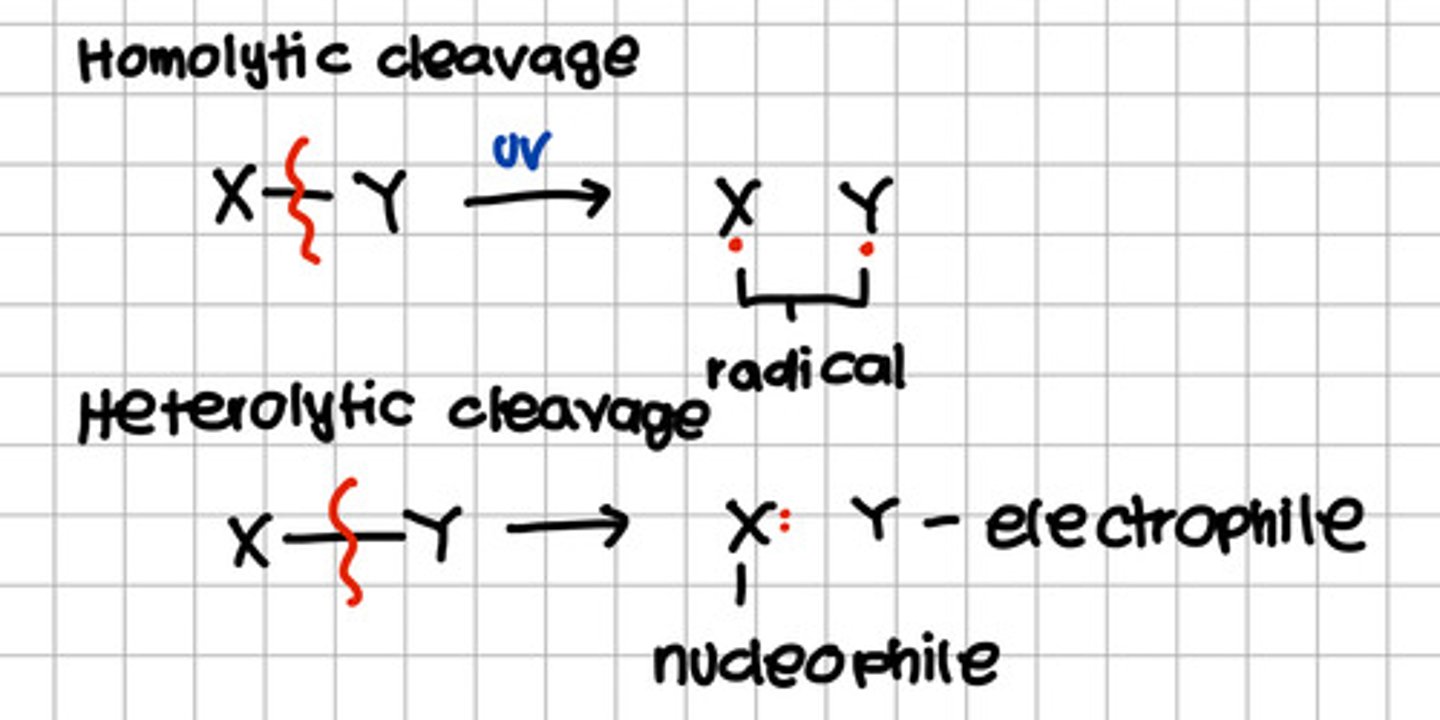
c. Radical
Formed from homolytic cleavage in the presence of UV resulting to equally shared electron between the products.
a. Electrophile
b. Nucleophile
c. Radical
d. a and b
e. b and c
f. All
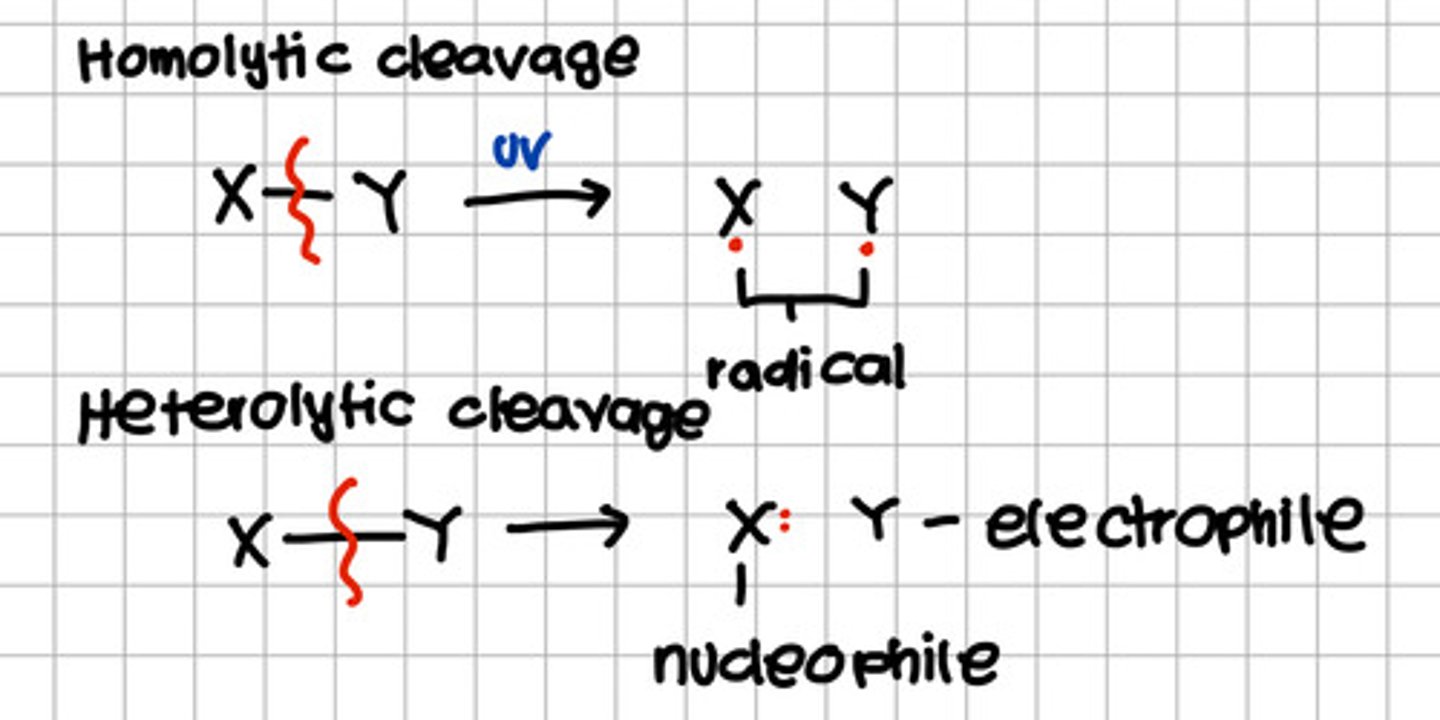
d. a and b
Electrophile - does not received any electron
Nucleophile - received both electrons
Formed from heterolytic cleavage wherein one product received both electrons the other do not.
a. Electrophile
b. Nucleophile
c. Radical
d. a and b
e. b and c
f. All
f. All
Oxidation
a. Addition of oxygen
b. Addition of bond to O
c. Removal of hydrogen
d. a and b
e. b and c
f. all
a. Oxidation
Dehydrogenation
a. Oxidation
b. Reduction
b. Reduction
Hydrogenation
a. Oxidation
b. Reduction
a. Alkanes
Paraffins
a. Alkanes
b. Alkenes
c. Alkynes
b. Alkenes
Olefins
a. Alkanes
b. Alkenes
c. Alkynes
c. Alkynes
Acetylenes
a. Alkanes
b. Alkenes
c. Alkynes
f. All
Properties of hydrocarbons.
a. Water insoluble
b. Has relatively low boiling point
c. Ha relatively low melting point
d. a and b
e. b and c
f. All
c. Both
Reaction of alkanes.
a. Combustion
b. Halogenation
c. Both
d. None
c. I, II
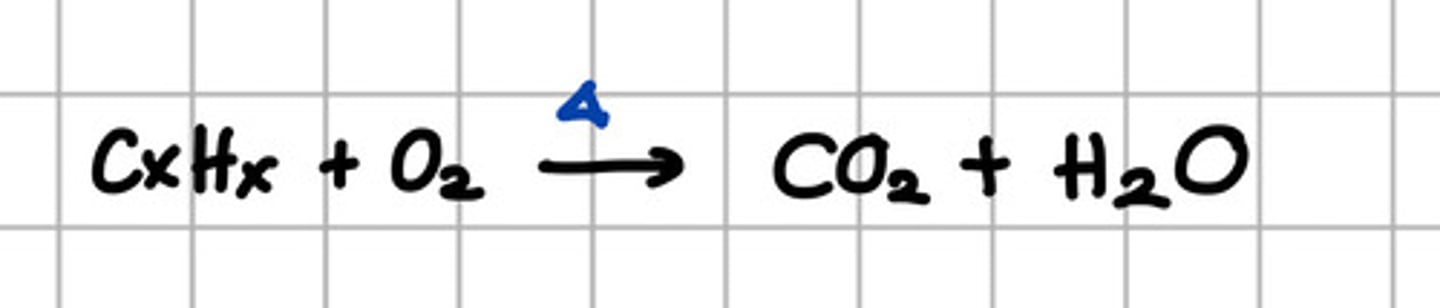
Product of complete combustion of alkane.
I. CO2
II. H2O
III. CO
IV. C
a. I, II, III, IV
b. I, II, III
c. I, II,
d. III, IV
a. Electrophilic addition
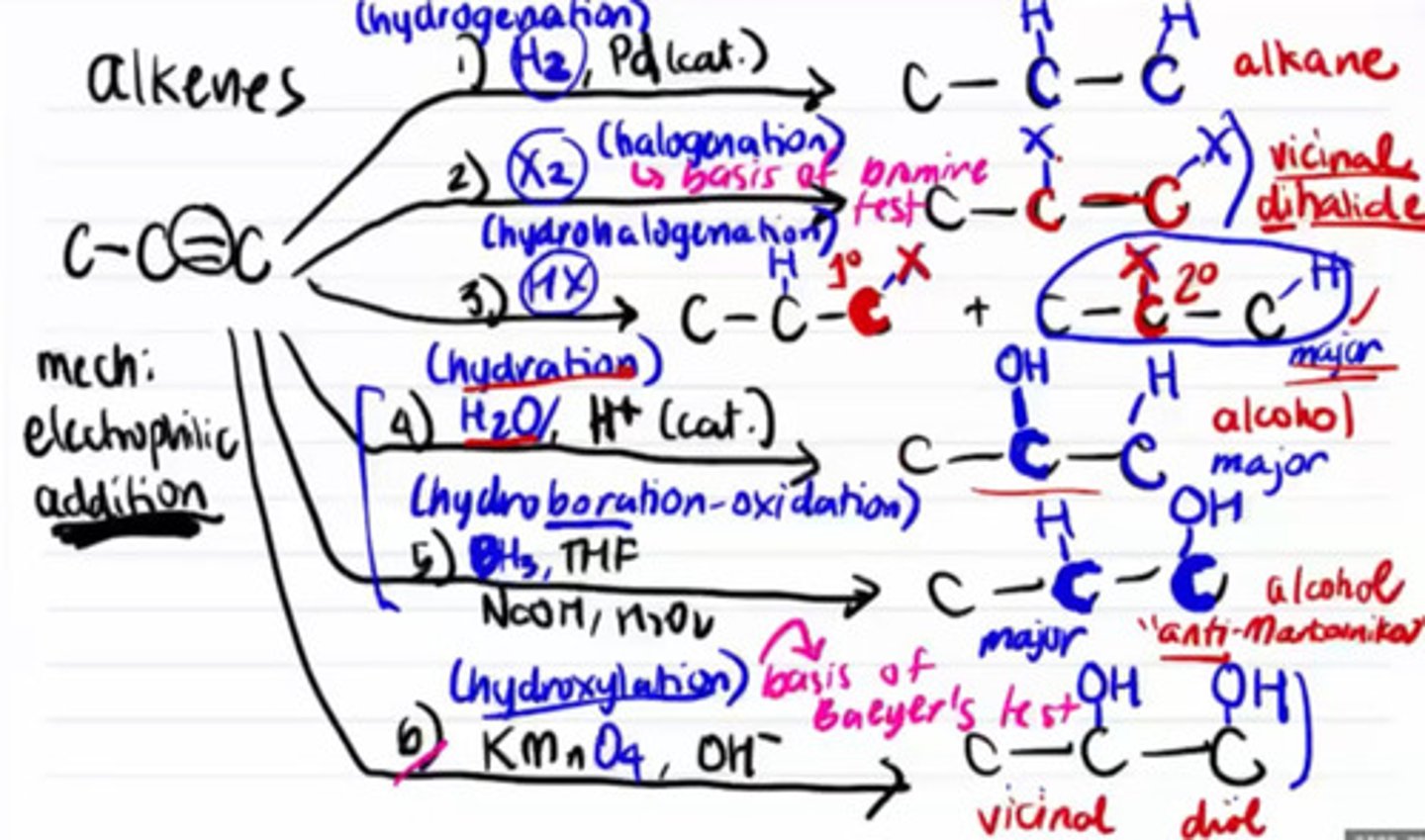
Mechanism of reaction of alkenes.
a. Electrophilic addition
b. Electrophilic elimination
c. Nucleophilic addition
d. Nucleophilic elimination
a. I, II, III, IV
Product of incomplete combustion of alkane.
I. CO2
II. H2O
III. CO
IV. C
a. I, II, III, IV
b. I, II, III
c. I, II,
d. III, IV
a. Pd
Catalyst for hydrogenation of alkene.
a. Pd
b. H+
c. Tetrahydrofuran
d. NaOH
e. H2O2

d. C
Product of incomplete combustion of alkane known as soot.
a. CO2
b. H2O
c. CO
d. C
b. H+
Catalyst for hydration of alkene.
a. Pd
b. H+
c. Tetrahydrofuran
d. NaOH
e. H2O2
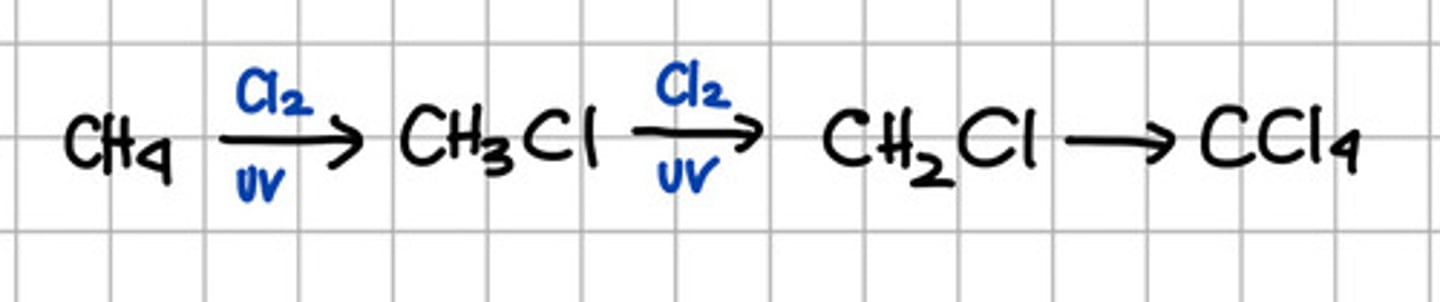
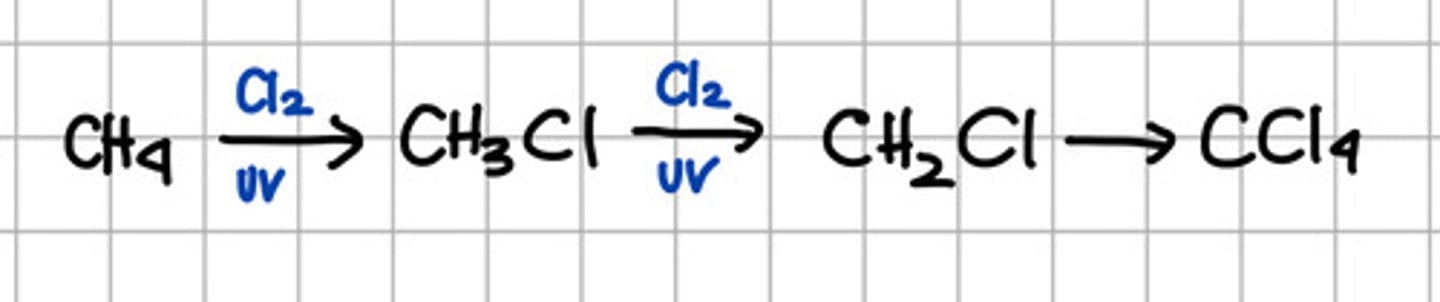
c. Halogenation of alkane - the only halogenation that produce radical
Consider a chain reaction which produce radical.
a. Complete combustion of alkane
b. Incomplete combustion of alkane
c. Halogenation of alkane
d. a and b
e. All
f. All
Catalyst for hydroboration-oxidation of alkene.
a. Tetrahydrofuran
b. NaOH
c. H2O2
d. a and b
e. b and c
f. All
d. a and b
Catalyst for halogenation of alkanes.
a. Halogen group
b. UV
c. Strong acid
d. a and b
e. b and c
f. All
Insert reactions
a. Alkane
Product of hydrogenation of alkene.
a. Alkane
b. Vicinal dihalide
c. Alcohol
d. Vicinal diol
b. Vicinal dihalide
Product of halogenation of alkene.
a. Alkane
b. Vicinal dihalide
c. Alcohol
d. Vicinal diol
c. Alcohol
Product of hydration of alkene.
a. Alkane
b. Vicinal dihalide
c. Alcohol
d. Vicinal diol
c. Alcohol
Product of hydroboration-oxidation of alkene.
a. Alkane
b. Vicinal dihalide
c. Alcohol
d. Vicinal diol
d. Vicinal diol
Product of hydroxylation of alkene.
a. Alkane
b. Vicinal dihalide
c. Alcohol
d. Vicinal diol
b. Halogenation
Reaction of alkane that is the basis of Bromine test.
a. Hydrogenation
b. Halogenation
c. Hydrohalogenation
d. Hydration
e. Hydroboration oxidation
f. Hydroxylation
f. Hydroxylation
Reaction of alkane that is the basis of Bayer's test.
a. Hydrogenation
b. Halogenation
c. Hydrohalogenation
d. Hydration
e. Hydroboration oxidation
f. Hydroxylation
e. Hydroboration oxidation
Reaction of alkane that has anti-Markonikov product.
a. Hydrogenation
b. Halogenation
c. Hydrohalogenation
d. Hydration
e. Hydroboration oxidation
f. Hydroxylation
a. True
In Markonikov's rule, substituents is on the carbon that will result the most stable compound.
a. True
b. False
Insert reaction
b. Halogenation
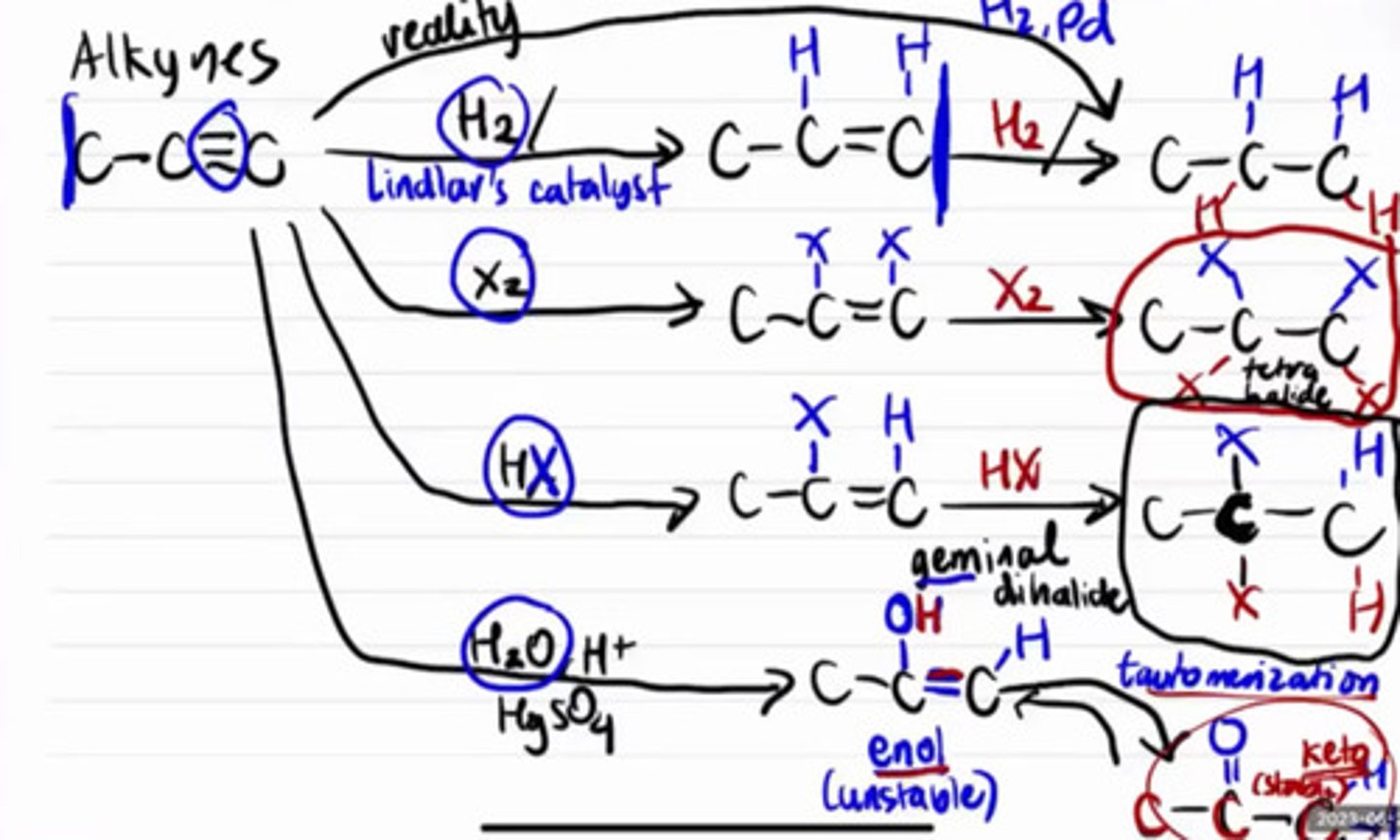
Reactions of alkyne that produce final product tetrahalide.
a. Hydrogenation
b. Halogenation
c. Hydrohalogenation
d. Hydration
c. Hydrohalogenation
Reactions of alkyne that produce final product geminal dihalide
a. Hydrogenation
b. Halogenation
c. Hydrohalogenation
d. Hydration
d. Hydration
Reactions of alkyne that will produce ketone final product.
a. Hydrogenation
b. Halogenation
c. Hydrohalogenation
d. Hydration
b. Lindlar's
Catalyst to use if alkynes are only to be hydrogenated up to alkene form.
a. H2SO4
b. Lindlar's
c. Grignard
d. HgSO4
d. HgSO4
Catalyst to use for hydration of alkynes.
a. H2SO4
b. Lindlar's
c. Grignard
d. HgSO4
a. Enol
Unstable nitial product of hydration of alkyne.
a. Enol
b. Ketone
c. Geminal dihalide
d. Tetrahalide
b. Ketone
More stable final product of hydration of alkyne after tautomerization.
a. Enol
b. Ketone
c. Geminal dihalide
d. Tetrahalide
f. All
Reduction
a. Removal of oxidation
b. Removal of bond to O
c. Additiom of hydrogen
d. a and b
e. b and c
f. all