Exam #3 Review (Chapter 11-13)
 Call Kai
 Learn
 Practice Test
 Spaced Repetition
 Match
 Flashcards
 Knowt Play
1/50

Earn XP
Description and Tags
51 Terms
Stereoisomer
a molecule that shares the exact same molecular formula and bond connectivity as another molecule, but differs in the three-dimensional (3D) spatial orientation of its atoms
Constitutional Isomer
molecules that share the exact same molecular formula, but differ in the connectivity or sequential arrangement of their atoms
Tolune
benzene ring with a methyl group; methylbenzene

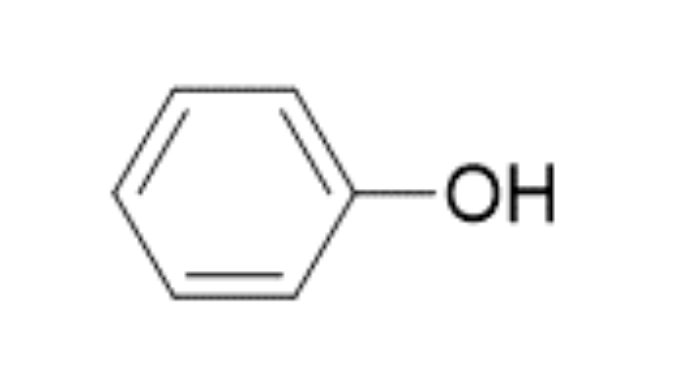
Phenol
benzene ring with a hydroxyl group; hydroxybenzene
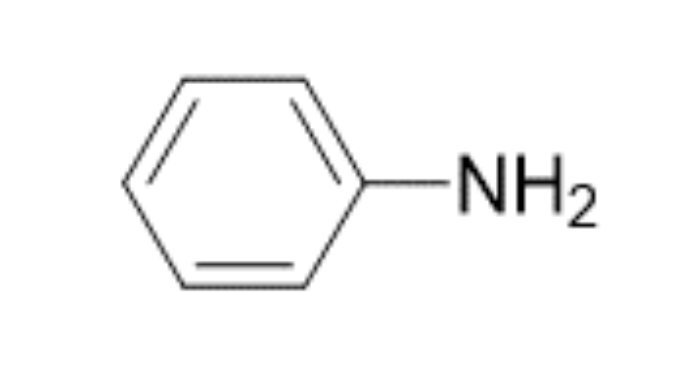
Aniline
benzene ring with a amine group; aminobenzene
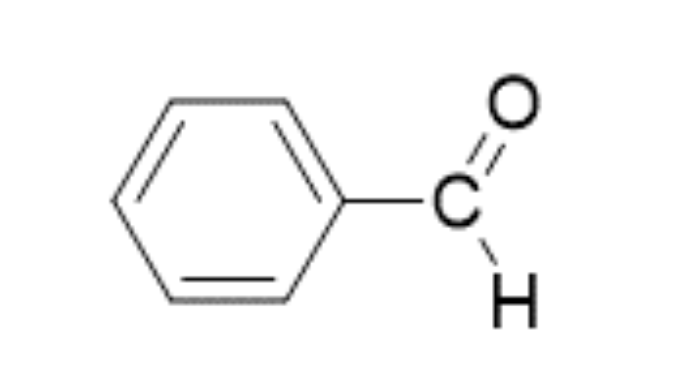
Benzaldehyde
benzene ring with an aldehyde group
Benzoic Acid
benzene ring with a carboxylic acid


Parent name ending for alcohols
-ol
Parent name ending for ketones
-one
Parent name ending for aldehydes
-al
Parent name ending for ethers
ether

Form-

Formaldehyde
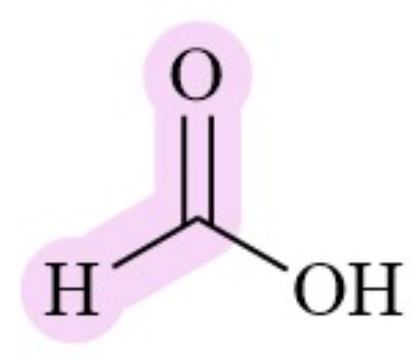
formic acid

formamide

acet-

acetic acid

acetamide

acetaldehyde

acetone

acetophenone

benz-

benzoic acid

benzamide

benzaldehyde
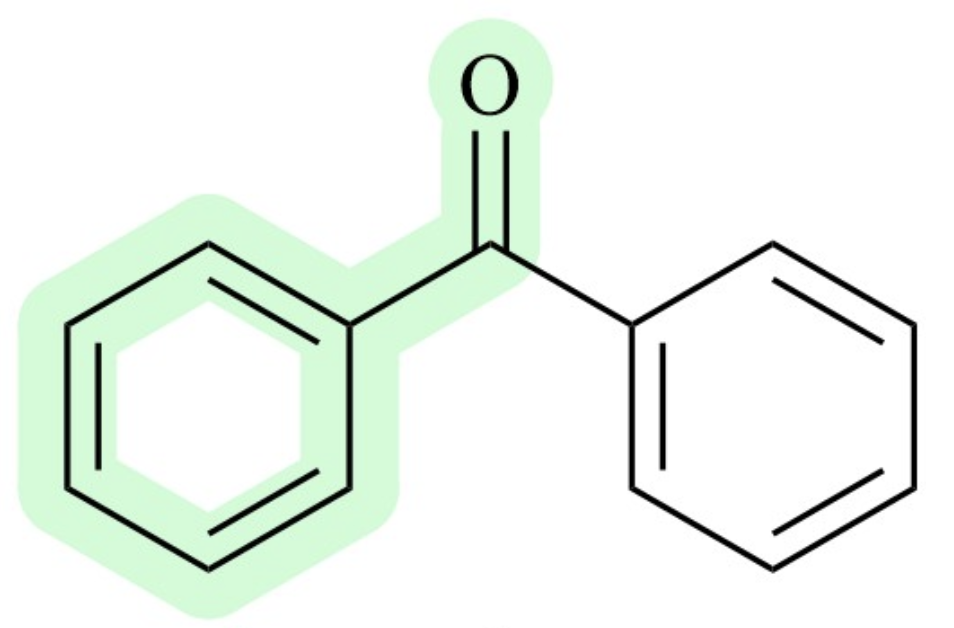
benzophenone

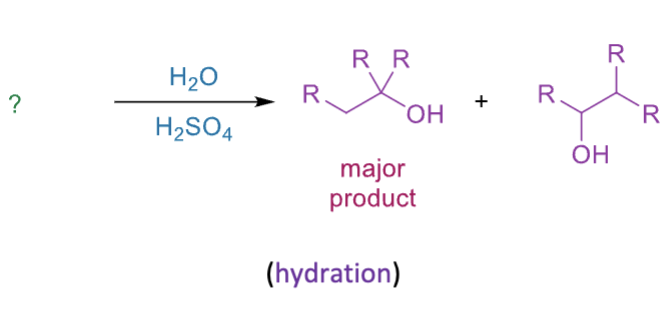
Dehydration


Oxidation of primary alcohol


Oxidation of secondary alcohols


Oxidation of aldehydes


Oxidation of aldehydes using tollens reagent


Thiol Redox

Parent name ending for carboxylic acids
-oic acid
Parent name ending for esters
-oate/-ate
Parent name ending for amides
-amide
Parent name ending for amines
amine
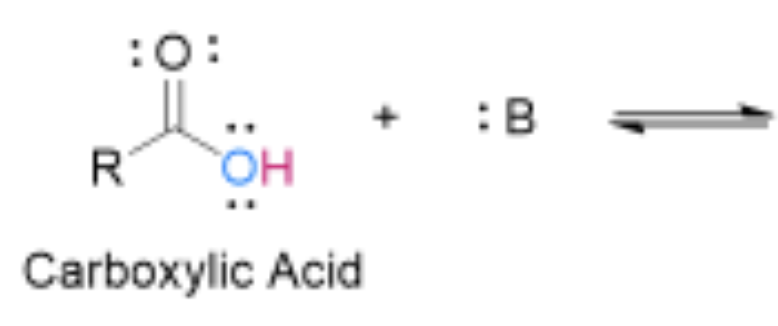
Acid-Base reaction of carboxylic acids

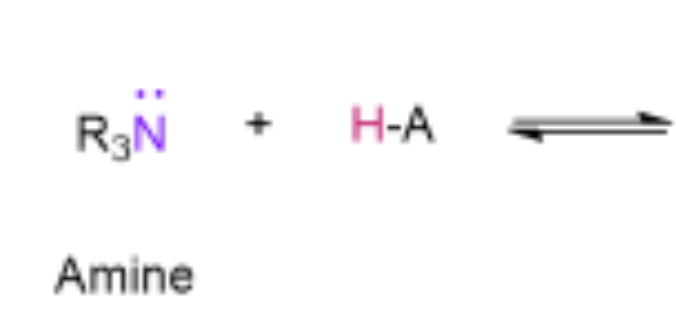
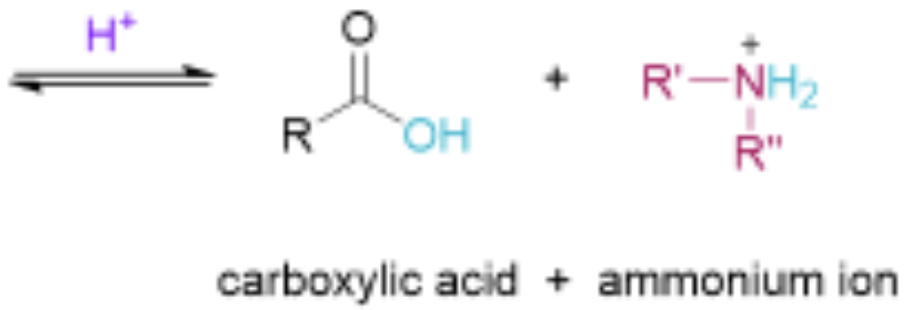
Acid-Base reactions of amines


Fischer esterification




When you have two compunds with hydrogen bonding which would have a higher boiling/melting point a carbonyl containing compound or a non-carbonyl containing compound?
carbonyl containing compound
When comparing two compounds with dipole-dipole forces which would have a higher boiling/melting point a carbonyl containing compound or a non-carbonyl containing compound?
carbonyl containing compound
When comparing two compounds with dipole-dipole forces which would have a higher boiling/melting point a C-O compound, C-N compound, or a C-X compound
C-O compound
When comparing two compounds with london dispersion forces which would have a higher boiling/melting point a larger or a smaller compound
larger compound
When comparing two compounds with london dispersion forces which would have a higher boiling/melting point a trans or a cis compound
trans compounds
Priority in naming
carboxylic acid or ester>aldehyde>ketone>alcohol>thiol>amine>alkene>alkyne>R=X