pqs chapter 9 naval specwar/specops
 Call Kai
 Learn
Learn Practice Test
 Spaced Repetition
 Match
Match Flashcards
 Knowt Play
1/70

There's no tags or description
Looks like no tags are added yet.
Name | Mastery | Learn | Test | Matching | Spaced | Call with Kai |
|---|
No analytics yet
Send a link to your students to track their progress
71 Terms
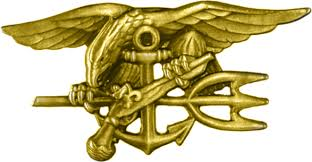
special warfare pin
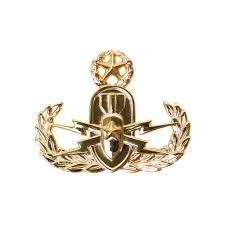
special operations
naval special warfare mission
characterized using small units w/ unique ability to conduct military actions that’re beyond the capability of conventional military forces
SEALS are
superbly trained in all environments and are the masters of maritime specops
SEALS are required to
utilize a combination of specialized training, equipment, and tactics in completion of specops missions worldwide
a tactical force with strategic impact, NSW mission areas include
unconventional warfare
direct acton
anti-terrorist operations
special reconnaissance
foreign internal defense
information warfare
security assistance
drug interdiction
personnel recovery
hydrographic reconnaissance
although NSW personnel comprise less than 1% of U.S. navy personnel
they offer big dividends on a small investment
SEALs’ proven ability to operate across spectrum of conflict and in ops other than war in a controlled manner, and their ability to provide real-time intelligence and eyes on target, offer decision maker immediate and virtually unlimited options in the face of rapidly changing crises around the world
most important trait that distinguishes navy SEALs from all other military forces is that
SEALs are maritime special forces, as they strike from and return to the sea
(sea, air, land) take their names from elements in and from which they operate
their stealth and clandestine methods of operation allow them to conduct multiple missions against targets that larger forces cannot approach undetected
where did modern SEAL teams first commission from
the foundation set by scouts and raiders, naval combat demolition units and underwater demolition teams
when were modern SEALs first commissioned
january 1962
by president john f. kennedy
their requirement was solidified by action in vietnam where
they advised vietnamese forces
conducted direct action missions
participated in multiple downed pilot rescues
NSW have participated in
every major conflict since then including
operation just cause in Panama
operations desert shield/storm in Iraq and Kuwait
operation restore hope and TF ranger in Somalia
other conflicts from South America to the Balkans to Haiti to operations enduring freedom/Iraqi freedom/new dawn
NSW is noted for its
execution to operations neptune spear and its continued involvement in operation inherent resolve
Naval Special Warfare Command (NAVSPECWARCOM) organization
commissioned 16 april 1987, naval amphib base coronado in san diego, ca
as naval component to u.s. specops command headquartered in tampa, fl
commander, naval special warfare command provides
vision
leadership
doctrinal guidance
resources
oversight
ensure component maritime specops forces are ready to meet the operational requirements of combatant commanders
NSW provides a
versatile
responsive
offensively focused force w/ continuous overseas presence
the major operational components of naval special warfare command include
naval special warfare groups ONE and THREE in san diego, ca
naval special warfare groups TWO and FOUR in norfolk, va
NAVSPECWARCOM; these components deploy
SEAL teams, SEAL delivery vehicle teams, and special boat teams worldwide to meet the training, exercise, contingency, and wartime requirements of theater CO’s
with about 5400 total active duty personnel
2450 SEALs
600 special warfare combatant-craft crewmen (SWCC)
NSW also calls upon a
1200 person reserve of about
325 SEALs
125 SWCC
775 support personnel
SEAL teams are comprised of
3 troops with 2 platoons assigned per troop (6 plts)
command and control element
support element that’s deployable en masse to stage overseas for extended periods of time
SEAL elements are trained to
infiltrate their objective areas by
fixed and rotary-winged aircraft
navy surface ships and subs
vehicles
underwater
on foot
their ability to conduct clandestine, high-risk missions and provide real-time intelligence offers decision-makers excellent situational awareness and provides multiple options to conduct warfare
SEAL delivery vehicle teams (SDVT) are specifically trained to use
the Mk VIII SDV as an underwater, clandestine insertion and extraction platform
launched out of a DDS (dry deck shelter) which is attached to several navy subs
SDV teams train for
and are just as capable of the same missions as other SEAL teams
but focus specifically on insertion and extraction using this specialized platform
special boat teams (SBTs) are manned by
SWCC (“boat guys”)
although SWCCs are not SEALs,
they have extremely important role in NSW
primary mission of SBTs is the insertion and extraction of SEAL elements
they are also involved in coastal and riverine missions
platform: Mk V, 11-meter rigid-hull inflatable boat (RHIB)
junior SEAL officers and/or SWCC chiefs often command
8 man SBT detachments like 11m MCADS (maritime craft aerial delivery system) detachment, an air-dropped boat package for quick over horizon interdiction operations
naval specwar training
BUD/S (basic underwater demolition/SEALs) is first step towards becoming a SEAL
coronado, ca
at least 6 months
officers and enlisted training together
first phase of BUD/S
highlighted by hell week and hydrographic reconnaissance
second phase, BUD/S
where students become proficient in open and closed-circuit diving
third phase of BUD/S
culmination of BUD/S w/ an emphasis on small arm, demolitions, tactics
each phase is designed to
severely test candidate’s leadership and physical and mental abilities
in addition to daily physical challenges at BUD/S
officers are expected to lead throughout training
upon completing BUD/S
grads must complete SQT (SEAL qualification training)
12+ months
extreme environment survival techniques, urban warfare, high attitude low opening (HALO) parachute training, etc.
after completing SQT
sailors will receive NSW warfare designator (trident)
new SEALs then report to their command and could be deployed overseas to combat shortly thereafter or enter troop training cycle (18month work-up in prep for deployment)
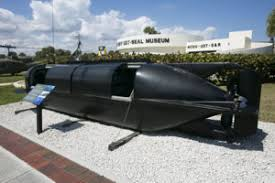
Mark VIII Seal Delivery Vehicle (SDV)
mission: electrically powered designed to deliver up to 6 combat swimmers and their equipment
‘wet’ vehicle, meaning that when it submerges hull is completely flooded, swimmer’s wearing underwater breathing apparatus (UBA)
vehicle is carried in a dry deck shelter aboard a US sub
payload: equipment for up to 6 combat swimmers
crew: 2 crew + 4 passengers
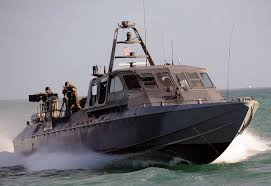
Mark V Special Operations Craft
mission: used to carry specops forces (SOF), mainly SEAL combat swimmers, into and out of ops where threat to these factors is considered to be low to medium
payload: 7.62mm gatling guns, .50cal machine guns
crew: 5 crew + 16 passengers
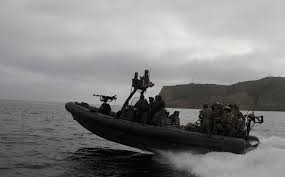
11M NSW Rigid-Hull Inflatable Boat (RHIB)
mission: high speed, high buoyancy extreme weather craft used to carry SOF, primarily SEALs, into and out of maritime ops
also support coastal patrol and interdiction of enemy activities. fully interoperable with Mk V SOC combat boat
payload: 2 zodiacs, 2 heavy weapons mounts
crew: 5 crew + 8 passengers
explosive ordnance disposal mission
EODs technicians render safe all types of ordnance,
conventional and unconventional
improvised
chemical
biological
nuclear
to include improvised explosive devices (IEDs) and weapons of mass destruction (WMD)
EOD technicians perform
land and underwater
location
identification
render-safe
recovery (or disposal)
of foreign and domestic ordnance
EOD technicians conduct demolition of
hazardous munitions
pyrotechnics
retrograde explosives
using detonation and burning techniques
EODs forward deploy and
fully integrate with the various combatant COs, special operations force (SOF), and various warfare units w/in the navy, umsc, and army
called upon to support military and civilian law enforcement agencies
EOD technicians’ missions take them
to all environments and to every climate globally
they have many assets available to help them complete their mission including
open and closed-circuit scuba and surface supplied diving rigs
parachute insertion from fixed-wing and fast-rope
rappel
special purpose insertion extraction (SPIE)
from rotary aircraft, small boats, tracked vehicles
navy eods trace their history back to
the first group of volunteers selected to work w/ the famed british UXO teams following initial German blitzkrieg attacks in early 1940
in june 1941
these veterans returned to from the first class in what was originally called mine recovery school
officers and enlisted entered 11 week school, qualifying as mine recovery personnel/second class divers
btwn june 1941 and oct 1945
19 classes graduated and deployed thruout pacific and Mediterranean theaters
divided in mobile explosive investigative units (MEIU)
they were instrumental in the clearance of explosive hazards in land and at sea
the conflict in korea
saw a return to action on various minesweepers ensuring continual clearance of shipping hazards
the now renamed explosive ordnance disposal (EOD) units took part in
inland intelligence operations and interacted w/ ground-based units in Inchon, Wonson, thruout UN theater of ops
what did vietnam see
increase in overall participation by EOD units
units from EOD mobile unit ONE
pearl harbor, HI
deployed thruout region
with an overall emphasis in sea and riverine mine clearance options,
these teams ensured continued safety for shipping and maritime ops
since the close of vietnam conflict,
the every-changing world situation and increased operational tasking have prompted expansion of EOD units in number, size, capabilities
their impressive record in recent history includes
persian gulf war where EOD techs cleared more than 500 sea mines
EOD was also critical element in eliminating unexploded ordnance from USS stark after she was hit by 2 exocet anti-ship missiles fired from iraqi aircraft
during joint operations in somalia, haiti, bosnia, kosovo
EOD provided safety and operational continuity by eliminating booby traps, weapons caches, performing mine clearance ops
EOD units are presently serving in
Afghanistan and Iraq where they are supporting the global war on terrorism by destroying post-war ordnance and reducing threat imposed by improvised explosive devices (IED) that have plagued both countries
one thing that has not changed from the beginning of EOD
the level of professionalism and dedication that has been cornerstone of the program
two EOD groups
EODGRU ONE
san diego, ca (naval amphib base, coronado)
EODGRU TWO
norfolk, va (naval amphib base little creek)
both groups report to the
commander, navy expeditionary combat command
each group has
readiness responsibility for several subordinate EOD mobile units (EODMU)
EODMUs are comprised of
companies with special capabilities including
mine countermeasures companies (MCM)
multi-mission mobile companies (MOB)
naval special warfare companies (NSW)
marine mammal system companies (MMS)
there are also shore detachments at various locations on east and west coasts. these units don’t deploy but are tasked w/ responding to EOD missions in U.S.
West Coast (group 1)- San Diego, CA
• Mobile Diving and Salvage Unit 1, Pearl Harbor, HI
• EOD Training and Evaluation Unit 1, San Diego, CA
• EOD Mobile Unit 1, San Diego, CA
• EOD Mobile Unit 3, San Diego, CA
• EOD Mobile Unit 5, Guam
• EOD Mobile Unit 11, San Diego, CA
• EOD Expeditionary Support Unit 7, San Diego, CA
• Naval Special Clearance Team, San Diego, CA
East Coast (group 2)- Little Creek, VA (EOD)
• Mobile Diving and Salvage Unit 2, Little Creek, VA
• EOD Training and Evaluation Unit 2, Little Creek, VA
• EOD Mobile Unit 2, Little Creek, VA
• EOD Mobile Unit 6, Little Creek, VA
• EOD Mobile Unit 8, Rota, Spain
• EOD Operational Support Unit 2, Little Creek, VA
EOD training pipeline starts w/
3 weeks of prep training in Great Lakes, IL
candidate will work on swim stroke development, long-range swims, physical conditioning
only enlisted members will attend this training
EOD candidates will then attend an additional
51 weeks of rigorous training
training starts w/ 9 weeks of dive school held at Naval Diving and salvage training center (NDSTC) in Panama City, FL
besides learning how to dive, candidates learn about various kinds of equipment and dive physics
after successful completion of dive school
candidates transfer to naval explosive ordnance disposal school
Eglin air force base, fort Walton Beach, FL
this training is broken into 10 specific types of ordnance
CORE Basic fundamentals of EOD work
Demolition Set-up of various explosive firing trains
Tools and Methods Familiarization with the various materials and practices of EOD work
Biological and Chemical Familiarization with bio/chem agents used in EOD
Ground Ordnance Projected munitions and grenades
Air Ordnance Bombs and missiles
Improvised Explosive Devices “Homemade bombs”
Nuclear Ordnance Basic nuclear physics, radiation monitoring, and decontamination procedures
Weapons of Mass Destruction EOD procedures for WMDs
Underwater Torpedoes and other underwater explosives as well as underwater search techniques
upon basic EOD training completion,
grads will attend 3 weeks of basic airborne training (jump school) in Fort Benning, Georgia
candidates qualify as a basic parachute
after jump school
training continues at Gulfport, MS for 4 weeks
trainees undergo weapons familiarization and training w/ m4 carbine and 9mm pistol, also learn combat first aid
final phase of EOD training
3 weeks of EOD tactical training in San Diego, CA, consist of
helicopter insertion (fast-rope, rappel, cast, SPIE)
small arms/weapons training
small unit tactics (weapons, self-defense, land nav, patrolling)
tactical communications (satellite, high frequency)
after completing all EOD training
grads are assigned to EOD mobile units where they gain advanced on-the-job training and experience as members of
mobile teams
carrier strike group/expeditionary strike group companies
naval special warfare companies
marine mammal companies
new EOD officers will serve as assistant officers in charge of an EOD company
EOD techs have numerous opportunities for advanced training including
military free fall school
defense language institute
jumpmaster training
advanced improvised explosive device disposal
EOD instructor training