Comprehensive Pharmacology: Immune System, Vaccines, and Anti-inflammatory Drugs
 Call Kai
 Learn
Learn Practice Test
 Spaced Repetition
 Match
Match Flashcards
 Knowt Play
1/55

There's no tags or description
Looks like no tags are added yet.
Name | Mastery | Learn | Test | Matching | Spaced | Call with Kai |
|---|
No analytics yet
Send a link to your students to track their progress
56 Terms
What is the primary function of the immune system?
To protect the body from harmful substances, such as pathogens.
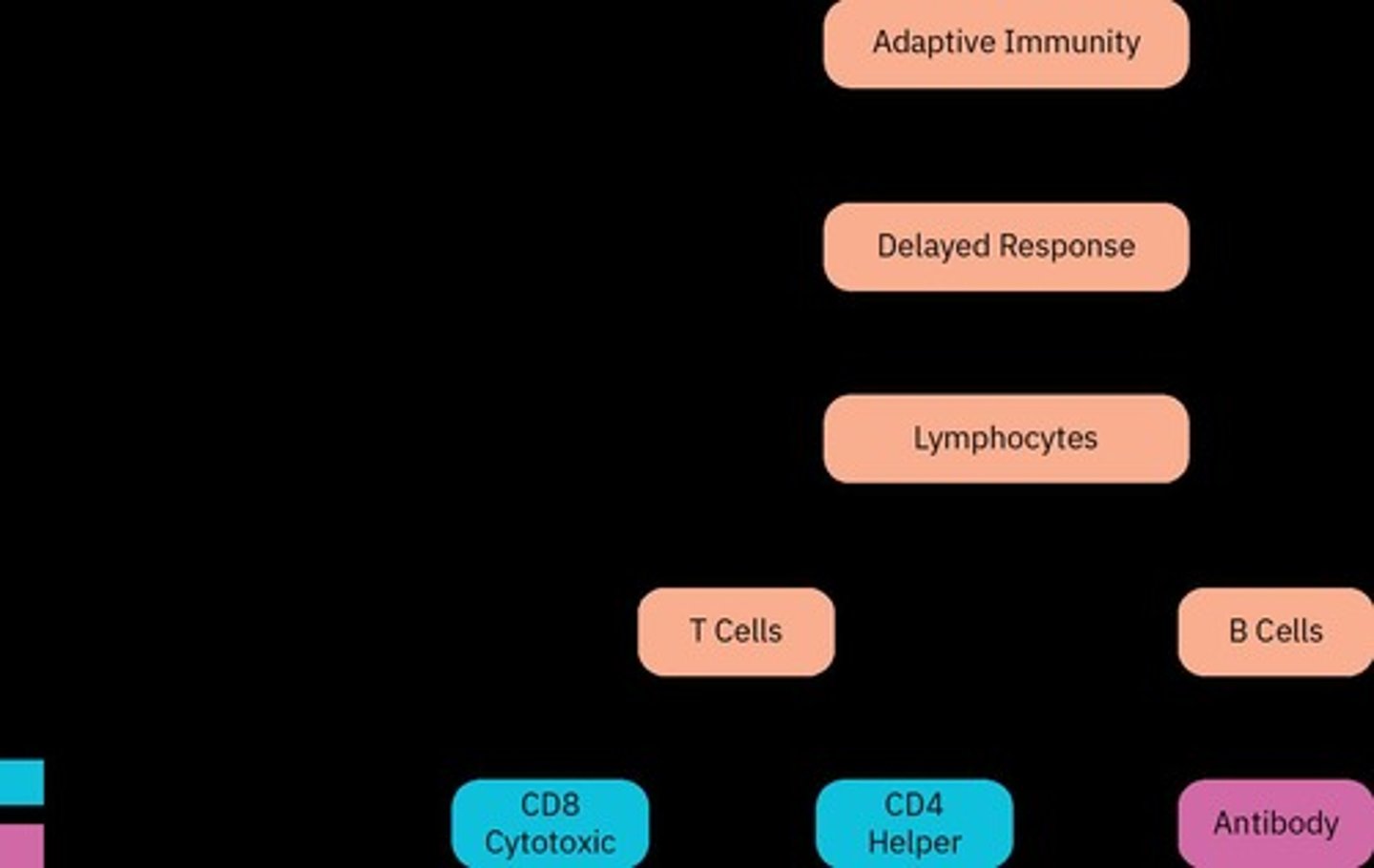
What are the two main branches of the immune system?
Innate Immune System and Adaptive Immune System.
What is the role of the innate immune system?
It serves as the first line of defense and is always active.
What is the role of the adaptive immune system?
It is specific, has memory, and develops over time.
What are some physical barriers of the innate immune system?
Skin, hair, and mucous membranes.
What types of cells are involved in the innate immune response?
Basophils, mast cells, monocytes, neutrophils, and macrophages.
What triggers the adaptive immune system?
When pathogens breach innate defenses.
What are T lymphocytes responsible for?
Cell-mediated immunity.
What are B lymphocytes responsible for?
Humoral immunity and antibody production.
What is the function of antigen-presenting cells (APCs)?
They present antigens to T cells to initiate an immune response.
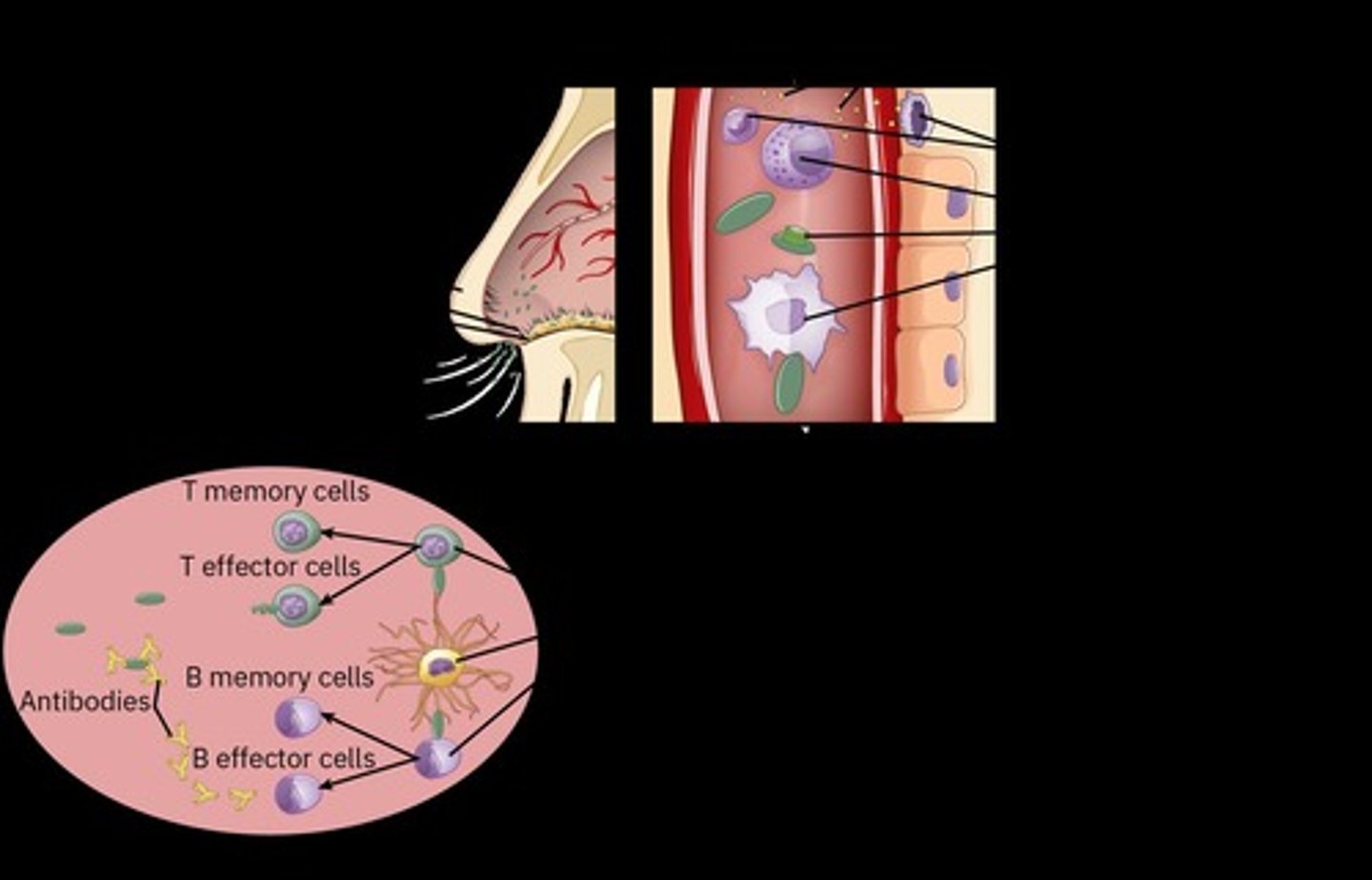
What is the difference between humoral and cell-mediated immunity?
Humoral immunity involves B cells and antibodies, while cell-mediated immunity involves T cells.
What are antibodies?
Y-shaped proteins that bind specifically to antigens.
What is the role of the complement system?
To enhance immune responses and lead to pathogen destruction.
What is active immunity?
Immunity generated by the body's immune system actively responding to a foreign antigen.
What is passive immunity?
Temporary protection against a specific pathogen conferred by receiving ready-made antibodies.
What are live attenuated vaccines?
Vaccines that contain weakened but live forms of the pathogen.
What are inactivated vaccines?
Vaccines that contain killed versions of the pathogen.
What are mRNA vaccines?
Vaccines that contain genetic instructions for the body to produce a specific viral or bacterial protein.
What is the importance of vaccination?
To build immune memory without causing disease.
What should nurses do before administering vaccines?
Review the client's medical history and immunization record.
What is the purpose of informed consent in vaccination?
To ensure the client or their guardian understands the vaccine's purpose, side effects, and benefits.
What are monoclonal antibodies?
Antibodies that are made by identical immune cells that are all clones of a unique parent cell.
What are biosimilar drugs?
Medications that are highly similar to an already approved biological product.
What is the significance of immune memory?
It provides long-term immunity against previously encountered pathogens.
What is the difference between natural and artificial immunity?
Natural immunity occurs through exposure to pathogens, while artificial immunity is induced through vaccination.
What is the role of helper T cells?
To coordinate the immune response via cytokines.
What is the role of cytotoxic T cells?
To target and kill infected or abnormal cells.
What is opsonization?
The process of tagging pathogens for phagocytosis.
What is agglutination in the context of immunity?
The clumping of pathogens for easier clearance.
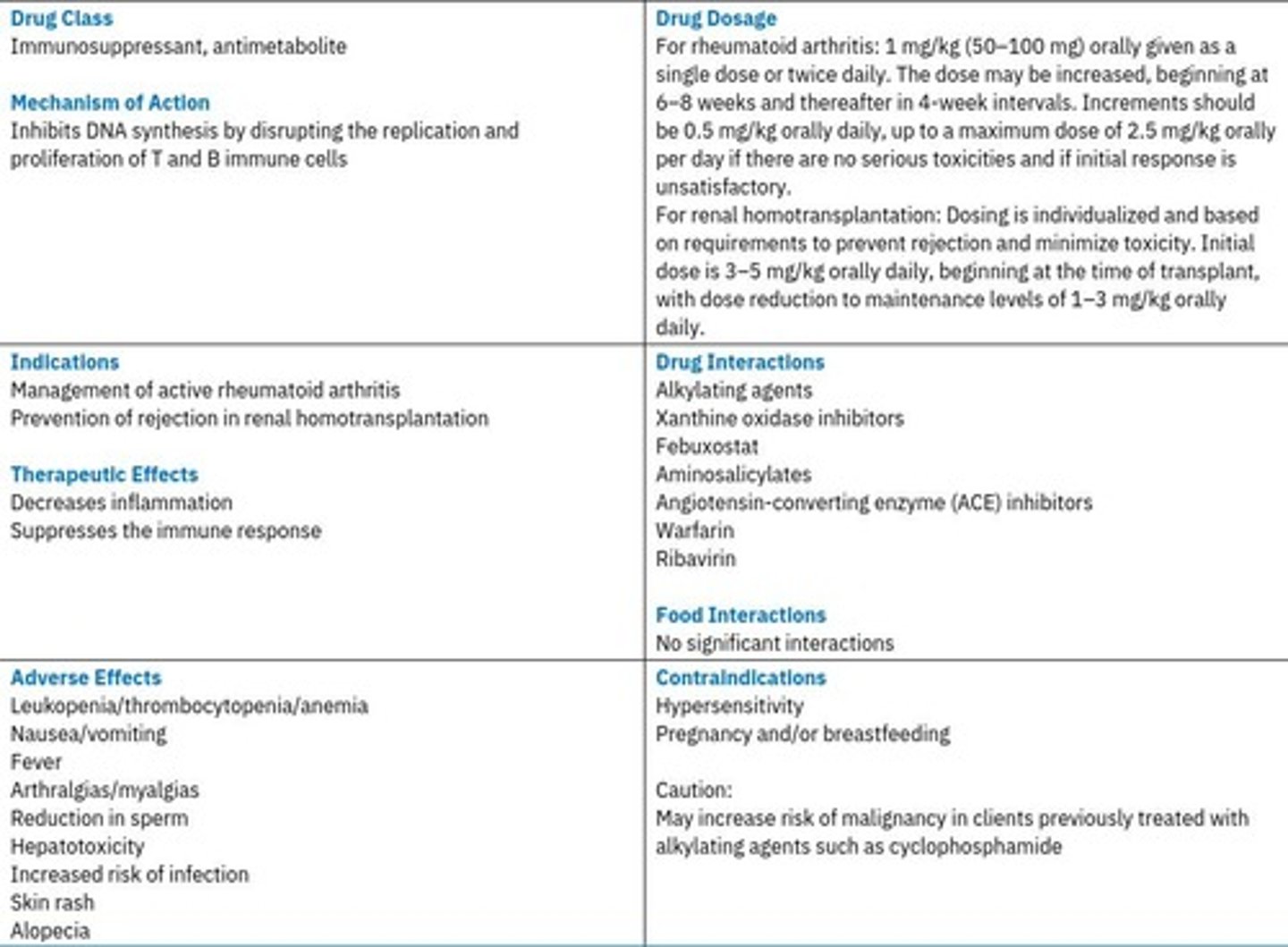
What are immunosuppressants?
Drugs that suppress the immune system to prevent rejection of transplanted organs or treat autoimmune diseases.
What is the primary action of glucocorticoids?
They regulate metabolism and the immune system, providing anti-inflammatory and immunosuppressive effects.
Name two common glucocorticoids.
Prednisone and Dexamethasone.
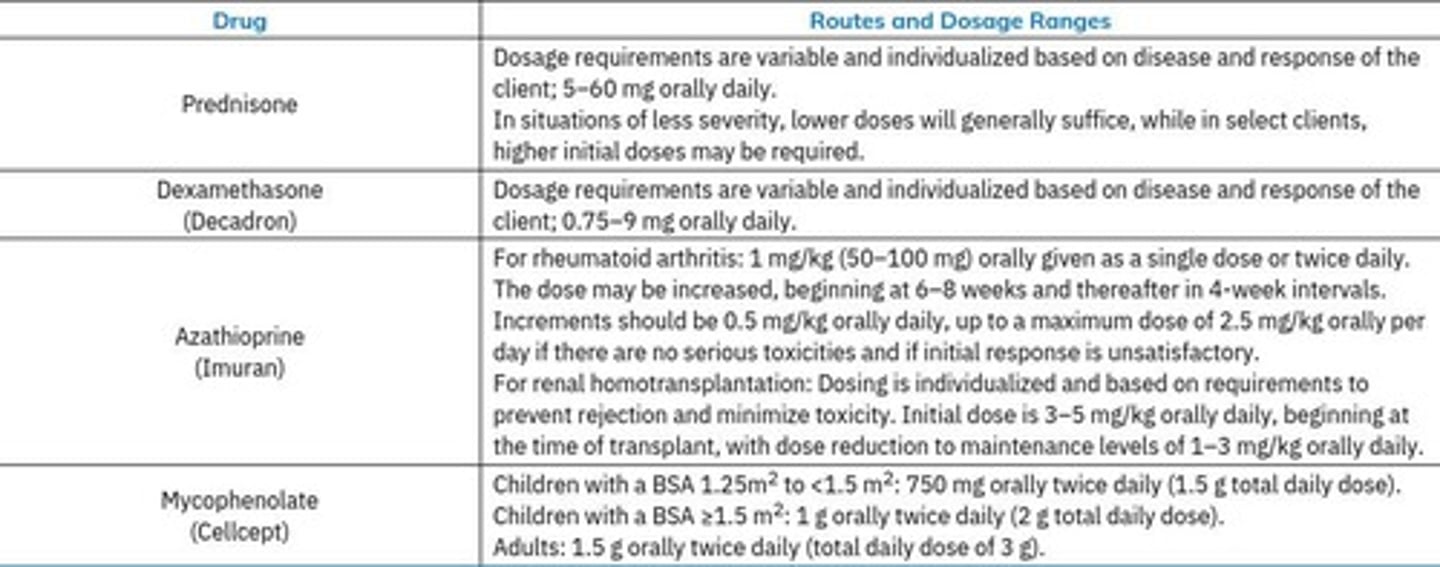
What is a key monitoring requirement for patients on azathioprine?
Regular blood tests (CBC, liver function, serum creatinine) due to risks of cancer and bone marrow suppression.
What is the primary use of mycophenolate?
To prevent organ rejection post-transplant by inhibiting T and B cell proliferation.
List three adverse effects of glucocorticoids.
Weight gain, mood swings, and high blood sugar.
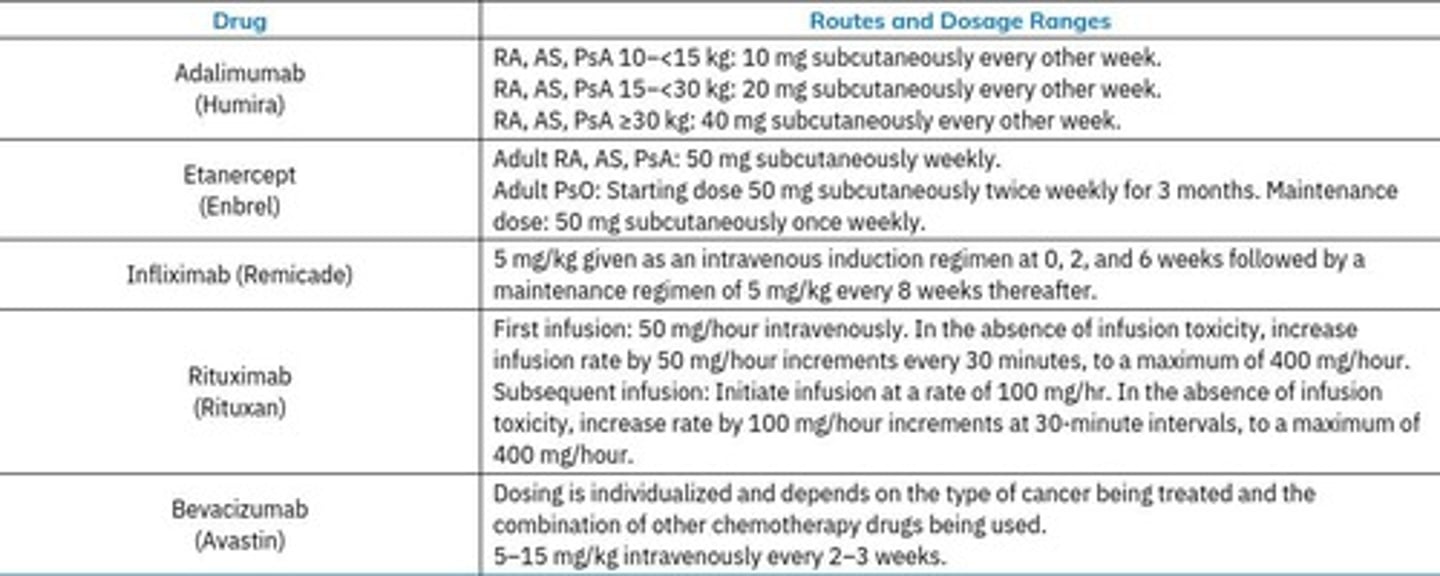
What is the function of TNF inhibitors like Adalimumab and Infliximab?
They reduce inflammation in autoimmune diseases.
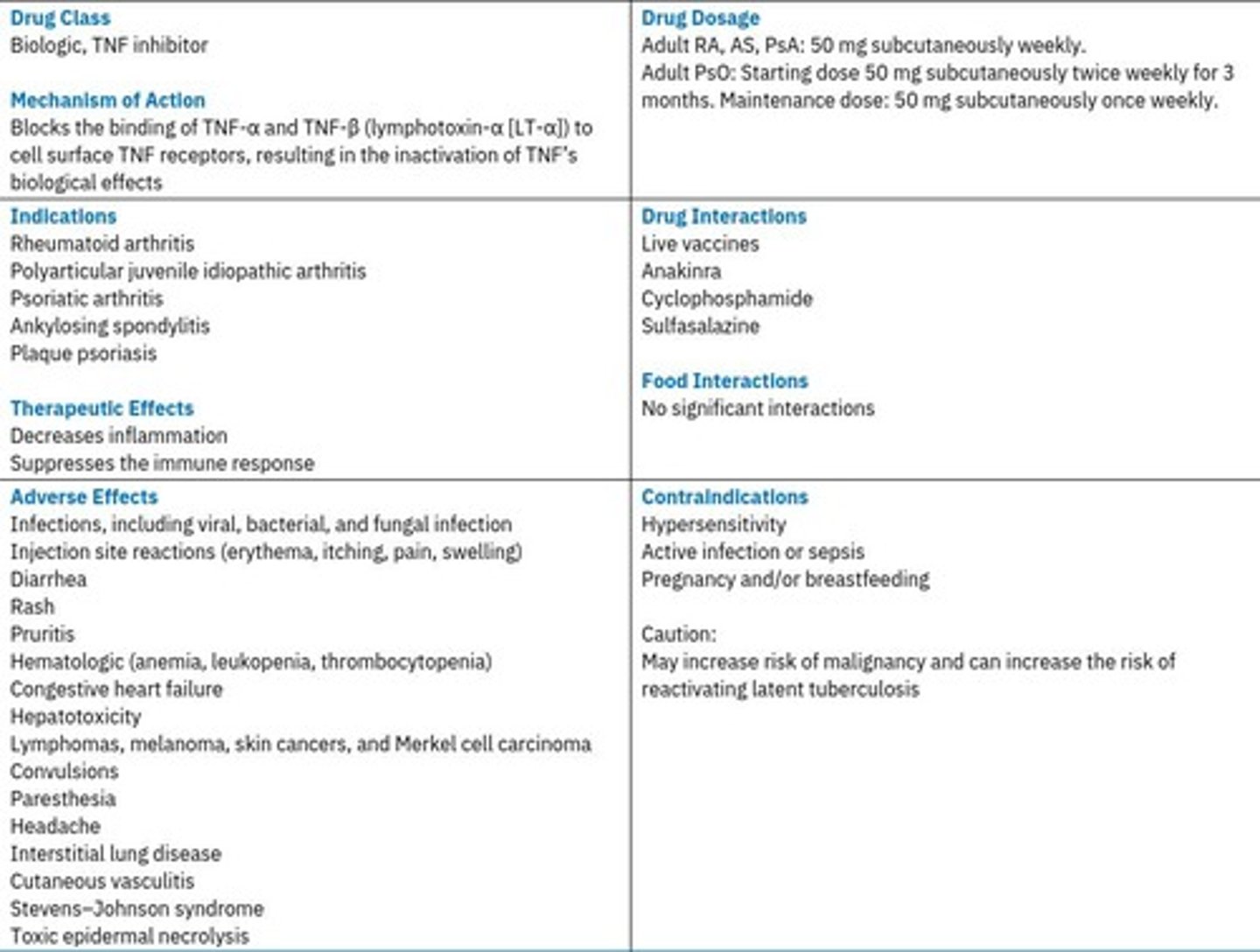
What serious risks are associated with biologic drugs?
Infection risk, heart failure, cancers, and severe skin reactions.
What is a biosimilar drug?
A drug that is highly similar to an approved biologic, with equivalent efficacy and safety.
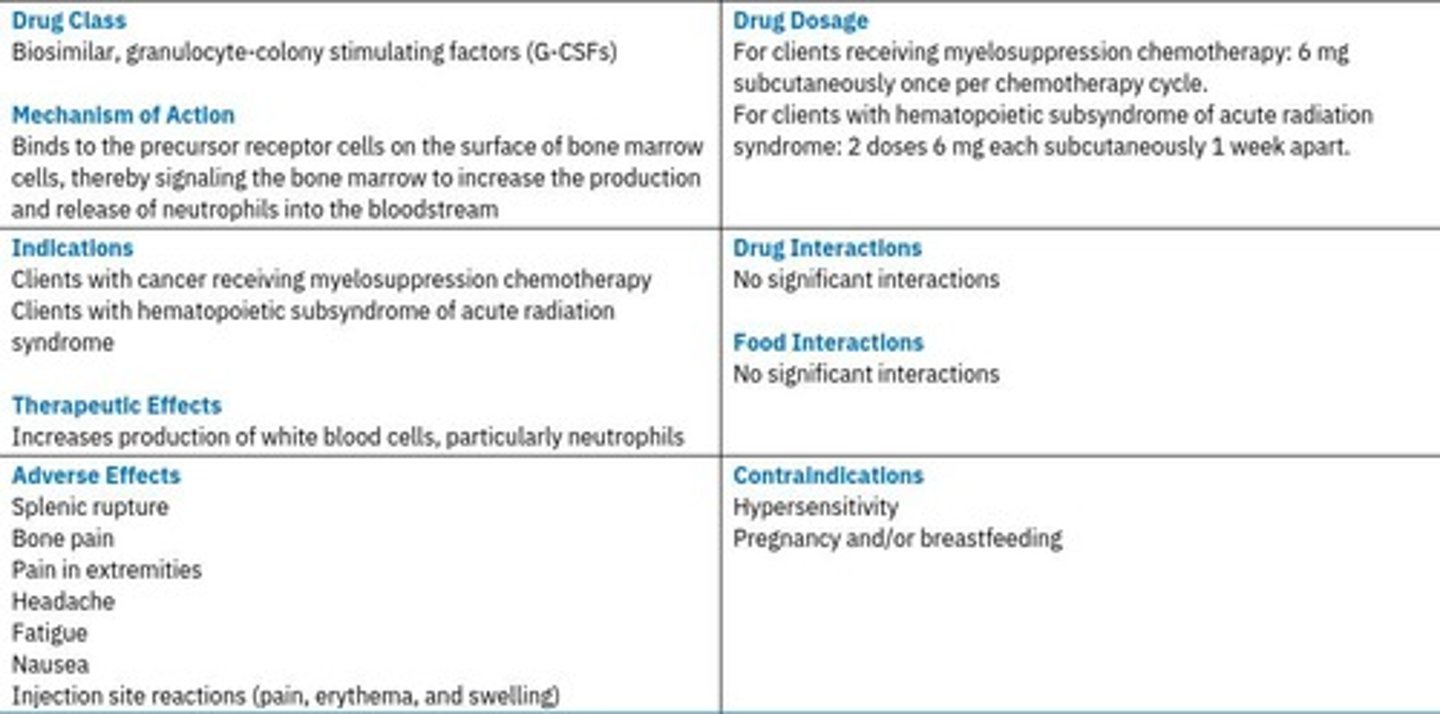
What is the role of Pegfilgrastim?
To reduce infection risk during chemotherapy by stimulating white blood cell production.
What are the five cardinal signs of inflammation?
Redness, swelling, heat, pain, and loss of function.
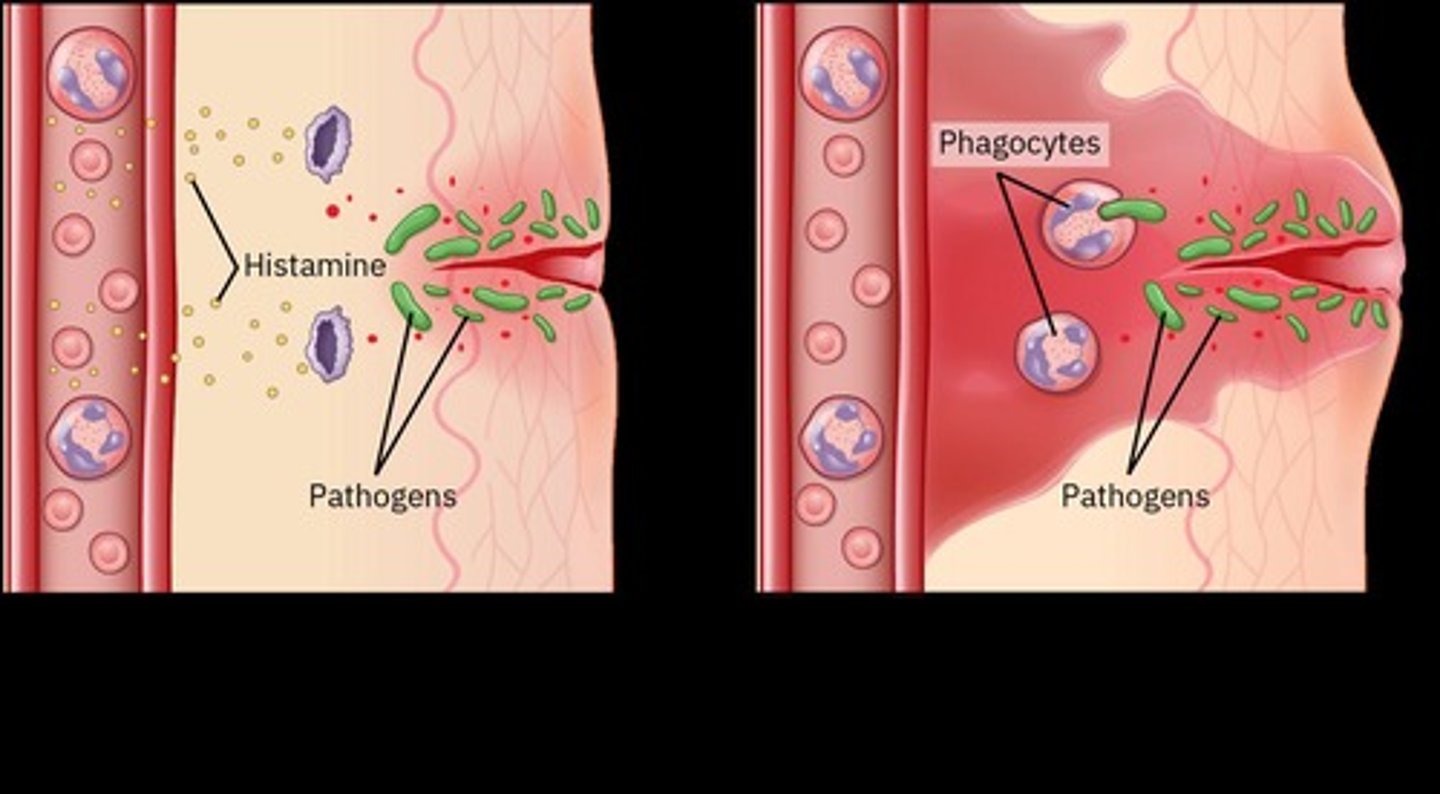
What triggers the inflammatory response?
Recognition of harmful stimuli by macrophages leading to the release of chemical mediators.
What is the mechanism of action for NSAIDs?
They inhibit cyclooxygenase (COX) enzymes to reduce inflammation and pain.
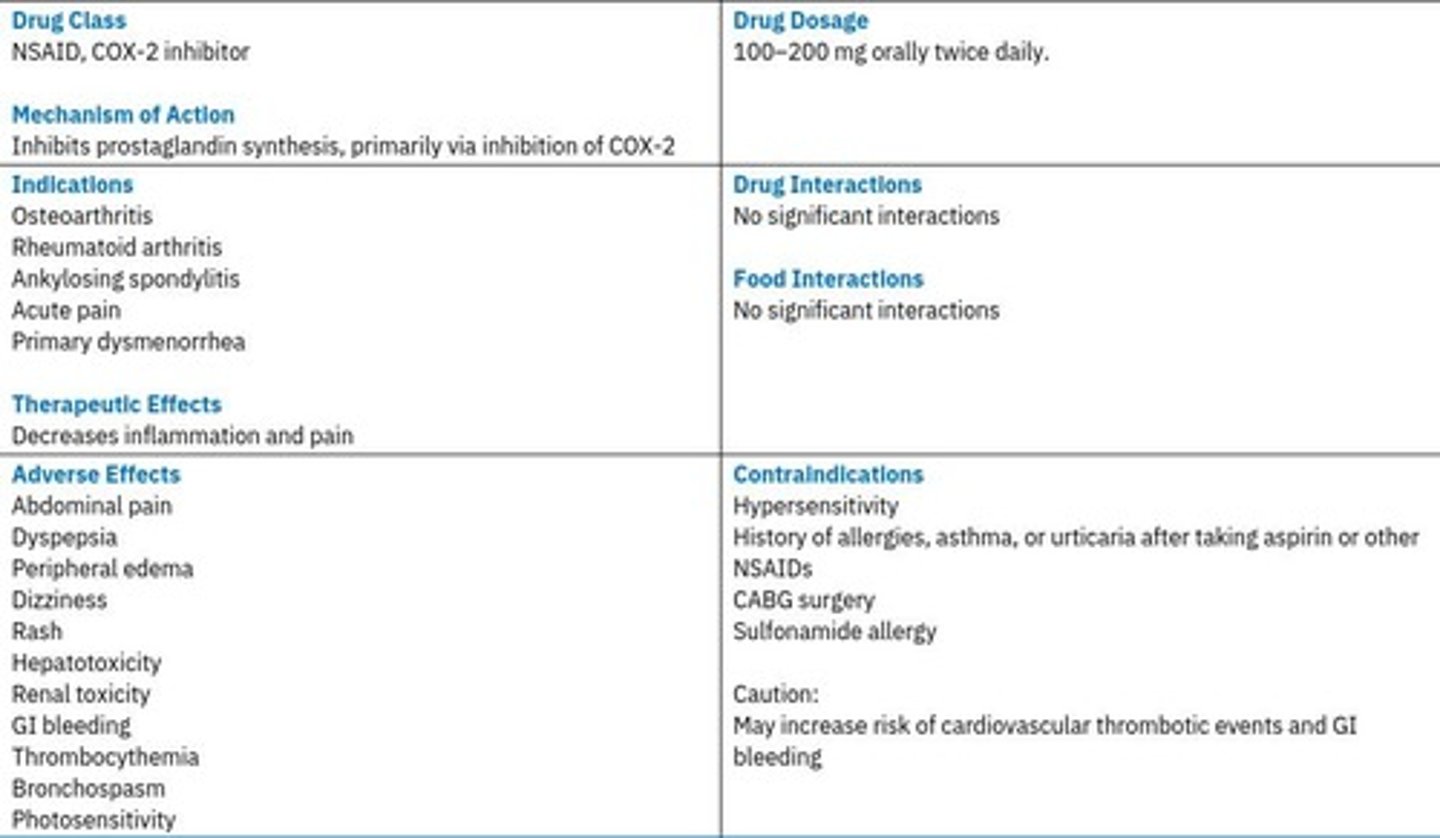
What are common adverse effects of NSAIDs?
GI distress, headache, dizziness, and fluid retention.
What is the purpose of glucocorticoid drugs?
To provide potent anti-inflammatory effects for autoimmune diseases and severe inflammation.
What distinguishes biologic DMARDs from non-biologic DMARDs?
Biologic DMARDs target specific immune components, while non-biologic DMARDs provide broad immune suppression.
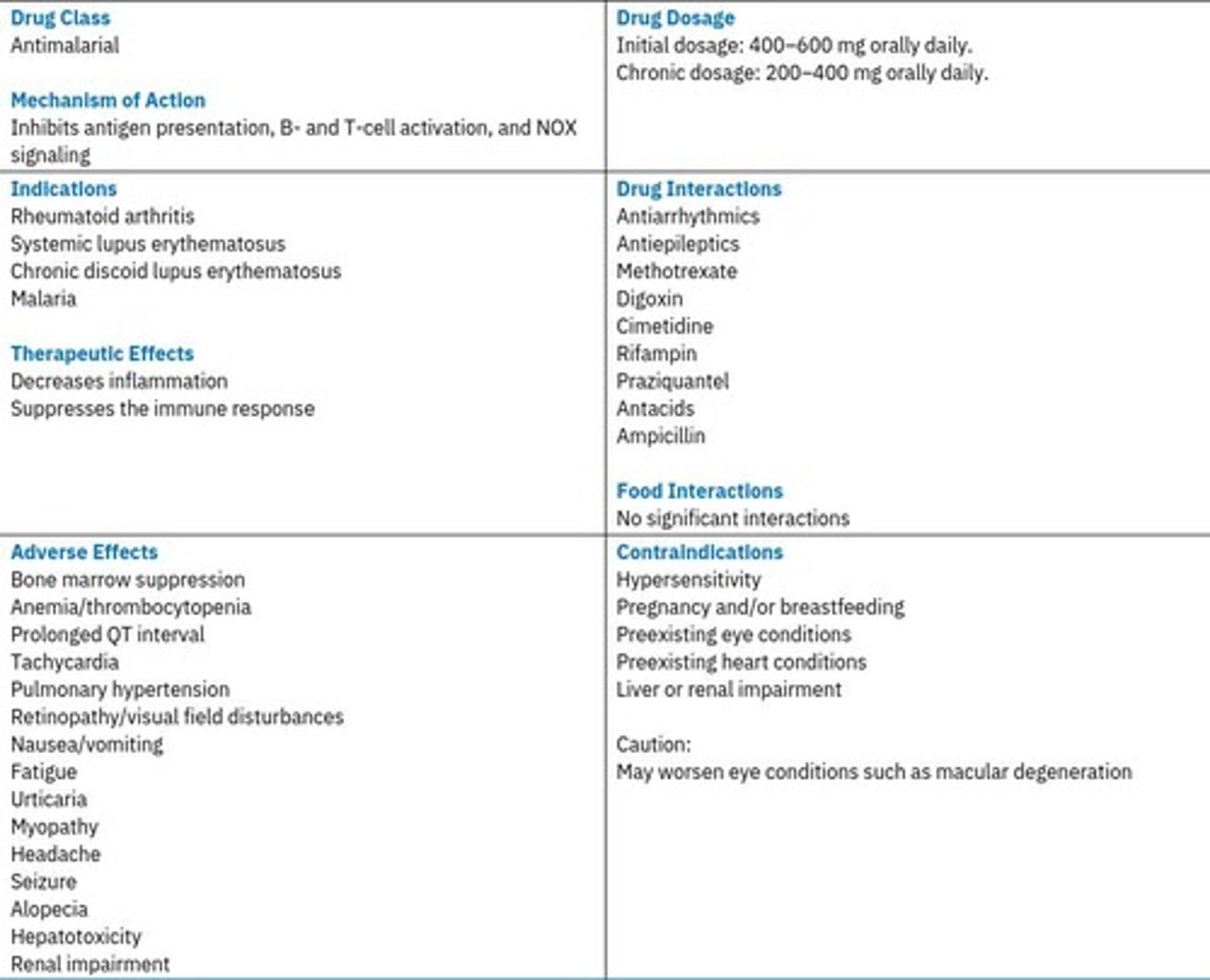
What is the purpose of antimalarial drugs like Hydroxychloroquine?
To modulate immune response and reduce inflammation in autoimmune diseases.
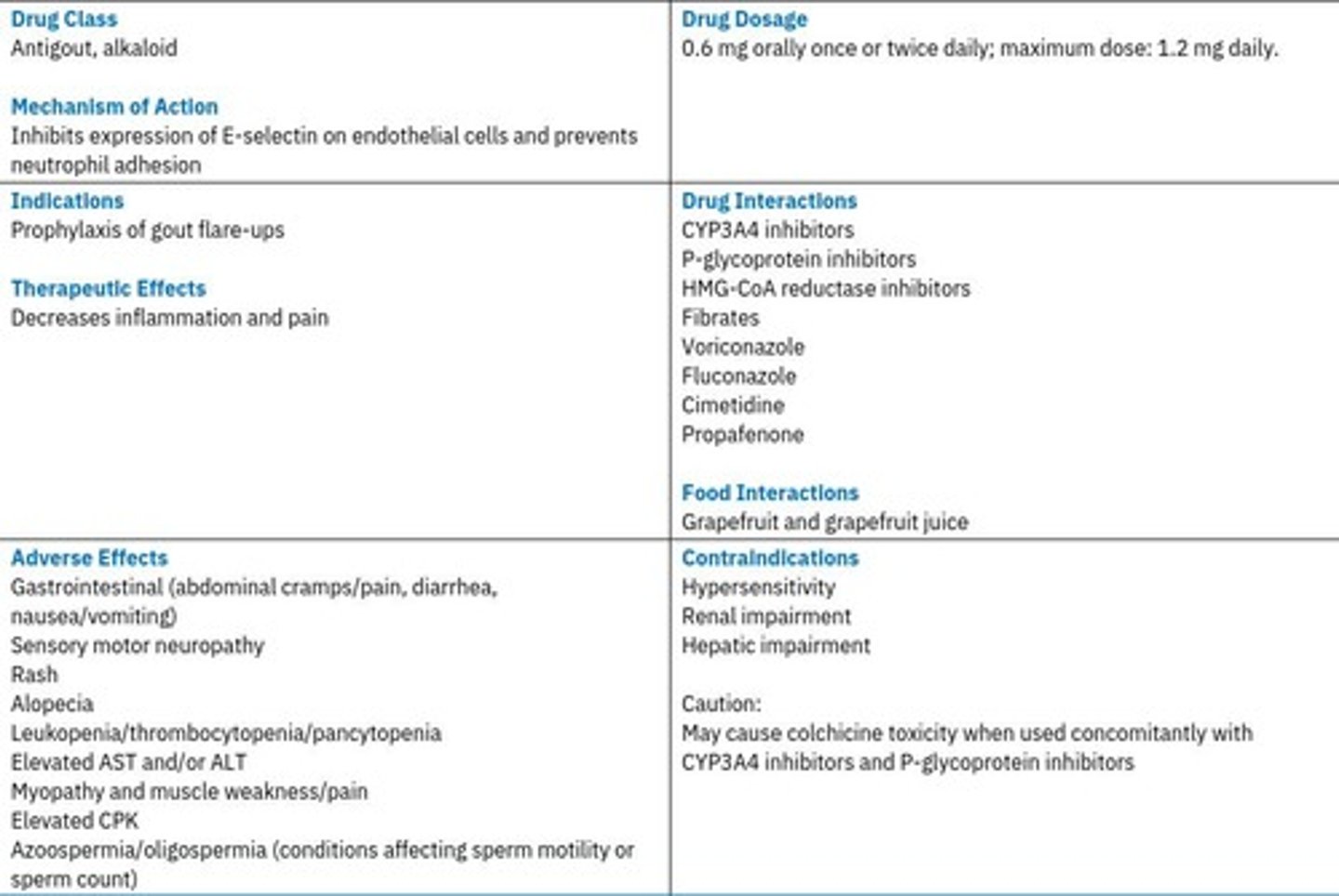
What is the role of antigout drugs?
To manage uric acid buildup and reduce inflammation.
What should clients on immunosuppressants avoid?
Reusing needles, stopping medications without guidance, and receiving live vaccines.
What nursing implications are important for clients on these medications?
Assess medical history, monitor labs, educate clients about medication use and side effects.
What is the relationship between inflammation and infection?
Inflammation is a general immune response, while infection is the invasion by harmful microorganisms.
What are the key considerations for clients taking immunosuppressants?
Close monitoring, minimizing infection risk, and weighing benefits vs. risks.
What is the significance of tapering glucocorticoids?
To prevent rebound symptoms and adrenal insufficiency.
What are common side effects of azathioprine?
Nausea, bone marrow suppression, and liver toxicity.
What is the purpose of client education regarding anti-inflammatory drugs?
To inform clients about indications, actions, adverse reactions, and interactions.
What are the diagnostic tests related to inflammation?
CBC, CRP, ESR, blood cultures, imaging, biopsy, and autoantibody tests.
What is the mechanism of action for disease-modifying antirheumatic drugs (DMARDs)?
To suppress abnormal immune responses and slow disease progression.