lecture 15: biomes
 Call Kai
 Learn
Learn Practice Test
 Spaced Repetition
 Match
Match Flashcards
 Knowt Play
1/29

There's no tags or description
Looks like no tags are added yet.
Name | Mastery | Learn | Test | Matching | Spaced | Call with Kai |
|---|
No analytics yet
Send a link to your students to track their progress
30 Terms
hierarchy of ecology
levels of organization:
biosphere
biome
ecosystem
community
population
organism
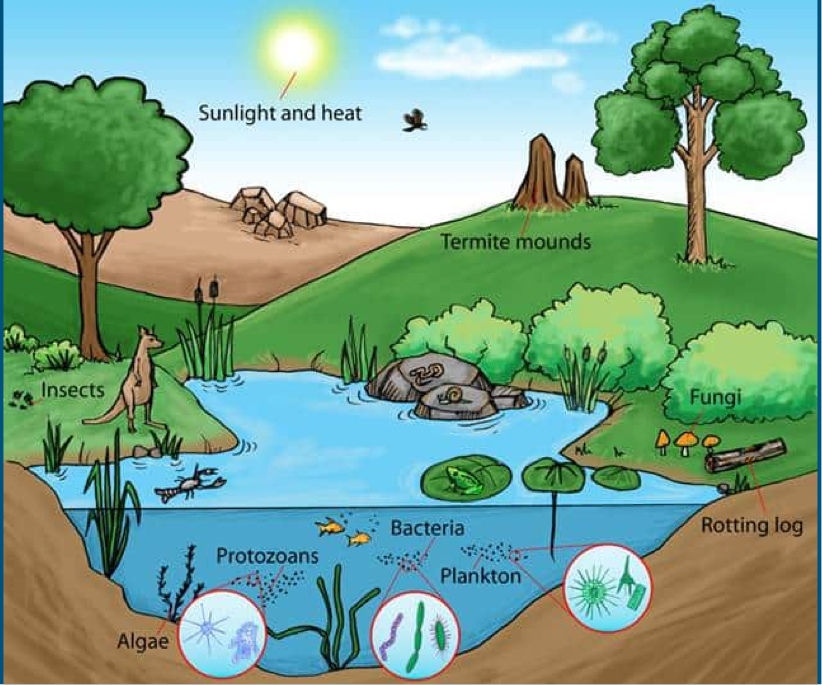
ecosystem
combo of biotic & abiotic factors w in a given area
biome
a set of similar ecosystems characterized by similar biotic communities, abiotic factors, & climatic conditions around the globe
latitude
distance from the equator (both N & S)
higher latitude = farther away from the equator
altitude
the height of an area from sea or ground level
terrestrial biomes
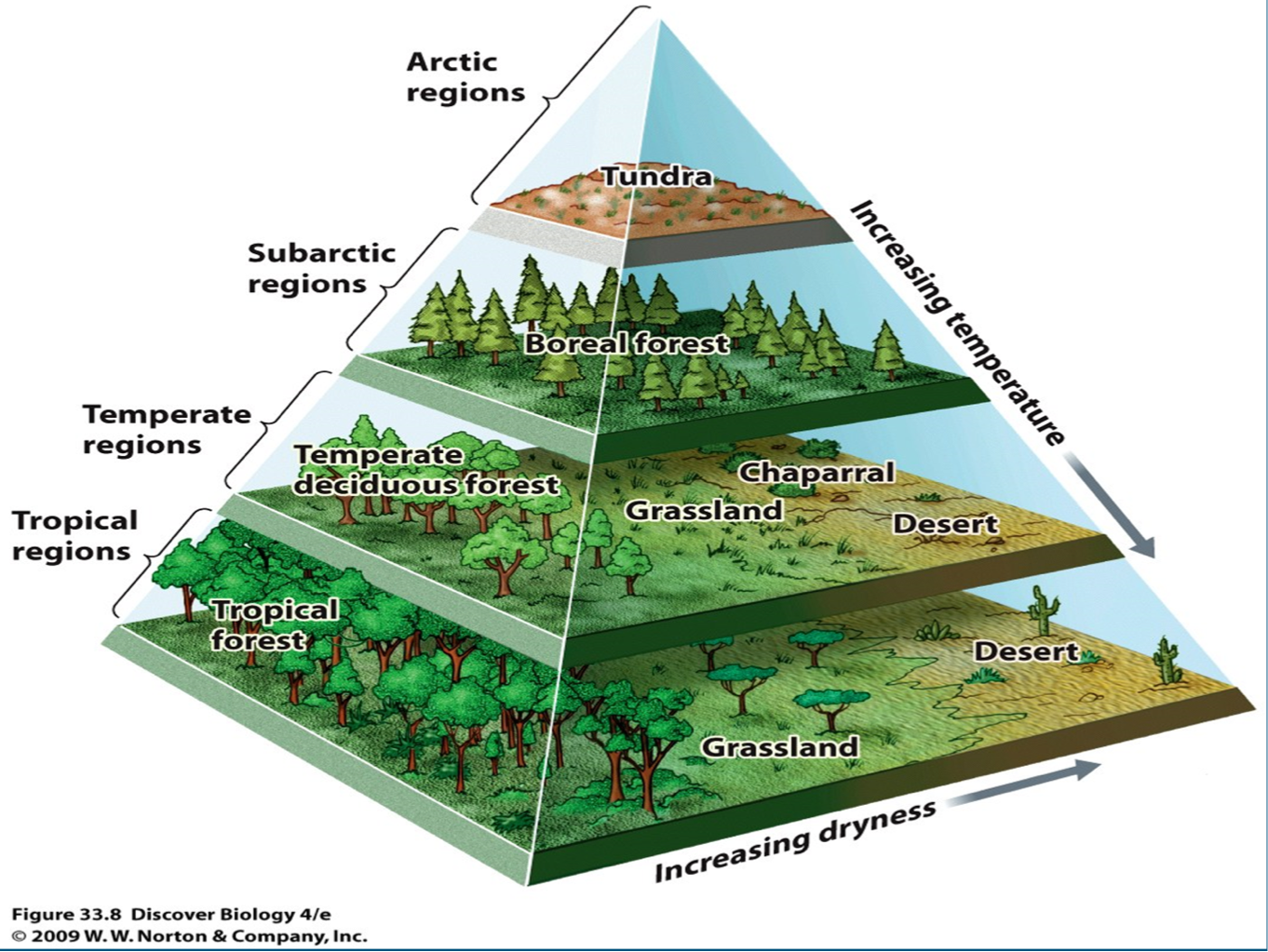
influenced by 2 main factors
dryness: how much available H2O
temp: how hot or cold it is
higher latitude/altitude = lower temp
lower latitude/altitude = higher temp
key drivers of biomes
latitude
altitude
terrestrial biomes
tundra
boreal forest (tiaga)
temperate deciduous forest
grasslands
chaparral
desert
tropical rainforest
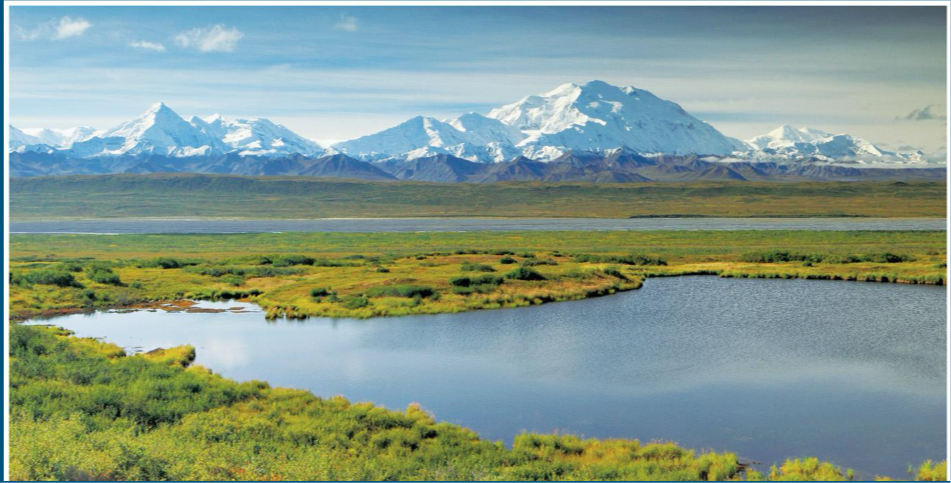
tundra
cold, dry, short growing season
no trees
permafrost (frozen soil → releases greenhouse gases when melted)
plants: grasses, shrubs
animals: polar bears, foxes, birds, mosquitoes
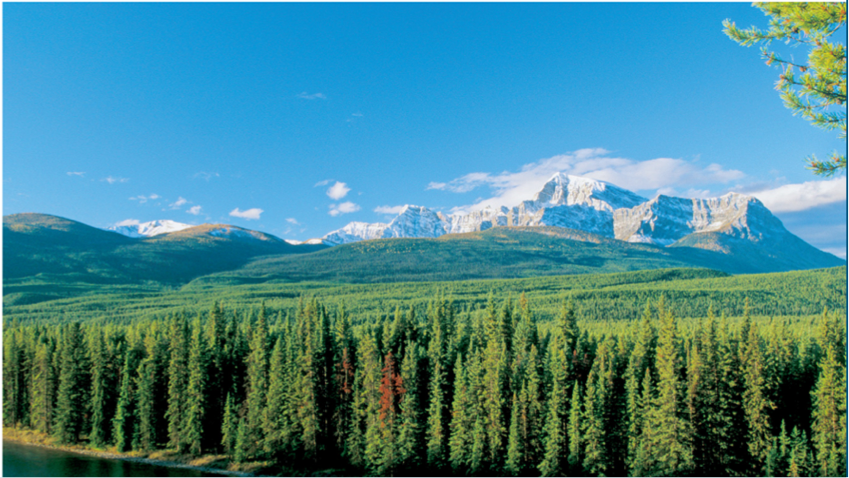
boreal forest (tiaga)
cold but warmer than tundra
more precipitation
evergreen trees (gymnosperms)
LOW plant diversity
largest terrestrial biome
animals: bears, wolves, birds
temperate deciduous forest
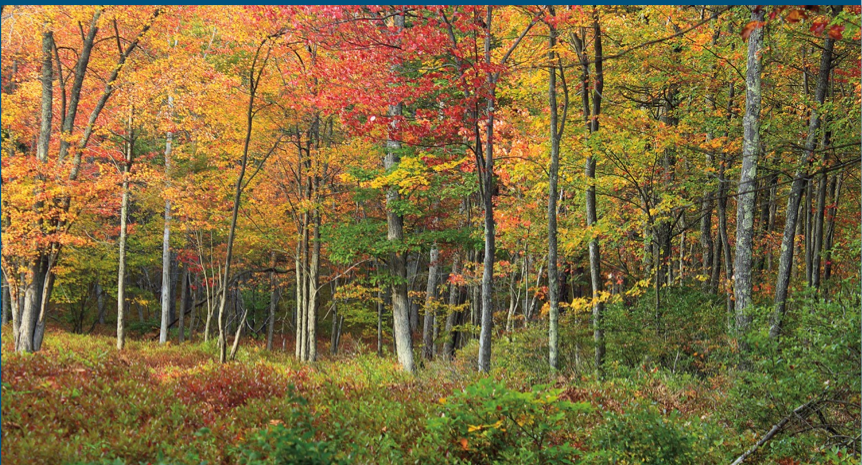
climate:
moderate temp
distinct seasons (fall, winter, spring, summer)
moderate precipitation
vegetation
deciduous trees (lose leaves in fall)
oak, maple
adaptation: leaf drop → conserve H2O in winter
soil:
fertile → supports biodiversity
animals: deer, foxes, squirrels, birds
grasslands (savannas/prairies)
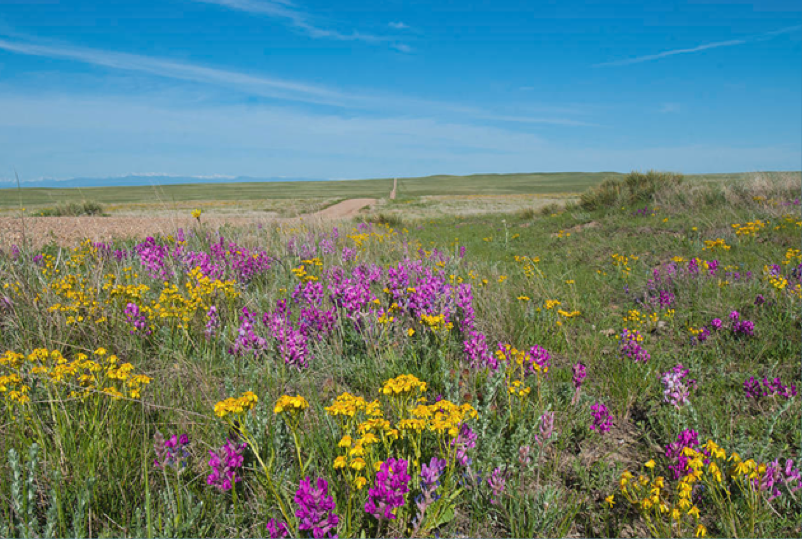
climate:
moderate rainfall (NOT enough for trees)
seasonal droughts
frequent fires
vegetation
dominated by grasses
A few trees
adaptations
fire-resistant plants
deep roots
animals: grazers (bison, zebras), predators (lions, wolves)
chapparal
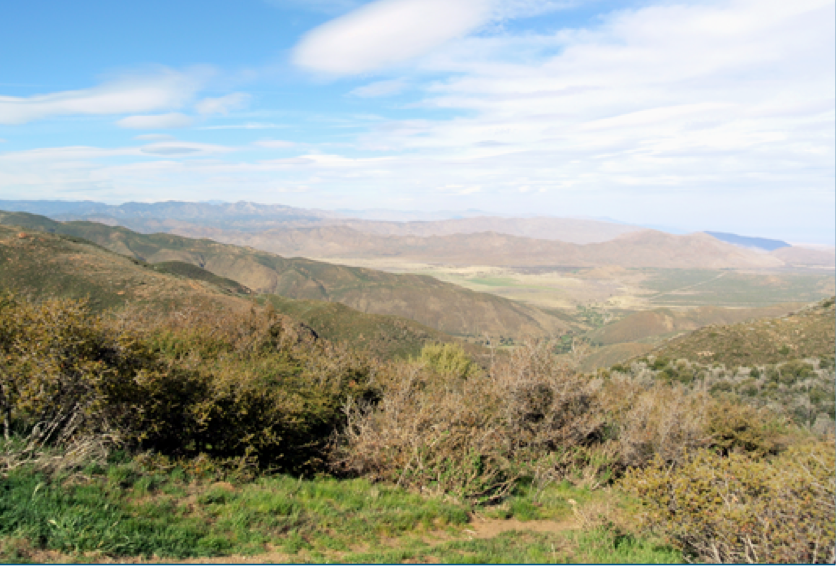
climate:
mild, wet winters
hot, drying summers
vegetation: shrubs & small trees
key feature: frequent fires
adaptations:
fire resistant plants
seeds that germinate
animals: deer, coyotes, small mammals
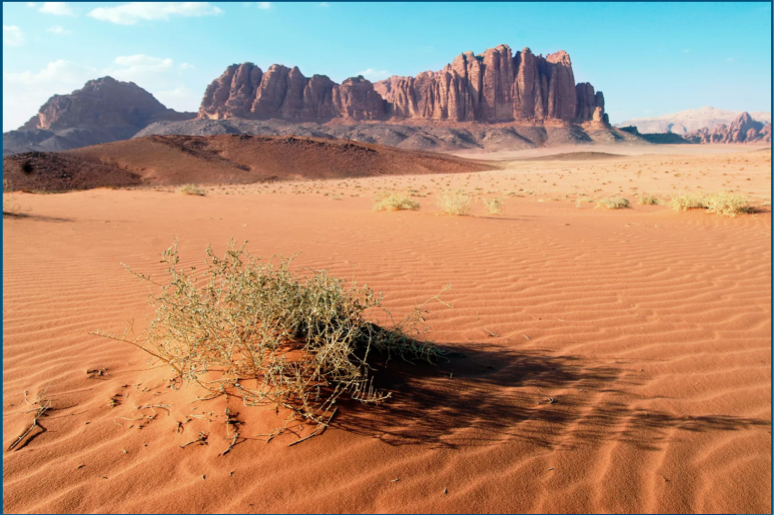
desert
climate: VERY low precipitation & can be hot OR cold
vegetation: sparse, cacti, succulents
adaptations: H2O storage & reduced leaves (spines)
animals: nocturnal (avoid heat), reptiles, rodents
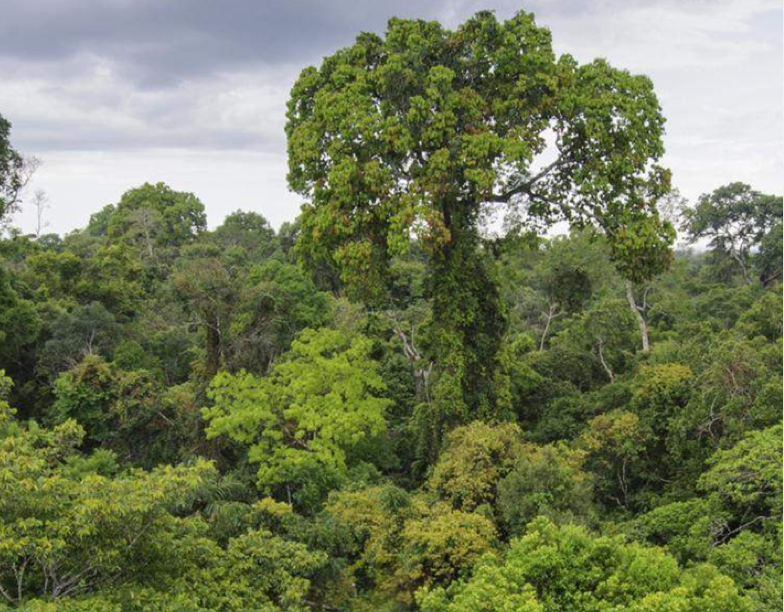
tropical rainforest
climate: warm yr round, v high precipitation
vegetation: dense forests & multiple layers (canopy, understory)
biodiversity: HIGHEST on earth
soil: nutrient poor (nutrients stored in plants)
animals: extremely diverse (insects, birds, mammals)
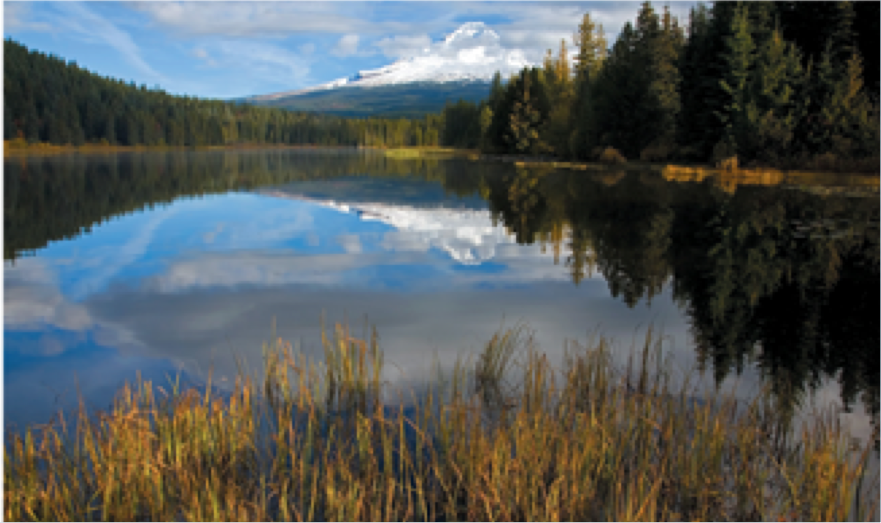
lakes & ponds
key zones:
littoral zone
limnetic zone
profundal zone
benthic zone
thermal stratification
layers:
epilimnion: warm, top
thermocline: rapid temp change
hypolimnion: cold, bottom
affects O2 distribution
littoral zone
near shore
shallow
lots of light
high biodiversity
plants & animals
limnetic zone
open H2O
sunlight present
phytoplankton dominant
profundal zone
deep H2O
little/no light
low photosynthesis
benthic zone
bottom of lake
decomposers
nutrient recycling
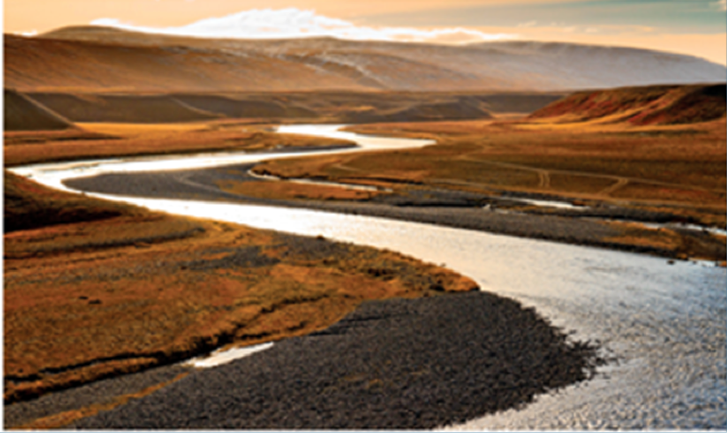
rivers & streams
key characteristics: flowing H2O (current)
changes from source → mouth
source (headwaters):
cold
fast
high O2
low nutrients
middle:
warmer
slower
more nutrients
mouth
slowest
warm
high nutrients
low O2
adaptations in rivers & streams
organisms adapted to current
fish streamlined
plants anchored
aquatic/marine: wetlands
areas w shallow H2O that flows slowly over lands that border other bodies of H2O
includes: bogs, swamps, marshes, estuaries
bogs are the only ones that MUST be freshwater
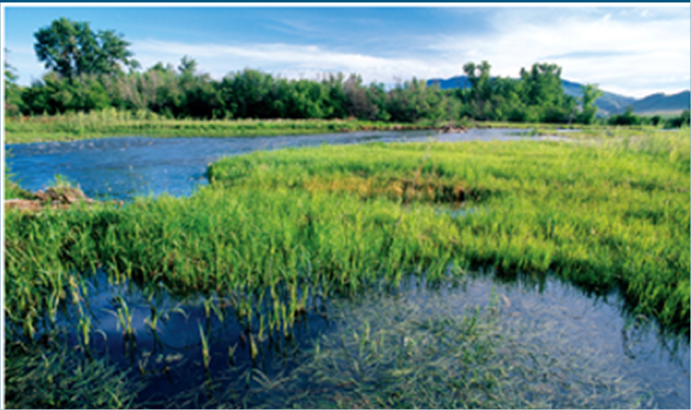
what is often called the “kidneys of the world”
wetlands
important for H2O purification, stabilization of coastlines, storm/flood protection
extremely threatened by humans
marine
high salt concentration
oceans
large, continuous body of salt H2O
cover 70% of earths surface
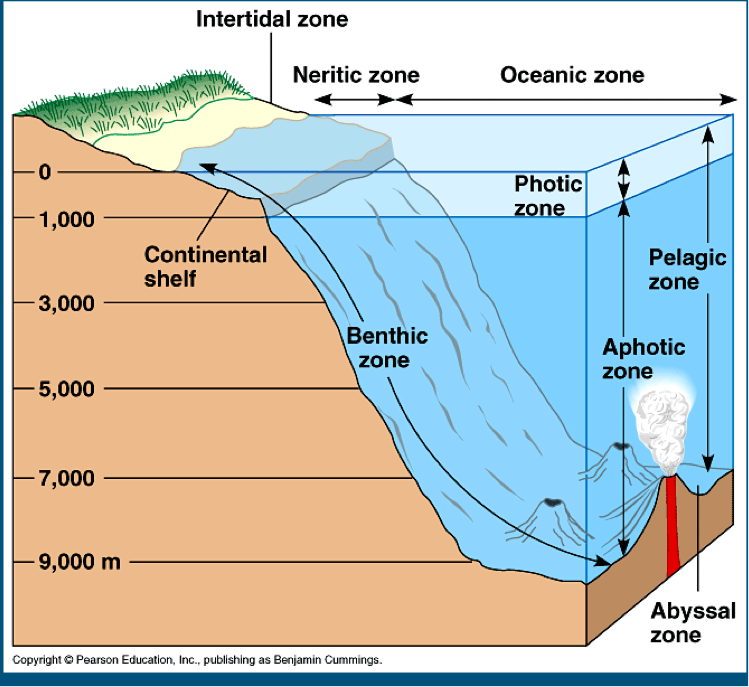
marine, coastal regions
shallow marine environments along the edge of continents
stretches from the shoreline to the continental shelf
there is a sharp drop in depth (open ocean)
known for extremely high biodiversity
high light, high nutrients
ex: coral reefs
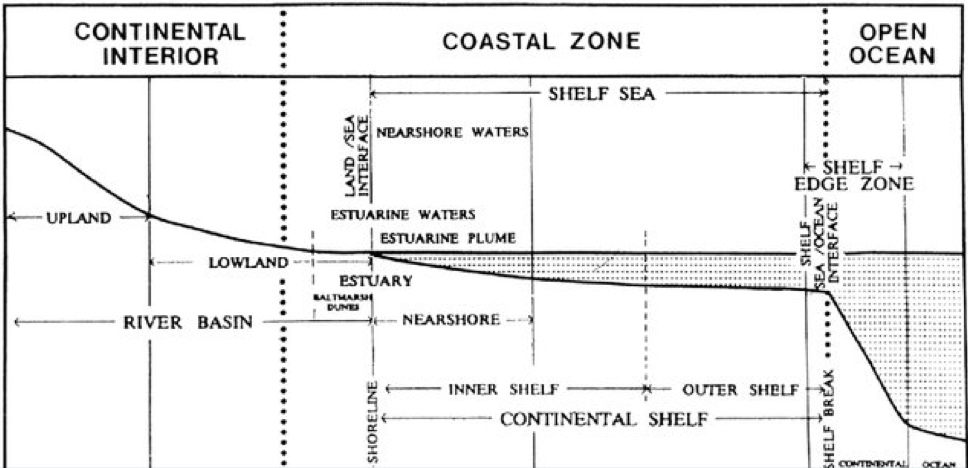
marine, pelagic regions
portions of the ocean past the continental shelf
aka, open ocean
biodiversity tends to be extremely spread out & greatly dependent on available nutrients
could go hundreds of miles w out encountering any macroscopic life
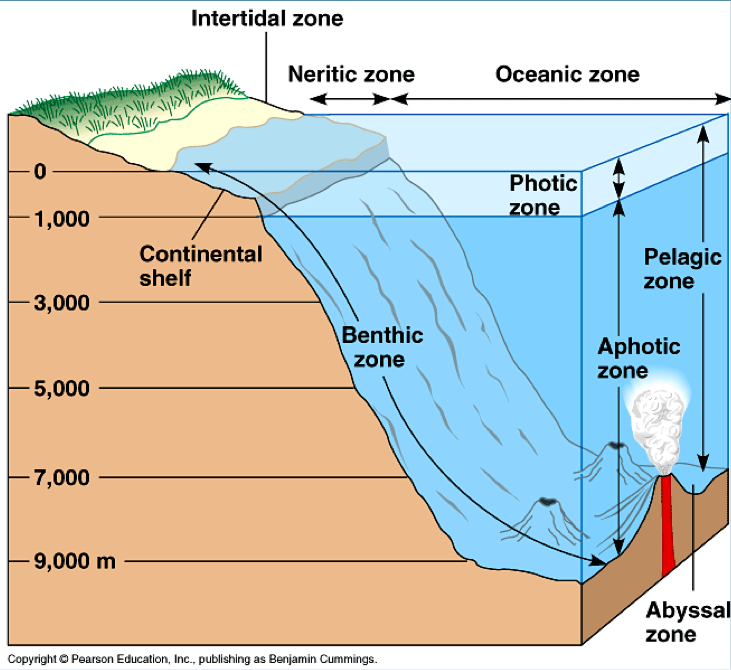
marine, abyssal regions
deepest portions of the oceans where light cannot penetrate
approximately 1,000m below the surface of the water
completely dark
a lot of animals produce their own light (bioluminescence)