MCAT Behavioral Sciences Chapter 1
 Call Kai
 Learn
Learn Practice Test
 Spaced Repetition
 Match
Match Flashcards
 Knowt Play
1/37

There's no tags or description
Looks like no tags are added yet.
Name | Mastery | Learn | Test | Matching | Spaced | Call with Kai |
|---|
No analytics yet
Send a link to your students to track their progress
38 Terms
Neuropsychology
Study of the connection between the nervous system and behavior
Sensory (afferent) neurons
Neurons that carry incoming information from the sensory receptors to the brain and spinal cord
Motor (efferent) neurons
Neurons that carry outgoing information from the brain and spinal cord to the muscles and glands
Interneurons
Central nervous system neurons that internally communicate and intervene between the sensory inputs and motor outputs
Reflex arcs
Ability of the interneurons in the spinal cord to replay information to the source of stimuli while simultaneously routing it to the brain
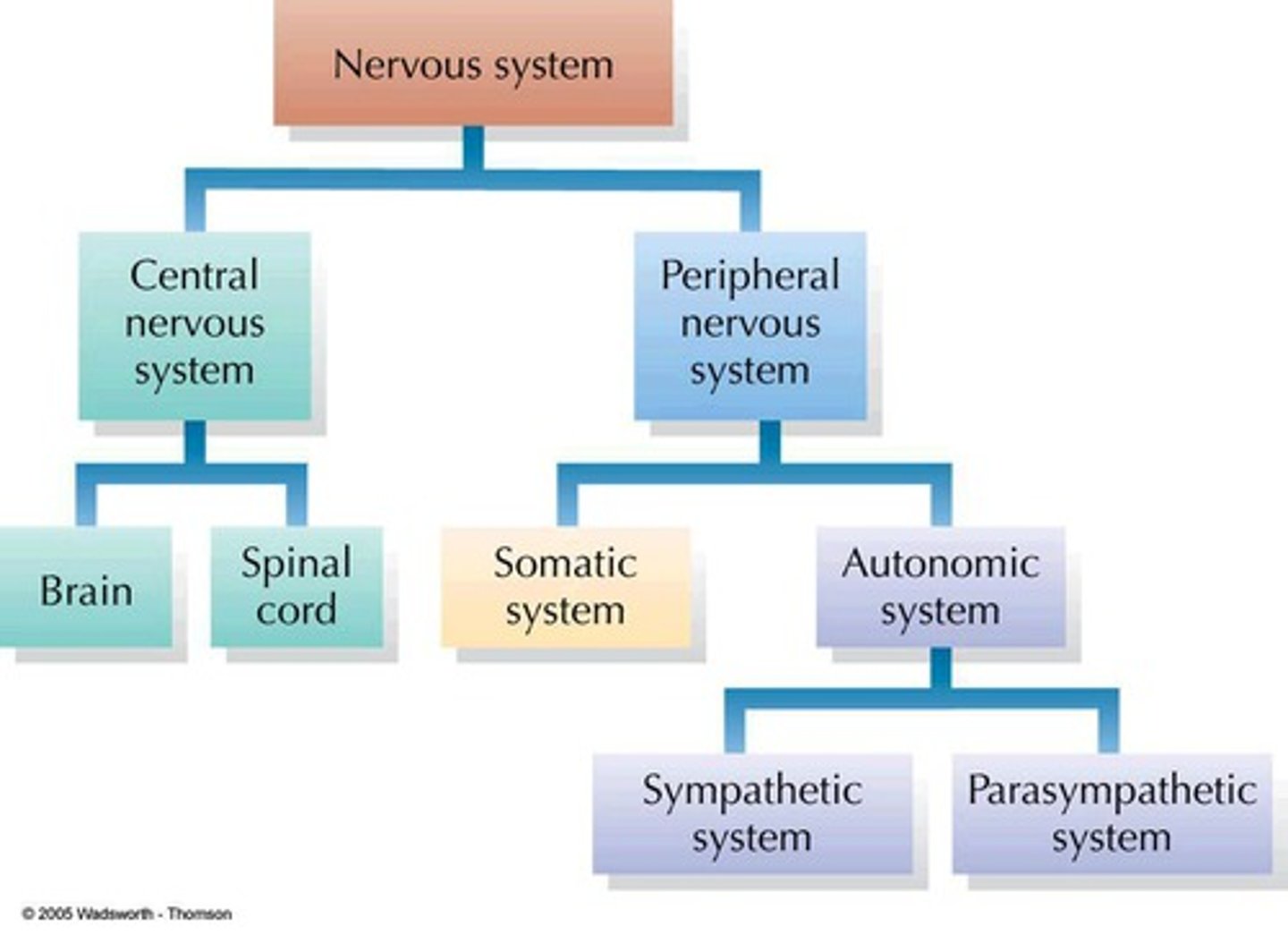
Central nervous system (CNS)
Brain and spinal cord
Peripheral nervous system (PNS)
Most cranial and spinal nerves. Divided into somatic (voluntary) and autonomic (automatic) divisions. Autonomic nervous system is further divided into parasympathetic (rest and digest) and sympathetic (fight or flight)
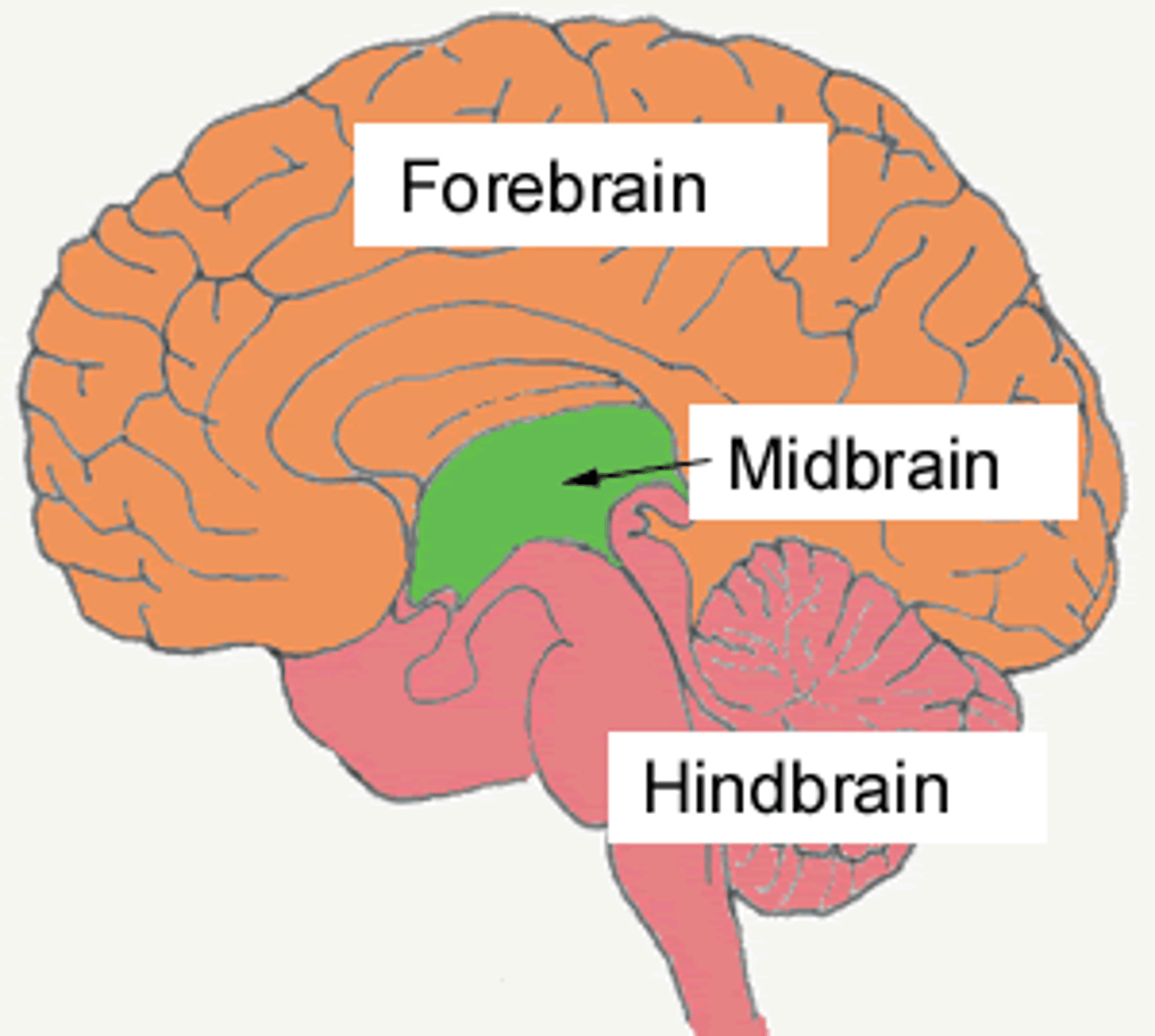
Hindbrain
Contains the cerebellum, medulla oblongata, and reticular formation
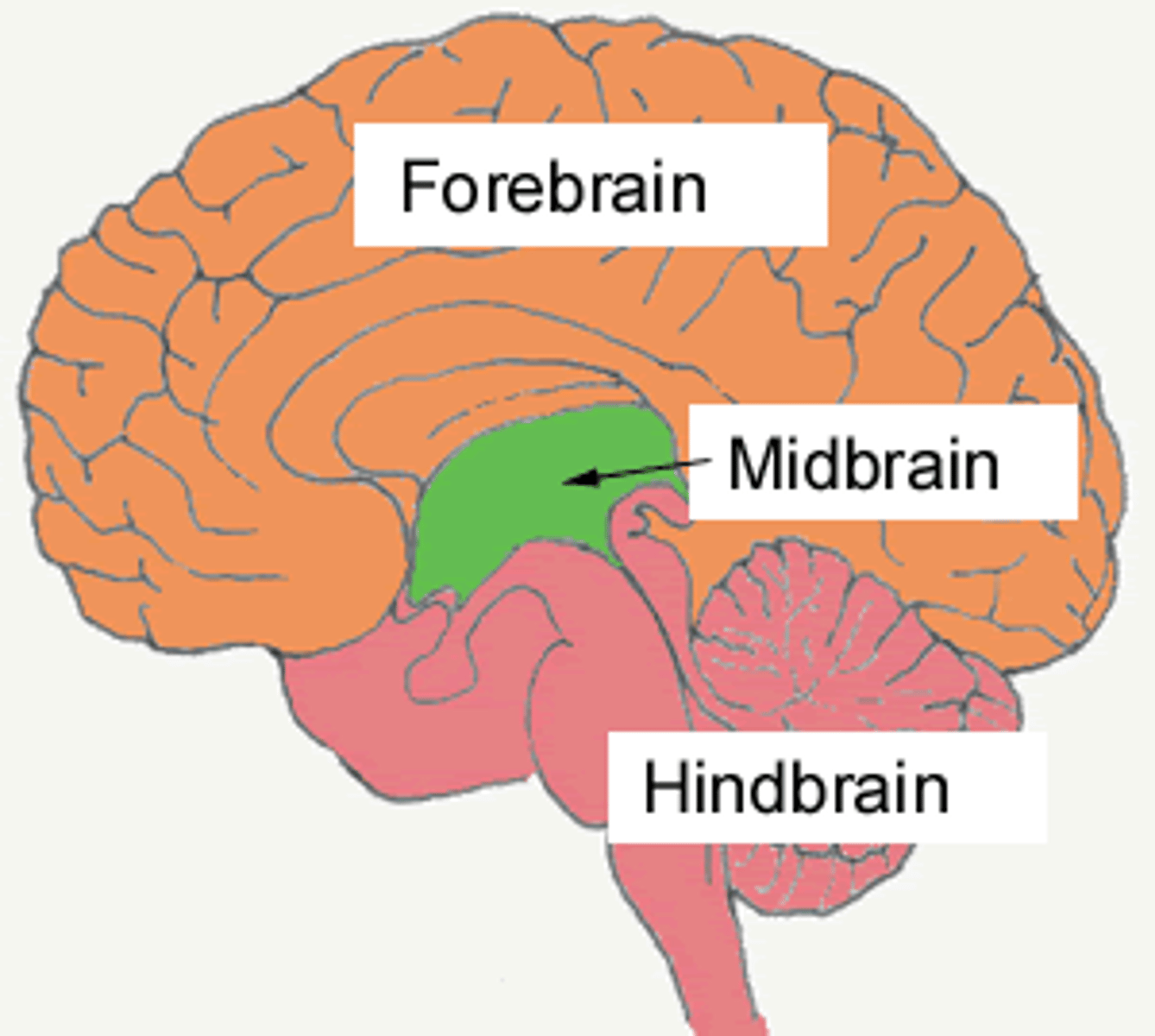
Midbrain
Contains inferior and superior colliculi
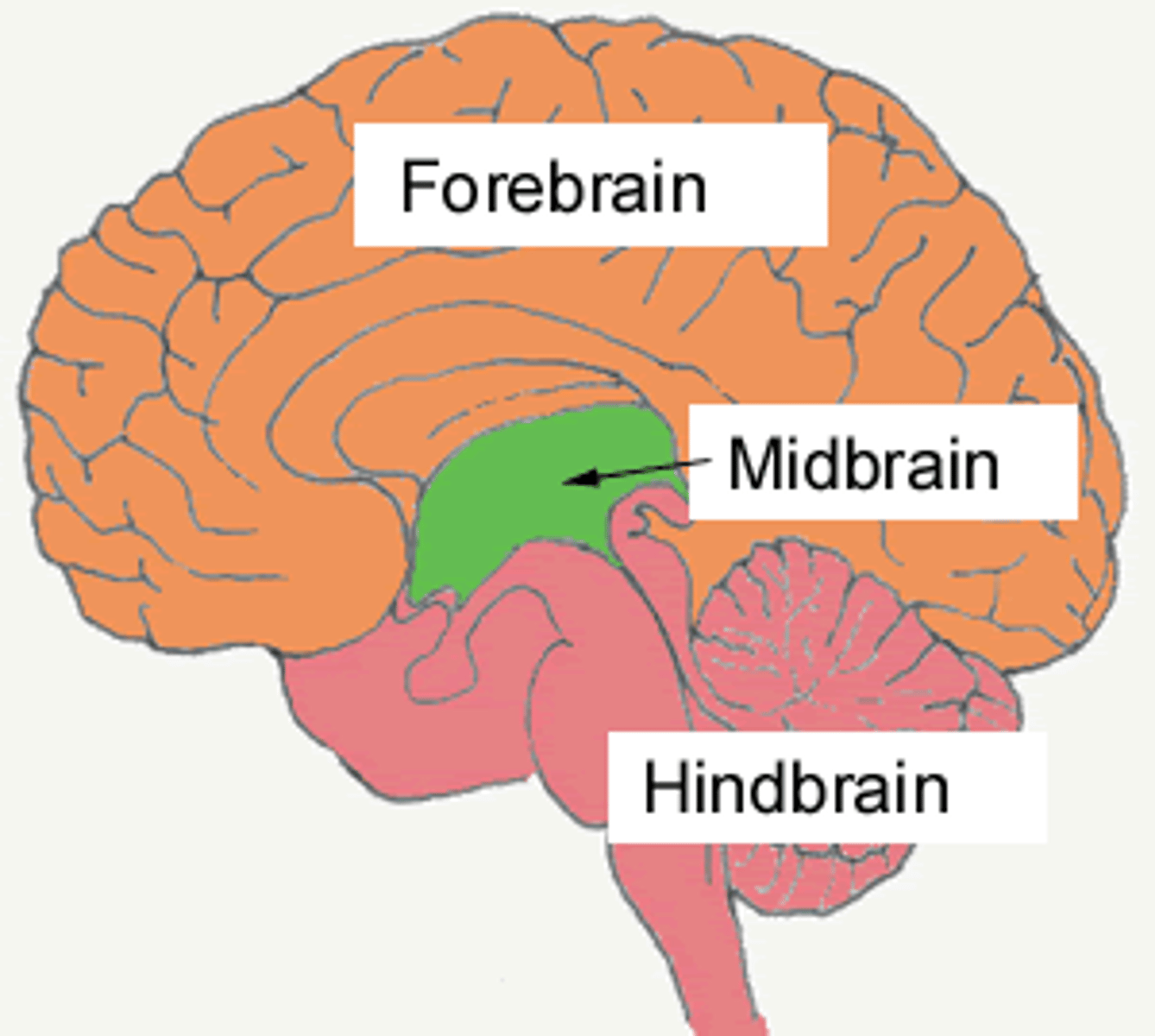
Forebrain
Contains thalamus, hypothalamus, basal ganglia, limbic system, and cerebral cortex
Thalamus
Relay station for sensory information
Hypothalamus
Maintains homeostasis and integrates with the endocrine system through the hypophyseal portal system that connects it to the anterior pituitary
Basal ganglia
Smoothen movements and help maintain postural stability
Limbic system
Contains septal nuclei, amygdala, and hippocampus, controls emotion and memory.
Septal nuclei
Involved with feelings of pleasure, pleasure-seeking behavior, and addiction
Amygdala
Controls fear and aggression
Hippocampus
Consolidates memories and communicates with other parts of the limbic system through and extension called the fornix
Cerebral cortex
Divided into four lobes
- Frontal: controls executive functioning, impulse control, long-term planning, motor function, and speech production
- Parietal: Controls sensations of touch, pressure, temperature, and pain; spatial processing; orientation; and manipulation
- Occipital: Controls visual processing
- Temporal: Controls sound processing, speech perception, memory and emotion
Brain is divided into two cerebral hemispheres
Left and right. Left is often dominant hemisphere for language
Neurotransmitters
Released by neurons and carry a signal to another neuron or effector (a muscle fiber or a gland)
Acetylcholine (ACh)
Used by somatic nervous system to move muscles, the PNS and CNS for alertness
Dopamine
Maintains smooth movements and steady posture.
Endorphins and enkephalins
Act as natural painkillers
Epinephrine and norepinephrine
Maintains wakefulness and alertness and mediate fight or flight responses. Epinephrine tends to acts a hormone and norepinephrine acts as a neurotransmitter.
y-aminobutyric acid (GABA) and glycine
Act as brain stabilizers
Glutamate
Acts as an excitatory transmitter in the brain
Serotonin
Modulates mood, sleep patterns, eating patterns, and dreaming
Cortisol
Stress hormone released by the adrenal cortex
Testosterone and esrogen
Mediate libido; testosterone also increases aggressive behavior. Both are released by the adrenal cortex. In males, the testes also produce testosterone. Females, the ovaries produce estrogen
Epinephrine and norepinephrine
Released by the adrenal medulla and cause physiological changes associated with the sympathetic nervous system
Nature vs. Nurture
Genetics = nature
Environment = nurture
- Study using family studies: relative frequency of a trait within a family compared to the general population; twin studies: compare concordance rates between monozygotic (identical) and dizygotic (fraternal) twin; adoption studies: compare similarities between adopted children and their adoptive parents, relative to similarities with their biological parents
Neurulation
Process by which nervous system develops, where notochord stimulates overlying ectoderm to fold over, creating a neural tube topped with neural crest cells. Neural tube becomes CNS, neural crest cells spread throughout the body, differentiating into many different tissues.
Primitive reflexes
Exist in infants and should disappear with age. Most primitive reflexes served a protective role. They can reappear in certain nervous system disorders.
Rooting reflex
Infant turns head toward anything that brushes the cheek
Moro reflex
Infant extends the arms, and slowly retracts them and cries in response to sensation of falling
Babinksi reflex
Big toe is extended and the other toes fan in response to the brushing of the sole of the foot.
Grasping reflex
Infant grabs anything put into his or her hands
Developmental milestones give an indication of what skills and abilities a child should have at a given age. Most children adhere closely t these milestones, deviating by only one or two months.
Gross and fine motor abilities progress from head to toe and core to periphery. Social skills shift from parent-oriented to self-oriented to other-oriented. Language skills become increasingly complex.