Behavioral Economics
 Call Kai
 Learn
Learn Practice Test
 Spaced Repetition
 Match
Match Flashcards
 Knowt Play
1/17

There's no tags or description
Looks like no tags are added yet.
Name | Mastery | Learn | Test | Matching | Spaced | Call with Kai |
|---|
No analytics yet
Send a link to your students to track their progress
18 Terms
class discussion: Do people rationally assess the costs and benefits of health behaviors?
-no
-what behavioral economics tries to answer; “rationally”=know good for you so do it
-models assume rationale, but not always appripiate approach (ex=inaccurate to think obesity is a preference; ignores complexity)
what is behavioral economics?
-How do psychological, cognitive, emotional, and social factors affect decisions?
-Prospect Theory=core theory; decision errors, starting point matters; preferences are inconsistent; discount the near future; interventions; regulations and policies
*lot of factors go into a decision beyond $, time, etc.
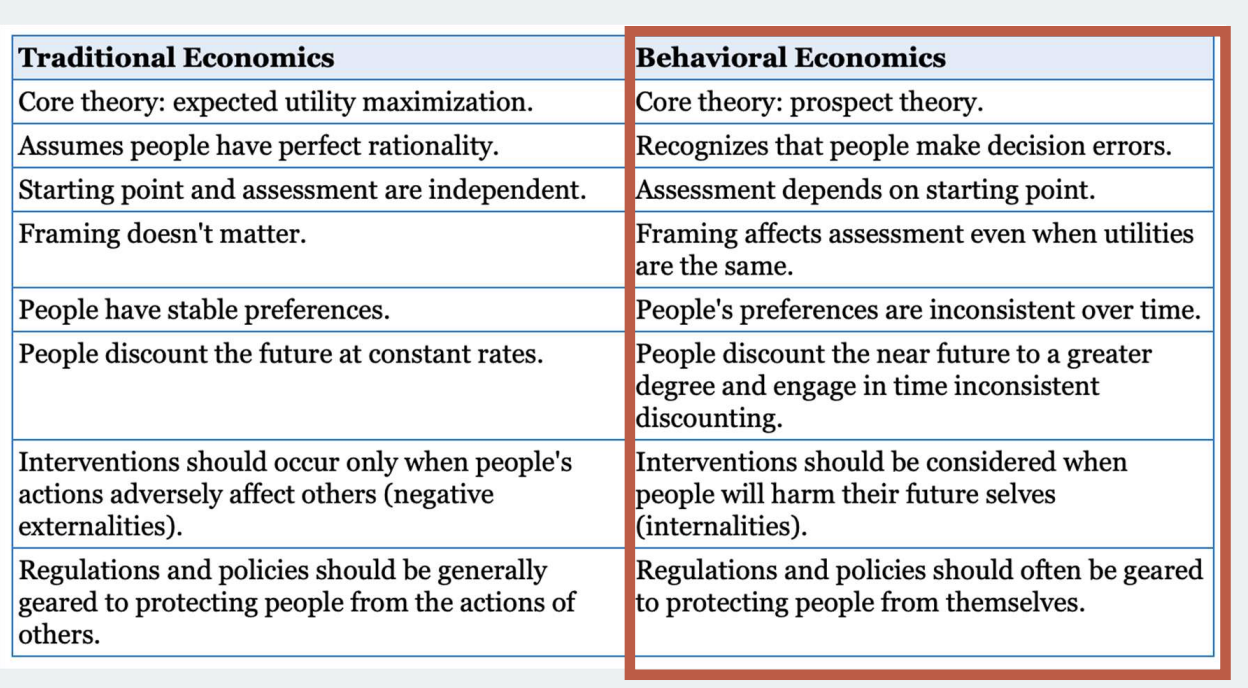
Prospect Theory
-core theory of behavioral economics
-late 1970’s; Kahmen and Traversky, saw traditional economics couldn’t be applied to all behaviors
-4 components: reference dependence, diminished sensitivity, loss aversion, hyperbolic discounting
Reference Dependence
-How would you feel if you had $5 million today when you had $100,000 yesterday? What about if you had $7 million yesterday?
-have to consider other factors; what is the reference for the patient (rationally); ex=BP 130/90 depends on reference
Diminished Sensitivity
-Dependent on reference point
-Consider the usefulness of receiving $500 if your wealth is currently $1 million compared to if you have no money…
*heodonic adaptation: use to good things occurring; motivation decreases overtime
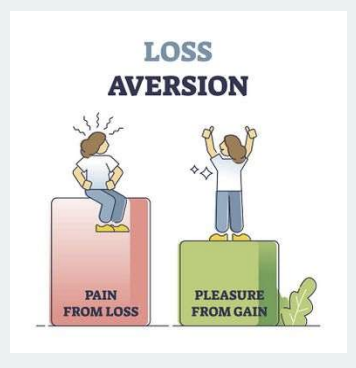
Loss Aversion
-Disutility of loss is much stronger than the utility of an equivalent gain
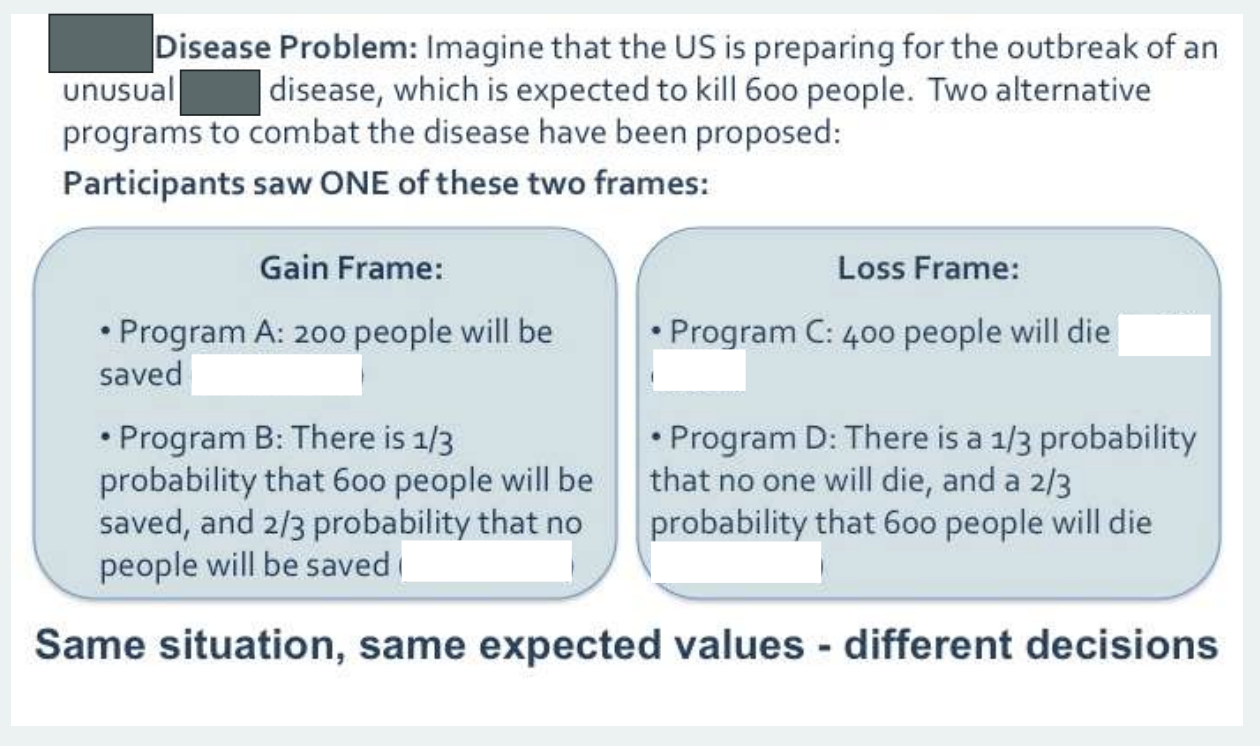
*message framing
class discussion: Would you enter a gamble if there was a 50-50 chance of winning $150 or losing $100?
-TE: should do it, math says yes; BE: No, loss aversion strong
-how present certain things matter; loss aversion applied beyond $
-chart: if gain, avoid gambles (want certainty, fearfull of losses); if loss, more will take risk
Hyperbolic Discounting
-Would you prefer $10 today or $30 in a month? Would you prefer $10 in one year or $30 in one year and one month?
-tendency people to take sooner smaller rewards over later larger awards; like delayed gratification; more have to wait it doesn’t matter as much
-why exist: immediate use needed improves survival (evoluntiary; need immediate rewards)
Asymmetric Paternalism
-Help individuals achieve goals while protecting them from themselves without limiting freedom of choice
-Poor decisions as errors
*how much help or restrict ability to choose; need to be like a parent bc irrational
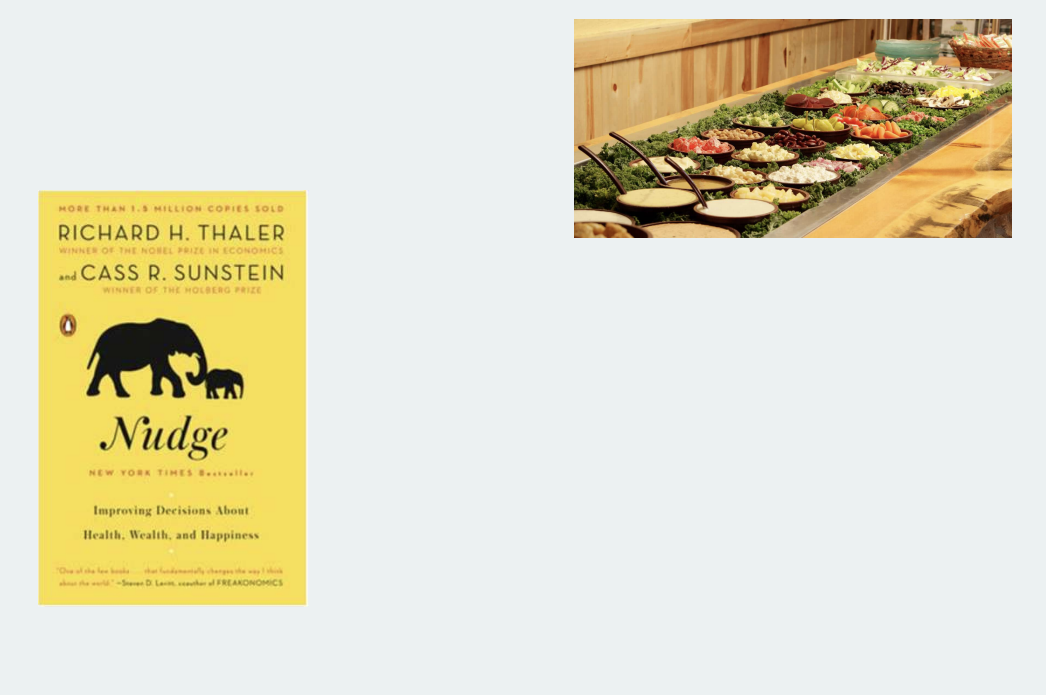
*buffet-healthier options up front but can still choose, nudge people to make a healthy decision; book: big in shaping how we should approach behavior change
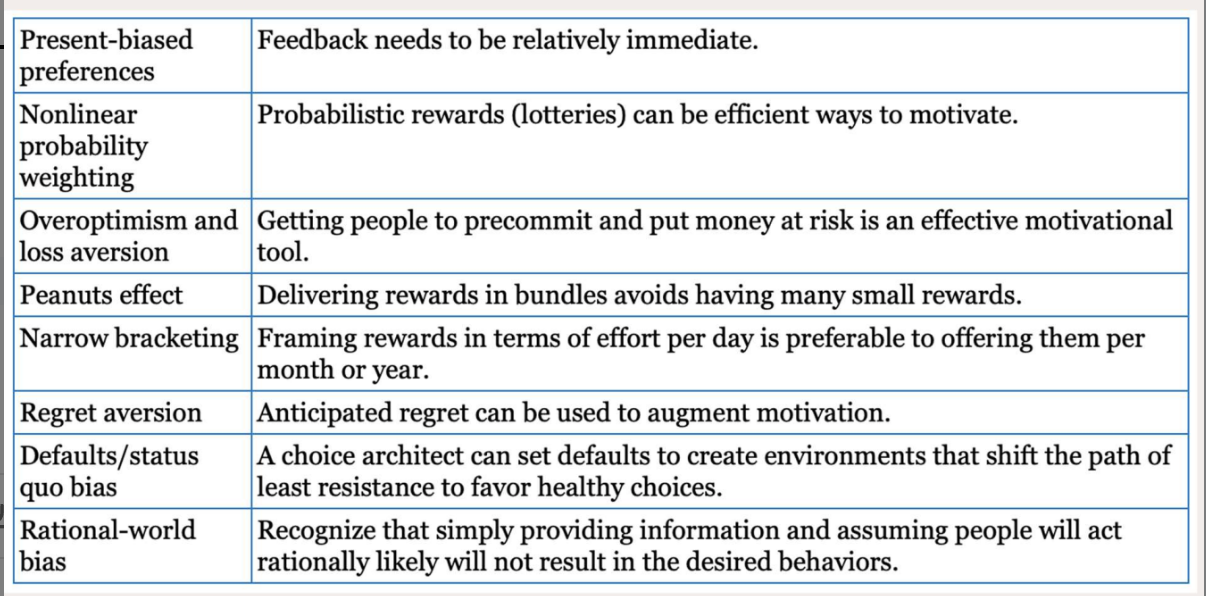
Present-biased Preferences
-Overweigh immediate costs and benefits relative to those occurring in the future
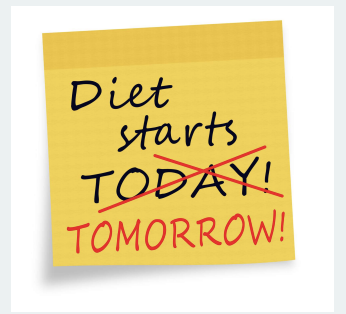
-Increase motivational impact of immediate rewards and punishments (*how get around; ex=habit staking, schedule, ice cream after; use present based preferences and maximize that; use incentives)
*focused on maximizing comfort and pleasure now, make that a priority
Nonlinear Probability Weighting
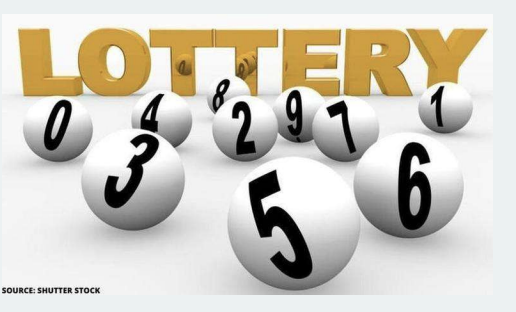
-Overweigh outcomes with small probability of occurring and underweigh outcomes with high probability
*pretty effective; ex=WL, smoking cessation, lottery; don’t feel effects as much in middle compared to extremes, bc want to avoid risk
Overoptimism
-being over-optimistic about life outcomes (self-control)
*”false hope syndrome”; take advantage of at times such as w/ deposit system
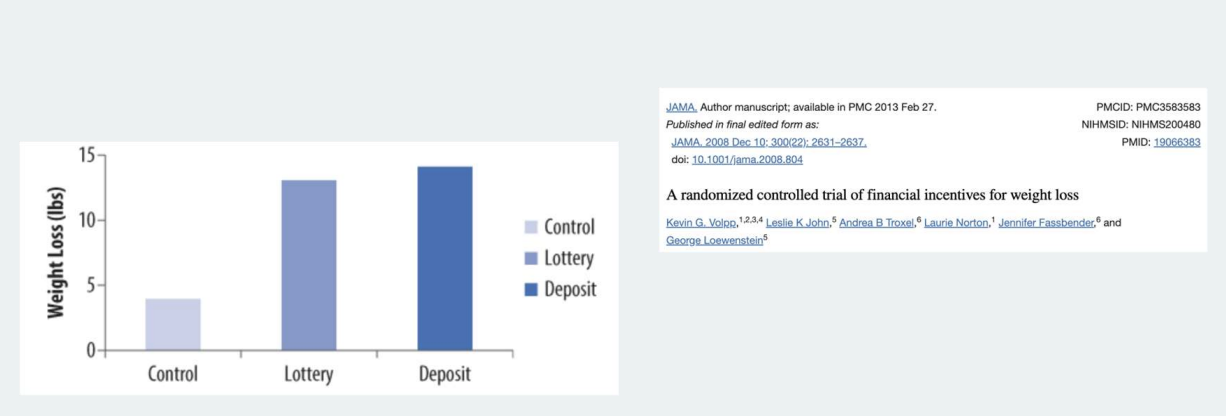
*study: lottery=increase WL → increase chance lottery, deposit=give $ if don’t achieve goal; financial incentives to elicit better long-term changes; shows people not rational
*ex= gym memberships
Peanuts Effects
-Small gains or losses are not motivating
-Provide frequent feedback on rewards (present-bias), but bundle the delivery
*each event on own hard to understand larger effects; thinking more long-term can be more helpful
Narrow Bracketing
-Process of making decisions in isolation
*we tend to focus on local consequences vs those overtime (present bias); should focus on smaller
*ex: focus on next run vs want to run a marathon; oppositie of “keep your eye on the prize”
Regret Aversion
-Individuals dislike regretting decisions and make decisions to reduce risk of regret
-May affect preventive behaviors
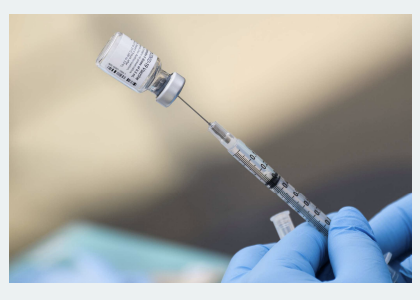
*TTM chronic contemplators; ex=vaccines, if don’t get vaccine but then get flu; how use=be aware, talk to patient
Default Bias
-Tendency to continue doing what one has been doing (or what comes automatically)
*don’t like to change, we like automatic
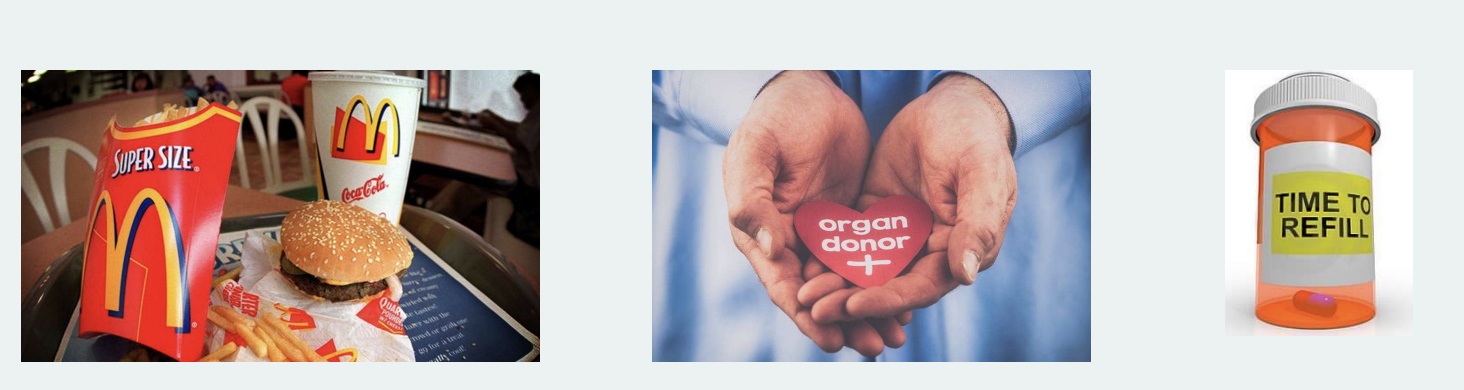
*ex: we think big food size normal; US low % organ donors bc other countries have default system; people don’t get meds refilled
Rational-World Bias
-Assumption that people’s choices are considered and rational
-most important decision error
*can’t assume patients will do what you tell them; acknowledge decision errors, and use nudge to assist in change
summary decision errors