Gods and Monsters of Ancient Egypt Final
 Call Kai
 Learn
Learn Practice Test
 Spaced Repetition
 Match
Match Flashcards
 Knowt Play
1/70

There's no tags or description
Looks like no tags are added yet.
Name | Mastery | Learn | Test | Matching | Spaced | Call with Kai |
|---|
No analytics yet
Send a link to your students to track their progress
71 Terms
hello
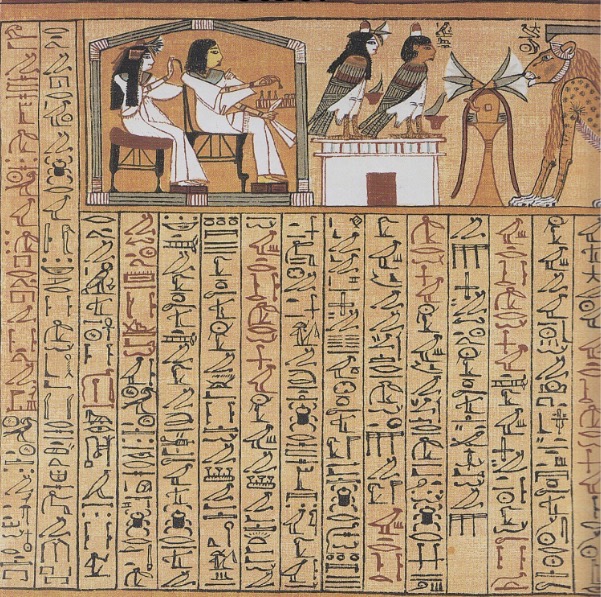
Senet (prominent ancient Egyptian board game that represented transition into afterlife)
game with 30 squares each with meaning
final square has image of Osiris
Book of the Dead Spell 17
central spell that depicts deceased playing Senet while “going forth by day” in any form they wish
hello
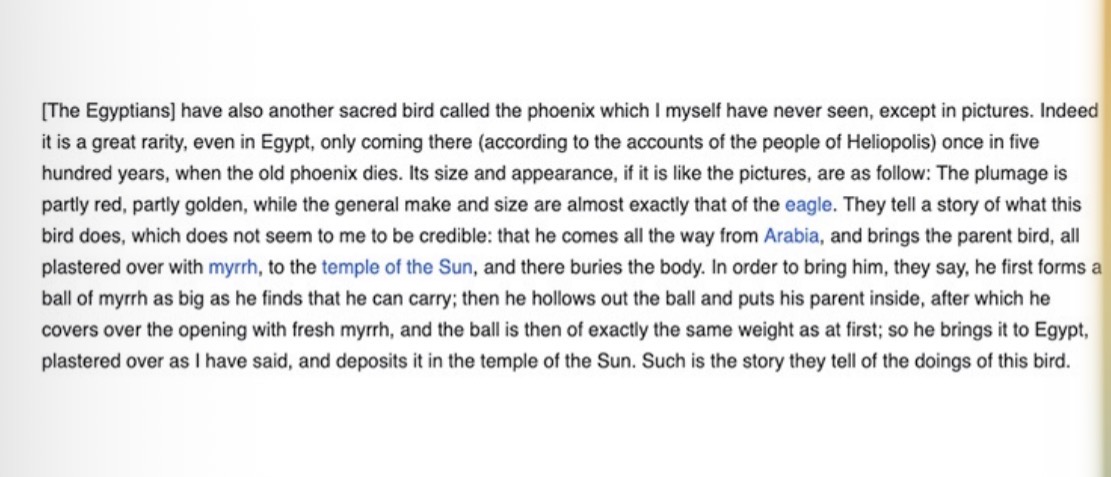
Herodotus, Book 2.73 on the Phoenix
Book of the Dead Spell 175
“spell for not dying again”
dialogue between the deceased and the creator-god Atum where deceased complains about the conditions of afterlife
stood as a triumph of the righteous life over forces of upheaval
hello
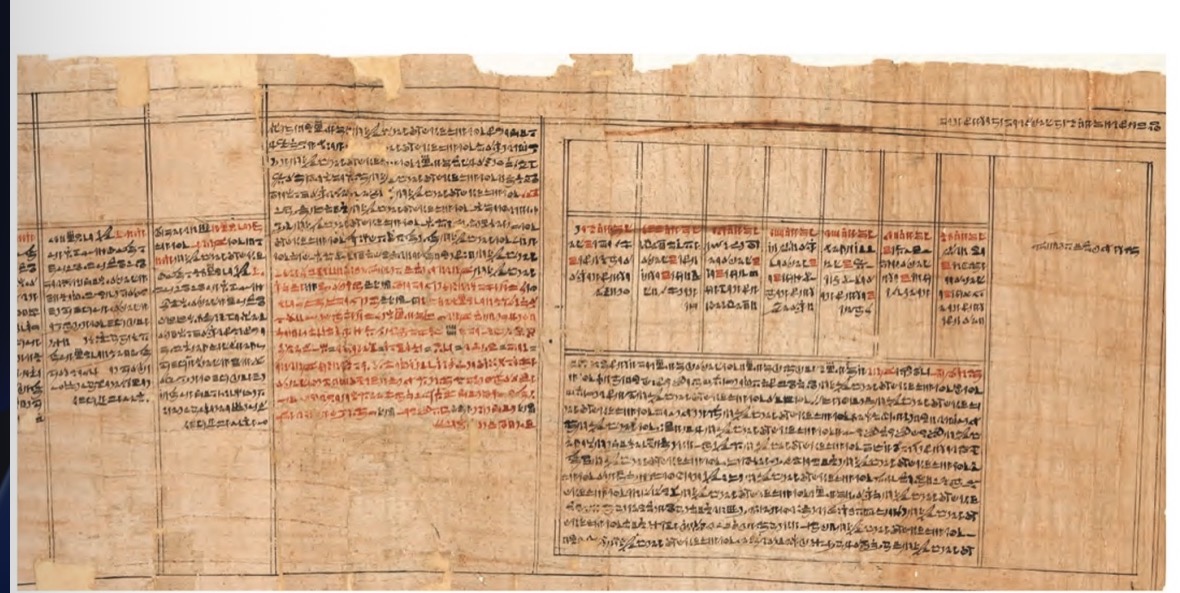
unfinished Book of the Dead papyrus
hello
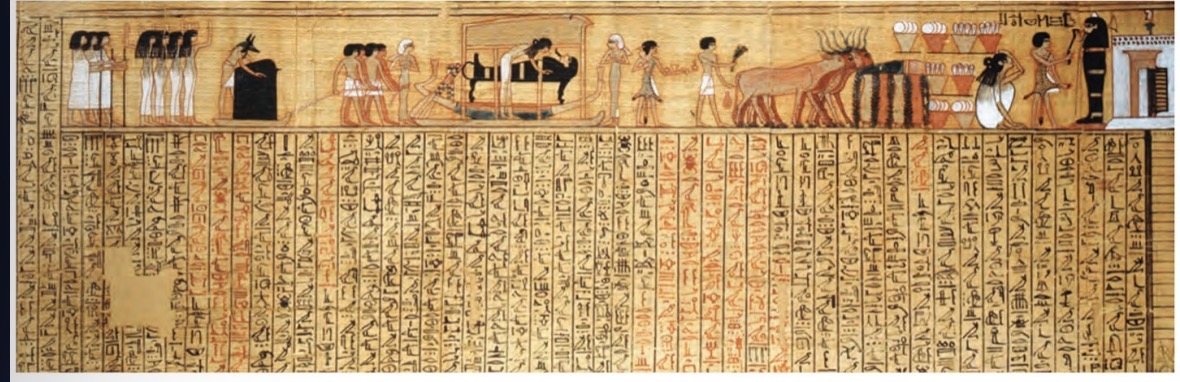
illustrates ritual episodes of burial, with Anubis over the chest with canopic jars
hello
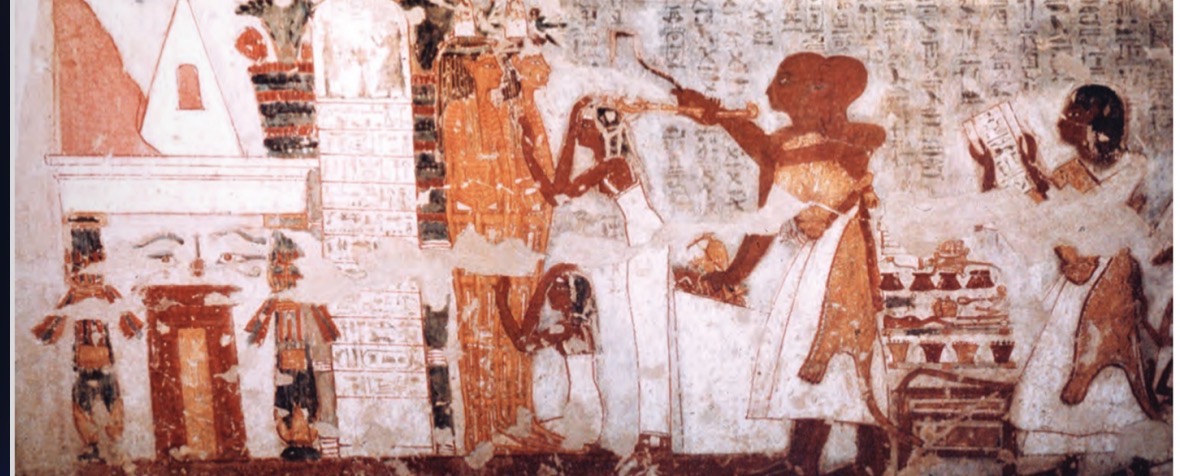
tomb scenes showing opening of the Mouth ceremony
hello
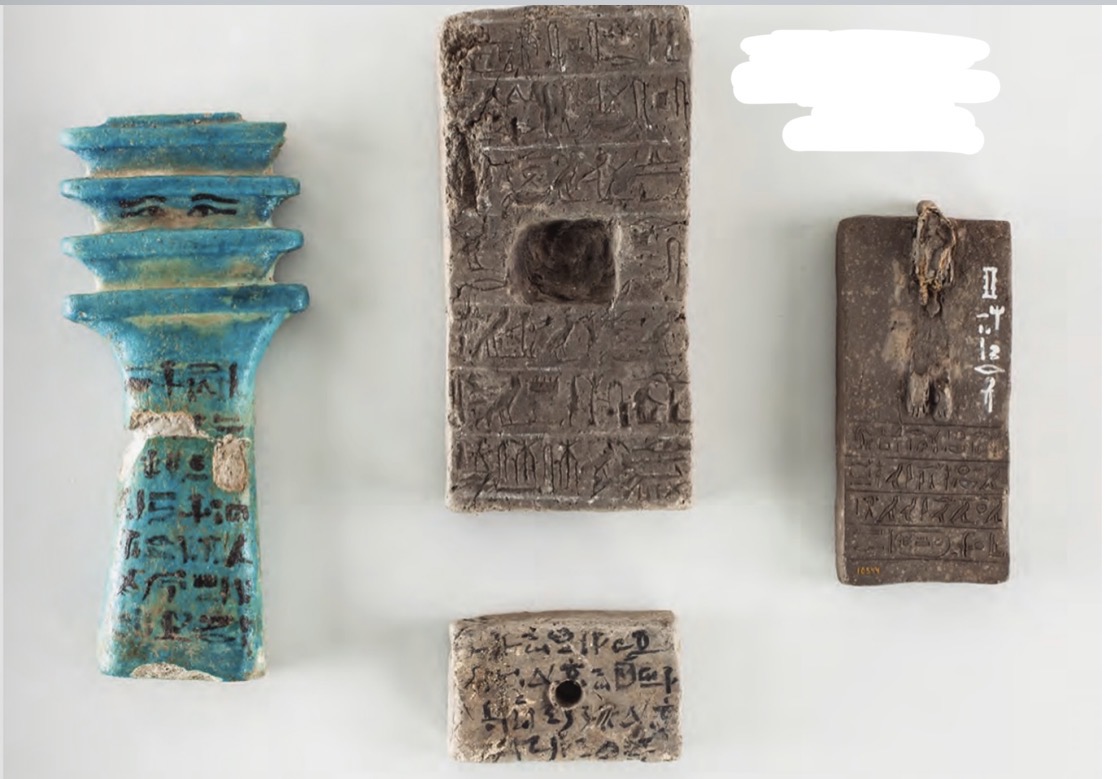
magic bricks placed within the burial chamber to ward off demonic forces at each cardinal direction
hello
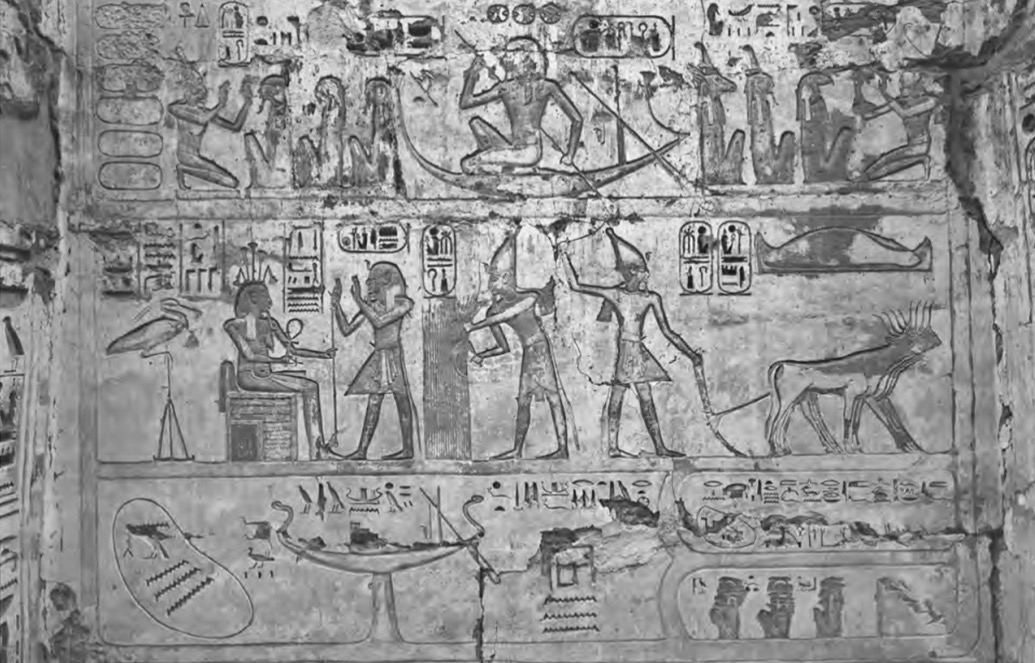
Book of the Dead Chapter 110 - deceased pharaoh in the field of reeds
hello
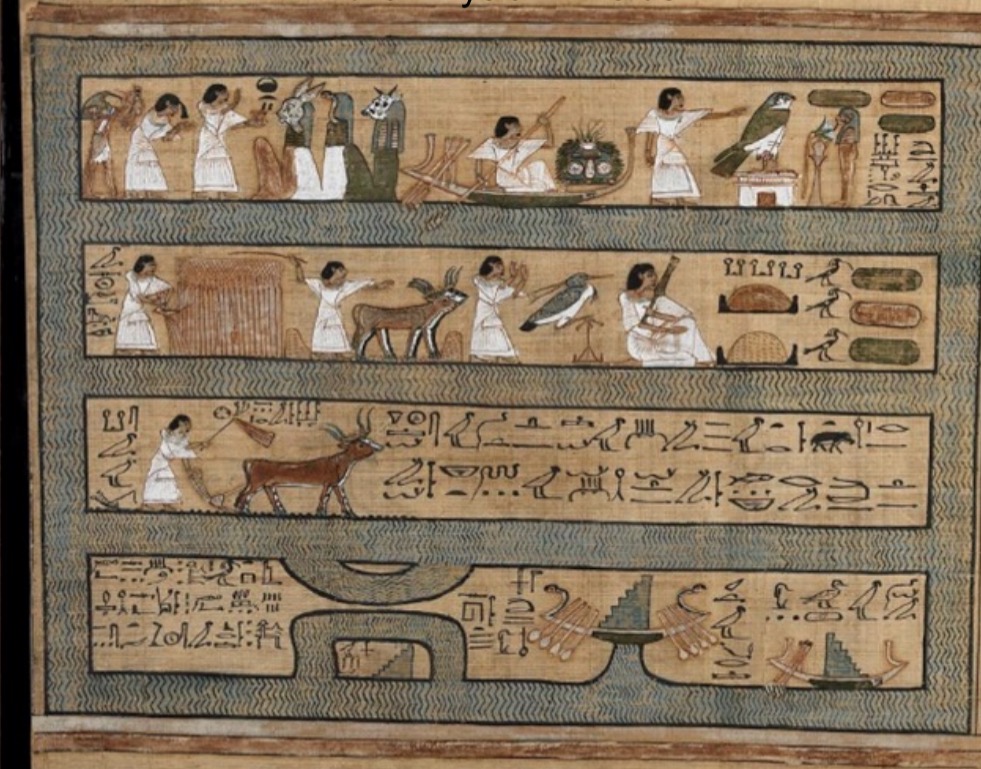
Book of the Dead Chapter 110 - Ani in the “Elysian” Fields
hello
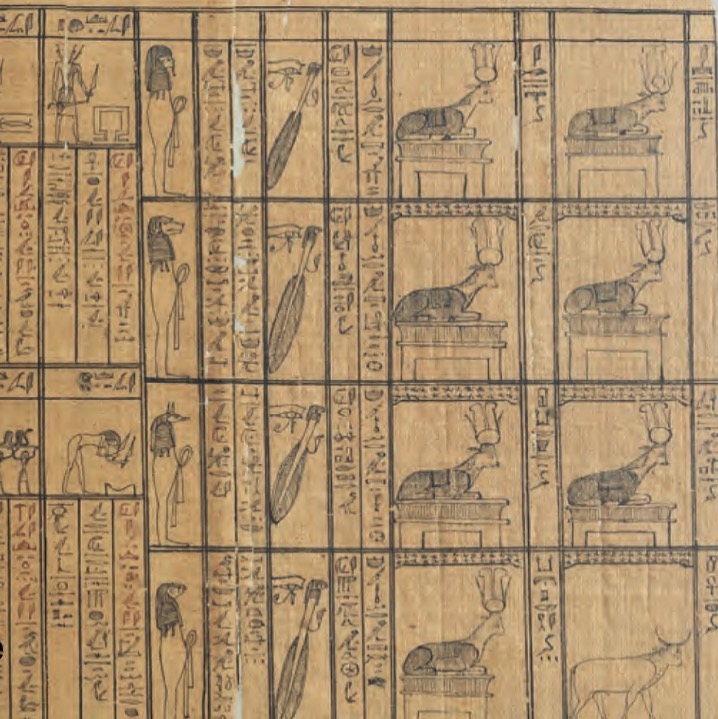
4 steering oars = cardinal points of the sky
depicts 7 cows and one bull, associated with the day of burial and 7 festivals
depiction of Book of the Dead Spell 148
hello
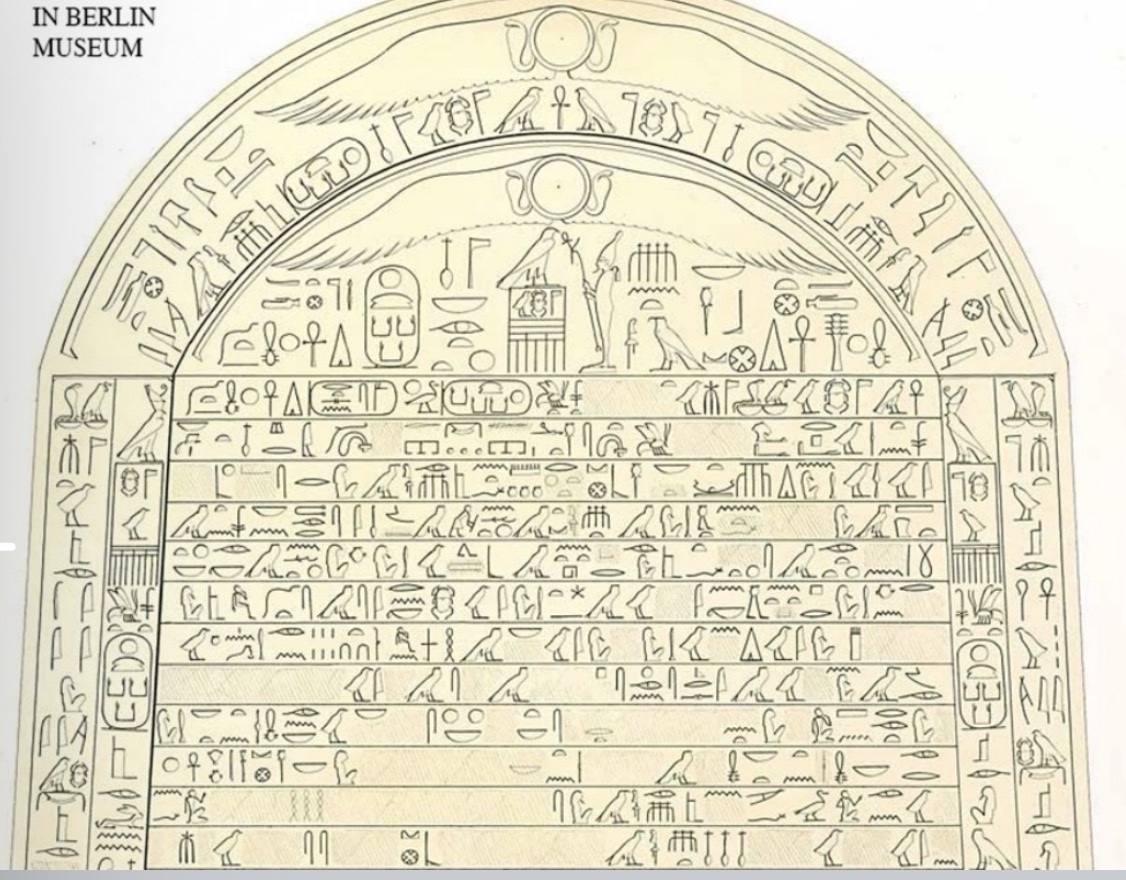
Stela of Ikhernofret
hello
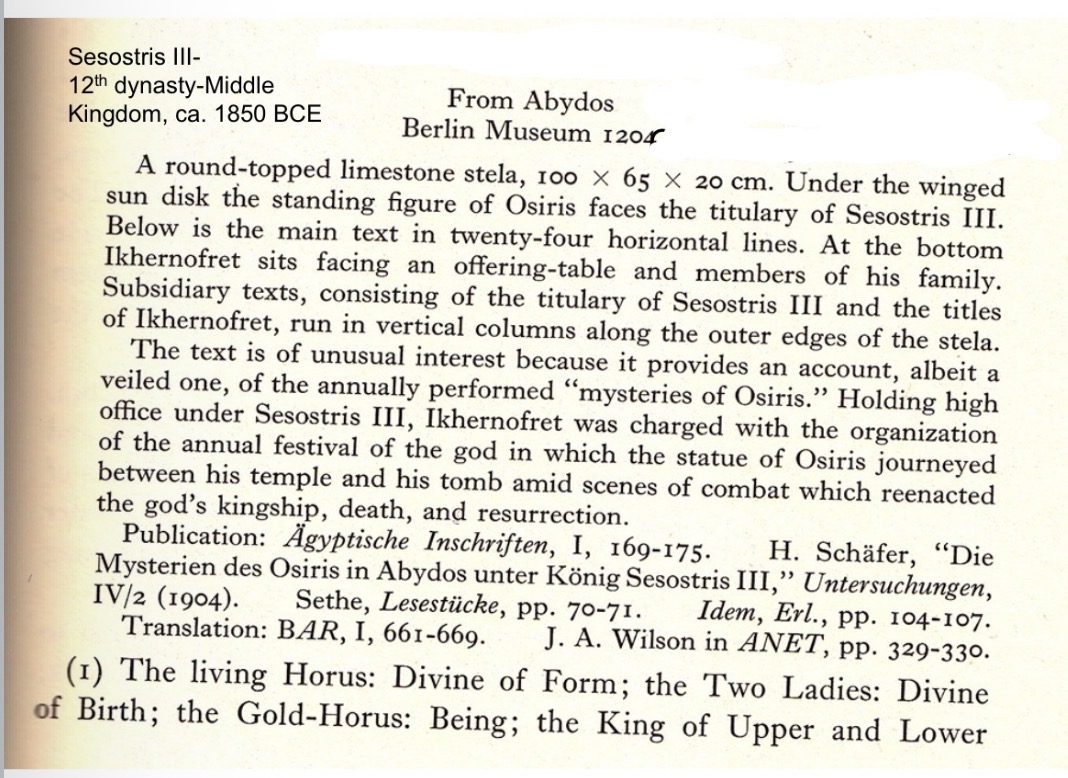
Stela of Ikhernofret
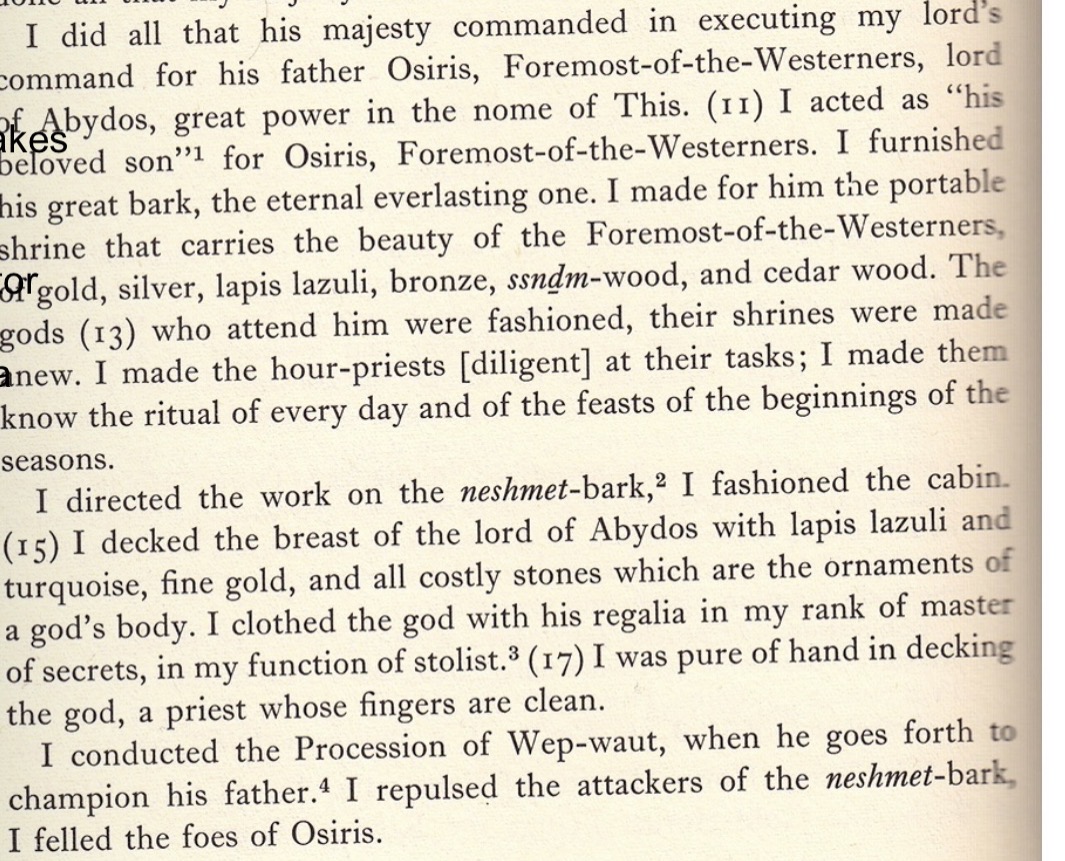
describes the drama of the mysteries of Osiris
hello
takes role as director of drama
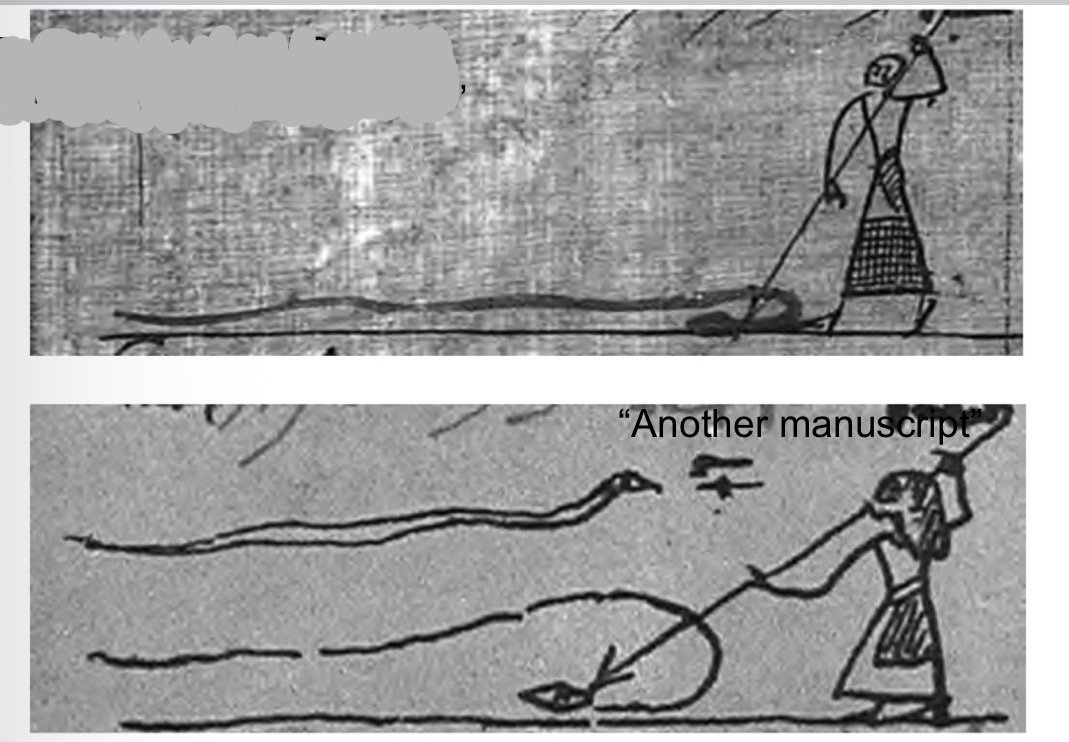
hello
Book of the Dead Spell 39 - “protection against snakes”
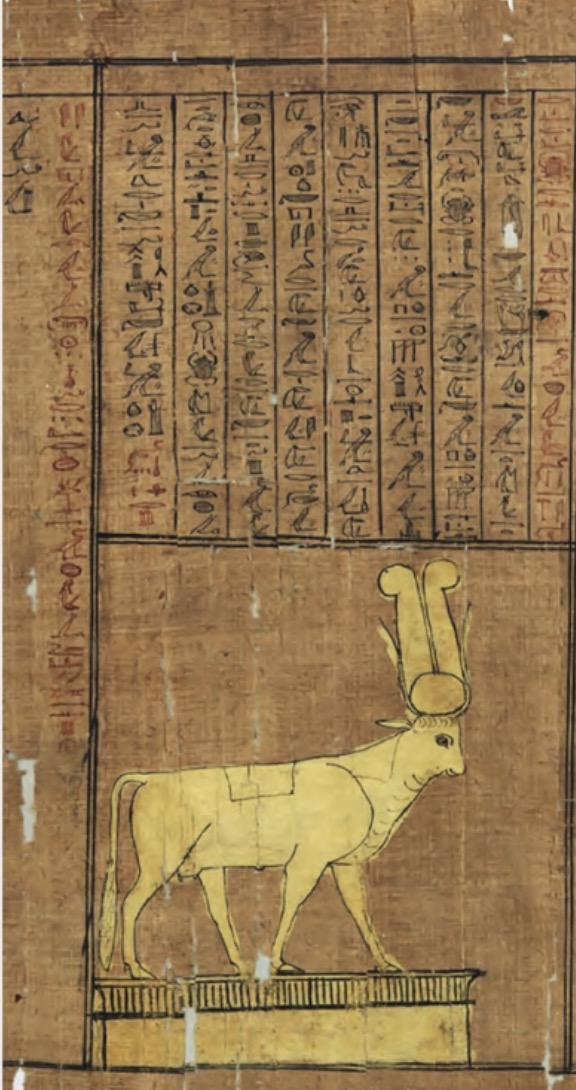
hello
Book of the Dead Spell 162 - “chapter to cause to come into being a flame beneath the head of a spirit”
spoken by the Ihet Cow
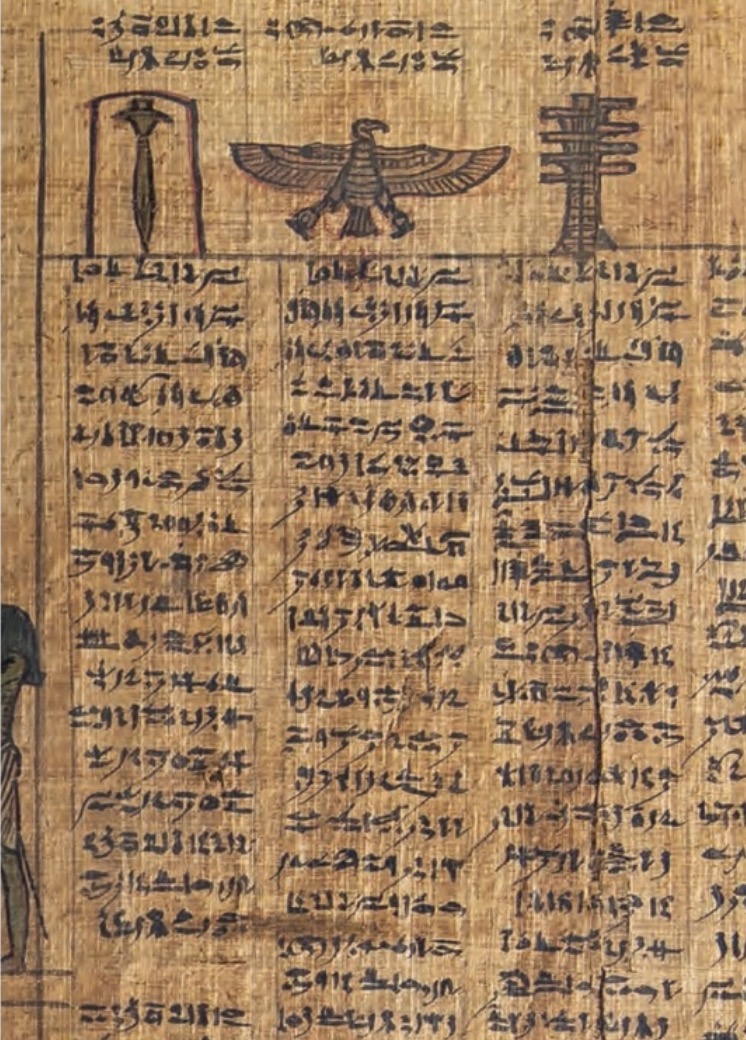
hello
Book of the Dead Spells 155,177,159
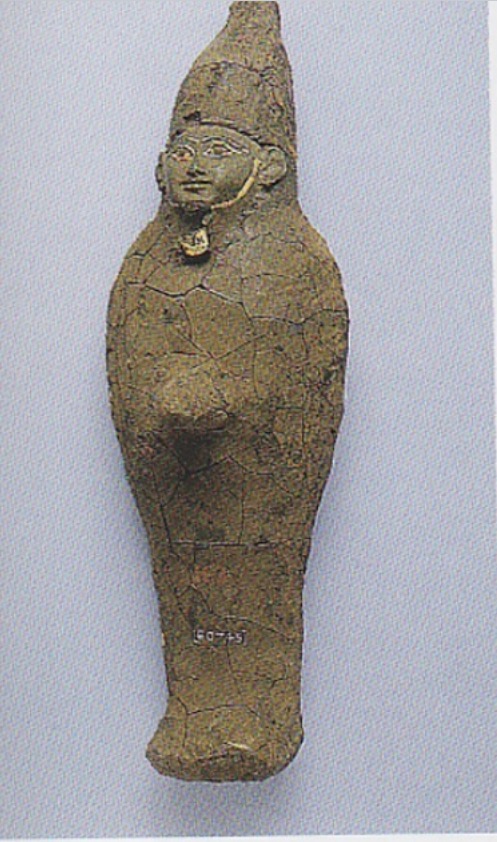
hello
corn mummy of Osiris
miniature figure of Osiris with mud and grain seeds
seeds sprouting = resurrection of Osiris and thus all of us
hello
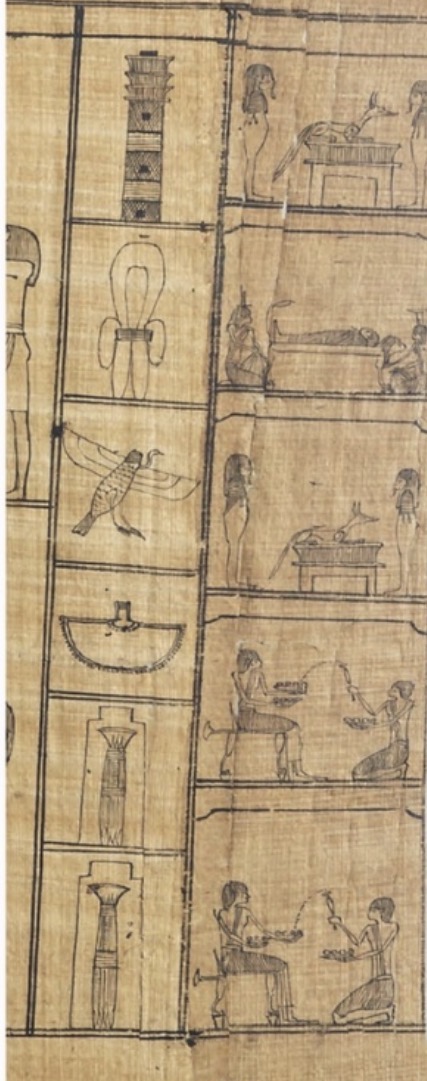
Book of the Dead Spell 151 with illustrations of various mummy amulets
hello
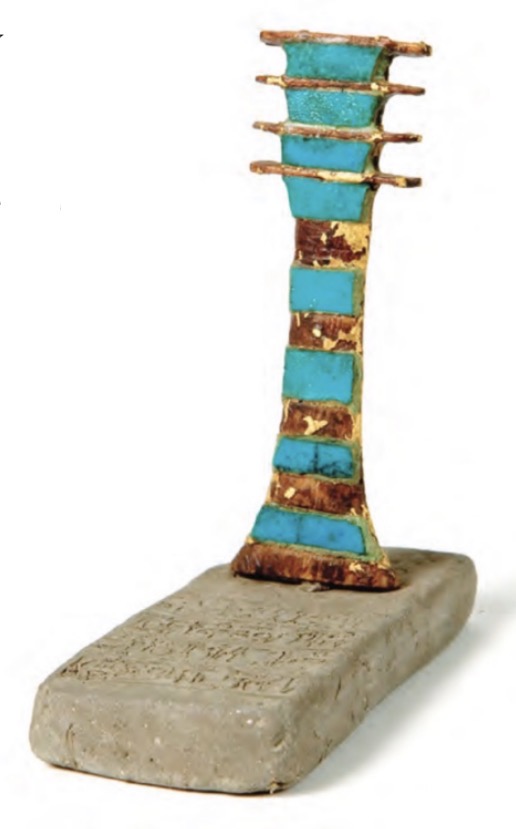
magical brick Djed-pillar symbol of “stability”
hello
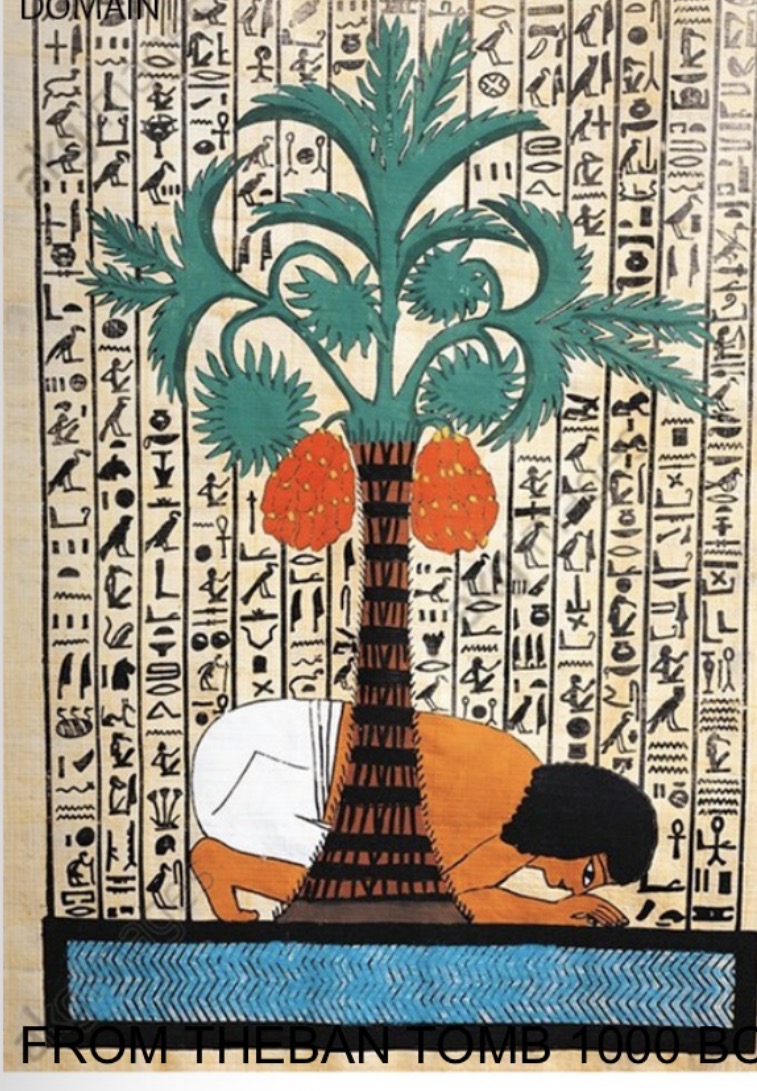
Book of the Dead Spells 52-63, meant to provide deceased with food and water
hello
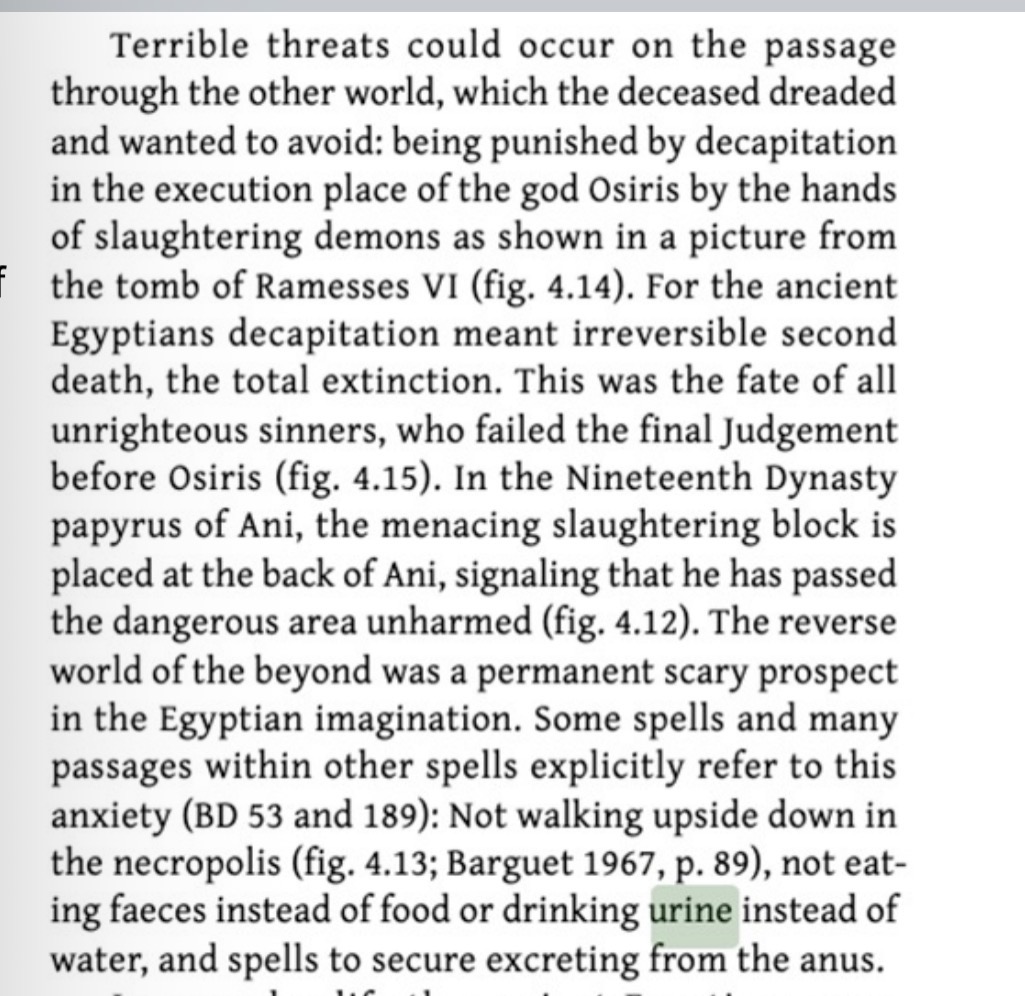
Scalf’s remarks on threats and horrible things which can happen in underworld
hello
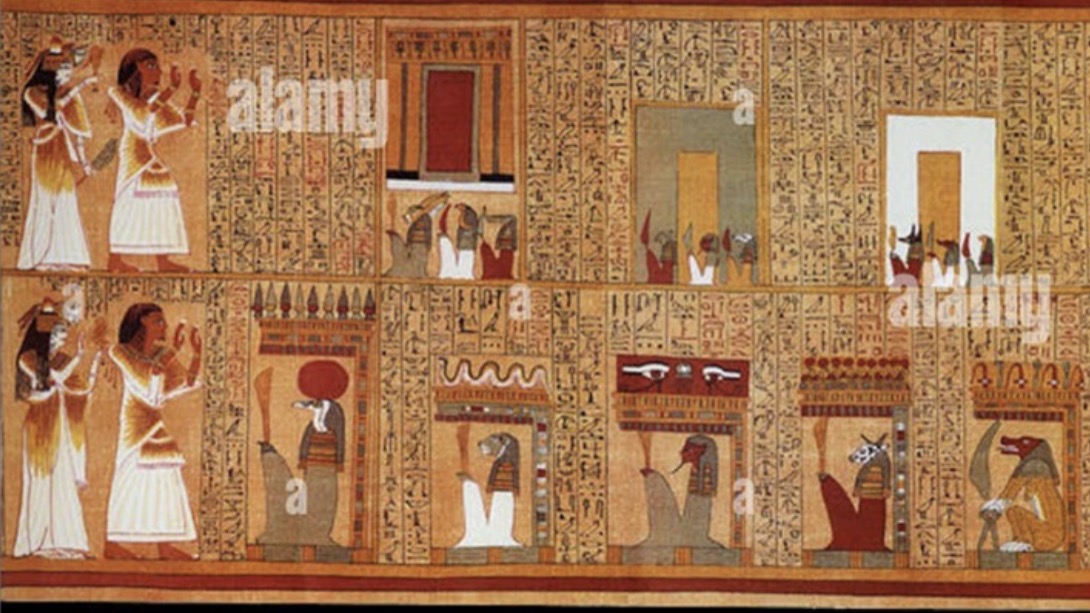
Book of the Dead of Any, spells 144, 145, 146
shows Any and his wife before the guardians of the underworld Gates
hello
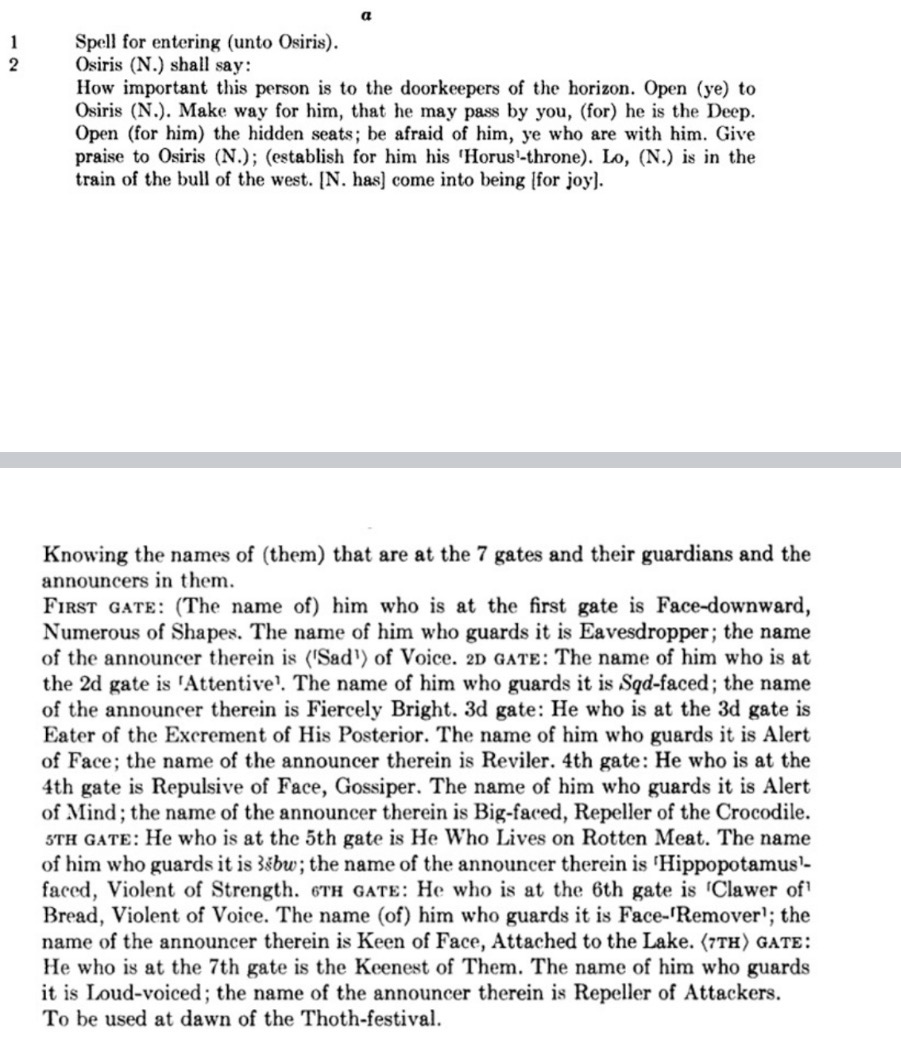
Book of the Dead Spell 144 on the gates
knowing the names of the fearful guardians of the Gates of the Underworld
Teeter points about Temple
only few priests allowed in sanctuary
temples were important economic institutions
some temples transformed into churches in Christian Period
hello
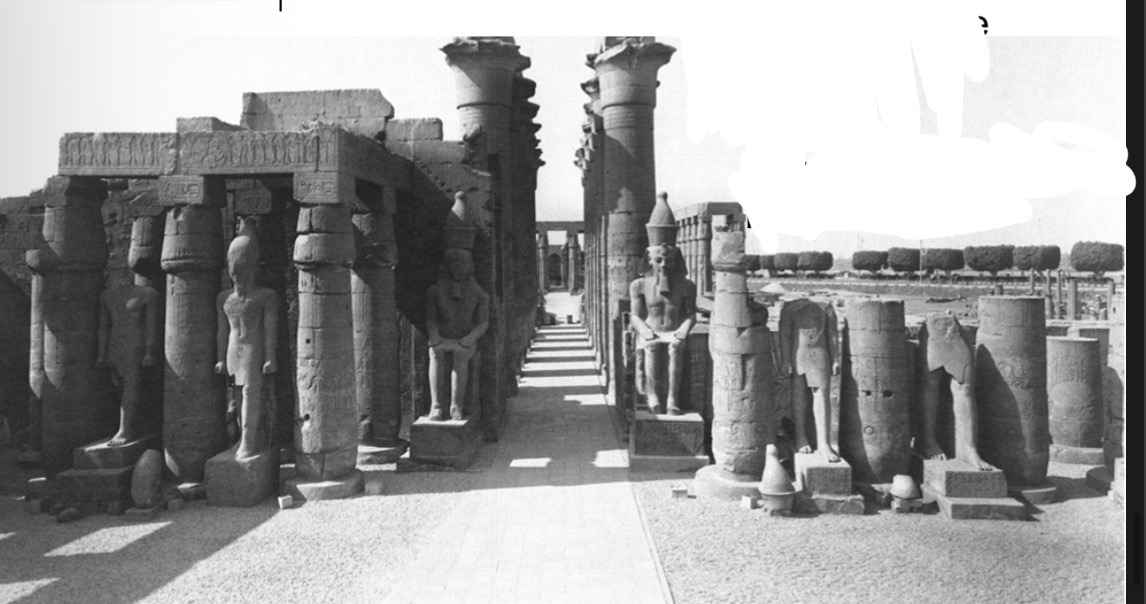
14 columns of the Processional Colonnade
hello
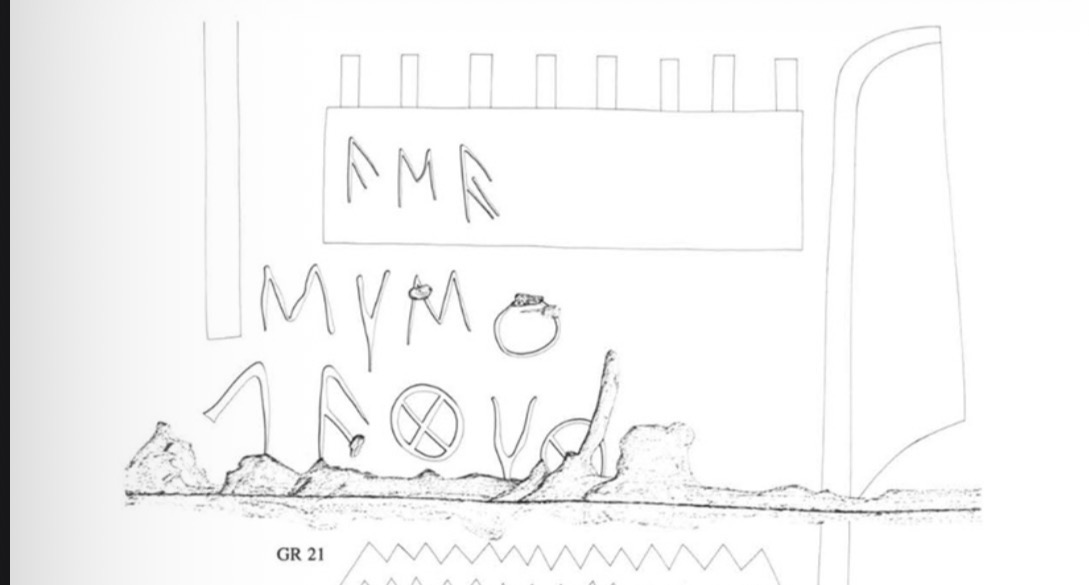
graffito from the “roof” of the First Court of Luxor Temple
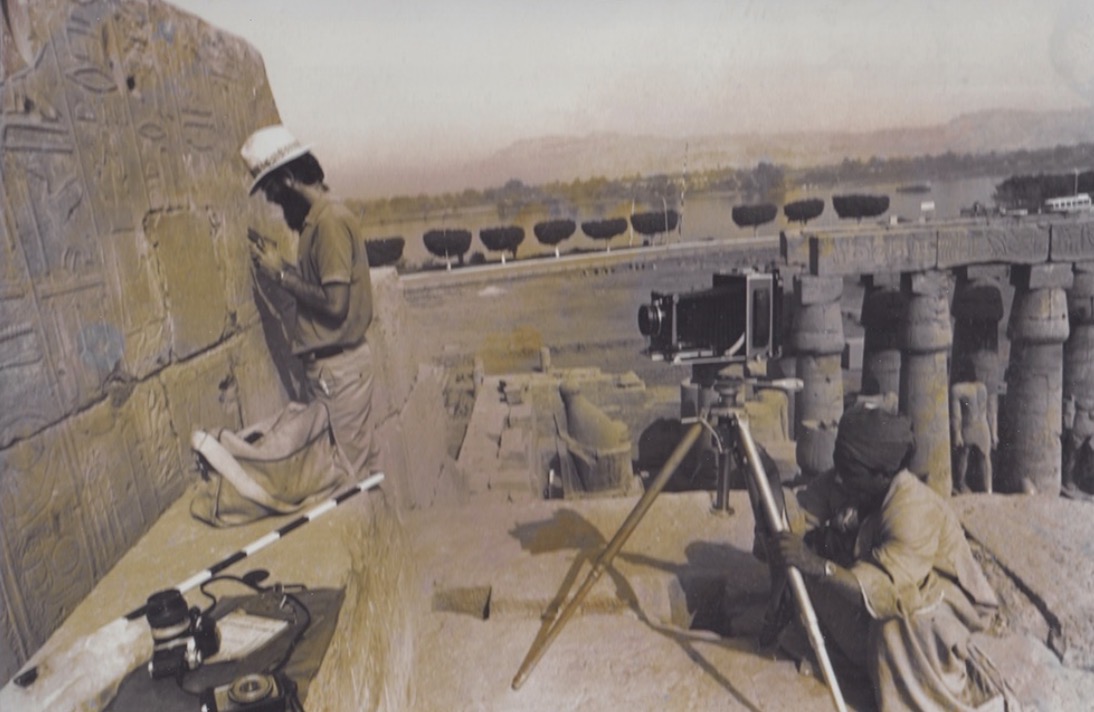
hello
copying Carian Graffiti Luxor Temple
hello
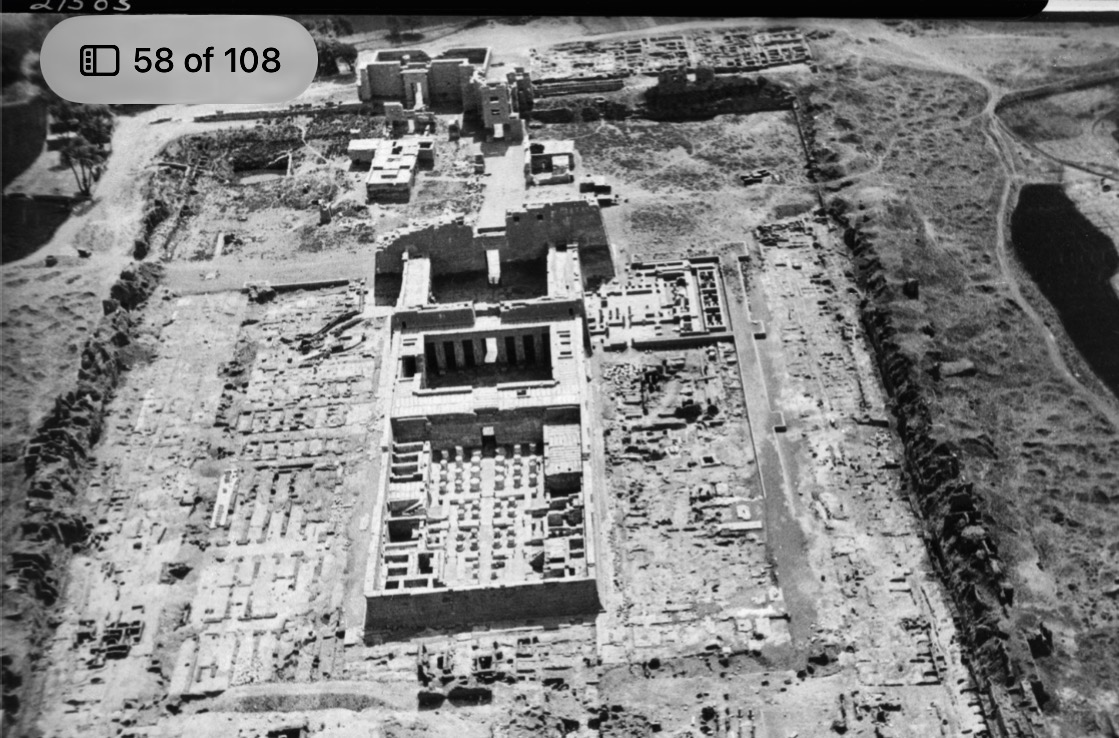
Great Temple and Small Temple of Ramesses III at Medinet Habu
hello
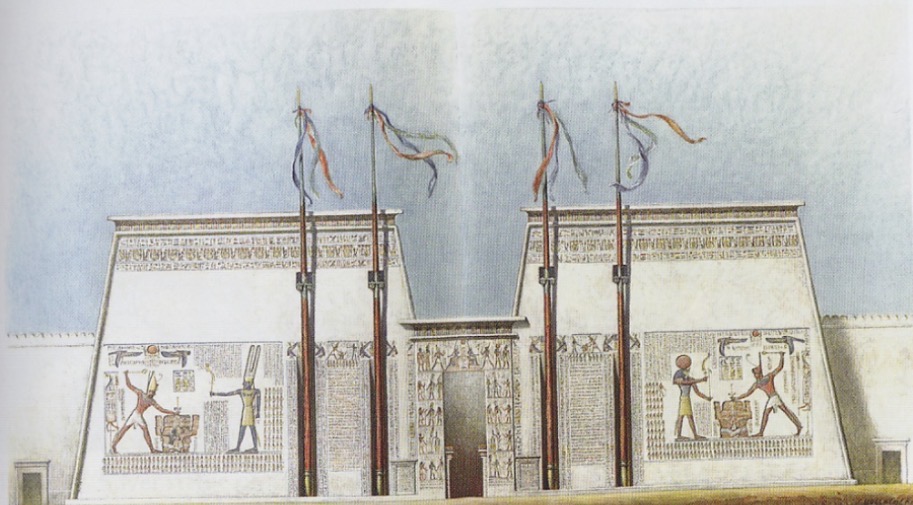
Temple of Medinet Habu on West Bank Luxor
hello
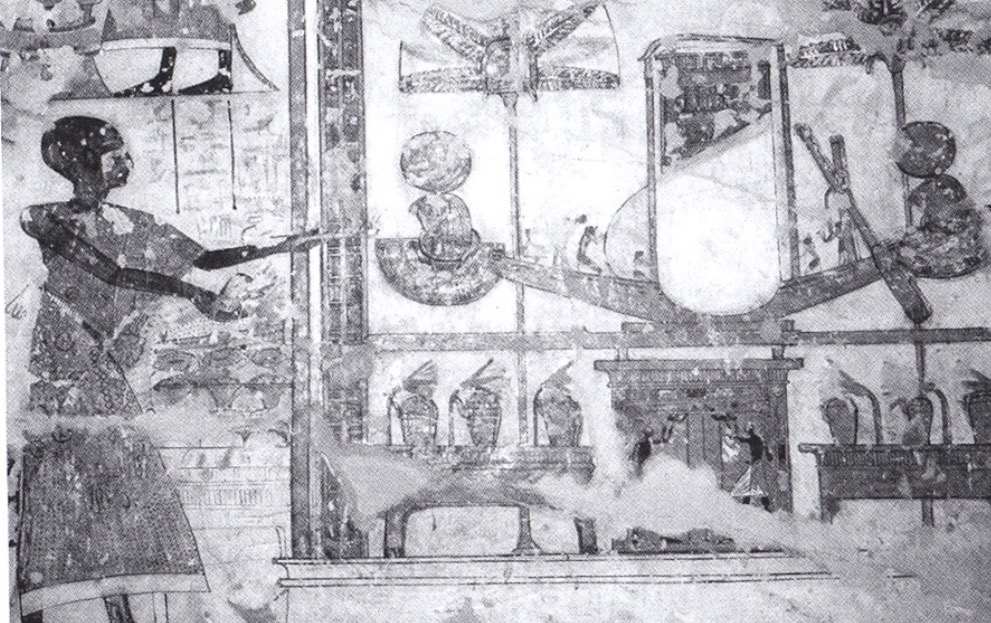
scene from the tomb of Khons showing him acting as a priest offering incense and liquid purification to the sacred boat of the deified king Thutmose III
hello
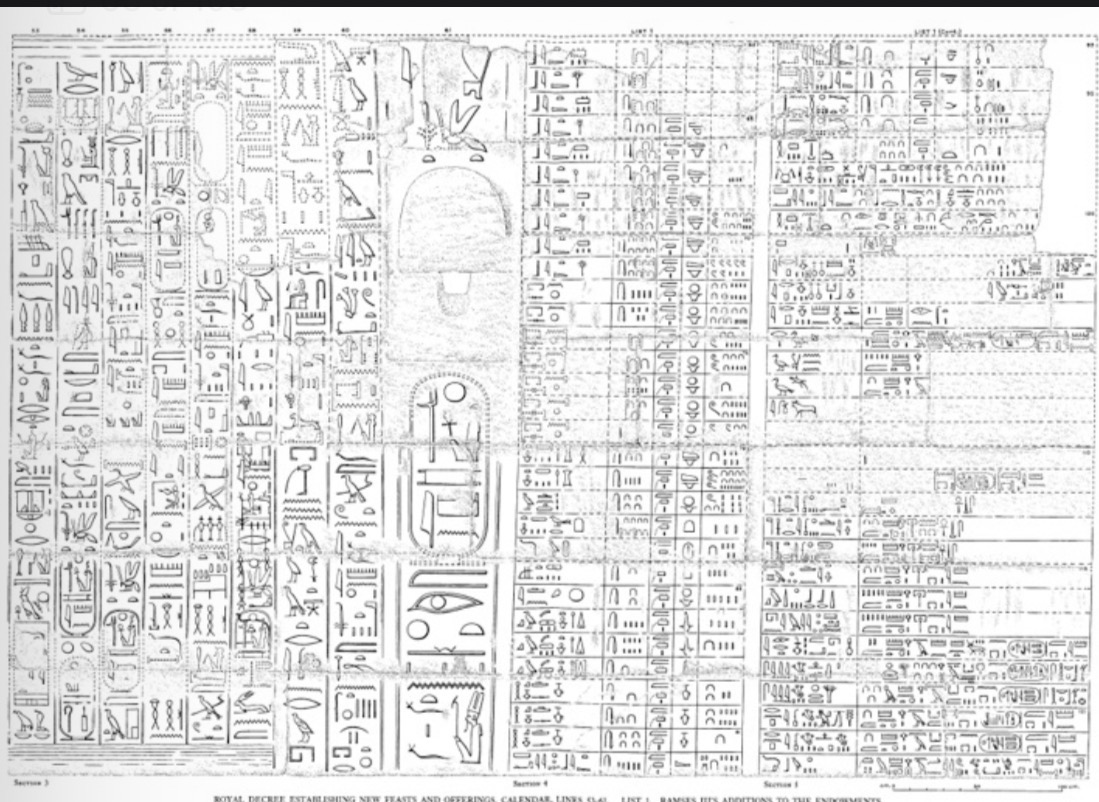
elaborate festival calendar at Medinet Habu temple
Teeter “Inside the Temple” Notes
light carefully controlled - progressively darker as one processed
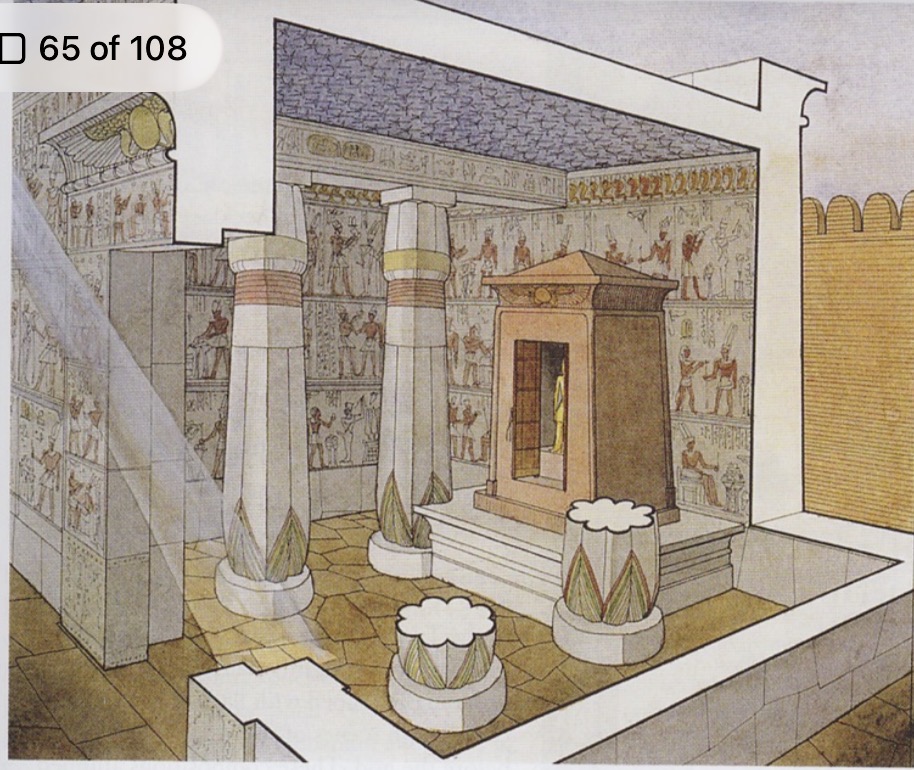
sanctuary (bedroom of god) - most sacred section (has a statue of god in a shrine)
— many rituals performed on these statues, which was awakened in the mornings dressed, anointed, offered food
Daily Offering Ritual (3 times daily), whole series of ritual actions performed in name of king by priests
hello
reconstruction of Luxor Temple Sanctuary
hello
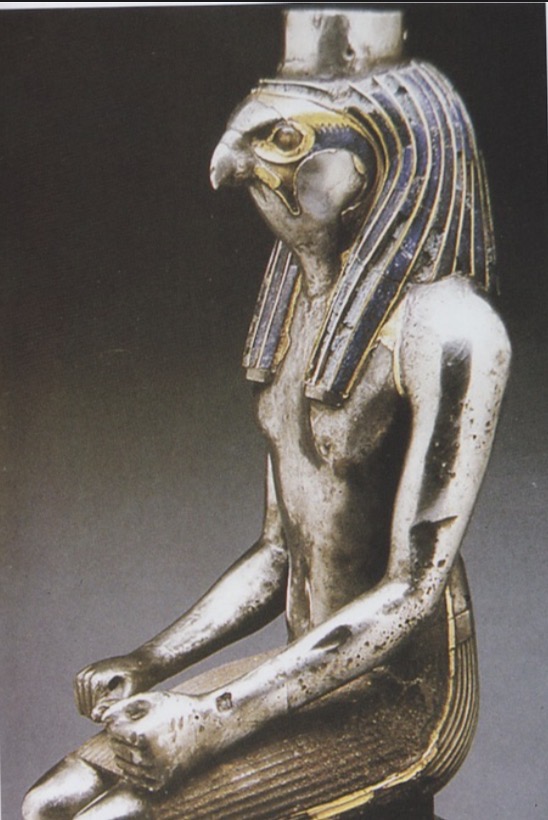
silver cult statue of Horus or Montu
Teeter points on “Priests”
priests fully integrated into society
served in temples part-time
in later period, were shaved
“wab-priest” - purified priest (could carry sacred bark with the statue of god within shrine)
Hem-ka priest
worked in the funerary cult
Lector-priests
reading specialists, recited spells which helped desceased become an akh-spirit
Sem-priest
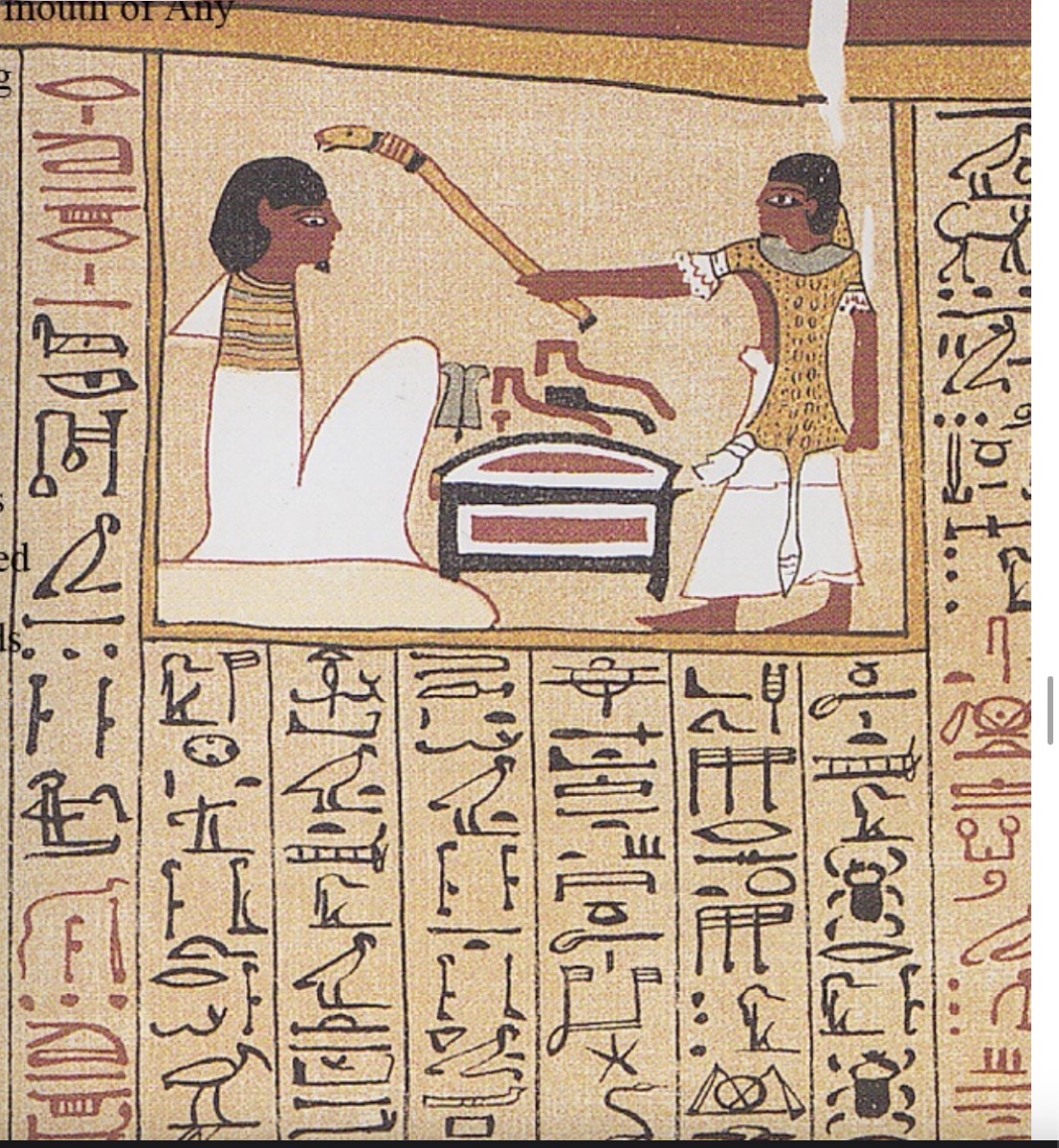
dressed in leopard-skin robe and with Hairlock, performed Opening of the Mouth Ritual at the funeral
Opening of the Mouth
touched face of mummy with tools to revive the senses of the deceased in the afterlife
Teeter priests continued
one inherits priesthood
sexual purity (abstinence before serving in temple)
possibly circumsion
organized into Phyles (4 groups, each served 3 months of year)
pay came from offerings
hello
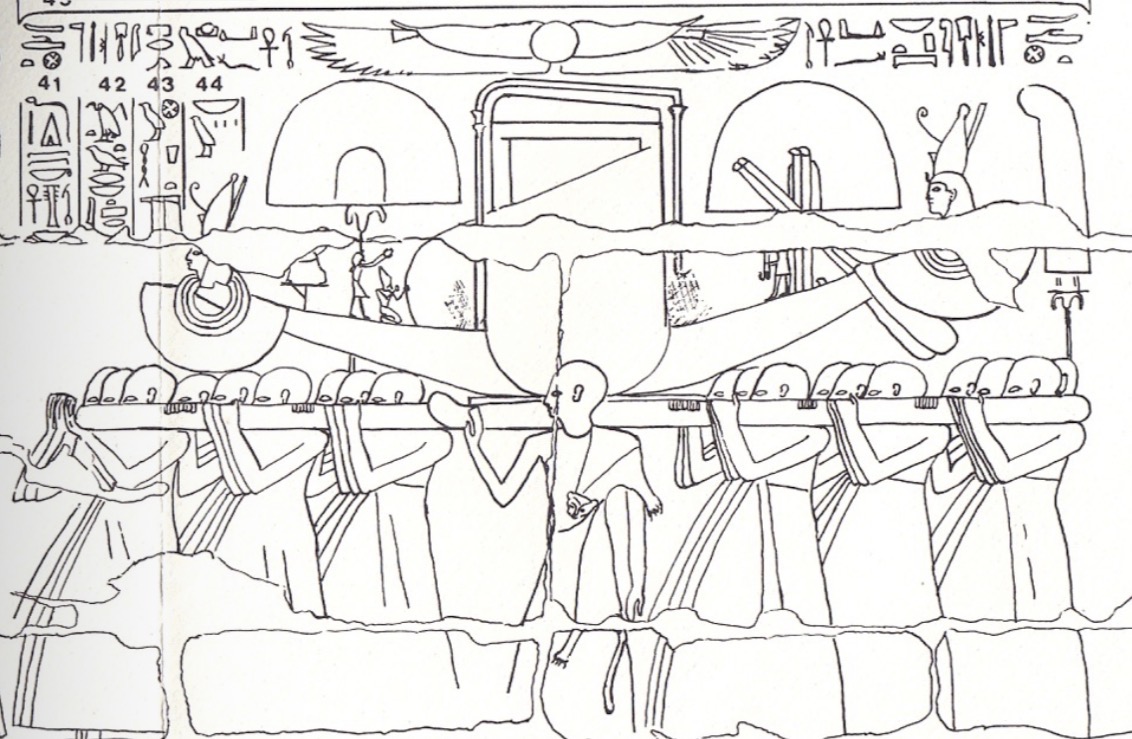
Sem-priest opening the mouth of Any
hello
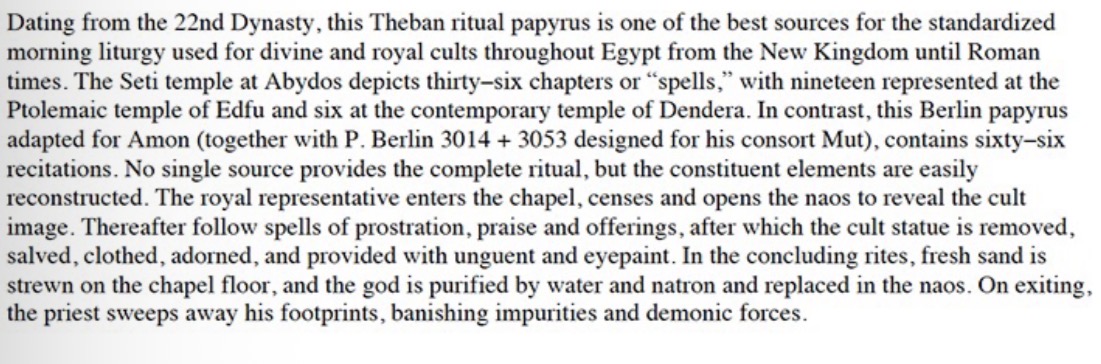
priests carrying Bark Shrine of Mut goddess
hello
Ritner daily ritual selection
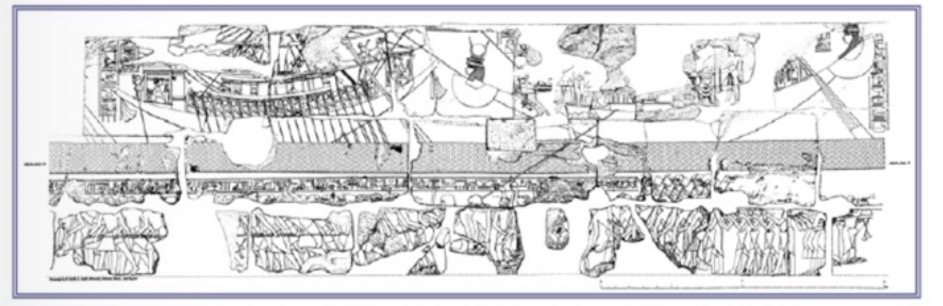
Opet Festival
major annual national celebration in ancient Egypt, especially imprinting in New Kingdom
barks of Theben Triad traveled from Temple of Karnak to Luxor Temple
took place in October or November, typically lasted for 10 days
hello
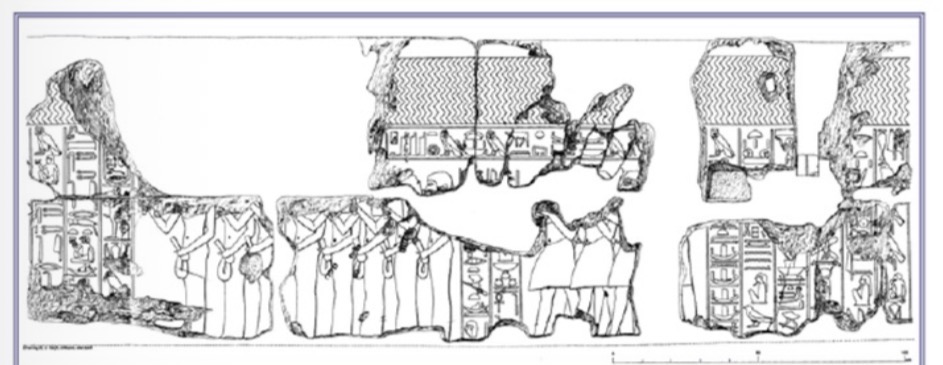
bark of Mut being towed to Luxor Temple
hello
priests singing “Songs of the Drinking Place” during the Opet Festival
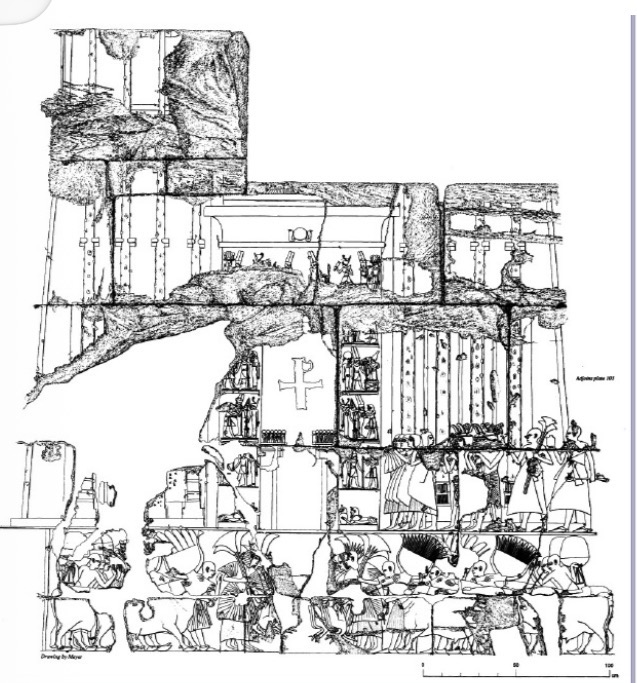
hello
return to Karnak Temple, back home again!
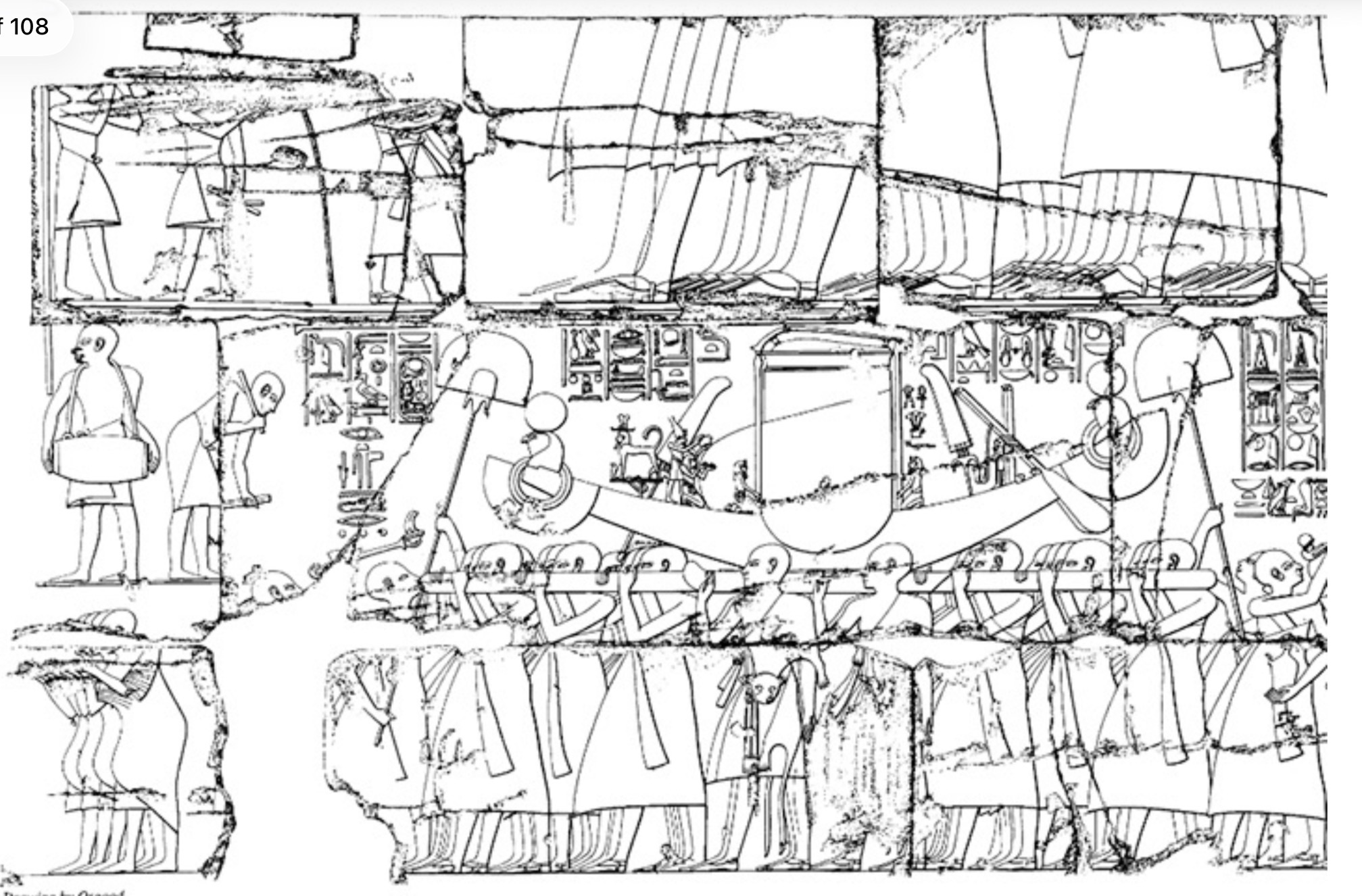
hello
priests carrying the sacred bark-shrine of Khonsu during the Opet Festival
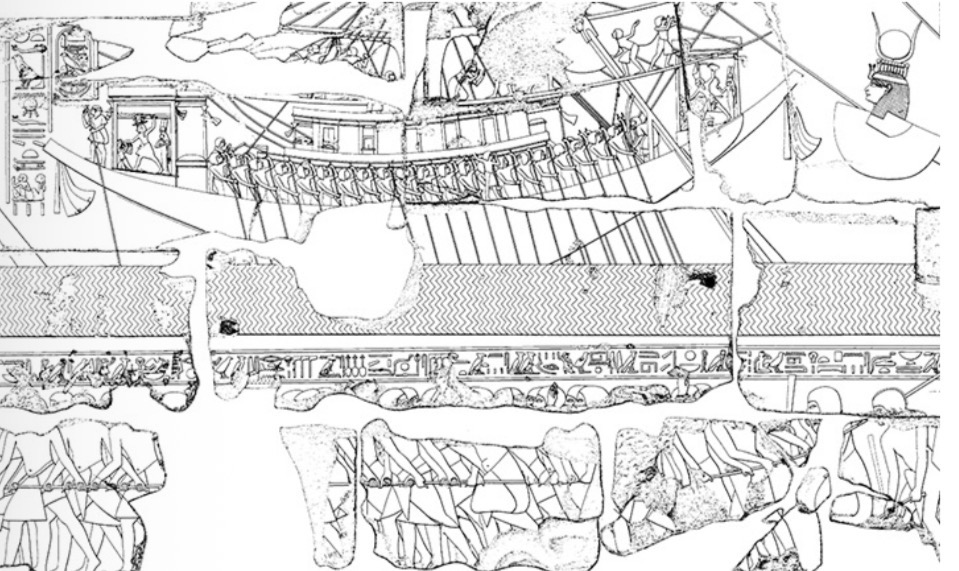
hello
ships going from Karnak Temple to Luxor Temple during the Festival of Opet
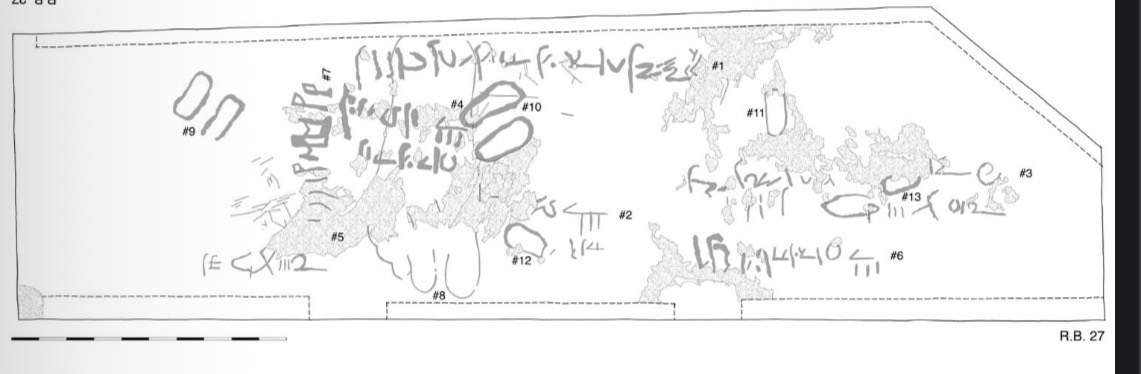
hello
graffiti on roof of Medinet Habu
Festival of the Valley
reflected Egyptian underworldly conceptions of the West Bank of Luxor
celebrated once per year (1st day of the second month of summer)
parade of statues portraying gods and deceased kings
hello
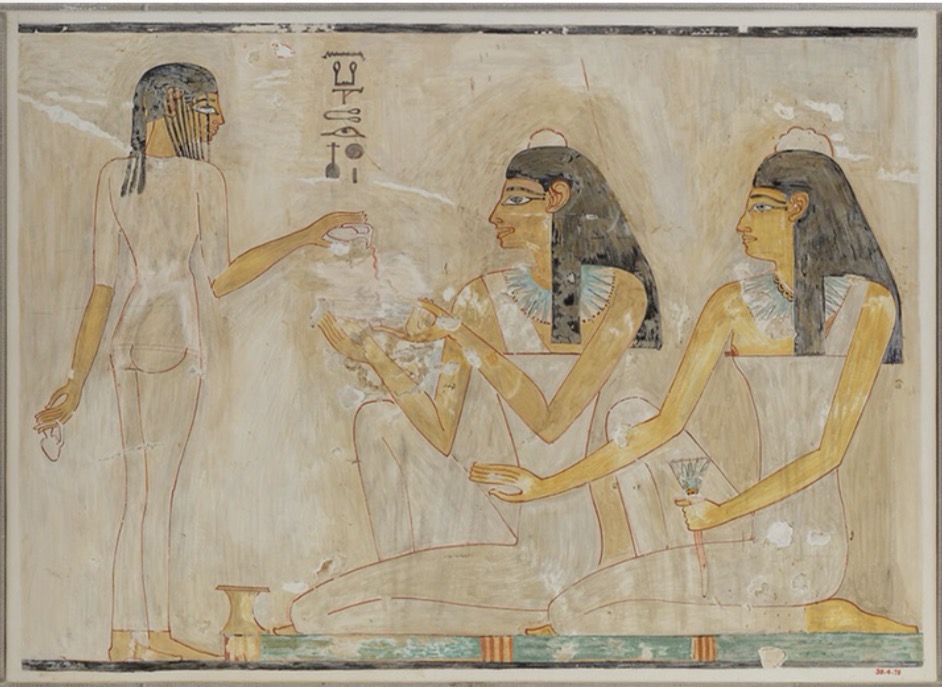
banquet scene (shows 2 female guests and a girl serving liquid — consumption of alcoholic beverages was a key element in many celebrations)
Norman and Nina de Garis Davies
documented many tomb paintings
hello
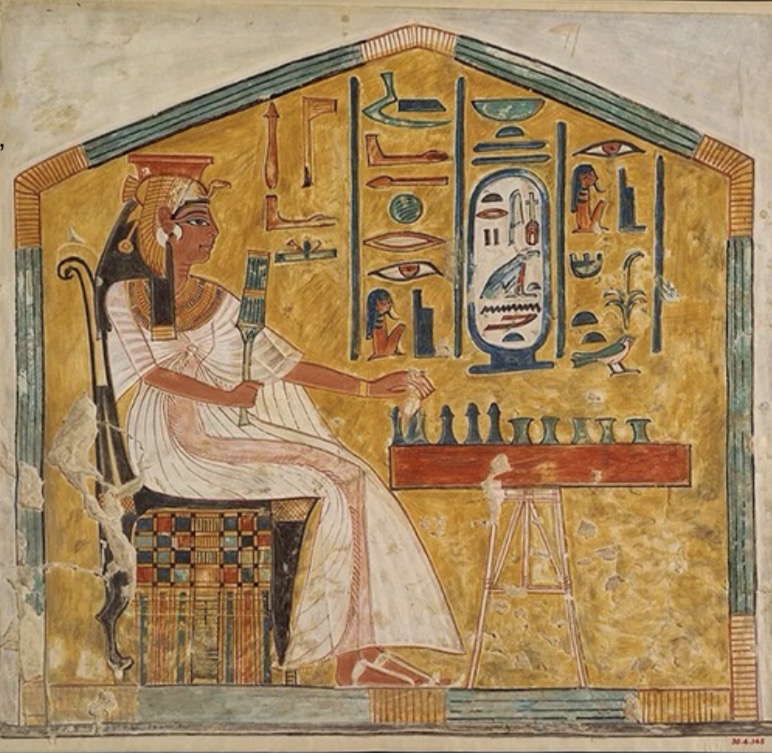
Queen Nefertari is “justified” before Osiris
basic facts about festivals
enormous number of festivals
temples show scenes of such festivals in abundance
Khoiak Festival - celebrated and reenacted the “mysteries of Osiris”
The Amarna Period
Akhenaten wanted to shift the religion from an Amun-based one to one founded on the sun-disk, the Aten. (Completely dismantled after his death)
year 6 founds new city at Amarna (which is completely abandoned after his death)
hello
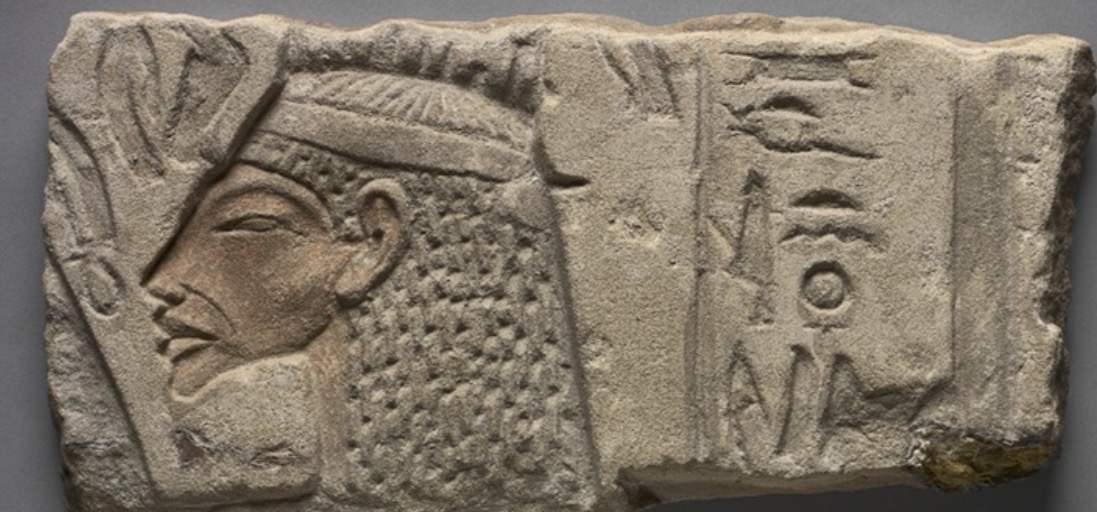
Cleveland Museum Talatat
hello
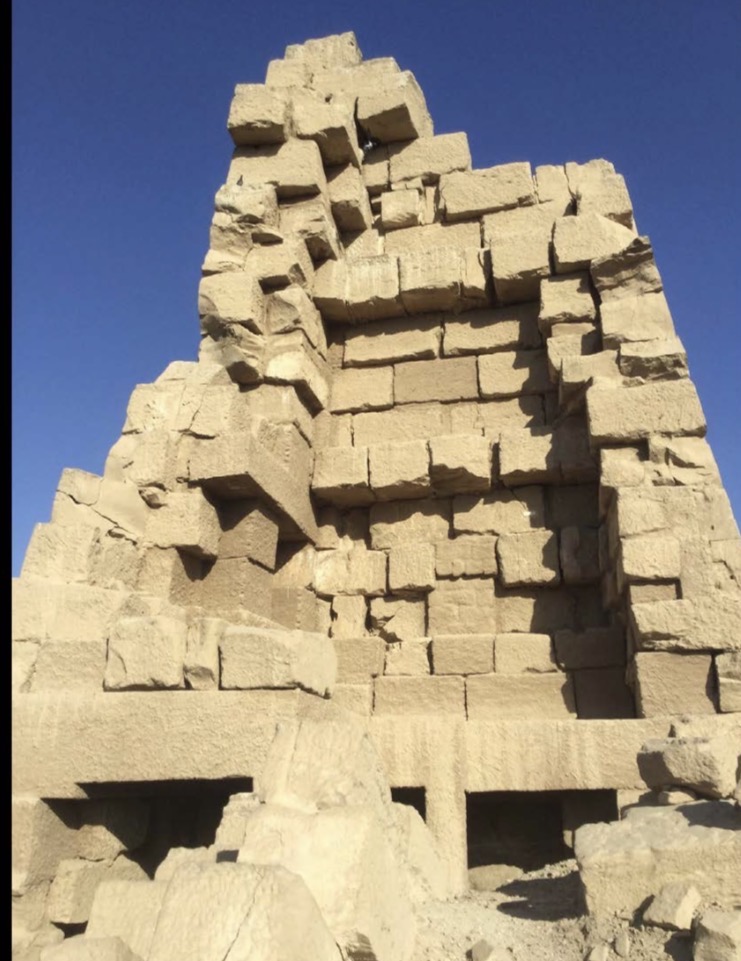
Talataat of Akhenaten
used by later Pharaoh as “fill” in a wide Pylon “gate” at Karnak
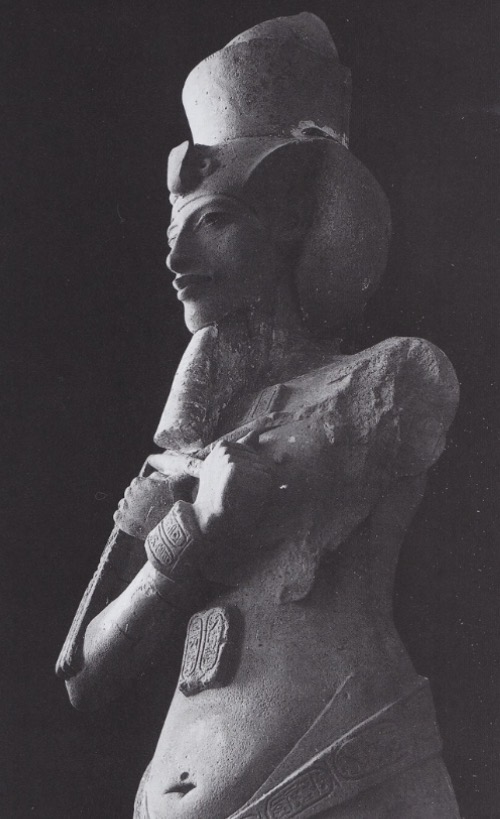
hello
statue of Akhenaten
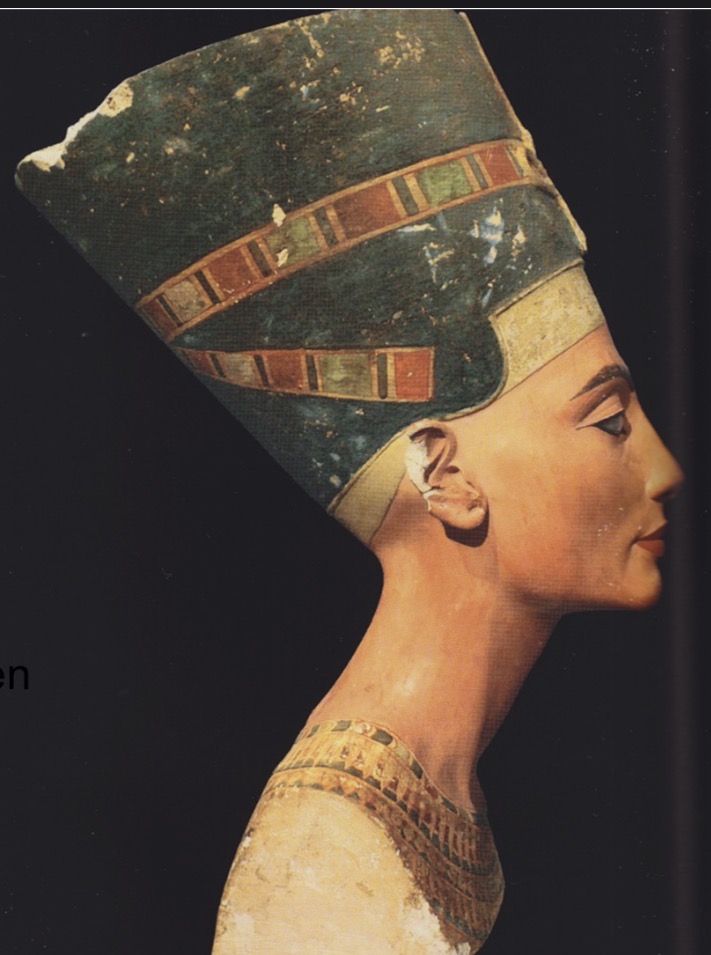
hello
famous head of Nefertitit, wife of Akhenaten, now in Berlin Museum
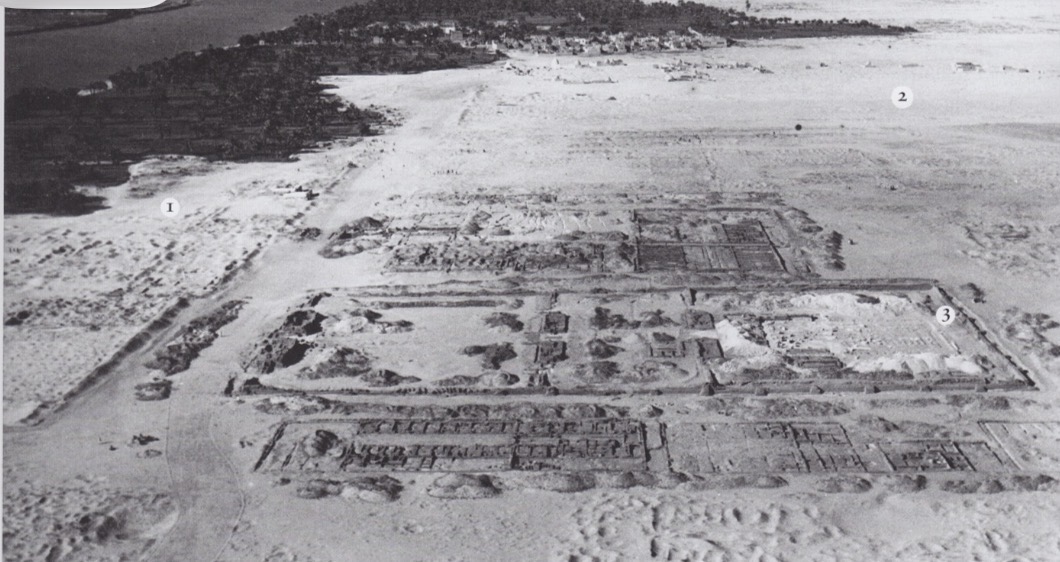
hello
city of Akhenaten
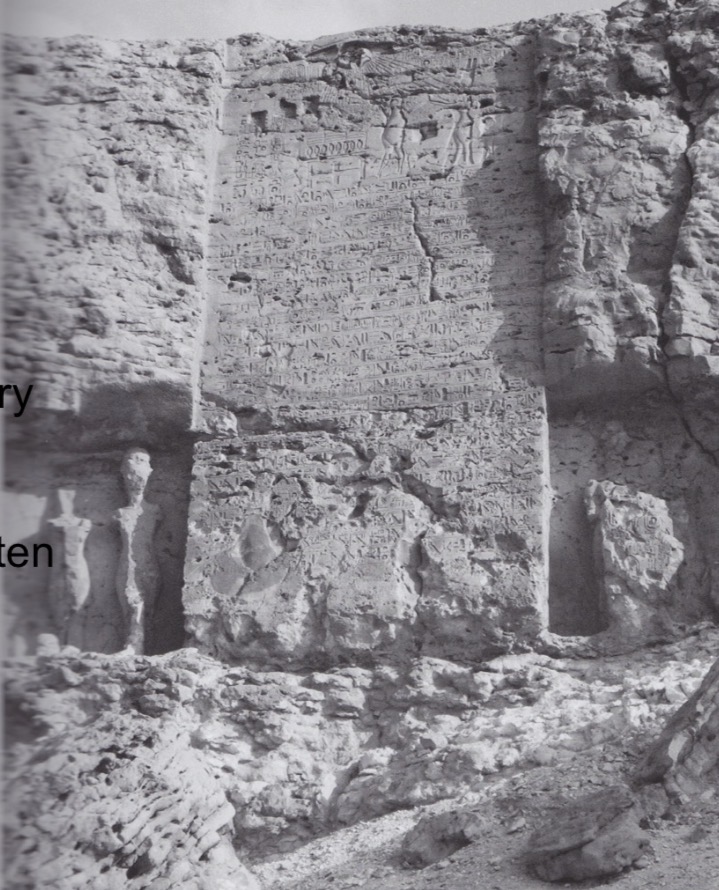
hello
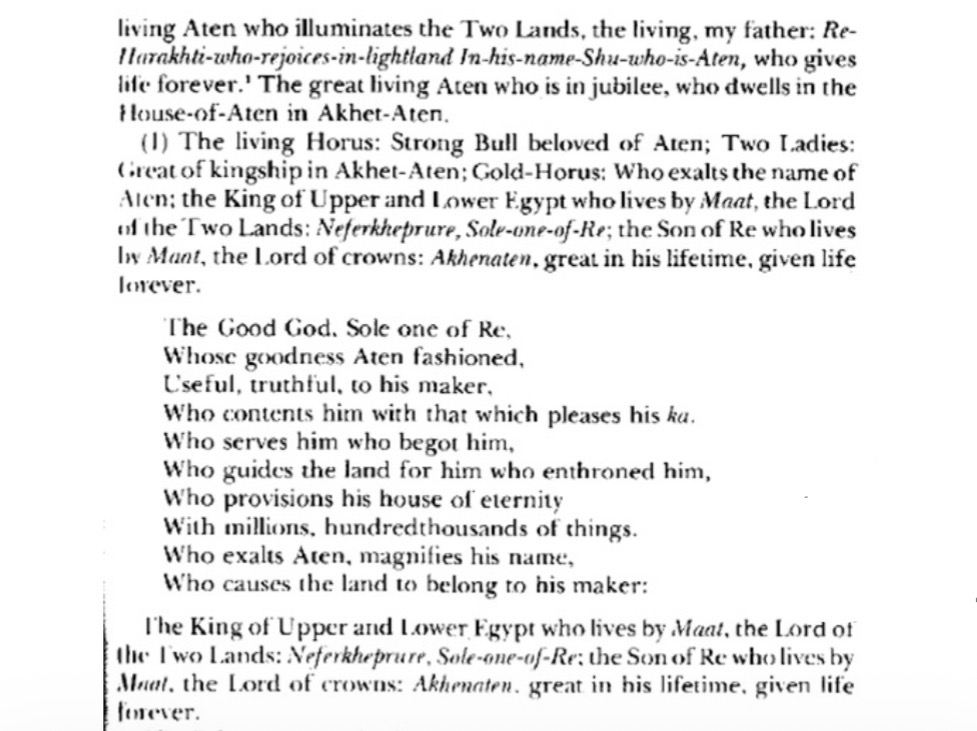
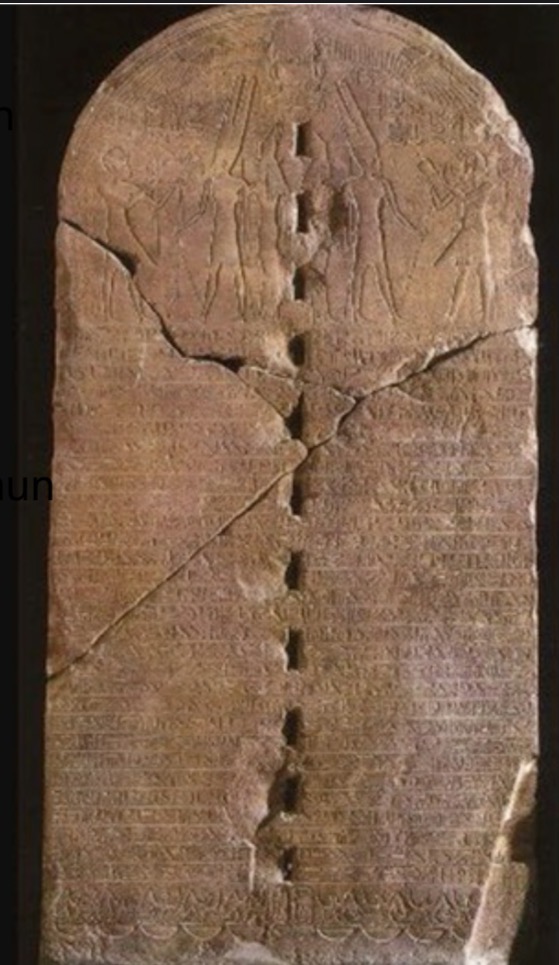
Boundary Stela of Akhenaten at Amarna
hello
boundary stone inscriptions
hymn to king Akhenaten
everything really revolved around Akhenaten and his god, the Aten
hello
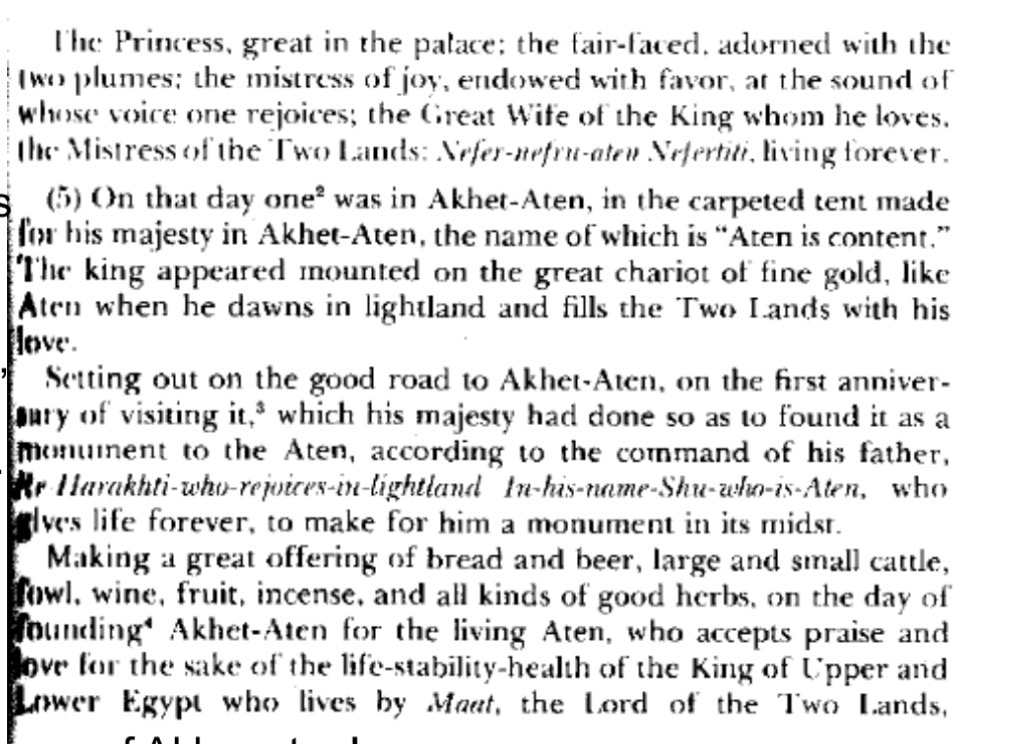
Queen Nefertiti very prominent in Amarna Period
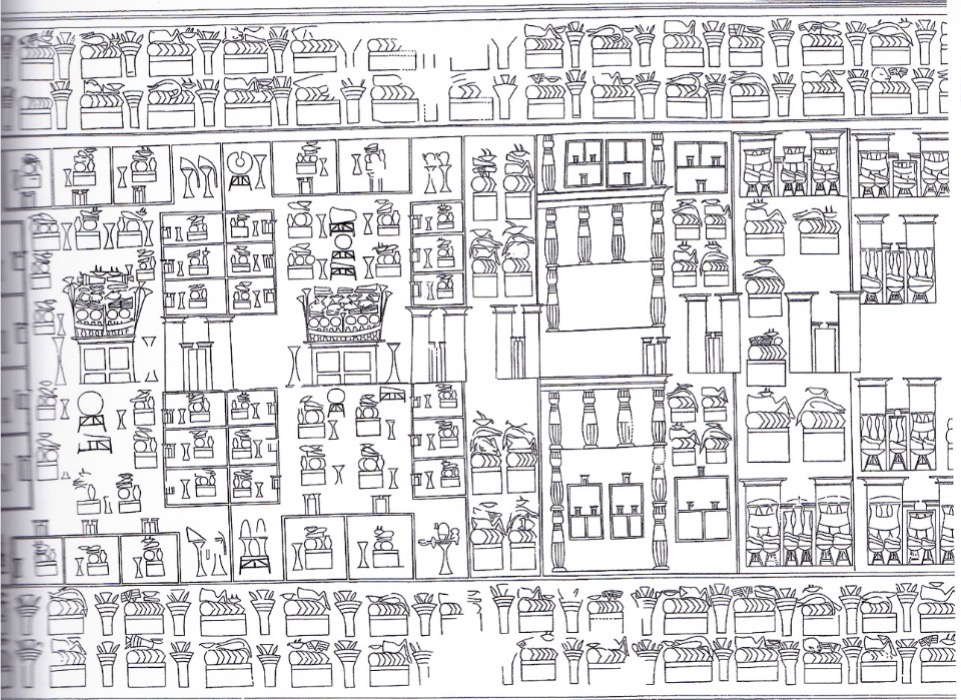
celebrates founding of Akhenaten city of Aten
hello
shows temple of Aten at Amarna
hello
restoration stela of Tutankhamun
found at the Karnak Temple of Amun in Luxor
King Tutankhamun brought back traditional Amun-based religious after death
hello
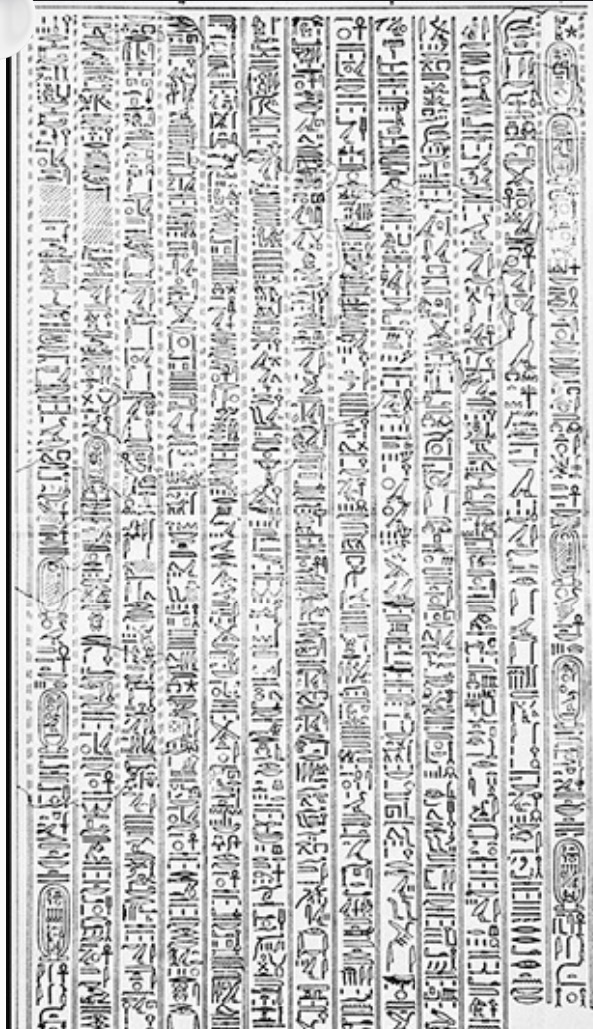
inscription of the Great Hymn to the Aten
hello
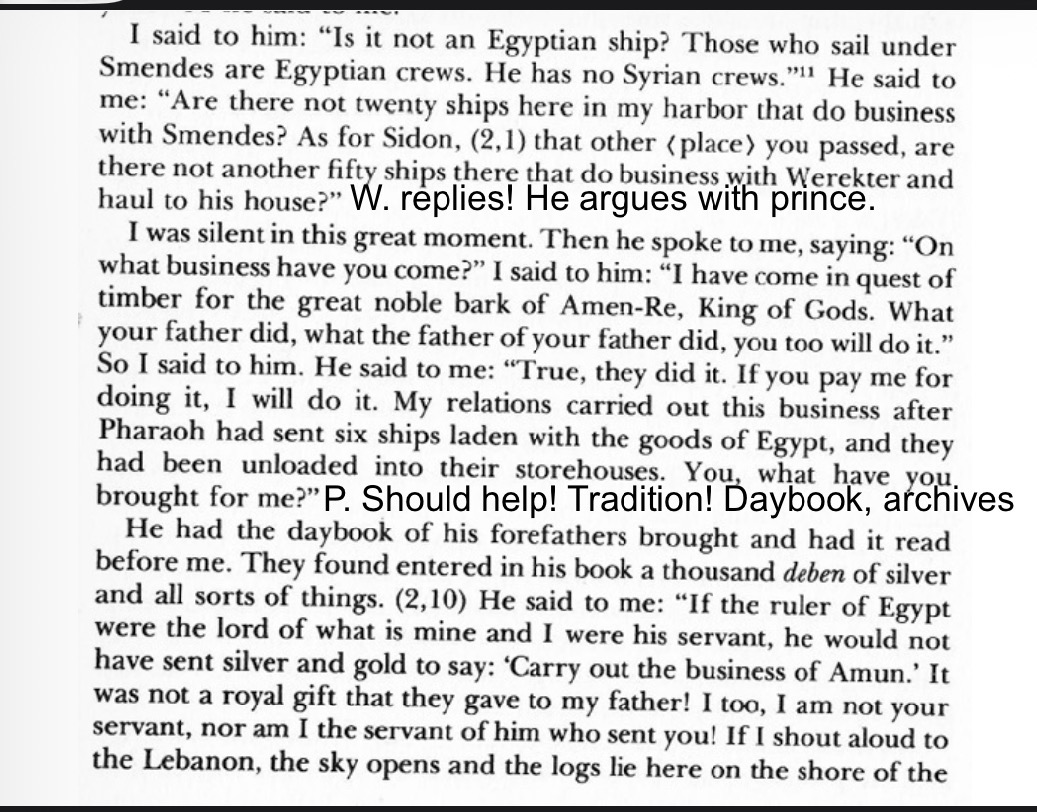
Wenamun argues Prince should help him out and give him timber due to tradition. Then, Prince replies that they gave him something I return, it’s documented in his Daybook.
hello
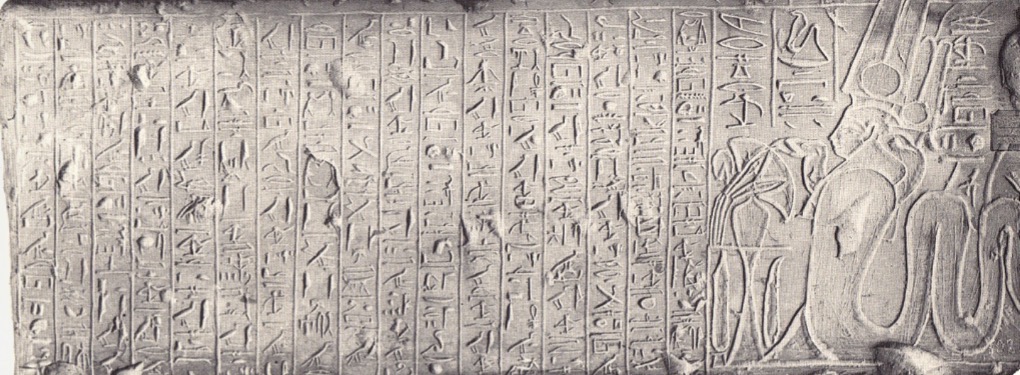
penitential stela from deir el-medina
hello
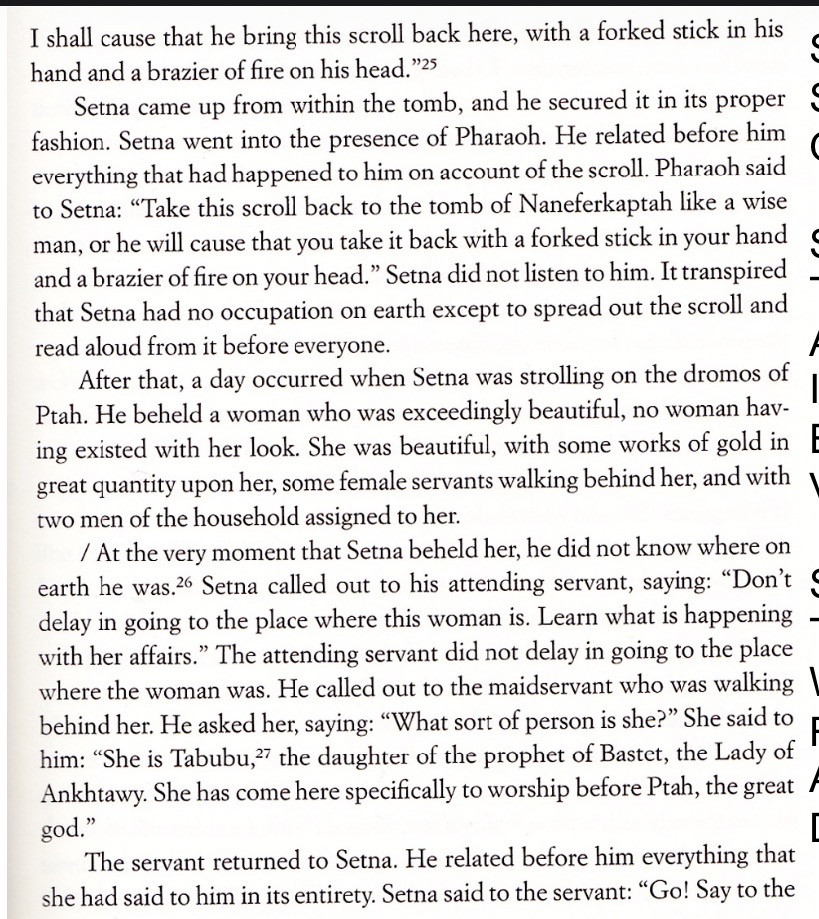
Setne I
strange symbols of repenting
Setne reads the book to everybody, which is very bad
Setne meets Tabubu, who is really a punishing demon