Peripheral Nervous System
 Call Kai
 Learn
Learn Practice Test
 Spaced Repetition
 Match
Match Flashcards
 Knowt Play
1/29

There's no tags or description
Looks like no tags are added yet.
Name | Mastery | Learn | Test | Matching | Spaced | Call with Kai |
|---|
No analytics yet
Send a link to your students to track their progress
30 Terms
Olfactory Nerve
Sense of smell
Optic Nerve
Vision
Oculomotor Nerve
Eyeball and eyelid movement
Trochlear Nerve
Eye movement
Trigeminal Nerve
Facial sensation and chewing, Largest cranial nerve and is divided into three branches consisting of the ophthalmic, maxillary, and mandibular nerves
Abducens Nerve
Eye movement
Facial Nerve
Facial expressions and sense of taste
Vestibulocochlear Nerve
Equilibrium and hearing
Glossopharyngeal Nerve
Swallowing, sense of taste, and saliva secretion
Vagus Nerve
Smooth muscle sensory and motor control in throat, lungs, heart, and digestive system
Accessory Nerve
Movement of neck and shoulders
Hypoglossal Nerve
Movement of tongue, swallowing, and speech
Cauda equina
specialized bundle of motor and sensory nerves that innervate the pelvic organs and lower limbs
Motor Pathway Function
Responsible for conscious skeletal muscle and autonomic contractions as well as maintaining posture, balance and muscle tone
Motor Pathway Types
Direct (2) and Indirect (4)
Direct Includes
Corticobulbar tracts and Corticospinal tracts
Indirect Includes
Vestibulospinal tracts, Reticulospinal tracts, Rubrospinal tracts, and Tectospinal tracts
How many pairs of spinal nerves are there?
31 pairs
Corticobulbar tracts
Direct; conscious control over eye, jaw, and face muscles
Corticospinal tracts
Direct; carry signals from cerebral cortex for precise, finely coordinated movements
Vestibulospinal tracts
Indirect; coordination of posture and balance
Reticulospinal tracts
Indirect; Send information to cause eye movements and activate respiratory muscles
Rubrospinal tracts
Indirect; Assists in Motor Function like flexing your muscles
Tectospinal tracts
Indirect; conduct head movements in response to visual stimuli
paraplegia
paralysis from the waist down
hemiplegia
paralysis of one side of the body
quadriplegia
paralysis of all four limbs
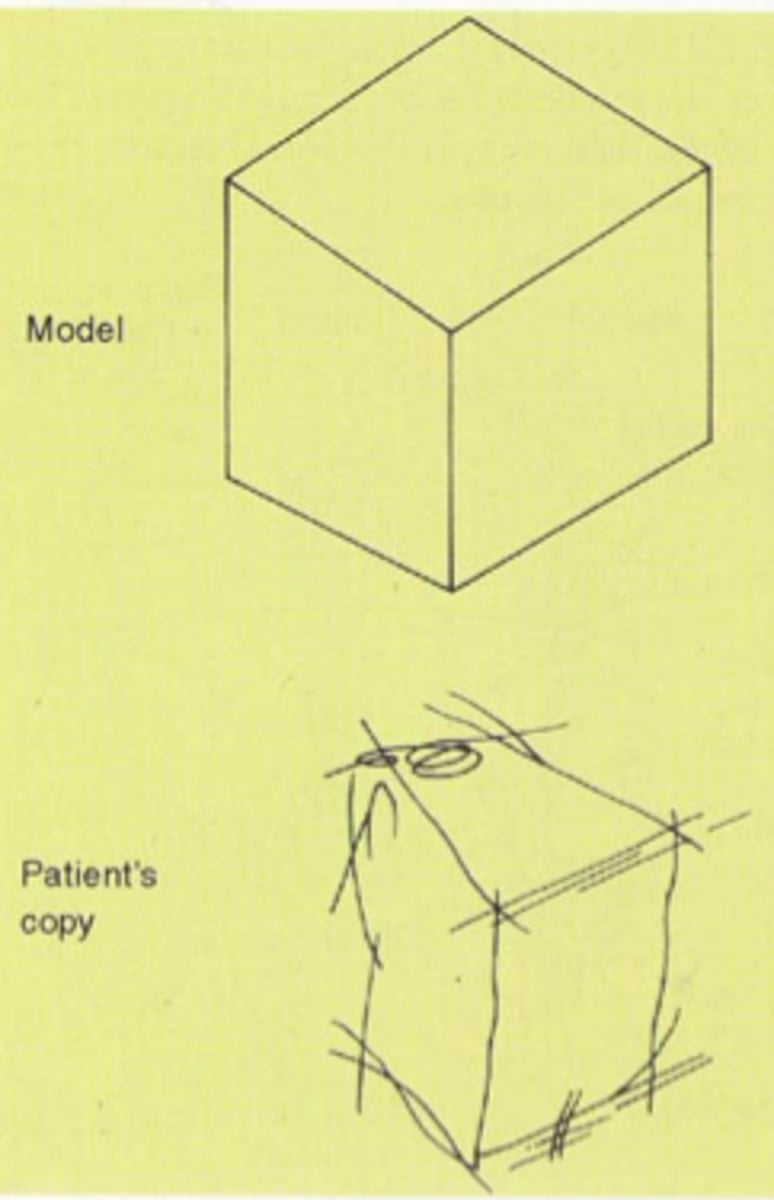
Apraxia
inability to perform particular purposive actions, as a result of brain damage.
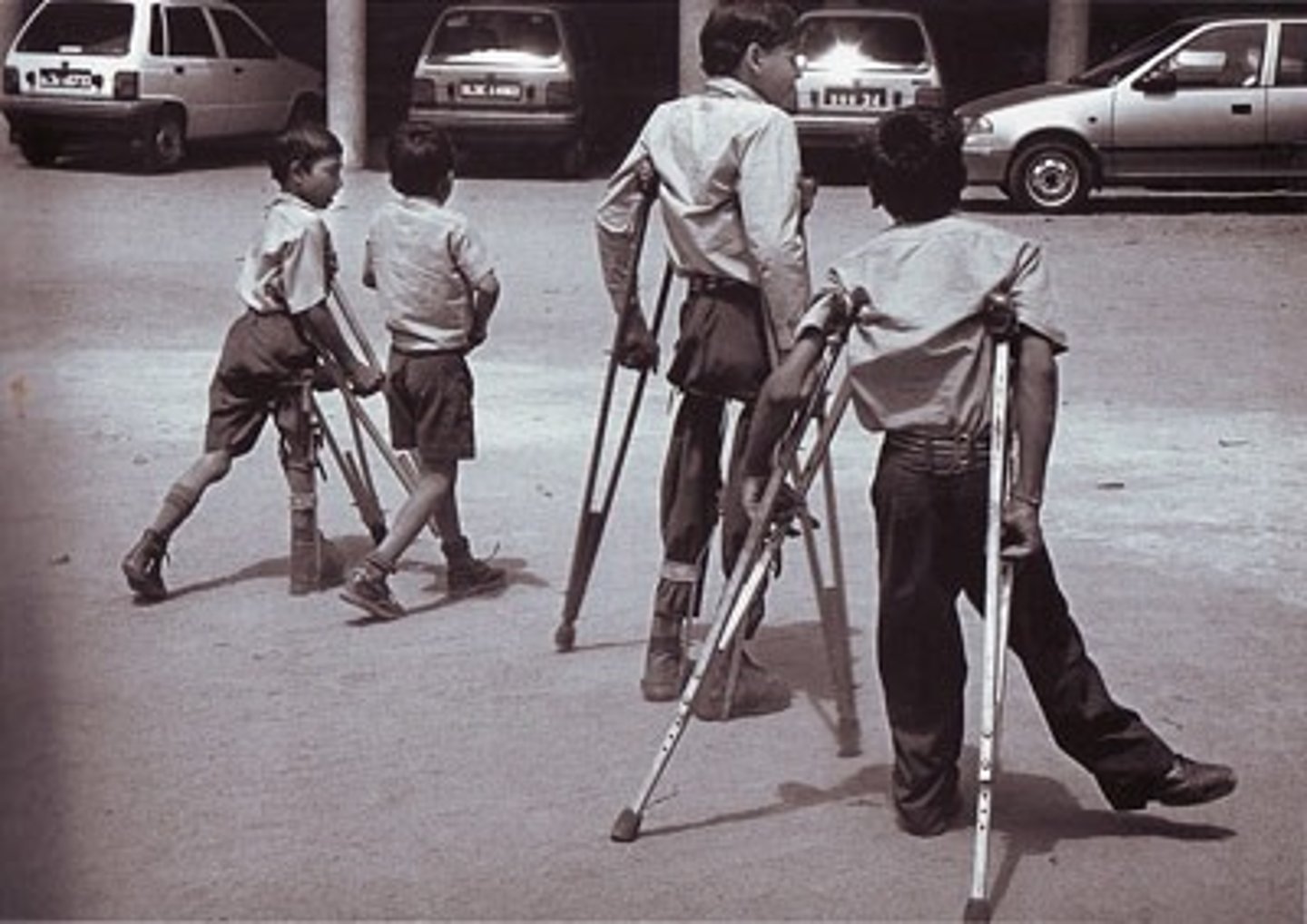
poliomyelitis (polio)
inflammation of the gray matter of the spinal cord, leading to paralysis of the limbs and muscles of respiration
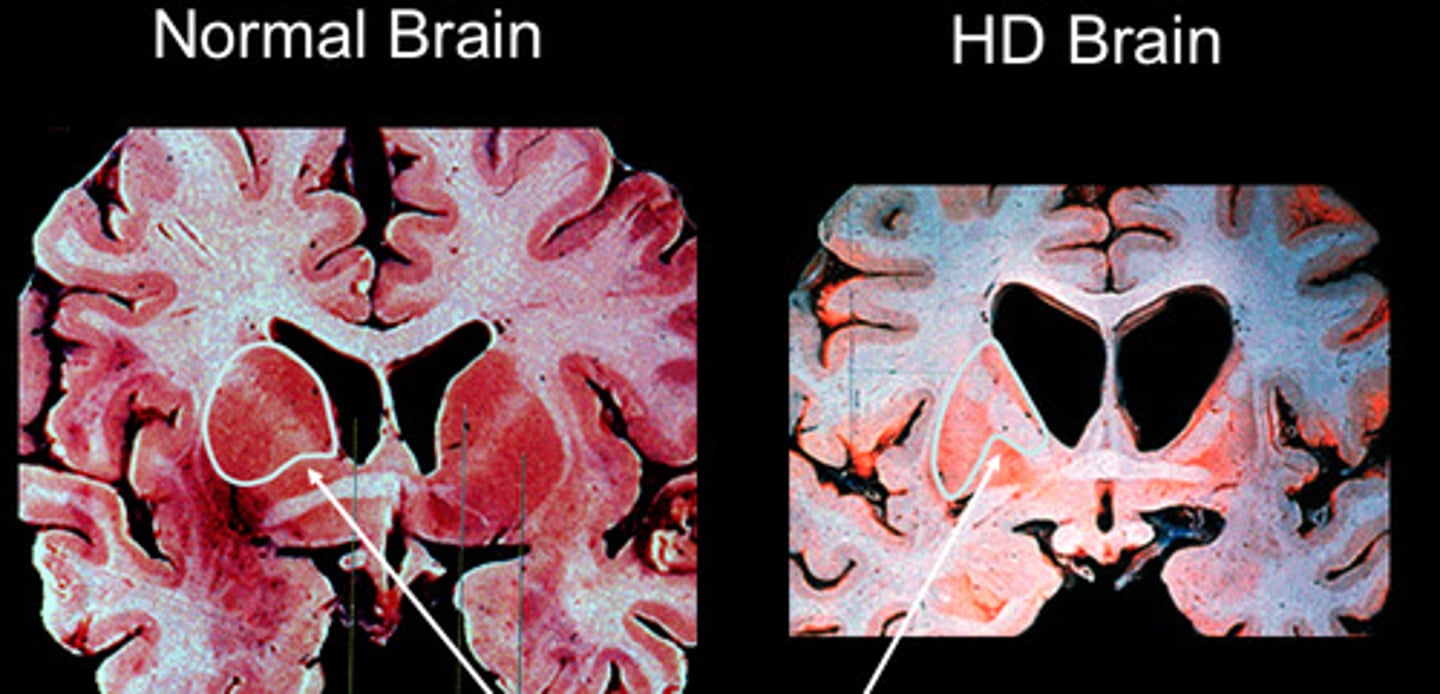
Huntington's disease
Genetic disorder that causes progressive deterioration of brain cells.