Serology Assays
 Call Kai
 Learn
Learn Practice Test
 Spaced Repetition
 Match
Match Flashcards
 Knowt Play
1/101

There's no tags or description
Looks like no tags are added yet.
Name | Mastery | Learn | Test | Matching | Spaced | Call with Kai |
|---|
No analytics yet
Send a link to your students to track their progress
102 Terms
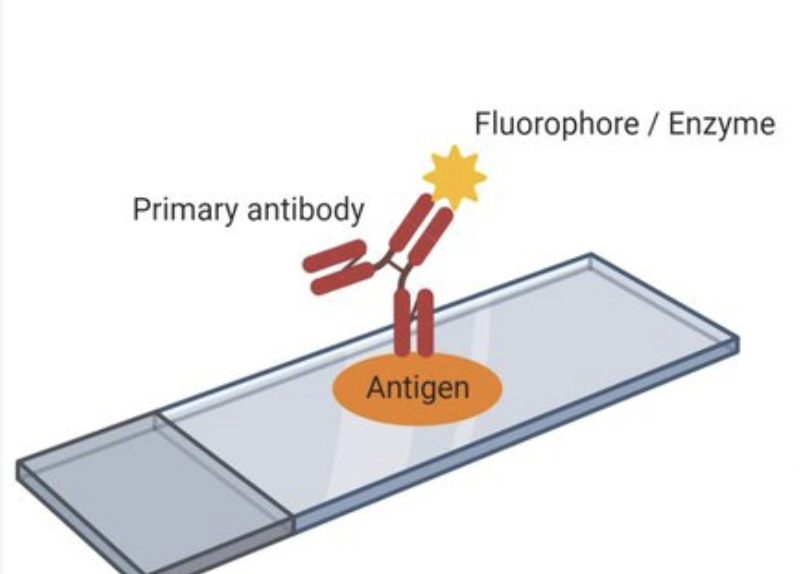
Principle of the Direct Method of Immunofluorescence Assay
Detects antigen directly from sample
One reagent
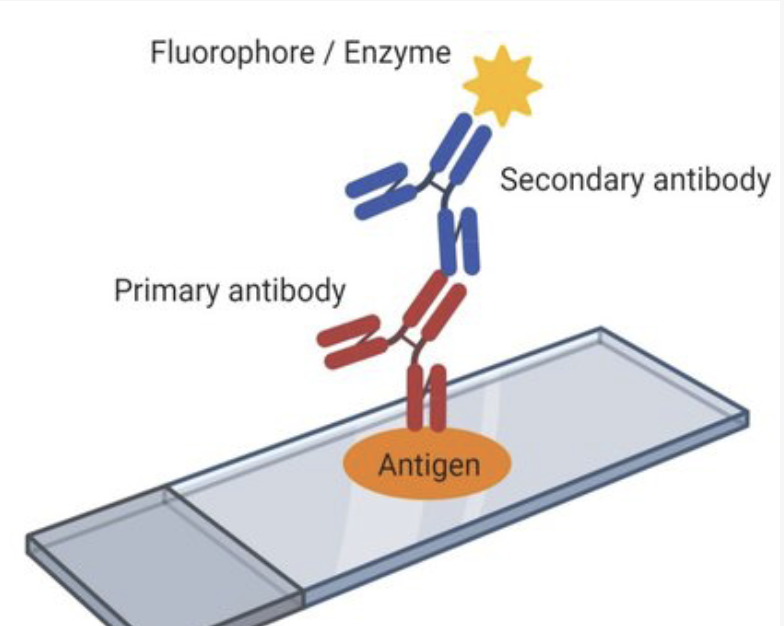
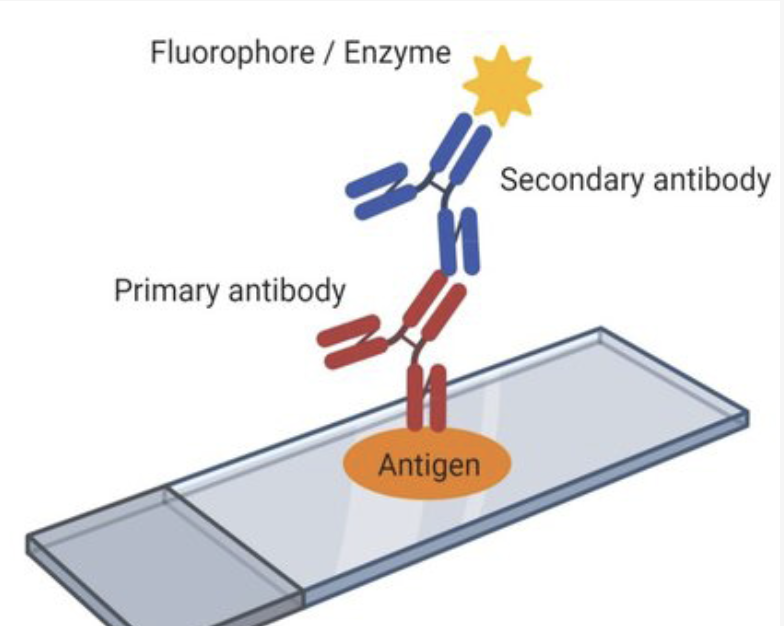
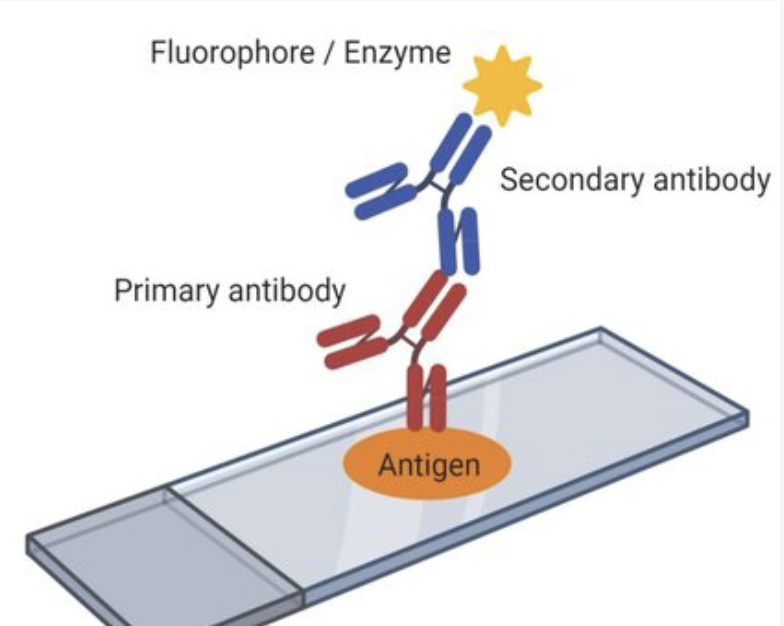
Principle of the Indirect Method of Immunofluorescence Assay
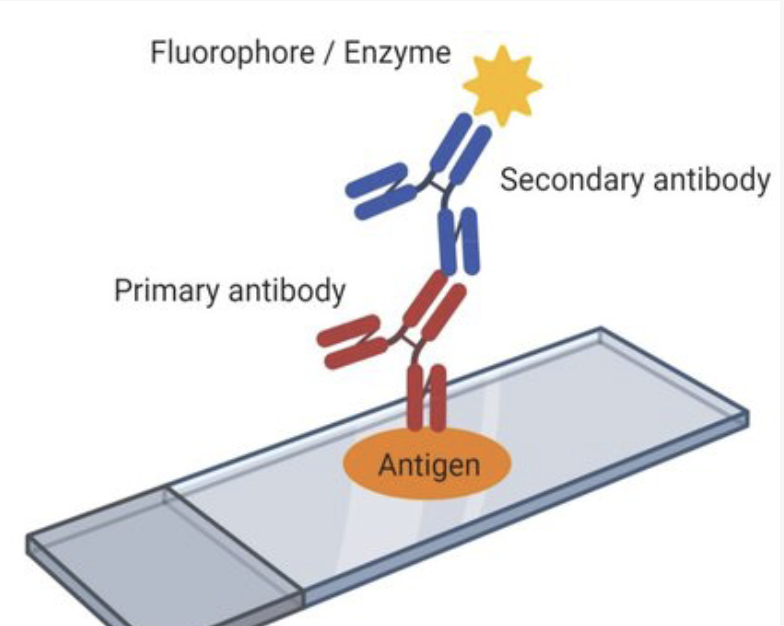
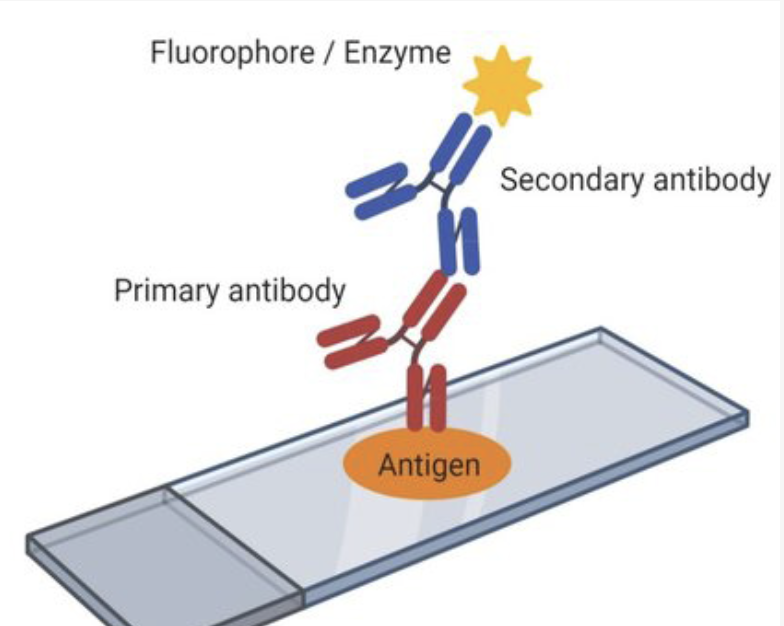
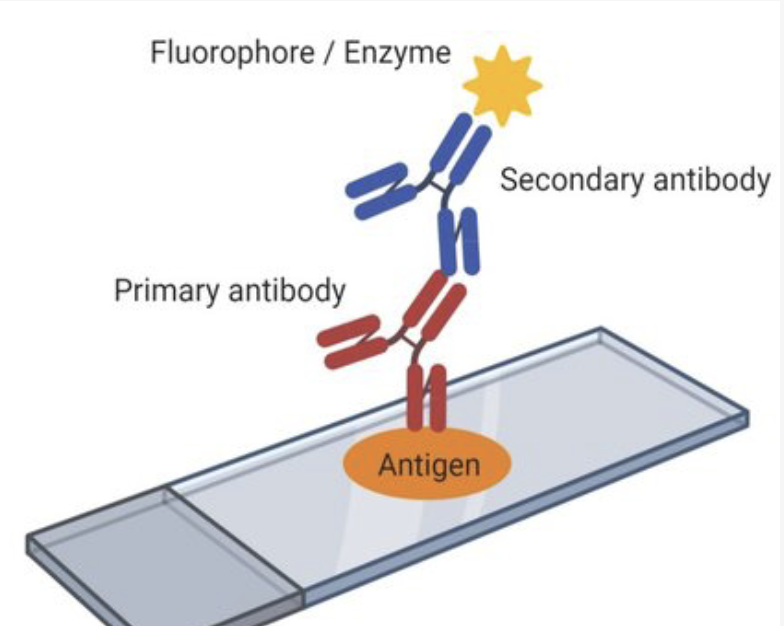
Two-step, two antibody bindings:
Primary antibody binds to target of interest
Secondary antibody-FITC (conjugate) specific to Primary antibody binds next
Antigen and Antibody for Anti-Nuclear Antibody (ANA) IFA
Antigen: Human laryngeal carcinoma epithelial cell line (HEp-2)
Antibody: Auto-antibodies to nuclear materials
Principle of ANA IFA
Indirect Immunofluorescence
Specimen used for ANA IFA
Serum
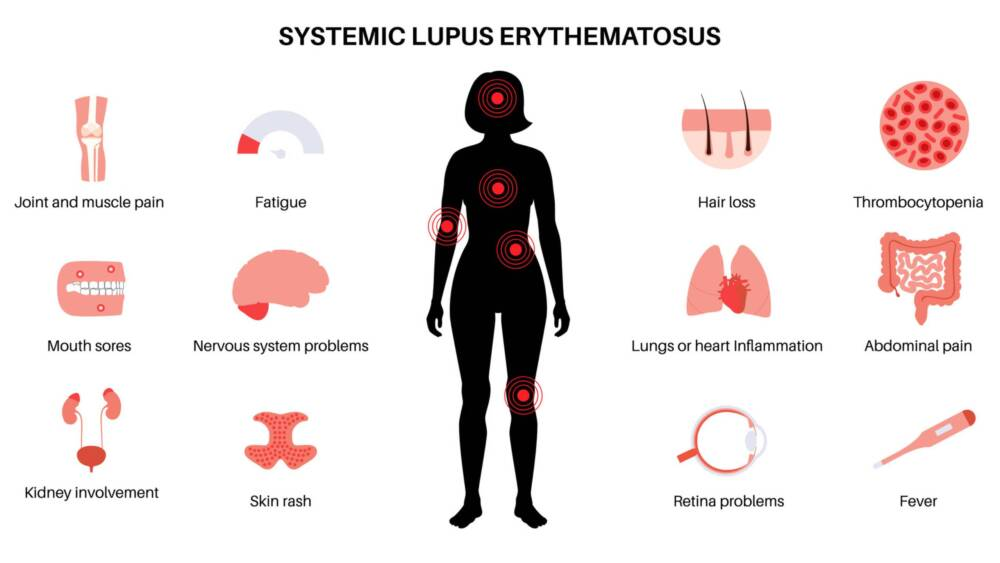
Clinical Significance of ANA IFA
Screening for auto-immune diseases like SLE
Positive and Negative results for ANA IFA
Positive: Fluorescence pattern (homogeneous, speckled, nucleolar, centromere)
Negative: No Fluorescence
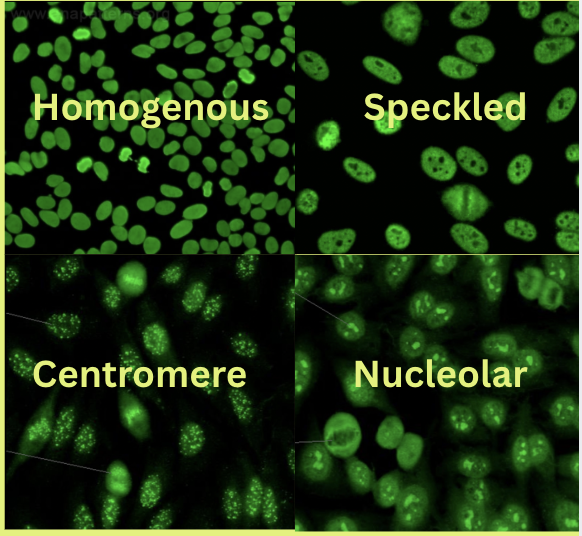
What disease is synonymous with a Centromere pattern?
Scleroderma with CREST Syndrome
Antigen and Antibody for Anti-nDNA (dsDNA)
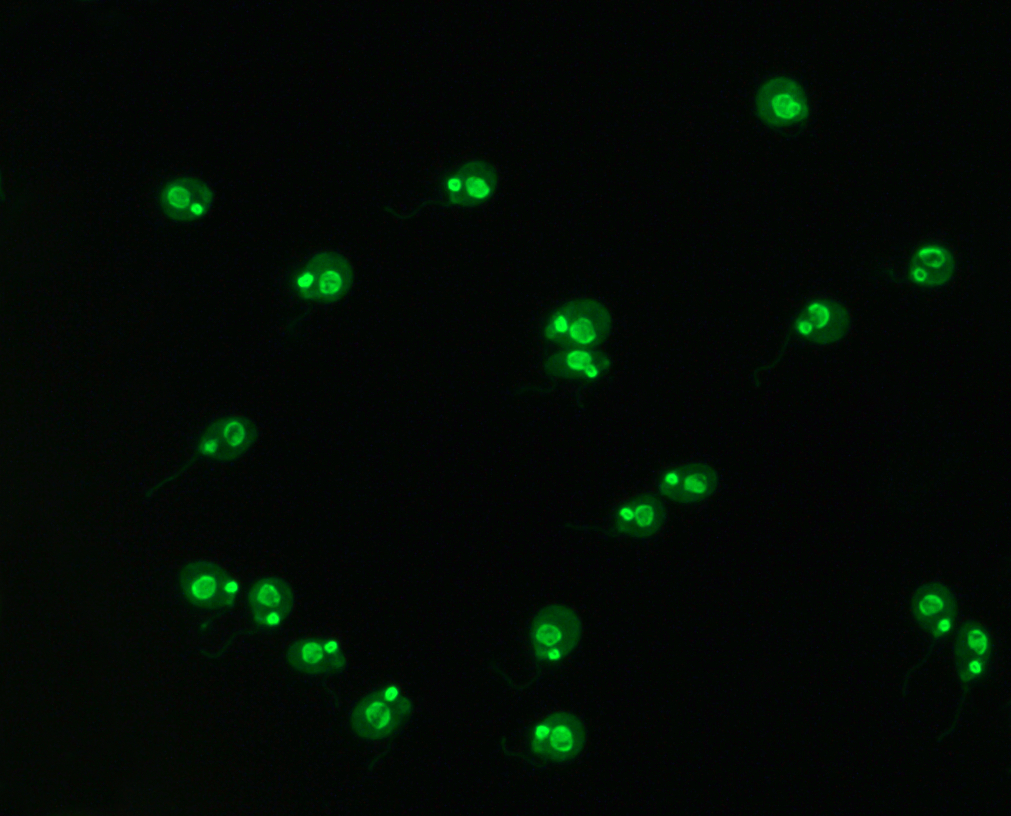
Antigen: Crithidia luciliae with kinetoplast
Antibody: nDNA antibodies
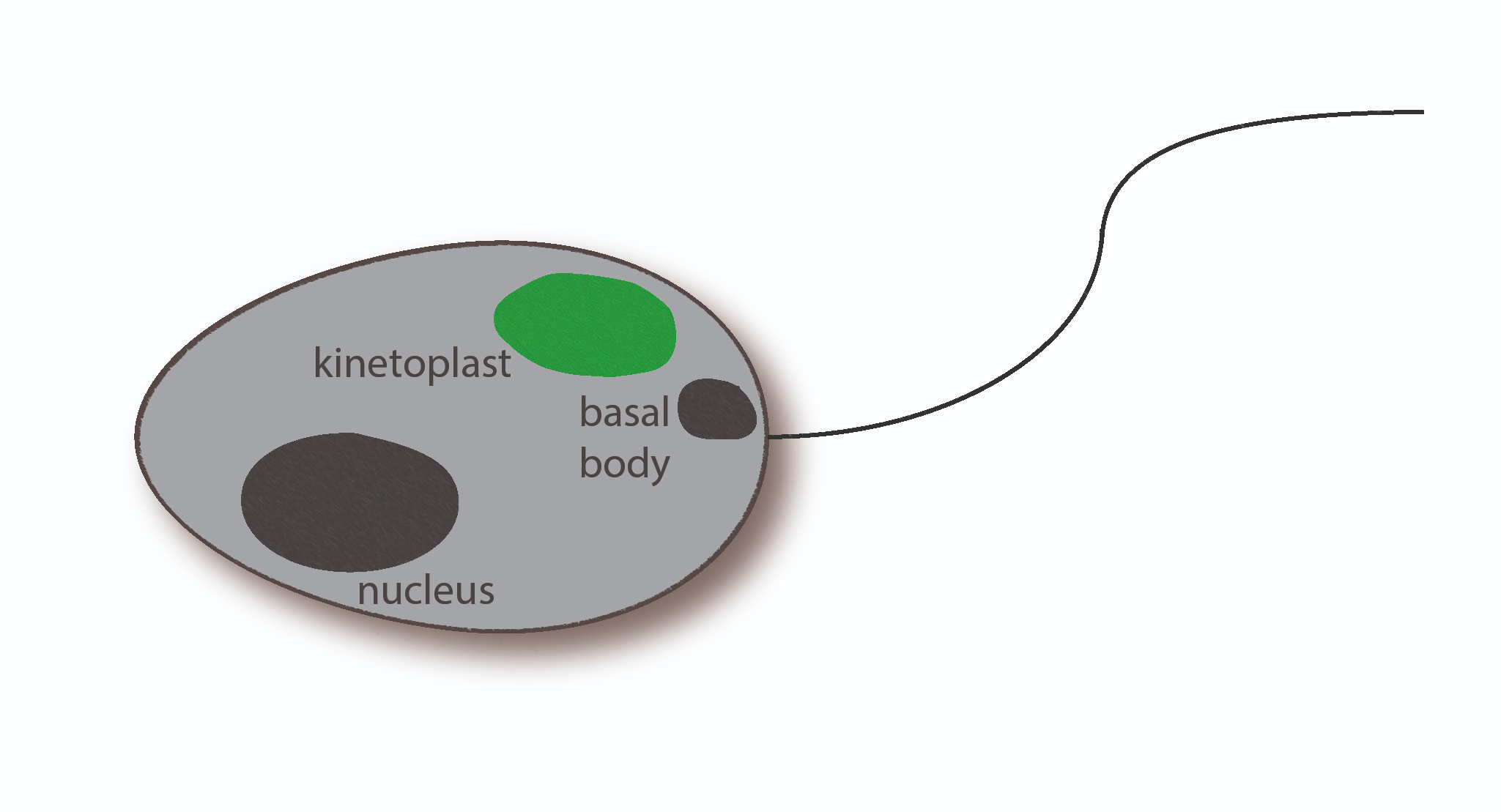
What is the principle of Anti-nDNA (dsDNA)
Indirect immunofluorescence
Specimen used for Anti-nDNA (dsDNA)
Serum
Clinical Significance of Anti-nDNA (dsDNA)
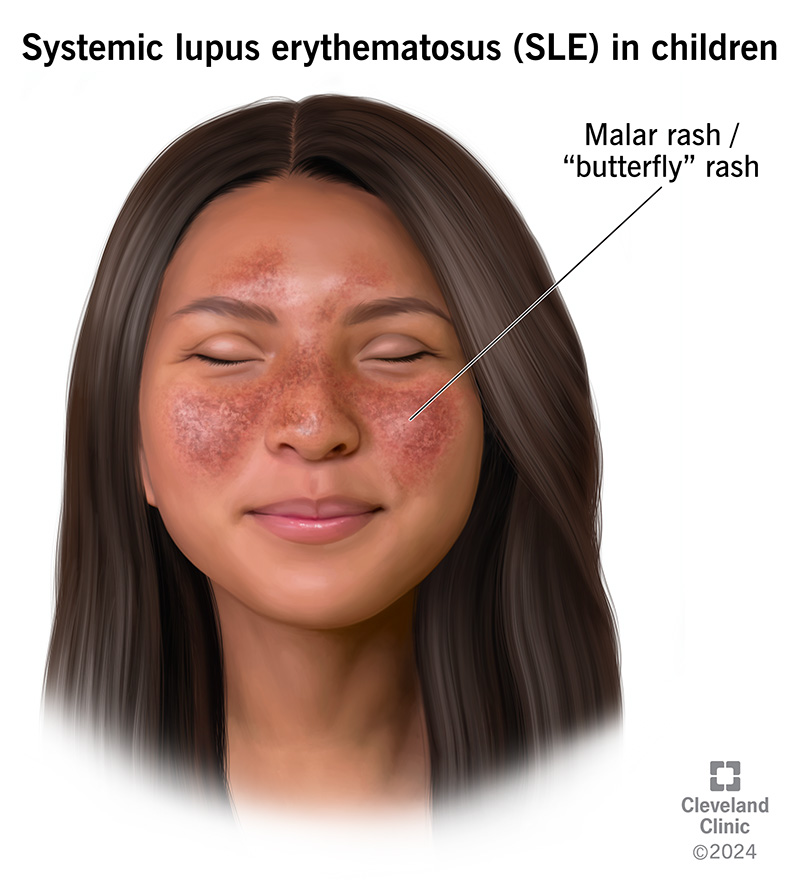
Supports Active SLE diagnosis and some drug induced lupus syndromes
Positive and Negative results for Anti-nDNA (dsDNA)
Positive: Fluorescence of kinetoplast → large chunky glow (homogeneous)
Negative: no fluorescence
Antibody and Antigen for Anti-ENA Panel (Smith, RNP, SS-A, SS-B, Jo-1, ScI-70)
Antibody: Anti - (Smith, RNP, SS-A, SS-B, Jo-1, ScI-70)
Antigen: Extractable nuclear antigens
Principle of Anti-ENA Panel (Smith, RNP, SS-A, SS-B, Jo-1, ScI-70)
Indirect Immunofluorescence
Specimen used for Anti-ENA Panel (Smith, RNP, SS-A, SS-B, Jo-1, ScI-70)
Serum
Clinical Significance of Anti-ENA Panel (Smith, RNP, SS-A, SS-B, Jo-1, ScI-70)
Smith: SLE
RNP: SLE, MCTD
SS-A (Ro): Sjögrens Syndrome
SS-B (La): Sjögrens Syndrome
Jo-1: PM/DM
ScI-70: PSS, Scleroderma
Positive and Negative results of Anti-ENA Panel (Smith, RNP, SS-A, SS-B, Jo-1, ScI-70)
Positive:
Smith: Speckled pattern
RNP: Speckled pattern
SS-A: Speckled pattern
SS-B: Speckled pattern
Jo-1: Cytoplasmic pattern
ScI-70: Homogeneous, Nucleolar pattern
Negative: no fluorescence
Homogeneous pattern as a follow-up biomarker is synonymous with
Anti-nDNA
Speckled pattern as a follow-up biomarker is synonymous with
Extractable Nuclear Antigen (ENA)
Cytoplasmic pattern as a follow-up biomarker is synonymous with
Anti-mitochondrial/Smooth Muscle
Antibody and antigen for Mitochondrial Antibody (AMA)
Antibody: anti-mitochondrial antibody
Antigen: kidney tubules/stomach parietal cells
Principle of Mitochondrial Antibody (AMA)
Indirect Immunofluorescence
Specimen used for Mitochondrial Antibody (AMA)
Serum
Clinical Significance of Mitochondrial Antibody (AMA)
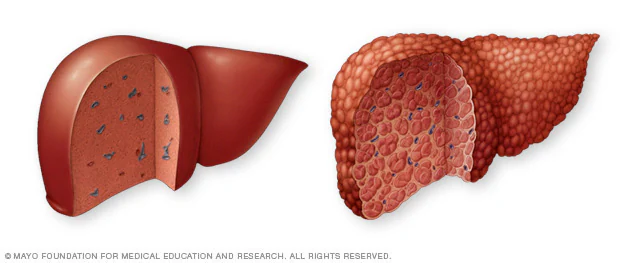
Detection of Hepatic diseases
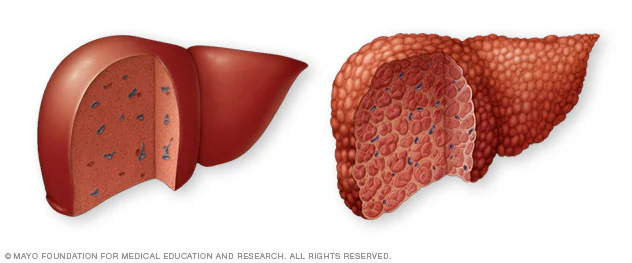
Primary biliary cirrhosis
Primary sclerosing cholangitis
Autoimmune hepatitis
Etc.
Positive and Negative results of Mitochondrial Antibody (AMA)
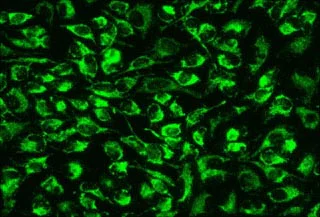
Positive: Mitochondrial Fluorescence (ring appearance)
Negative: No Fluorescence
Antibody and Antigen Smooth Muscle Antibody (ASMA)
Antibody: Anti-smooth muscle
Antigen: Kidney and stomach muscular layers
Principle of Smooth Muscle Antibody (ASMA)
Indirect Immunofluorescence
Specimen used for Smooth Muscle Antibody (ASMA)
Serum
Clinical Significance of Smooth Muscle Antibody (ASMA)
Detection of Hepatic diseases
Primary biliary cirrhosis
Primary sclerosing cholangitis
Autoimmune hepatitis
Etc.
Positive and Negative result of Smooth Muscle Antibody (ASMA)
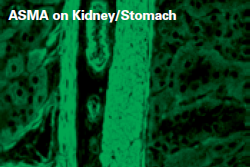
Positive: Fluorescence in kidney and stomach muscular layers
Negative: No Fluorescence
Antigen and Antibody of Fungal Antibodies (Histoplasma, Blastomyces, Coccidioides, Aspergillus)
Antibody: Fungal Antibodies (Histoplasma, Blastomyces, Coccidioides, Aspergillus)
Antigen: Fungal Antigens
Principle of Fungal Antibodies (Histoplasma, Blastomyces, Coccidioides, Aspergillus)
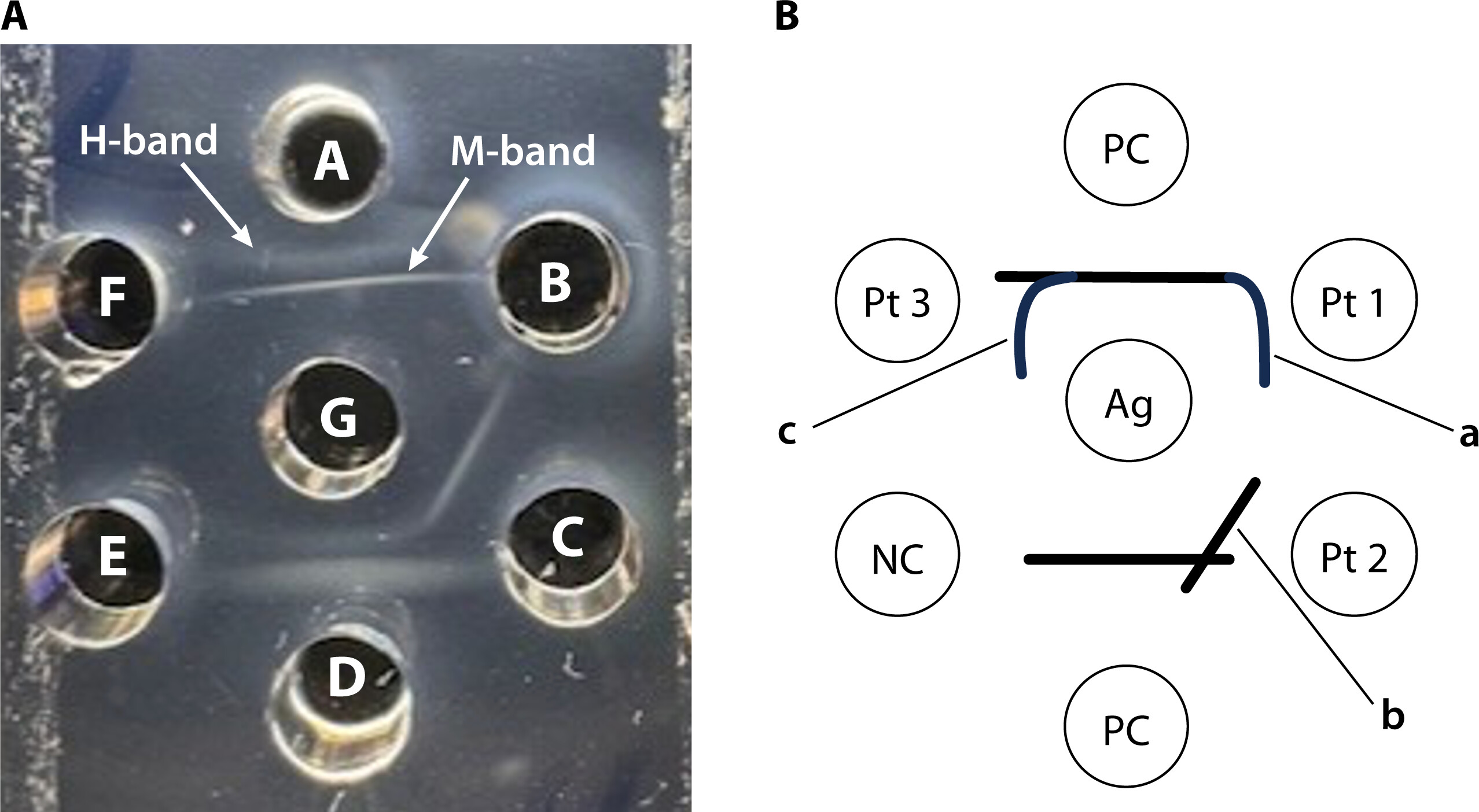
Immunodiffusion/precipitation in gel matrix
Specimen type for Fungal Antibodies (Histoplasma, Blastomyces, Coccidioides, Aspergillus)
Serum
Clinical Significance of Fungal Antibodies (Histoplasma, Blastomyces, Coccidioides, Aspergillus)
Histoplasma: Past/current infection
Blastomyces: Active/recent infection
Coccidioides: Active/recent infection
Aspergillus: Infection/colonization/allergy
Negative results do not exclude infection
Results for Fungal Antibodies (Histoplasma, Blastomyces, Coccidioides, Aspergillus)
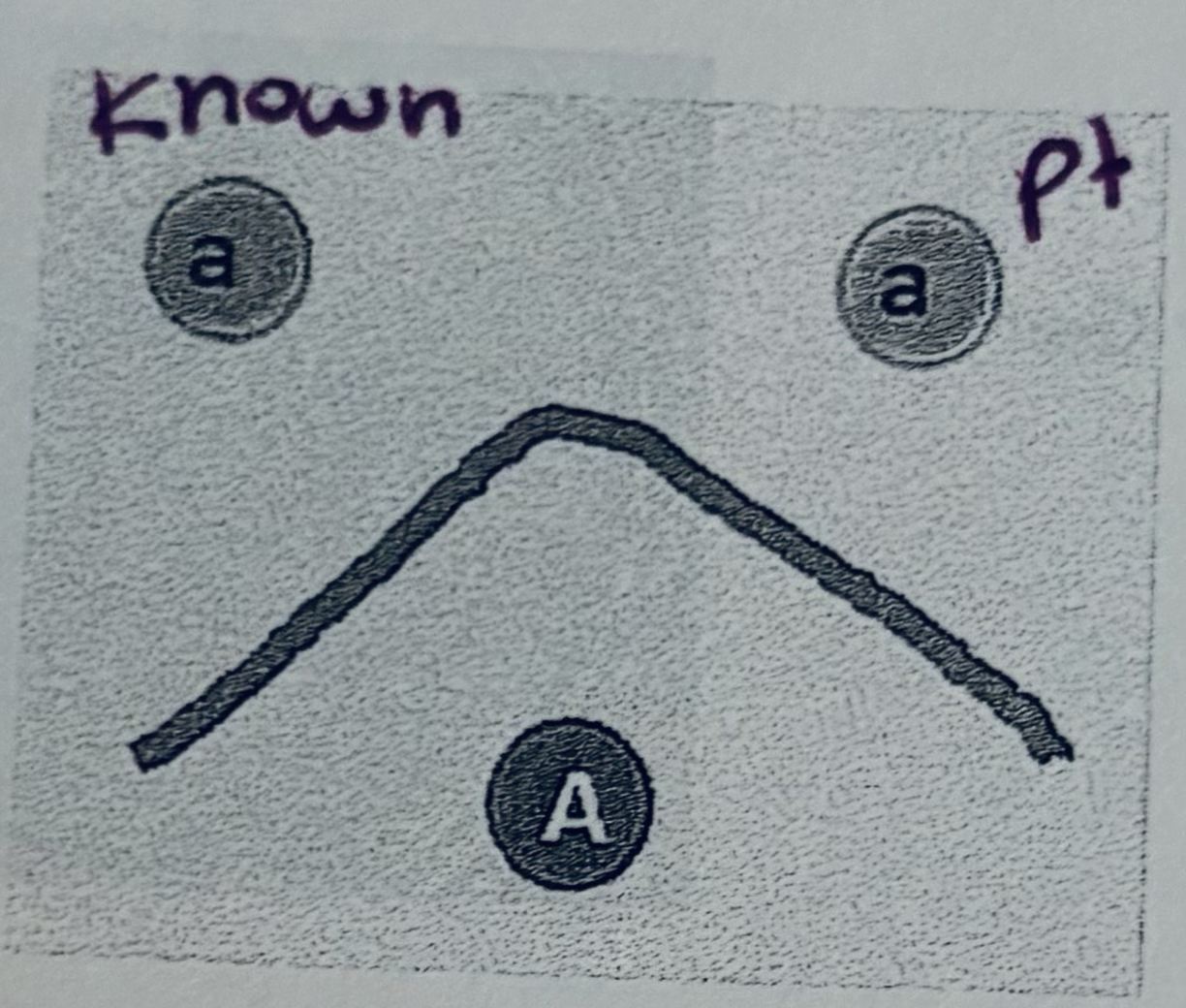
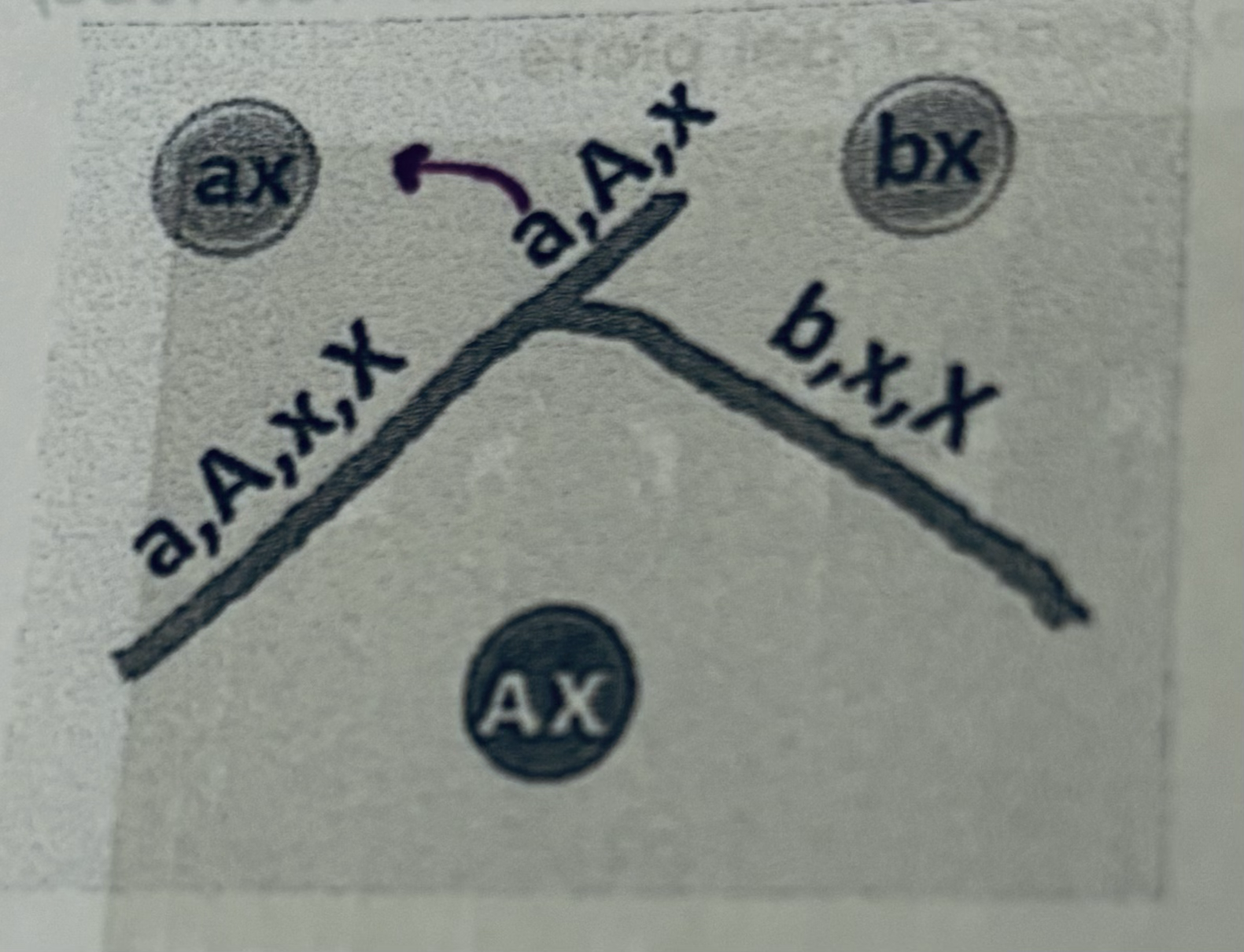
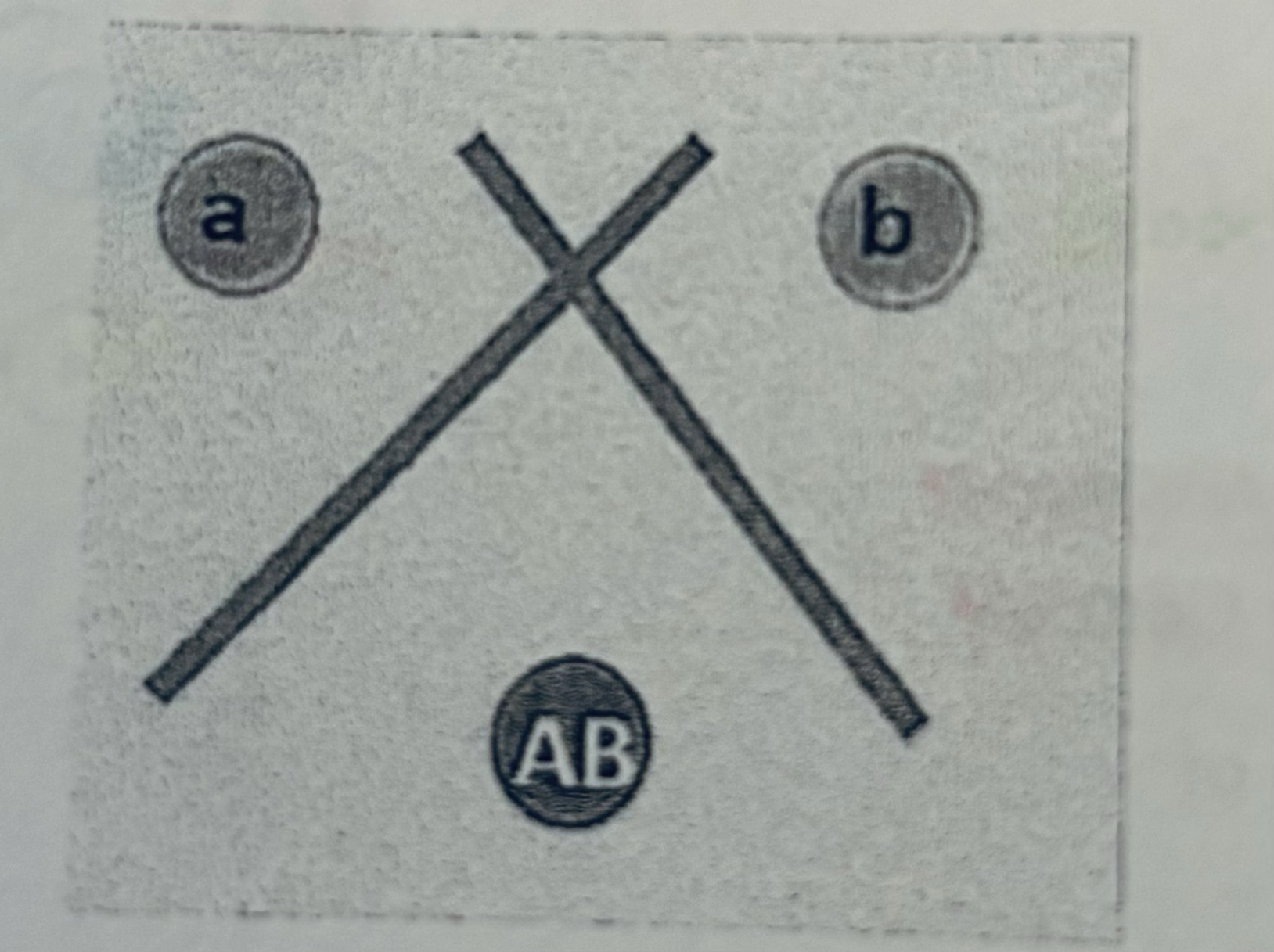
Identity, Partial Identity, Non-Identity, No reaction
Histoplasma: 2 bands (M and H) → M band more common
Blastomyces: One band
Coccidioides: At least one band (may have two)
Aspergillus: Must produce >/= 2 bands
What does an Identity Reaction look like
Smooth curve
What does a Partial Identity Reaction look like
Smooth curve with a single spur
What does a Non-Identity Reaction look like
Two precipitate lines which cross to form an “X”
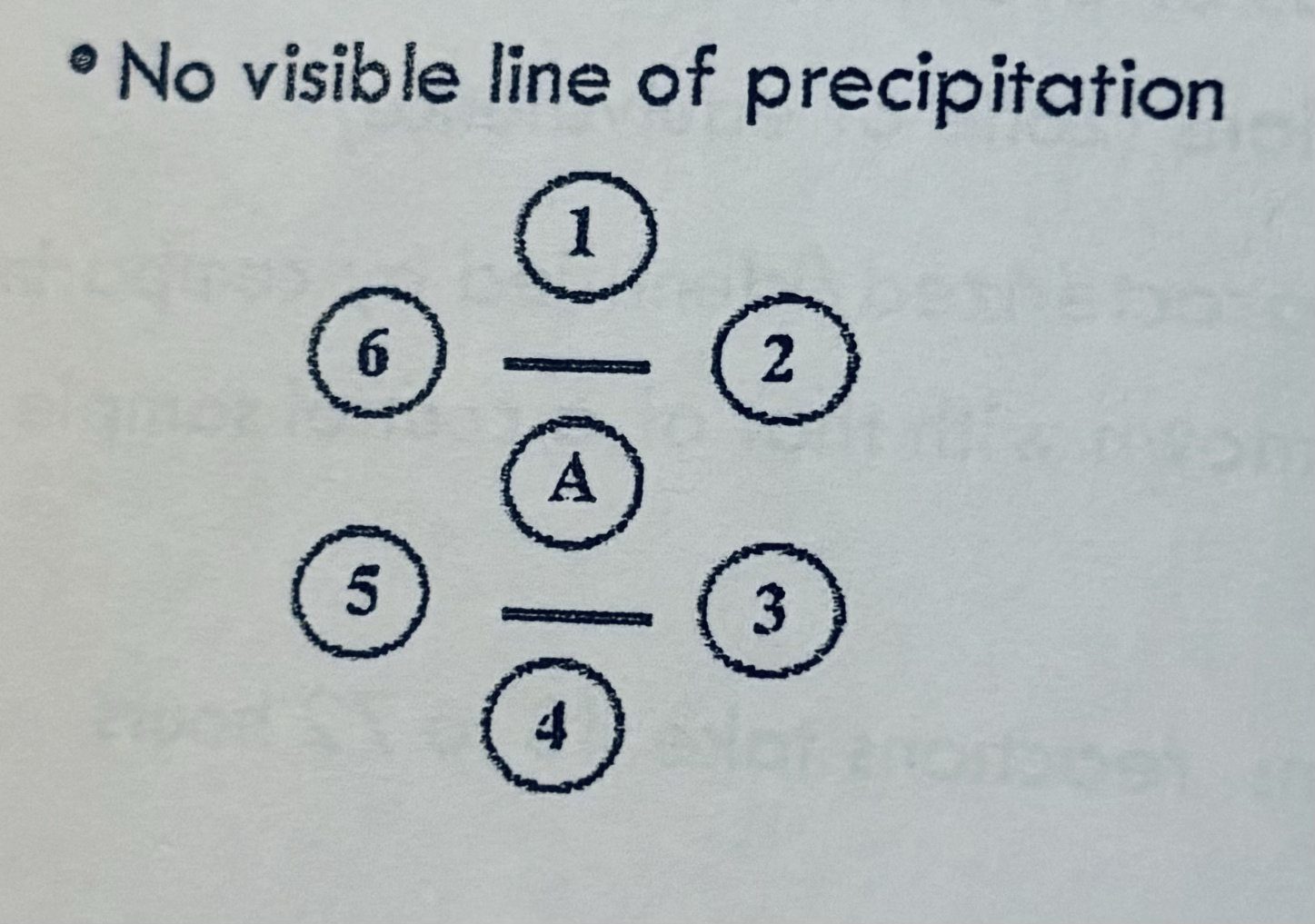
What does a No Reaction look like
No visible precipitate line
Antigen and Antibody of Geenius HIV ½ Supplemental Assay
Antigen: Recombinant proteins specific to HIV-1 & HIV-2
Antibody: Antibody to HIV-1 or HIV-2
Principle of Geenius HIV ½ Supplemental Assay
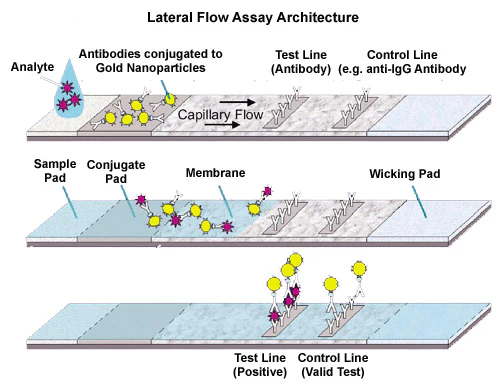
Immunochromatographic/Lateral Flow
Specimen used in Geenius HIV ½ Supplemental Assay
Serum
Clinical Significance of Geenius HIV ½ Supplemental Assay
Confirmation for HIV-1 or HIV-2
Results of Geenius HIV ½ Supplemental Assay
Positive: Control and test line appears colored
Negative: Control line appears colored
Antigen and Antibody of Syphilis RPR test
Antigen: Cardiolipin-Lecithin-Cholesterol with Carbon particles; Stabilized with EDTA and choline chloride
Antibody: Reagin (Nonspecific AB: Anti-Cardiolipin)
Principle of Syphilis RPR test
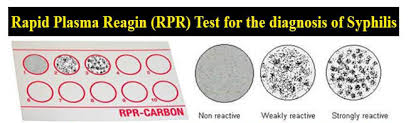
Flocculation (Precipitation) (Non-Treponemal Test)
Specimen of Syphilis RPR test
Serum or Plasma
Clinical Significance of Syphilis RPR test
Suggests infection with Treponemal pallidum
Quantitate and confirm with Treponemal test (Bioplex or TP-PA)
False positives: IM, SLE, Pregnancy, etc.
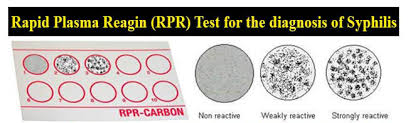
Results of Syphilis RPR test
Positive: Black Aggregates with white background
Negative: No Aggregates
Antigen and Antibody of BioPlex Syphilis Assay (Total IgM + IgG)
Antigen: 3 cloned T. pallidum proteins (Colored beads)
Antibody: Treponemal Total IgM + IgG
NO SORBENT USED
Principle of BioPlex Syphilis Assay (Total IgM + IgG)
Enzyme Immunoassay with Fluorescent Detection

Specimen used for BioPlex Syphilis Assay (Total IgM + IgG)
Serum
Clinical Significance of BioPlex Syphilis Assay (Total IgM + IgG)
Screening tool for Reverse Sequence Syphilis Algorithm
What is the Reverse Sequence Syphilis Algorithm
Test on BioPlex initially → Positive → RPR test → Positive → Quantitate
If RPR test is negative → alternant Treponemal test (TP-PA) → positive = Syphilis
TP-PA Negative → BioPlex result was a false positive
Results of BioPlex Syphilis Assay (Total IgM + IgG)
Positive: Bead IDed + Fluorescence
Continue with RPR
Negative: No Bead IDed + No Fluorescence
Antigen and Antibody of Treponema pallidum Particle Agglutination (TP/PA)
Antigen: SORBENT of Reiter treponemes and Gelatin Particles sensitized with T. pallidum AG
Antibody: Treponema pallidum AB
Principle of Treponema pallidum Particle Agglutination (TP/PA)
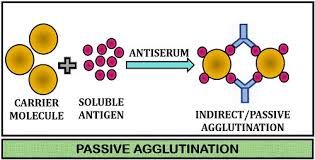
Passive Agglutination
Specimen of Treponema pallidum Particle Agglutination (TP/PA)
Serum or Plasma
Clinical significance of Treponema pallidum Particle Agglutination (TP/PA)
Used in Reverse Sequence when BioPlex Treponemal IgG + IgM is positive and RPR is non reactive (unless prior syphilis) for CONFIRMATION of Syphilis (Rules out False Positive)
Results of Treponema pallidum Particle Agglutination (TP/PA)
Positive: Smooth mat of agglutinated particles on the bottom of microtiter well
Negative: Compact button of non-agglutinated particles on the bottom of microtiter well
Antigen and Antibody of VDRL CSF Syphilis test
Antigen: Cardiolipin-Lecithin-Cholesterol
Antibody: Reagin (Nonspecific AB)
Principle of VDRL CSF Syphilis test
Flocculation (Precipitation) (Non-Treponemal Test)
Specimen of VDRL CSF Syphilis test
CSF
Clinical Significance of VDRL CSF Syphilis test
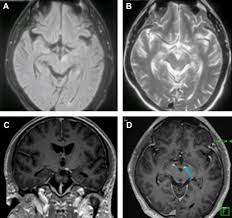
Suggests Neurosyphilis
Quantitation required
Results of VDRL CSF Syphilis test
Positive: Black Aggregates with white background
Negative: No Aggregates
Antigen and Antibody of Lyme Disease Assay EIA
Antigen: SPR coated with recombinant chimeric proteins (B. burgdorferi)
Antibody: AB to B. burgdorferi
Principle of Lyme Disease Assay EIA
Enzyme-Linked Immunofluorescence Assay (ELFA) via Solid Phase Receptacle (SPR)
Specimen of Lyme Disease Assay EIA
Serum
Clinical Significance of Lyme Disease Assay EIA
If AB detected there was a prior exposure to B. burgdorferi, requires Western Blot or Secondary EIA for confirmation of Lyme Disease
IgG: Immune status
IgM: Active infection
Results of Lyme Disease Assay EIA
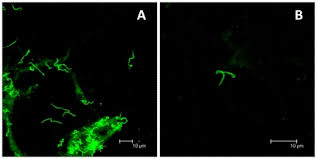
Positive: Fluorescence
Negative: No Fluorescence
Antigen and Antibody of Cryptococcus Antigen Lateral Flow Immunochromatography
Antigen: Cryptococcal AG
Antibody: Anti-CrAg as Monoclonal AB
Principle of Cryptococcus Antigen Lateral Flow Immunochromatography
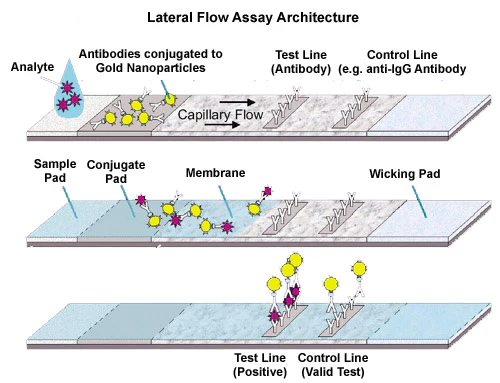
Lateral Flow Immunochromatography
Specimen of Cryptococcus Antigen Lateral Flow Immunochromatography
Serum or CSF
Clinical significance of Cryptococcus Antigen Lateral Flow Immunochromatography
Diagnosis of Crytococcosis
Most commonly infecting AIDS/HIV/Impaired cell-mediated immunity
Results of Cryptococcus Antigen Lateral Flow Immunochromatography
Positive: 2 lines (control and test lines)
Negative: 1 line (control line)
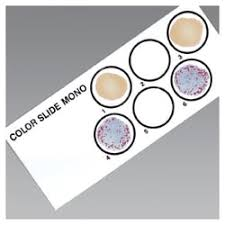
Antigen and Antibody of Mono Slide Test (Remel Color Slide II)
Antigen: Guinea pig kidney AG and horse erythrocytes
Antibody: Heterophile AB (IgM)
Principle of Mono Slide Test (Remel Color Slide II)
Direct Hemagglutination
Specimen of Mono Slide Test (Remel Color Slide II)
Serum or Plasma
Clinical Significance of Mono Slide Test (Remel Color Slide II)
Screen test for EBV infection
Symptoms: Sore throat, fever, lymphadenopathy
If Negative and symptoms persist, perform specific EBV AB
Results of Mono Slide Test (Remel Color Slide II)
Positive: Agglutination with blue background
Negative: No Agglutination with brown background
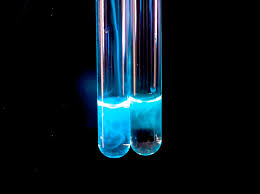
Antigen and Antibody of Fecal Calprotectin (Diasorin Liaison)
Antigen: Calprotectin protein
Antibody: Anti-calprotectin
Principle of Fecal Calprotectin (Diasorin Liaison)
EIA with Chemiluminescence
Specimen of Fecal Calprotectin (Diasorin Liaison)
Stool
Clinical Significance of Fecal Calprotectin (Diasorin Liaison)
Differentiate IBS vs IBD
Results of Fecal Calprotectin (Diasorin Liaison)
Positive: Elevated levels
Negative: Normal levels
What assays does the Vidas System include
CMV IgG EIA, CMV IgM EIA, Toxoplasma IgG EIA, Toxoplasma IgM EIA, Lyme IgG and Lyme IgM. (As alternant method if needed: Measles, Mumps and Varicella IgG)
Antigen and Antibody of the Vidas System
Antigen: disease agent coating SPR (CMV IgG EIA, CMV IgM EIA, Toxoplasma IgG EIA, Toxoplasma IgM EIA, Lyme IgG and Lyme IgM. (As alternant method if needed: Measles, Mumps and Varicella IgG))
Antibody: Anti- CMV IgG EIA, CMV IgM EIA, Toxoplasma IgG EIA, Toxoplasma IgM EIA, Lyme IgG and Lyme IgM. (As alternant method if needed: Measles, Mumps and Varicella IgG)
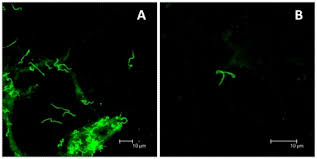
Principle of the Vidas System
Enzyme-Linked Immunofluorescence Assay (ELFA) via Solid Phase Receptacle (SPR)
Specimen of the Vidas System
Serum
Clinical Significance of the Vidas System
Presumptive identification of disease (CMV IgG EIA, CMV IgM EIA, Toxoplasma IgG EIA, Toxoplasma IgM EIA, Lyme IgG and Lyme IgM. (As alternant method if needed: Measles, Mumps and Varicella IgG))
Results of the Vidas System
Positive: Fluorescence
Negative: No Fluorescence
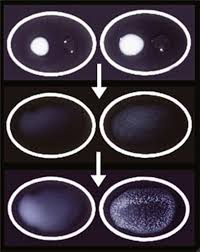
Antigen and Antibody of Rubella test
Antigen: Rubella AG
Antibody: Rubella AB
Principle of Rubella test
Passive Agglutination (or EIA)
Specimen used for Rubella test
Serum
Clinical Significance of Rubella test
Detect Acquired (2 samples; rash vs 2 weeks later), Congenital (2 samples; birth vs 6 months), or Immune Status (1 sample; random)
Pregnancy (1 sample; within 10 days of exposure)
Results of Rubella test
Acquired:
Positive: >/= 4 fold increase
Negative: No difference b/w samples
Congenital:
Positive: Increase or same titer
Negative: decrease in titer
Immune status:
Positive: Antibody present
Negative: Antibody absent
Pregnancy:
Positive: Antibody present (immune)
Negative: Antibody absent (able to pass to baby)
Antigen and Antibody of BioPlex Bead System Panels (Autoimmune, EBV, Rash, Syphilis Panels)
Antigen: colored beads
Antibody: Specific AB for Autoimmune, EBV, Rash, and Syphilis
Principle of BioPlex Bead System Panels (Autoimmune, EBV, Rash, Syphilis Panels)
Enzyme Immunoassay with Fluorescent Detection
Specimen of BioPlex Bead System Panels (Autoimmune, EBV, Rash, Syphilis Panels)
Serum