[ORGANIC CHEMISTRY] Hybridization
 Call Kai
 Learn
Learn Practice Test
 Spaced Repetition
 Match
Match Flashcards
 Knowt Play
1/33

There's no tags or description
Looks like no tags are added yet.
Name | Mastery | Learn | Test | Matching | Spaced | Call with Kai |
|---|
No analytics yet
Send a link to your students to track their progress
34 Terms
f. All
True about conditions for bonding:
a. Two electrons are needed to make a bond between two atoms.
b. Each of those atoms must have an unpaired orbital.
c. When they unify, their two unpaired orbitals become one paired/filled orbital.
d. a and b
e. b and c
f. All
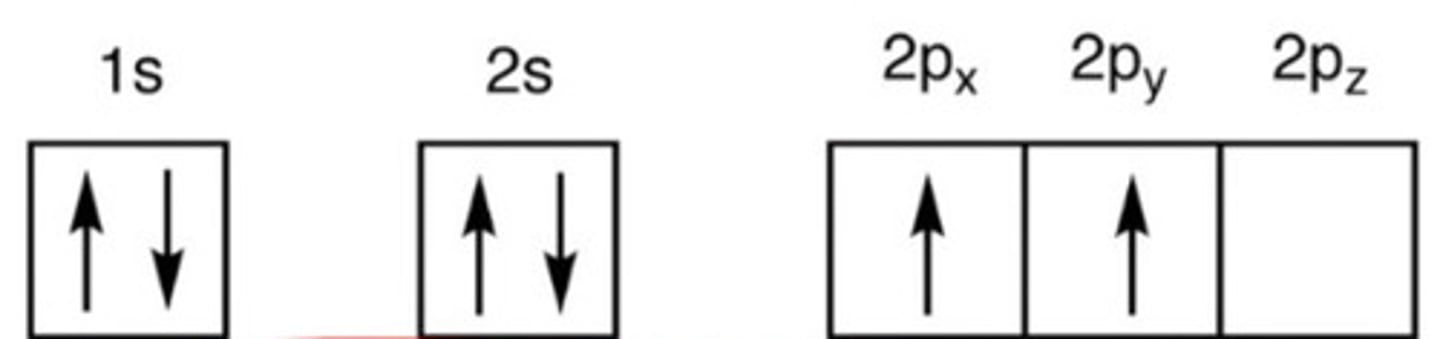
a. Ground
In this state, C has only 2 unpaired orbitals.
a. Ground
b. Excited
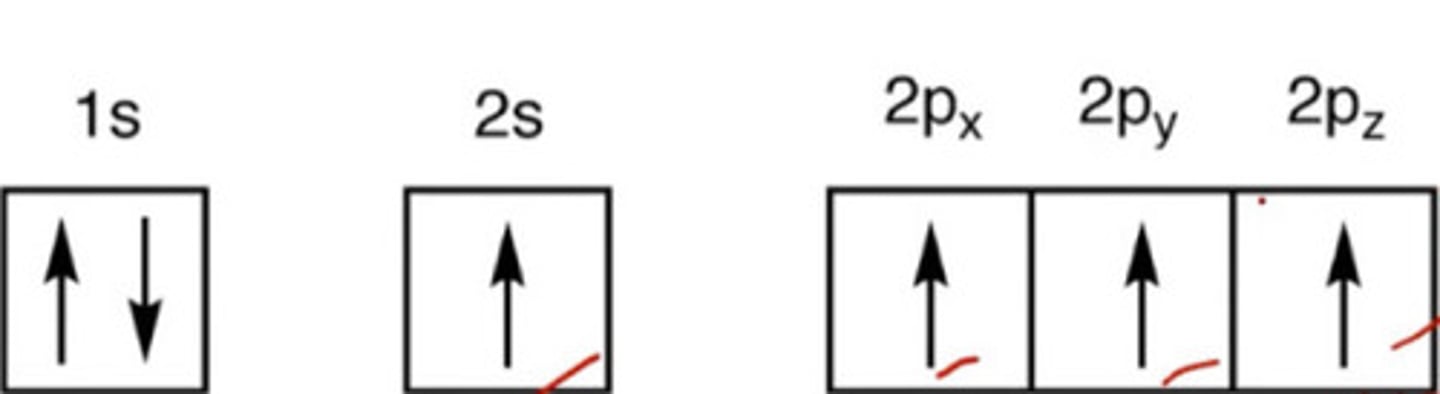
b. Excited
In this state, C will have 4 unpaired orbitals.
a. Ground
b. Excited
a. Sigma bond
Bonding is headways overlap.
a. Sigma bond
b. Pi bond
b. Pi bond
Bonding is sideways overlap.
a. Sigma bond
b. Pi bond
a. Sigma bond
Stronger bond.
a. Sigma bond
b. Pi bond
b. Pi bond
Weaker bond.
a. Sigma bond
b. Pi bond
a. Sigma bond
First bond that forms.
a. Sigma bond
b. Pi bond
b. Pi bond
Bond that is formed after the other.
a. Sigma bond
b. Pi bond
a. Sigma bond
Formed by s or spx orbitals.
a. Sigma bond
b. Pi bond
b. Pi bond
Formed by p orbitals only.
a. Sigma bond
b. Pi bond
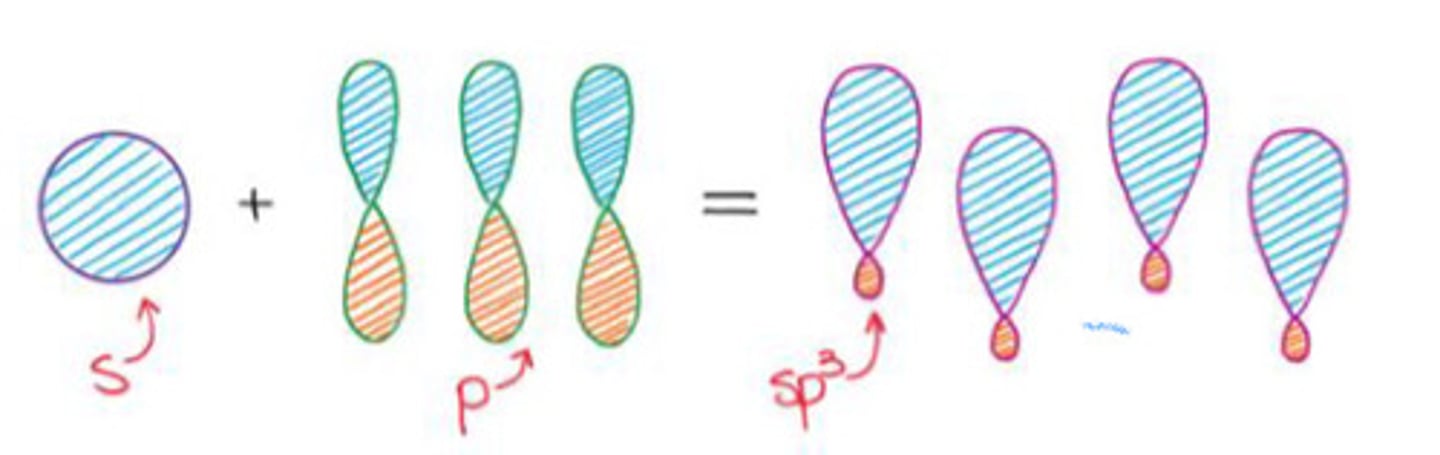
a. sp3 hybridization
Mixing an s-orbital and three p-orbitals.
a. sp3 hybridization
b. sp2 hybridization
c. sp hybridization
d. 4
4 sp3 = sigma bonds
Total substituents or attachments of sp3 hybridization.
a. 1
b. 2
c. 3
d. 4
a. 109.5°
Bond angle of sp3 hybridization.
a. 109.5°
b. 120°
c. 180°
d. 240°
a. sp3 hybridization
Has tetrahedral geometry.
a. sp3 hybridization
b. sp2 hybridization
c. sp hybridization
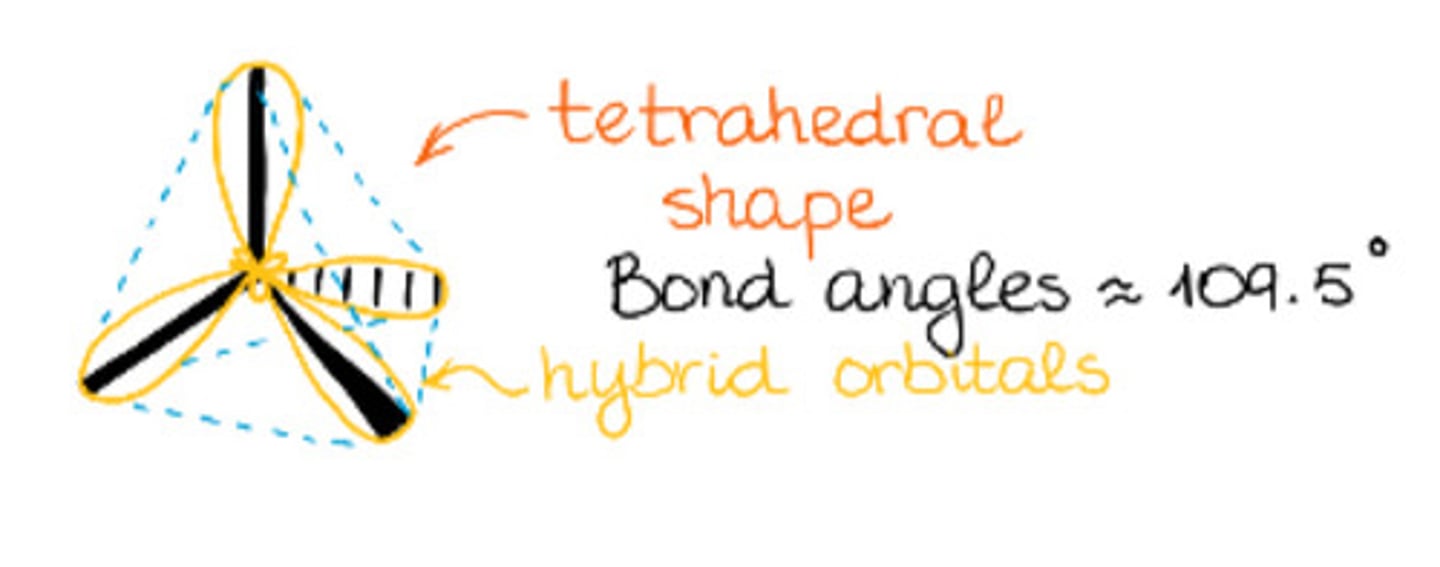
a. sp3 hybridization
Three dimensional.
a. sp3 hybridization
b. sp2 hybridization
c. sp hybridization
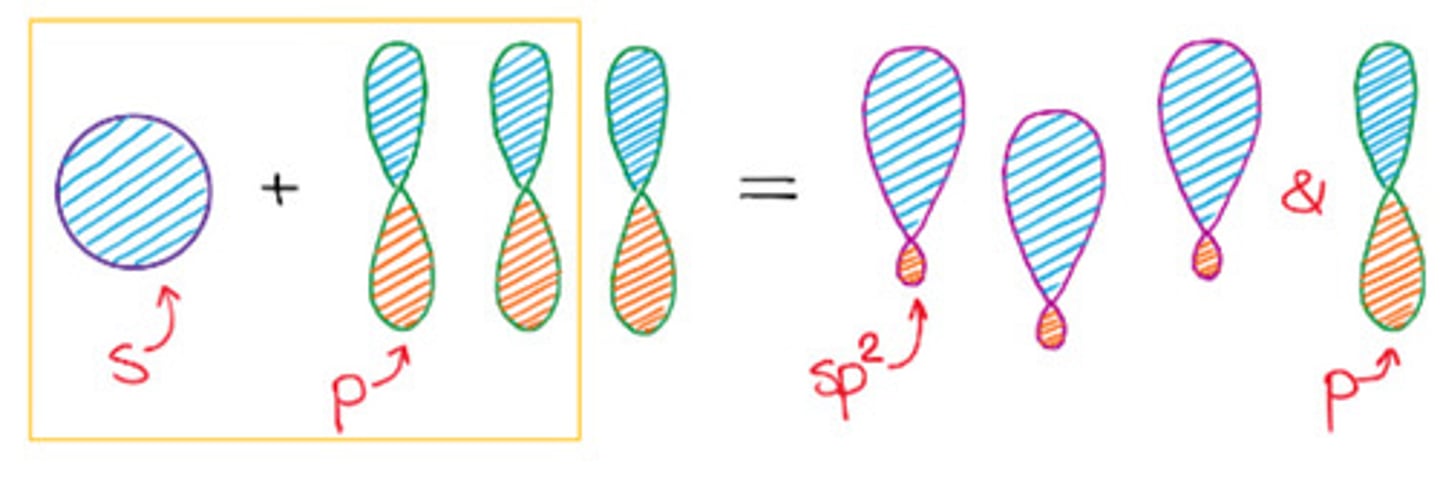
b. sp2 hybridization.
Mixing of 1 s-orbital and 2 p-orbitals.
a. sp3 hybridization
b. sp2 hybridization
c. sp hybridization
c. 3
3 sp2 orbitals = 3 sigma bonds
1 p orbital = 1 pi bond
Total substituents or attachments of sp2 hybridization.
a. 1
b. 2
c. 3
d. 4
b. 120°
Bond angle of sp2 hybridization.
a. 109.5°
b. 120°
c. 180°
d. 240°
b. sp2 hybridization
Has trigonal geometry.
a. sp3 hybridization
b. sp2 hybridization
c. sp hybridization
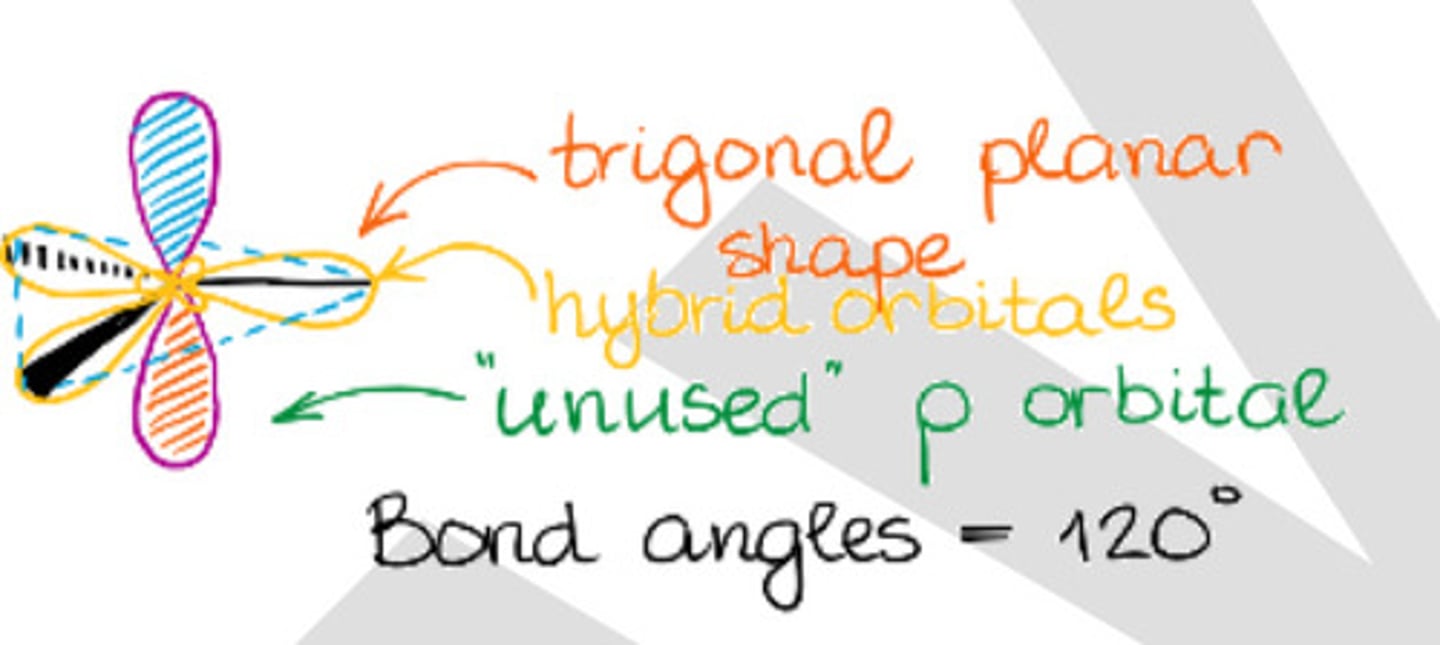
b. sp2 hybridization
Two dimensional.
a. sp3 hybridization
b. sp2 hybridization
c. sp hybridization
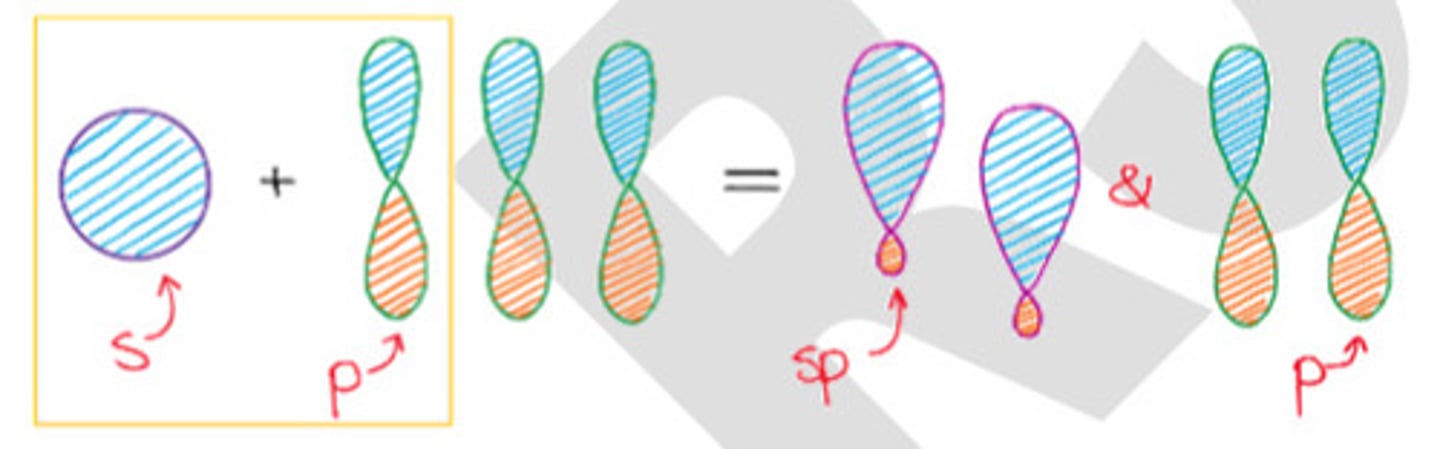
c. sp hybridization
Mixing 1 s-orbital and 1 p-orbital.
a. sp3 hybridization
b. sp2 hybridization
c. sp hybridization
b. 2
2 sp = 2 sigma bonds
2 p = 2 pi bonds
Total substituents or attachments of sp hybridization.
a. 1
b. 2
c. 3
d. 4
c. 180°
Bond angle of sp hybridization.
a. 109.5°
b. 120°
c. 180°
d. 240°
c. sp hybridization
Has liner geometry.
a. sp3 hybridization
b. sp2 hybridization
c. sp hybridization
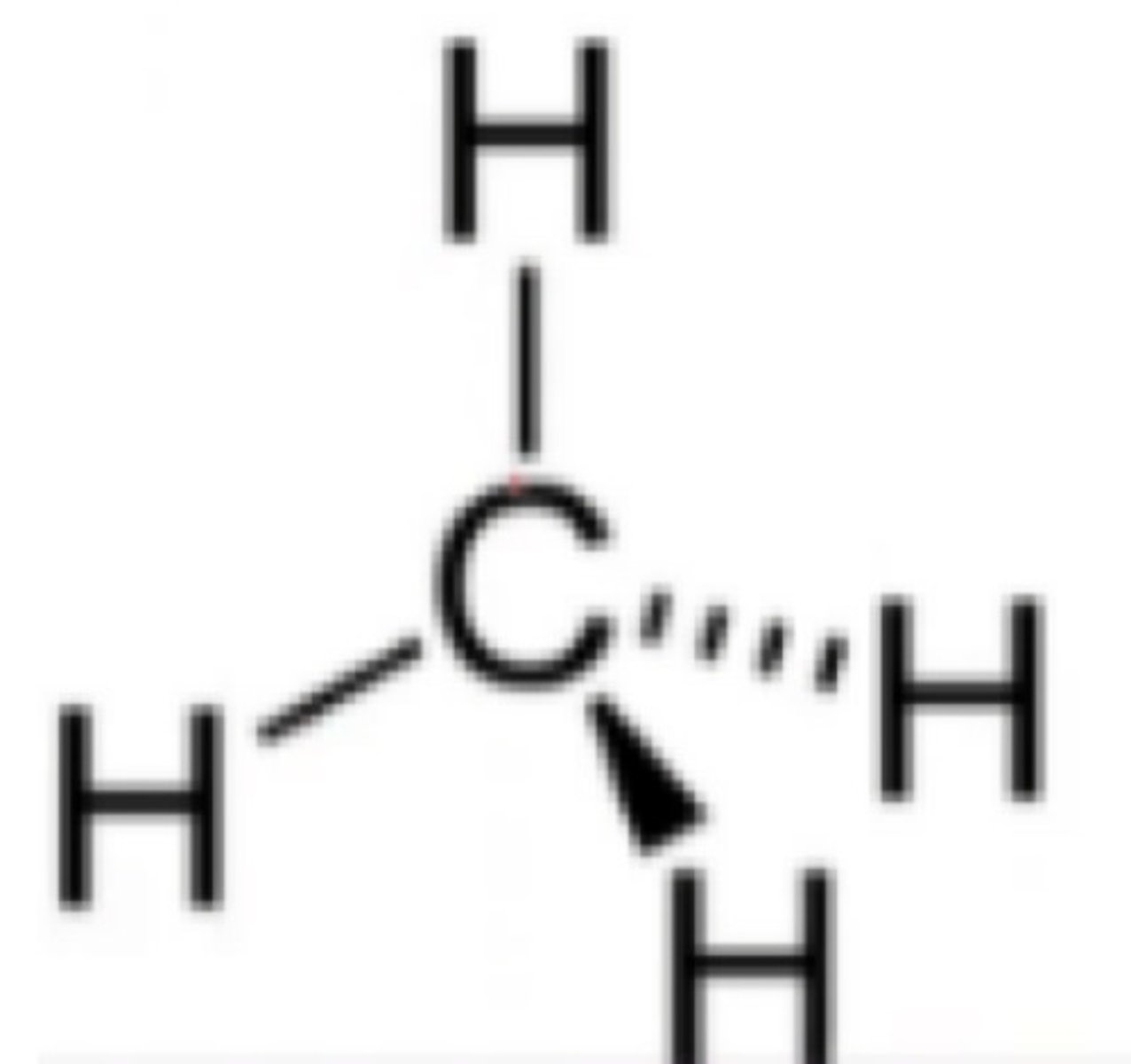
a. sp3 hybridization
Which will result to 4 sigma bonds?
a. sp3 hybridization
b. sp2 hybridization
c. sp hybridization
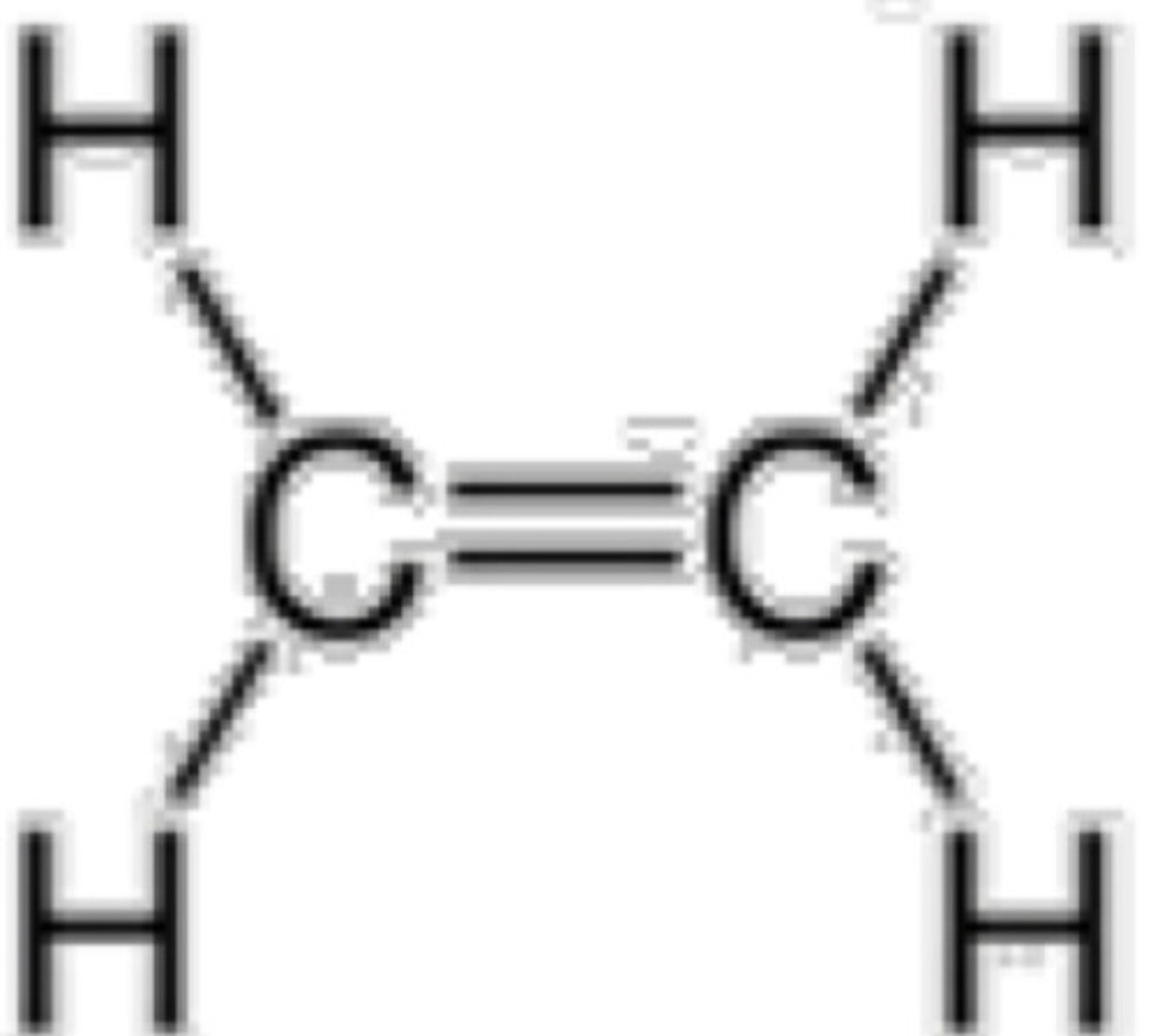
b. sp2 hybridization
Which will result to 3 sigma bonds and 1 pi bond?
a. sp3 hybridization
b. sp2 hybridization
c. sp hybridization
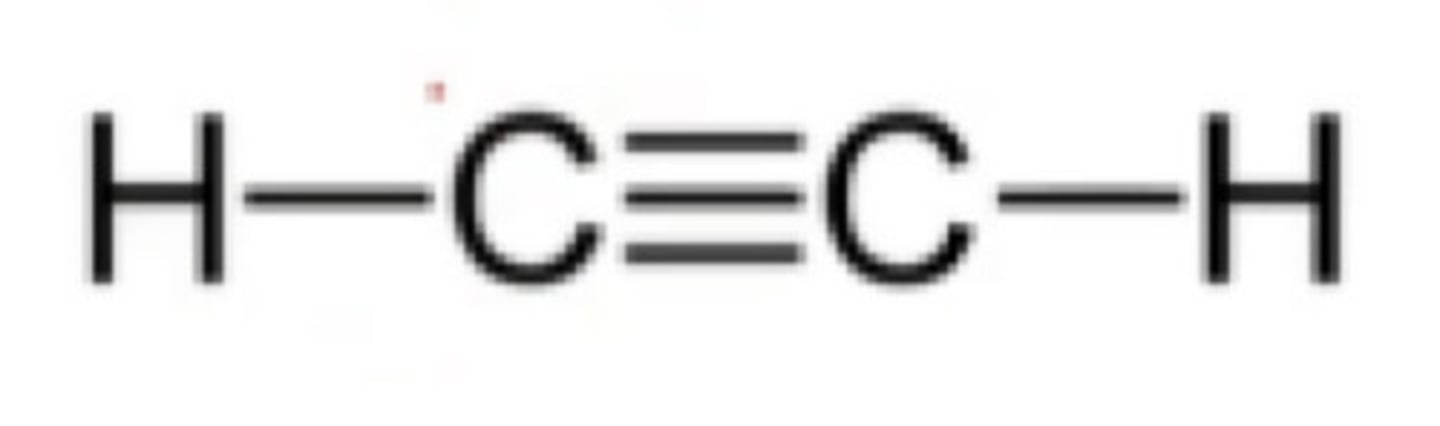
c. sp hybridization
Which will result to 2 sigma bonds and 2 pi bonds?
a. sp3 hybridization
b. sp2 hybridization
c. sp hybridization
b. sp2 hybridization
What is the hybridization of one C=C?
a. sp3 hybridization
b. sp2 hybridization
c. sp hybridization
c. sp hybridization
It has 2 sigma and 2 pi bonds.
What is the hybridization of the middle carbon in C=C=C?
a. sp3 hybridization
b. sp2 hybridization
c. sp hybridization
c. sp hybridization
What is the hybridization of one C≡C?
a. sp3 hybridization
b. sp2 hybridization
c. sp hybridization
a. sp3 hybridization
What is the hybridization of purely C-C?
a. sp3 hybridization
b. sp2 hybridization
c. sp hybridization
a. Node
Area in the molecular orbital where there is a zero probability of finding electron.
a. Node
b. Anode
c. Orbit
d. Positive region
e. None
True about benzene except:
a. Shape is trigonal planar
b. Include pure sp2 hybridization
c. Each carbon can hold 3 sigma bonds
d. Hold 3 pi bonds
e. None