Week 8 flahs cards

0.0(0)
Studied by 0 people
call kaiCall Kai
learnLearn
examPractice Test
spaced repetitionSpaced Repetition
heart puzzleMatch
flashcardsFlashcards
GameKnowt Play
Card Sorting

1/29

encourage image

There's no tags or description

Looks like no tags are added yet.

Last updated 10:04 PM on 4/21/26
Name
Mastery
Learn
Test
Matching
Spaced
Call with Kai

No analytics yet

Send a link to your students to track their progress

30 Terms

1
New cards

Amenities to serve Roman army veterans and new Roman citizens

  • Architecture as vehicle of stability, homogenization, and strengthening of state power

2
New cards

Theatre at Orange, Southern France, early 1st Cent. CE, scenae frons

  • Near Nime (Southern France)

  • Cavea: rows of seats

  • Scene frons: where action will take place

  • Made of concrete and brick with masonry blocks

  • Several stories of colannades

  • Statues in niches, includes Augustus

  • A well-preserved Roman theatre featuring a distinct facade with ornate columns and multiple levels, demonstrating Roman architectural prowess.
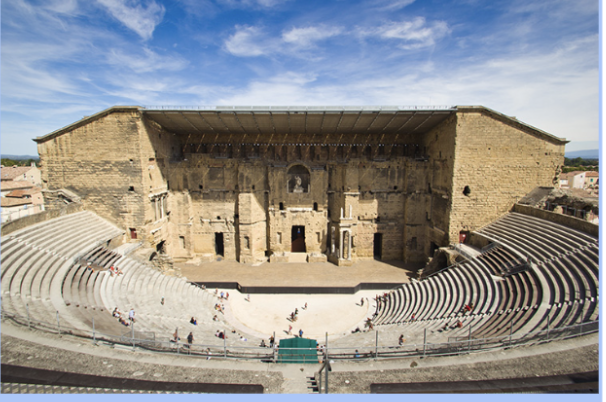
<ul><li><p><span style="background-color: transparent; font-family: &quot;Times New Roman&quot;, serif;">Near Nime (Southern France)</span></p></li><li><p><span style="background-color: transparent; font-family: &quot;Times New Roman&quot;, serif;">Cavea: rows of seats</span></p></li><li><p><span style="background-color: transparent; font-family: &quot;Times New Roman&quot;, serif;">Scene frons: where action will take place</span></p></li><li><p><span style="background-color: transparent; font-family: &quot;Times New Roman&quot;, serif;">Made of concrete and brick with masonry blocks</span></p></li><li><p><span style="background-color: transparent; font-family: &quot;Times New Roman&quot;, serif;">Several stories of colannades</span></p></li><li><p><span style="background-color: transparent; font-family: &quot;Times New Roman&quot;, serif;">Statues in niches, includes Augustus</span></p></li><li><p>A well-preserved Roman theatre featuring a distinct facade with ornate columns and multiple levels, demonstrating Roman architectural prowess.</p></li><li><p></p></li></ul><p></p>
3
New cards

cavea

row of seats

4
New cards

Theater at Merida (Augusta Emerita), Spain, 16 BCE

  • Preserved colonnades

  • Amphitheater and theater adjacent to each other

  • Amphitheater built from ground on concrete cells

  • Strong scenae frons

  • Niches with statues and decorative reliefs, showcasing Roman engineering and artistic sophistication.
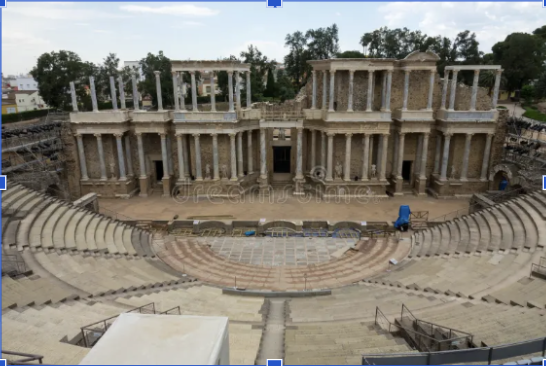
<ul><li><p><span style="background-color: transparent;">Preserved colonnades</span></p></li><li><p><span style="background-color: transparent;">Amphitheater and theater adjacent to each other</span></p></li><li><p><span style="background-color: transparent;">Amphitheater built from ground on concrete cells</span></p></li><li><p><span style="background-color: transparent;">Strong scenae frons</span></p></li><li><p><span style="background-color: transparent;">Niches with statues&nbsp;and decorative reliefs, showcasing Roman engineering and artistic sophistication. </span></p></li></ul><p></p>
5
New cards

Funerary architecture: 

Tomb of the Julii, Saint-Rémy-de-Provence (Glanum), Southern France, ca. 30-20 BCE

  • Beginning of reign of Augustus

  • Family that acquired Roman citizenship

  • Combines different forms of architecture– tholos/ peripteral colonnade on top with statue of deceased

    • Cenotaph: monument of deceased, but doesn’t hold their remains

    • Quadifrons: contains 4 arches

    • Sarcophagus on bottom carved with reliefs of battles between Romans and barbarians 

      • Garlands and masks carved, indicates how expensive the monument is A monumental structure designed to commemorate the deceased, it features a combination of architectural styles, including a tholos topped with a peripteral colonnade and adorned with sculptures, serving both as a tomb and a cenotaph.
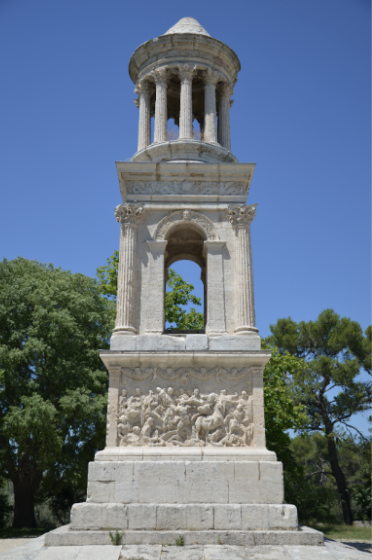
<ul><li><p><span style="background-color: transparent;">Beginning of reign of Augustus</span></p></li><li><p><span style="background-color: transparent;">Family that acquired Roman citizenship</span></p></li><li><p><span style="background-color: transparent;">Combines different forms of architecture– tholos/ peripteral colonnade on top with statue of deceased</span></p><ul><li><p><span style="background-color: transparent;">Cenotaph: monument of deceased, but doesn’t hold their remains</span></p></li><li><p><span style="background-color: transparent;">Quadifrons: contains 4 arches</span></p></li><li><p><span style="background-color: transparent;">Sarcophagus on bottom carved with reliefs of battles between Romans and barbarians&nbsp;</span></p><ul><li><p><span style="background-color: transparent;">Garlands and masks carved, indicates how expensive the monument is&nbsp;A monumental structure designed to commemorate the deceased, it features a combination of architectural styles, including a tholos topped with a peripteral colonnade and adorned with sculptures, serving both as a tomb and a cenotaph. </span></p></li></ul></li></ul></li></ul><p></p>
6
New cards

Art and Architecture of the Julio-Claudians

  • Dichotomy seen in arts and intentions between different artists

  • Conventions and stylistic preferences of Augustus are kept, allows for being associated with Augustus 

7
New cards

Tiberius 14-37 CE

Portrait from Arsinoe, Egypt, marble, early 1st Cent. CE

  • Already 56 when he became king

  • Youthfulness in portraiture

  • Similar cowlick to Alexander the Great’s

  • Same facial structures to Augustinian portrait 
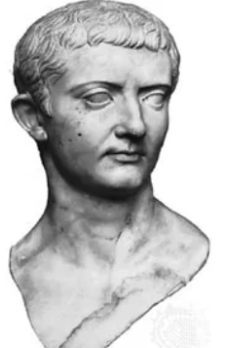
<p><span style="background-color: transparent; font-family: &quot;Times New Roman&quot;, serif;">Portrait from Arsinoe, Egypt, marble, early 1st Cent. CE</span></p><ul><li><p><span style="background-color: transparent; font-family: &quot;Times New Roman&quot;, serif;">Already 56 when he became king</span></p></li><li><p><span style="background-color: transparent; font-family: &quot;Times New Roman&quot;, serif;">Youthfulness in portraiture</span></p></li><li><p><span style="background-color: transparent; font-family: &quot;Times New Roman&quot;, serif;">Similar cowlick to Alexander the Great’s</span></p></li><li><p><span style="background-color: transparent; font-family: &quot;Times New Roman&quot;, serif;">Same facial structures to Augustinian portrait&nbsp;</span></p></li><li><p></p></li></ul><p></p>
8
New cards

Suovetaurilia reliefs, now in Louvre, marble, ca. 14 CE-double sacrifice with Augustus

  • From very beginning of reign of Tiberius

  • Refers to three sacrificial animals

  • Altar representing a sacrifice on Palatine hill in front of house of Augustus

  • Augustus and Tiberius shown with hands covered as Pontius Maximus 

  • Similar to relief at Augsutian house, very classical style of Greek frieze 

  • Different depths of relief, people closest to foreground is higher in relief 

  • Poses are convincing and organically coherent 
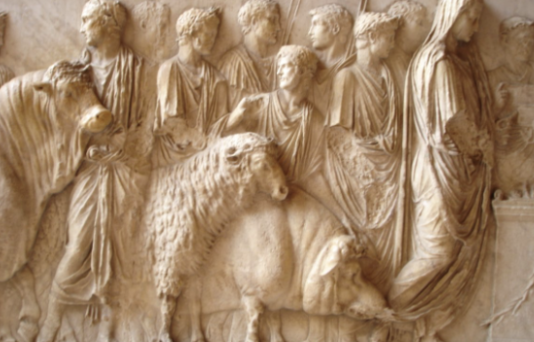
<ul><li><p><span style="background-color: transparent;">From very beginning of reign of Tiberius</span></p></li><li><p><span style="background-color: transparent;">Refers to three sacrificial animals</span></p></li><li><p><span style="background-color: transparent;">Altar representing a sacrifice on Palatine hill in front of house of Augustus</span></p></li><li><p><span style="background-color: transparent;">Augustus and Tiberius shown with hands covered as Pontius Maximus&nbsp;</span></p></li><li><p><span style="background-color: transparent;">Similar to relief at Augsutian house, very classical style of Greek frieze&nbsp;</span></p></li><li><p><span style="background-color: transparent;">Different depths of relief, people closest to foreground is higher in relief&nbsp;</span></p></li><li><p><span style="background-color: transparent;">Poses are convincing and organically coherent&nbsp;</span></p></li></ul><p></p>
9
New cards

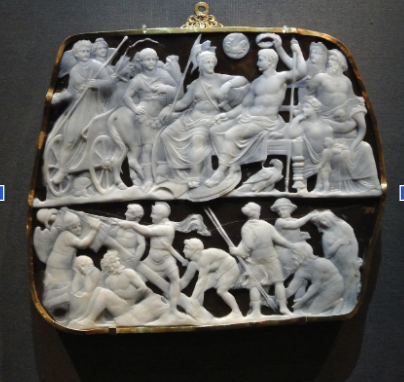
Gemma Augustea, sardonyx cameo, ca. 15 CE

  • Carved by August's gem cutter

  • In Vienna

  • Shows Tiberius being crowned with laurel wreath

  • Present: roman eagle, capricorn, Augustus arriving from a chariot to greet him, female figure with two children

  • Below: Roman soldiers raising trophy, shield with scorpion, captured barbarians held by their hair

  • Emphasized youthfulness and heroic nudity 

  • Variety of poses, overlapping figures, bodies can be noticed under drapery 
<ul><li><p><span style="background-color: transparent; font-family: &quot;Times New Roman&quot;, serif;">Carved by August's gem cutter</span></p></li><li><p><span style="background-color: transparent; font-family: &quot;Times New Roman&quot;, serif;">In Vienna</span></p></li><li><p><span style="background-color: transparent; font-family: &quot;Times New Roman&quot;, serif;">Shows Tiberius being crowned with laurel wreath</span></p></li><li><p><span style="background-color: transparent; font-family: &quot;Times New Roman&quot;, serif;">Present: roman eagle, capricorn, Augustus arriving from a chariot to greet him, female figure with two children</span></p></li><li><p><span style="background-color: transparent; font-family: &quot;Times New Roman&quot;, serif;">Below: Roman soldiers raising trophy, shield with scorpion, captured barbarians held by their hair</span></p></li><li><p><span style="background-color: transparent; font-family: &quot;Times New Roman&quot;, serif;">Emphasized youthfulness and heroic nudity&nbsp;</span></p></li><li><p><span style="background-color: transparent; font-family: &quot;Times New Roman&quot;, serif;">Variety of poses, overlapping figures, bodies can be noticed under drapery&nbsp;</span></p></li></ul><p></p>
10
New cards

Grand camée de France, sardonyx cameo, va. 26-29 CE or ca. 45 CE

  • After death of Tiberius

  • Made use of three layers of color

  • Complicated allegory of Tiberius on the throne, Augustus coming and another unidentified figure 

  • Conquered non-Romans below, can be noticed due to beard

11
New cards

Caligula 37-41 CE

  • Ended up being assassinated by the guard

  • Was expected to do great stuff 

  • Was disliked, given sexually immoral rumors 

12
New cards

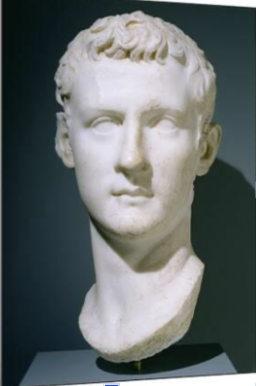
Portrait head from Marino, marble, 37-41 BCE, now in Worcester museum

  • Same haircut as Augustus, he actually didn’t have any hair

  • Youthful appearance

  • Inverted triangle jawline and other “appealing” facial features
<ul><li><p><span style="background-color: transparent; font-family: &quot;Times New Roman&quot;, serif;">Same haircut as Augustus, he actually didn’t have any hair</span></p></li><li><p><span style="background-color: transparent; font-family: &quot;Times New Roman&quot;, serif;">Youthful appearance</span></p></li><li><p><span style="background-color: transparent; font-family: &quot;Times New Roman&quot;, serif;">Inverted triangle jawline and other “appealing” facial features</span></p></li></ul><p></p>
13
New cards

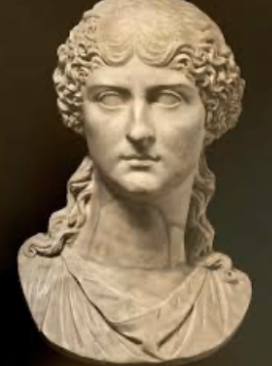
Portrait of Agrippina the Elder, marble, ca. 40-45 CE

  • Caligula’s mother

  • Shown youthful and given later hairstyle of curls and cascading 
<ul><li><p><span style="background-color: transparent; font-family: &quot;Times New Roman&quot;, serif;">Caligula’s mother</span></p></li><li><p><span style="background-color: transparent; font-family: &quot;Times New Roman&quot;, serif;">Shown youthful and given later hairstyle of curls and cascading&nbsp;</span></p></li></ul><p></p>
14
New cards

Luxury arts

Gemma Augustea, sardonyx cameo, ca. 15 CE
Grand camée de France, sardonyx cameo, va. 26-29 CE or ca. 45 CE
Boscoreale silver cups-scyphus (drinking cup), silver, ca. 15-20 CE

15
New cards

Claudius 41-54 CE

  • Considered a loser, non-emperor material

  • One of the last people to read and write Etruscan

  • Defied everyone’s expectations, very intelligent and more capable of being an emperor than expected

  • Became emperor after Caligula got assassinated 

16
New cards

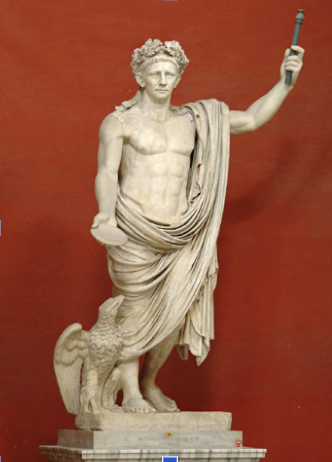
Portrait in the guise of Jupiter from Lanuvium, marble, 42-43 CE

  • 7 ft tall

  • Appeals of Roman portraiture 

    • Youthful with heroic nudity

    • Athletic body with elderly face 

    • Inverted triangle face

    • Augstian treatment of hair

  • Wearing of corona civica 

<ul><li><p><span style="background-color: transparent; font-family: &quot;Times New Roman&quot;, serif;">7 ft tall</span></p></li><li><p><span style="background-color: transparent; font-family: &quot;Times New Roman&quot;, serif;">Appeals of Roman portraiture&nbsp;</span></p><ul><li><p><span style="background-color: transparent; font-family: &quot;Times New Roman&quot;, serif;">Youthful with heroic nudity</span></p></li><li><p><span style="background-color: transparent; font-family: &quot;Times New Roman&quot;, serif;">Athletic body with elderly face&nbsp;</span></p></li><li><p><span style="background-color: transparent; font-family: &quot;Times New Roman&quot;, serif;">Inverted triangle face</span></p></li><li><p><span style="background-color: transparent; font-family: &quot;Times New Roman&quot;, serif;">Augstian treatment of hair</span></p></li></ul></li><li><p><span style="background-color: transparent; font-family: &quot;Times New Roman&quot;, serif;">Wearing of corona civica&nbsp;</span></p></li></ul><p></p>
17
New cards

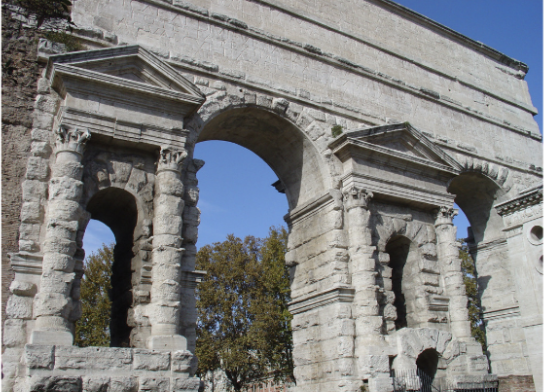
Porta Maggiore, Rome, rustication, ca. 50 CE

  • Monumental portal/ gate where two aqueducts converge

  • Trapezoidal monument with forms imitating bread-making

  • Rusticated architecture– Deliberate unfinished look, architectural origins 

  • Pediments are highly finished

  • Capitals are more finished than shafts, still kind of rusticated 

  • Triple attic for channels of water 

  • Esoteric, evocative, aquatarian form

<ul><li><p><span style="background-color: transparent;">Monumental portal/ gate where two aqueducts converge</span></p></li><li><p><span style="background-color: transparent;">Trapezoidal monument with forms imitating bread-making</span></p></li><li><p><span style="background-color: transparent;">Rusticated architecture– Deliberate unfinished look, architectural origins&nbsp;</span></p></li><li><p><span style="background-color: transparent;">Pediments are highly finished</span></p></li><li><p><span style="background-color: transparent;">Capitals are more finished than shafts, still kind of rusticated&nbsp;</span></p></li><li><p><span style="background-color: transparent;">Triple attic for channels of water&nbsp;</span></p></li><li><p><span style="background-color: transparent;">Esoteric, evocative, aquatarian form</span></p></li></ul><p></p>
18
New cards

Nero 54-68 CE

  • Son of Agrippina the younger (Claudius’s fourth wife)

  • Stepson of Claudius

  • Young when he came into rule

  • Ambitious and powerful mother

    • She poisoned Claudius so Nero could gain power (perchance)

  • Self-luxury and self-comfort

  • Accused of being monstrous– had mom, wife, and brother executed 

  • Interested in arts, music, and architecture

  • Forced to commit suicide by Praetorian guard 

  • Bro built a villa near a lake all for himself, disguised it as public amenity 

  • Murdered in 68 CE, followed by Galba and Vitellius as emperors

  • Known for his extravagant lifestyle and artistic pursuits

  • His rule saw the Great Fire of Rome in 64 CE

  • Accused of blaming Christians for the fire

  • Last emperor of the Julio-Claudian dynasty

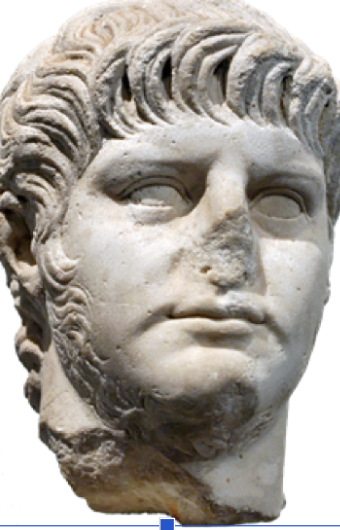
    • Portrait head from Palatine Hill, Rome, marble, ca. 59-64 CE

      • Wore his hair longer

      • Had facial hair, rejection of Roman ideals
<ul><li><p><span style="background-color: transparent; font-family: &quot;Times New Roman&quot;, serif;">Son of Agrippina the younger (Claudius’s fourth wife)</span></p></li><li><p><span style="background-color: transparent; font-family: &quot;Times New Roman&quot;, serif;">Stepson of Claudius</span></p></li><li><p><span style="background-color: transparent; font-family: &quot;Times New Roman&quot;, serif;">Young when he came into rule</span></p></li><li><p><span style="background-color: transparent; font-family: &quot;Times New Roman&quot;, serif;">Ambitious and powerful mother</span></p><ul><li><p><span style="background-color: transparent; font-family: &quot;Times New Roman&quot;, serif;">She poisoned Claudius so Nero could gain power (perchance)</span></p></li></ul></li><li><p><span style="background-color: transparent; font-family: &quot;Times New Roman&quot;, serif;">Self-luxury and self-comfort</span></p></li><li><p><span style="background-color: transparent; font-family: &quot;Times New Roman&quot;, serif;">Accused of being monstrous– had mom, wife, and brother executed&nbsp;</span></p></li><li><p><span style="background-color: transparent; font-family: &quot;Times New Roman&quot;, serif;">Interested in arts, music, and architecture</span></p></li><li><p><span style="background-color: transparent; font-family: &quot;Times New Roman&quot;, serif;">Forced to commit suicide by Praetorian guard&nbsp;</span></p></li><li><p><span style="background-color: transparent; font-family: &quot;Times New Roman&quot;, serif;">Bro built a villa near a lake all for himself, disguised it as public amenity&nbsp;</span></p></li><li><p><span style="background-color: transparent; font-family: &quot;Times New Roman&quot;, serif;">Murdered in 68 CE, followed by Galba and Vitellius as emperors</span></p></li><li><p><span style="background-color: transparent;">Known for his extravagant lifestyle and artistic pursuits</span></p></li><li><p><span style="background-color: transparent;">His rule saw the Great Fire of Rome in 64 CE</span></p></li><li><p><span style="background-color: transparent;">Accused of blaming Christians for the fire</span></p></li><li><p><span style="background-color: transparent;">Last emperor of the Julio-Claudian dynasty</span></p><ul><li><p><span style="background-color: transparent;"> </span><span style="background-color: transparent; font-family: &quot;Times New Roman&quot;, serif;">Portrait head from Palatine Hill, Rome, marble, ca. 59-64 CE</span></p><ul><li><p><span style="background-color: transparent; font-family: &quot;Times New Roman&quot;, serif;">Wore his hair longer</span></p></li><li><p><span style="background-color: transparent; font-family: &quot;Times New Roman&quot;, serif;">Had facial hair, rejection of Roman ideals</span></p></li></ul></li></ul></li></ul><p></p>
19
New cards

Roman architectural revolution: discovery of pozzolana near Bay of Naples

This innovation allowed for the development of concrete, enabling the construction of more durable and complex structures.

Roman concrete becomes more versatile and sturdy with pozzolana

  • When water is added, strong aggregate is formed 

  • Caligula innovates structural concrete by taking out larger pieces of rubble, making it lighter

    • Adds pumice stone or toufa

20
New cards

Severus and Celer, architects, Domus Aurea (Golden House), Esquiline Hill, Rome, 64-68 CE, mimics villa maritima in heart of city

  • Around Bay of Naples

  • Controversial due to him remaking building codes to capitalize on concrete productions, rebuilding areas with brick-faced concrete 

    • Actually effective and safer tho

  • He also appropriated land and built a maritime villa in the middle of the city

  • Artificial lake and large gardens added

    • Statues of rustics added to the gardens

  • 20 ft tall bronze statue of Nero as god of the sun
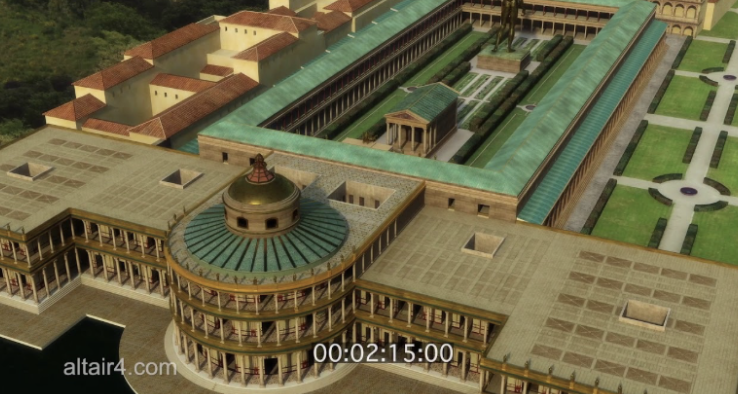
<ul><li><p><span style="background-color: transparent; font-family: &quot;Times New Roman&quot;, serif;">Around Bay of Naples</span></p></li><li><p><span style="background-color: transparent; font-family: &quot;Times New Roman&quot;, serif;">Controversial due to him remaking building codes to capitalize on concrete productions, rebuilding areas with brick-faced concrete&nbsp;</span></p><ul><li><p><span style="background-color: transparent; font-family: &quot;Times New Roman&quot;, serif;">Actually effective and safer tho</span></p></li></ul></li></ul><ul><li><p><span style="background-color: transparent; font-family: &quot;Times New Roman&quot;, serif;">He also appropriated land and built a maritime villa in the middle of the city</span></p></li><li><p><span style="background-color: transparent; font-family: &quot;Times New Roman&quot;, serif;">Artificial lake and large gardens added</span></p><ul><li><p><span style="background-color: transparent; font-family: &quot;Times New Roman&quot;, serif;">Statues of rustics added to the gardens</span></p></li></ul></li></ul><ul><li><p><span style="background-color: transparent; font-family: &quot;Times New Roman&quot;, serif;">20 ft tall bronze statue of Nero as god of the sun</span></p></li></ul><p></p>
21
New cards

Octagonal hall with dome and oculus; 4th style of wall decoration, Fabulus (painter)

  • All made of concrete

    • Exploiting of architectural possibilities with concrete 

  • Hemispherical dome with oculus (“little eye”)

  • Creation of a novel interior space with complexity

  • Use of sophisticated light effects 

  • Each side opens to barrel vaults or groin vaults 

  • Structure lacks decorative skin, would’ve been covered with marble, mosaics, fountains, and cascades 

  • Vaults would’ve been covered with stucco reliefs and paintings 

  • Combines elements of 2nd and 3rd styles

    • Return to illusionism, but uses slender and tiny architecture

  • Use of fragmented views 

  • High quality and refinement of paintings 
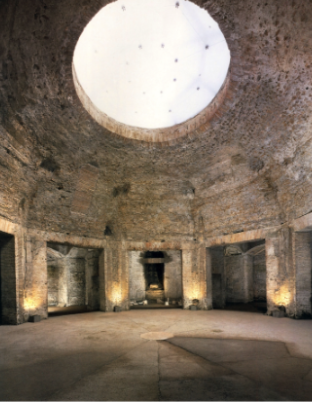
<ul><li><p><span style="background-color: transparent; font-family: &quot;Times New Roman&quot;, serif;">All made of concrete</span></p><ul><li><p><span style="background-color: transparent; font-family: &quot;Times New Roman&quot;, serif;">Exploiting of architectural possibilities with concrete&nbsp;</span></p></li></ul></li><li><p><span style="background-color: transparent; font-family: &quot;Times New Roman&quot;, serif;">Hemispherical dome with oculus (“little eye”)</span></p></li><li><p><span style="background-color: transparent; font-family: &quot;Times New Roman&quot;, serif;">Creation of a novel interior space with complexity</span></p></li><li><p><span style="background-color: transparent; font-family: &quot;Times New Roman&quot;, serif;">Use of sophisticated light effects&nbsp;</span></p></li><li><p><span style="background-color: transparent; font-family: &quot;Times New Roman&quot;, serif;">Each side opens to barrel vaults or groin vaults&nbsp;</span></p></li><li><p><span style="background-color: transparent; font-family: &quot;Times New Roman&quot;, serif;">Structure lacks decorative skin, would’ve been covered with marble, mosaics, fountains, and cascades&nbsp;</span></p></li><li><p><span style="background-color: transparent; font-family: &quot;Times New Roman&quot;, serif;">Vaults would’ve been covered with stucco reliefs and paintings&nbsp;</span></p></li><li><p><span style="background-color: transparent; font-family: &quot;Times New Roman&quot;, serif;">Combines elements of 2nd and 3rd styles</span></p><ul><li><p><span style="background-color: transparent; font-family: &quot;Times New Roman&quot;, serif;">Return to illusionism, but uses slender and tiny architecture</span></p></li></ul></li><li><p><span style="background-color: transparent; font-family: &quot;Times New Roman&quot;, serif;">Use of fragmented views&nbsp;</span></p></li><li><p><span style="background-color: transparent; font-family: &quot;Times New Roman&quot;, serif;">High quality and refinement of paintings&nbsp;</span></p></li></ul><p></p>
22
New cards

Art and Architecture of the Flavians

Vespasian 69-79, Titus 79-81and Domitian 81-96 CE; marked a period of monumental building projects including the Colosseum and significant innovations in concrete architecture.

23
New cards

Vespasian 69-79

  • Elected after disappointments of Galba and Vitellius 

  • Policies very different from Nero, return to classic Roman ideals

    • Frugality, thrift, public service, etc. 

24
New cards

Portrait head of Vespasian, ca.75-79 marble

  • Made in middle of his reign

  • Made for break in Judio-Claudian imagery

  • Veristic

  • Cleanshaven, classical Roman

  • Anti Greek culture again

  • Very popular among plebians

  • It represents Vespasian's return to traditional Roman values and realistic portraiture, in contrast to the idealized forms of previous emperors. The style emphasizes age and experience, appealing to the common citizen.
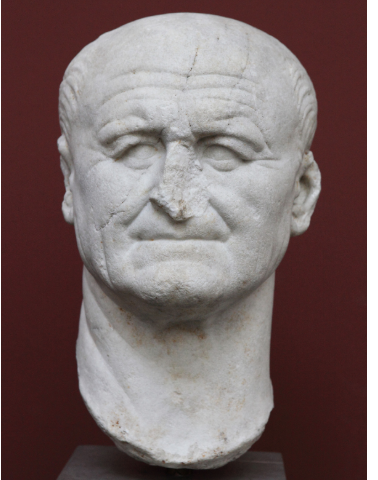
<ul><li><p><span style="background-color: transparent; font-family: &quot;Times New Roman&quot;, serif;">Made in middle of his reign</span></p></li><li><p><span style="background-color: transparent; font-family: &quot;Times New Roman&quot;, serif;">Made for break in Judio-Claudian imagery</span></p></li><li><p><span style="background-color: transparent; font-family: &quot;Times New Roman&quot;, serif;">Veristic</span></p></li><li><p><span style="background-color: transparent; font-family: &quot;Times New Roman&quot;, serif;">Cleanshaven, classical Roman</span></p></li><li><p><span style="background-color: transparent; font-family: &quot;Times New Roman&quot;, serif;">Anti Greek culture again</span></p></li><li><p><span style="background-color: transparent; font-family: &quot;Times New Roman&quot;, serif;">Very popular among plebians</span></p></li><li><p><span style="background-color: transparent; font-family: &quot;Times New Roman&quot;, serif;">It represents Vespasian's return to traditional Roman values and realistic portraiture, in contrast to the idealized forms of previous emperors. The style emphasizes age and experience, appealing to the common citizen. </span></p></li></ul><p></p>
25
New cards

Templum Pacis, Rome, 71-79

  • Joined to imperial forum, added beforehand

  • “Forum of peace”

  • Didn’t end up surviving

  • Filled with shrubbery and statuary

  • Frieze with domestic imports– emphasis on public piety and military virtues 

  • Constructed under Vespasian, symbolizing peace after civil war.

  • Served as a large public space for gatherings and ceremonies.
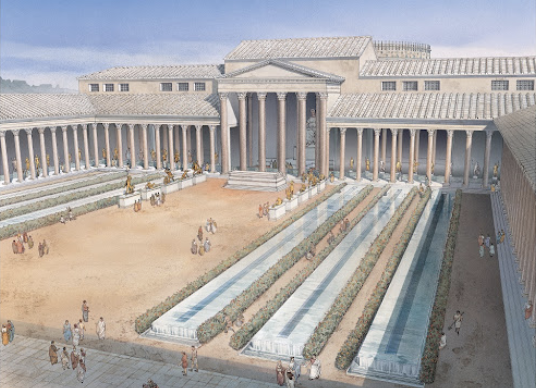
<ul><li><p><span style="background-color: transparent; font-family: &quot;Times New Roman&quot;, serif;">Joined to imperial forum, added beforehand</span></p></li><li><p><span style="background-color: transparent; font-family: &quot;Times New Roman&quot;, serif;">“Forum of peace”</span></p></li><li><p><span style="background-color: transparent; font-family: &quot;Times New Roman&quot;, serif;">Didn’t end up surviving</span></p></li><li><p><span style="background-color: transparent; font-family: &quot;Times New Roman&quot;, serif;">Filled with shrubbery and statuary</span></p></li><li><p><span style="background-color: transparent; font-family: &quot;Times New Roman&quot;, serif;">Frieze with domestic imports– emphasis on public piety and military virtues&nbsp;</span></p></li><li><p><span style="background-color: transparent;">Constructed under Vespasian, symbolizing peace after civil war.</span></p></li><li><p><span style="background-color: transparent;">Served as a large public space for gatherings and ceremonies. </span></p></li></ul><p></p>
26
New cards

Flavian amphitheater (Colosseum), Rome, 70-80

  • Seated 50 thousand people and Made of concrete

  • Designed to control flow of crowds without stampede or slowing down

  • Complex has a series of corridors/ annular vaults

    • Barrel vaults that curve around

  • Many levels underground

  • Hydraulic system, innovation of elevators 

  • Pit could be flooded for marine battles

  • Name was eventually changed to "Colosseum" 

    • Called so due to statue of god of sun from Golden House

  • Use of Greek order overlaid over arches

    • No structure purpose, just decorative and prestigious 

    • Doric, Ionic, Corinthian, and Corinthian pilasters (bottom to top)

  • Fabric that would get spread over the top if it started raining or too hot 
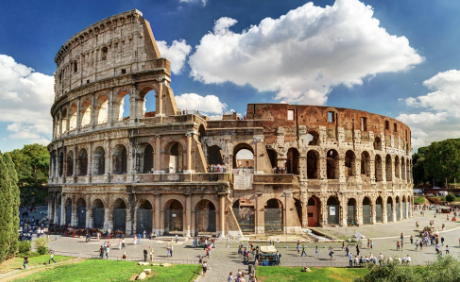
<ul><li><p><span style="background-color: transparent; font-family: &quot;Times New Roman&quot;, serif;">Seated 50 thousand people and Made of concrete</span></p></li><li><p><span style="background-color: transparent; font-family: &quot;Times New Roman&quot;, serif;">Designed to control flow of crowds without stampede or slowing down</span></p></li><li><p><span style="background-color: transparent; font-family: &quot;Times New Roman&quot;, serif;">Complex has a series of corridors/ annular vaults</span></p><ul><li><p><span style="background-color: transparent; font-family: &quot;Times New Roman&quot;, serif;">Barrel vaults that curve around</span></p></li></ul></li><li><p><span style="background-color: transparent; font-family: &quot;Times New Roman&quot;, serif;">Many levels underground</span></p></li><li><p><span style="background-color: transparent; font-family: &quot;Times New Roman&quot;, serif;">Hydraulic system, innovation of elevators&nbsp;</span></p></li><li><p><span style="background-color: transparent; font-family: &quot;Times New Roman&quot;, serif;">Pit could be flooded for marine battles</span></p></li><li><p><span style="background-color: transparent; font-family: &quot;Times New Roman&quot;, serif;">Name was eventually changed to "Colosseum"&nbsp;</span></p><ul><li><p><span style="background-color: transparent; font-family: &quot;Times New Roman&quot;, serif;">Called so due to statue of god of sun from Golden House</span></p></li></ul></li><li><p><span style="background-color: transparent; font-family: &quot;Times New Roman&quot;, serif;">Use of Greek order overlaid over arches</span></p><ul><li><p><span style="background-color: transparent; font-family: &quot;Times New Roman&quot;, serif;">No structure purpose, just decorative and prestigious&nbsp;</span></p></li><li><p><span style="background-color: transparent; font-family: &quot;Times New Roman&quot;, serif;">Doric, Ionic, Corinthian, and Corinthian pilasters (bottom to top)</span></p></li></ul></li><li><p><span style="background-color: transparent; font-family: &quot;Times New Roman&quot;, serif;">Fabric that would get spread over the top if it started raining or too hot&nbsp;</span></p></li></ul><p></p>
27
New cards

Barrel vaults

Curved structures forming a ceiling or roof, constructed using a series of arches. They allow for greater spans and support the weight of ceilings or roofs.

28
New cards

Titus 79-81

  • Continued expeditions in Judea and Jerusalem 

  • Son of Flavius

  • Continues convention of veristic portraiture 

  • Favoring of public architecture

Togate statue of Titus, from Rome, 79-81, marble

  • Veristic-A style of portraiture emphasizing hyper-realism, often showcasing age and experience, popular in Roman art.
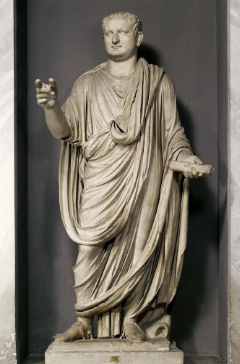
<ul><li><p><span style="background-color: transparent;">Continued expeditions in Judea and Jerusalem&nbsp;</span></p></li><li><p><span style="background-color: transparent;">Son of Flavius</span></p></li><li><p><span style="background-color: transparent;">Continues convention of veristic portraiture&nbsp;</span></p></li><li><p><span style="background-color: transparent;">Favoring of public architecture</span></p></li></ul><p><span style="background-color: transparent;">Togate statue of Titus, from Rome, 79-81, marble</span></p><ul><li><p><span style="background-color: transparent;">Veristic-A style of portraiture emphasizing hyper-realism, often showcasing age and experience, popular in Roman art. </span></p></li></ul><p></p>
29
New cards

Domitian 81-96

  • Younger brother of Titus

  • Similar to Nero

Bust of Flavian woman, Rome, ca. 90 Marble

  • Flavian portraits of women had elaborate hairstyles
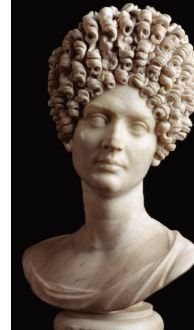
<ul><li><p><span style="background-color: transparent; font-family: &quot;Times New Roman&quot;, serif;">Younger brother of Titus</span></p></li><li><p><span style="background-color: transparent; font-family: &quot;Times New Roman&quot;, serif;">Similar to Nero</span></p></li></ul><p><span style="background-color: transparent; font-family: &quot;Times New Roman&quot;, serif;">Bust of Flavian woman, Rome, ca. 90 Marble</span></p><ul><li><p><span style="background-color: transparent; font-family: &quot;Times New Roman&quot;, serif;">Flavian portraits of women had elaborate hairstyles</span></p></li></ul><p></p>
30
New cards

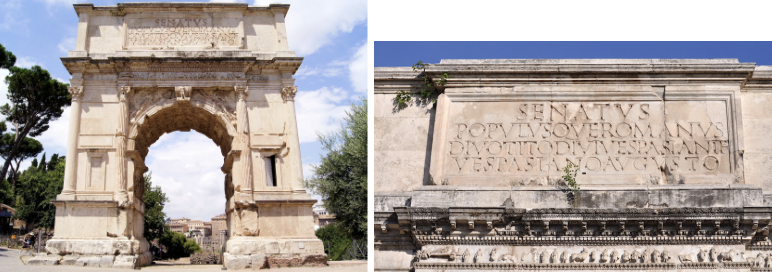
Arch of Titus, Via Sacra, Rome, ca. 81 (erected by Domitian shortly after death of Titus)

  • Erected in memory of Titus

  • Triumphal arch, commemorates victory in Jerusalem and pillaging 

  • Built by Senate and people of Rome

  • Believed theory Titus’s ashes are inside the monument

  • Jams of arch are reliefs

  • Barrel vault has coffers with rosettes inside

  • Eagle carrying soul of Titus into the afterlife on top

  • Victory in spandrels 

  • Frieze with procession of sacrifice

<ul><li><p><span style="background-color: transparent; font-family: &quot;Times New Roman&quot;, serif;">Erected in memory of Titus</span></p></li><li><p><span style="background-color: transparent; font-family: &quot;Times New Roman&quot;, serif;">Triumphal arch, commemorates victory in Jerusalem and pillaging&nbsp;</span></p></li><li><p><span style="background-color: transparent; font-family: &quot;Times New Roman&quot;, serif;">Built by Senate and people of Rome</span></p></li><li><p><span style="background-color: transparent; font-family: &quot;Times New Roman&quot;, serif;">Believed theory Titus’s ashes are inside the monument</span></p></li><li><p><span style="background-color: transparent; font-family: &quot;Times New Roman&quot;, serif;">Jams of arch are reliefs</span></p></li><li><p><span style="background-color: transparent; font-family: &quot;Times New Roman&quot;, serif;">Barrel vault has coffers with rosettes inside</span></p></li><li><p><span style="background-color: transparent; font-family: &quot;Times New Roman&quot;, serif;">Eagle carrying soul of Titus into the afterlife on top</span></p></li><li><p><span style="background-color: transparent; font-family: &quot;Times New Roman&quot;, serif;">Victory in spandrels&nbsp;</span></p></li><li><p><span style="background-color: transparent; font-family: &quot;Times New Roman&quot;, serif;">Frieze with procession of sacrifice</span></p></li></ul><p></p>