Canada Energy Sources: Traditional vs. Alternative Energy Use and Production
 Call Kai
 Learn
Learn Practice Test
 Spaced Repetition
 Match
Match Flashcards
 Knowt Play
1/19

There's no tags or description
Looks like no tags are added yet.
Name | Mastery | Learn | Test | Matching | Spaced | Call with Kai |
|---|
No analytics yet
Send a link to your students to track their progress
20 Terms
What is energy?
Something that is used to power things, such as electricity, heating, and fuel.
What factors contribute to Canada's high per capita energy use?
Cold temperatures, a small population spread out over land, an advanced industrial economy, and relatively cheap energy.
What are the two main categories of energy sources?
Traditional energy sources and alternative energy sources.
What are traditional energy sources?
Sources that usually use up natural resources and can harm the environment, such as oil, natural gas, and coal.
What are alternative energy sources?
Sources that do not use up natural resources or harm the environment, such as solar, wind, and hydroelectricity.
What percentage of Canada's energy use is accounted for by oil, natural gas, and electricity?
98% (oil 39%, natural gas 35%, electricity 24%).
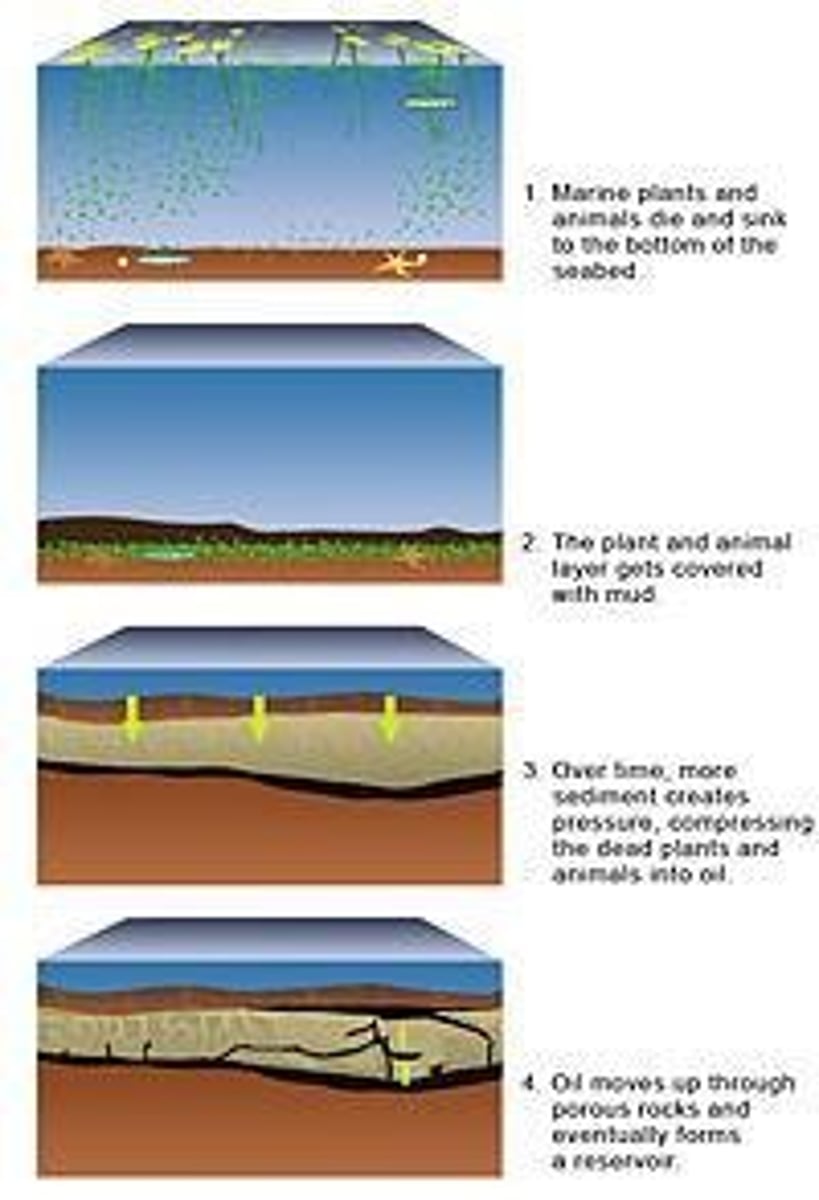
How is oil and natural gas formed?
From the remains of marine animals and plants built up in layers, covered by sand and silt, and transformed by heat, pressure, and bacterial action.
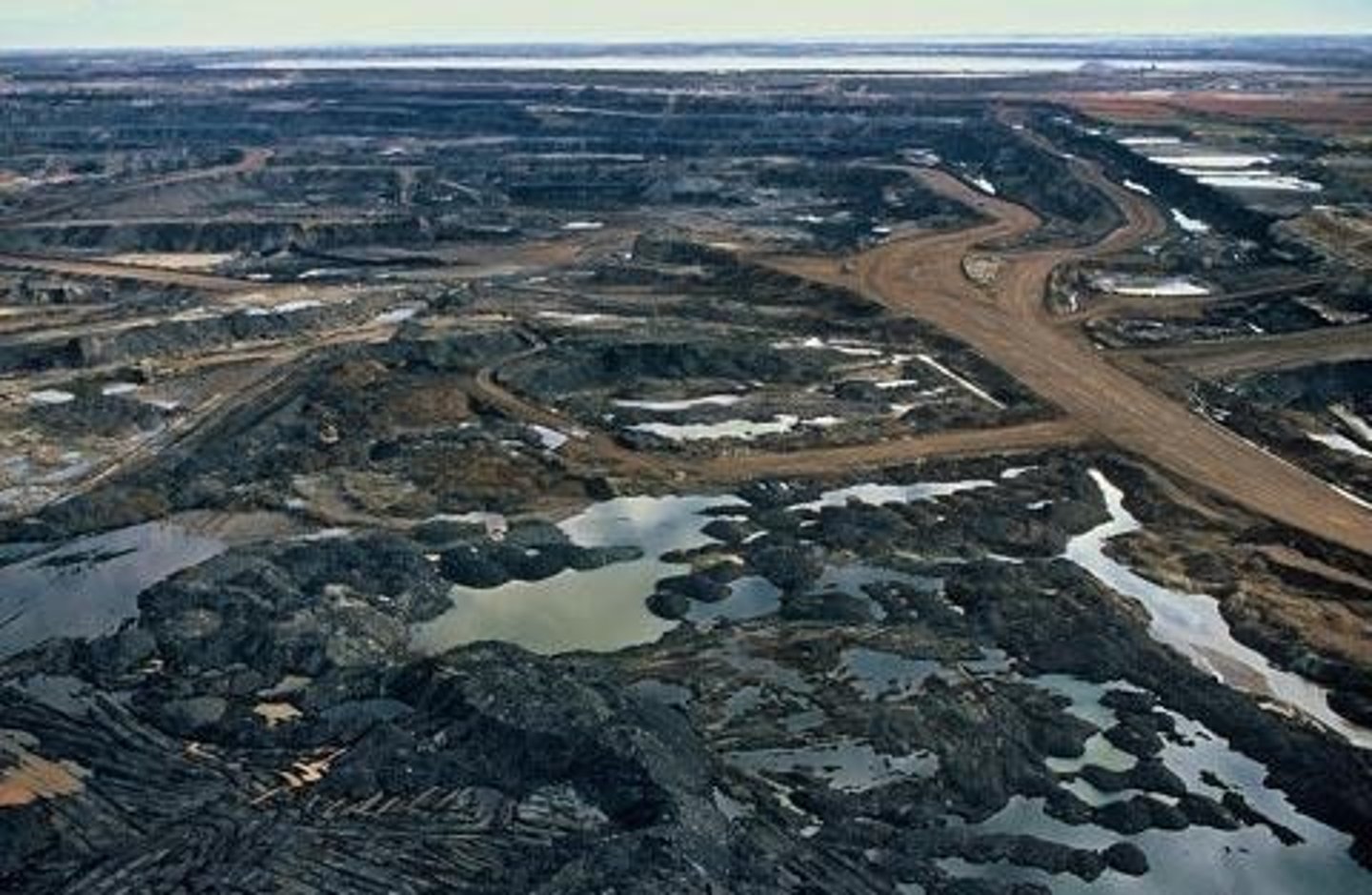
What are Alberta's Tar Sands?
A mixture of sand, water, clay, and bitumen, found in northeastern Alberta, that requires costly and environmentally harmful extraction processes.
What are the three major methods of electricity production in Canada?
Hydroelectric, thermoelectric, and nuclear-electric.
What is hydroelectricity?
Electricity produced by the force of water driving a generator, typically built near rivers with significant elevation changes.
What are the advantages of hydroelectricity?
Cheap, no air pollution, renewable (water), and can have other uses.
What are the disadvantages of hydroelectricity?
Costly to build, potential flooding, seasonal water flow patterns, and sites may be far from energy needs.
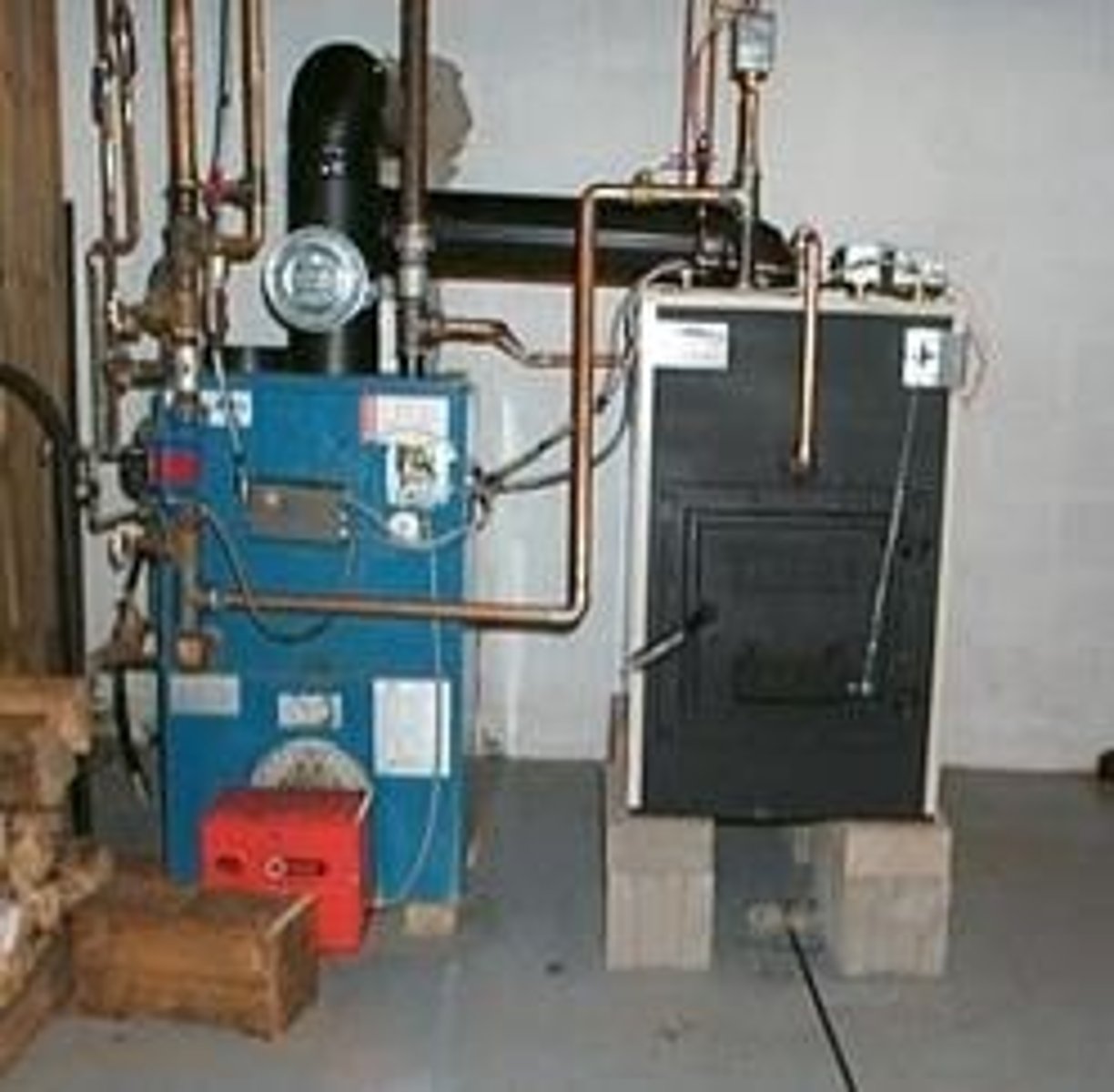
What is thermoelectricity?
Electricity generated by steam turning turbines, produced by burning fuels like coal, oil, or natural gas.
What are the advantages of thermoelectricity?
Can be built in cities, shorter transmission lines, and less expensive to build.
What are the disadvantages of thermoelectricity?
Fuel costs, use of nonrenewable resources, and air pollution.
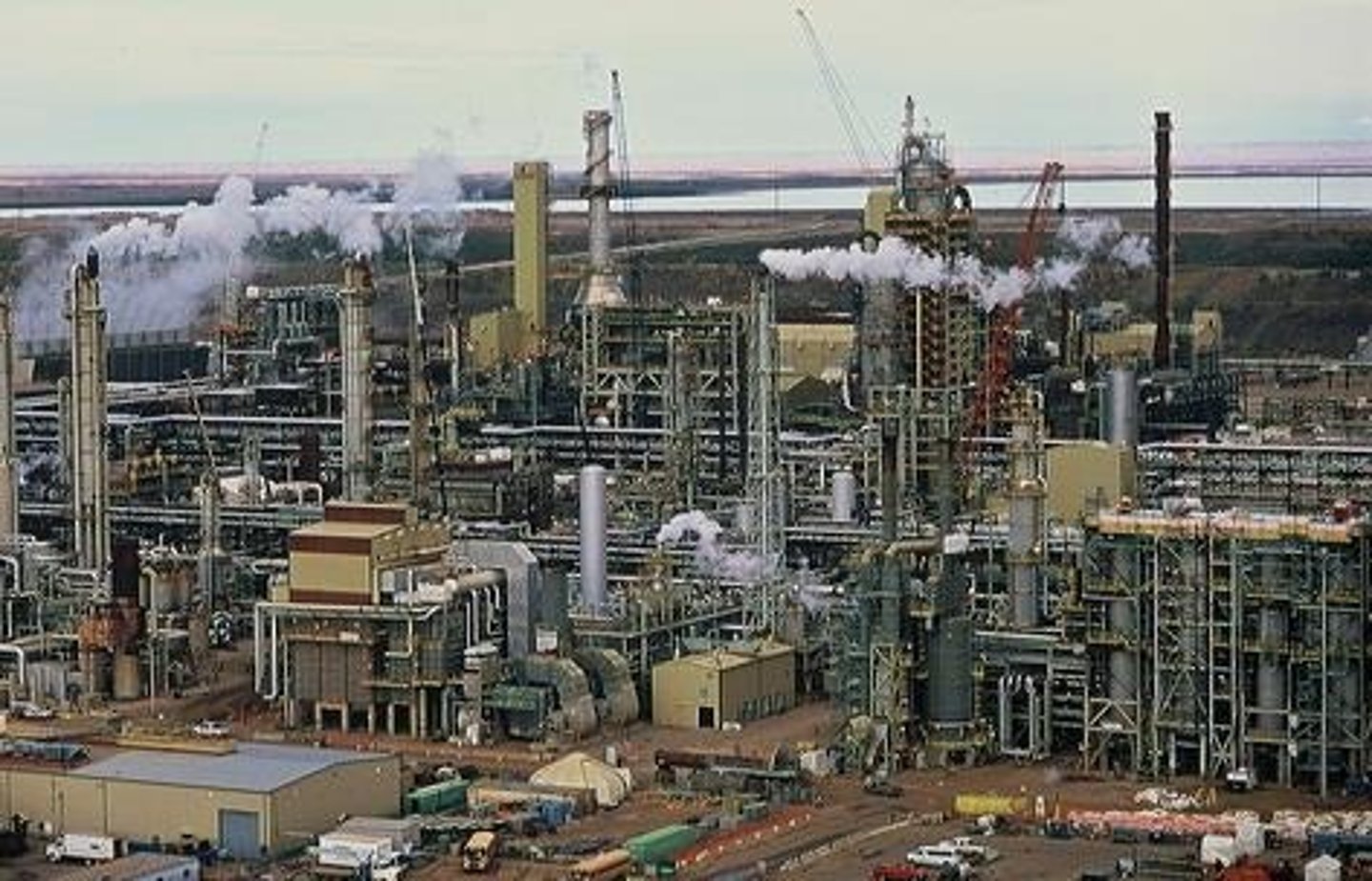
How is nuclear electricity generated?
By using steam produced from the breakdown of radioactive uranium atoms to turn turbines.
What are the advantages of nuclear electricity?
Low operating costs, low transmission costs, and no air pollution.
What are the disadvantages of nuclear electricity?
High construction costs, hazardous waste products, and potential unreliability as plants age.
What is biomass energy?
Energy produced from organic materials such as wood, peat, and manure.
What are some examples of alternative energy sources?
Solar, wind, biomass, tidal power, and geothermal energy.