Morality Humanities Quiz Pinson
 Call Kai
 Learn
Learn Practice Test
 Spaced Repetition
 Match
Match Flashcards
 Knowt Play
1/42

There's no tags or description
Looks like no tags are added yet.
Name | Mastery | Learn | Test | Matching | Spaced | Call with Kai |
|---|
No analytics yet
Send a link to your students to track their progress
43 Terms
Socrates
Believed that knowledge leads to virtue; "to know the good is to do the good." Reason should guide actions, not self-interest.
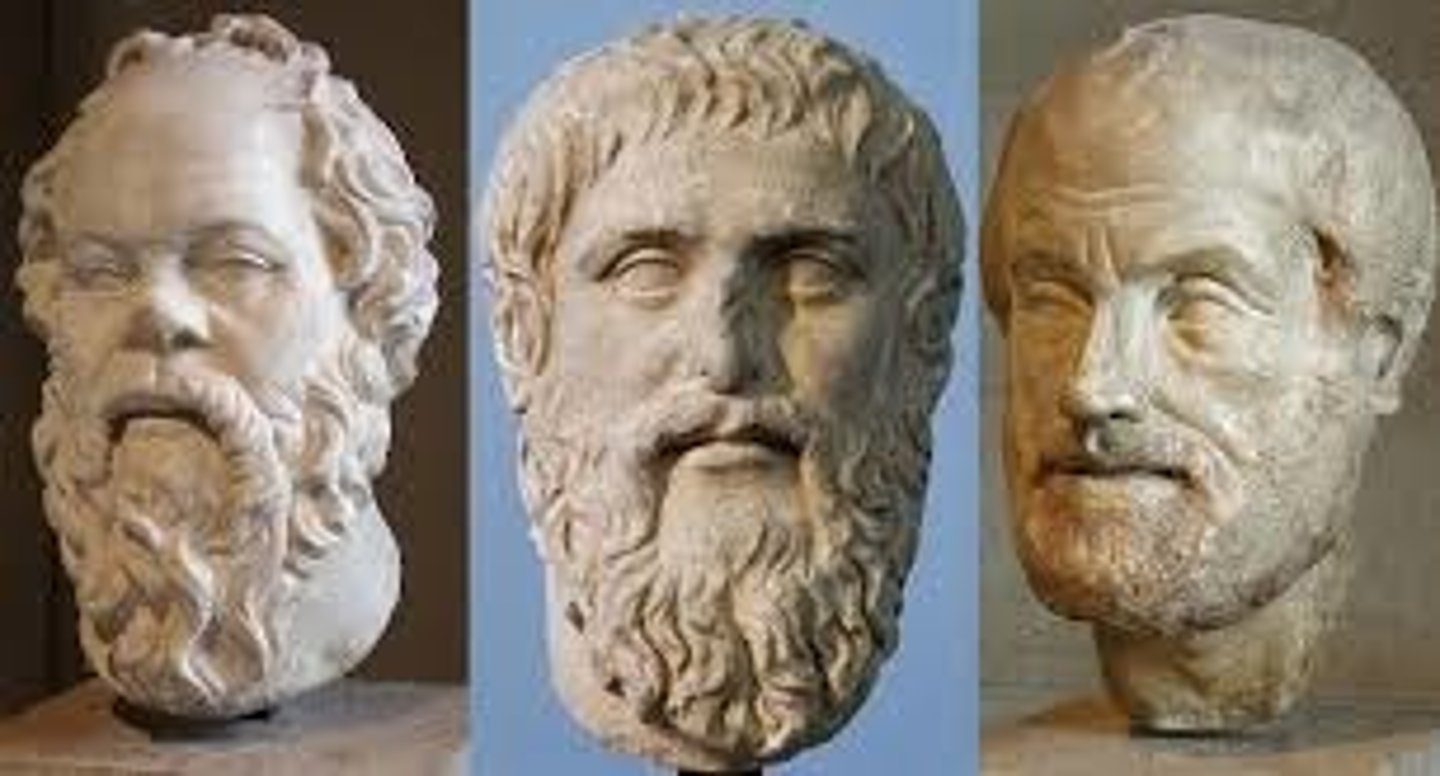
Plato
Student of Socrates: emphasized reason and justice as the foundation of morality and a well-ordered society
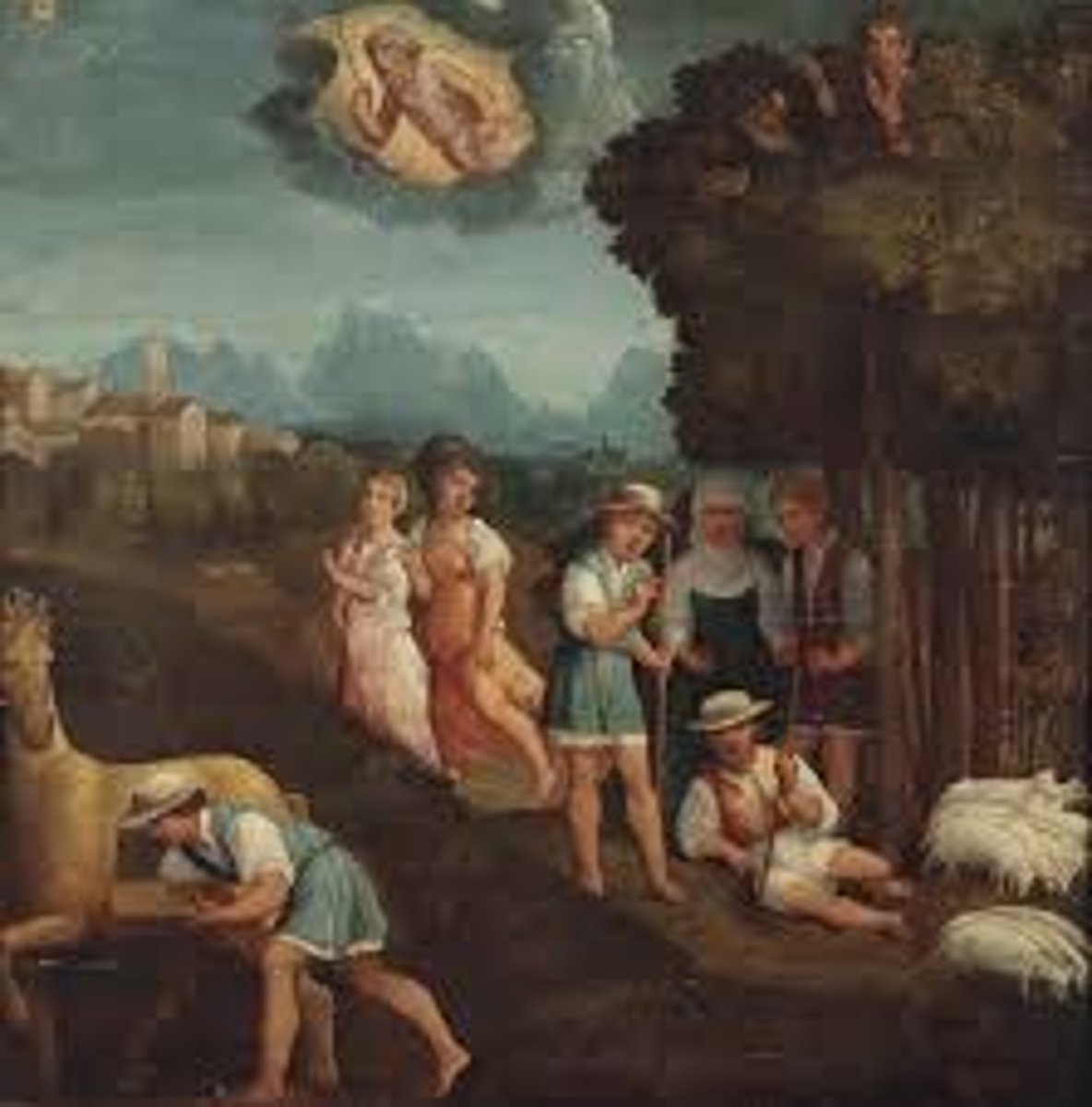
Glaucon (Ring of Gyges)
Argues people act morally only because of consequences; the ring shows the difference between APPEARING moral vs actually BEING moral
Moral Relativism
The idea that morality depends on culture, time, place, and situation. No universal moral truth.

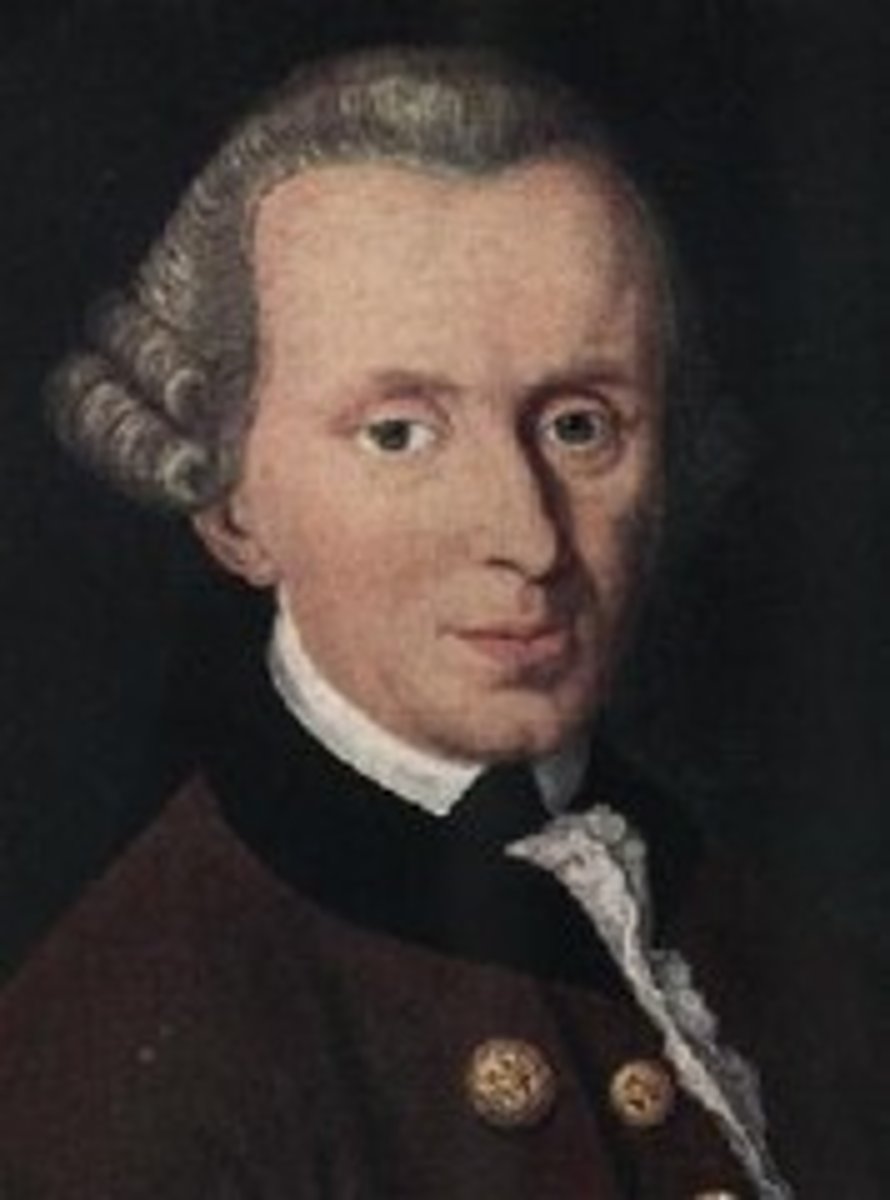
Immanuel Kant (Moral Imperative)
Morality is based on universal duties and rules; actions are right if they follow a moral law (categorical imperative), regardless of outcome.
Moral Absolutism
The belief that certain actions are always right or wrong
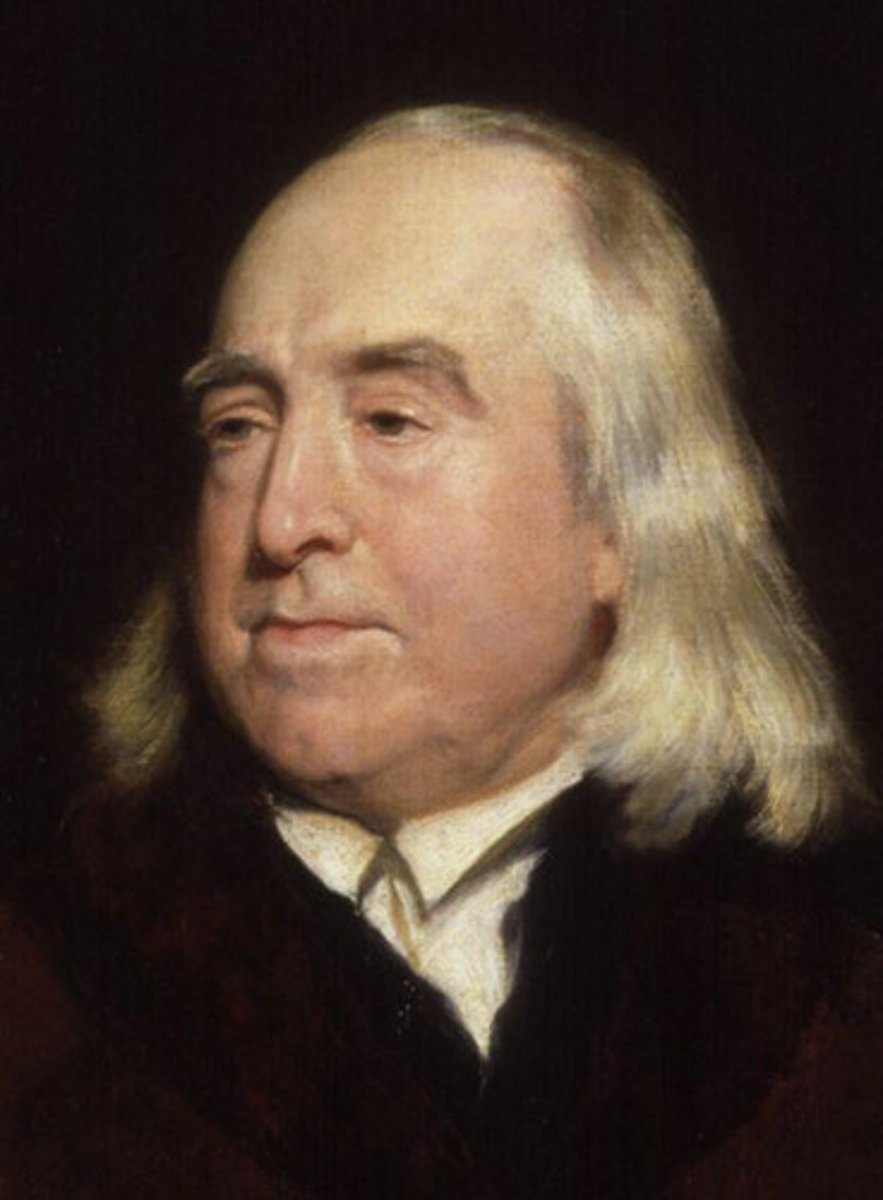
Jeremy Bentham (Moral Mathematics / Utilitarianism)
Morality is determined by the greatest happiness for the greatest number; actions are judged by outcomes. His philosophy rooted in hedonism.
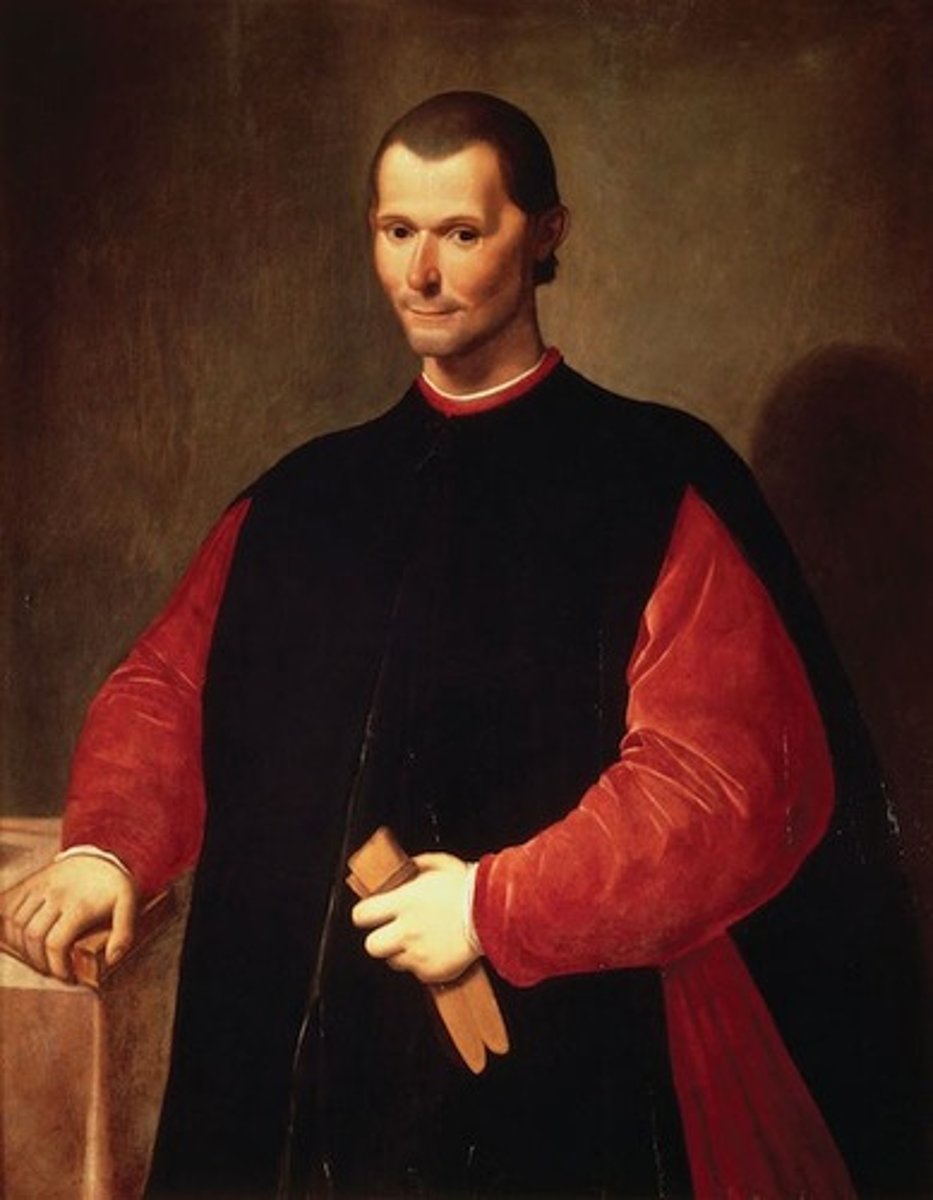
Niccolò Machiavelli
Believed rulers should act in their own interest to maintain power and stability; it is better to be feared than loved.
Thomas Hobbes
Believed humans are naturally selfish and driven by self-interest; strong government is needed to maintain order (social contract).
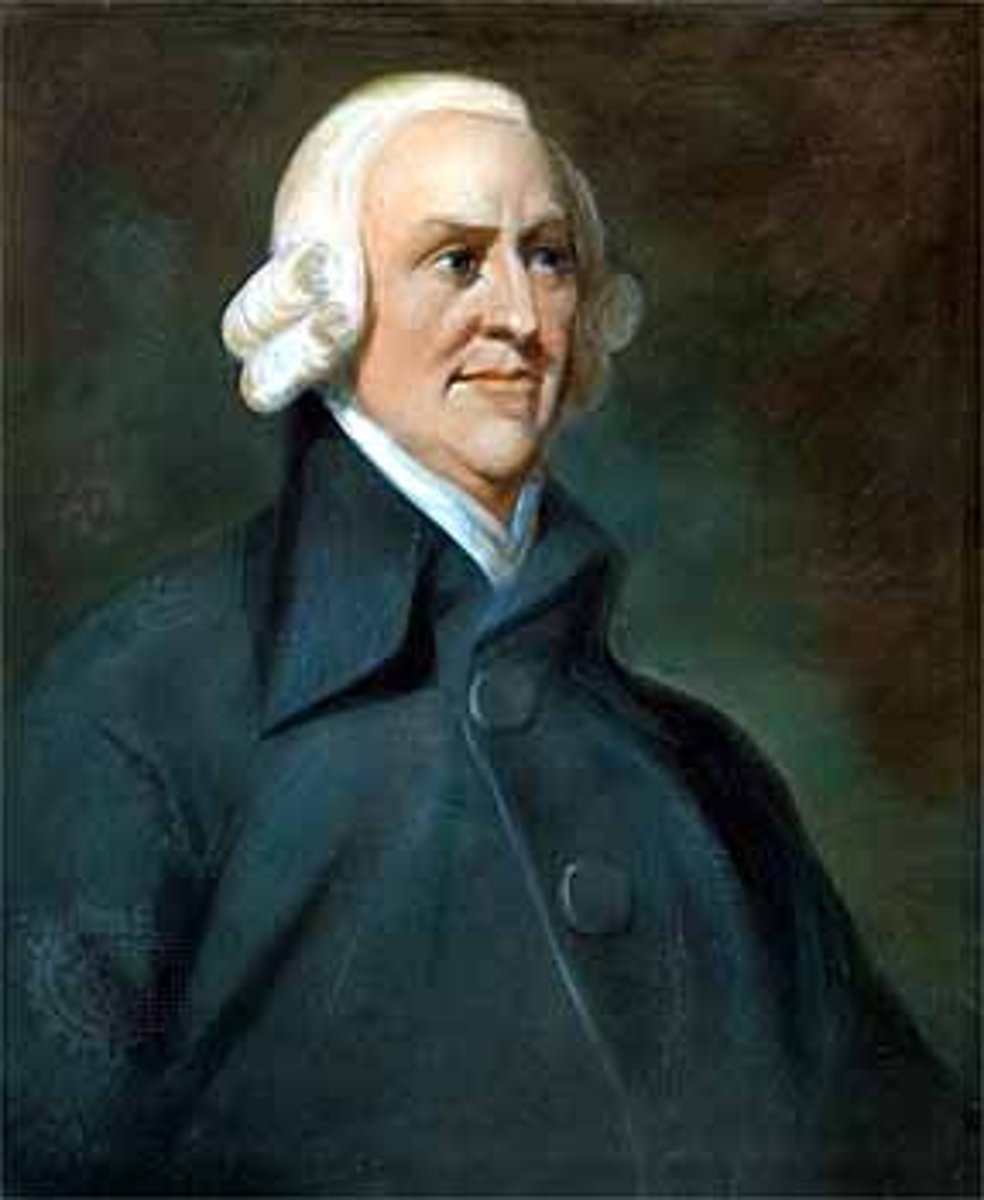
Adam Smith
Invisible hand theory. Advocated capitalism and laissez-faire economics; believed economic self-interest benefits society.
Morality
Principles of right and wrong behavior; how people decide what is good or bad.
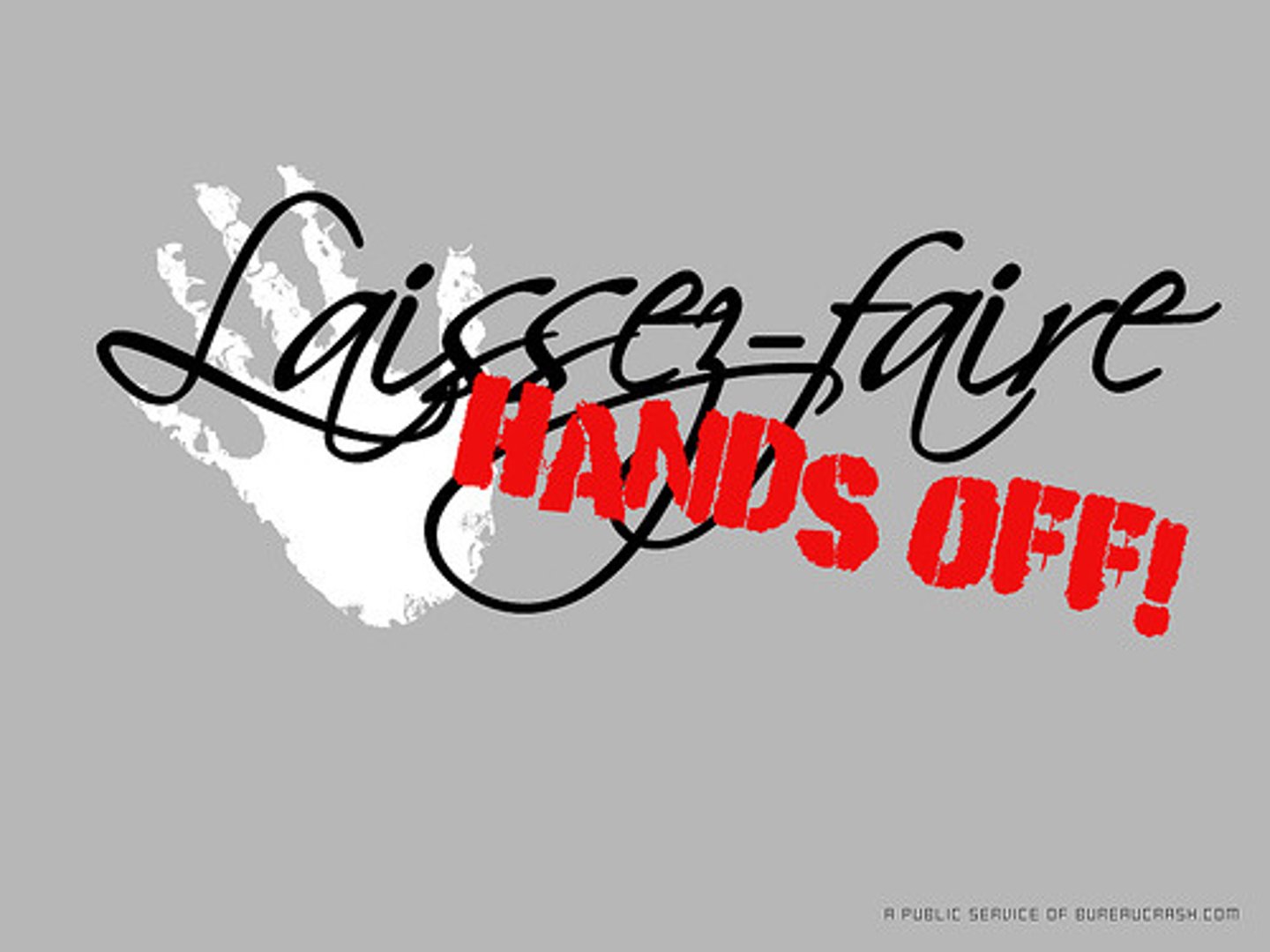
Laissez-faire
An economic policy of minimal government interference, "let people do as they choose."
Altruism
Selfless concern for the well-being of others
Philosopher-King
Plato's ideal ruler: someone who governs using wisdom, reason, and knowledge of the good
John Donne (Poem Meaning)
Emphasizes human interconnectedness - what affects one person affects all ("no man is an island")
Castrati
Male singers castrated before puberty to preserve a high vocal range
Timbre (Tone-Color)
The unique quality or sound of a voice or instrument
Tone
A musical sound with a define pitch
Pitch
How high or low a sound is
Range
The span of pitches a voice or instrument can produce
Interval
The distance between two pitches
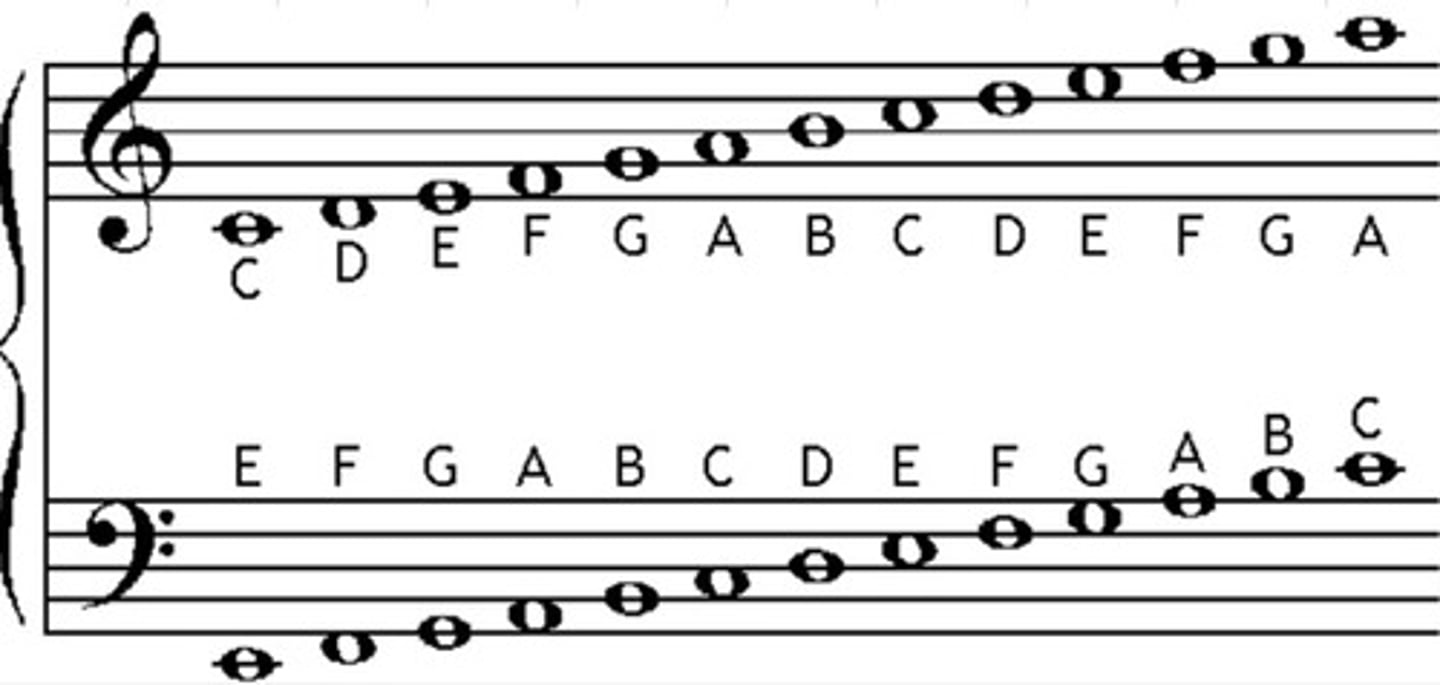
Scale
A sequence of notes that form a musical phrase
Melody
A sequence of notes that form a musical phrase
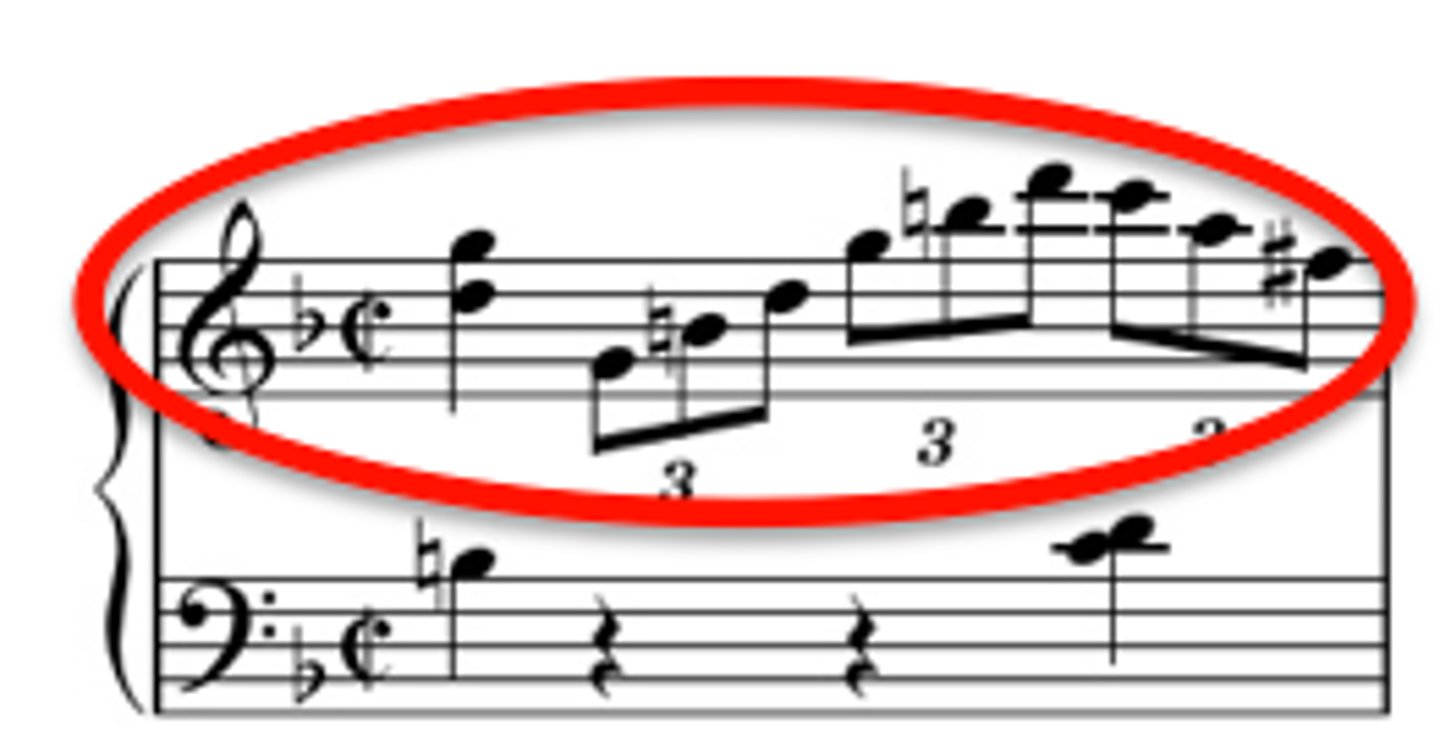
Harmony
Multiple notes played together to support a melody
Rhythm
The pattern of beats and timing in music
Resolution
When a musical phrase feels complete or settled
Texture
How many layers of sound are in music (thin vs thick)
Chord
Three or more notes played together
Major
a scale or chord that sounds bright or happy.
Minor
A scale of chord that sounds sad or dark.
Duration
The length the note is held.
Beat
The steady pulse in music.
Tempo
The speed of the beat.
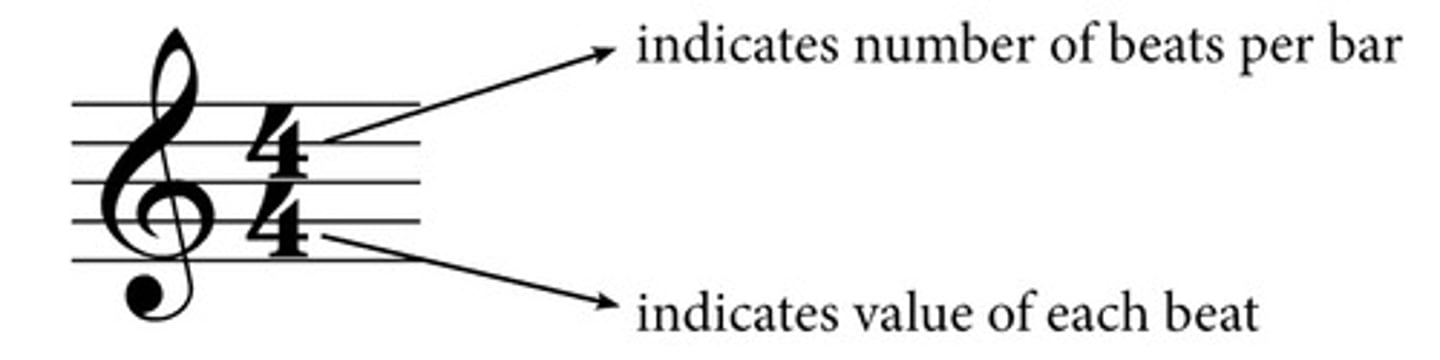
Meter
The organization of beats (like 4/4 time).
Verse
A section of a song that tells a story
Chorus (Refrain)
The repeated, main part of a song.
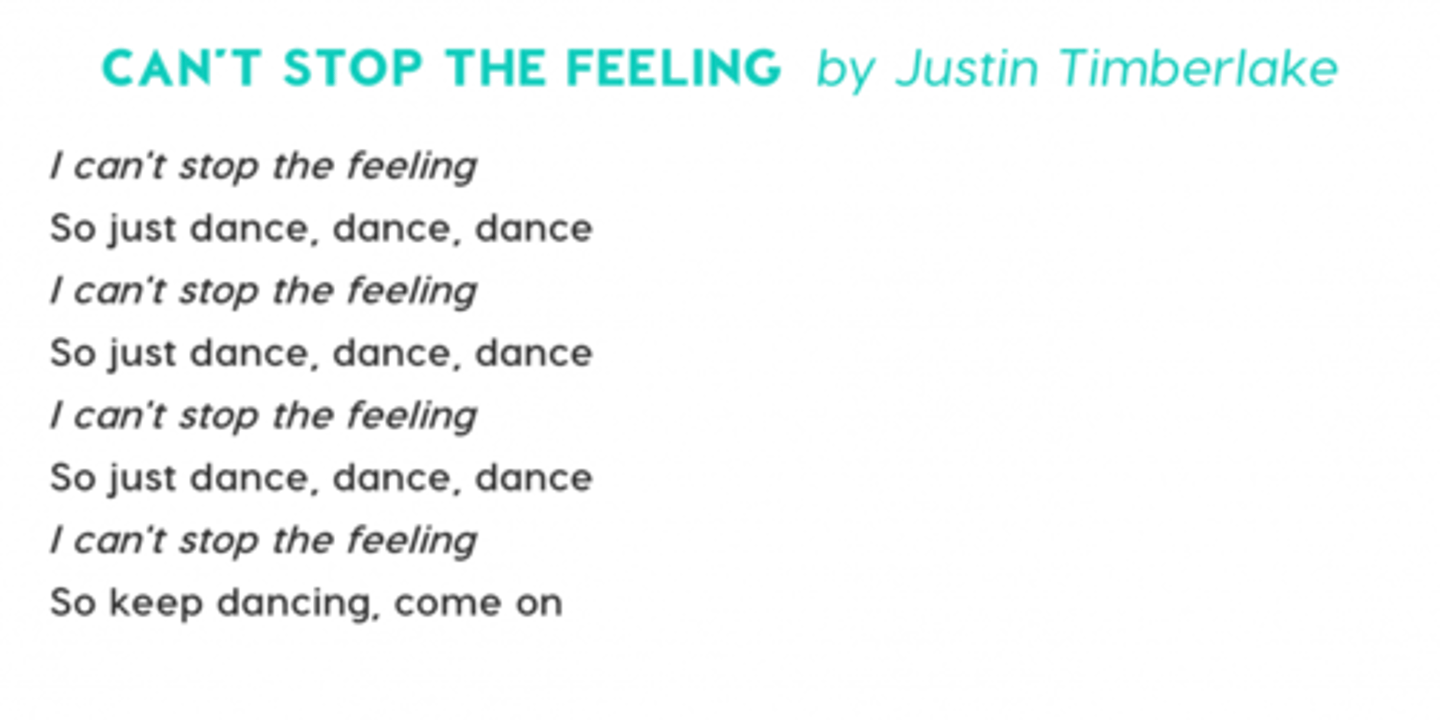
Bridge
A contrasting section that connects parts of a song.
Instrumental
Music without vocals.
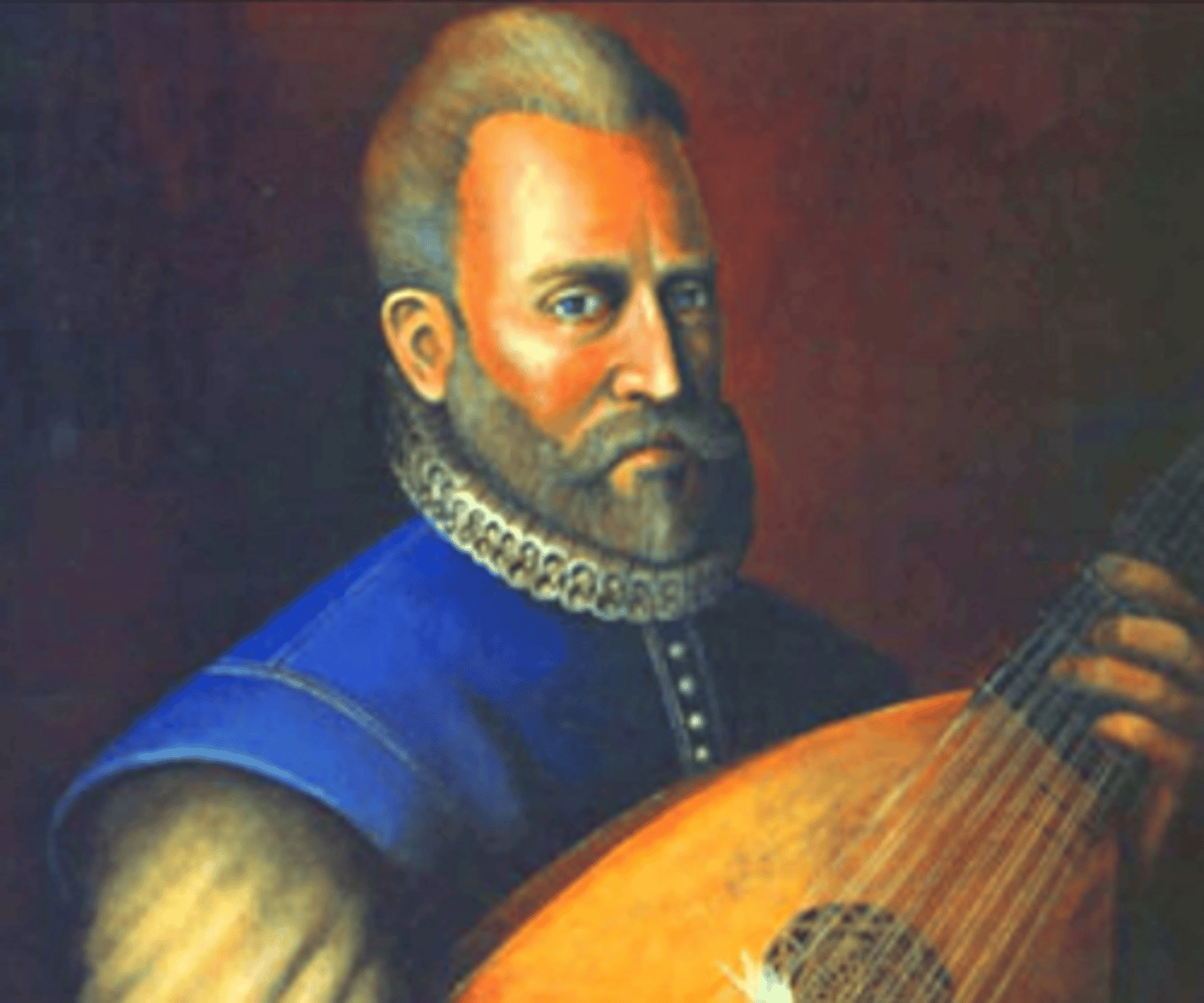
John Dowland
Renaissance composer known for emotional, melancholic lute songs
Alessandro Moreschi
Italian, last known castrato singer.
Role of Music (Aristotle)
Music has three purposes; education, emotional purification (purgation), and intellectual enjoyment.
Music in Education
Music helps character and teaches emotional discipline and moral behavior
Moral vs Immoral Music
Different melodies and modes influence emotions; some promote virtue and balance, while others encourage excess or negative behavior.