Student Centered Instructional Strategies
 Call Kai
 Learn
Learn Practice Test
 Spaced Repetition
 Match
Match Flashcards
1/17

There's no tags or description
Looks like no tags are added yet.
Name | Mastery | Learn | Test | Matching | Spaced | Call with Kai |
|---|
No analytics yet
Send a link to your students to track their progress
18 Terms
Gallery Walk
Allow the students to move about the room in an ordered fashion to observe and to think about instructional items that have been strategically placed around the room. Students have some sort of deliverable at each poster such as post-it notes
Jigsaw
Students are divided into small groups; each group learns a portion of content. Then students meet with others who learned different content and share what they learned
World Cafe
a structured conversational process for knowledge sharing in which groups of people discuss a topic at several tables, with individuals switching tables periodically and getting introduced to the previous discussion at their new table by a "table host".
Socratic Seminar
A student-led discussion where students make meaning of a rich text. A tool for equitable dialogue that promotes critical thinking and allows students to share their voice around a common topic
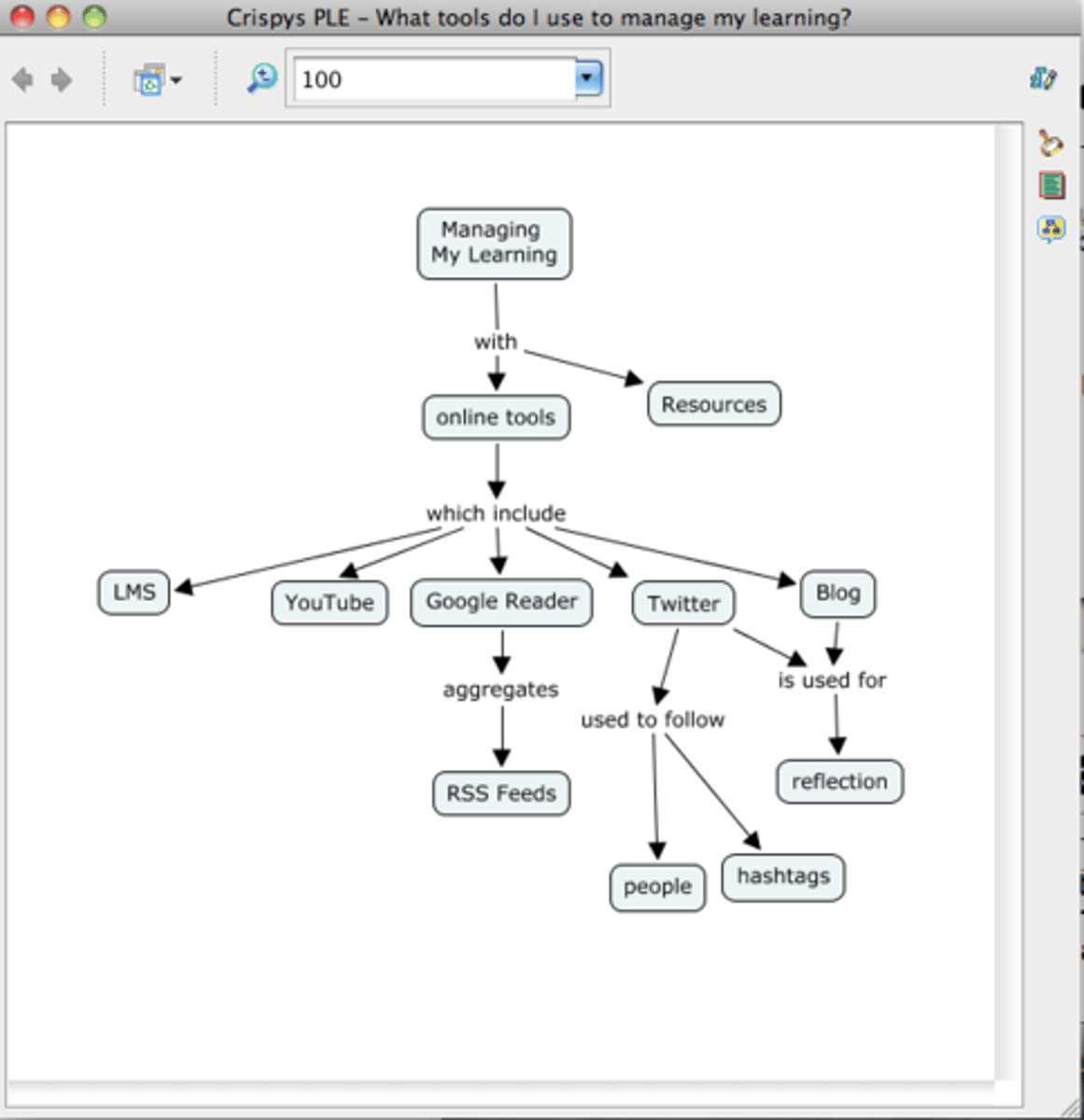
Concept Mapping
Students make meaning of a concept through generating and arranging vocabulary/descriptors.
Think-Pair-Share
Think about it alone, share our ideas with someone else, then share our ideas with the whole class.
CER Tool
A scaffold for argumentative writing to allow students to establish a well developed paragraph/essay through claim, evidence and reasoning
Collaborative Posters
The teacher purposefully groups students accordingly. Each student has a unique color marker and signs her/his name using the marker. Teacher assigns each group a task.Students create a poster that demonstrates their understanding of the content/skills being
learned.
Give One, Get One
Teacher asks students to respond to a question. Students then walk around to share ideas with peers by getting ideas and giving ideas. This strategy is to stimulate students' thinking as they investigate and build their knowledge. (great to prepare for evidence collection for an argumentative essay)
Fishbowl
A group of students have a conversation in an inner circle while student in an outside circle observe. Used to model effective interpersonal communication and support student interaction around important content
Four Corners
an approach that asks students to make a decision about a problem or question. Each area of the classroom is labelled with a different response (strongly agree, agree, disagree, strongly disagree).
Whip Around
Students write down responses to a question or prompt given to them and quickly share their responses with the class
Save the last word
Students read a text and each student selects meaningful quotes that stood out. They write those quotes down with their responses/reactions. One student shares their quote (not response) with their group, each group member responds and the original student has the last word by sharing their original response/reaction.
Text Discussion Protocol
Students are divided into pairs or groups; each silently listens to or reads a text. Each student has a turn to share their thoughts on a discussion point.
Chalk Talk
Students respond to prompts in writing and then respond to what other students said, also in writing. Allows students to articulate, expand on, and revise their knowledge, allows students to connect with and learn from each other.
Concept Attainment
Facilitator introduces new concepts through providing students with a series of examples and non-examples. Students make connections and develop their own definitions.
Critical Friends
A strategy used for students to receive feedback by following a protocol by investigating "I like" "I wonder" "Next Steps"
Card Sort
Students sort cards with info or vocabulary into meaningful groups. Gives space for students to provide their own reasonings and promotes self-assessment; serves as a formative assessment.