Epithelia - MPG
 Call Kai
 Learn
 Practice Test
 Spaced Repetition
 Match
 Flashcards
 Knowt Play
1/18

19 Terms
Epithelia Definition
composed of cells of the same type that line the cavities and surfaces of structures throughout the body.
Features of epithelial tissue
create a barrier between two different environments
closely packed
possess nerve endings but are avascular (no blood supply)
have a basement membrane made of collagen fibers at the bottom of the epithelial layer which anchors the epithelium to its underlying tissue
Special Functions of epithelia
absorption: epithelial lining in the intestines have microvilli to absorb nutrients
transportation: epithelial lining in the trachea with cilia to transport particles away from the lungs, also in the fallopian tubes to transport the ovum towards the uterus.
secretion; epithelial lining in the intestines and respiratory tract have goblet cells to secrete mucus
sensation; the epithelial lining in the tongue forms the taste buds. Nerve endings are also related to the sensation of smell
why are cells in a ‘diamond shape’
stronger and less likely to collapse
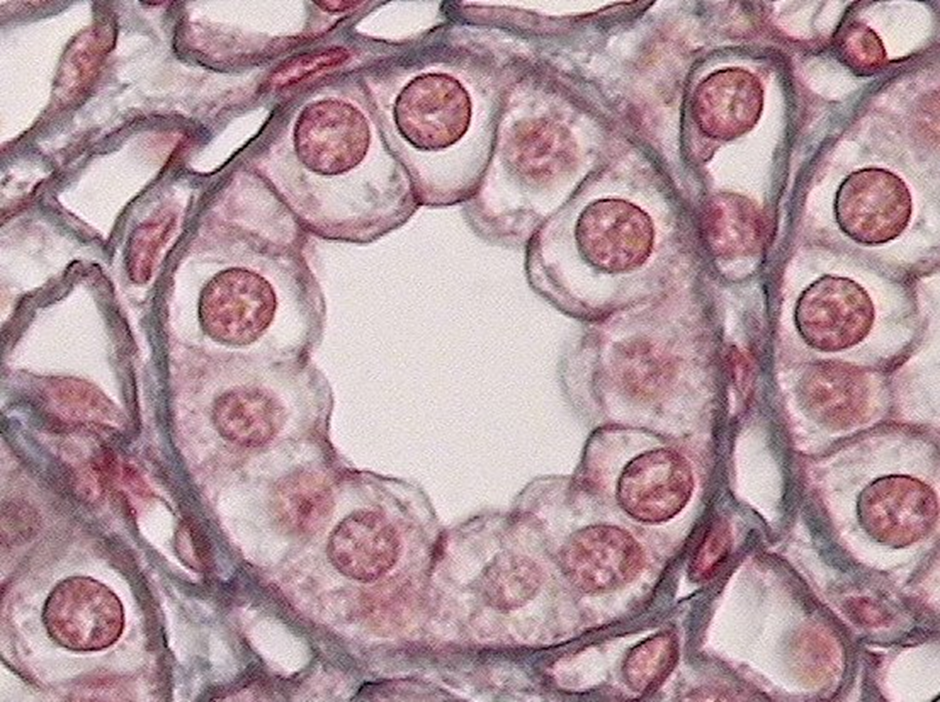
simple cuboidal epithelium
→ kidney tubule
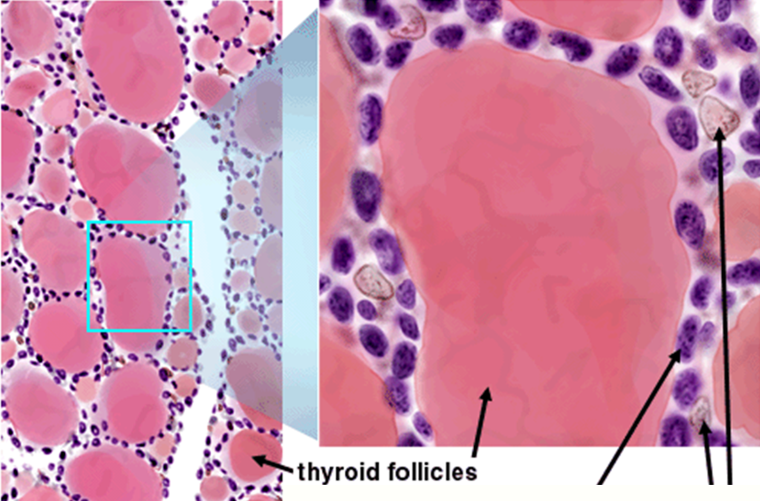
Simple Cuboidal Epithelium
→ thyroid gland
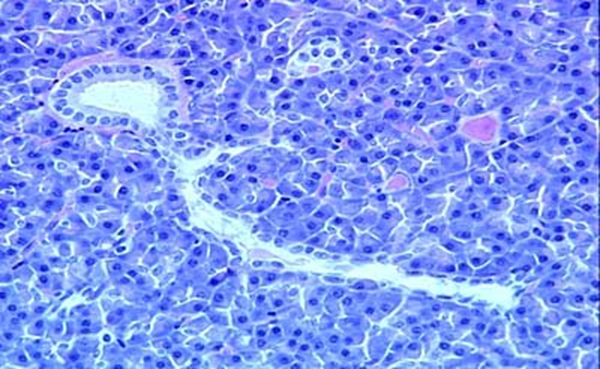
Simple cuboidal Epithelium
→ acinar cells in the pancreas
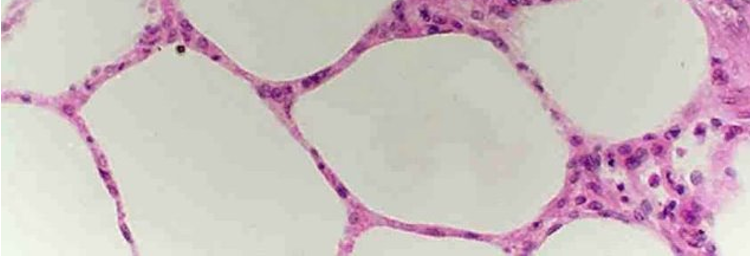
Simple Squamous Epithelium
→ glomerulus in the kidney
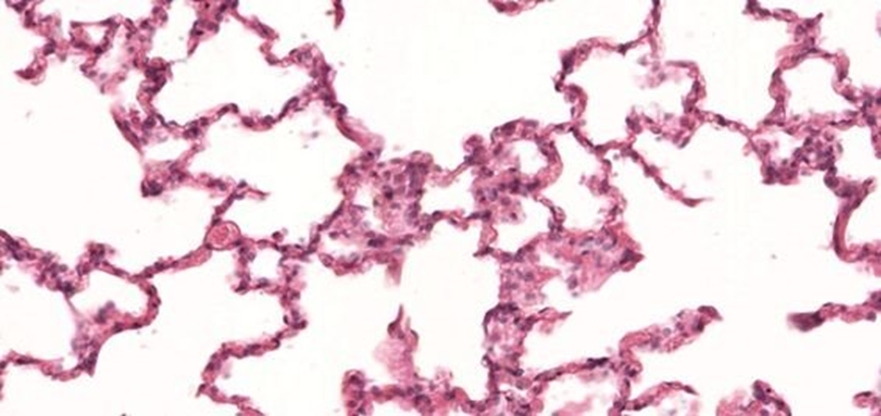
Simple Squamous
→ alveolus
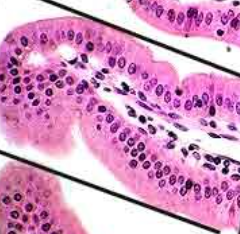
Columnar Secretory
→ duodenum/ileum
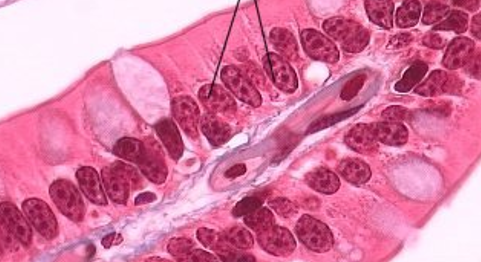
Columnar Secretory
→ duodenum
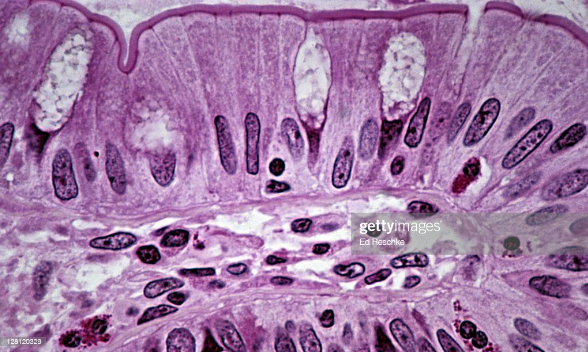
Columnar Secretory
→ duodenum
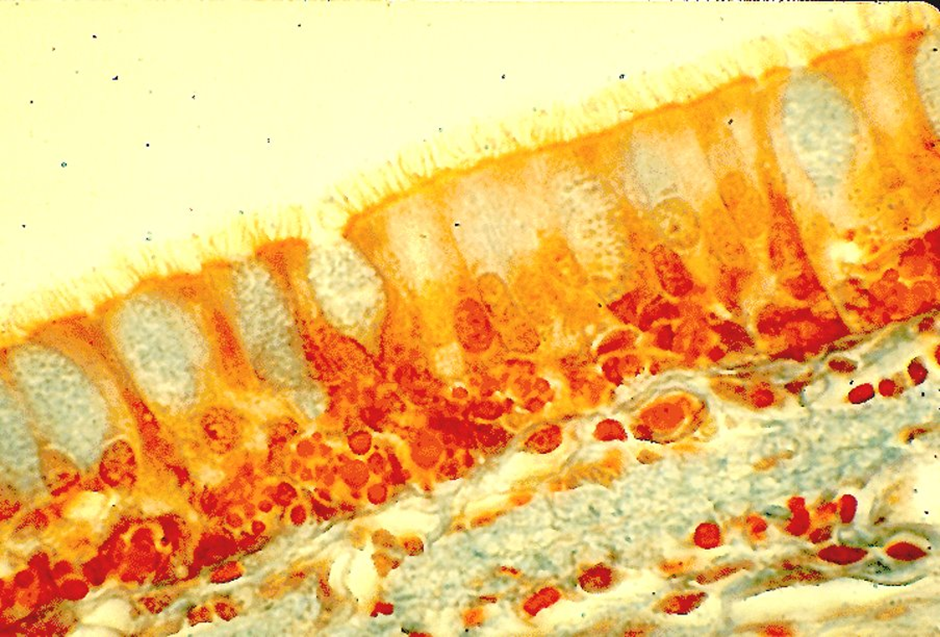
Psuedo-stratified Ciliated
→ trachea
→ columnar epithelium with cilia
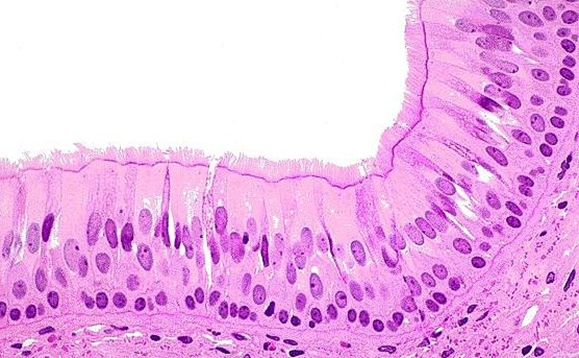
Pseudo-stratified Ciliated epithelium
→ oviducts
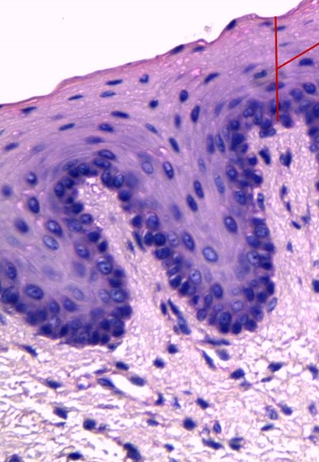
Stratified Squamous
→ protective function where the surface is subject to abrasion
→ non keratinized
→ oesophagus
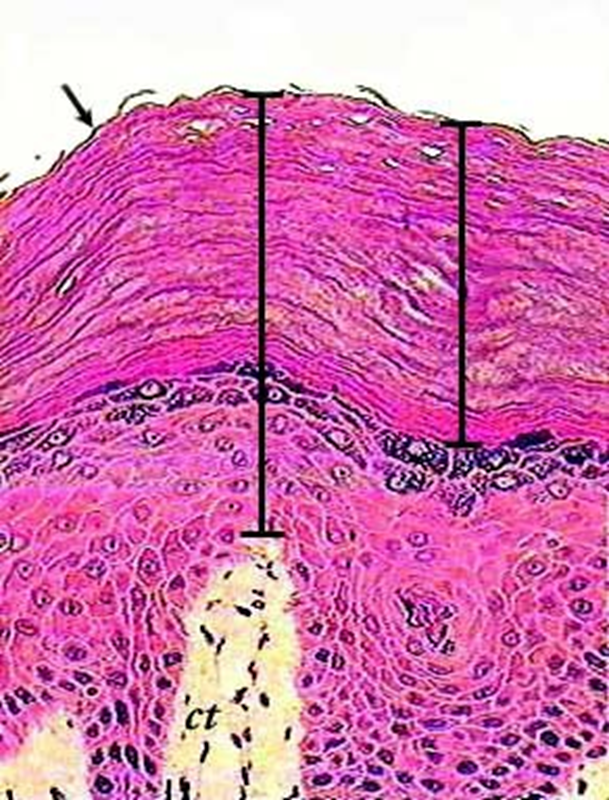
Stratified Squamous
→ protective function where the surface is subject to abrasion
→ keratinized
→ skin
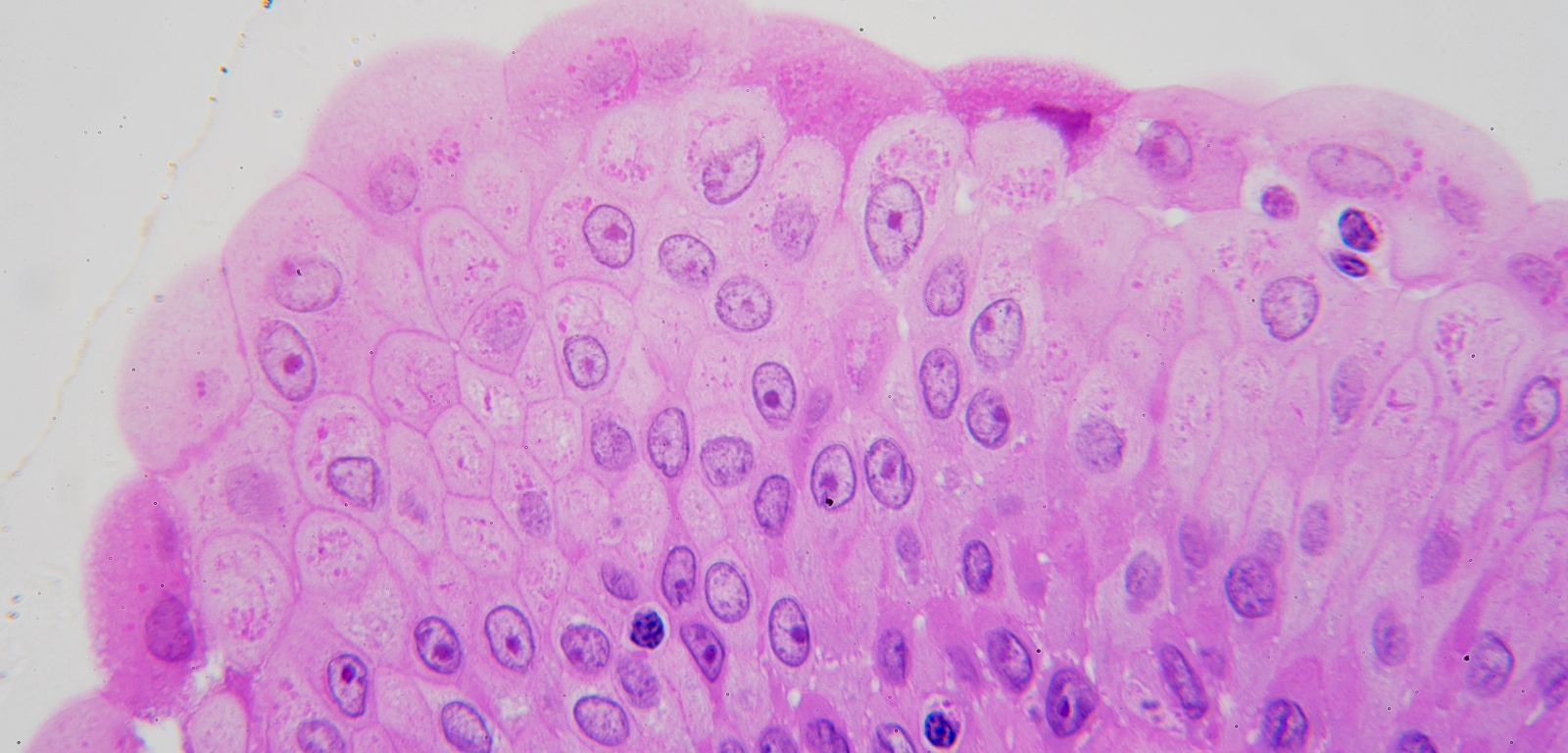
Transitional Epithelium
→ multiple layers of cells that can expand and contract
→ bladder lining (relaxed)
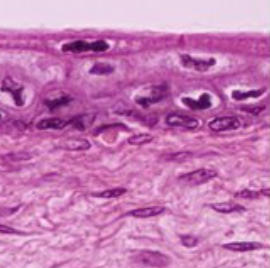
Transitional Epithelium
→ multiple layers of cells that can expand and contract
→ bladder lining (stretched)
what is meant by ‘cornified’
when squames are transformed into a dead horny layer of keratin which eventually flakes away