Peds Endocrine/Metabolic/Skin
 Call Kai
 Learn
Learn Practice Test
 Spaced Repetition
 Match
Match Flashcards
 Knowt Play
1/49

There's no tags or description
Looks like no tags are added yet.
Name | Mastery | Learn | Test | Matching | Spaced | Call with Kai |
|---|
No analytics yet
Send a link to your students to track their progress
50 Terms
Endocrine glands in pediatric pts
-the endocrine system comprises highly specialized glands that synthesize and release hormones directly into the bloodstream, functioning as the body’s chemical messaging network. These potent biological signals regulate crucial physiological process including metabolism, growth, development, tissue function, sexual maturation, and even psychological states. In pediatric pts, optimal endocrine function is particularly vital as it establishes the foundation for normal development and growth trajectories
-endocrine system orchestrates growth, metabolism, and development through precisely timed hormone secretion. During childhood and adolescence, these glands undergo critical developmental changes, making pediatric pts particularly vulnerable to endocrine dysfunction that can profoundly impact overall health and development
-pituitary gland (“master gland”), secretes growth hormone essential for linear growth and tissue development
-thyroid produces T3 and T4 hormones critical for neurological development, skeletal maturation, and metabolic regulation
-pancreas maintains glucose homeostasis through insulin and glucagon, especially important rapid growth phases
-adrenal glands produce cortisol and catecholamines that regulate stress response, fluid balance, and energy metabolism
-gonads (ovaries/testes) release sex hormones controlling puberty onset and progression.
-understanding these unique aspects of pediatric endocrine function helps clinicians promptly identify disorders s/a growth hormone deficiency, congenital hypothyroidism, T1D, and adrenal insufficiency, enabling timely intervention to optimize developmental outcomes
pituitary gland
-secretes hormones that control other endocrine organs
-produces growth hormone (GH), thyroid stimulating hormone (TSH), adrenocorticotropic hormone (ACTH), and gonadotropins crucial for proper development
Thyroid
-produces T3 and T4 hormones that regulate metabolism, neurological development, and skeletal growth
-these hormones are essential for energy production, temp regulation, and overall growth in children
Adrenal gland
-divided into cortex and medulla, these galnds produce cortisol, aldosterone, epinephrine, and norepinephrine
-these hromones regulate stress response, maintain fluid-electrolyte balance, and control glucose levels in the bloodstream
Pancreas
-contains specialized islets of langerhans w/ beta cells that produce insulin for glucose uptake and alpha cells that release glucagon to raise blood glucose
-this balanced system is crucial for maintaining proper blood sugar levels
gonads
-includes ovaries (producing estrogen and progesterone) and testes (producing testosterone)
-these sex hormones trigger puberty, develop secondary sexual characteristics, and support reproductive functions, while also contributing to growth and bone development
Disorders of pituitary
-growth hormone deficiency disorder = significantly compromises linear growth velocity and somatic development
-growth hromone excess
-precocious puberty = premature activation of the hypothalamic-pituitary-gonadal axis before age 8 in girls or 9 in boys
-pituitary tumor = primarily adenomas that disrupt normal hormonal homeostasis
ADH related disorders:
-diabetes insipidus = insufficient ADH secretion resulting in excessive urination and compensatory thirst
-SIADH = pathological overproduction of ADH causing inappropriate water retention and dilutional hyponatremia
-pituitary disorders in pediatric pts can dramatically alter physical development, metabolic function, and physiologic equilibrium given the gland’s critical role as the master conductor of the endocrine orchestra
-prompt diagnosis coupled w/ appropriate intervention is imperative to mitigate permanent development sequelae and optimizing long-term outcomes
growth hormone deficiency
-insufficient secretion of growth hormone (somatotropin) by the anterior pituitary gland, leading to stunted physical growth, altered body composition, and metabolic irregularities in pediatric pts
-occurs due to congenital anomalies, specific genetic mutations, perinatal trauma, cranial raidation therapy, intracranial neoplasms, or idiopathic factors (representing the majority of pediatric cases)
Diagnosis:
-requires longitudinal height velocity measurements plotted on age-specific growth charts, radiographic assessment of skeletal maturation, provocation GH stimulation testing, and high-resolution pituitary MRI to identify structural abnormalities
-affects approx. 1 in 4,000 children, w/ clinical manifestations typically emerging btwn ages 1-3 years as growth velocity significantly declines. Prompt identification and treatment initiation prior to epiphyseal closure are essential for maximizing ultimate height potential and preventing long-term metabolic complications
Manifestations:
-short stature = initial normal groth velocity during infancy, followed by marked deceleration typically after 12-18 months of age, resulting in height measurements that progressively fall below the 3rd percentile on standardized growth charts
-skeletal findings = bone age significantly delayed compared to chronological age (often by 2+ years), confirmed via wrist/hand radiographs. Body proportions remain appropriately balanced, distinguishing this condition from skeletal dysplasias or chromosomal disorders
-dental effects = characteristic delay in permanent dentition eruption sequence, typically 1-2 years behind developmental norms, w/ prolonged retention of deciduous teeth frequently observed
-others = increased peripheral insulin sensitivity w/ reduced fasting insulin levels. Delayed onset of puberty in both sexes (beyond age 13 in girls, 14 in boys), w/ notably slower progression through Tanner stages when puberty eventually begins
Growth hormone deficiency treatment
Treatment approach:
-effective management requires precise monitoring of growth trajectory through systematic height and weight measurements at regular intervals
-the cornerstone of treatment is daily subcutaenous admin of recombinant human growth hormone (somatotropin), w/ dosages carefully calibrated to the child’s weight and individual treatment response
-for pts w/ underlying pituitary tumors or structural abnormalities, surgical intervention may be required before initiating hormone replacement therapy to ensure optimal treatment efficacy
Education points:
-master proper medication reconstitution and refrigerated storage techniques to preserve medication potency
-implement systematic rotation of injection sites (abdomen, thighs, buttocks) to prevent lipoatrophy and ensure consistent absorption
-administer injections at bedtime to align w/ natural nocturnal GH secretion patterns and maximizing growth potential
-continue treatment until epiphyseal fusion occurs (typically ages 14-16 for females, 16-18 for males)
-recognize and promptly report adverse effects including headaches, peripheral edema, of glucose intolerance to healthcare providers
Precocious puberty
-the development of secondary sexual characteristics before the normal age threshold (8 years in girls, 9 years in boys), resulting from premature activation of the hypothalamic-pituitary-gonadal axis
Causes:
-central = intracranial tumors, CNS infections, trauma, or idiopathic (most common in girls).
-peripheral = congenital adrenal hyperplasia, McCune-Albright syndrome, testicular/ovarian tumors, or environmental exposure
Treatment:
-for central causes = GnRH agonists (leuprolide, histrelin) administered as monthly injections or yearly implants.
-for peripheral causes = specific treatment of underlying pathology. Comprehensive approach includes psychological support, regular height/weight monitoring, and radiographic assessment of bone age advancement
Precocious Puberty manifestations
Girls:
-thelarches (breast development)
-adrenarches (pubic/ axillary hair growth)
-menarche (onset of menstruation)
-accelerated velocity w/ premature epiphyseal fusion
Boys:
-testicular enlargement
-penile enlargement
-facial/body hair development
-voice deepening (laryngeal enlargement)
Psychological impact:
-social isolation and peer relationship difficulties
-heightened emotional lability and mood disturbances
-body image dysphoria and reduced self-esteem
-cognitive-behavioral asyncrony w/ chronological age
-children require comprehensive multidisciplinary management including endocrinological treatment, psychological intervention, and family centered education
-regular monitoring of both physical development and psychosocial adjustment is essential to mitigate long-term consequences on final height potential and emotional well-being
Diabetes Insipidus (DI)
-deficient ADH production or impaired renal tubular response to ADH disrupts water reabsorption in collecting ducts causing polyuria, dilute urine, and compensatory polydipsia w/ risk of severe dehydration
Diagnosis:
-evaluation includes neuroimaging to identify structural abnormalities, urine/serum osmolality assessment, paired plasma sodium measurments, and water deprivation test w/ desmopressin challenge to differentiate central from nephrogenic DI
Causes:
-TBI = damage to pituitary stalk or hypothalamus disrupts ADH production, w/ pediatric pts particularly vulnerable due to developing neural structures and higher risk of cerebral edema
-Neurosurgical Interventions = procedures near the hypothalamic-pituitary region, including tumor resections and shunt placements, may damage ADH-producing neurons in temporary or permanent DI
-Post-traumatic Sequelae = secondary inflammation and cerebral edema following head trauma can progressively impair pituitary function, w/ DI symptoms potentially emerging 2-7 days after initial injury
-Congenital Malformations = hypothalamic-pituitary axis abnormalities present from birth, commonly associated w/ midline defects, septo-optic dysplasia, or holoprosencephaly in pediatric populations
-Genetic Factors = hereditary forms of DI linked to mutations in the arginine vasopressin gene or AVPR2 receptor gene, resulting in familial central or nephrogenic DI patterns respectively
DI Management
Types:
-central (neurogenic) = deficient ADH synthesis or secretion from the posterior pituitary, most prevalent in pediatric pts
typically results from disruption of the hypothalamic-pituitary aixs affecting ADH production or transport
-Nephrogenic = renal collecting tubules resistant to ADH effects despite normal hormone levels
Manifestations:
-excessive urinary water excretion w/ preserved sodium retention
-risk of significant dehydration and compensatory polydipsia
Treatment Strategies:
-Desmopressin (DDAVP) = synthetic vasopressin analog administered intranasally or orally depending on pt age and response
-emergency IV desmopressin for acute management of severe hypovolemia or hypernatremia
-rigorous monitoring of serum electrolytes, fluid balance, urine output, and blood pressure during vasopressin therapy to prevent hyponatremia
Syndrome of inappropriate antidiuretic hormone (SIADH)
-water intoxication = presents w/ progressive neurological manifestations including confusion, lethargy, headache, and potentially seizures; accompanied by electrolyte imbalances, nausea, and vomiting in severe cases
Patho:
-excessive and persistent ADH secretion despite normal or low plasma osmolality, resulting in inappropriate water retention, expanded extracellular fluid volume, and dilution of serum electrolytes
Manifestations:
-oliguria, generalized edema, weight gain w/o pitting edema, clinical significant dilutional hyponatremia
Treatment:
-encompasses identifying and addressing the underlying etiology, implementing fluid restriction, and carefully correcting hyponatremia
-essential monitoring includes frequent serum electrolyte measurements, accurate daily weight assessment, and meticulous intake and output recording
-pediatric pts require particular vigilance as SIADH may develop iatrogenically during DI management due to excessive desmopressin admin, necessitating prompt recognition and intervention
DI vs. SIADH
DI:
-critical deficiency of ADH resulting in the kidney’s inability to concentrate urine, causing excessive water excretion while conserving sodium
-characterized by hypernatremia, increased serum osmolality, and markedly decreased urine osmolality
-presents w/ extreme thirst, excessive urination, preference for cold drinks, and risk of severe dehydration and hypernatremia crisis if fluid access is limited
SIADH:
-pathological excess of ADH secretion despite normal low plasma osmolality, causing inappropriate water retention and increased sodium excretion by the kidneys
-distinguished by hyponatremia, decreased serum osmolality, and paradoxically increased urine osmolality
-manifests as oliguira, edema w/o pitting, unexplained weight gain, and progressive neurological symptoms including headache, confusion, seizures, and potentially coma due to cerebral edema from water intoxication
Disorders of the thyroid
-Hypothyroidism
deficient thyroid hormone production causing metabolic slowdown and developmental delays. Congenital hypothyoridism requires immediate intervention to prevent permanent intellectual disability. Acquired forms present w/ fatigue, constipation, cold intolerance, growth deceleration, and delayed puberty in pediatric pts.
-Hyperthyroidism
excessive thyroid hormone secretion accelerating metabolism. Grave’s disease predominates in pediatric populations, characterized by irritability, emotional lability, tremors, weight loss despite hyperphagic appetite, heat sensitivity, tachycardia, and exophthalmos. Early recognition prevents cardiac complications
-Thyroiditis
thyroid gland inflammation w/ phasic hormome fluctuations. Hasimoto’s thyroiditis represents the predominant autoimmune etiology in children, often presenting insiduously w/ goiter formation. Acute suppurative thyroiditis, though rare, constitutes a medical emergency requiring prompt antimicrobial therapy and potential surgical drainage
-Thyroid Nodules
localized thyroid gland masses requiring malignancy evaluation. Pediatric nodules, while uncommon, carry significantly higher malignancy risk than adult counterparts. Comprehensive assessment includes thyroid function tests, ultrasonography w/ doppler flow studies, and fine-needle aspiration for cytological examination of suspicious lesions
-nearly 1/3 of children w/ untreated thyroid disorders experience significant growth and developmental abnormalities
-thyroid disorders affect girls 4x more frequently than boys, making gender a significant risk factor
-newborn screening programs successfully identify thyroid abnormalities in 90% of affected infants, enabling prompt intervention
Hypothyroidism
-while predominantly acquired in pediatric populations, congenital hypothyroidism demands urgent intervention w/i the first few weeks of life to prevent irreversible neurological and developmental impairment
Common complaints:
-clinical manifestations include insidious-onset fatigue, proximal weakness, paradoxiacl weight gain despite unchanged caloric intake, profound cold intolerance, refractory constipation, and pathognomic myxedematous skin changes w/ hypohidrosis
Growth patterns:
-characteristic deceleration in linear growth velocity correlates w/ radiographically confirmed delayed skeletal maturation, potentially culminating in permenent stature deficits w/o timely hormonal restoration
-highest incidence observed in peri-pubertal children (10-11 years), w/ female predominance
Management:
-initiate oral sodium-L-thyroxine replacement therapy promptly to restore euthyroid state and normalize metabolic function
-early intervention essential before epiphyseal fusion during puberty to preserve growth potential and prevent permanent stature compromise
-administer med consistently each morning, at least 30 min before food intake to maximize GI absorption
-schedule thyroid function monitoring quarterly until dosage stabilization is achieved, then transition to annual surveillance
Hyperthyroidism
Patho:
-characterized by excessive thyroid hormone secretion, predominantly from Graves disease (autoimmune disorder) in pediatric populations
-this thyroid hyperactivity accelerates cellular metabolism across multiple organ systems, resulting in widespread physiological hyperfunction
Treatment:
-first line therapy = methimazole. Inhibits thyroid perioxidase enzyme activity, directly blocking thyroid hormone synthesis and effectively reducing circulating T3/T4 levels w/i 2-6 weeks
mandatory CBC monitoring every 2-4 weeks initially is essential due to potentially life-threatening adverse effects including agranulocytosis, hepatotoxicity, and ANCA-positive vasculitis
-radioactive iodine is definitive treatment reserved for adolescents >10 years w/ persistent hyperthyroidism despite medication compliance or those experiencing significant adverse effects to antithyroid drugs
post-treatment surveillance is critical as hypothyroidism develops in 80-90% of pts w/i 2-6 months, necessitating lifelong levothyroxine replacement therapy
-subtotal thyroidectomy becomes indicated when pts present w/ severe goiter causeig tracheal compression, cosmetic concerns, or demonstrate refractory hyperthyroidism despite optimal medical management
potential complications include transient or permanent hypoparathyroidism, recurrent laryngeal nerve injury, and iatrogenic hypothyroidism requiring hormone replacement
Patient Education:
-comprehensive instruction on differing hyperthyroid symptoms (tachycardia, fine tremor, excessive sweating, weight loss) from hypothyroid manifestations (fatigue, unexplained weight gain, bradycardia, cold intolerance)
-emphasize the critical importance of strict medication adherenace, maintaining regular endocrinology follow-up appointments, and the necessity of lifelong surveillance to optimize thyroid function and prevent complications
Hyperthyroidism vs Hypothyroidism
Hyperthyroidism:
-unintentional weight loss despite increased appetite
-heat intolerance w/ profuse sweating
-rapid HR and palpitations
-restlessness, fine tremors, and mood swings
-bulging eyes (exophthalmos) w/ swelling around the eyes
Hypothyroidism:
-unexplained weight gain despite decreased appetite
-cold sensitivity w/ reduced energy expenditure
-slow HR and decreased cardiovascular function
-fatigue, sluggishness, and impaired cognitive function
-puffy face w/ swelling around the eyes and enlarged tongue
Disorders related to adrenal gland
Cushing Syndrome:
-characterized by pathological hypercortisolism resulting in distinctive trunchal obesity, moon faces, dorsocervical fat pad (buffalo hump), violaceous striae, and immunosuppression
-pediatric pts typically present w/ growth failure, HTN, and impaired glucose tolerance
-diagnosis requires confirmation through dexamethasone suppression testing and imaging studies
Addison’s Disease:
-primary adrenal insufficiency characterized by deficient production of glucocorticoids and mineralcorticoids
-manifestations include progressive fatigue, postural hypotension, salt craving, hypoglycemia, and pathognomonic hyperpigmentation of skin folds, scars, and buccal mucosa
-management necessitates lifelong glucocorticoid and mineral corticoid replacement w/ stress dosing protocols during illness
Adrenal Crisis:
-life threatening emergency characterized by circulatory collapse, severe hypotension, intractable vomiting, acute abdominal pain, and encephalopathy
-precipitated by physiologic stressors (infection, trauma, surgery) or abrupt withdrawal of steroid therapy
-treatment requires immediate admin of parenteral hydrocortisone, aggressive isotonic fluid resuscitation, and correction of electrolyte abnormalities
-pt/family education about “stress dosing” is essential for prevention
Adrenal Crisis
PEDIATRIC EMERGENCY
-hallmark symptoms include refractory hypotension, persistent vomiting, critical dehydration, marked electrolyte distrubances (hyponatremia, hyperkalemia), and acute neurological deterioration
-most commonly triggered by physiological stressors, acute infections, or sudden discontinuation of glucocorticoid therapy
Management
-deliver IV hydrocortisone bolus w/o delay, even before lab confirmation
-simultaneously initiate rapid volume expansion w/ 20ml/kg isotonic saline bolus to restore circulatory function
-secure immediate electrolyte panel to evaluate characteristic sodium depletion and potassium elevation
-assess blood glucose levels for hypoglycemia
-consider measuring serum cortisol and ACTH levels when diagnosis remains uncertain but never delay treatment awaiting results
-establish continuous cardiovascular surveillance w/ several vital sign documentation
-maintain meticulous fluid input/out records
-regularly evaluate for clinical improvement in hemodynamic parameters, consciousness level, and peripheral perfusion indicators
Diabetes Mellitus
-Type 1 predominates in pediatric populations, resulting from autoimmune distruction of pancreatic beta cells that causes absolute insulin deficiency
-Type 2 incidence is rising dramatically among children and adolescents, primarily due to increasing childhood obesity, sedentary behaviors, and poor nutrition
-Secondary diabetes develops as a consequence of underlying conditions including cystic fibrosis, cushing syndrome, severe infections, pancreatic insufficiency, or specific genetic syndromes that disrupt glucose metabolism
-Gestational diabetes while uncommon in pediatric pts, becomes relavant when discussing adolescent pregnancies and represents an important future risk factor for metabolic disorders
Pediatric considerations:
-insulin sensitivity fluctuates dramatically during growth spurts and puberty, often requiring 20-50% higher insulin doses and more frequent regimen adjustments compared to adult pts
-children rely heavily on parents, teachers, and caregivers for accurate medication admin, carb counting, blood glucose monitoring, and prompt recognition and treatment of hypoglycemic episodes
-effective diabetes management requires seamless coordination across diverse environments including school, home, sports activities, and social gatherings, w/ detailed care plans tailored to each setting’s unique challenges
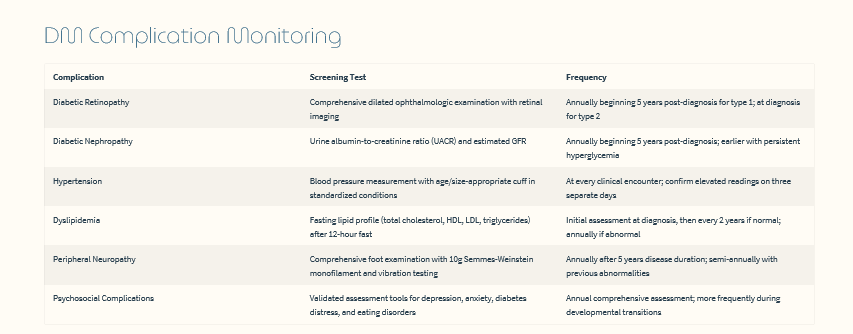
-pediatric diabetes significantly increases lifetime morbidity risk, w/ each 1% rise in HbA1c above target elevating complication rates by 25-35% for retinopathy, nephropathy, cardiovascular disease, and neuropathy
Type 1 diabetes
Patho:
-the absence of insulin forces a catabolic state where the body relies on alternative fuel sources
-this shift leads to accelerated lipolysis and proteolysis, generating ketone bodies that overwhelm buffering systems, causing diabetic ketoacidosis
-w/o exogenous insulin admin, pts cannot maintain glucose homeostasis and face immediate life-threatening complication including severe acidosis, electrolyte imbalances, and potentially cerebral edema
Causative factors:
-multifactorial etiology including genetic predisposition, environmental triggers (enteroviruses), and potential dietary factors that initiate autoimmune response in susceptible individuals
Type 2 diabetes
Patho:
-cells become unresponsive to insulin signaling, preventing effective glucose transport from bloodstream into tissues, resulting in elevated blood glucose
-pancreatic beta cells initially hypersecrete insulin to compensate for resistance, but gradually deteriorate, leading to progressive insulin insufficiency overtime
Risk factors:
-modifiable risks include obesity, sedentary lifestyle, and poor nutrition while non-modifiable factors include genetic predisposition, ethnicity, age, and hx of gestational diabetes
Manifestations:
-gradual onset developing over months to years
-often clinically silent until complications emerge
-ketoacidosis uncommon except in severe stress or illness
-stable or increasing weight pattern, contrary to Type 1
-acanthosis nigrans (hyperpigmented, velvety skin in neck folds and flecural areas)
-truncal obesity w/ elevated waist circumference percentile
-HTN exceeding 90th percentile for age, sex, and height
-hepatomegaly w/ elevated transaminases suggesting NAFLD
Diagnosis:
-frequently discovered through targeted screening protocols during well-child visits, as metabolic derangements typically preceded clinical manifestations
-screening initiative prioritize youth BMI >85th percentile combined w/ additional risk factors including family hx, high-risk ethnicity, and conditions associated w/ insulin resistance.
Glucose monitoring
-monitor glucose levels before meals, snacks, and bedtime as the minimum clinical standard
-escalate to testing every 2-3hrs during exercise, illness, medication changes, or periods of stress
-maintain comprehensive logs of glucose readings, insulin admin, carbohydrate consumption, and physical activity
-evaluate patterns systematically to identify recurring glycemic fluctuations requiring therapeutic adjustments
Continuous glucose monitoring:
-essential technology for pediatric pts w/ Type 1 diabetes to minimize hypoglycemic episodes and improve quality of life
-delivers continuous data streams, predictive trend alerts, and enables, caregiver supervision through smartphone integration
A1C testing:
-measures avg glycemic control over the preceeding 10-12 weeks; requires quarterly clinical assessment
-pediatric target range: 6.5-8% (customized based on age, hypoglycemia risk profile, and developmental considerations)
Normal Blood glucose levels:
-fasting = 80-120
-postprandial = <180
-bedtime = 100-140
Hyperglycemia
Causes:
-inadequate insulin administration or endogenous production
-intercurrent illness or underlying infection
-physiological distress
-excessive carbohydrate intake w/o corresponding insulin adjustment
-circadian hormone fluctuations (dawn phenomenon)
-medication effects, particularly glucocorticoids
Short term complications:
-polyuria leading to significant fluid volume depletion
-electrolyte disturbances affecting sodium, potassium, and phosphate
-hepatic ketogenesis w/ resultant metabolic acidosis
-potential progression to diabetic ketoacidosis requiring emergent intervention
-cellular energy deficit manifesting as physical and cognitive impairment
Long-term effects
-microvascular damage affecting retinal and renal tissues
-compromised neutrophil function predisposing to recurrent infections
-altered growth velocity and delayed pubertal progression
-metabolic memory phenomenon w/ persistent tissue damage despite subsequent glycemic control
Early signs:
-polydipsia, polyuria, polyphagia, lethargy and diminished physical/cognitive performance
Assessment:
-sequential capillary blood glucose monitoring at 2-3hr intervals
-urinalysis for ketone bodies when BG exceeds 250mg/dL
-comprehensive hydration evaluation (skin elasticity, mucosal moisture, capillary refill)
-systematic investigation of precipitating factors (insulin omission, intercurrent illness, physiologic stressors)
Management:
-administration of calculated rapid-acting insulin based on individual correction algorithm’
-aggressive rehydration w/ non-carbohydrate fluids (minimum 1-2L initially)
-judicious physical activity modification if ketone-negative status confirmed
-vigilant glucose trending on hourly basis until demonstrable improvement observed
Diabetic Ketoacidosis (DKA)
-acute life-thretening metabolic emergency characterized by severe hyperglycemia (>330mg/dL), ketonemia, and metabolic acidosis
-requires immediate PICU admission for continuous cardiac/neurological monitoring, calculated fluid resuscitation, weight-based insulin therapy, and meticulous electrolyte correction
Patho:
-profound insulin deficiency triggers unregulated lipolysis and hepatic fatty acid oxidation, producing excessive ketone bodies that overwhelm buffer systems, resulting in metabolic acidosis and critical electrolyte derangements
Manifestations:
-progressive polyuria, polydipsia, N/V, diffuse abdominal pain, Kussmaul respirations, fruity-acteone breath, declining mental status, and severe dehydration (8-10% total body water loss)
Treatment:
-administer immediate bolus of isotonic fluid to restore intravascular volume and reestablish tissue perfusion
-maintain fluid therapy at 1.5-2x maintenance rate w/ vigilant monitoring for cerebral edema (presenting as headache, declining mental status, or abnormal neurological signs)
-initiate treatment w/ IV insulin bolus (0.1unit/kg) followed by continuous infusion at 0.05-0.1 units/kg
-control glucose reduction at 50-100mg/dL per hour to minimize risk of rapid osmotic shifts and prevent cerebral edema complications
-perform comprehensive electrolyte monitoring every 2-4hrs during the critical phase
-initiate potassium when serum potassium falls below 5 and adequate urine output is confirmed, preventing potentially fatal cardiac arrythmias
-limit bicarbonate admin to cases of profound acidosis or life-threatening hyperkalemia unresponsive to standard measures
-regularly assess arterial blood gases, anion gap, and B-hydroxybutyrate levels to evaluate metabolic recovery and guide ongoing treatment adjustments
Hypoglycemia
-Severe: life threatening condition characterized by seizures, loss of consciousness, and potential neurological damage; requires immediate emergency intervention w/ glucagon admin
-Mild: cognitive impairment, confusion, coordination difficulties, pronounced irritability, muscle weakness, and inability to self-treat w/o assistance
-Moderate: adrenergic symptoms including hunger, trembling, diaphoresis, tachycardia, anxiety, and pallor; pt remains alert and able to self-treat
Management:
-confirm hypoglycemia w/ immediate blood glucose measurement, Quickly evaluate level of consciousness, severity of symptoms, and ability to swallow safely before proceeding w/ treatment
-if alert and able to swallow: administer 15g of fast-acting carb. If unconscious or seizing: immediately administer age-appropriate glucagon dose IM or D10W IV bolus per protocol
-recheck glucose after exactly 15 min. If still below 70mg/dL, repeat treatment w/ another 15g carb dose. Continue monitoring every 15 min until levels consistently exceed 70 mg/dL, then monitor hourly for 4 hrs to prevent recurrence
-once glucose stabilizes above 70mg/dL, provide complex carbs w/ protein (sandwhich, cheese, crackers). Thoroughly document the episode, including potential triggers, response to treatment, and collaborate w/ the healthcare team to adjust the diabetes management plan accordingly
Oral Meds (T2DM)
Metformin:
-first lime pharmacotherapy for children >10 years w/ extensive safety data. Primarily inhibits hepatic gluconeogenesis while facilitating peripheral glucose utilization. Initial dosing at 500mg daily w/ gradual titration to minimize gastrointestinal side effects including nausea, diarrhea, and abdominal discomfort
GLP-1 Receptor Agonists:
-FDA approved for pediatric pts > 10 years w/ suboptimal glycemic control. Stimulates glucose-dependent insulin release, inhibits inappropriate glucagon secretion, and promotes early satiety. Administered as a once-weekly sub-q injection requiring monitoring for GI tolerability
Sulfonylureas:
-reserved for specific pediatric cases after thorough benefit-risk assessment. Activates ATP-sensitive potassium channels on beta cells to stimulate endogenous insulin secretion. Necessitates rigorous blood glucose monitoring due to elevated hypoglycemia risk, particularly during physical activity and irregular meal patterns
DPP-4 Inhibitors:
-currently undergoing pediatric clinical trials w/ promising interim results. Extends incretin hormone half-life by preventing enzymatic degradation by dipeptidyl peptidase-4. Considered in pts w/ metformin contraindications or intolerance due to favorable safety profile, weight neutrality, and once-daily oral admin.
Insulin Therapy
Administration:
-multiple daily sub-q injections or continuous delivery via insulin pump technology. Systematic site rotation prevents lipohypertrophy and ensures consistent absoprtion rates
-precisely calibrated to each child’s unique metabolic profile. Requires dynamic adjustment during illness, physiological transitions (puberty, growth spurts), stress responses, and varying physical activity patterns
Medication precautions:
-never mix insulin glargine w/ other insulin formulations = its distinct acidic pH significantly alters molecular structures, compromising both therapeutic efficacy and predictable absorption kinetics, potentially leading to suboptimal glycemic control
Pump benefits:
-enhances quality of life through reduced injection burden, enables real-time postprandial dose adjustments, delivers precise microboluses for fine tuned control, and accommodates flexible meal schedules while maintaining optimal glycemic paramteters
Diabetes Medication Side Effects
Neurological:
-insulin, sulfonylureas, and SGLT-2 inhibitors may cause headaches, dizziness, and peripheral neuropathy.
-vigilant assessment for hypoglycemia-related neurological manifestations is critical for prediatric pt safety
GI:
-metformin frequently induces nausea, diarrhea and epigastric discomfort in up to 30% of pediatric pts. Admin w/ meals and implementing slow, progressive dose escalation significantly reduces these adverse effects
Fluid Balance:
-thiazolidinediones commonly cause fluid retention and peripheral edema, while SGLT-2 inhibitors increase urinary glucose excretion leading to potential dehydration
-regular monitoring of fluid status and electrolyte balance is imperative, especially in active children
Hepatic:
-thiazolidinediones and DDP-4 inhibitors necessitate comprehensive baseline and scheduled liver function monitoring
-immediate discontinuation is mandatory if ALT levels exceed 3x upper normal limits to prevent hepatotoxicity
Diet and Exercise Diabetes
-maintain consistent carbohydrate intake across meals and snacks to stabilize insulin requirements
this strategic approach prevents unpredictable glucose fluctuations, reduces hypoglycemic episodes, and strengthens long-term glycemic control
-pair carbs w/ lean proteins, healthy fats, and fiber-rish foods at each meal. The nutritional balance slows glucose absorption, prevents post-meal blood sugar spikes, and supports sustained energy levels throughout active days
-establish consistent meal and snack schedules synchronized w/ insulin admin. This timing precision enables more effective glucose management, particularly crucial during school hours, sports practices, and other structured activities
-consume additional carb 15-30min before exercise, calculated based on intensity and duration. For activities exceeding 30 min, implement periodic glucose monitoring and keep fast-acting carbs (juice boxes, glucose tabs) immediately accessible
Calculating Insulin dosage
Basal Insulin:
-long acting insulin that provides consistent glucose regulation btwn meals and throughout the night
-comprises approx 40-50% of the total daily insulin requirement and is typically administered once or twice depending on the specific formulation
Bolus Insulin:
-rapid acting insulin administered before meals and as correction doses for elevated blood glucose levels
insulin-to-carb ratio = generally 1 unit per 12-15g carb in pediatric pts, adjusted based on individual response
correction factor = usually 1 unit decreases blood glucose by approx. 50mg/dL, though this varies significantly by individual sensitivity
Adjustment Factors:
-time of day (dawn phenomenon of necessitate higher morning insulin doses)
-physical activity (typically reduces insulin requirements during and for several hrs after excercise)
-emotional stress (may temporarily increase insulin resistance)
-acute illness (frequently increases insulin needs due to stress hormones)
-growth and developmental stages (puberty substaintially increases insulin requirements due to growth hormone effects)
Carb Counting
Measure pre-meal blood glucose using a calibrated meter to establish current levels. Compare w/ target range and calculate any necessary correction dose for values outside recommended parameters
Precisely measure total carbs using nutritional labels, digital scales, measuring cups, or approved diabetes food guides. Determine insulin needs by dividing total carb grams by the child’s specific insulin-to-carb ratio (typically 1 unit per 12-15g in pediatric pts)
combine correction and mealtime doses to determine total insulin requirement. Adjust for specific factors including physical activity level, illness, or developmental stage as outlined in the individualized diabetes management plan
Administer the calculated insulin dose via the prescribed delivery method (pen, pump, or syringe) at the optimal time relative to meal consumption. Document all relevant info including insulin dose, carb intake, and glucose readings to identify patterns and optimize treatment
Diabetes Education
-developmentally tailored instruction: personalize educational approaches based on the child’s cognitive development, learning style, and emotional readiness to maximize understanding and promote self-management skills
-interactive skill-building: facilitate guided practice sessions where children progressively master blood glucose monitoring, insulin admin, and nutritional management under supportive supervision
-clear emergency response plans: create visual, step-by-step protocols that guide children and caregivers through critical situations including hypoglycemia, hyperglycemia, illness management, and criteria for seeking medical intervention
educational environment integration: establish comprehensive care plans w/ school personnel that ensure seamless diabetes management during academic hrs, extracurricular activities, and school-sponsored events
-holistic emotional support: incorporate age-appropriate psychological resources including counseling, peer connection opportunities, and family education to foster resilience and healthy adaptation to living w/ diabetes
Atopic Dermatitis
-chronic, puritic inflammatory dermatosis presenting as erythematous, lichenfied lesions primarily affecting flexural surfaces. Prevalence reaches 20% in pediatric populations worldwide.
-treatment protocol includes regular application of emollients, judicious use of topical corticosteroids, and secondline calcineurin inhibitors
-comprehensive management requires elimination of environmental triggers and implementation of skin barrier protection strategies
Impetigo
-highly contagious, superficial bacterial dermatitis characterized by distinctive honey-colored crusted erosions. Predominantly affects children aged 2-5 years w/ seasonal variation
etiologic agents include staph and strep, w/ increasing MRSA strains
treatment algorithm includes topical mupirocin for localized disease or systemic antibiotics for extensive involvement or systemic symptoms
Molluscum Contagiosum
self-limited viral exanthem manifesting as discerete, umbilicated, pearly papules w/ characteristic central core. Transmission occurs through direct epithelial contact or fomite exposure
poxvirus infection w/ higher incidence in atopic children and those in communal settings
management options range from watchful waiting (6-18months for spontaneous resolution) to active intervention w/ destructive or immunomodulatory therapies for extensive or persistent cases
Tinea Capitis
dermatophyte invasion of hair follicles presenting w/ circumscribed alopecia, scaling, and variable inflammation. Disproprotionately affects school-aged children in resource-limited or high density living environments
definitive management requires systemic antifungal therapy for 6-12 weeks w/ clinical and mycological monitoring
comprehensive approach includes concurrent antifungal shampoo, screening of asymptomatic carriers among household contacts, and fomite decontamination
Diaper dermatitis
-affects approx. 35% of infants characterized by erythematous, inflamed skin in the perineal and perianal regions
etiology: prolonged exposure to moisture, fecal enzymes, and irritants in diaper environment
prevention: frequent diaper changes, gentle cleansing, and protective barrier products
treatment: mild cleansing w/ warm water, application of zinc oxide or petroleum based ointments to create protective barrier
Contact dermatitis
-inflammatory reaction following direct skin exposures to specific allergens or irritants
common triggers: nickel in jewelry, fragranced products, urushiol (poison ivy/oak), and synthetic fabrics
presentation: well-demarcated, pruritic, erythematous lesions w/ possible vesiculation
management: identify and remove causative agent, apply moderate-potency topical corticosteroids to reduce inflammation
Seborrheic Dermatitis
-affects up to 70% of neonates w/i first 3 months, commonly presenting as cradle cap
features: yellowish, greasy adherent scales on scalp, face, and behind ears
patho: associated w/ Malassezia yeast colonization and altered sebum production
treatment: regular gentle shampooing, mineral oil application w/ soft brush removal, ketaconazole 2% for persistent cases
Candidal Dermatitis
-opportunistic yeast infection predominantly caused by Candida albicans in moist, occluded areas
-distinctive presentation: bright-red, sharply demarcated rash w/ characteristic satellite papules and pustules
-risk factors: recent antibiotic use, immunosuppression, warm and moist environment
-treatment: topical antifungals (nystatin, clotrimazole), increased air exposure, and thorough hygiene measures
Pediatric Dermatitis Management
Bathing:
-provide lukewarm baths lasting 5-10min, 2-3 times daily using mild, fragrance free, pH-balanced cleansers. Gently pat skin dry w/ a soft cotton towel, avoiding friction that may exacerbate inflammation
Moisturizing:
-apply liberal amounts of hypoallergenic, fragrance-free emollients w/i 3 minutes post-bathing while skin remains slightly damp to enhance hydration retention. Reapply every 4-6hrs to affected areas, focusing on maintaining skin barrier integrity
Clothing and Environment:
-recommend loose-fitting clothing made from 100% cotton that minimizes skin irritation. Advise against wool, polyester, and laundry products containing dyes or perfumes. Maintain environmental humidity btwn 40-50% and moderate room temp to minimize dermatitis exacerbation
Prevention:
-ensure fingernails are kept short and edges are filed smooth to minimize excoriation during nocturnal scratching. Meticulously cleanse intertriginous areas w/ warm water and thoroughly pat dry to prevent maceration and secondary cutaneous infections.
-conduct comprehensive dermatological assessments at each clinical encounter, documenting lesion morphology, distribution of patterns, and treatment efficacy to guide evidence-based therapeutic interventions and facilitate early detection of complications
Acne
Presentation:
-affects nearly 85% of adolescents aged 12-18 years, primarily appearing on sebum-rich areas including face, chest, and upper back w/ distinctive lesion patterns
Comedones: non-inflammatory obstructed follicles (open/blackheads appear dark due to oxidation, closed/whiteheads remain fleshed colored
Papules: small, tender, erythematous inflammatory elevations w/o visible purulent material
Pustules: superficial raised lesions containing visible purulent exudate w/ surrounding erythema
Assessment/Treatment:
-evaluate severity using standardized scales s/a the Global Acne Scale. Implement evidence-based, stepwise treatment according to clinical classification
Topical: Benzoyl peroxide (bacterial action), retinoids (normalize follicular keratinization), antibiotics (reduce P. acnes colonization)
Systemic: Oral tetracyclines for moderate-to-severe inflammatory acne, isotretinoin reserved for severe nodular or treatment-resistant cases
conduct throrough psychosocial assessment for depression, anxiety, and impaired self-esteem
Patient Education:
-clearly explain the patho of androgen-stimulated sebaceous gland hyperactivity and subsequent follicular hyperkeratinization. Emphasize that therapeutic success depends on regimen adherence.
recommend gentle, fragrance-free, pH-balanced, non comedogenic cleansers twice daily
strongly discourage lesion manipulation (“popping”) to prevent permanent scarring and hyperpigmentation
set realistic expectations that visible improvement requires 6-8weeks of consistent treatment application
Staphylococcal Scaled Skin Syndrome
Presentation:
-characterized by widespread, painful erythroderma w/ extensive epidermal shedding that resembles severe scalding burns
primarily affects infants and children under 5 years of age
begins w/ redness around the mouth that rapidly spreads across the body w/i 24-48hrs
Diagnostic Features:
-positive Nikolsky sign is diagnostic - gentle rubbing of the skin causes separation of the upper epidermal layer
caused by exfoliative toxins A and B produced by specific strains of staph
microscopic examination reveals cleavage specifically through the granular layer of the epidermis
Treatment Approach:
-requires prompt intervention to prevent complications and promote skin healing
IV anti-staph antibiotics (s/a naficillin, oxacillin, or cefazolin)
careful fluid and electrolyte replacement to prevent dehydration
effective pain management and gentle wound care using sterile techniques
Cellulitis
Presentation:
-manifests as acute, spreading bacterial skin infection characterized by erythema, warmth, edema, and tenderness w/ poorly defined borders. Most commonly affects the lower extremities and facial regions.
fever and chills frequently accompany moderate to severe infections
visible red streaking (lymphangitis) and swollen lymph nodes may develop as infection progresses
Periorbital Cellulitis:
-bacterial infection involving the eyelid and surrounding soft tissues anterior to the orbital septum. Requires prompt intervention to prevent spread into deeper orbital structures.
must be distinguished from orbital cellulitis through clinical assessment
restricted eye movement suggests progression to orbital involvement requiring emergency care
Nursing Management:
-perform systematic assessment w/ regular measurement of affected area circumference. Mark infection boundaries w/ permanent marker to track progression or improvement objectively
administer antibiotics according to prescribed schedule, ensuring consistent blood levels
monitor vital signs and assess for sepsis indicators including tachycardia and hypotension
elevate affected limb at 20-30 degrees to reduce swelling and improve lymphatic drainage
Patient Education:
-provide clear instructions on proper wound care techniques and hygiene. Emphasize the importance of completing the full antibiotic course even when symptoms improve
teach pts to recognize warning signs requiring immediate medical attention
promote preventative measures including proper skin care and prompt treatment of minor injuries
Poison Ivy/Oak/Sumac
contact dermatitis triggered by urushiol oil produces distinctive pruritic, linear eruptions in pediatric pts w/ varying severity based on exposure intensity
Clinical Presentation:
-erythematous linear streaks or patches w/ vesicular eruptions. Dermatitis typically appears 24-72 hrs after exposure w/ progressive intensification and may persist for 1-3 weeks w/o intervention
Complications:
-requires emergent clinical evaluation for periorbital/genital involvement, respiratory distress, extensive blistering, or evidence of secondary bacterial infection w/ purulent drainage
Treatment:
-promptly cleanse exposed skin surfaces w/ lukewarm water and mild soap. Apply calamine lotion, appropriate strength topical corticosteroids, and cool compresses to reduce inflammation and alleviate intense puritis
Patient Education:
-educate pts on botanical identification using the “leaves of three, let them be” principle. Recommend protective clothing w/ long sleeves and pants during outdoor activities in high-risk environments.
Poison Ivy Complications
severe reaction necessitates immediate medical intervention. Advise caregivers to contact healthcare providers when rash coverage exceeds 10% of body surface area or when specific complications develop.
-Facial involvement: periorbital edema may significantly impair vision and requires prompt emergency evaluation to prevent long-term complications
-Respiratory Compromise: inhalation or urushiol particles from burning plants can cause severe mucosal inflammation and potentially life-threatening airway obstruction
-Secondary Infection: bacterial inoculation from excessive scratching necessitates appropriate antimicrobial therapy based on clinical presentation and suspected pathogens
-Systemic symptoms: persistent fever, marked malaise, and regional lymphadenopathy indicate severe hypersensitivity requiring systemic corticosteroid therapy and close monitoring
Hair tourniquet syndrome
occurs when a hair strand tightly wraps around an infant’s digit, appendage, or external genitalia, causing progressive constriction that can lead to serious tissue damage if left untreated
Clinical Presentation:
-signs include inconsolable crying, significant edema, visible circumferential indentation, and progressive cyanosis distal to the constriction. Most commonly affects fingers, toes, and genitalia in infants aged 0-4 months, w/ symptoms often developing rapidly.
Treatment:
-requires immediate intervention w/ careful removal of the constricting fiber using fine-tipped surgical scissors, depilatory agents, or blunt probe technique w/ appropriate visualization. Through assessment of neurovascular status before and after removal is critical
Time sensitivity:
-represents a true pediatric emergency demanding prompt intervention. W/o treatment, progressive constriction causes lymphatic obstruction, arterial compromise, ischemia, and potentially irreversible tissue necrosis that may necessitate amputation
Prevention:
-educate caregivers on thorough inspection of infant clothing, especially mittens, socks, and diaper areas. Recommended systematic digit examination during routine care, particularly for infants of mothers experiencing postpartum hair loss (telogen effuvium).