Botany
 Call Kai
 Learn
Learn Practice Test
 Spaced Repetition
 Match
Match Flashcards
 Knowt Play
1/20

There's no tags or description
Looks like no tags are added yet.
Name | Mastery | Learn | Test | Matching | Spaced | Call with Kai |
|---|
No analytics yet
Send a link to your students to track their progress
21 Terms
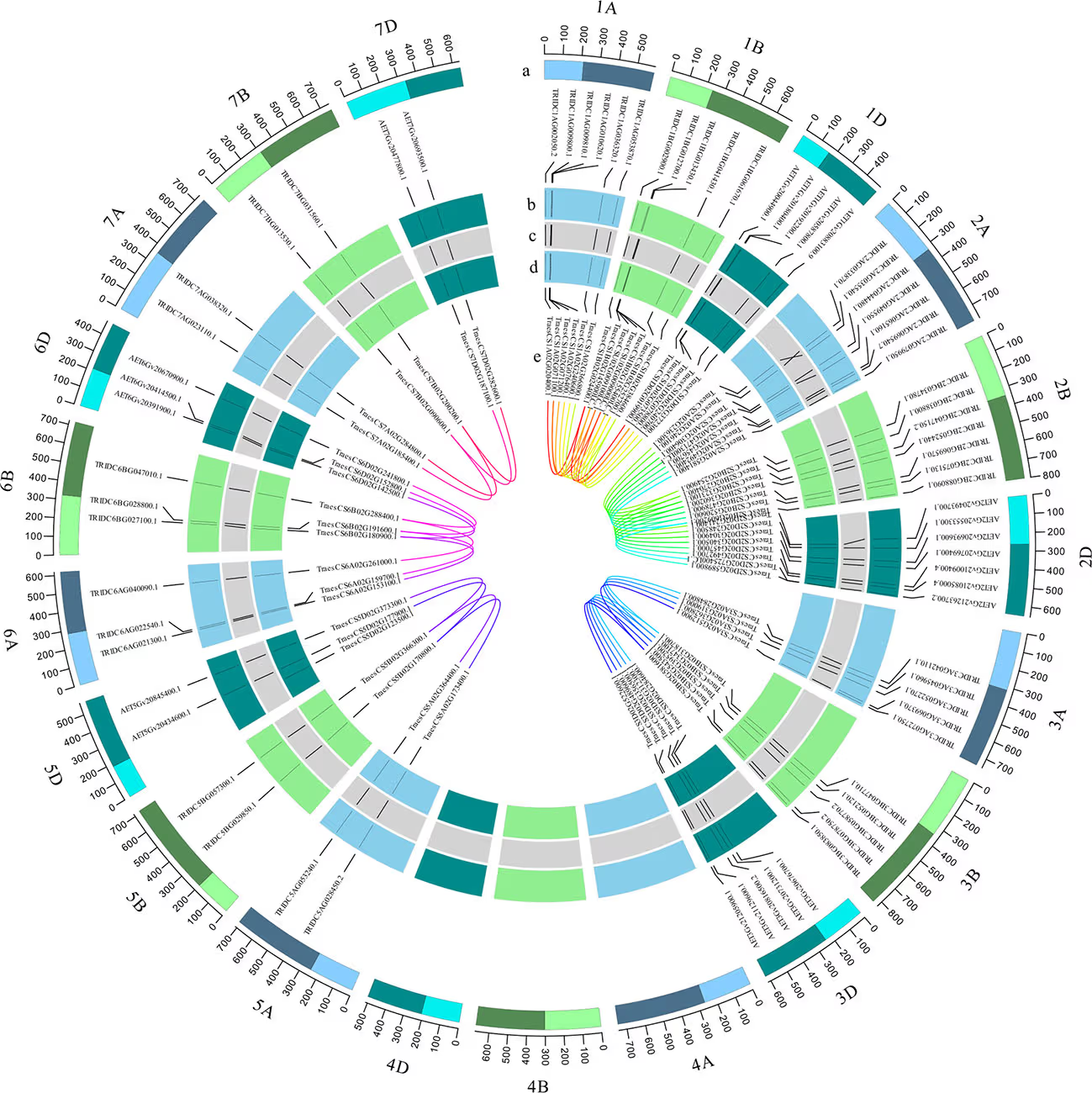
synteny
closely related species having homologous chromosomes
examples of artificial mutation for plant breeding
use of UV, chemicals or genome editing
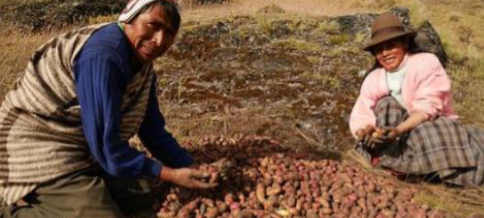
landraces
old varieties of crops
germplasm
bank of genetic resources
introgression
transfer of genes from one species to another
cisgenic
when a gene is transferred into a different plant of the same species
transgenic
when a gene is transferred from another species
transposons
pieces of parasitic DNA which copy and paste around genomes
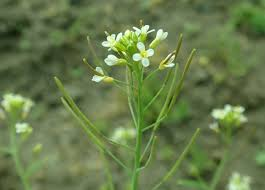
features of a model organism
small, easy to grow, self-pollinating, are not crop species
genome
the DNA sequence of all of the chromosomes in an organism
vernalisation
the prolonged exposure to cold that promotes flowering in annual winter plants
biome
an area classified according to the species that live in that location
niche differentiation
when competing species use the environment differently to coexist without outcompeting each other
primary metabolites
main organic compounds of metabolism that are essential for plant life
secondary metabolism
intermediate organic compounds not directly involved in the normal growth, development or reproduction of an organism
consequences of absence of secondary metabolites
long term impairment in plant fecundity, survivabilty, or aesthetics
why is primary and secondary metabolism well regulated?
plant needs to save energy, co-factors are often in low amounts, and some intermediates are toxic
why are plants so chemically diverse?
they are sessile, they cannot move to evade herbivory, pathogens or stress so they adapt chemically
why are synthetic preparations/extracts the most common way to administer drugs from plants?
plants may be rare or inaccessible, the dose needs to be controlled and there is a possibility of identity issues
2 functions of transpiration
provides the force for lifting water up the stems, cools the leaves
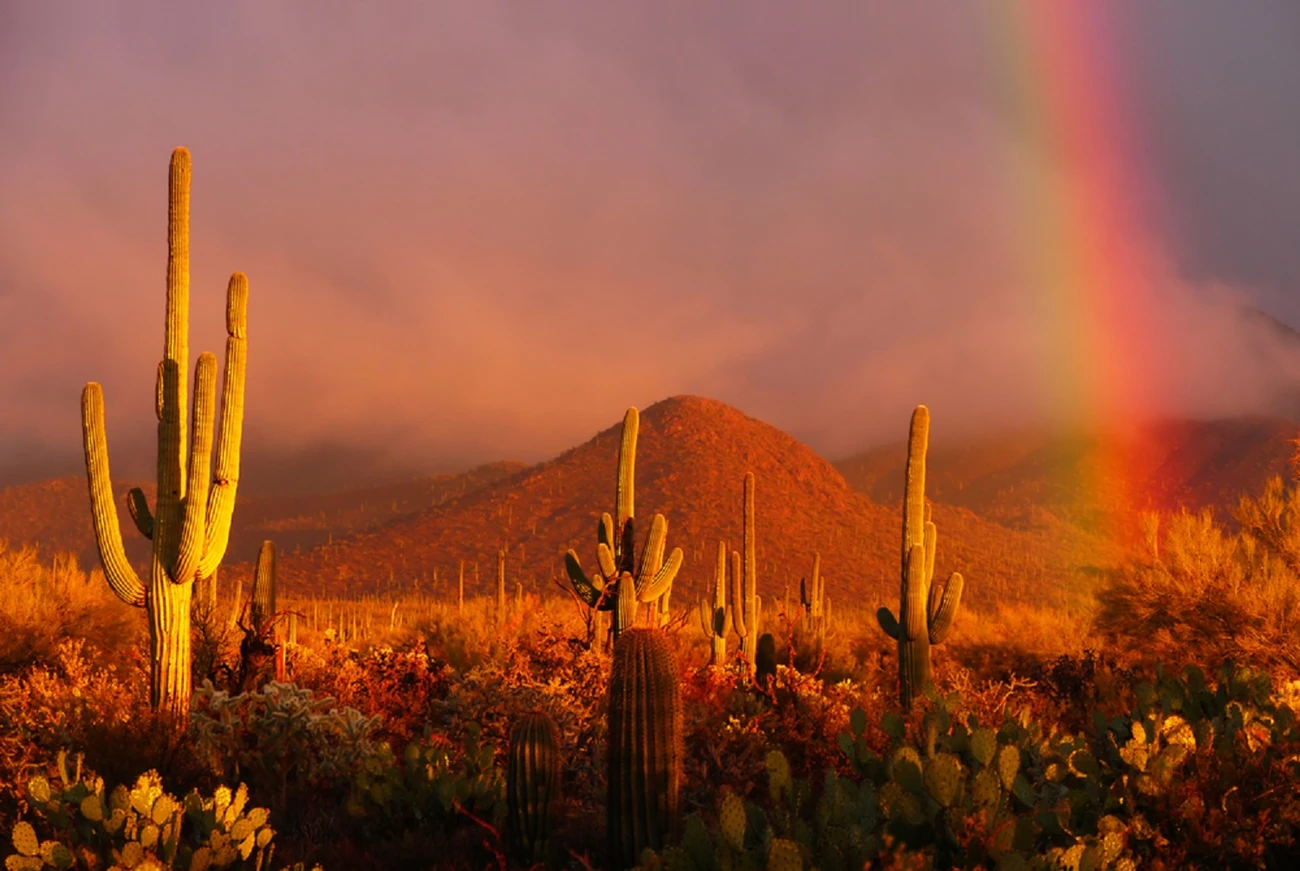
3 plant adaptations to arid environments to prevent transpiration (loos of water)
reduced leaf size, sunked stomata, thick cuticle, rolled leaves and hairs