Physics Topic 5 (Waves And The Particle Nature Of Light)
 Call Kai
 Learn
Learn Practice Test
 Spaced Repetition
 Match
Match Flashcards
 Knowt Play
1/41

Earn XP
Description and Tags
Flashcards For Physics Topic 5
Name | Mastery | Learn | Test | Matching | Spaced | Call with Kai |
|---|
No analytics yet
Send a link to your students to track their progress
42 Terms
Wave
A Disturbance That Transfers Energy Without Transferring Matter.
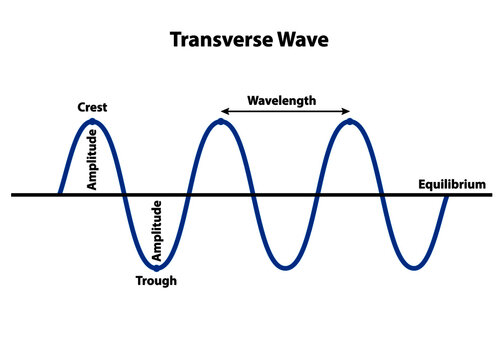
Transverse Wave
A wave Where Particle Oscillations Are Perpendicular To The Direction Of Energy Transfer. In Transverse Waves, Particles Move Up And Down While The Wave Moves Forward. An Example Include Electromagnetic Waves.
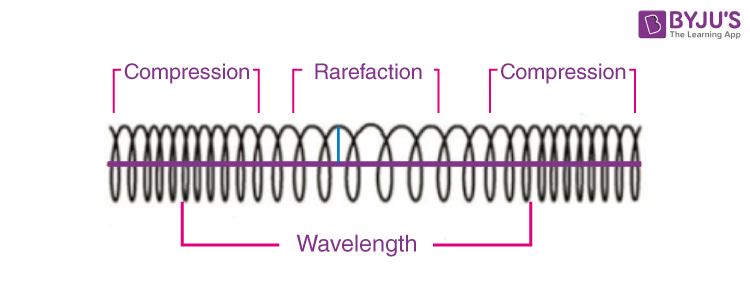
Longitudinal Wave
A Wave Where Particle Oscillations Are Parallel To The Direction Of Energy Transfer. In Longitudinal Waves, Particles Move Back And Forth In The Same Direction As The Wave Travels. An Example Includes Sound Waves.
Wavelength (λ)
The Distance Between Two Consecutive Points In Phase (E.G, Crest To Crest).
Frequency (f)
The Number Of Complete Wave Cycles Passing A Point Per Second.
Period (T)
The Time Taken For One Complete Cycle.
Wave Speed (V)
Distance Travelled By A Wave Per Second
Coherence
Two Waves With The Same Frequency And A Constant Phase Difference.
Polarisation
Restriction Of Oscillations To A Single Plane — Only Occurs In Transverse Waves.
Superposition
When Waves Meet, The Resultant Displacement Is The Sum Of Individual Displacements.
Constructive Interference
When Waves Combine To Produce A Larger Amplitude.
Destructive Interference
When Waves Combine To Produce Reduced Or Zero Amplitude.
Stationary Wave
A Wave Formed By The Superposition Of Two Opposite‑Travelling Waves Of The Same Frequency, Producing Nodes And Antinodes.
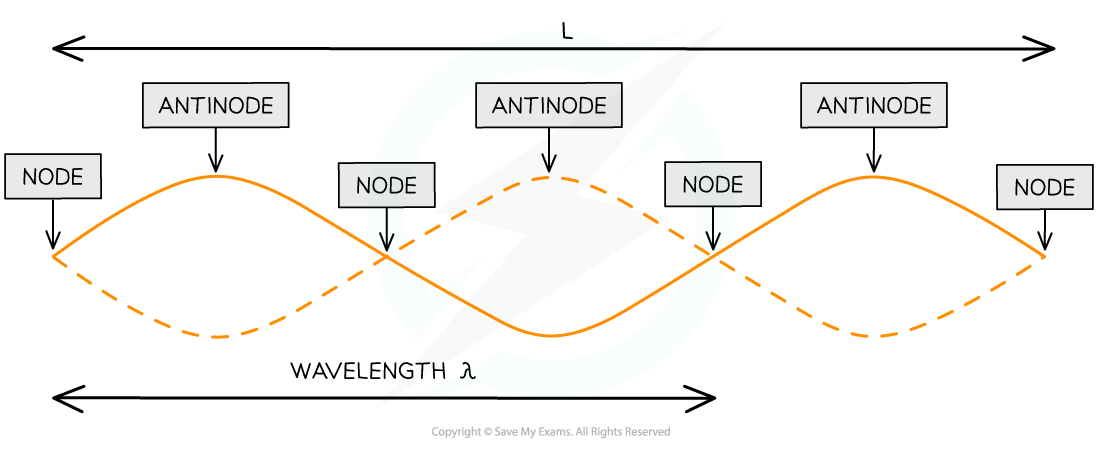
Node
A Point Of Zero Displacement.
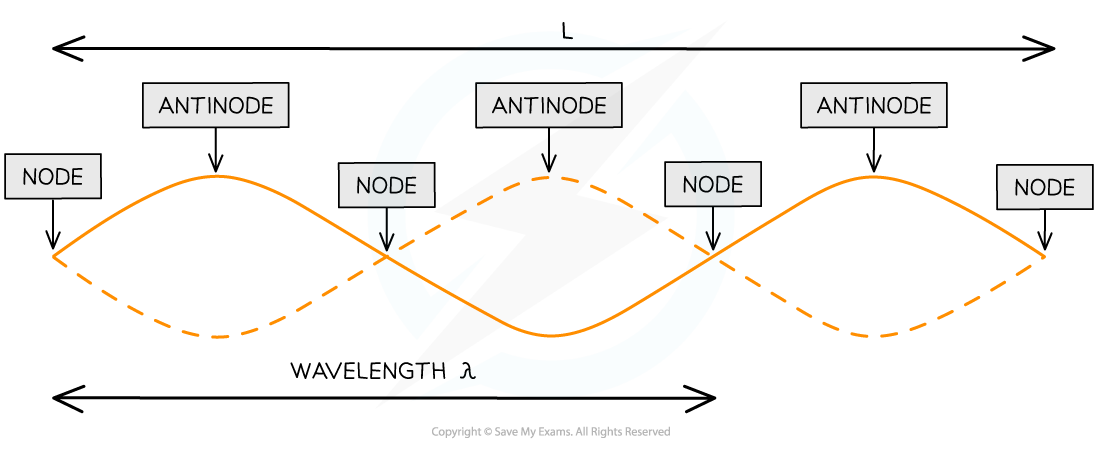
Antinode
A Point Of Maximum Displacement.
Refraction
The Change In Direction Of A Wave Due To A Change In Speed When Entering A Different Medium.
Diffraction
The Spreading Of Waves When They Pass Through A Gap Or Around An Obstacle.
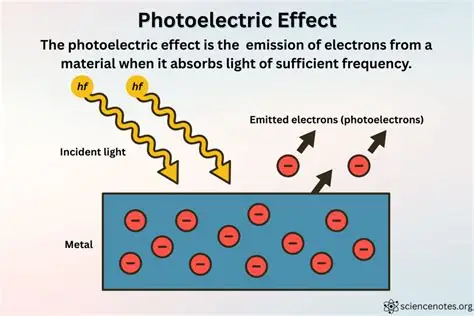
Photoelectric Effect
Emission Of Electrons From A Metal Surface When Light Above A Threshold Frequency Shines On It.
Work Function (Φ)
The Minimum Energy Needed To Remove An Electron From A Metal Surface.
Threshold Frequency (F₀)
The Minimum Frequency Of Light Required To Cause Photoelectric Emission.
Photon
A Quantum Of Electromagnetic Radiation Carrying Energy Hf, by the Equation E=Hf.
Wave-Particle Duality
The Idea That Waves And Particles Can Exhibit Both Wave‑Like And Particle‑Like Properties.
De Broglie Wavelength
The Wavelength Of A Particle, Given By Planks Constant (h) Divided By Its Momentum (p).
Phase Difference
The Difference In Position Within A Wave Cycle Between Two Points
Refractive Index (n)
The Ratio Of The Speed Of Light In A Vacuum To The Speed Of Light In A Medium.
Fundamental Frequency
The Lowest Possible Frequency Of A Stationary Wave.
Intensity
Power Per Unit Area Of A Wave (I=P/A)
Intensity-Amplitude Relationship
Intensity=Amplitude²
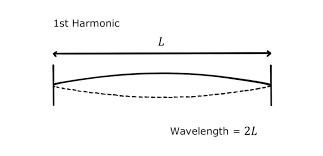
First Harmonic
Lowest Possible Frequency Of A Wave
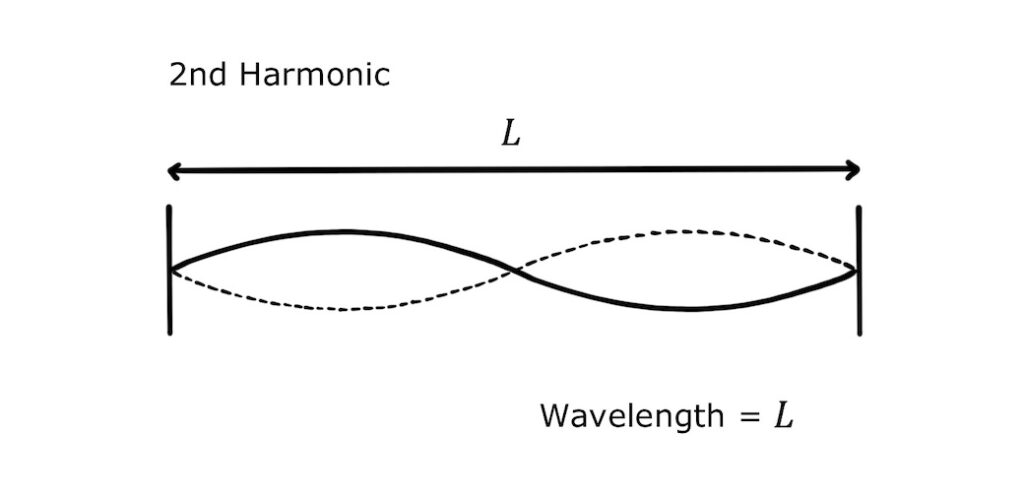
Second Harmonic
A Frequency Twice The Fundamental Frequency
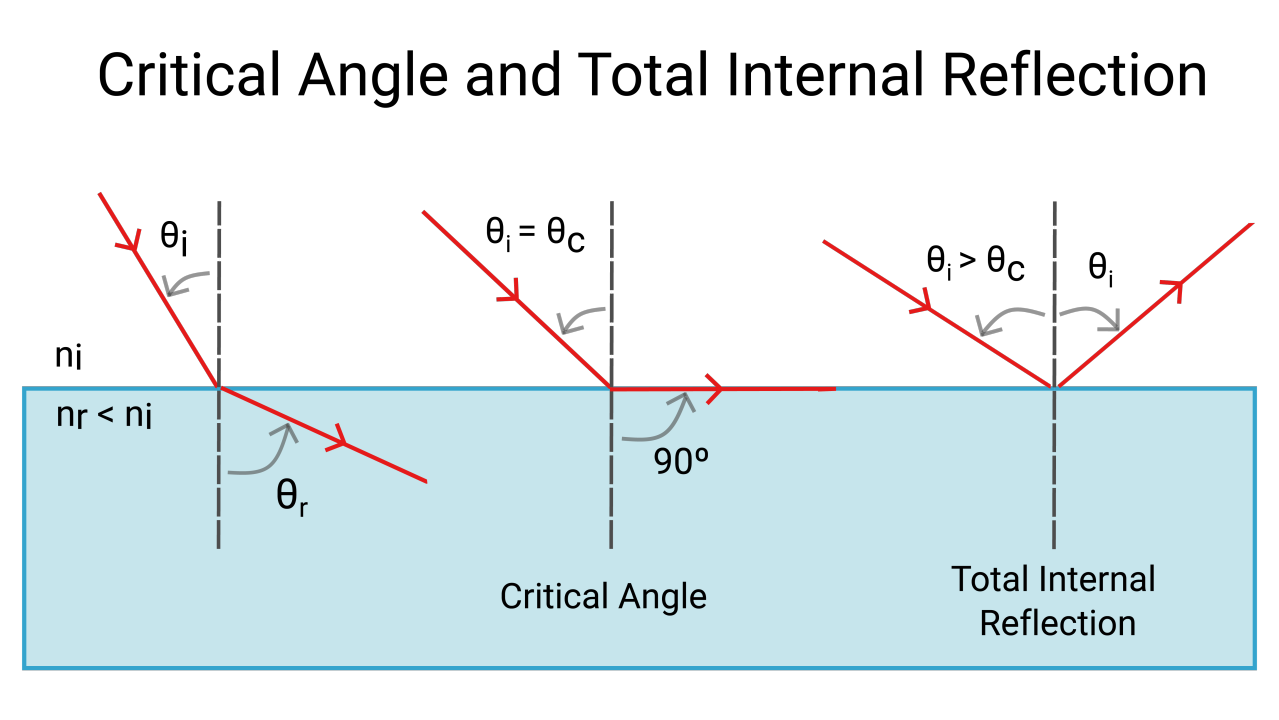
Critical Angle
The Angle Of Incidence That Produces An Angle Of Refraction Of 90 Degrees.
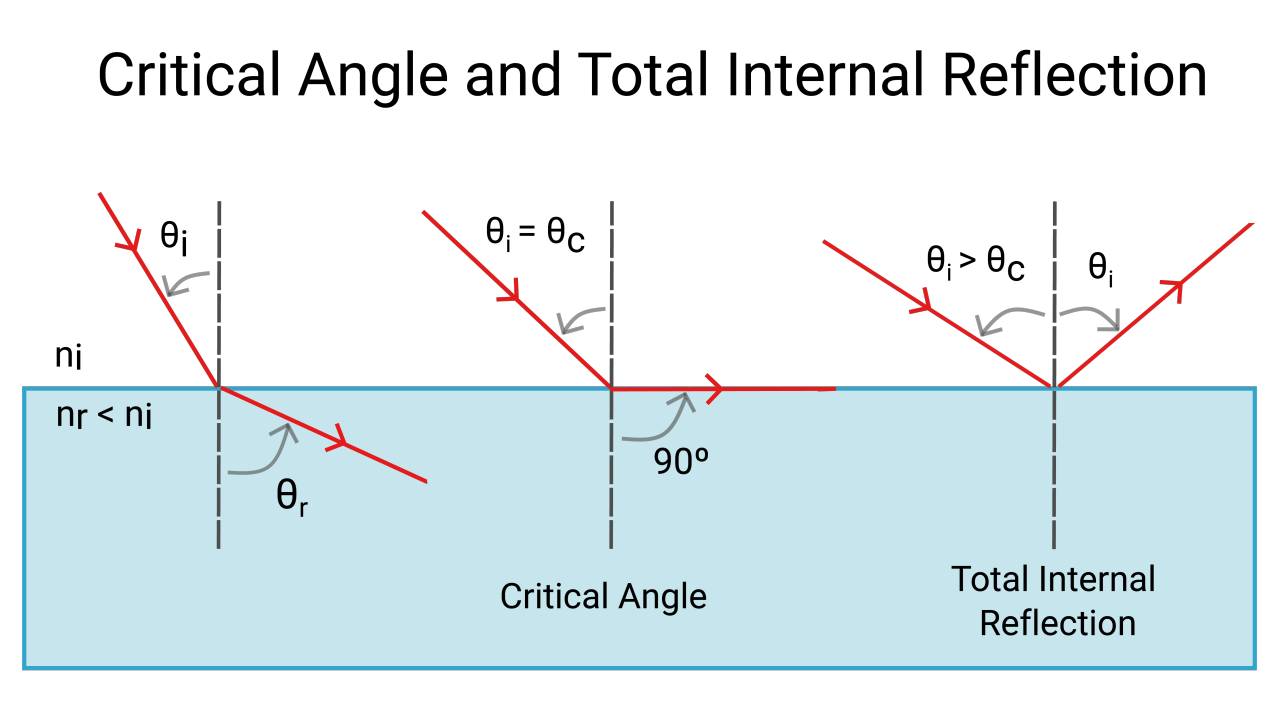
Total Internal Refraction
When Light Is Completely Reflected Inside A Medium With No Refraction.
Absolute Refractive Index
The Ratio Of The Speed Of Light In A Vacuum To The Speed Of Light In A Medium.
Relative Refractive Index
Refractive Index Between Two Media.
Critical Angle
The Angle Of Incidence In A Denser Medium That Produces An Angle Of Refraction Of 90 Degrees.
Converging Lens
A Lens That Brings Parallel Rays Of Light To A Focus.
Diverging Lens
A Lens That Spreads Parallel Rays Of Light Apart.
Principal Focus
The Point Where Parallel Rays Converge (Or Appear To Diverge From).
Focal Length (f)
The Distance Between The Centre Of A Lens And Its Principal Focus.
Magnification
The Ratio Of Image Height To Object Height.
Power Of A Lens
The Ability Of A Lens To Converge Or Diverge Light.
Wave Speed On A Stretched String
The Speed Of A Wave Depends On Tension And Mass Per Unit Length.