Ap Geo - Population and Migration
 Call Kai
 Learn
Learn Practice Test
 Spaced Repetition
 Match
Match Flashcards
1/73

There's no tags or description
Looks like no tags are added yet.
Name | Mastery | Learn | Test | Matching | Spaced | Call with Kai |
|---|

74 Terms
Arithmetic Population Density
Population of a region divided by total land area.
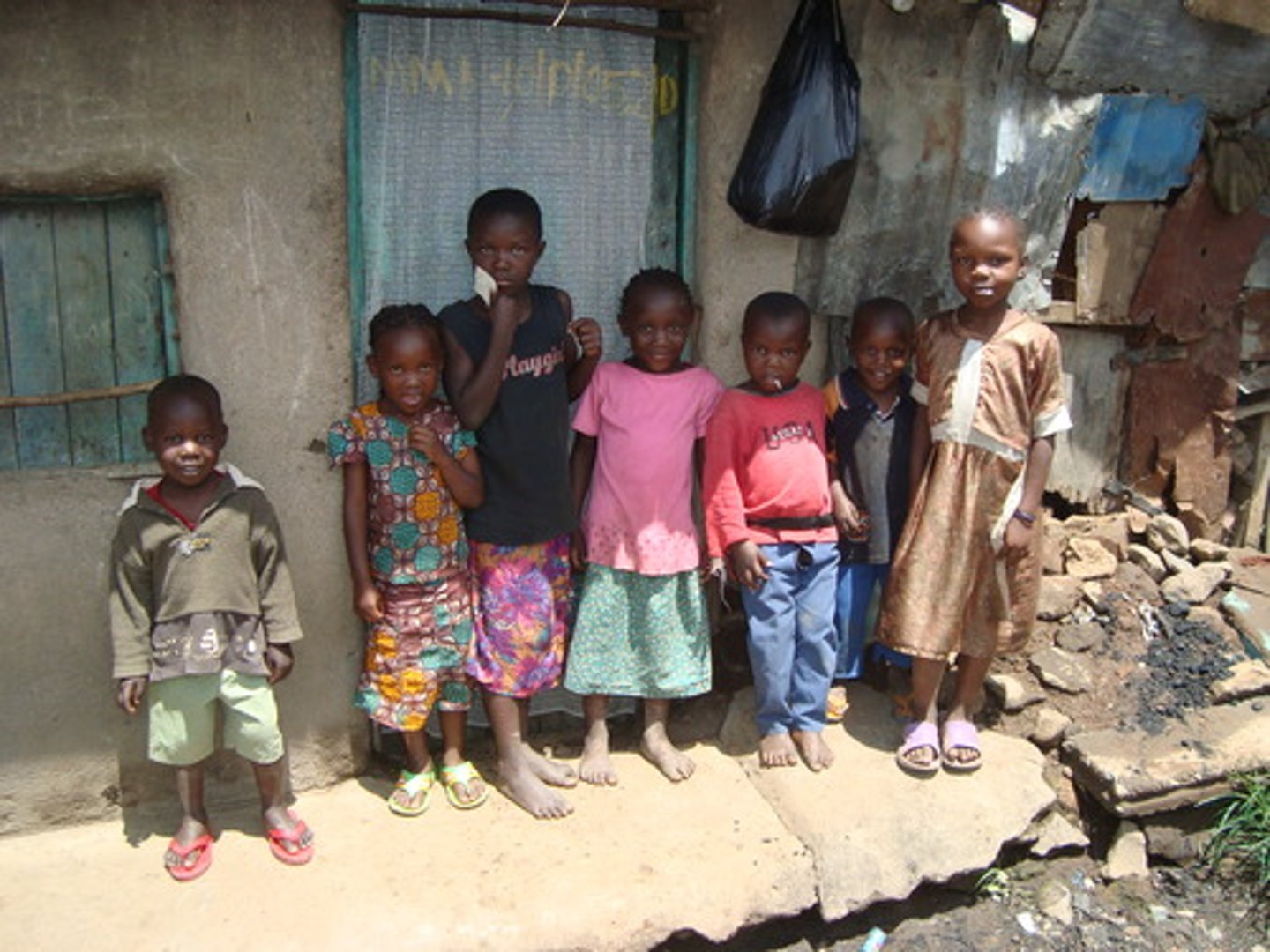
Infant Mortality Rate (IMR)
Total number of child deaths under 1 per 1,000 live births
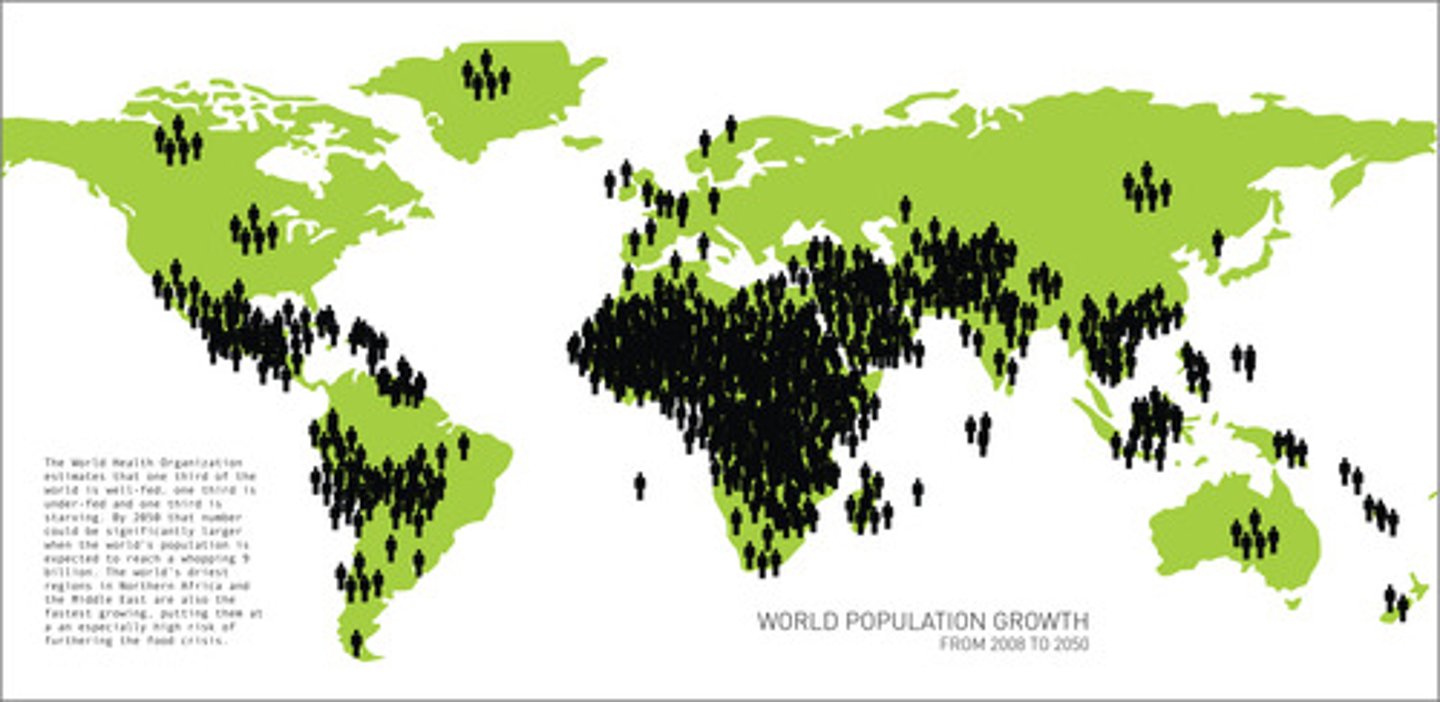
Crude Birth Rate (CBR)
Total number of live births in a year for every 1,000 people
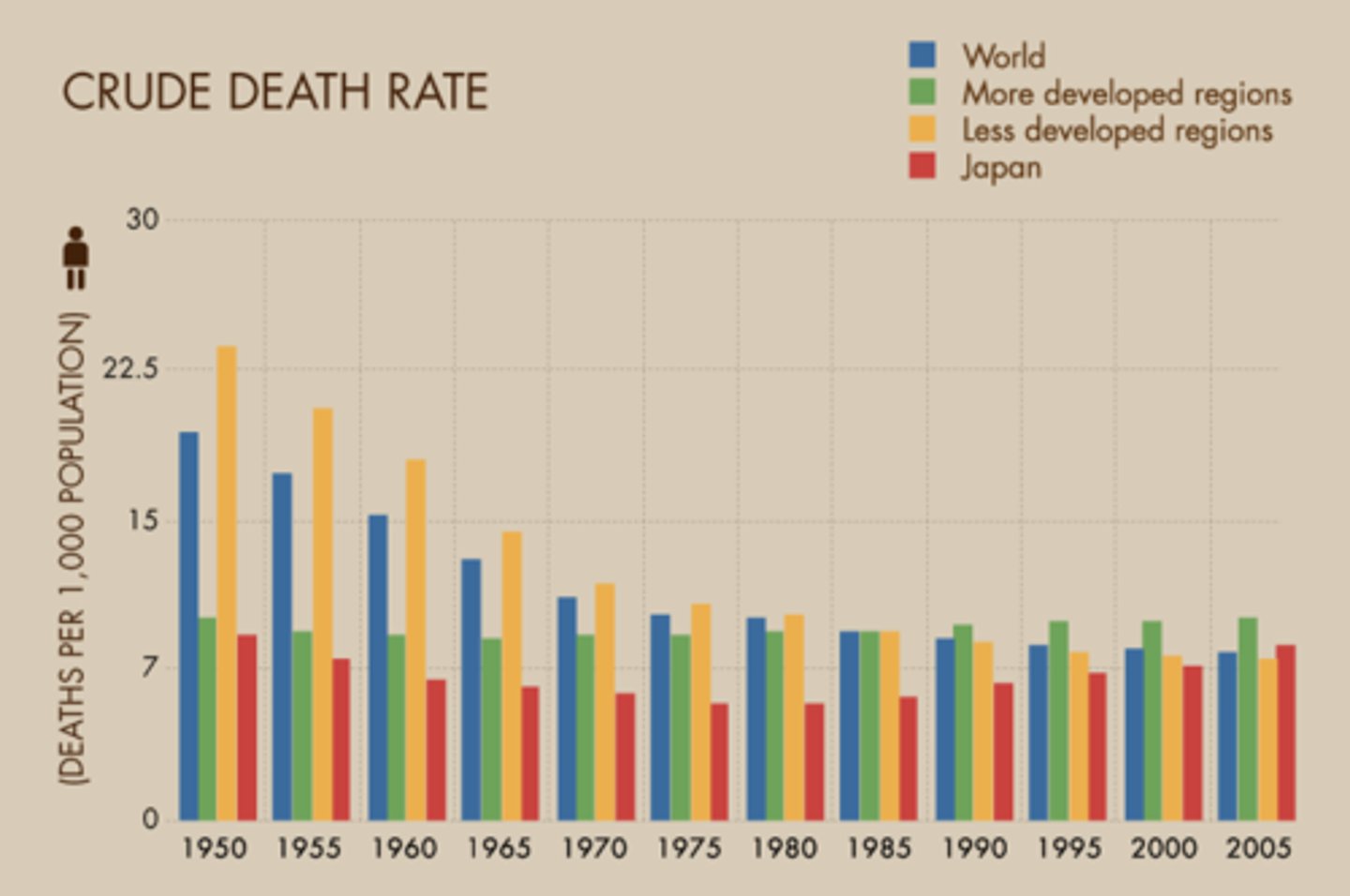
Crude Death Rate (CDR)
Total number of deaths per 1,000 people
Dependency Ratio
Number of people too young or too old to work compared to workers (16-64)
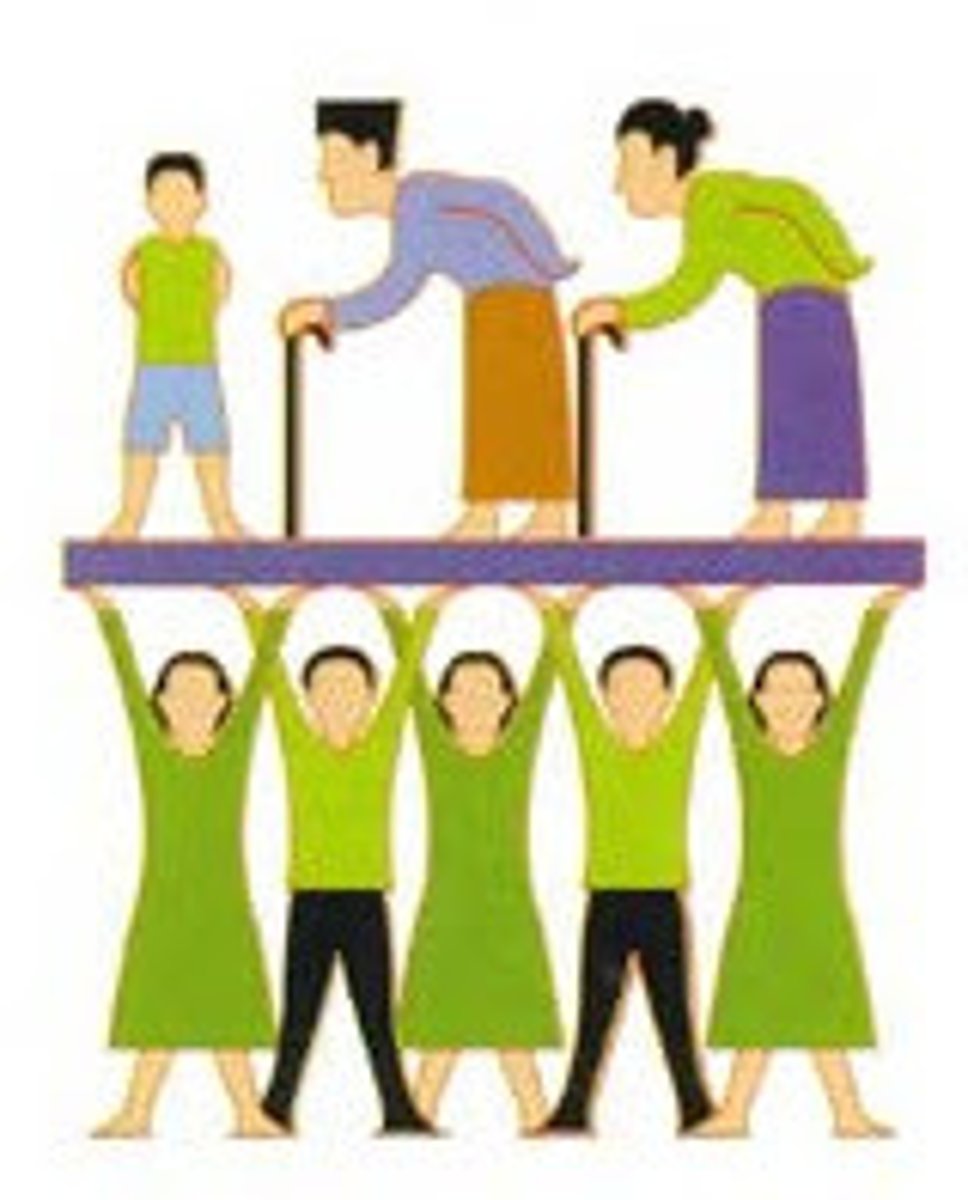
Over-Population
When the number of people in an area exceeds the capacity of the environment to support life at a decent standard of living.
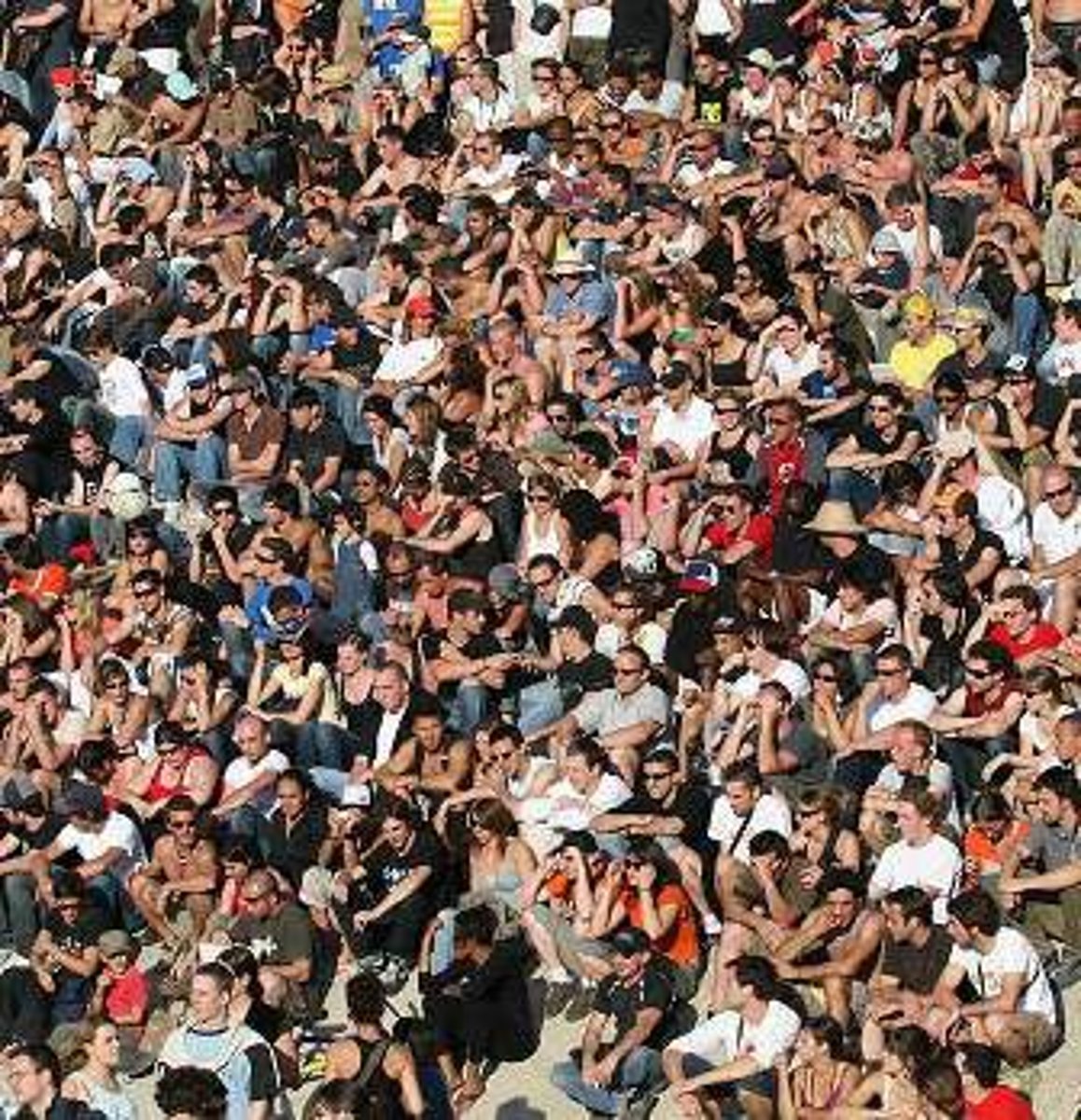
Doubling Time
The number of years needed to double a population, assuming a constant rate of natural increase.

Ecumeme
The areas of earth occupied by human settlement
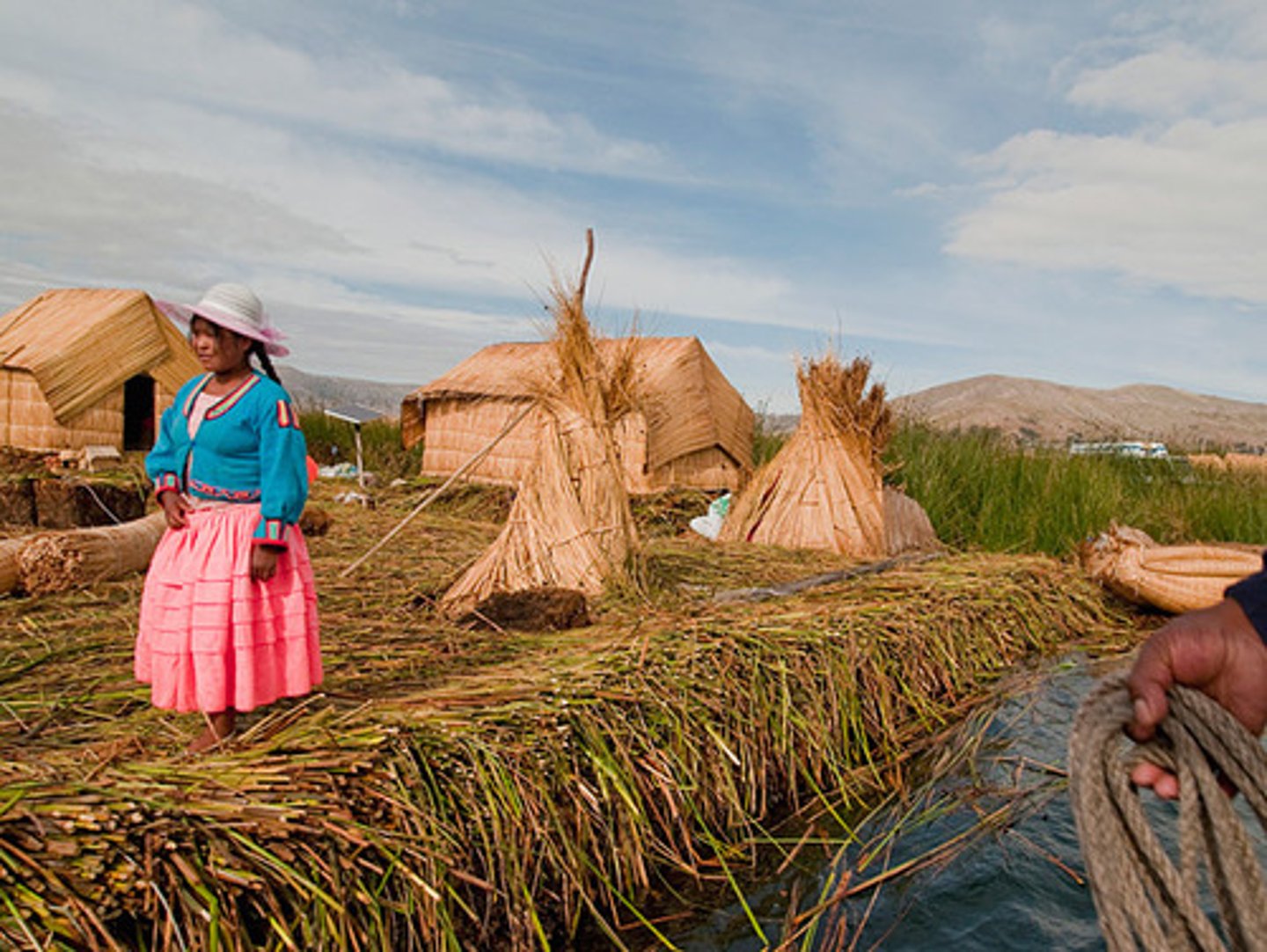
Epidemiology Transition
The process of change in the distinctive causes of death in each stage of the demographic transition
Life Expectancy
Average number of years an infant can expect to live depending on where they live

Natural Increase Rate (NIR)
The percentage growth of a population in a year, computed as the crude birth rate minus the crude death rate.

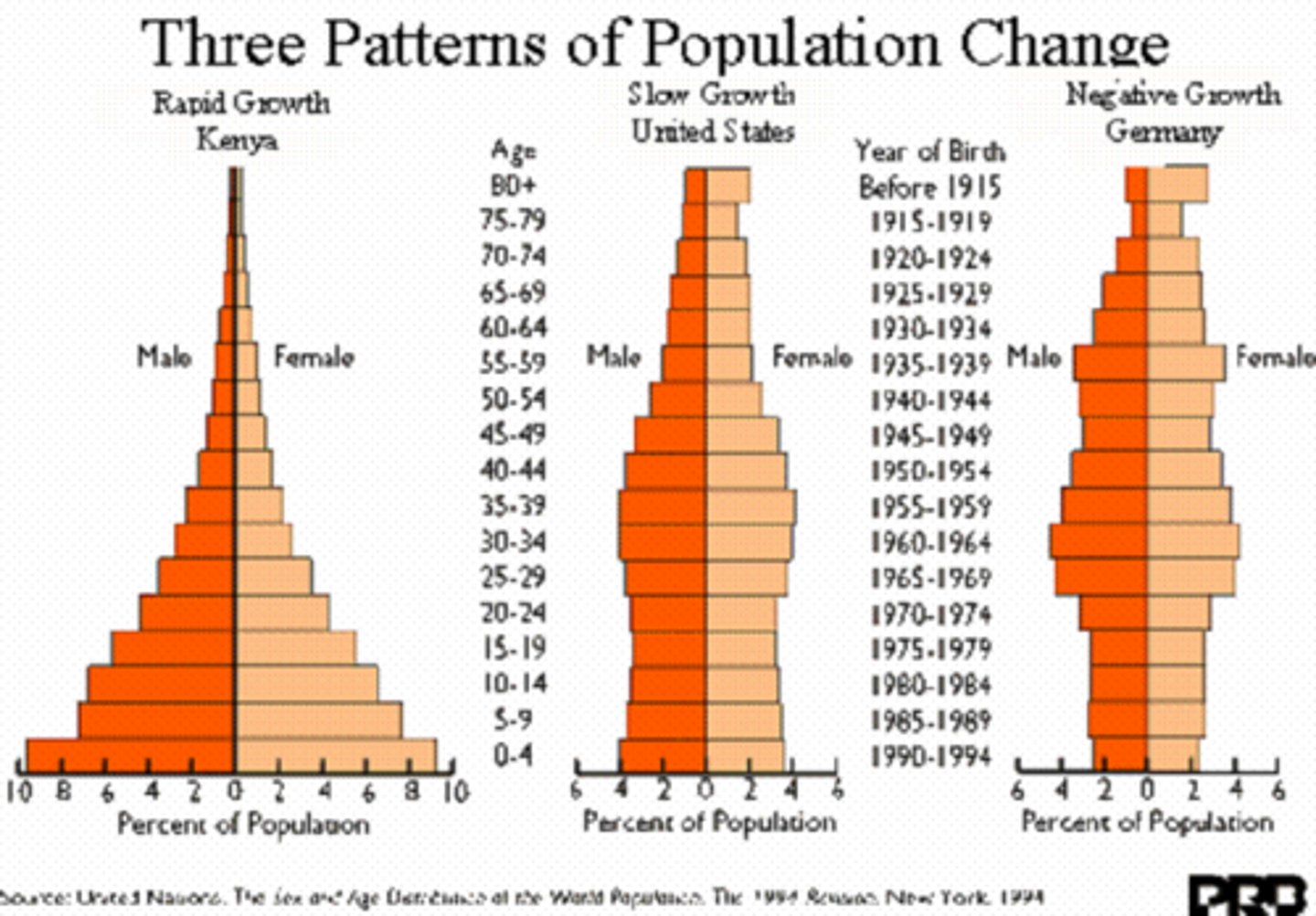
Population Pyramids
A places population broken down by gender and age
Anti-Natalist Policies
Government policies to reduce the rate of natural increase

Pro-Natalist Policies
Government policies to increase the rate of natural increase

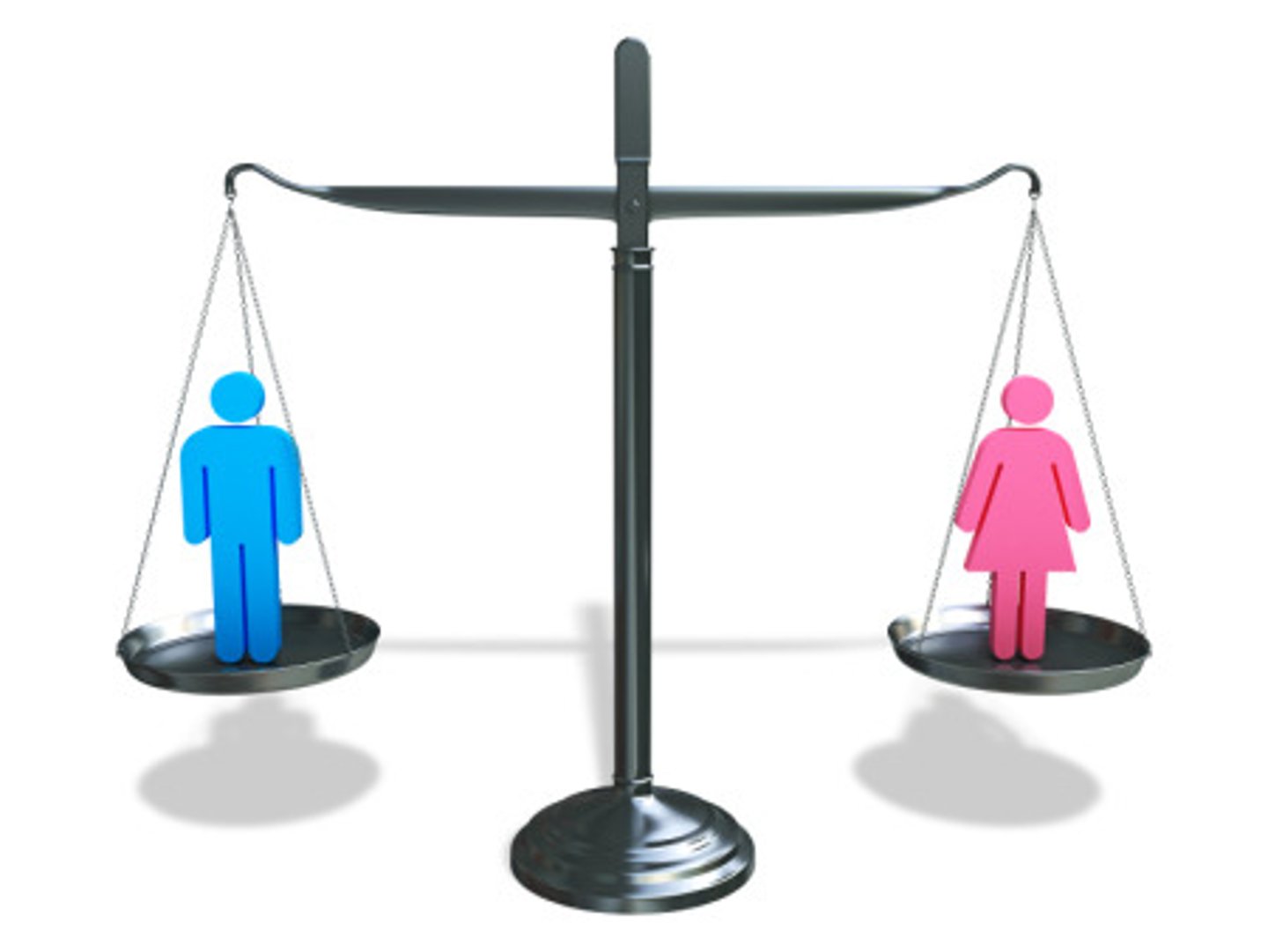
Sex Ratio
Number of males per 100 females

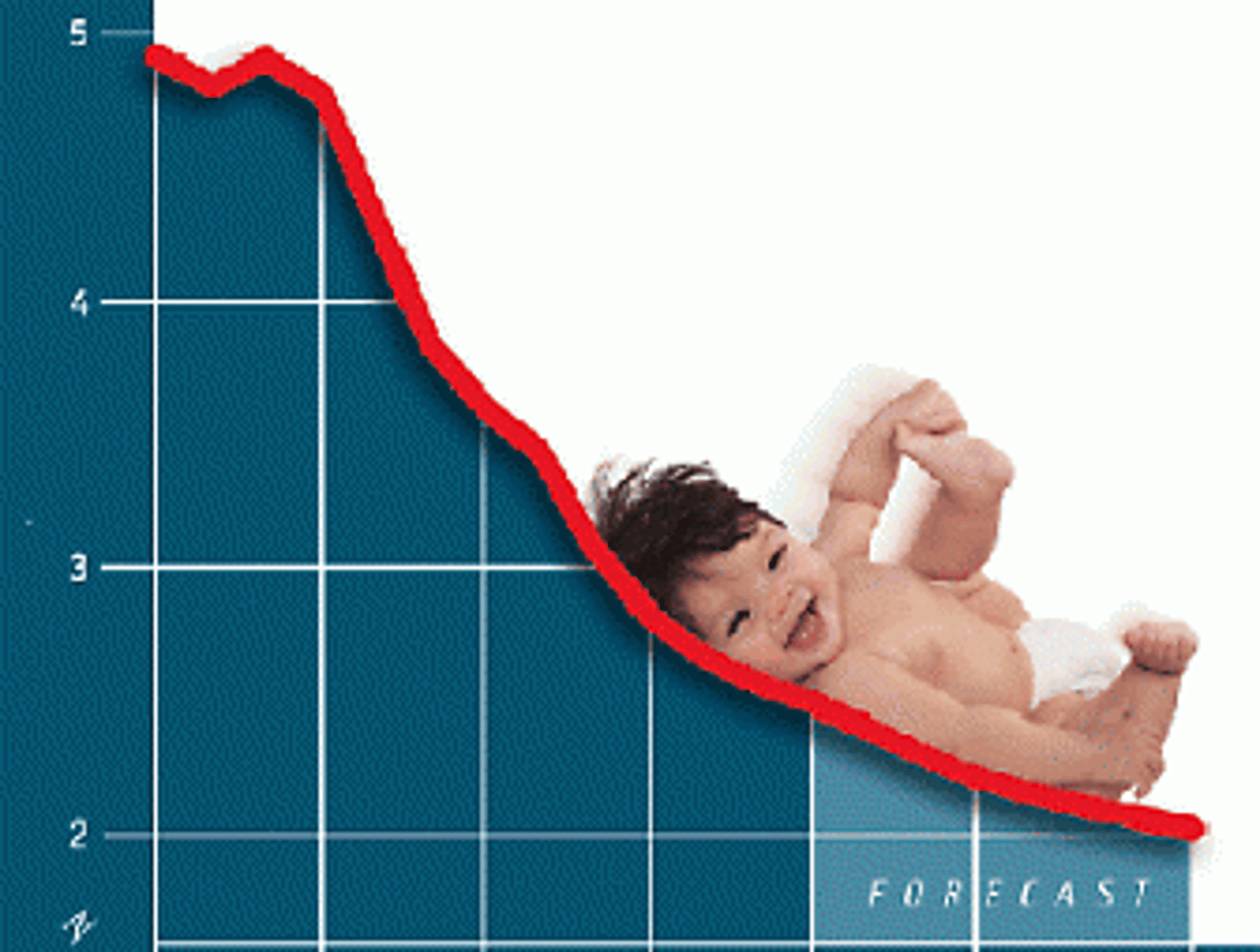
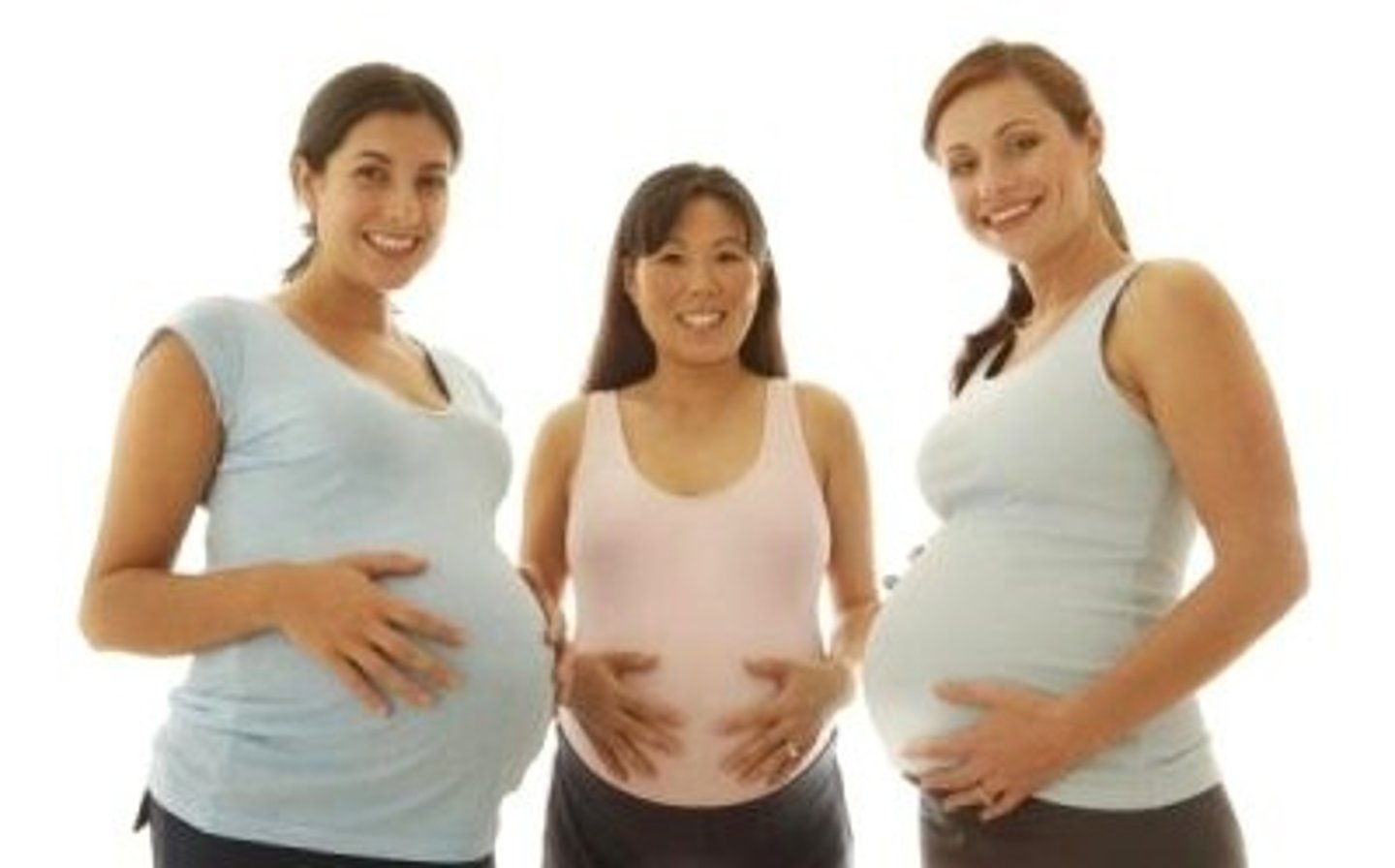
Total Fertility Rate
Average number of children a woman will have during her 'birthing' years
Zero Population Growth
When the CBR and the CDR are equal and the NIR approaches zero
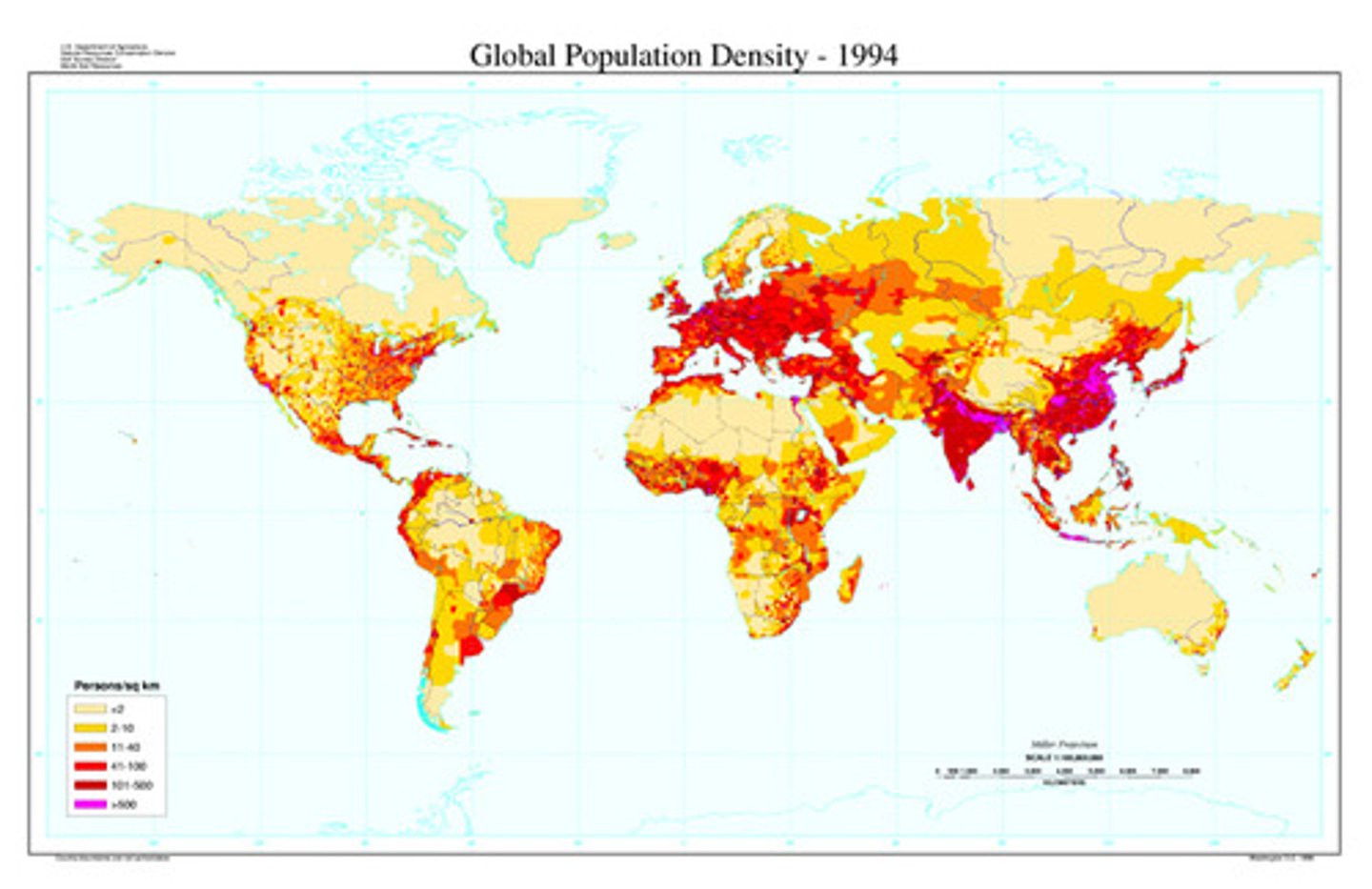
Population Clusters
An area of land where people are most dense, including East Asia, South Asia, Southeast Asia, and Europe.
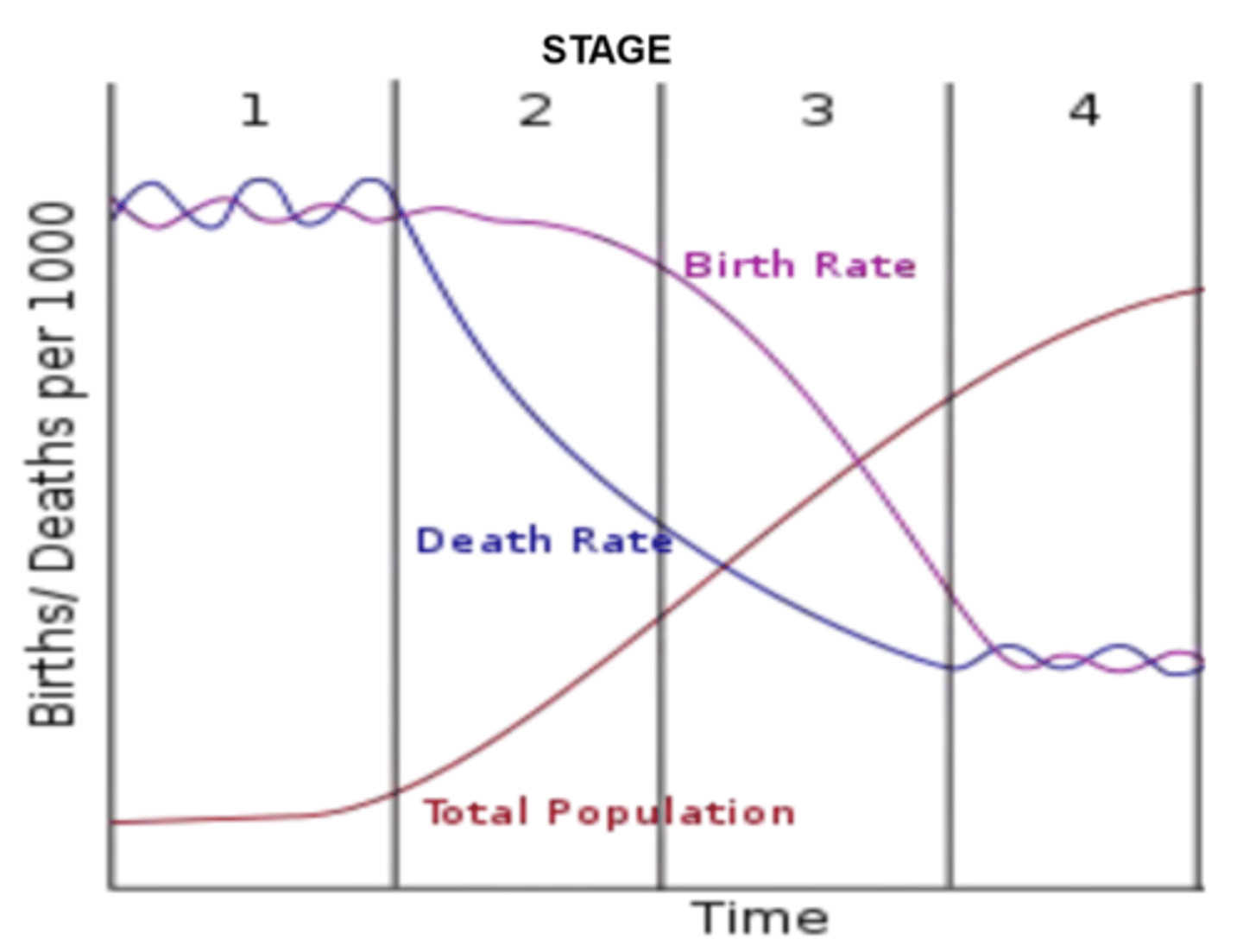
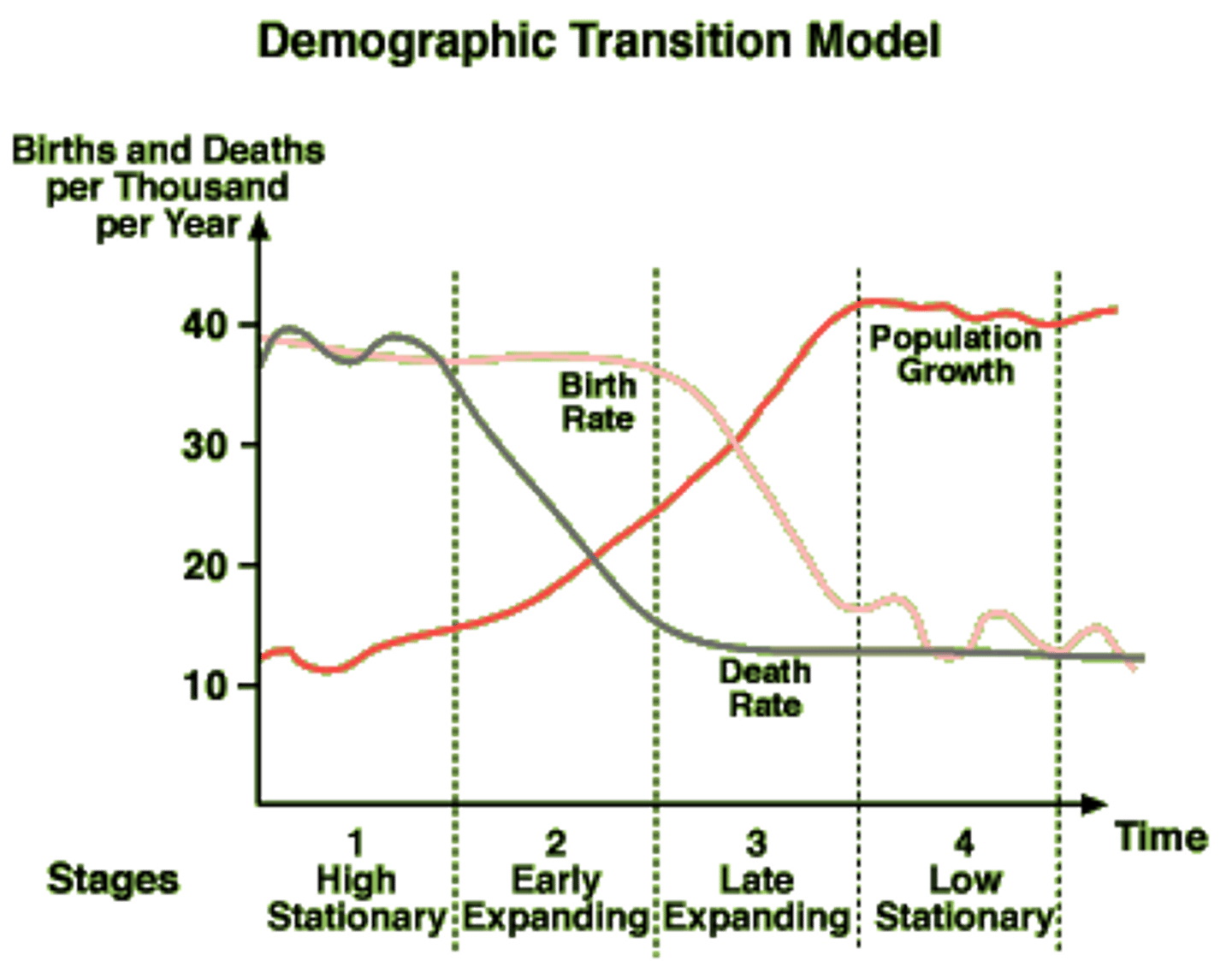
Demographic Transition Model
A model that demonstrates the shift in population growth throughout time
Stage 1 DTM
Low Growth: A pre-industrial agrarian society with a High CBR, High CDR, and a Zero NIR
no country is in stage 1
Stage 2 DTM
High Growth: Industrializing society with a CBR that remains high but stable, a CDR that declines dramatically, and a NIR in rapid increase.
Stage 3 DTM
Decreasing growth: Industrializing society with a CBR that declined significantly, a CDR that continues to decline, and a NIR that begins to moderate.
Stage 4 DTM
Low Growth: A Modern Industrialized Country with a low CBR, low CDR, and virtually no NIR
Stage 5 DTM
A Modern Industrialized Country with a very low CBR, an increasing CDR, and a negative NIR
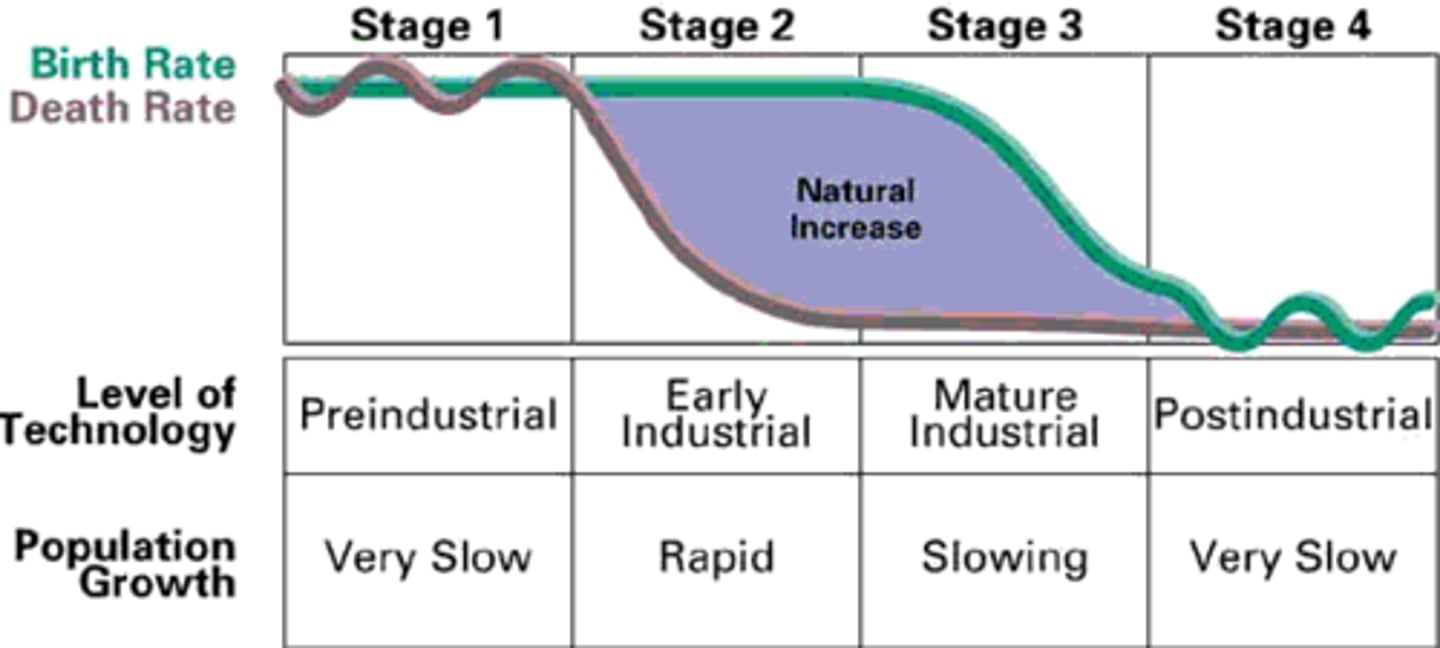
Epidemiologic Transition Model
A model highlighting the distinctive causes of death in each stage of the demographic transition
Stage 1 Epidemiologic Transition Model
Pestilence and Famine (high CDR)
-infectious and parasitic diseases, accidents and attacks by animals and humans, and other natural causes are principal reasons for human death
-ex. the Black Plague

Stage 2 Epidemiologic Transition Model
Receding Pandemics (rapidly declining CDR)
-results from overcrowding
-ex. cholera outbreak
Stage 3 Epidemiologic Transition Model
Degenerative/Chronic Diseases (moderately declining CDR)
-a decrease in deaths from infectious diseases and an increase in chronic disorders (e.g. cardiovascular diseases) associated with aging
Stage 4 Epidemiologic Transition Model
Delayed Degenerative Diseases (low but increasing CDR)
-The major degenerative causes of death - Cardiovascular diseases and Cancers- linger, but the life expectancy of older people is extended through medical advances
Stage 5 Epidemiologic Transition Model
The reemergence of infectious diseases
-Infectious diseases thought to have been eradicated or controlled return and new ones emerge
-Evolution, Poverty, and increased connections
Migration
Permanent movement to another place
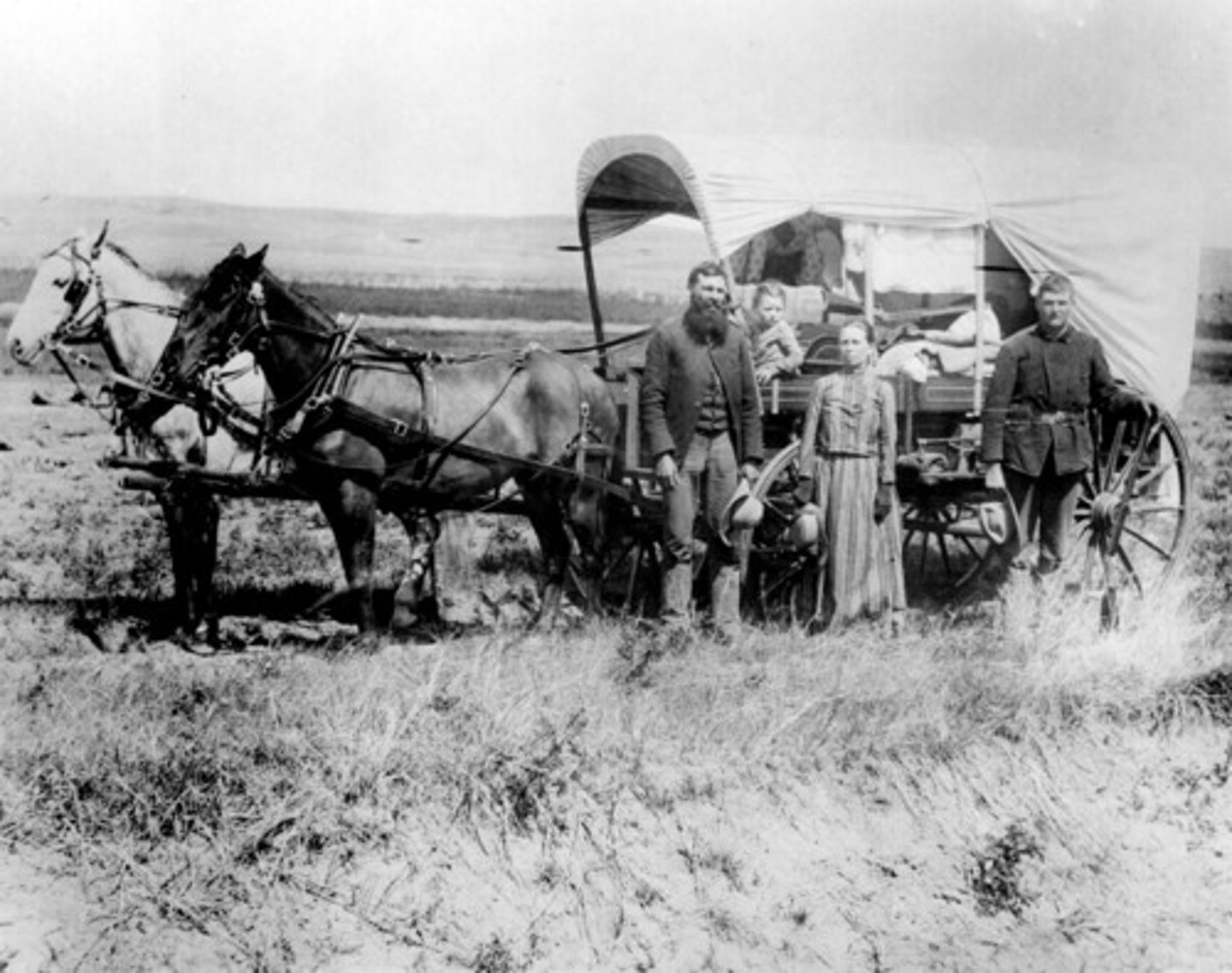
Immigration
Movement to a place
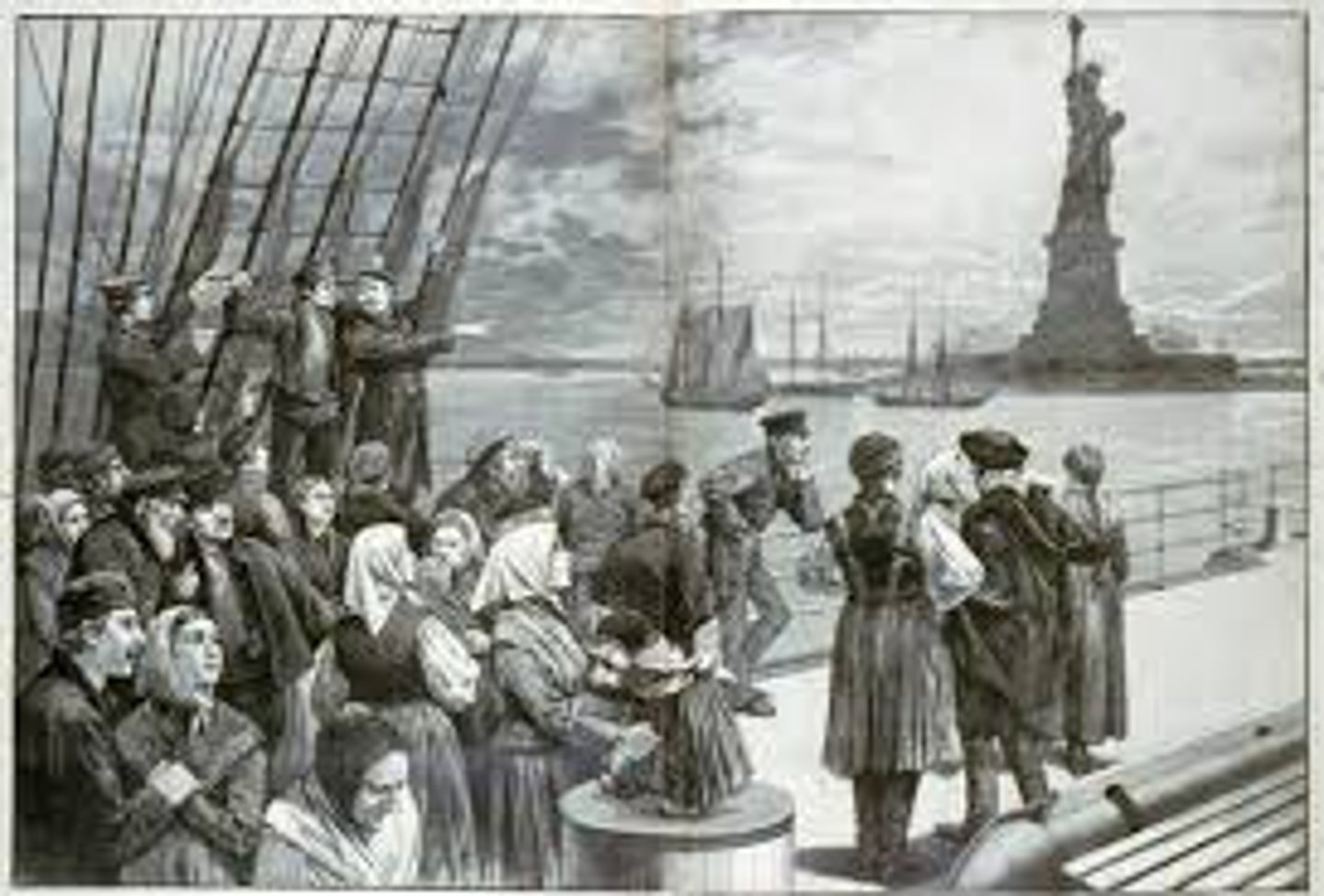
Emmigration
Movement out of a place
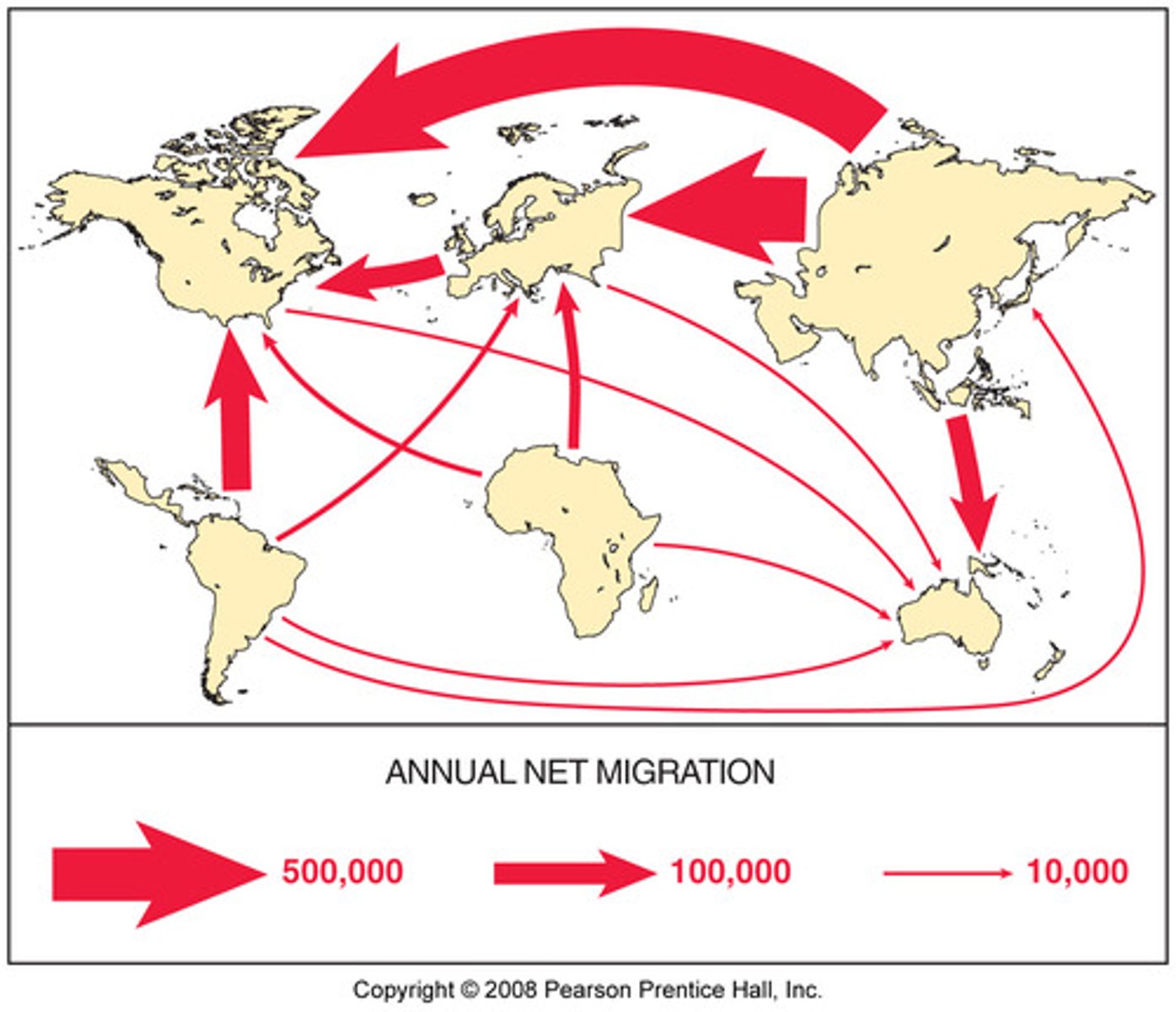
Net migration
The difference between the number of immigrants and the number of emigrants
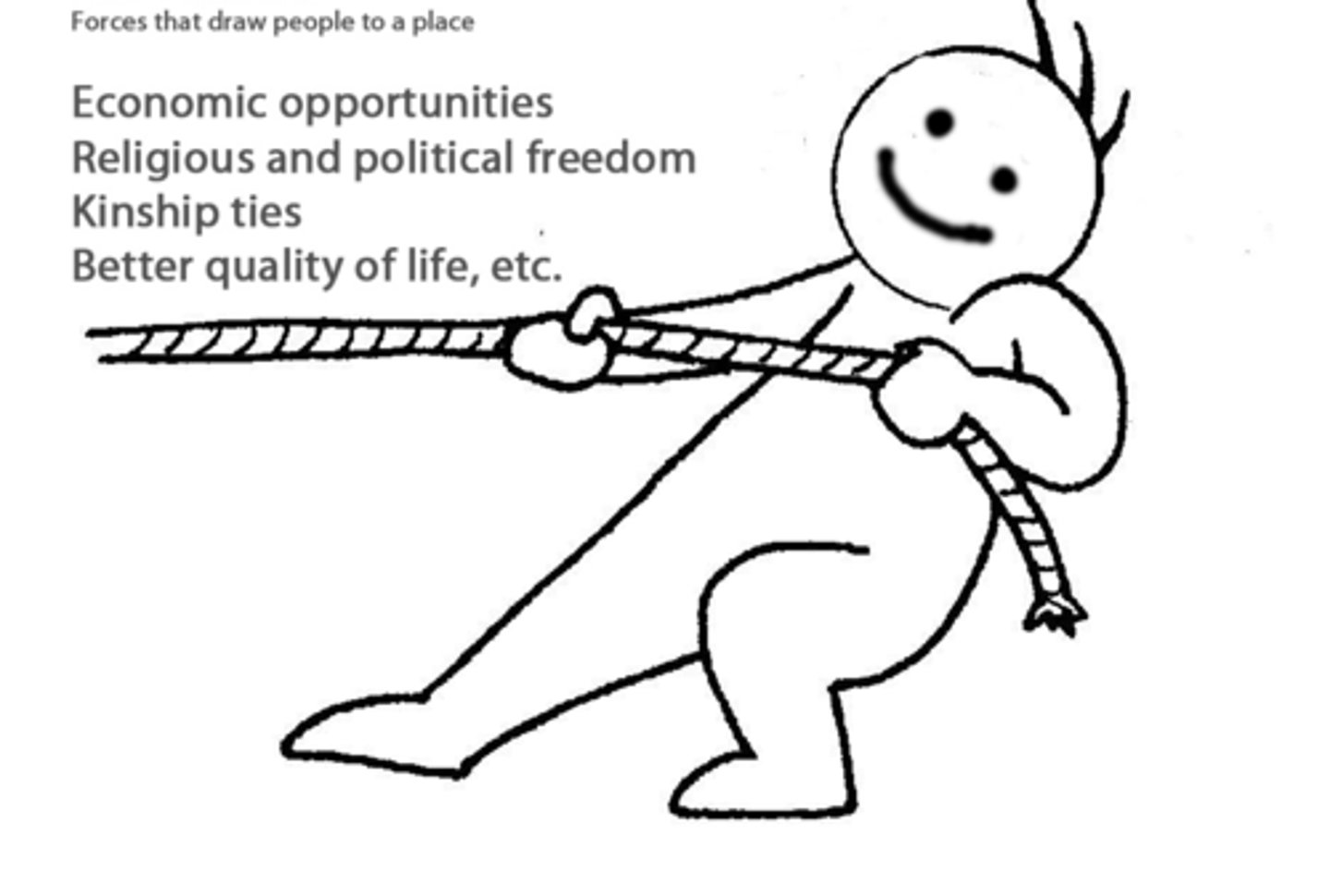
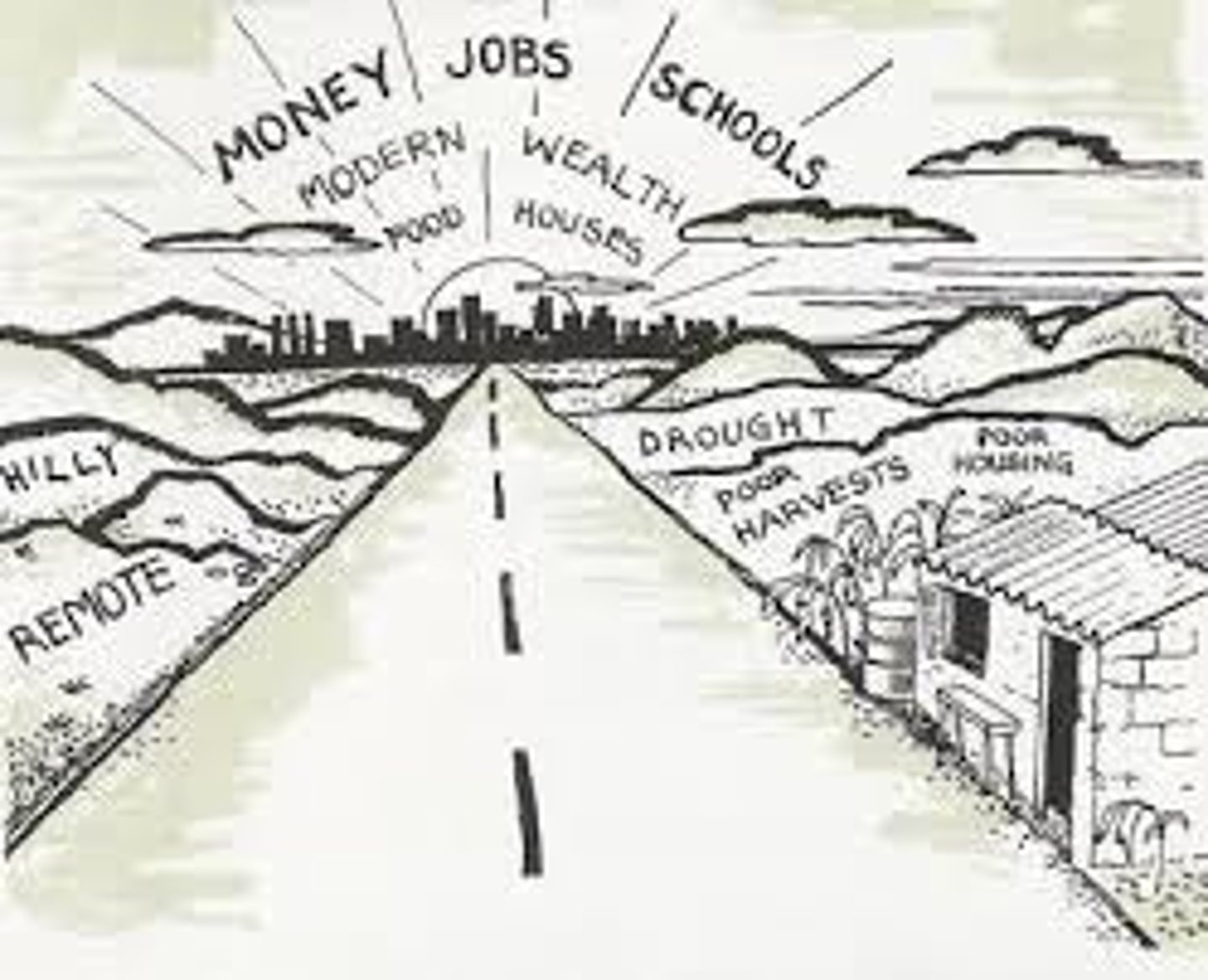
Pull factors
Positive conditions and perceptions that effectively attract people to new locales from other areas; economic opportunity, cultural freedom, and environmental comfort.
Intaregional Migration
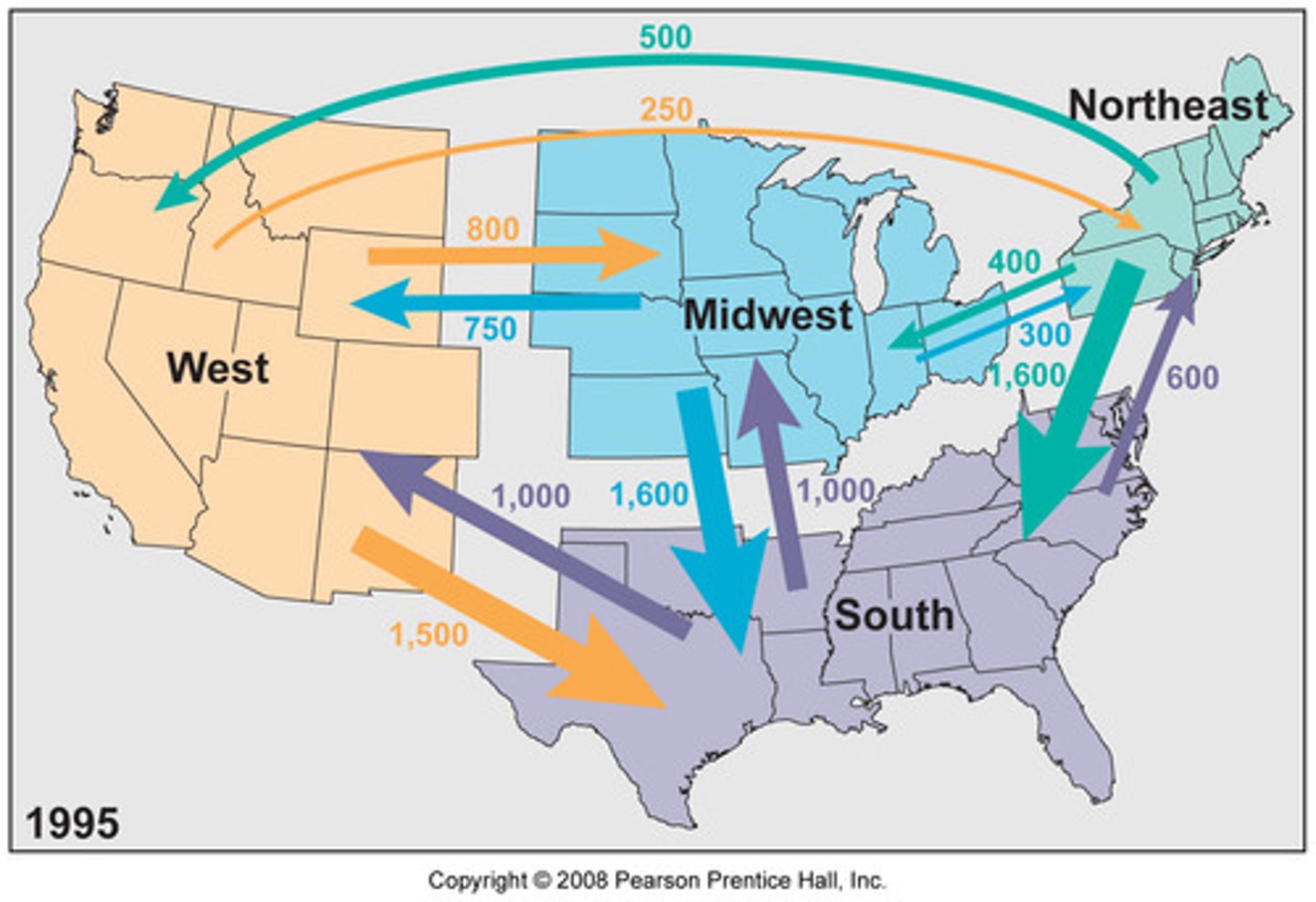
Movement within a region
Interregional Migration
Movement from one region to another
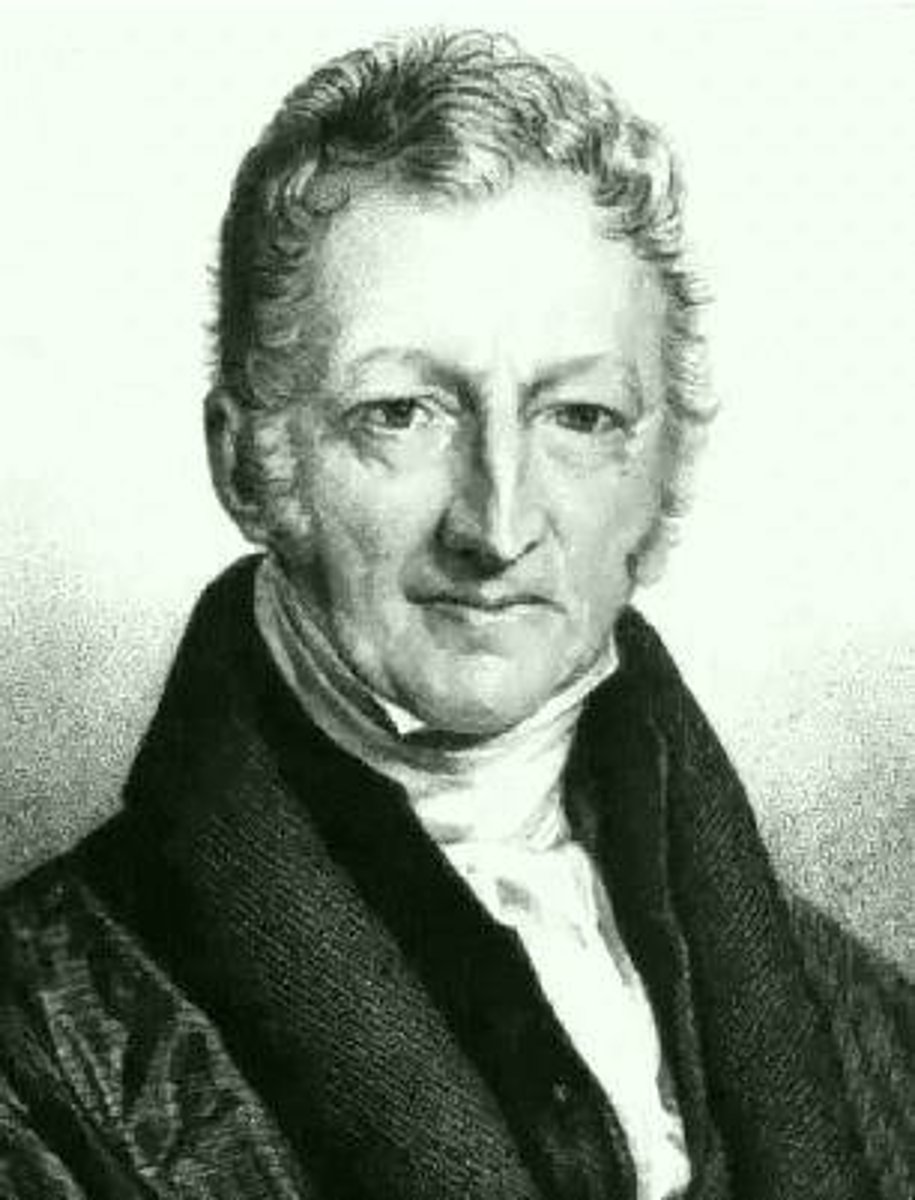
Thomas Malthus
Eighteenth-century English intellectual who warned that population growth threatened future generations because, in his view, population growth would always outstrip increases in agricultural production; resulting in war, famine, disease.
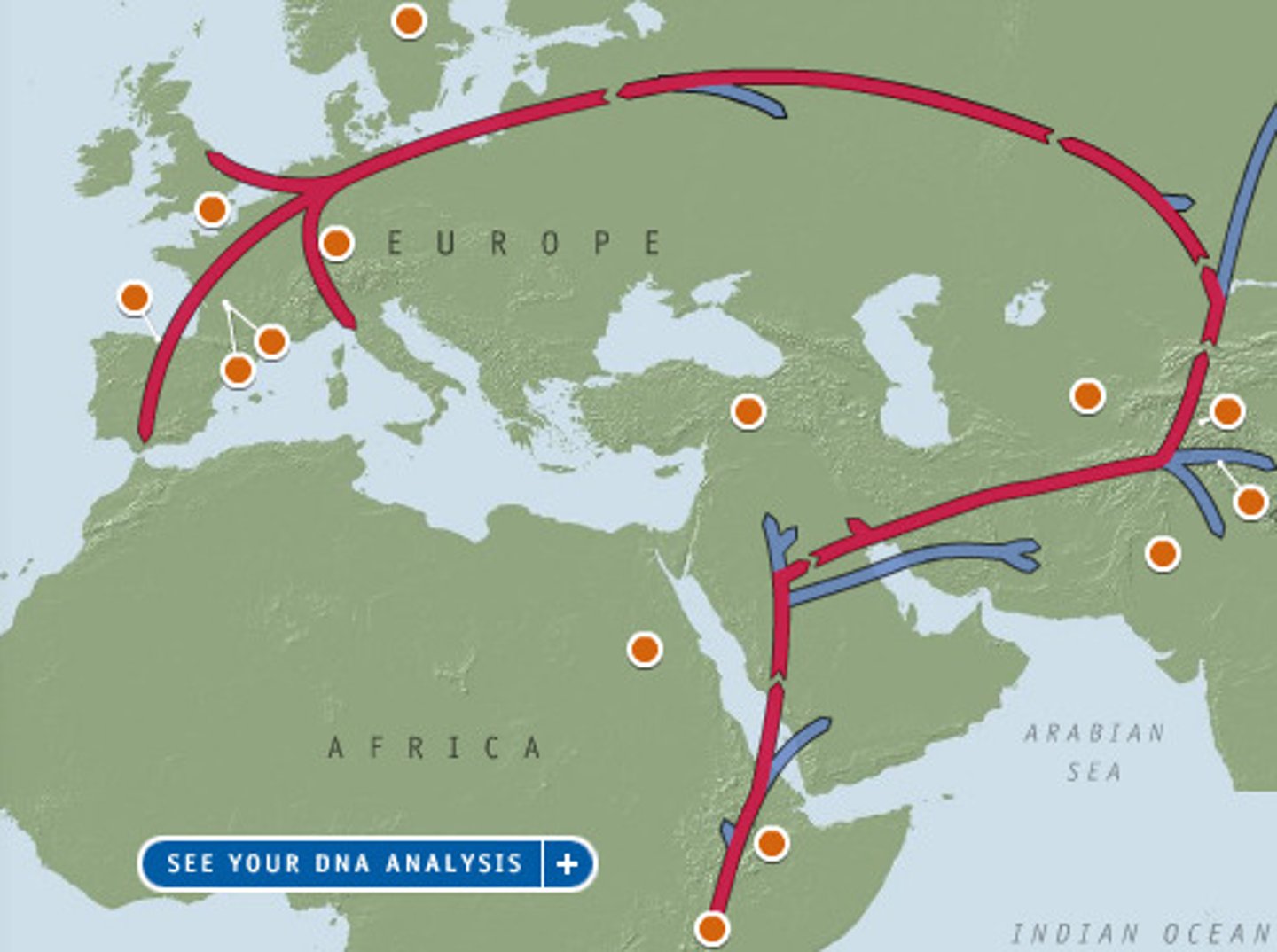
Chain Migration
migration of people to a specific location because relatives or members of the same nationality previously migrated there
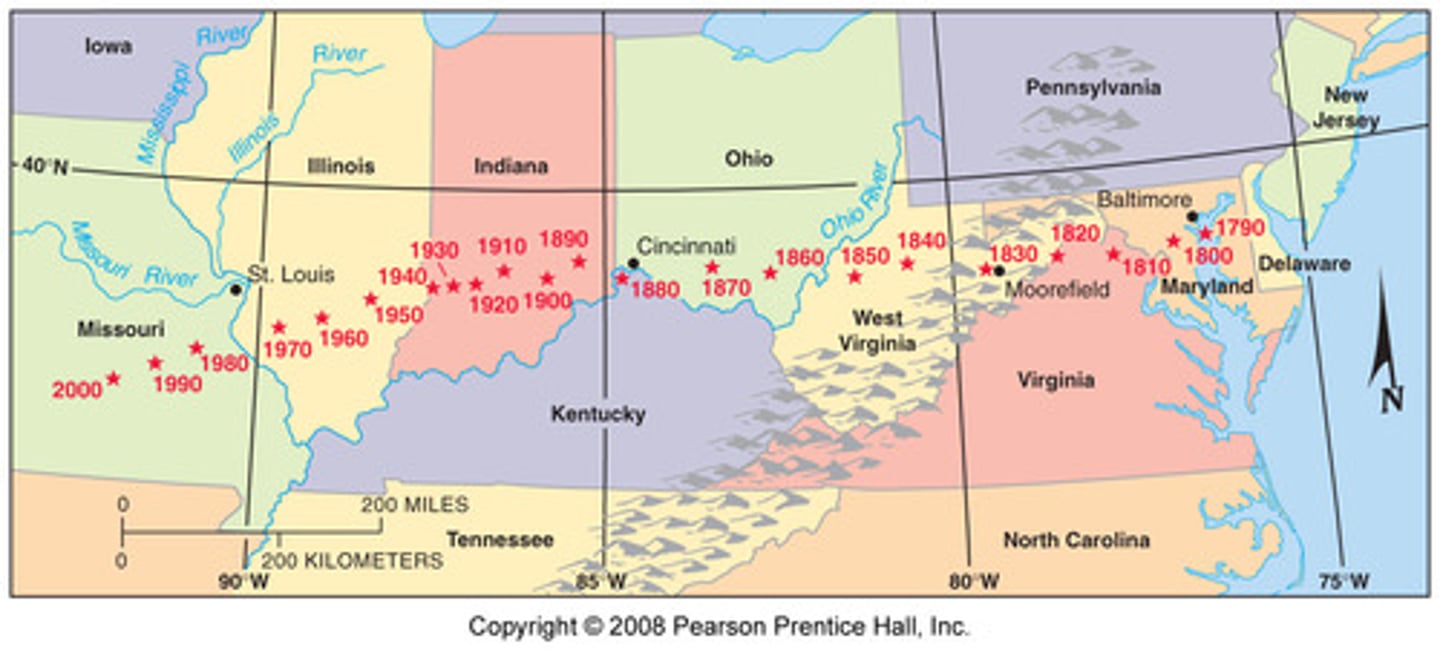
Step migration
Migration to a distant destination that occurs in stages, for example, from farm to nearby village and later to a town and city
Ravenstein's Laws
-Most migrants travel only a short distance
-The number of migrants to a destination declines as the distance they must travel increases.
-Migrants who move longer distances tend to choose major cities
-Every migration flow generates a return or counter flow.
-Families are less likely to make international moves than young adults.
-Men migrate long-distances.
-Women migrate shorter distances but more often than men.
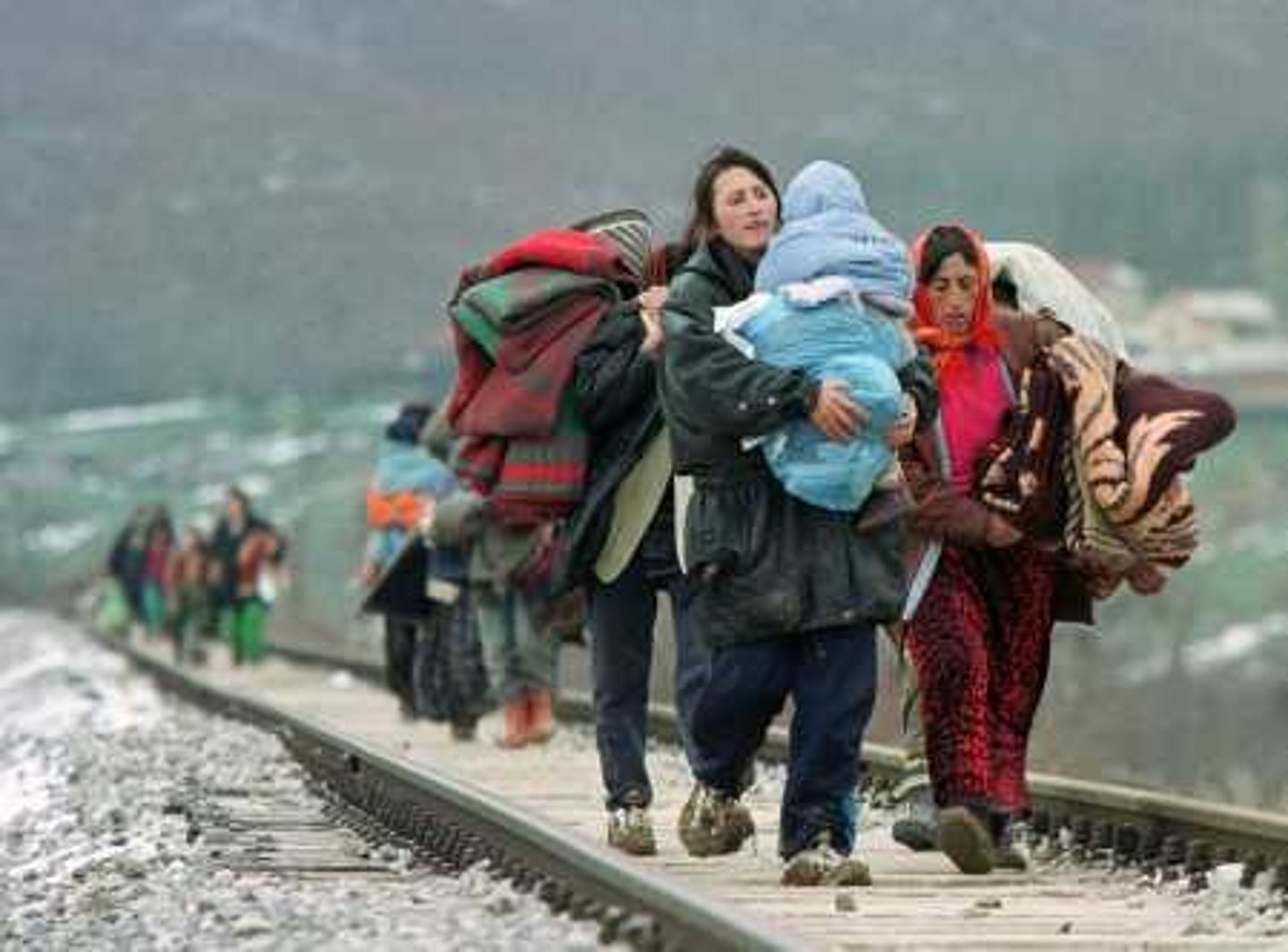
Refugee
Refugee: "a person who has a well-founded fear of being persecuted for reasons of race, religion, nationality, membership of a particular social group, or political opinion."
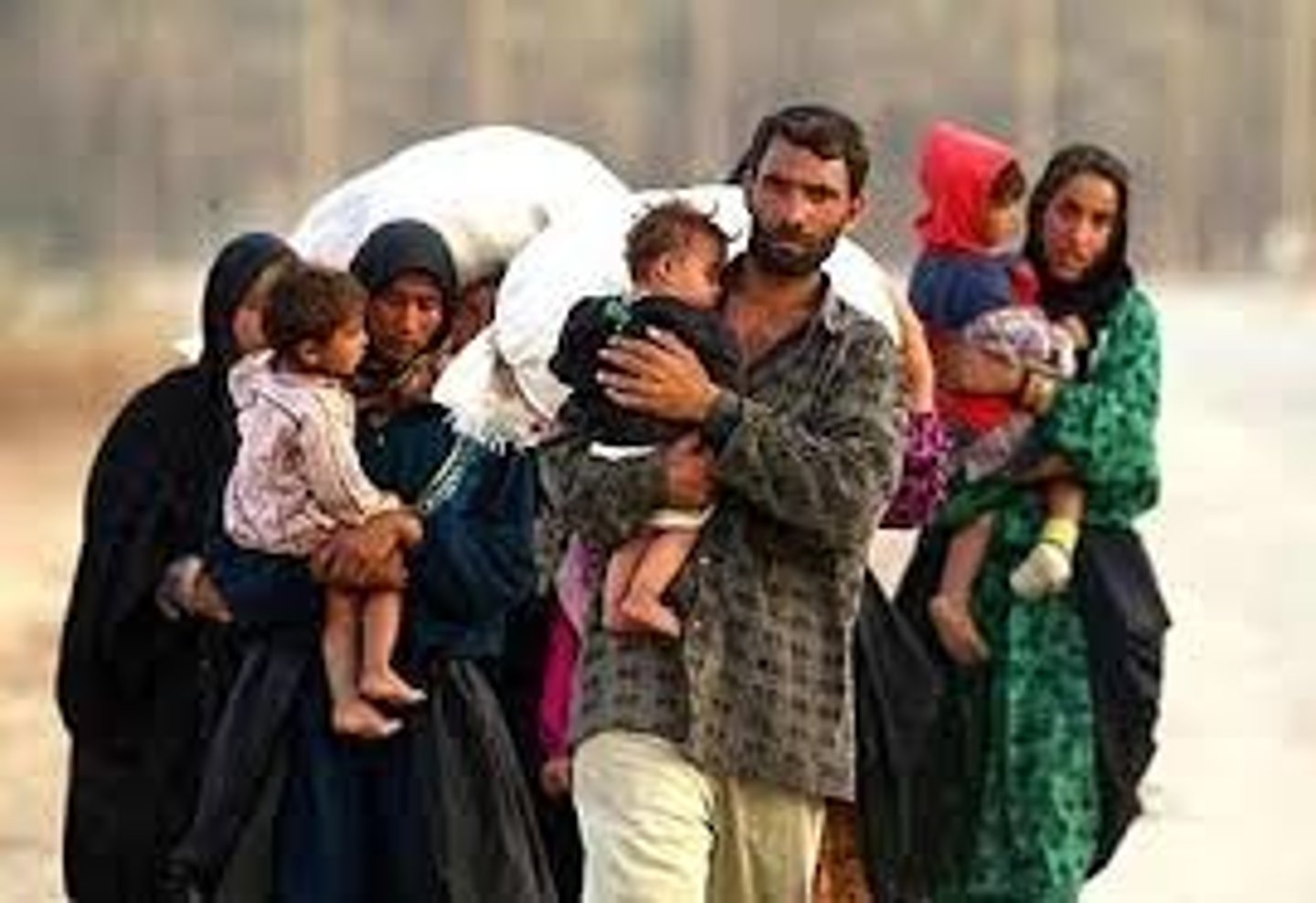
Asylum Seeker
Someone who says he or she is a refugee, but whose claim has not yet been definitively evaluated.
Counter-urbanization
Net migration from urban to rural areas in more developed countries.

Forced Migration
Permanent movement compelled usually, but not always, by political factors.
Voluntary migration
Permanent movement undertaken by choice.
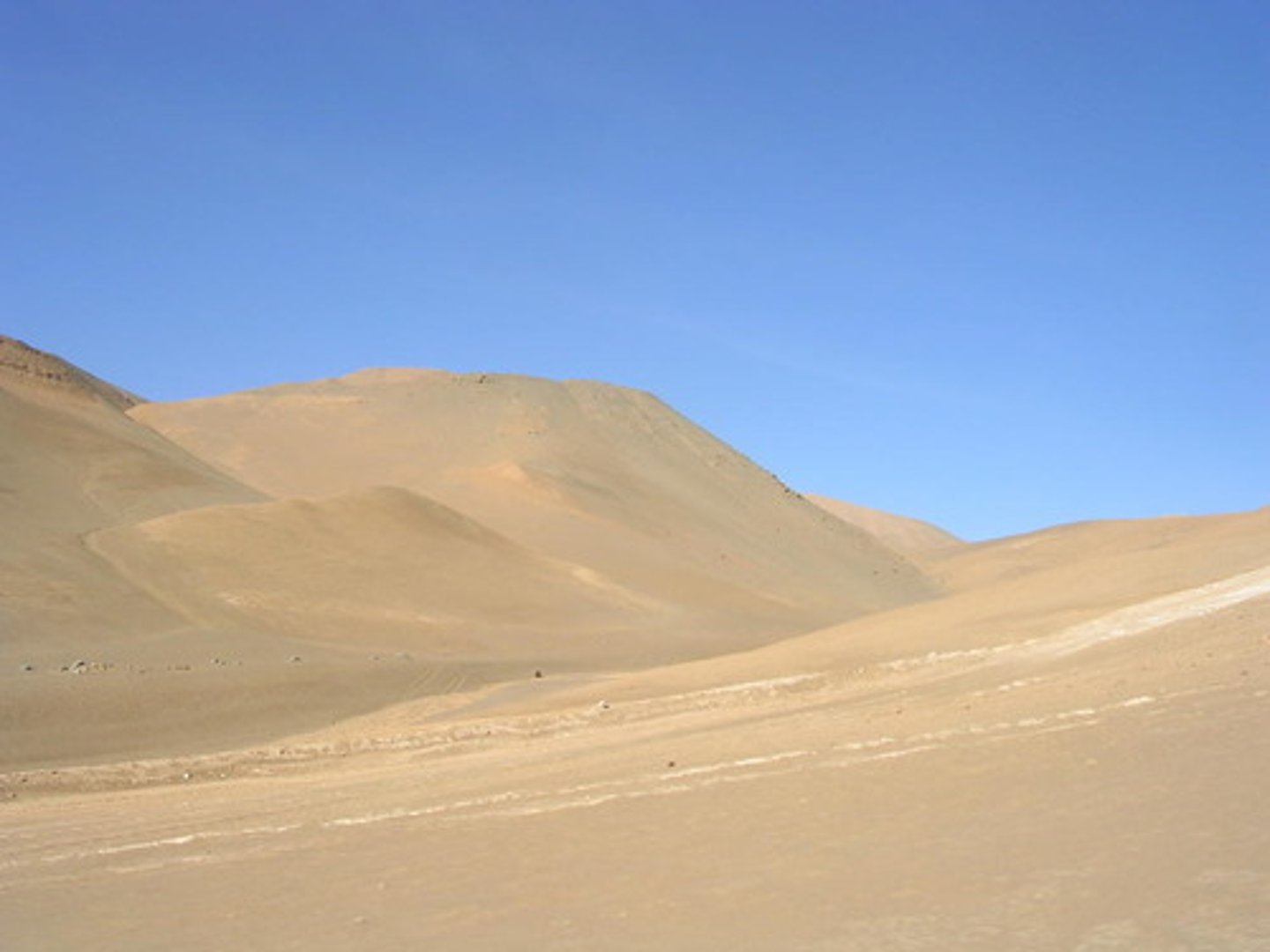
Sparsely Populated Regions
Land that is too dry, wet, cold, or high; E.g. Northern Canada, Northern Siberia, Sahara Desert, Australian Outback, Himalaya Mountains.
Non-ecumene
The uninhabited or uninhabitable areas of the world.
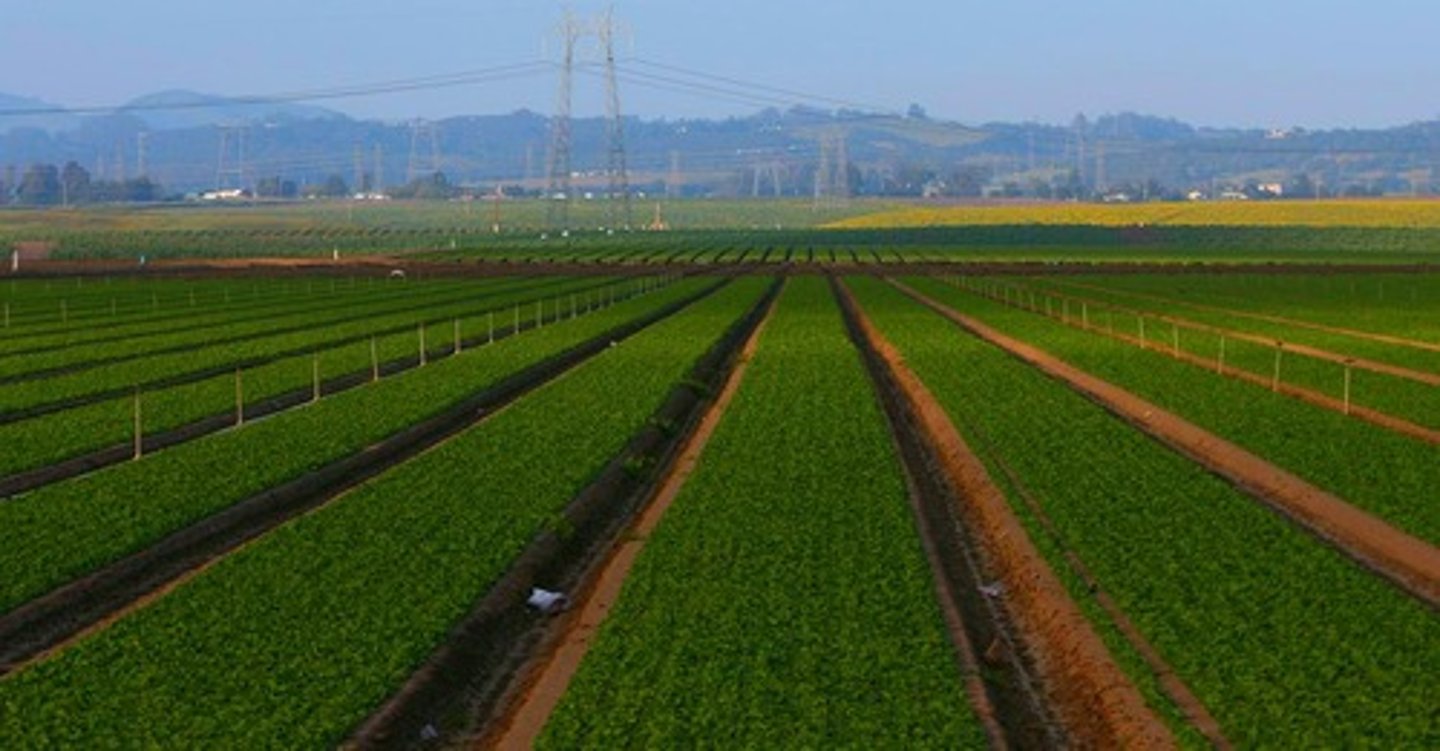
Physiological Density
The number of people per unit of area of arable land, which is land suitable for agriculture.
Agriculture Density
The ratio of the number of farmers to the total amount of land suitable for agriculture
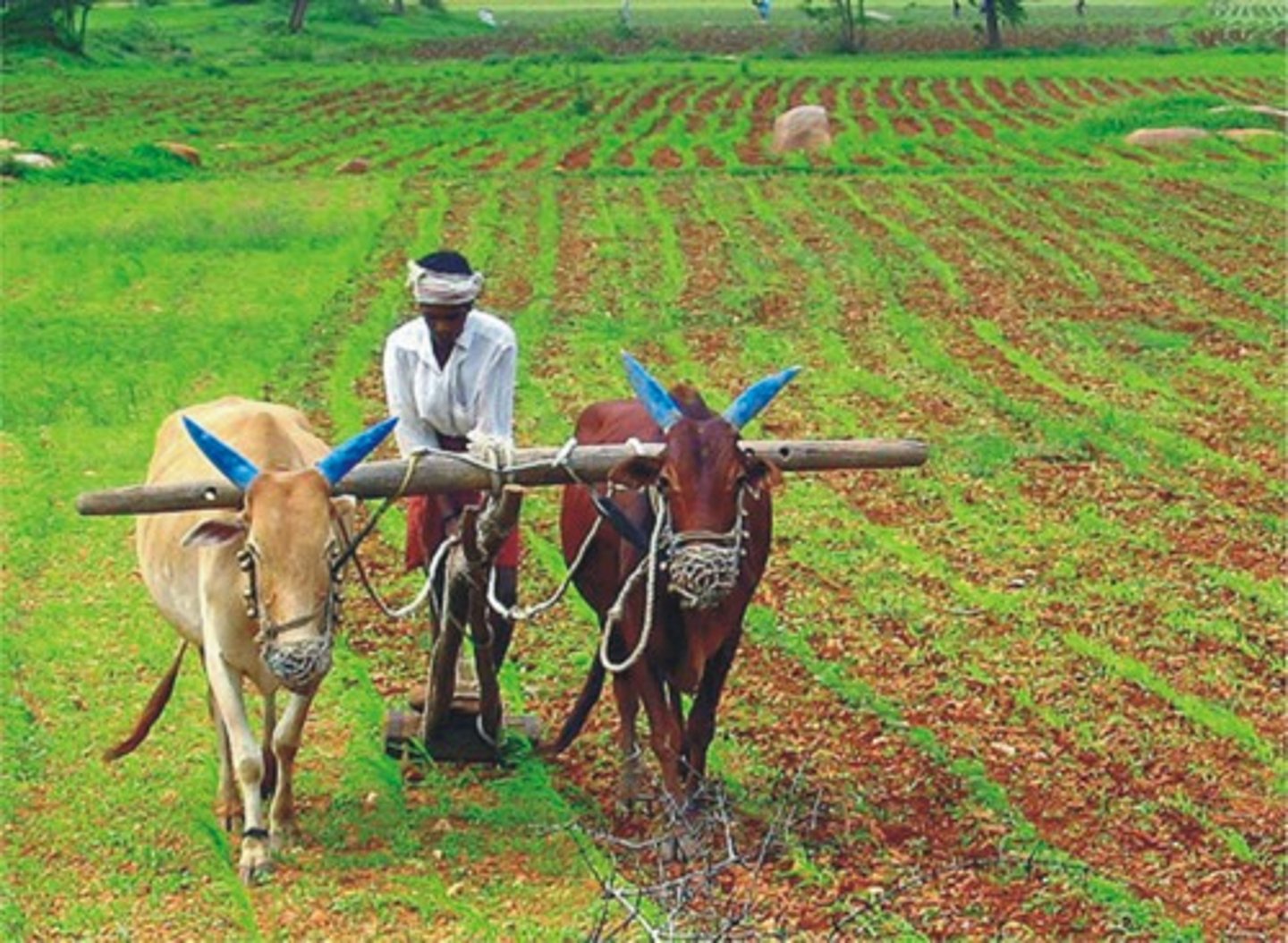
Carrying Capacity
Largest number of individuals of a population that a environment can support
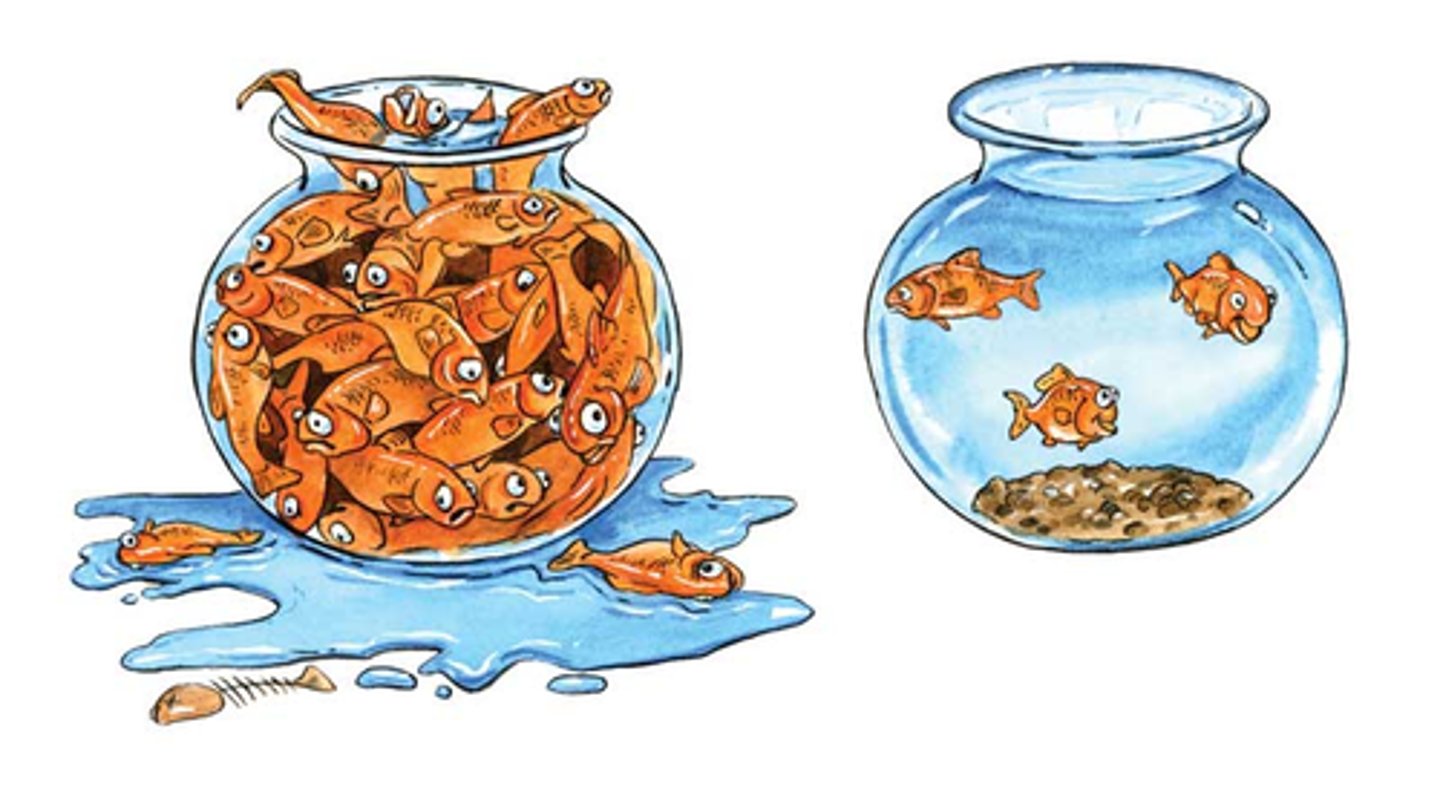
Cohort
A population group unified by a specific common characteristic, such as age, and subsequently treated as a statistical unit.

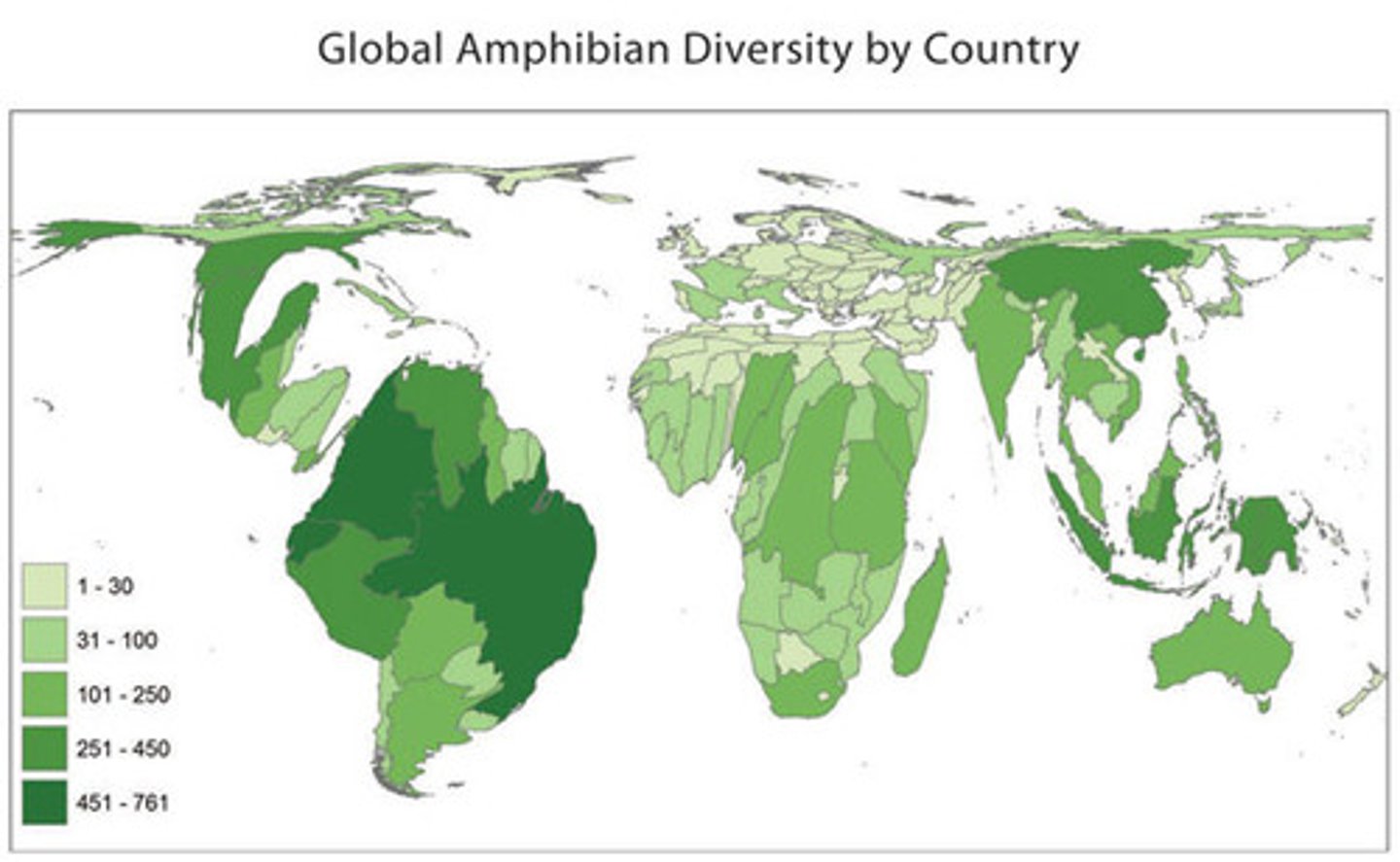
Cartogram
depicts the sizes of countries according to population rather than the land area
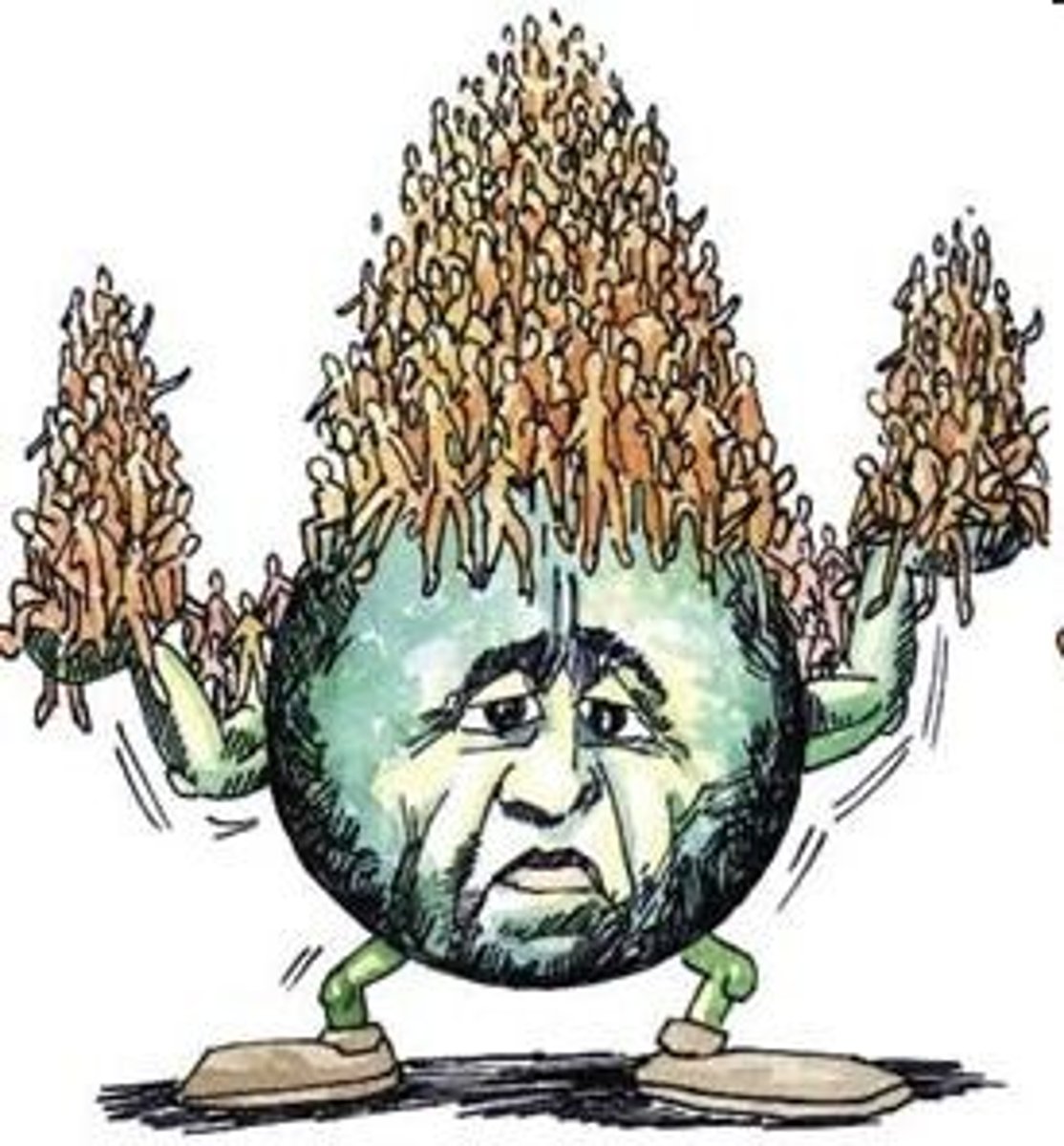
Overpopulation
The number of people in an area exceeds the capacity of the environment to support life at a decent standard of living.
Census
the official count of a population
Pandemic
Disease that occurs over a wide geographic area and affects a very high proportion of the population.
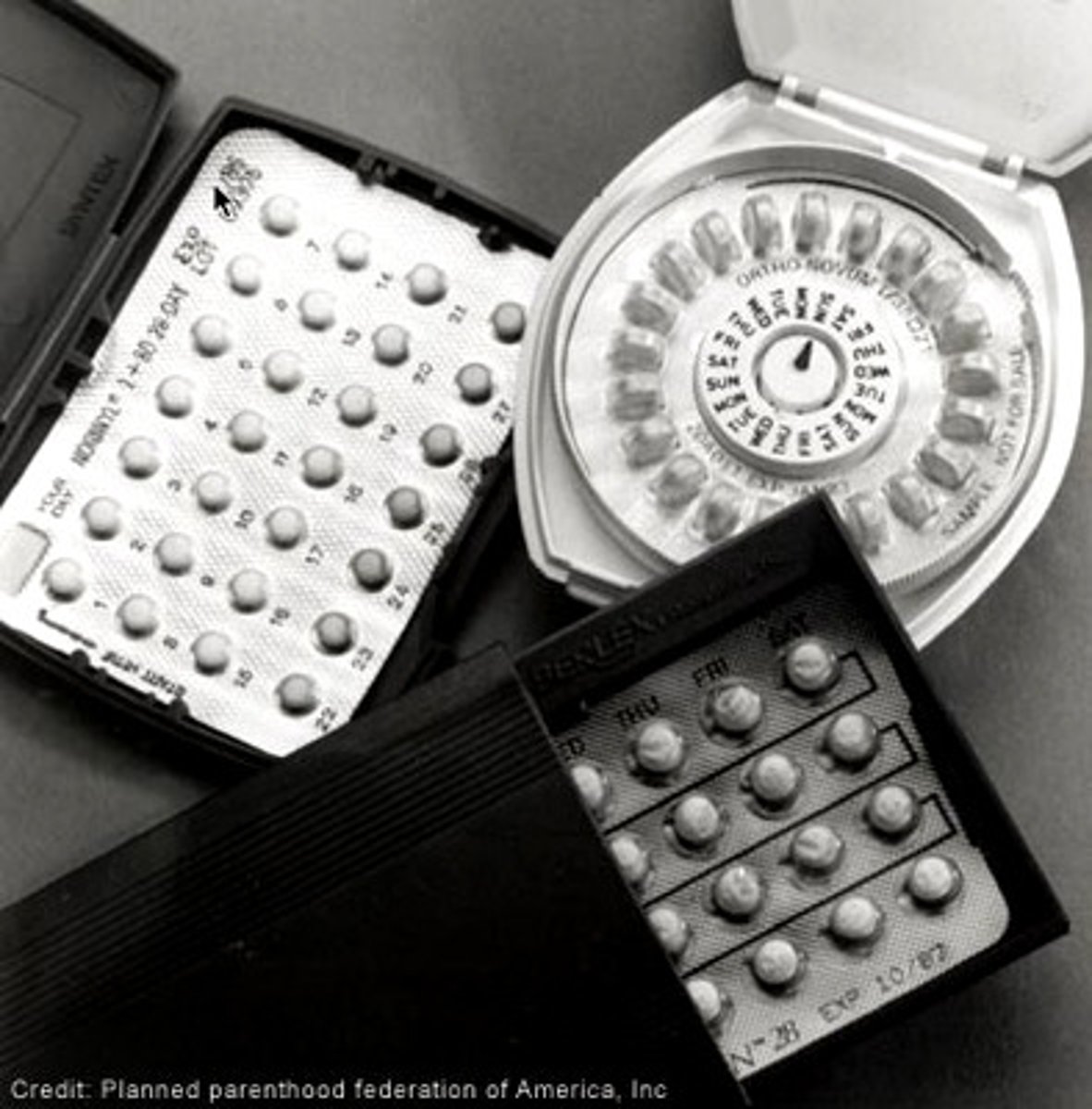
Contraceptive
device, method or agent that prevents conception
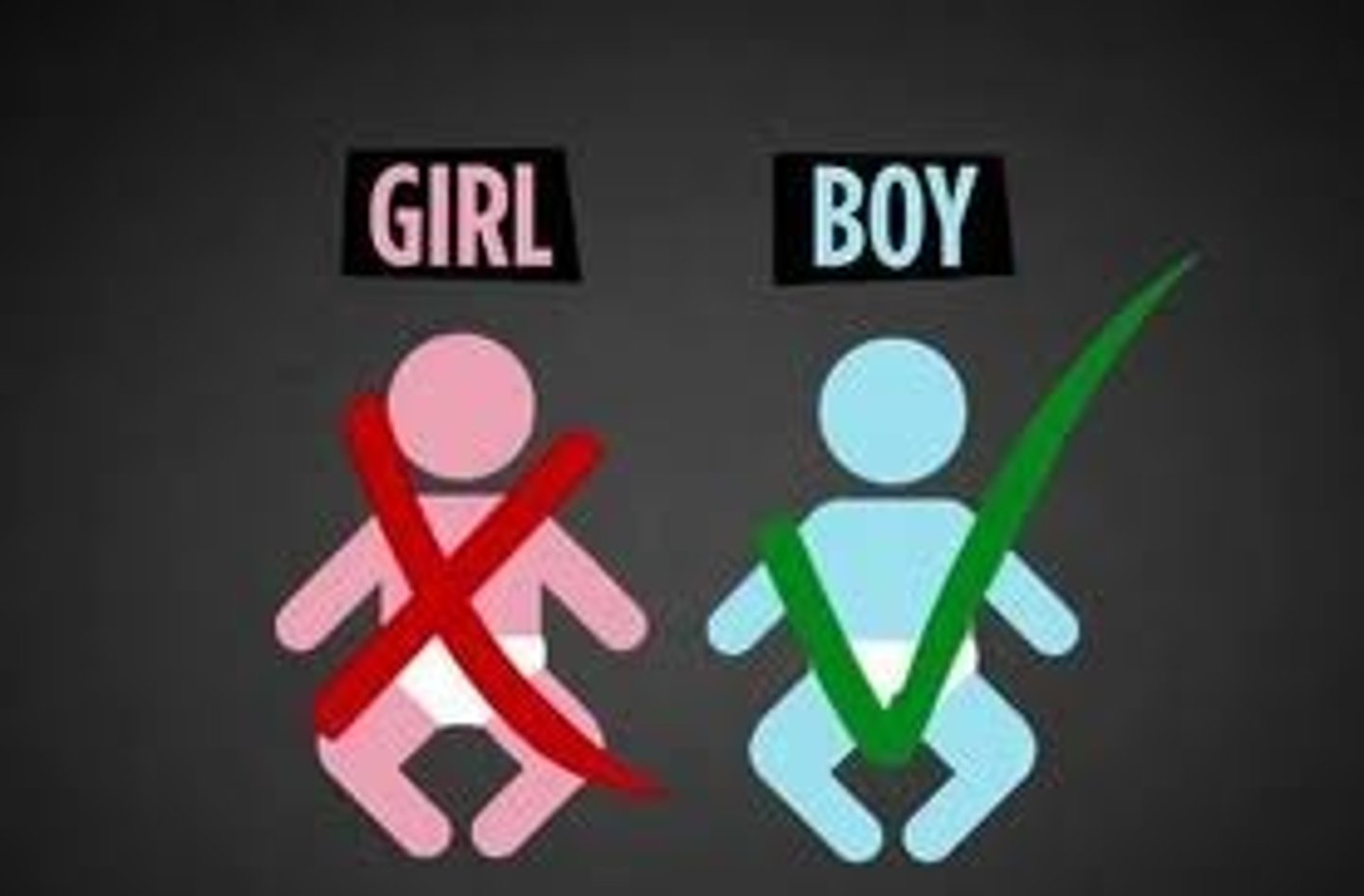
One Child Policy
A program established by the Chinese government in 1979 to slow population growth in China.

Gendercide
The systematic killing of a specific gender (male or female).
Migration Transition
Change in the migration pattern in a society that results from industrialization, population growth, and other social and economic changes that also produce the demographic transition.
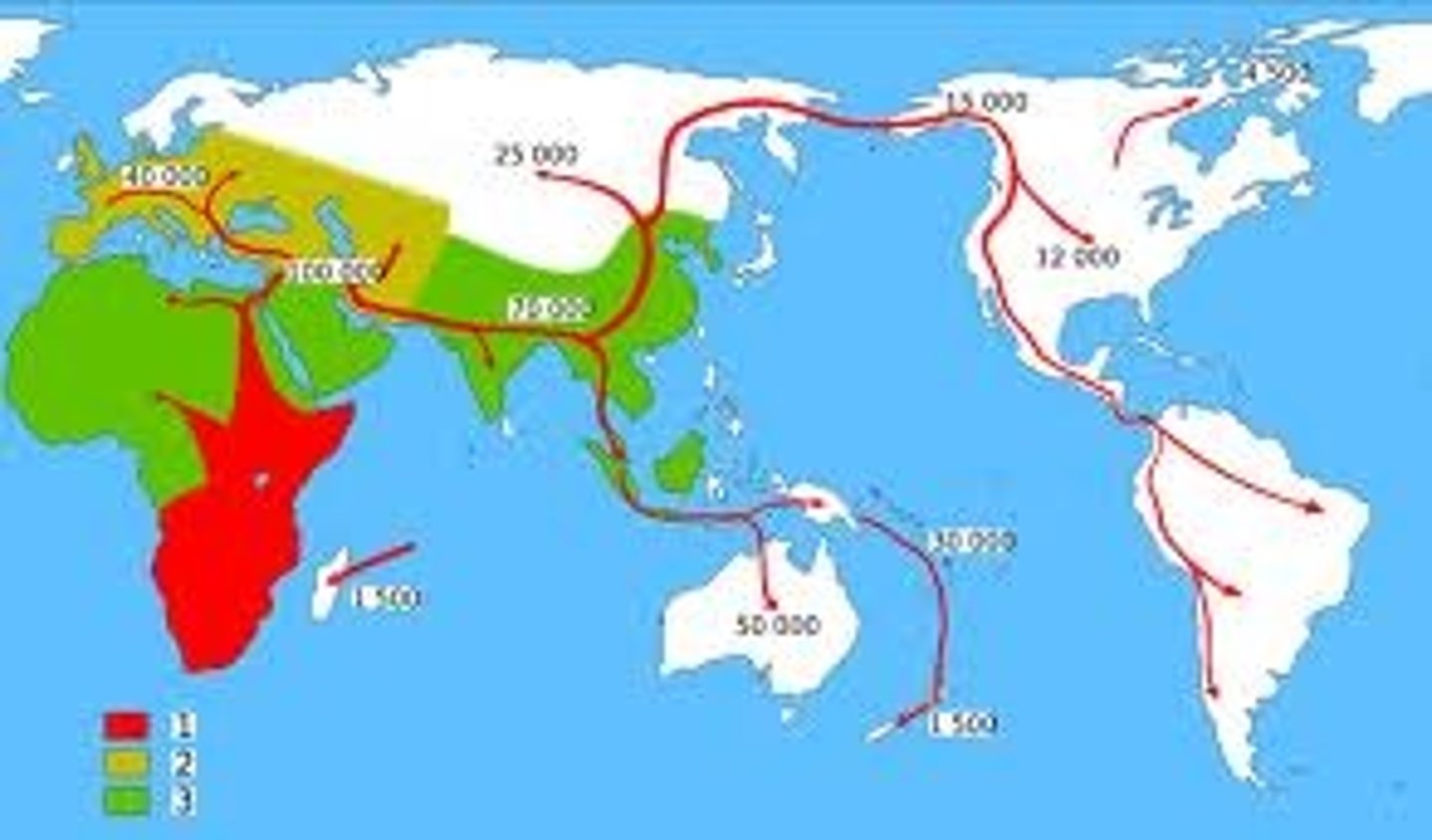
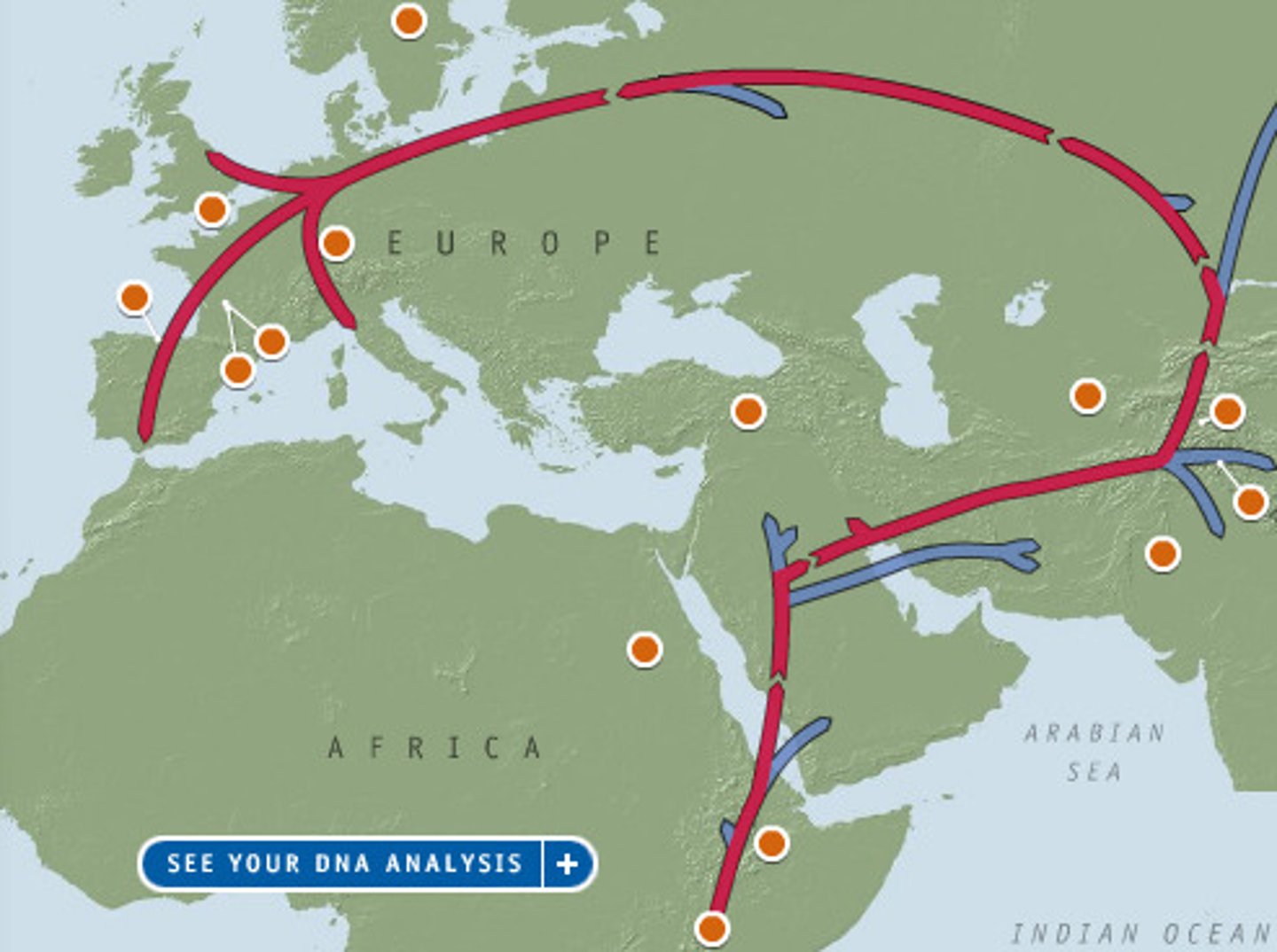
International Migration
Human movement involving movement across international boundaries
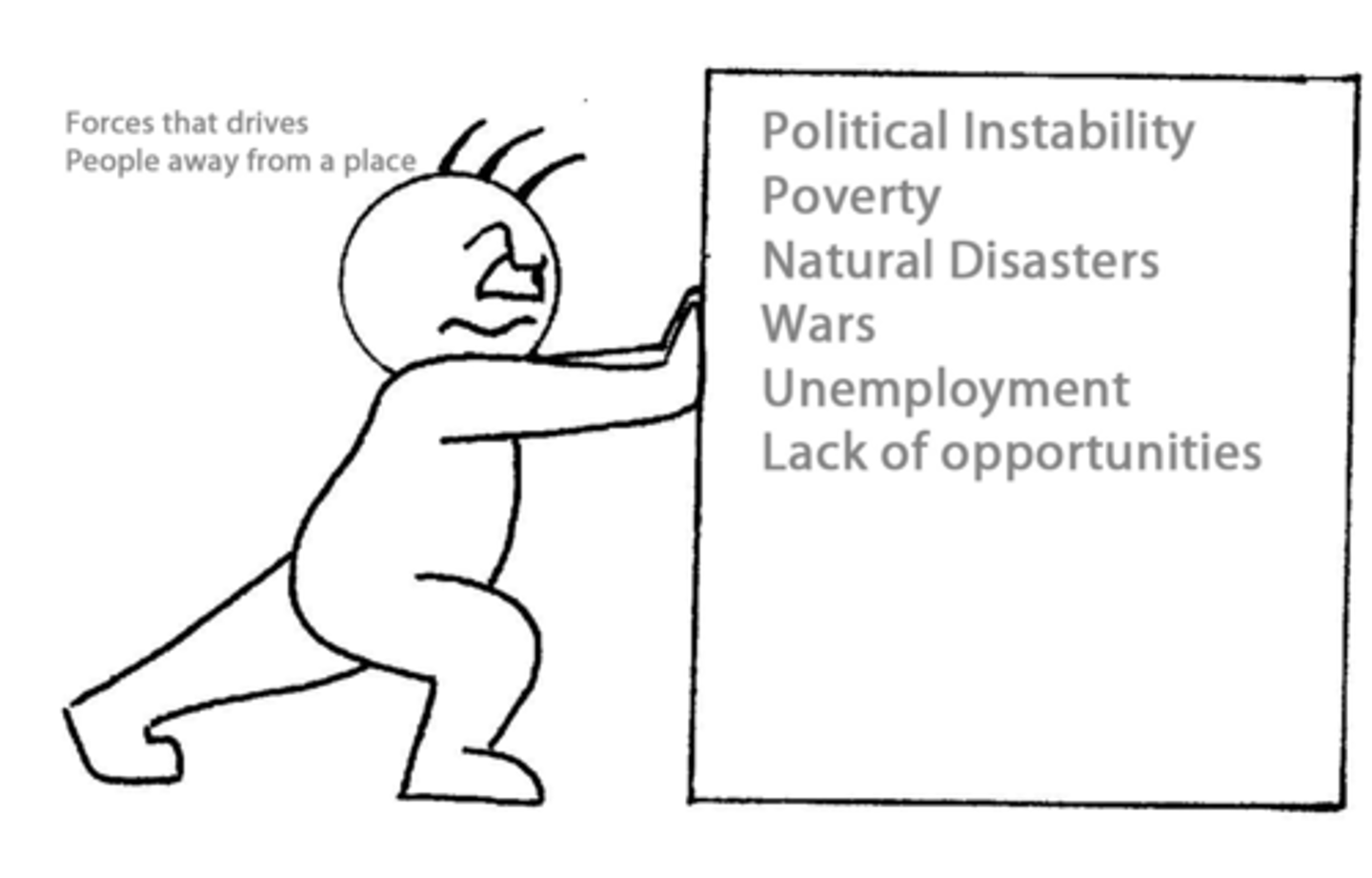
Push Factor
negative home conditions that impel the decision to migrate; conflict, drought, famine, extreme religious activity, poor economic activity, or lack of job opportunities
Economic Migration
When people move because of their work, usually to find a better paid job or a promotion.

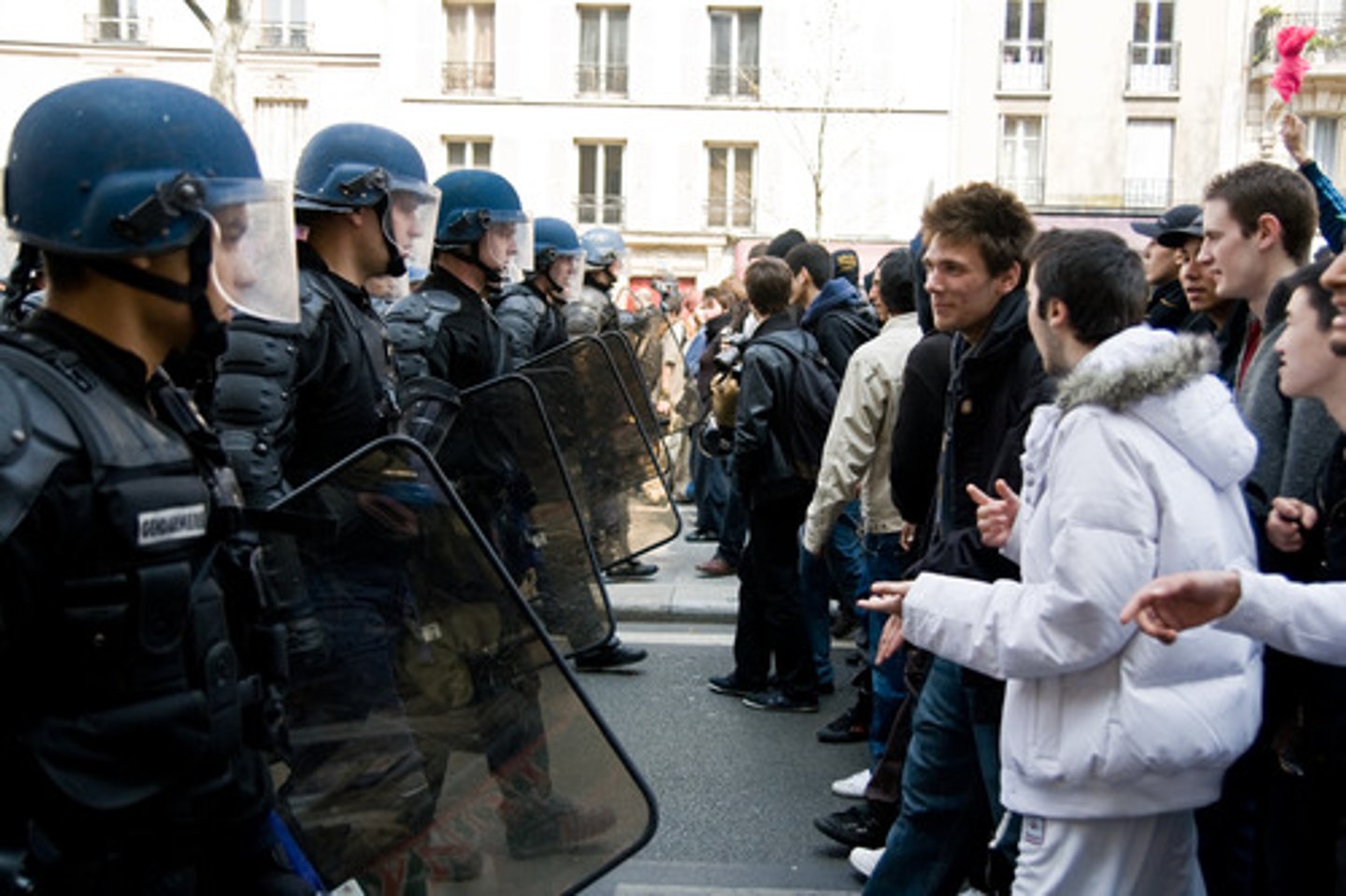
Political Migration
A movement to a new destination due to political problems at the origin
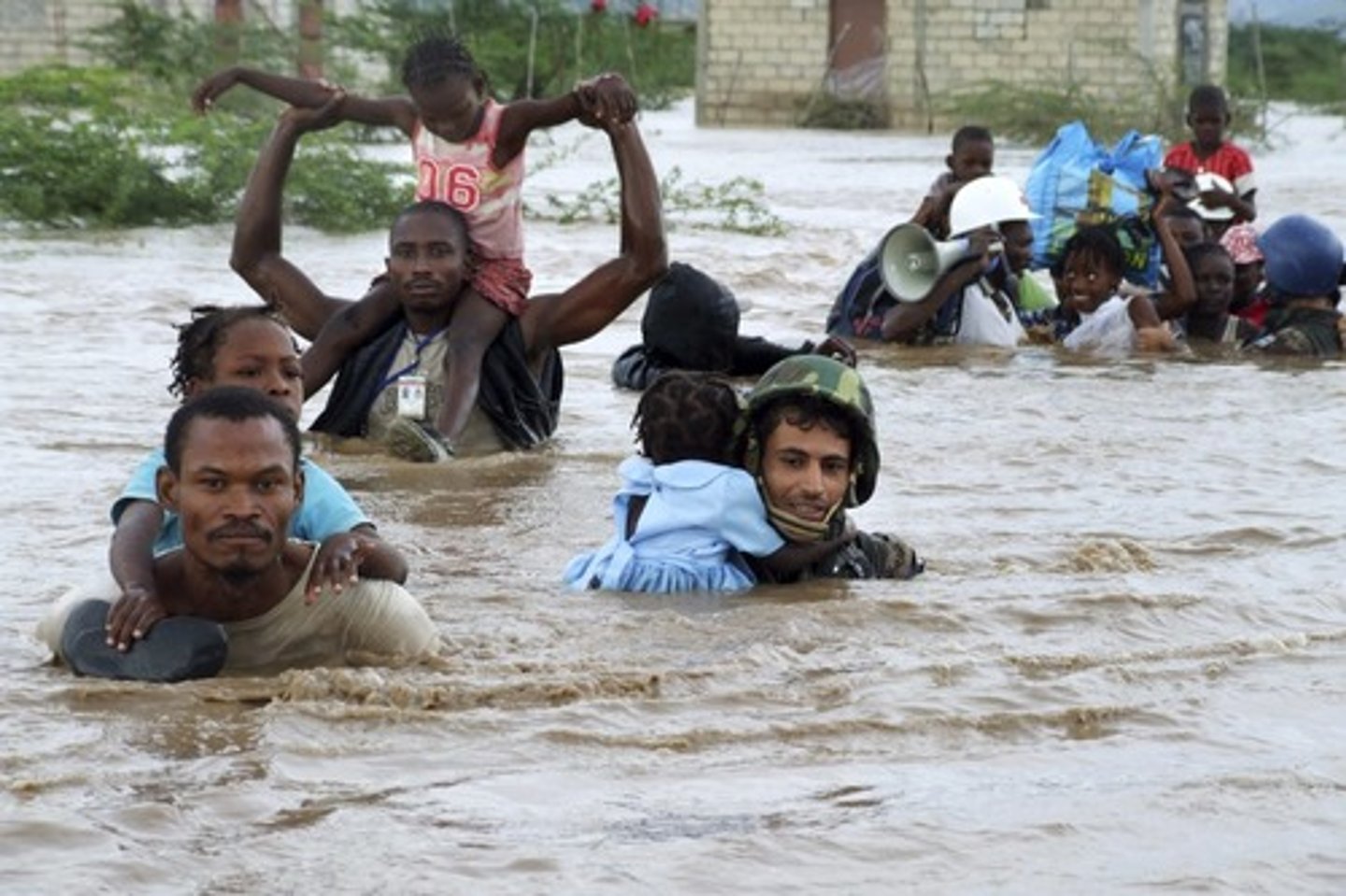
Environmental Migration
movement of people because of a natural disaster
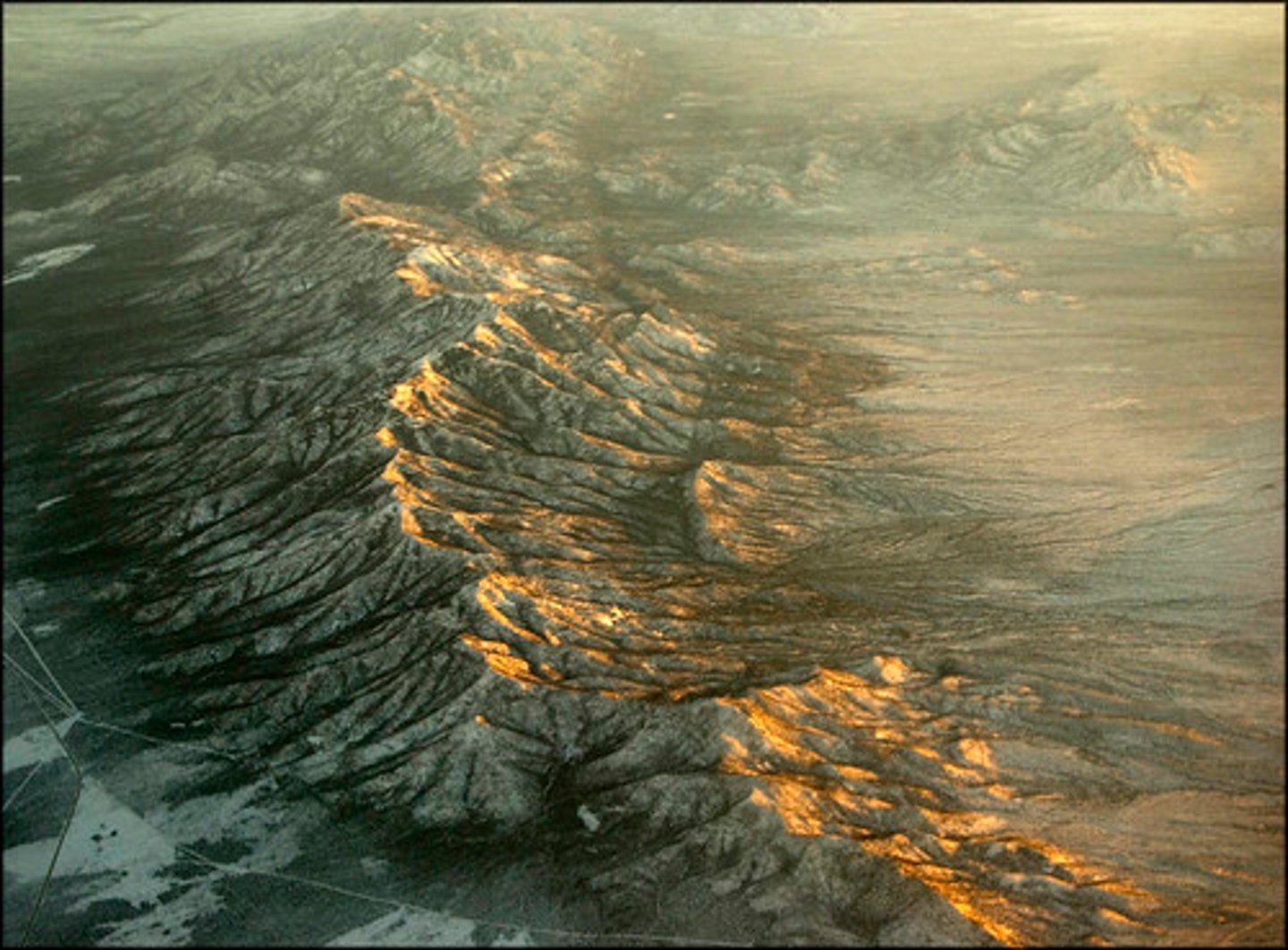
Internally Displaced Person (IDP)
Someone who has been forced to migrate for similar political reasons as a refugee but has not migrated across an international border
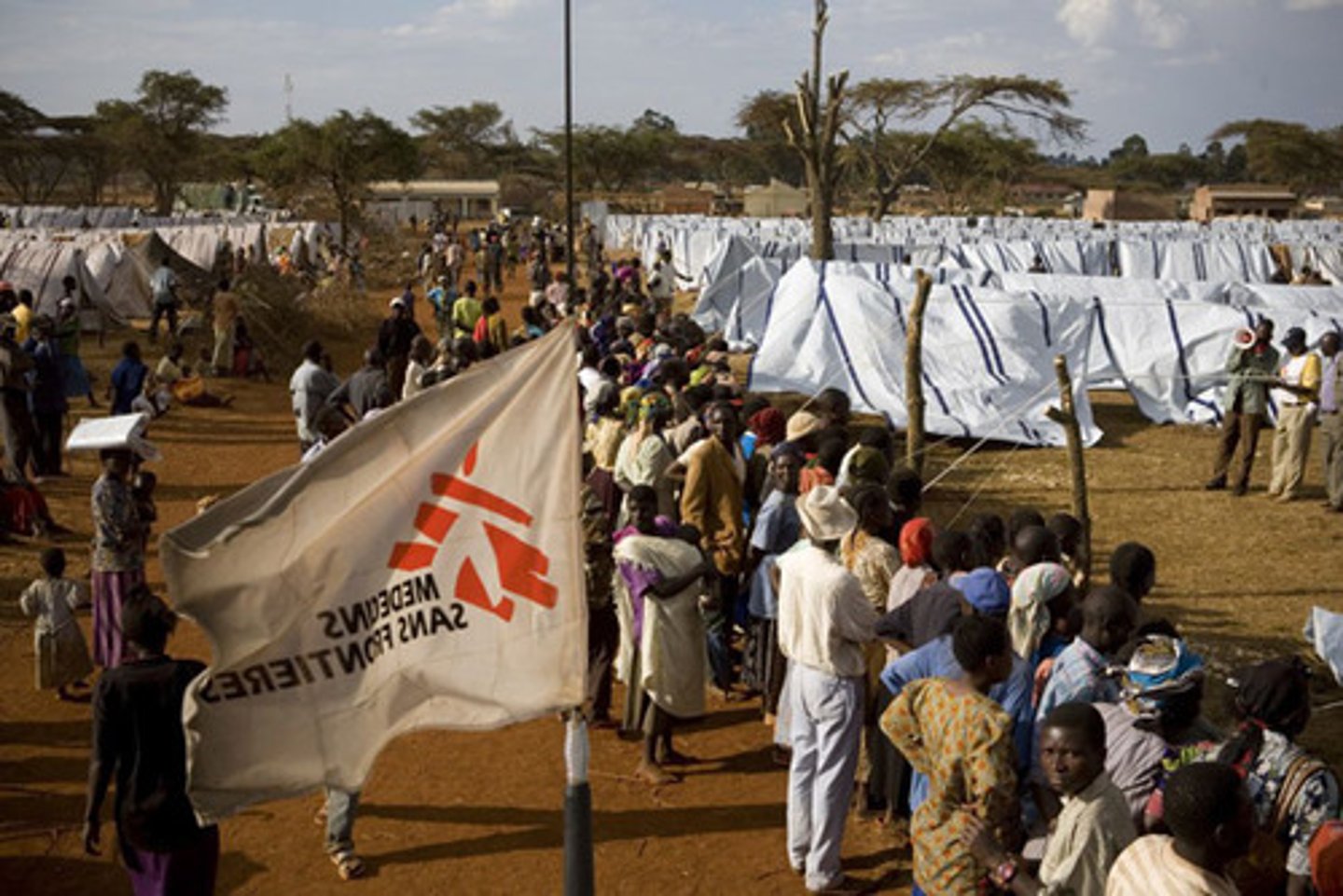
Guest Worker
a foreign laborer living and working temporarily in another country
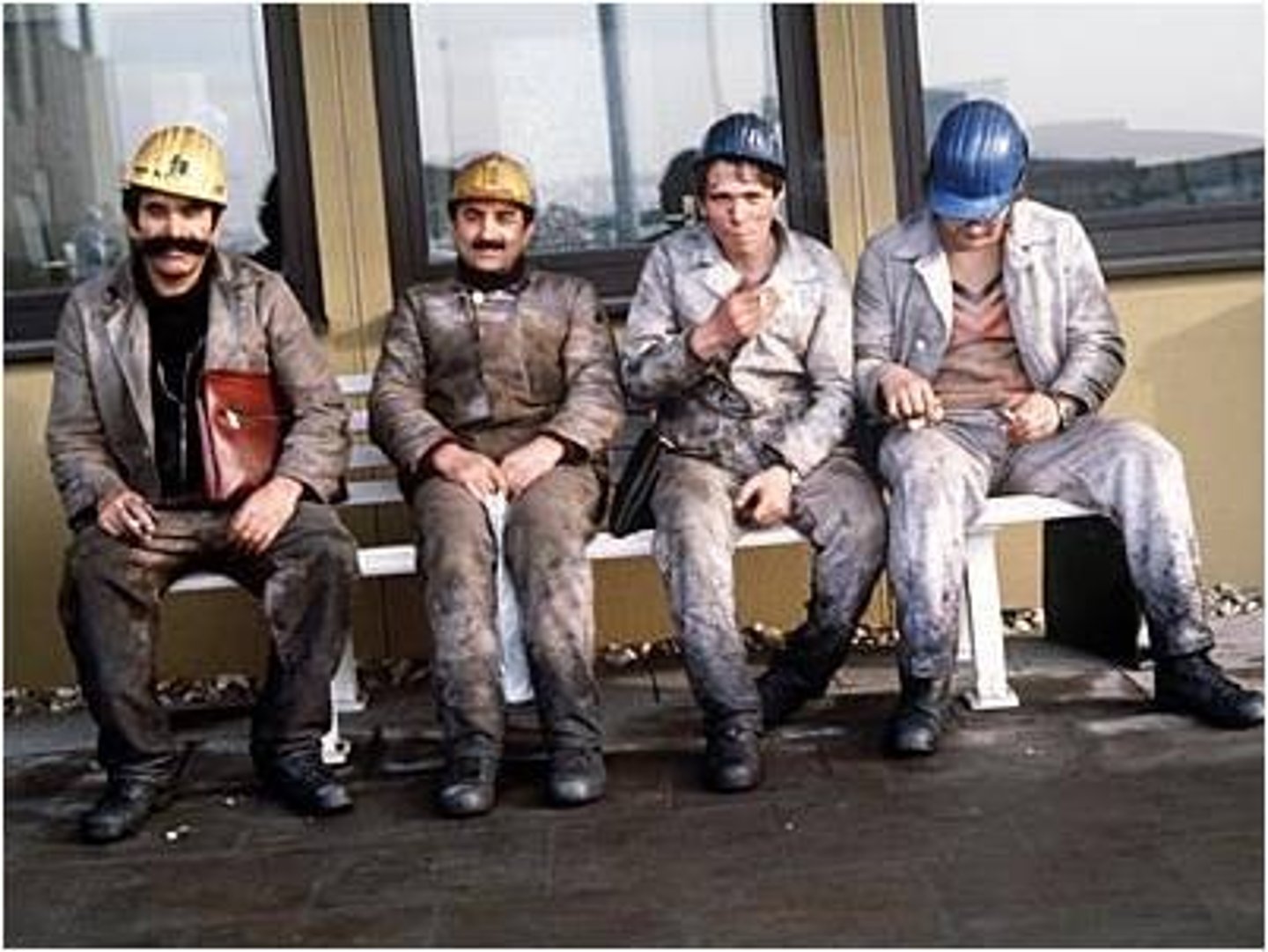
Skilled Workers
someone who has learned & mastered an ability, like an electrician

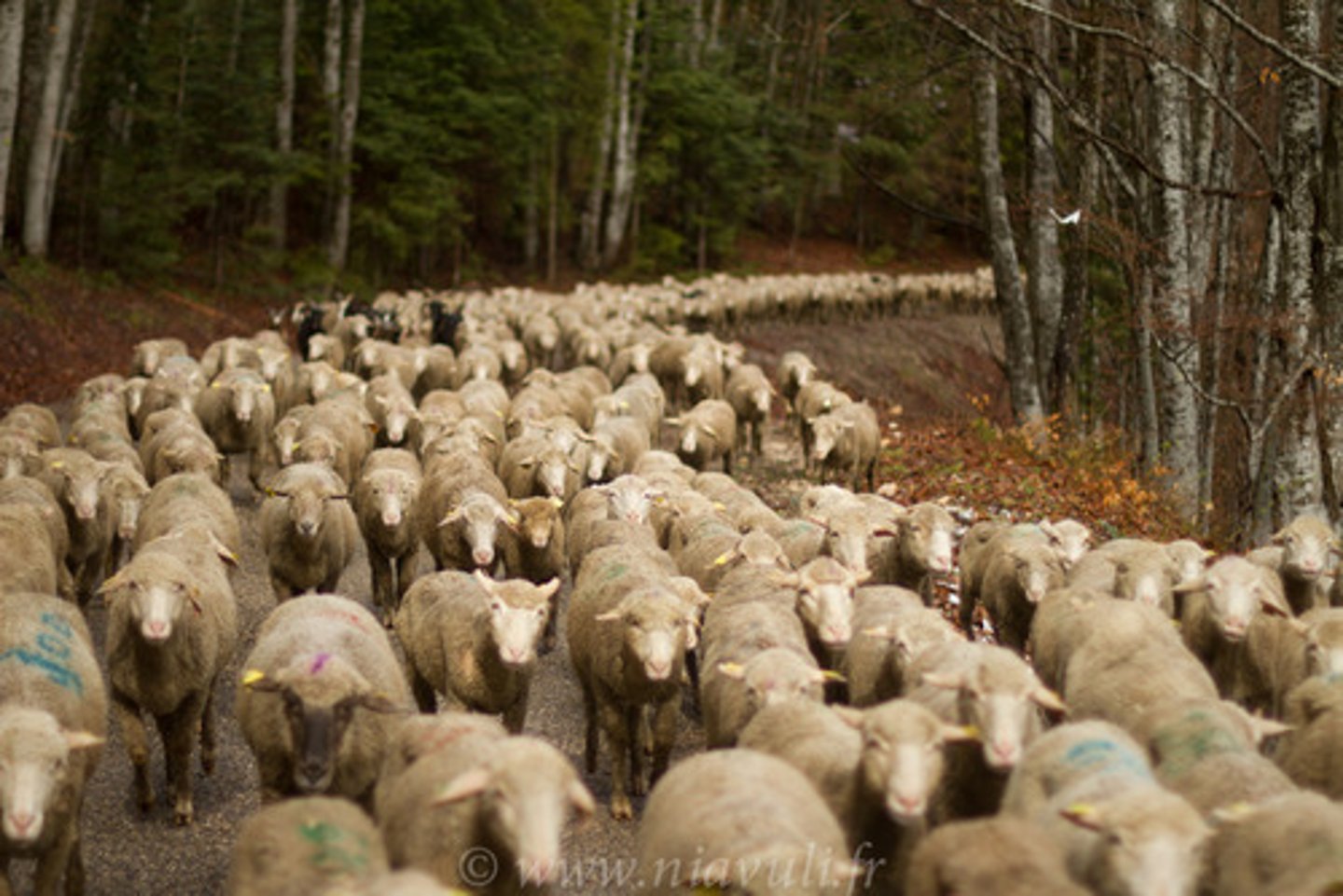
Transhumance
The movements of livestock according to seasonal patterns, generally lowland areas in the winter, and highland areas in the summer.
Internal Migration
Permanent movement within a particular country.
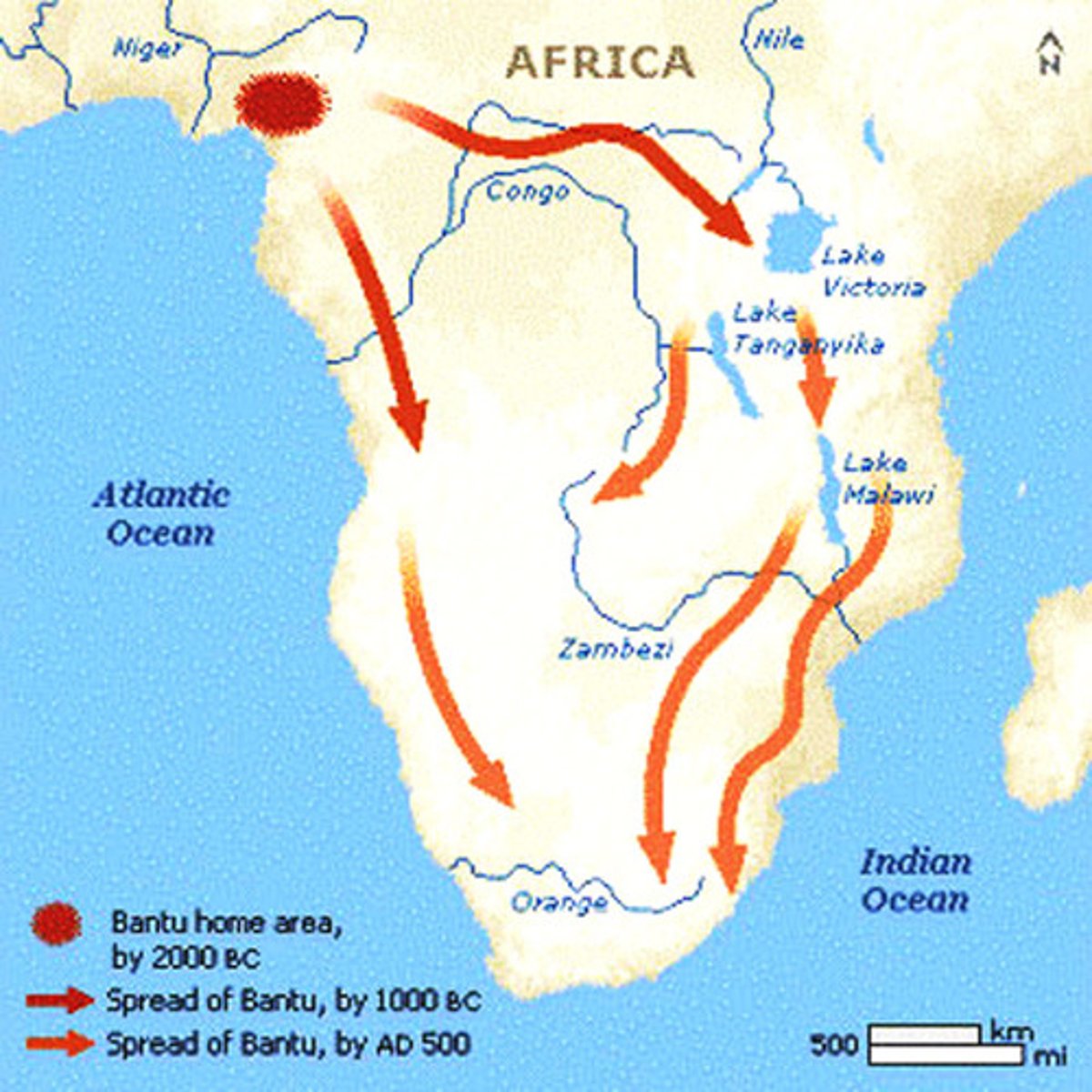
Transnational Migration
A form of population movement in which a person regularly moves between two or more countries and forms a new cultural identity transcending a single geopolitical unit.

Rural-urban migration
the movement of people from the countryside to the city
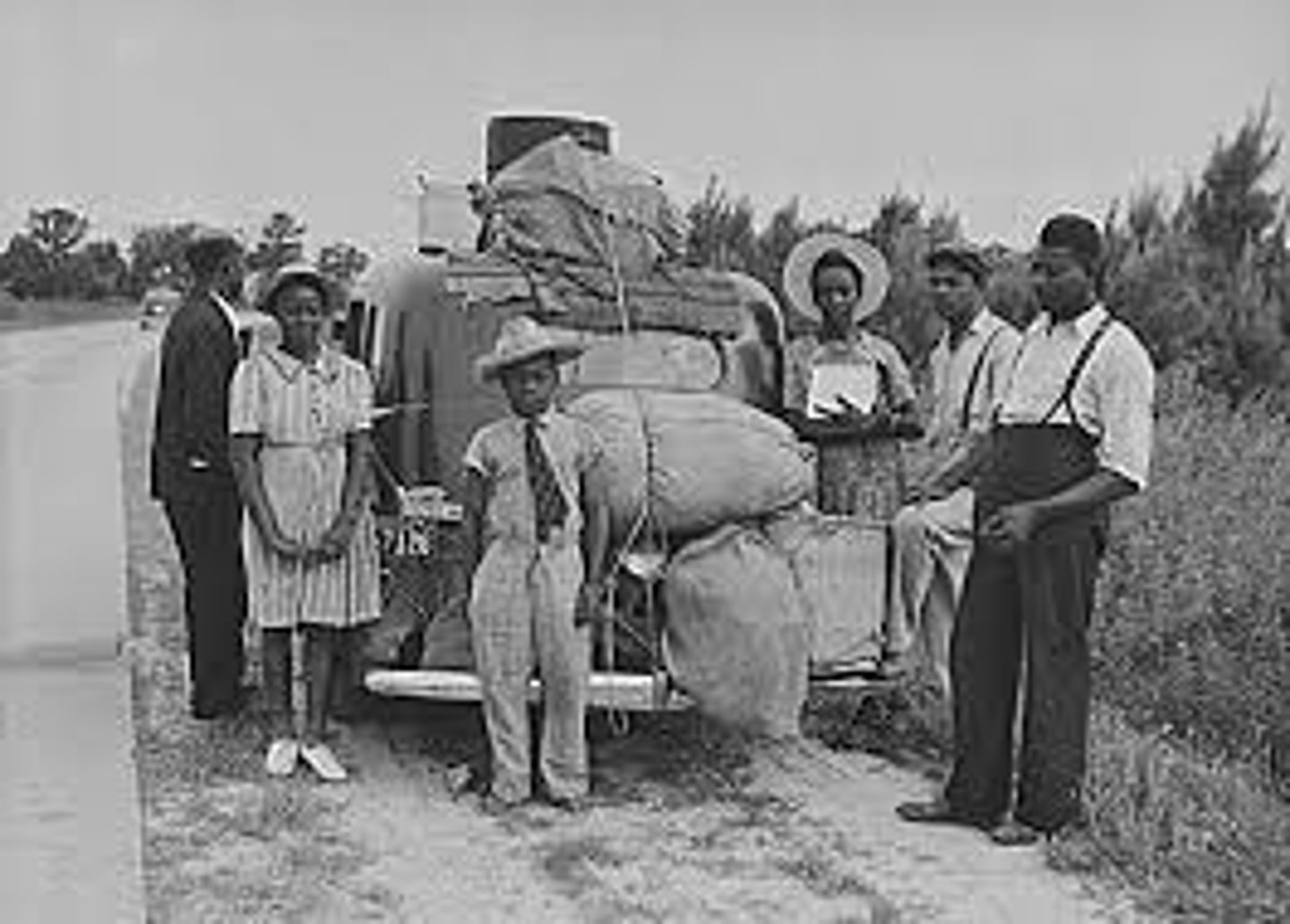
Intervening Obstacle
An environmental or cultural feature of the landscape that hinders migration.
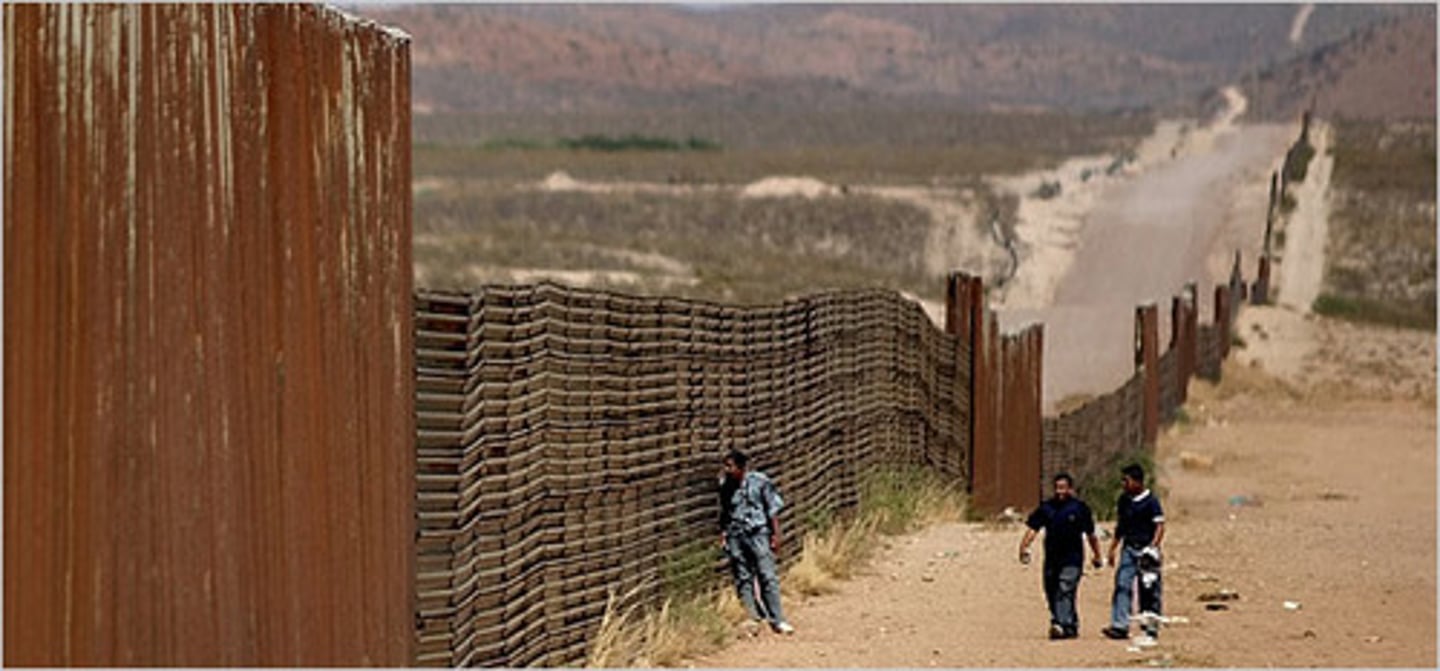
Age Distribution
Percentage of the total population, or the population of each sex, at each age level.