Business Ethics: Principles, Stakeholders, Supply Chains & Legislation
 Call Kai
 Learn
Learn Practice Test
 Spaced Repetition
 Match
Match Flashcards
 Knowt Play
1/19

There's no tags or description
Looks like no tags are added yet.
Name | Mastery | Learn | Test | Matching | Spaced | Call with Kai |
|---|
No analytics yet
Send a link to your students to track their progress
20 Terms
What are stakeholders in a business context?
Stakeholders include employees, customers, suppliers, communities, and any parties influenced by or affecting the business.
How can ethics influence stakeholder decisions?
Stakeholders, such as investors and consumers, may consider ethical issues when deciding where to spend or invest their money and time.
What is a supply chain?
A supply chain is the sequence of businesses or organizations involved in the production and distribution of a product or service.
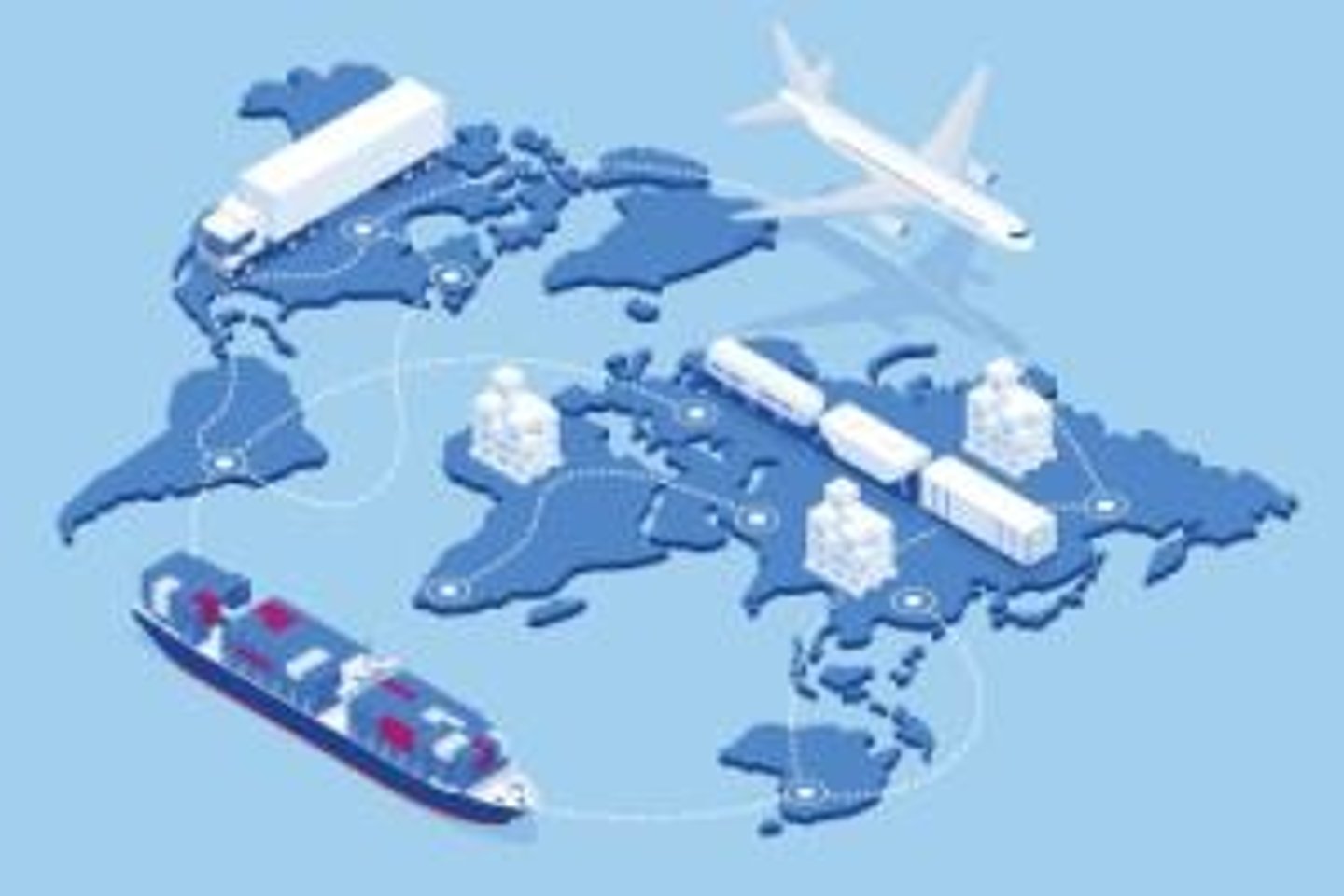
What ethical principles should be met in a supply chain?
Safe working conditions, appropriate pay, non-discriminatory treatment, and environmental awareness.
What is a unique selling point (USP) in the context of business ethics?
Being ethical can create a USP, making a business more attractive to stakeholders and providing a competitive advantage.
What are some benefits of implementing business ethics?
Higher quality products, competitive advantage, attracting skilled workforce, easier decision-making, and reduced waste and costs.
What challenges do businesses face regarding ethics?
Changing moral viewpoints, managing employee behavior, higher costs for ethical supply chains, and the complexity of international supply chains.
What does the Human Rights Act 1998 require from businesses?
It requires businesses to ensure ethical working practices and prevent slavery or human trafficking in their supply chains.
What are the expectations of employees from their employers?
Employers must provide work as per contractual agreements, pay agreed rates, ensure a safe working environment, and consider employee health and welfare.
What are the key aspects of non-exploitation of workers?
Compliance with minimum wage, holiday entitlement, sick pay, pension schemes, and equal rights.
What is the Equality Act 2010?
A UK law that lists protected characteristics and prohibits discrimination based on age, disability, gender, race, religion, and more.
What are some protected characteristics under the Equality Act 2010?
Age, disability, gender, marriage and civil partnership, pregnancy and maternity, race, religion or belief, sex, and sexual orientation.
What are the benefits of complying with relevant legislation?
Demonstrating ethical financial practices, providing clear policies for employees, and ensuring humane working conditions.
Name some relevant UK legislation that supports business ethics.
Equality Act 2010, Human Rights Act 1998, Health and Safety at Work Act 1974, National Minimum Wage Act 1998, and others.
What is the role of ethical principles in business operations?
Ethical principles guide how businesses interact with stakeholders and influence their operational decisions.
How can ethical practices impact a business's workforce?
Ethical practices can attract a more qualified workforce that tends to stay longer, reducing recruitment and training costs.
What is the significance of transparency in ethical decision-making?
Transparency makes difficult decisions easier and fairer, fostering trust among stakeholders.
What is a potential downside of maintaining ethical supply chains?
Ethical supply chains can be more expensive, raising costs and potentially reducing profits.
How can businesses ensure their supply chains reflect their ethical values?
By conducting thorough research to ensure all suppliers share the same ethical principles.
What is the impact of ethical business practices on climate change?
Employing ethical and sustainable practices can help address climate change issues and reduce waste.