(class notes) 14 Rock Deformation and Folding
 Call Kai
 Learn
Learn Practice Test
 Spaced Repetition
 Match
Match Flashcards
 Knowt Play
1/26

Earn XP
Description and Tags
Name | Mastery | Learn | Test | Matching | Spaced | Call with Kai |
|---|
No analytics yet
Send a link to your students to track their progress
27 Terms
Deformation
Changes of location, orientation, or shape of a rock
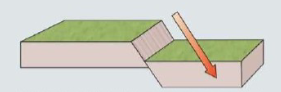
displacement
rocks changed in location
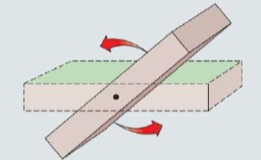
rotation
rocks rotated, change in orientation
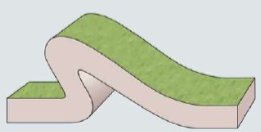
distortion
rock’s shape is changed
stress
force per unit area,
usually caused by plate tectonics, can also can be caused by weight of overlying rocks

4 way rocks can react to stress
1. fracturing
2. faulting
3. folding (a wrinkle of a rock layer)
4. flowing
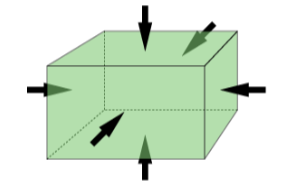
confining pressure
Stress applied uniformly in all directions
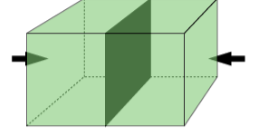
compression stress
convergent plate boundary, squishes a rock
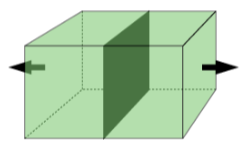
tension stress
divergent plate boundary, rips rock apart
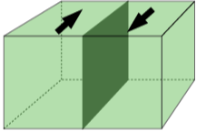
shear stress
transform plate boundary, results in slippage
stain
response to stress; stretching, shortening, and shearing
elastic deformation
reversible
plastic (ductile) deformation
bends, not reversible
Heat, high confining pressure, low strain rate, rock types and composition, water (being wet)
Makes rock more likely to have ductile deformation instead of fracturing
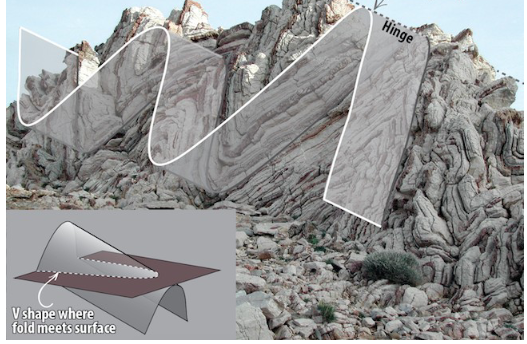
hinge line
where the rock bends
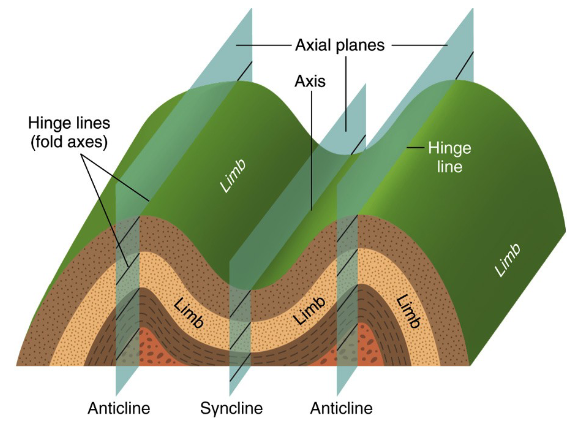
axial plane
imaginary plane at hinge line
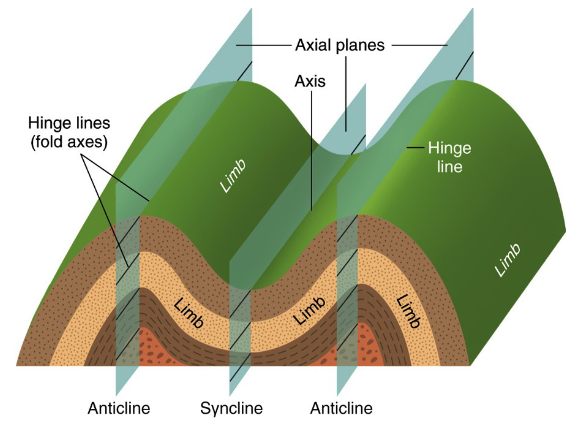
anticline
top of arch, upfolded
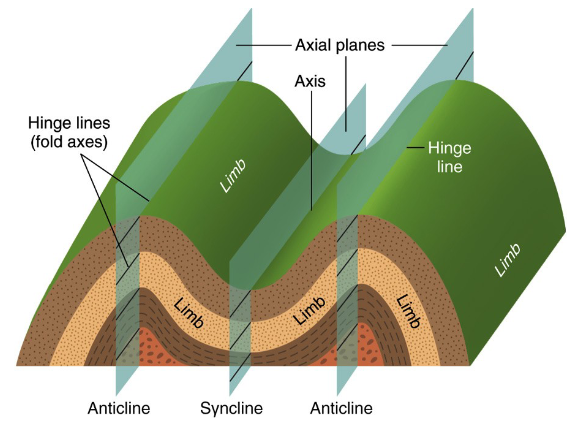
Syncline
bottom of dip, downfolded
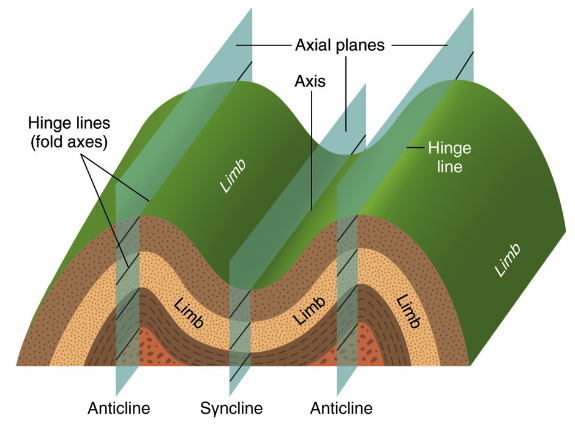
Isoclinal Folds
limbs are symmetrical and parallel, more than one fold
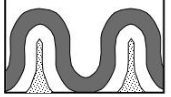
Asymmetrical Fold
limbs in fold are not the same
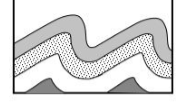
Overturned fold
axial plane is tilted
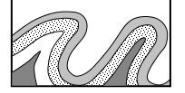
recumbent fold
extreme overturned, axial plane is horizontal
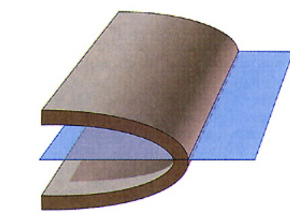
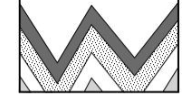
Chevron Folds
Zig-Zag, straight limbs and sharp hinge
Plunging fold
axial line is plunging into the ground, tilted into the ground
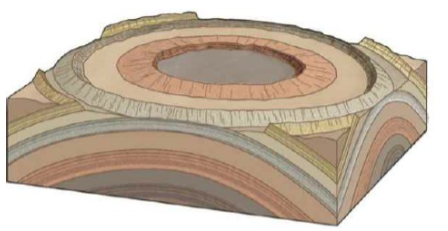
dome
oldest in the center
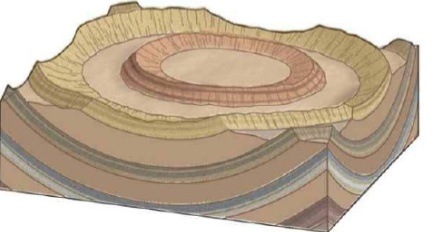
basin
youngest in the center
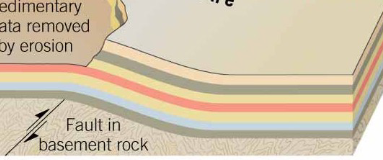
monocline fold
just goes up, only one limb, like a ramp