British ppts (until northern ireland, the troubles and how it ...)
 Call Kai
 Learn
Learn Practice Test
 Spaced Repetition
 Match
Match Flashcards
 Knowt Play
1/186

There's no tags or description
Looks like no tags are added yet.
Name | Mastery | Learn | Test | Matching | Spaced | Call with Kai |
|---|
No analytics yet
Send a link to your students to track their progress
187 Terms
Current prime minister UK
Keir Starmer
what is special about the Gorton and Denton by-election?
Historically a safe Labour seat → now Green wins
Hannah Spencer elected at party’s first MP in northern england after overturning Labour’s majority; and established the party as a serious political force and a credible anti-reform alternative
Green took a stance in Gaza-conflict, Labour didn’t
It is a diverse area facing deprivation, cost-of-living pressures, housing shortages and NHS access issues
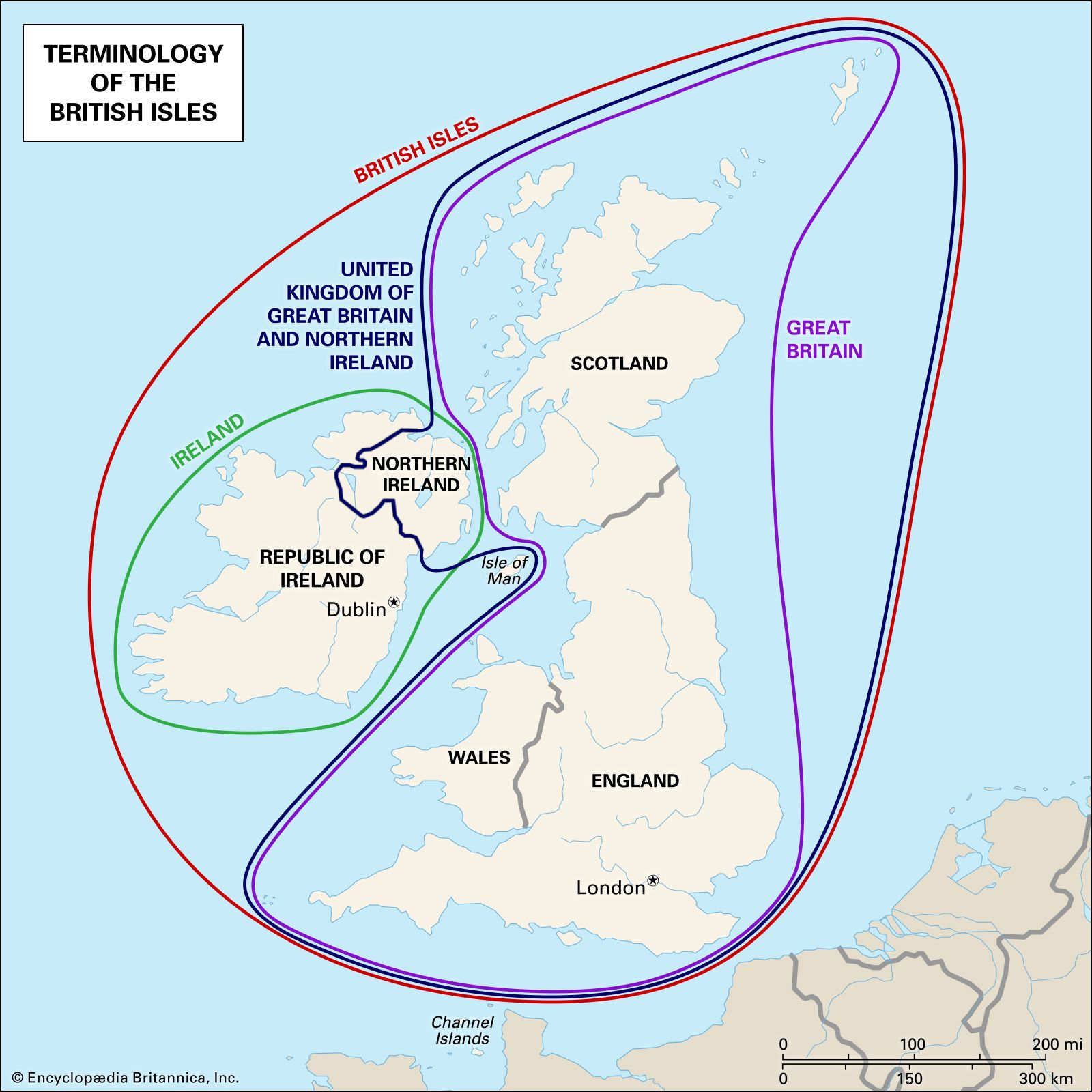
Difference UK, GB and Britain
UK = Britain’s constitutional title (political construct): United Kingdom of Great Britain and Northern Ireland -> EXCLUDES: Ireland, the isle of Man
Great Britain: geographical construct for England, Scotland and Wales (EXcluding: Northern Island)
Britain: shorthand for sth (could be UK, could be GB, could be less). Often used by sb from England speaking for themselves and loosely expanding to beyond England -> may trigger bad emotions in (Northern) Ireland
What is the union Jack flag?
Union Jack flag -> England + Scotland + ireland -> Wales not represented
The Norman Conquest + consequence
The Norman Conquest (1066) by William the Conqueror spread Norman control over much of the islands and fundamentally influenced the country’s social and political structures. -> Last military invasion of the islands
Absence of military invasion after 1066 -> England, Scotland, Wales, Ireland able to develop internally in distinctive ways despite struggles between and within
Before Norman conquest
Areas visited by Old, Middle and New Stone age nomads (Paleolithic), some stayed permanently
600BC-AD-1066: many settlement and invasion movements from Roman, Germanic tribes (Anglo-Saxons), Scandinavians (Vikings) and Normans
Political union England + Scotland
In 1603, James VI of Scotland (mother: Mary, Queen of Scots) inherited the English throne as James I after the death of Elizabeth I, who dynastically joined Scotland and England.
20th century political reforms
franchise extension
Decline of aristocratic/monarchical/church power
Withdrawal from empire, changing world order
After WOII difficulty adjusting to a withdrawal from the empire -> Rising nationalism and self-determination in colonies
Emergence of Labour
Welfare state
What happened in the late 20th century
neoliberal turn
Britain’s first woman Prime Minister: Margaret Thatcher (conservative) -> Neoliberal turn in late 20th-century
thought state should not interfere in business
Privatisation, weakened unions
Movement toward Europe, then Brexit
Psychological and physical isolation from Europe -> rarely saw itself as an integral part because of sea barrier and outlook westwards and worldwide
First woman prime minister of britain
Margaret Thatcher (conservative) -> Neoliberal turn in late 20th-century
thought state should not interfere in business
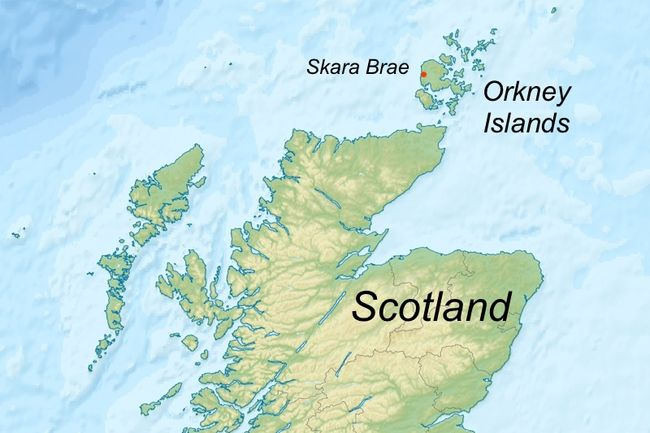
What is Skara Brae
Stone-built Neolithic settlement
Older than Stonehenge and the Great Pyramids of Giza
“Scottish Pompeii”
Was there a concept of Britain in Pre-Roman Britain? Link it to the present
No, tribal Celtic societies had a strong regional identity. Identity is local, not national
Mix of Bell Beaker folk, Urnfield proto-Celts, Hallstatt and Belgae
Long-distance trade (e.g. tin) DOES shows early integration into wider networks beyond the British isles
NOW: tension between regional and national identity in Scotland, Wales and Northern Ireland. Identities are increasingly fragmented along regional and local lines
Roman Britain period
43-410CE
When was the Roman invasion of Britain and what did they introduce?
43AD, Roman invasion of Britain was launched by emperor Claudius => Roman rule
Introduced:
System of linked roads, forts, towns, cities, taxation
Bureaucratic governance and language
Latin as administrative language
Britain integrated into imperial economic system
Hadrian’s Wall: military occupation tied to border security
First large-scale centralised government with Roman customs and laws
More diversity: soldiers, administrators, traders from across the Roman Empire settled in Britain
Where was Roman Britain?
Roman Britain is roughly the same as the current N-S divide
What was the withdrawal of the Romans like?
It led to a power vacuum because of the lack of centralised political authority. The collapse of the state created insecurity and triggered invasions
Who is Boudicca
-> Boudicca (Boadicea)
Queen of the Iceni tribe who led a revolt against Roman Rule (60-61AD) -> one of the most significant rebellions in Roman Britain
Powerful leader who united tribes against a common enemy
Symbol of resistance against foreign occupation and oppression -> Over time became a British cultural and national icon
Rebel forces destroyed major Roman cities
Forced Rome to rethink how it governed Britain
Whose statue is by the Big Ben / London Eye
Boudicca
What was the impact of Roman Rule
Roman and local cultures blended -> Romano-British culture
Londinium (London) and Eboracum (York) were centers of trade and governance
Christianity began to spread
By 409-410AD Roman authority weakened -> Britain vulnerable to invasions
What reshaped language and power in UK?
-> (im)migration reshapes language and power (during anglo-saxon england)
5th and 6th centuries: Germanic tribes (Angles, Saxons and Jutes from present-day Germany and Denmark) invaded the country and settled in Britain => Old English language emerges, derived from Germanic dialects
Anglo-Saxons were originally pagan but gradually converted to Christianity. Their society was hierarchical with kings, nobles, free peasants and slaves.
What is the importance of Beowulf
“Beowulf” reflected values and culture of the time (Anglo-saxon england): a story about a great hero who fought and killed the monster Grendel, became a great king and met his death fighting an enraged dragon
When were the viking invasions? timeline!
8th-11th centuries
By the 9th century, they had established control over large parts of eastern/northern England, known as Danelaw
By 10th/11th centuries, vikings settled and intermarried with local population -> influencing culture and language
Where did the vikings come from and where did they raid
Vikings from Scandinavia began raiding coastal areas in the late 8th century
Vikings raided Lindisfarne Monastery first (on holy island)
Who was King Alfred the Great of Wessex
Kings like Alfred the Great of Wessex resisted Viking advances and unified much of England => still seen as Anglo-Saxon period despite Vikings’ interference.
What is in the Anglo-Saxon Chronicle
King Alfred defeated Vikings in 878 and converted their leader, Guthrum, to christianity
Boundary with Danelaw, shaping early political divisions in England
Built ships to counter Viking sea raids -> foundation English navy
commissioned Anglo-Saxon Chronicle to record history in English language
Alfred’s reforms and the Chronicle created a shared identity -> foundations unified English kingdom
When was there a succession crisis and how was it “solved”
Succession crisis when Edward the Confessor dies in 1066
Battle of Hastings: William, Duke of Normandy (french), defeated Harold Godwinson on october 14, 1066
William the conqueror establishes Norman control over England => End of Anglo-Saxon era
What effect did the norman conquest have on the uk?
Norman Conquest: regime change and replacement of elites
Feudal system redistributing land to Norman nobles
Norman french became the language of the elite -> influences English vocabulary and culture
blend Old English and Norman French -> Middle English
Domesday Book (state data collection) -> administrative centralisation
Emergence of English common law -> more systematised
Stronger royal control
what is the domesday book? when?
Commissioned by William the Conqueror in 1085, completed in 1086 -> 11th-century snapshot of england -> crucial primary source for historians
Detailed survey of land and resources in England, including records of land ownership, value of land, available resources and population
-> assess wealth and assets of the kingdom to determine taxes and feudal dues.
Bayeux tapestry
Bayeux Tapestry
embroidery 70m long that depicts events leading up to the Norman Conquest of England in 1066
When and what was the civil war of the uk
Civil war (1135-1153)
breakdown of central authority + rise of baronial power -> power struggles
Resolved by Treaty of Wallingford and accession of Henry II (1st of House of Plantagenet)
Who was Henry II
Henry II
Established common law and royal courts
Constitution of Clarendon: efforts to limit ecclesiastical power
Continued use of Latin and French in administration
Tried to unite Ireland, Scotland and Wales to protect against external threats -> fragile union
1st of the house of plantagenet
House of Plantagenets timeline + most important events
1154-1485 → ruled for more than 300 years
Magna carta (1215)
Hunder Years’ War (1337-1453)
Growth of parliament and legal institutions
end: Wars of the Roses
Magna Carta
under house of Plantagenets
Signed by King John of England
Aimed to limit powers of the king and established legal protections for barons and all free men
protection of church rights
protection from illegal imprisonment
the right to a fair trial
king is subject to the law
limitations on feudal payments to the Crown
cornerstone modern legal systems
Hundred Years’ War
Fought the Hundred Years’ War with France (1337-1453)
prolonged conflict with France
Black Death (1348-1350): population loss and social upheaval; labour shortages and rise of peasantry; increased use of English in everyday life
plantagenets
Wars of the Roses
End of plantagenets: Wars of the Roses -> rise of the Tudors
series of dynastic civil wars between houses of Lancaster and York for control of the English throne
House of Lancaster: Henry VI, Margaret of Anjou -> Red rose
House of York: Richard, Duke of York; Edward IV; Richard III -> White rose
Major battles
First Battle of St Albans (1455): Yorkist victory and capture of Henry VI
Battle of Bosworth Field (1485): final battle where Henry Tudor (aka Henry VII) defeats Richard III (his uncle gasp) => begin Tudor dynasty (which brought centralised power and stability)
Tudors timeline (+monarchs)
Tudors 1485-1603
1485 Henry VII
1509 Henry VIII
1547 Edward VI
1553 Mary I
1558-1603 Elizabeth I
then stuarts with James VI(?)
Henry VII
(1485) Henry VII: first Tudor king after ending the Wars of the Roses
Strengthening the monarchy and central government
Henry VIII religious policies
(1509) Henry VIII, tudor2
Religious policies
1534 - Breaks away from the Roman Catholic Church to establish the Church of England, mostly to annul his marriage to Catherine of Aragon => Act of supremacy: Supreme Head of the Church of England -> he has full control over religious practices and doctrines
Six Wives
Marriages driven by mix of political alliances, desire for male heir and personal relationships
Religious reforms: dissolution of monasteries, redistribution of church lands, introduction English Bible
1539 - Six Articles: reaffirmed tradition Catholic doctrines, showing his conservative religious views despite break
Henry VIII relations with ireland and wales
1509, tudor2
Relations with Ireland and Wales
1534 - Rebellion of Silken Thomas: resistance in Ireland
Policy of Surrender and Regrant: aim to integrate Irish lords into English system by having them surrender their lands to the king and receive them back as tenants
1535-1542 -Laws in Wales act: fully incorporated Wales into English legal and administrative system, creating counties and extending English law
Who was Edward VI
1547, after Henry VIII, Tudor3
MAry I
1553, tudor after edward vi
restores Roman Catholicism and gets the nickname “Bloody Mary” for her persecutions of Protestants
Who is Elizabeth I + most important events
(1558-1603) Elizabeth I, last tudor:
the “Elizabethan Era” marked by flourishing English culture and the defeat of the Spanish Armada in 1588. She dies in 1603 and ends the Tudor dynasty
Spanish Armada (1588)
Elizabethan Religious Settlement (1559-1563):
Act of Supremacy (1559):
English Renaissance
spanish armada
Spanish Armada (1588) national myth. National identity consolidates against external threat
Elizabethan Religious Settlement
Elizabethan Religious Settlement (1559-1563): aim to establish moderate form of Protestantism + end religious turmoil
Act of Supremacy
Act of Supremacy (1559) under Elizabeth I: Re-establish Church of England’s independence from Rome + Elizabeth declared Supreme Governor of the Church
English Renaissance in Elizabethan Era
English Renaissance
Flourishing arts, lit, music
supported playwrights like Shakespeare -> golden age of English drama
Economic growth -> cultural development
Groundwork future English colonisation efforts, marking beginning of British Empire
House of Stuart + orange imeline
1603 James VI of Scotland → James I of England
1625 Charles I
1642-1651 English Civil War
1649-1660 Commonwealth and Protectorate
1660 Charles II
James II 1685
1688-1689 Glorious Rev
1690 Battle of the Boyne
1714 Hanoverian dynasty starts
James VI
1603, Stuart
(1603) James VI of Scotland becomes James I of England (protestant unification efforts)
start of multi-national monarchy (unions of English and Scottish crowns)
Charles I
(1625) Charles I (Catholic marriage, absolute monarchy, conflicts with Parliament), Stuart
English Civil War
(1642-1651) English Civil War: Royalists (Anglicans, Catholics) vs Parliamentarians (Puritans, dissenters)
execution Charles I
emigration to American colonies
Temporary overthrow of the monarchy
How did Charles I die?
Executed during English Civil War (1642-1651)
Who is Oliver Cromwell?
NOT a Stuart
promotes more protestant and less hierarchical structure. Intolerant towards Catholics and Anglicans
Led a brutal military campaign in Ireland (1649-1650), aiming to subdue the Irish Catholic population and Royalist supporters
responsible for massacres at Drogheda and Wexford
Established Commonwealth of England, temporarily abolishing the monarchy and House of Lords -> his rule was a military dictatorship
(1649-1660) Commonwealth and Protectorate (tolerance for Protestant dissenters)
Charles II
(1660) Charles II, Restoration of monarchy after Oliver Cromwell (stuart)
James II
Stuart, following Charles II
(1685) James II (catholic tolerance efforts)
centralised power, political tension
Glorious Revolution
(1688-1689) Glorious Revolution:
protestant William III (dutch) and Mary II -> reinforces protestant succession
constitutional monarchy
Bill of Rights 1689
early Enlightenment
Bill of Rights
Bill of Rights 1689
Passed after the Glorious Revolution
Shifts power from monarchy to parliament (established parliamentary sovereignty)
Monarch could not rule or tax without Parliament’s consent
protected freedom of speech in parliament
influenced US Bill of Rights
Battle of the Boyne
(1690) Battle of the Boyne: battle between William III (protestant) and deposed James II (Catholic, dethroned king)
July 1 1690 near River Boyne, Ireland
William’s victory secured his rule after the Glorious Revolution
When did the Hanoverian dynasty start
1714
How did it go from England ot Great Britain.? + effects
Acts of Union
Laws in Wales Acts (1535, 1542 - Tudor): Wales integrated into Kingdom of England. Wales was brought under English Law - Welsh legal system abolished => one legal and administrative entity until this day
Acts of Union (1707 - Stuart): united the Kingdom of England (+ Wales) and the kingdom of Scotland into a single Kingdom, Great Britain. Union was driven by economic, political and security concerns + established single Parliament of Great Britain.
Acts of Union (1807 - Hanoverian): Kingdom of great Britain + the Kingdom of Ireland -> United Kingdom of Great Britain and Ireland.
=> Unified state with a centralised government in the British isles had profound effects on the legal system, cultures and identities of constituent countries, but often leads to tension and resistance (esp in Ireland and Scotland)
Timeline hanoverian dynasty
George I (reign 1714-1727)
George II (reign 1727-1760)
George III (reign 1760-1820)
George IV (regent 1811-1820 and king 1820-1830)
Queen Victoria (reign 1837-1901) ~ Victorian era
King Edward VII (reign 1901-1910)
When was the Georgian period?
Hanoverian dynasty
Who is George I
George I (reign 1714-1727)
Weak in English, limited personal engagement with British public life
Relied on ministers -> strengthened cabinet government and role prime minister. Also Whig dominance (proto-liberals, Robert Walpole)
Foreign-policy focus on Hanoverian interests in Europe
George II
George II (reign 1727-1760)
Continuation of cabinet-led government and Whig ascendancy
Atlantic commerce and finance expanded
More visible monarch
Military and imperial engagement: victories in War of Austrian Succession and early successes in the Seven Years’ War.
George III
George III (reign 1760-1820)
active involvement in politics and decline of ministerial dominance -> challenged by shifting party alliances.
Revolutionary War: loss of the American colonies <-> major gains elsewhere (defeating Napoleonic France in Waterloo 1815)
Period of social, agricultural and industrial transformation
late-career illness (madness) -> regency crisis and questioning of royal capacity
George IV
George IV (regent 1811-1820 and king 1820-1830)
Prince Regent over Napoleonic wartime
extravagant lifestyle and political unpopularity -> personal scandals damaged monarchy’s moral authority
Queen Victoria
Queen Victoria (reign 1837-1901) ~ Victorian era
Peak of British Empire, industrial expansion and global influence
Domestic reforms: but wife would still be the possession of the husband until way after Edwardian times -> until 1918, the husband voted for the wife in a way idk
Cultural and technological change: railways, telegraph, Victorian literature, moral codes.
King Edward VII
King Edward VII (reign 1901-1910)
period of diplomatic realignment (improving ties with russia) and social modernisation
growth of consumer culture and leisure (cultural shift away from strict Victorian moralism)
dies -> King George V
Seven Years’ War
Seven Years’ War (under George II)
Global war between Britain and allies (notably Prussia) vs France, Austria, Russia fought across Europe, North America, Caribbean, West Africa, India and the seas (proxy wars)
British victories culminated in Treaty of Paris (1763) -> gave Britain territorial gains (Canada, Florida, more control in India
Empire and trade expanded, public debt increased -> new taxation policies on colonies -> colonial unrest and American Revolution
Victorian era (empire, politics, social reform, class, gender, religion, economy, culture)
Roughly 1820-1914, overlapping with Queen Victoria’s reign (1837-1901) -> Britain’s peak as industrial and imperial power
Empire: dramatic imperial expansion (India central, Africa, Asia) driven by trade, military power and new technologies
Imperial violence and rising anticolonial resistance
Politics: constitutional monarchy with growing parliamentary supremacy
Rise of modern party politics (Liberals, Conservatives, later Labour)
Social reform: growth of state and reforms in public health, education, labour law and abolition of slavery <= shifting expectations of government responsibility
Society/class
rigid class structure: large working class, expanding middle class, and a landed elite -> shapes work, leisure and political influence
Gender ideology: women’s roles publicly and privately constrained despite rise in women’s activism and legal gains
Religion/science: scientific advances transformed thought and caused debates
economy: rapid industrialisation and global trade -> Br wealthy
Culture: booming print culture, mass entertainment and influential literature and arts
Timeline Hanoverian, but Windsor!
King George V (reign 1910-1936)
King Edward VIII (reign 1936)
King George VI (reign 1936-1952)
Queen Elizabeth II (reign 1952-2022)
Charles III (2022-present)
King George V
King George V (reign 1910-1936)
WWI
PM - David Lloyd George (1916-1922): crucial role in leading Br to victory in WWI
Changed house name from Saxe-Coburg to Windsor due to anti-german sentiment during WWI
Constitutional and political shifts: rise of Labour
Imperial adjustments: postwar treaties, Irish independence (1922), transition towards Commonwealth status
King Edward VIII
King Edward VIII (reign 1936)
abdicated (=gave up the throne) to marry Wallis simpson (a divorced, American woman) => constitutional crisis and public senate on monarchy’s role and moral authority
George VI
King George VI (reign 1936-1952)
leadership WWII: symbol of national unity and morale (stayed in London during the Blitz)
postwar reconstruction and beginning welfare-state, accelerating decolonisation (India/Pakistan in 1947)
Queen Elizabeth ii
Queen Elizabeth II (reign 1952-2022)
continuity, modernisation of monarchy, adaptation to rapid social change
oversaw decolonisation, transformation Empire into Commonwealth
increased public visibility, media engagement and overall high public affection and constitutional neutrality
Current king of uk
Charles III, since 2022
Who is Benjamin Disraeli
PM Benjamin Disraeli (1868, 1874-1880)
conservative social reforms to improve lives of working class
strengthened Br Empire, incl purchase of shares in Suez Canal
William Ewart Gladstone
PM
William Ewart Gladstone (1868-1878, 1880-1885, 1886, 1892-1894)
efforts to expand voting rights, promote Irish Home Rule (allowing the Irish their own voice and to have an assembly or parliament) and social reforms
advocated for free trade and fiscal responsibility
Arthur Balfour
PM
Arthur Balfour (1902-1905)
Introduced Education Act 1902: restructured education system Eng and Wales
supported Entente Cordiale with France -> improve Anglo-French relations
Herbert Asquith
PM
Herbert Asquith (1908-1916)
social reforms, incl National Insurance Act 1911 -> foundation welfare state
Ramsay MacDonald
PM
Ramsay MacDonald (1924, 1929-1935)
led first Labour government in 1924
Second term marked by Great Depression
Neville Chamberlain
PM
Neville Chamberlain (1937-1940)
known for policy of appeasement towards Nazi Germany, Munich Agreement of 1938
Declared war on Germany following the invasion of Poland
Timeline WWII
September 1939: Germany invades Poland, Britain declares war two days after
May-June 1940: fall of France. Churchill becomes Prime Minister. Dunkirk evacuation rescues British forces.
Summer-Autumn 1940: Battle of Britain prevents German invasion
1940-41: The Blitz: sustained bombing of British cities
1940-42: Britain fights largely alone until US entry
1941: Battle of the Atlantic crucial to survival. In December, US enters war after Pearl Harbor
1942-1943: turning points like El Alamein victory. Invasion of Sicily and Italy
June 1944: D-Day opens Western Front. Allied advance into Germany through 44-45
May 1945: Germany surrenders (VE day: Victory in Europe)
Dunkirk
Dunkirk (1940) symbolises survival against overwhelming odds
“dunkirk spirit”: collective determination, improvisation and civilian participation
Reinforces that Britain endures even in retreat
Battle of Britain
Battle of Britain (1940): the moment Britain “stood alone” against Nazi Germany
Blitz
Blitz (40-41) represents civilian endurance under bombardment
Social unity across class lines because of shared suffering in London, Coventry, Liverpool and elsewhere
New life emerges hiding in the tube, people start talking about politics
problem rebuilding state in 1945s-1950s
people who helped rebuild Britain as citizens, who during their time in Britain became in theory aliens (settled immigrants) because of the independence of their country and the use of landing cards (temporary id card). Landing cards were destroyed (at least the government copies) and then these people were told to leave.
1950s-1960s UK
Austerity to affluence (1950s-1960s)
Idealised as era of social mobility and shared growth
Strong economic growth and low unemployment
Education expansion
End of empire
1945-1973
Rise of civil rights, women’s liberation and LGBTQ+ activism
Retreat from formal empire but retention of Commonwealth ties
1947: independence India and Pakistan
home country becomes independent and all of a sudden British citizens are migrants
Rapid African decolonisation (Ghana, Nigeria, Kenya)
1956 Suez Crisis exposes limits of British global power - The Suez canal had to be defended militarily and the British lost
National identity: imperial -> multicultural
1970s crisis
Crisis of 1970s: stagnation, inflation and political breakdown
Oil crisis 1973 triggers inflation and recession
“Winter of Discontent” (1978-79) paralyses public services
Perception of ungovernability grows, which opens the door to radical economic reform
Thatcher revolution
The Thatcher ‘revolution’ (1979-90)
Margaret Thatcher
Privatisation of major state industries
Trade union power reduced significantly
Falklands War reinforces nationalist confidence
Rise in unemployment during early 80s
income inequality
Brexit + Why
2016 EU referendum (52% leave, England and Wales vote yes)
political instability and rapid leadership turnover
Boris Johnson elected on “Get Brexit Done”
UK formally leaves EU on January 31st 2020
Why?
Sovereignty: EU membership undermined British sovereignty because EU laws took precedence over national laws -> regain control over national decision-making processes
Immigration: free movement of people within EU led to increased immigration (some felt this put pressure on public services and jobs)
Economic: would allow the UK to negotiate its own trade deals and improve economic prospects. There was also dissatisfaction with EU’s handling of economic issues
Anti-establishment sentiment: driven by broader distrust of political elites and desire to challenge the status quo. The rise of populist movements influenced the Brexit vote.
PM in Starmer’s cabinet
Keir Starmer. LEader of labour party since 2020 and became PM after general election victory in 2024
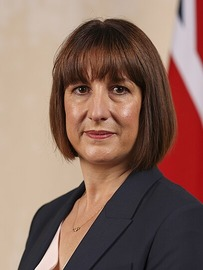
Chancellor of Exchequer in Starmer’s cabinet
Rachel Reeves
economic policy, government spending, taxation and national budget
Foreign Secretary and Deputy PM,
David Lammy
, Secretary of State for Foreign and Commonwealth Affairs of the United Kingdom
Yvette Cooper

, Secretary of State for the Home Department
Shabana Mahmood

, Defence Secretary: armed forces, defence policy, military strategy
John Healey
, Secretary of State for Health and Social Care of the United Kingdom
Wes Streeting
, Energy Security and Net Zero Secretary
Ed Miliband
former Deputy Prime Minister
Angela Reyner, (now David Lammy)