Morphology of flowering plants
 Call Kai
 Learn
Learn Practice Test
 Spaced Repetition
 Match
Match Flashcards
 Knowt Play
1/45

There's no tags or description
Looks like no tags are added yet.
Name | Mastery | Learn | Test | Matching | Spaced | Call with Kai |
|---|
No analytics yet
Send a link to your students to track their progress
46 Terms
tap root system is present in
carrot, turnip and mustard plant
root hairs are present in
region of maturation
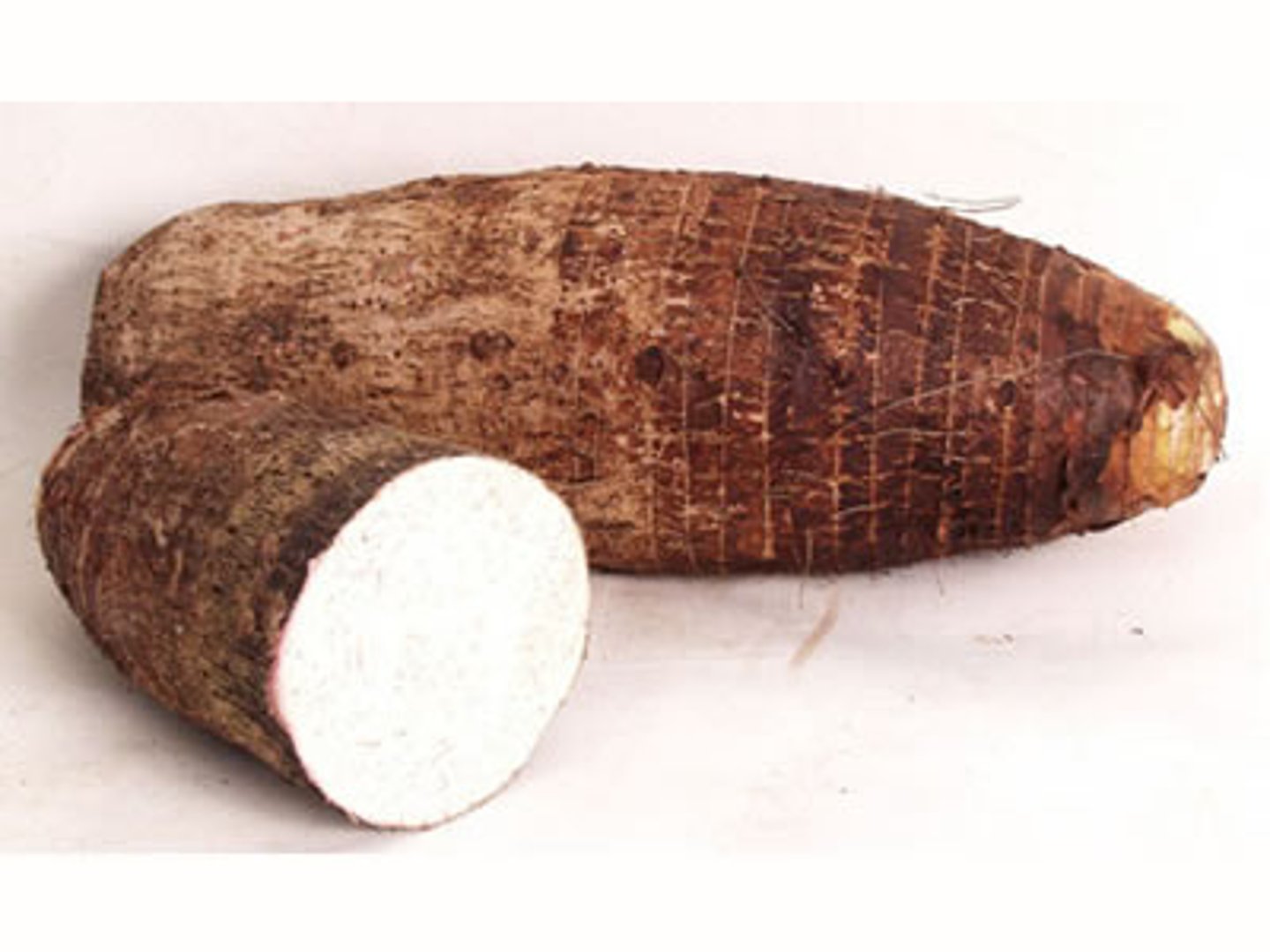
underground stem
potato, ginger, turmeric, zaminkand, colocasia
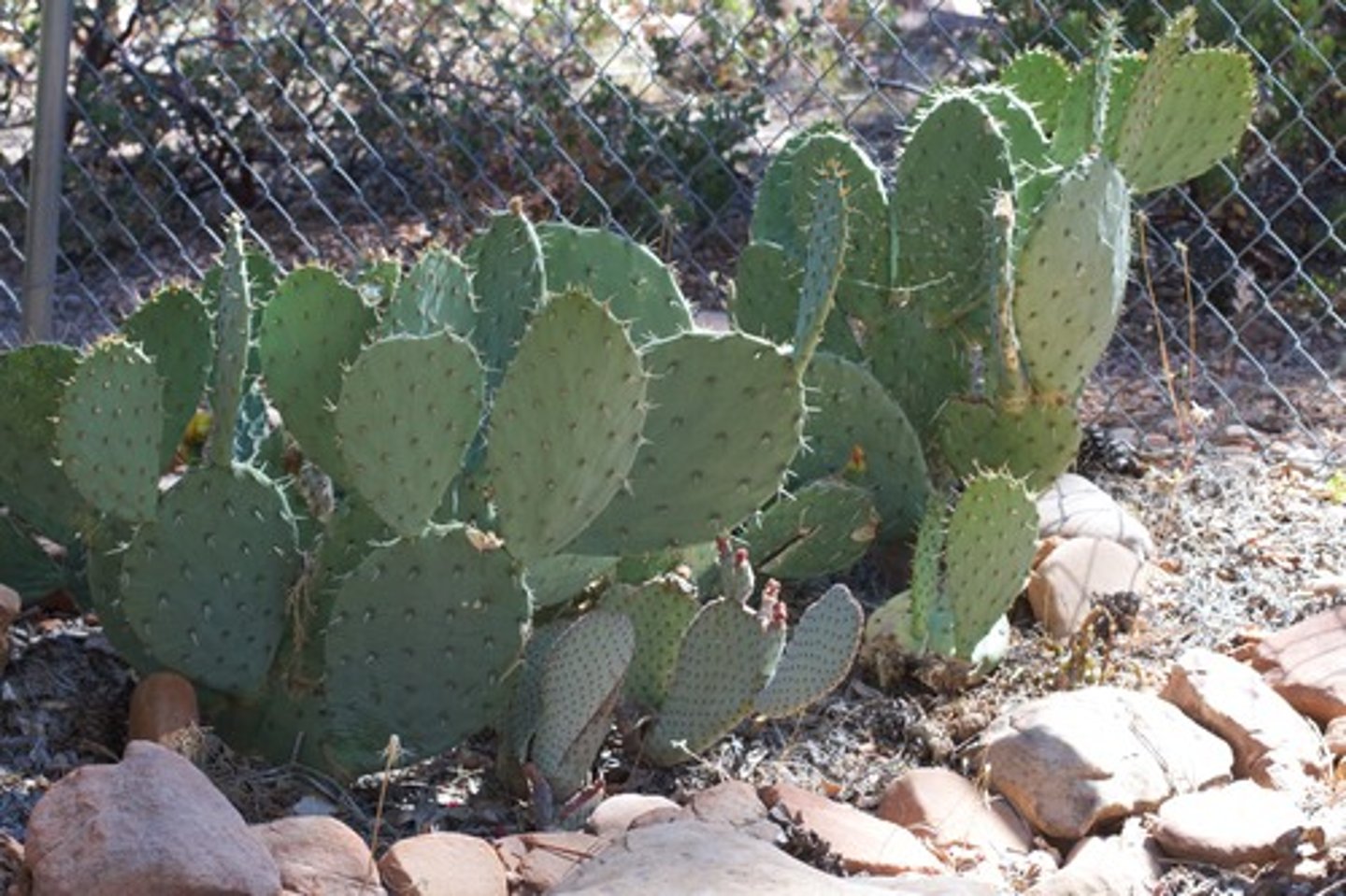
flattened stem
Opuntia
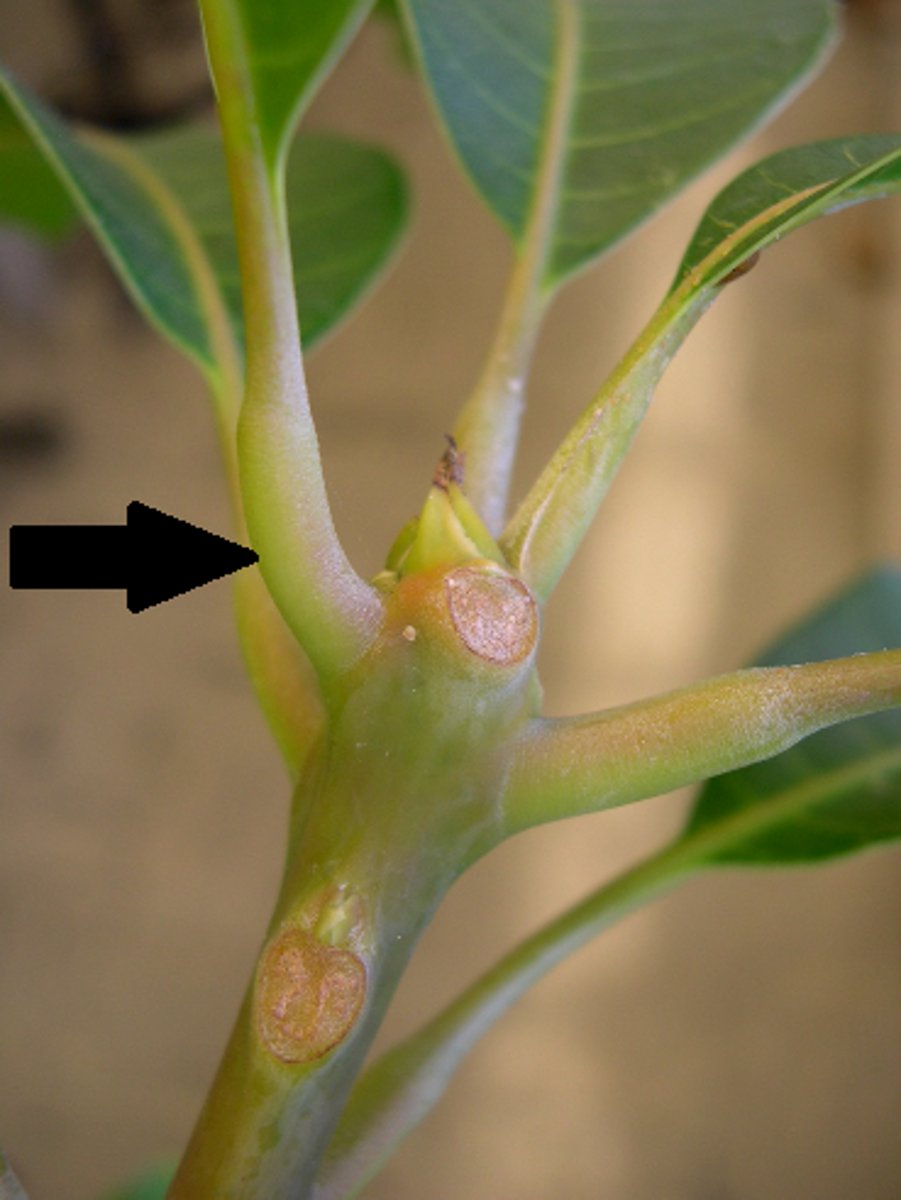
swollen leaf base in some leguminous plant
pulvinus
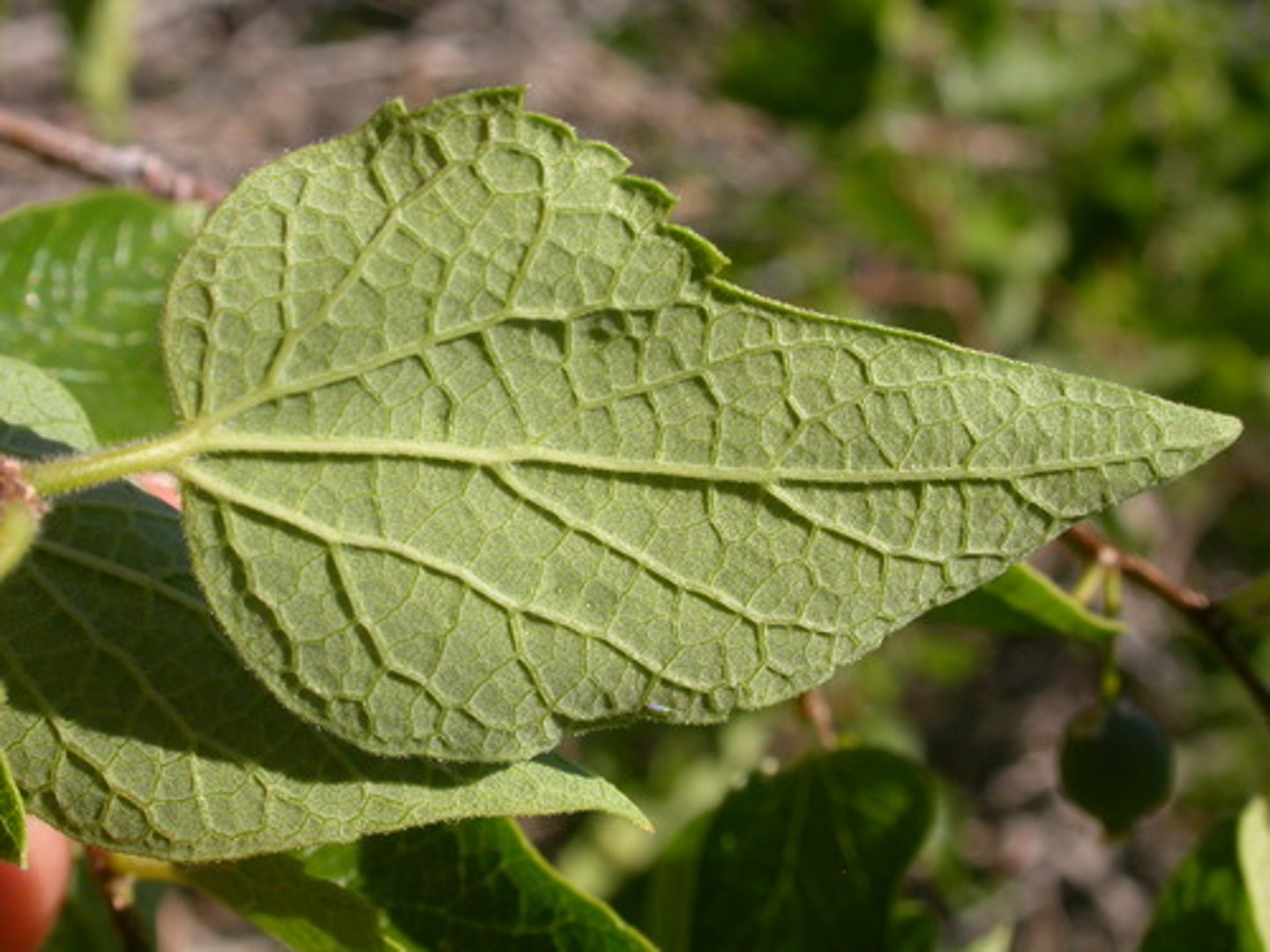
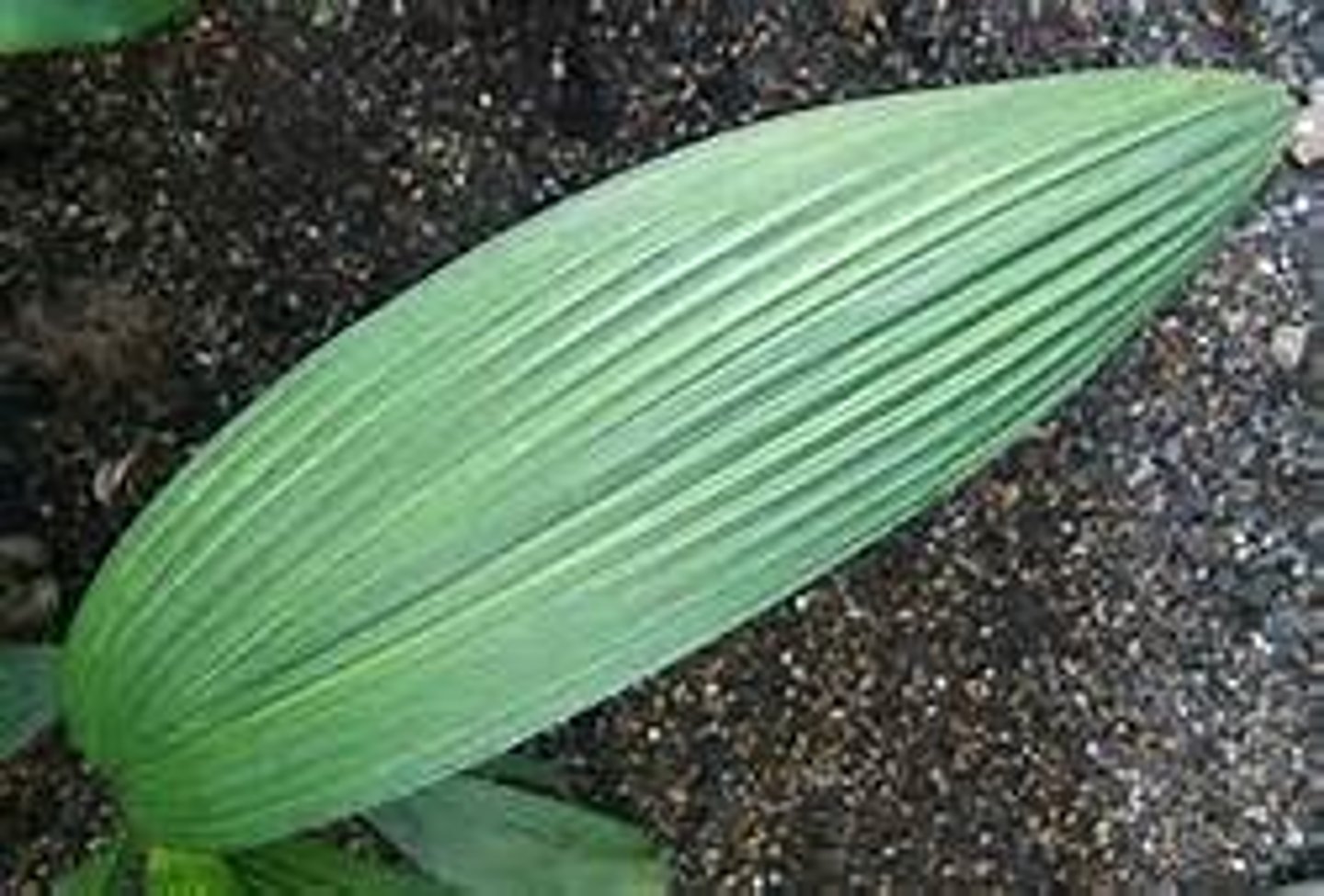
reticulate venation
dicot leaf
parallel venation
monocot leaf
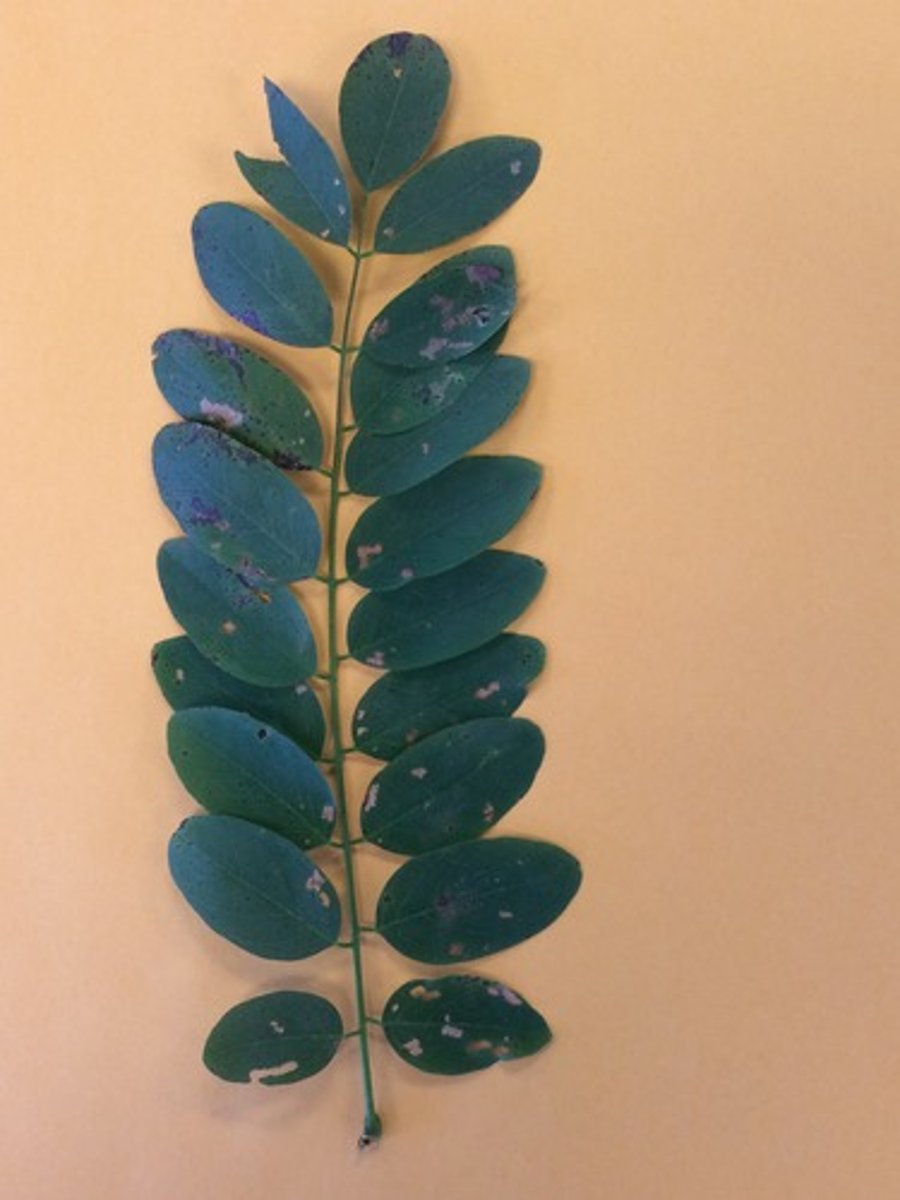
pinnately compound leaf (leaflets in common axis, rachis)
Neem
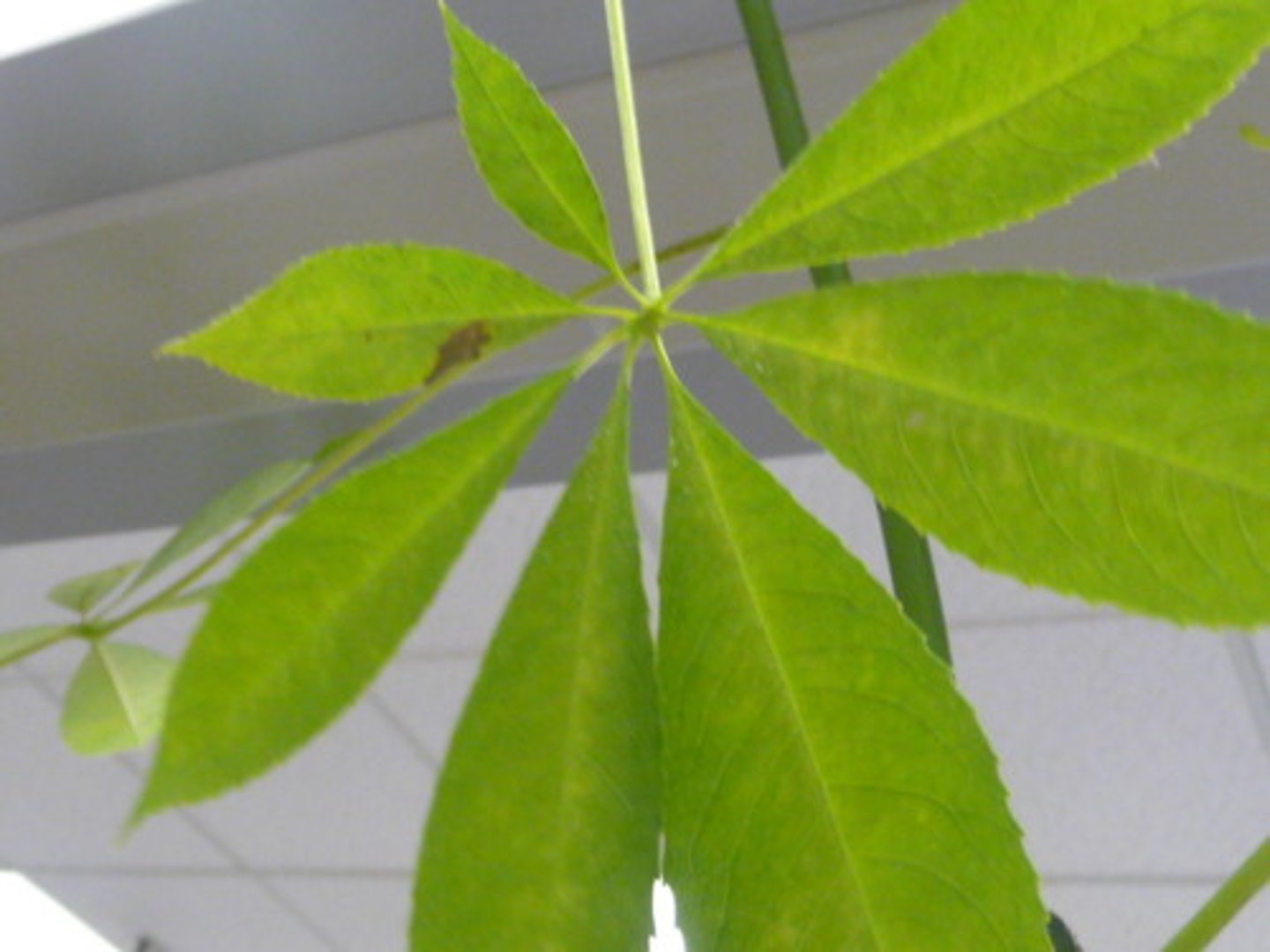
palmately compound leaf (at the tip of petiole)
silk cotton
alternate of phyllotaxy
China rose, mustard, sunflower
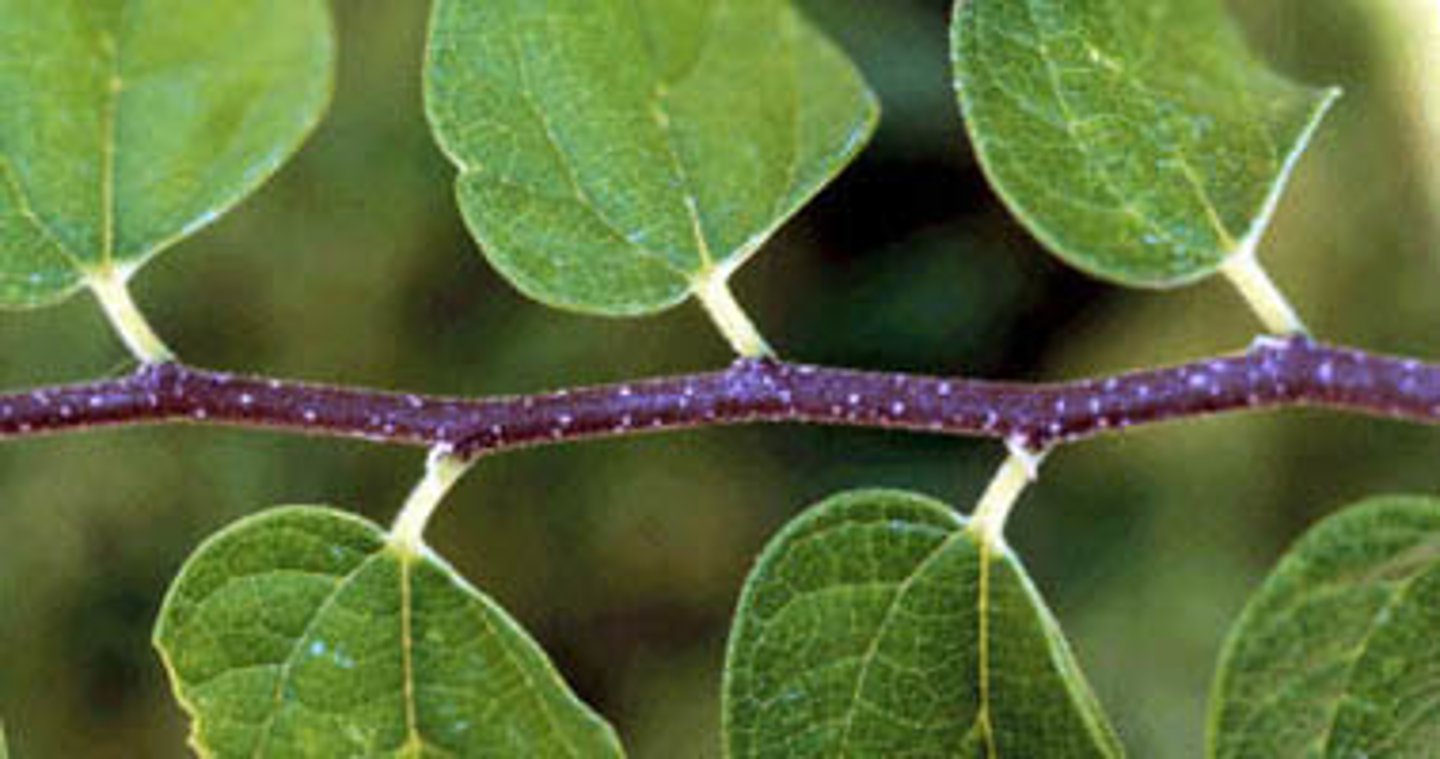
opposite phyllotaxy
Calotropis, guava plants
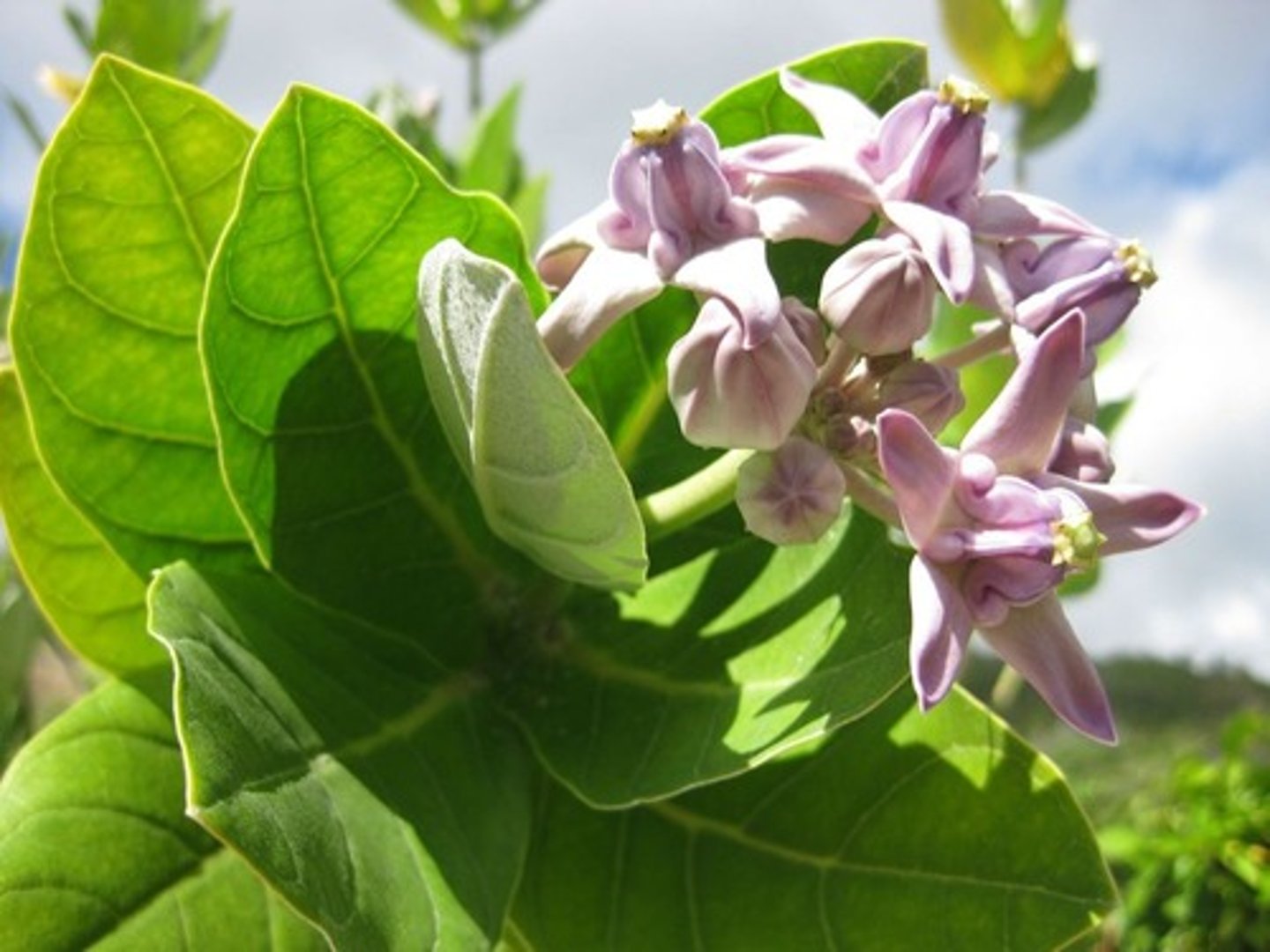
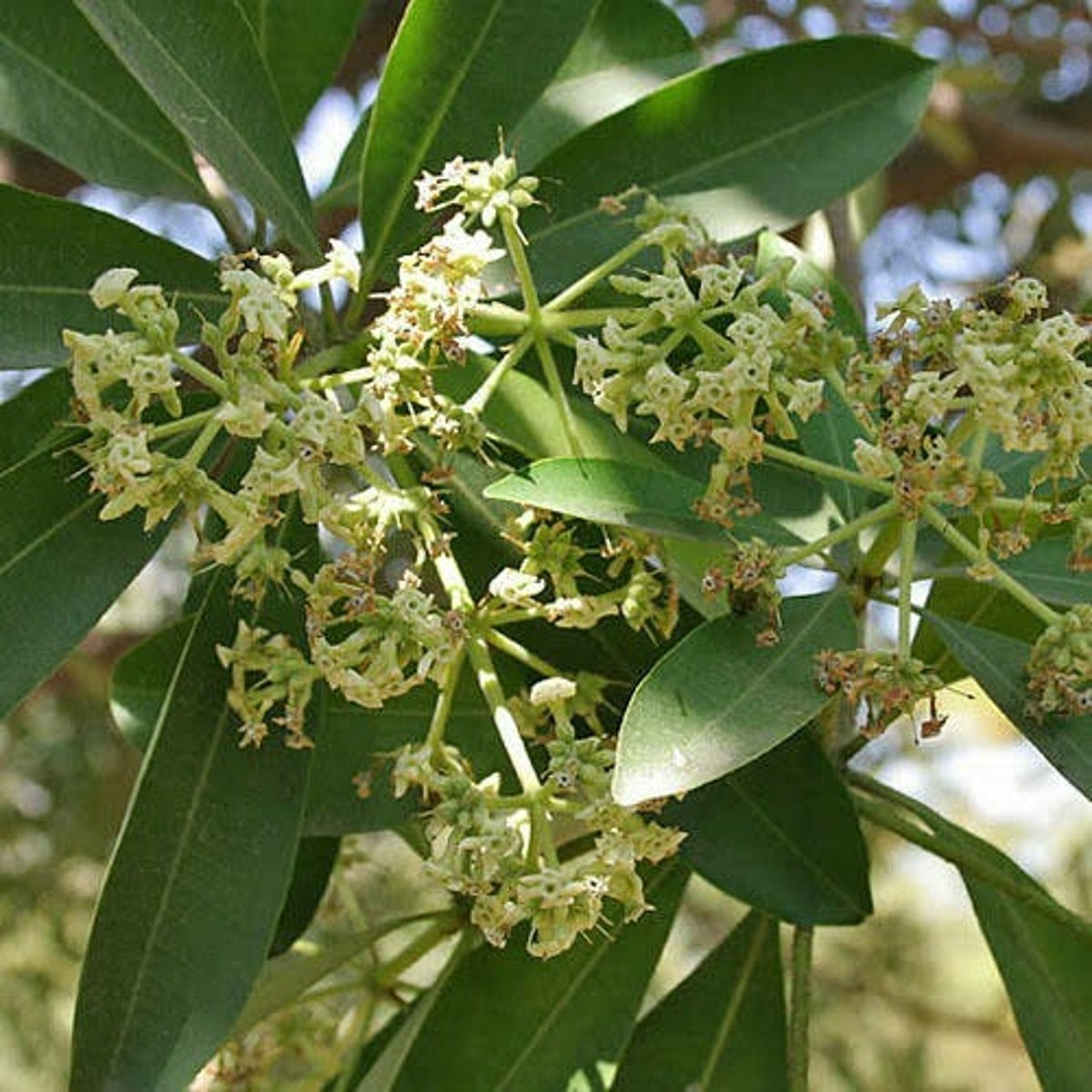
whorled phyllotaxy
Alstonia
photosynthetic petioles
australian acacia
flower
modified shoot
racemose infloroscence
oldest flower at base and younger at apex
cymose infloroscence
oldest at apex and youngest towards base
perianth includes
calyx and corolla
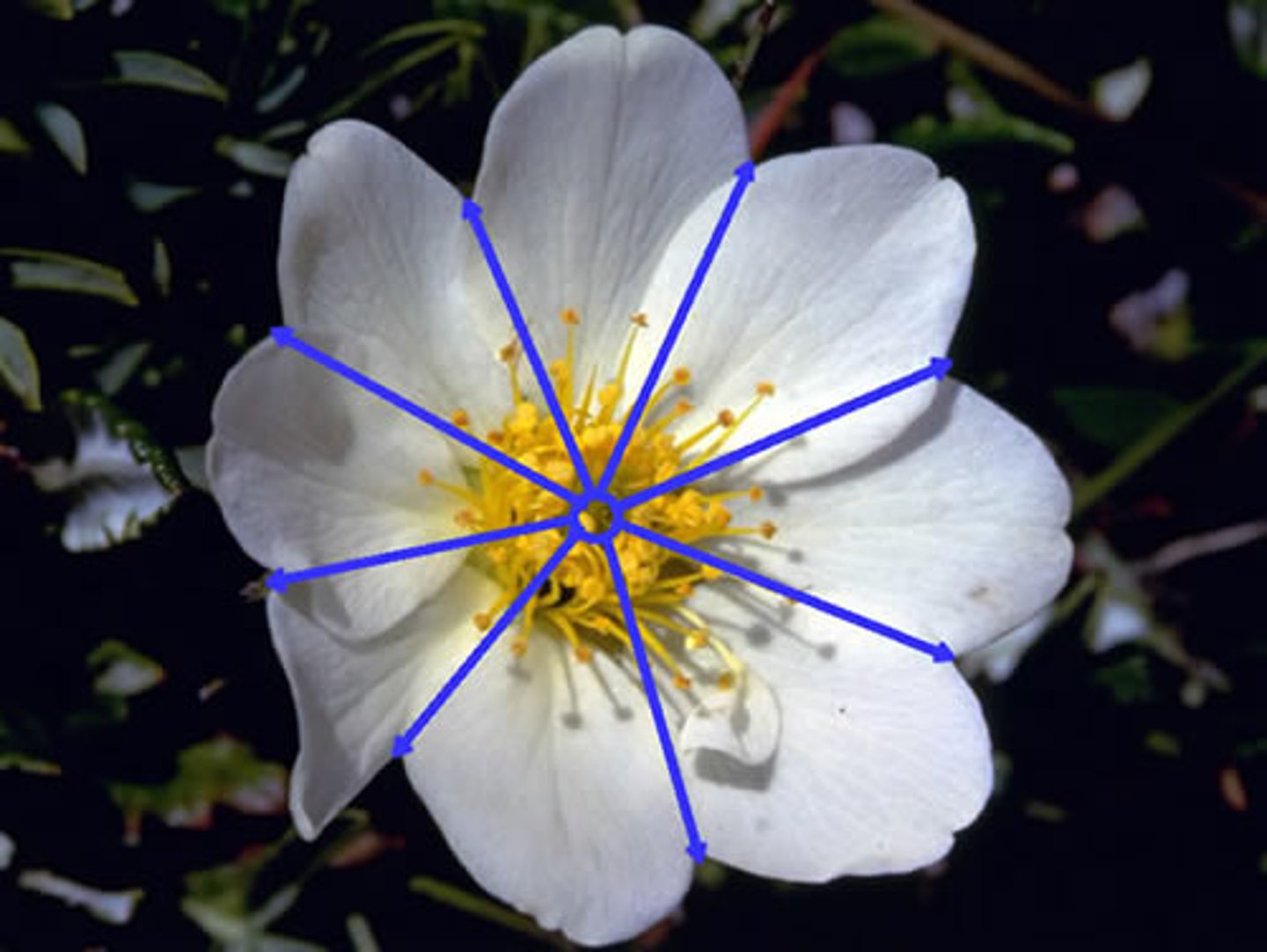
actinomorphic symmetry (radial)
mustard, datura, chilli
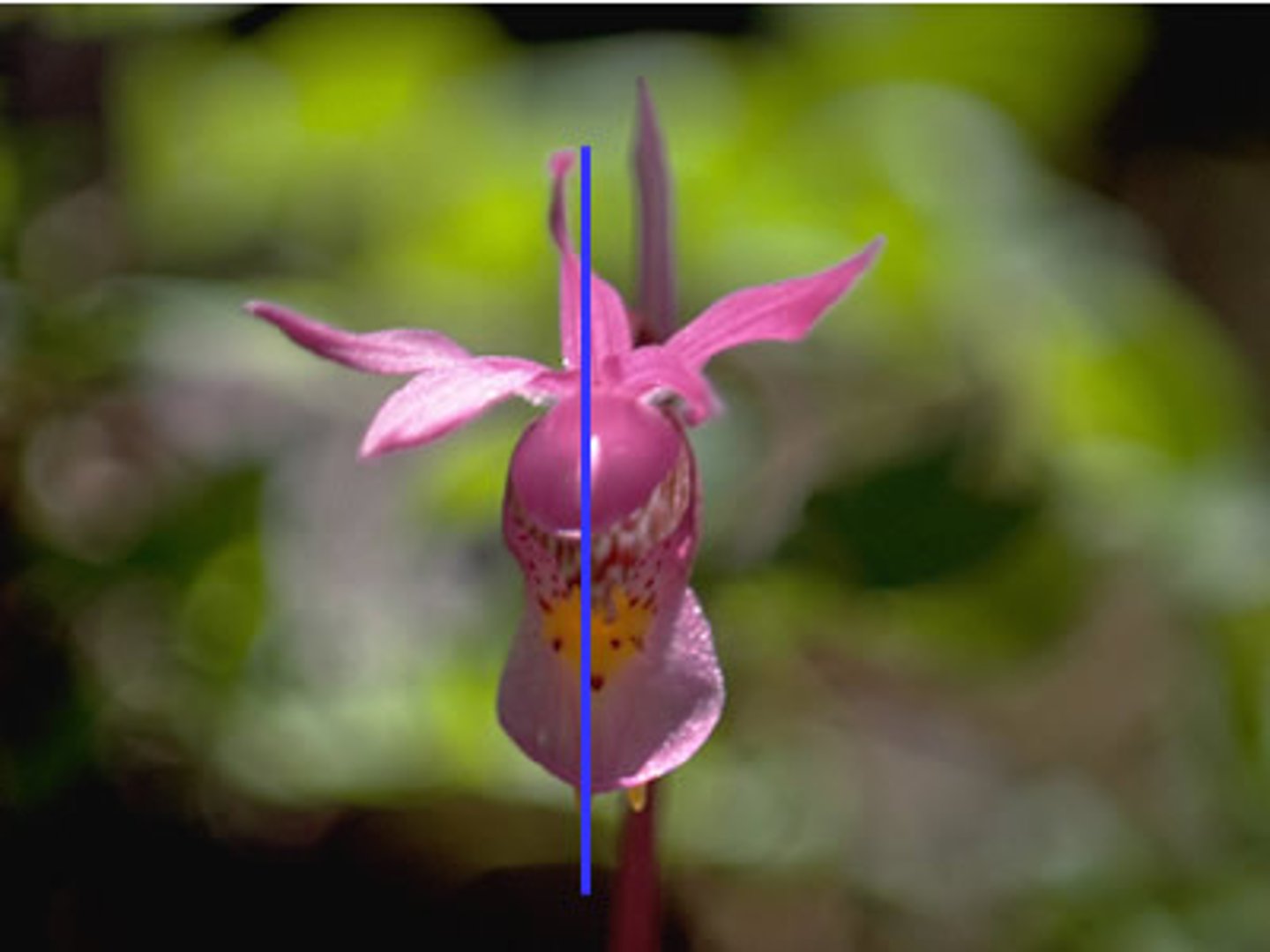
Zygomorphic symmetry (bilateral)
pea, gulmohar, bean , cassia
asymmetric symmetry
canna
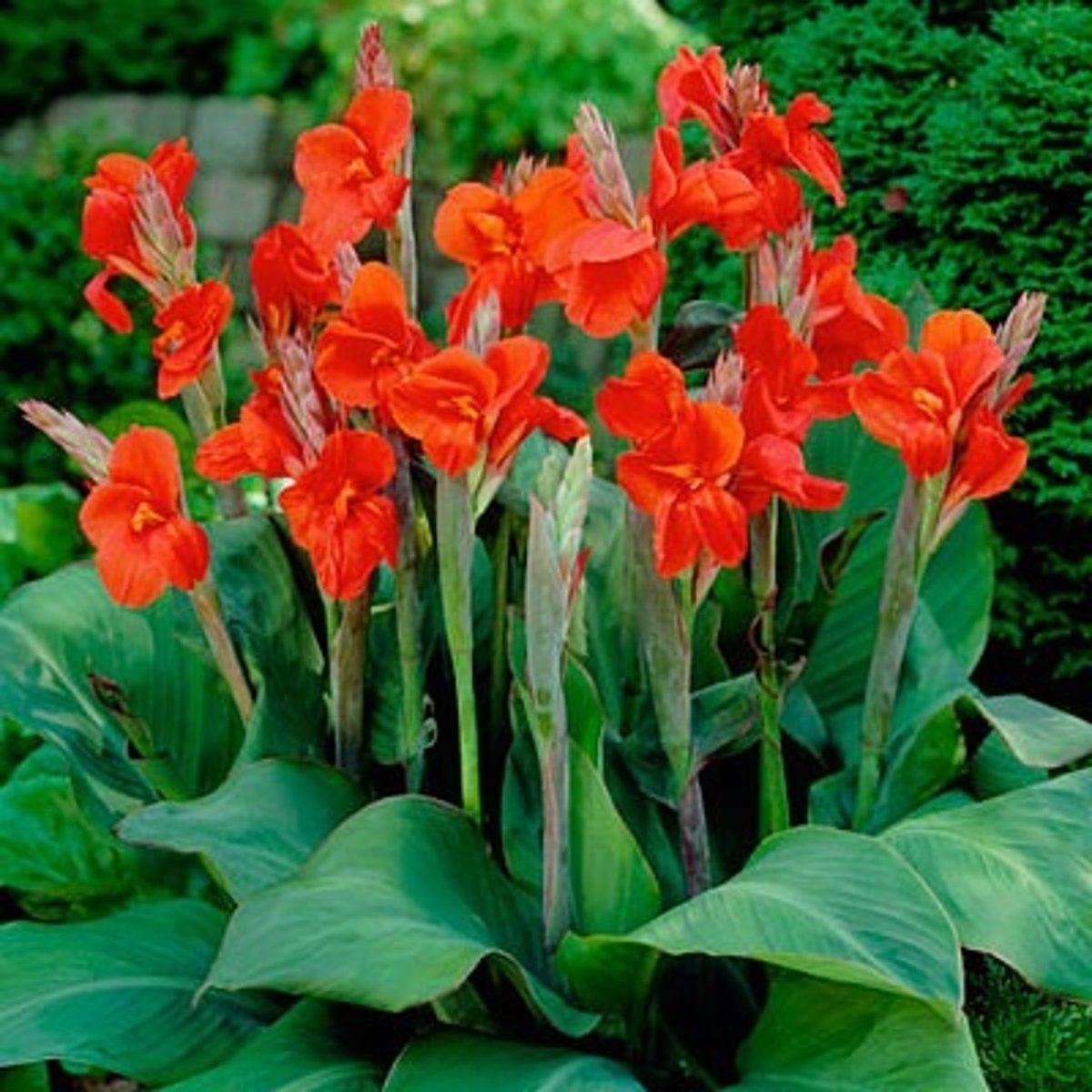
hypogynous flower (superior ovary)
Mustard, china rose, brinjal
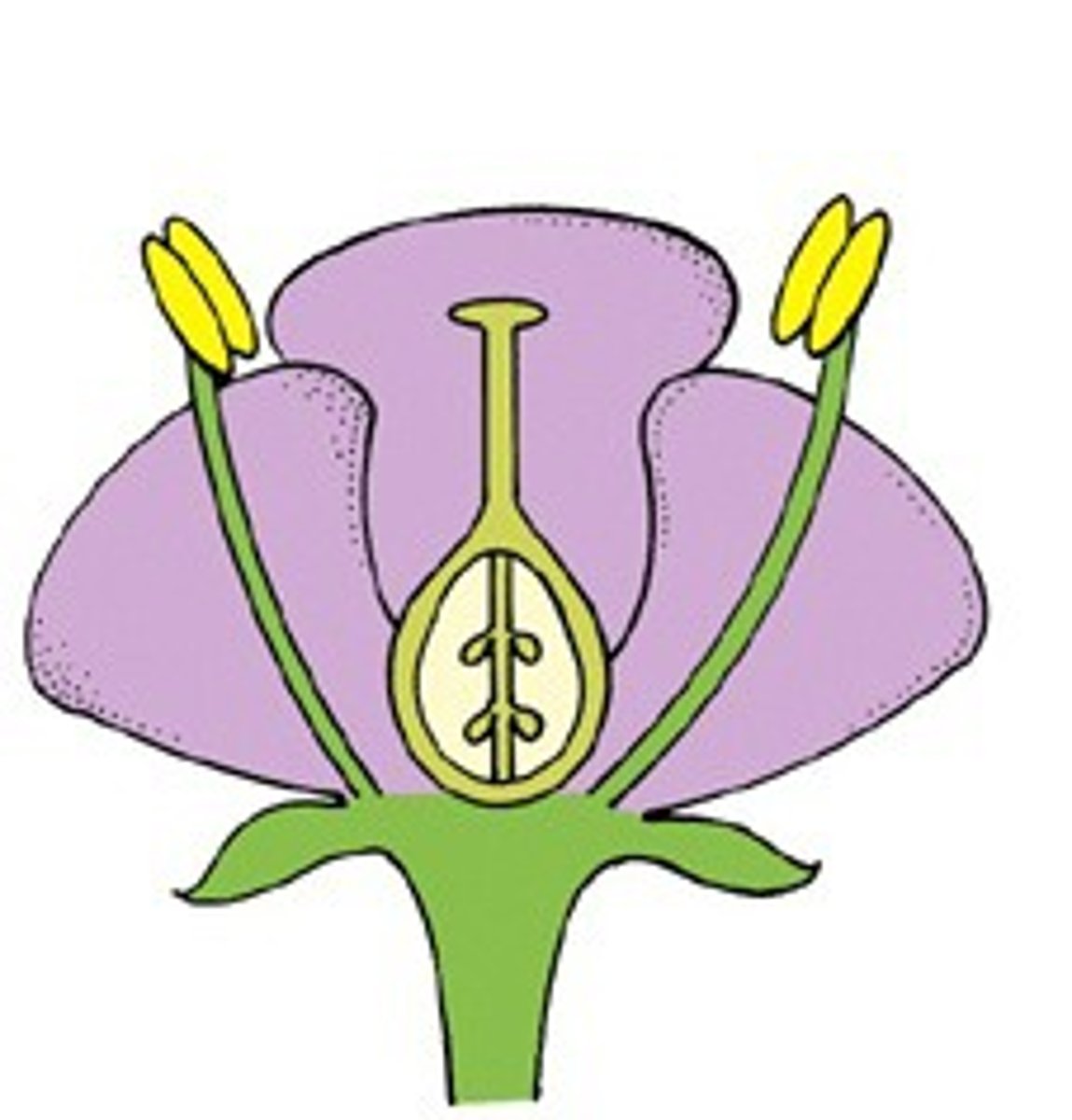
perigynous flower (half inferior ovary)
plum, rose, peach
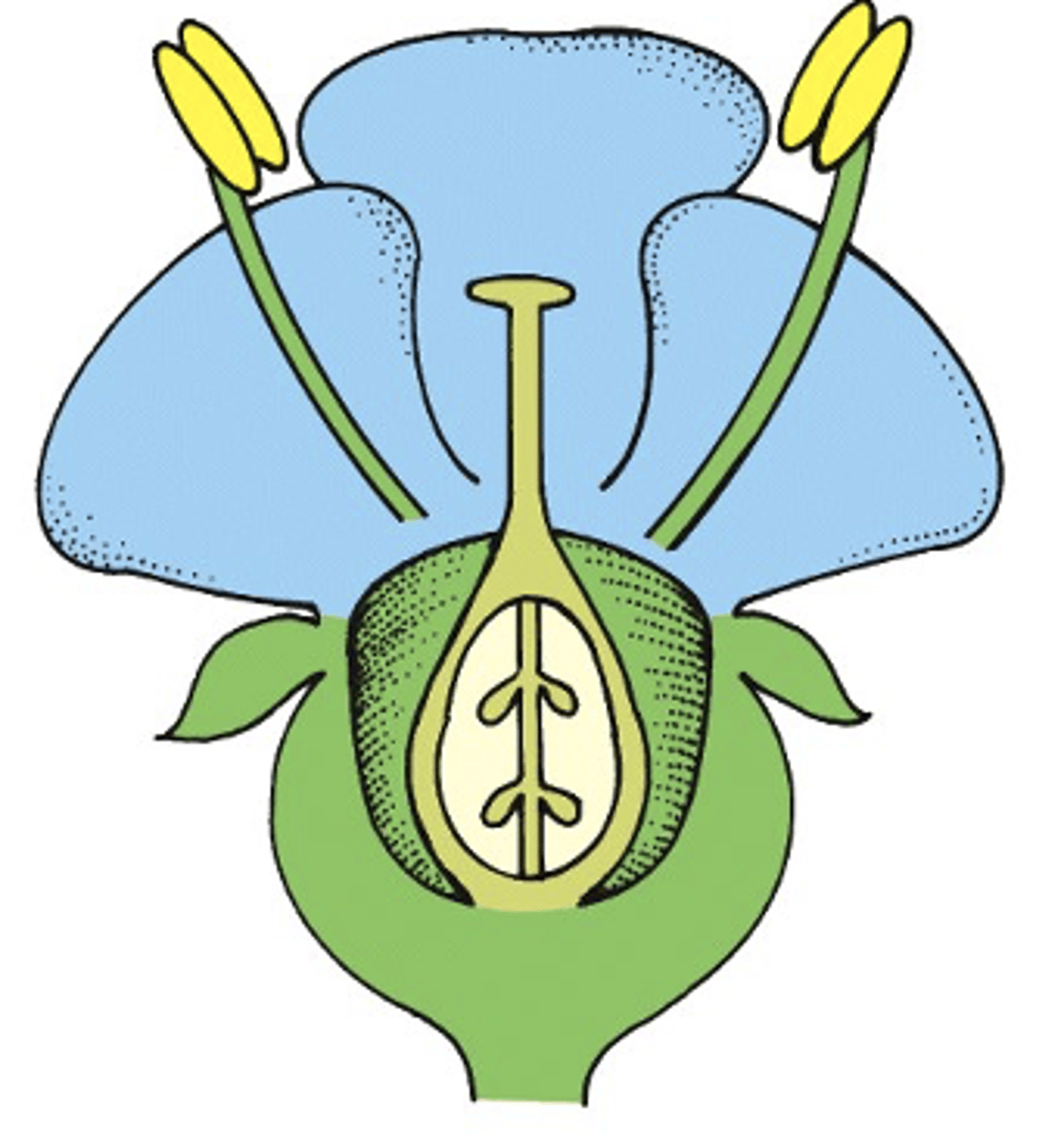
Epigynous flower (inferior ovary)
guava, cucumber and ray florets of sunflower
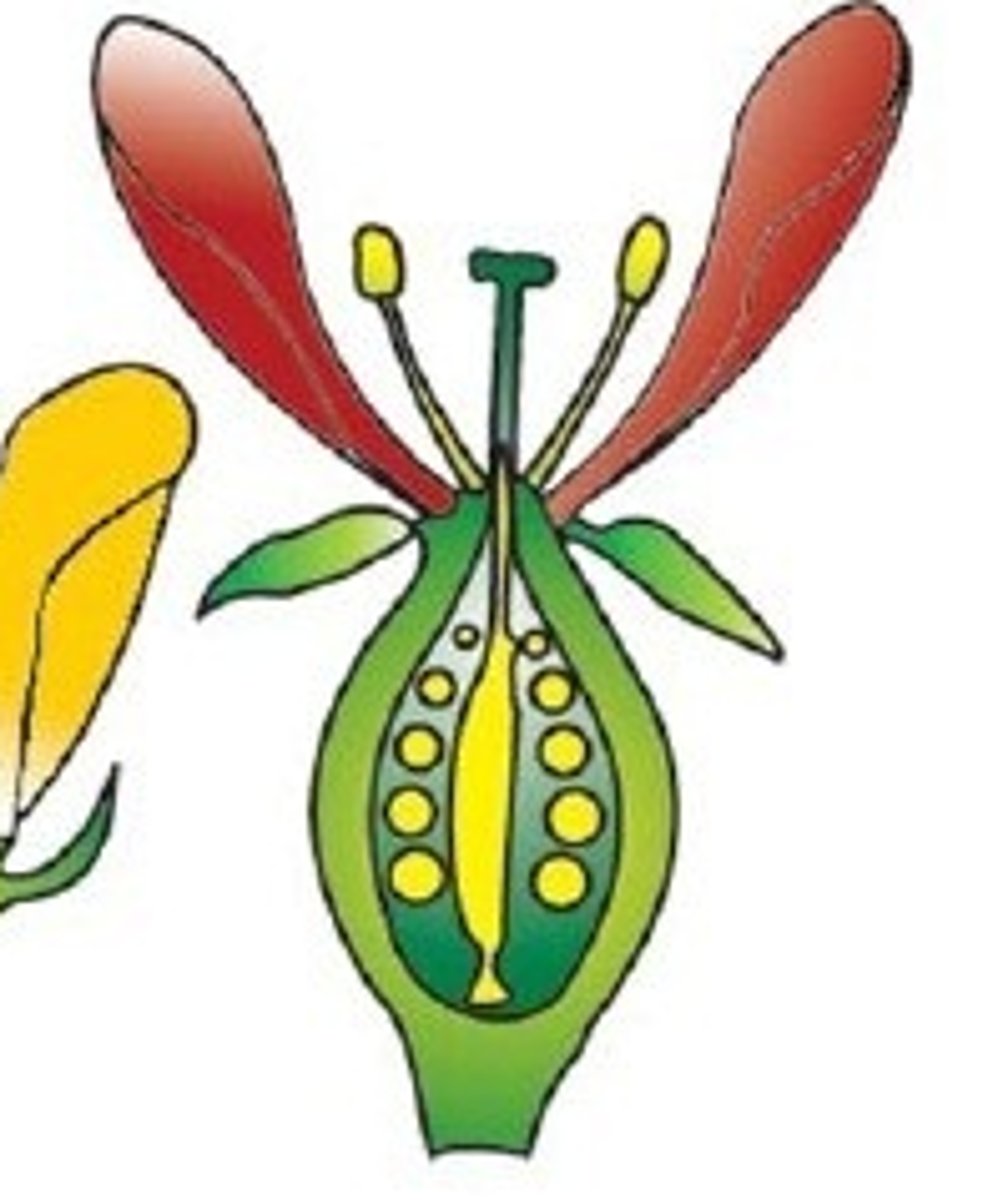
Gamosepalous calyx
sepals united K(n)
polysepalous calyx
sepals free Kn
Valvate Aestivation (sepals and petals just touch without overlap)
calotropis
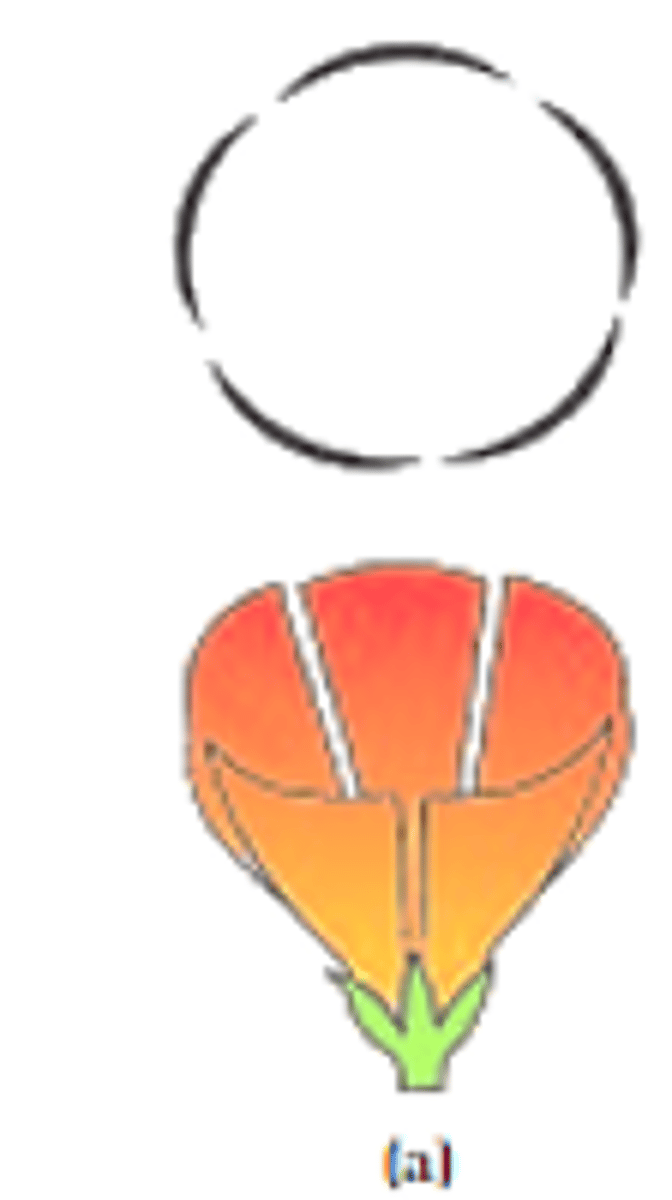
Twisted Aestivation (one margin overlaps the other)
china rose, lady's finger, cotton
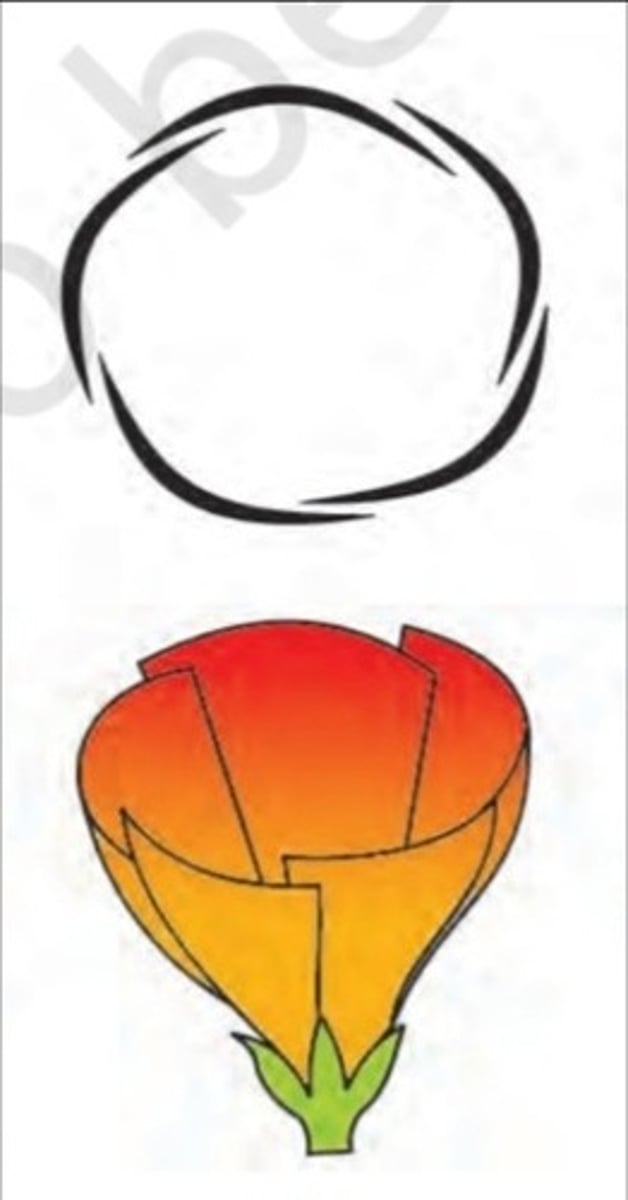
Imbricate Aestivation (overlap but not in a particular direction)
Cassia, Gulmohar
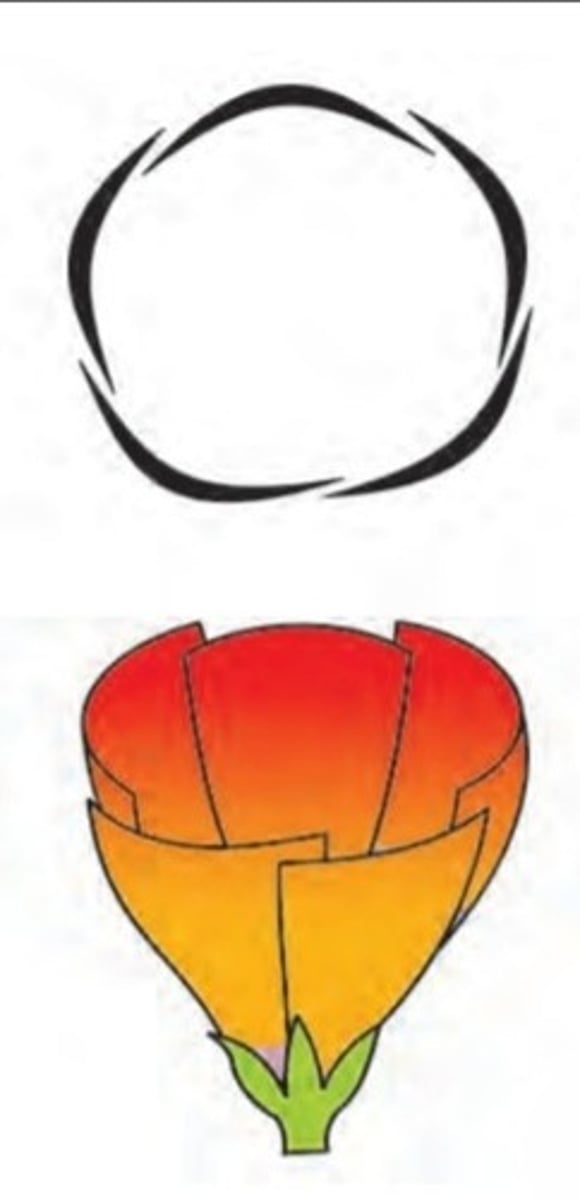
Vexillary Aestivation (2 lateral petals- wings and in turn overlap the 2 smallest anterior petal - keel)
pea and bean
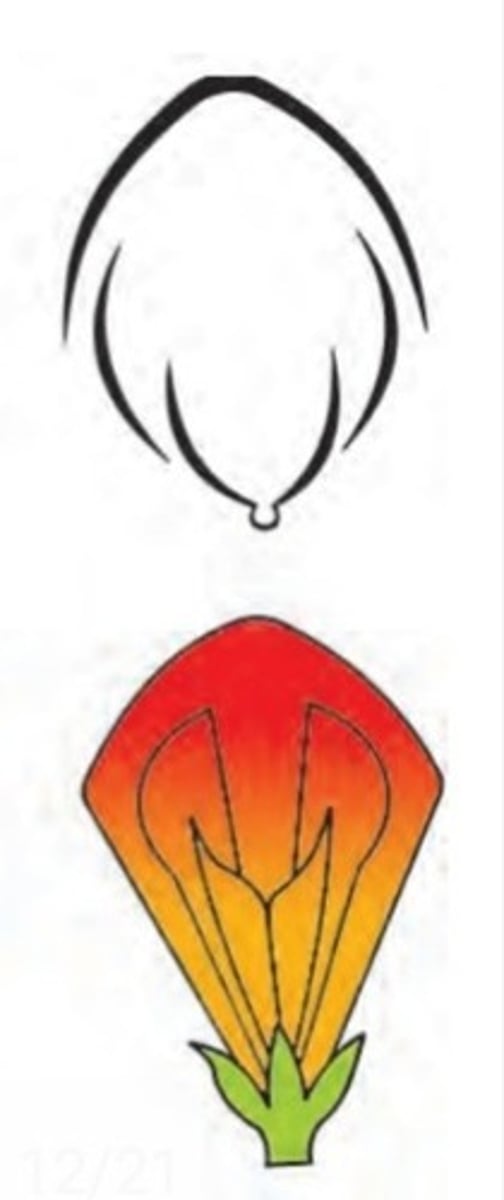
epipetalous (when stamens are attached to the petals)
brinjal
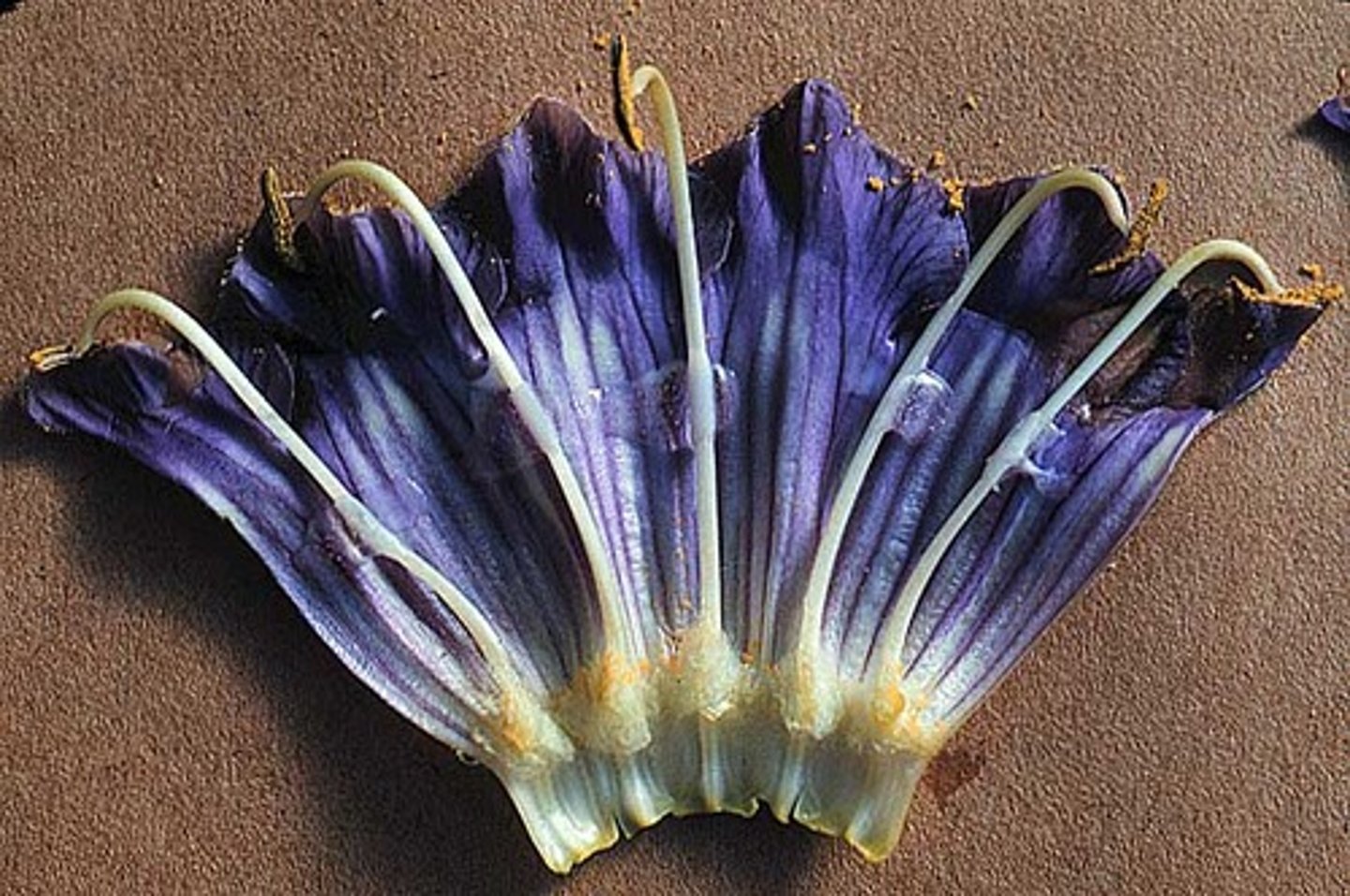
epiphyllous (when stamens are attached to the perianth, when sepals and petals are indistinguishable)
lily
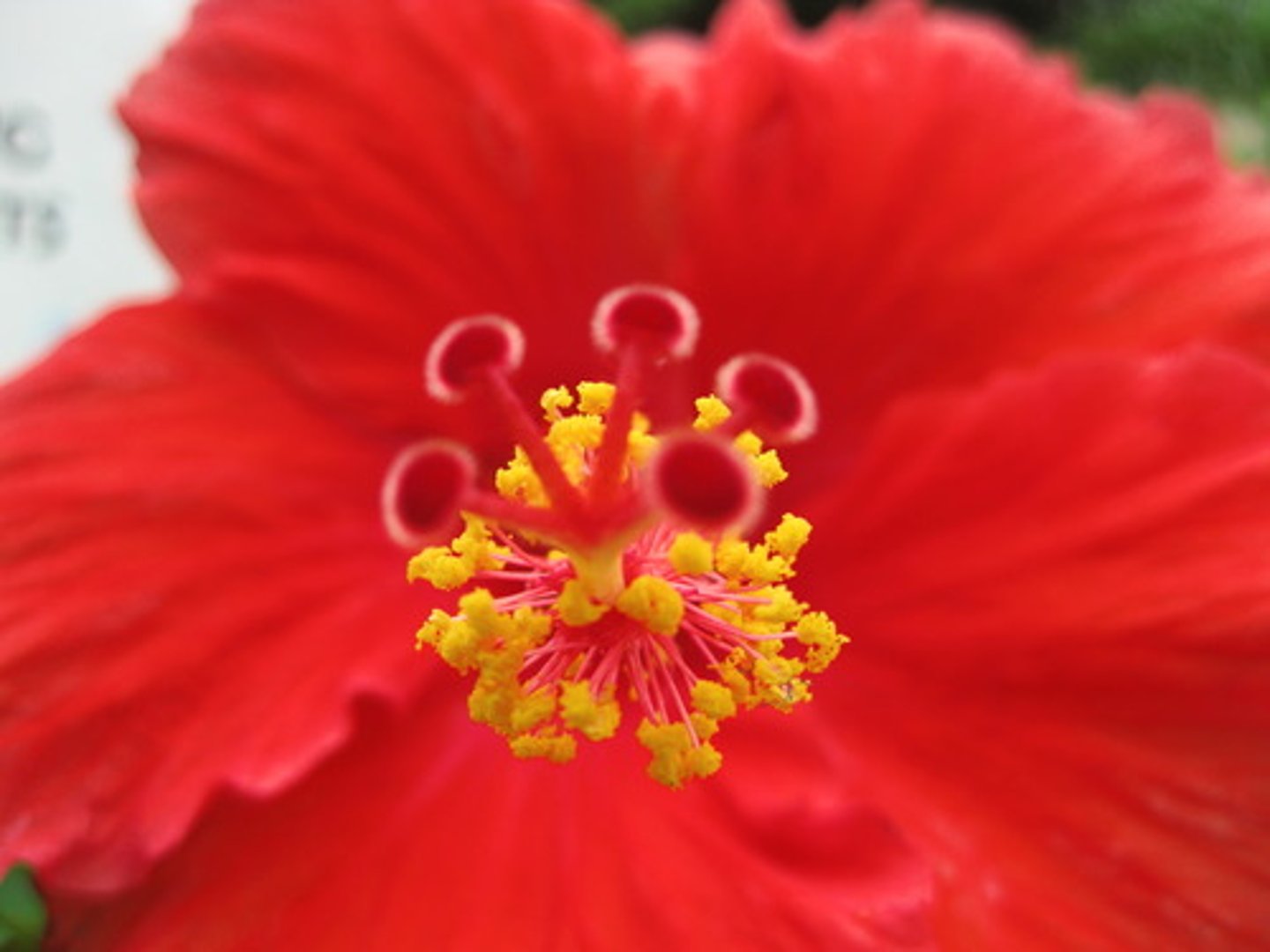
monoadelphus (one stamen unite to form one bundle)
china rose
Diadelphous (2 bundles)
pea
polyadelphus (more than 2 bundles)
citrus
variation in the length of the filament within a flower
salvia and mustar
apocarpous (free capel)
lotus and rose
syncaprous (fused carpel)
mustard and tomato
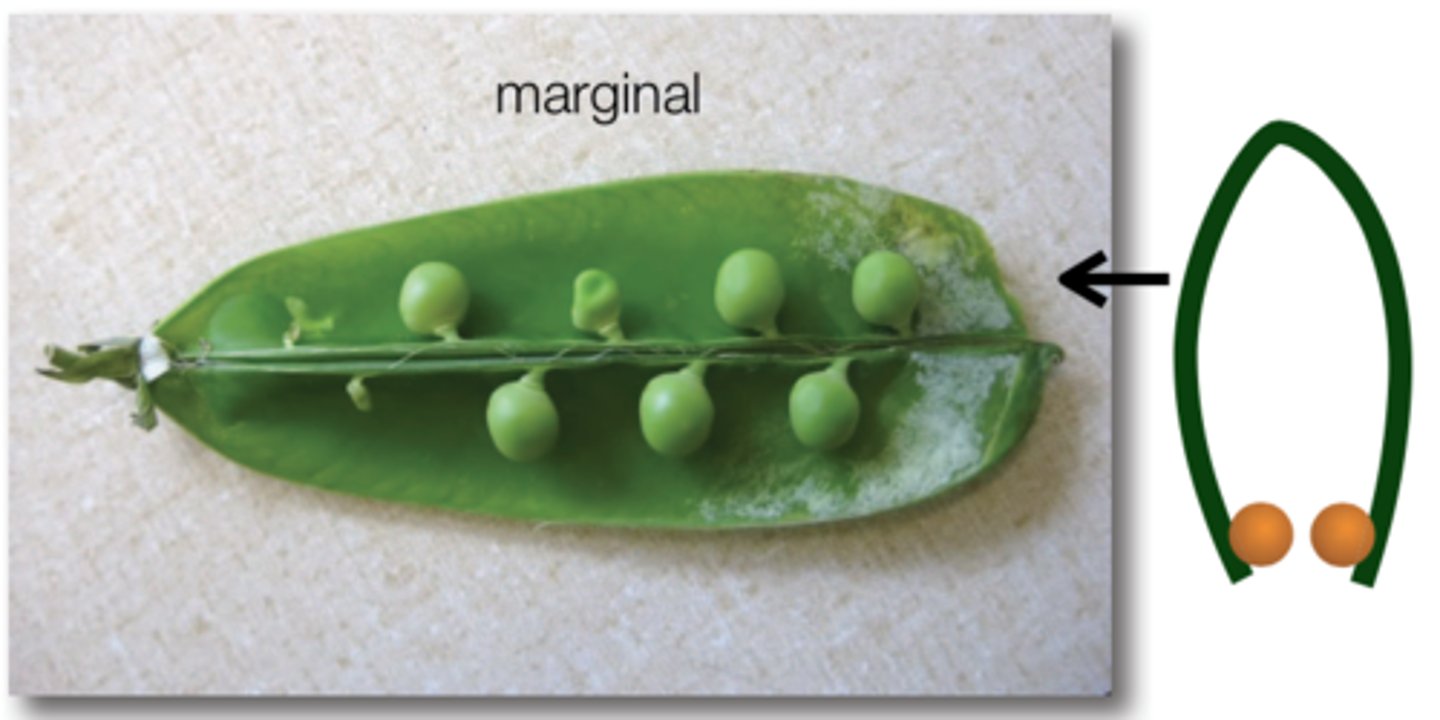
marginal placentation
pea
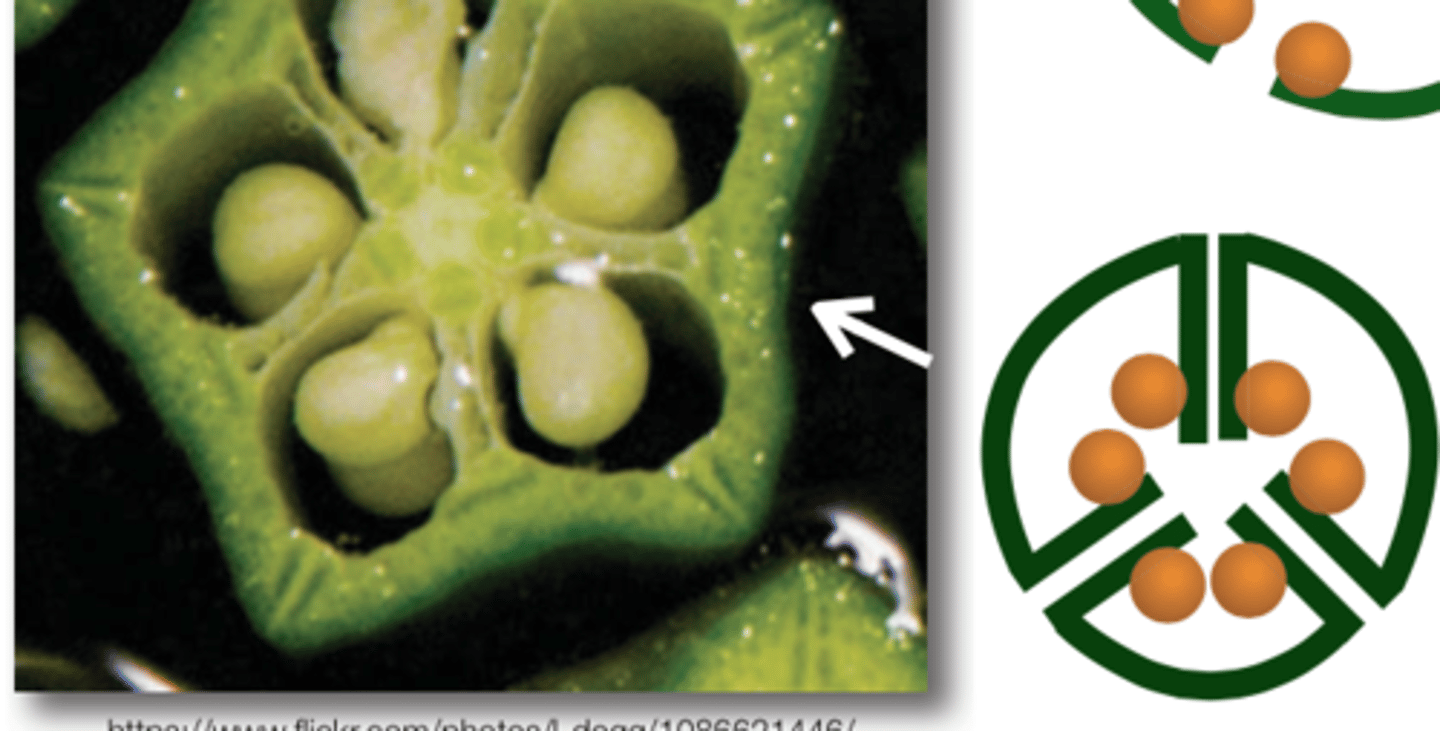
axile placentation
China rose, tomato, lemon
parietal placentation
mustard, argemone
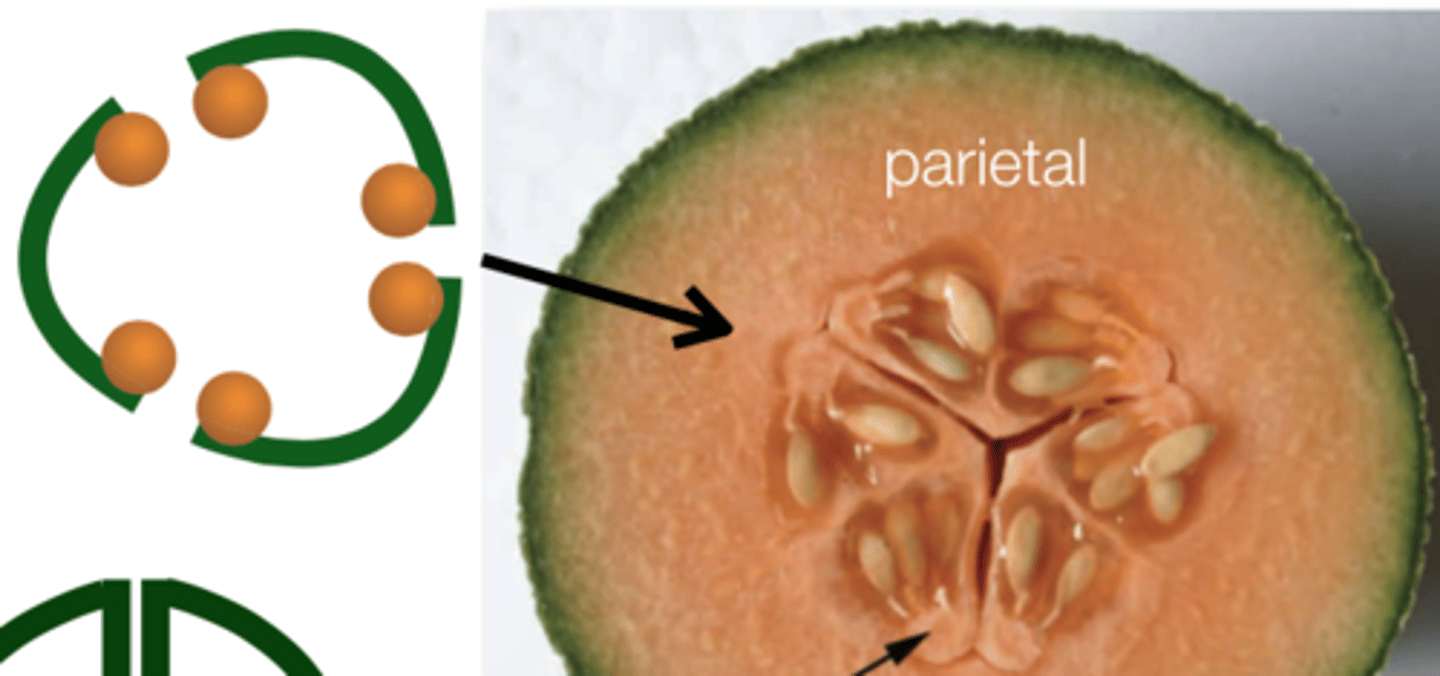
free central placentation
dianthus and primrose

basal placentation
Sunflower, Marigold
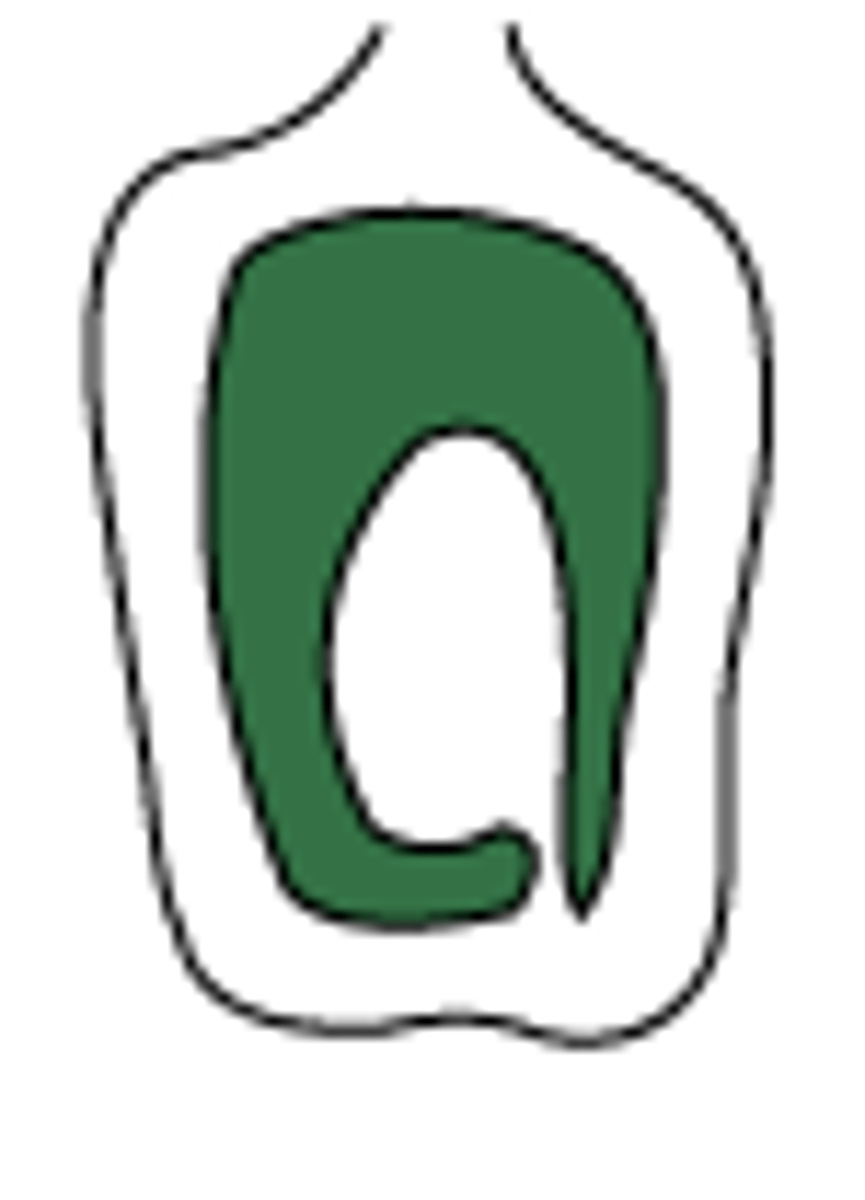
↨ ⚥ K(5) C1+2+(2) A(9)+1 G1 (Papilionaceous; superior ovary; diadelphous stamens)
Fabaceae family
⊕ ⚥ K(5) C(5) A5 G(2)
Solanaceae family
⊕ ⚥ P3+3 A3+3 G(3)
Liliaceae family
⊕ ⚥ K2+2 C4 A2+4 G(2)
Brassicaceae