7th gr Force Motion Extension 2026
 Call Kai
 Learn
Learn Practice Test
 Spaced Repetition
 Match
Match Flashcards
 Podcast
1/23

There's no tags or description
Looks like no tags are added yet.
Name | Mastery | Learn | Test | Matching | Spaced | Call with Kai |
|---|
No analytics yet
Send a link to your students to track their progress
24 Terms
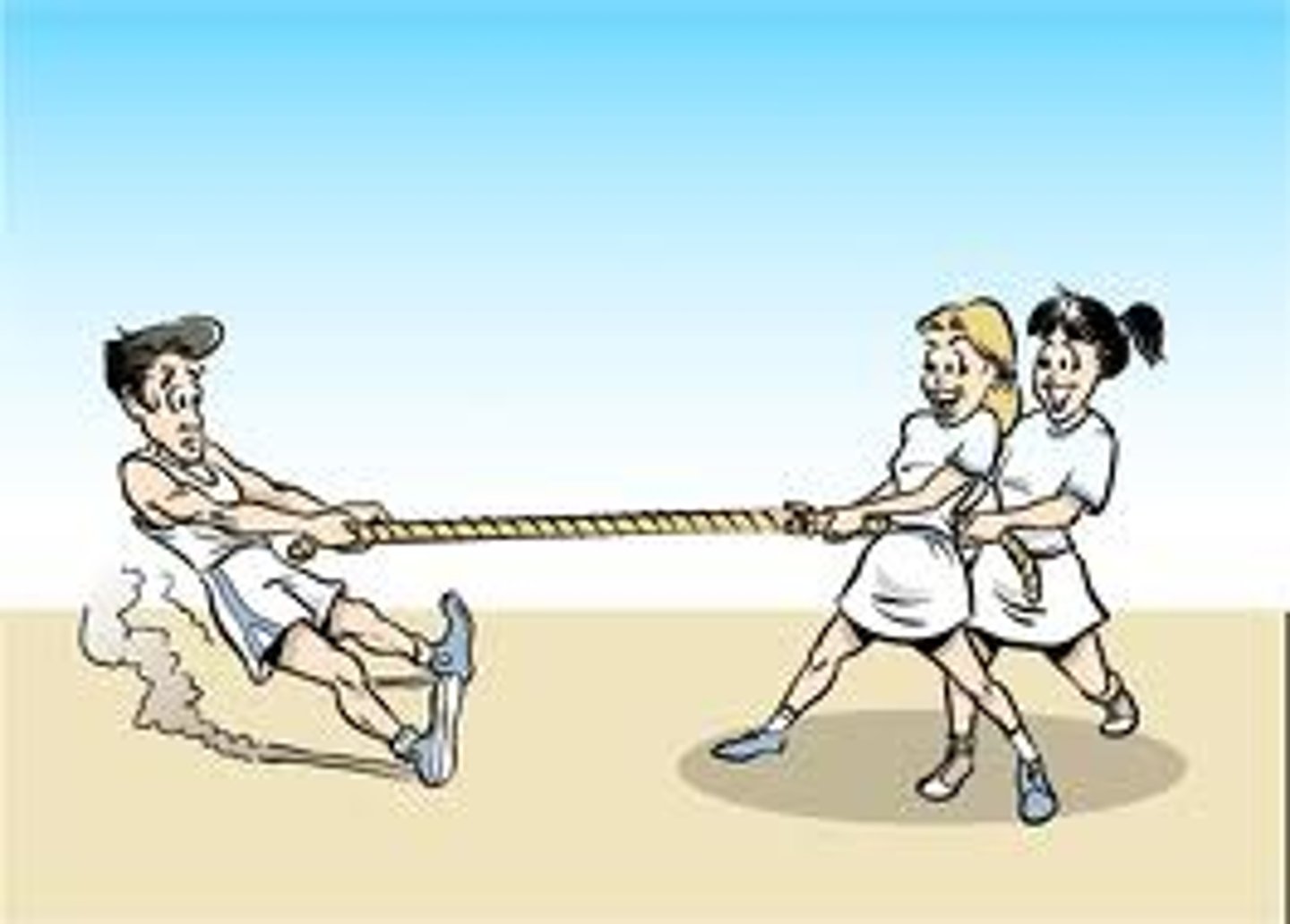
unbalanced
force that changes the motion of an object; net force ≠0 (speeds up, slows, turns, stops, starts)
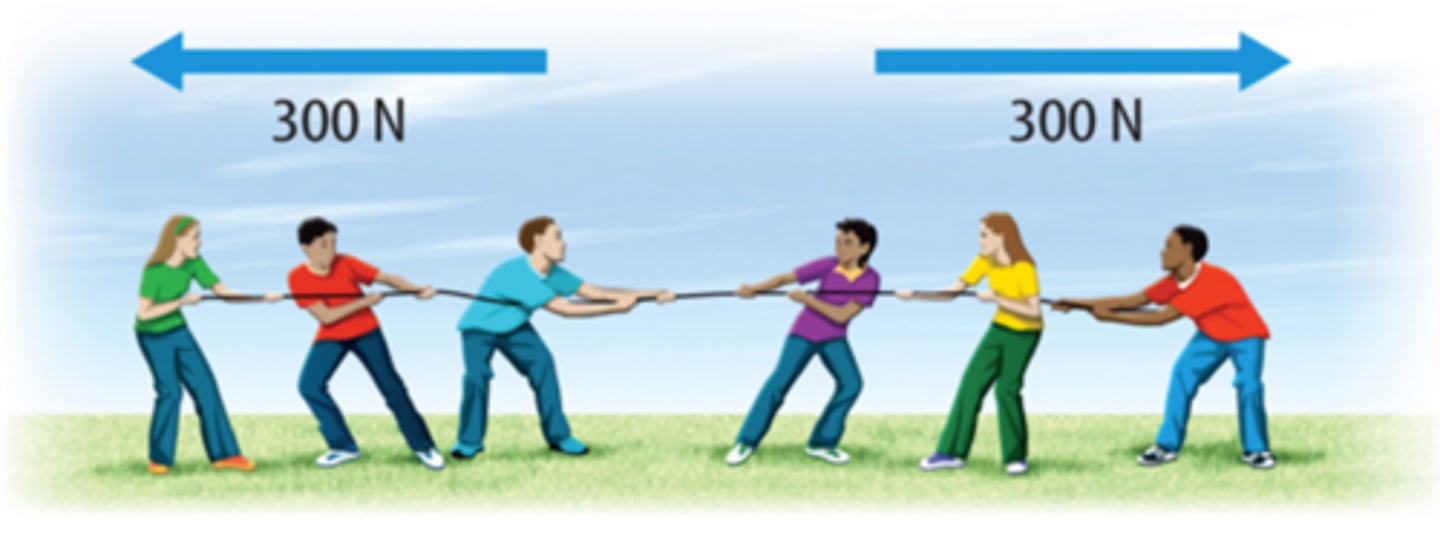
balanced
force that does not change the motion of an object; net force =0 (constant speed, no change in direction)
1st Law
Newton's Law of Motion states objects will remain at rest, OR in constant motion, at a constant speed and in a straight line UNLESS acted on by an unbalanced force. Law of inertia.
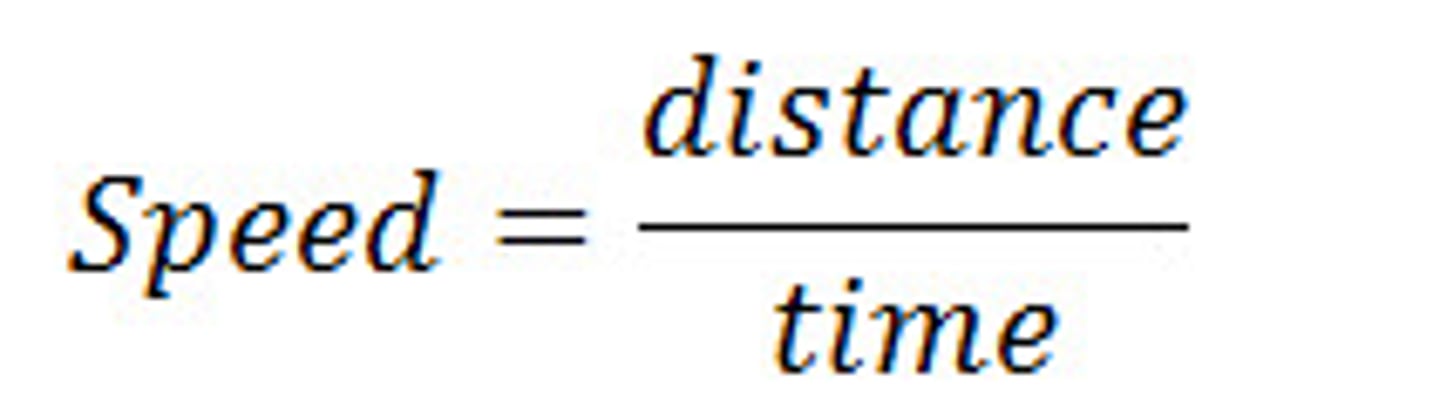
speed
How fast or slow something is moving, such as 60 km/h , or 6 cm/s. Divide the distance traveled by the time traveled
velocity
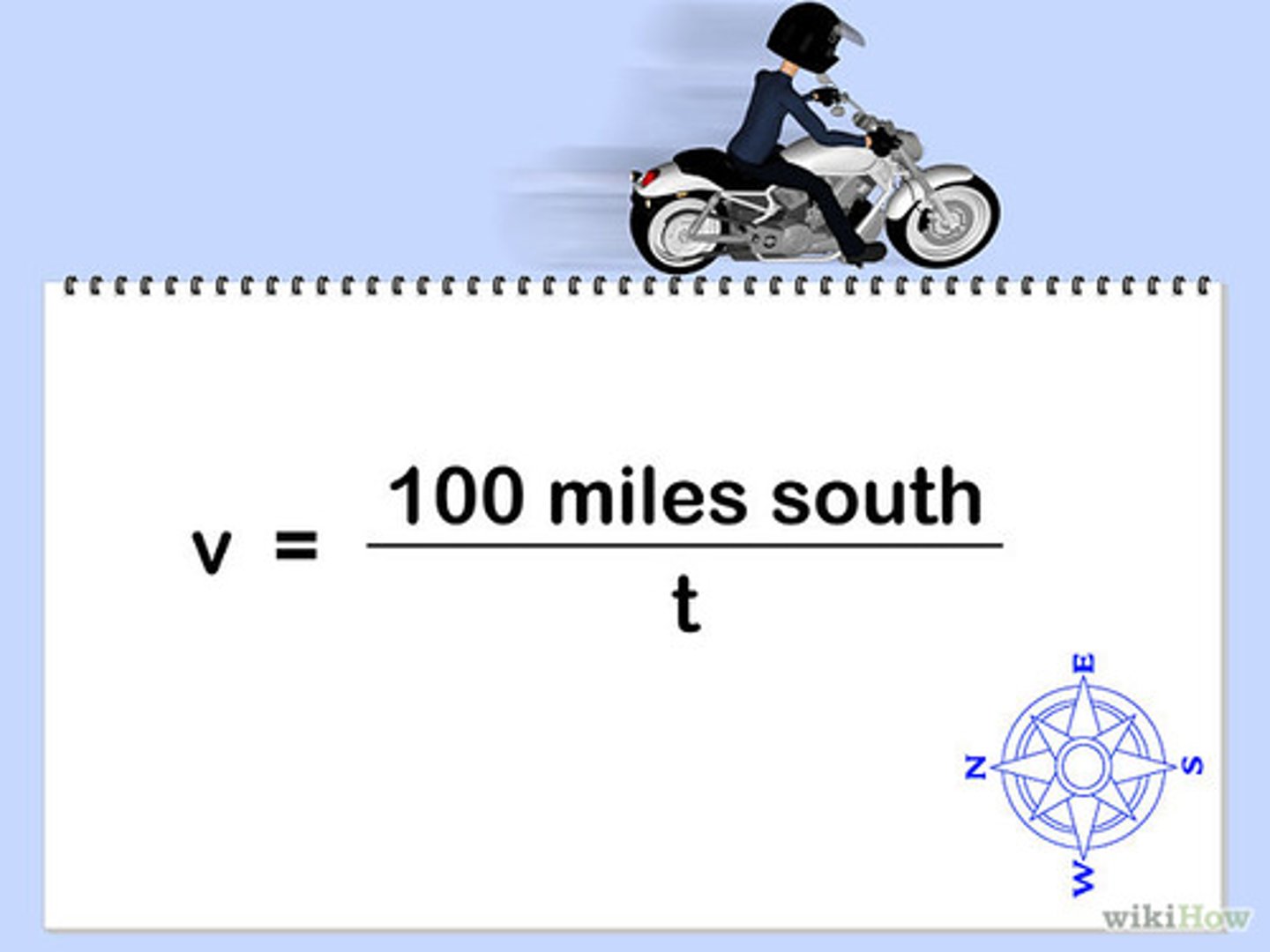
Speed with direction (50 miles per hr North)
inertia
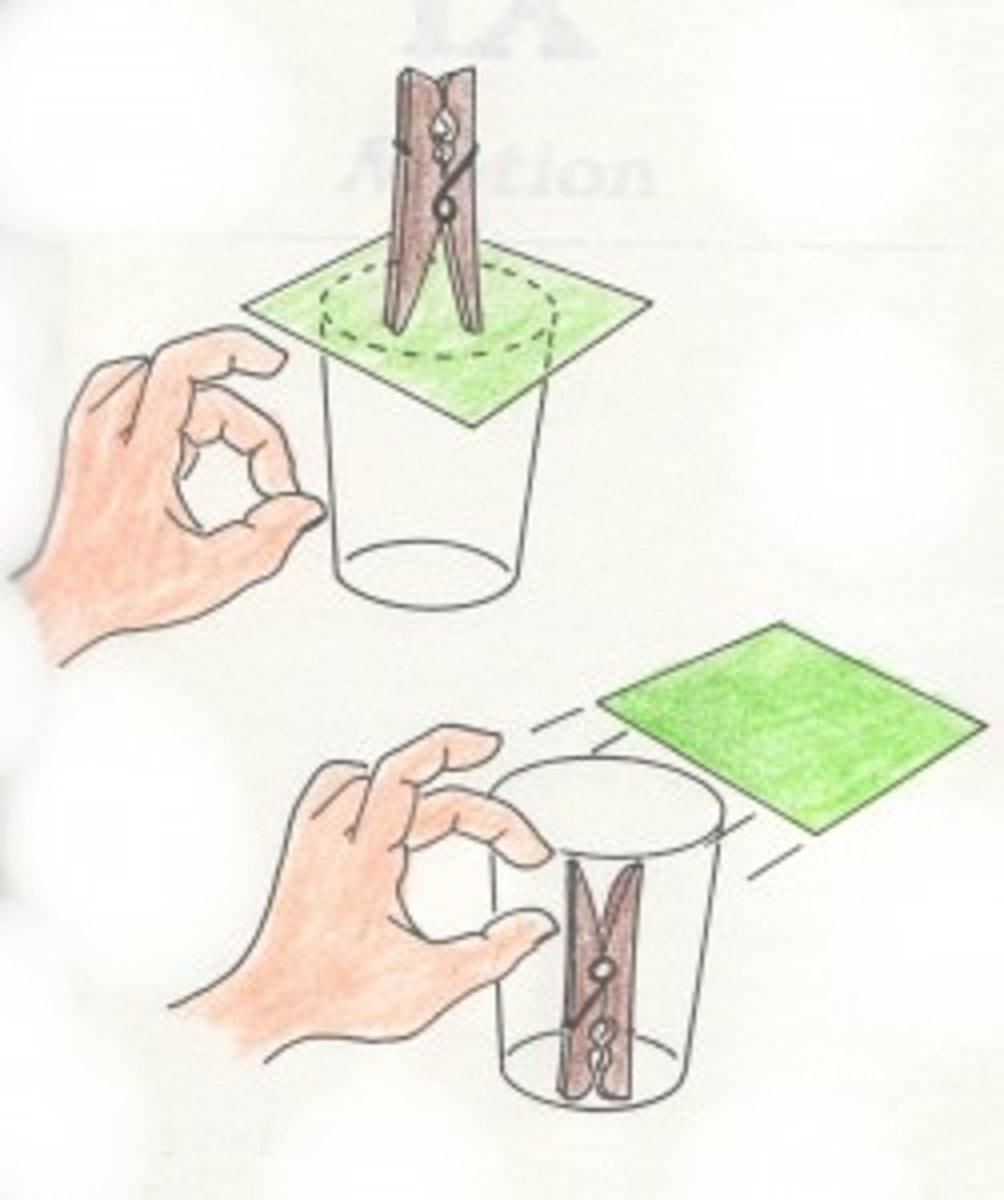
resistance to a change in motion; resistance to a force; directly proportional to mass. This is why we wear seatbelts in a car.
x-axis
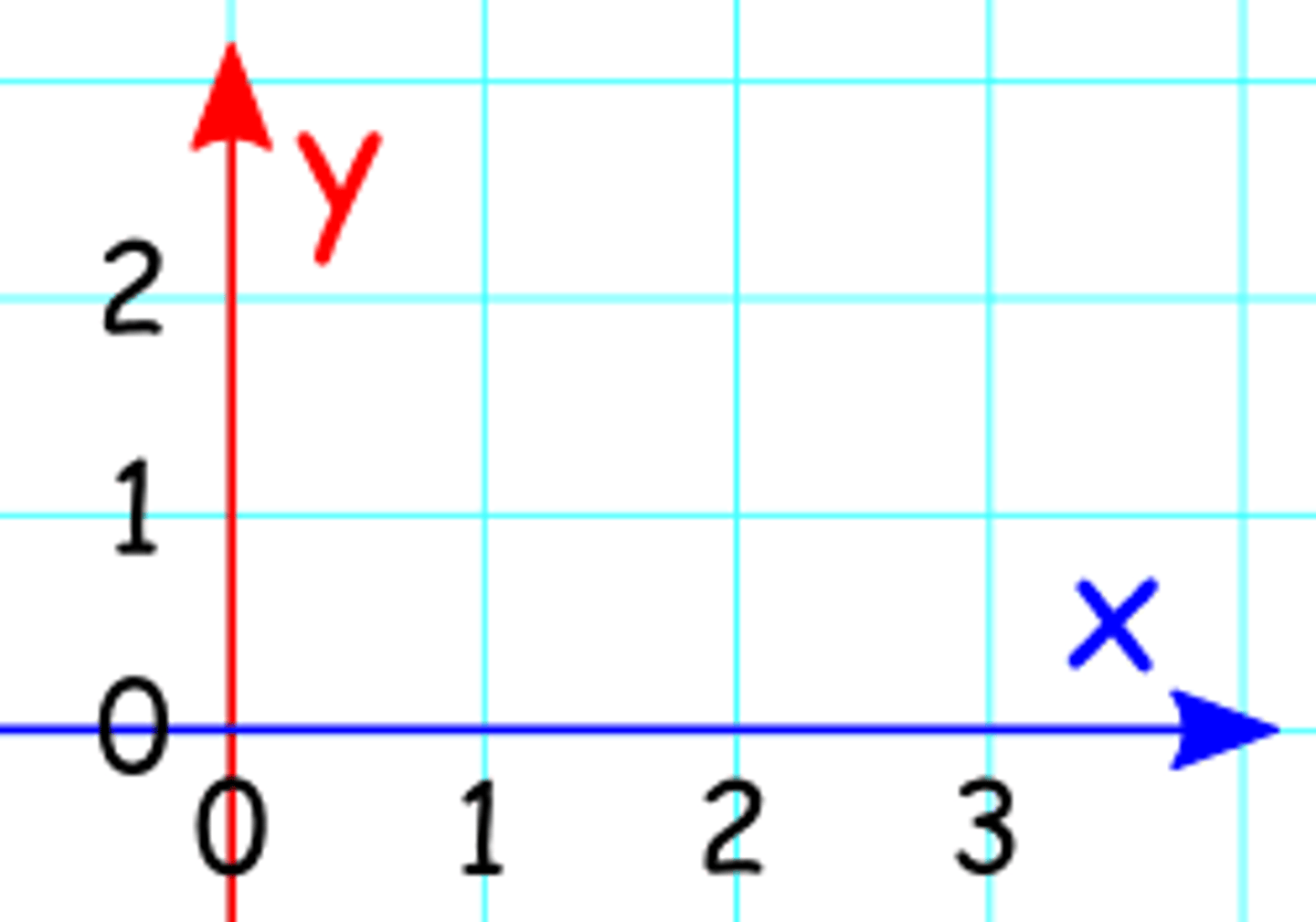
horizontal line on a graph
y-axis
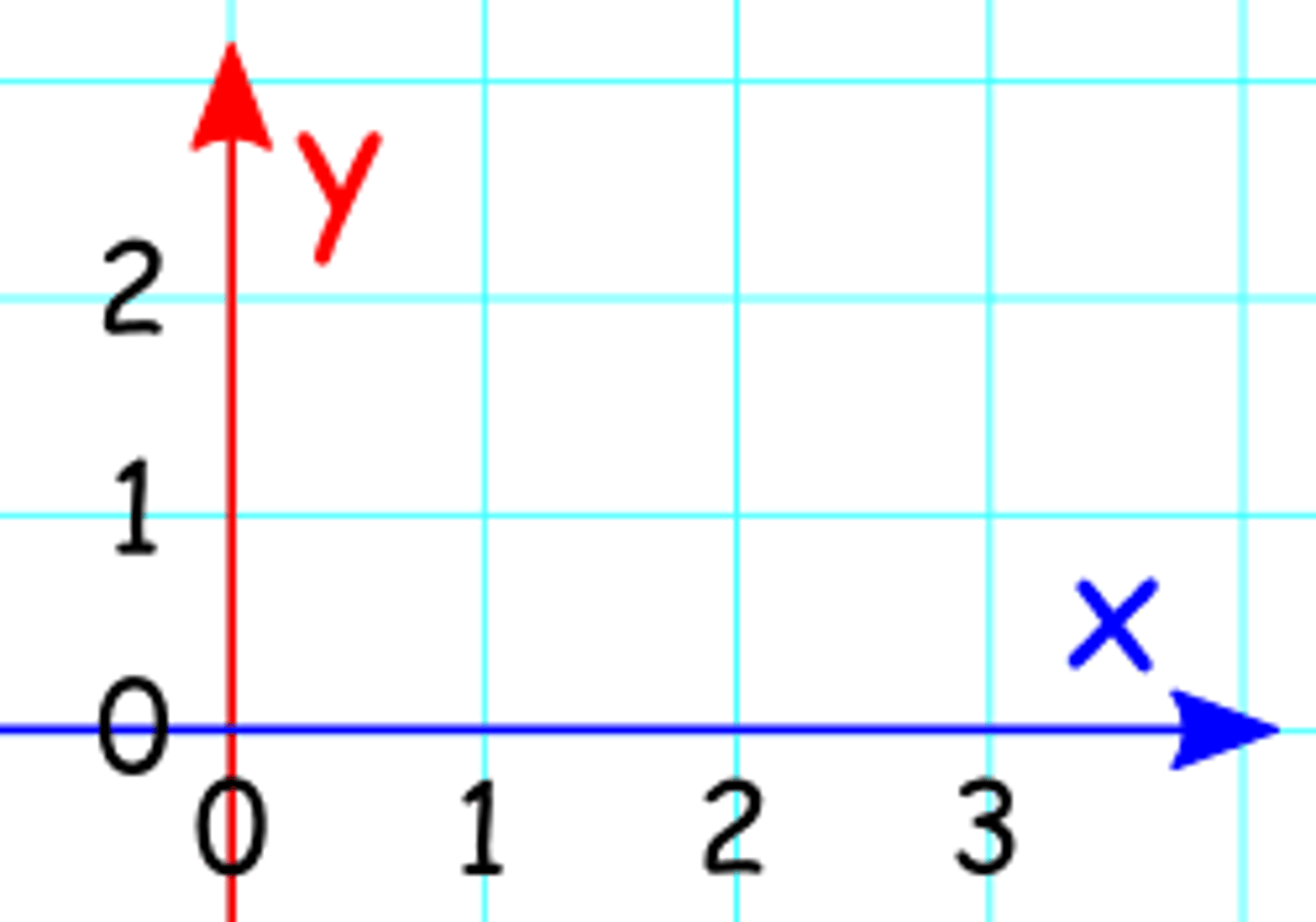
vertical line on a graph
increase
go up, more
decrease
goes down, less
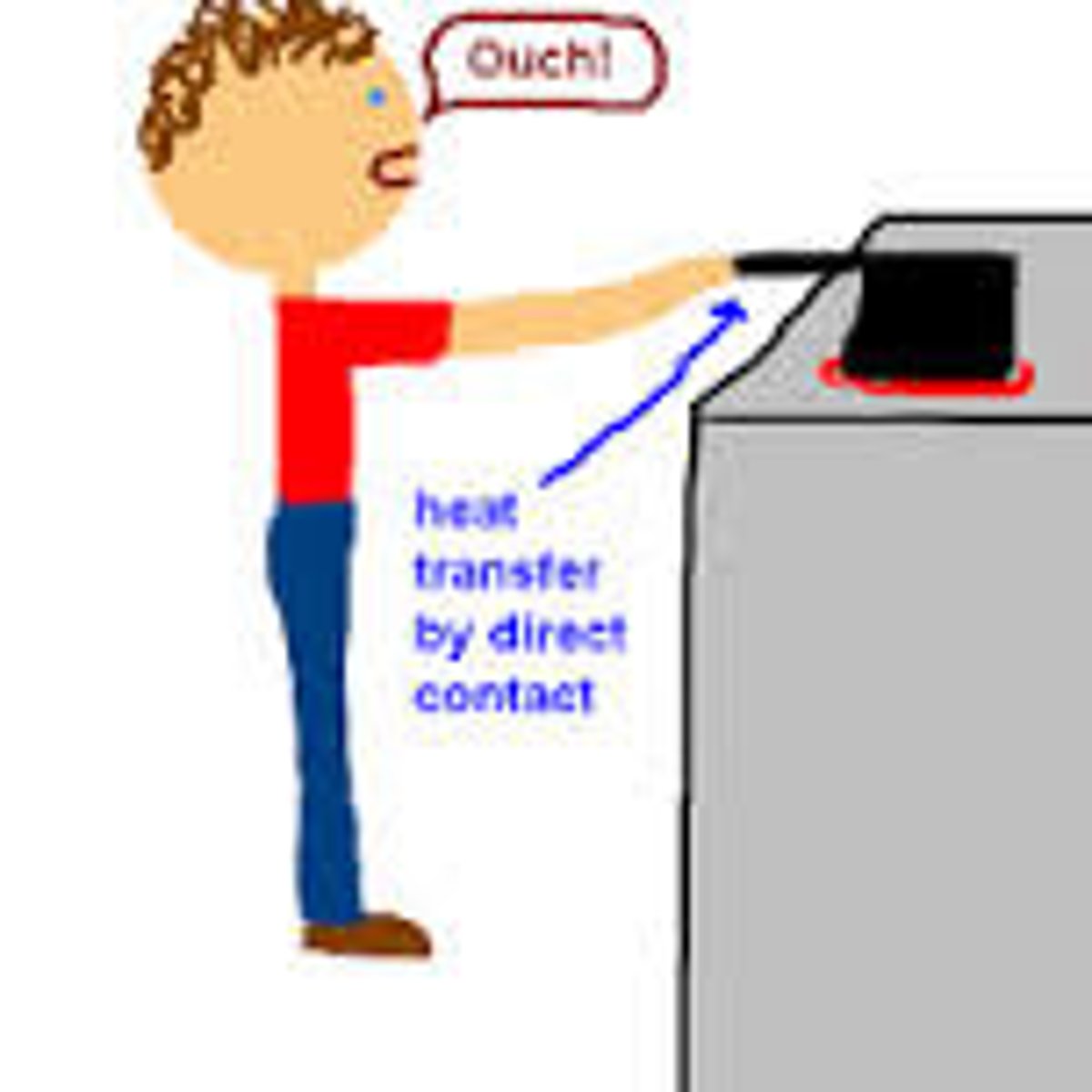
conduction
direct transfer of heat from one substance to another substance that it is touching. Example: burning your tongue on hot food, ice melting in your hand
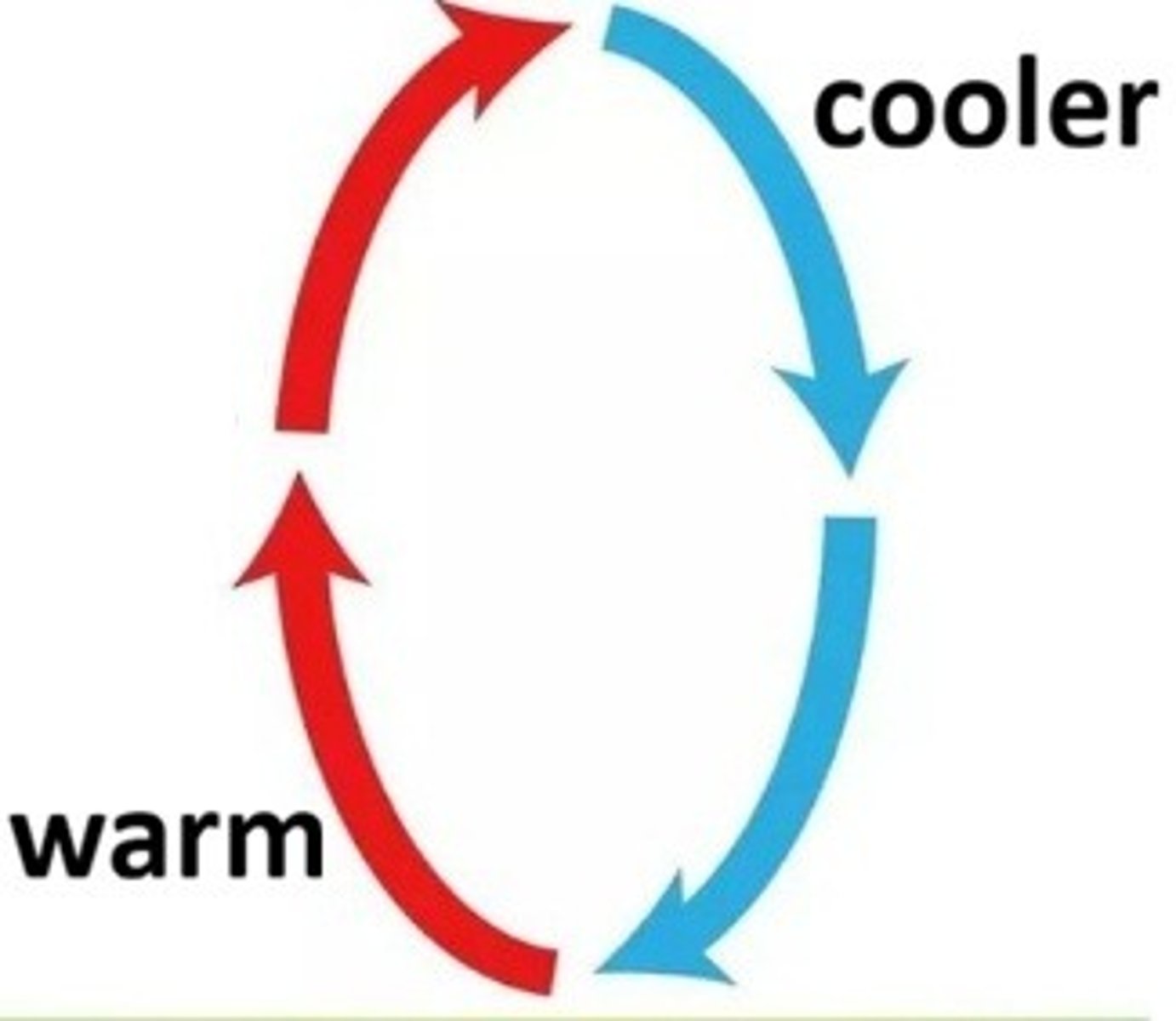
convection
heat rises. transfer of thermal energy by the circulation or movement of a liquid or gas. Examples: Ocean currents, heating vent, Earth's mantle
radiation
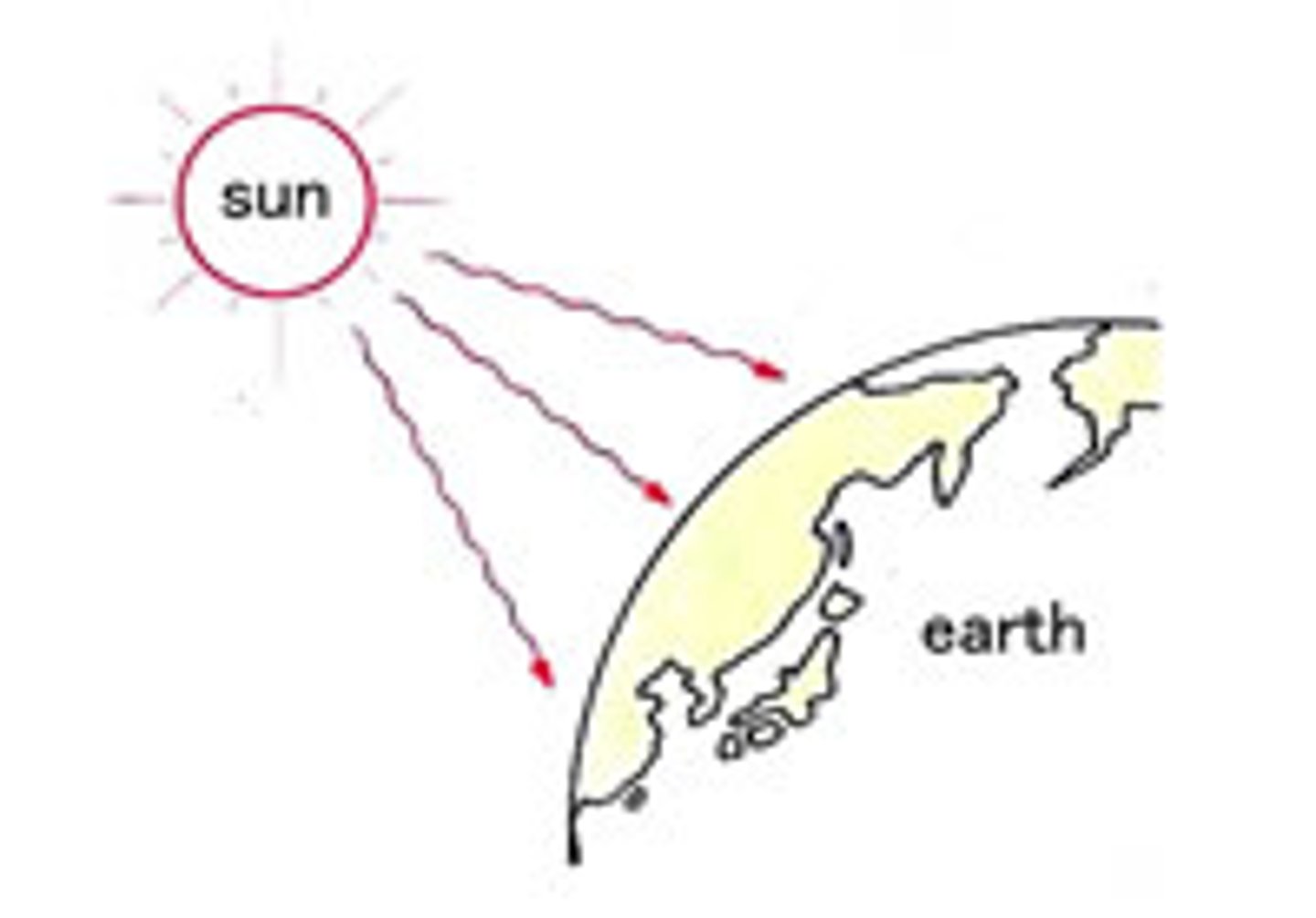
transfer of energy by electromagnetic waves. Examples: heat from the sun, or microwave oven
gravity
force that pulls objects toward each other, is an unbalanced force if it causes a change in velocity.

kinetic
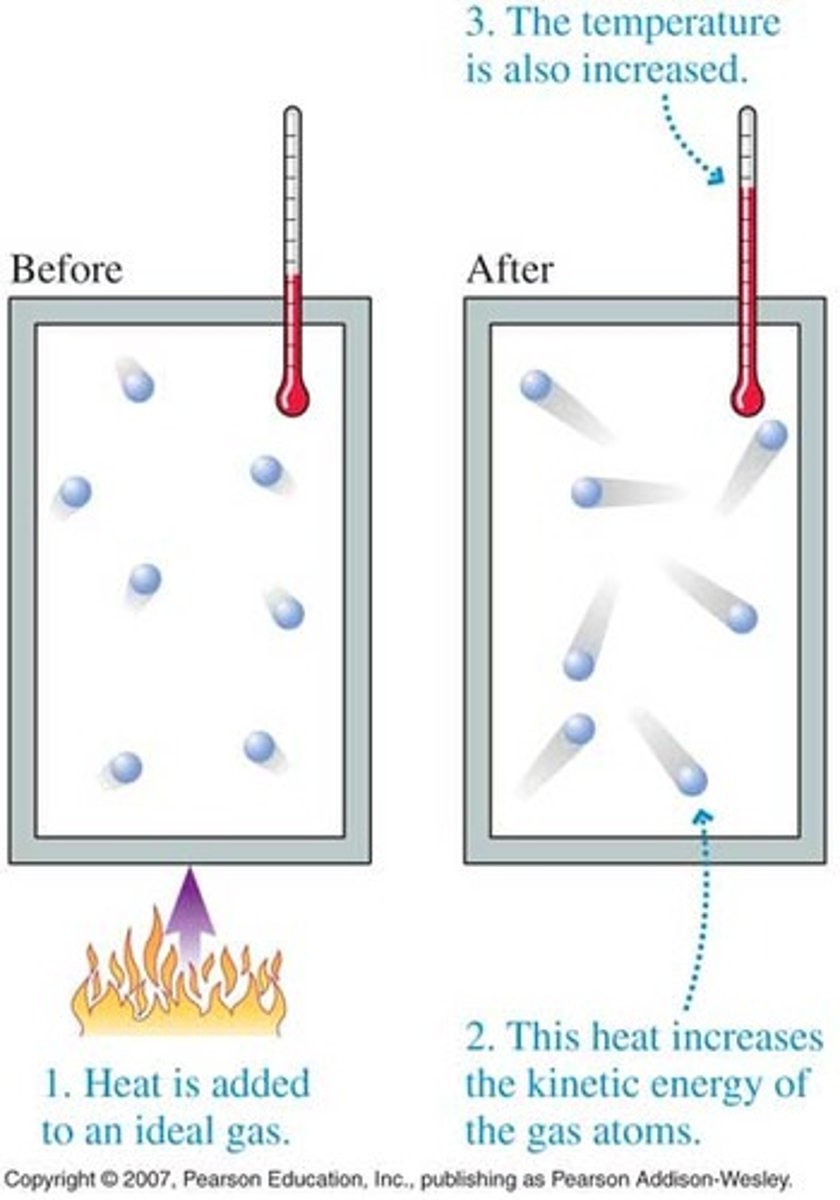
energy of motion; High temperatures have more. Low temperatures have less.
Isaac Newton
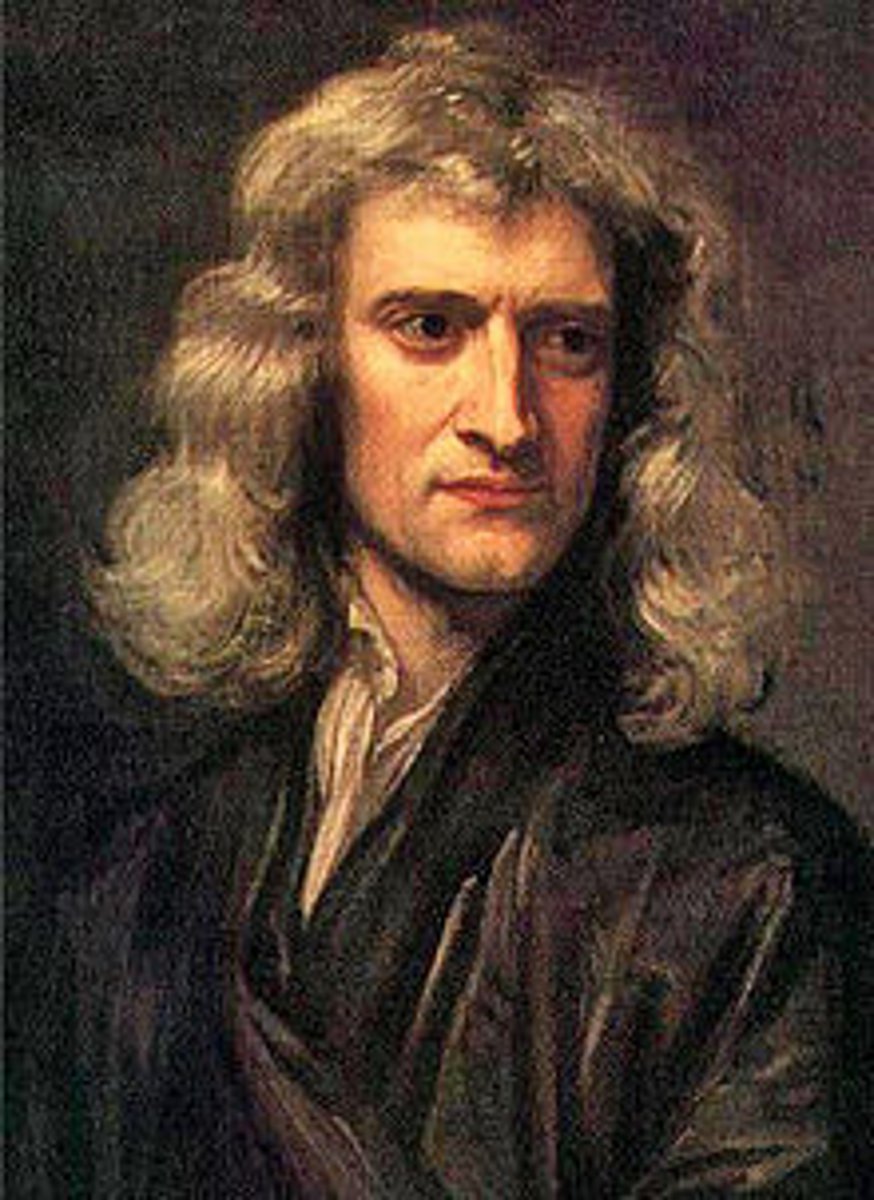
British scientist that developed the three laws of motion
3rd Law
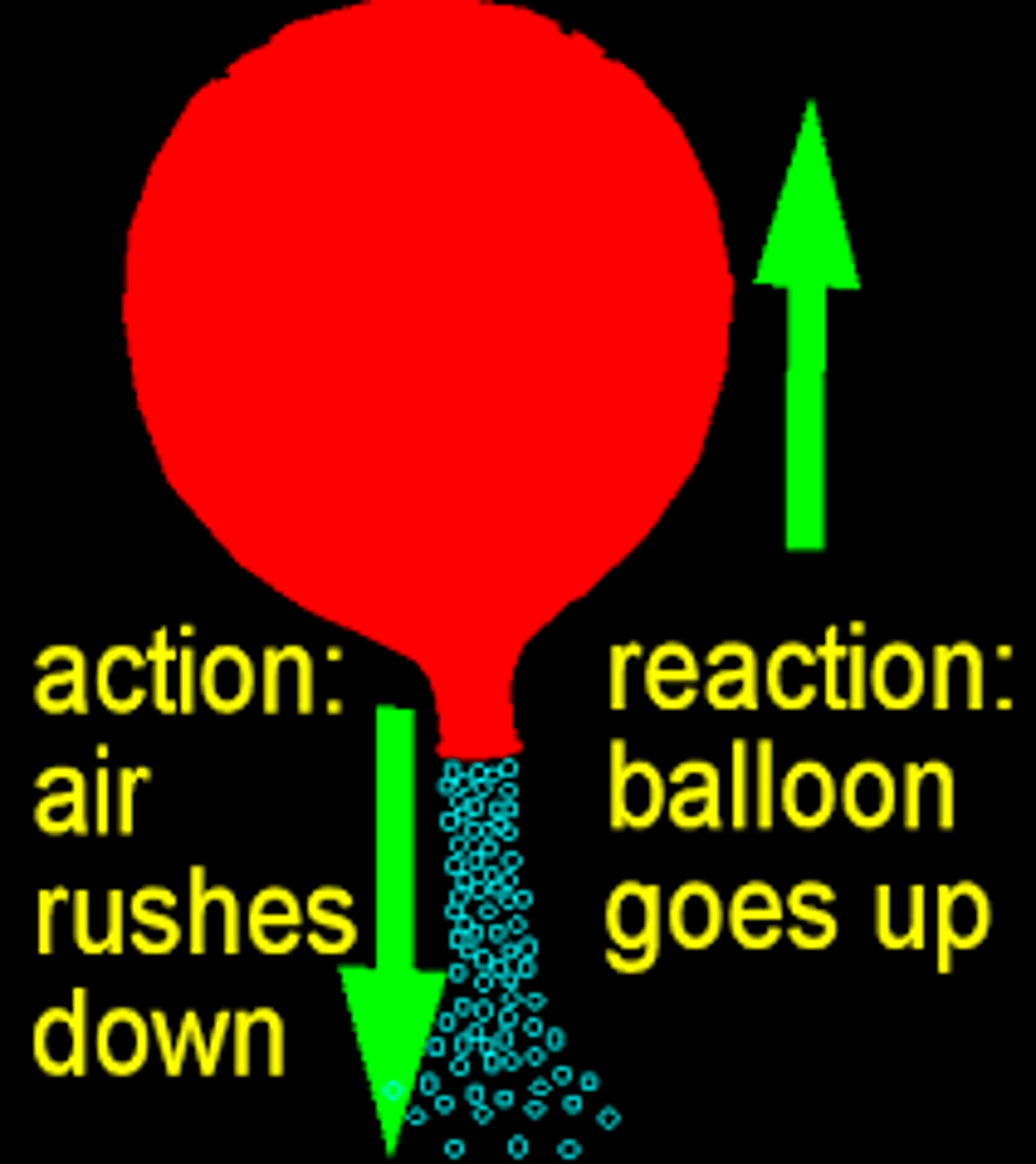
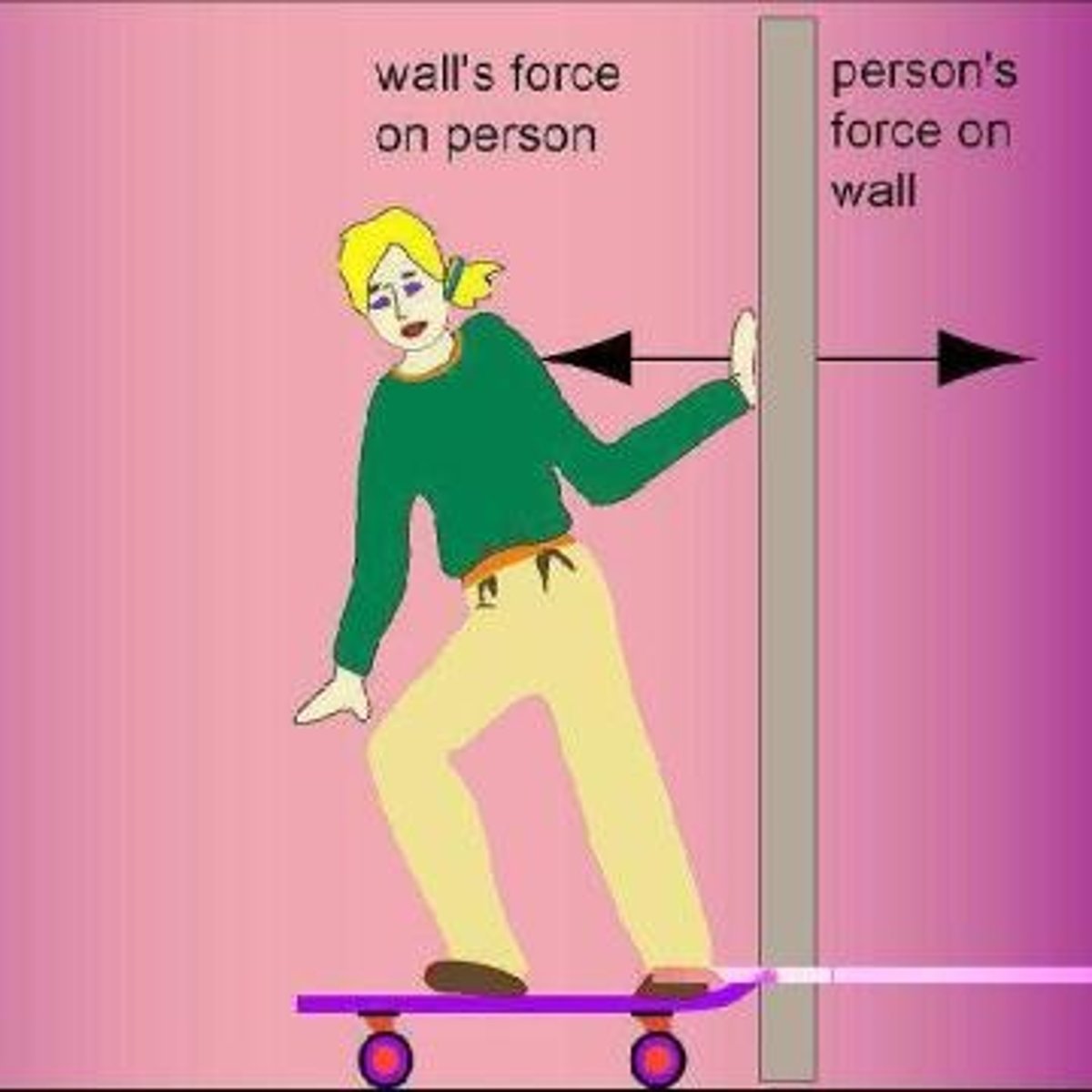
Newton's Law states for every action there is an equal and opposite reaction. Force pairs. Action reaction.
friction
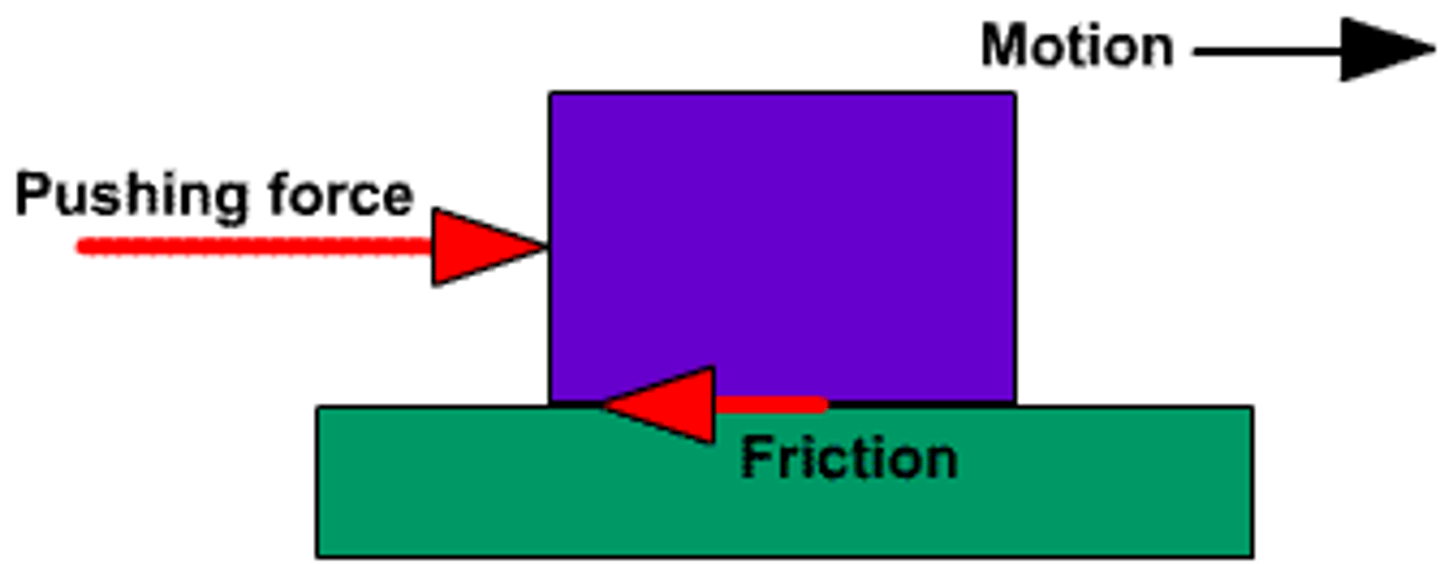
unbalanced force that opposes motion, slowing objects on a surface.
equal
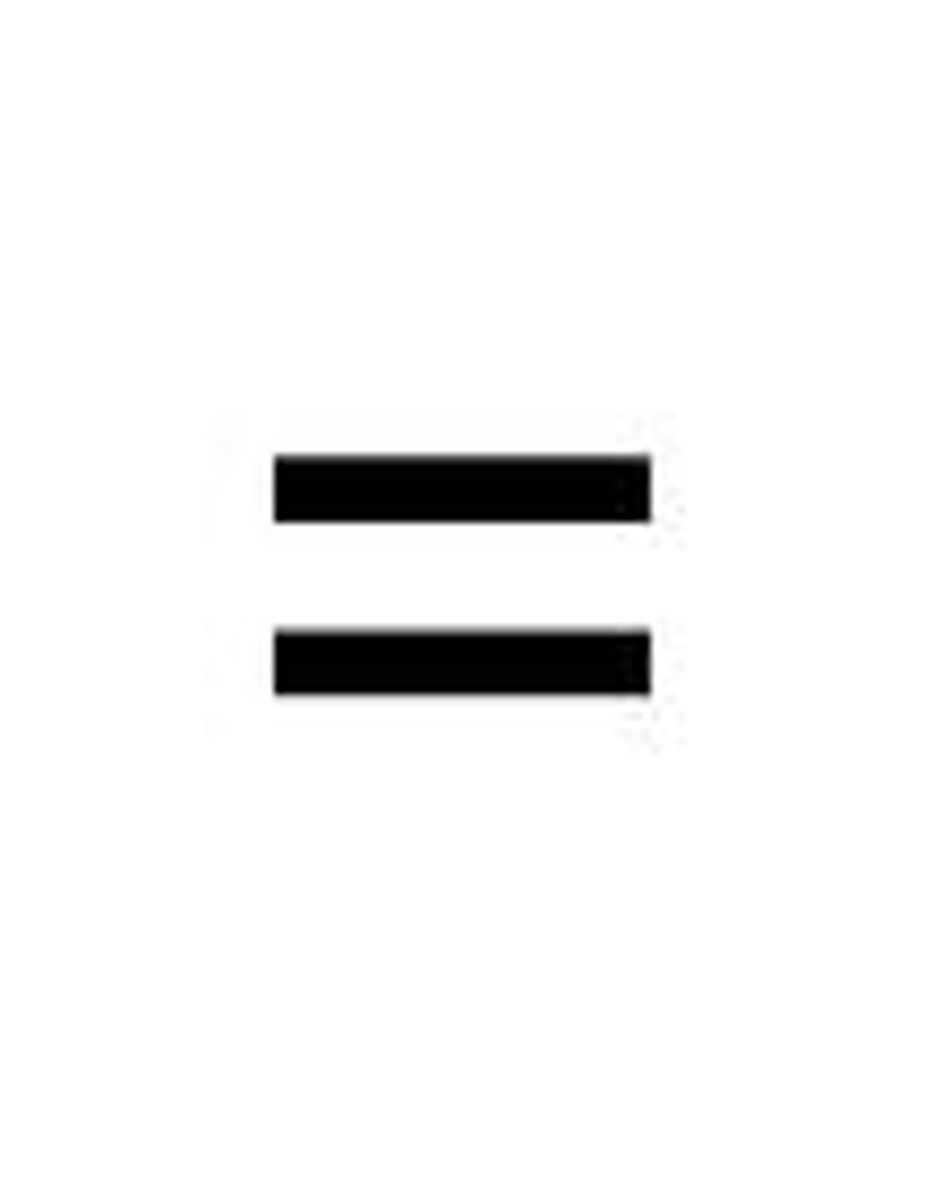
having the same value
opposite
acting or going in the reverse direction
force
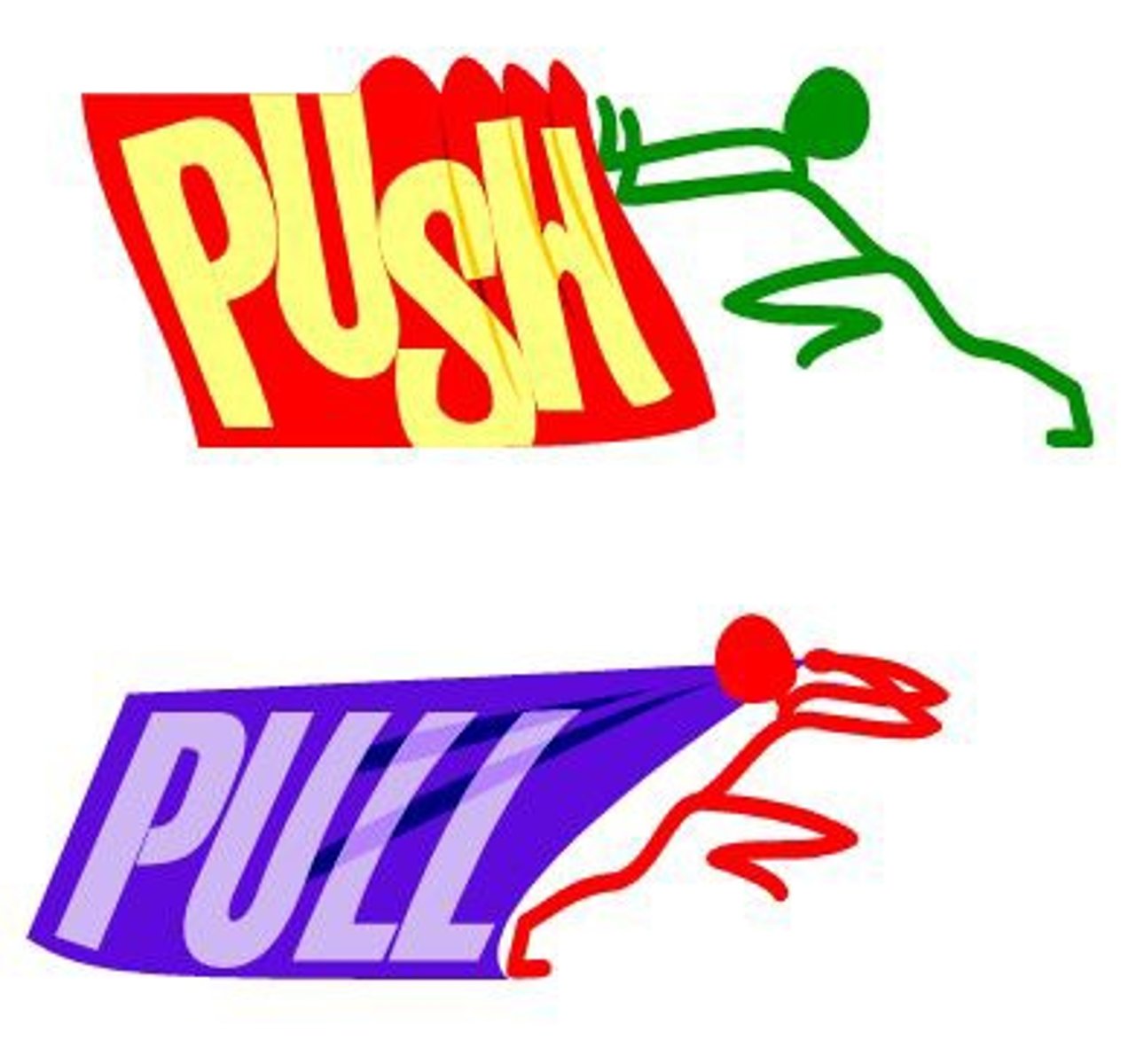
push or a pull
acceleration
change of speed and/or direction
mass
amount of "stuff", or matter, in something
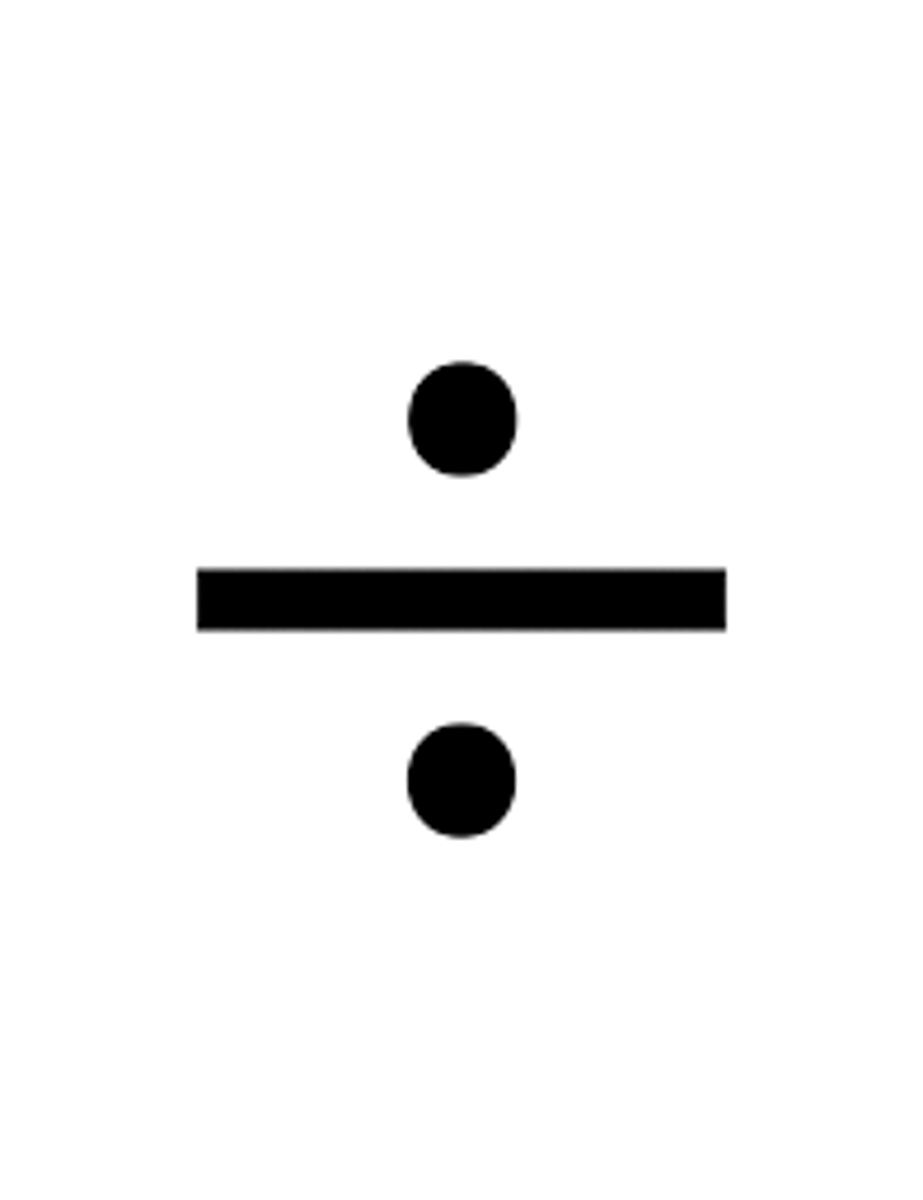
divide
math operation used to calculate speed, used to calculate acceleration