Paris Art History Quiz #2 Review
 Call Kai
 Learn
Learn Practice Test
 Spaced Repetition
 Match
Match Flashcards
 Knowt Play
1/26

There's no tags or description
Looks like no tags are added yet.
Name | Mastery | Learn | Test | Matching | Spaced | Call with Kai |
|---|
No analytics yet
Send a link to your students to track their progress
27 Terms
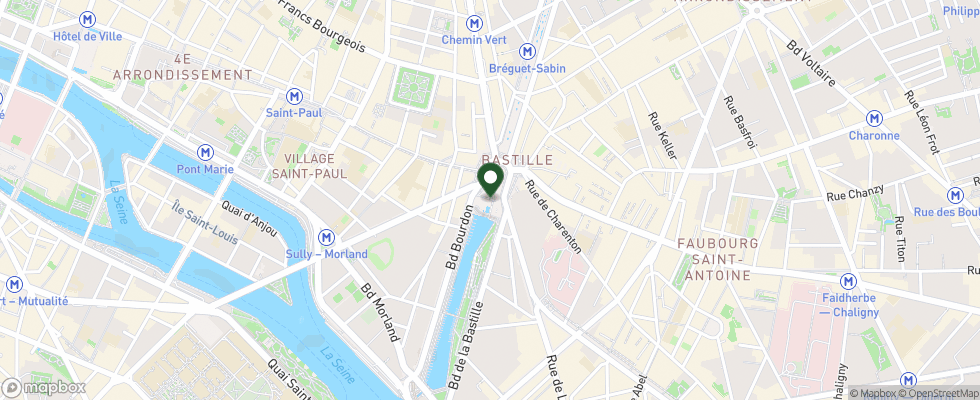
What was located here? What event happened here & when?
The Bastille, the storming of the Bastille happened here on July 14, 1789
During the Revolution where was the Guillotine installed?
The Guillotine was put in the modern day Place de la Concorde which was renamed the Place de Revolution during the Revolution, before that it was named the Place Louis XV
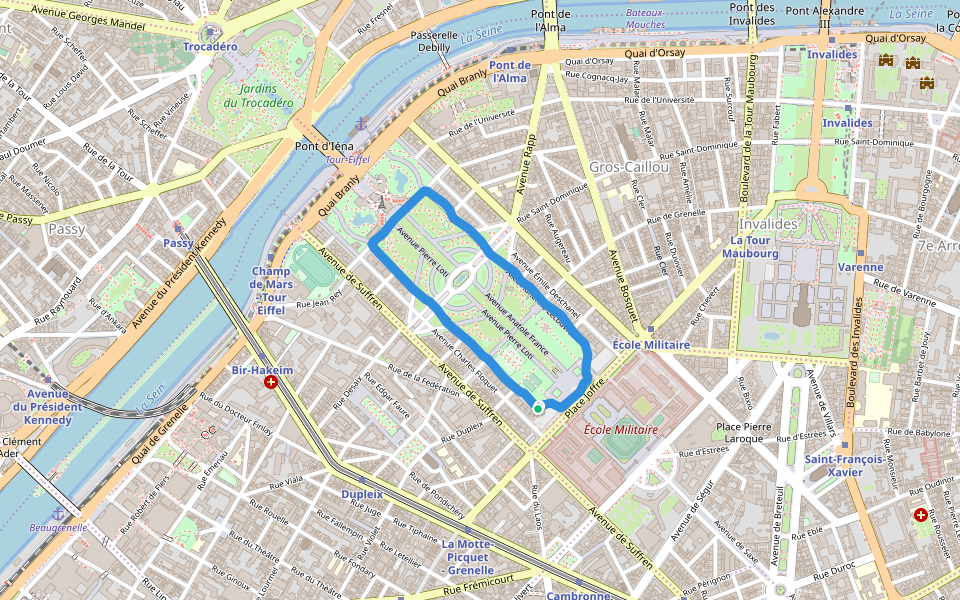
What is located here, what took place here and when?
The Festival to the Supreme Being in The Champ de Mars on June 8, 1794
Where did Camille Desmoulins cry “Aux Armes!”?
Camille Desmoulins cried “Aux Armes!” at the Palais Royal on July 12, 1789
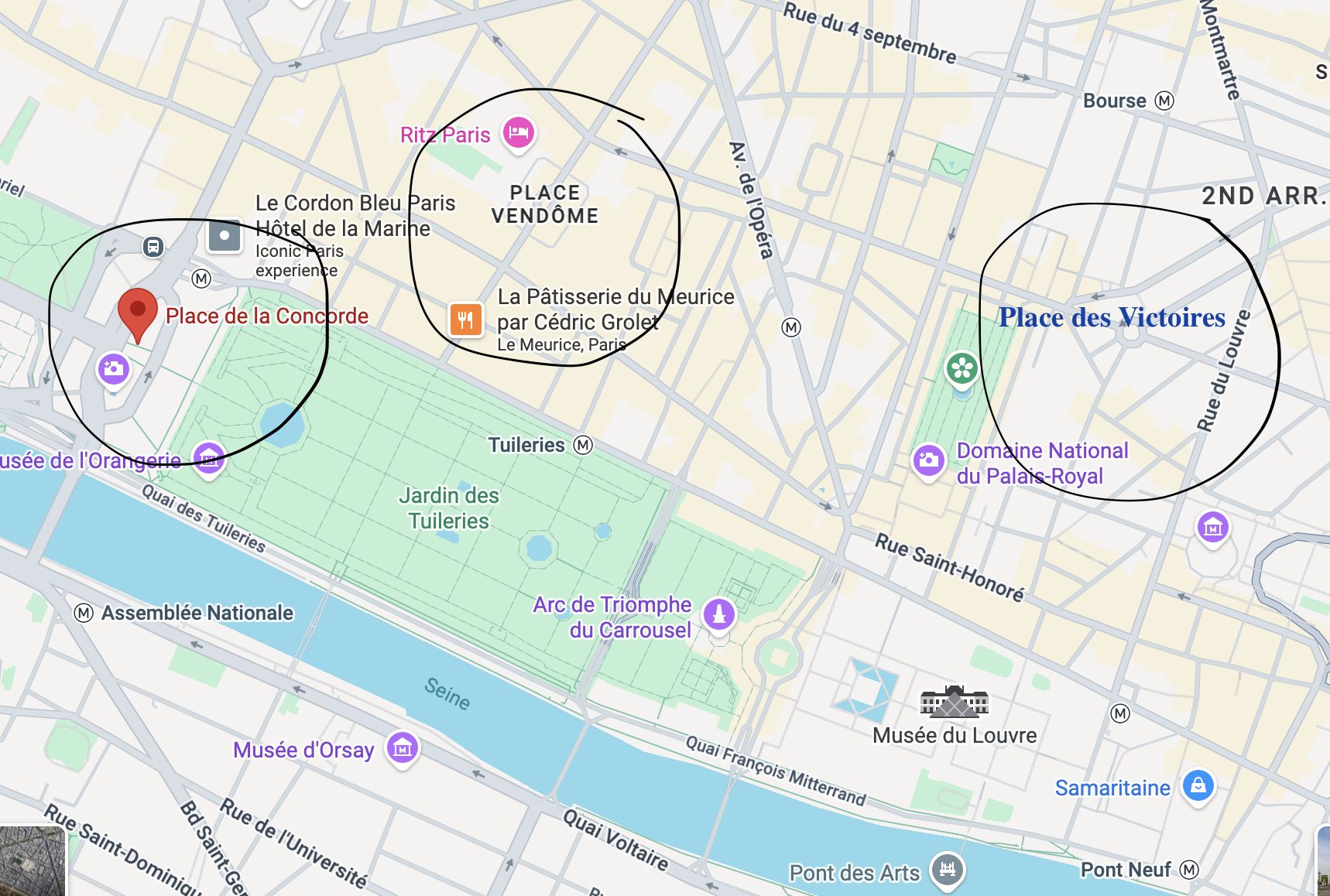
What three places are these where statues were destroyed during the Terror and when were they drestoryed
Place Vendome, statue of Louis XIV destroyed, Place des Victoires, another statue of Louis XIV destoryed, and the Place de la Concorde, statue of Louis XV destroyed, all in 1792
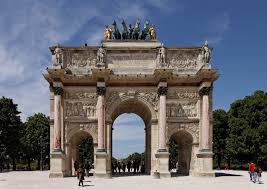
Q2, P1
Arc du Carrousel, 1806, inspired by Arch of Septimius Severus, Triumphal arch celebrating Napoleon’s victories, decorated with spoils of war
Horses of San Marco in Venice
spoils of war taken from St. Mark's Basilica in Venice by Napoleon, direct comparison to ancient Rome showing Napoleon as a conquering emperor
Q2, P2
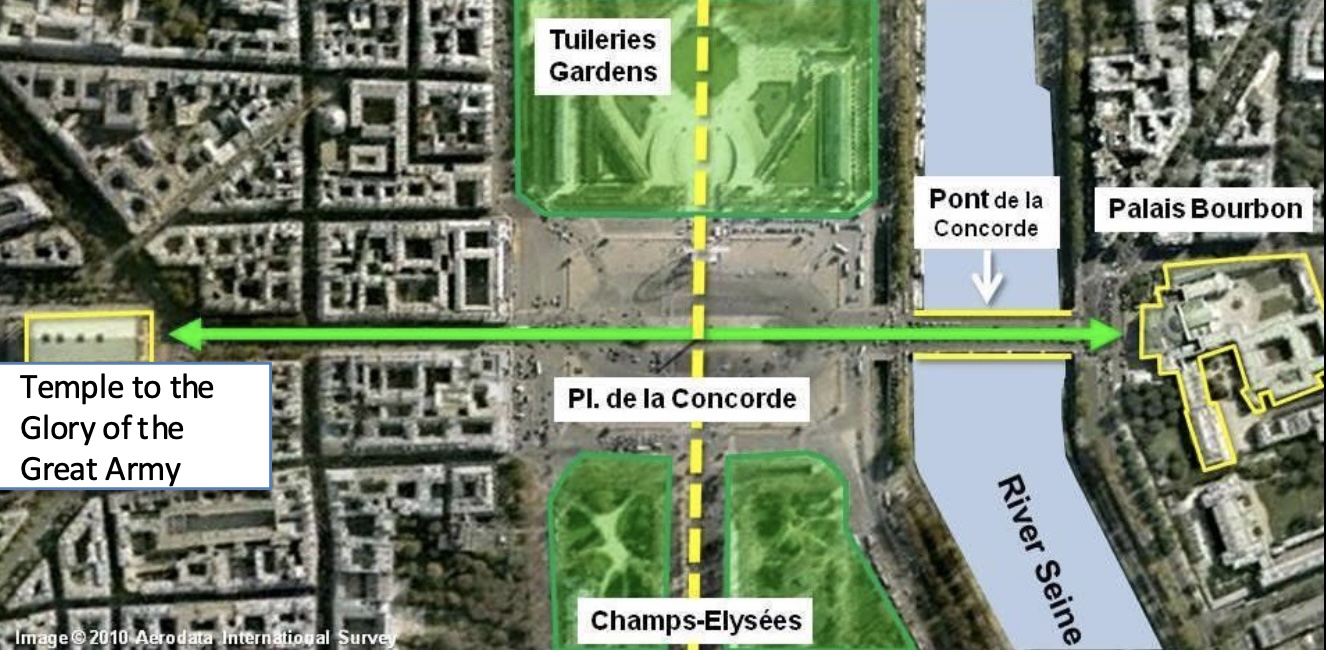
Napoleonic Axis: line of monuments that visually and symbolically unite Paris under Napoleon’s power, creates a order, control, and imperial grandeur
Q3, P1
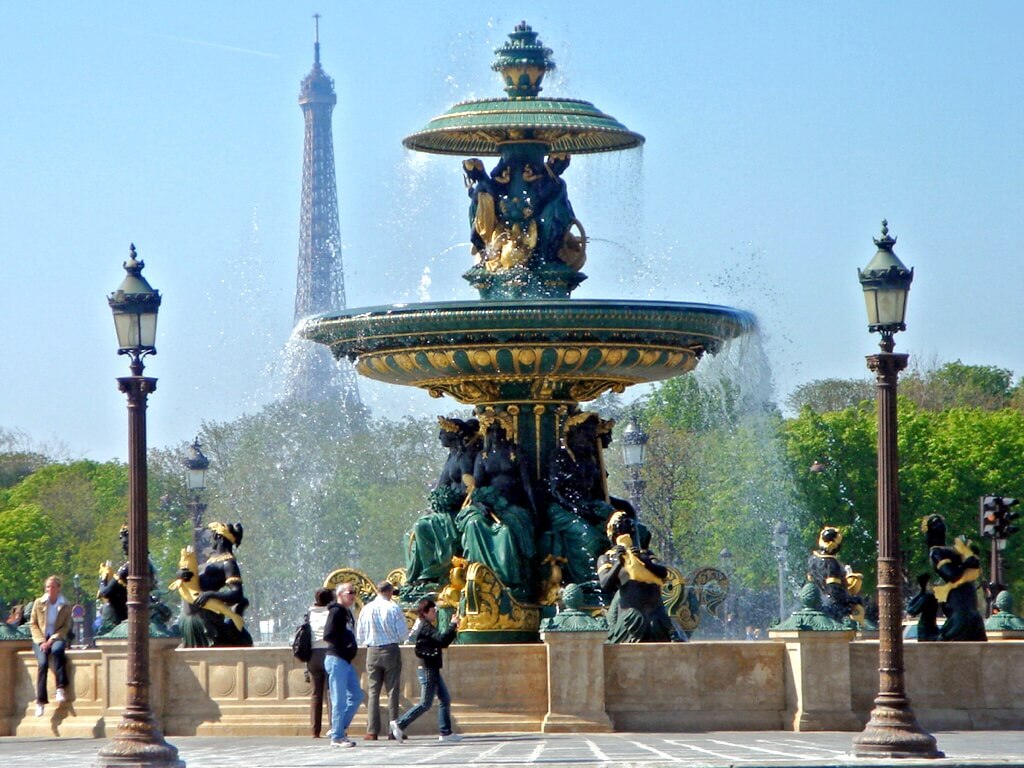
Jacques Hitorff, 1840, Fountains in the Place de la Concorde, decorative fountains added to the square that add movement and visual richness
Q3, P2
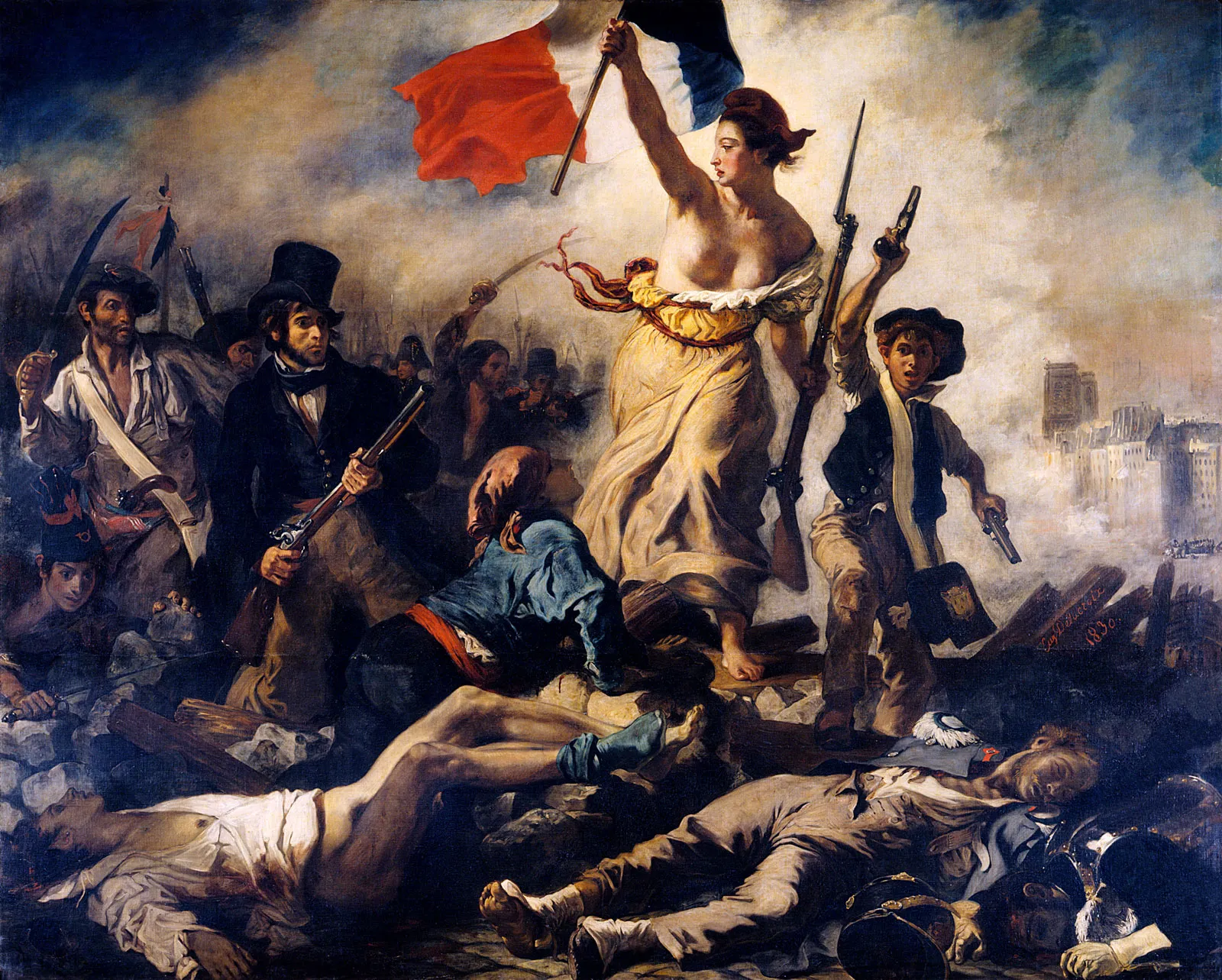
Eugene Delacroix, Liberty Leading The People, 1830, Shows 1830 revolution, emotion, chaos, violence, liberty is both a real woman and a symbol, reflects political instability
Q3, P3
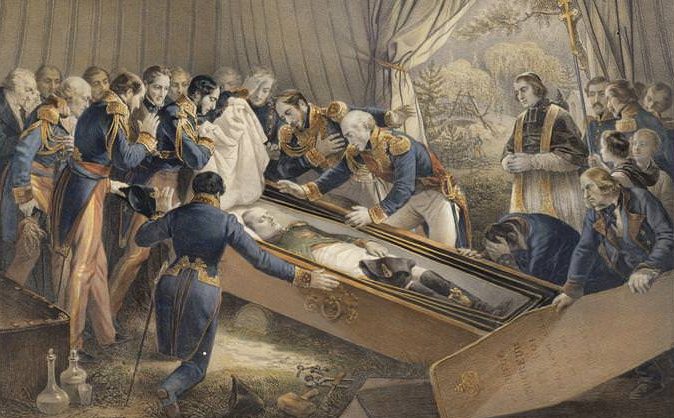
Exhumation of Napoleon, return of Napoleon’s body to Paris, emotional national event, creates myth and nostalgia
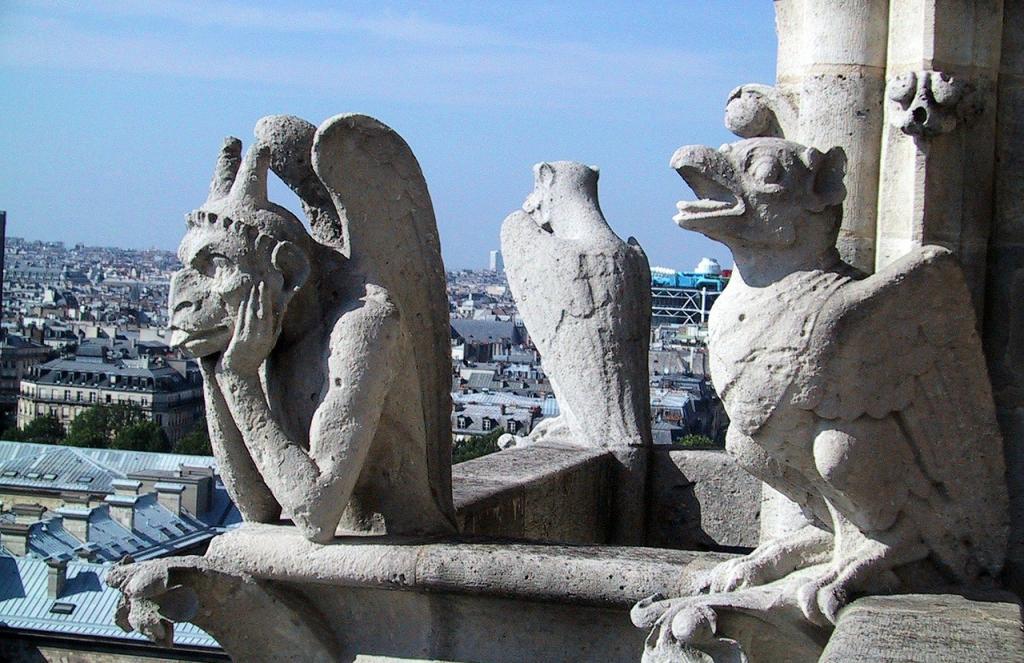
Q3, P4
Viollet le Duc, Gargoyles at Notre Dame, 1844, Medieval style grotesque figures added during restoration but are actually Romanticism, show imagination, fantasy, and the romantic fascination with the past
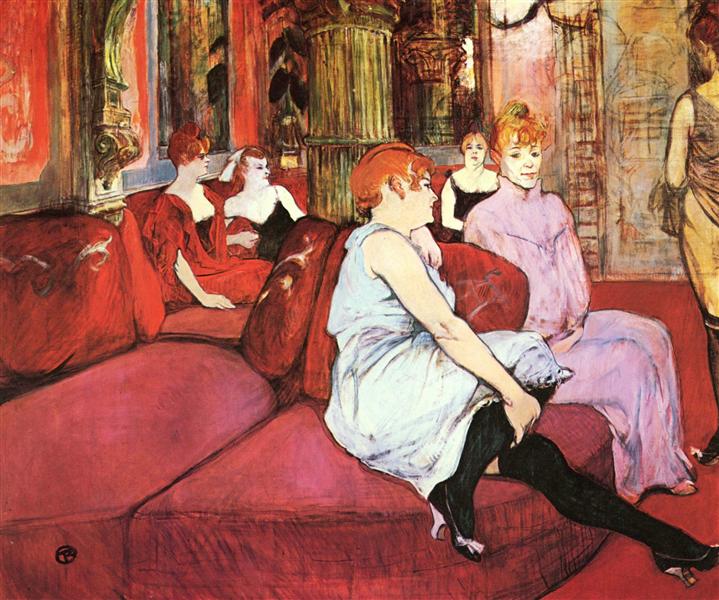
Q5, P1
Henri de Toulouse Lautrec, Salon of the Rue des Moulins, 1894
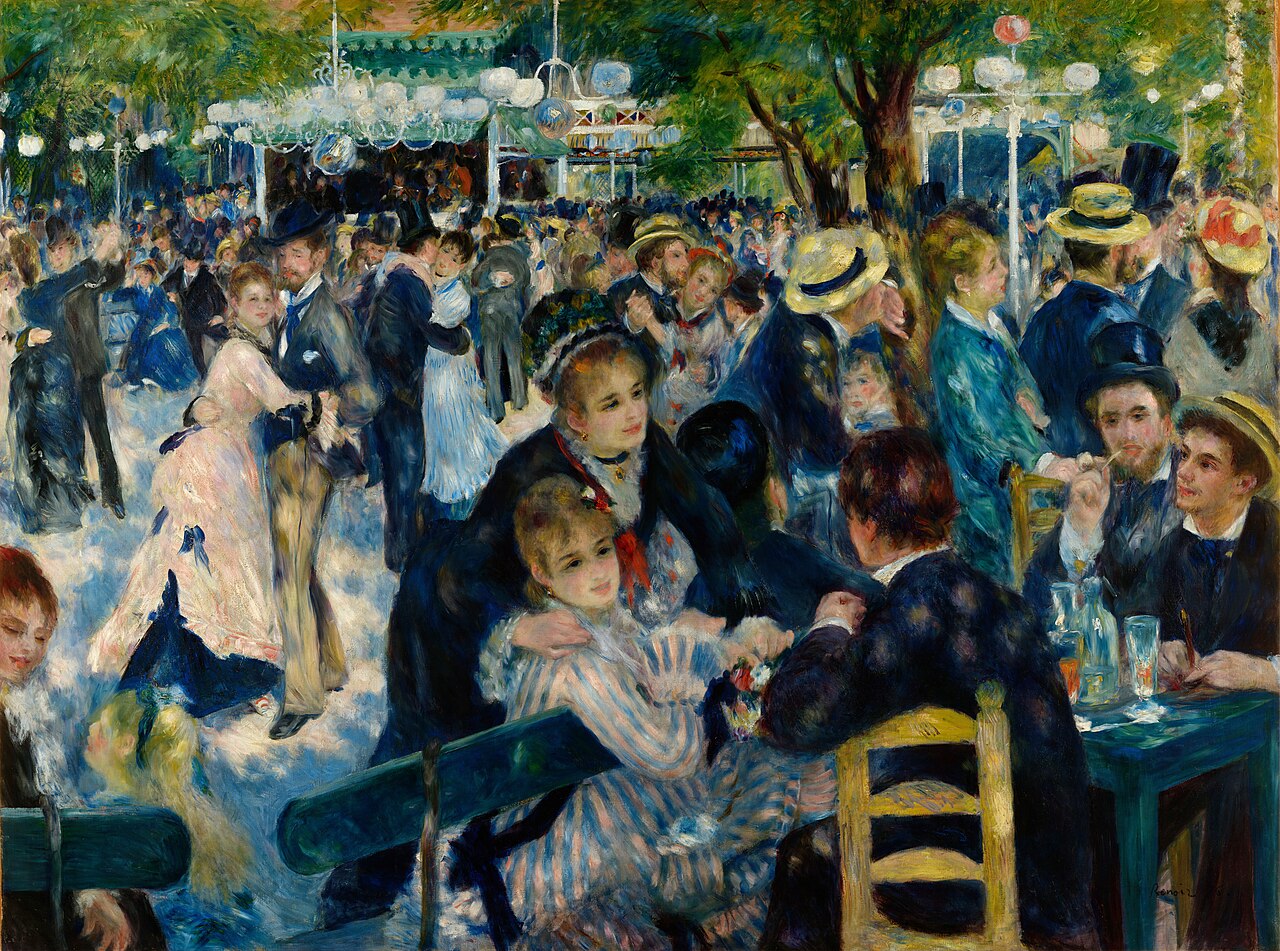
Q5, P2
Auguste Renoir, Dance at the Moulin de la Galette, 1876
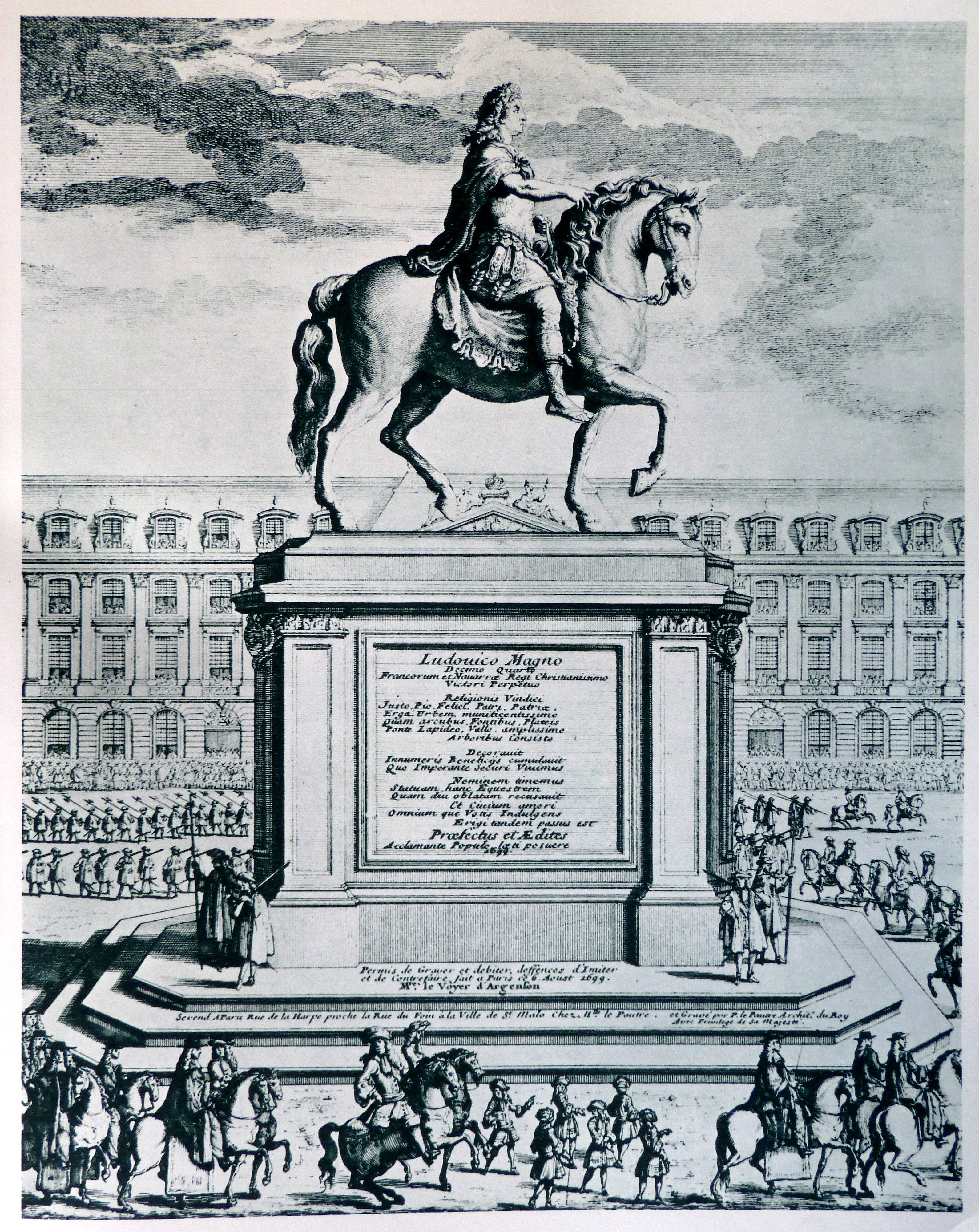
Q6, P1
Louis XIV, 1699, to glorify the king as an absolute monarch, shows royal power in Paris
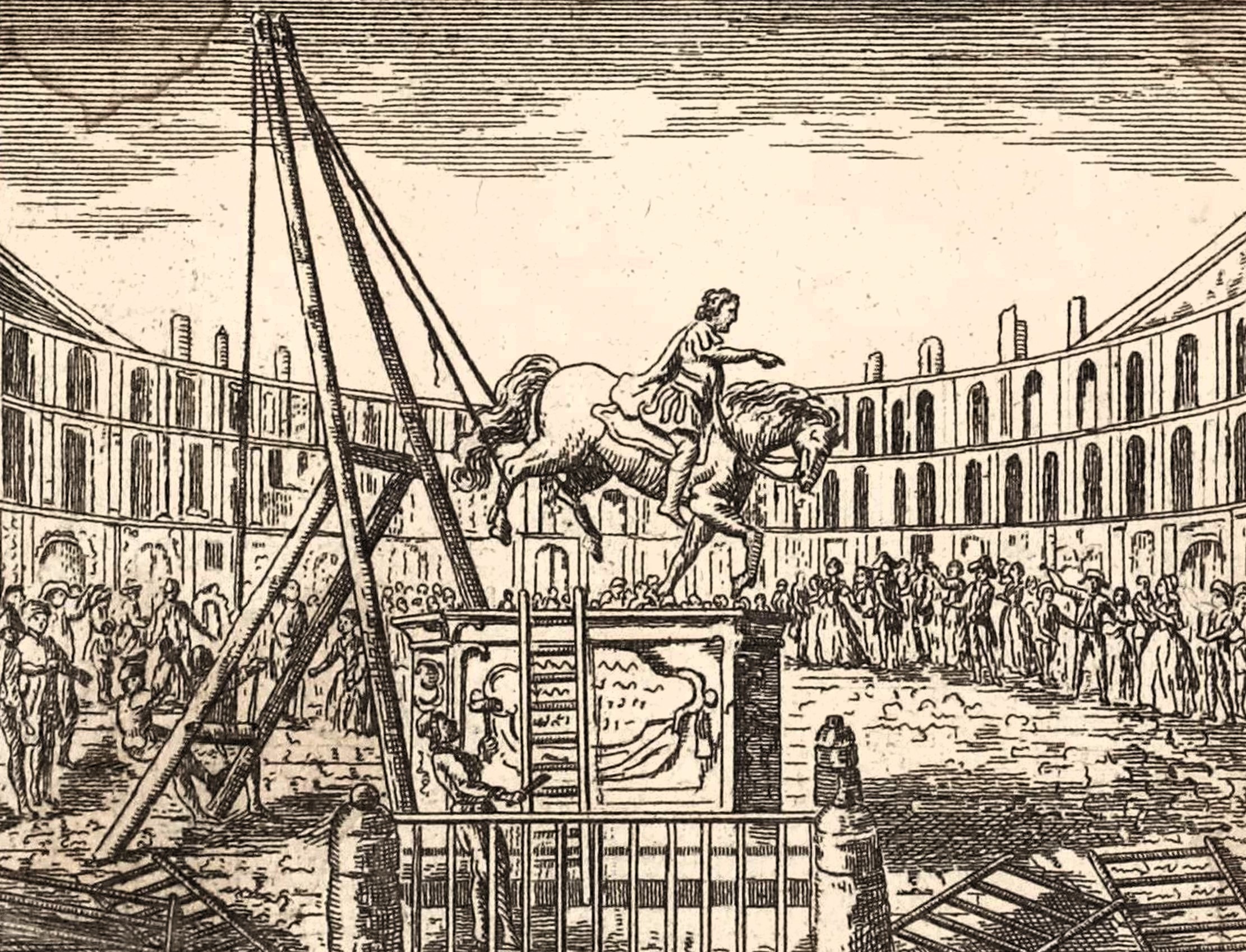
Q6, P2
Destroyed in the Terror, 1792, revolutionaries reject monarchy, seen as a symbol of tyranny and oppression
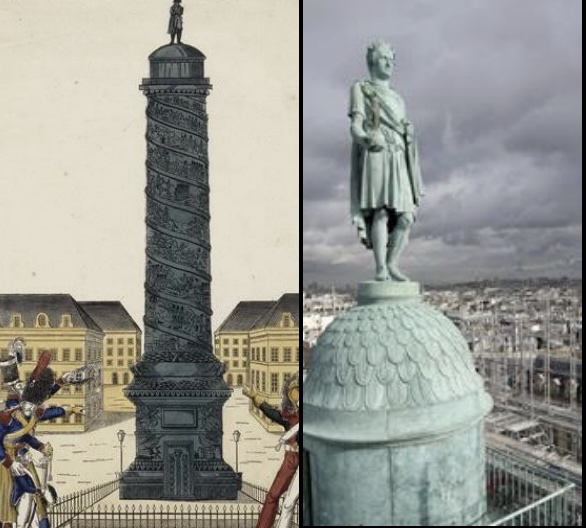
Q6, P3
Napoleon, 1810 (Vendome Column), celebrates military victories (especially Austerlitz), shows power through conquest
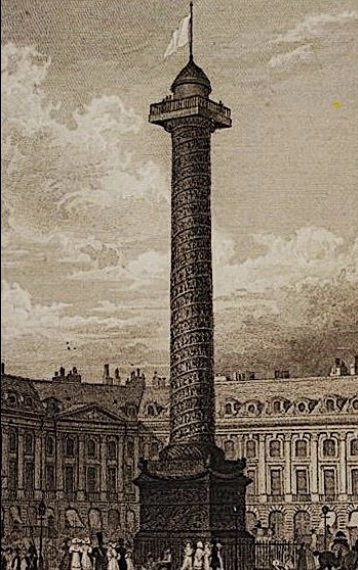
Q6, P4
Bourbon Restoration, 1814, return to monarchy after Napoleon’s fall, restore kingship
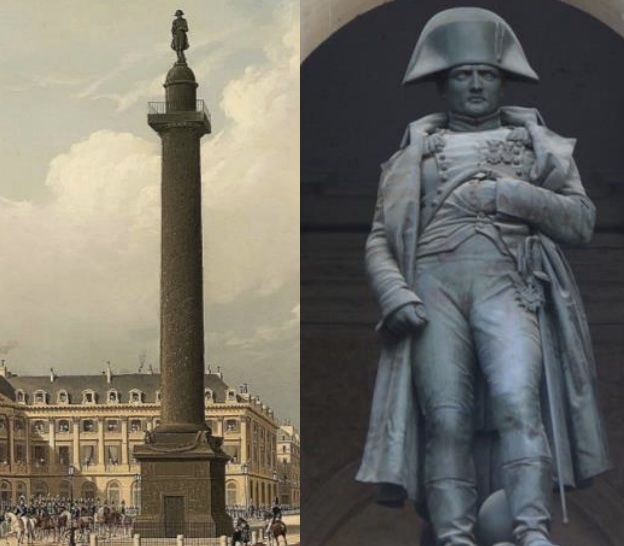
Q6, P5
Louis Philippe, July Monarchy, 1833, maintain power by compromise to balance past regimes, appeals to both revolutionaries (who admired Napoleon) and conservatives (who feared revolution), uses Napoleon as a unifying national symbol
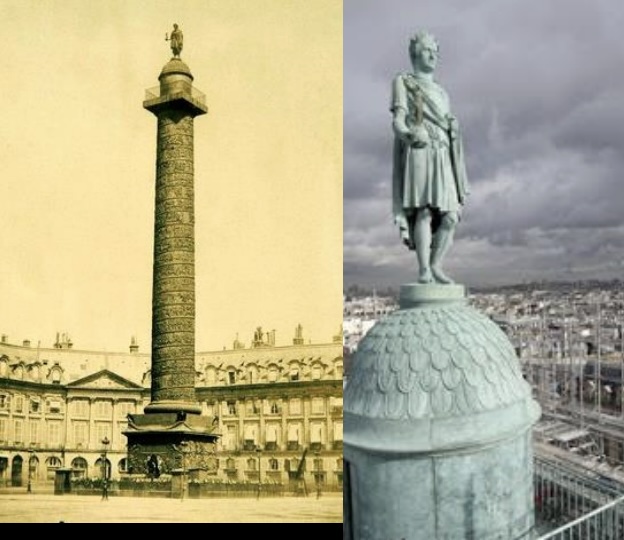
Q6, P6
Napoleon III (2nd Empire), 1863, legitimizes his rule by linking him to Napoleon I, shows continuity of empire and strong leadership
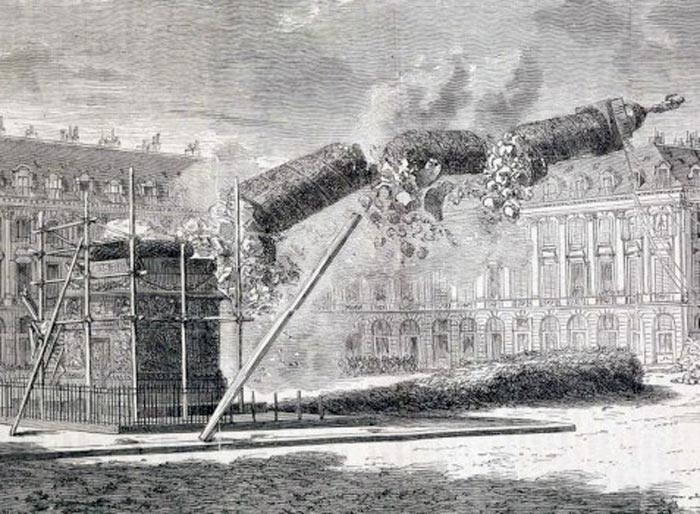
Q6, P7
The Commune, 1871, seen as a symbol of militarism and imperial oppression, commune rejects war, empire, and authoritarian rule
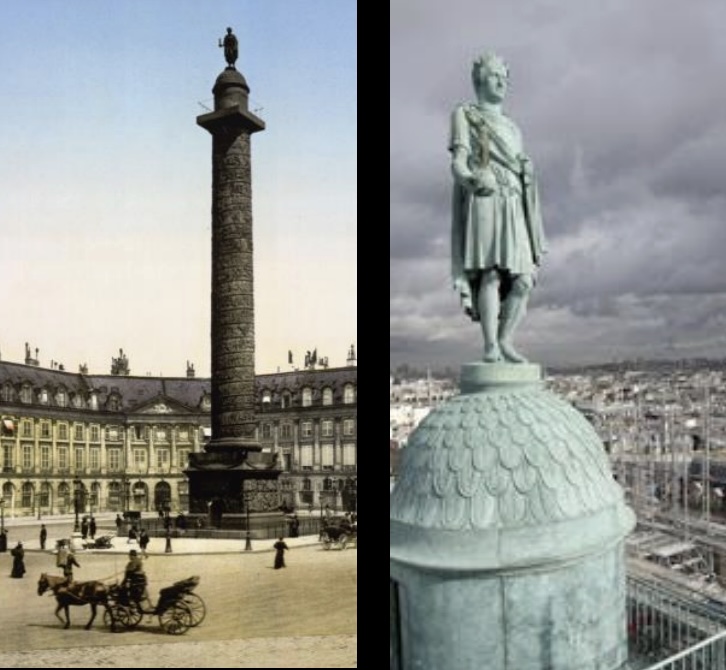
Q6, P8
Third Republic, 1874, restores national pride and stability after the Commune
Percements
Large piercings through the city (wide boulevards) that open up space, improve movement, and allow control
Networks (Reseaux)
Connected system of streets, infrastructure, and services that makes Paris more integrated and efficient
Haussman Housing
New apartment buildings along boulevards, improved living for some, but displaced poorer residents
2nd Empire
Reign of Napoleon III (1852-1870), period of modernization and strong central control
Annexation of the Suburbs
Expansion of Paris to include surrounding areas, makes city larger but disrupts existing communities