AP Psychology Review 2025
 Call Kai
 Learn
Learn Practice Test
 Spaced Repetition
 Match
Match Flashcards
 Knowt Play
1/758

There's no tags or description
Looks like no tags are added yet.
Name | Mastery | Learn | Test | Matching | Spaced | Call with Kai |
|---|
No analytics yet
Send a link to your students to track their progress
759 Terms
Chronological development
A method of organization that describes events in the order in which they occurred
Continuous development
view that development is a cumulative process: gradually improving on existing skills
Menopause
the time of natural cessation of menstruation; also refers to the biological changes a woman experiences as her ability to reproduce declines
Phonemes
in language, the smallest distinctive sound unit
Exosystem
social settings that a person may not experience firsthand but that still influence development
Anxious attachment
attachments marked by anxiety or ambivalence. an insecure attachment style
Initiative v. guilt
3rd stage in Erikson's model; preschoolers must learn to start and direct creative tasks, or they may feel guilty about asserting themselves
Integrity v. despair
8th stage in Erikson's model; when reflecting at the end of life, an older adult must feel a sense of satisfaction or experience despair (feelings of having wasted one's life)
Occupational identity
Occupations that we engage in define who we are
Scalloped graph
The graphed pattern of a fixed interval reinforcement schedule
Insight learning
The process of learning how to solve a problem or do something new by applying what is already known
storage
the retention of encoded information over time
Automatic processing
unconscious encoding of incidental information, such as space, time, and frequency, and of well-learned information, such as word meanings
memory retention
ability to recall information
Autobiographical memory
the memory for events and facts related to one's personal life story
Retroactive interference
the disruptive effect of new learning on the recall of old information
Imagination inflation
a memory phenomenon in which vividly imagining an event markedly increases confidence that the event actually occurred
g (general intelligence)
hypothetical factor that accounts for overall differences in intellect among people
Chronological age
Age as measured in years from date of birth
Fixed mindset
the idea that we have a set amount of an ability that cannot change
family studies
researchers assess hereditary influence by examining blood relatives to see how much they resemble one another on a specific trait
reuptake
a neurotransmitter's reabsorption by the sending neuron
Serotonin
Affects mood, hunger, sleep and arousal. Undersupply linked to depression.
Substance P
A neurotransmitter that is involved in the transmission of pain messages to the brain.
Hormones
chemical messengers that are manufactured by the endocrine glands, travel through the bloodstream, and affect other tissues
Cocaine
a powerful and addictive stimulant, derived from the coca plant, producing temporarily increased alertness and euphoria
Marijuana
a drug, often smoked, whose effects include euphoria, impairment of judgment and concentration and occasionally hallucinations; rarely reported as addictive
Addiction
compulsive drug craving and use, despite adverse consequences
Hippocampus
A neural center located in the limbic system that helps process explicit memories for storage.
Wernicke's area
controls language reception - a brain area involved in language comprehension and expression; usually in the left temporal lobe
Weber's Law
the principle that, to be perceived as different, two stimuli must differ by a constant minimum percentage (rather than a constant amount)
Olfactory system
the sensory system for smell
oleogustus
the taste of fat
supertasters
people with heightened sensitivity to all tastes and mouth sensations
Sleep Apnea
a sleep disorder characterized by temporary cessations of breathing during sleep and repeated momentary awakenings
Health Psychology
the subfield of psychology concerned with ways psychological factors influence the causes and treatment of physical illness and the maintenance of health
General Adaptation Syndrome (GAS)
Seyle's concept that the body responds to stress with alarm, resistance and exhaustion
Fight-flight-freeze response
an involuntary, physical response to a sudden and immediate threat (or stressor) in readiness for fight (confront), flight (escape) or freeze (avoid detection)
Discrimination
unjustifiable negative behavior toward a group and its members
Behavioral perspective
An approach to the study of psychology that focuses on the role of learning in explaining observable behavior.
Psychodynamic perspective
the approach based on the view that behavior is motivated by unconscious inner forces over which the individual has little control
Evolutionary perspective
perspective that focuses on the biological bases of universal mental characteristics that all humans share
Disorganized thinking
disjointed and incoherent thought processes, usually detected by what a person says
Mania
a mood disorder marked by a hyperactive, wildly optimistic state
paranoid personality disorder
type of personality disorder characterized by extreme suspiciousness or mistrust of others
Histrionic personality disorder
a personality disorder characterized by excessive emotionality and preoccupation with being the center of attention; emotional shallowness; overly dramatic behavior
Avoidant personality disorder
A personality disorder characterized by consistent discomfort and restraint in social situations, overwhelming feelings of inadequacy, and extreme sensitivity to negative evaluation.
Dependent personality disorder
A personality disorder characterized by a pattern of clinging and obedience, fear of separation, and an ongoing need to be taken care of.
Dialectical behavior therapies
a type of talk therapy (psychotherapy), based on cognitive behavioral therapy (CBT), but it's specially adapted for people who experience emotions very intensely.
Lobotomy
A now-rare psychosurgical procedure once used to calm uncontrollably emotional or violent patients. The procedure cut the nerves that connect the frontal lobes to the emotion-controlling centers of the inner brain.
informational social influence
the influence other people have on us because we want to be right
elaboration likelihood model
theory identifying two ways to persuade: a central route and a peripheral route
Projective tests
personality assessments that present ambiguous visual stimuli to the client and ask the client to respond with whatever comes to mind
self-determination theory
a theory of motivation that is concerned with the beneficial effects of intrinsic motivation and the harmful effects of extrinsic motivation
standard deviation
A computed measure of how much scores vary around the mean score.
Qualitative measures
Data not recorded in numerical form (example, open ended answers from an interview)
meta-analysis
a procedure for statistically combining the results of many different research studies
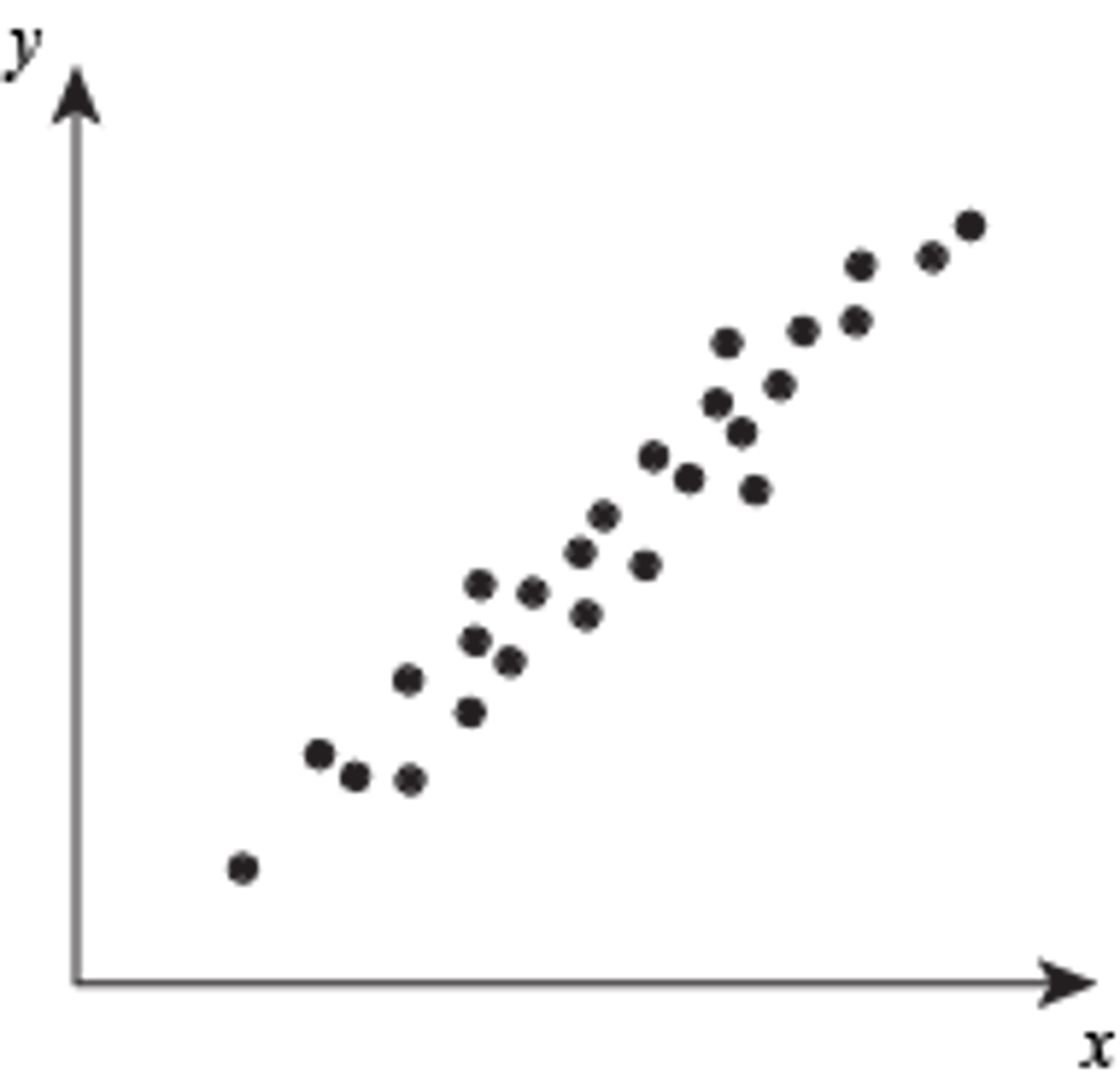
positive correlation
two variable rise and fall together, such as height and weight
3 standard deviations
99%
effect sizes
A large effect size means that a research finding has practical significance, while a small effect size indicates limited practical applications.
Lifespan development
the field of study that examines patterns of growth, change, and stability in behavior that occur throughout the entire life span
Nature and nurture
the debate of weather you are shaped by your environment or genes
Discontinuous development
view that development takes place in unique stages, which happen at specific times or ages
teratogens
agents, such as chemicals and viruses, that can reach the embryo or fetus during prenatal development and cause harm
Fine motor coordination
- involves small muscle groups
- usually includes finger dexterity and/or skilled manipulation of objects with the hands
Gross motor coordination
-- Ability to coordinate large muscle movements as in running, walking, skipping, and throwing.
Maturation
biological growth processes that enable orderly changes in behavior, relatively uninfluenced by experience
Reflexes
specific patterns of motor response that are triggered by specific patterns of sensory stimulation
Rooting reflex
a baby's tendency, when touched on the cheek, to turn toward the touch, open the mouth, and search for the nipple
Visual cliff
a laboratory device for testing depth perception in infants and young animals
Critical periods
Periods in the developmental sequence during which an organism must experience certain kinds of social or sensory experiences in order for normal development to take place
Sensitive periods
time periods when specific skills develop most easily
Imprinting
the process by which certain animals form strong attachments during an early-life critical period
Growth spurt
The relatively sudden and rapid physical growth that occurs during puberty. Each body part increases in size on a schedule: Weight usually precedes height, and growth of the limbs precedes growth of the torso.
Puberty
the period of sexual maturation, during which a person becomes capable of reproducing
Primary sex characteristics
the body structures (ovaries, testes, and external genitalia) that make sexual reproduction possible
Secondary sex characteristics
nonreproductive sexual characteristics, such as female breasts and hips, male voice quality, and body hair
Menarche
the first menstrual period
Spermarche
first ejaculation
Schemas
Concepts or mental frameworks that organize and interpret information.
assimilation
interpreting our new experiences in terms of our existing schemas
accommodation
adapting our current understandings (schemas) to incorporate new information
sensorimotor stage
in Piaget's theory, the stage (from birth to about 2 years of age) during which infants know the world mostly in terms of their sensory impressions and motor activities
object permanence
the awareness that things continue to exist even when not perceived
Preoperational stage
in Piaget's theory, the stage (from about 2 to 6 or 7 years of age) during which a child learns to use language but does not yet comprehend the mental operations of concrete logic
Mental symbols
represent objects in the real world
Pretend play
make-believe activities in which children create new symbolic relations, acting as if they were in a situation different from their actual one
Conservation
the principle (which Piaget believed to be a part of concrete operational reasoning) that properties such as mass, volume, and number remain the same despite changes in the forms of objects
Reversibility
the capacity to think through a series of steps and then mentally reverse direction, returning to the starting point
Animism
Belief that objects, such as plants and stones, or natural events, like thunderstorms and earthquakes, have a discrete spirit and conscious life.
Egocentrism
in Piaget's theory, the preoperational child's difficulty taking another's point of view
Theory of mind
an awareness that other people's behavior may be influenced by beliefs, desires, and emotions that differ from one's own
Concrete operational stage
in Piaget's theory, the stage of cognitive development (from about 6 or 7 to 11 years of age) during which children gain the mental operations that enable them to think logically about concrete events
Systematic thinking
approaches problems in a rational, step-by-step, and analytical fashion
Formal operational stage
in Piaget's theory, the stage of cognitive development (normally beginning about age 12) during which people begin to think logically about abstract concepts
Abstract thinking
capacity to understand hypothetical concepts
Scaffolding
Adjusting the support offered during a teaching session to fit the child's current level of performance
Zone of proximal development (ZPD)
Vygotsky's concept of the difference between what a child can do alone and what that child can do with the help of a teacher
Crystallized intelligence
our accumulated knowledge and verbal skills; tends to increase with age
Fluid intelligence
our ability to reason speedily and abstractly; tends to decrease during late adulthood