FUCKED YAY
 Call Kai
 Learn
Learn Practice Test
 Spaced Repetition
 Match
Match Flashcards
 Knowt Play
1/99

There's no tags or description
Looks like no tags are added yet.
Name | Mastery | Learn | Test | Matching | Spaced | Call with Kai |
|---|
No analytics yet
Send a link to your students to track their progress
100 Terms
In order to maintain homeostasis
all living things need a cellular (plasma) membrane around them to regulate what going on inside of the cells
Example of Homeostasis is
Thermoregulation
Conduction
direct contact / lizard on rock
convection
Transfer of heat from gas or liquid / cooling breeze
evaporative cooling
sweating
radiation
chemical reaction/ cellular respiration in us or a warm sunny day
all reptiles except what have two arteries leading to systemic system
birds
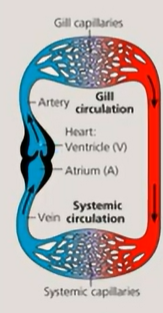
fish
two chambered heart
one ventricle S
one artia
ventricle contracts and pushes blood to gills
gills pick up oxygen and travels from gills to the rest of the body (systemic part like brain, kidneys, liver, stomach and then it goes back to heart
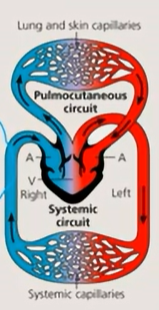
Amphibians
three chambered
2 aria
one big ventricle
artia collect blood from skin or lungs
ventricle pumps it out to skin and rest of body
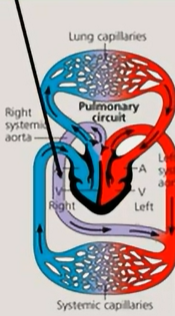
reptiles
three chambered heart or four
second blood vessel with two arteries leading to the systemic system except for birds
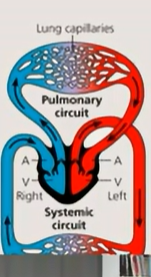
Birds and Mammals
four chambered heart
2 clear artia
2 clear ventricles
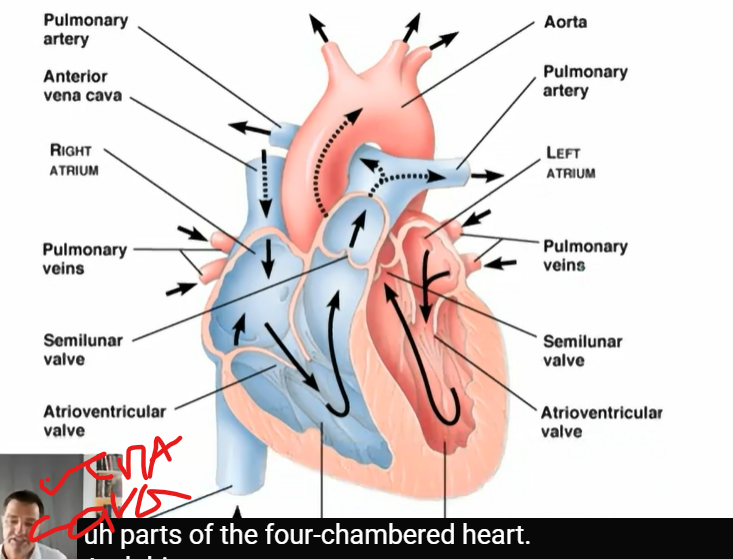
right atrium contracts
blood vessels from top and bottom vena cava brings blood to the right atrium, right atrium contracts pushes blood through atrioventricular valves into right ventricle contracts push the blood out the semilunar valve out the pulmonary artery
left and right, goes to lungs
left side pulmonary vein brings new oxygenation blood back to the heat back into the left atrium that contracts and it opens left atrioventricular valve which flows into left ventricle, it contracts comes up semilunar valve on left and goes up aorta then it branches off and delivers blood to rest of the body
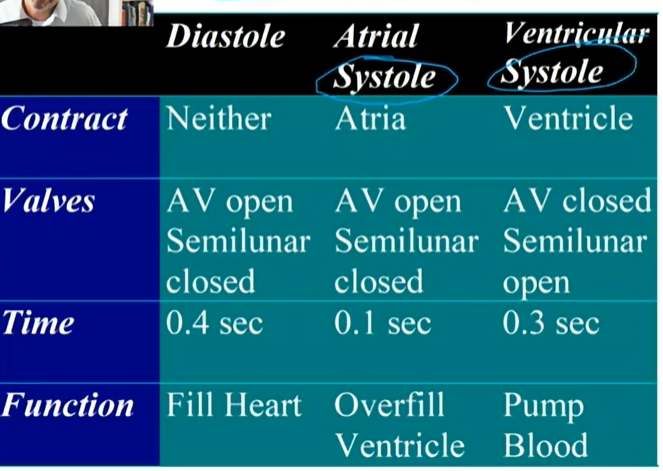
Cardiac Cycle
Systole heart contract
diastole heart relaxes
what makes the Lub sound
Closing of Atrioventricular valve
What makes the dub sound
semilunar closing
cardiac output
volume of blood per minute from the left ventricle
cardiac output depends on two factors
heart rate(pulse) and stroke volume (amount pumped)
Average human
heart beat 72beats/min
average stroke volume 75ml/beat
resting 5.25 L/min ( blood volume)
normal BP 120/80
Annelids and Mollusks
myogenic cardiac control (pacemakers within muscle)
Arthropods
neurogenic (pacemakers within neurons)
Vertebrates
Myogenic and neurogenic cardiac control
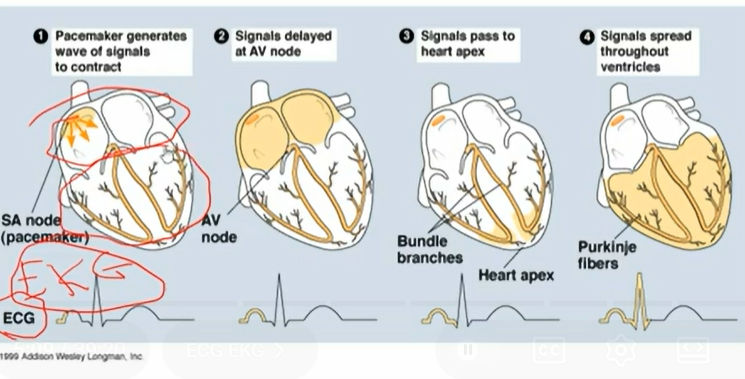
ECG/EKG shows electrical activity of heart
right atrium has SA node Cells is pacemaker in atria and depolarizes and contracts send wave of contraction to both atria
atria muscle is smaller and not as thick or powerful pumps so when atria depolarize there’s an electrical spike
as it spreads to atria it reaches av node and it sends signal to ventricles and it has a short pause when signal spreads to base of ventricles and it contracts bottom up and since its bigger and more muscle there’s a big wave of depolarization and the spike is the ventricles contracting
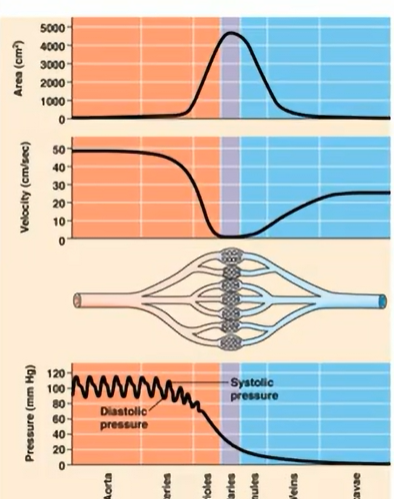
Blood vessels
heart pumps blood out blood through arteries through rest of body
aorta
arteries branch into smaller arterioles into these microscopic capillaries same volume but spread over much wider area of blood vessels BP drops and get reconnected in venules then veins and goes back to vena cava and eventually the heart
Bp drops as you move down to veins
When you get blood drawn
they stick the needle into the vein because it has low bp
If nurse sticks a needle and it sprays
it means they hit an artery
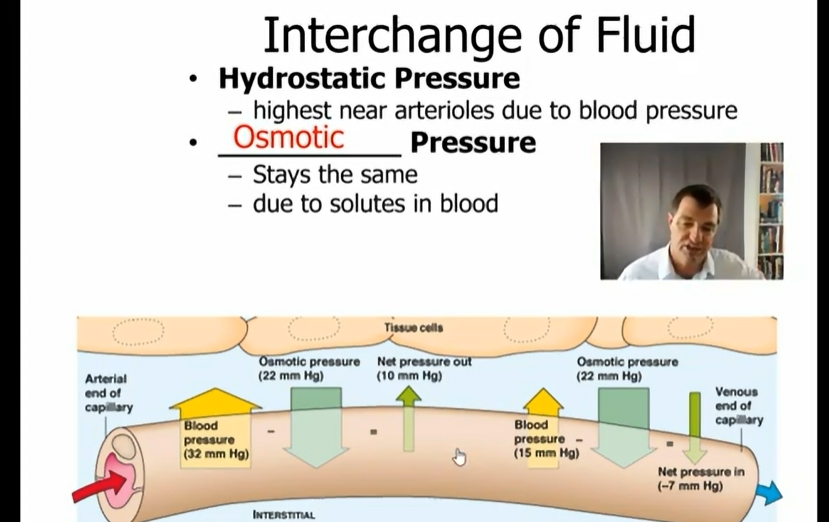
capillary
osmotic pressure (22mm Hg)
blood pressure (32 mm Hg) ^
osmotic pressure (22mm Hg)
Blood pressure (15mm Hg) -
Net pressure in (-7mm Hg)
Lymphatic system
used to return lost fluid and proteins to blood
lymph
fluid enters the lymph vessels
lymphatic tissues
tonsils, appendix, lymph nodes - connective tissue with WBC’s to attack disease
Wuchereria
when you get bit by a mosquito and a worm gets in this worm tends to get inside the lymphatic capillaries
causes elephantiasis and massive edema(swealing of fluid not getting into circulatory system)
blood comp
plasma 55%
water
ions
plasma proteins
nutrients
waste
gasses - o2
hormones - testosterone
Cellular elements 45%
erythrocytes -red blood cells transports oxy. gets rid of co2
leukocytes- white blood cells - fight infections
thrombocytes- platelets for blood clotting
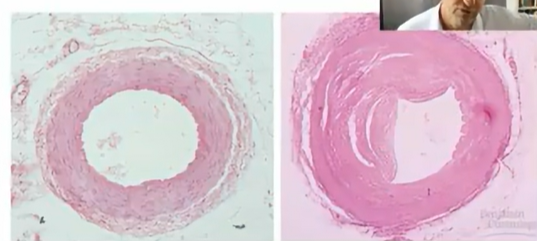
cardiovascular disease
heart attack or stroke
first picture is normal blood vessel - open blood flow
second is a picture of arteriosclerosis (general term)
atherosclerosis (specific type based on kind of plague) - blockage in artery 50% blocked
muscle can contracts and bp goes up and down it will put pressure in fluid and will close whole blood vessel off
heart attack is when blood vessel to heart is block and that stream no longer gets oxygens and heart can die
stroke blockage in blood vessel leads to brain and shuts of blood flow to portion of brain
hypertension - high blood pressure
140/90
normal blood pressure
120/80- diastolic
^ systolic
LDL - low density lipid
bad cholesterol
transported with less proteins
HDL- high density lipid
good cholesterol
transported w/ dense proteins
breathing control
occurs in medulla oblongota and Pons
monitors carbon dioxide (converts to carbonic acid)
lowers pH and causes increase in depth and rate of breathing / means high amount of hydrogen ions aka more acidic bc co2 levels are much co2 binds with water and makes carbonic acid
Oxygen transport to cells of body and co2 is removed
Hemocyanin - used by arthropods and mollusks
Hemoglobin - used by verts
Co2 transported from tissue by erythrocyte
7% as Co2 in blood
23% Co2 and most of the hydrogen ions are attached to hemoglobin
70% transported as Bicarbonate in plasma
deep diving mammals
store large amounts of oxygen in blood and muscles twice as much as us
huge spleen
myoglobin- protein that stores o2
mammal conservation techniques
exhale before diving (prevent bends/pressure)
decrease heat rate and oxygen consumption
reduce blood supply to muscles ( anaerobic)
body defense
innate immunity - u are born with this
barrier defenses - skin
internal defense
body defense acquired immunity
what ur immune system develops
humoral response
cell-mediated response
Innate immunity in invertebrates
chitin (physical barrier) in intestine
Lysozyme and low pH (digests microbial cell walls)
Hemocytes in hemolymph in phagocytosis eat small bacteria that gets there?
and antimicrobial proteins - proteins that binds into foregin pathogens
innate immunity in vertebrates
barrier defense
skin - physical barrier and lysozymes
digestive tract - high acidity and normal bacteria
respiratory tract - mucus and cilia
genitourinary tract - acidity of urine
innate immunity in vertebrates internal defense
PHAGocytic white blood cells
the inflammatory response
antimicrobial proteins
natural killer cells
white blood cells
neutrophils 70% short lived
monocytes5% - macrophages/ long lived in lymphatic tissue
eosinophils 1.5% attacks larger parasites
Inflammatory response
releases histamine - basophils and mast cells
allows for dilation and increased permeability
increased temp due to increased blood flow
cytokines (proteins) direct migration of phagocytes (activates lymphocytes)
Antimicrobial proteins found in compliment system
30 proteins - attack and attached break down something that doesnt belong - born with this
interferon
protein produced by viral infected cells
one cell will release interferon and sends signal for other cells to make chemicals that stop viral reproduction
natural killer cells
Class 1 MHC -major histo combability complex
if class 1 MHC is missing or damages
ur cells will release chemical to destory cells lacking this protein
Acquired immunity vertebrates
use lymphocytes to recongize antigens
T and B
B cells
made in bone marrow
makes antibodies
T cells
made in bone marrow and matures in thymus
have to bind to virus to attack and kills our own cells that are damaged aka virus in red blood cells or cancer in a cell
antigen
particular chemical
such as epitopes
antigen reconginition by lymphocytes
b cells Y shaped receptors made up of 4 polypeptide chains (two heavy and two light)
recognize small fragments
Class 1 MHC
works with cytotoxic T cells
made in viral infected or cancerous cells
Class 2 MHC
Works with both cytotoxic T cells helper T cells
Deprived from foreign materials that have been internalized
engulfs microbe and takes pieces and puts in class2 MHC presents antigen to helper T cell which triggers response for T cells to look for more antigens
immune response
primary response takes 10-17 days from initial exposure to an antigen
produces B and T cells
Secondary immune response
takes 2-7 days from re-exposure
humoral immunity
B cells
produces antibodies that circulate blood in plasma and lymph
cells do not have to be next to antigen to attack
cells-mediated immunity
T cells
cells must be next to antigens to attack
helper T cells
attach to macrophage that has attacked an antigen which often uses CD4 receptors (bind to class 2 MHC)
releases interleukin (cytokine)
activates cytotoxic T cells and Plasma B cells
cell mediated response
cytotoxic T cells
attach to infected cells/cancer cells
usually uses CD8 receptor binds to class 1 MHC
perforin protein makes a pore in membrane
Ion and water enters pores
infected cells lyses
stops homeostasis
Antibodies
IgG (monomer) most common cross placenta
baby has doodooimmune system so baby gets some immunity from mom bc these igg cross from mom
IgA (dimer)
Immunity from mom from breast milk
Active immunity
getting the disease or
vaccinations
passive immunity
antibodies transferred from one individual to another
-pregnancy or breast feeding
injection of antibodies
abnormal immune function
allergies - hypersensitive response to antigens / anaphylactic shock
autoimmune diseases - immune system attacks itself aka lupus
immunodeficiency diseases - lowered immune system aka AIDS
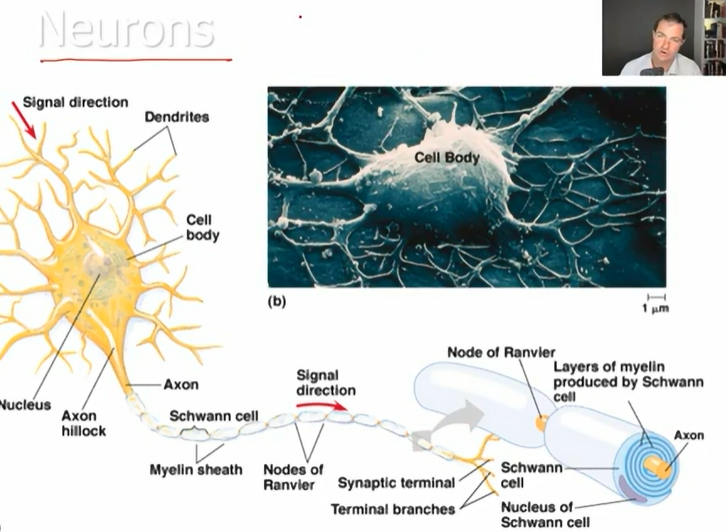
single cell
Nucleus
Dendrites - receptive part of neuron
cell body - where nucleus is
Axon hillock
axon
Synaptic terminal
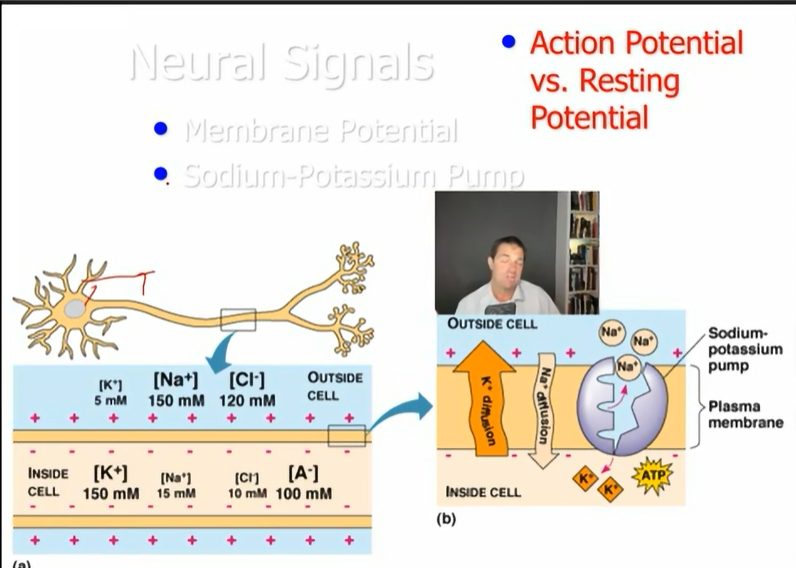
neuron at -70 mv
cell membrane regulates what goes in and out
sodium and potassium pump three sodium+ out for every two potassium ions it pumps in
Channel proteins that can open and close that are sensitive to sodium or potassium into cell
sodium channel in resting potential is usually closed
potassium is leaky due to gradient difference
more positive ions outside than inside
resting state1
both sodium and potassium activation gates are closed
interior of cells is negative
depolarization state2
sodium activation gates are open on some channels
interior of cell becomes more positive
rising phase of action potential 3
most sodium activation gates are open
potassium activation gates still closed
falling phase of action potential 4
inactivation gates on sodium channels are closed
activation gates on potassium channels are opened
interior of cells becomes more negative
undershoot 5
sodium channels are closed
potassium channels are closing
membrane returns to its resting state
propagation of action potential
localized event
first action potentials depolarizations sets of second action potential
travels in one direction due to refractory period
neurotransmitters
Acetylcholine excitatory to vertebrate skeletal muscles; excitatory or inhibitory to other sites
Norepinephrine - excitatory or inhibitory
Dopamine high (schizophrenia) low Parkinson’s
important in sleep, mood and learning
Runners high - inhibit GABA, increase dopamine
Serotonin - generally inhibitory - aggression, serial killers low levels / depression
GABA - inhibitory
Postsynaptic potentials
subthreshold - doesnt reach threshold
temporal summation - 2 signals do not reach threshold level but occur close enough to set off action potential
spatial summation - two signals are set off at same time setting off action potential
Spatial summation with an inhibitor - doesnt reach threshold
Peripheral nervous system
Somatic nervous system - regulates external environment (usually voluntary) MUSCLES
autonomic nervous system - regulates internal environment (usually involuntary)
Autonomic nervous system
sympathetic division - fight or flight response
parasympathetic - rest or digest reponse
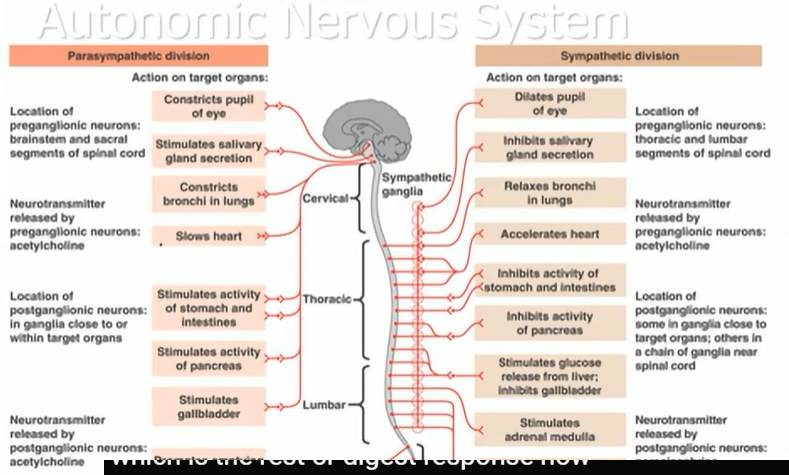
only focus on action on largest organs
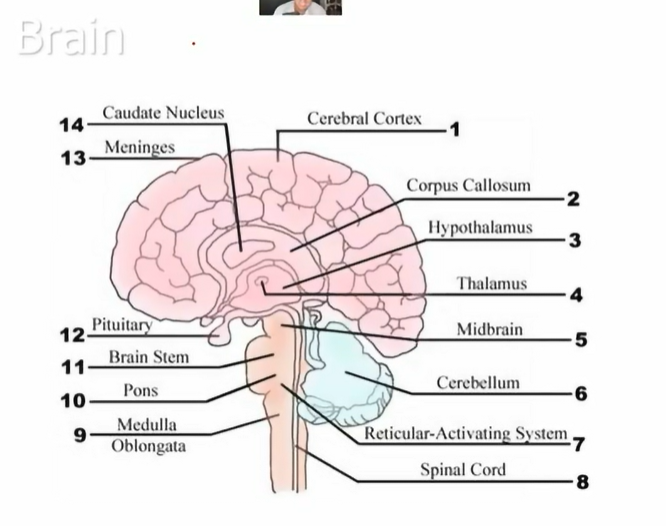
know this figure
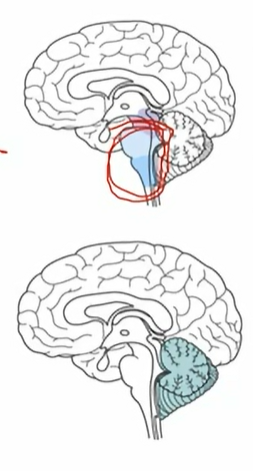
brain stem
medulla oblongata and Pons controls breathing and heart rate digestion
cerebellum controls coordination of movement and balance (not really part of brain stem)
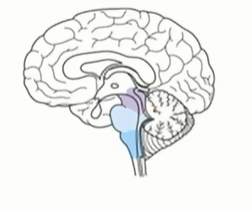
midbrain
receives integrates and projects sensory information to forebrain
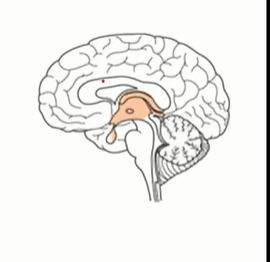
forebrain
epithalamus - pineal gland and choroid plexus
thalamus - conducts information to specific areas of cerebrum
hypothalamus- produces hormones and regulates body temp, hunger, thirst, sexual response, circadian rhythms
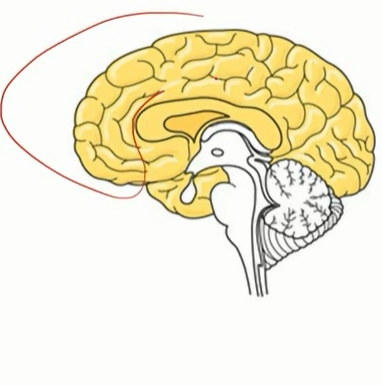
cerebrum
with cortex and corpus callosum
higher thinking
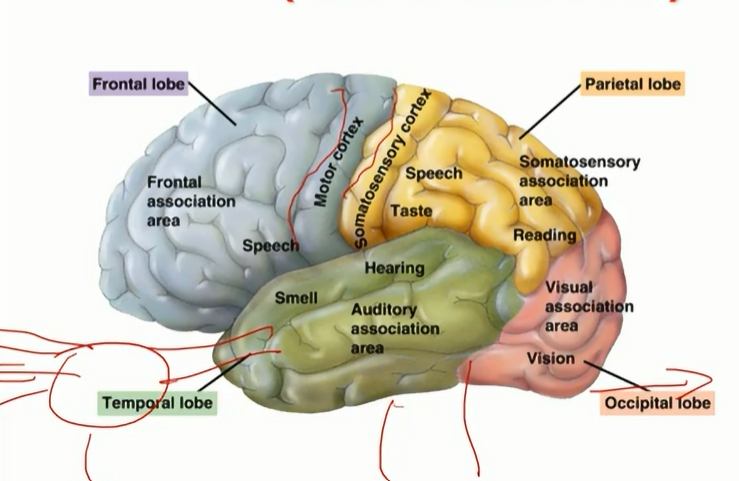
Know this
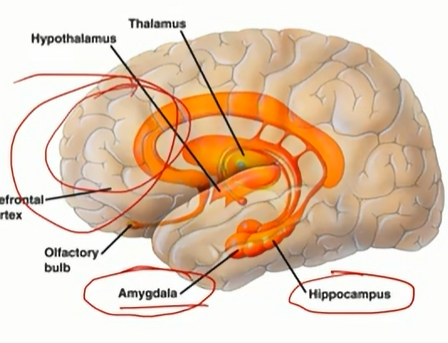
short term memory done in frontal lobe near eye
long term memory frontal lobe interact with the hippocampus and the amygdala to consolidate
8 essential amino acids for adult humans
9 for infants
Tryptophan
Methinonine
(only found in grains)
Valine
threonine
phenylalanine
leucine
(grains and legumes)
isoleucine
lysine
(only in legumes)
Histidine is essential in infants
unsaturated fatty acids
used to make phospholipids for membranes
Fat Soluble
stored in fat
D, A,K,E
water soluble
excrete in urine
B complex and C
inorganic nutrients
calcium and phosphorous - bones
iron - anemia
iodine- thyroid hormone
sodium, Chlorine , potassium - nerve function, water regulation
intracellular digestion
inside all animals
exclusive to Protista
porifera
extracellular digestion
outside cells
animals above sponges
two types - gastrovascular cavity
alimentary cavity
extracellular digestion
gastrovascular cavity
one opening
found in cnidaria and Platyhelminthes
alimentary cavity
two openings
allows for specialization
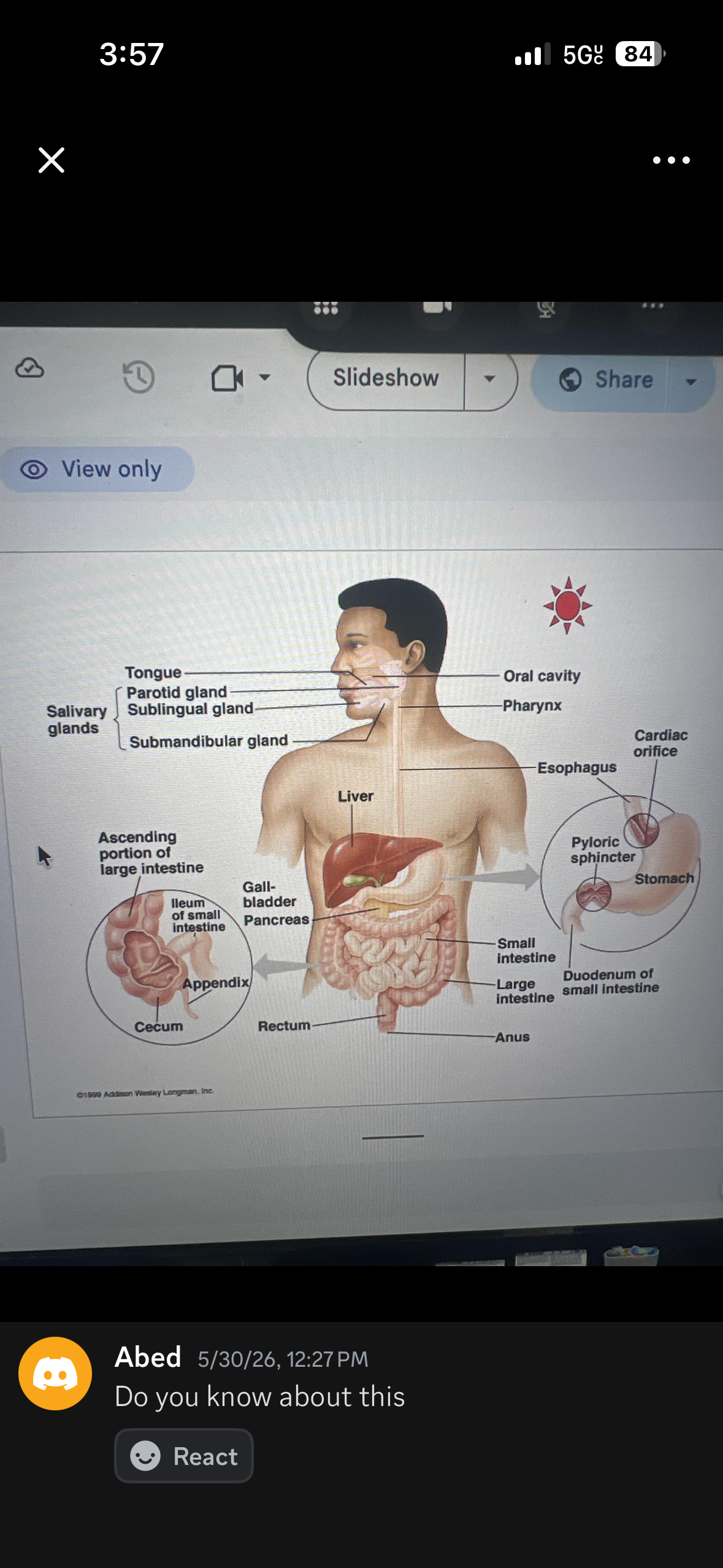
mouth
pharynx
esophagus
crop
gizzard
stomach
intestine
anus
Idk
Carnivores have a shorter digestive system and small cecum
Herbivores have longer digestive system and large cecum