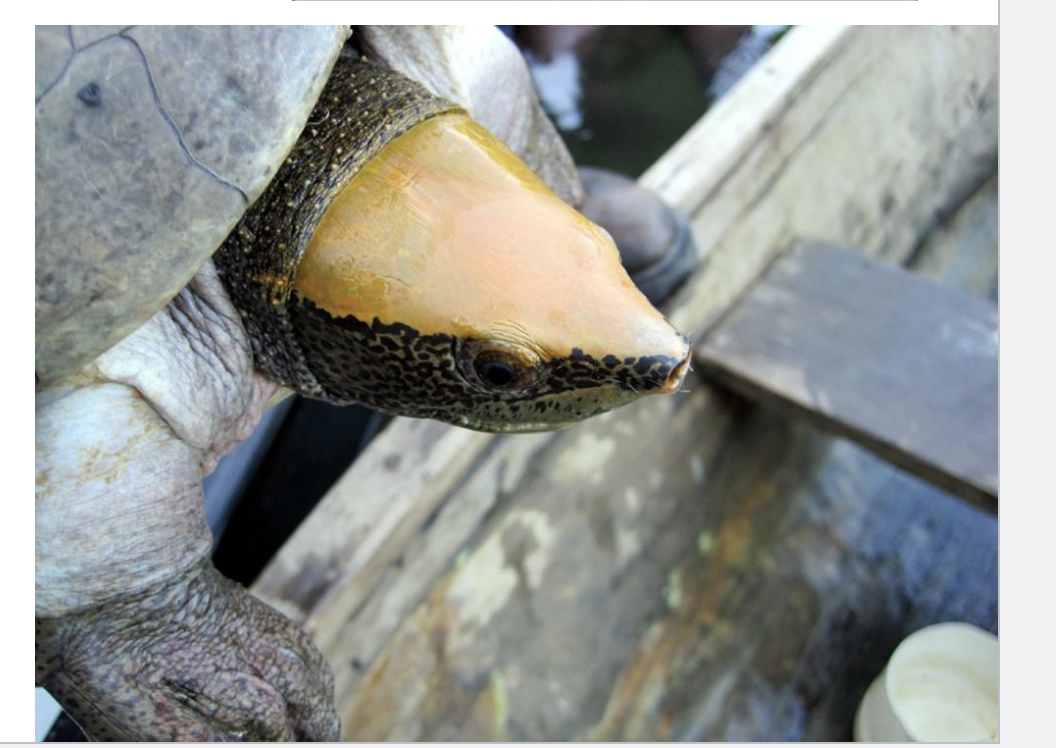
Turtles (Testudines)
 Call Kai
 Learn
Learn Practice Test
 Spaced Repetition
 Match
Match Flashcards
 Knowt Play
1/28

There's no tags or description
Looks like no tags are added yet.
Name | Mastery | Learn | Test | Matching | Spaced | Call with Kai |
|---|
No analytics yet
Send a link to your students to track their progress
29 Terms
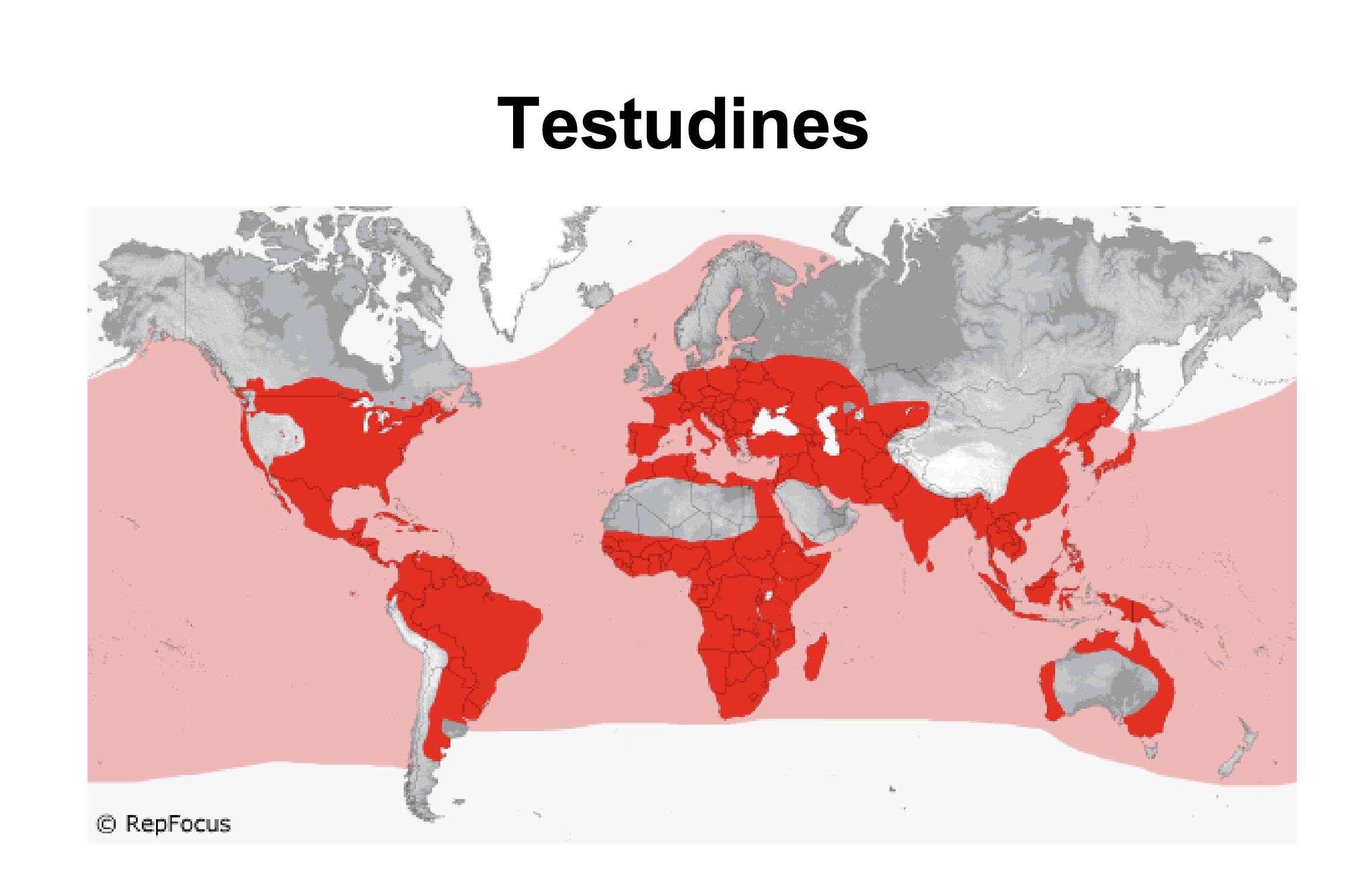
Testudines
376 Species, 14 families
found worldwide
mostly aquatic or semi-aquatic
carnivores, herbivores, etc.
all lay eggs
synapomorphies
loss of teeth (beak)
anapsids
shell
only vertebrates that have their pectoral and pelvic girdles inside their rib cage
Carapace
the upper shell
made up of dermal bones intimately associated with the ribs and vertebrae
Plastron
The lower shell
made up of bones of the shoulder girdle (interclavicle and clavicle) and several additional bones
Origin of Turtle Shell
• New fossil finds now suggest that the sequence of
events leading to the turtle shell was a series of
transitional states
– Widening of the ribs
– Formation of bony ventral structures that eventually
fused to become the plastron
– Formation of fused carapace elements and ribs
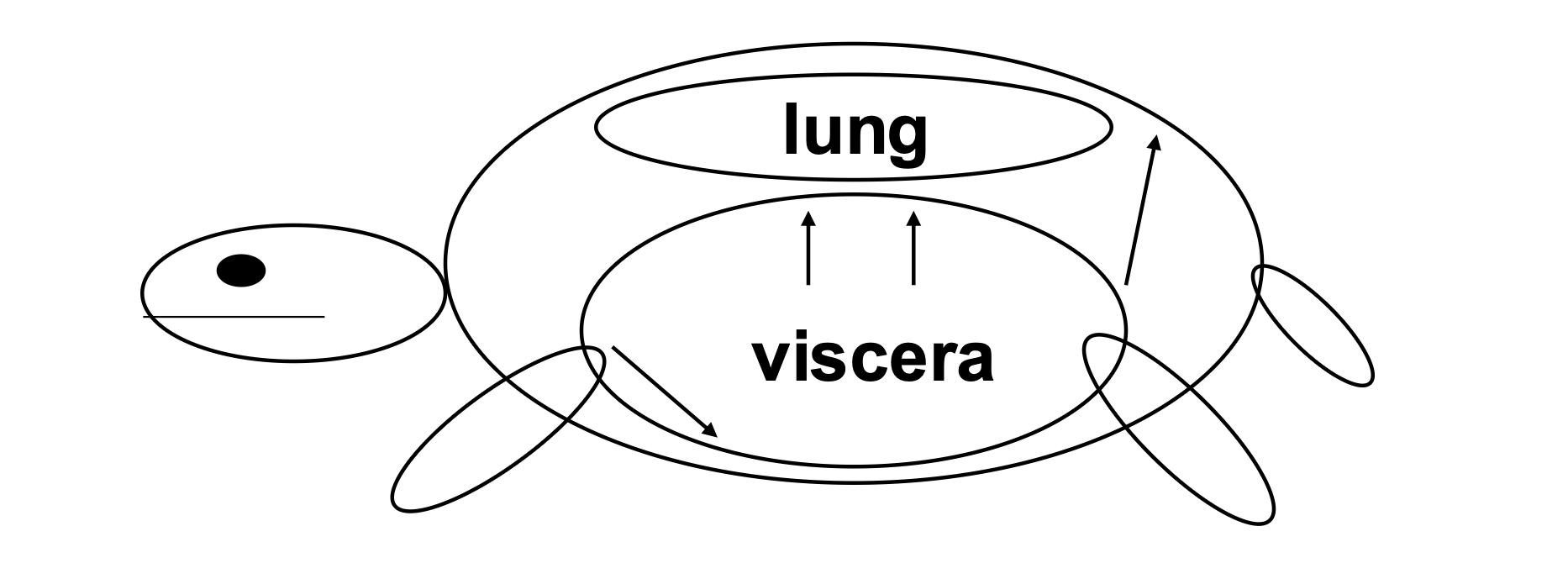
How to Turtle’s Breathe?
Muscles move viscera to increase and decrease pressure in lungs instead of ribcage expanding and contracting
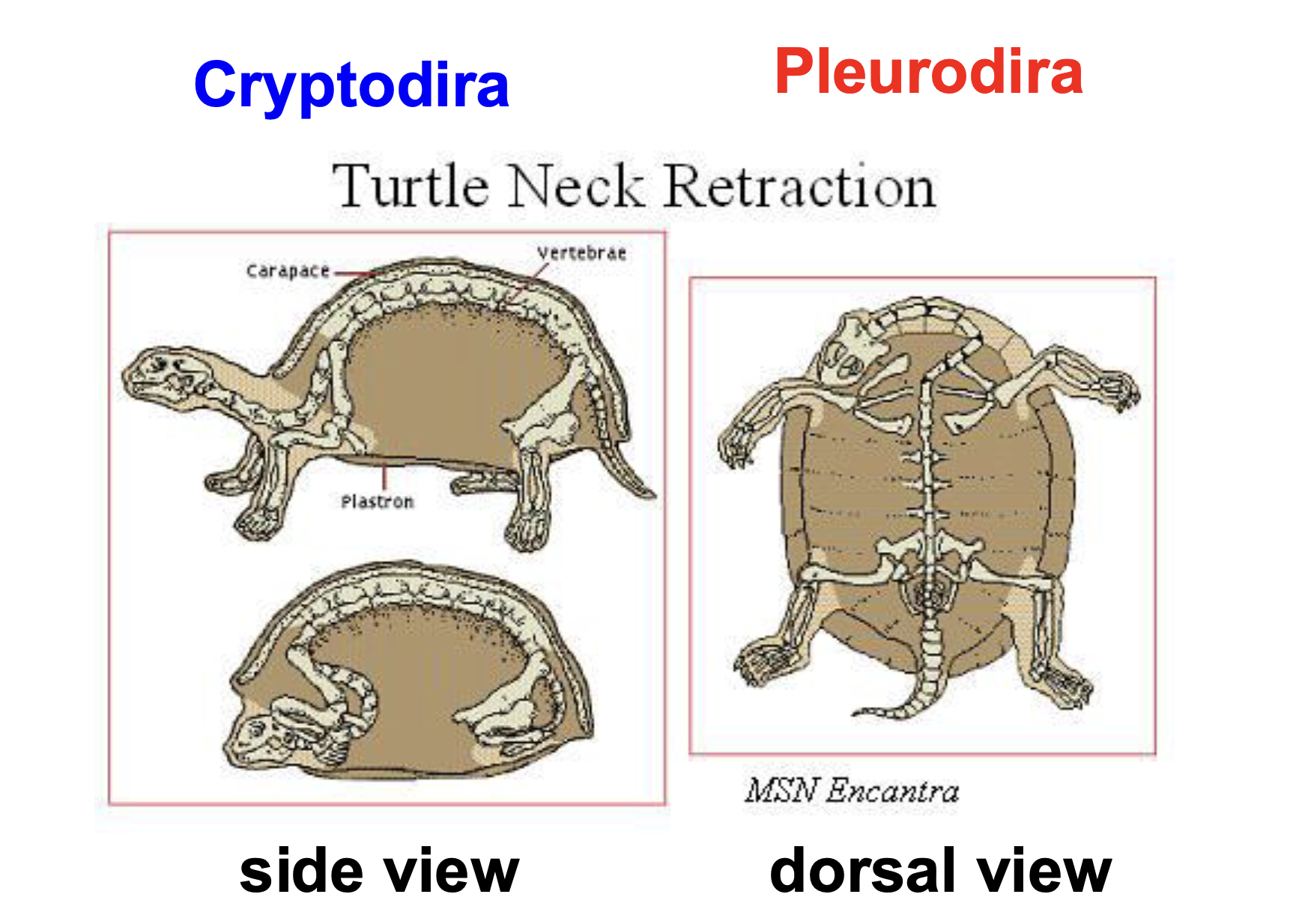
Two Turtle Clades
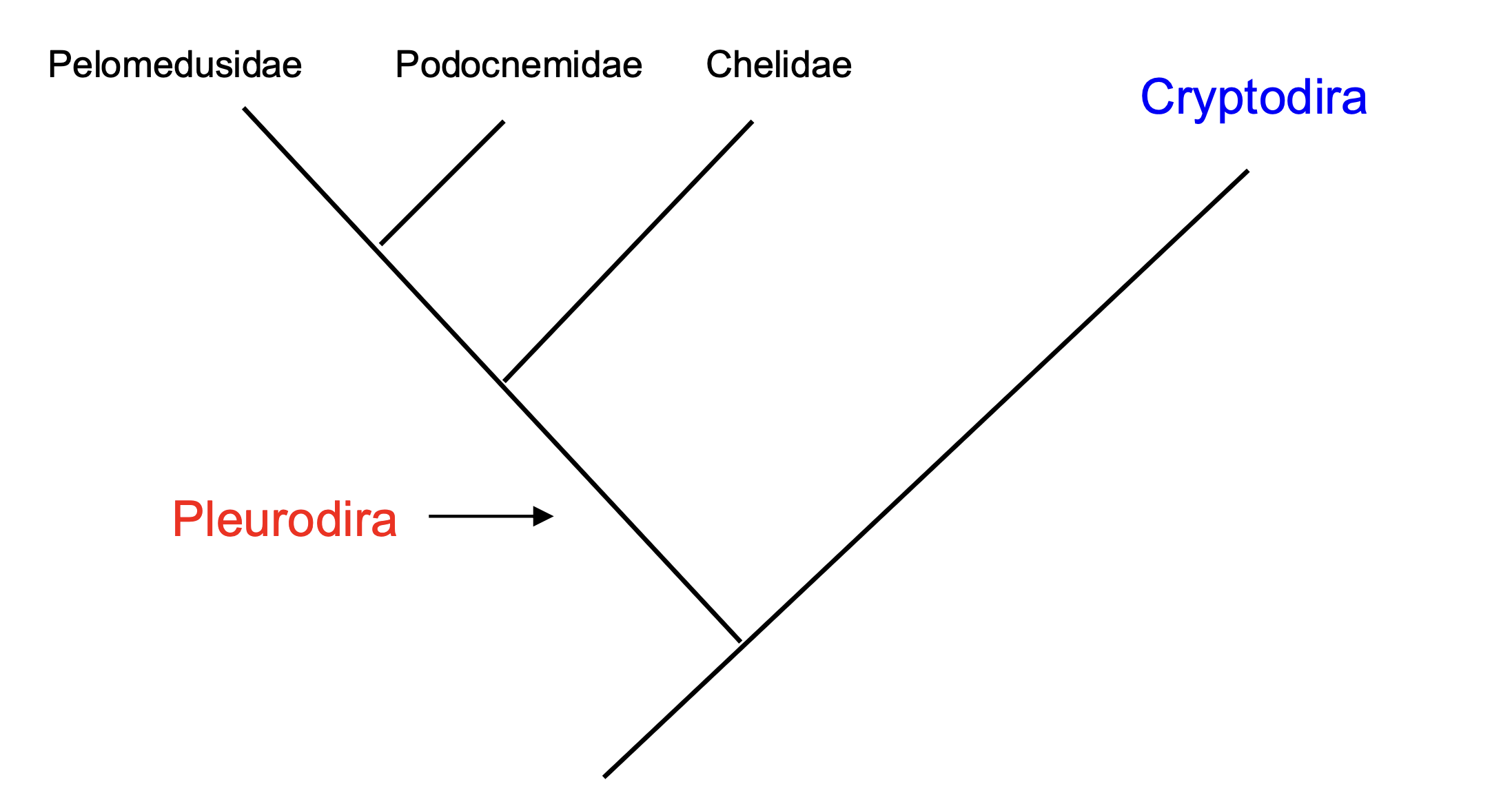
Pleurodira = “side necked turtles” (horizontal retraction)
Cryptodira = “hidden-necked turtles” (vertical retraction)
Pleurodira
Side necked turtle clade
includes 3 families of (mostly) obscure turtles from South America, Australia, Africa, and Madagascar
Cryptodira
hidden necked turtle clade
11 families of turtles found all over the world (but not in Australia or Madagascar)
• Most diverse in Asia and North America
• Includes most of the turtles that you have ever heard of
Turtle Pleurodira Phylogeny
Chelidae
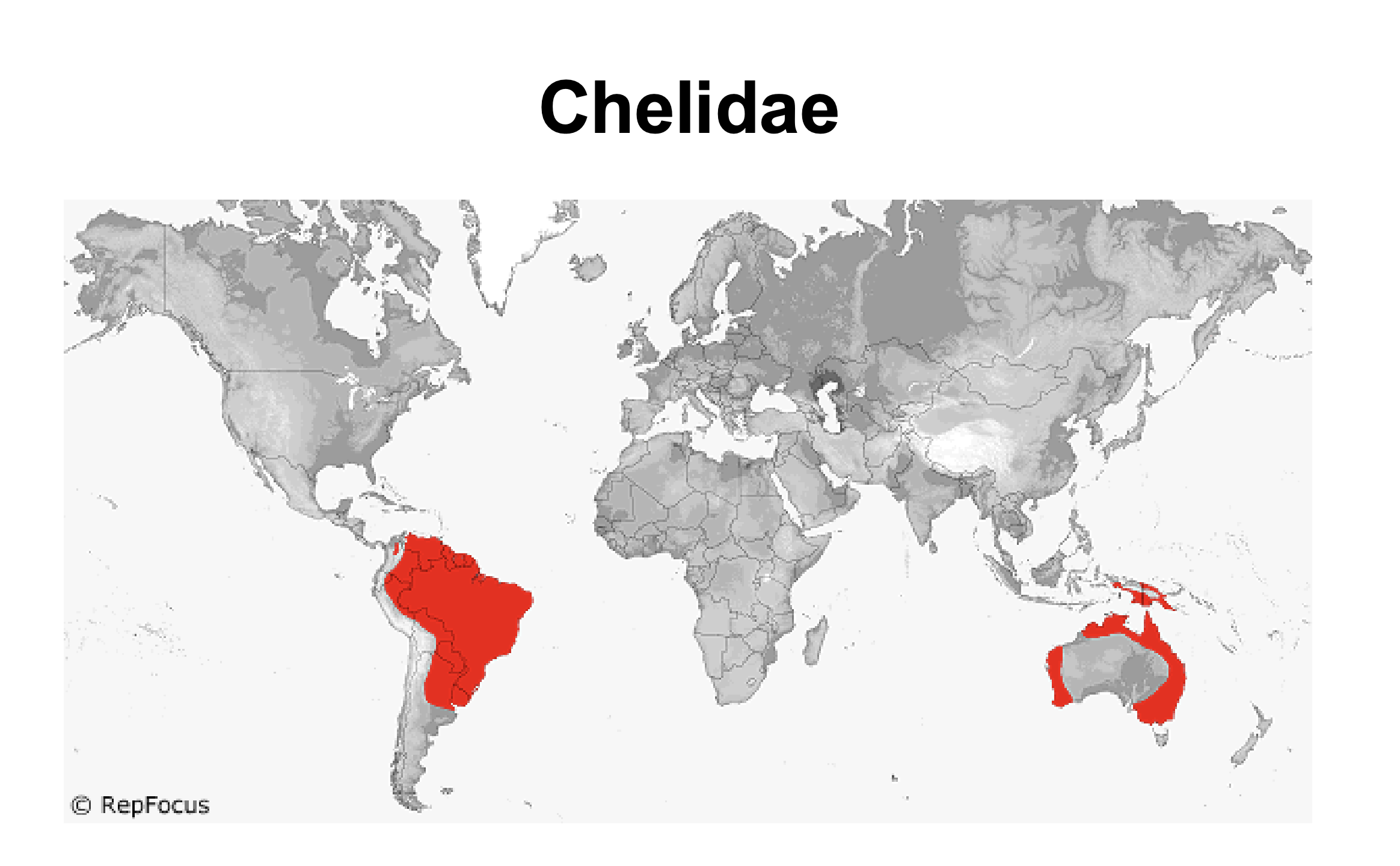
15 genera, 69 species
• Found in Australia and New Guinea and South America
• Aquatic, mostly freshwater
• Omnivorous
Only major group of freshwater turtles in Australia
Most species-rich family of turtles in South America
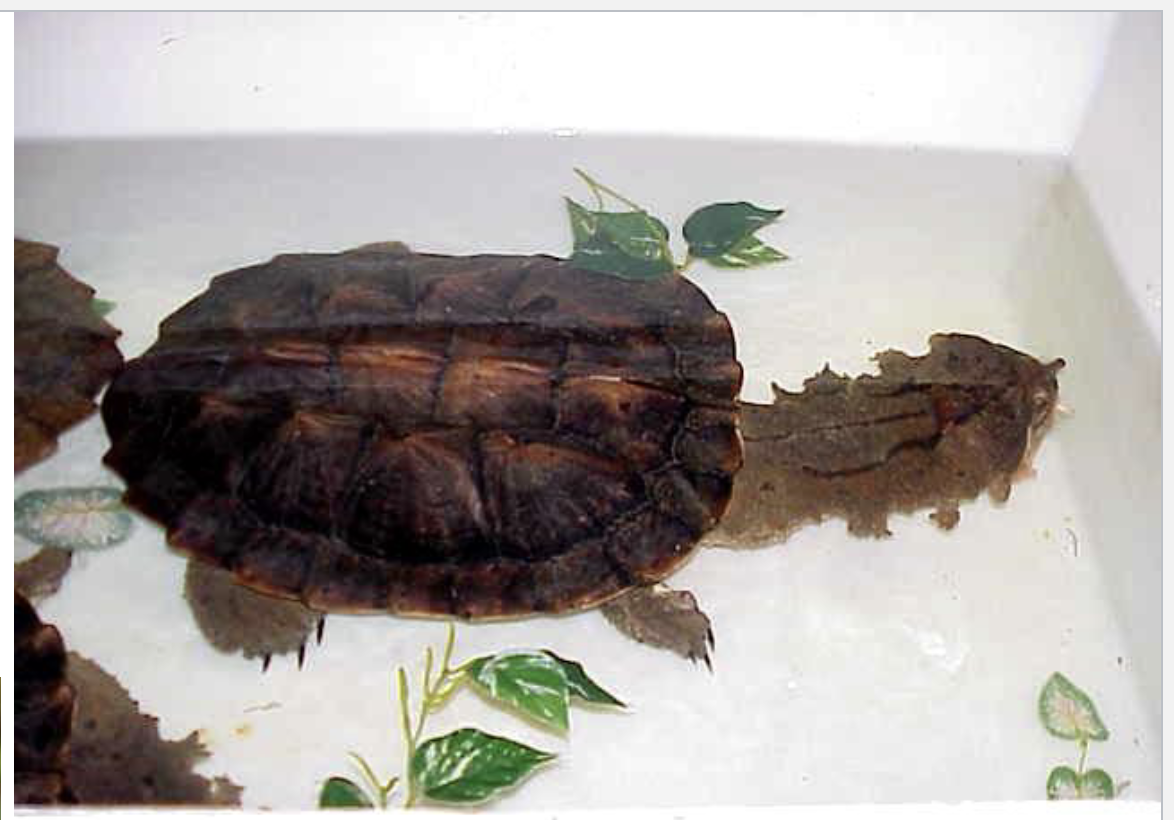
mata-mata turtle
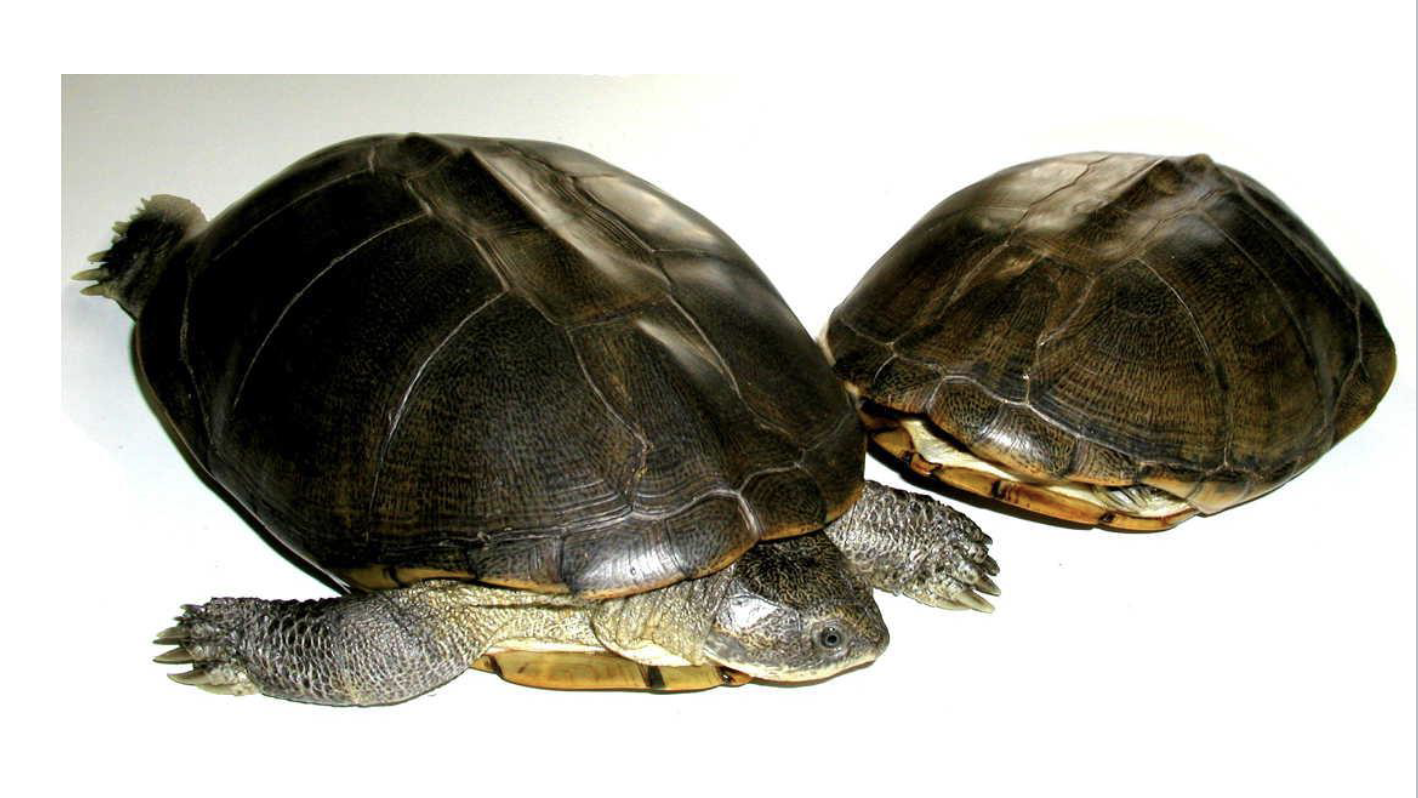
Pelomedusidae
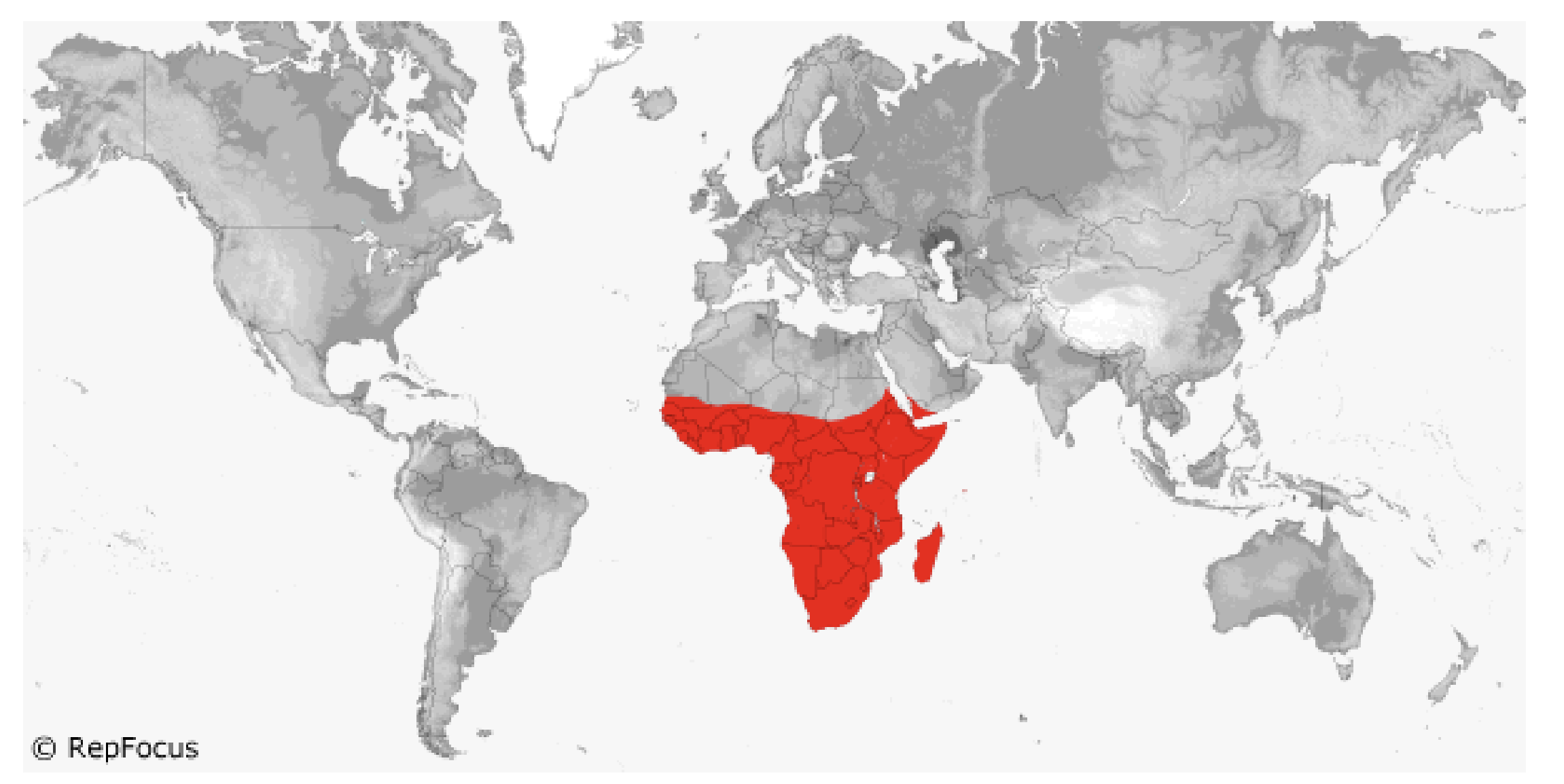
2 gen, 27 sp
• Africa, Madagascar (most species-rich turtle family in Africa)
• Aquatic, freshwater
• Carnivorous
Podocnemidae
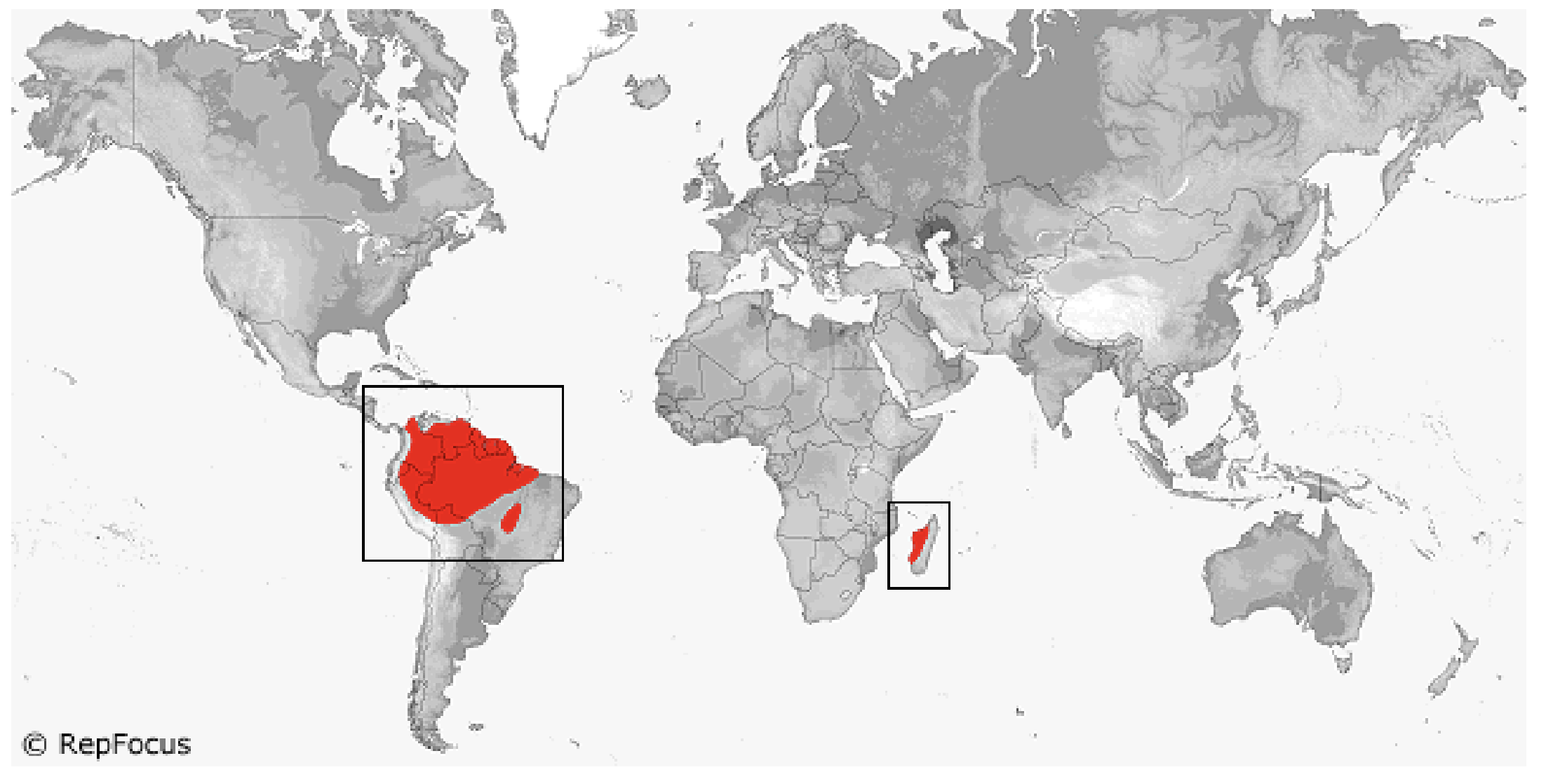
3 gen 8 sp
• 2 genera in South America (Peltocephalus, Podocnemis)
• 1 genus with 1 species in Madagascar (Erymnochelys)
• Herbivorous, aquatic, freshwater (rivers and lakes)
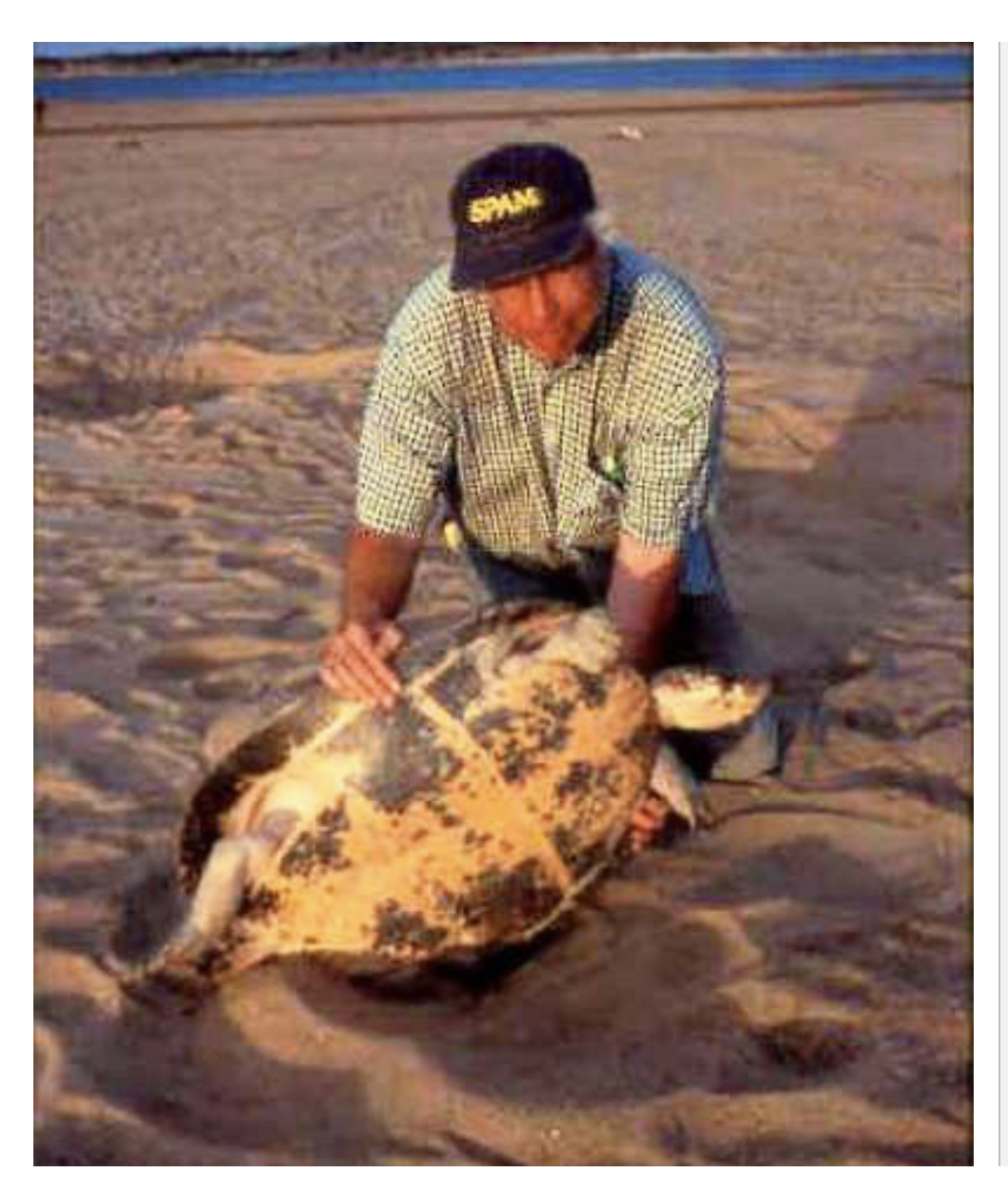
• Podocnemis are very large
Large numbers come ashore at night to nest on sandy beaches (like sea turtles)
individuals seem to return to same beach where they were born
Harvested for meat and eggs some highly endangered
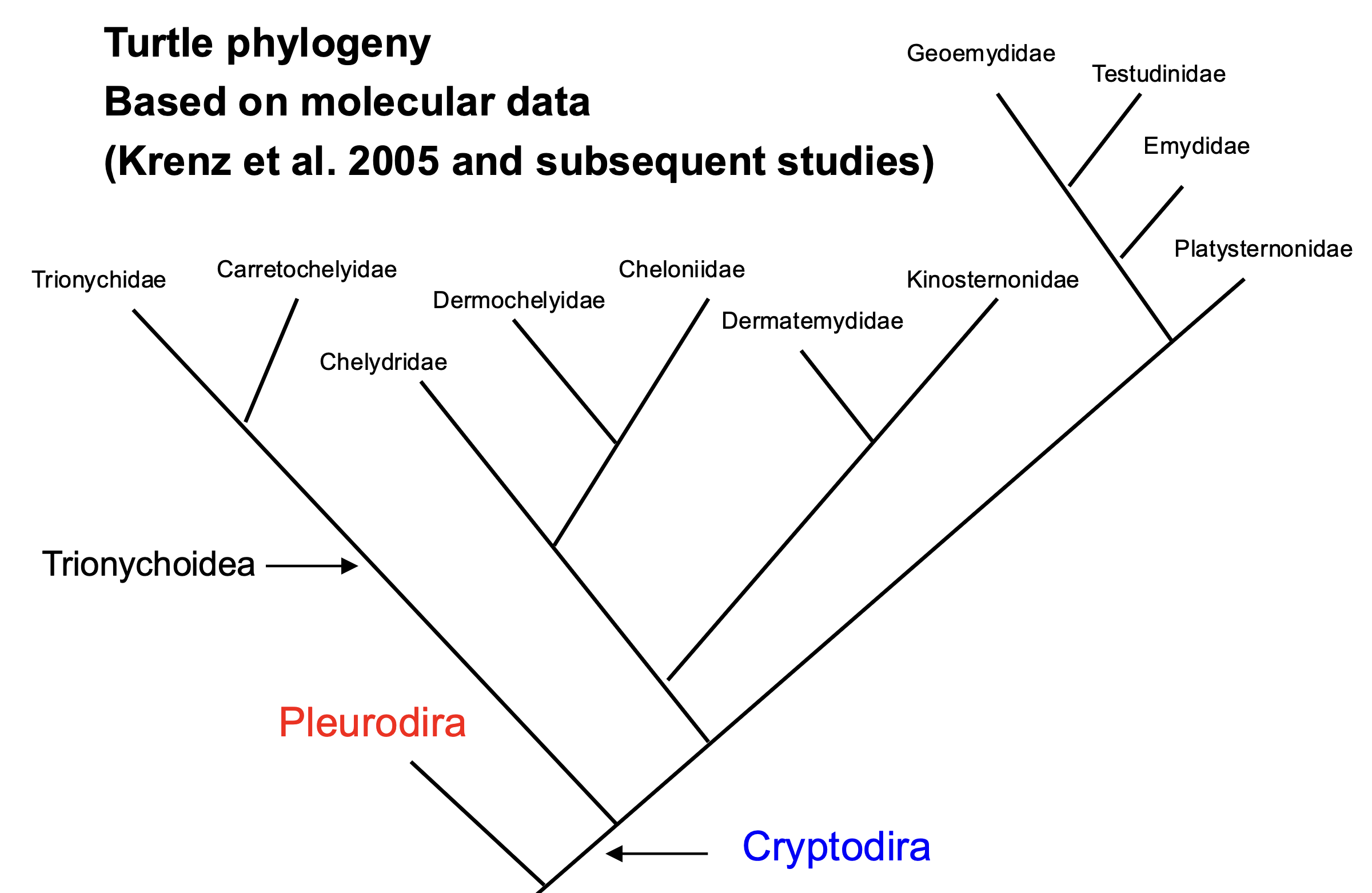
Turtle Cryptodira Phylogeny
Trionychoidea
• Clade that unites the Carretochelyidae and Trionychidae
Synapomorphies:
• Snout has fleshy proboscis
• No keratinized scutes on shell
• Hard parts of carapace covered by leathery skin
• Shell is more flattened than other turtles (more streamlined for faster swimming?)
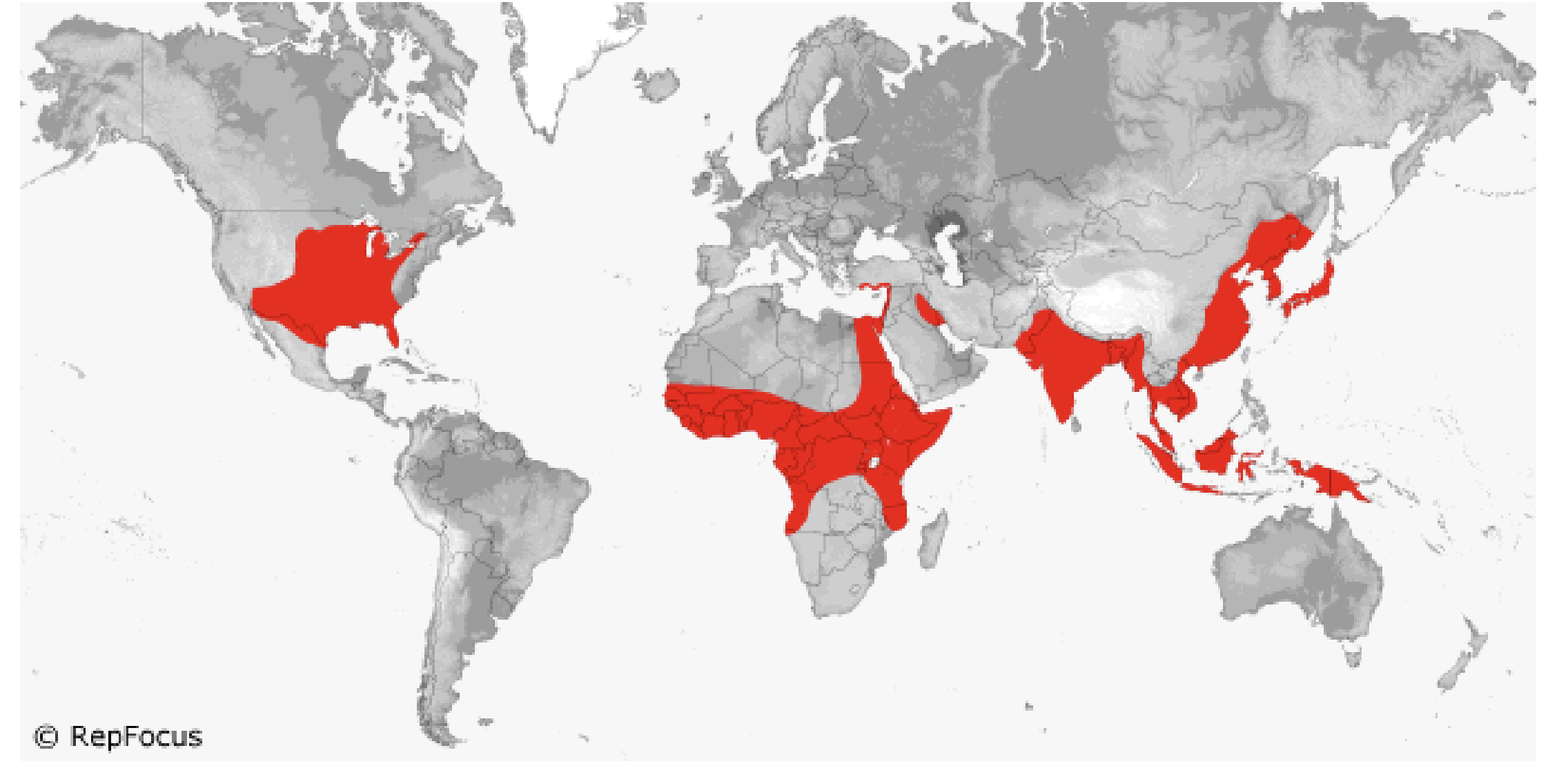
Trionychidae
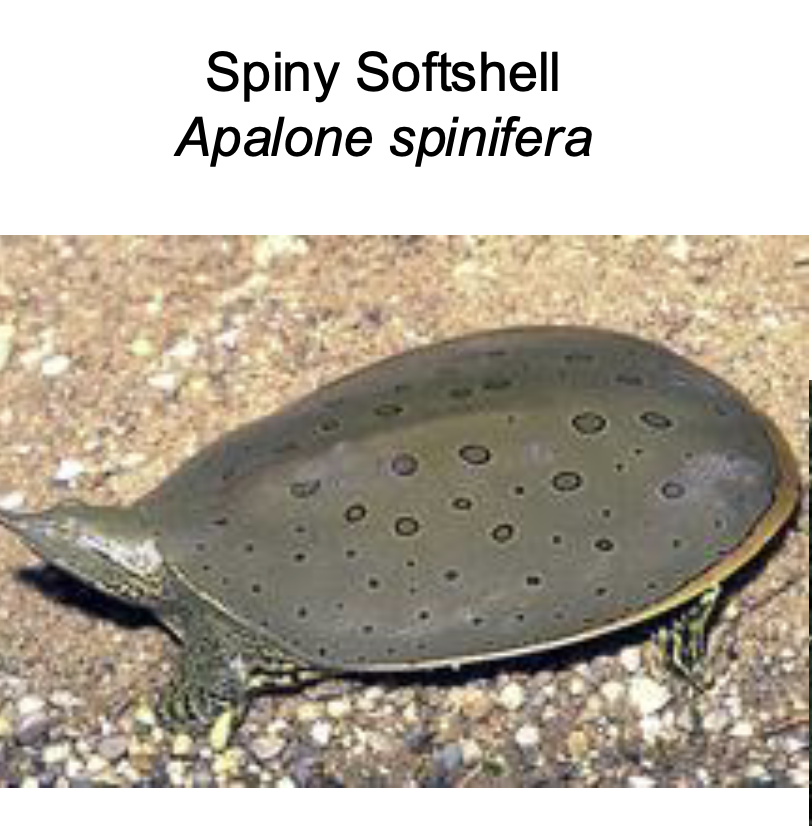
Soft Shelled Turtles
• 13 genera, about 36 species
• Found in North America, Asia, Africa
• Aquatic, carnivorous
like to bury themselves with just head sticking out
ambush and attack
Carettochelyidae
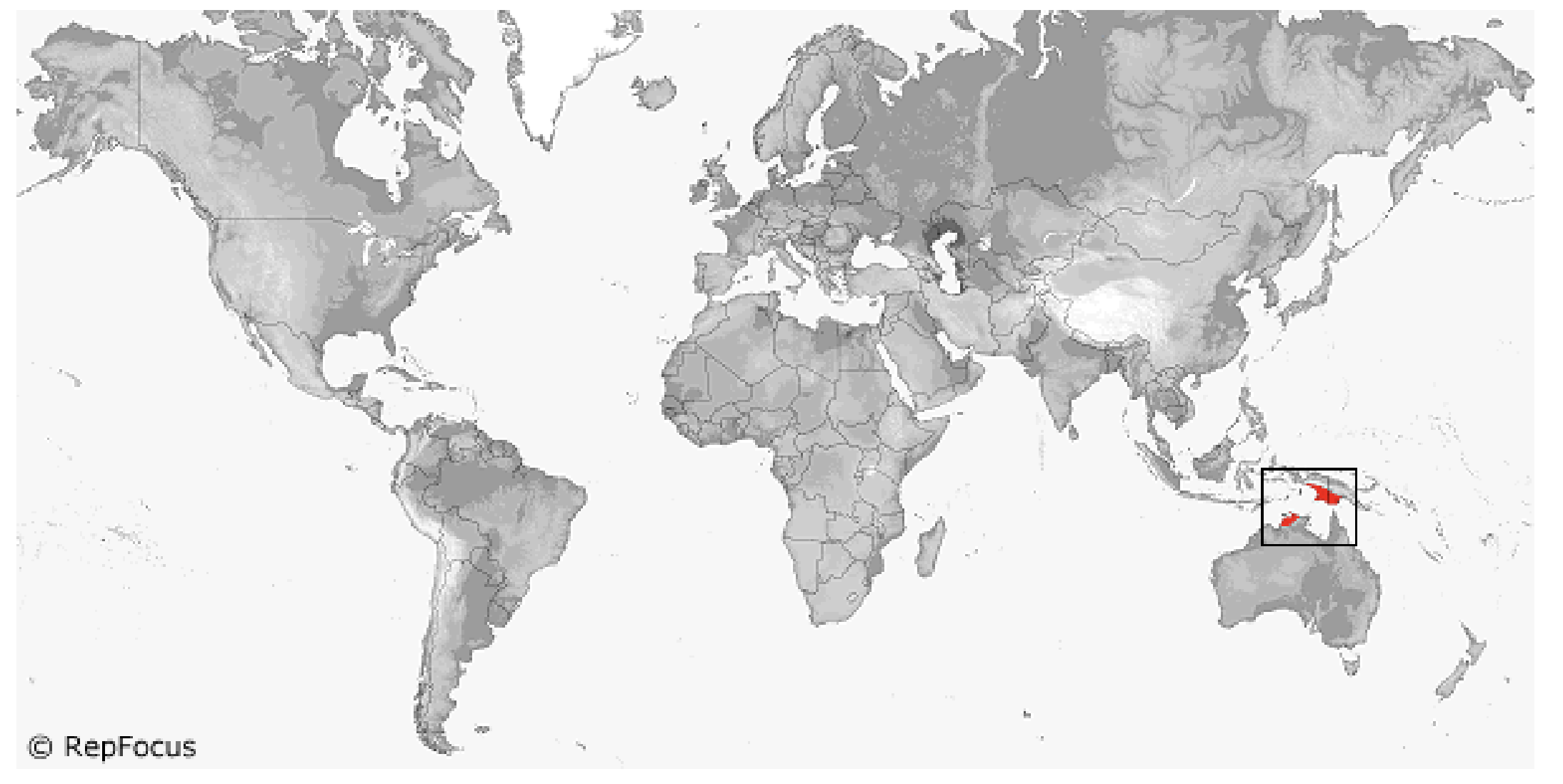
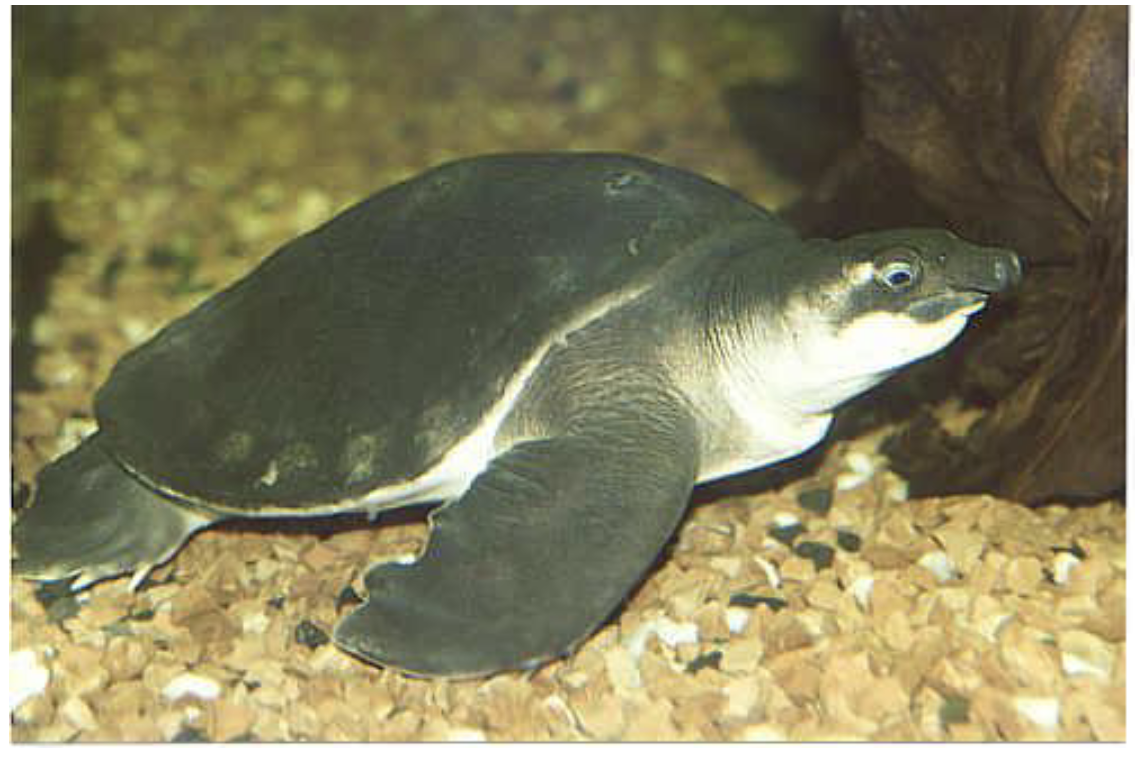
1 gen, 1 sp
• Found only in New Guinea and northern Australia
• Aquatic (freshwater, brackish), omnivorous
Feet like Flippers
Flaps both forelimbs simultaneously like sea turtles
Rest of Cryptodira (Excluding Trionychoidea)
Kinosternidae
Dermatemydidae
Geoemydidae
Testudinidae
Emydidae
Platysternidae
Chelydridae
Cheloniidae
Dermochelyidae
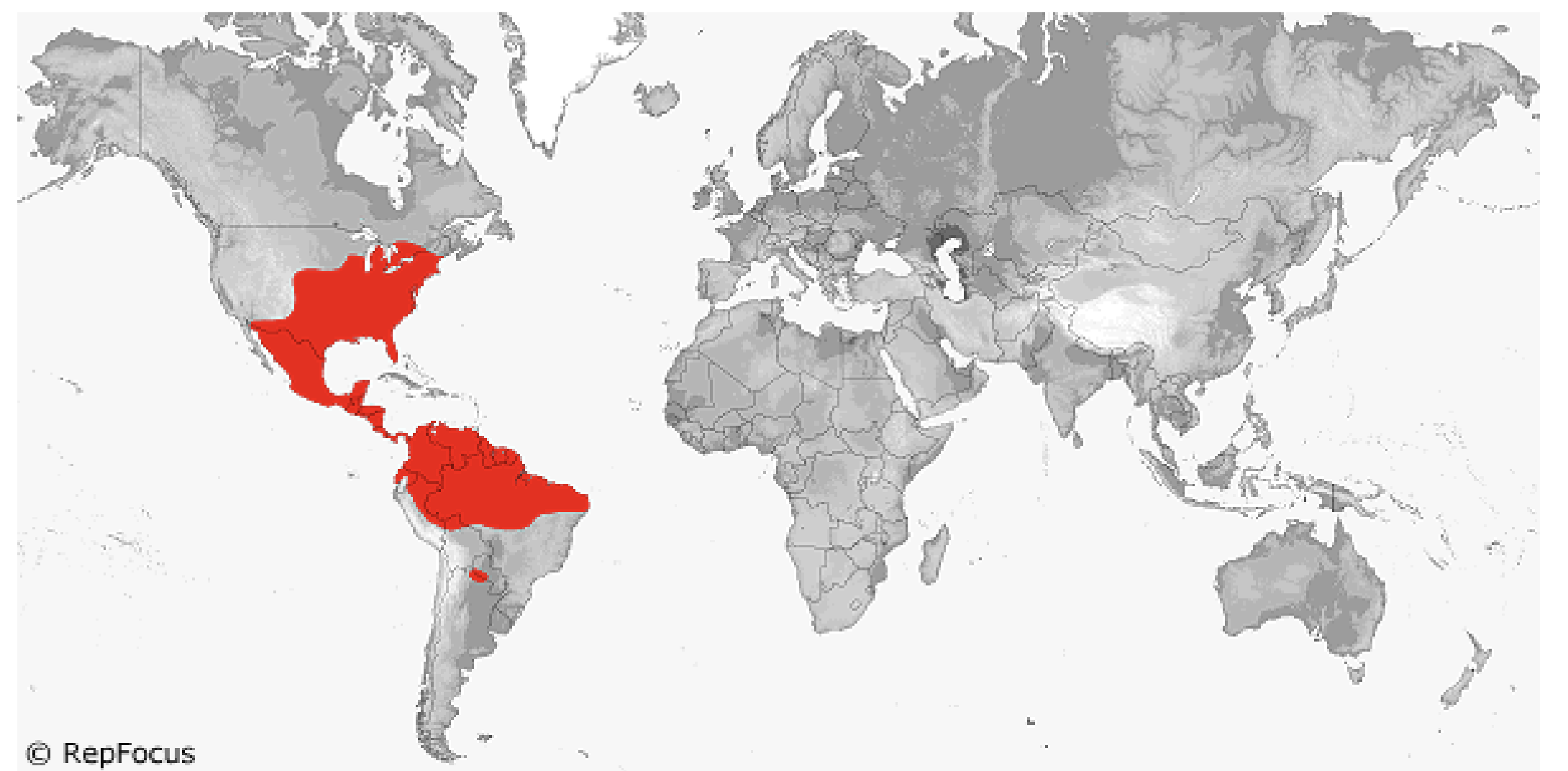
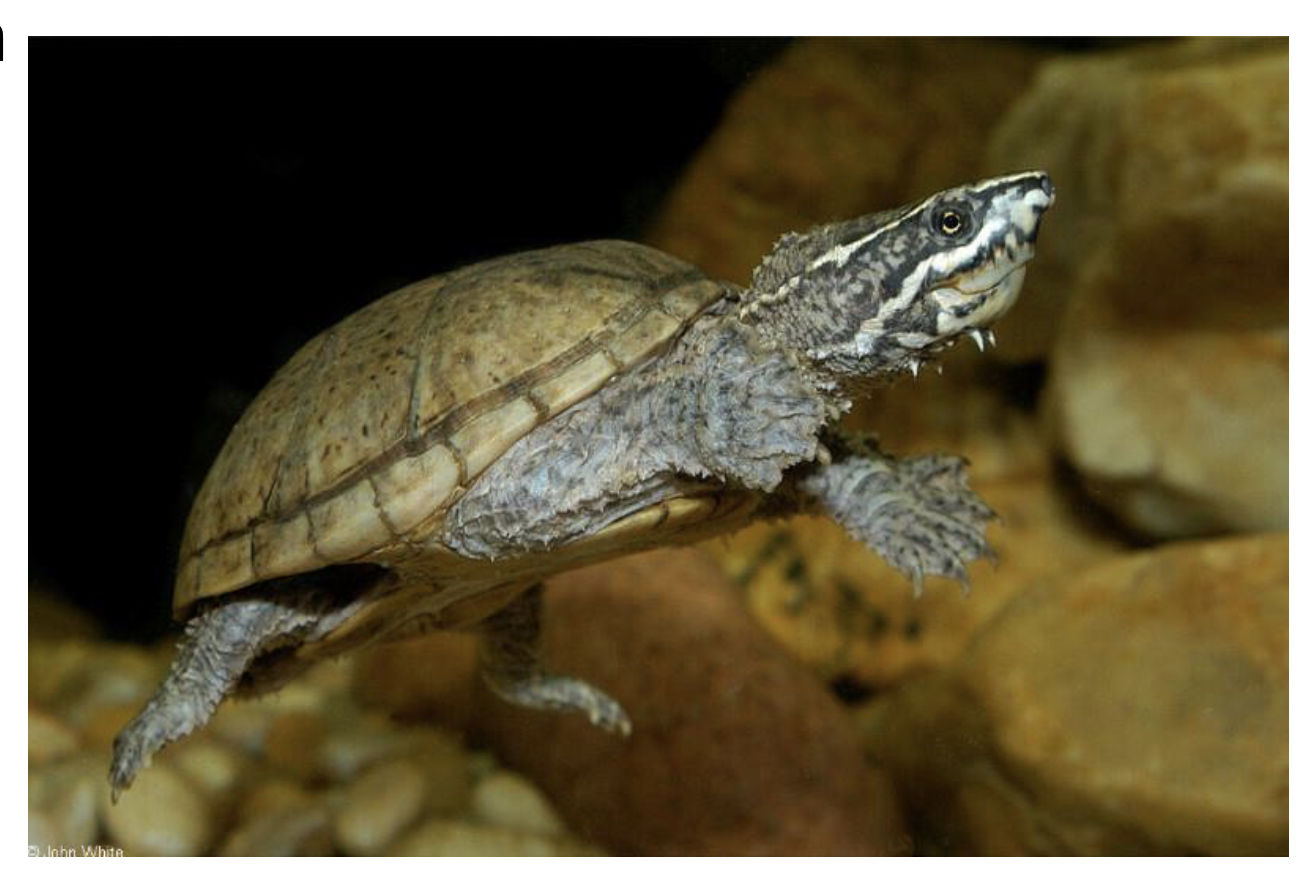
Kinosternonidae
Mud and Musk Turtles
4 gen, 33 sp
North America to South America
Aquatic, mostly carnivorous
poor swimmers, tend to walk on bottom
many have hinged plastron
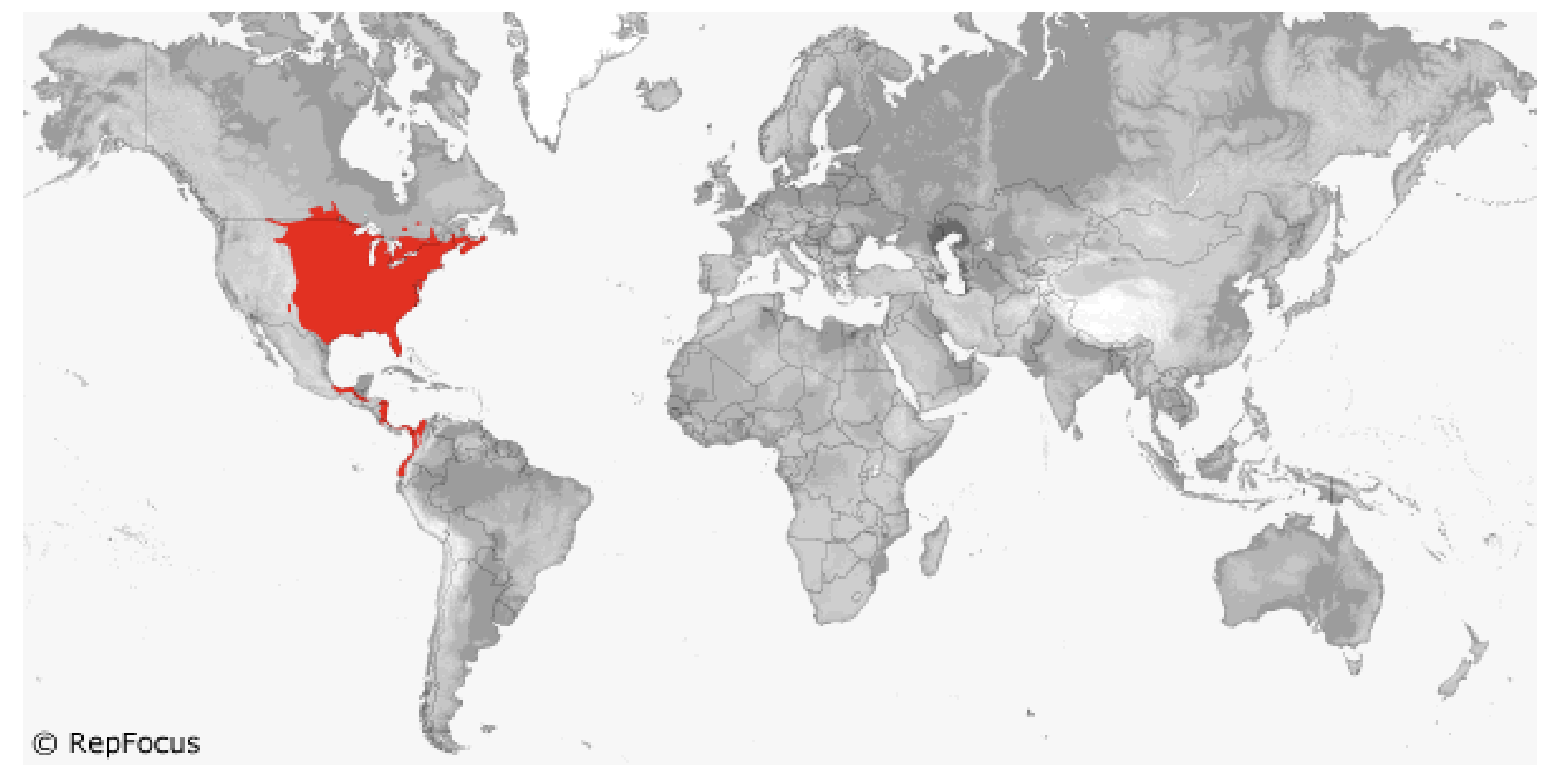
Chelydridae
Snapping Turtles
2 gen, 6 sp
• North America to northwest South America
• Big, aquatic (freshwater or brackish), omnivorous
• Poor swimmers, walk on bottom
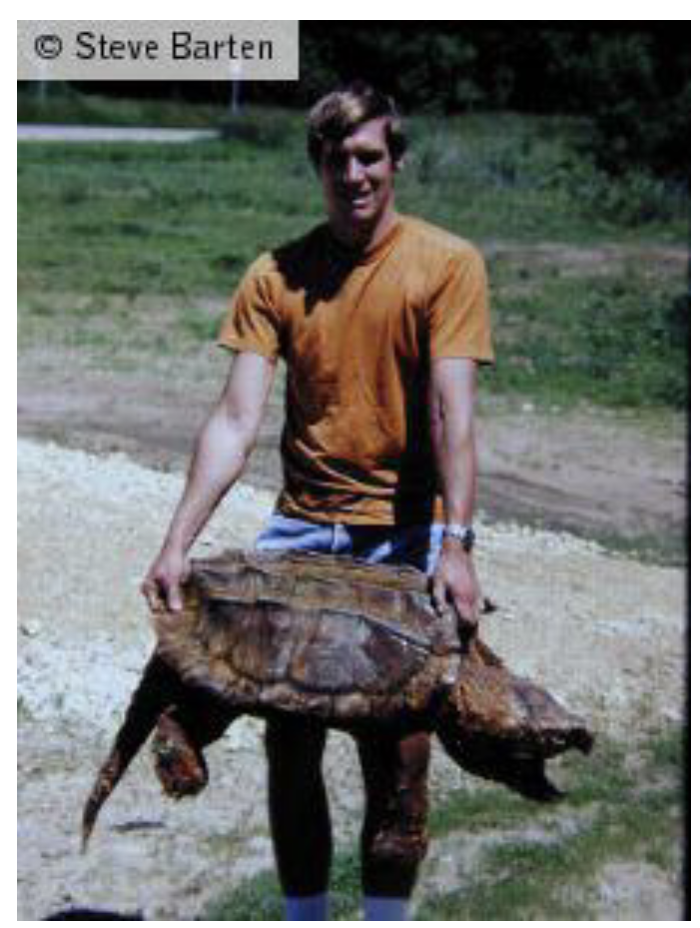
Chelydra serpentina - common snapping turtle
Macrochelys temminckii - Alligator snapping turtles (rare and endangered) (fish lure tongue)
Cheloniidae and Dermochelyidae
Sea Turtles
Paddle like forelimbs
only primarily marine turtles
fully aquatic
females come ashore to nest on beaches
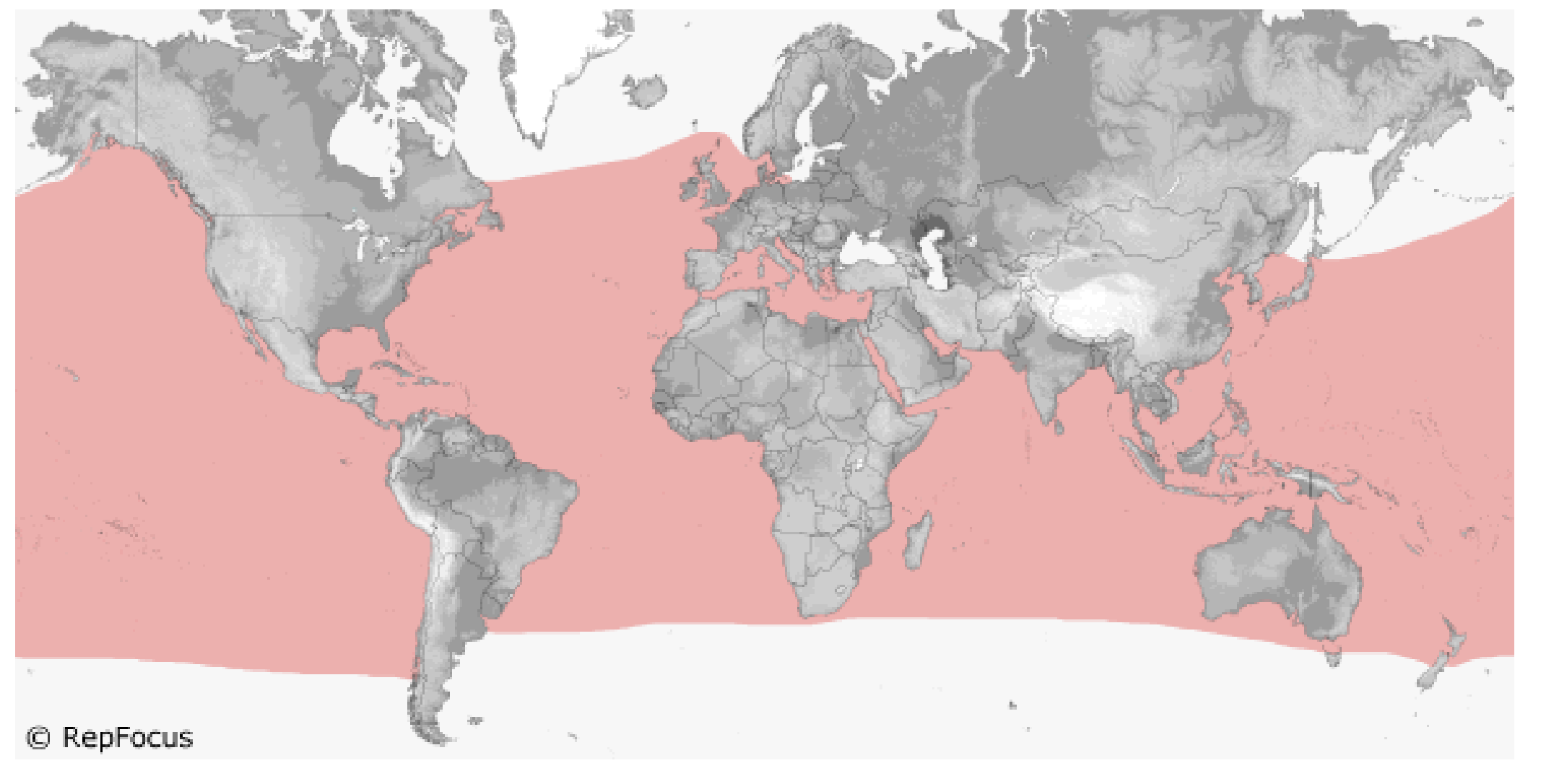
Cheloniidae
Sea Turtle
5 gen, 6 sp
Found in oceans nearly worldwide (temperate and tropical, but not arctic)
Feed on plants or animals attached to the substrate
Green Turtle is herbivorous
Hawksbill Turtle feeds on sponges
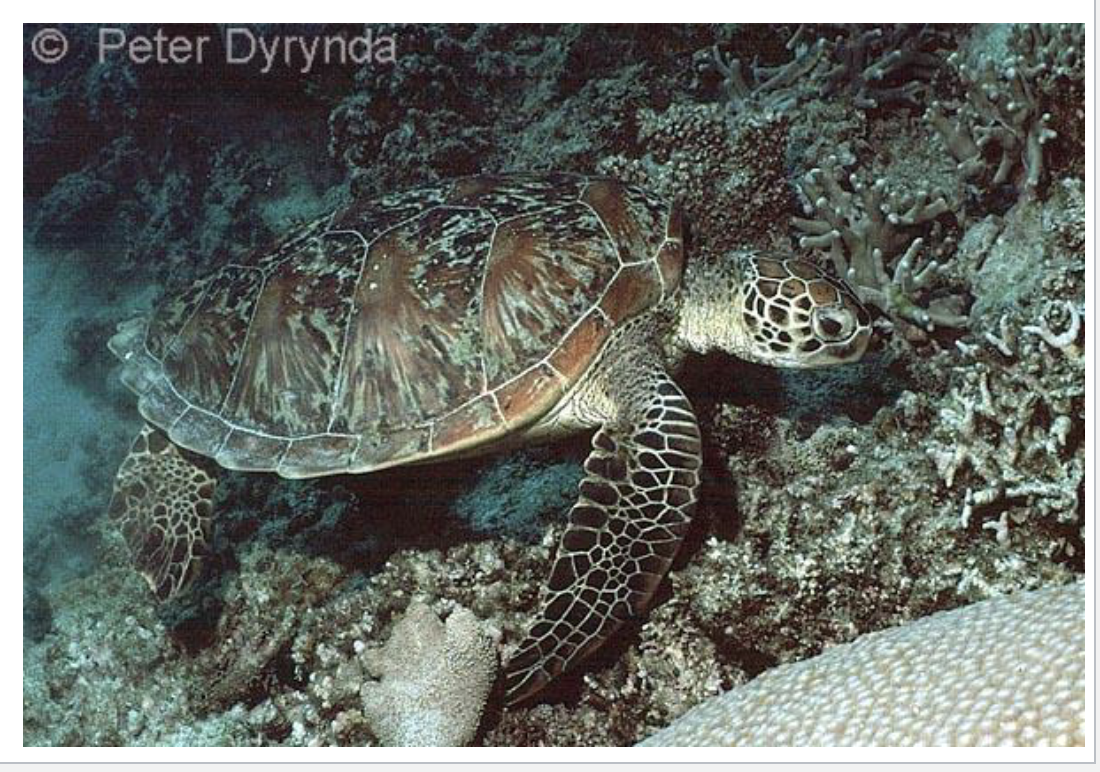
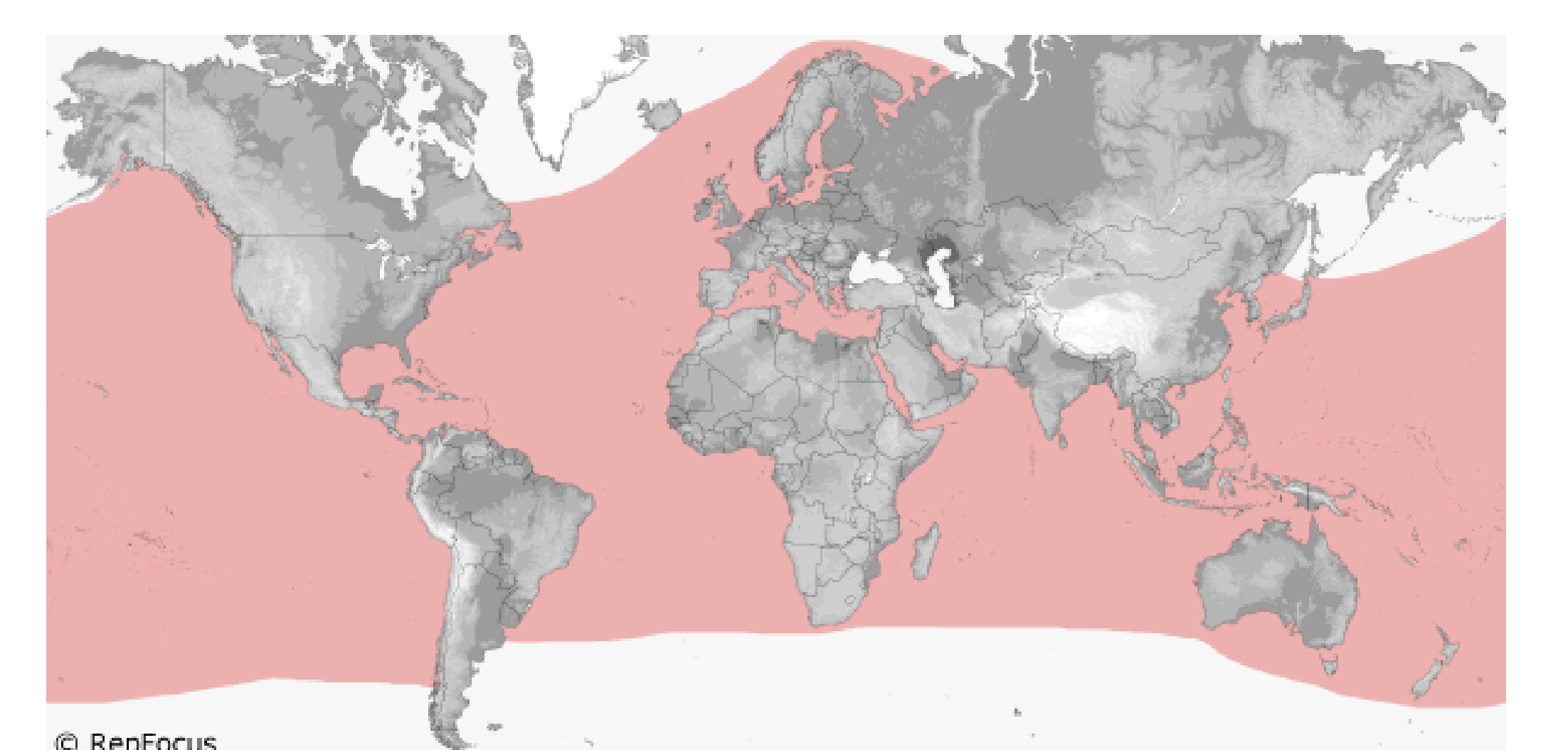
Dermochelyidae
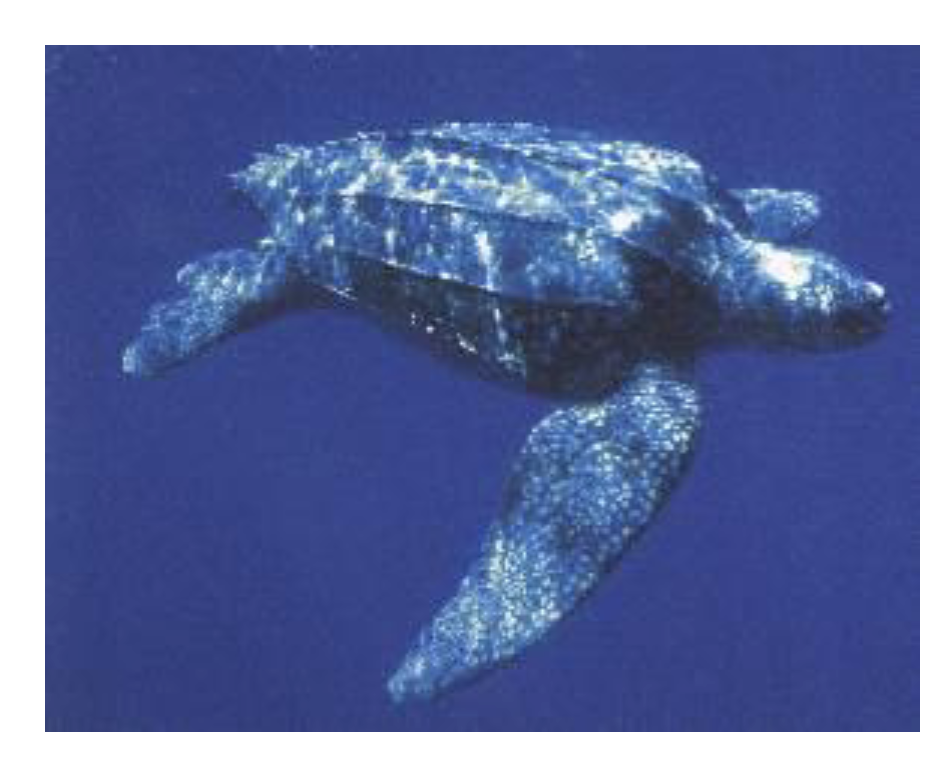
Leatherback Sea Turtle
1 gen, 1 sp
• Carapace is composed of small osteoderms embedded in leathery
skin (hence name)
• Has reduced skeleton and very paedomorphic (juvenile) morphology
• Yet, is largest living turtle, up to 2–2.5 meters long
Ranges into colder waters thanks to partially warm blooded
Feeds in the water column
Eat jellyfish
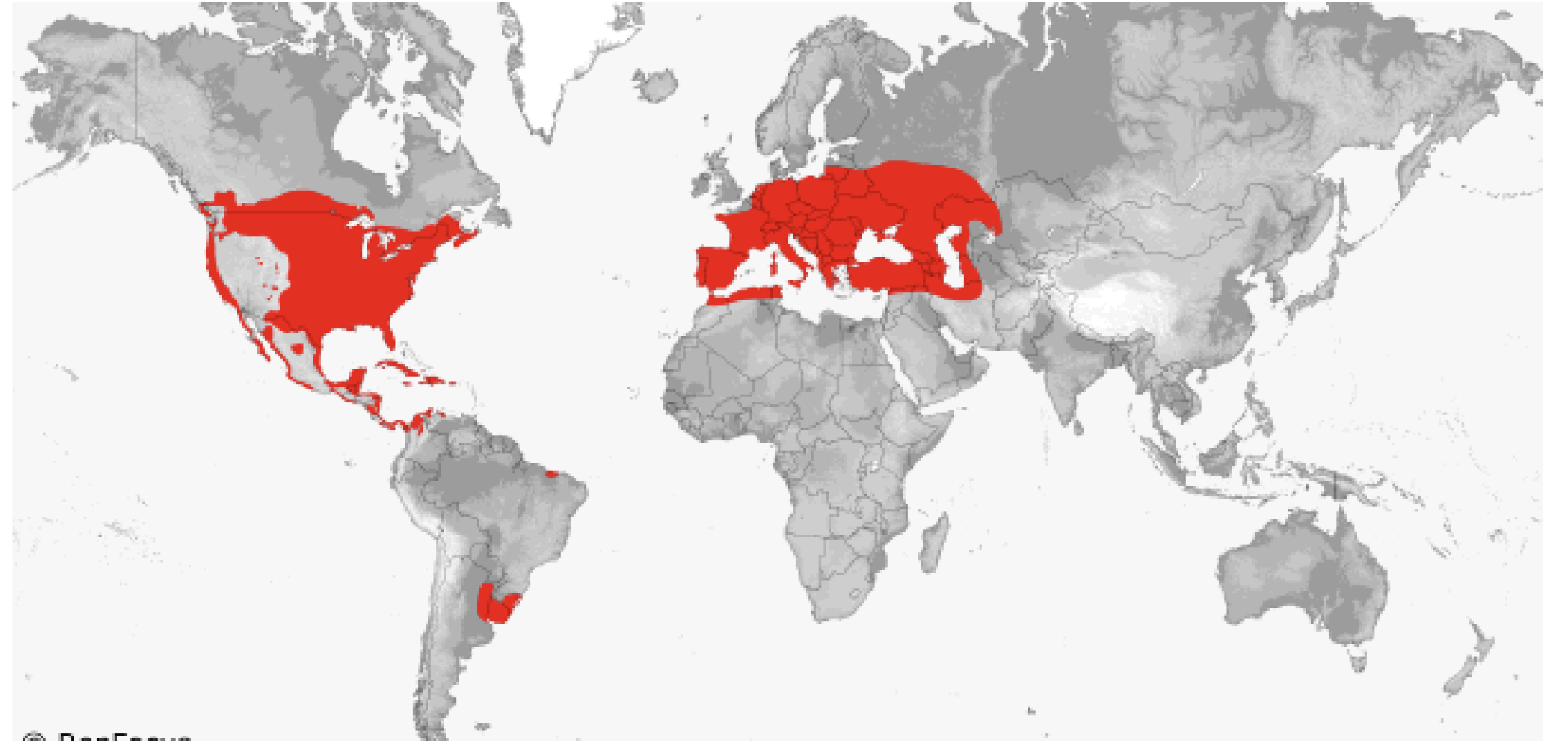
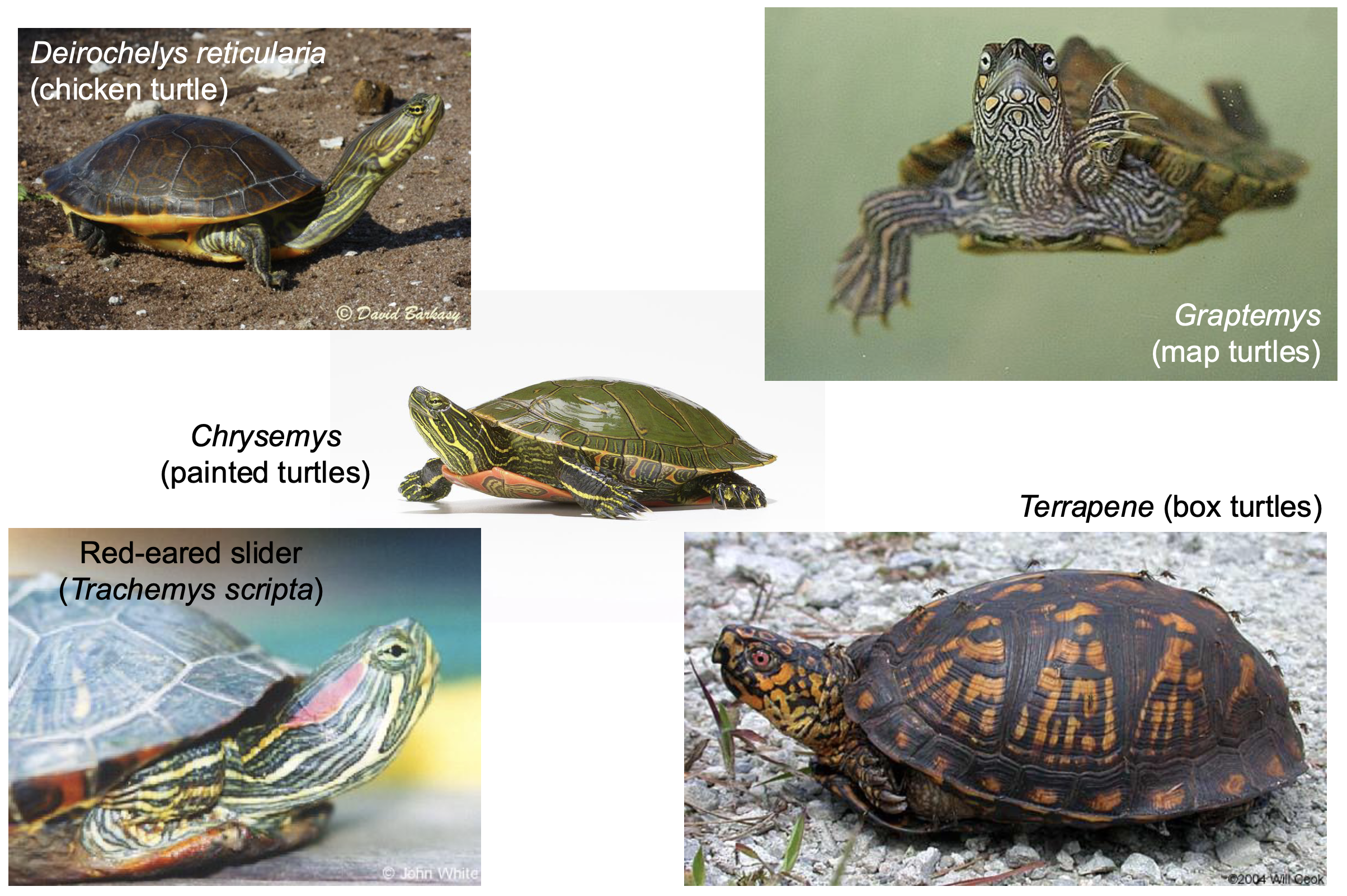
Emydidae
12 gen, 57 sp
aquatic to terrestrial
carnivorous to herbivorous
majority are aquatic
2 fully terrestrial species
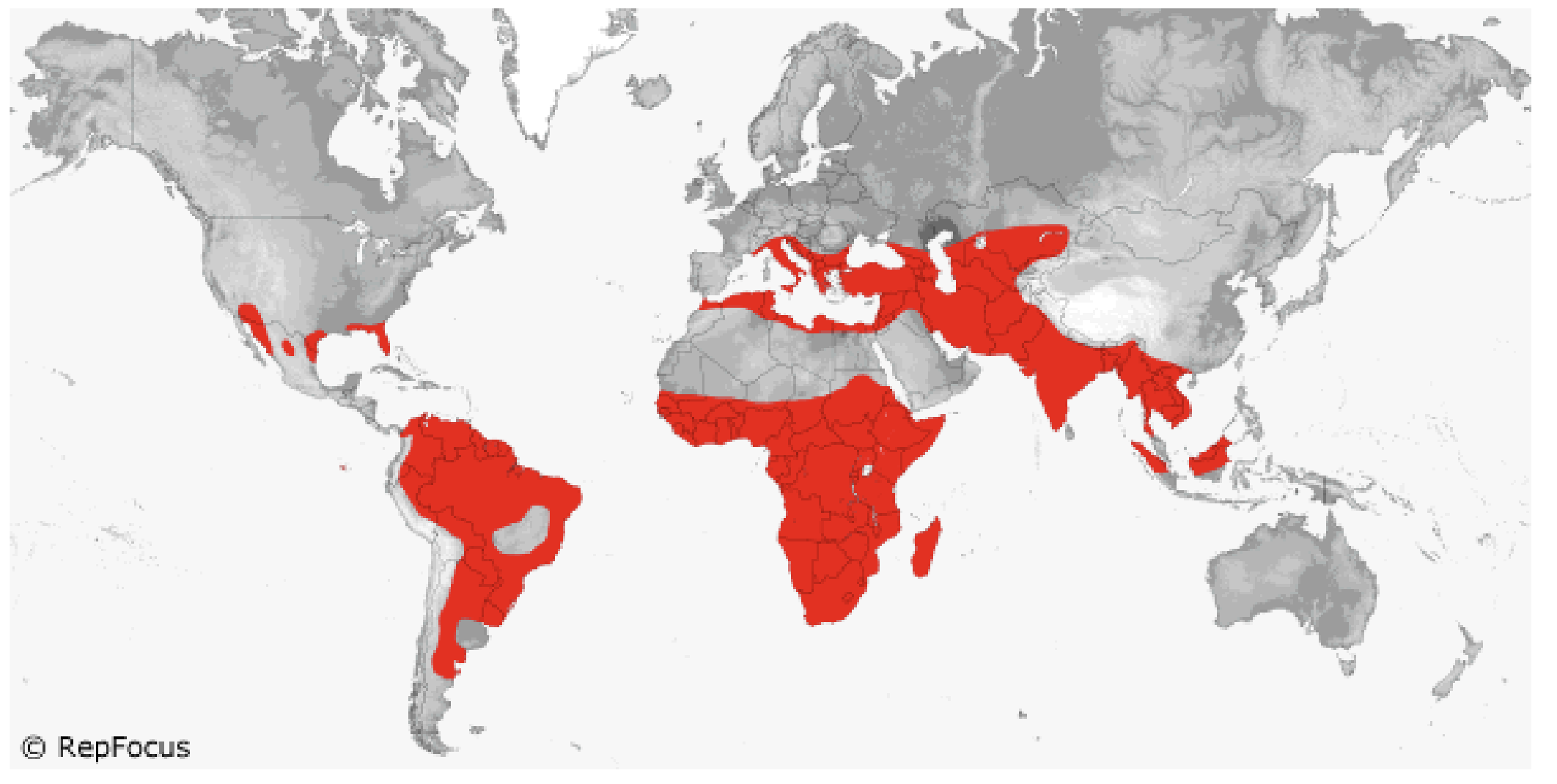
Testudinidae
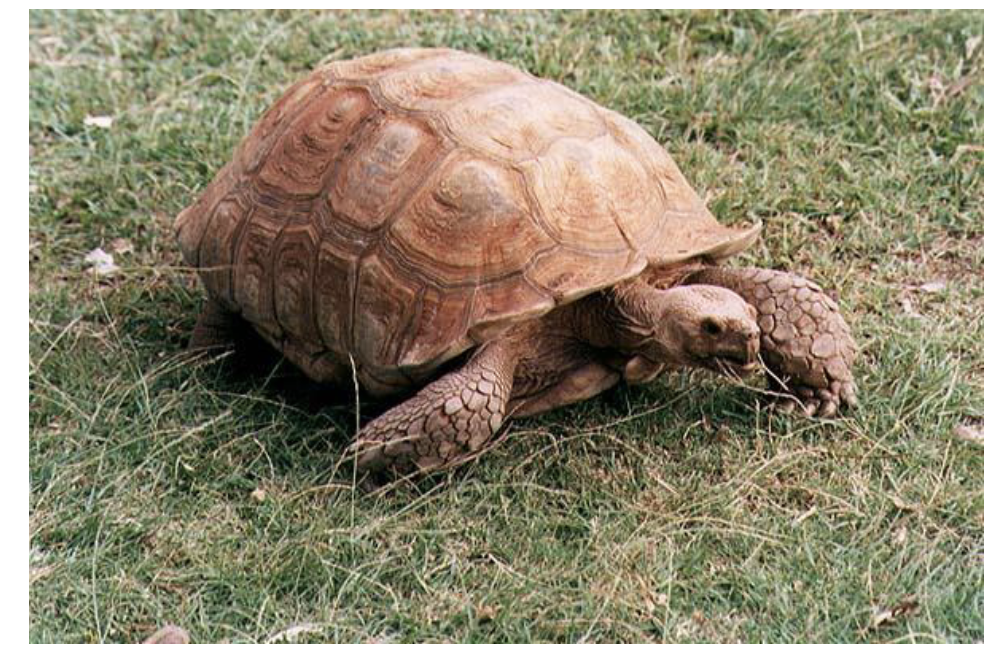
Tortoises
17 gen, 58 sp
• Found nearly worldwide in tropical and warm-temperate areas
• Most diversity in Africa and Asia
• Terrestrial, many herbivorous or omnivorous
stocky, elephant like legs
tall, domed shell
enlarged scales on front of forelimbs
• Pancake tortoise (Malacochersus tornieri) has flattened, soft
shell and hides in rock crevices
• 3 species of tortoises in United States (genus Gopherus)
• Found only in warmest parts of the country
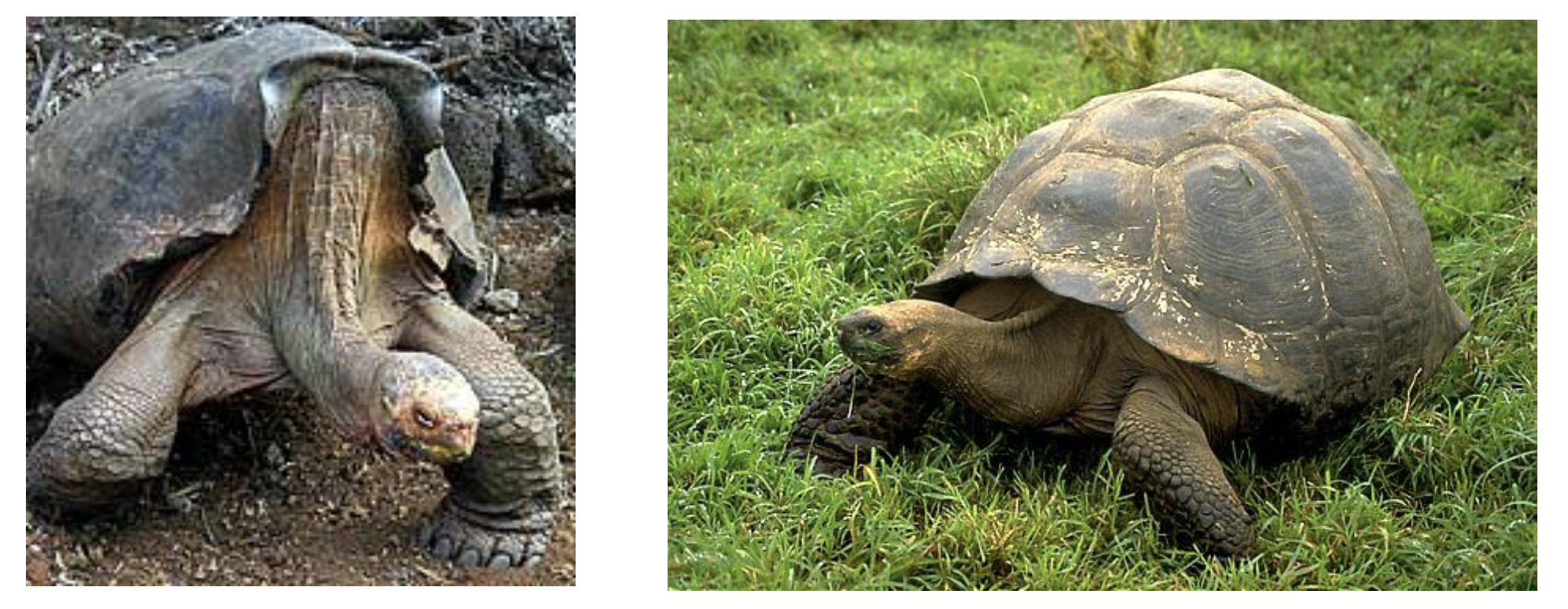
Galapagos Tortoises
Giant tortoises
1 sp, 15 subspecies
• Different subspecies occur on different islands or even different parts of islands
• Some have strikingly different shell shapes
• Saddleback occurs on drier islands; food is harder to reach (e.g., tree cacti)
• Domed shell occurs on wetter islands (can graze on grass and other low growing plants)
Are giant tortoises on Galapagos and Seychelles related?
Two giant species became Giant separately
(Island rule) (Big animals get small, small animals get big) - NOT THE CASE
They are actually just the last remaining species of giant tortoise
There used to be giant tortoises on almost all major landmasses
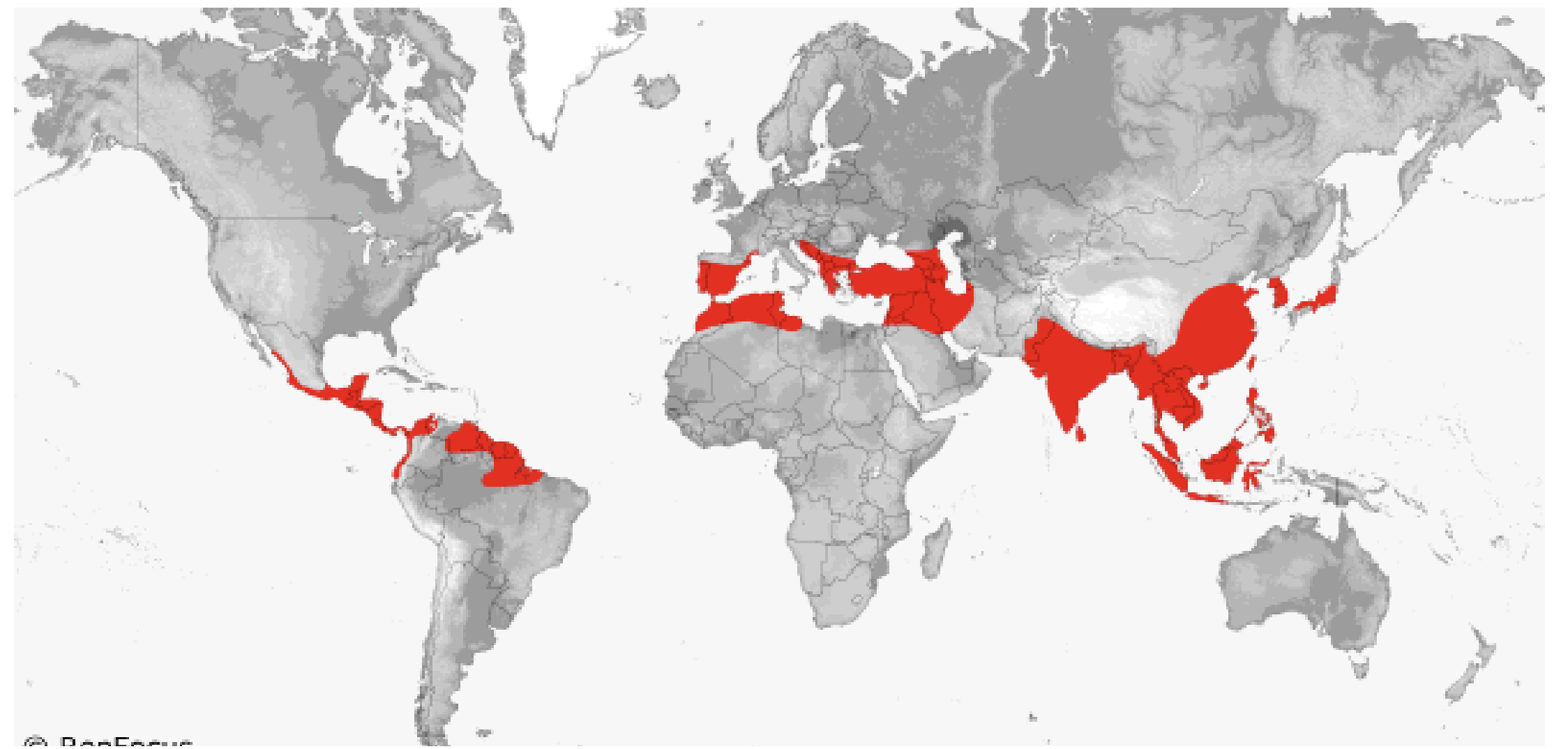
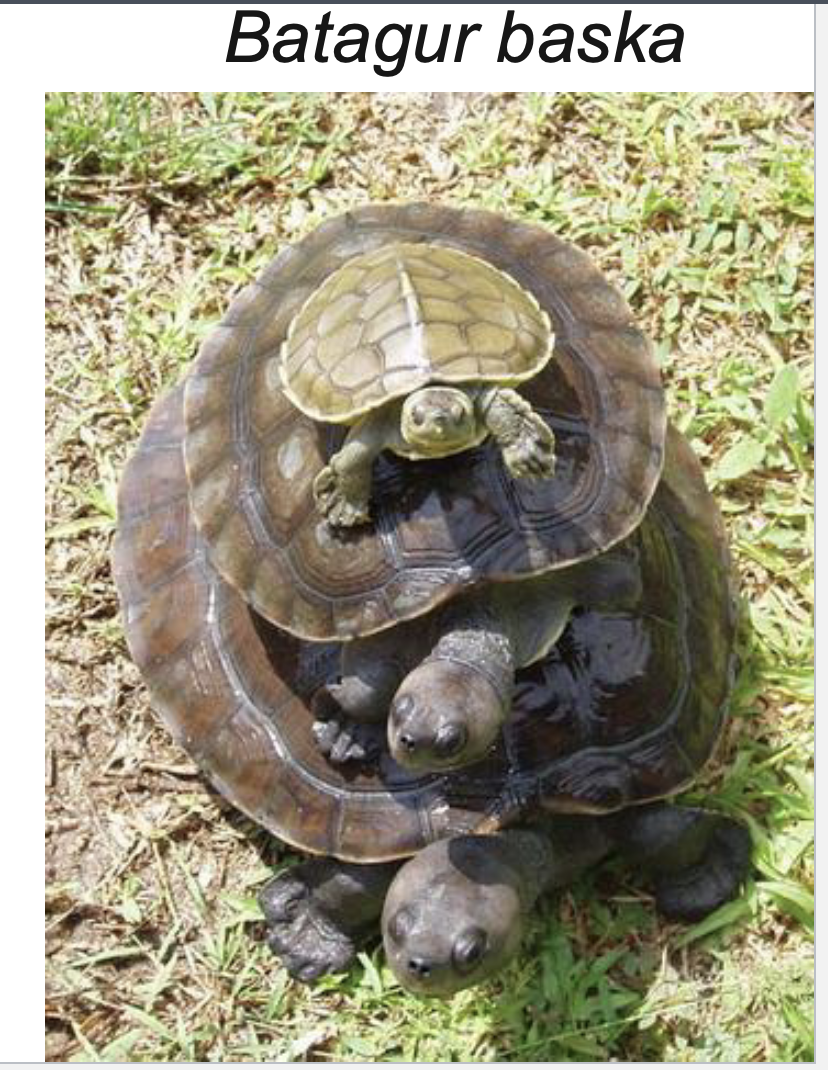
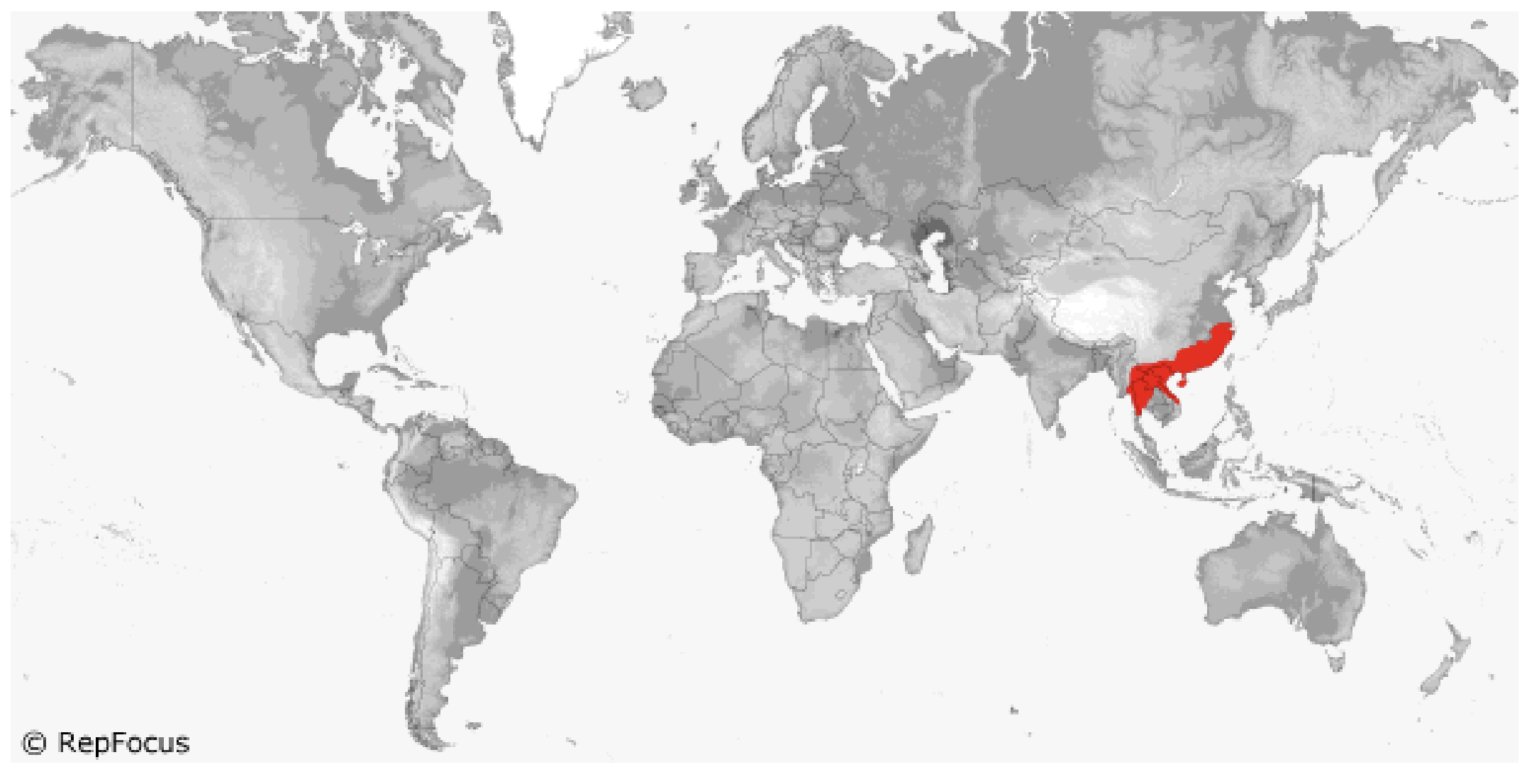
Geoemydidae
Eastern Pond Turtles
19 gen, 73 sp
Global tropical distribution
Aquatic, semi-aquatic, terrestrial
Platysternidae
Big Head Turtle
1 sp, 3 subspecies
Huge head
Asia
Can not retract head
Mainly terrestrial and can climb
Not a good swimmer
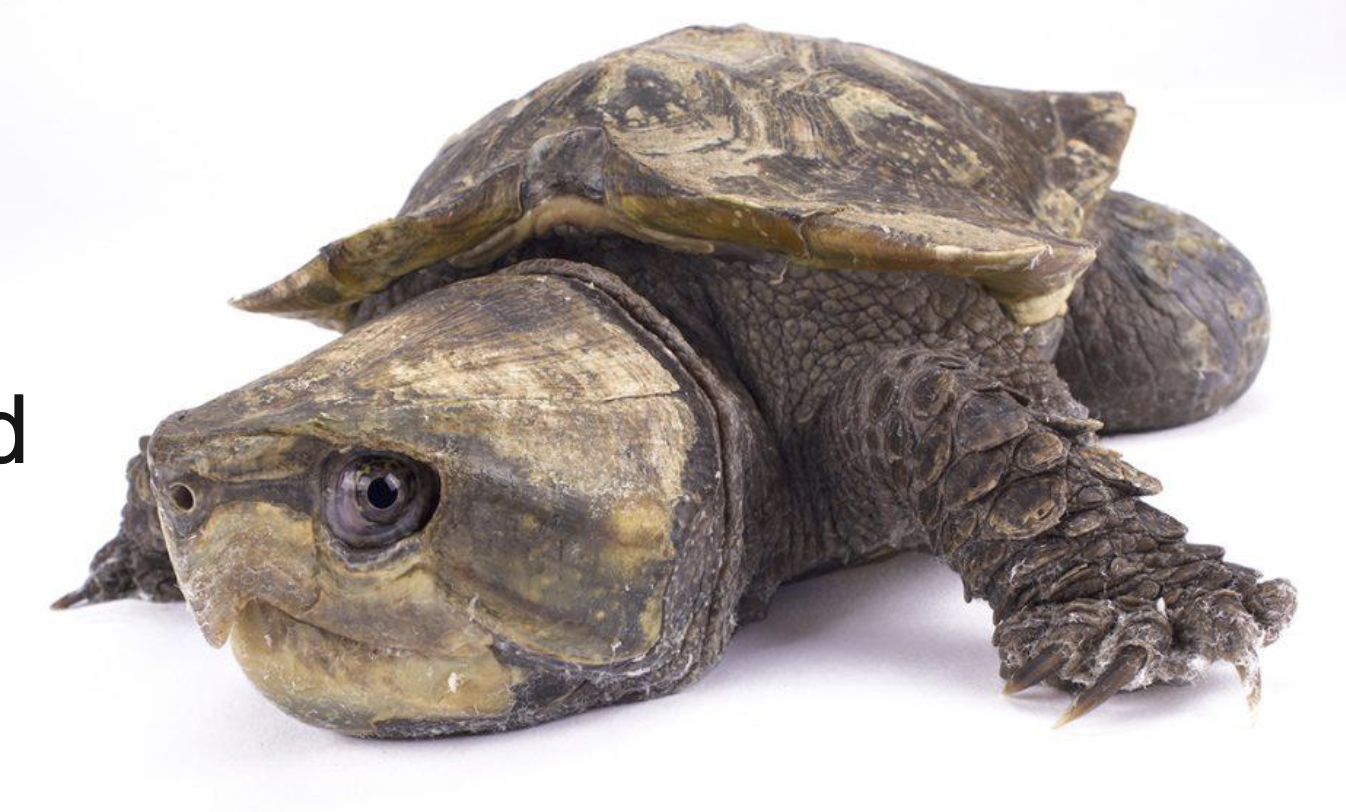
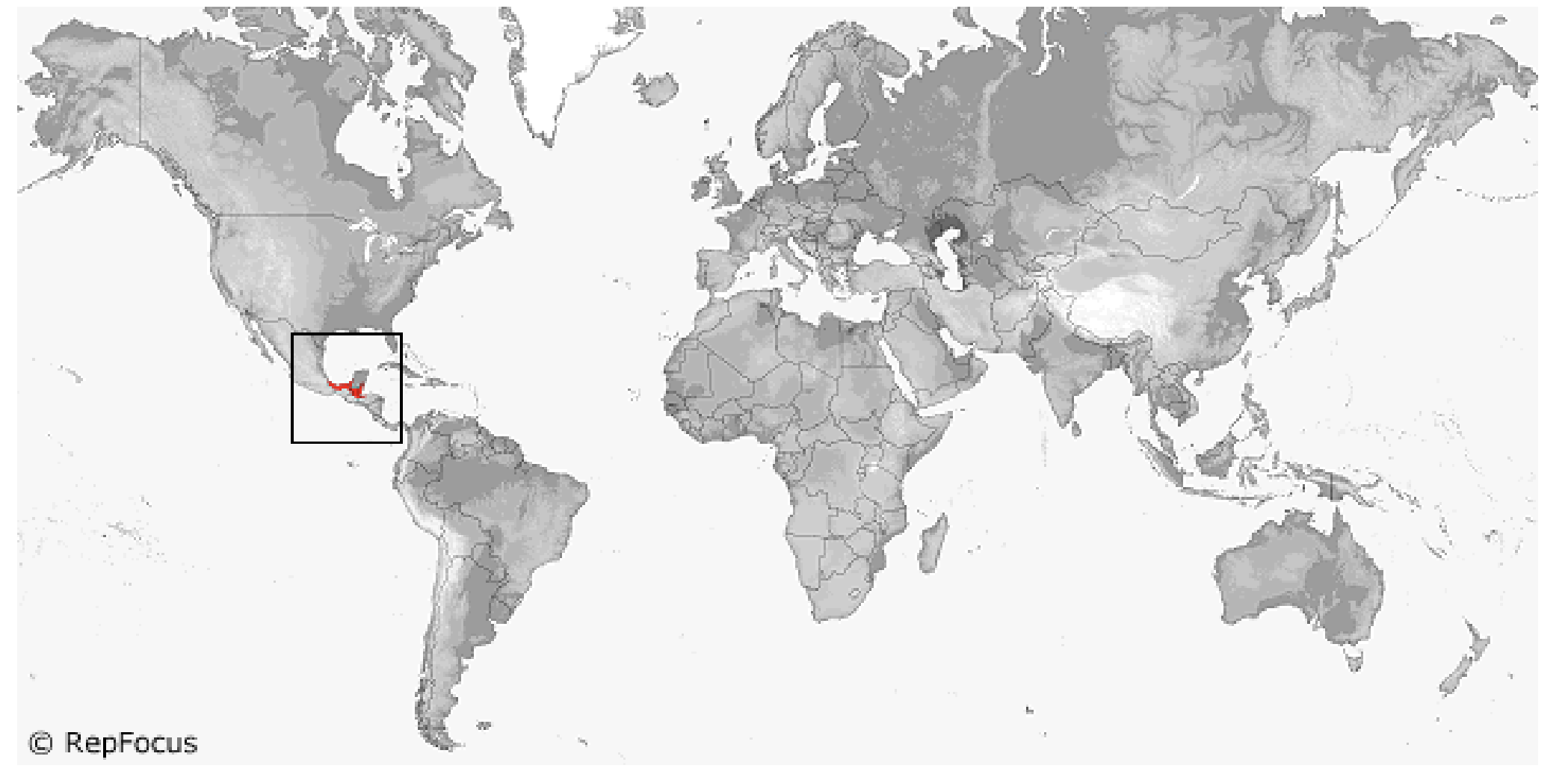
Dermatemydidae
River Turtle
1 sp, 1 genus
Central America
Herbivorous, aquatic, nocturnal
Only leaves water to lay eggs
Eggs can survive underwater