Human Physiology and Anatomy - Esthetician Study Guide
 Call Kai
 Learn
Learn Practice Test
 Spaced Repetition
 Match
Match Flashcards
 Knowt Play
1/211

There's no tags or description
Looks like no tags are added yet.
Name | Mastery | Learn | Test | Matching | Spaced | Call with Kai |
|---|
No analytics yet
Send a link to your students to track their progress
212 Terms
Anatomy
the study of the structures of the human body and the substances these structures are made of. It is the science of the interconnected details of organisms, or of their parts
Physiology
the study of the functions and activities performed by the body structures, including physical and chemical processes
Histology
microscopic anatomy, the study of the structure and composition of tissue
Cells
basic unit of all living things; minute mass of protoplasm capable of performing all the fundamental functions of life
Protoplasm
Colorless, jellylike substance in cells: contains food elements such as protein, fats, carbohydrates, mineral salts, and water necessary for cell growth, reproduction, and self-repair
Organelles
small organs- are specialized structures within a cell that perform distinct functions, similar to how organs function in a body
Cell Membrane
a biological membrane that surrounds and protects the interior of a cell from the external environment; it permits soluble (Capable of being dissolved or liquefied) substances to enter and leave the cell
Nucleus
a membrane-bound organelle found in eukaryotic cells that contains the cell's genetic material in the form of DNA. It serves as the command center of the cell, regulating gene expression and controlling cell growth and reproduction
Nucleoplasm
fluid within the nucleus of a cell that contains proteins and DNA: determines our genetic makeup
DNA
the blueprint material of genetic information; it contains all the information that controls the function of every living cell
Mitochondria
a cell structure that takes in nutrients, breaks them down, and creates energy for the cell, called ATP, adenosine triphosphate. Freely floating throughout the cells. Some cells have several thousand mitochondria, such as muscle cells, while others have none, like red blood cells
Neurons
nerve cells: cells that make up the nerves, brain, and spinal cord and transmit nerve impulses
ATP
transports chemical energy within cells for metabolism
Mitosis
cell dividing into two new cells (daughter cells): the usual process of cell reproduction in human tissues
Metabolism
a chemical process that takes place in living organisms, converting nutrients to energy so the cell can function. Also eliminates waste. These functions allow organisms to grow and reproduce, respond to their environments, and maintain their structures
Tissue
a collection of similar cells that perform a particular function
Connective Tissue
fibrous tissue that binds together, protects, and supports the various parts of the body, such as bone, cartilage, and tendons. Bone, cartilage, ligaments, tendons, blood, lymph, and fat
Adipose Tissue
specialized connective tissue considered fat, which gives smoothness and contour to the body and cushions and insulates the body
Epithelial Tissue
protective covering on body surfaces, such as the skin, mucous membranes, and lining of the heart; digestive and respiratory organs; and glands
Muscle Tissue
tissue that contracts and moves various parts of the body
Nerve Tissue
tissue that controls and coordinates all body functions
Organs
structures composed of specialized tissues designed to perform specific functions in plants and animals
Body systems
groups of body organs acting together to perform one or more functions. The human body is composed of 11 major systems
Skin Accessory Organs
oil and sweat glands, sensory receptors, hair, and nails.
Integumentary
Largest organ of the body, first line of defense against infection and water loss; regulates temperature, perceives sensation, produces vitamin D: and has absorption capabilities
Skeletal
Forms the physical foundation : Bones
Muscular System
Covers, shapes, and supports the skeletal tissue; also contracts and moves various parts of the body; consists of muscles
Circulatory System
Controls the steady delivery of blood through the body; works with the lymphatic channels: Heart with bolood vessels
Lymphatic
Protects the body from disease by developing resistance and destroying disease-causing toxins, foreign material, and bacteria: Spleen, lymph
Endocrine
affects growth, development, sexual activities, and normal regulatory processes of the body; consists of specialized glands: Adrenal gland, pituitary gland, pancreas
Reproductive
Performs the functions of producing children and passing on our genetics from one generation to another; differentiates between the sexes: Uterus, ovaries, penis, testes
Digestive System
Break down food into smaller and smaller particles to absorb nutrients or for excretion: Esophagus, stomach, gall bladder, liver, small and large intestines
Excretory
Refers to the elimination of waste matter: Kidney’s and bladder
Respiratory
Enables breathing,g supplies the body with oxygen, and eliminates carbon dioxide as a waste product: Lungs, trachea, bronchi
Functions of the Skeletal System
Support
Protection
Movement
Mineral Storage
Blood Cell Production (Hematopoiesis)
Bone Tissue
composed of several types of bone cells embedded in a network of inorganic salts—primarily calcium and phosphorus—along with collagen fibers
Joints
Locations where two or more bones meet, two types of movable and immovable
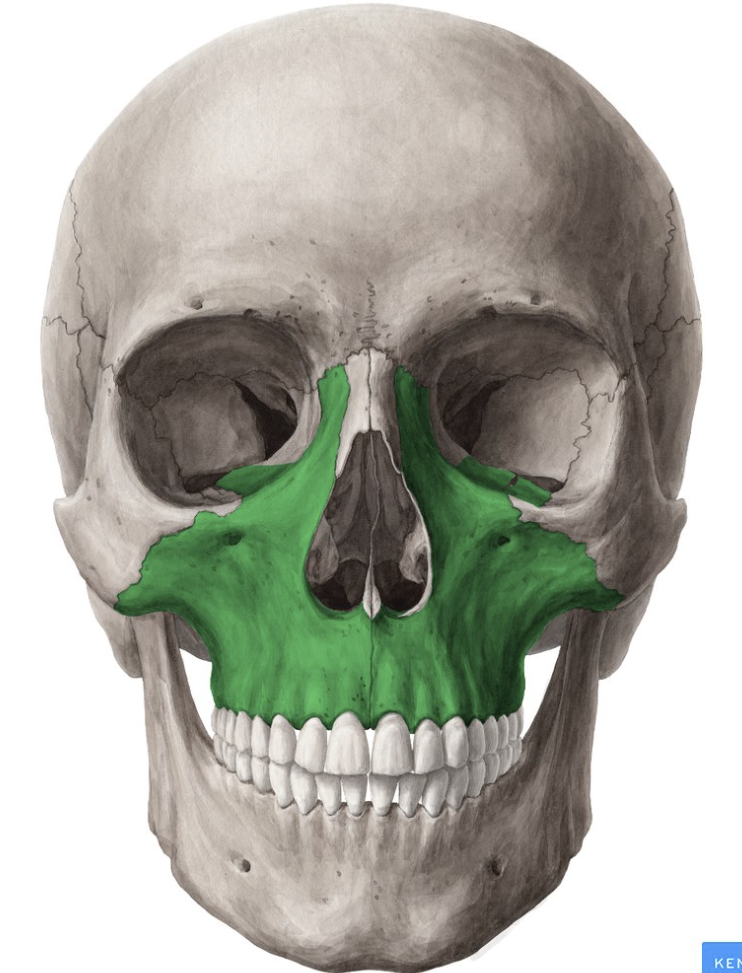
Maxilla
Upper Jawbone
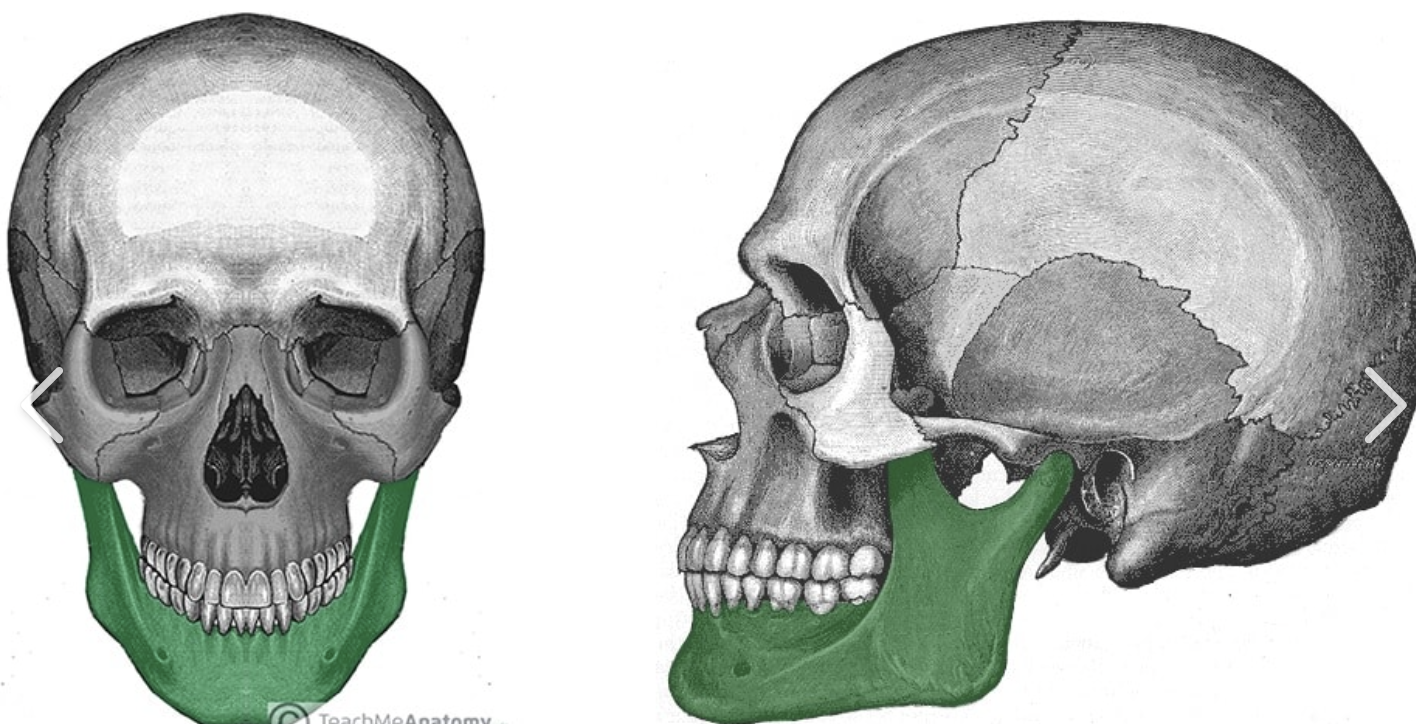
Mandible
Lower Jawbone
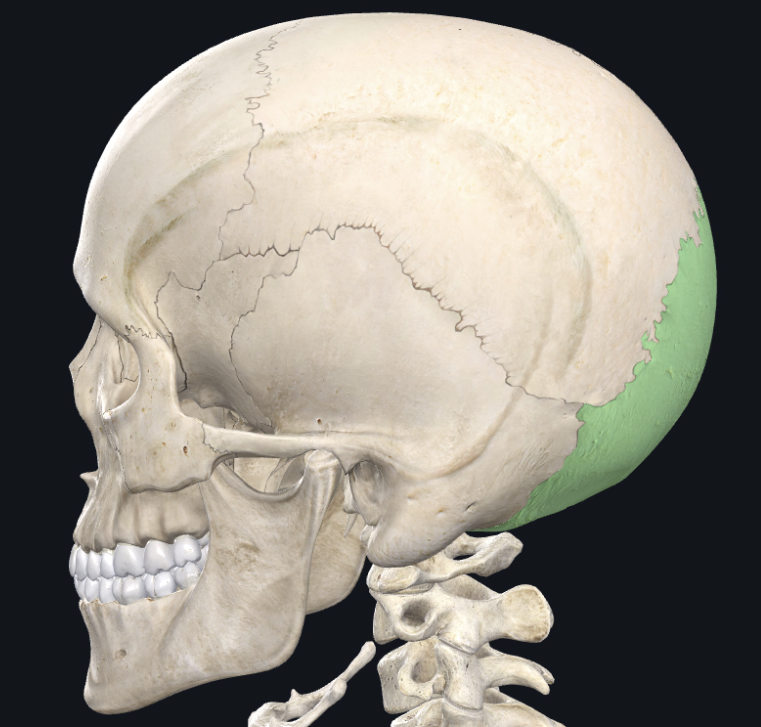
Occipital Bone
The hindmost bone of the skull, located below the parietal bones; forms the back of the skull above the nape
Nape
Not a bone—this is the back of the neck, just below the occipital bone
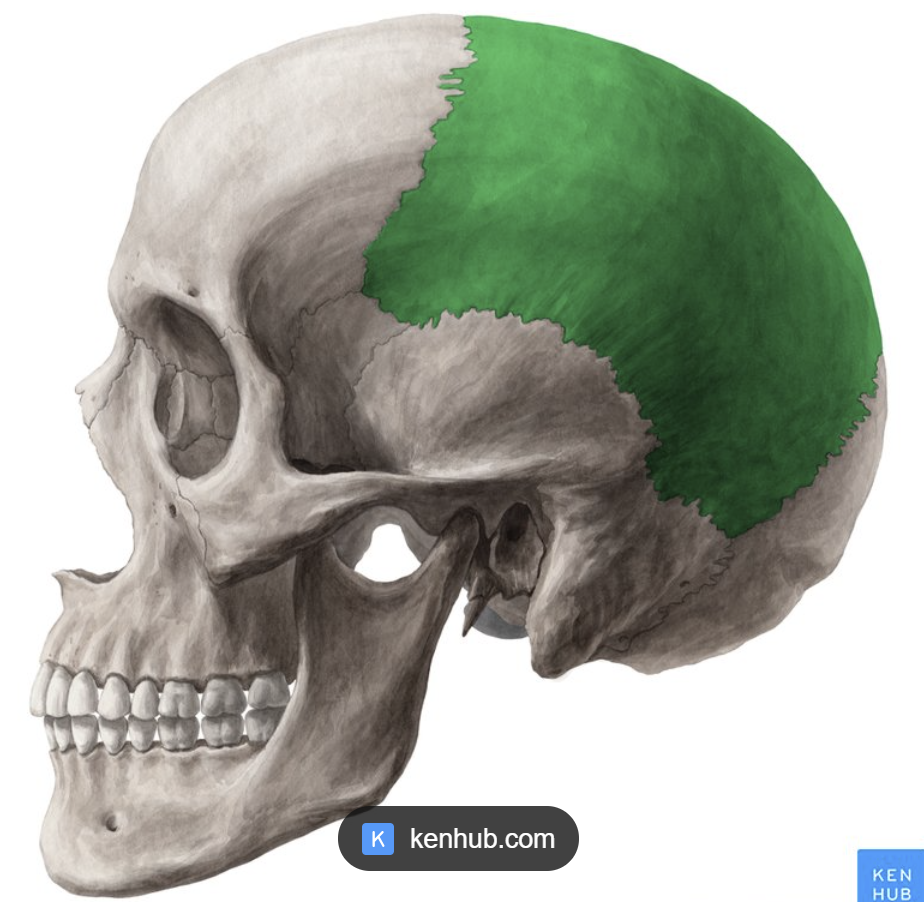
Parietal Bones (2)
Two bones that form the sides and crown (top) of the cranium.
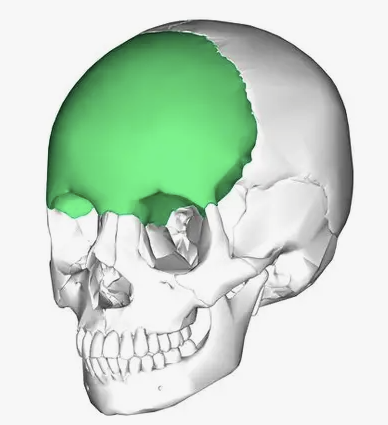
Frontal Bone
Forms the forehead, the top of the eye sockets, and part of the cranium
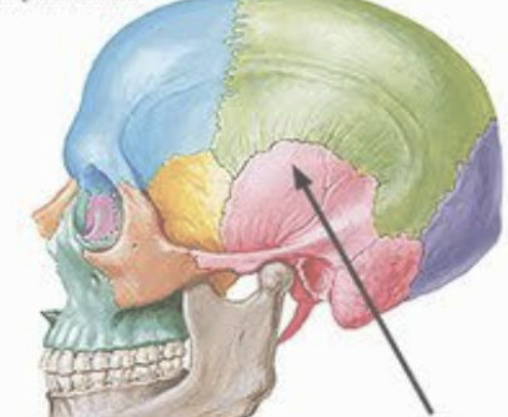
Temporal Bones (2)
Located on each side of the head, at the temples; they form the sides and base of the cranium
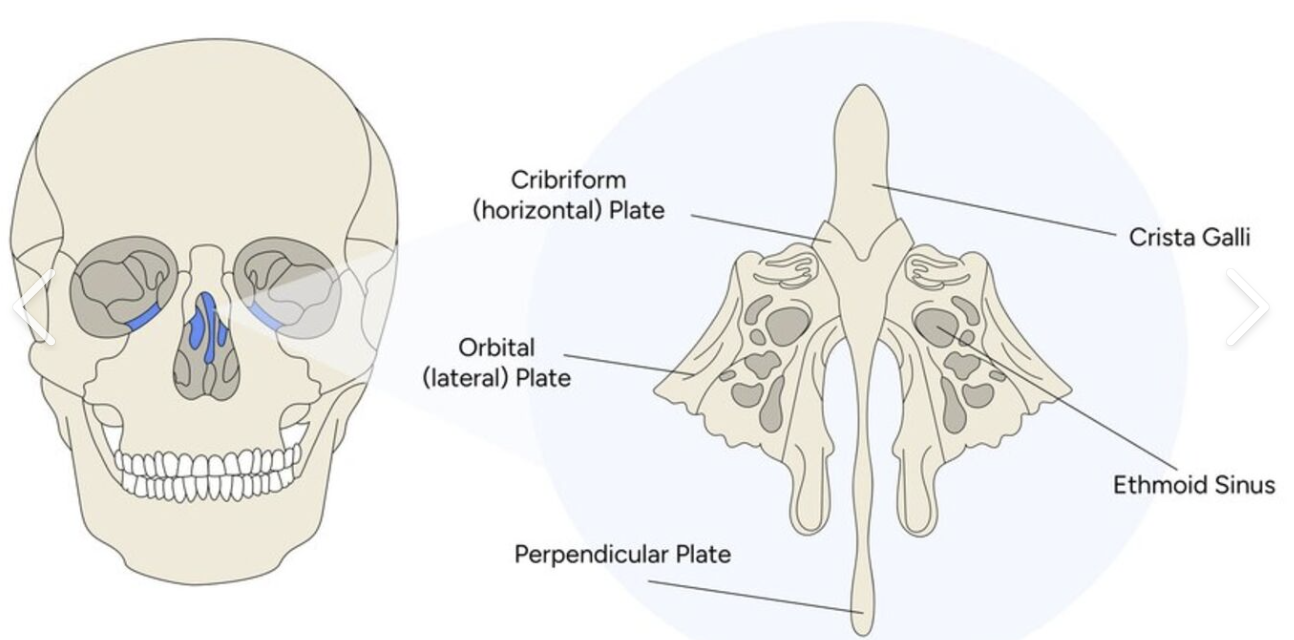
Ethmoid Bone
A light, spongy bone located between the eye sockets; forms part of the nasal cavity
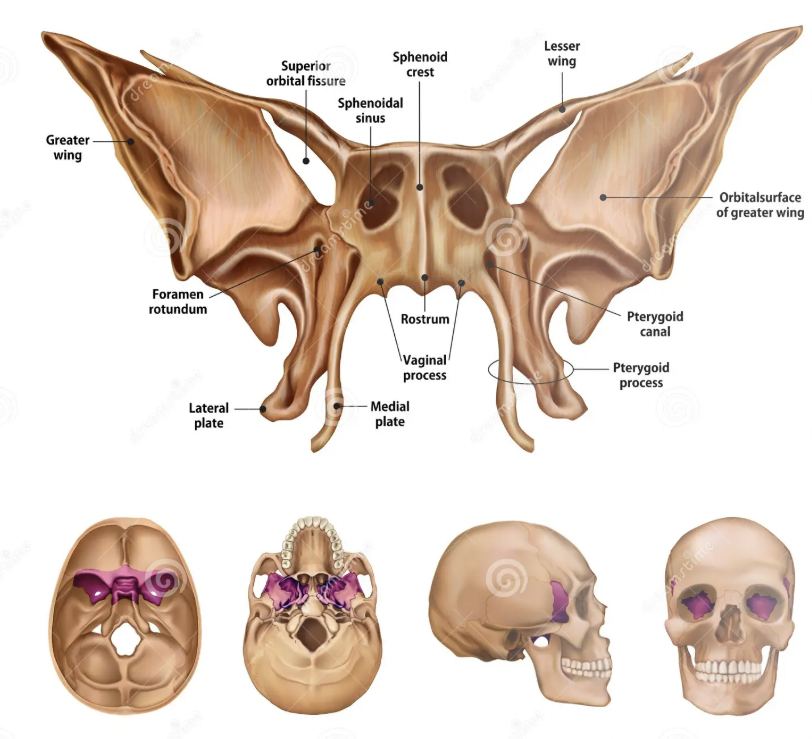
Sphenoid Bone
A bone that joins all the bones of the cranium together; located behind the eyes
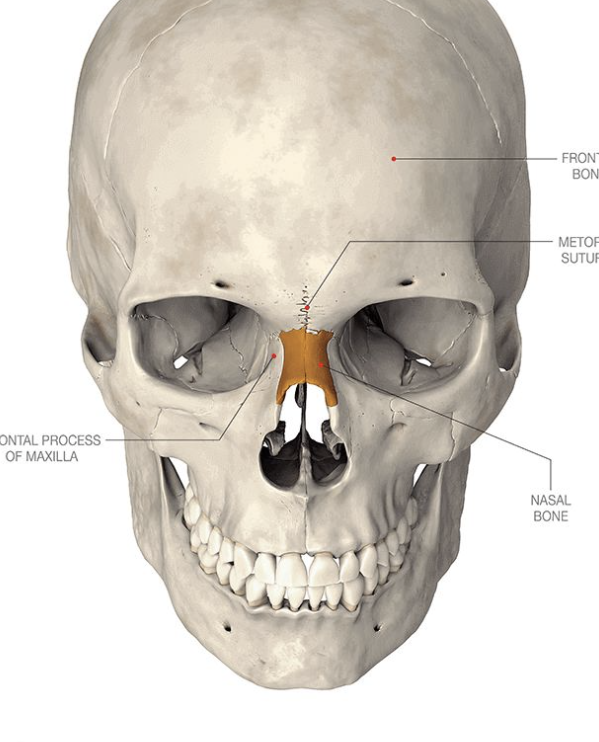
Nasal Bones
Forms the bridge of the nose
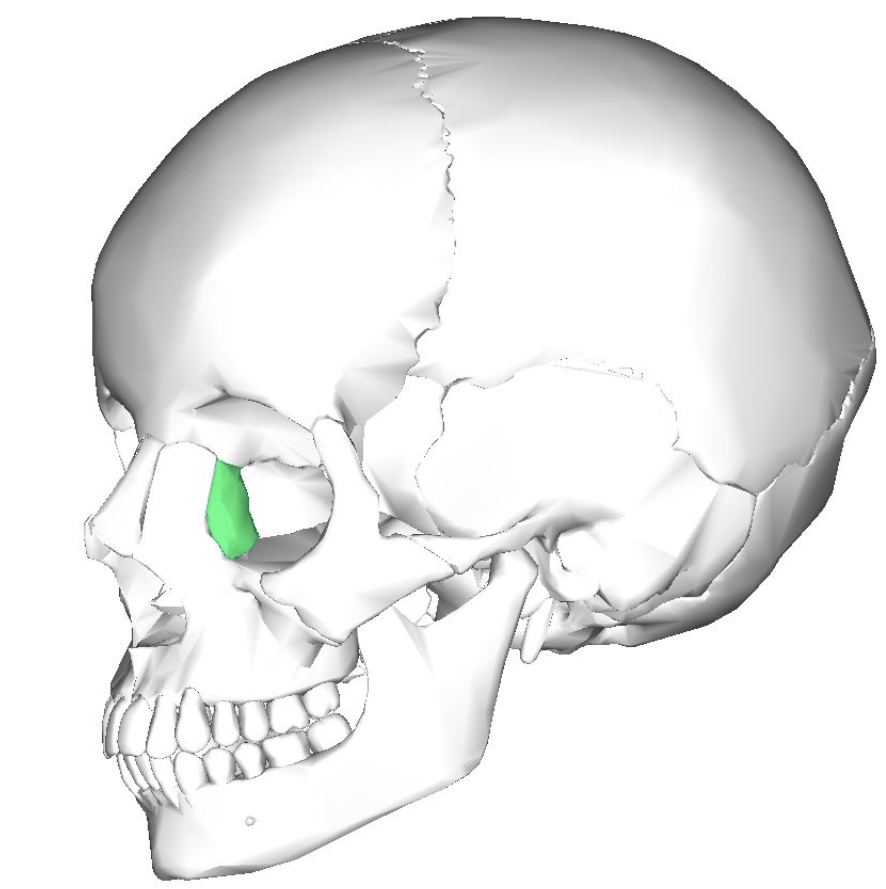
Lacrimal Bones
Smallest, most fragile bones of the face; located inside the eye socket, near the tear ducts.
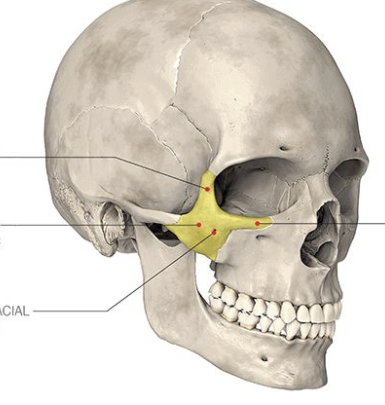
Zygomatic Bones
Also called malar bones or cheekbones; they form the prominence of the cheeks
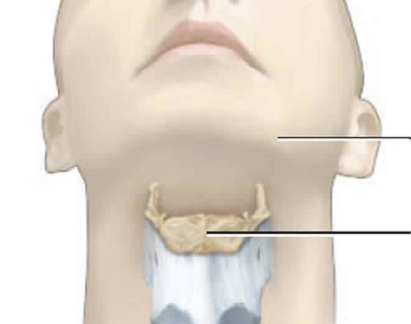
Hyoid Bone
a U-shaped bone located at the base of the tongue, and it serves as a support for the tongue and its associated muscles.
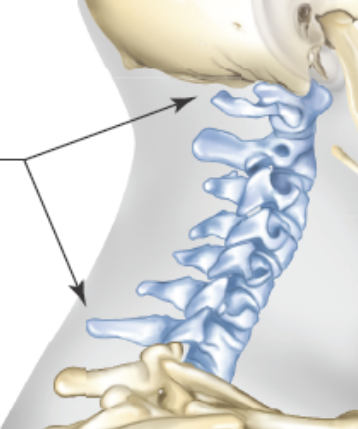
Cervical bones
the seven bones that make up the top portion of the vertebral column, forming the neck region and providing support, stability, and movement for the head and neck
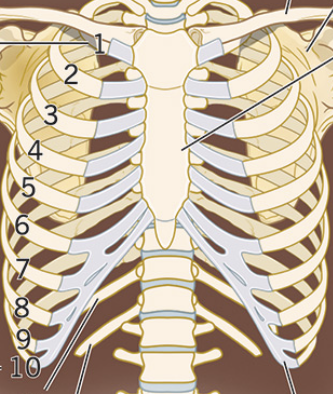
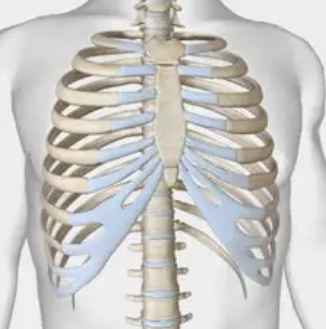
Ribs
consist of twelve pairs of curved bones that create the walls of the thorax.
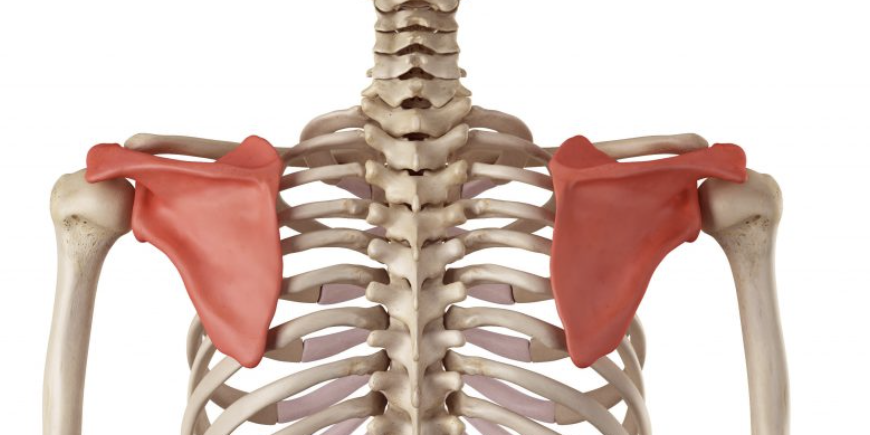
scapula
shoulder blade, is a large, flat, triangular bone on each side of the upper back.
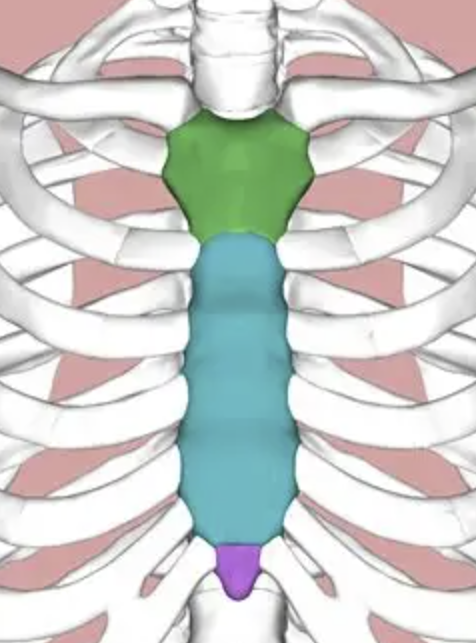
sternum
breastbone, is the flat bone that forms the front support of the rib cage.
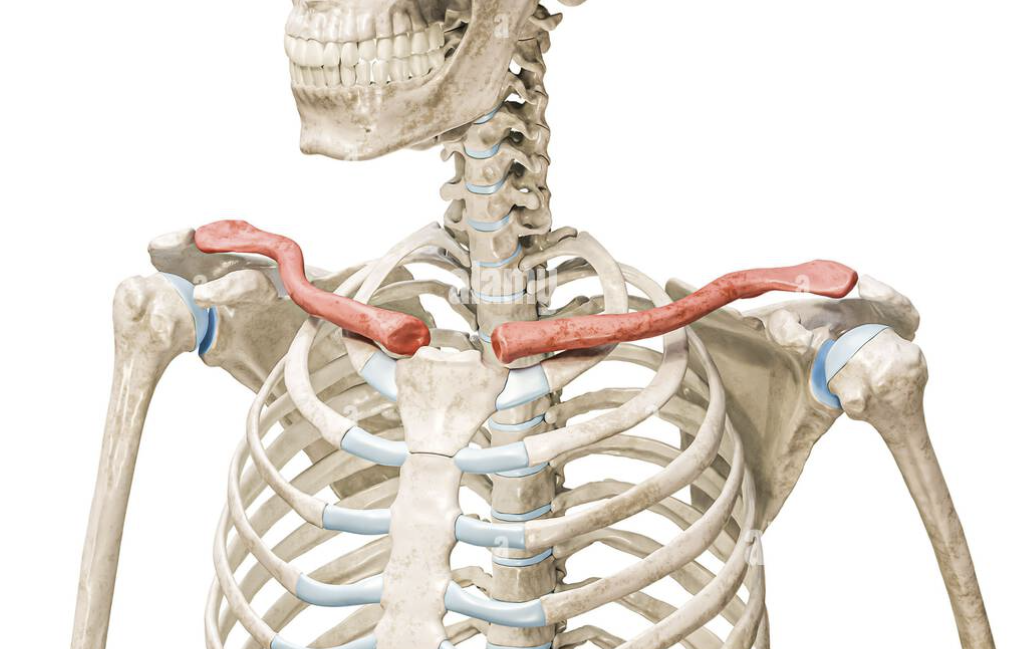
clavicle
collarbone, connects the sternum to the scapula and helps stabilize the shoulder
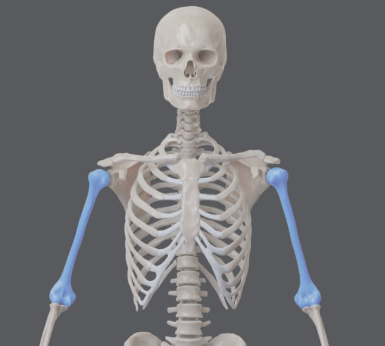
Humerus
the uppermost and largest bone of the arm, extending from the shoulder to the elbow
Ulna
the inner and larger bone of the forearm, located on the side of the little finger and attached to the wrist
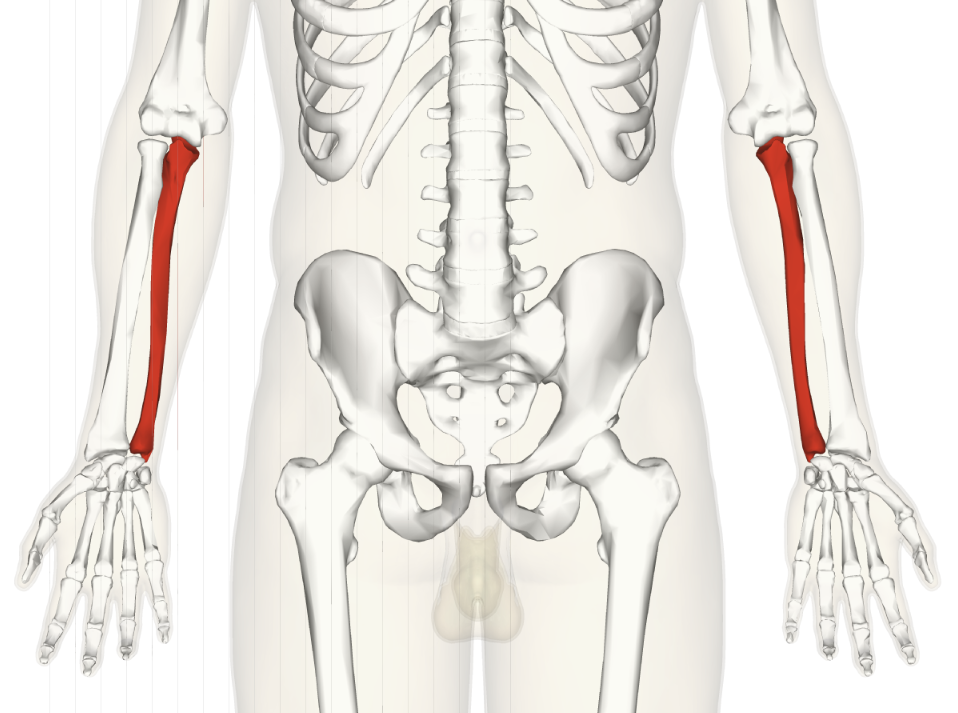
Radius
the smaller forearm bone positioned on the thumb side
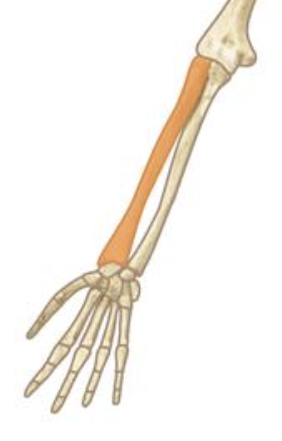
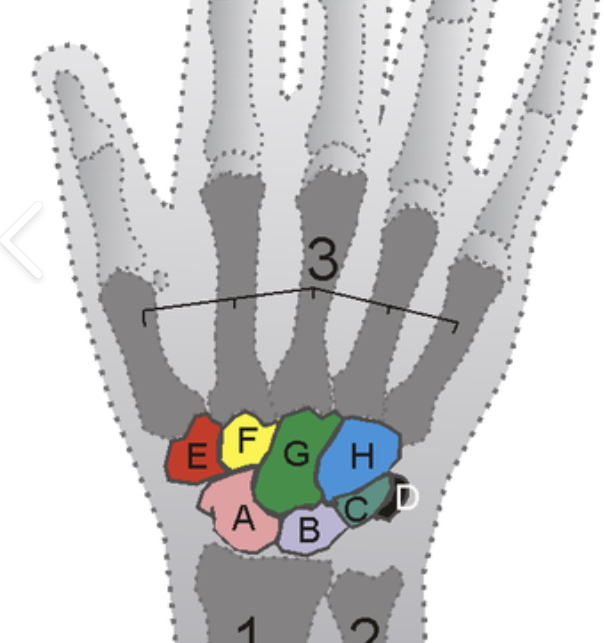
Carpus
wrist, is a flexible joint made up of eight small, irregular bones called carpals, held together by ligaments
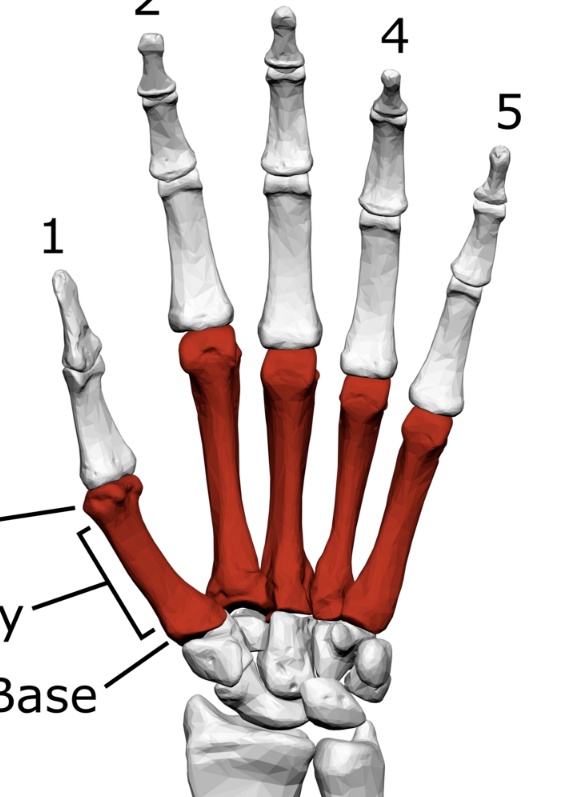
Metacarpals
a group of five bones located in the palm of the hand, connecting the wrist (carpal bones) to the fingers and thumb
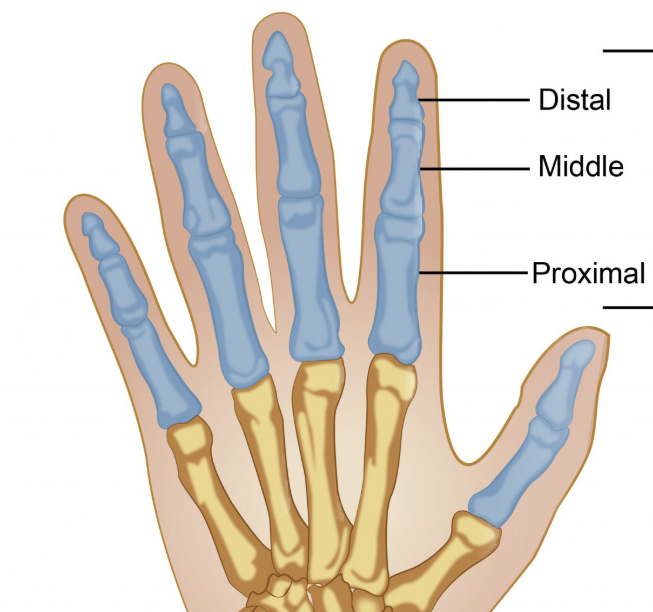
phalanges
digits, are the finger bones—three in each finger and two in each thumb—for a total of 14 bones
Skeletal muscles
voluntary muscles: contract through conscious control
Smooth Muscles
involuntary muscles: operate without conscious effort
cardiac muscle
controls the heart
Muscles Origins
the fixed and stationary attachment closest to the skeleton
Belly
the middle section of the muscle
Insertion
the movable attachment farthest from the skeleton
Frontalis
lifts the eyebrows, pulls the scalp forward, and creates forehead wrinkles
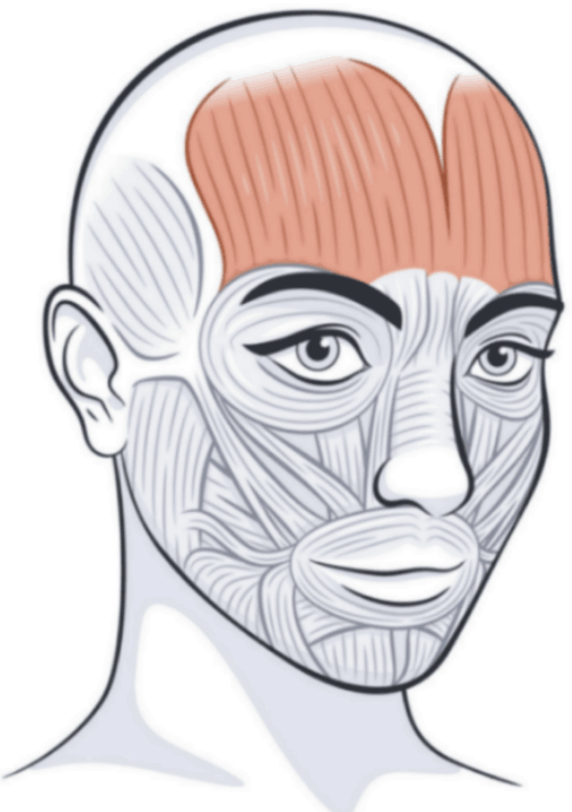
Occipitalis
a thin and quadrilateral muscle that covers parts of the skull and moves the scalp back
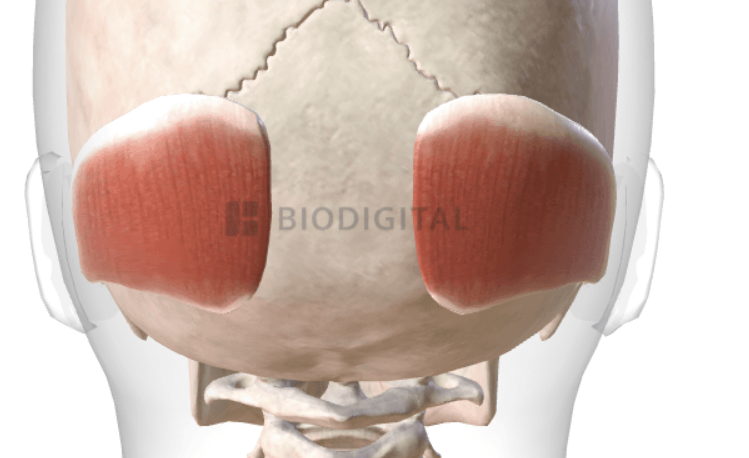
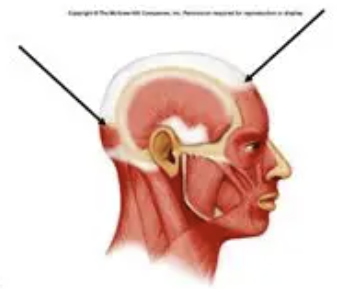
Epicranius
The muscle consists of two muscles that are located within the forehead and scalp: Frontalis and Occipitalis
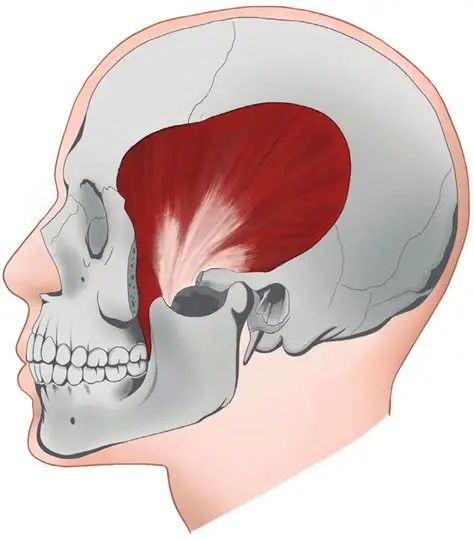
Temporalis
a broad, fan-shaped muscle on the side of the head that elevates and retracts the mandible, playing a key role in chewing.
Muscles of the eyebrows
Corrugator, orbicularis oculi, levator palpebrae superioris
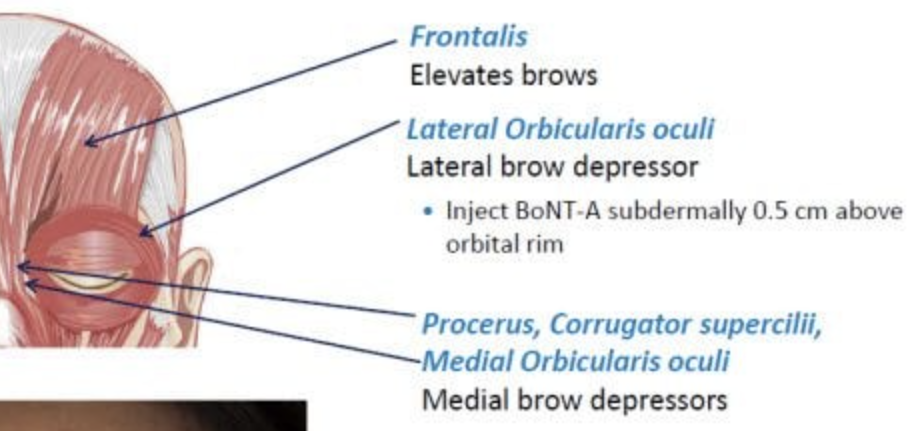
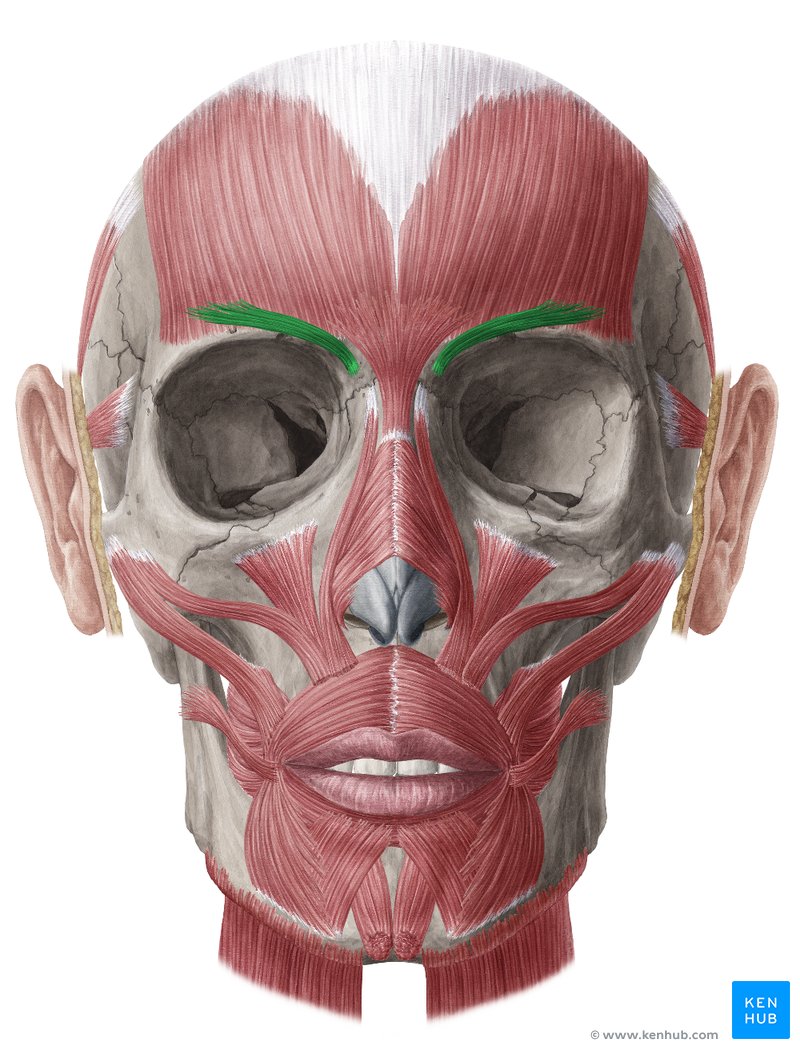
Corrugator supercilii
a muscle located in the forehead that draws the eyebrows together and creates vertical wrinkles.
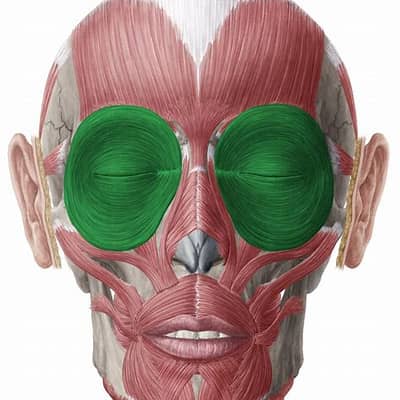
Orbicularis oculi
the ring-shaped muscle surrounding the eye socket and is responsible for closing the eyes
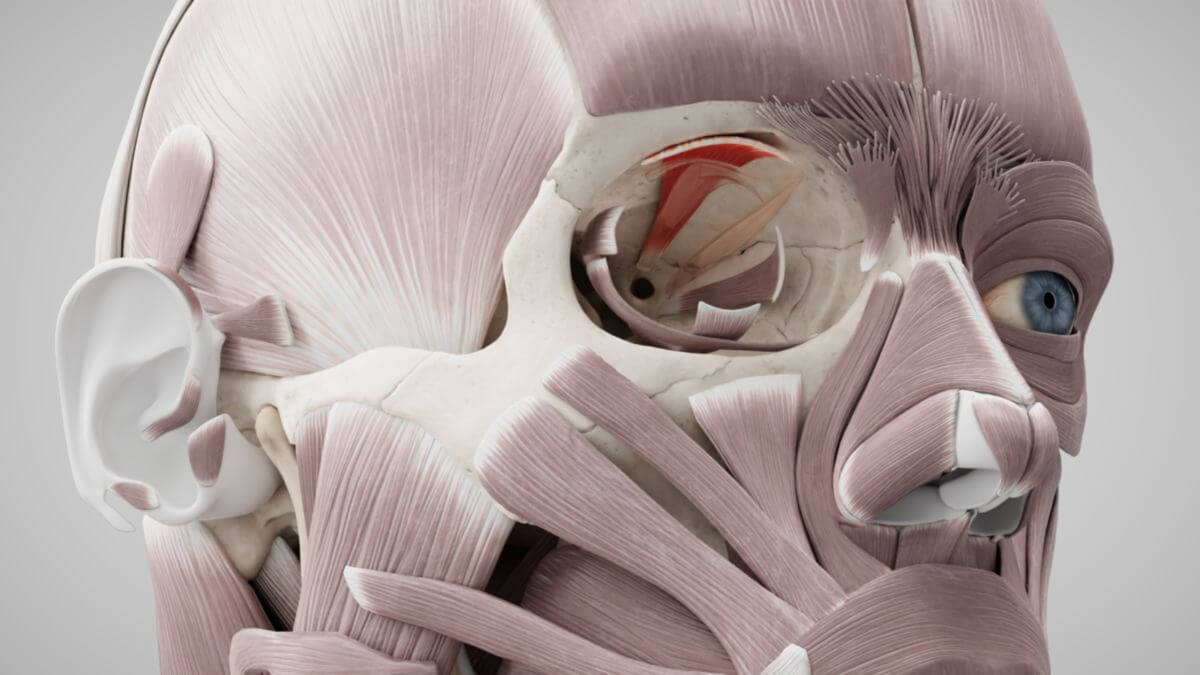
Levator palpebrae superioris
a muscle responsible for elevating the upper eyelid
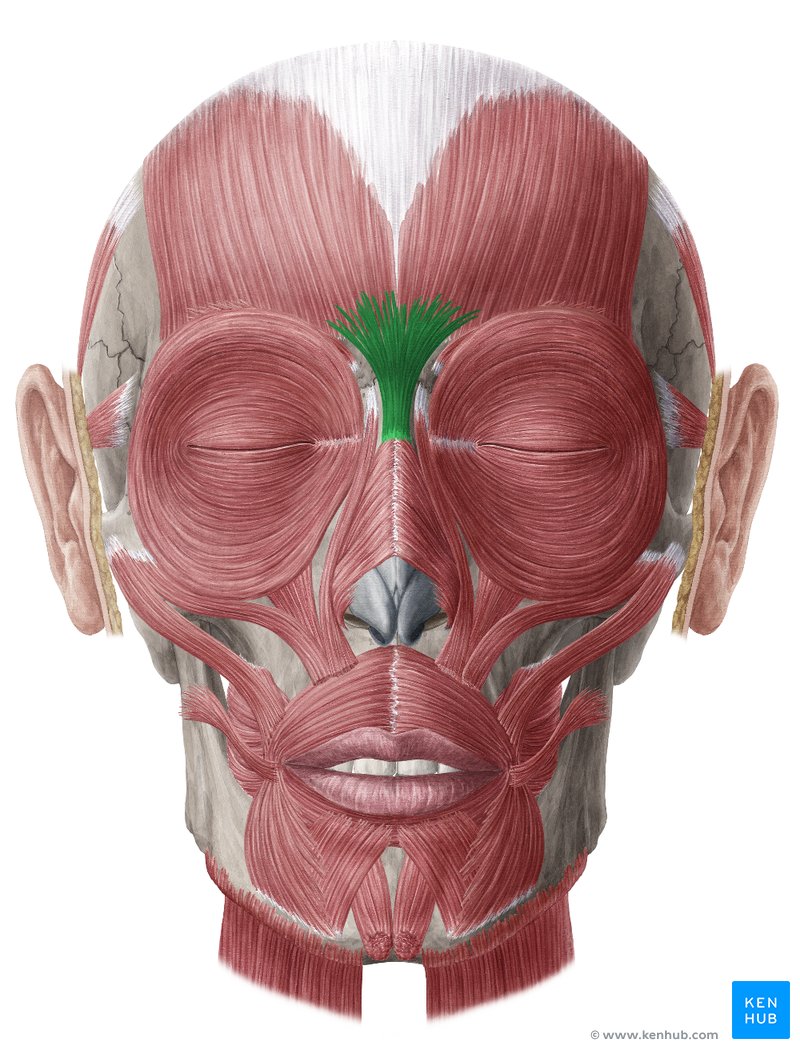
procerus
a small, triangular muscle located in the face, specifically in the glabella region between the eyebrows. This muscle is responsible for facial expression, particularly in the frowning or or winkling the skin between the
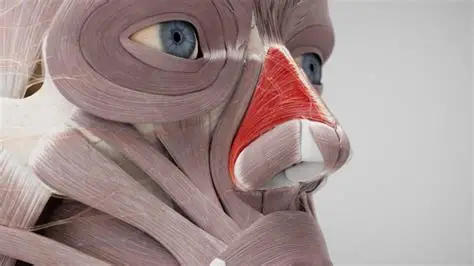
Nasalis
a small muscle located on each side of the nose that constricts the nasal aperture (nostrils)
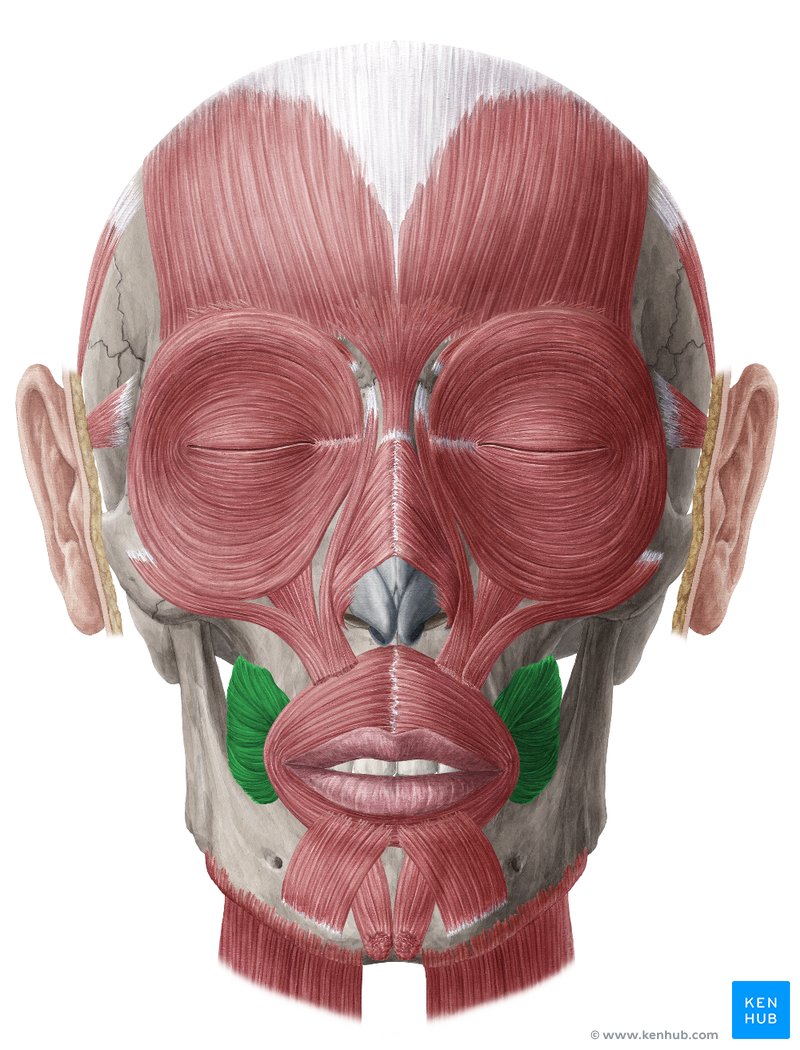
Buccinator
a thin, flat muscle of the cheek located between the upper and lower jaw; it compresses the cheeks and helps expel air the lips, as when blowing a whistle
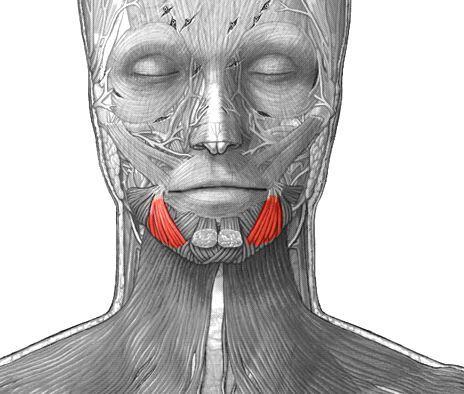
Triangularis muscle
Responsible for depressing the corners of the mouth, associated with frowning and expressing sadness. Located at the lower part of the face, lateral to the chin. It extends from the mandible to the angle of the mouth, forming a triangular shape
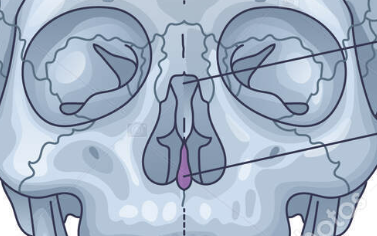
Vomer Bone
thin, unpaired bone located in the midline of the nasal cavity forming the nasal septum.
thorax
the chest consisting of the sternum, ribs, and thoracic vertebrae; it is an elastic, bony cage that serves as a protective framework for the heart, lungs, and other internal organs
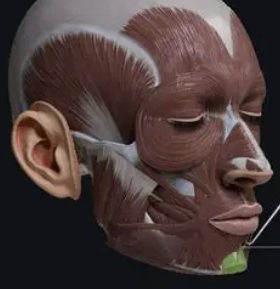
Mentalis
the muscle that elevates the lower lip and raises and wrinkles the skin of the chin
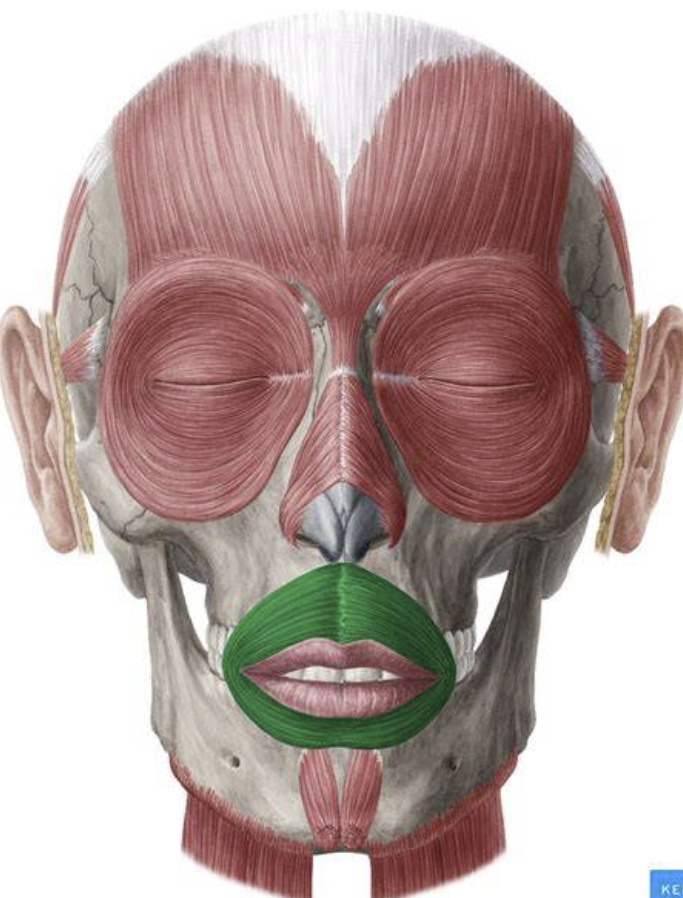
Orbicularis Oris
flat band around the upper and lower lips that compresses contracts, puckers, and wrinkles the lips
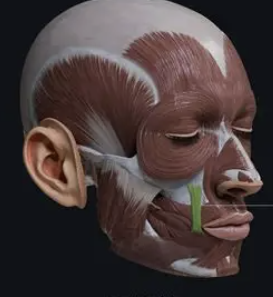
Levator anguli oris
a muscle that elevates the lip and dilates the nostrils, as in expressing distaste
Risorius
muscle of the mouth that draw corner of mouth out and back, as in grinning
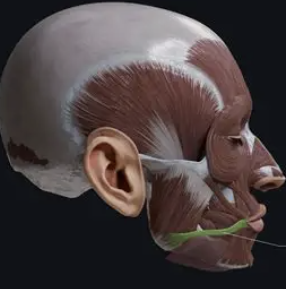
Zygomaticus
major and minor are muscles extending for the zygomatic bone to the angle of the mouth that elevates the lip, as in laughing
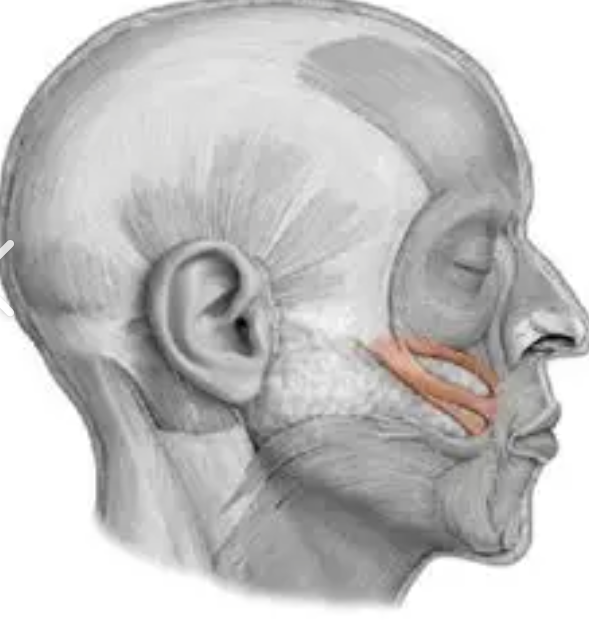
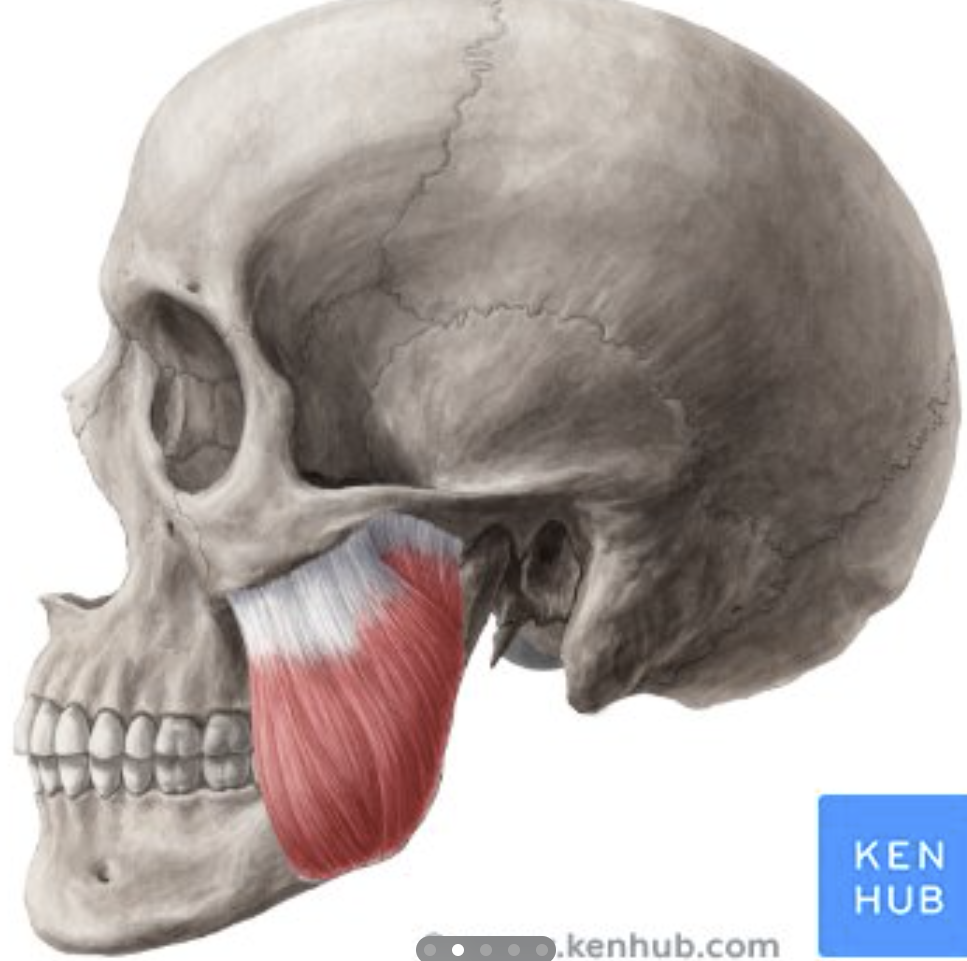
Masseter
the main muscle used for chewing, responsible for closing the jaw by lifting the lower jaw (mandible) upward.
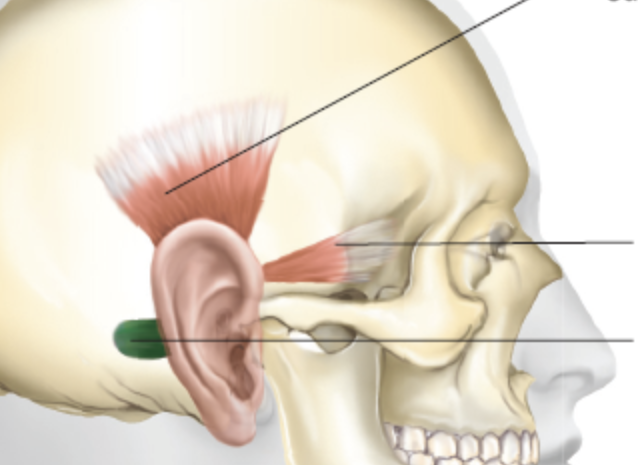
Auricularis Muscles: superior, anterior, and posterior
the three muscles of the ear that work together to move the ear upward, forward, or backward
Platysma
a broad muscle extending from the chest and shoulder muscles to the side of the chin, it is responsible for lowering the lower jaw and lip.
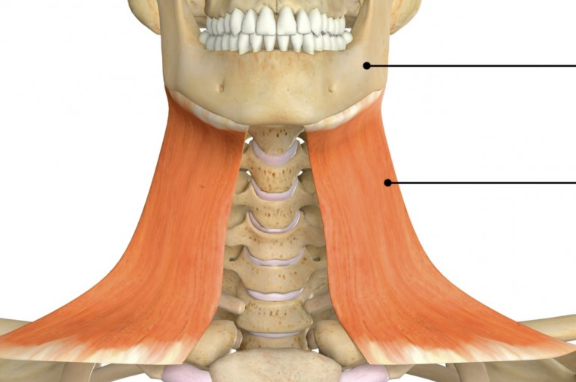
Sternocleidomastoid (SCM)
Is the muscle extending alongside of the neck from the ear to the collarbone. It acts to rotate the head from side to side and up and down.
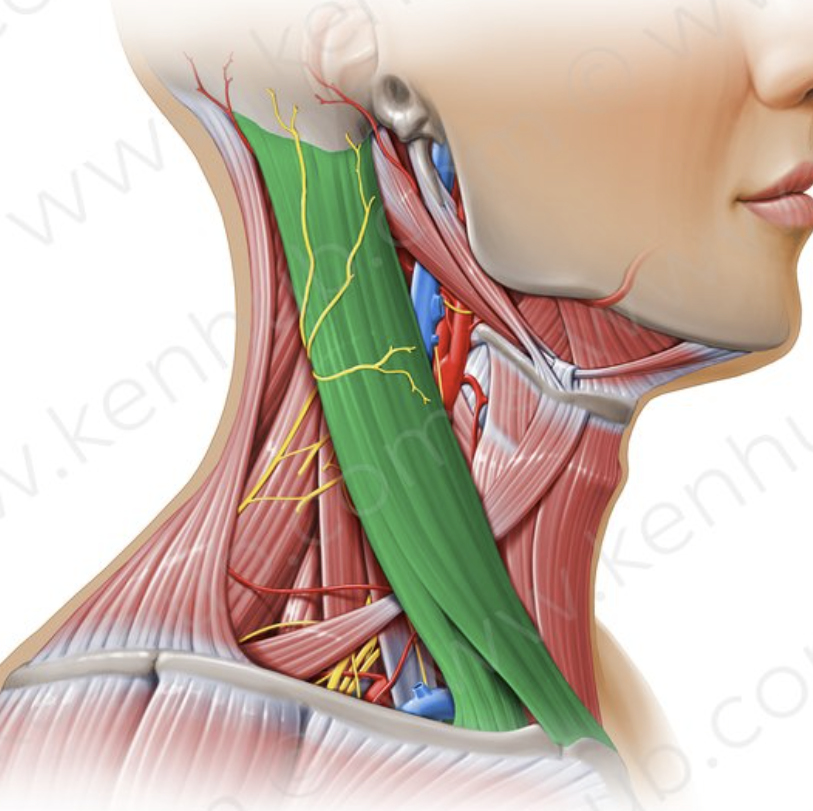
Latissimus dorsi
large, flat, triangular muscle that covers the lower back, It comes up from the lower half of the vertebral column and iliac crest (hip bone) and narrows to a rounded tendon attached to the front of the upper part of the humerus
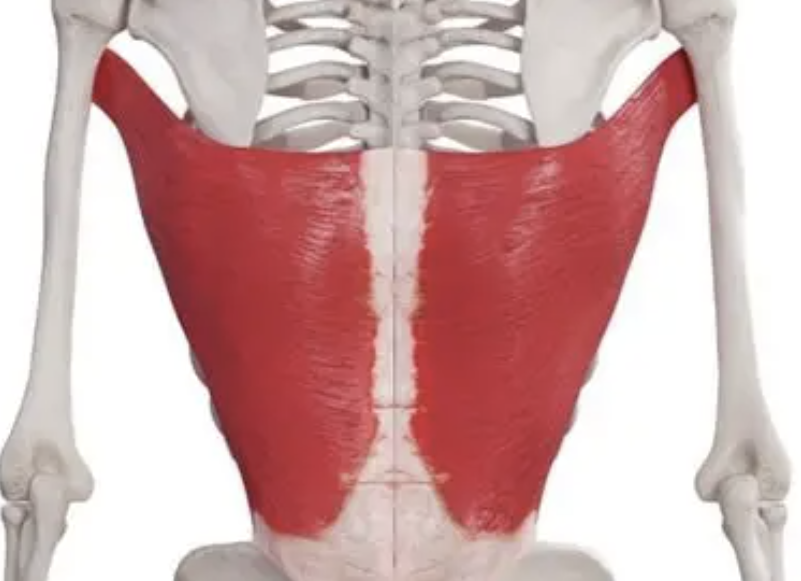
Pectoralis major and minor
muscles of the chest that assist the swinging movements of the arm
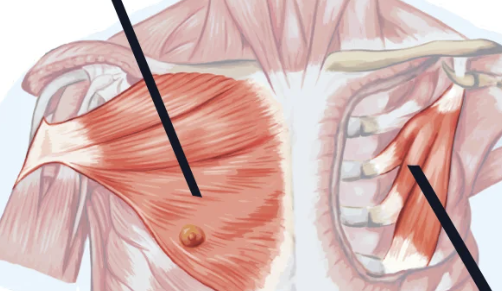
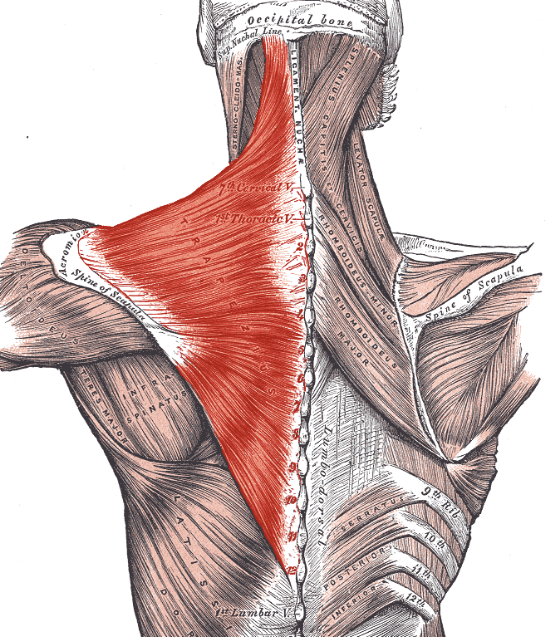
Trapezius
muscles covers the back of the neck, shoulders, and upper and middle region of the back; shrugs shoulders; and stabilizes the scapula
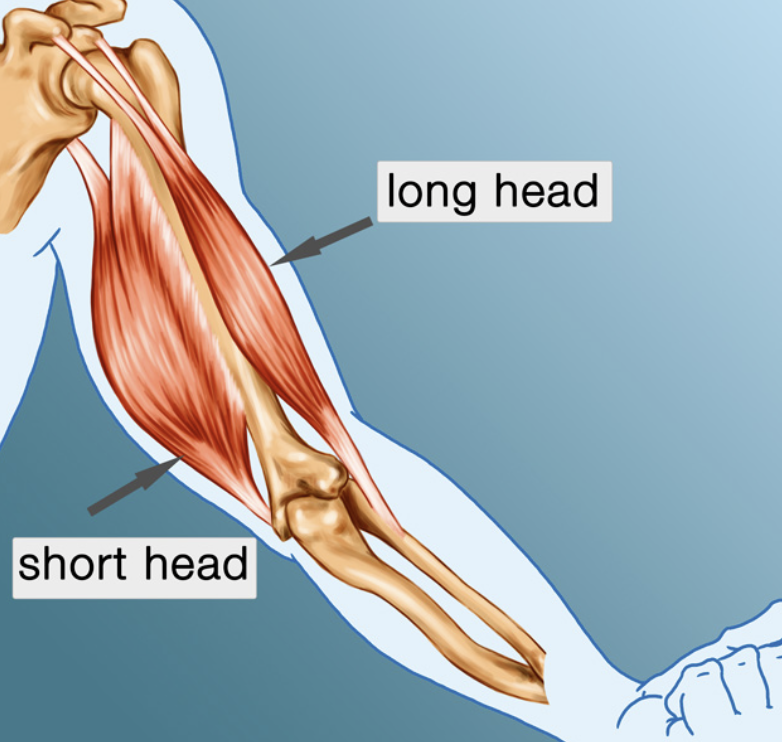
Biceps
muscles produce the contour of the front and inner side of thee a upper arm; they lift the forearm, flex the elbow, and turn the palms outward
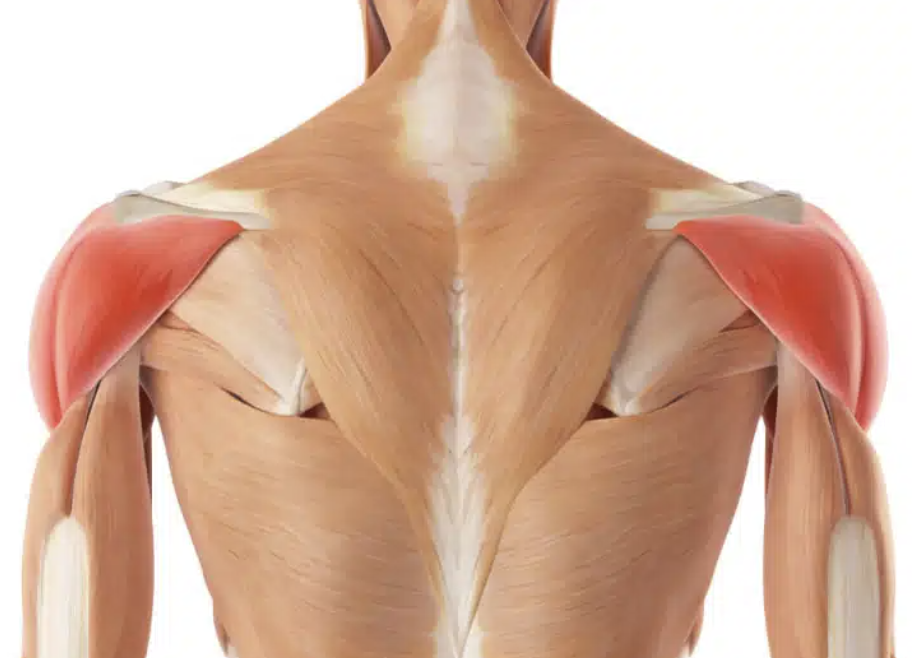
Deltoid
a large, triangular muscle covering the shoulder joint that allows the arm to extend outward and to the side of the body.
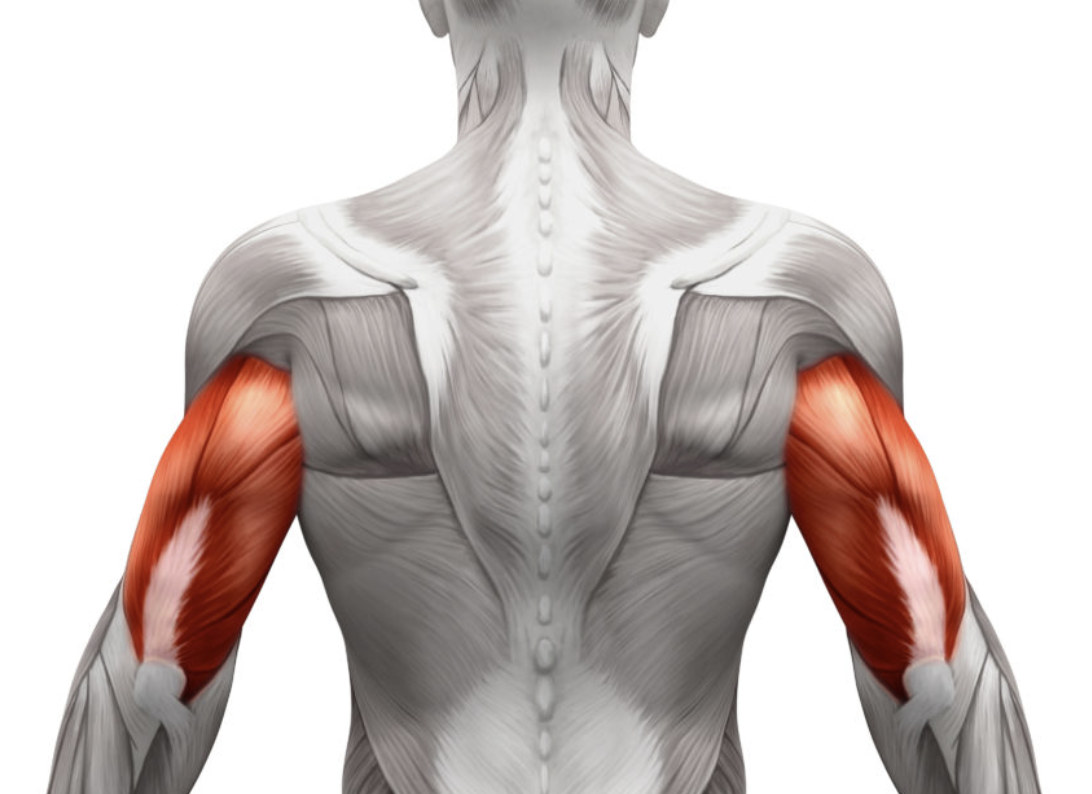
Triceps
A large muscle that covers the entire back of the upper arm and extends the forearm
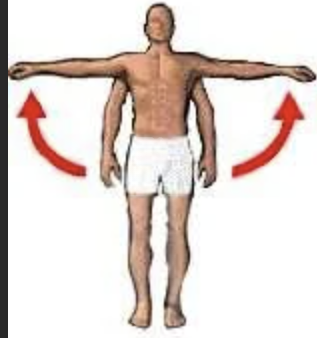
Abduction
muscles that draw a body part, such as finger, arm, or toe away from the midline of the body or of an extremity. Example: In the hand, _______ draws the fingers together
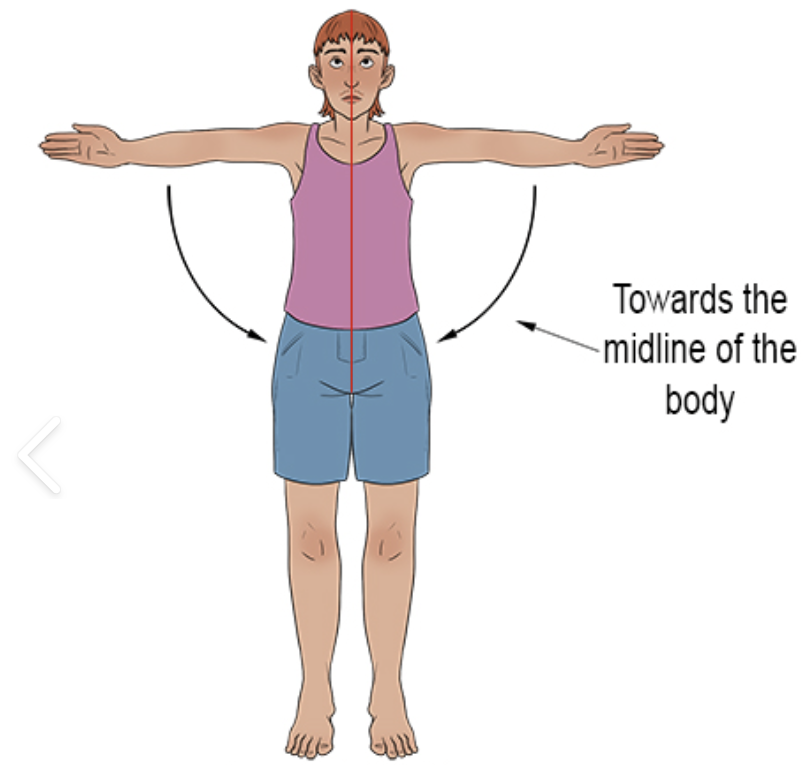
Adduction
muscles that draw a body part, such as a finger, arm, or toe, inward toward the median axis of the body or of an extremity. Example: In the hand, ________ draws the fingers together.
Flexion
when muscles move to pull the body part toward the core of the body, such as when the biceps of the arm are activated toward the body.
Extension
when muscles straighten. When the wrist, hand, and fingers form a straight line, for example.