idk i hope this works lmao
 Call Kai
 Learn
Learn Practice Test
 Spaced Repetition
 Match
Match Flashcards
 Knowt Play
1/244

There's no tags or description
Looks like no tags are added yet.
Name | Mastery | Learn | Test | Matching | Spaced | Call with Kai |
|---|
No analytics yet
Send a link to your students to track their progress
245 Terms
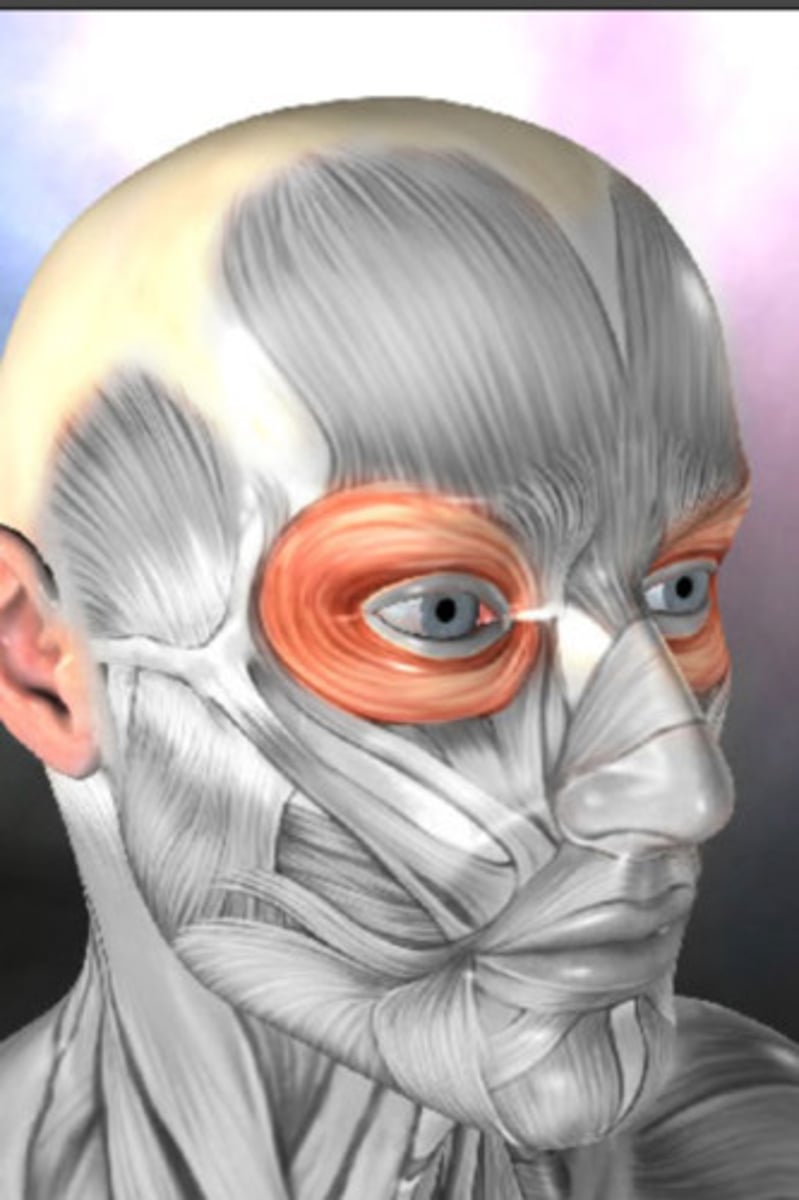
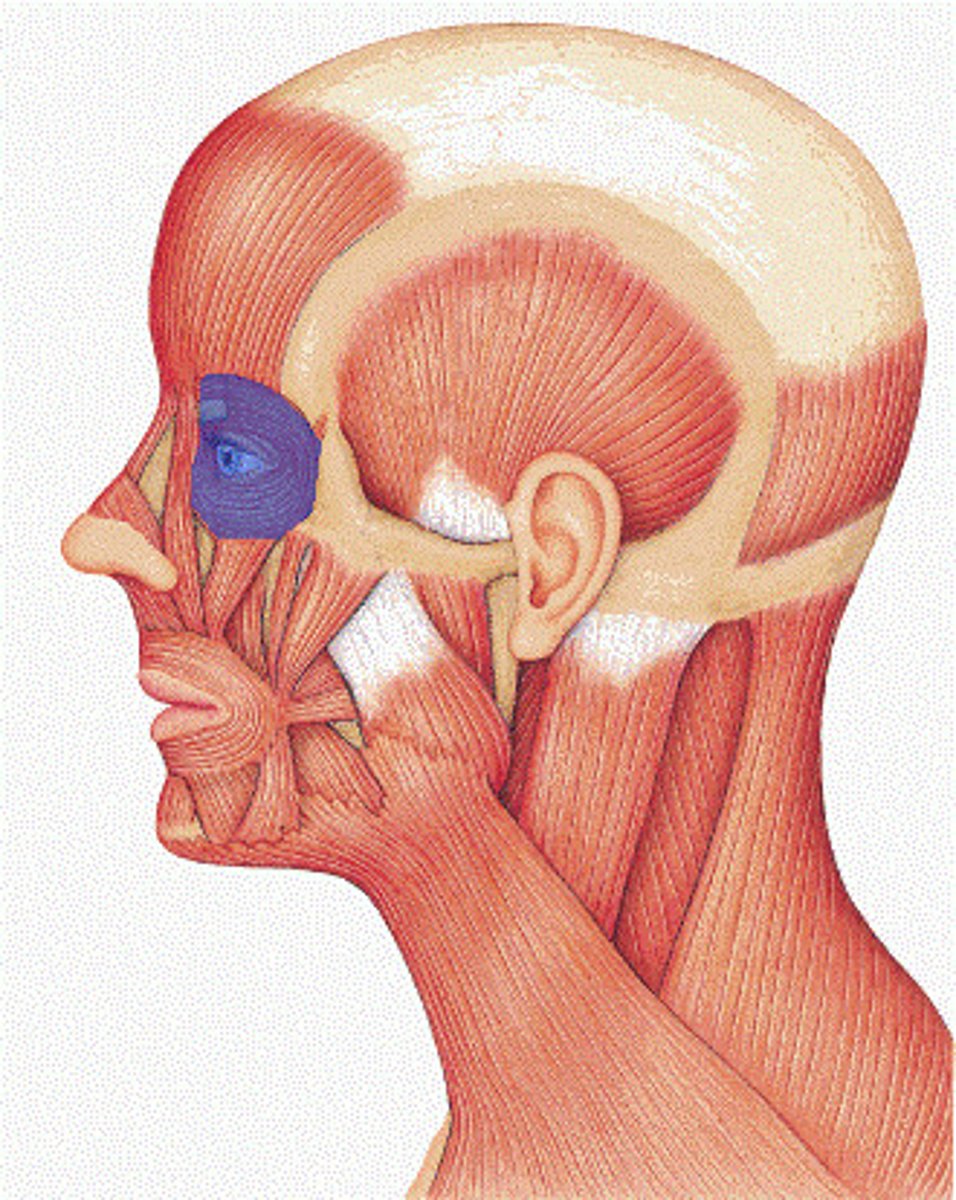
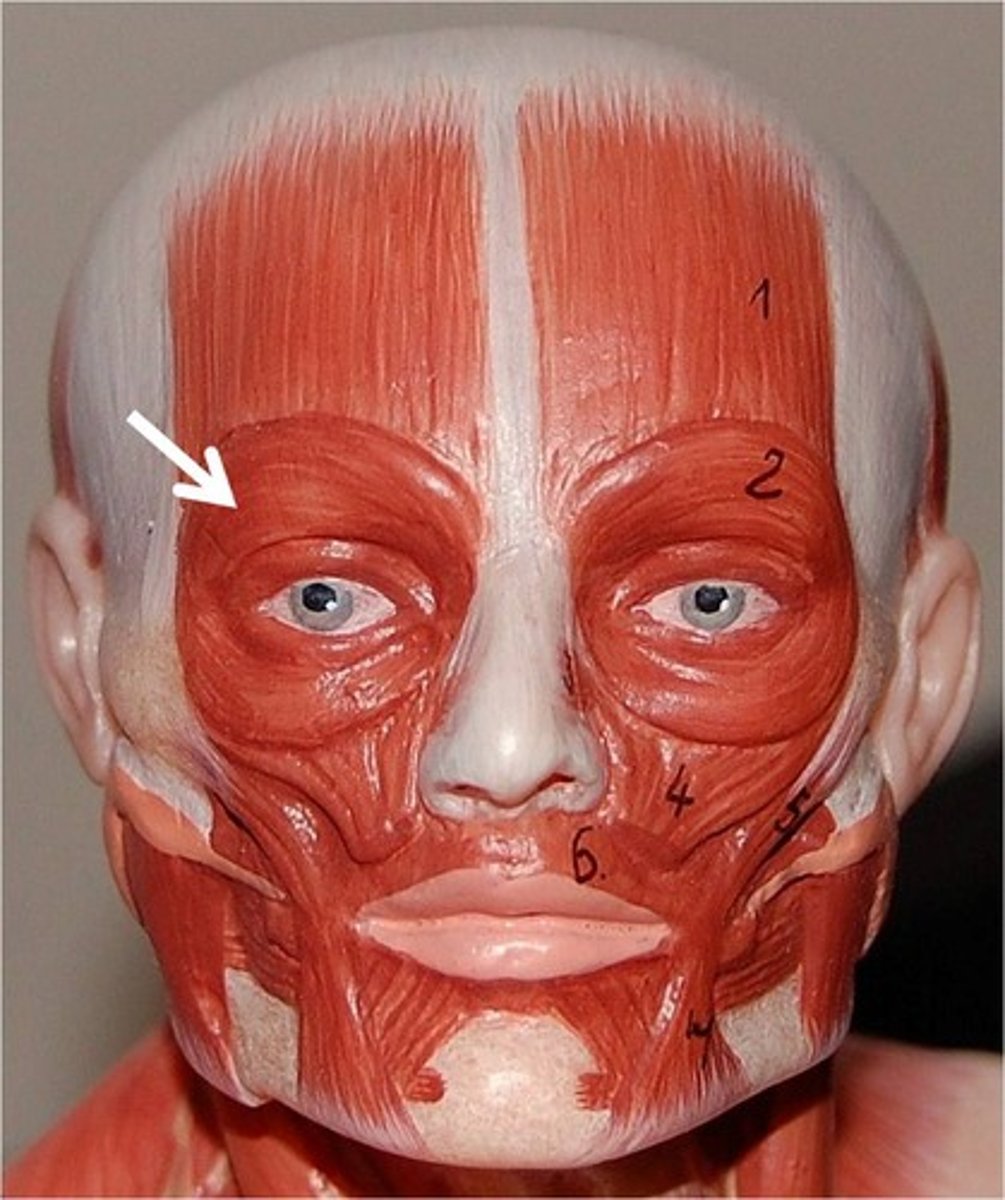
Orbicularis oculi
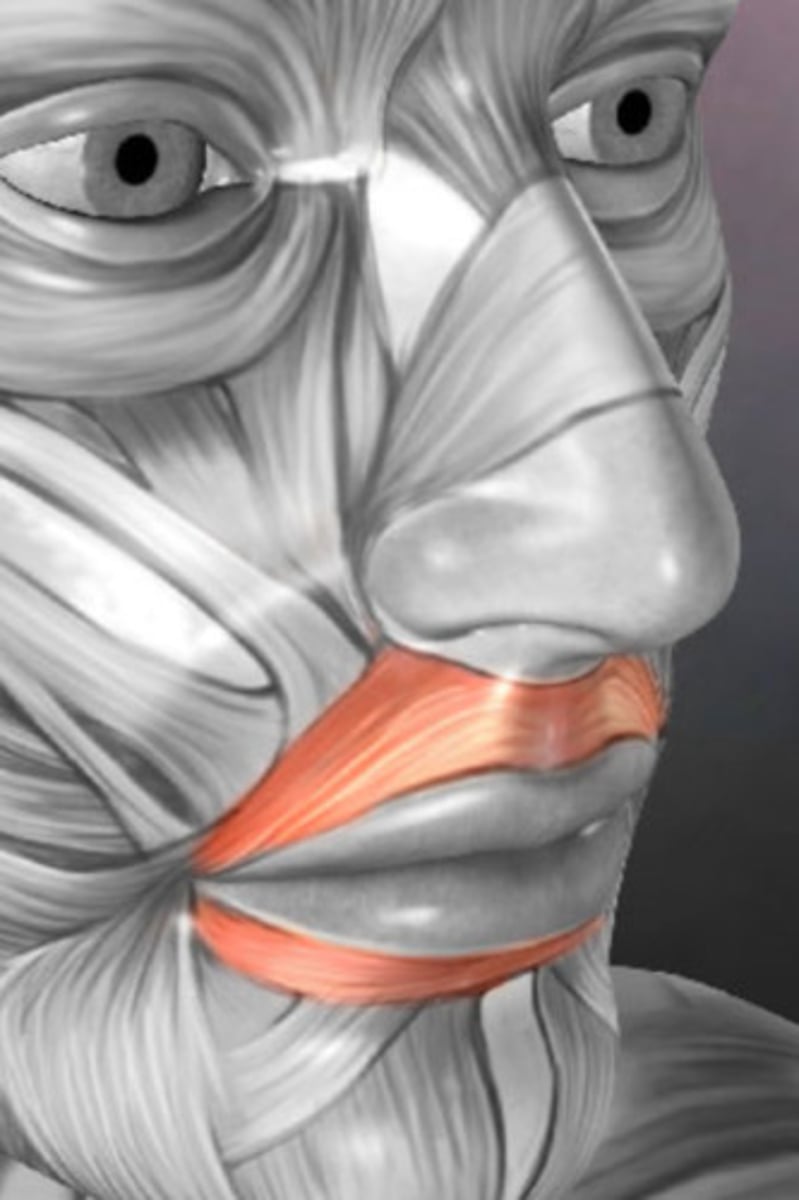
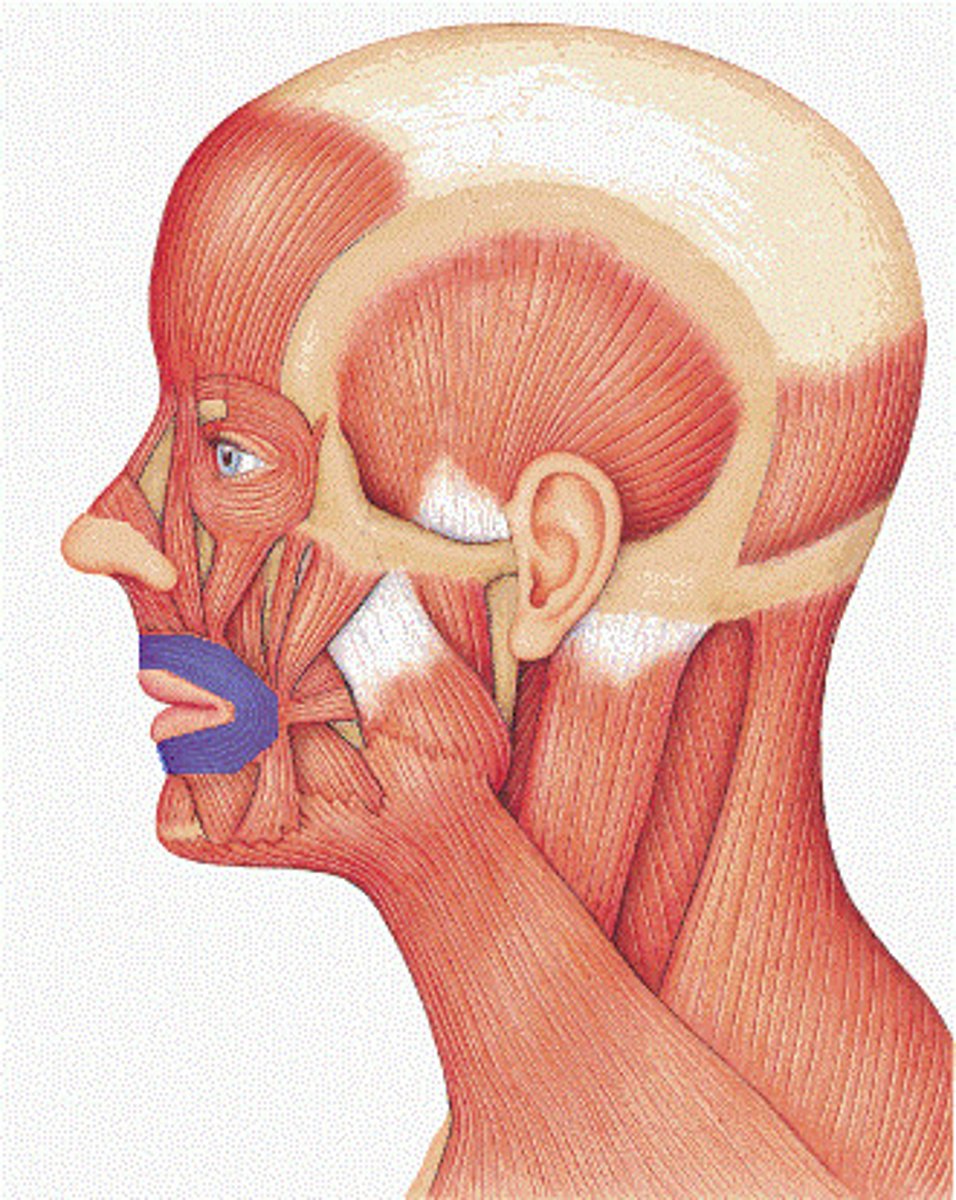
Orbicularis oris
Zygomaticus
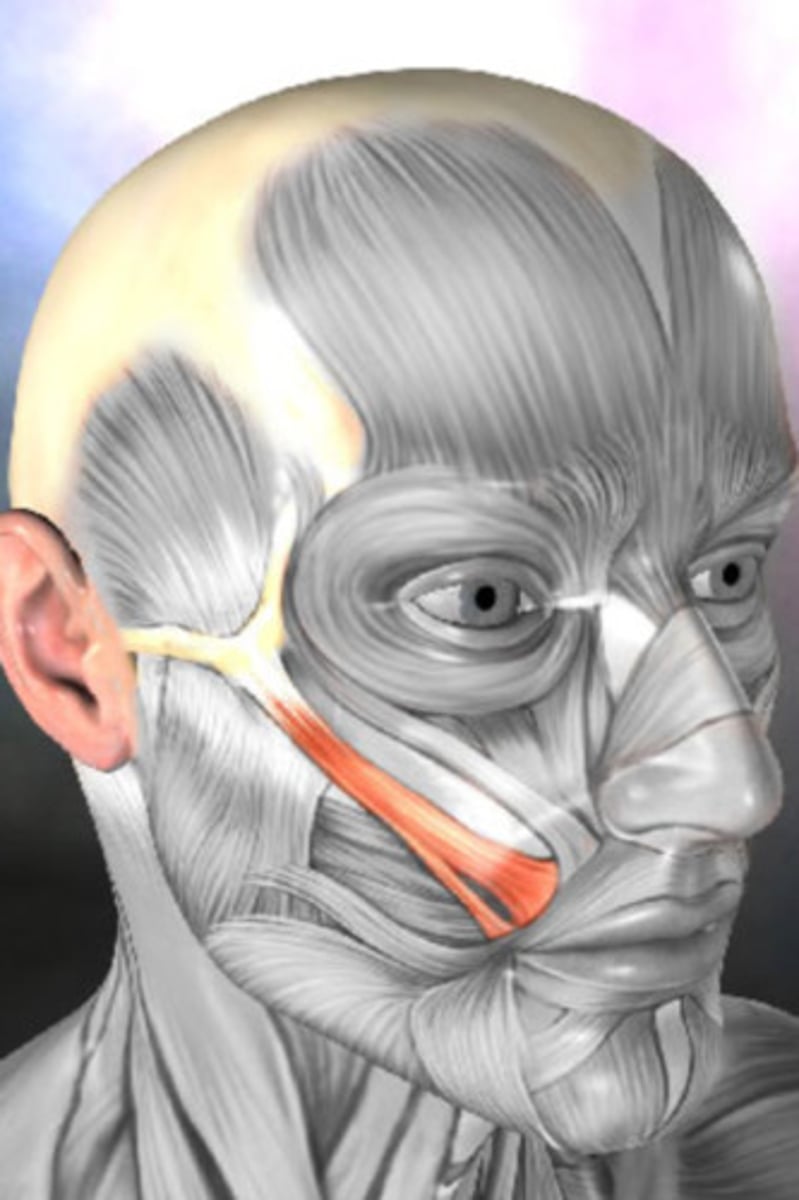
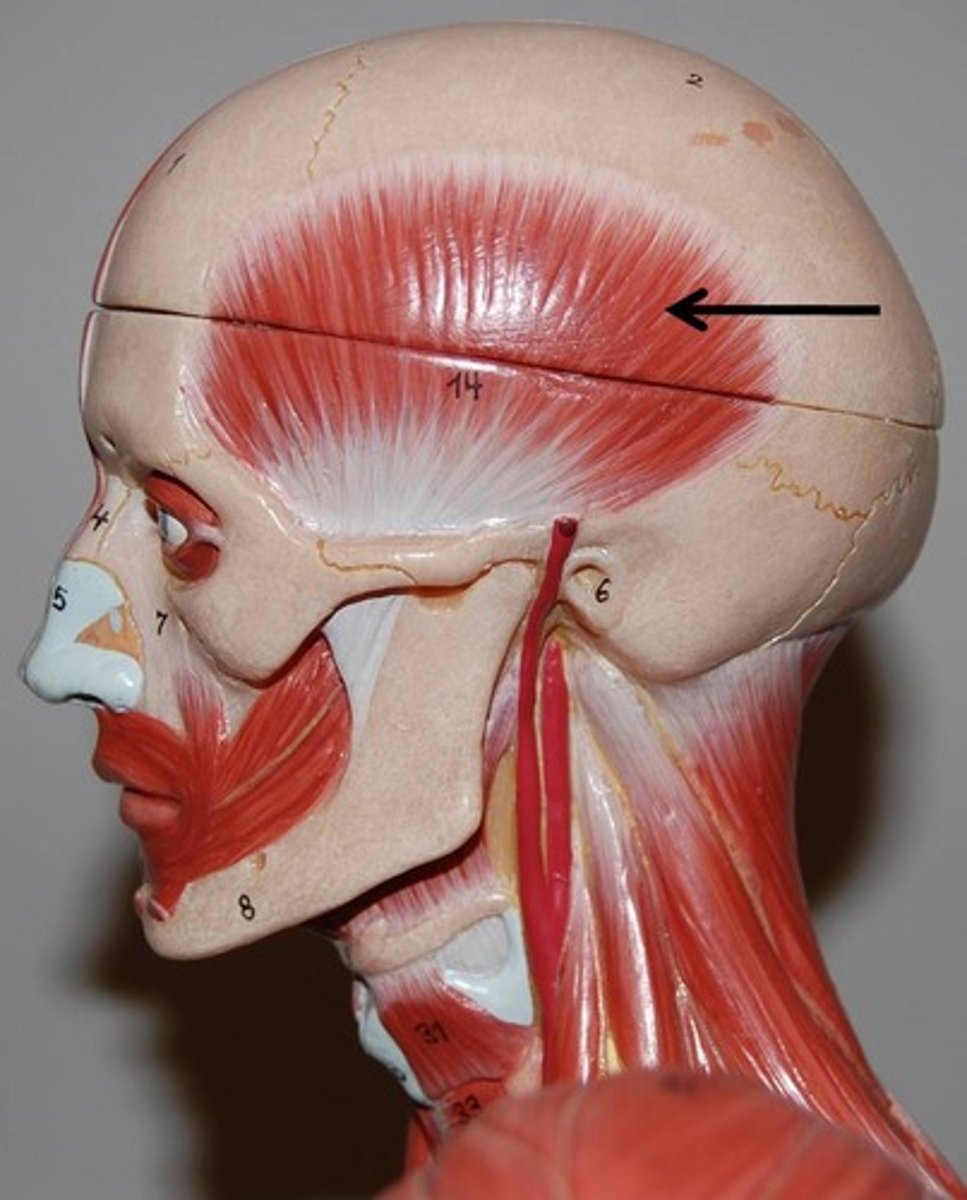
Temporalis
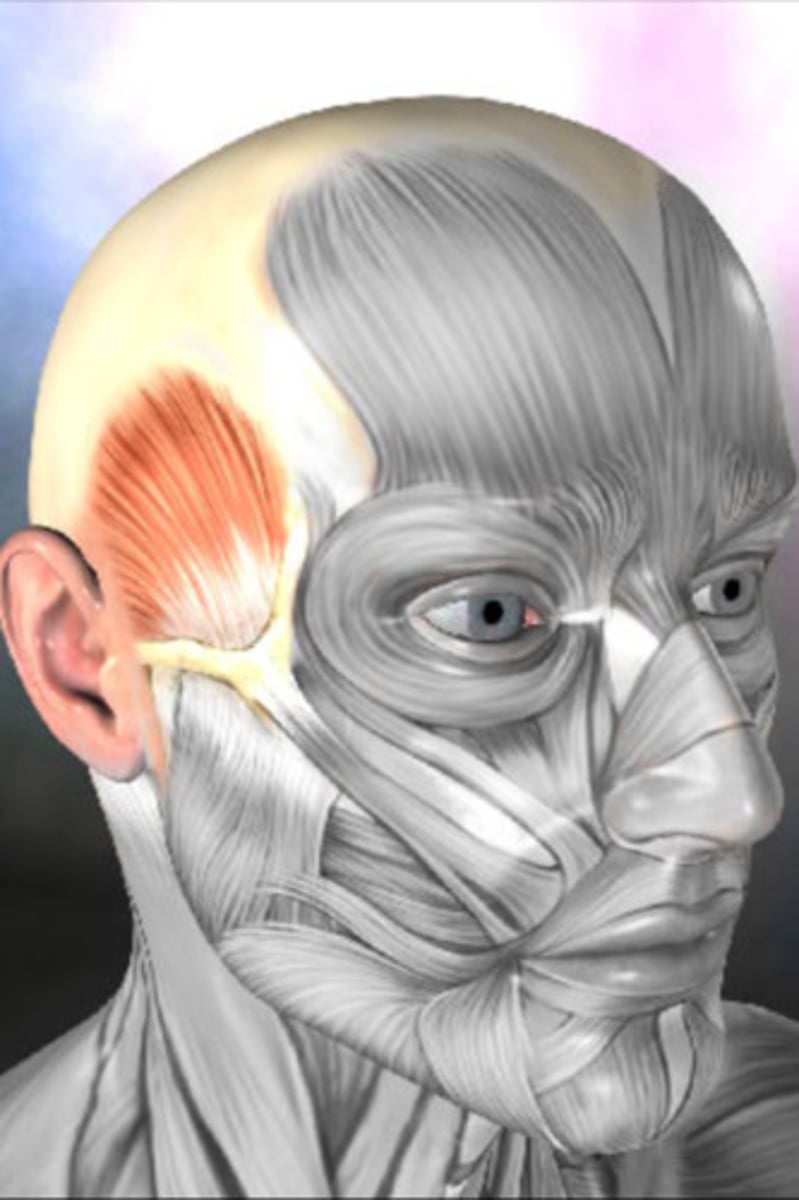
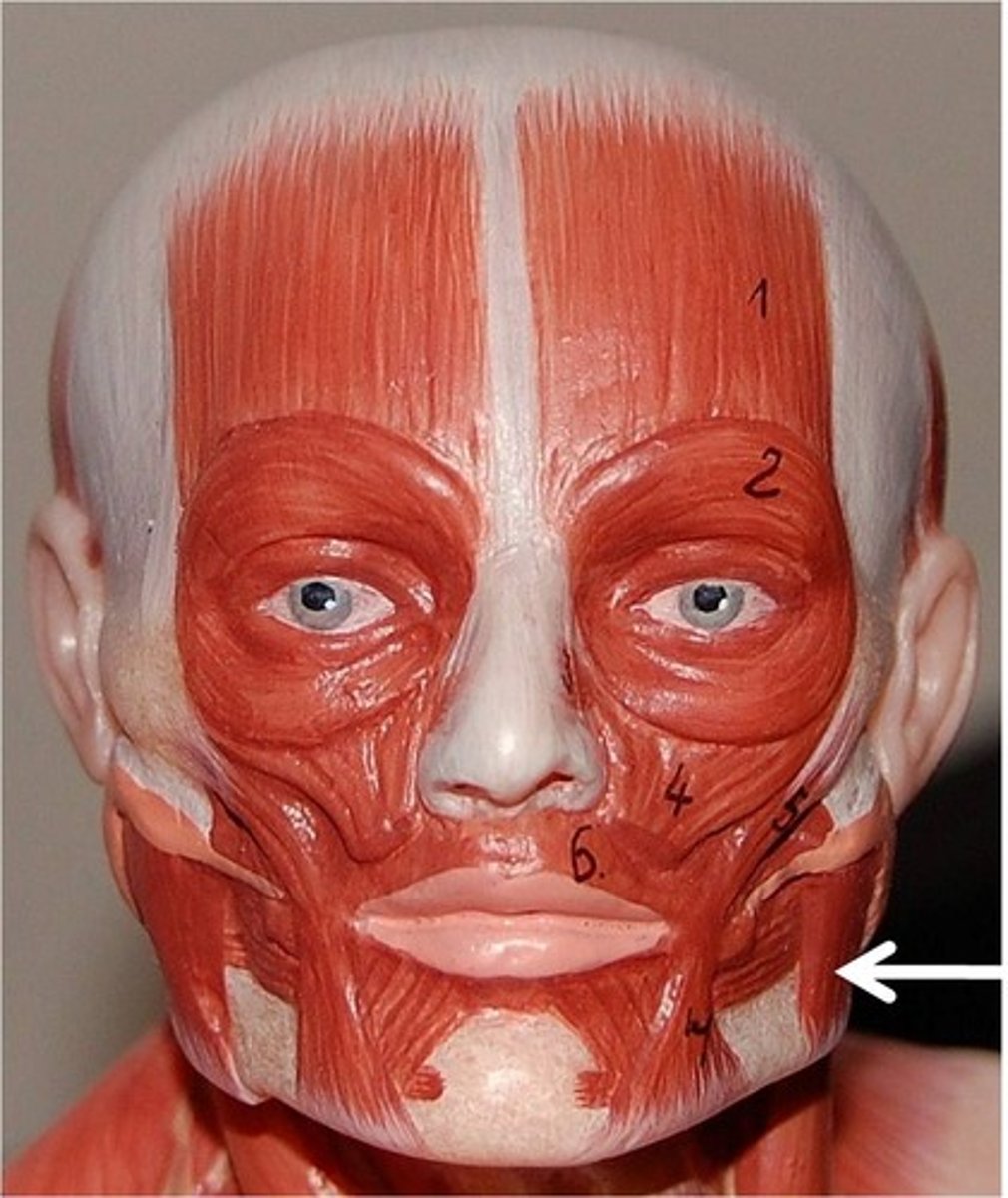
Masseter
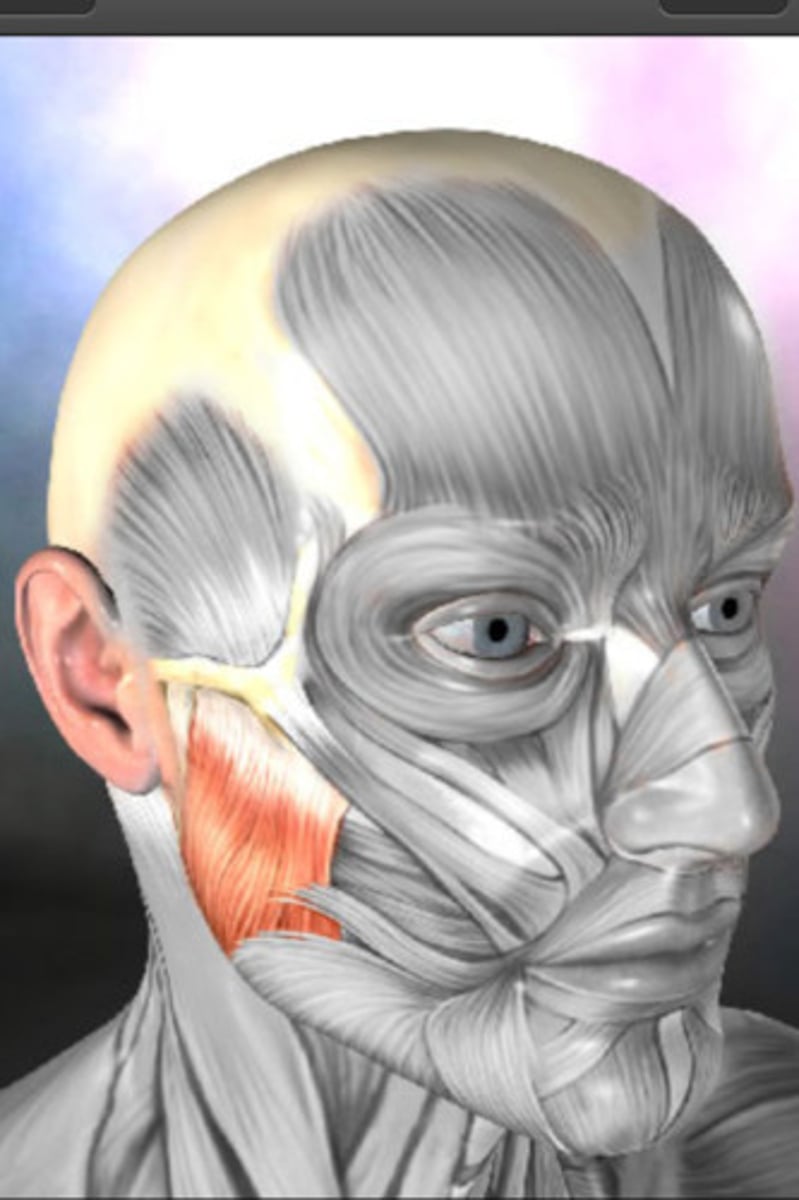
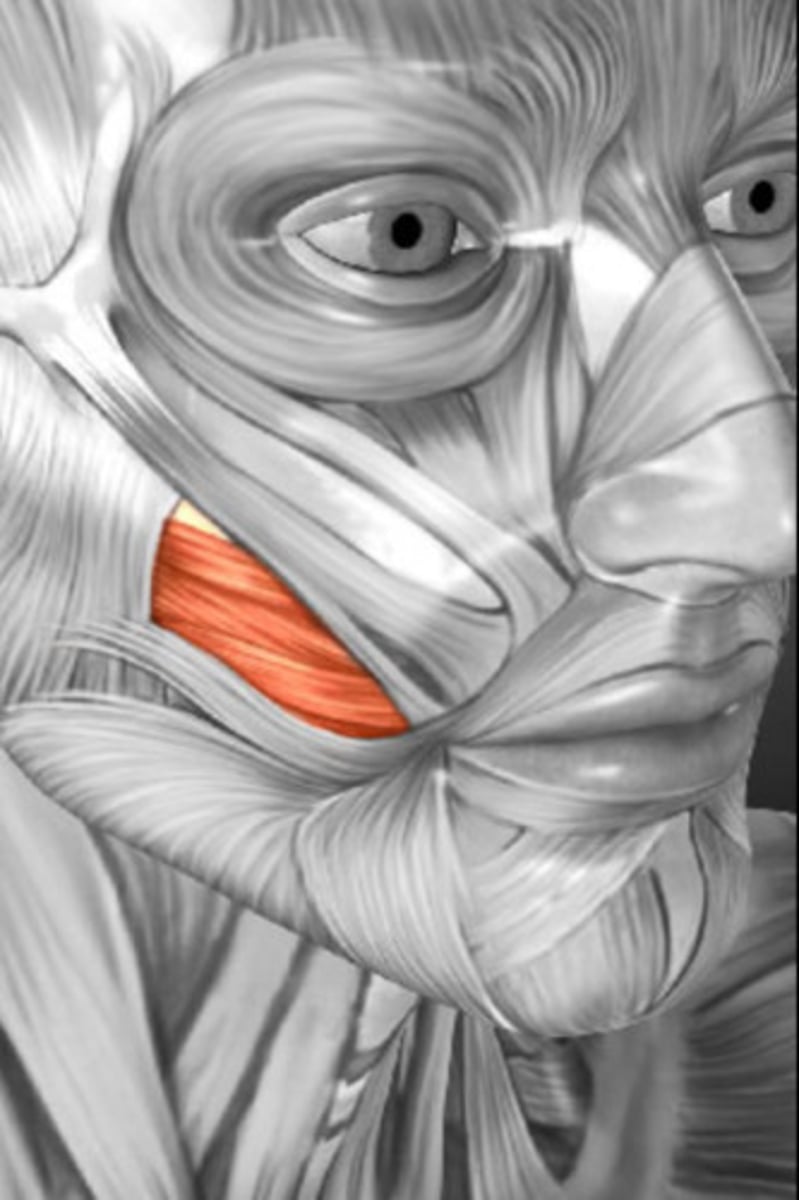
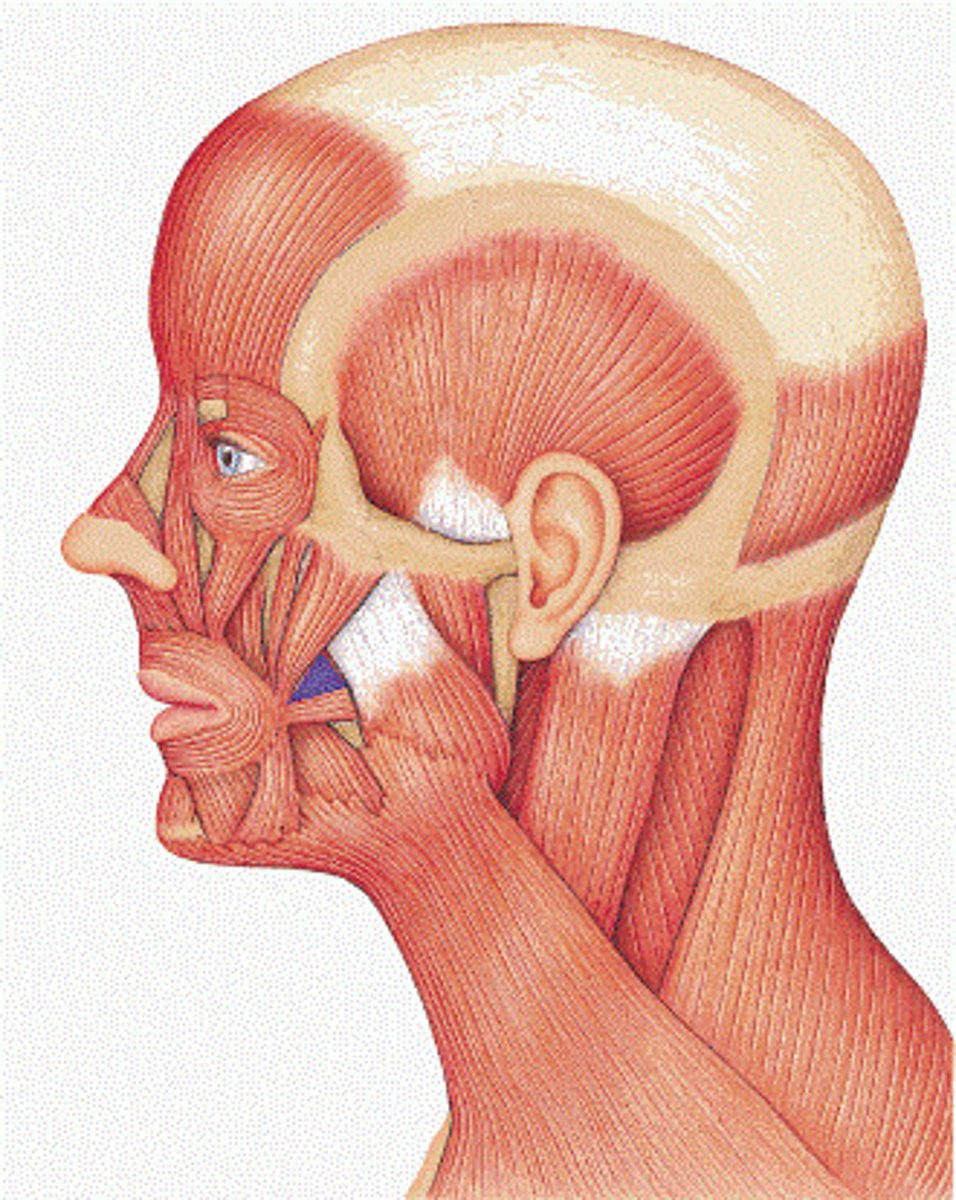
Buccinator
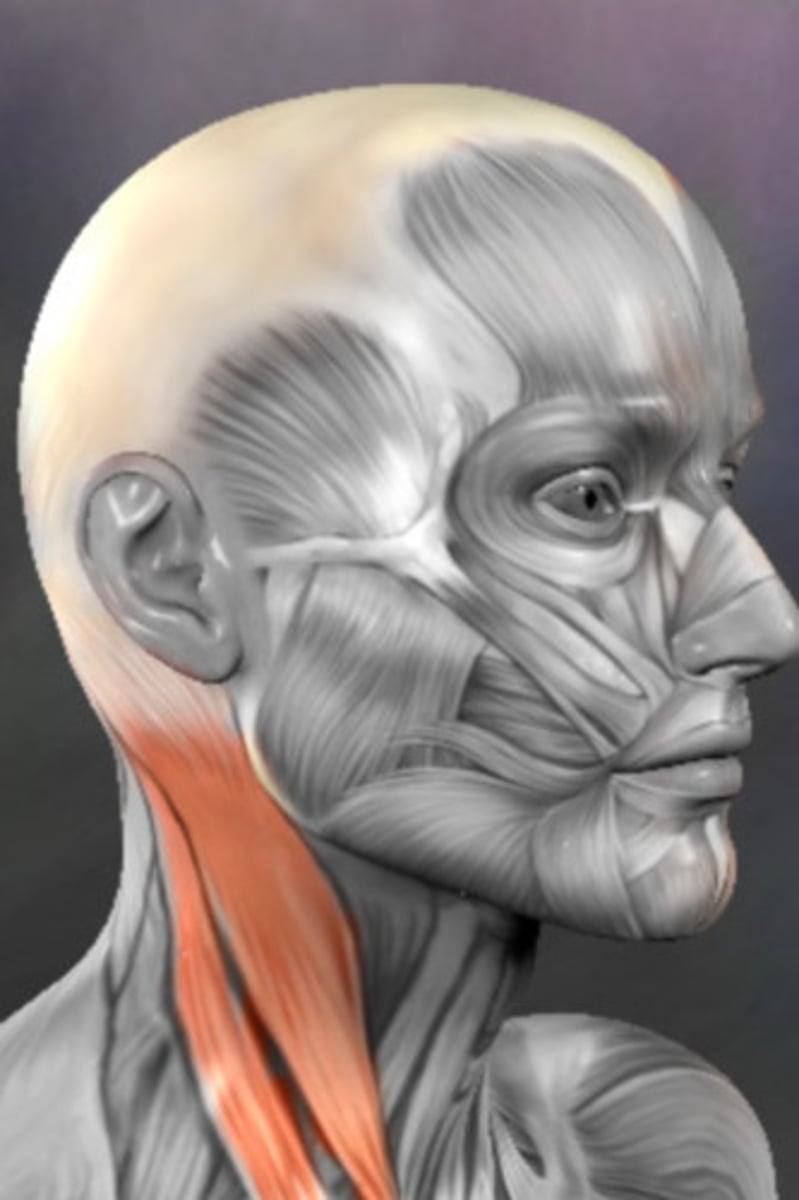
Sternocleidomastoid
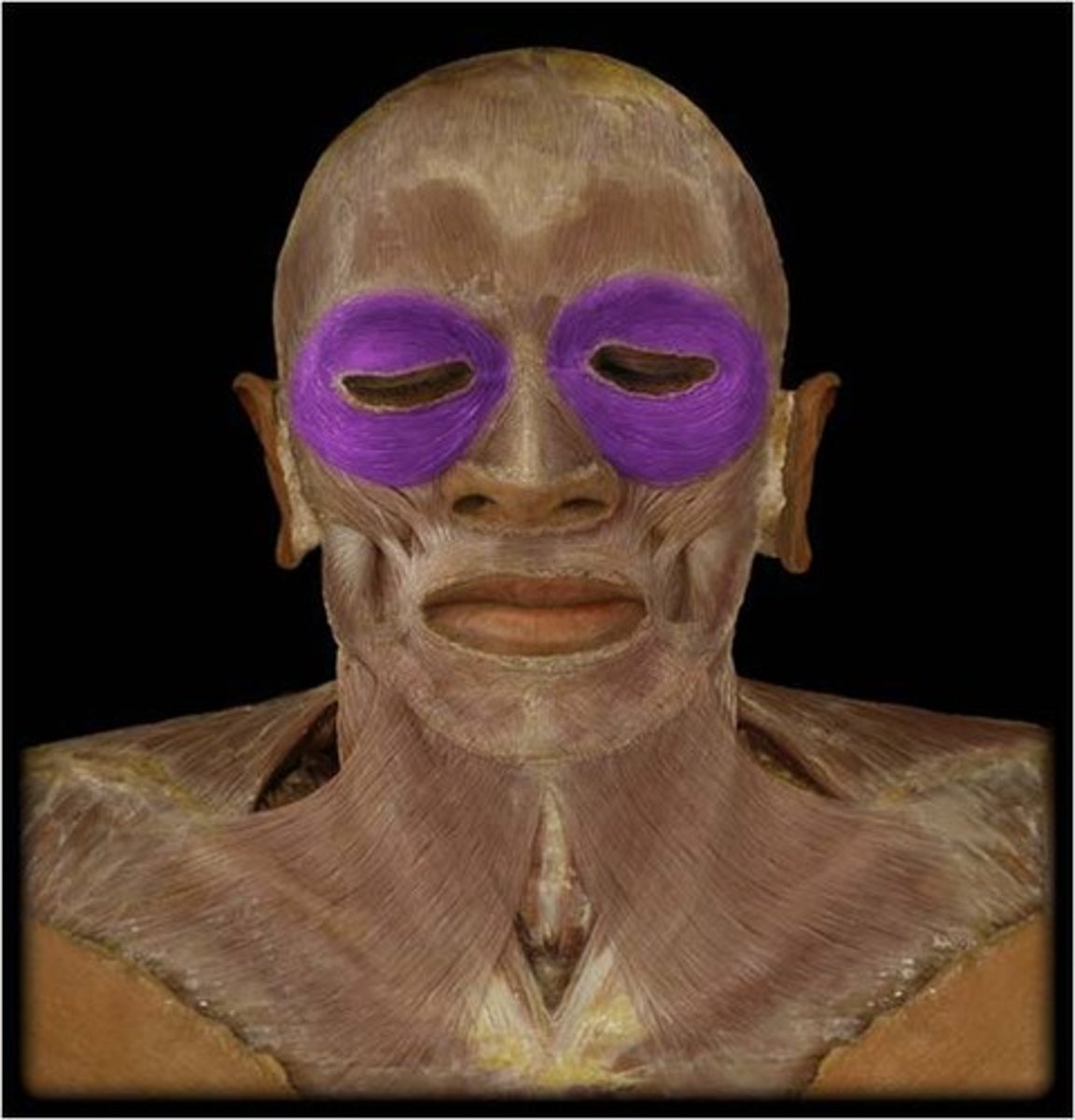
Orbicularis Oculi
closes eye; produces winking, blinking, squinting ("blink" muscle)
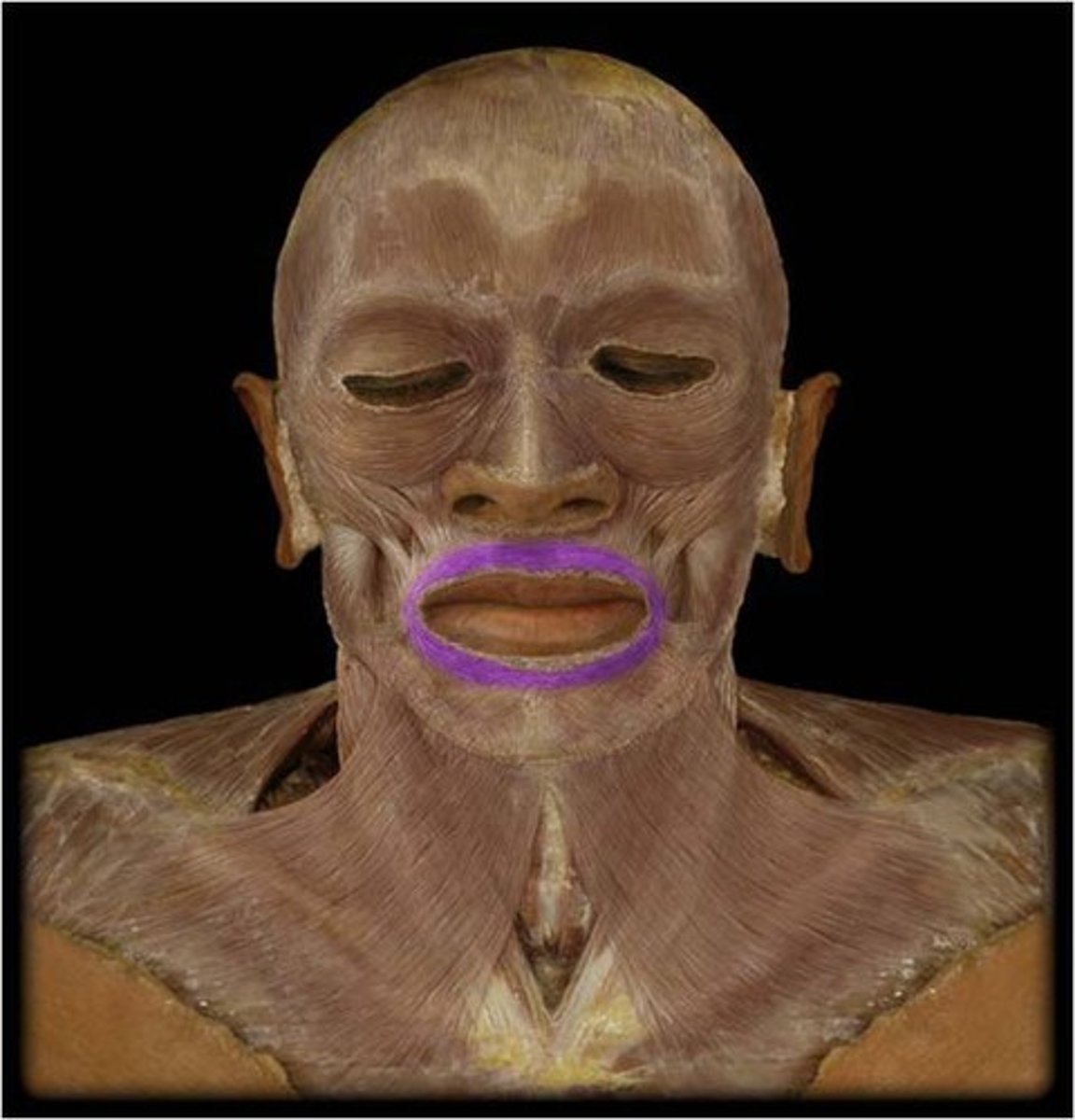
Orbicularis oris
Closes and protrudes lips; used in whistling and forming many letters during speech; the "kissing muscle"
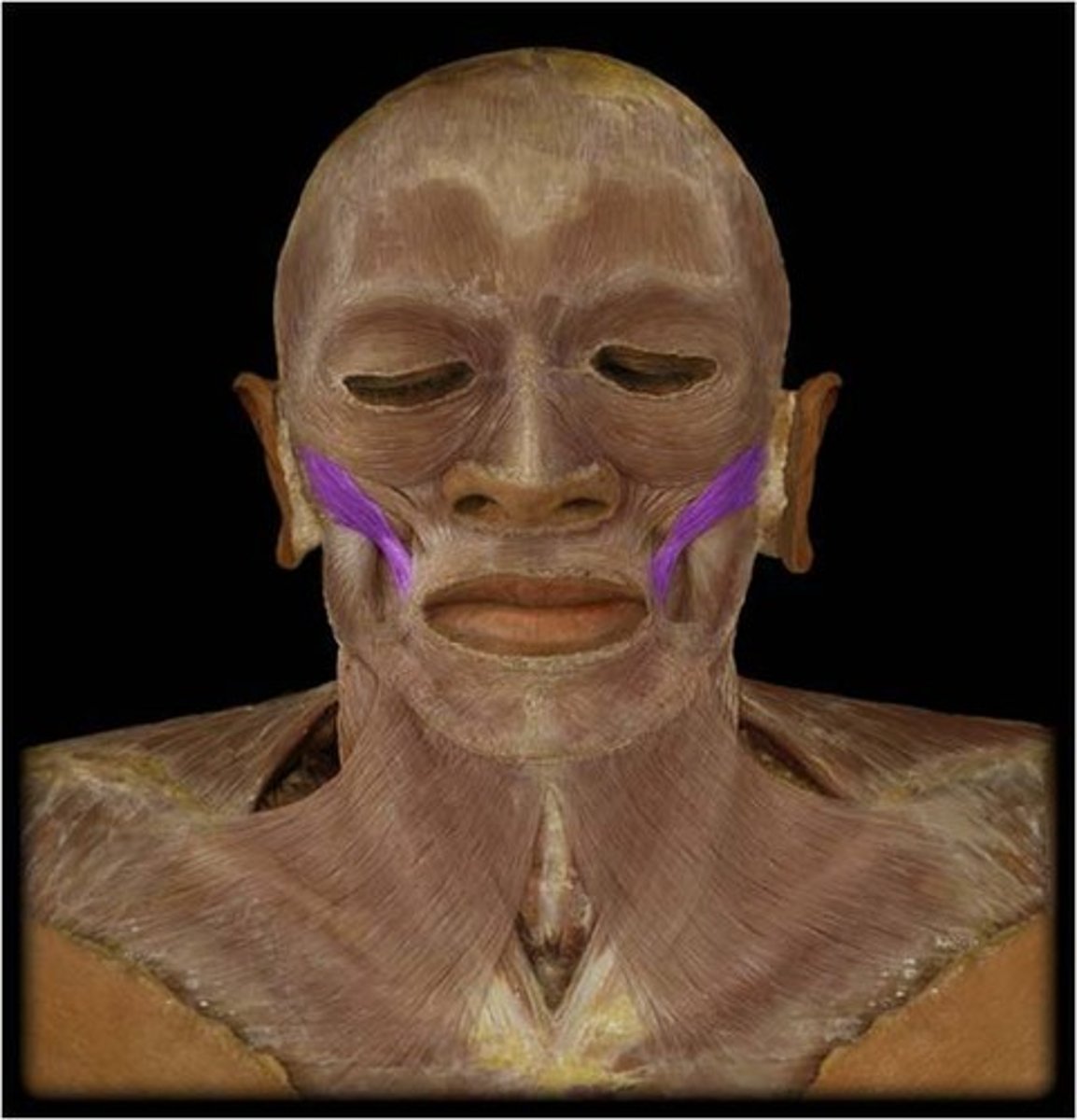
Zygomaticus
elevates corner of mouth; "smiling" muscle
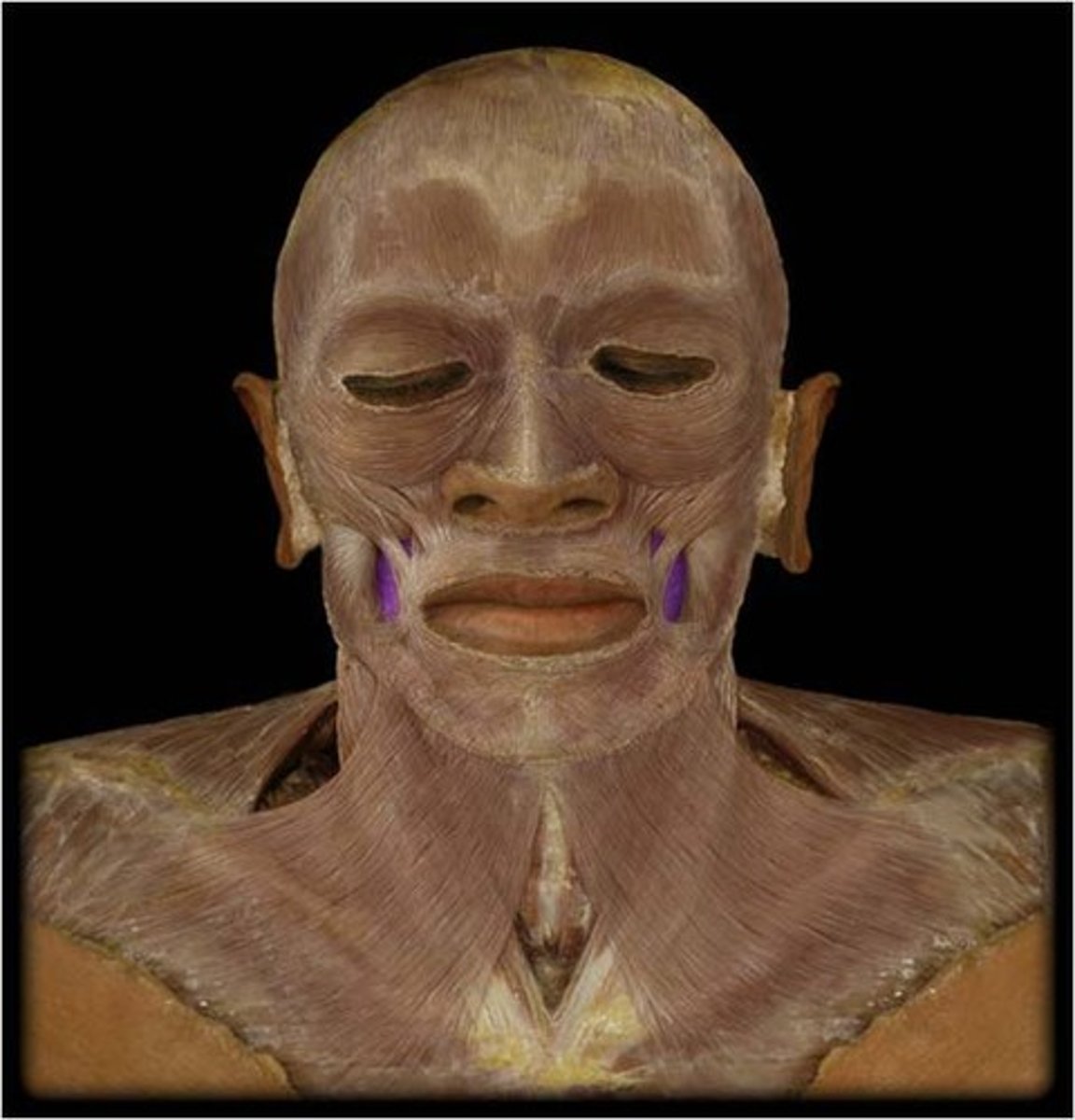
Buccinator
compresses cheek as in blowing sucking whistling; holds food between teeth during chewing
Platysma
Draws down the lower lip and angles of the mouth; tenses skin of the neck; helps depress mandible
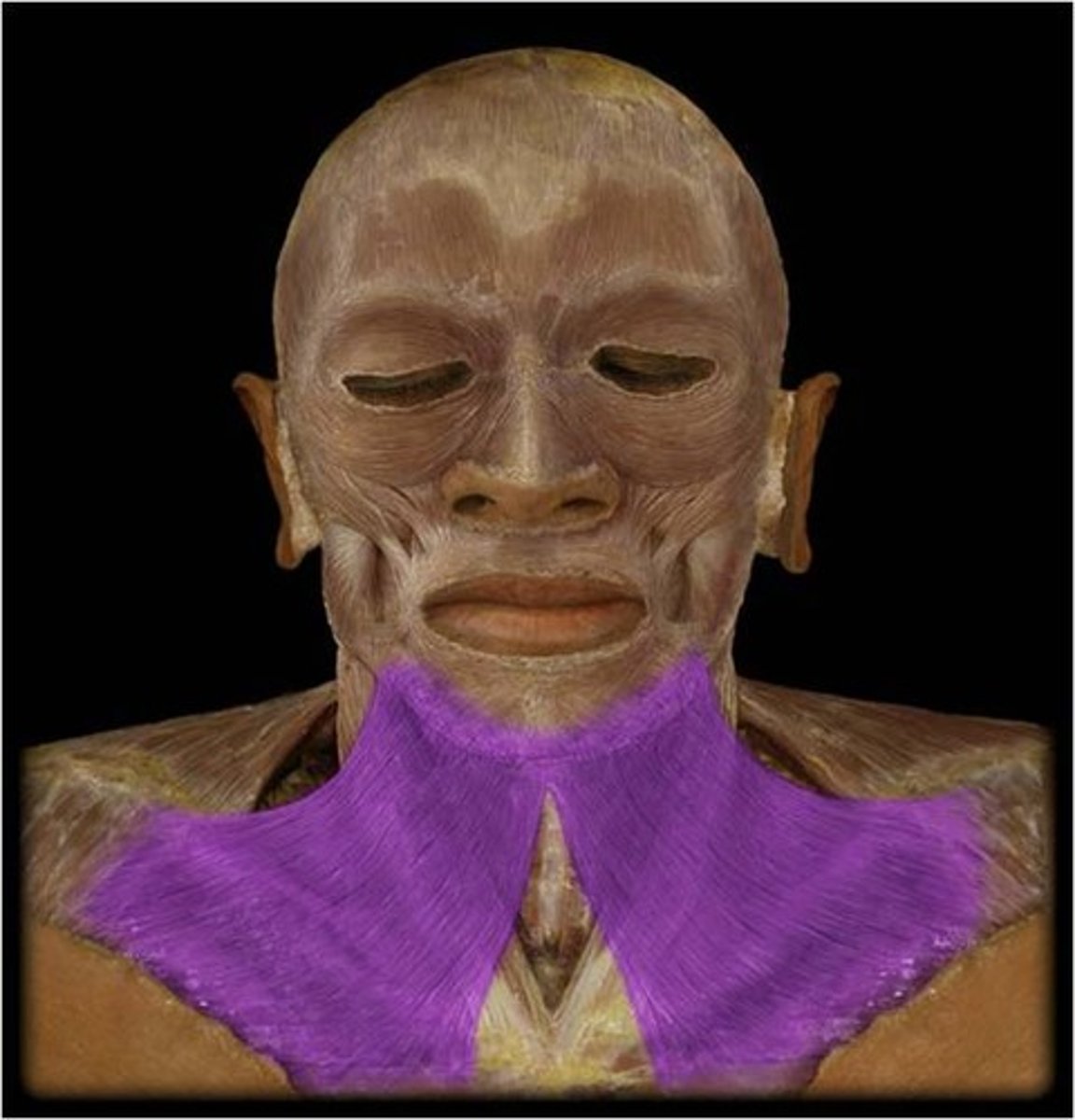
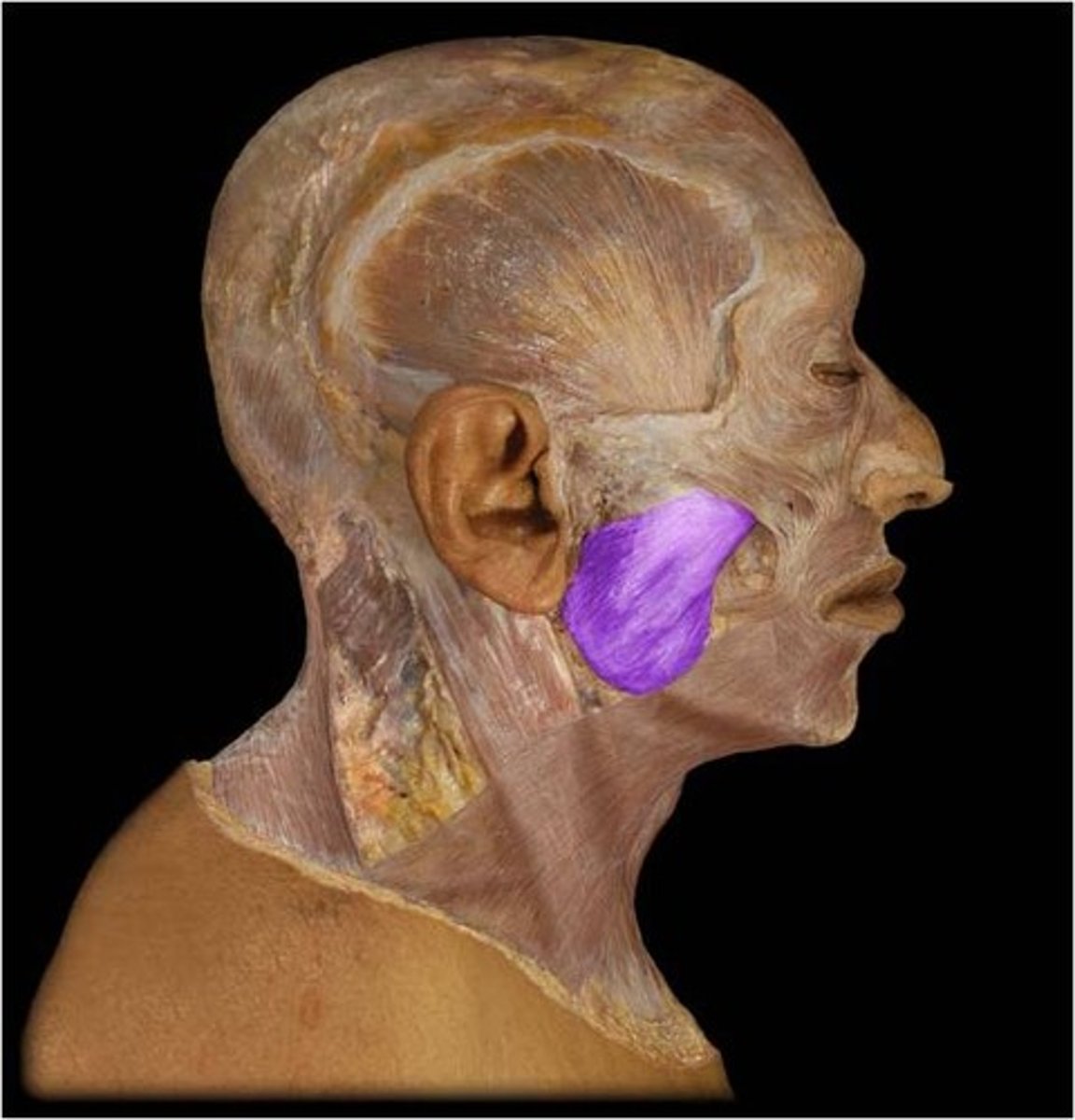
Masseter
chewing muscle; closes mouth
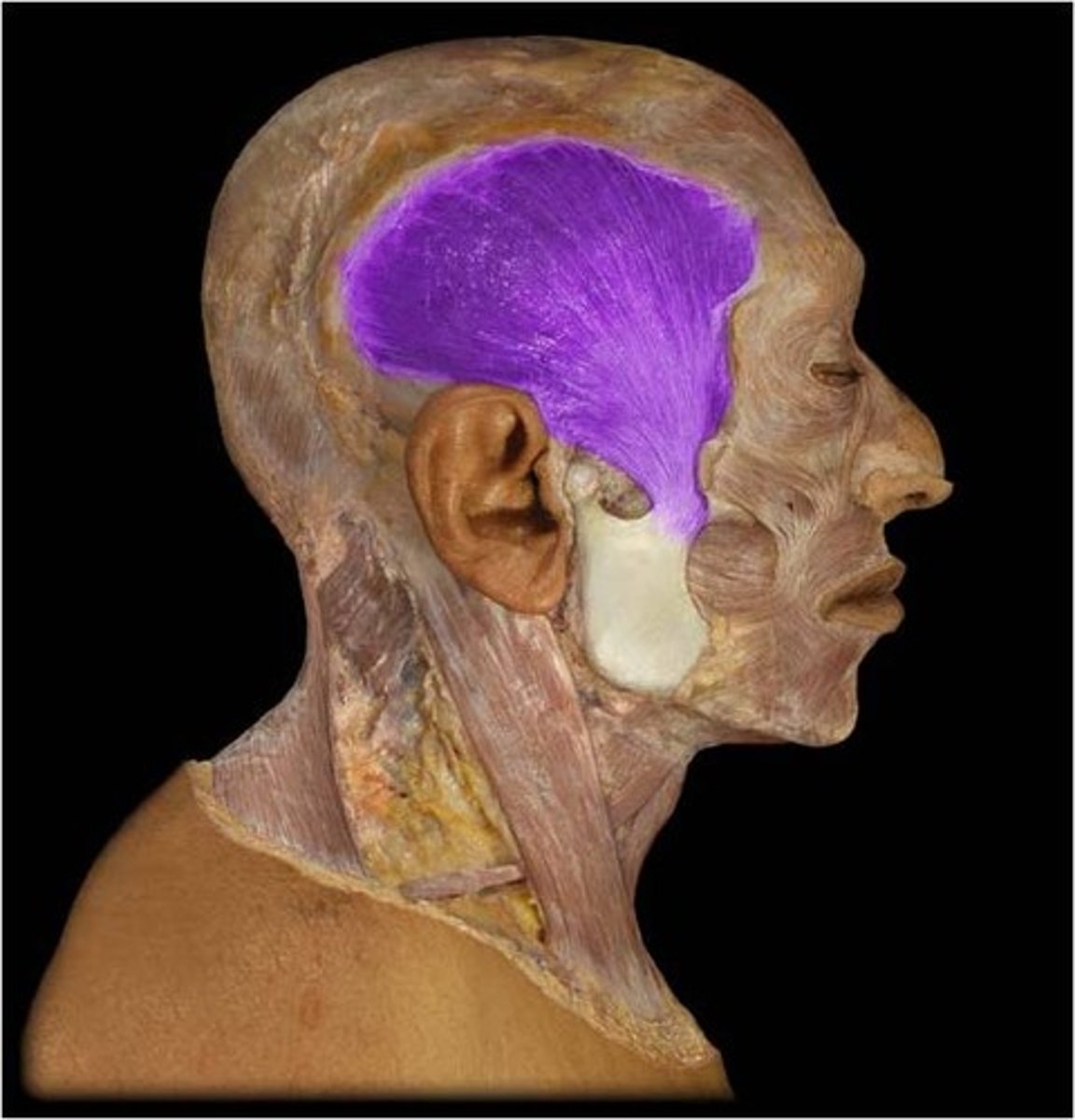
Temporalis
closes jaw, elevates and retracts mandible
Sternocleidomastoid
flexes neck; rotates head
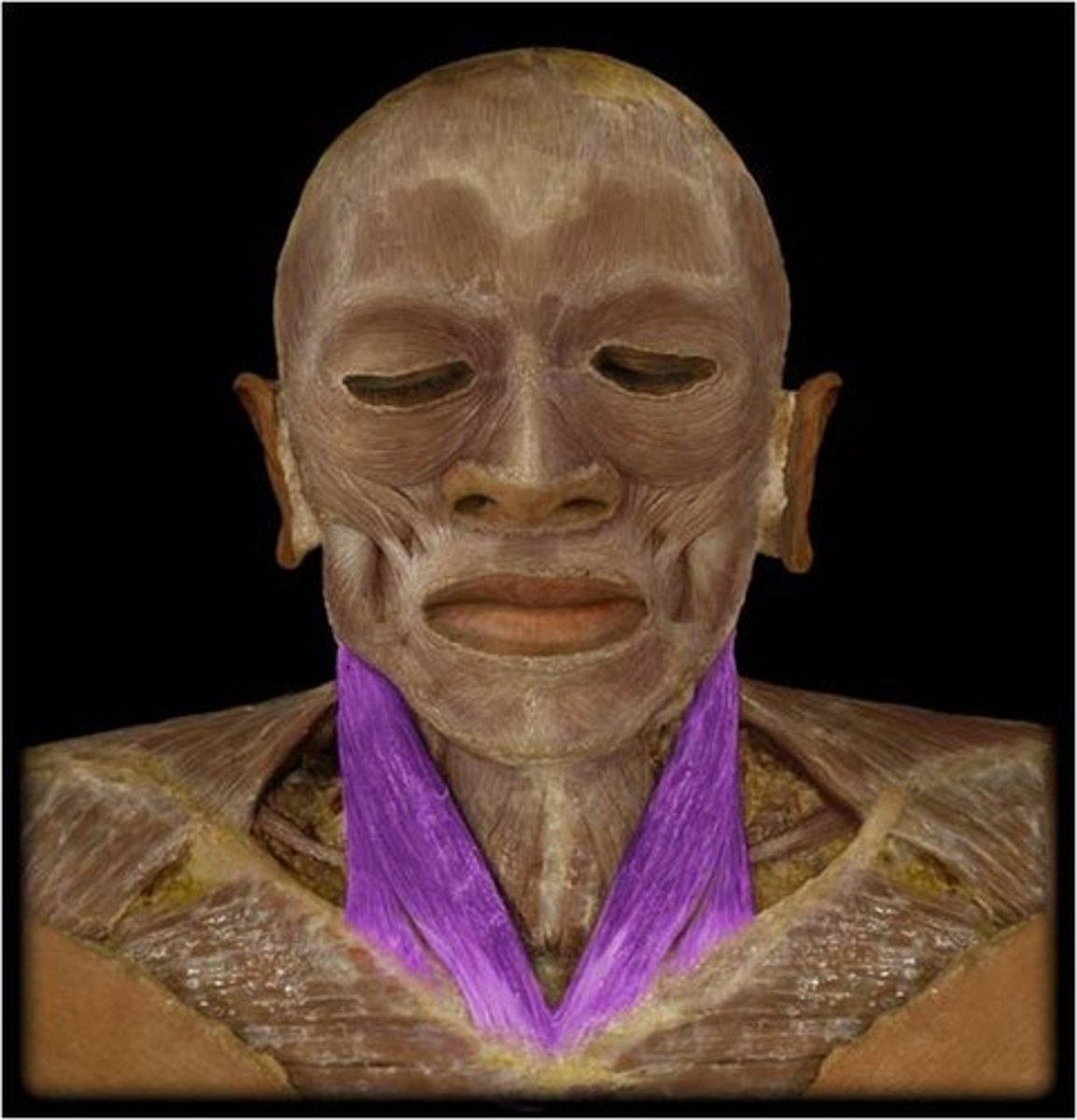
sternocleidomastoid
orbicularis oculi
orbicularis oris
buccinator
zygomaticus
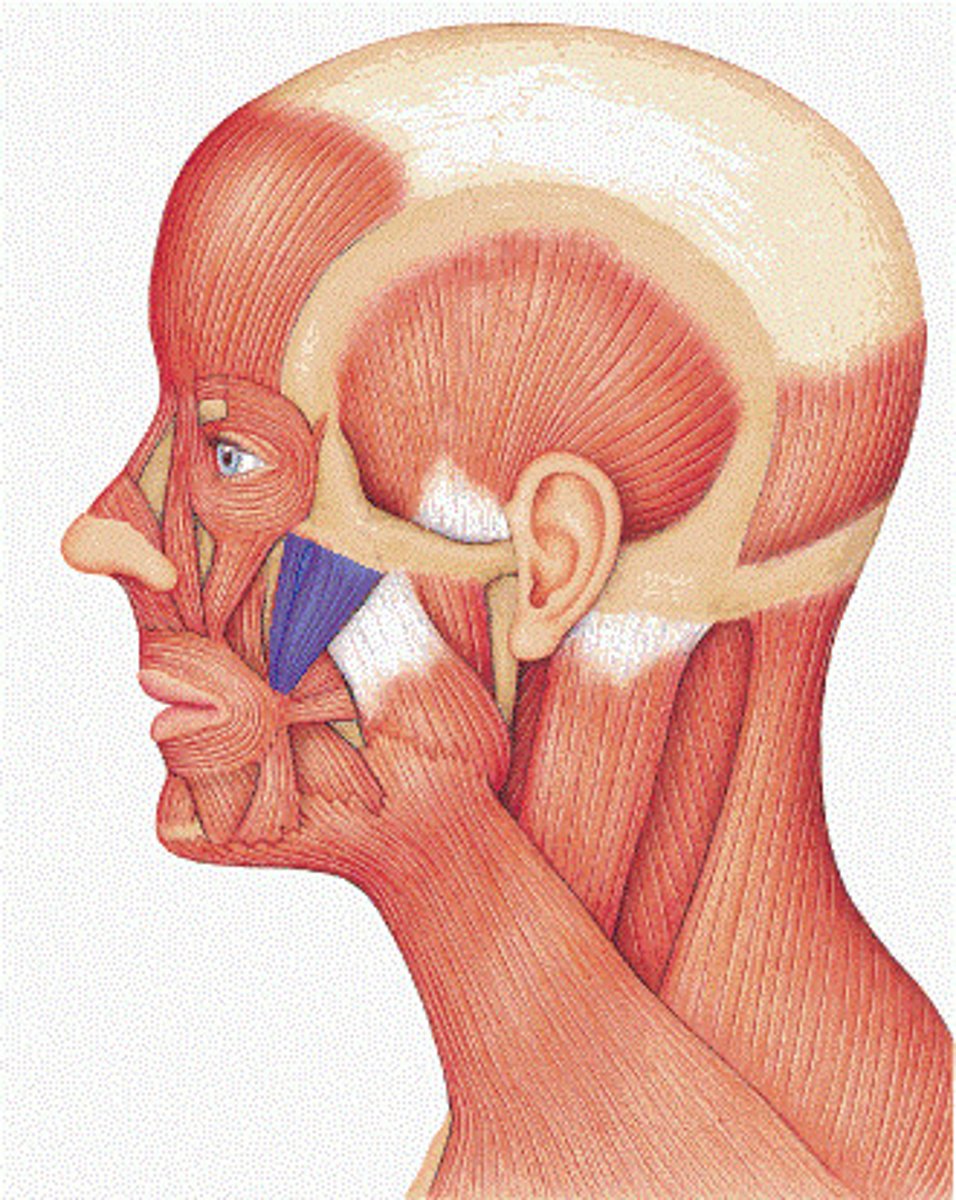
masseter
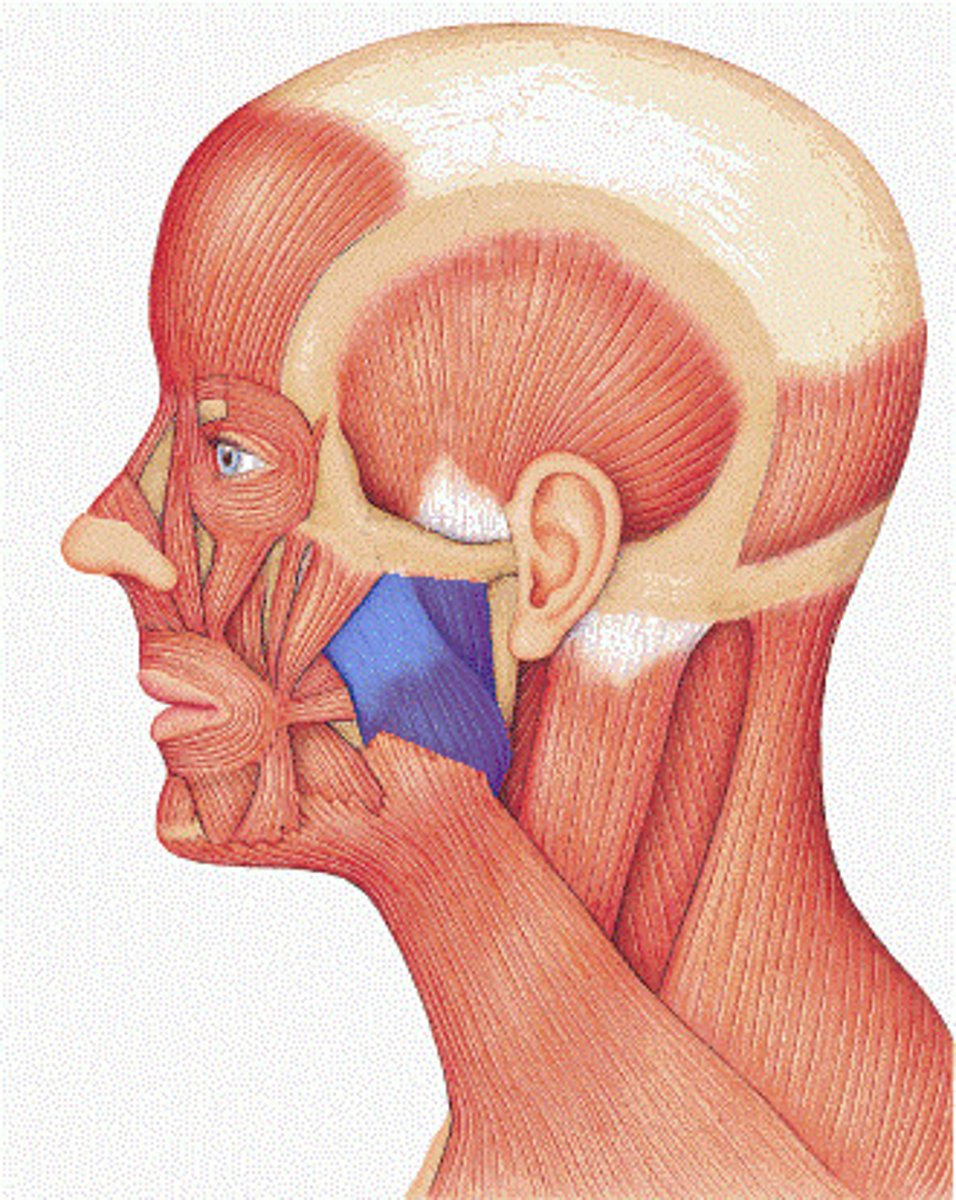
temporalis
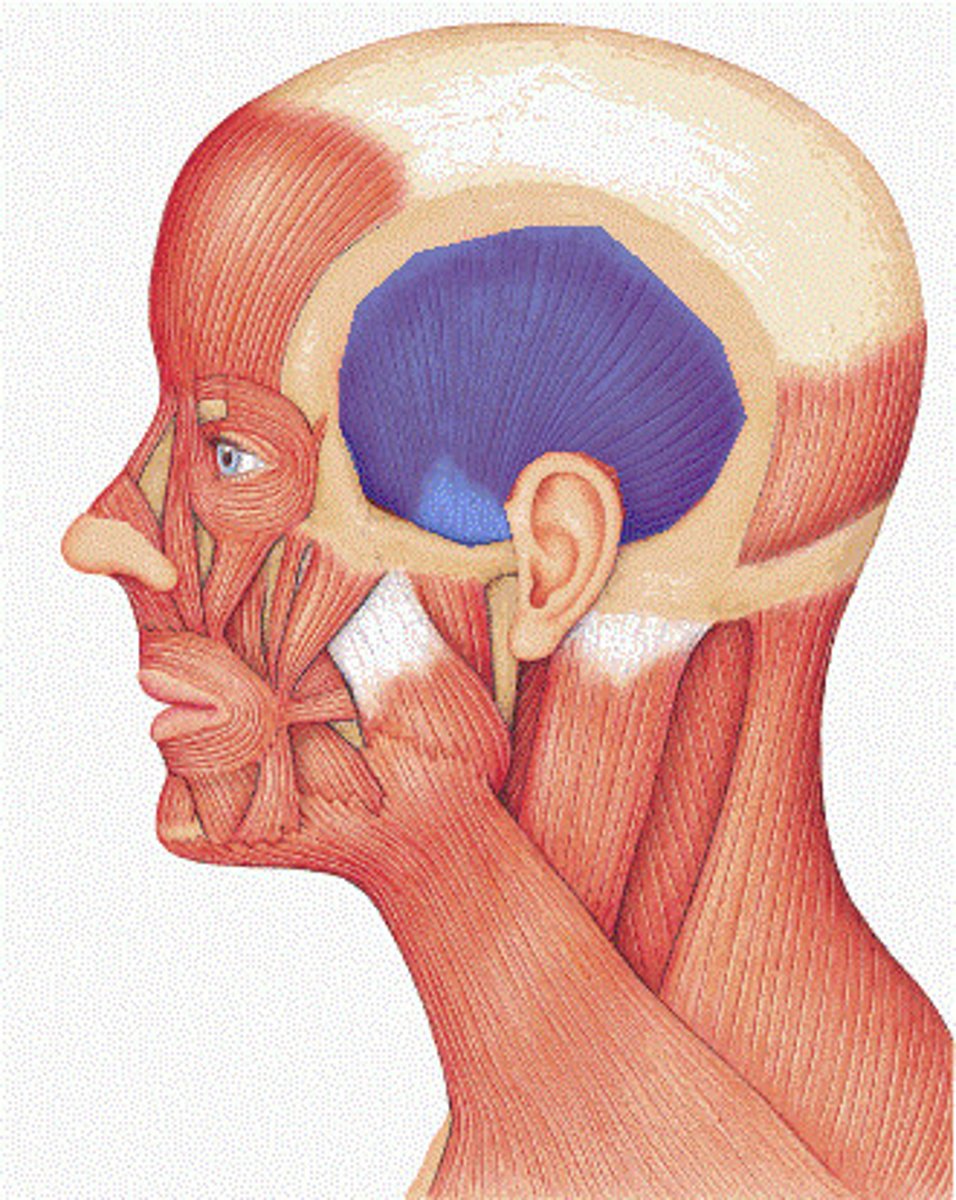
platysma
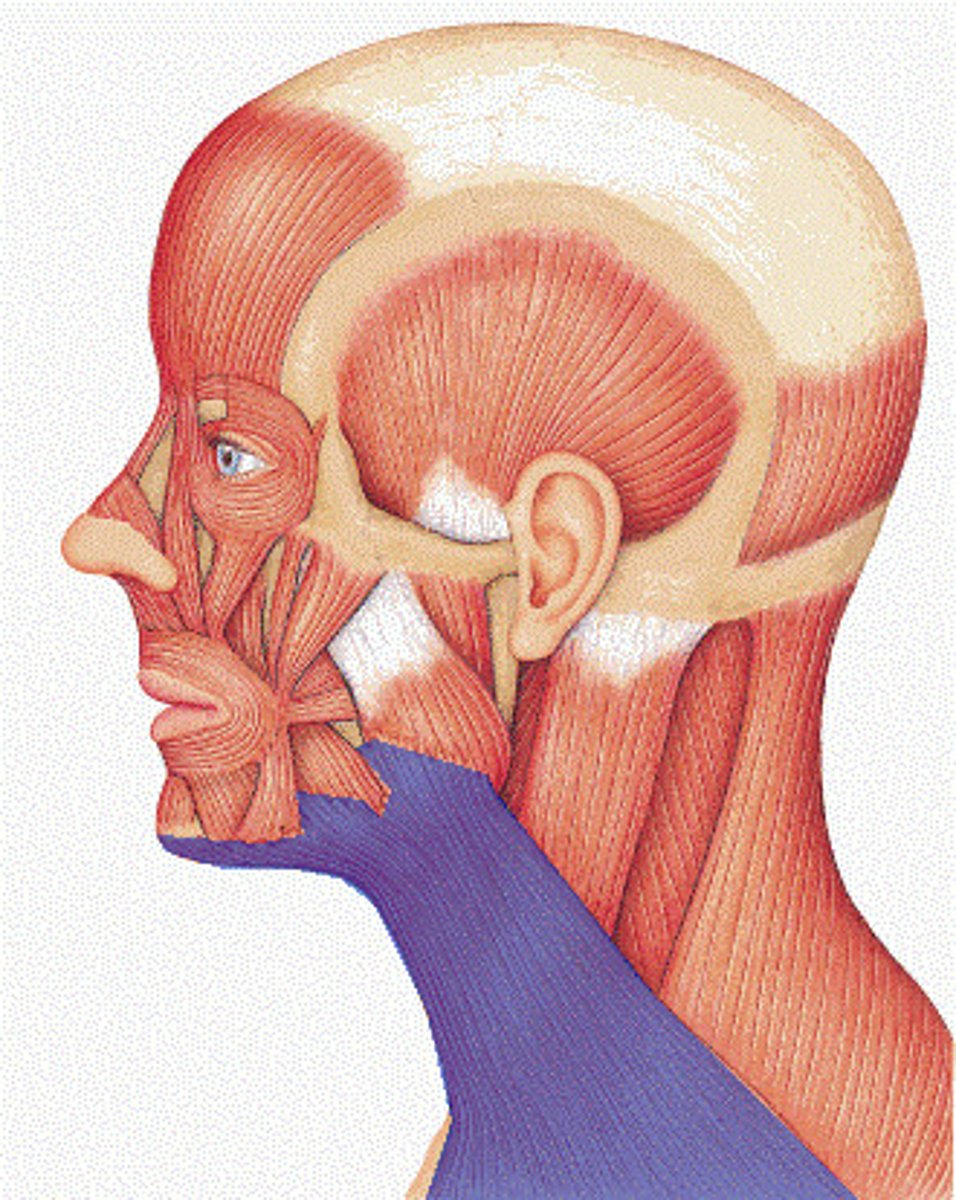
sternocleidomastoid
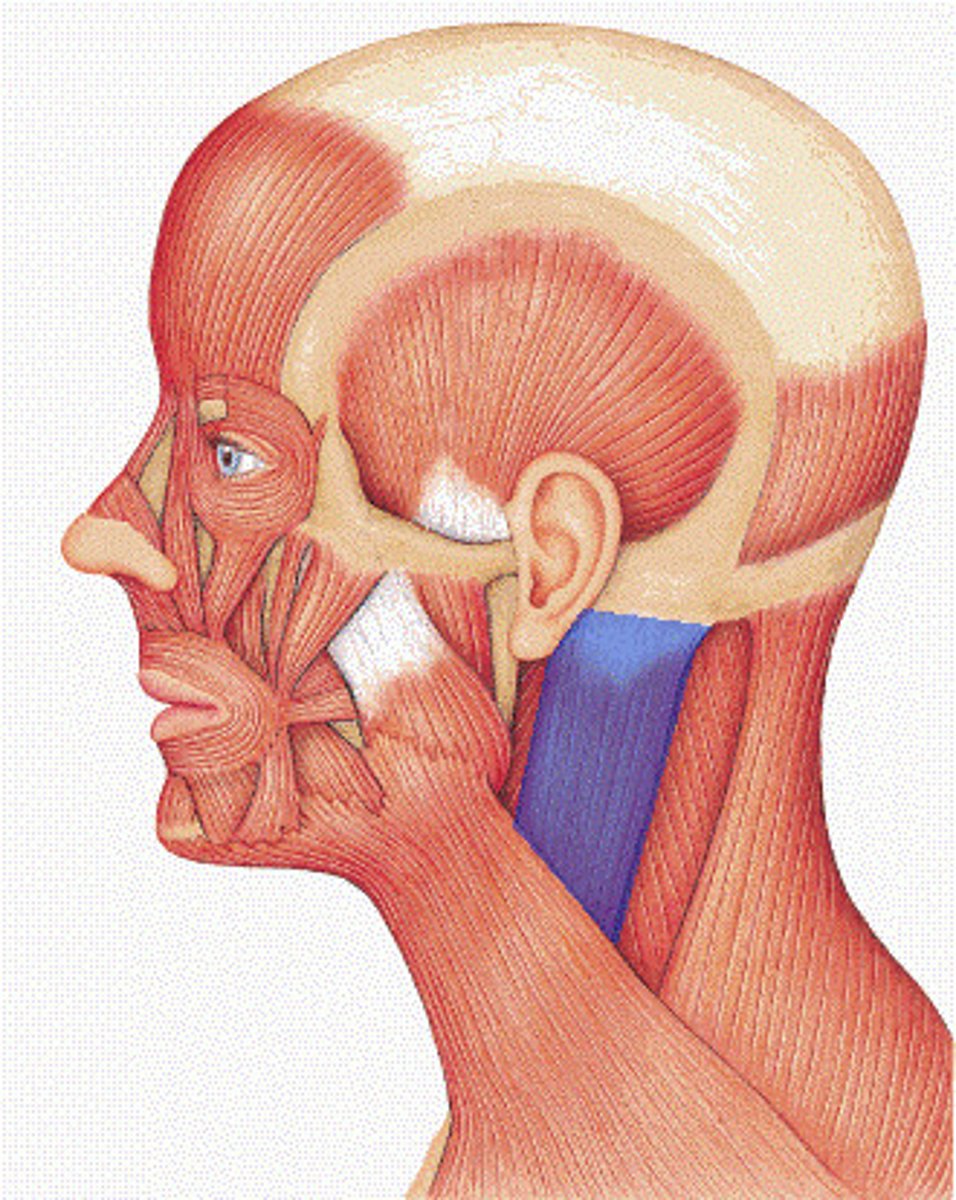
Orbicularis oculi
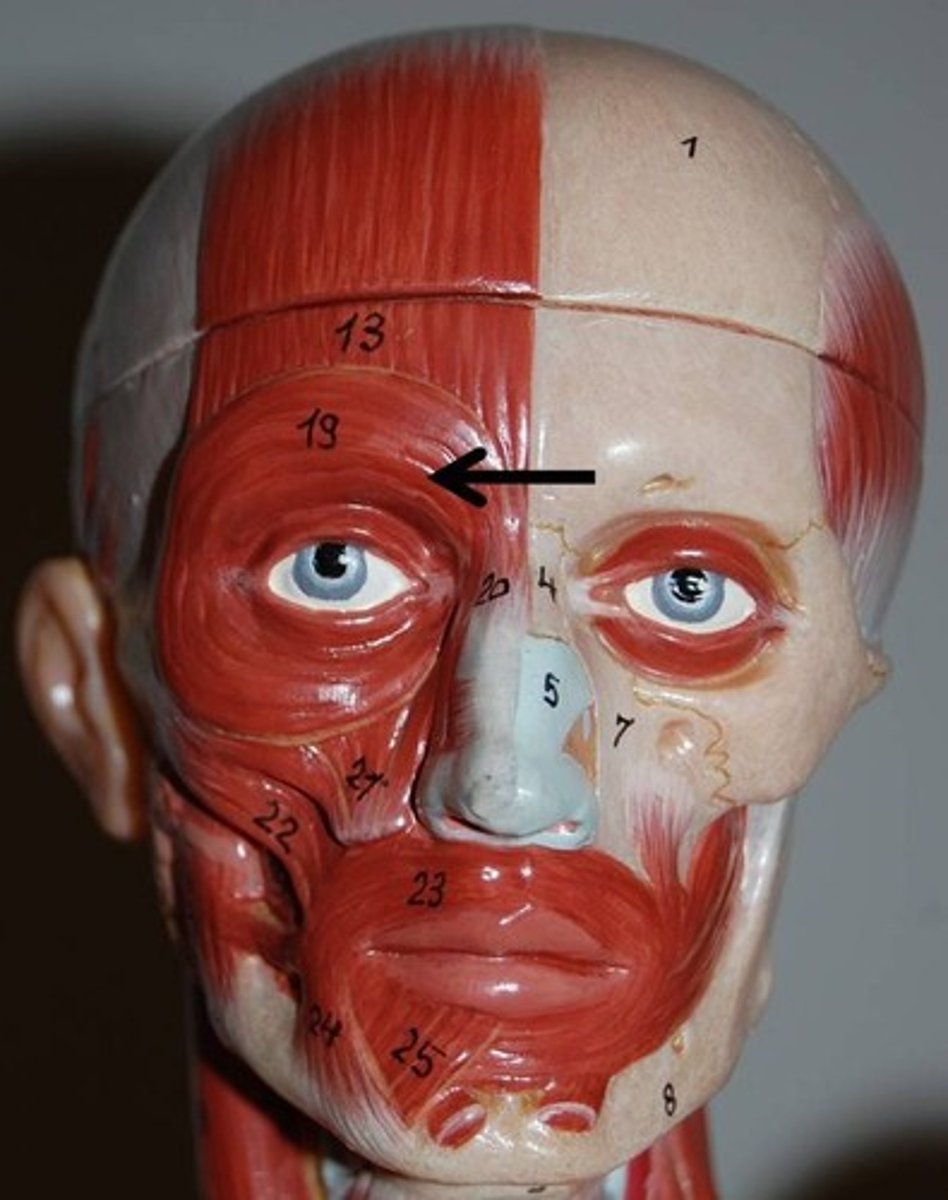
Orbicularis oris
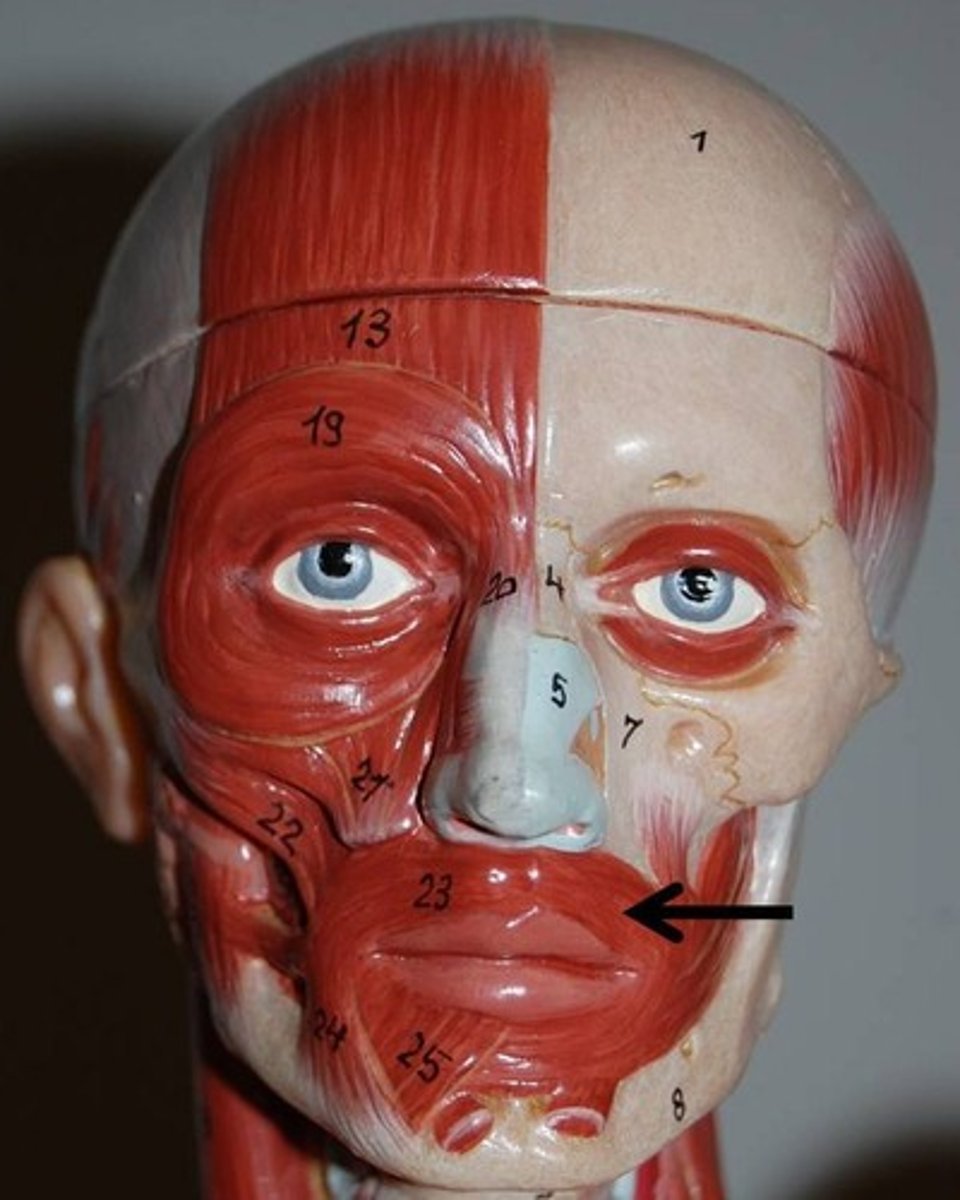
Sternocleidomastoid
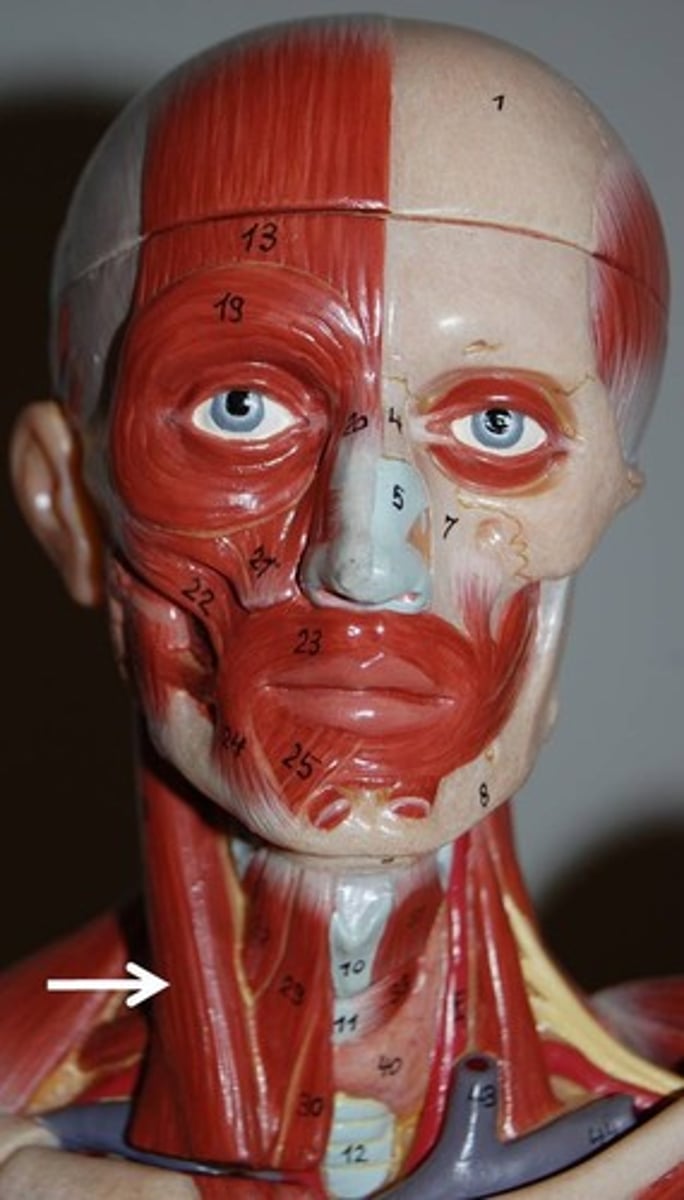
Temporalis
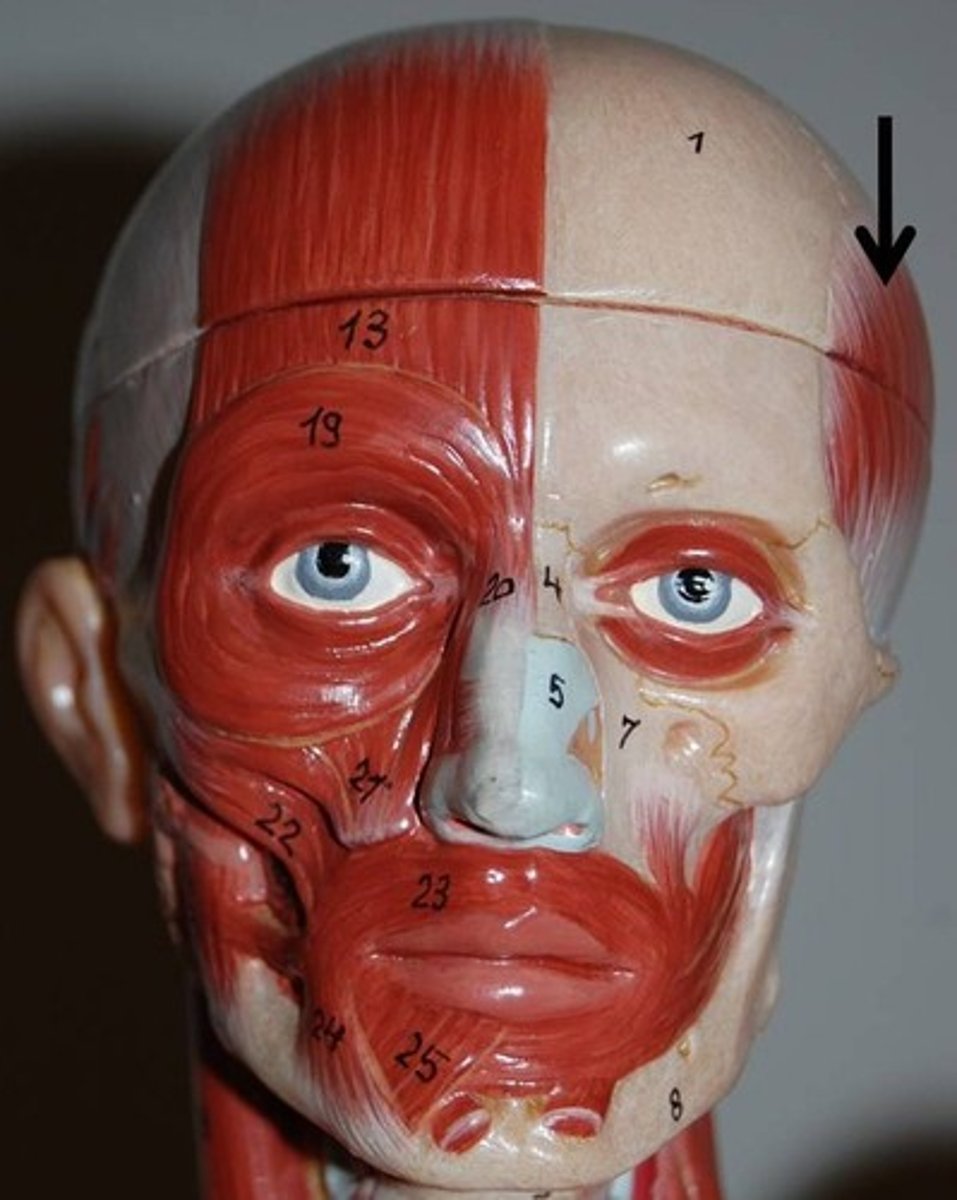
Zygomaticus major
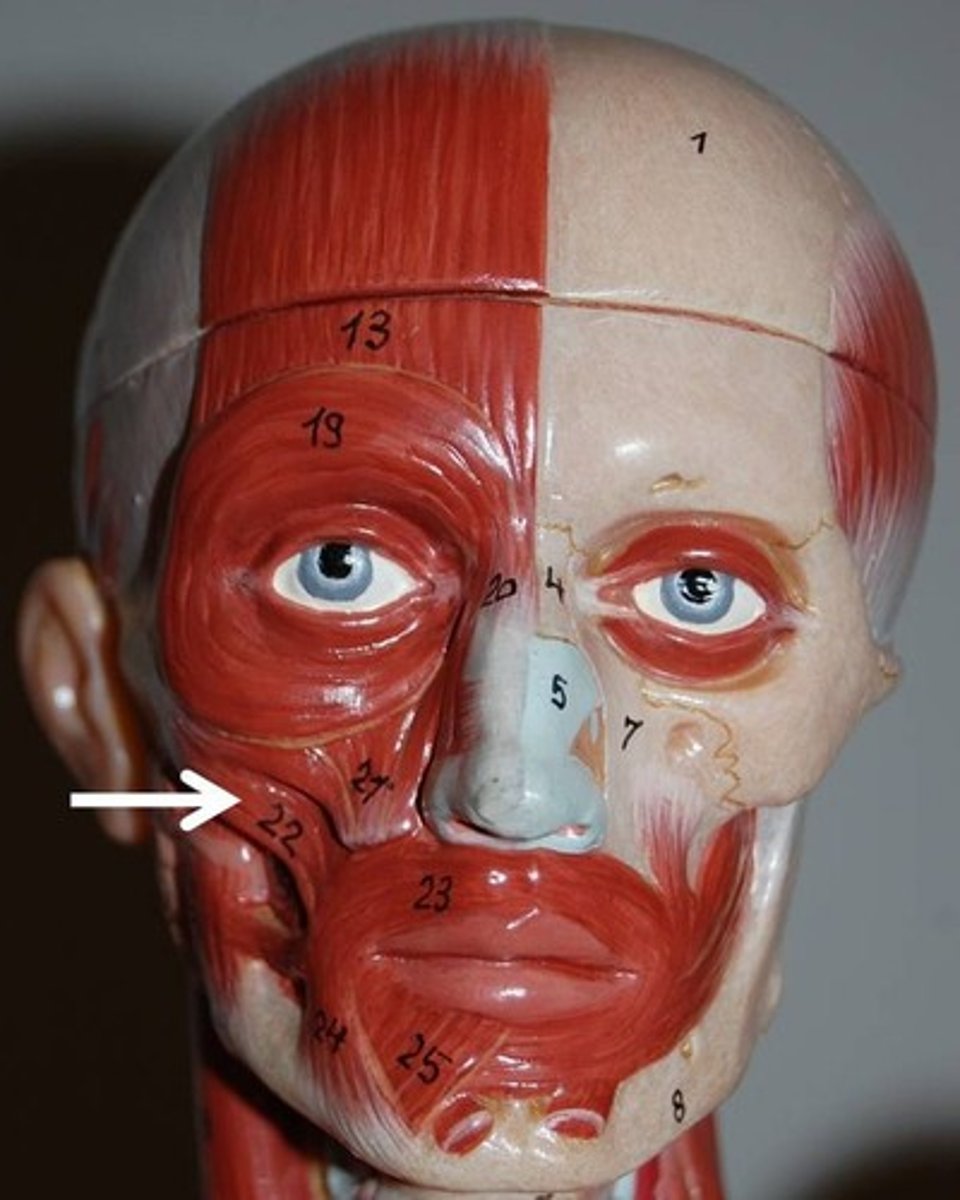
Buccinator
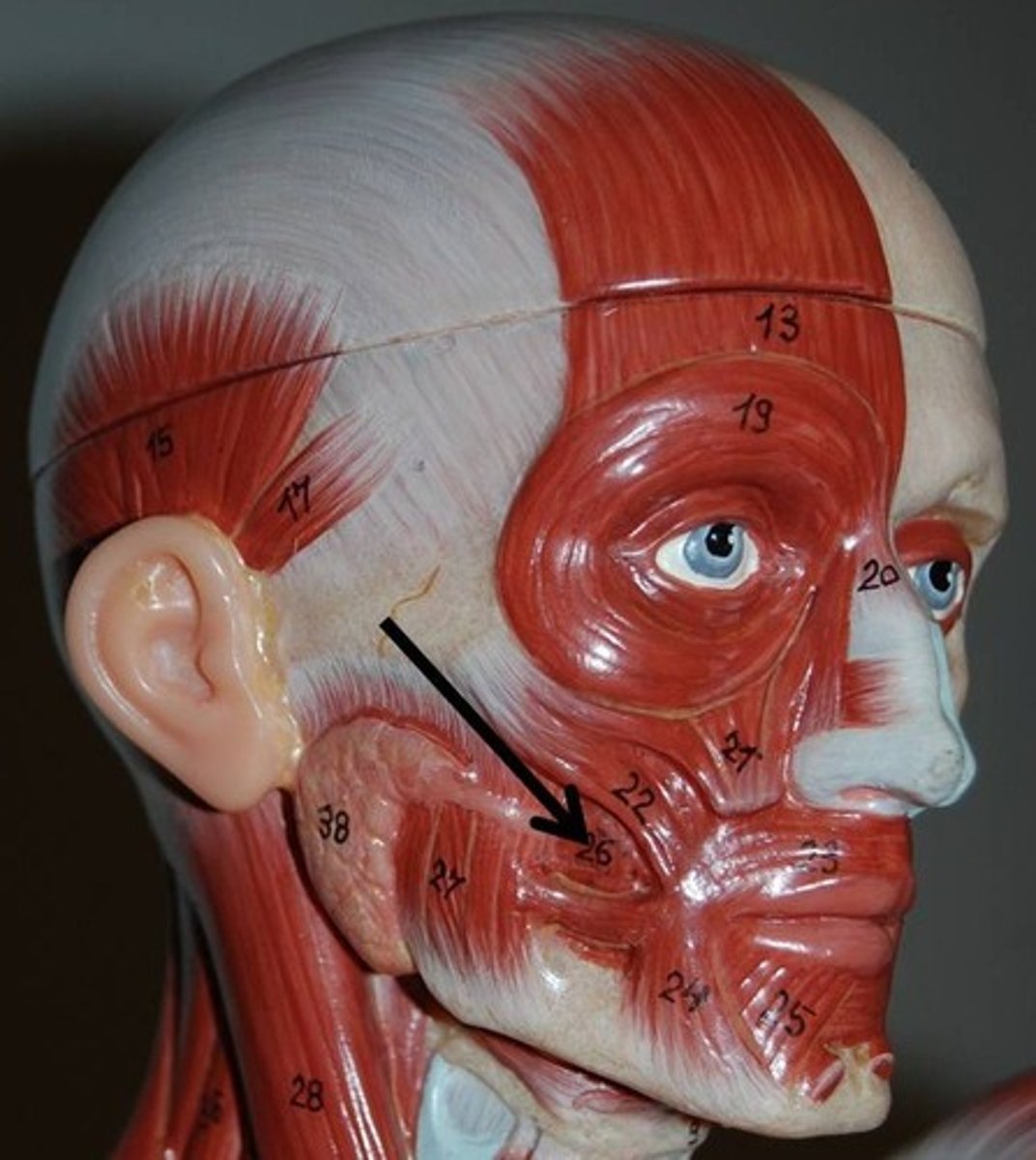
Masseter
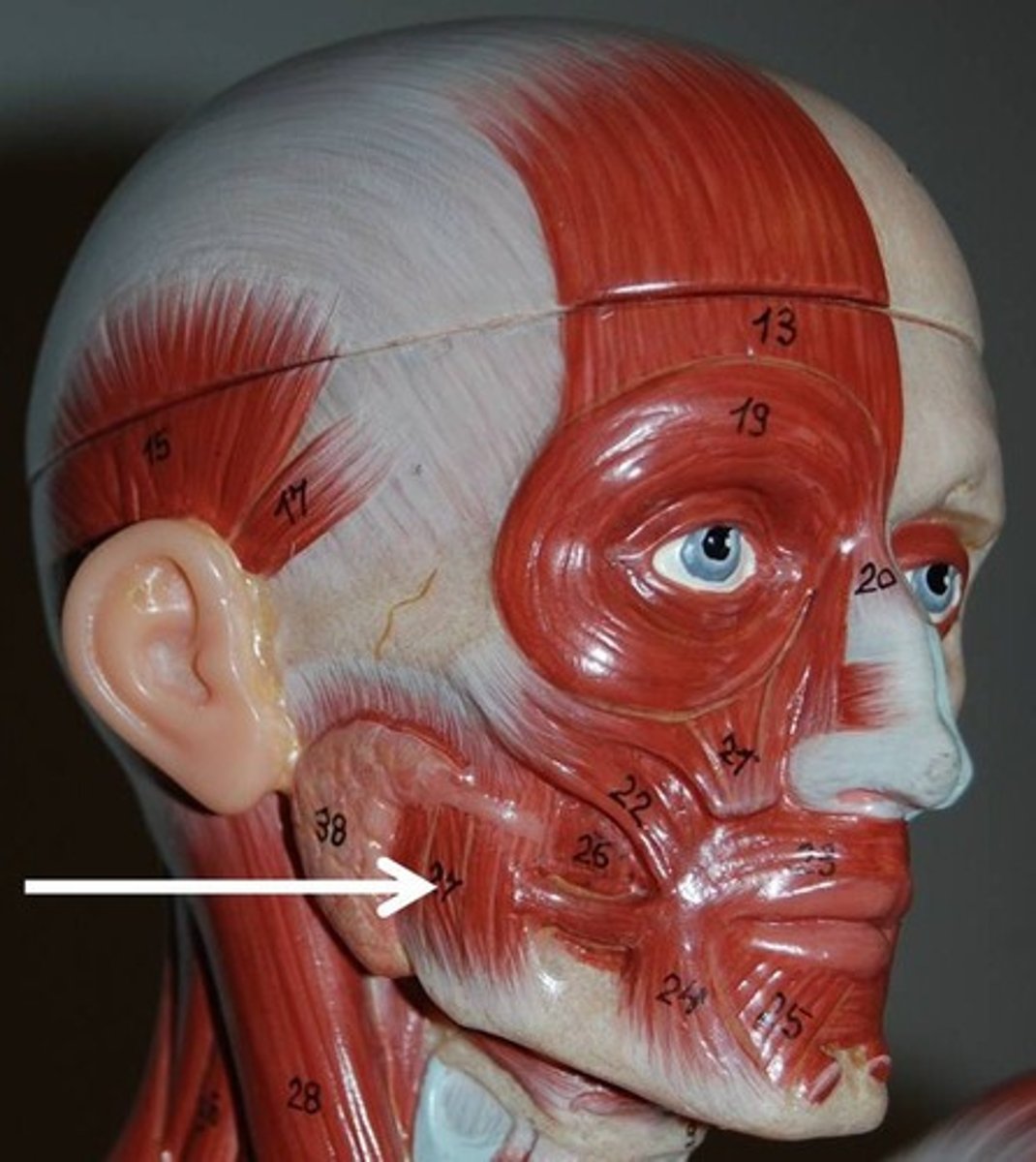
Temporalis
Masseter
Orbicularis oculi
Orbicularis oris
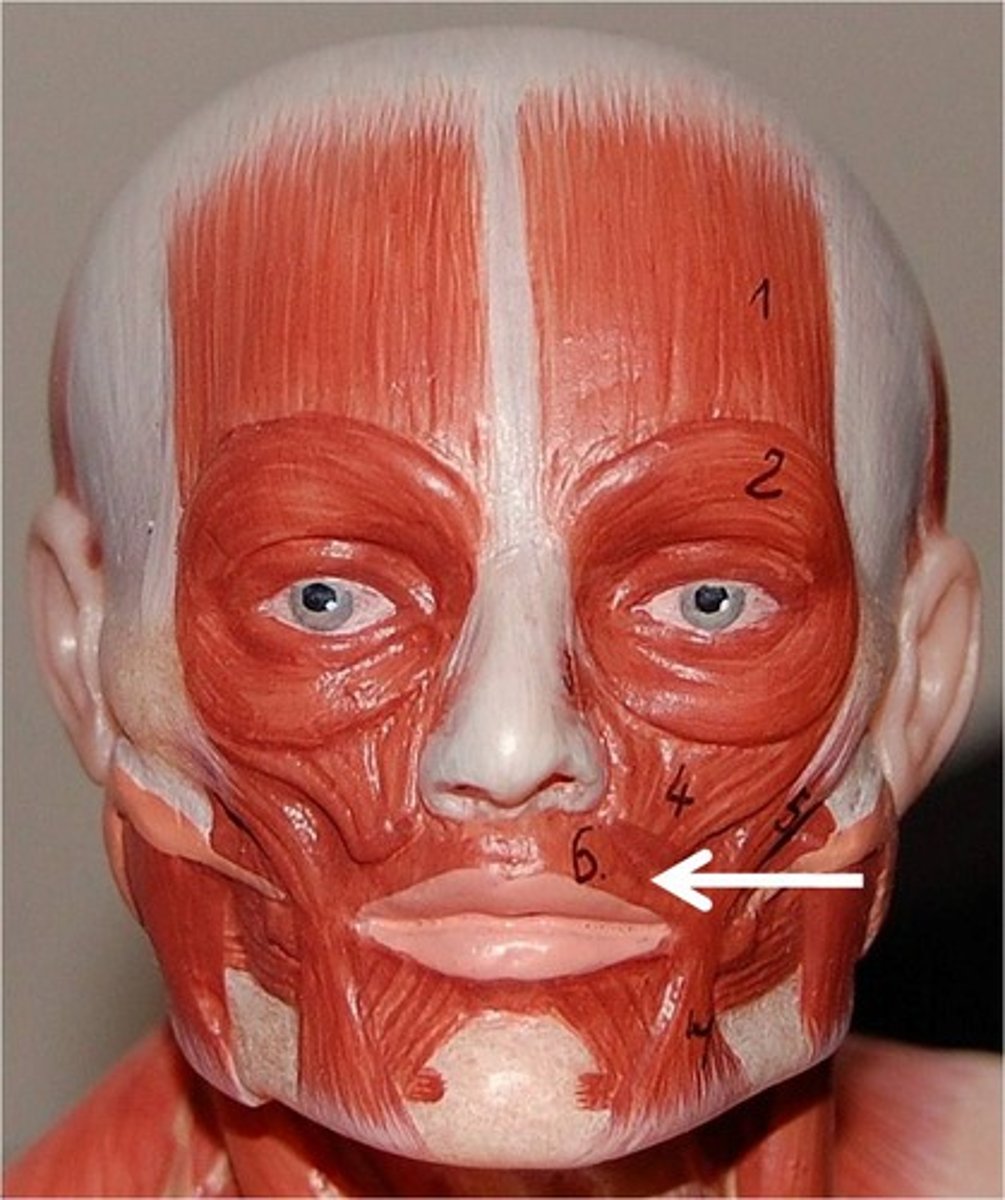
Zygomaticus major
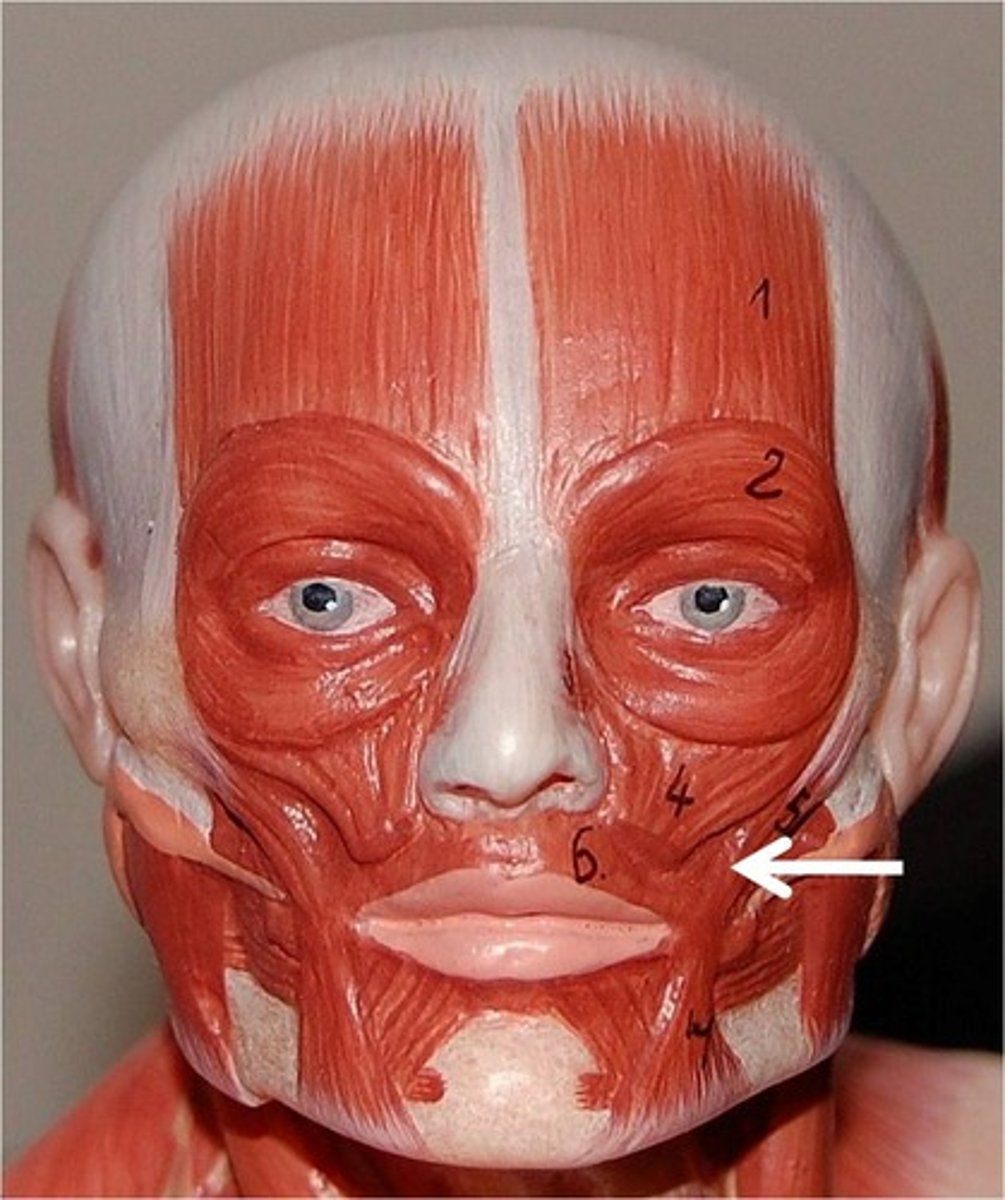
Platysma
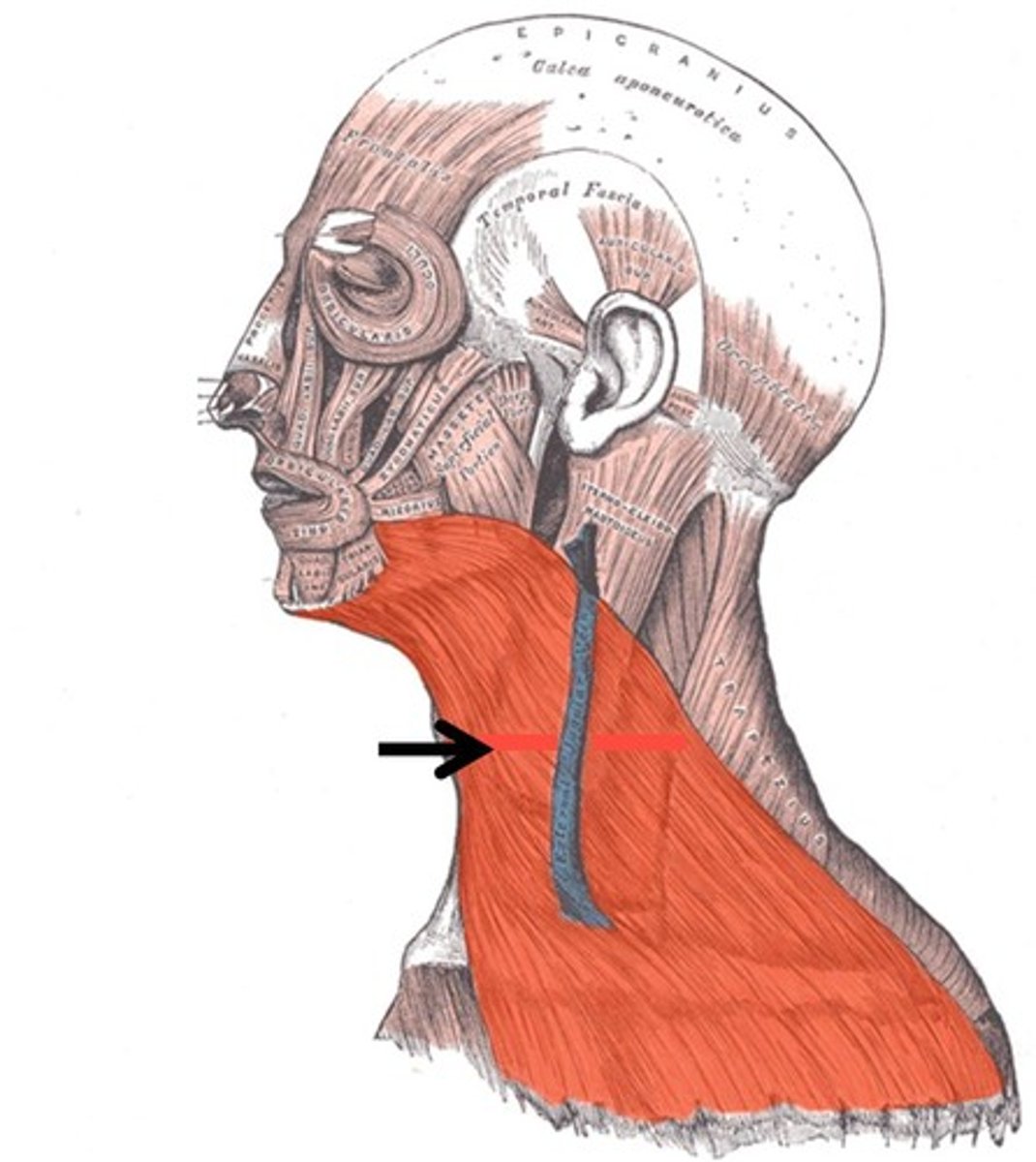
Sternocleidomastoid
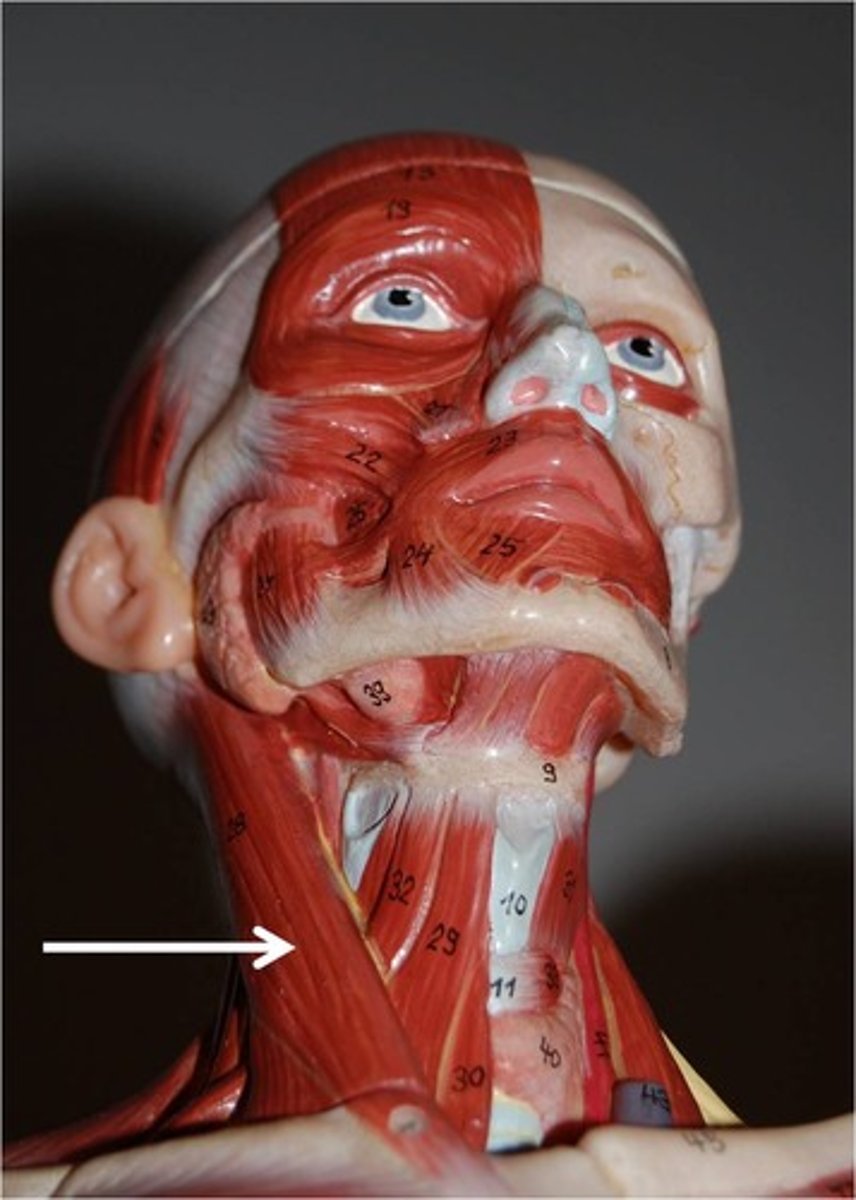
Zygomaticus major
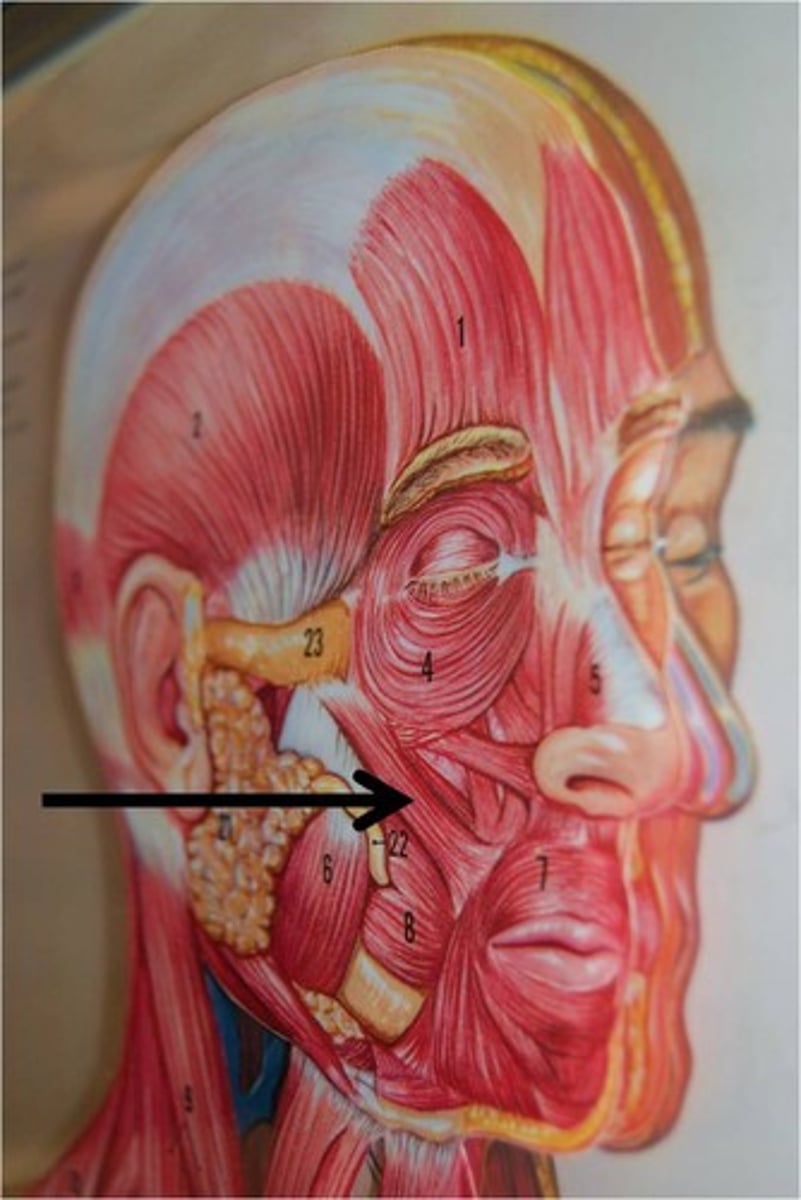
Olfactory nerve-
I- smell
optic nerve
II- Vision (adjusts lens and constricting the PUPIL)
Oculomotor
III- movement of eyeball, elevation of upper eyelid, constricting the IRIS, Focus of lens
Trochlear
IV- eye movement (down & out)
Trigeminal
V- chewing, conveys general senses from tongue (not taste), cornea, nasal cavity, front of scalp, upper eyelids.
Abducens
VI- Abduction of eye (lateral movements)
Facial
VII-Taste, salivation, lacrimation, movement of muscles of facial expression
Vestibulocochlear
VIII- Hearing , equilibrium
Glossopharyngeal
IX- Taste, other sensations of the tongue, secretion of saliva, swallowing
DIFFERENCE FROM V???????
Vagus
X-Swallowing, monitors oxygen & carbon dioxide concentrations in blood, senses blood pressure
Accessory
XI-Voice production (Larynx) muscle sense, movement of head, shoulders
Hypoglossal
XII- Movement of tongue during speech, swallowing, muscle sense
Sciatic nerve
Not one of the 12 but important- It is the longest and widest single nerve in the human body, derived from spinal nerves L4 through S3. Supplies the legs.
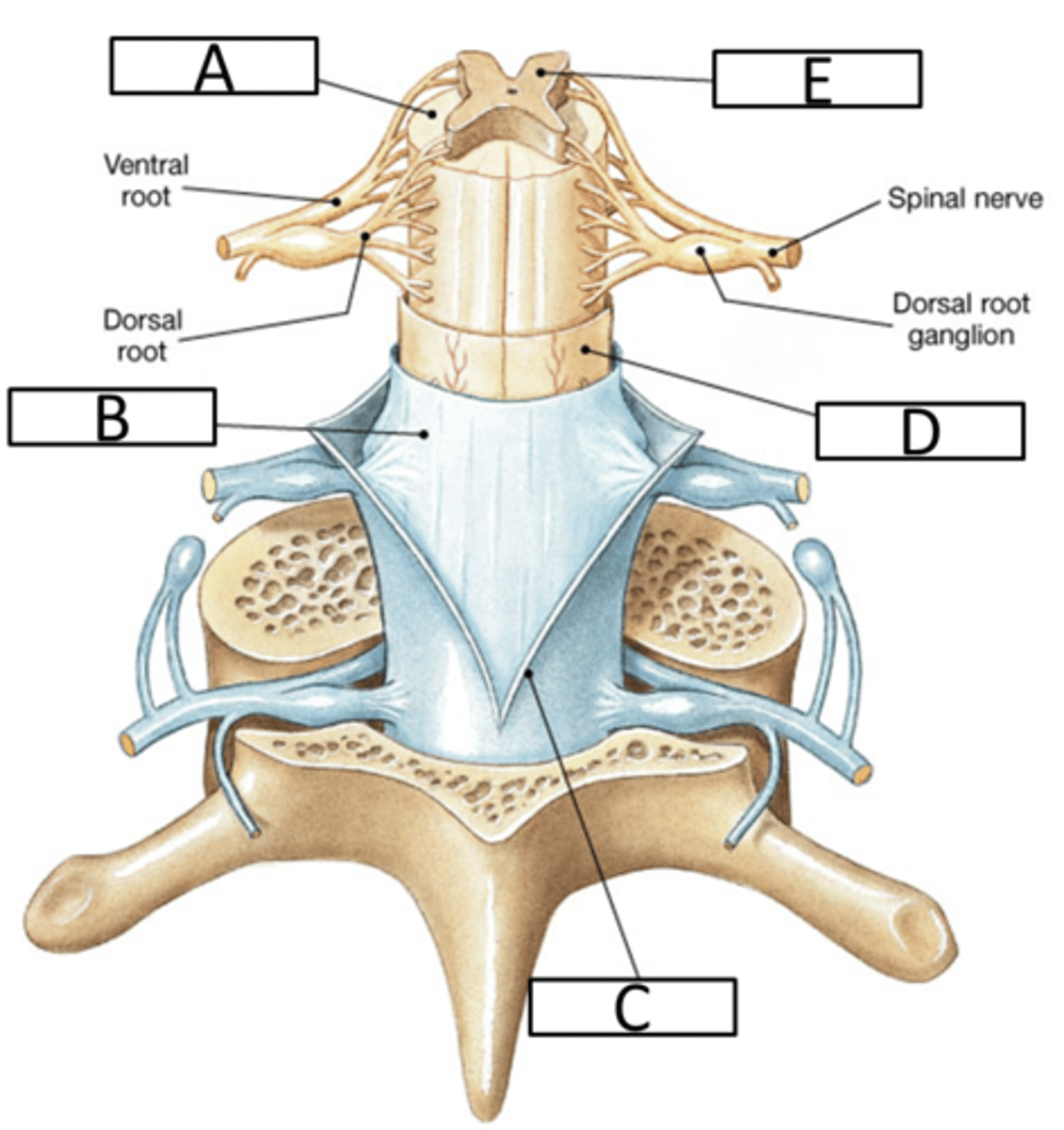
White matter
A
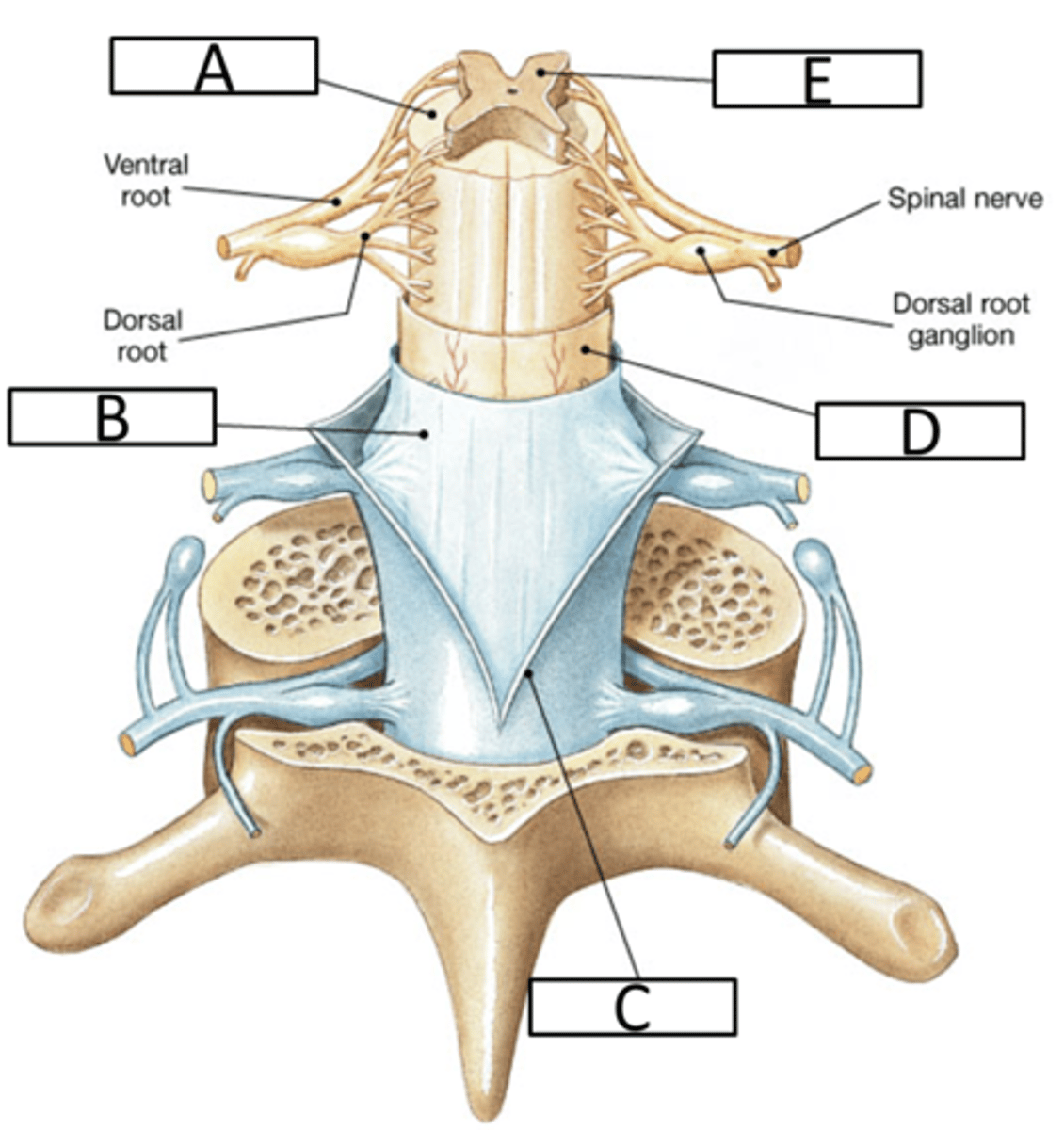
Arachnoid
B
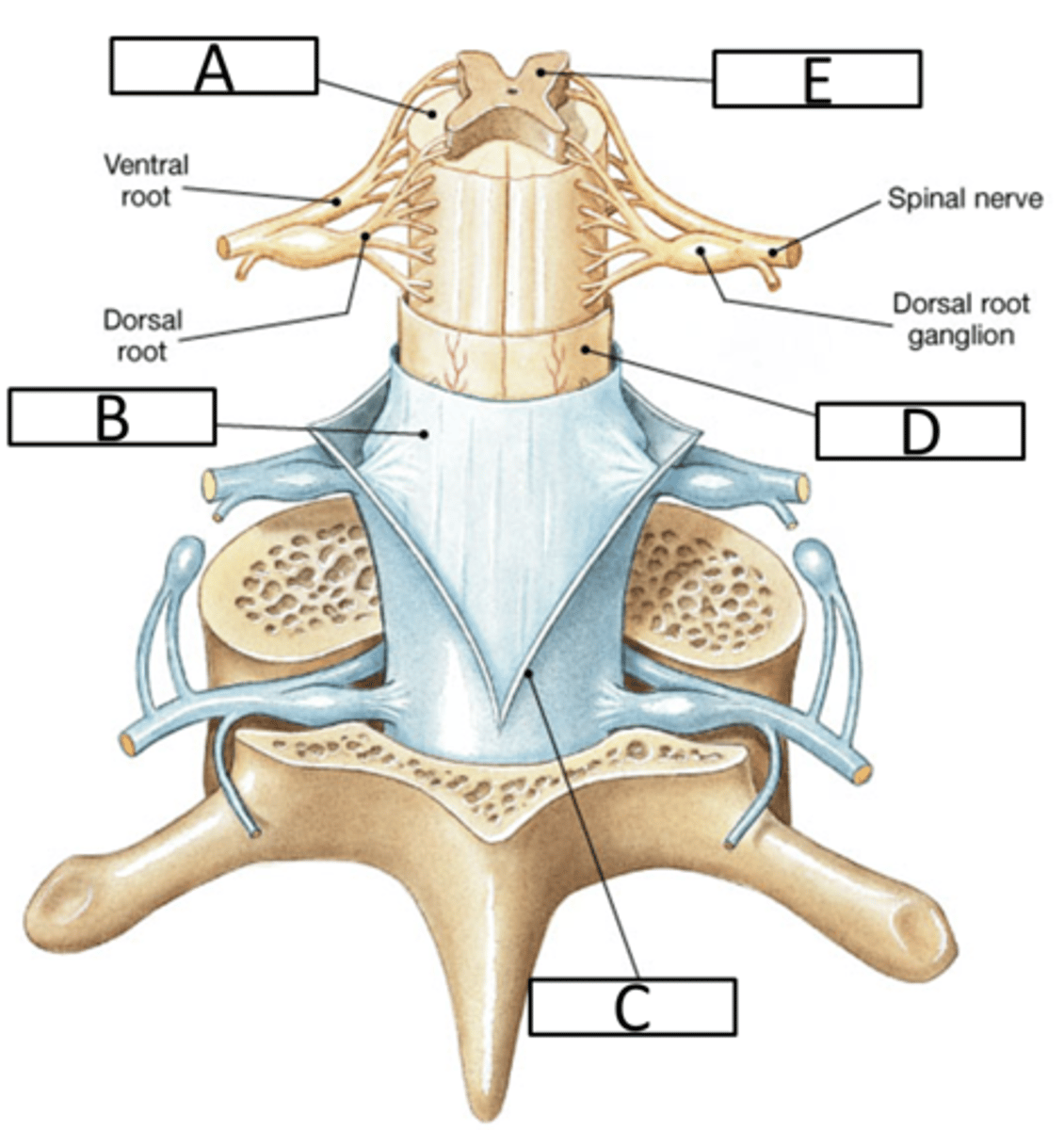
Dura mater
C
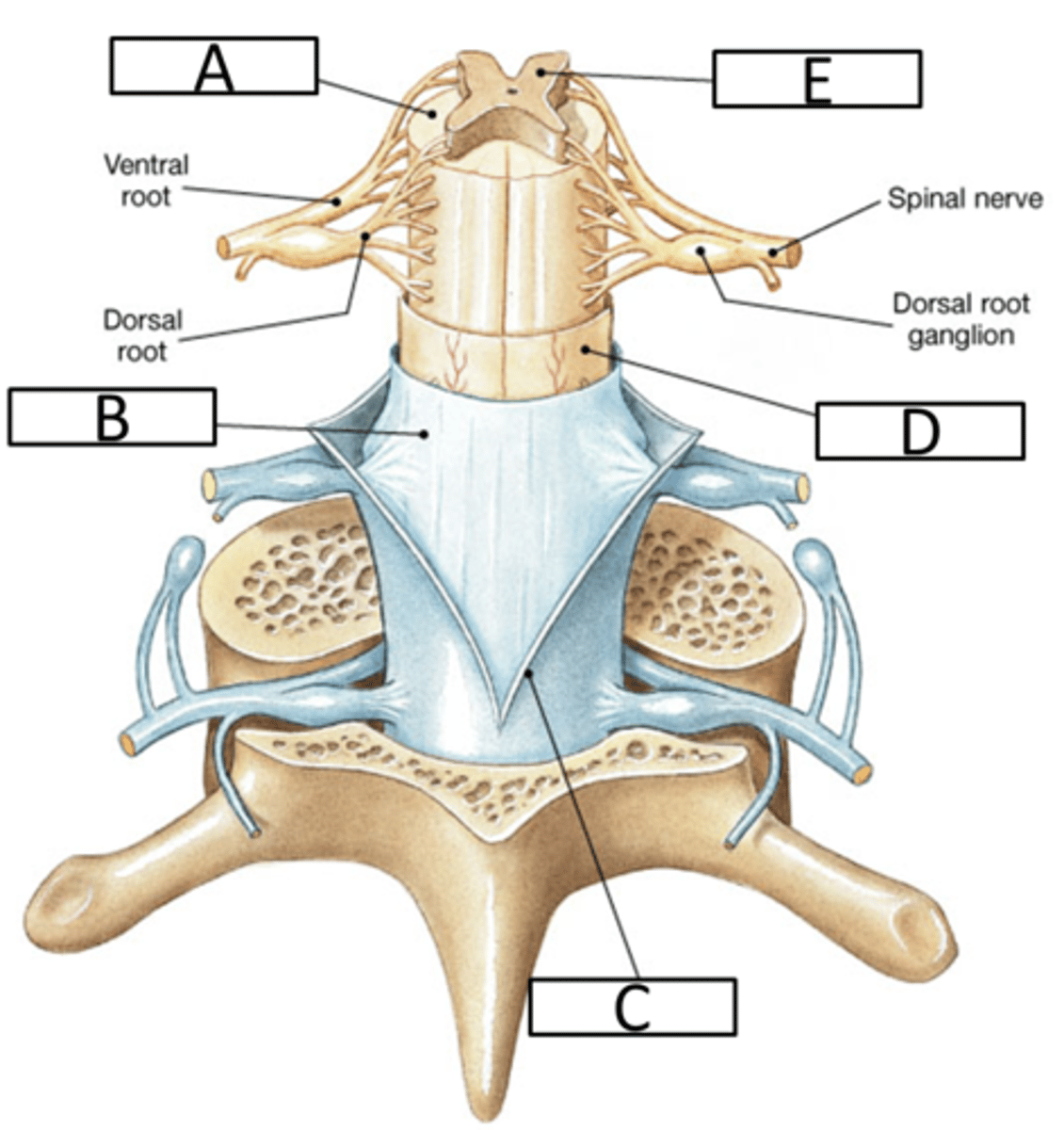
Pia Mater
D
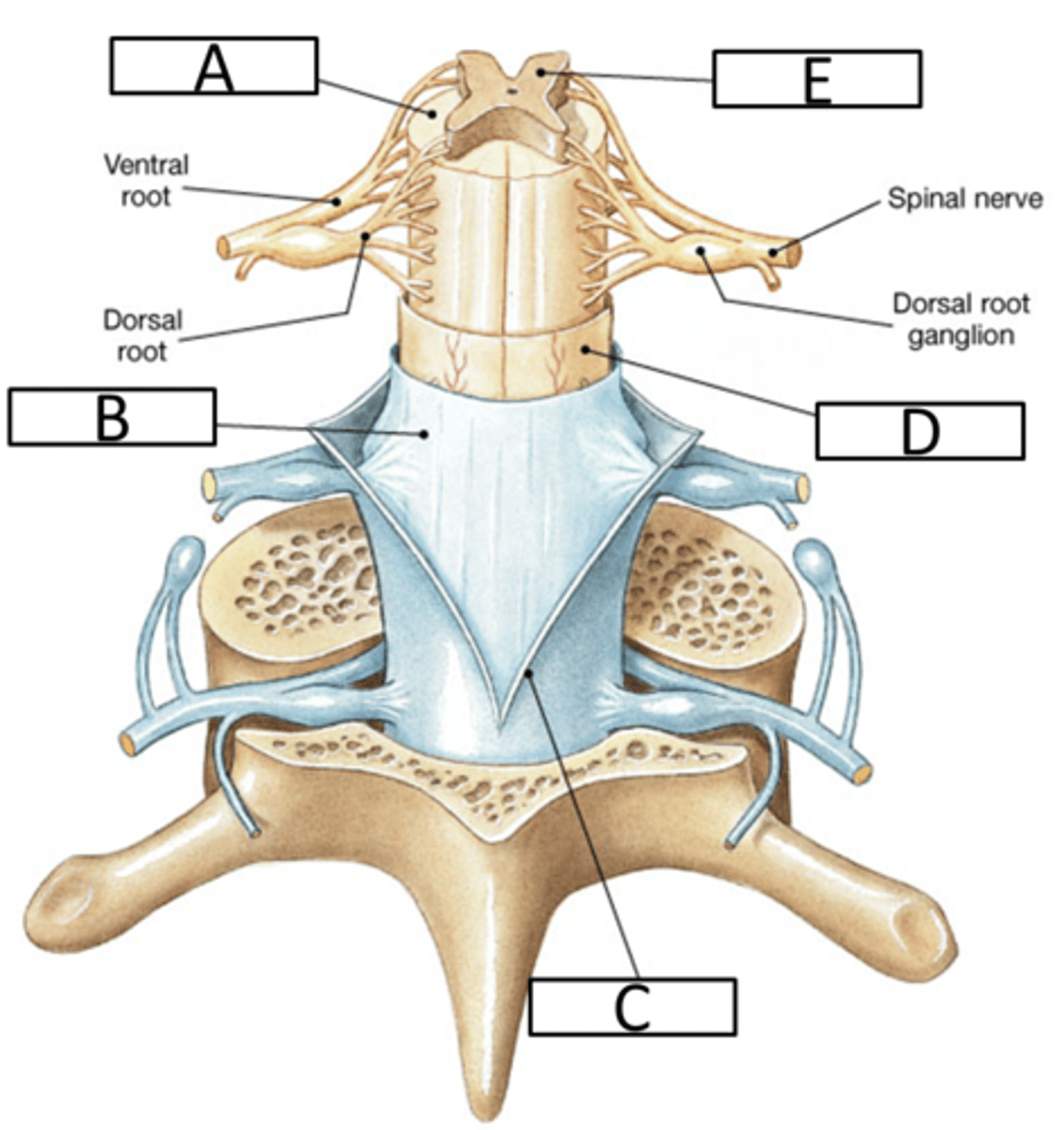
Gray matter
E
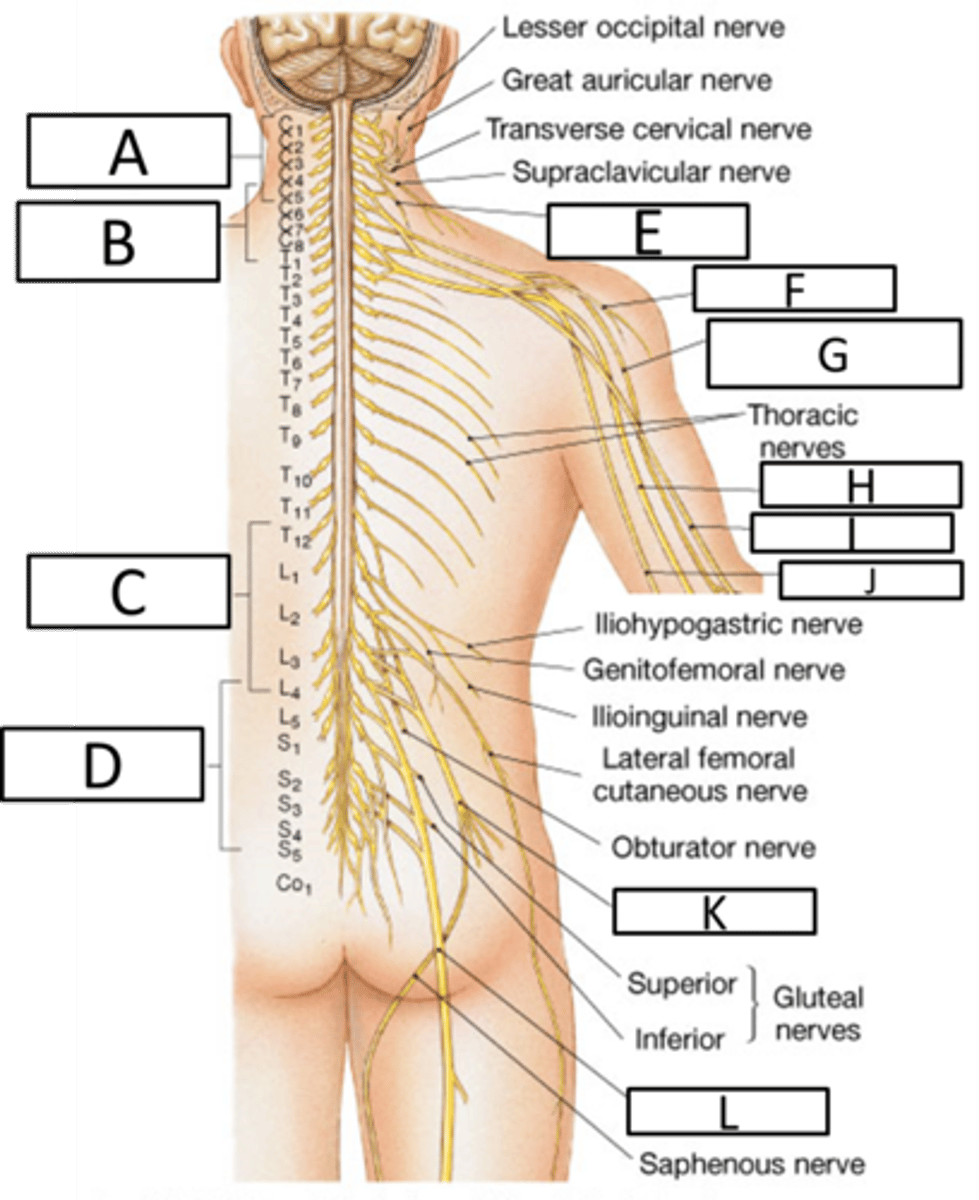
Cervical plexus
A
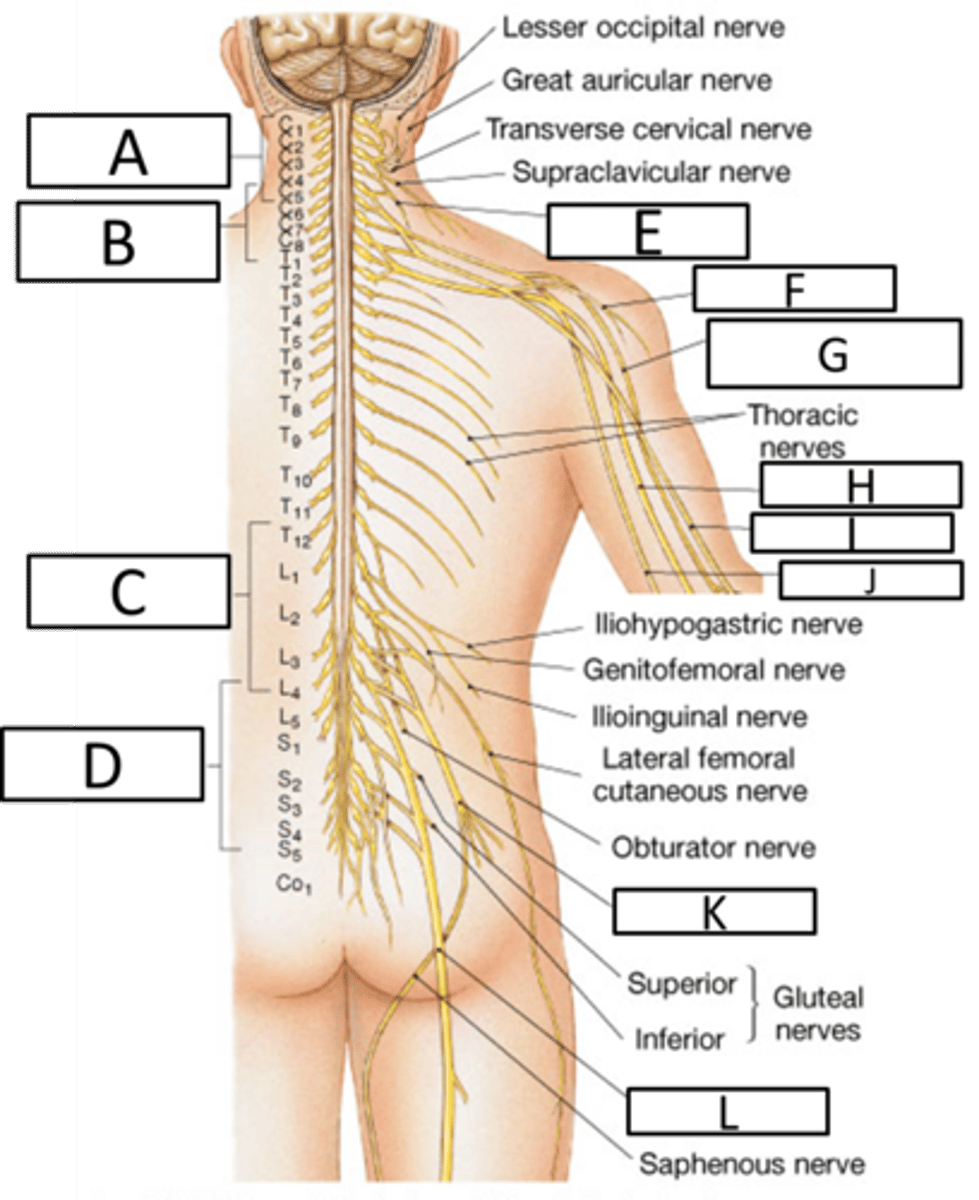
Brachial plexus
B
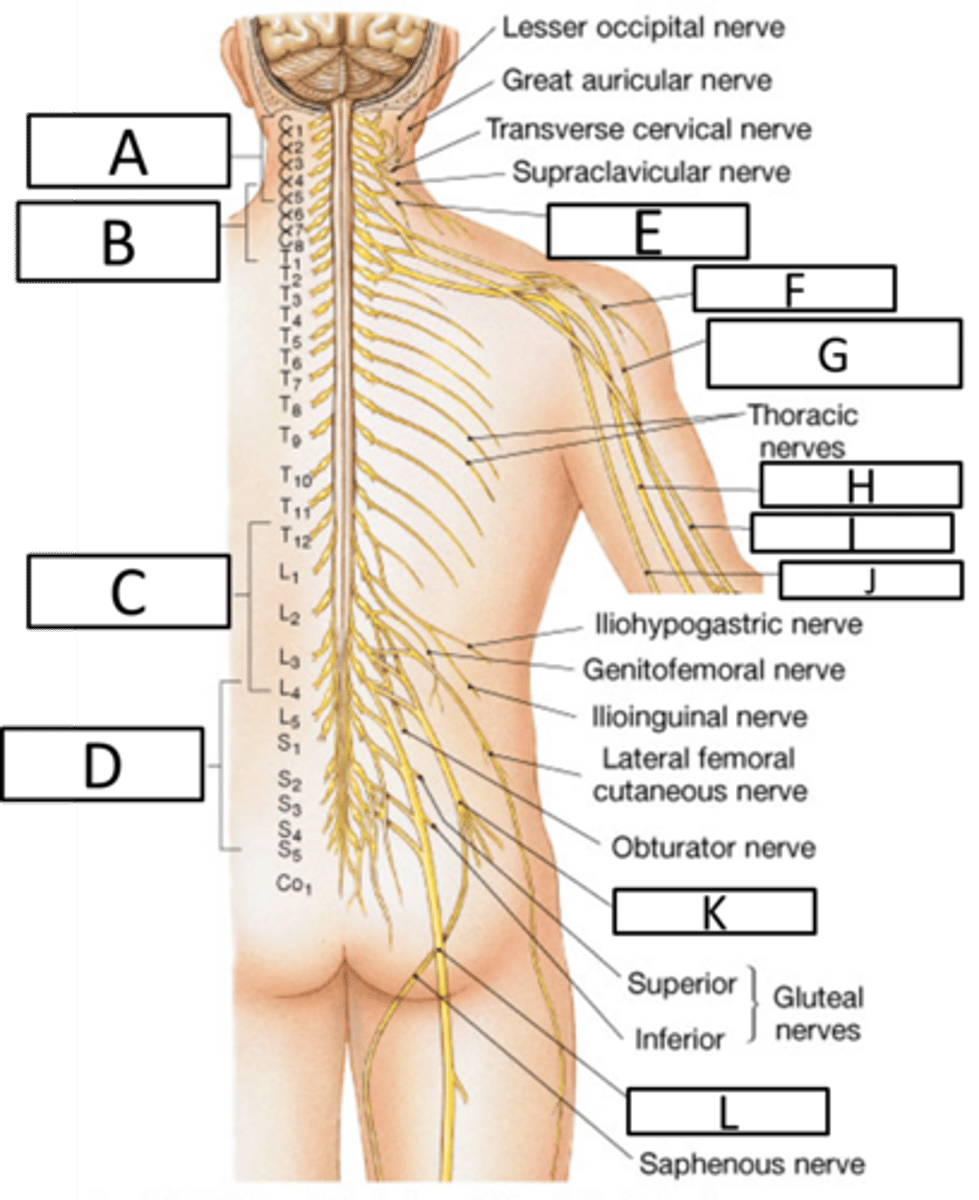
Lumbar plexus
C
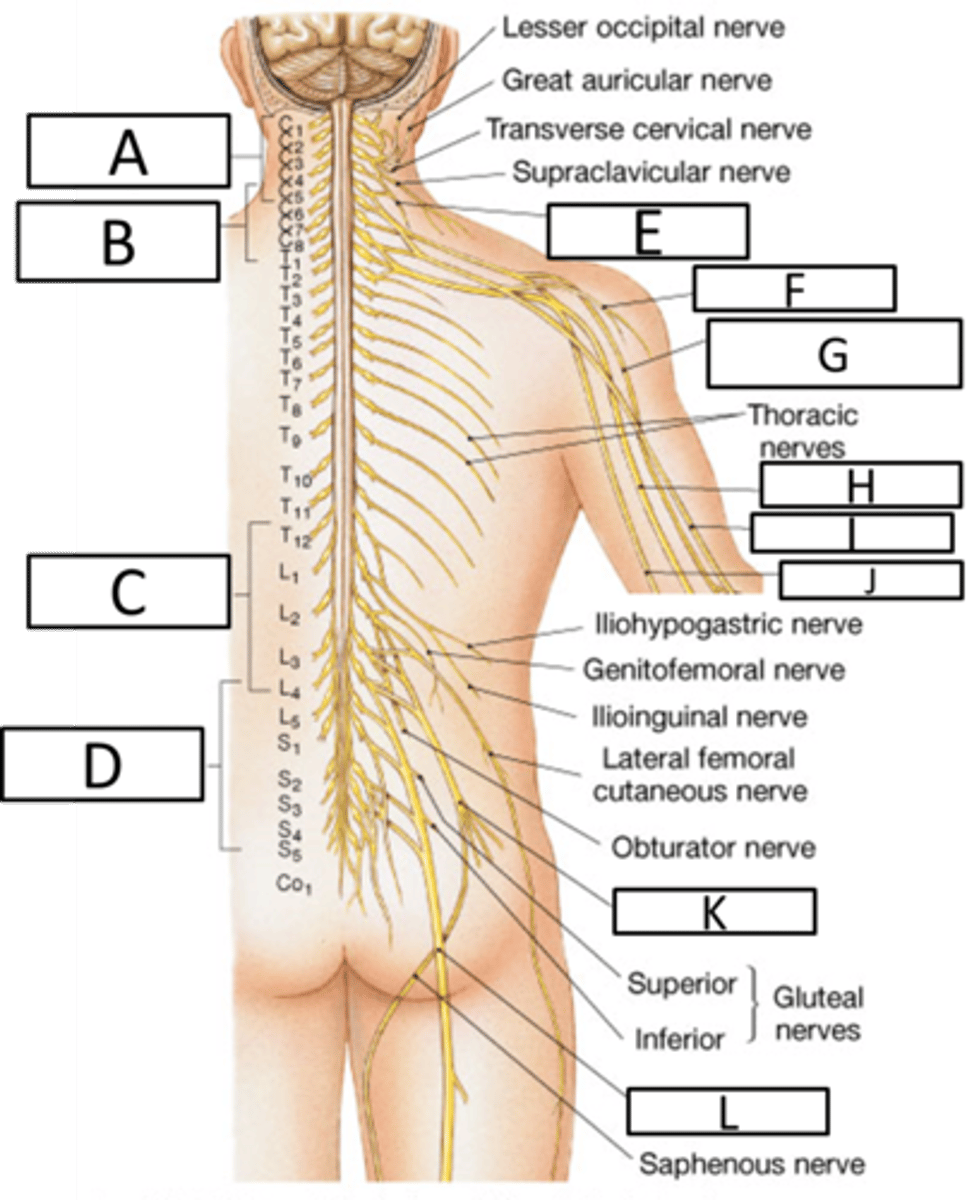
Sacral plexus
D
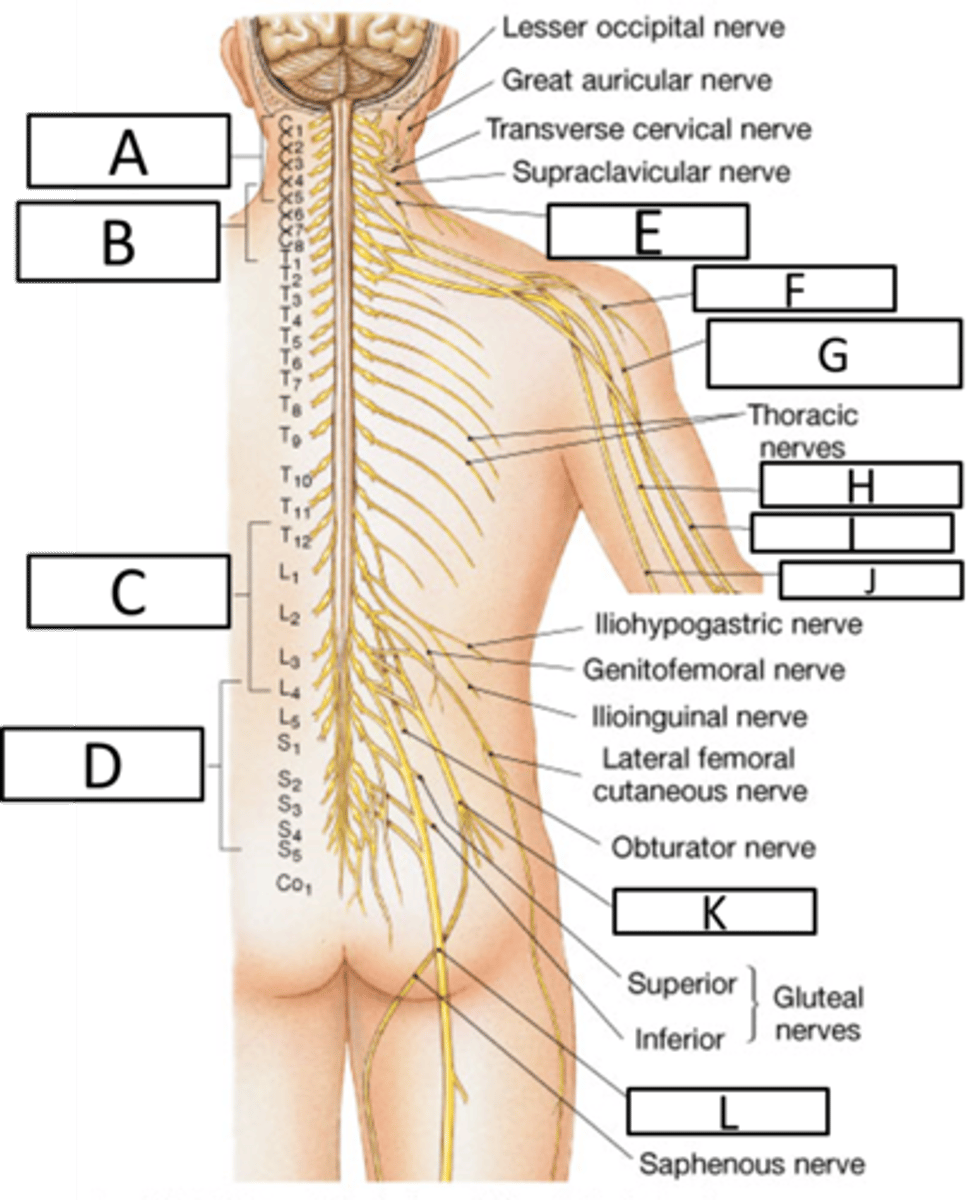
Phrenic nerve (goes to the Diaphragm)
E
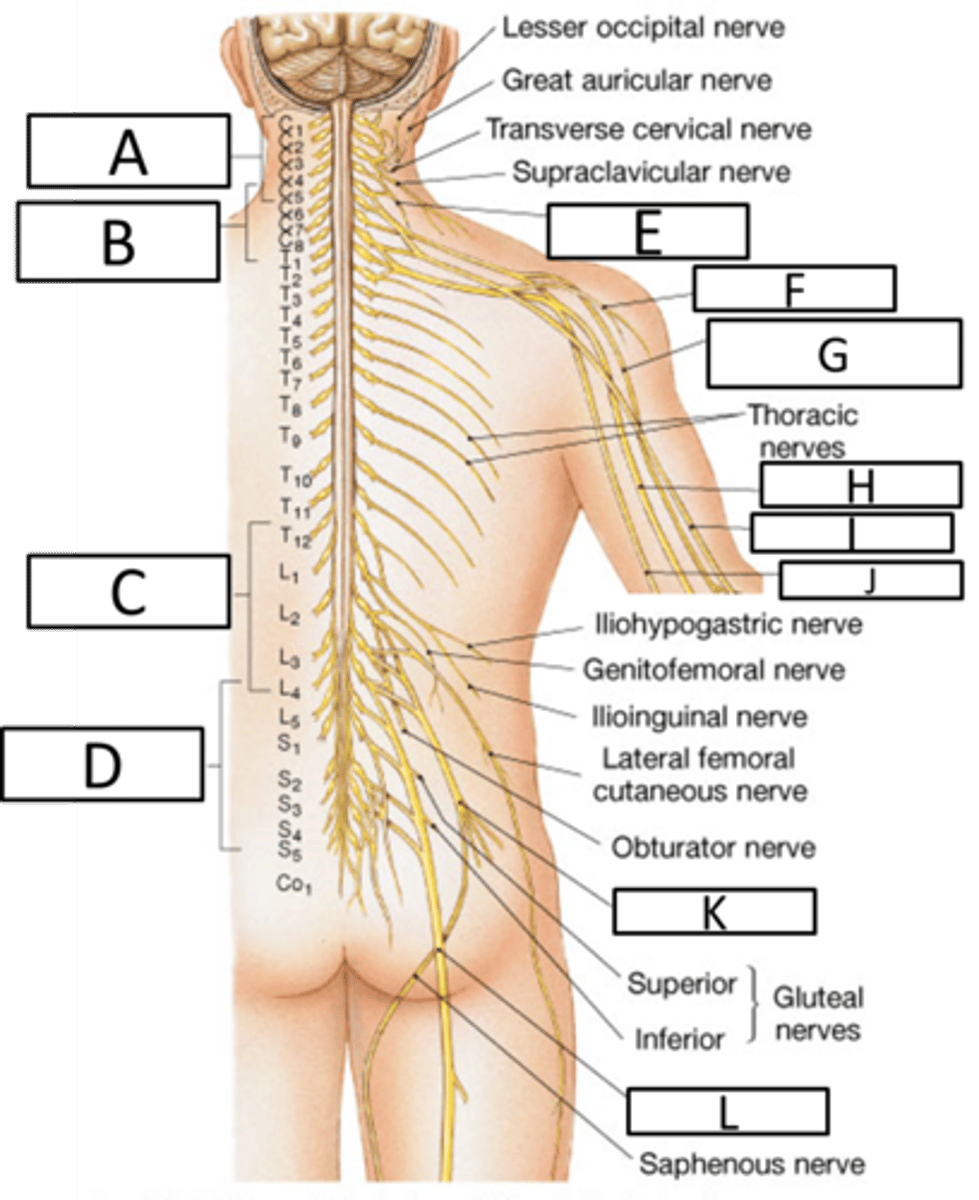
Axillary nerve
F
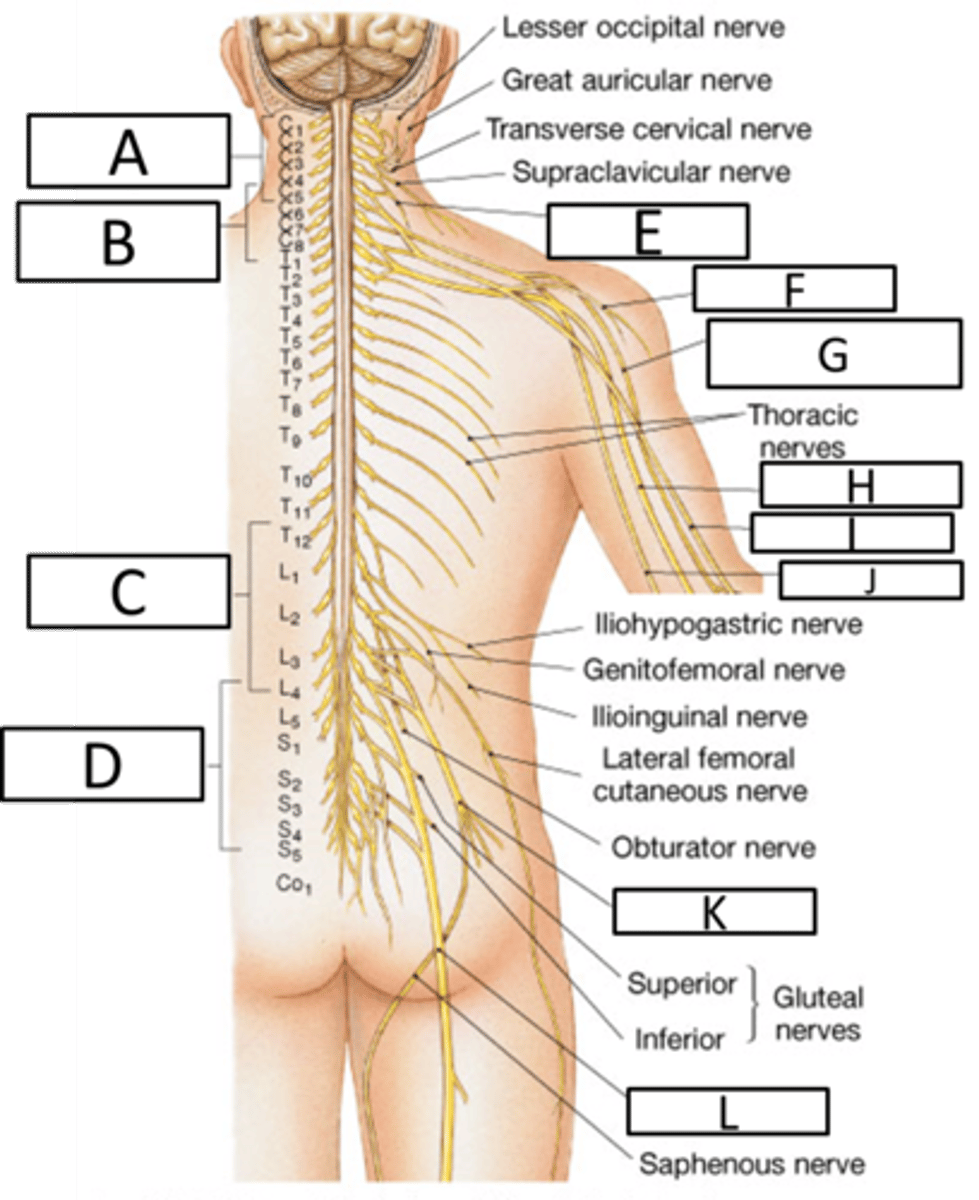
Musculocutaneous nerve
G
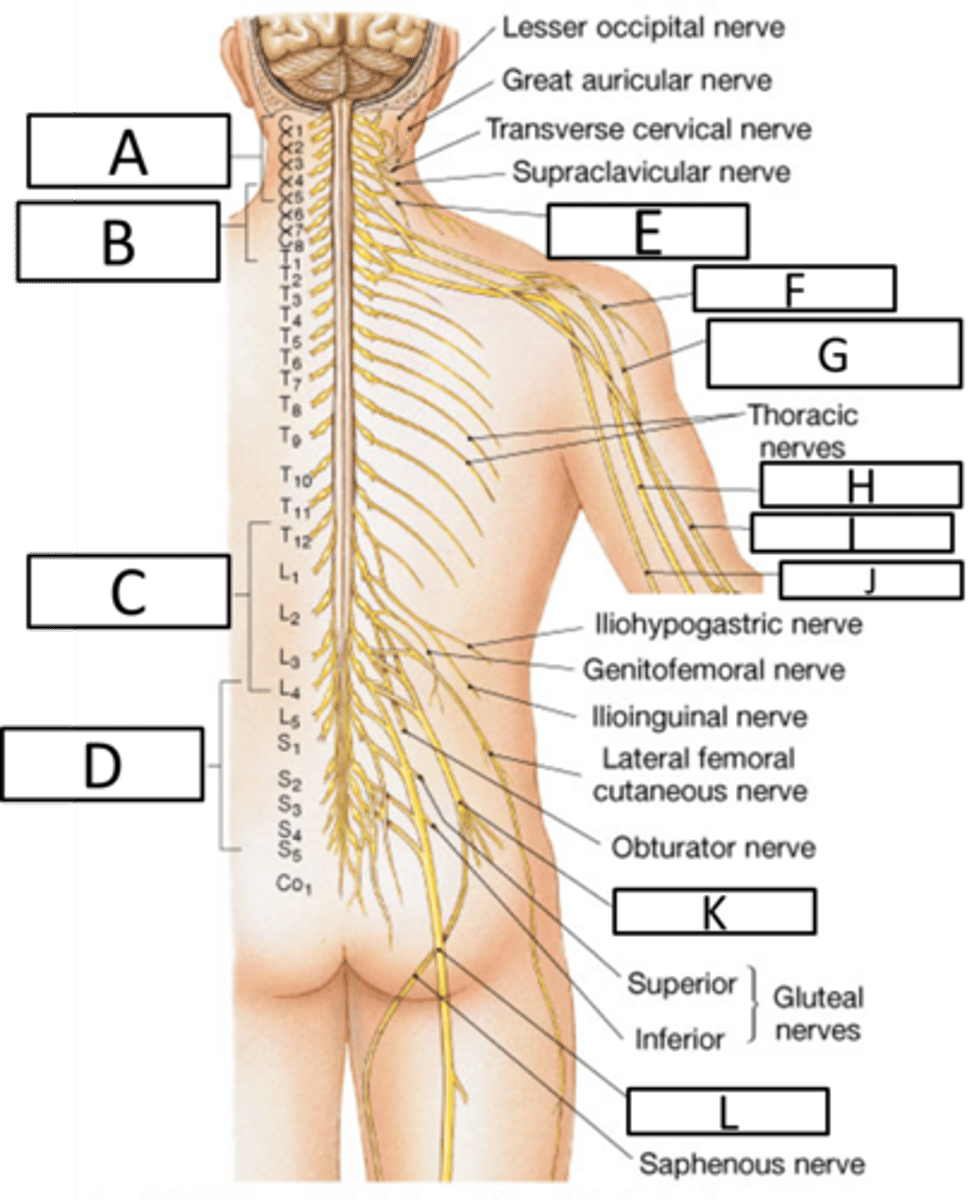
Median nerve
H
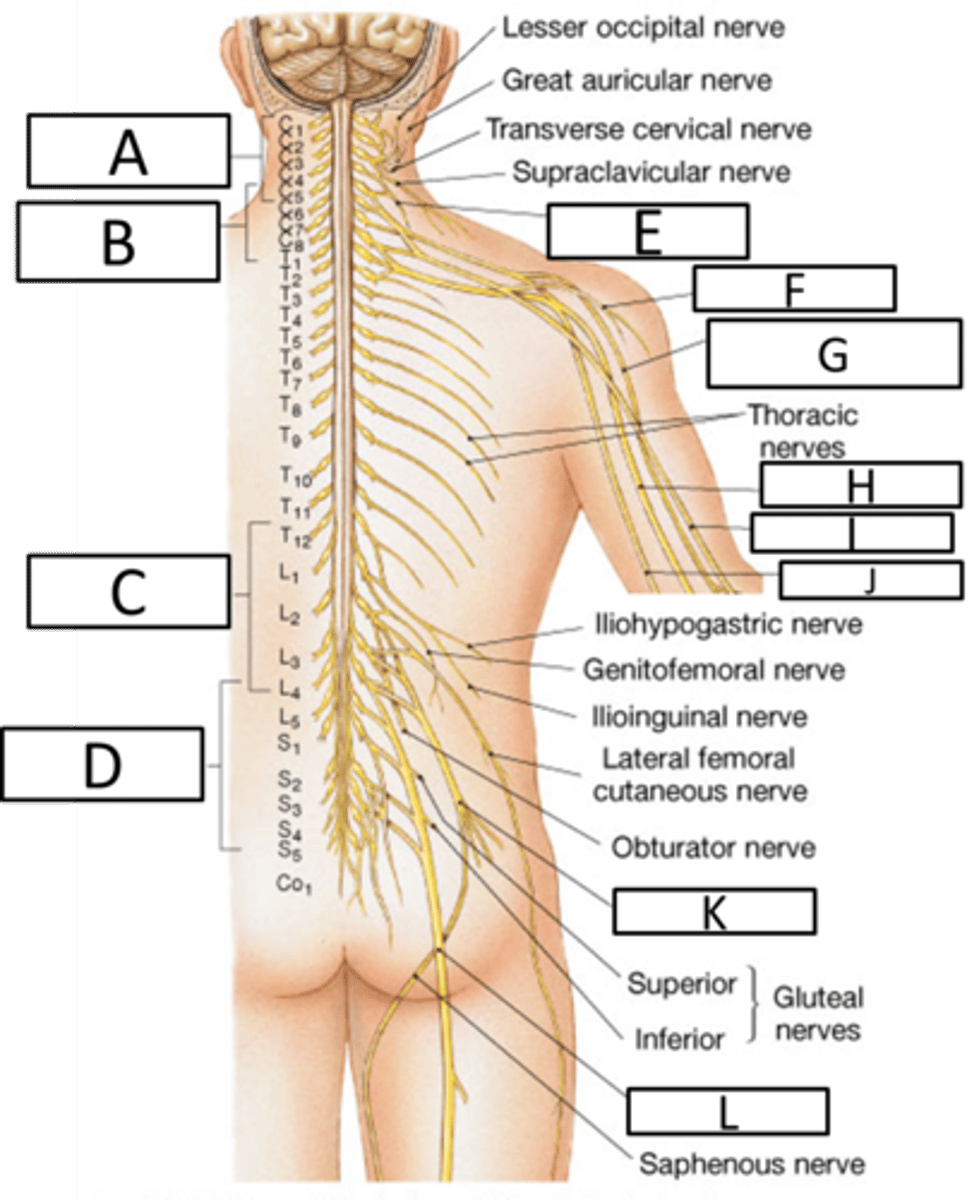
Radial nerve
I
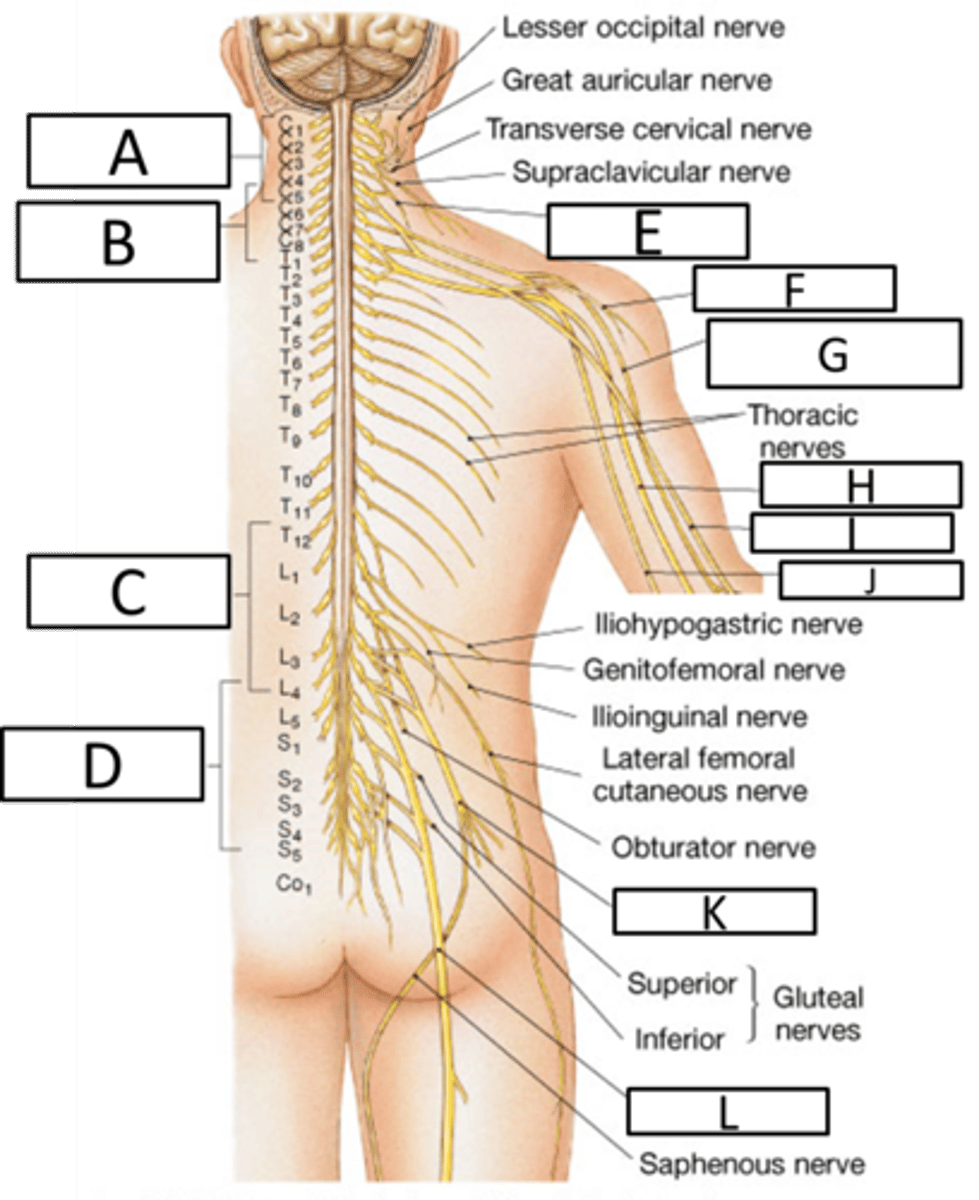
Ulna nerve
J
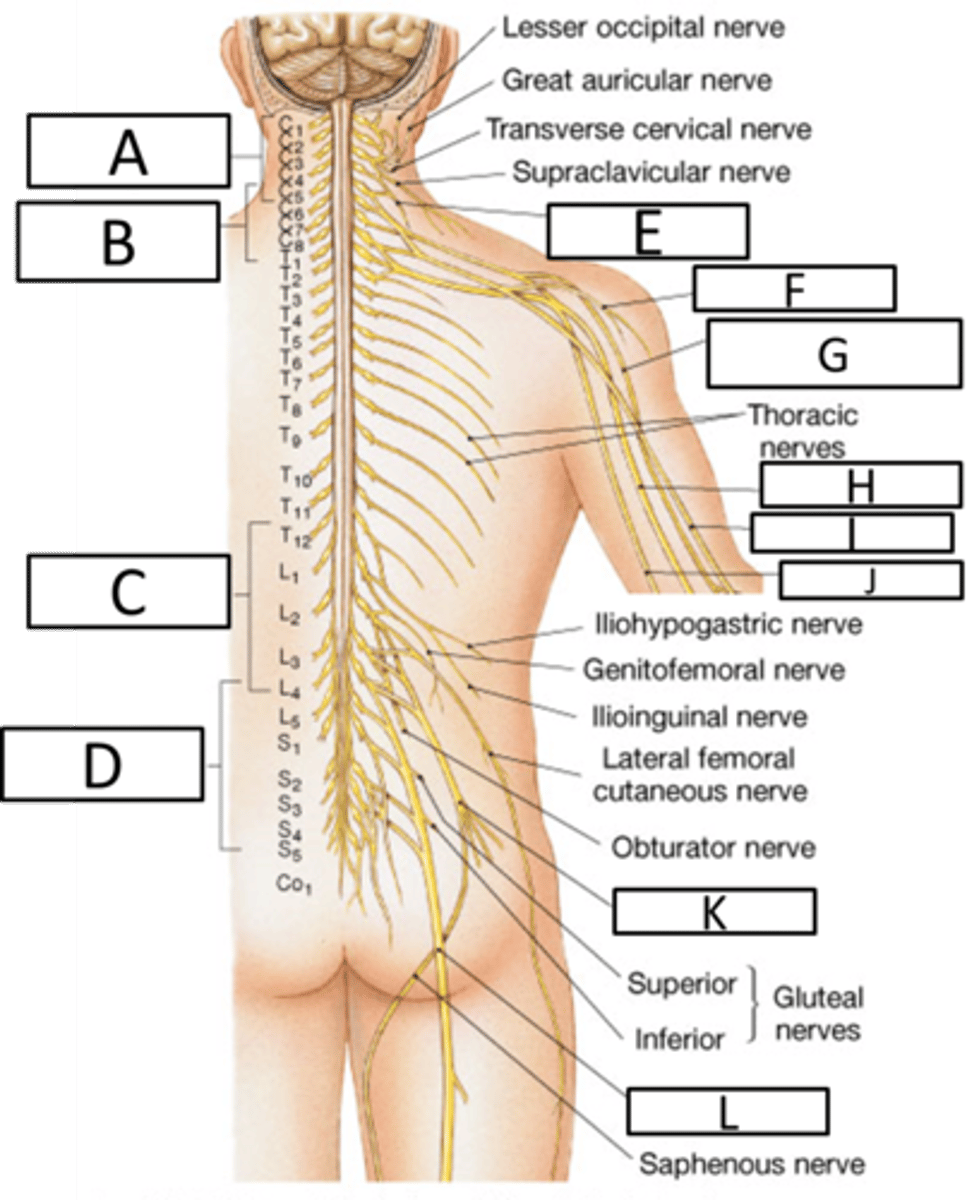
Femoral nerve
K
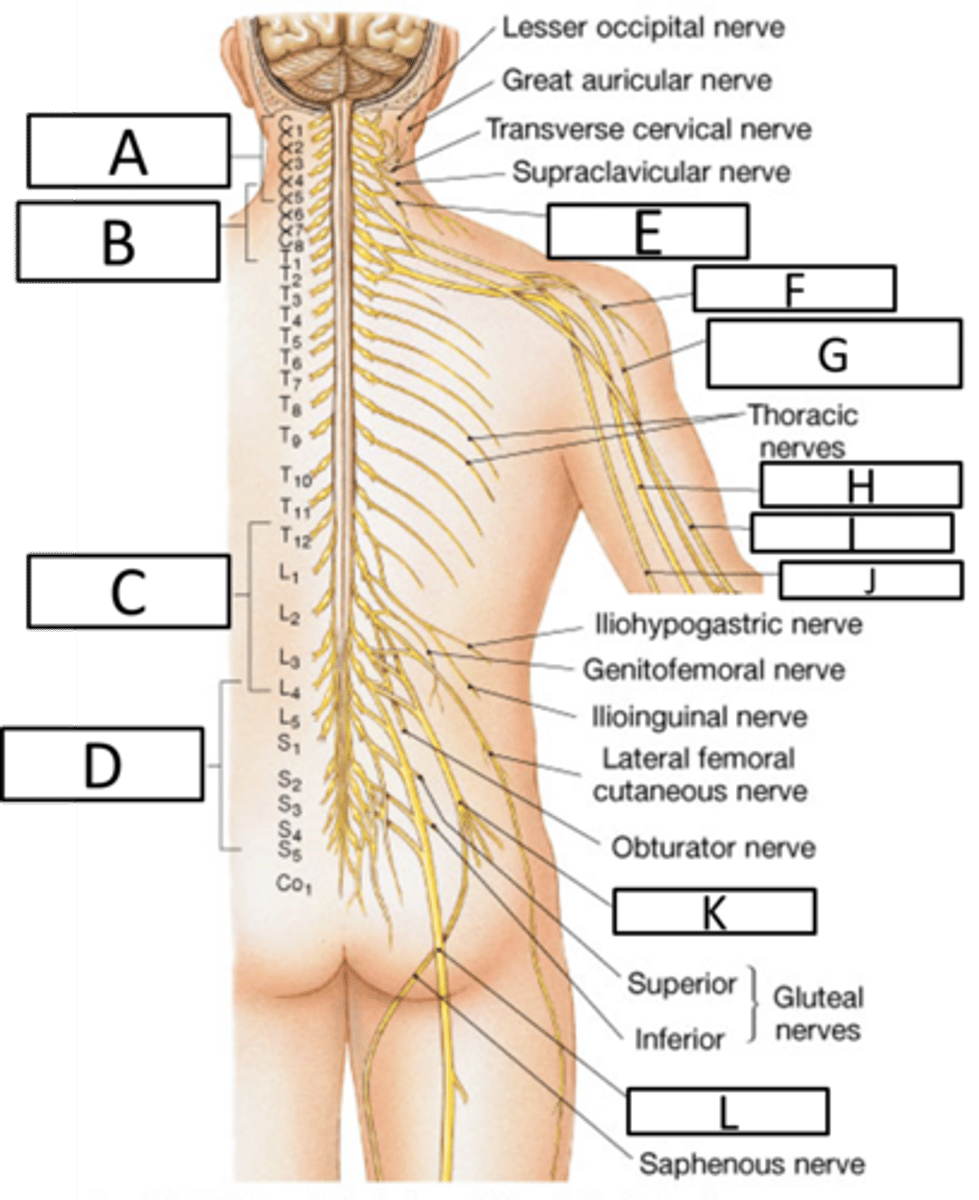
Sciatic nerve
L
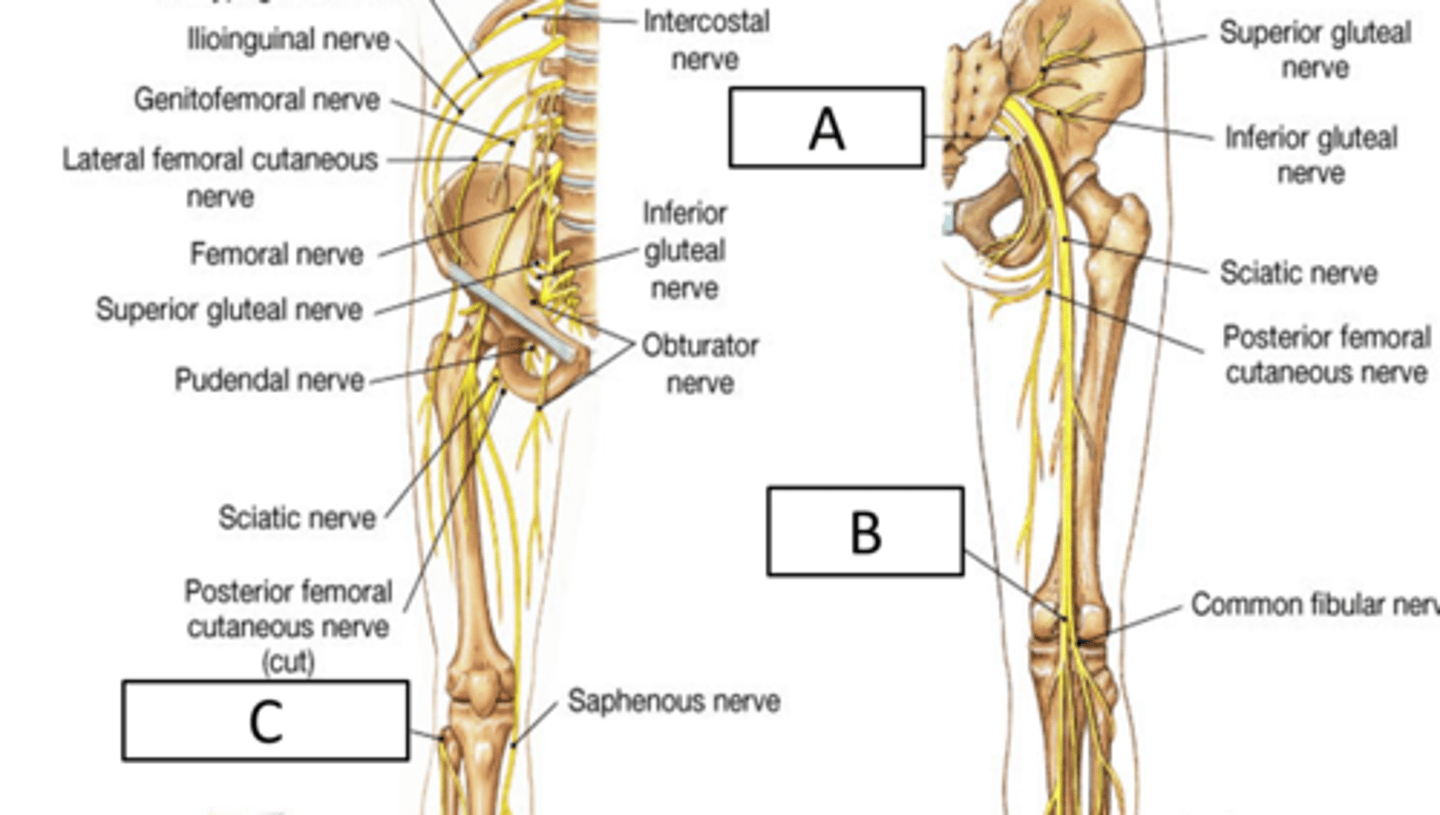
Prudendal nerve
A
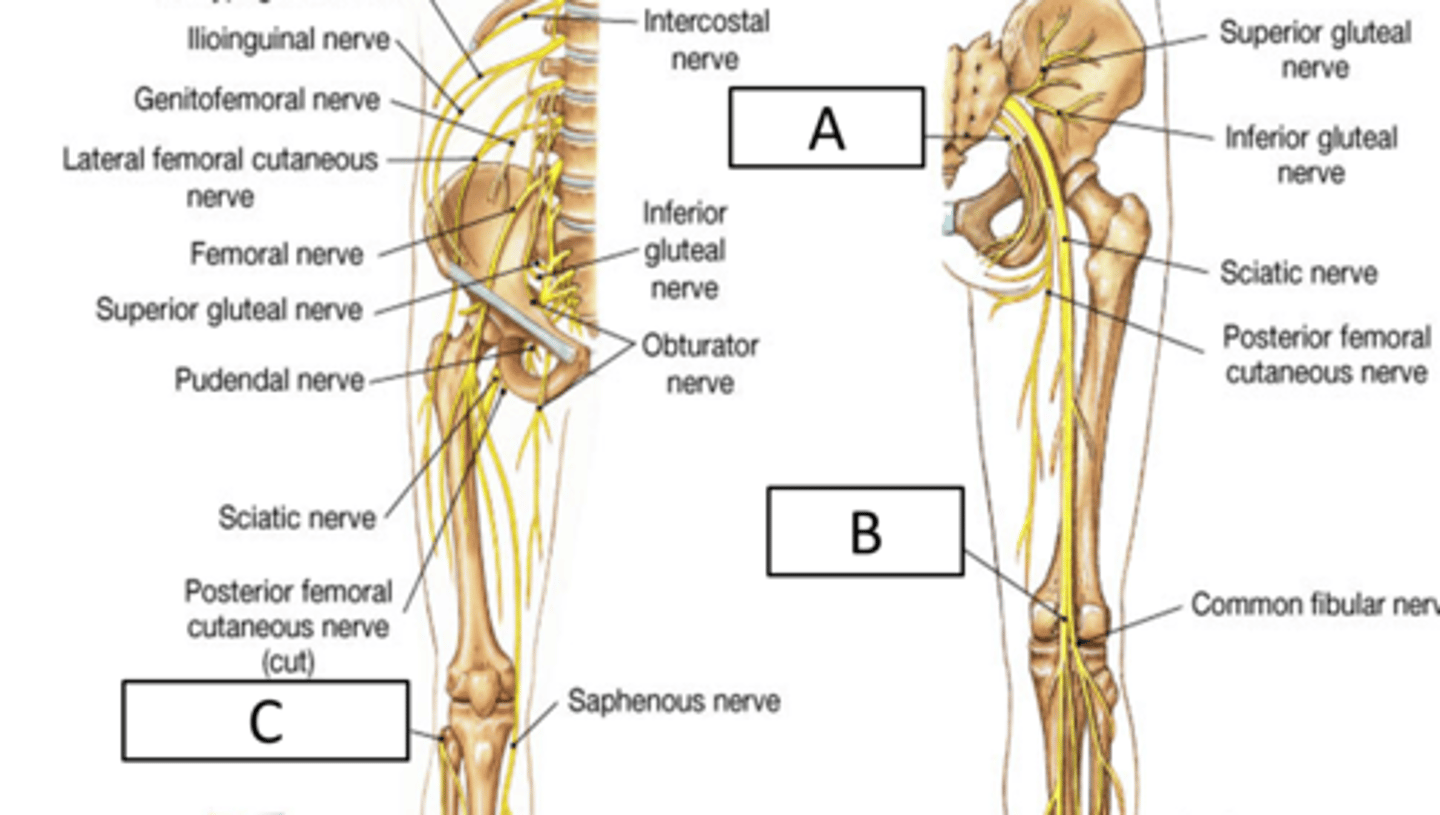
Tibial nerve
B
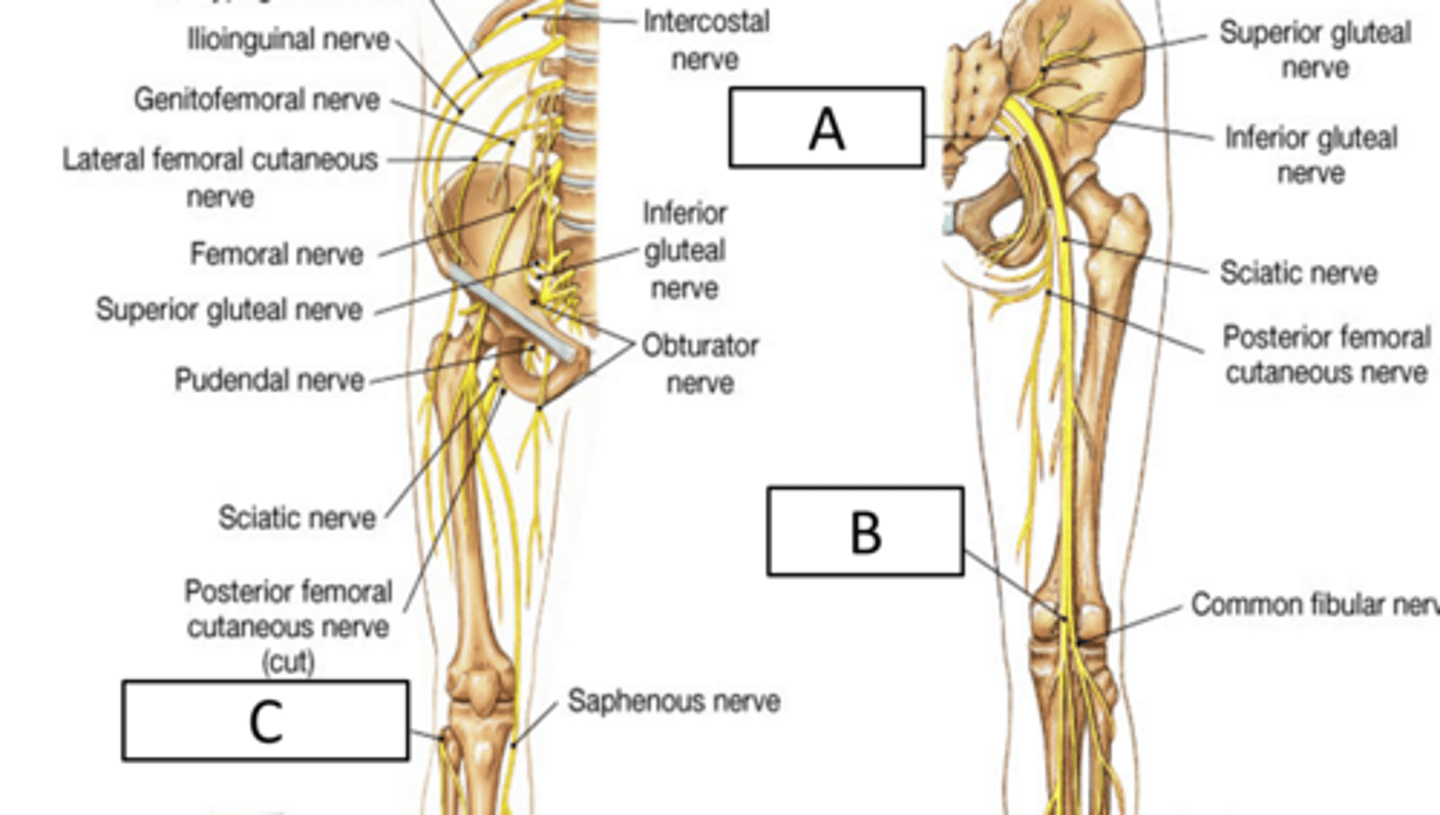
Common fibular nerve
C
1- Olfactory nerve
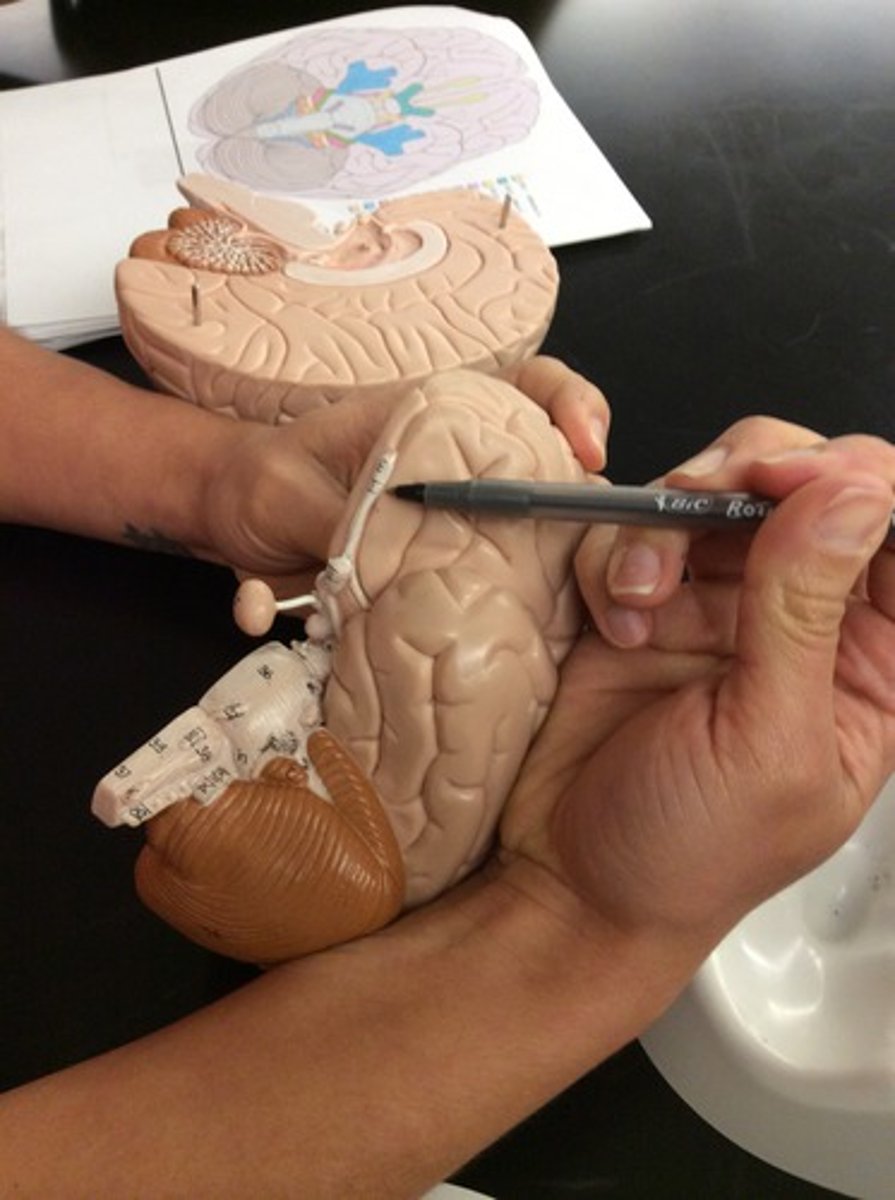
2- Optic nerve
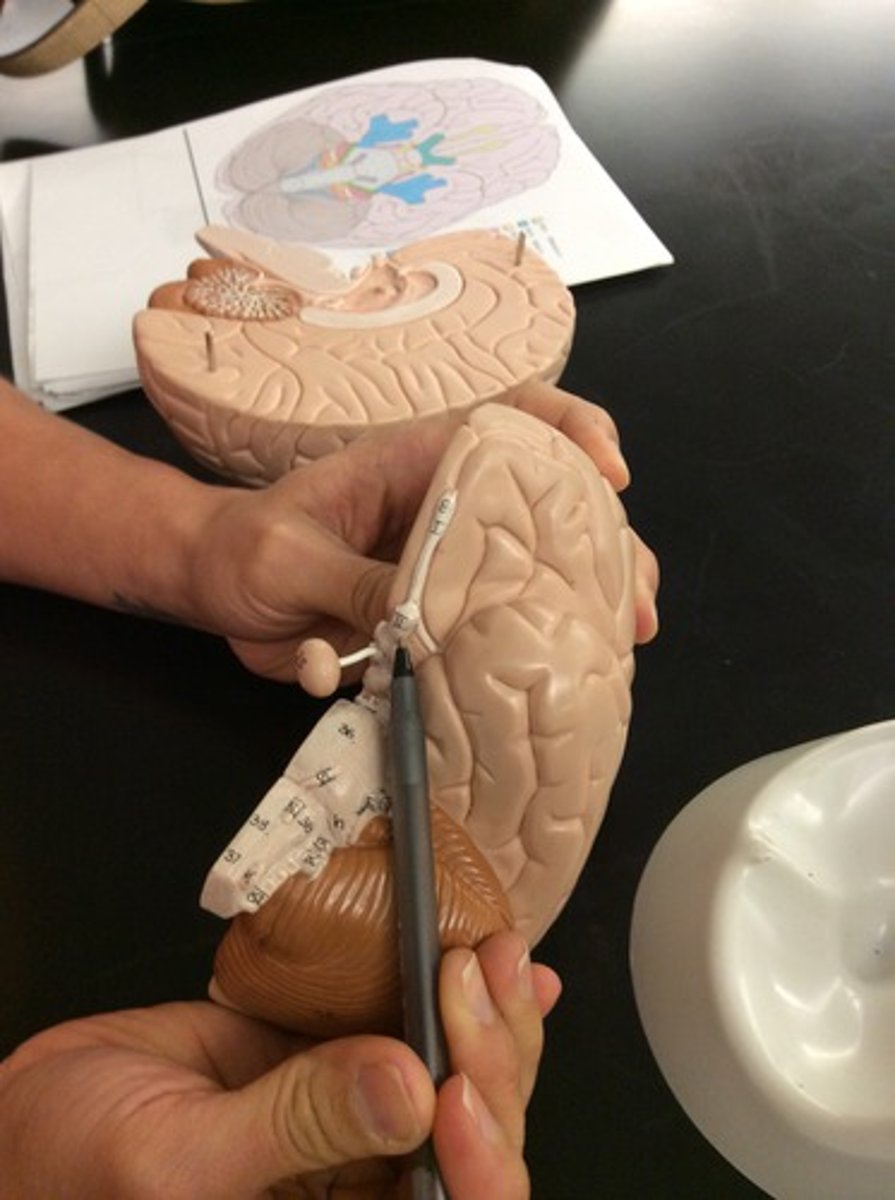
3- Oculomotor
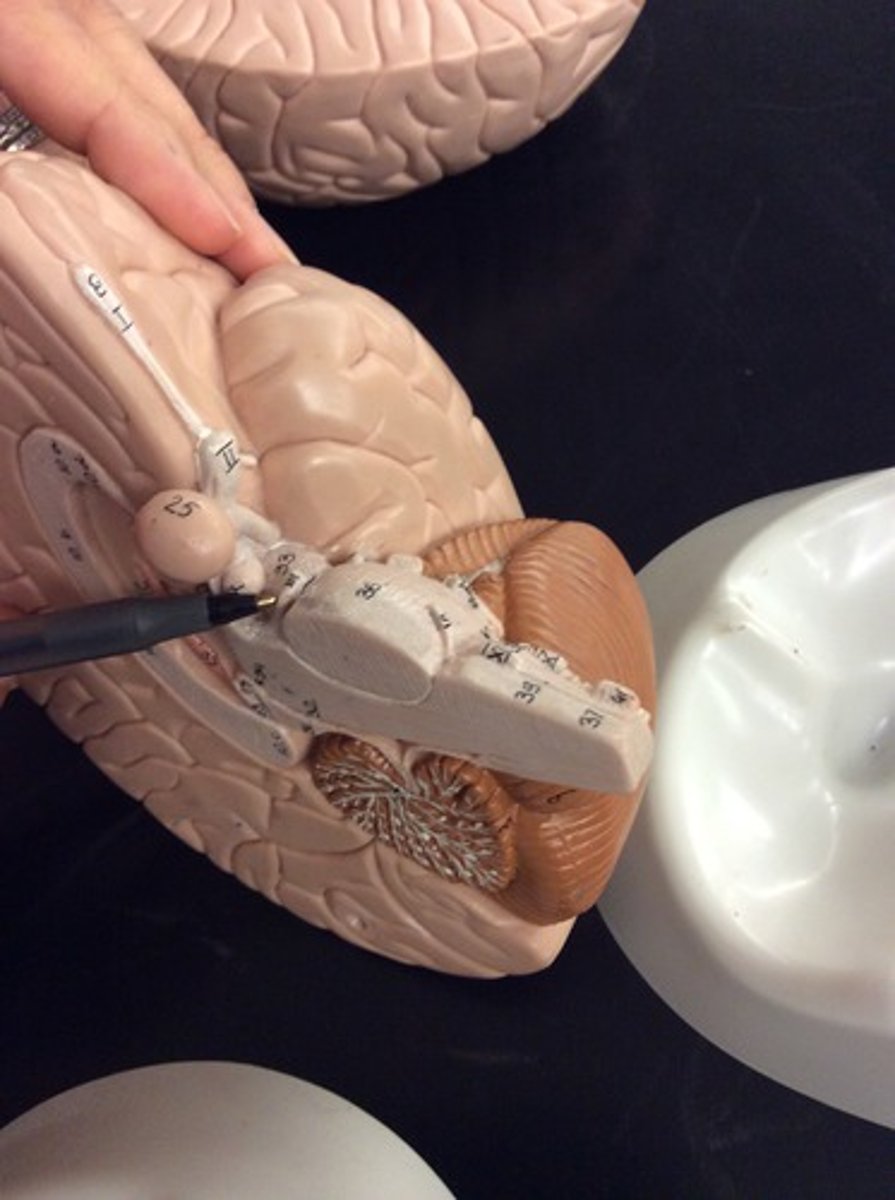
4-Trochlear
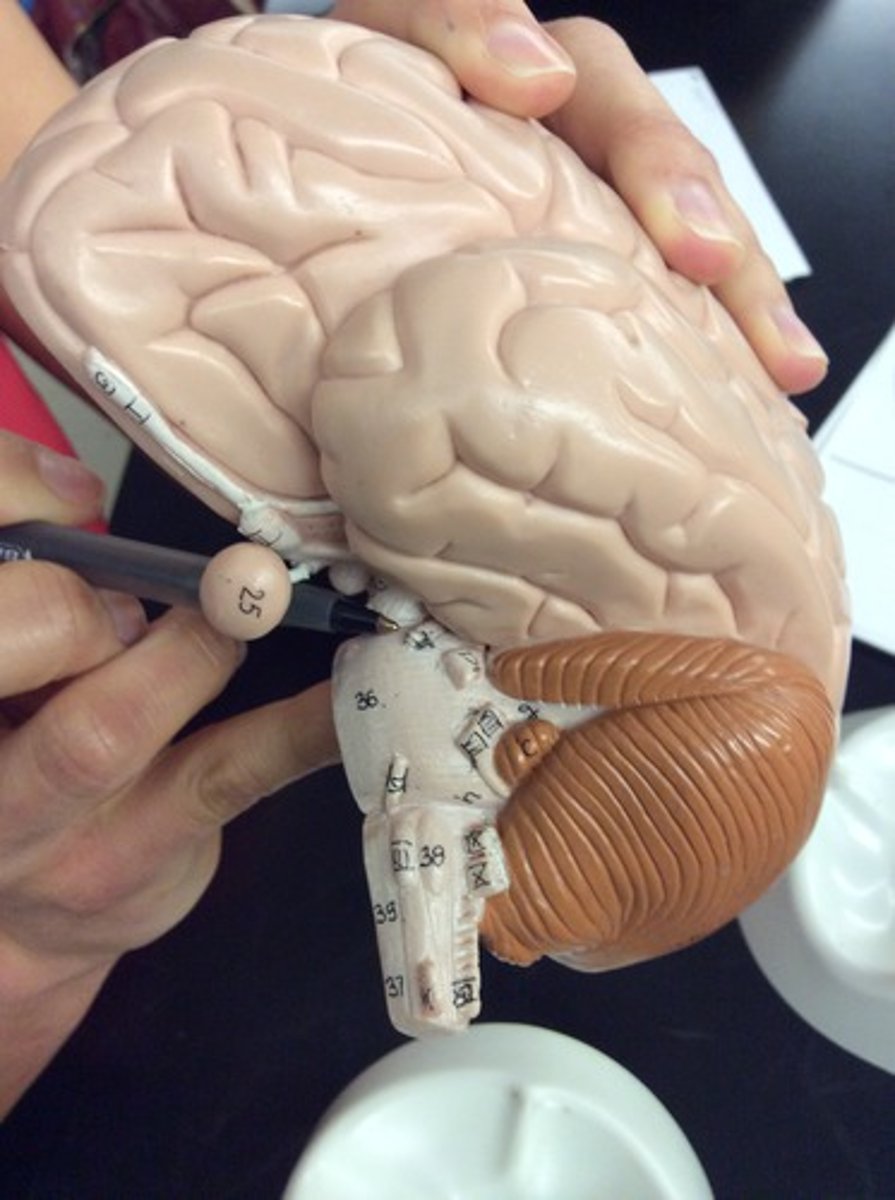
5- Trigeminal
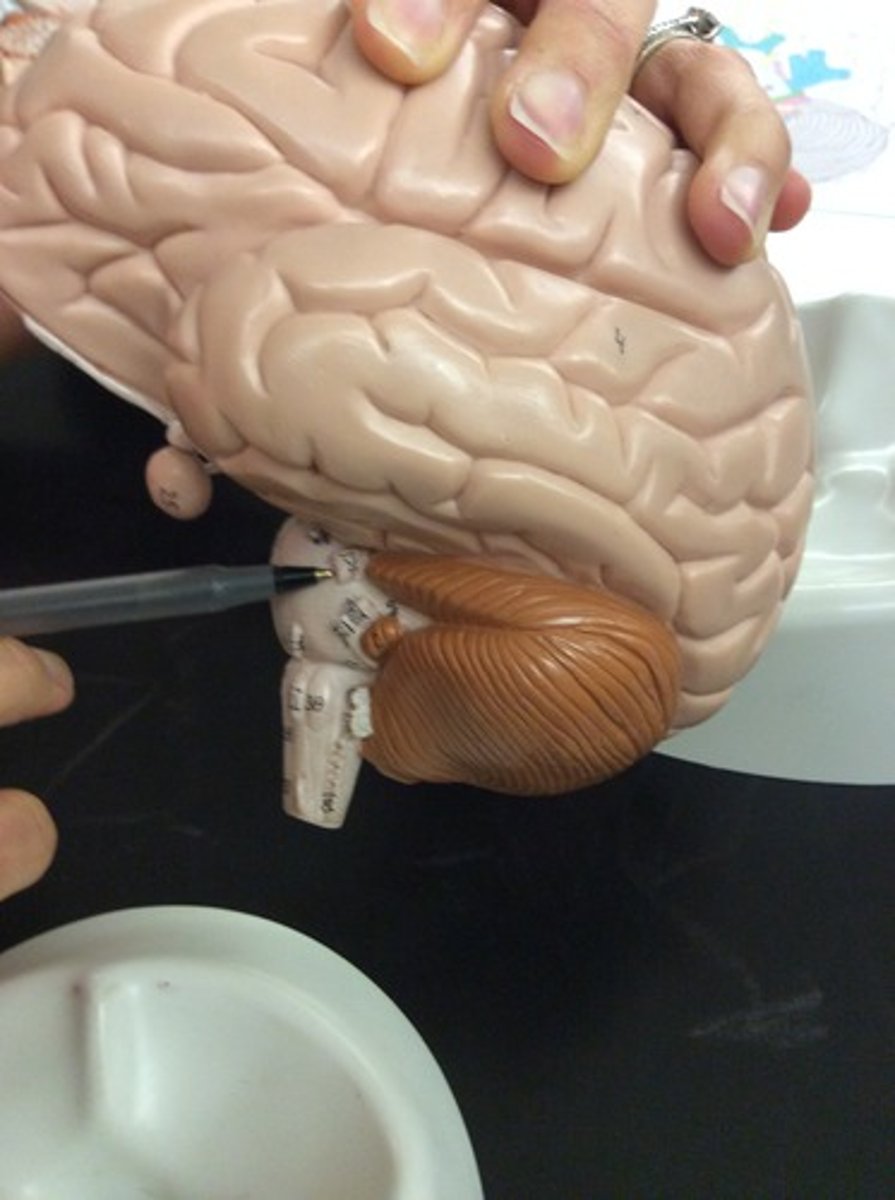
6- Abducens
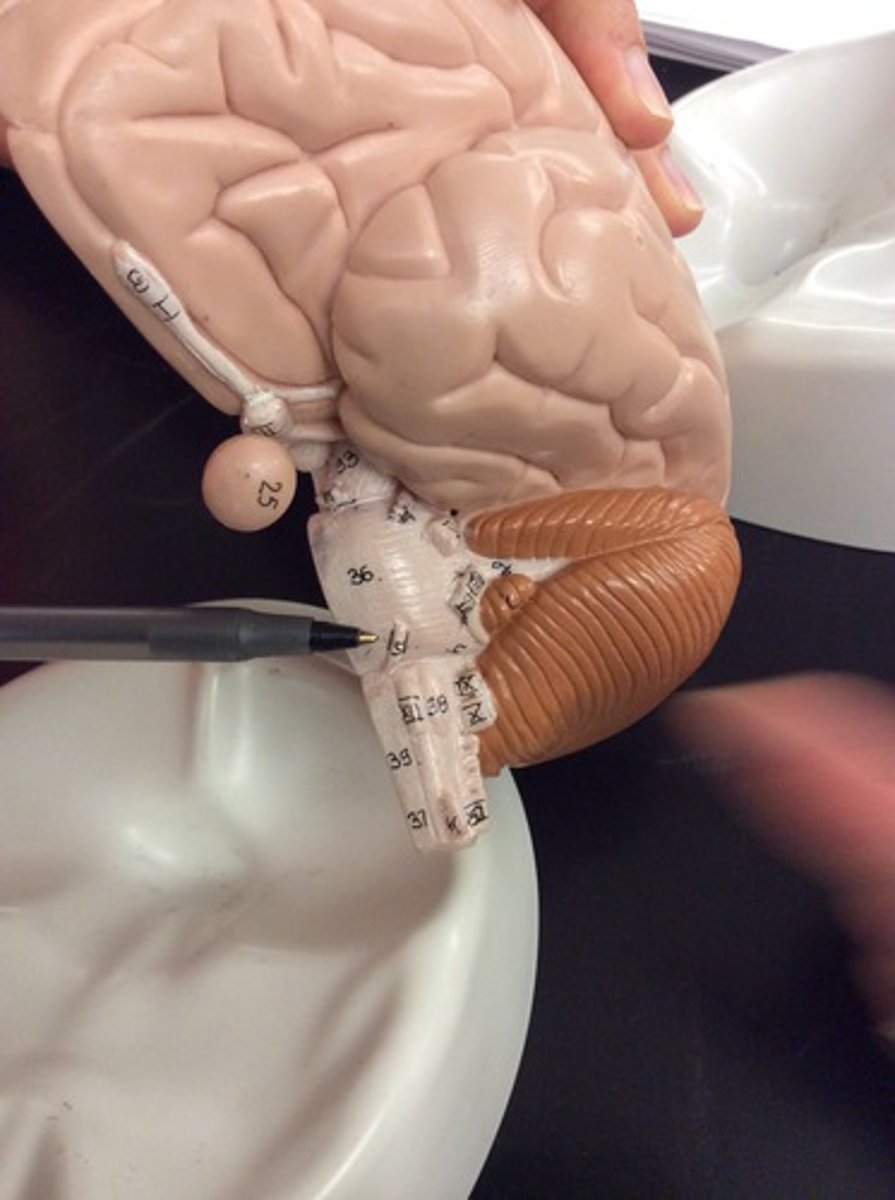
7- Facial
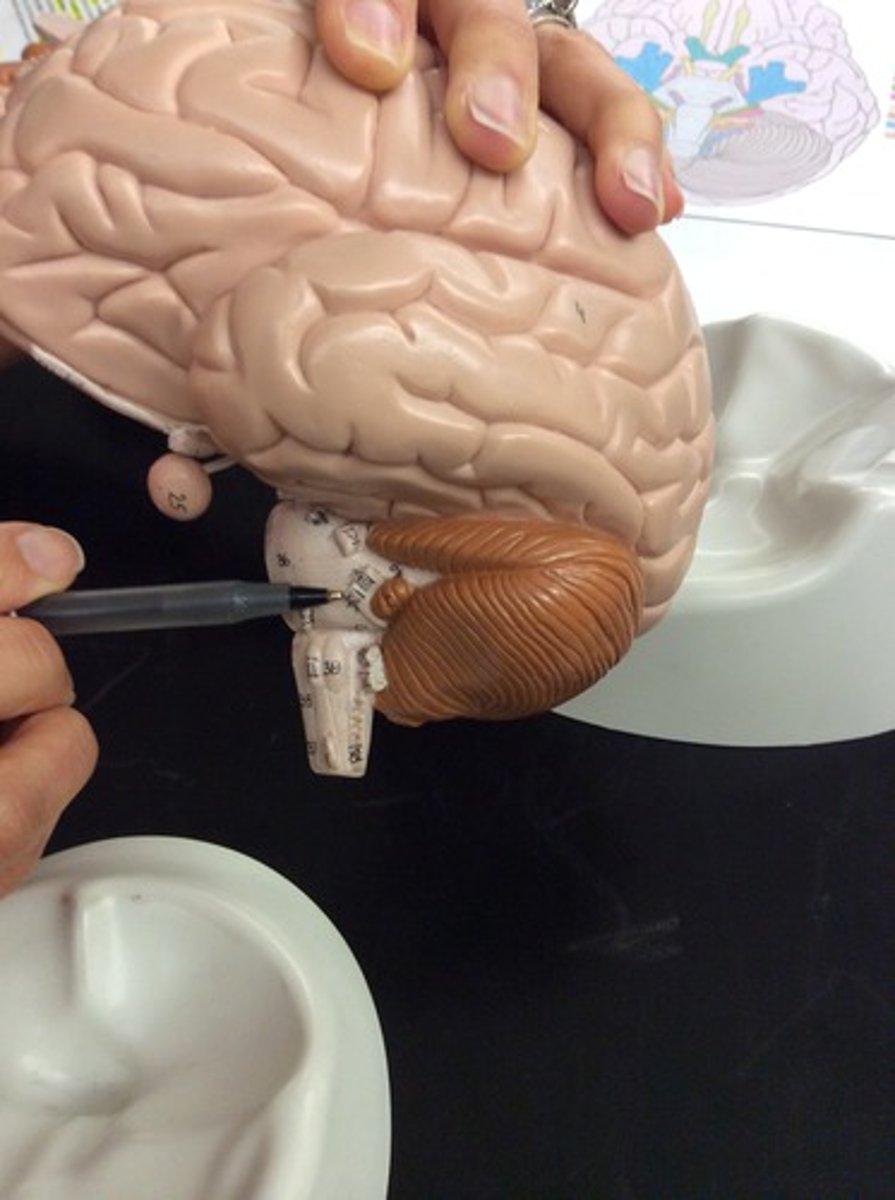
8- Vestibulocochlear
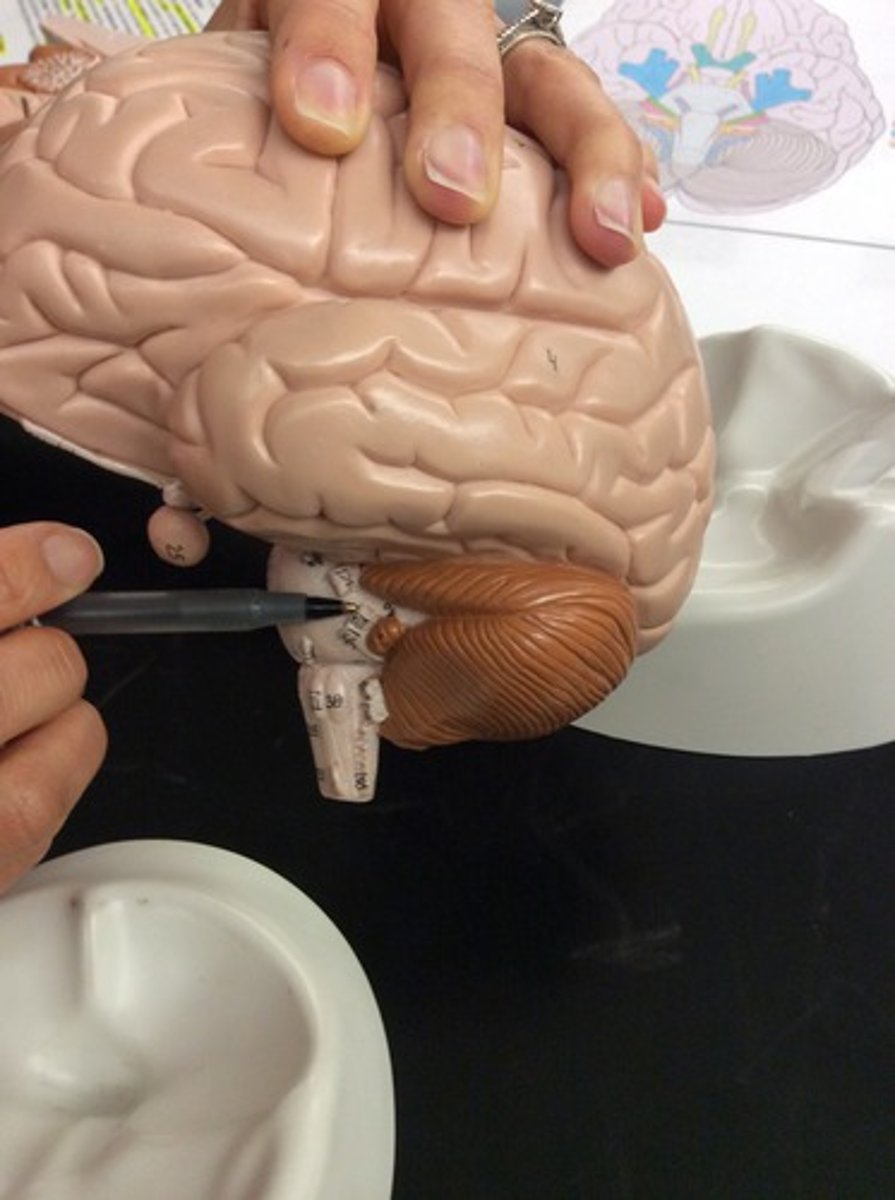
9- Glossopharyngeal
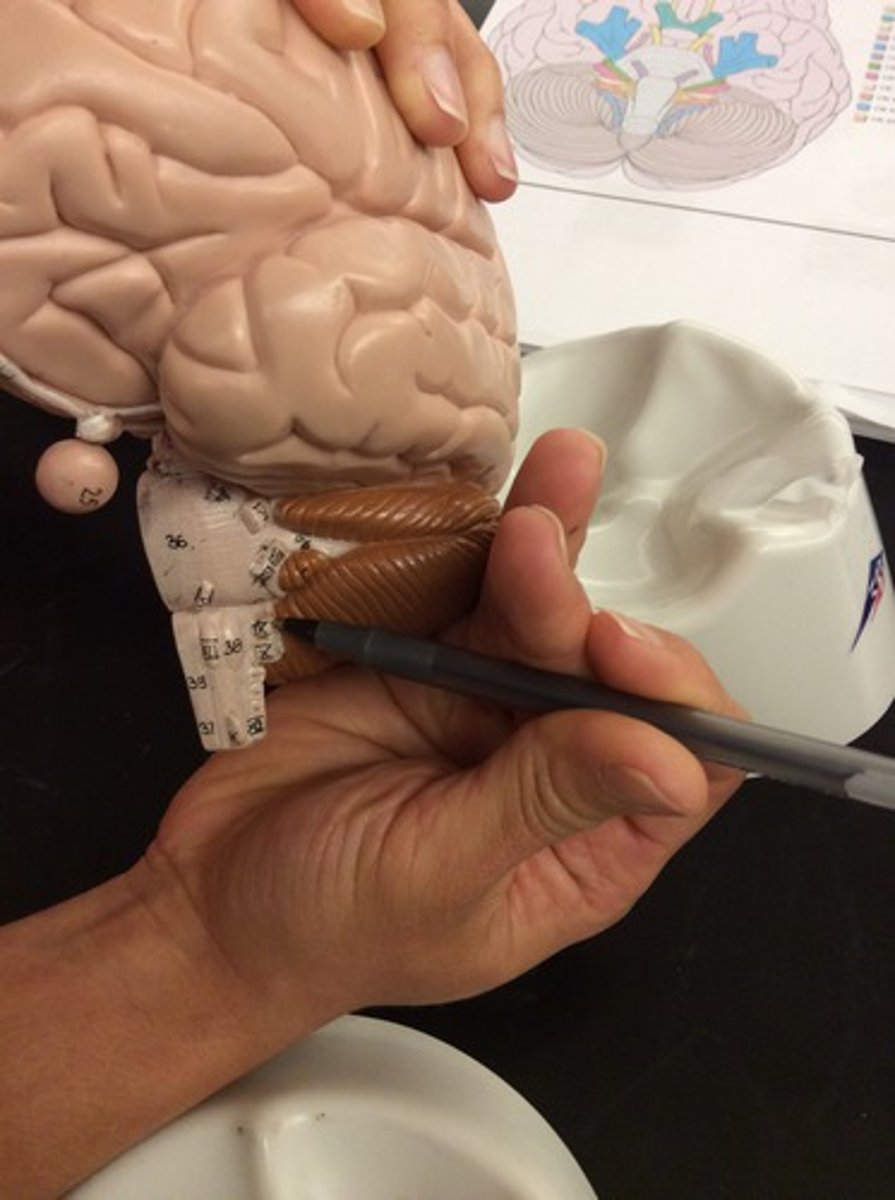
10- Vagus
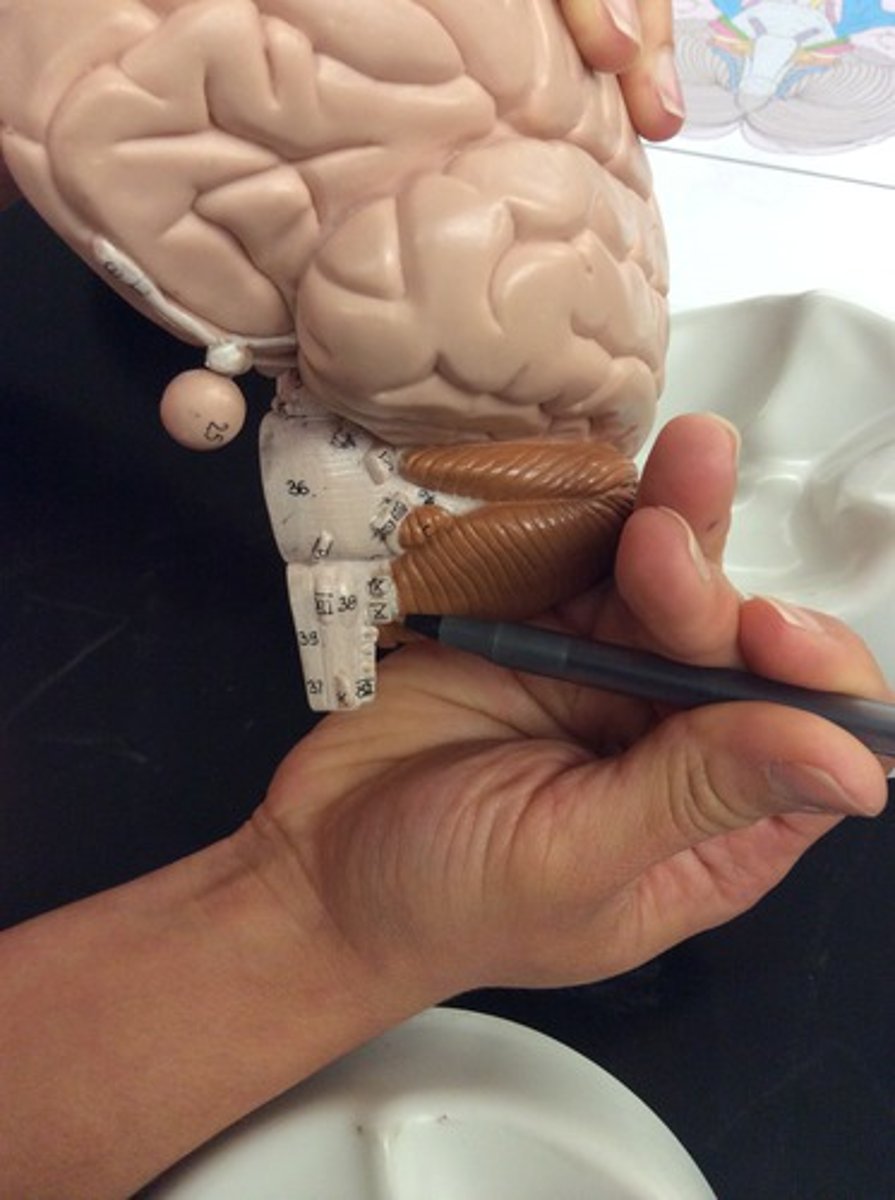
11- Accessory
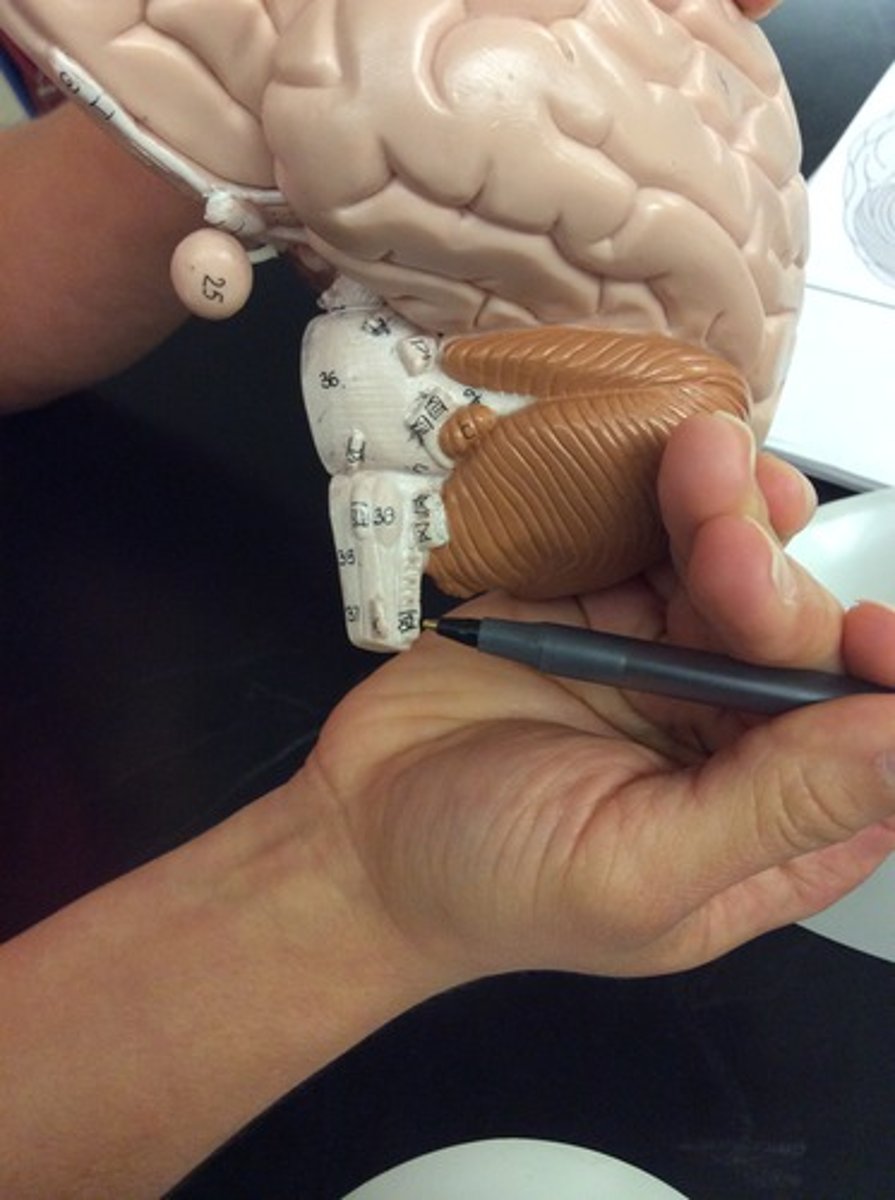
12- Hypoglossal
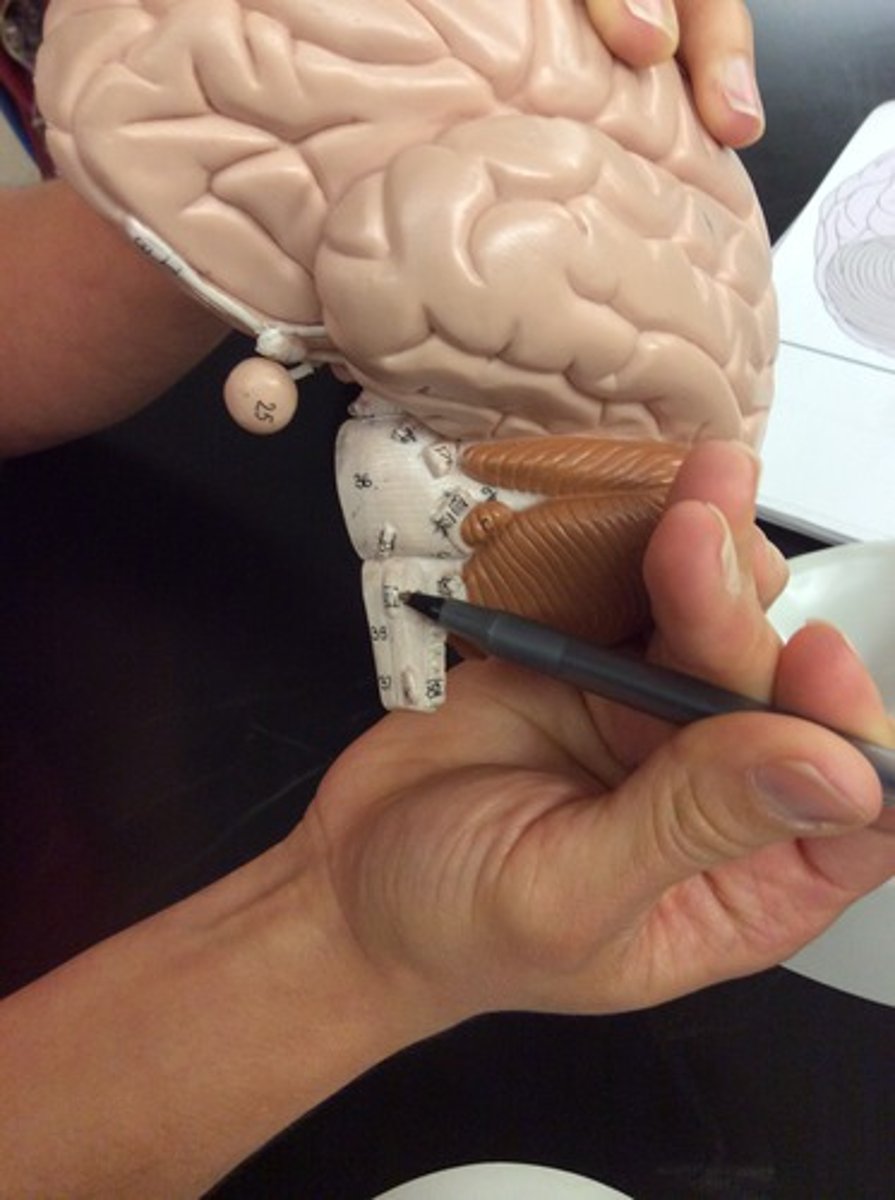
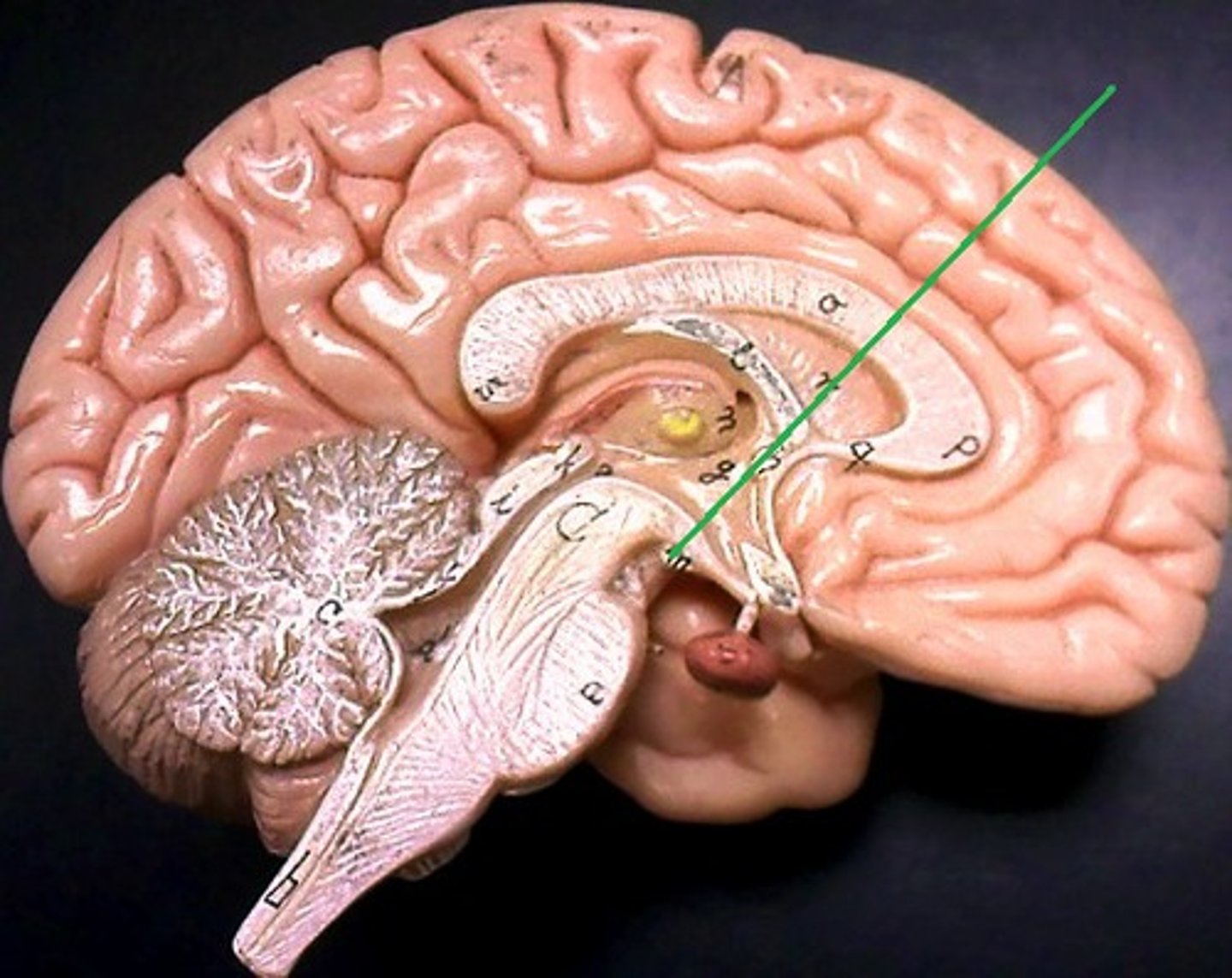
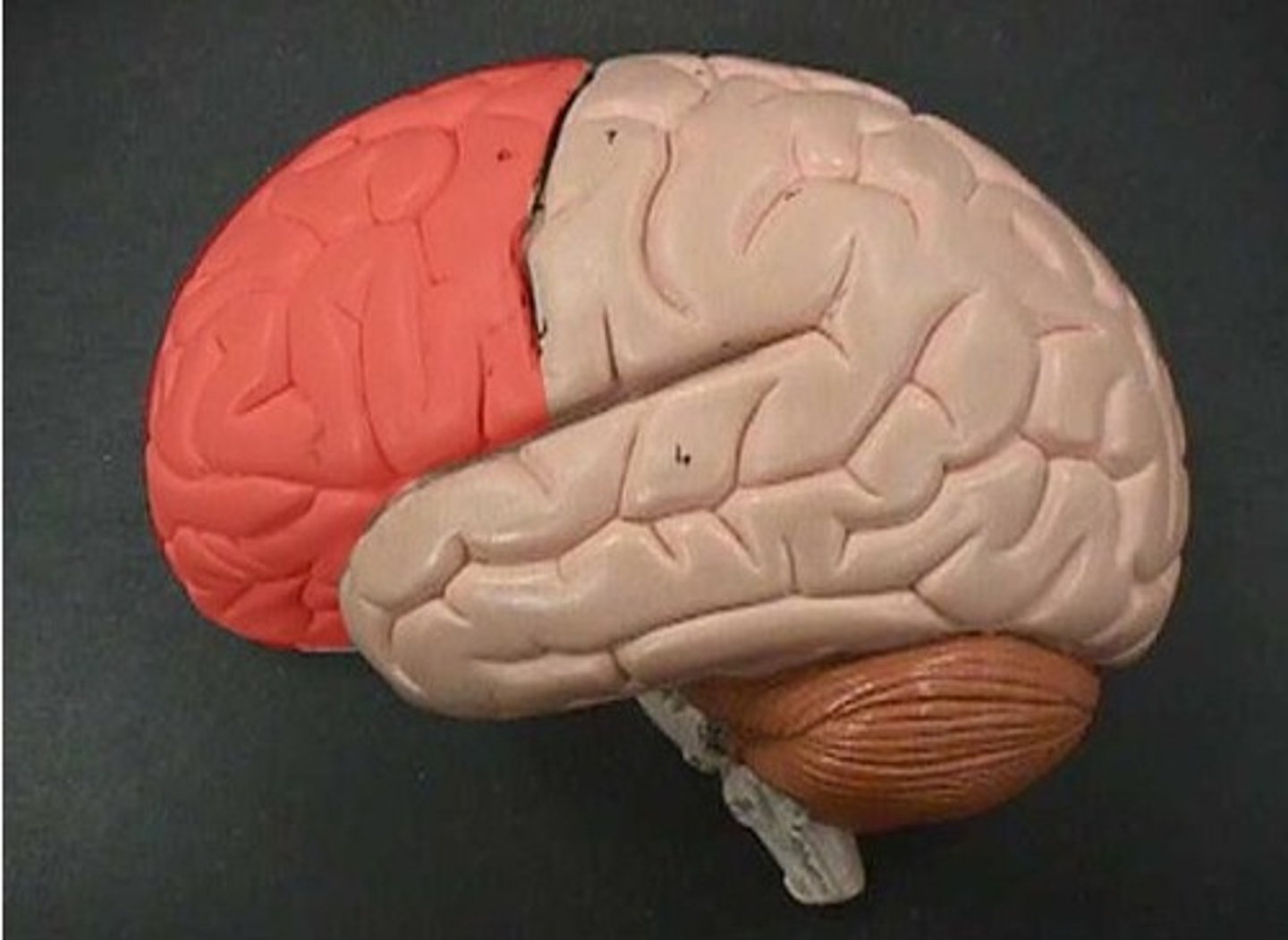
cerebrum frontal
movement/thinking
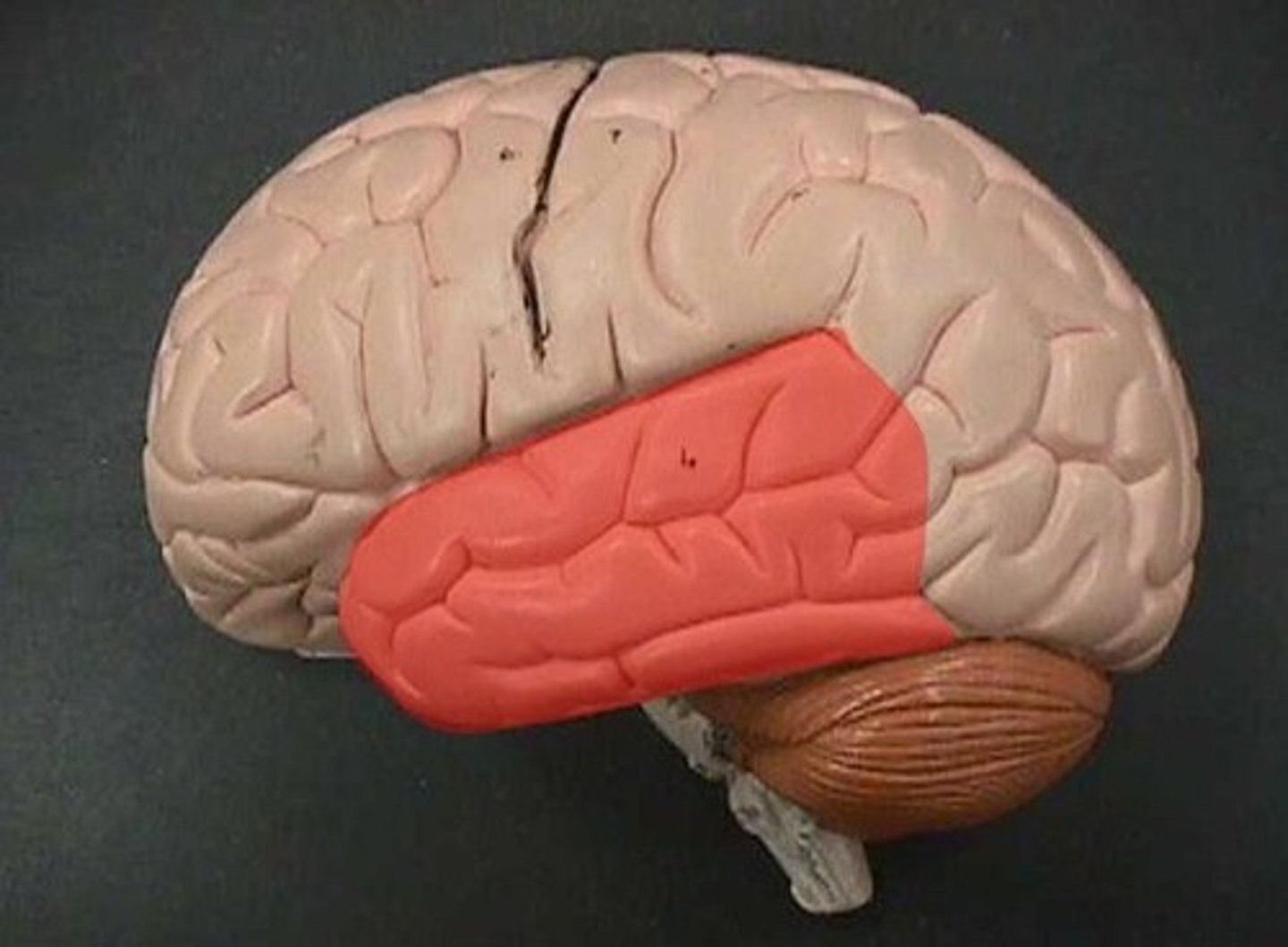
cerebrum temporal
auditory/ speech
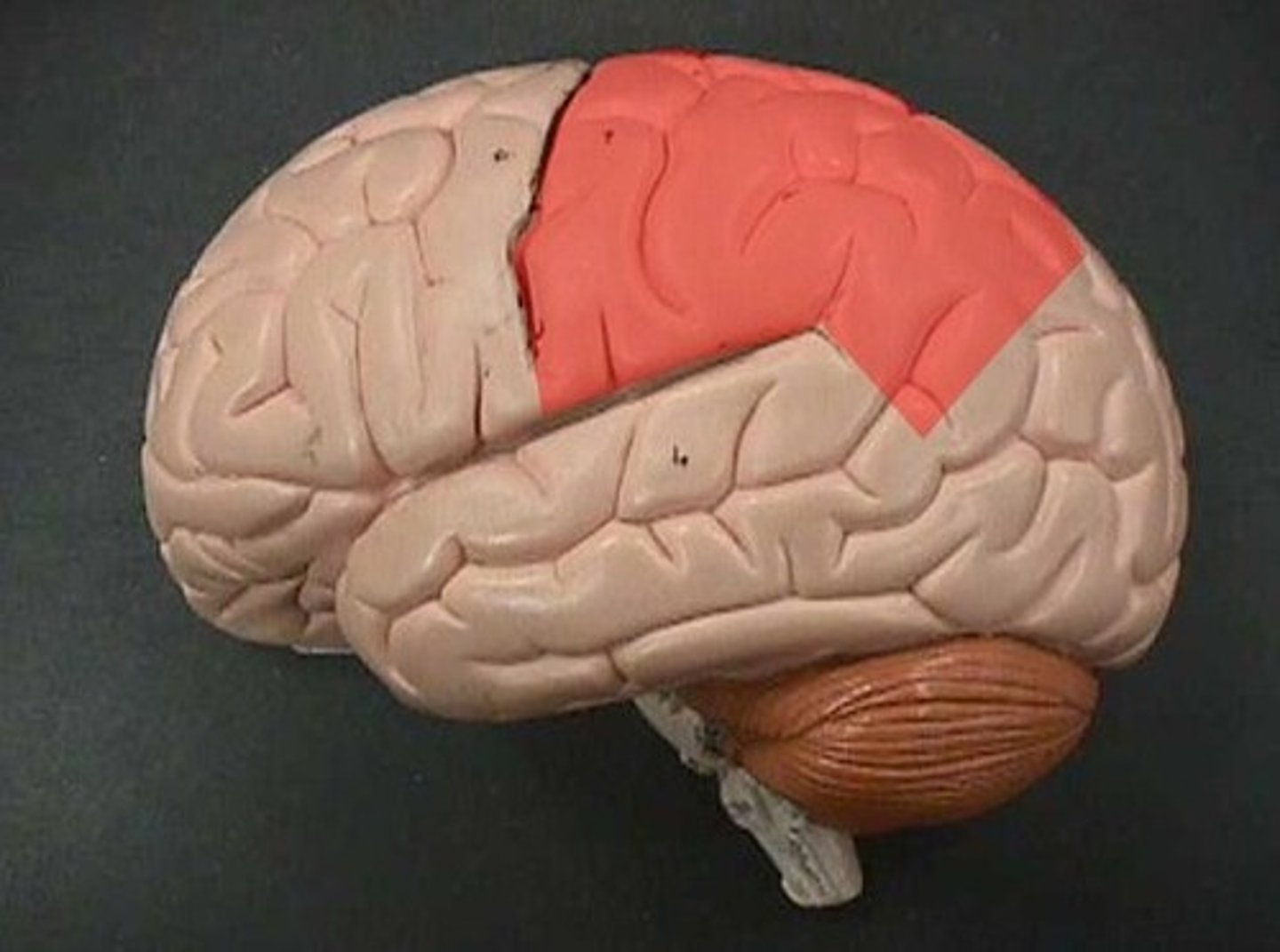
cerebrum parietal
sensory input
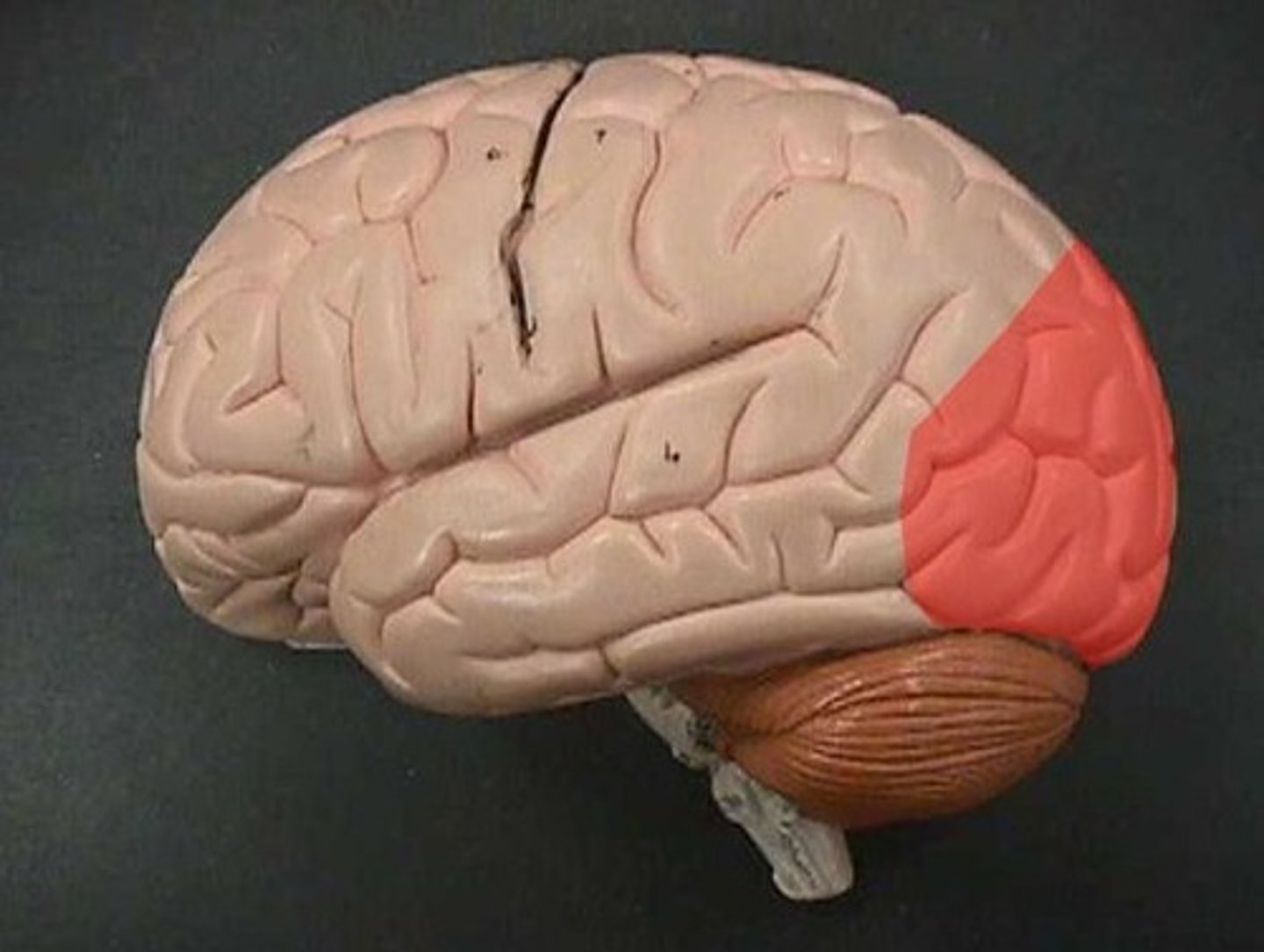
cerebrum occipital
primary visual reception
gyrus
ridges
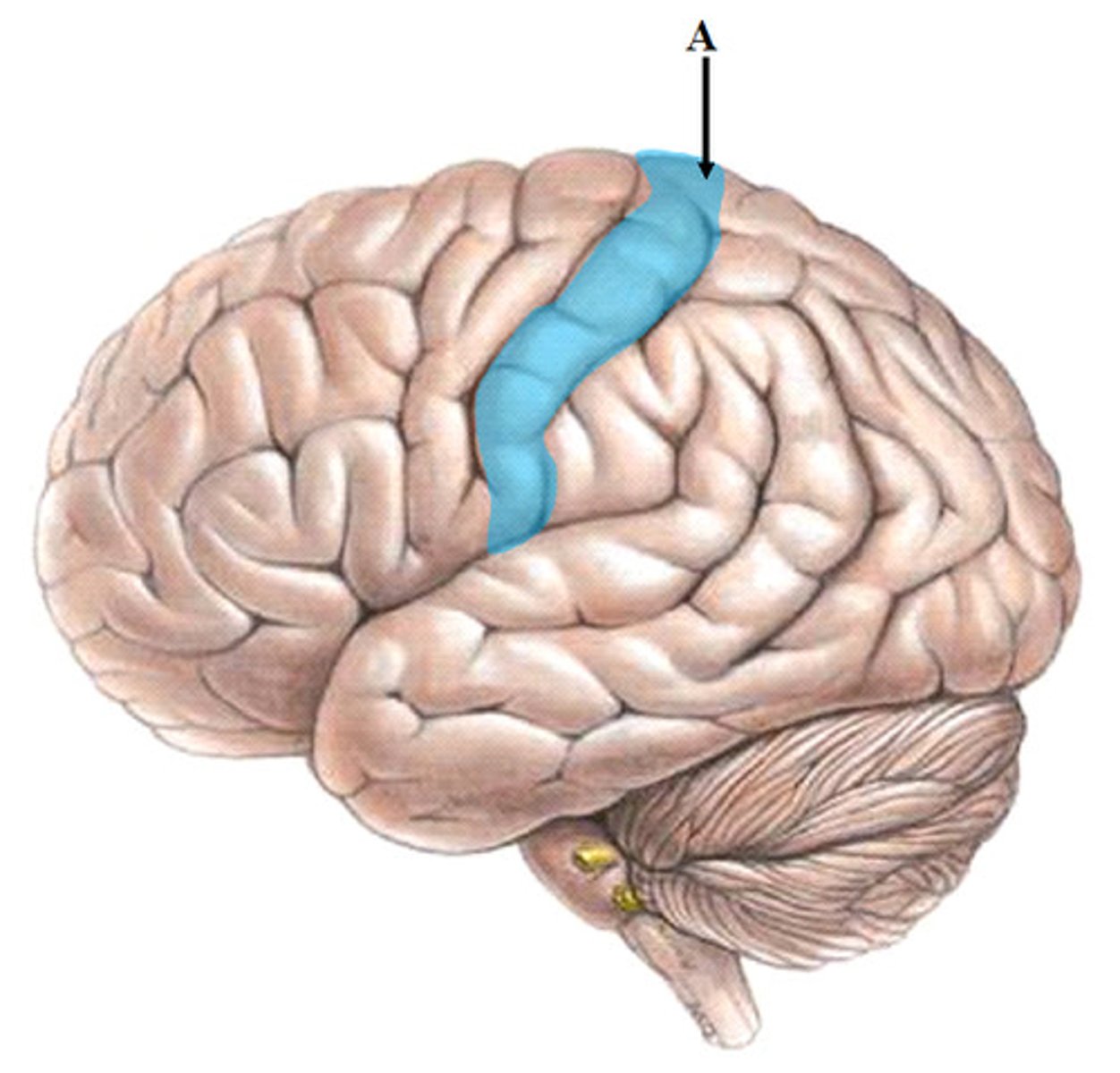
sulcus
grooves
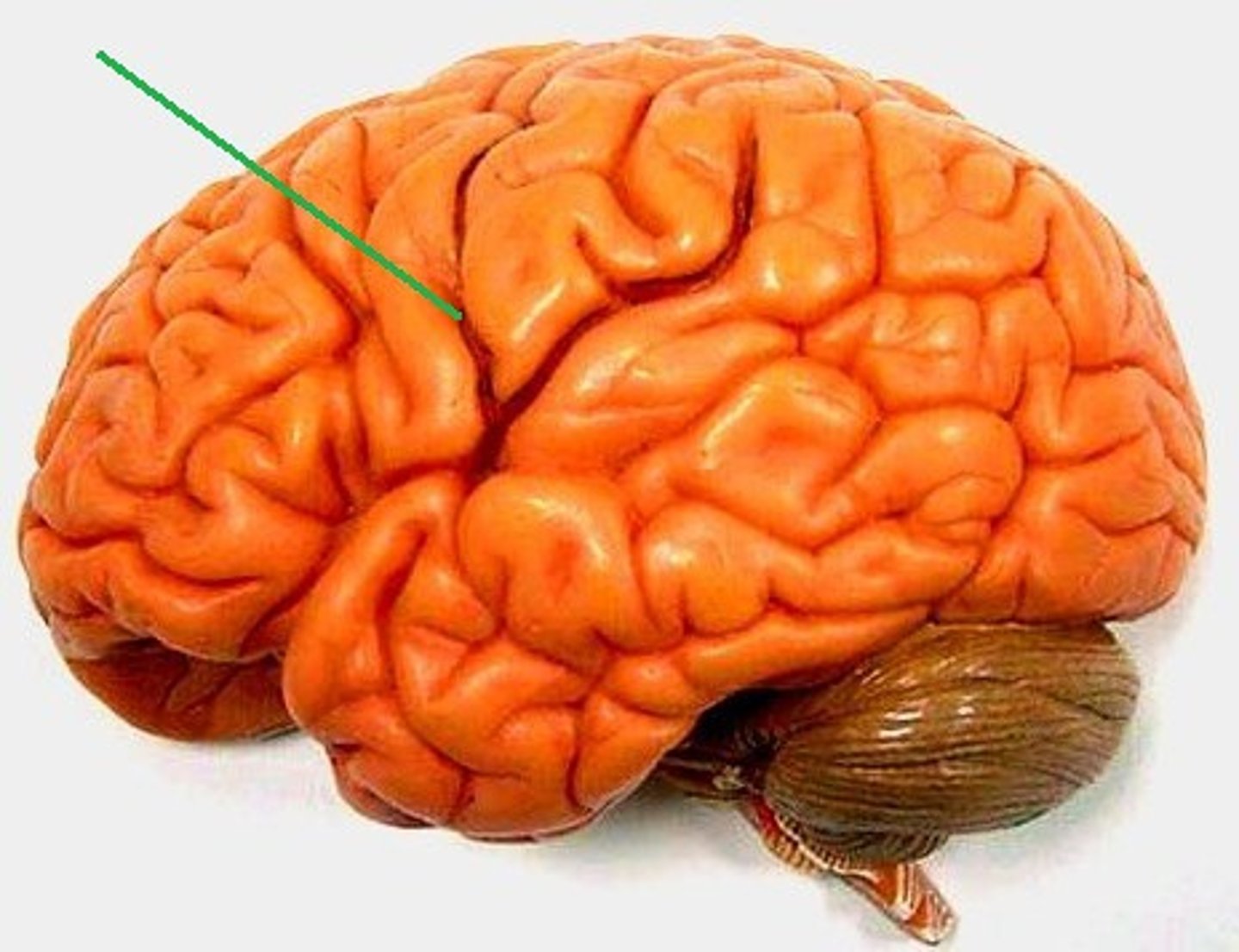
central sulcus
divides the frontal lobe from parietal lobe
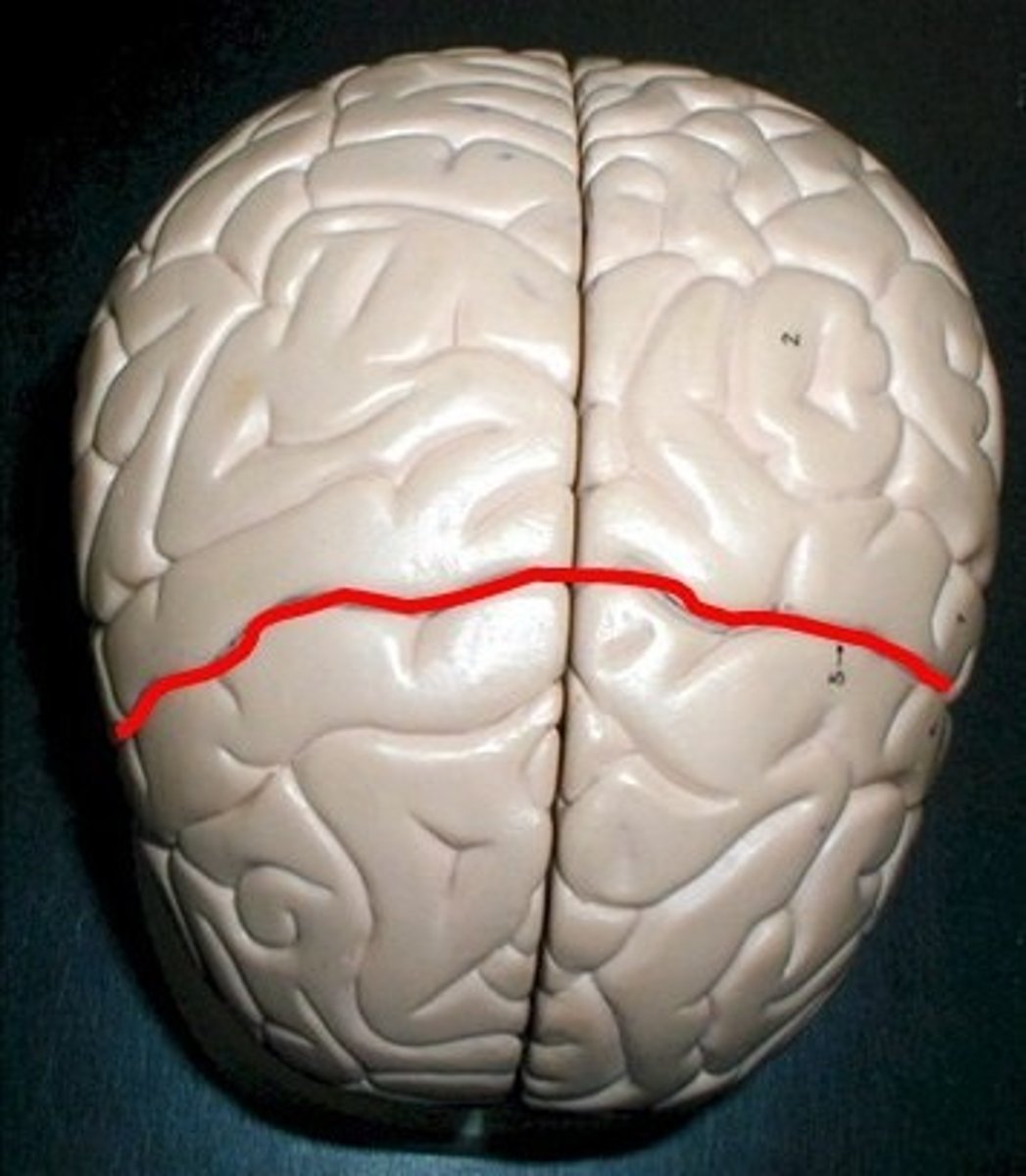
lateral sulcus
divide from temporal
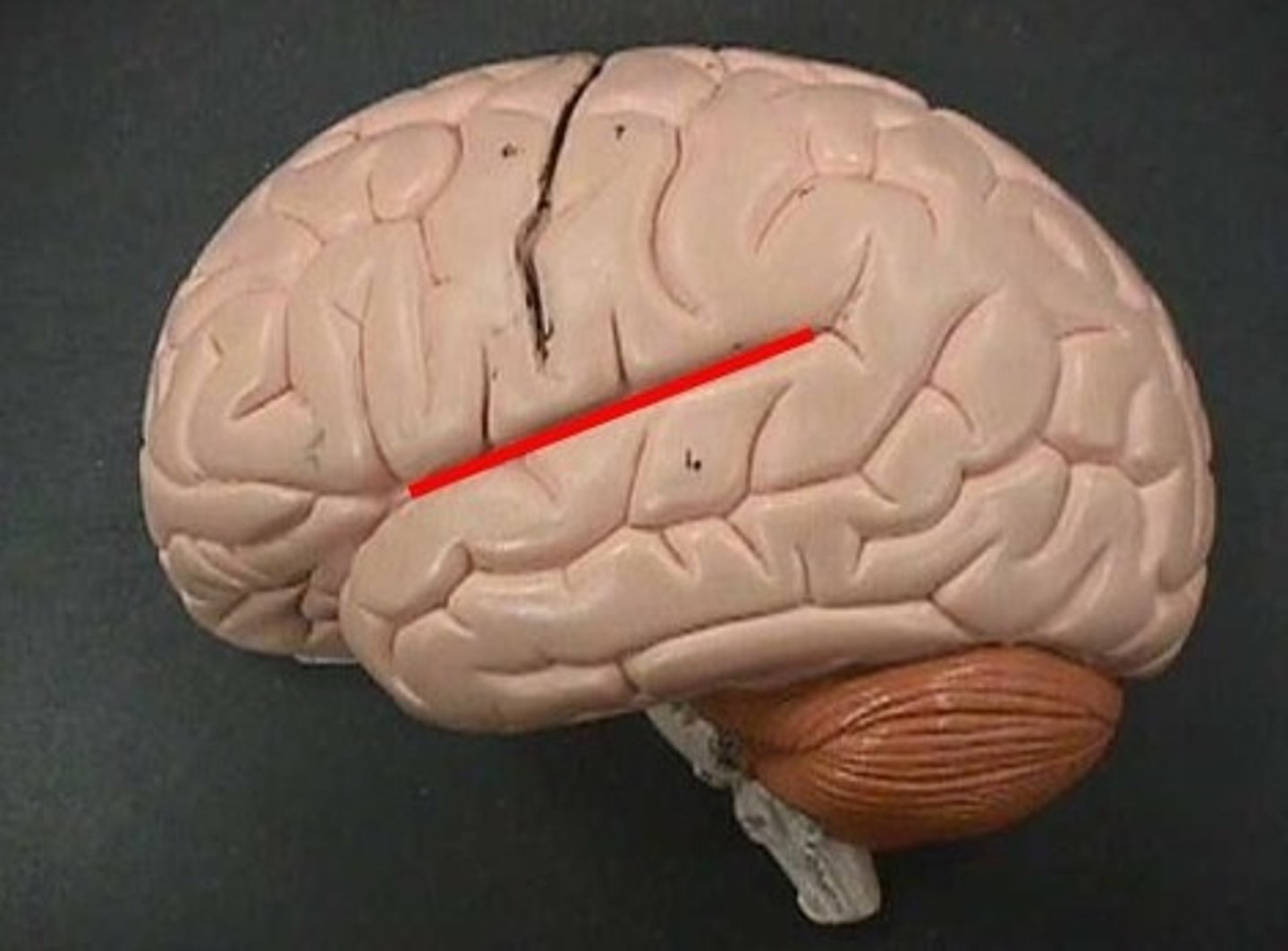
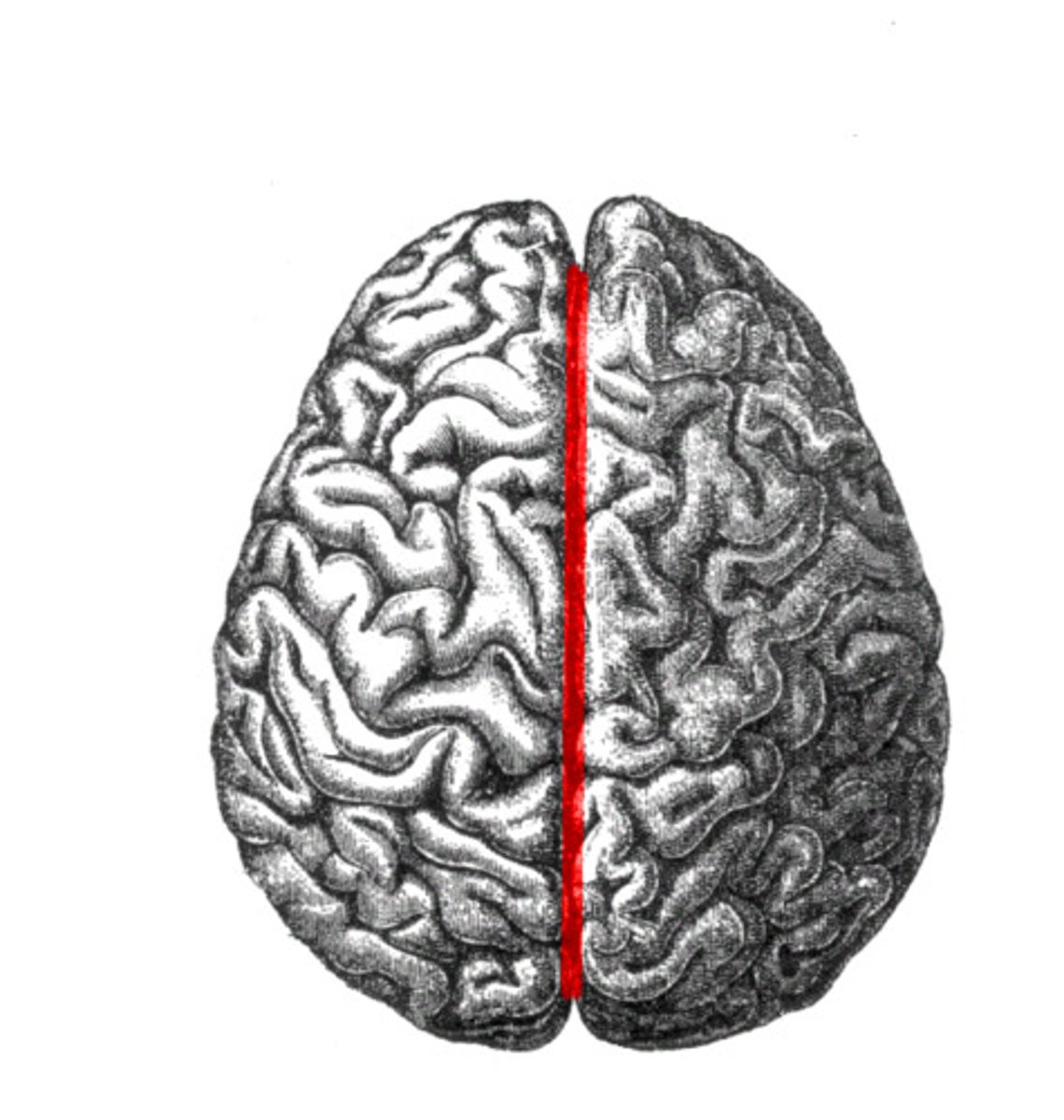
longitudinal sulcus
divides hemi- left and right
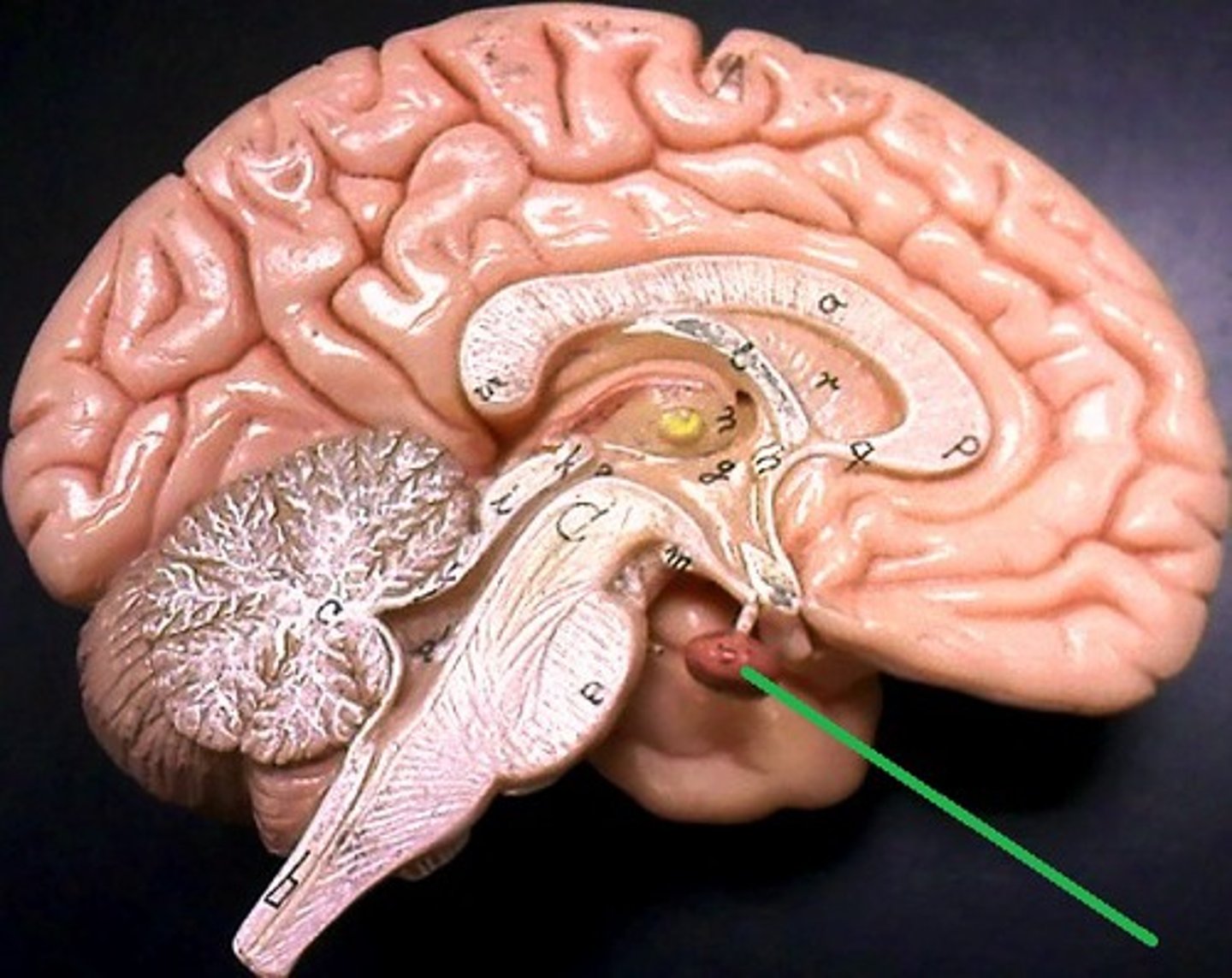
pituitary gland
master endocrine gland
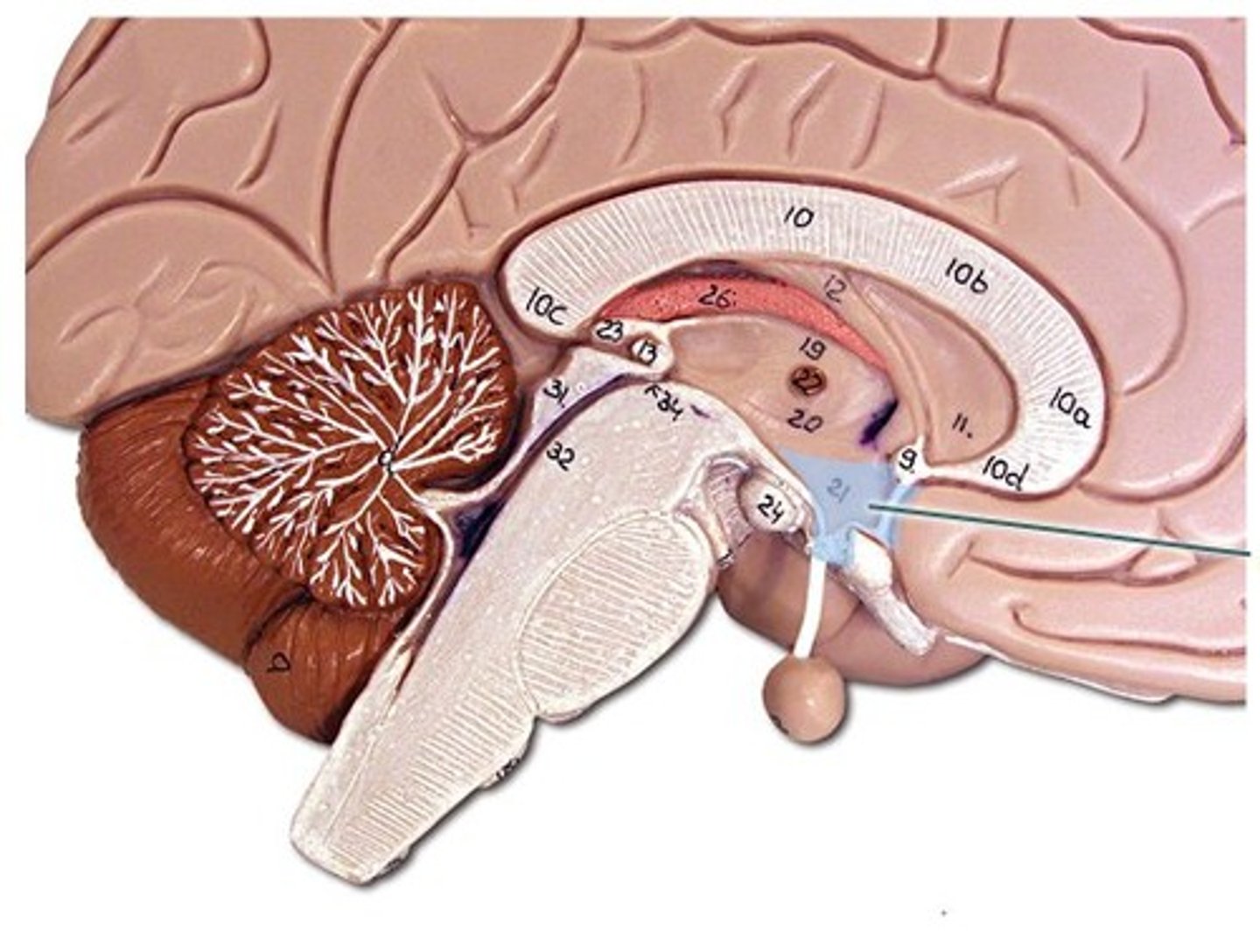
hypothalamus
maintenance function
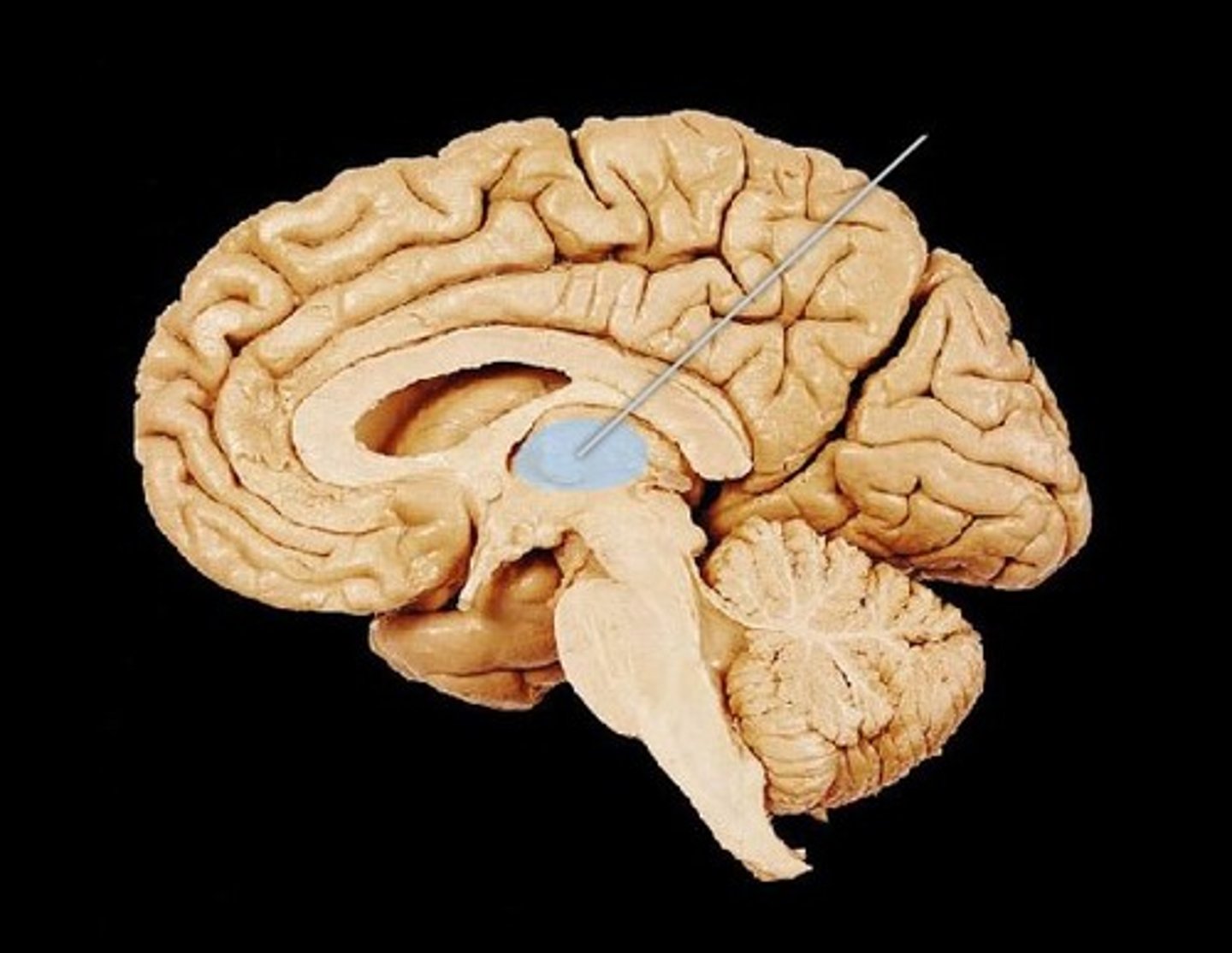
thalamus
relays messages between lower brain and cortex
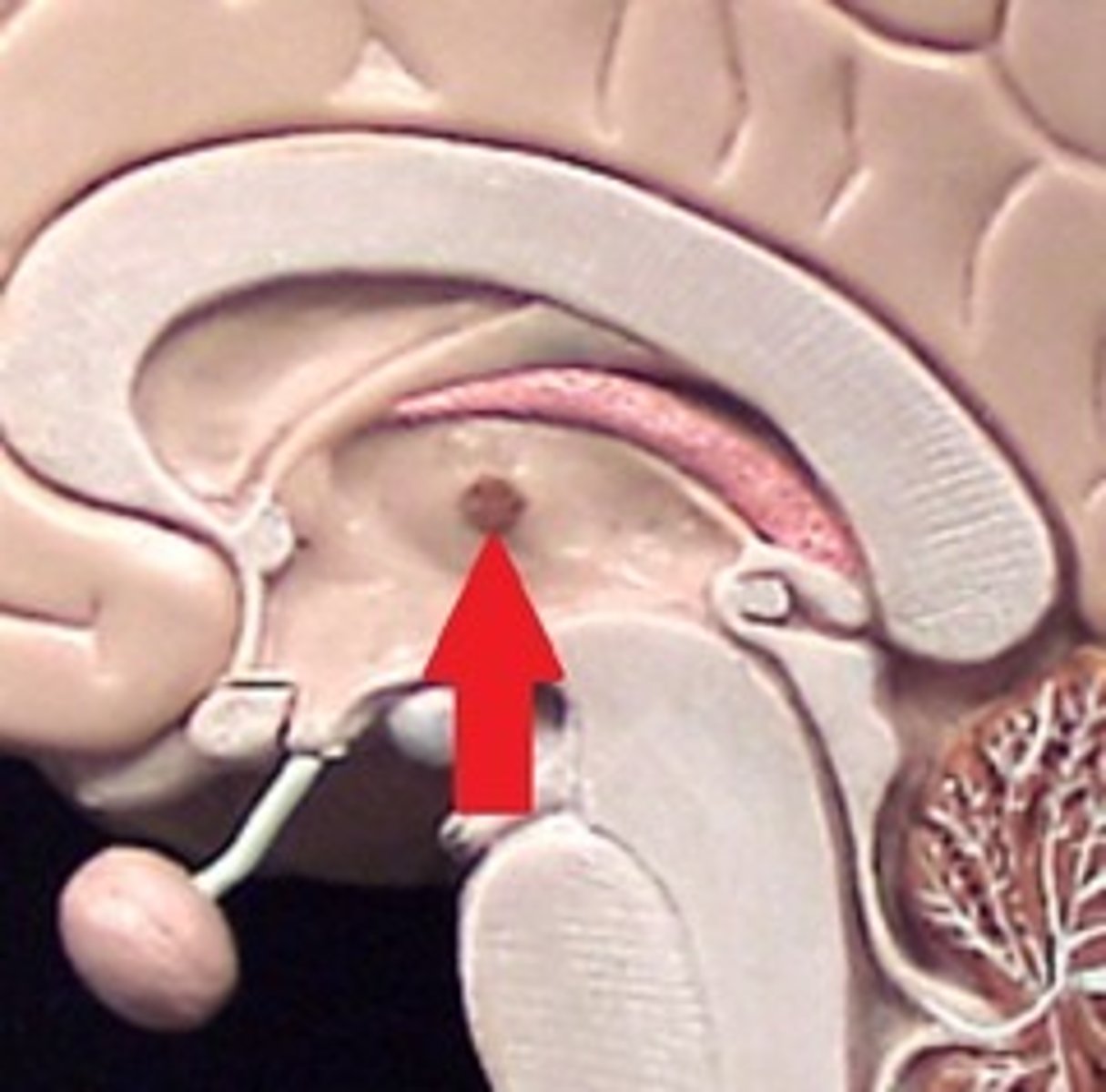
inter thalamic adhesion
connects parts of the thalamus
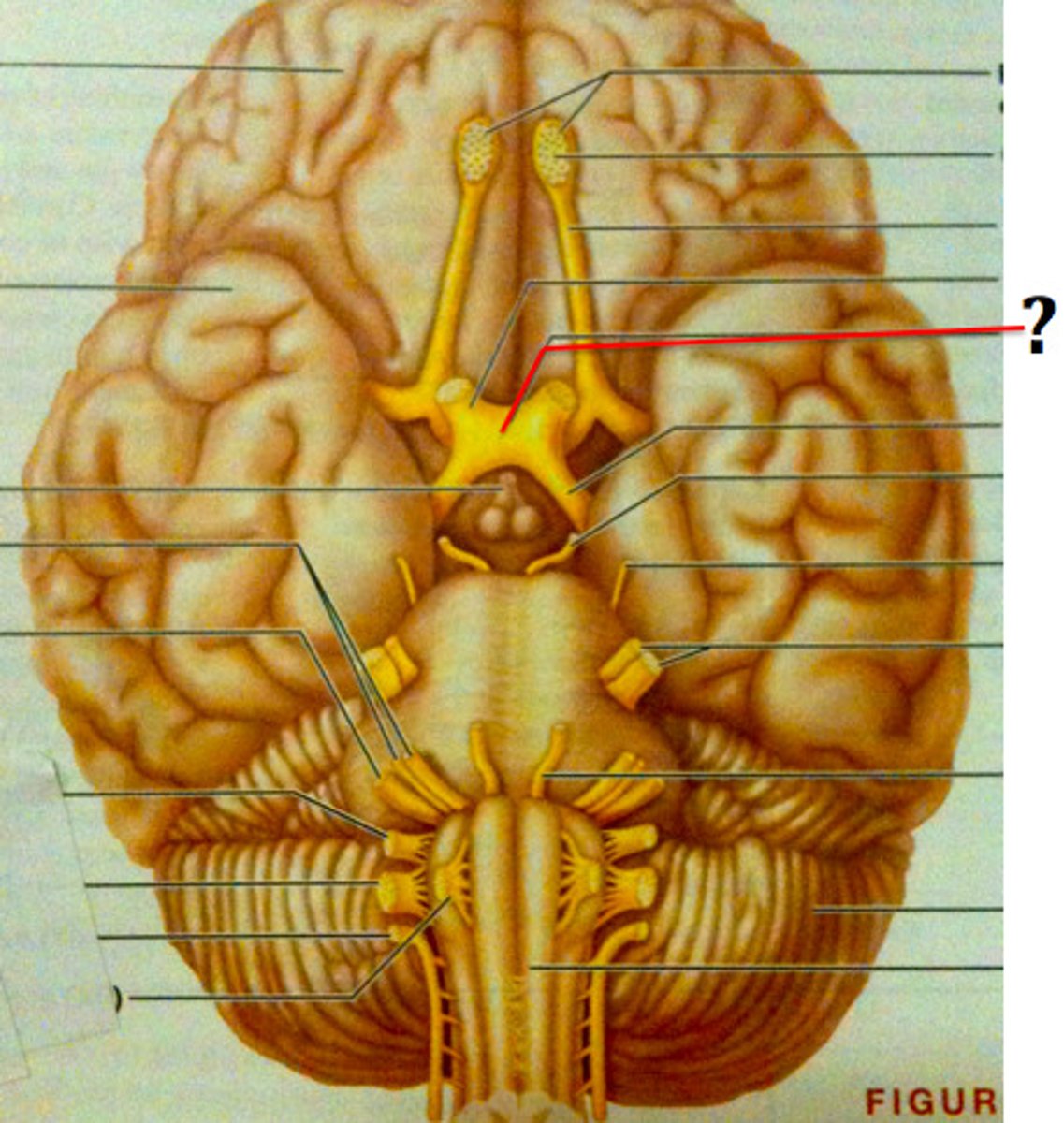
optic chiasma
optic nerves cross
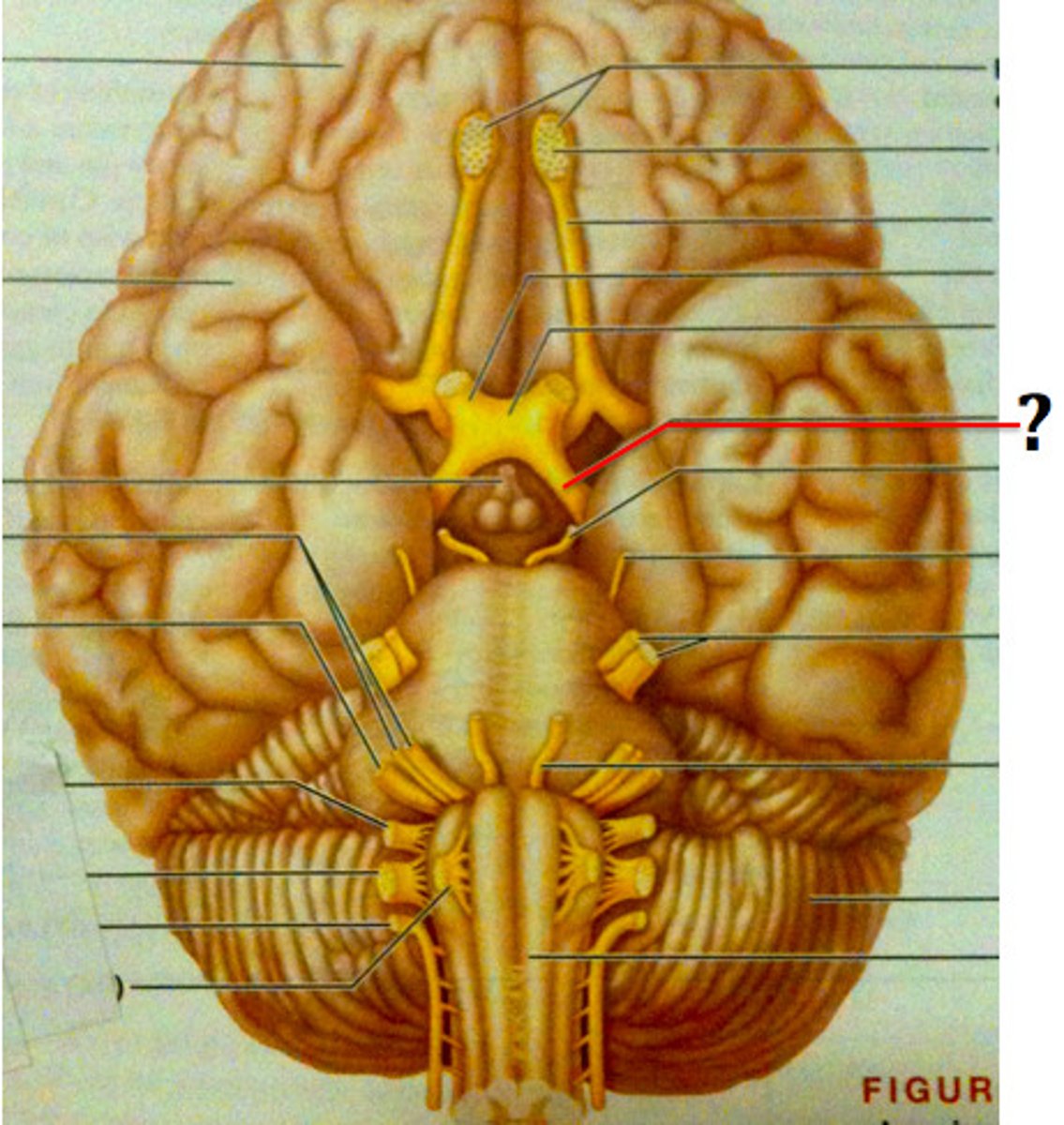
optic tract
leaving the chiasma
mammillary bodies
used for feeding reflexes