England: Notable Concepts (inc. Systems, Technologies, etc.) and Notable Colonies
 Call Kai
 Learn
Learn Practice Test
 Spaced Repetition
 Match
Match Flashcards
 Knowt Play
1/42

There's no tags or description
Looks like no tags are added yet.
Name | Mastery | Learn | Test | Matching | Spaced | Call with Kai | Chat |
|---|
No analytics yet
Send a link to your students to track their progress
43 Terms
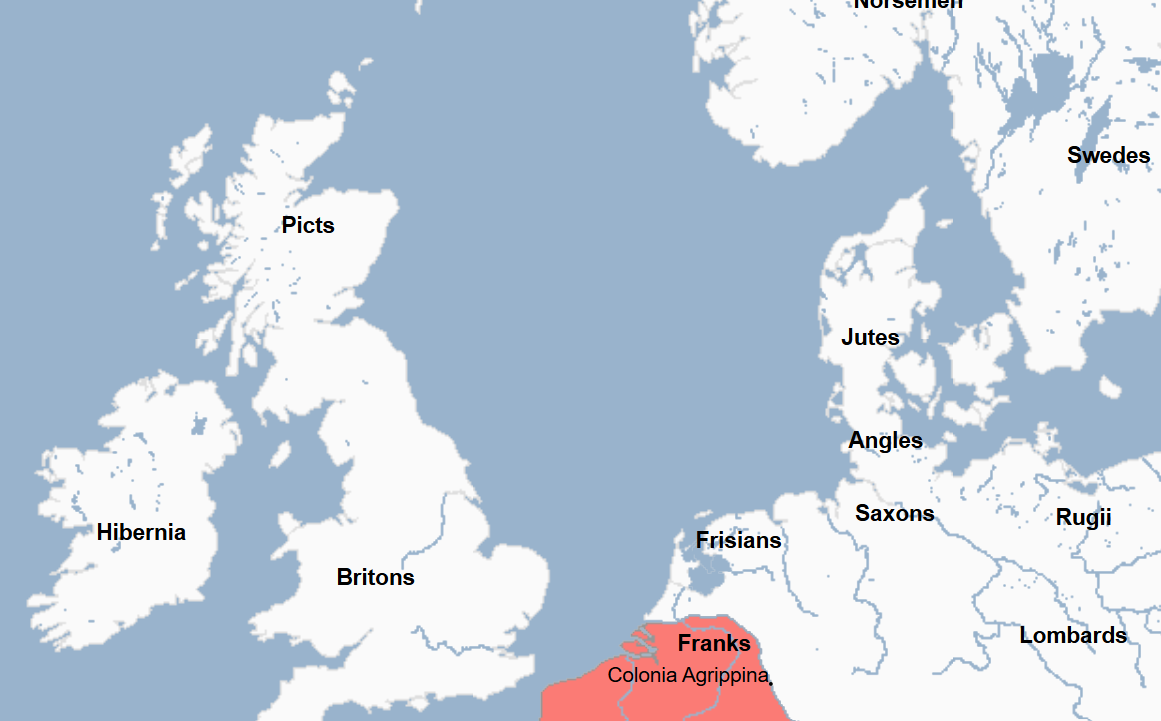
400s - Saxons (All Facts)
One of the three major Germanic tribes who settled in Great Britain after the departure of the Romans there, along with the Angles and Jutes
In 480, they were led by Aelle onto Britain’s south coast, where they drove the (Celtic) Britons westward and eventually established their namesake southern kingdom (modern-day Sussex)
Along with the Normans and Anglos, they comprised the origins of the English people
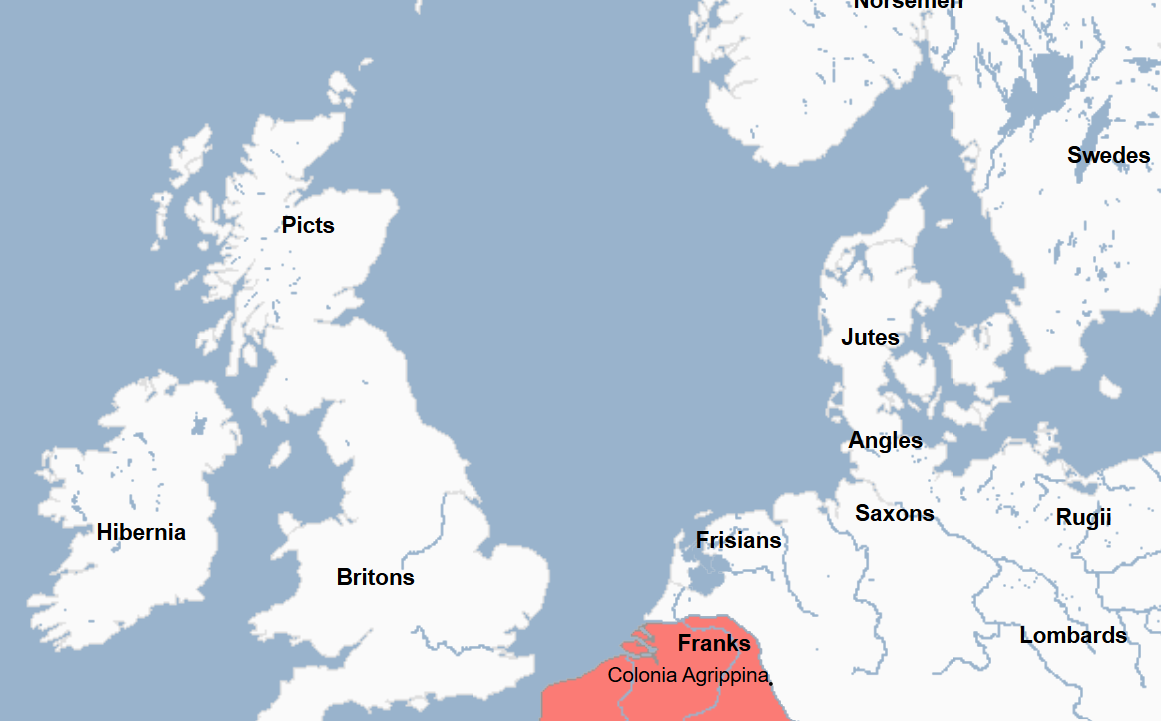
400s - Jutes (All Facts)
One of the three major Germanic tribes who settled in Great Britain after the departure of the Romans there, along with the Angles and Saxons
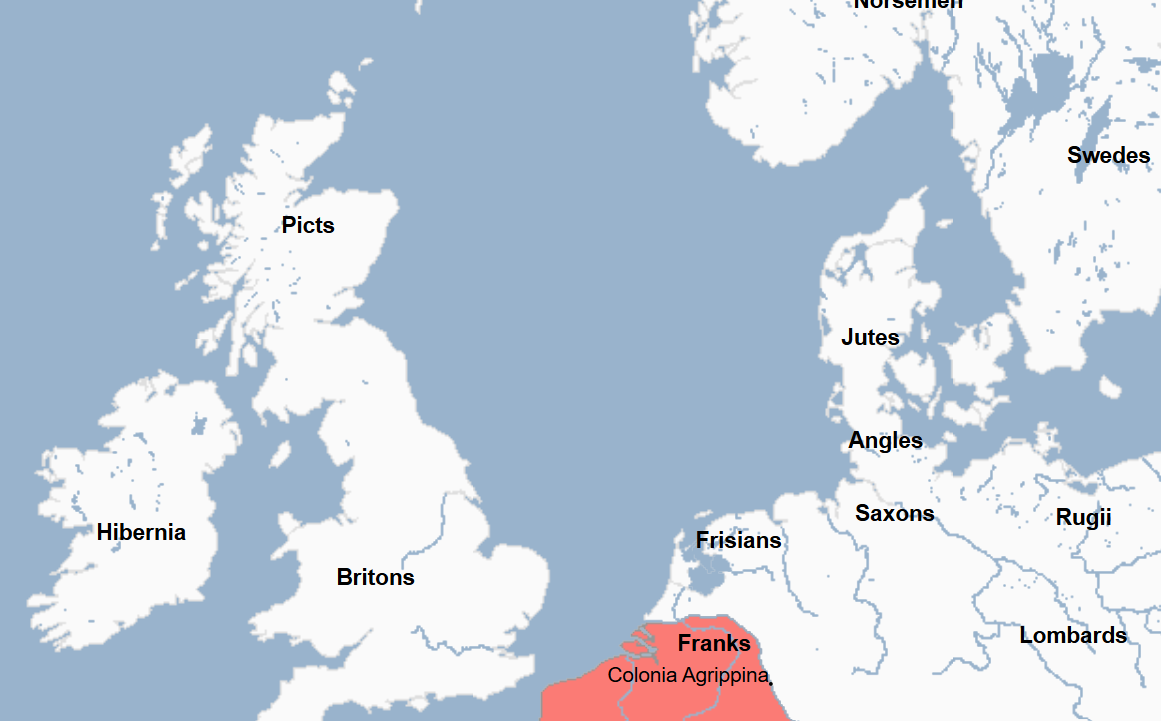
400s - Angles / Anglos (All Facts)
One of the three major Germanic tribes who settled in Great Britain after the departure of the Romans there, along with the Jutes and Saxons
Along with the Normans and Saxons, they comprised the origins of the English people
800s - 1066 - Normans (All Facts)
Descendants of Vikings who settled in northwestern France in the namesake region, they invaded England under their king William “the Conqueror” which gave him both kingdoms on both sides of the English Channel
Along with the Anglo-Saxons, they comprised the origins of the English people
They conquered not just England but Sicily, taking it from the Muslims
English (All Facts)
As a group of people, they emerged as a combination of Anglo-Saxons and Normans
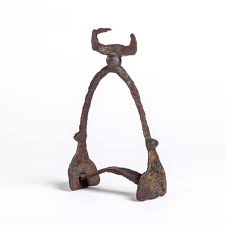
Stirrup (All Facts)
Technology introduced to England and Europe from the East in the early 700s which gave horsemen far greater control and greatly enhanced the importance of cavalry
By the 1000s, this technology made it possible to deal an enemy a fierce blow with a heavier spear or lance couched under one armpit without falling out of the saddle
However, buying all the relevant equipment for this technique, especially protective armor, was quite costly
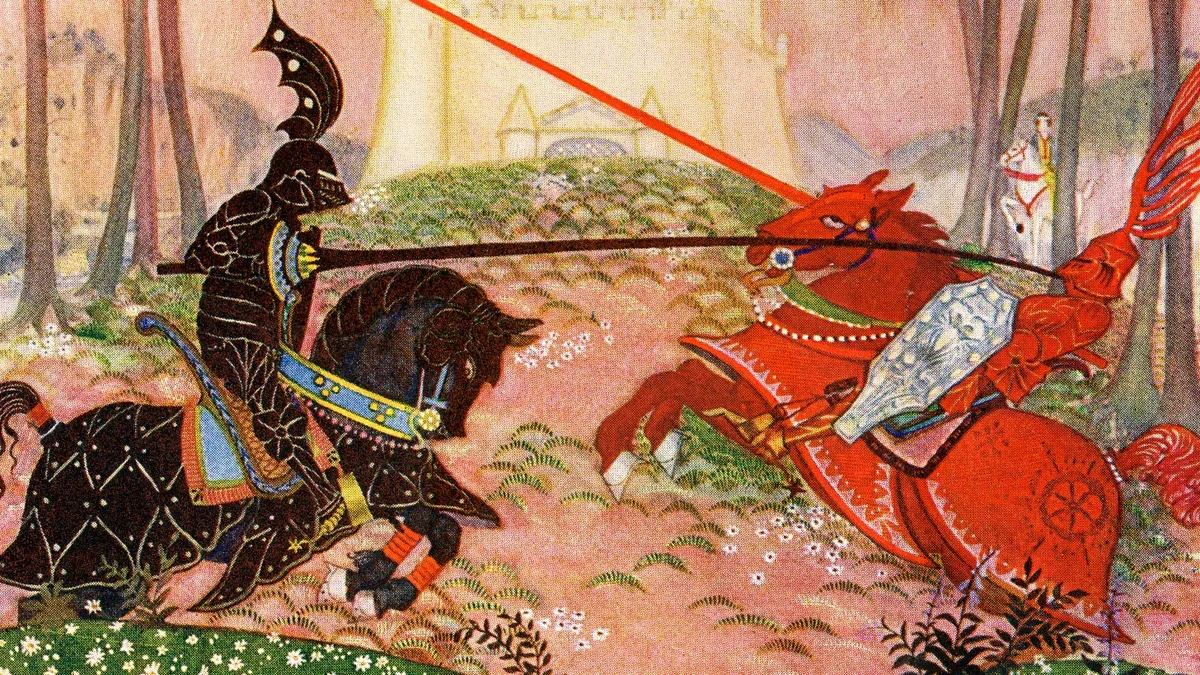
Jousts (All Facts)
Tournaments / training sessions which became great social and courtly occasions for the wealthy men and aristocrats of the Holy Roman Empire and Europe in the 1000s who could afford to equip themselves or others as knights
Tournaments which
Provided excellent practice in the martial arts
Gave successful knights substantial prices
Offered chances for the upper classes to meet both socially and for political or diplomatic discussions
Promoted ceremony, the concept of chivalry, and the kind of theater epitomized by Ulrich von Lichtenstein and his “Venusfahrt” or “Venus Tour”
Tournaments which were most strongly associated with the legend of King Arthur and his Round Table, with tournaments taking place within elaborate recreations of Camelot
Chivalry (All Facts)
Term used to refer to “Horsemanship,” which in 1000s England and Europe became a prestigious occupation
Term used to refer also to the codes of behavior that had been reinforcing the common bonds of the increasingly aristocratic knights
Great Survey (All Facts)
Comprehensive census that was taken during William the Conqueror’s reign as King of England
Census taken of all landholdings and livestock in which every horse, cow, pig, and hen in England was counted throughout England
It was meant to serve as a massive audit of the nation’s wealth
Its results were then recorded and compiled in court circles into two volumes known as the “Domesday Book”
It ultimately allowed William the Conqueror to consolidate his hold on England and harmonize England’s feudal system with that of the Duchy of Normandy
Its terms overhauled land tenure, with all land in England at that point deemed to be held directly by their king or by his subjects on his behalf
Jews (All Facts)
They were never accepted in England
The uneasy tolerance they enjoyed in England was shattered in 1190
They were attacked in riots that spread throughout the kingdom into the 1200’s, from Durham in the North to Winchester in the South; with the most deadly riots being those in Stamford and Newark
Religious fanatics in England convinced the simple-minded that the namesake group was responsible for all their problems, and the image of the namesake as a wealthy usurer inevitably made people, especially those who used the namesake group’s services, quite envious
They were especially targeted by those about to set off on crusades in order to whip up the crusaders’ enthusiasm, since they saw the namesake as enemies of the faith
Moreover, passionate supporters of the Crusaders or Crusaders themselves who could not afford the journey to the Holy Land found the namesake group to be vulnerable and a far more accessible target than the far-off Muslims
Under Church law, Christians could not operate as usurers (lending money at interest)
Because the namesake were not bound to such a restriction, they filled the necessary role with great skill and effectively monopolized it
While their community was small by the reign of King Edward, perhaps 3K people total, they played a major role in financing the nation as usurers
Under the reign of King Edward of England, they were
forbidden to practice usury, just like their fellow Christians, in Edward’s namesake statute of 1275
however, they refused to comply with this law
thus, they were expelled and banned from living in England via the Edict of Expulsion of 1290 as a result of their refusal to comply with previous English law
Scutage (All Facts)
Tax paid on a knight who wanted to pay money instead of provide military service
Stanches (All Facts)
Also known as navigation weirs, they maintained a depth of water for ships and were built in English rivers and canals
One famous one was built on the Thames River in 1306
Enclosure (All Facts)
Practice of dividing up and closing off the common lands of peasants
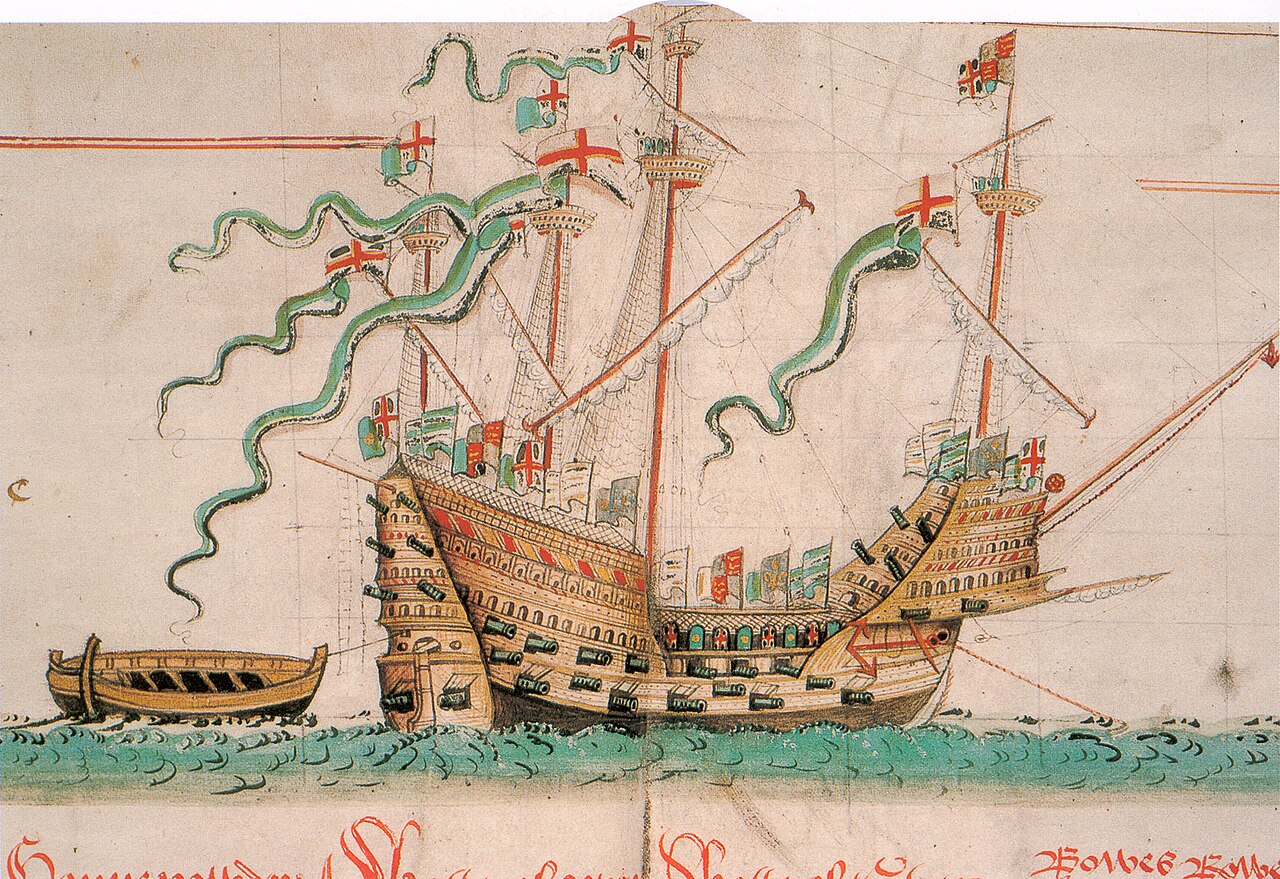
Mary Rose (All Facts)
Flagship of King Henry VIII
In 1545, it was newly delivered from the builders’ yard and the pride of the Royal Navy, was hastily loaded with new cannons and inspected the 400 bowmen in their leathern jackets as they went to their stations
It had brought the news that a French fleet had been sighted out in the channel
This took place at Portsmouth Harbor, the scene in which hectic activity occurred as the British prepared for action against the French
It was warped out into the Solent where a stiff wind was blew up from the Needles Channel
With her sails billowing and her crew scurrying over her decks as they readied themselves for action, she made a stirring sight for the King who watched from Spithead, until, with no warning, a strong gust of wind caused the namesake flagship to heel suddenly
Thereafter, her newly-installed guns broke loose, crashing to her lee side and in less than a minute, had to disappeared below the white-capped Solent
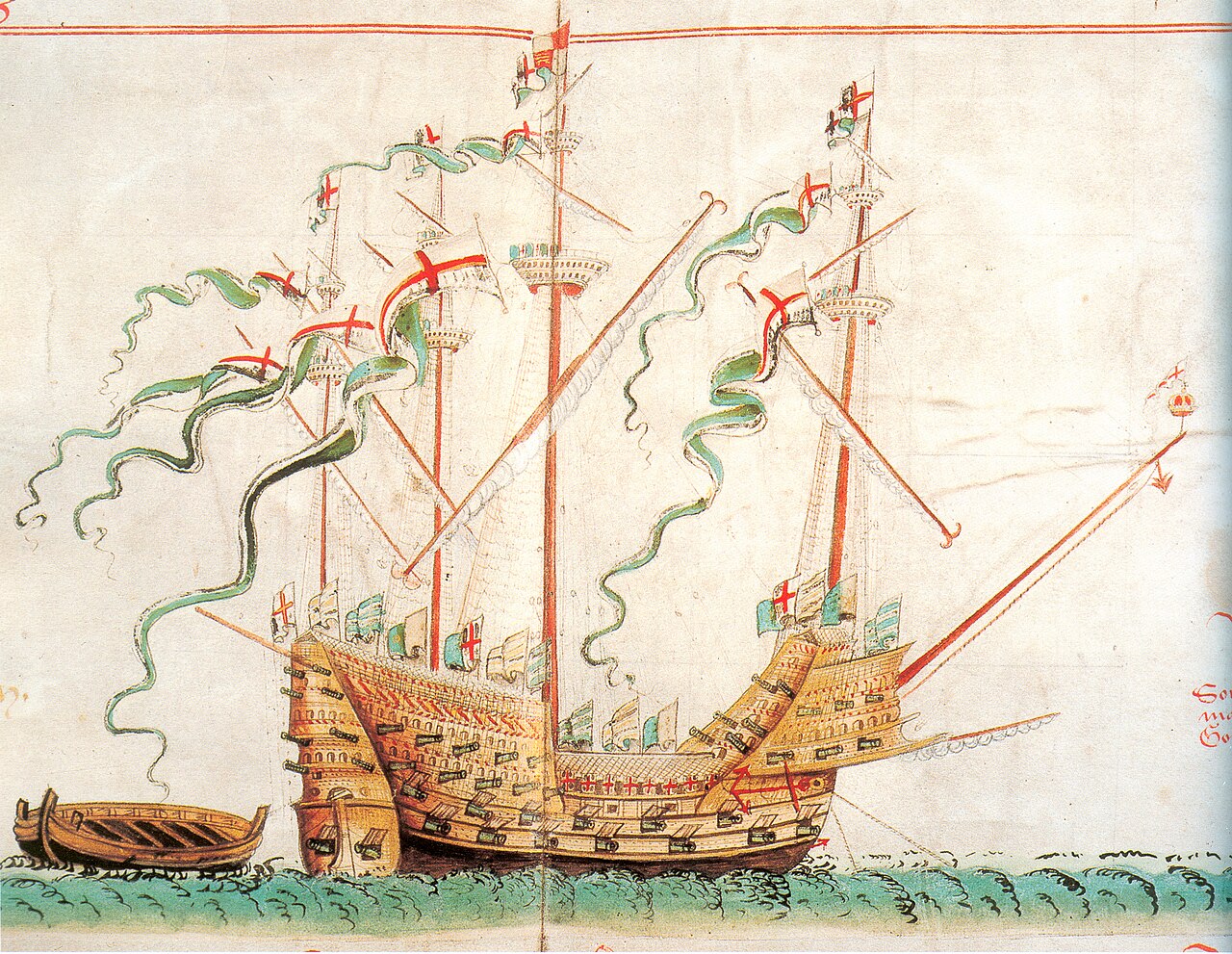
The Great Harry (All Facts)
Flagship of King Henry VIII
At the time of its prominence, it was the largest ship in the world and first four-masted vessel launched in England
It served as
the model for the ships built by the English navy during the reign of Queen Elizabeth
a symbol of the revolution in shipbuilding and navigation which had taken Englishmen and other Europeans at the time around the world
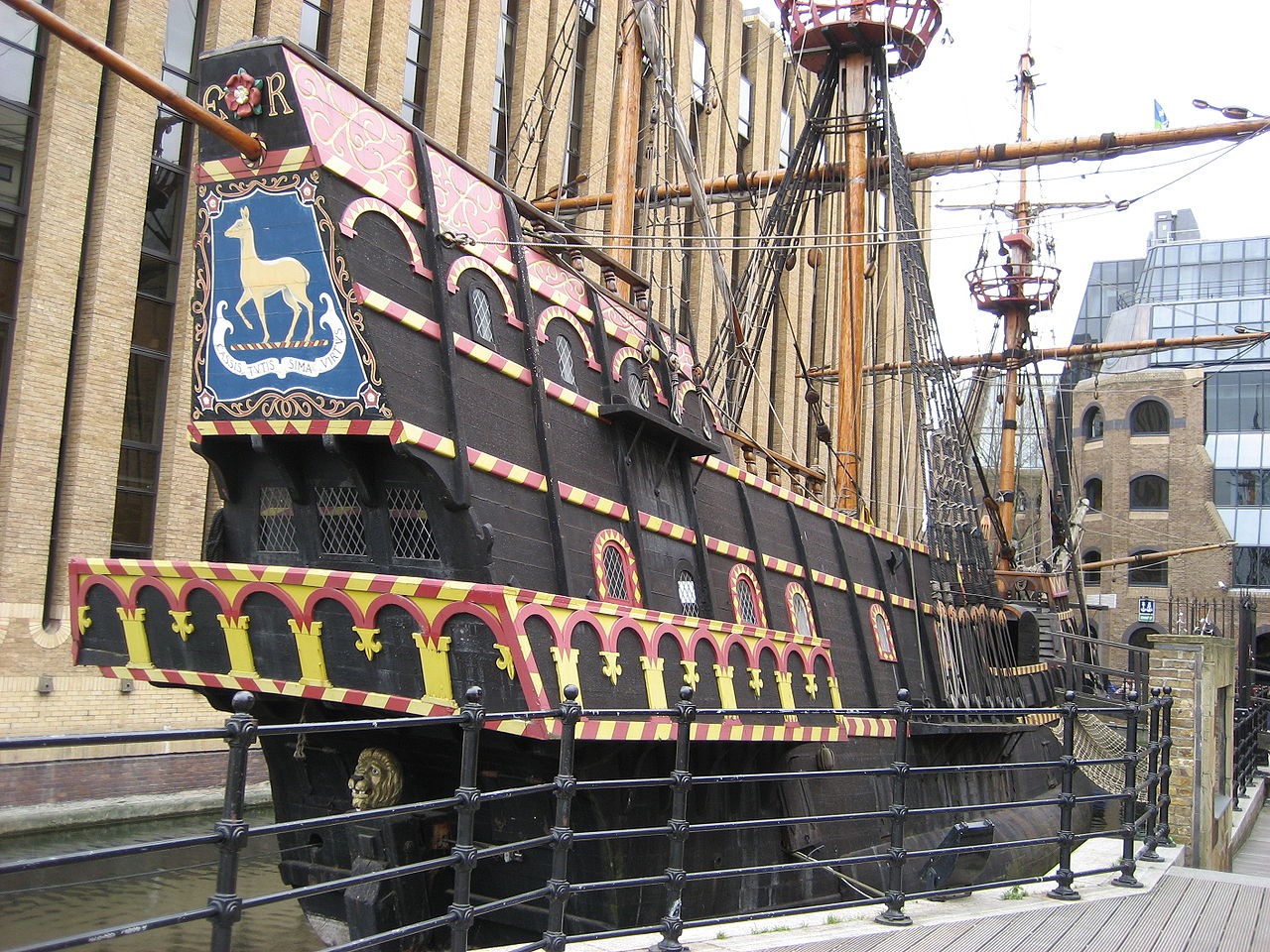
The Golden Hind (All Facts)
Galleon of Francis Drake
He captained and sailed on this ship during his circumnavigation of the globe
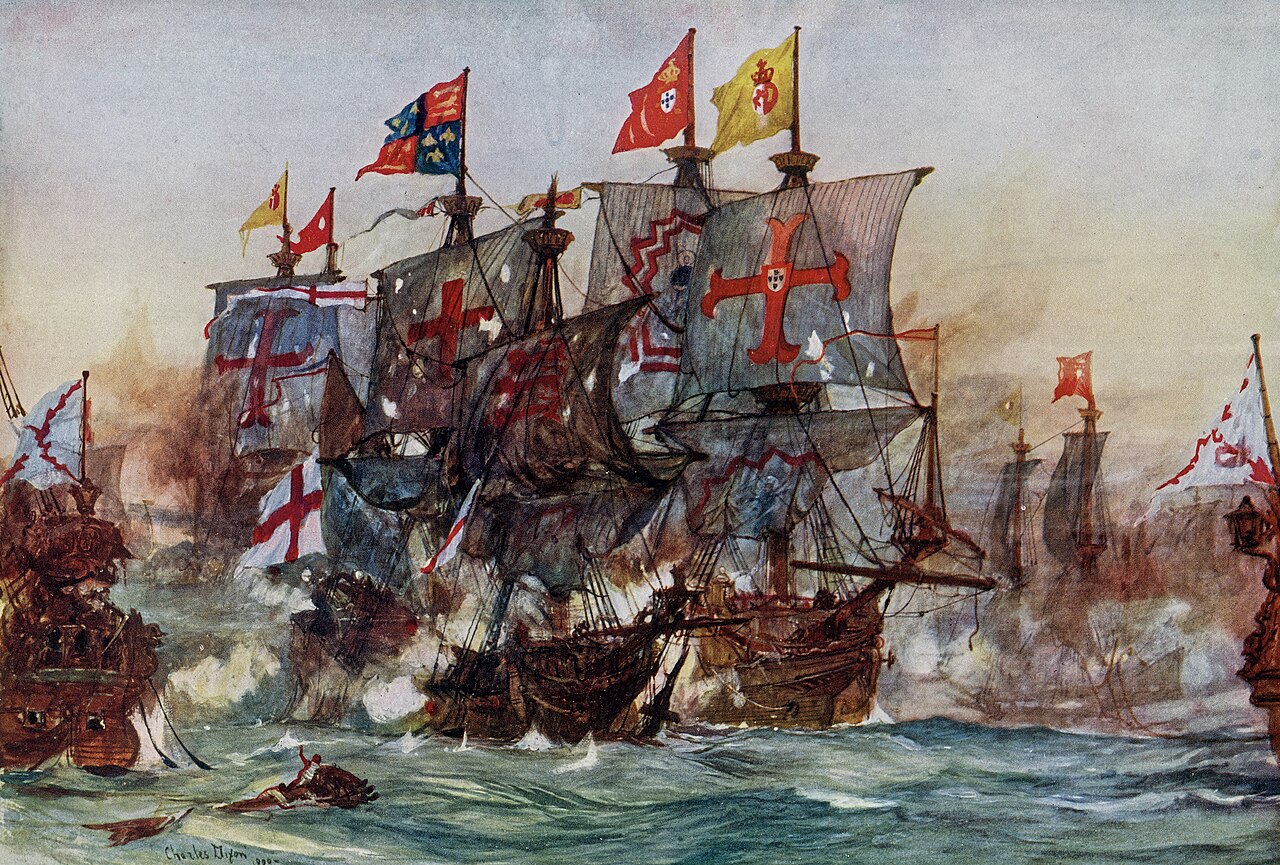
Revenge (All Facts)
Galleon of Richard Grenville
He was killed on it in his fight against the Spanish in the Battle of Flores
Tudor Women (All Facts)
Were expected to be obedient and diligent
Queen Elizabeth of England ran counter to that notion and overcame many handicaps
Sir William Fitzwilliam of Ireland had this to say about Queen Elizabeth, her lord deputy in Ireland: “God’s wounds, this it is to serve a base, bastard, pissing kitchen woman”
Tobacco (All Facts)
Introduced to England by John Hawkins, who had discovered the namesake from his time in the New World
By his death, virtually every English pub provided a communal pipe of the namesake for its customers despite the high price of three shillings per ounce
Pipe smokers of the namesake included princes and peasants
Sweet Potatoes / Potato Tubers (All Facts)
Introduced to England by John Hawkins, who had discovered the namesake from his time in the New World
By his death, they quickly became part of the European diet and were grown widely throughout Europe
New Plymouth Colony (All Facts)
In 1623
lumber and furs were the first cargo to leave New Plymouth for England
colonists there established the system of trial by 12-man jury for the American colonies
In 1626
the Pilgrim Fathers, who settled here, bought out their London investors
In 1630,
the first colonial American execution took place in this colony, in which John Billington, an Englishman, was hanged for murder

1628 - 1691 - Massachusetts Bay Colony (All Facts)
Colony created by the namesake company and charter granted to it by King Charles
Colony
whose plentiful timber meant that vessels were built for half the price of those in England, which the colonists hoped would become a profitable new enterprise
In 1630,
the first colonial American ferry route opened, from Boston to Charlestown on the Charles River
In 1631,
the first colonial American-built ship, the 30-ton sloop “Blessing of the Bay” was launched in Boston harbor
By 1666,
they had taken over the government of Maine
1629 - 1641 / 1679 - 1776 - Province of New Hampshire (All Facts)
Its land was granted via charter by King James
Its status as a colony was granted via charter by King Charles
It was founded by John Mason
In this colony,
the gun-running industry emerged, in which, despite it being illegal to sell arms to natives, the new form of trade continued anyway
Claimed as a royal colony by England under King Charles II
In 1680, it was separated from Massachusetts by a Royal Commission

1632 - 1776 - Province of Maryland (All Facts)
It was founded by George Calvert / Lord Baltimore
It was founded to help Irish and English Catholics escape persecution from England
Many Irish Catholic immigrants turned up as servants in the homes of settlers in this colony, fleeing worsening persecution by the English in their homeland
In 1635,
An Algonquin chief responded to the imposition of English law, saying, “since you are strangers here, you should rather conform to the customs of our country”
In 1649,
it granted rights to all Christians who asserted their belief in the Trinity
1663 - 1729 - Carolina (All Facts)
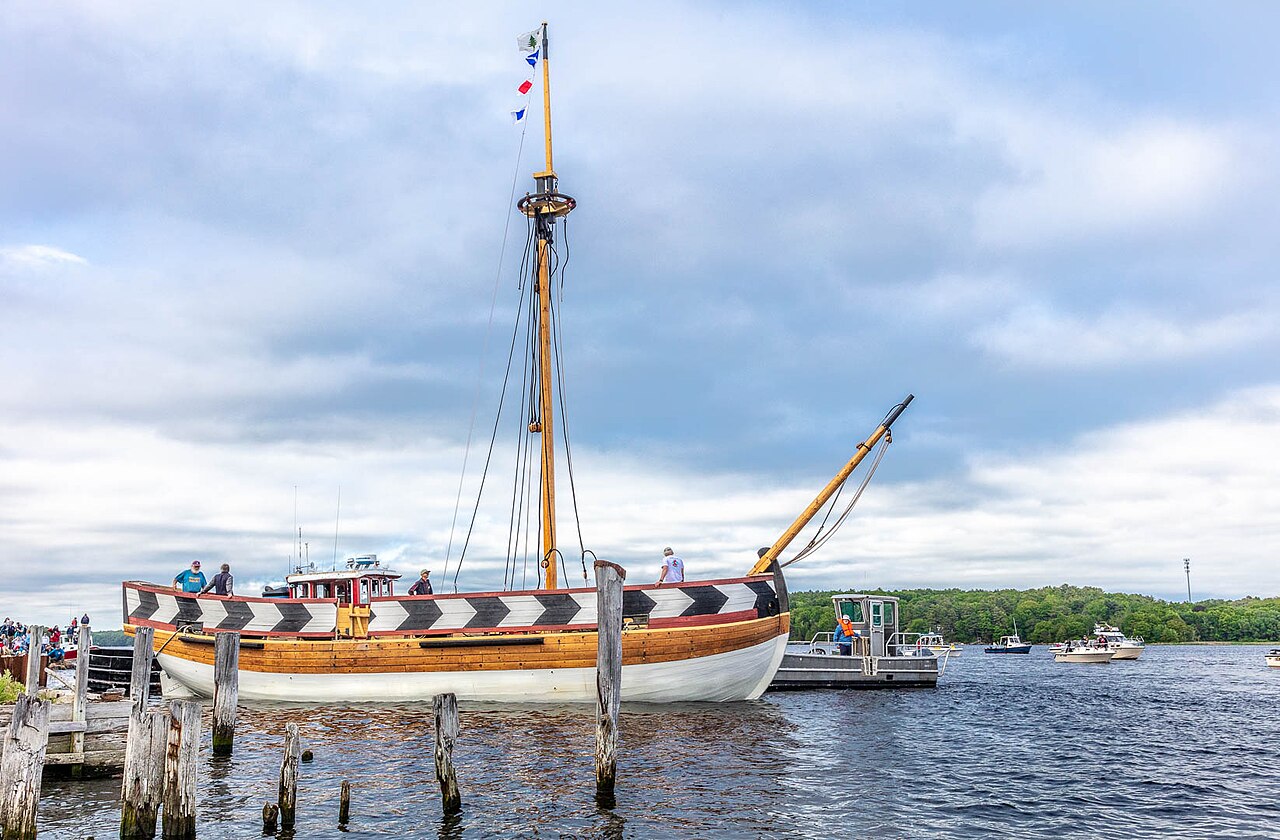
Virginia Pinnace (All Facts)
The first ship built in the northeast of the colonies by settlers in the Popham Colony (Maine) at the mouth of the Kennebec River
Half-Moon (All Facts)
Ship of Henry Hudson
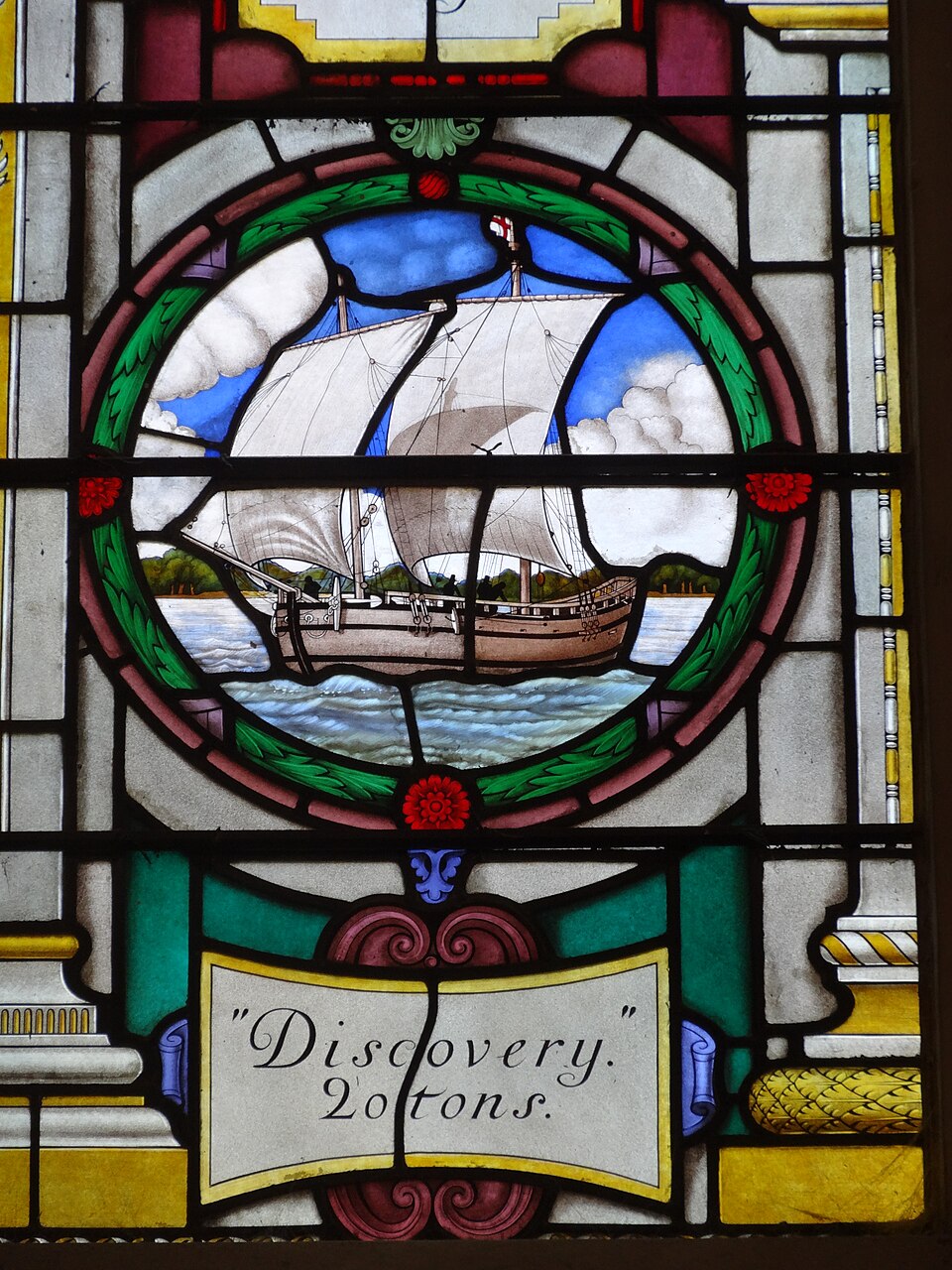
Discovery (All Facts)
Ship of Henry Hudson
It was launched by the English East India Company

Bowls (All Facts)
Game played by Jamestown / Virginia’s settlers, the first game for which settlers in England found time to play
Saldanha Bay (All Facts)
British colony near the Cape of Good Hope which failed
Initially, after a journey to find the mouth of Henry Hudson’s river is aborted because of bad weather, would-be settlers put in at the harbor of the Cape of Good Hope
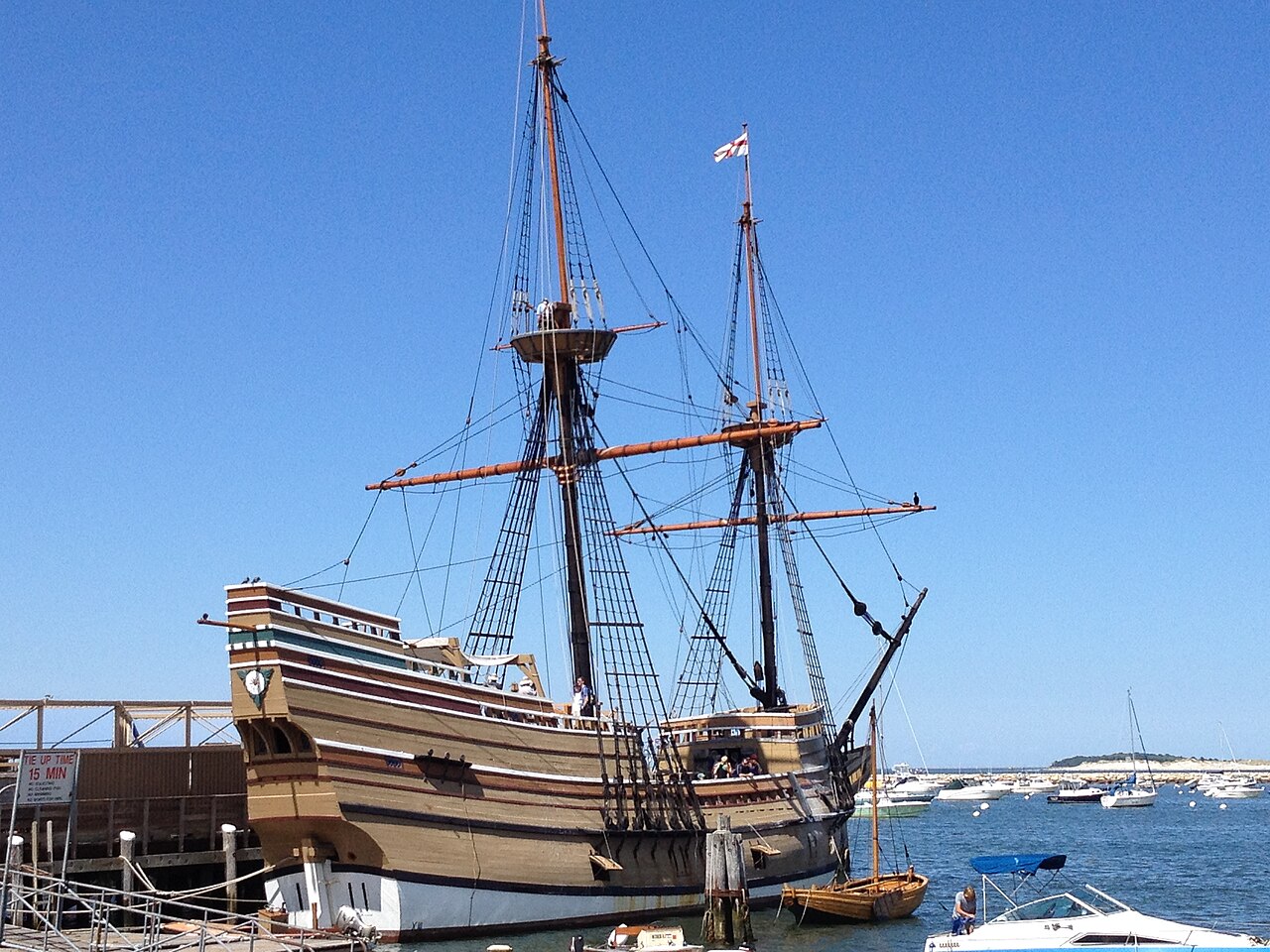
Mayflower (All Facts)
Name of ship sailed on and voyage and compact made by Puritan pilgrims leaving the Netherlands after escaping persecution in England
It was a 180-ton ship normally used to carry wine
It had brought 120 anti-Catholic Puritans to the shores of what they called “New England”
The ship was moored into a harbor dubbed “New Plymouth” which became a refuge for the colony
Ship Money (All Facts)
Tax levied in England since the medieval period on maritime towns and shires to meet naval expenses
Tax extended by King Charles to inland areas
1600s - Corantos (All Facts)
Precursors to newspapers
They were news-books whose publication greatly increased the spread of information to the English public
They offered short reports of events happening in a variety of places, often abroad
They appeared in new editions every week and originated in Europe, mainly in Germany and the Netherlands
The first of them in England detailed events in Europe’s religious wars
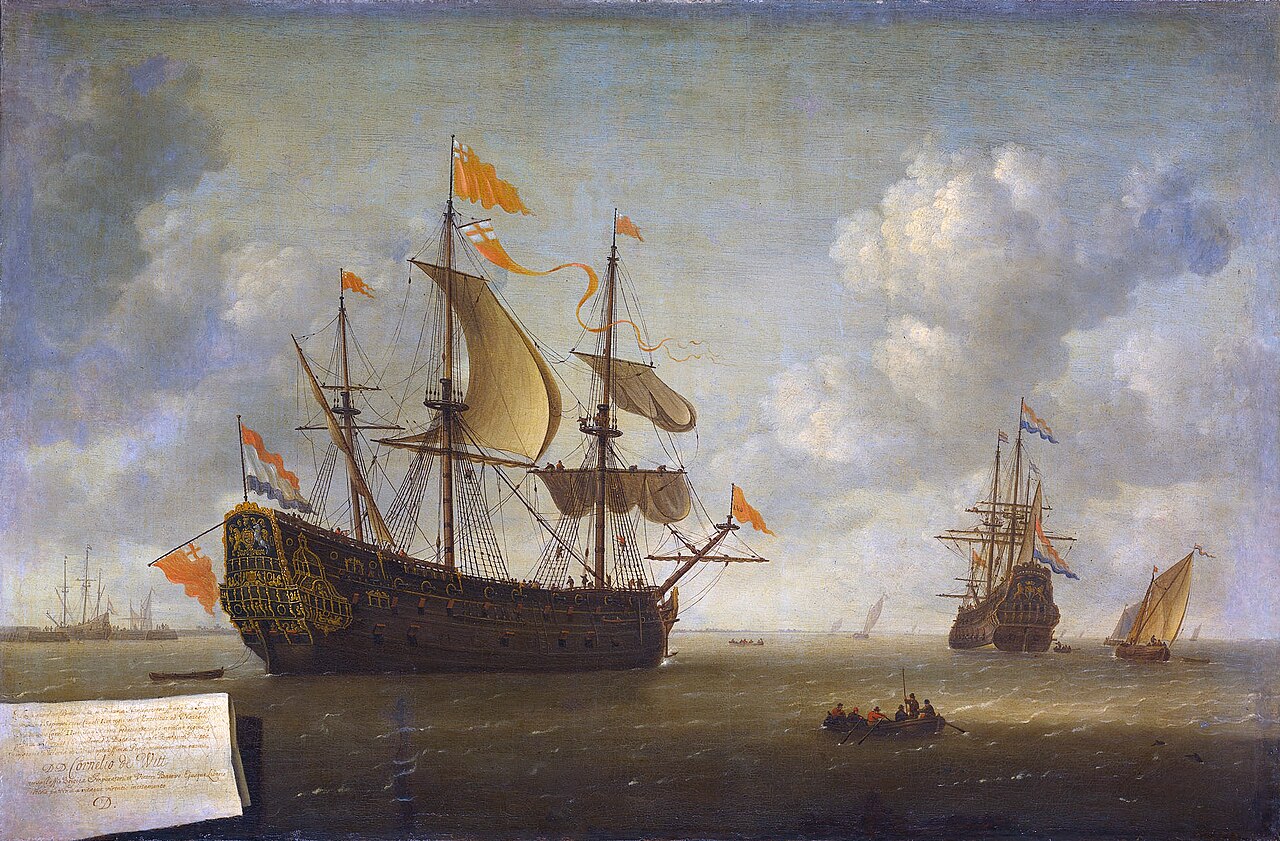
1660 - Royal Charles (All Facts)
Mercantilism (All Facts)
Developed and expanded greatly under the reign of King Charles II of England and the East and West India Companies, it
favored protectionism at home with colonies trading only with the mother country
emphasized exploiting (new) overseas colonies
Its critics argued that
there was a finite amount of world trade
a country can only expand at the expense of others
Held that the wealth of a nation depended on the its possession of precious metals
Thus, the nation’s export should be curbed, as should all avoidable imports of goods
Held that governmental regulation of the economy was necessary to increase the power of the state, since a nation’s economic power depended on the bullion at its disposal
A key factor of the view is the emphasis on the monopolization of colonial trade by the mother country
Its exponents included
Thomas Mun (England)
Coffee Houses (All Facts)
Established and maintained throughout England, especially after the Great Fire of London, quickly becoming social and cultural centers
They were places where men gathered together to talk, trade, and discuss affairs
The free flow of information to be sampled at every one of its tables enabled them to be seen as the best place outside universities to improve one’s learning
Places where patrons gathered in warm and familiar surroundings to drink the namesake, read the latest news, play cards, and gossip
Weaponry (All Facts)
Industry which England led in Europe during the reign of King Henry VIII, selling to any customer who could pay the price, whether friend or enemy
Each of the namesake was mostly comprised of cast iron
Coal (All Facts)
It became a major fuel in the mid-1500s in England during the reign of King Henry VIII as the price of woof soared and forests disappeared
Some of the namesake mines opened in Newcastle during the reign of King Henry VIII
Fen Drainage (All Facts)
Technique which effectively increased farmland while fertilizer experiments aided agriculture; allowing English trade and industry to prosper especially coal production, iron mining, and metallurgy
Two-Party System (All Facts)
Emerged in England with the rise of the Tories and Whigs during the reign of King Charles II
Constitutional Monarchy (All Facts)
System of government established in England via the Bill of Rights / Declaration of Rights following the Glorious Revolution
Absolute Monarchy (All Facts)
System of government established in England prior and up to the Glorious Revolution, from its founding as a country
Praemunire (All Facts)
Legal Statute in England that consisted of the unlawful exercising of spiritual jurisdiction by a nonspiritual entity
In 1531, the convocation of the church in England bought a pardon from King Henry VIII for their “guilt” under the namesake statue, in order to recognize him as their supreme head with major qualifications and eventually issue the “Act of Supremacy”