pharmaceutical dosage forms
 Call Kai
 Learn
Learn Practice Test
 Spaced Repetition
 Match
Match Flashcards
 Knowt Play
1/105

There's no tags or description
Looks like no tags are added yet.
Name | Mastery | Learn | Test | Matching | Spaced | Call with Kai |
|---|
No analytics yet
Send a link to your students to track their progress
106 Terms
any substance or mixture of substances with a defined chemical composition that exhibits therapeutic activity
what is a drug?
an inactive pharmaceutical agent. it is added to a drug to serve as a vehicle, to enable their preparation, stability and preservation, to modify their organoleptic properties, or to determine their physicochemical properties of the medicine and their for its bioavailability.
what is an excipient?
pharmaceutical preparations or formulations in which a specific mixture of drug substances and inactive components are presented in a particular configuration to facilitate easy and accurate administration and delivery of medicines.
ex: tablets, capsules, powder, suppositories, solutions, paste, cream, etc
define pharmaceutical dosage form
a combination of drugs and excipients presented in a specific pharmaceutical dosage form, used in animals to diagnose, prevent, treat, mitigate, or cure a disease, or modify a physiological process
what is a veterinary medicine/drug?
the amount of drug that reaches the systemic circulation unchanged, and the speed at which this occurs.
this depends on the species, the drug, the site of absorption, etc
what does bioavailability (F) mean?
Liberation
Absorption
Distribution
Metabolism
Excretion
what is LADME?
the way that the drug is freed from the dosage form
what does Liberation in LADME mean?
when drugs after administration of the same dose have analogous bioavailablity. so, their efficacy and safety can be assumed to be essentially identical.
the drugs reach the circulation at the same rate and extension, so their plasma level curves will be superimposable.
what does bioequivalence mean?
a pharmaceutical product that has been previously authorized for marketing based on a full set of quality, safety, and efficacy data
-a drug identified by the regulatory authorities as a "designated reference product"
-usually is the global innovators product
-clinical efficacy and safety profile are well documented in extensive trials
-marketed under the manufacturers brand name
-serves as the standard for comparing generic or biosimilar versions of the medicine
-typically the first product to receive regulatory approval for a particular active ingredient or therapeutic indication
what is a reference medicine/drug?
a pharmaceutical product that contains the same active ingredient(s) as a brand-name medicine, is identical or bioequivalent in dosage form, strength, route of administration, quality, and intended use, and is typically marketed after the original patent protection for the brand-name medicine expires
-bioequivalent to the reference medicine
-the name is the international non-proprietary name (INN) or official name (approved by an authorized body, and same worldwide) + the same of the manufacturing lab + the EFG
what is a generic medicine?
generic medicines
but now they are similar in price
which is intended to be cheaper- generic or reference medicines?
generic drugs
what type of drugs- reference or generic, are approved versions of brand-name drugs that come to market after the original drug's patent expires?
Generic medicines are approved versions of brand-name drugs that come to market after the original drug's patent expires. They must demonstrate bioequivalence to the reference (brand-name) medicine in terms of pharmacokinetic parameters. Reference medicines, on the other hand, are the original drugs granted regulatory approval based on extensive clinical trials. They serve as the standard against which generic versions are compared for bioequivalence. While both contain the same active ingredients, the main difference lies in their regulatory approval process and development requirements.
what is the difference between a generic drug and a reference drug?
yes, they have the same safety and efficacy
exception- drugs with a narrow TI, because a small bioavailability difference can lead to levels outside of the therapeutic window
can we exchange reference and generic medicines freely?
both are the same- they have the same safety and efficacy.
exception- drugs with a narrow TI, because a small bioavailability difference can lead to levels outside of the therapeutic window
is it better to choose a generic or reference drug in veterinary medicine?
powders
granules
capsules
suppositories
vaginal suppositories/pessaries
tablets
what types of dosage forms are classified as solid?
a mixture of finely divided solids
what is a powder?
a mixture of powders, subjected to granulation (bigger particles than powders)
what is a granule?
hermetically (airtight) sealed to avoid humidity
how must be store powders/granules?
topically- open wounds, by sprinkling or dissolving first in water
orally- ingested how they are or first dissolved in water
injected- dissolved in sterile, apyrogenic agetns
premixtures for medicated feed
how can we administer powders/granules?
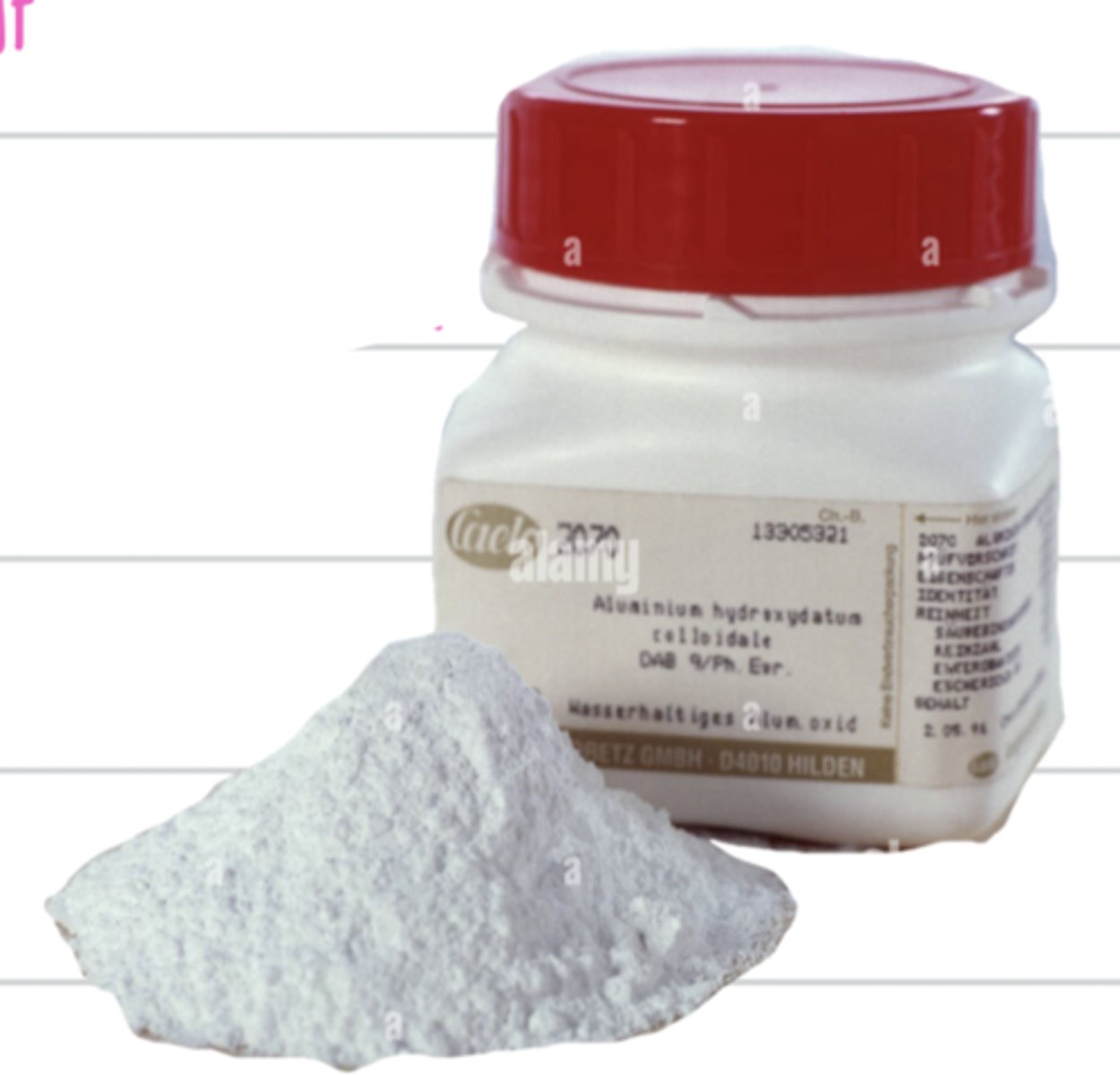
powder
what is this dosage form?
gelatine containers with the drug inside.
2 types:
hard- for solid drugs
soft- for liquid drugs
what are capsules?
to protect the drug from light or humidity, to mask the taste and odor, or to avoid irritation
what is the function of the container part of the capsule?
oral
rectal
vaginal
how can a capsule be administered?
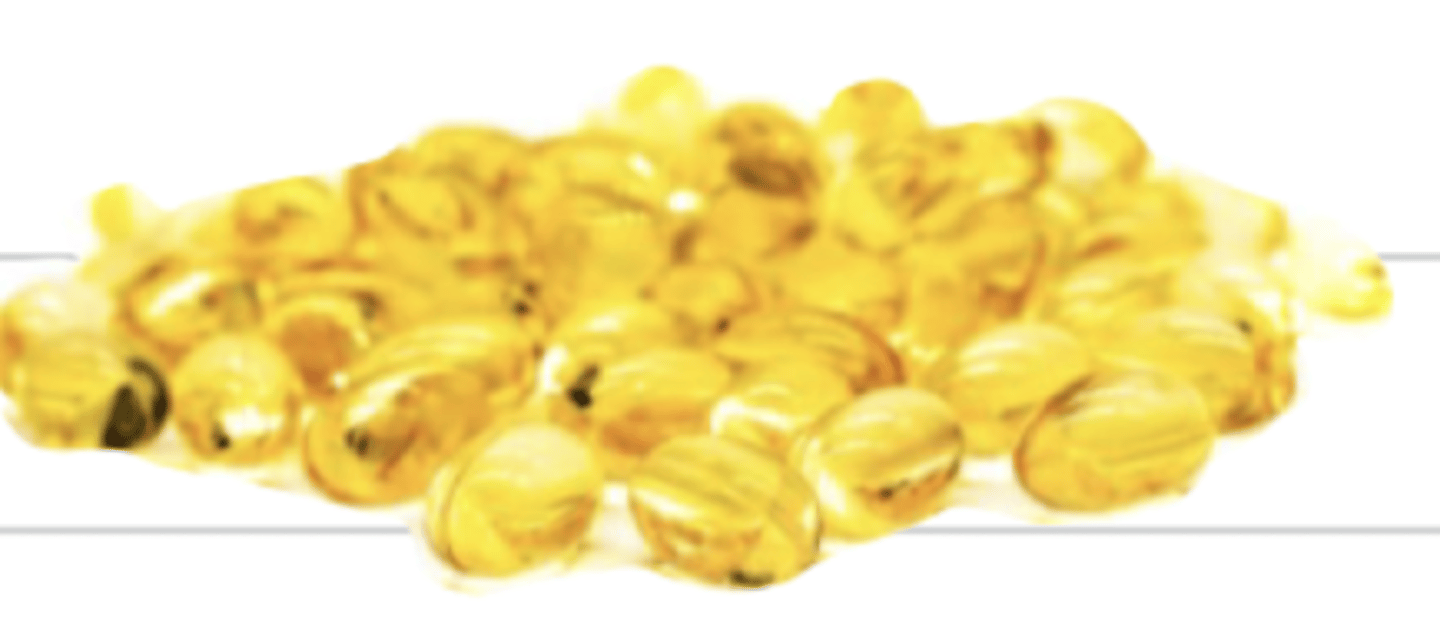
soft capsules
what dosage form is this?
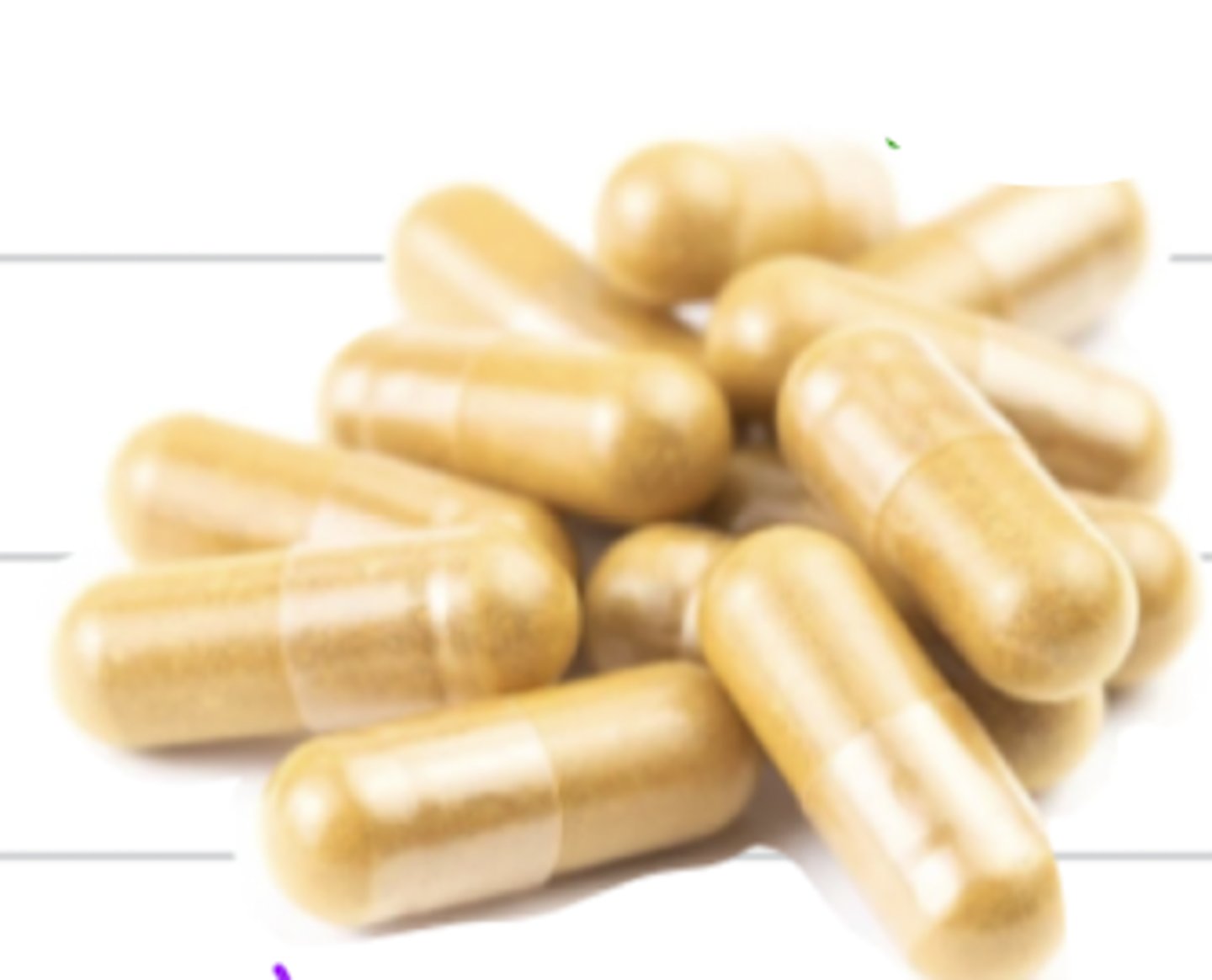
hard capsules
what dosage form is this?
solid, bullet shaped dosage forms that are intended for insertion into the anus, where they melt/soften/dissolve at body temperature
what are suppositories?
rectally
how do we administer suppositories?
mechanical- laxative action
local- anaesthetic action
systemic
what are the possible actions of a suppository?
insterted into the vagina, where they melt, soften, or dissolve at body temperature
how does a vaginal suppository/pessary/ovule work?
suppository
what is this dosage form?
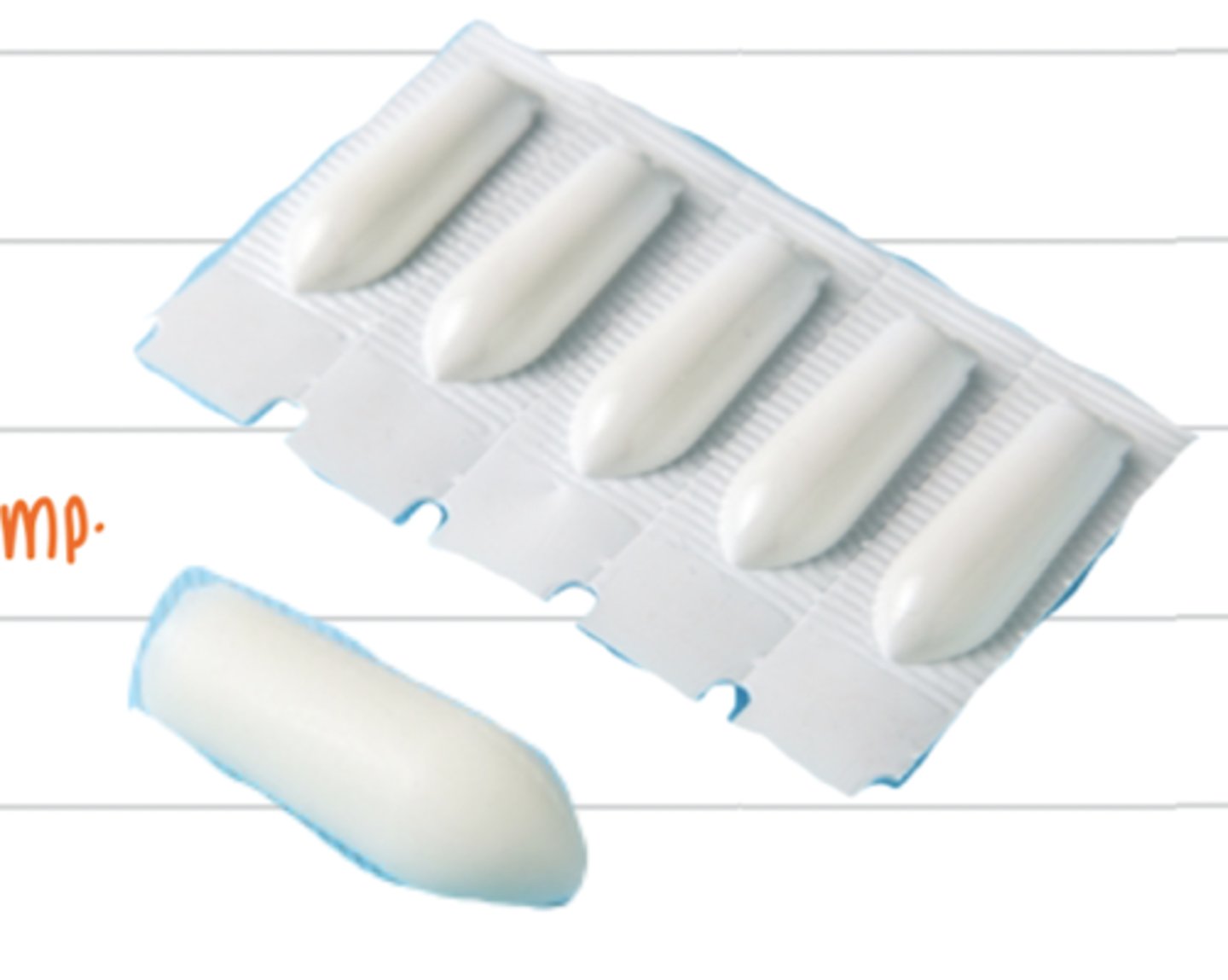
vaginal suppository/pessaries/ovules
what is this dosage form?
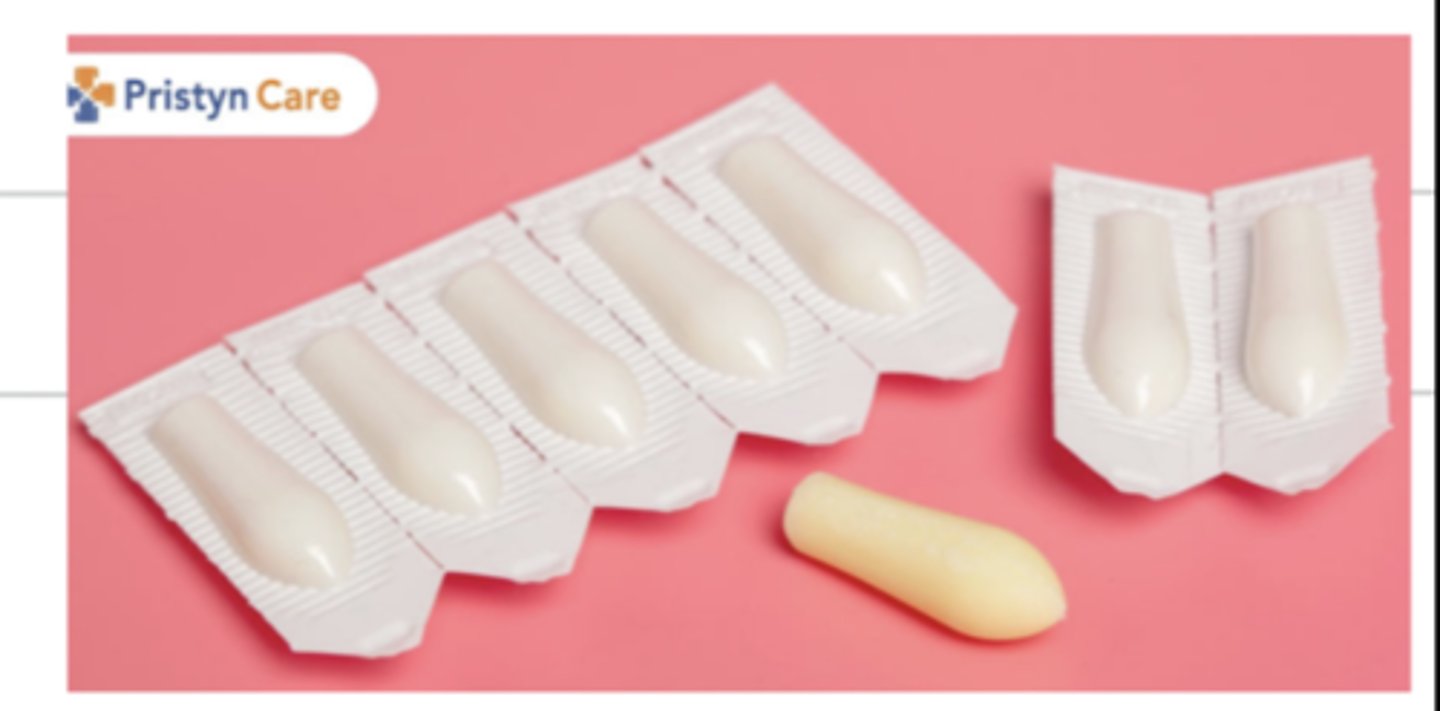
vaginally
how is a vaginal suppository administered?
no, they have low action and irregular absorption
are vaginal suppositories very active?
syrup
what is this dosage form?
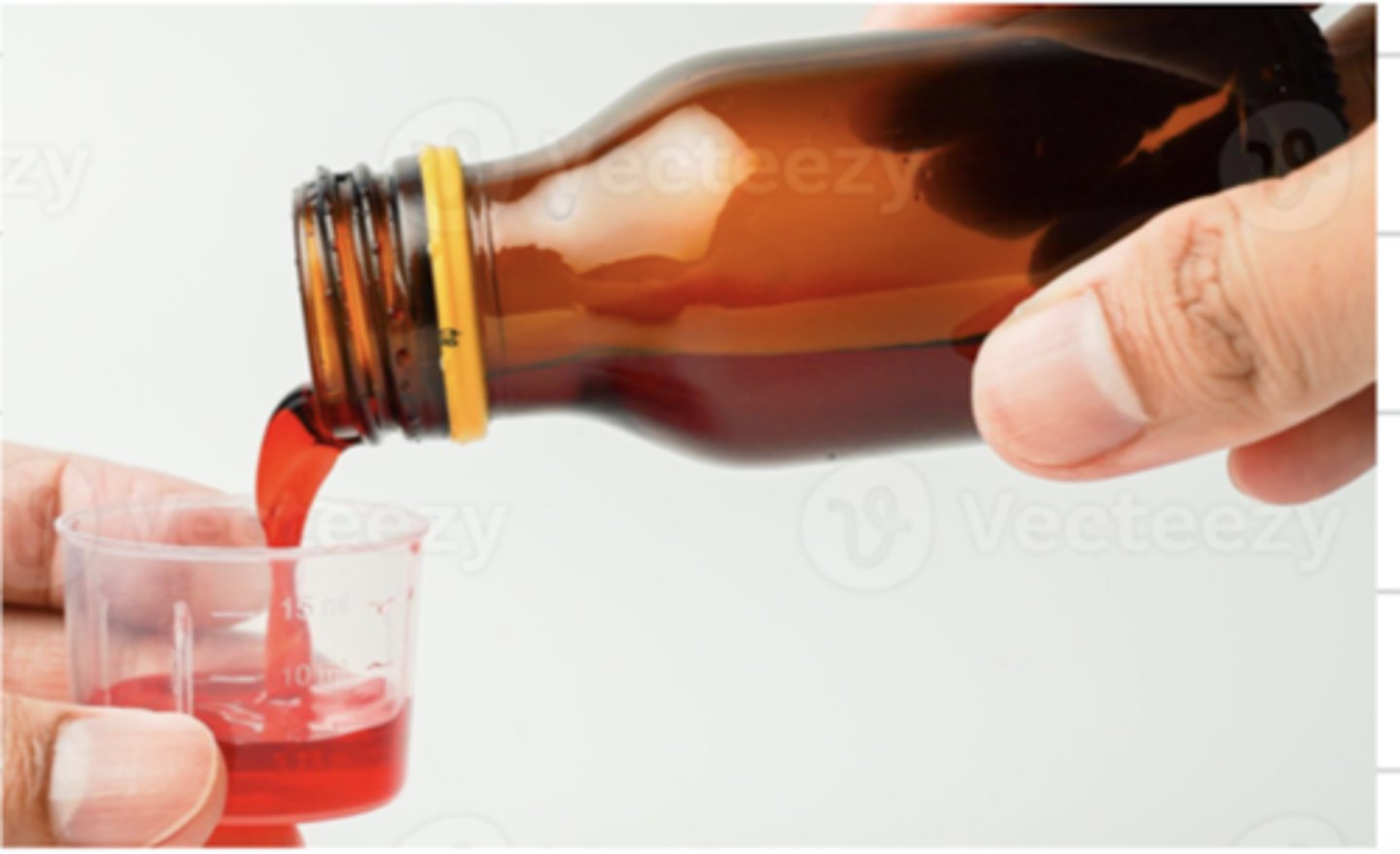
syrups
solutions
suspensions
emulsions
injectables
what are the different types of liquid dosage forms?
orally
how are syrups administered?
an aqueous solution with a sugar concentration close to saturation.
the sugar is for preservation.
what is a syrup?
1 or more pharmaceutical agents completely dissolved in a solvent
what is a solution?
syrups- by tasting (very sweet)
solutions- transparent
suspensions- solid particles at the bottom
emulsions- oil+water
how can we differentiate the liquid dosage forms?
any route
how do we administer solutions?
solid particles dispersed throughout a liquid phase, in which the particles are not soluble.
it must be shaken before using, and can be administered through any route.
what is a suspension?
solutions, emulsions, or suspentions in a sterile and nonpyrogenic material
what are injectables?
stabilized oil in water dispersions.
can contain dissolved solids.
shake before use
any administration route
what is an emulsion?
emulsions
suspensions
which liquid forms is it important to shake before use?
oral, rectal, opthamalic, otic, parenteral, dermatological, vaginal
how can we administer liquid dosage forms?
topical treatment. they are applied on the skin and mucous membranes.
however, there are a few pastes that we administer orally for a systemic effect
what type of treatment do we use semi-solid dosage forms for?
topically- epidermal, nasal, mouth-throat, vaginal, otic, ophthalmic, buccal rectal, oral
how do we administer semi-solid medicines?
ointment-cream-gel
put gel, ointment, and cream in order from most to least greasy
gel-cream-ointment
order gel, ointment, and cream from most to least water content
ointment-cream-gel
put gel, ointment, and cream in order from most to least absorbed into the body from a topical application
a semi-solid dosage form with a soft, greasy consistency. they have an anhydrous base and are immiscible (don't mix) with skin secretions. they can be applied to the skin or mucous membranes, and have local or systemic effects.
what are ointments?
ointment
which is the greasiest semisolid dosage form?
ointment
what dosage form?
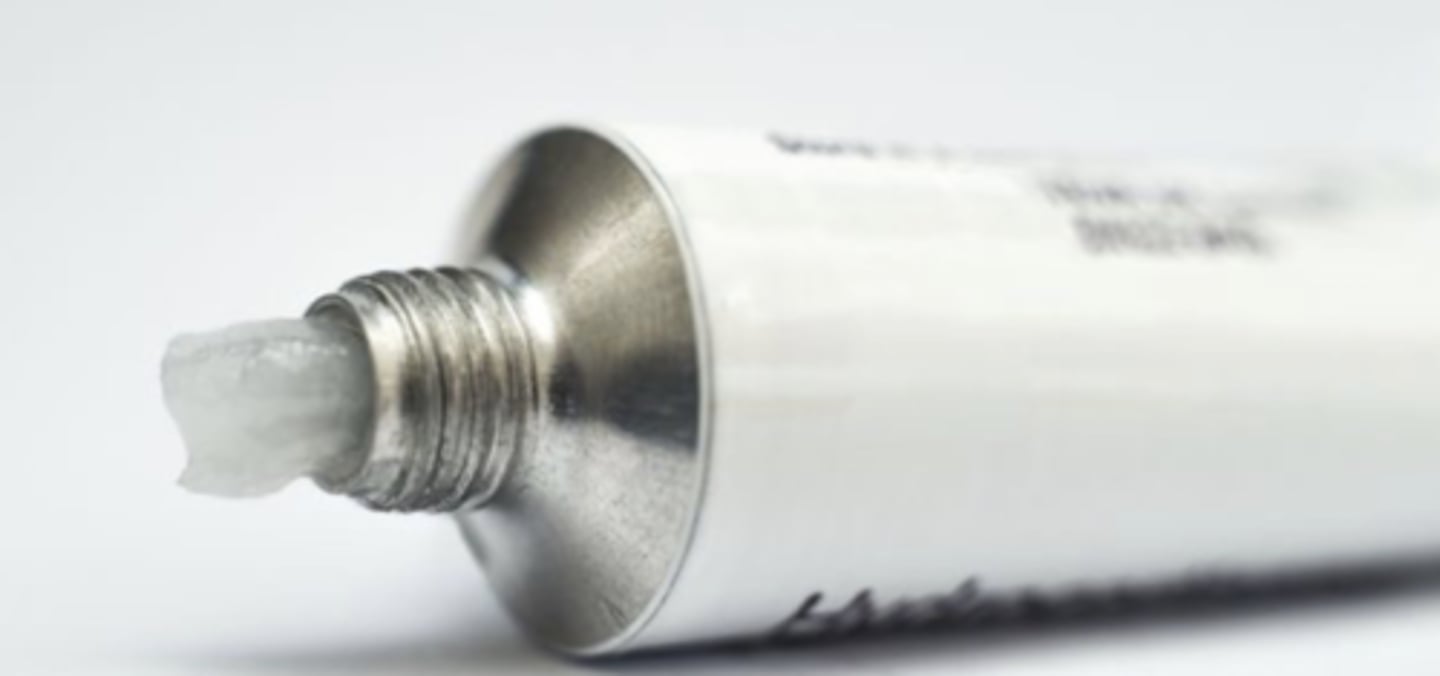
a semisolid dosage form. they are ointments, but with a more solid consistency and higher amounts of powder incorporated in the excipient. they are thick and stiff. they are administered topically, buccally, or orally, and provide only local effects.
what is a paste?
topically, orally, bucally
how can we administer a paste?
topically- skin and mucous membranes
how can we administer ointments?
both
do ointments provide a local or systemic effect?
only local
do pastes produce a local or systemic effect?
a viscous semisolid emulsion system that is a mixture of oil and water. it is miscible with skin secretions.
2 types:
1. oil in water= aqueous cream
2. water in oil= oily cream
what is a cream?
1. oil in water= aqueous cream (mainly water, small amount of oil)
2. water in oil= oily cream (mainly oil, small amount of water)
what are the 2 types of creams?
cream
what dosage form is this?
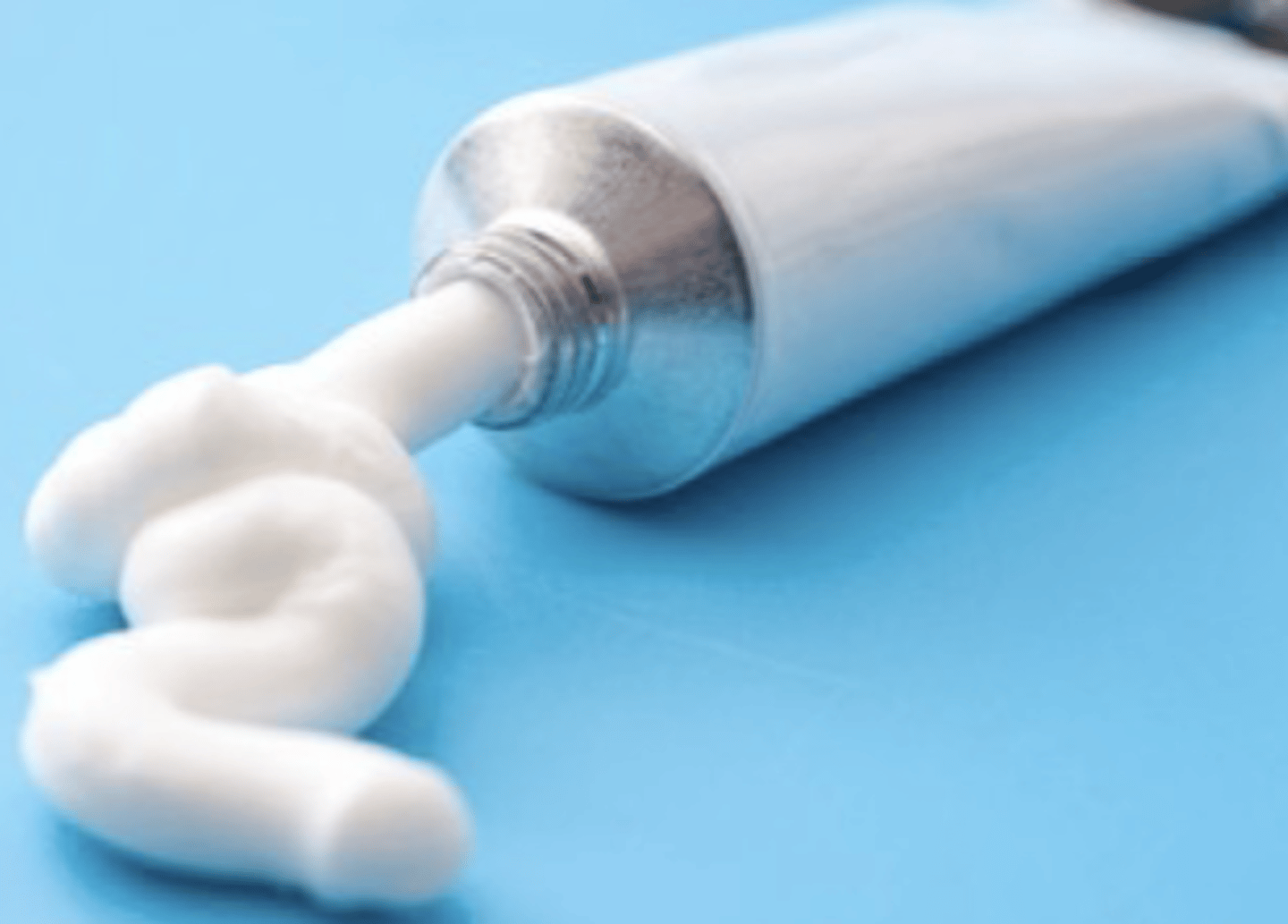
paste
what is this dosage form?
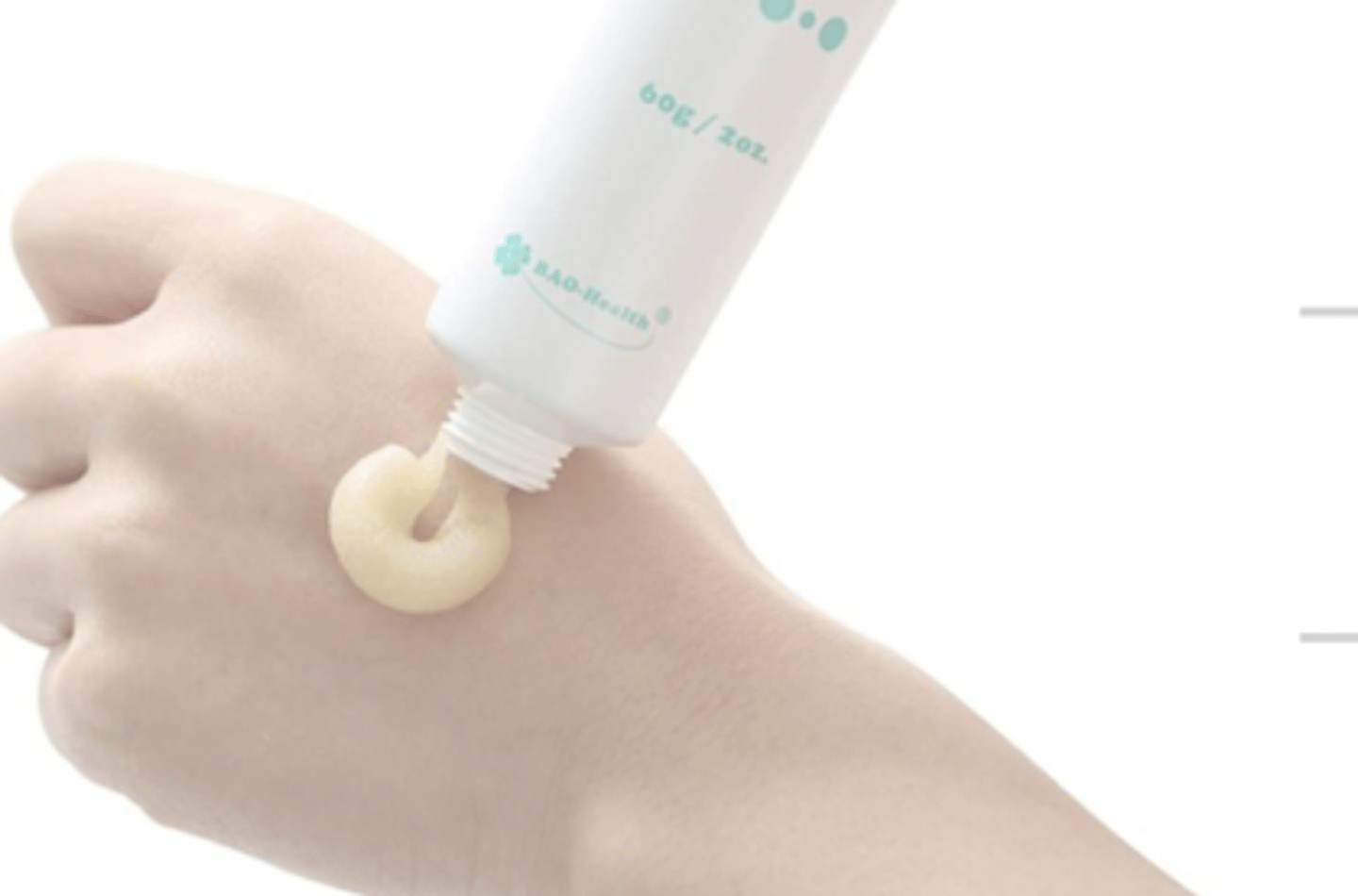
a semisolid dosage form made with excipients with gelling properties. a liquid phase is constrained within a 3D polymetric matrix with a high portion of water. it is easy to spread on the skin
what is a gel?
gels, because they are highly made of water
which semisolid dosage form- ointment, cream, gel, or paste- is the easiest to spread on the skin?
gel
what type of dosage form is this?
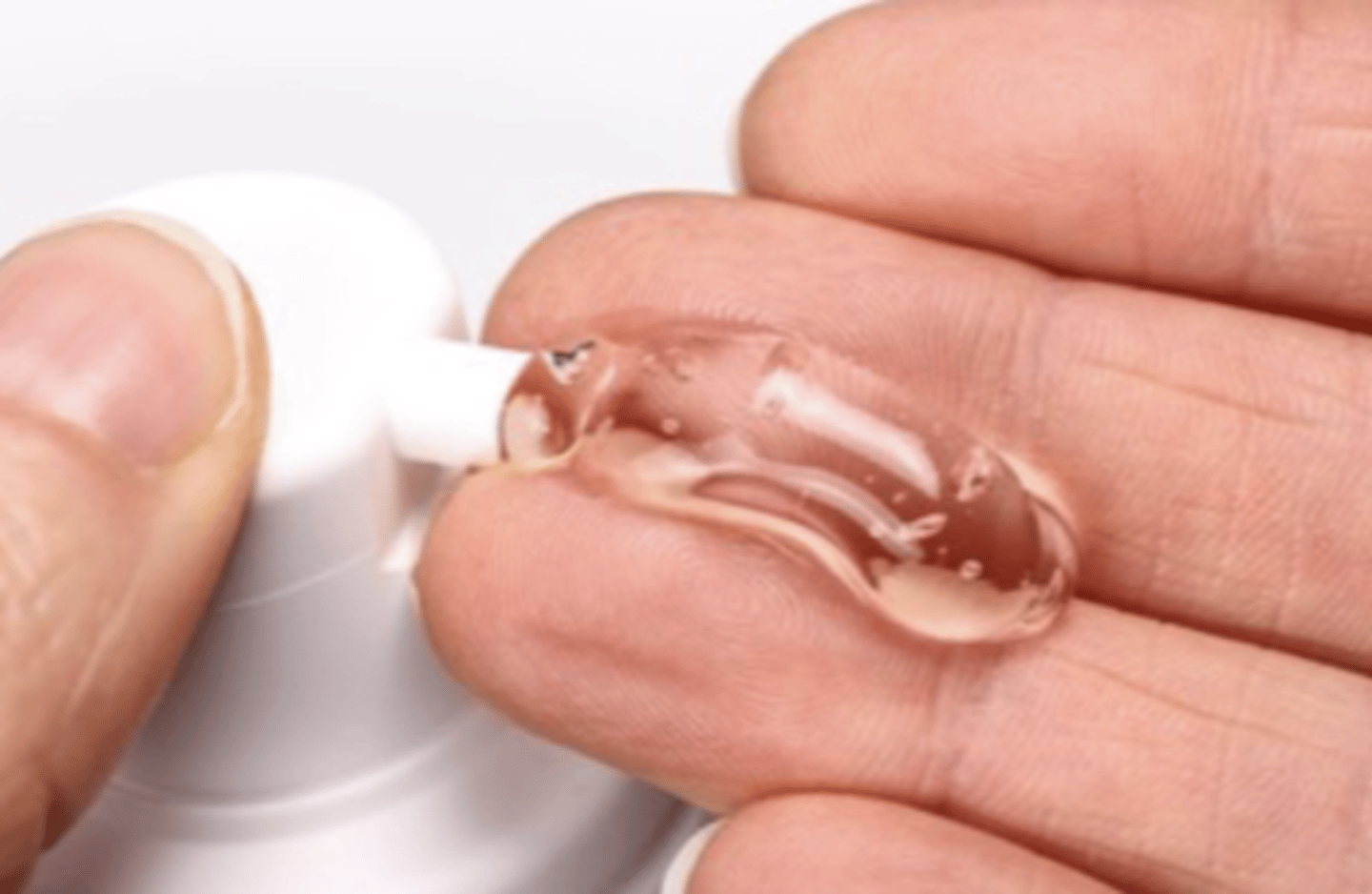
a dosage form requiring inhalation. made by aerosolizing drug particles. when inhaled, they go to the lung
what is an oral aerosol inhaler?
oral aerosol inhalers
what type of dosage form allows drug particles to be aerosolized and inhaled for deliver to the lung?
pressurized metered dose inhalers:
liquid in a gas. pressurized dosage form that delivers the contained solution or suspension of drugs to the lung by forming an aerosol at the time of administration
dry powder inhalers:
solid in a gas. generate aerosols through the force of a persons inhalation rather than the use of a propellant
small volume nebulizers:
use O2, compressed air, or ultrasonic power to break up solutions and suspensions into small aerosol droplets
what are the 3 types of oral aerosol inhaler?
aerosol inhaler
what is this dosage form?
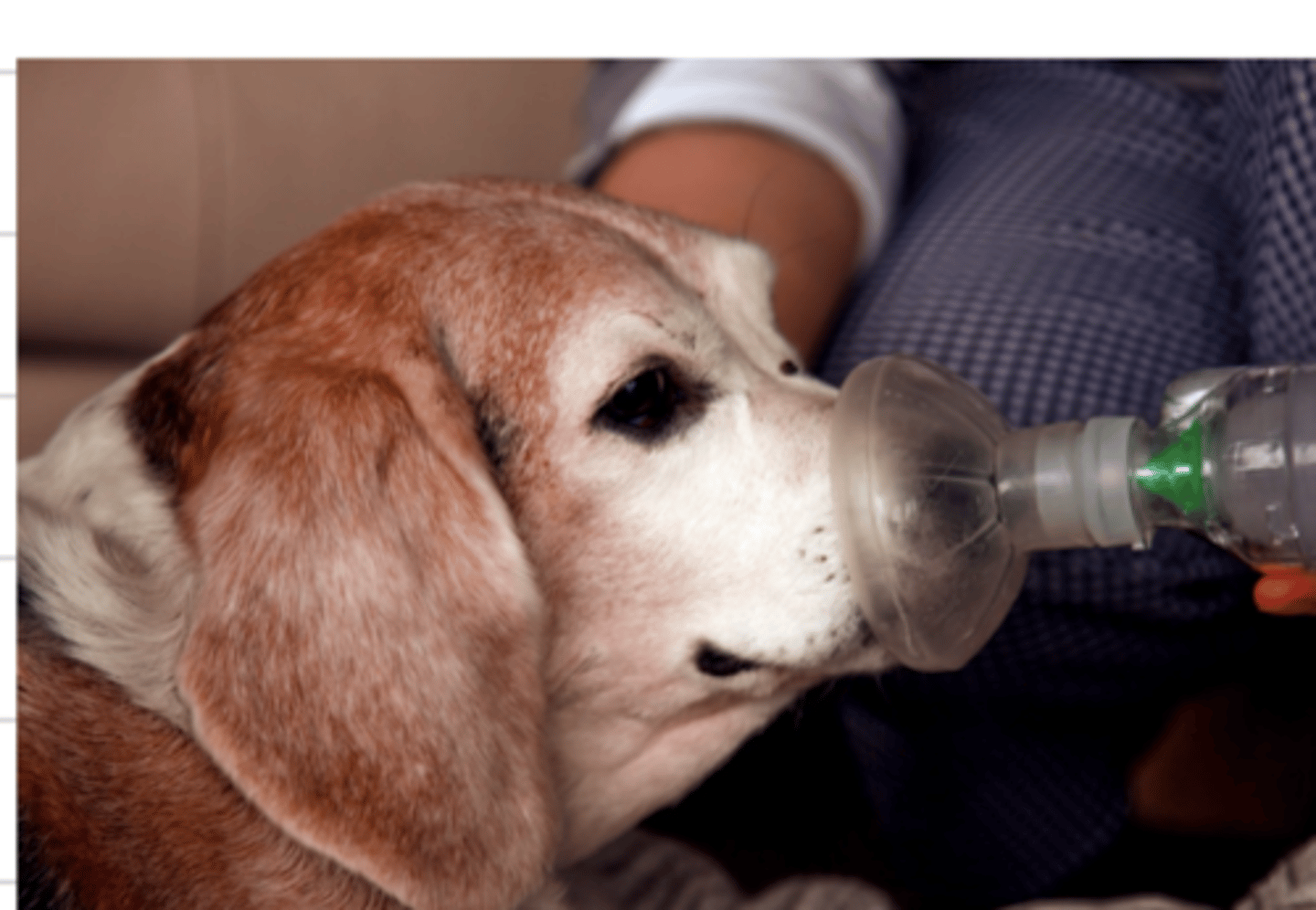
administration of gasses and anaesthetic for recovery animals. this is done with a mask that fits over the animal's snout, which is connected to an inhaler where the anesthetic is mixed with O2 and other gasses
what do we use oral aerosol inhalers for in veterinary medicine?
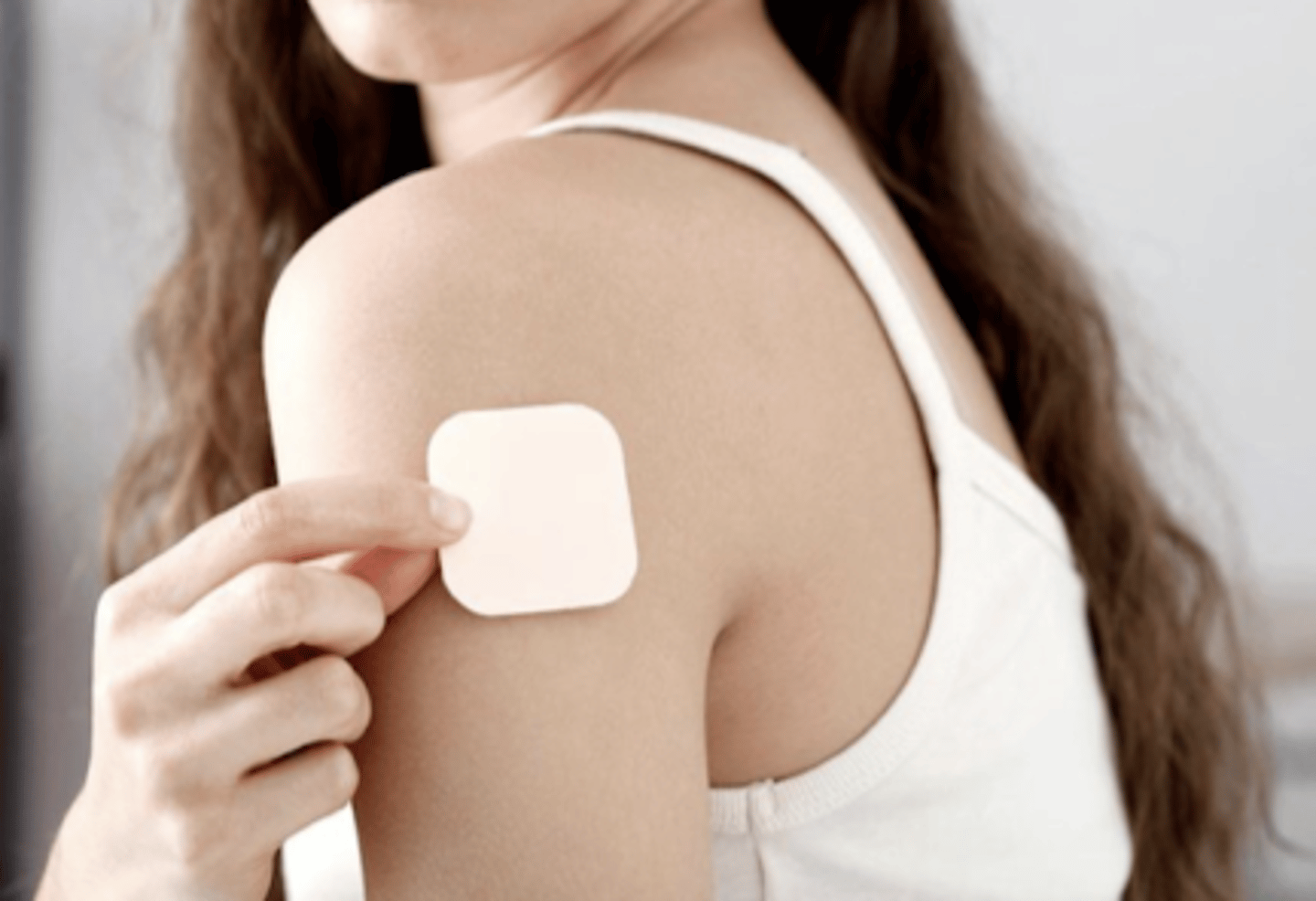
plaster
what is this type of dosage form?
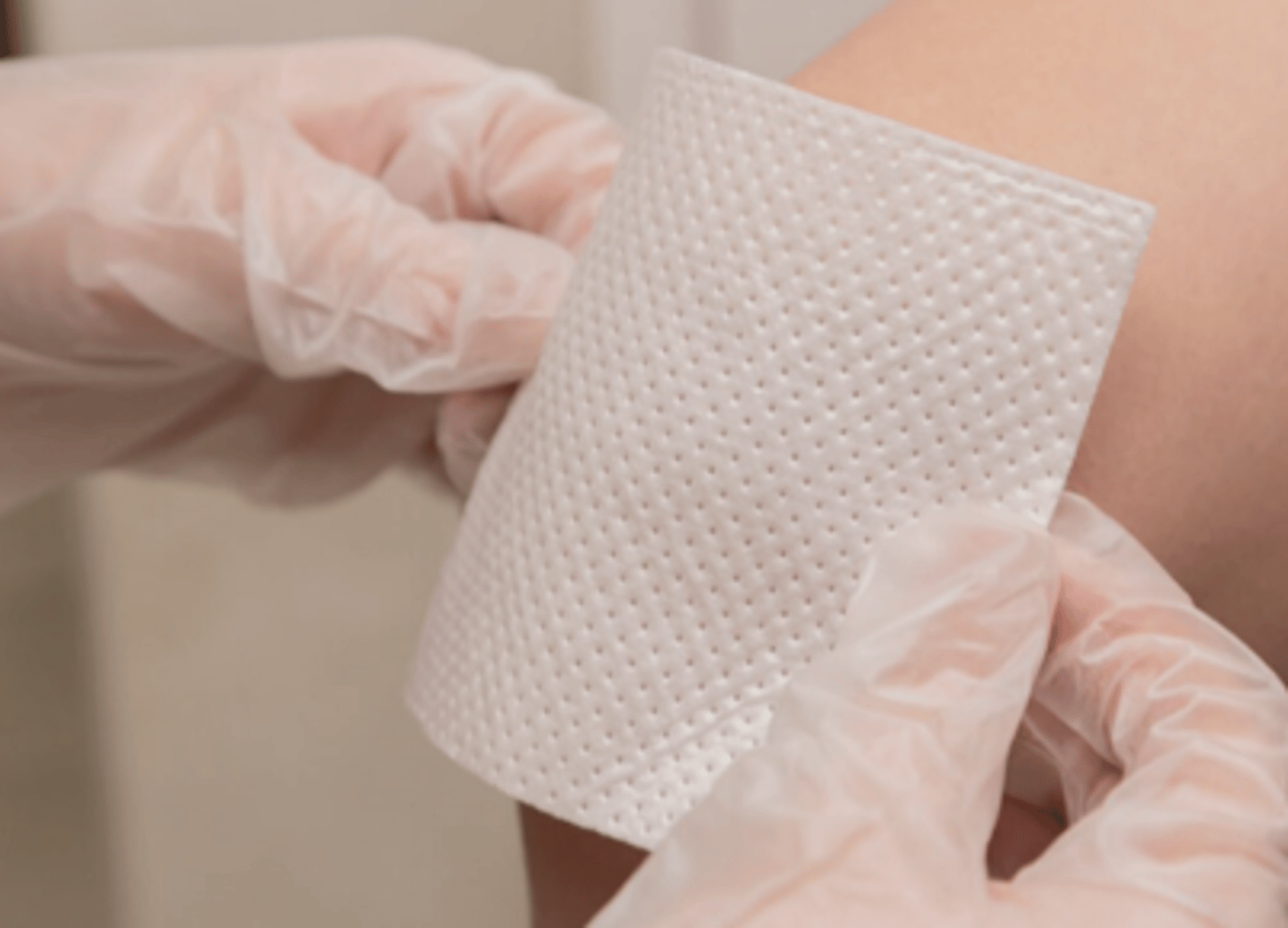
solid dosage form spread onto a cloth, which aheres to the skin
what are plasters?
a type of dosage form that constantly releases the drug through the skin. it has systemic reactivation
what is a transdermal patch?
transdermal patch
what is this type of dosage form?
a type of oral aerosol inhaler. it is pressurized, and delivers the contained solution/suspension of drugs to the lung by forming an aerosol at the time of administration
what is a pressurized metered-dose inhalator (PMDI)?
a type of oral aerosol inhaler that generates aerosols through the force of a person's inhalation rather than through the use of a propellant
what is a dry powder inhaler (DPI)?
a type of oral aerosol inhaler that uses O2, compressed air, or ultrasonic power to break up solutions and suspensions into small aerosol droplets.
what is a small volume nebulizer (SVN)?
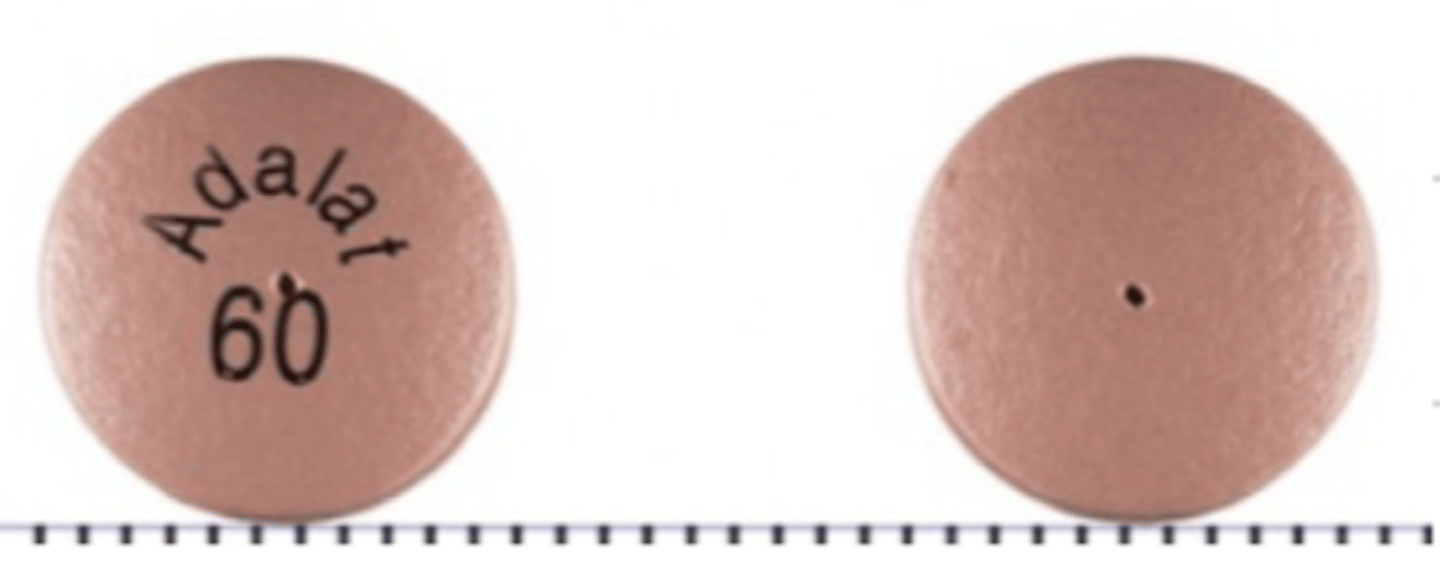
oral release osmotic system
a dosage form that looks like a coated tablet, and uses a simple osmotic micro-pump system. it has an active osmotic core composed of the drug, which is covered by a semi-permeable and rigid membrane with a calibrated outlet orifice to control the outflow of the drug. water flows into the pump and dissolves the drug to form a saturated solution. then, an osmotic pressure is generated that forces the drug to flow out of the orifice at a constant speed.
this is administered orally and has systemic effects.
what is OROS?
orally
how do we administer OROS to a patient?
systemic
does OROS have systemic or local effects?
OROS
what type of dosage form is this?
a dosage form consisting of an upper compartment with an orifice with drug inside and a lower compartment that is the osmotic core. between these 2 compartments, there is a flexible membrane. by osmotic effect, the external membrane penetrates into the upper chamber, dissolving the drug, and into the lower chamber, where it puts pressure on the membrane so that the drug leaves the orifice.
this is used with poorly water soluble drugs.
what are modified release boluses?
OROS
because it works by allowing water in through the hole, accessing and dissolving the drug inside until it comes out
with which- modified release boluses or OROS would we use for a drug that is easily soluble in water?
modified release boluses (oros push pull system
with which- modified release boluses or OROS would we use for a drug that is NOT soluble in water?
modified release boluses (oros push pull system
what dosage form does this describe:
consists of an upper compartment with an orifice with drug inside and a lower compartment that is the osmotic core. between these 2 compartments, there is a flexible membrane. by osmotic effect, the external membrane penetrates into the upper chamber, dissolving the drug, and into the lower chamber, where it puts pressure on the membrane so that the drug leaves the orifice.
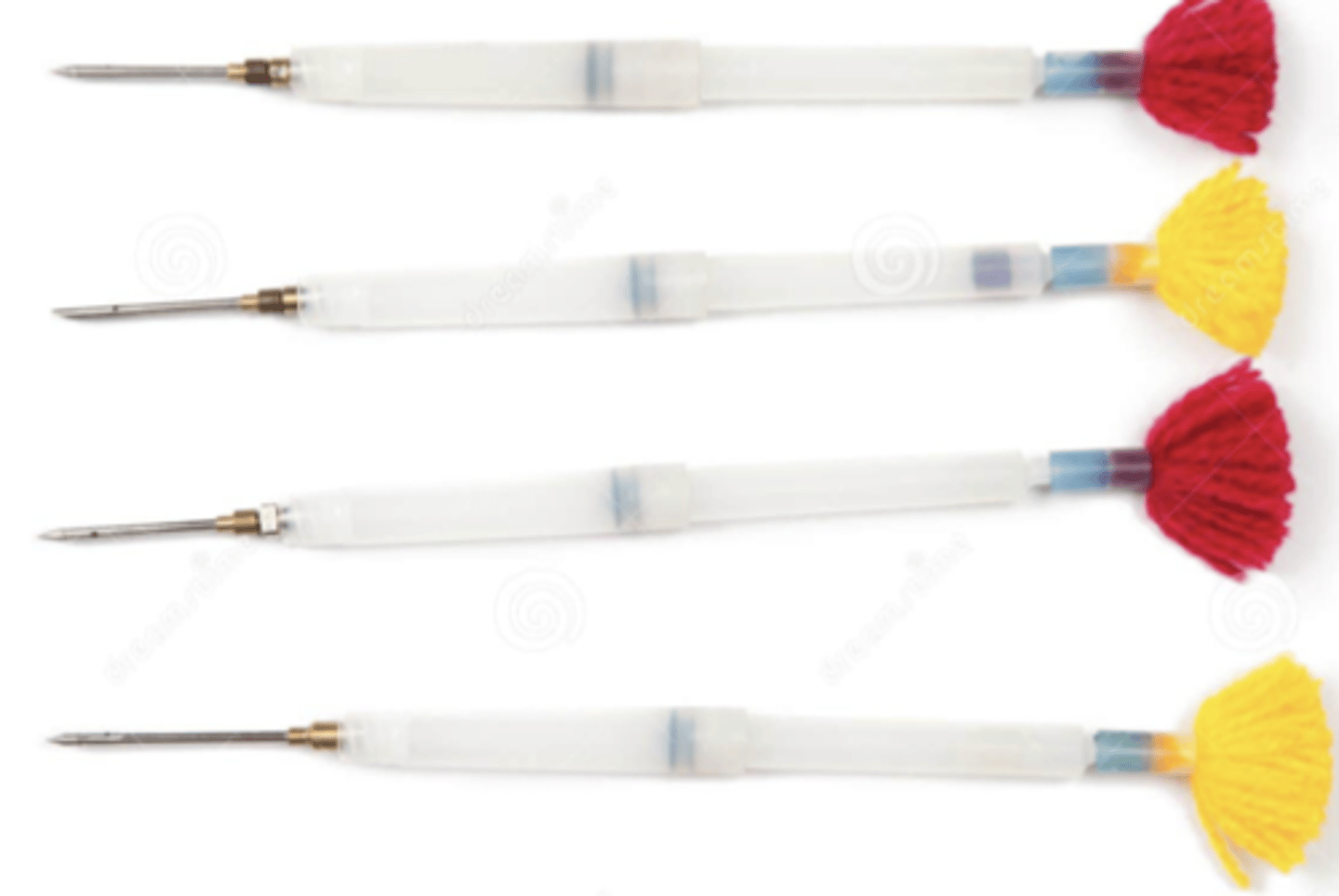
a dosage form consisting of a blowpipe and a dart containing 3ml of a drug. it is used in the zoo and can be thrown up to 10m.
what are darts?
darts
what dosage form is this?
solid, controlled release implants used on large animals
what are biobullets?
-oral
-sublingual
-buccal
-rectal
-transdermal
-inhalation
-injection
what ways can we administer a drug in order to produce a systemic effect?
systemic
the drug will be absorbed by the GI tract, and therefore into the blood
does oral administration produce a local or systemic effect?
systemic
the drug rapidly accesses the vessels underneath the tongue
does sublingual administration produce a local or systemic effect?
systemic
it will be dissolved and absorbed into the bloodstream via the buccal mucosa
does buccal administration produce a local or systemic effect?
systemic
it directly accesses the vessels in the rectal area
does rectal administration produce a local or systemic effect?
placing medication between the cheek and the gums, allowing it to dissolve and be absorbed directly into the bloodstream through the buccal mucosa
what is buccal administration?
systemic
are transdermal dosage forms systemic or local effect?
systemic
do inhalation dosage forms produce a systemic or local effect?
systemic
does injection administration produce a local or systemic effect?
-epidermal
-intranasal
-mucosal-throat
-vaginal
-mouth
-otic
-ophthalmic
what administration routes provide the patient with a local effect?
-more stable chemically and biologically
-higher yields in industrial production
-easier to ingest
what are the advantages of using a solid dosage form orally?