Architectural History Exam 3
 Call Kai
 Learn
Learn Practice Test
 Spaced Repetition
 Match
Match Flashcards
 Knowt Play
1/55

Earn XP
Description and Tags
Good Luck, we're all counting on you
Name | Mastery | Learn | Test | Matching | Spaced | Call with Kai |
|---|
No analytics yet
Send a link to your students to track their progress
56 Terms
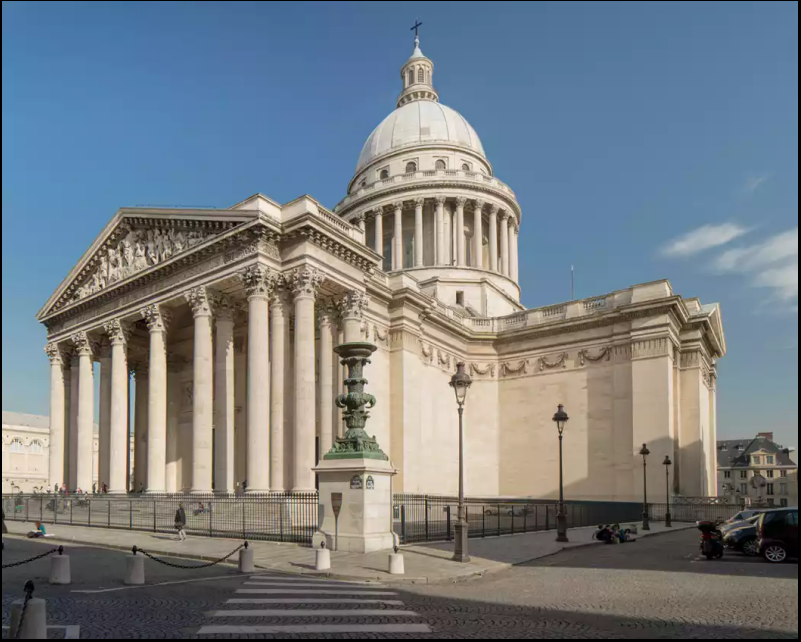
Expresses how form dictates function, emphasizing the columnar structure while combining many old classical styles into one building - looks like the fascade of Gesu 2. flying butresses and pendetives with what elemtnts do what and not hiding anything
Jacques-Germain Soufflot, Church of Sainte-Geneviève (“Le Panthéon”), Paris, France,1755–1790
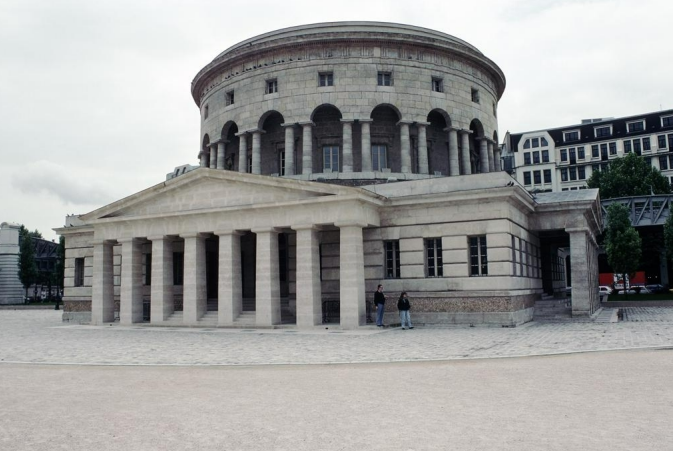
Simplistic where all ornamentation is gone and reduced to simplist architecture. It still has the classical motifes of columar structure, but nothing fun to look at
Claude-Nicolas Ledoux, Barrière de la Villette, Paris, France, 1784–1789
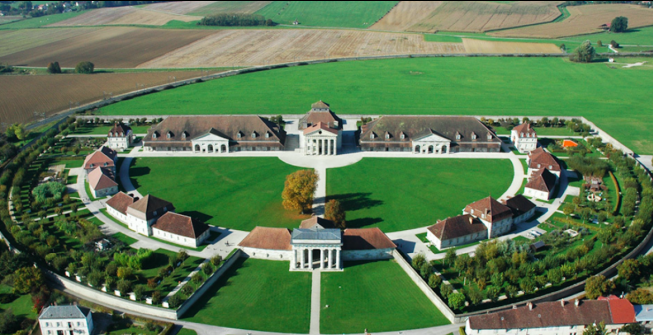
Main buildings colums are cut into different round stones to mimic how old greecian columns were built before carving. Only half built and serving as a utopian saltwork mine
Claude-Nicolas Ledoux, Royal Saltworks at Chaux (Saline de Chaux), Arc-et-Senans, near Besançon, France, begun c. 1775.
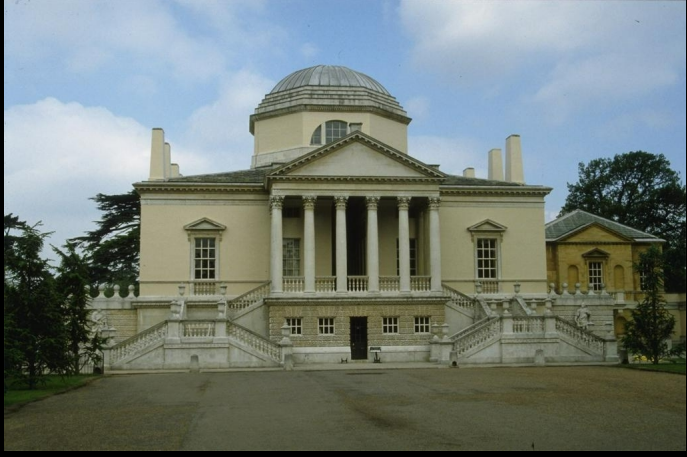
This is a form of palladian ideals with symmetry and strict proportions creating this house. It is non-picturewsqur in the way that it is so perfectly formed, going against the pictureqsue ideals of the time where asymmetry was idealized
Richard Boyle, Third Earl of Burlington, Chiswick House, Chiswick, outside London, England, 1725
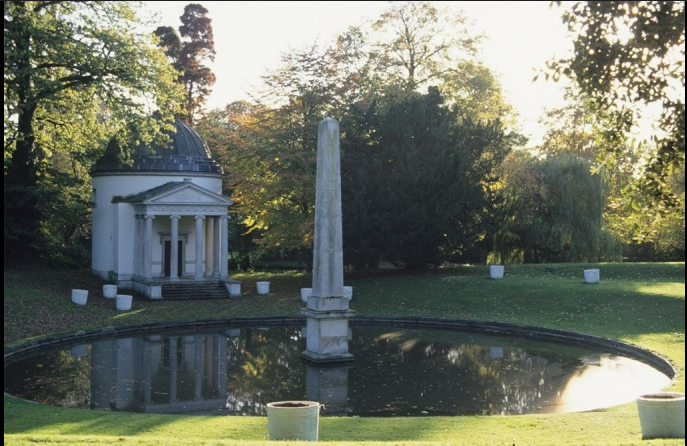
The Chiswick house is very roman in its decor, supporting obelisks and a pantheon like roman structure in its garden/pond area.
Charles Bridgeman and William Kent, Ionic Temple, Gardens, Chiswick house
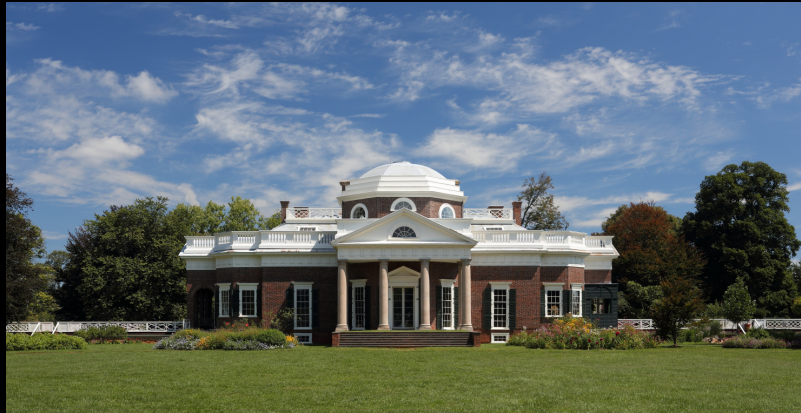
Built to resemble democracy in Athens with hints of the Republic of Rome. This building utilises Palladian models with a temple facade and a central dome on top.
Thomas Jefferson, Monticello, Charlottesville, Virginia, 1771; 1793-1809
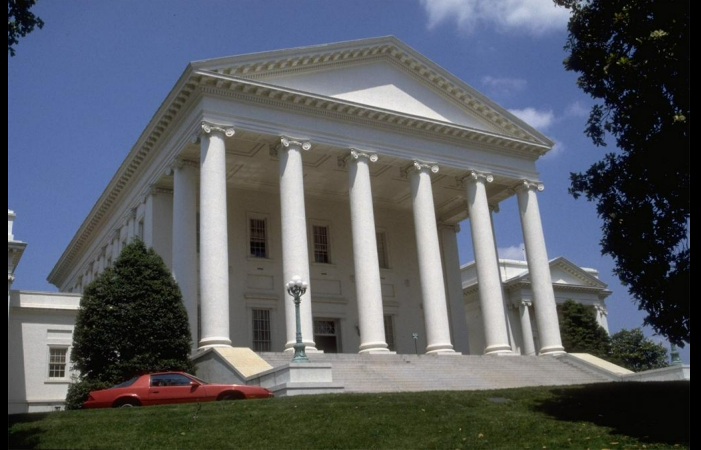
Uses associational eclectisism by stealing styles associated with democracy, educatiom, rationality, and civic responsibility. Doesn’t support a dome uptop unlike a lot of Jefferson builds
Thomas Jefferson, Virginia State Capitol, Richmond, Virginia, 1785–1789
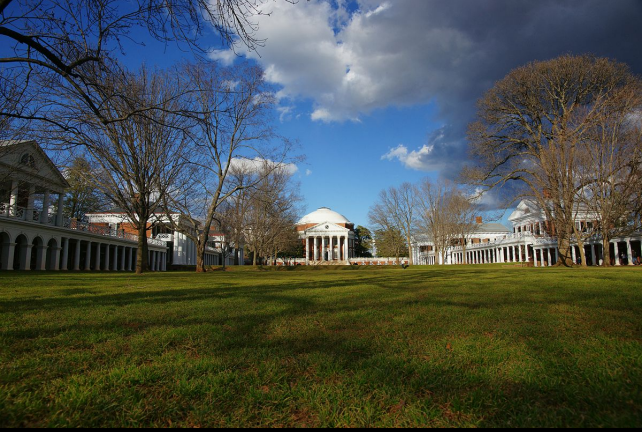
Contains 1 main building that resembles the panteon in design, with multiple buildings containing different classical orders and palladium ideals, which make the campus its own architectural history lesson :)
Thomas Jefferson, University of Virginia, Charlottesville, 1817
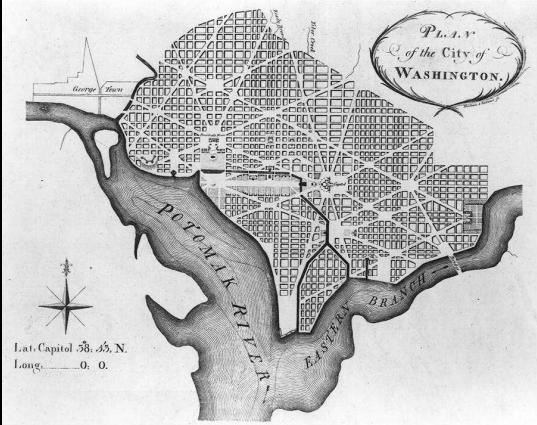
Grid and diagonal designs based of Palace of Versailles gardens as the design for an urbanized capitol city
Charles Pierre L’Enfant, Plan for the City of Washington in the Territory of Columbia, designed in 1791,
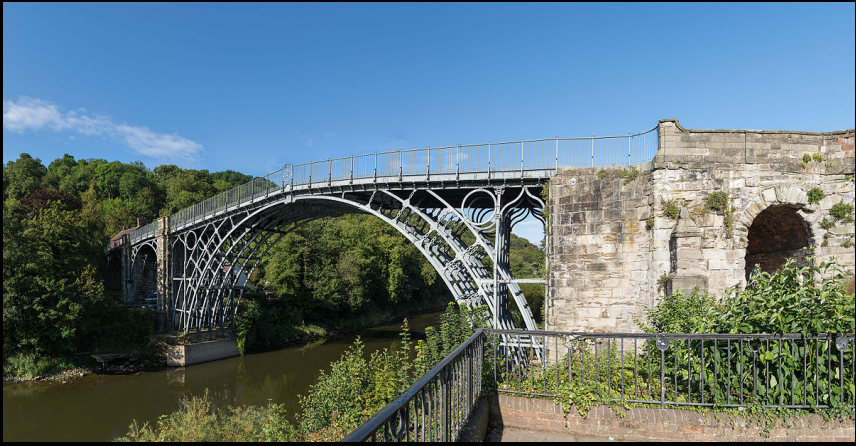
Worlds first wrought-iron bridge that showcased what iron can do in buldings/architecture. Lead the path to using iron i columns for mill buildings and fire protection
John Wilkinson, Thomas F. Pritchard, and Abraham Darby III, Coalbrookdale Bridge, Coalbrookdale (Ironbridge), England, 1777–1779.
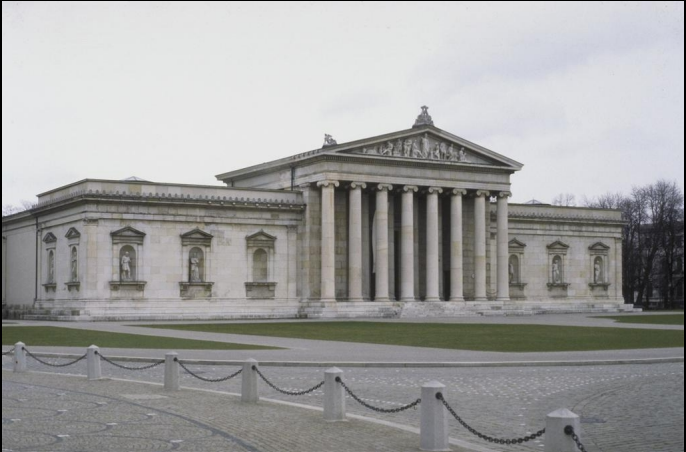
Sculpture Art museum where the form is dictating function. The exhibit cases have holes and areas for light to come in through the light court to best highlight the art in the museum.
Leo von Klenze, Glyptothek (Sculpture Gallery), Munich, Germany, 1816–1830.
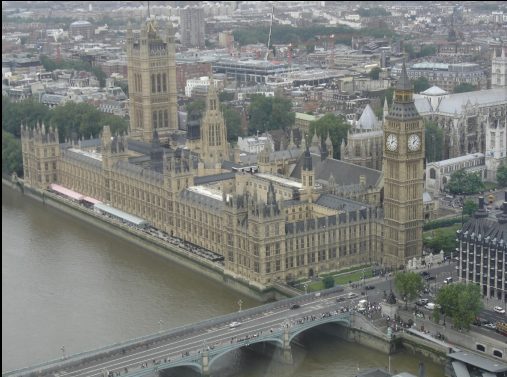
After the original, the new parliament is a revivalism in gothic architecture and a rejection of neoclassicism. It uses rational baroque with gothic ornament of pointed arches, pinnacles, and crockets
Sir Charles Barry and Augustus Welby Northmore Pugin, New Palace of Westminster (Houses of Parliament), London, England, 1836–1870.
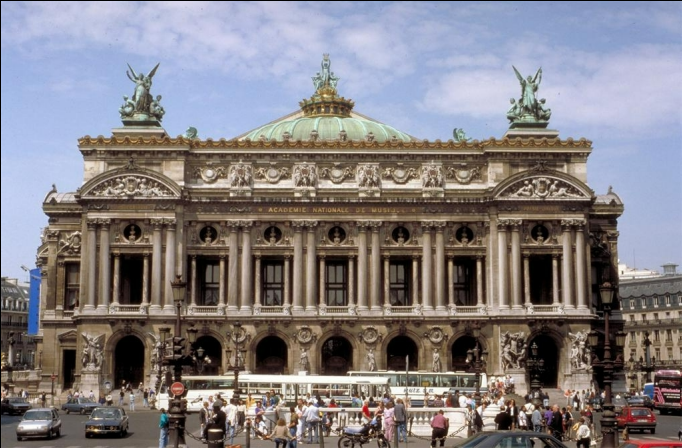
Utilizes creative eclecticism for the renaissance and baroque periods, cramming as much ornamentation in as possible. Form=function where there are different entrances for different wealth classes in France and structured on the inside for the wealthy elite to look and gossip at each other
Charles Garnier, Paris Opéra (Opéra Garnier), Paris, France, 1861–1875
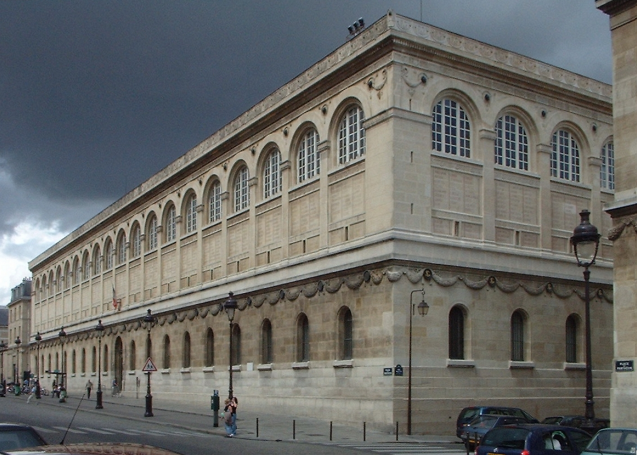
Form fits function of the interior. The exterior 2nd floor areas below the windows are the exact spots and heights of where bookshelves line the walls inside the library.
Henri Labrouste, Bibliothèque Sainte-Geneviève, Paris, France, 1838–1850.
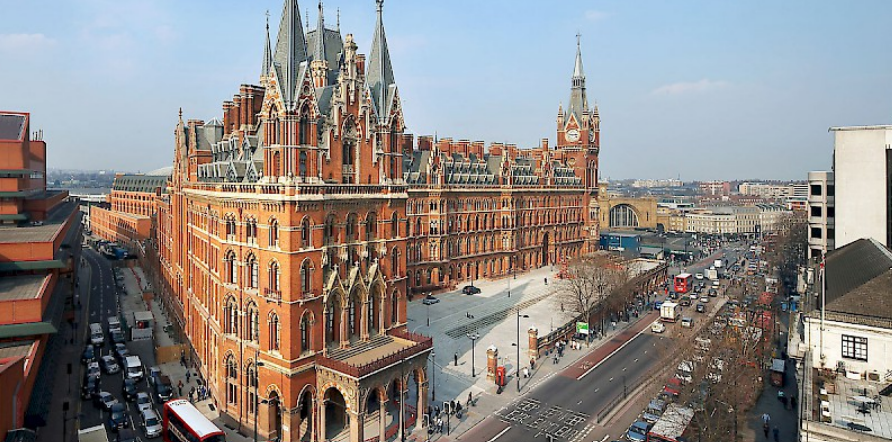
Gothic revival in its hotel facade, uses industrial iron and gothic ornament illustrating the engineering marvel it is. Modern progress clothed in historical dress.
Sir George Gilbert Scott, Saint Pancras Station and Midland Grand Hotel, London, England, 1868-1874
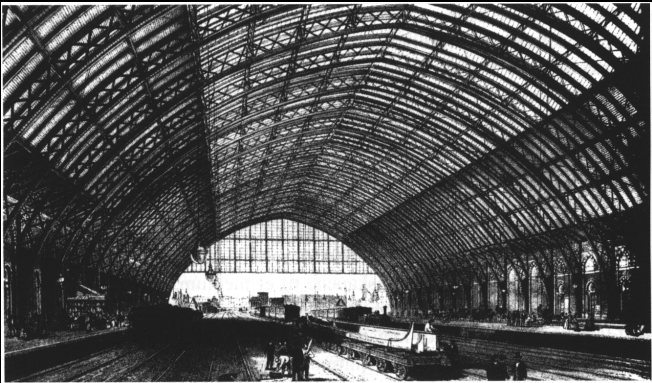
1st shed/area made of iron and glass with truss designs keeping it stable up to 100 ft tall.
W. H. Barlow and R. M. Ordish, engineers, Saint Pancras Station Train Shed, London, England, 1863–1865.
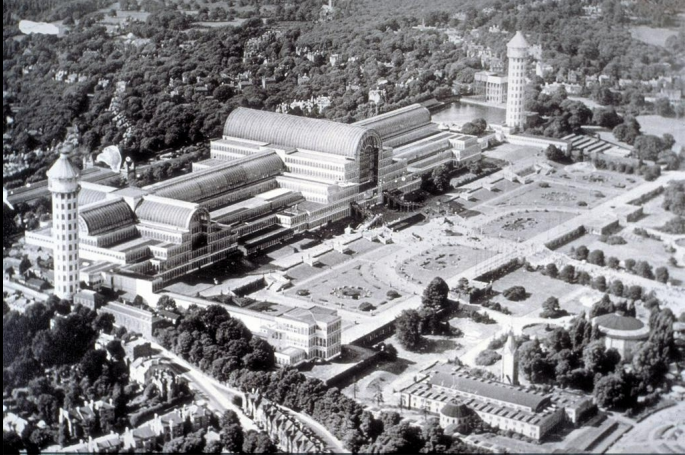
Inspired by glass greenhouse designs, this massive convention hall was built of iron and glass showcasing speed in construction and function with many air panels and truss systems to keep the place cool
Sir Joseph Paxton, Crystal Palace, London, England, 1851 (destroyed 1936).
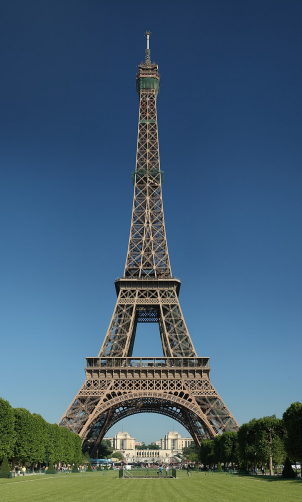
Originally built as a main attraction for the Expo of Art and Tech. Designed to mimic a railroad track from wrought-iron and trusses, and later had added on arch ornamentation to look less alien
Gustave Eiffel, Eiffel Tower for the World’s Fair, Paris, France, 1884–1889.
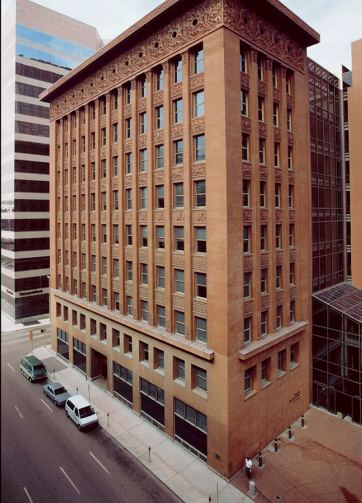
Utilizes a steel frame stucture with minimal ornamentation, but still has personality where the form expressed the function for 3 seperate sections. Covered in pilasters and terracotta vegetable motifs
Louis Sullivan. Wainwright Building, St. Louis, Missouri. 1890–91
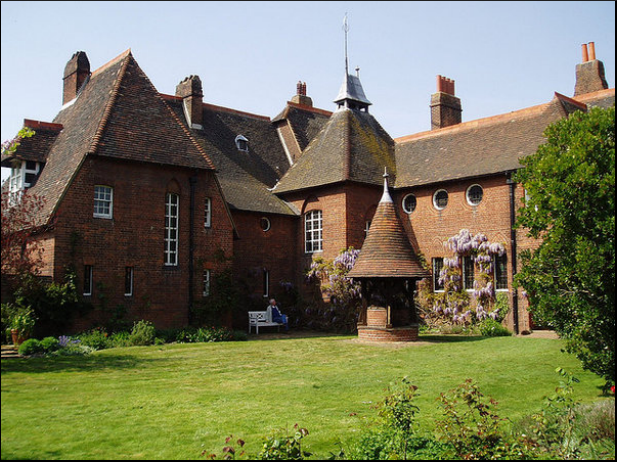
Contains gothic ideals with a midevial layout exterior of a village with asymmetric composition. Interior focus on being al handmade and no parts were machined
Philip Webb, Red House, in Bexleyheath, London, designed for William Morris in 1859 by architect Philip Webb
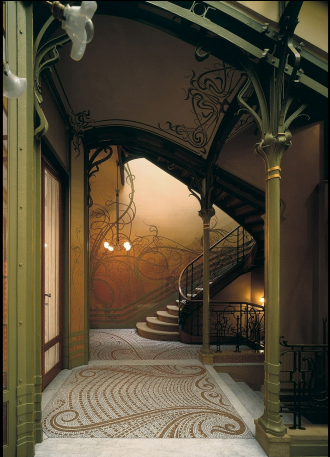
The exterior of the house uses ungulating movement uniting fine arts to the buildings structure. The staircase uses beautiful wavy/curved lines as a motif to nature and petrification along the interior
Victor Horta. Interior stairwell of the Tassel House, Brussels. 1892–93
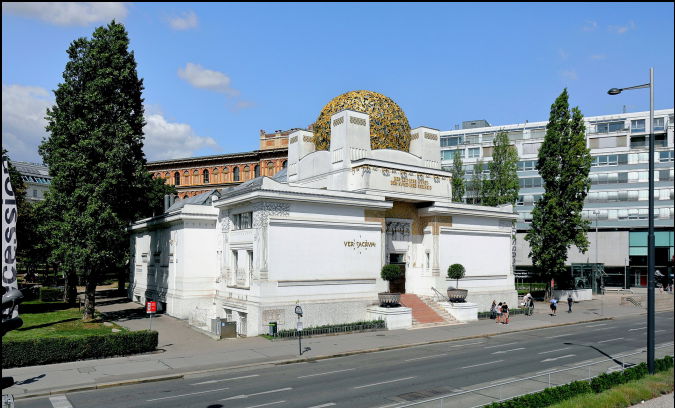
This building was built in retaliation against the government arts programs that dictated what was and was not art. The Jugenstil was a place where sesessionists could gather to show off art and sculpture. ontop there is a sphere instead of a dome, showing how they are straying from architectural norms
Joseph Maria Olbrich, The Secession Building, Vienna 1897-1898
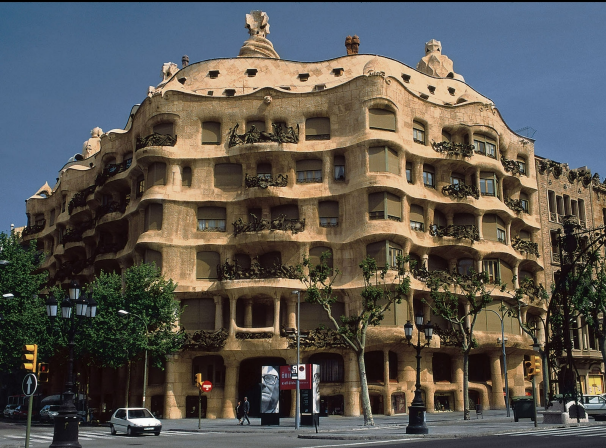
Localized gothic design with natural motifs to cliffsides in the structure and colorization with ungulating movement. It uses parabolic arches and wrought iron in its forms creating a fantastical feeling
Antoni Gaudí. Casa Milà, Barcelona. 1905–10
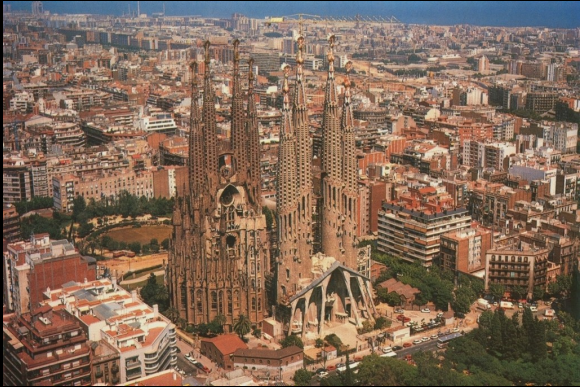
Each entrance has its own entrance with differeing styles of art neauvou. It is topped with 18 spires celebraitng the 12 apostals, 4 constitues, mary, and jesus
Gaudi, Sagrada Familia, begun 1882 under construction (2026)
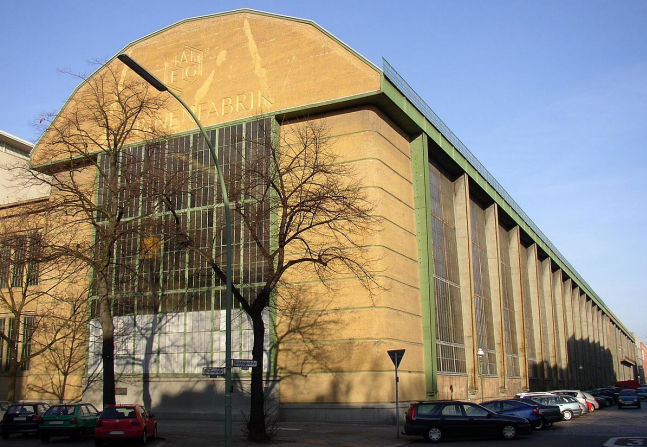
This building uses hints at classical design with a pediment and exterior piers acting as columns showing off the functions of the building from the exterior. The interior piers are what held up the building and were used in parts of the manufacturing process
Peter Behrens, AEG (Allgemeine Elektricitäts-Gesellschaft) Turbine Factory, Berlin, Germany, 1909
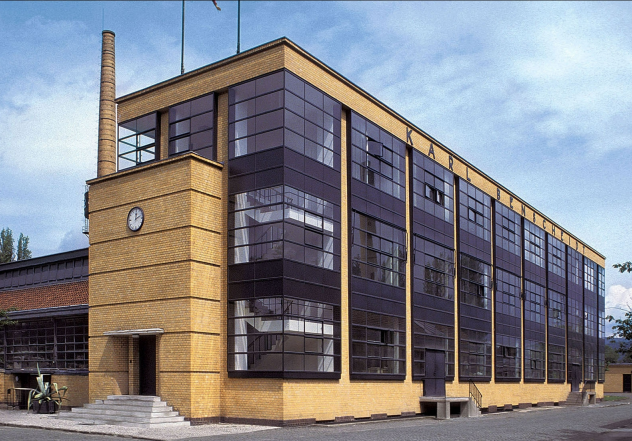
Showcases the steel frame concept with no corner supports. One of the fist prototypes of a glass skyscraper and the international design. The glass exterior wrapped the building in a glass curtain having the steel frame dissapear
Walter Gropius and Adolf Meyer. Fagus Factory, 1913 Alfeld-an-der-Leine, Germany
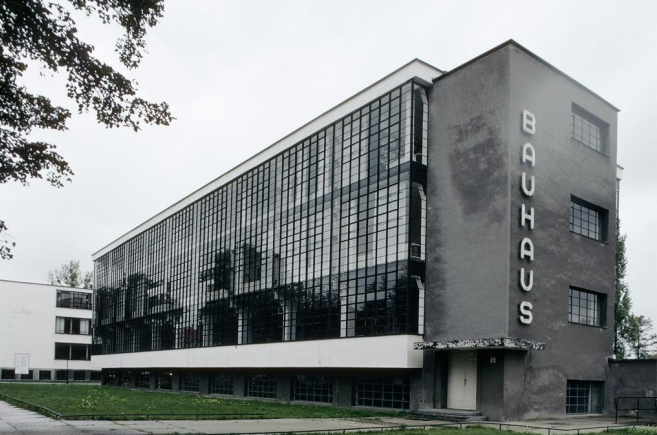
This is where Art and Industry came together in a sort of pinwheel design showcasing its form and functions from the exterior, seperating classrooms and workshops. Includes a single floating glass facade with no supports
Walter Gropius. Bauhaus. Dessau, Germany 1924
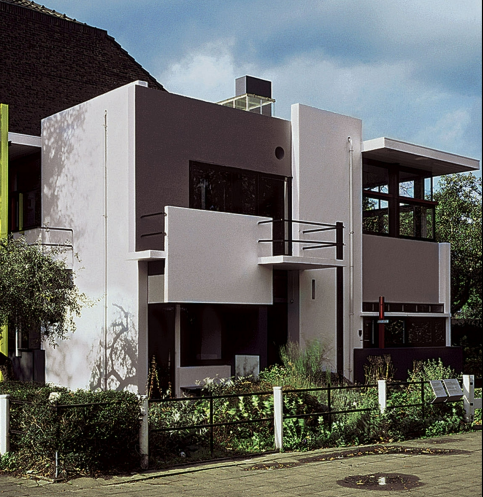
A design meant to be the new way of living in the modern era made of rectangle and squares in an ideal way to live. The new modular walls tend to the universal allowing one to make any layout they want
Gerrit Rietveld. Schröder House, Utrecht, The Netherlands. 1924
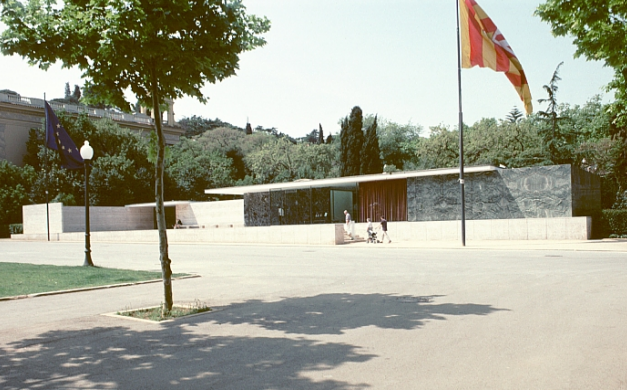
Meant to showcase German industry as a hole for minimalism in structure with a flowing open floor plan
Ludwig Mies van der Rohe, German Pavilion, 1929, Barcelona, Spain
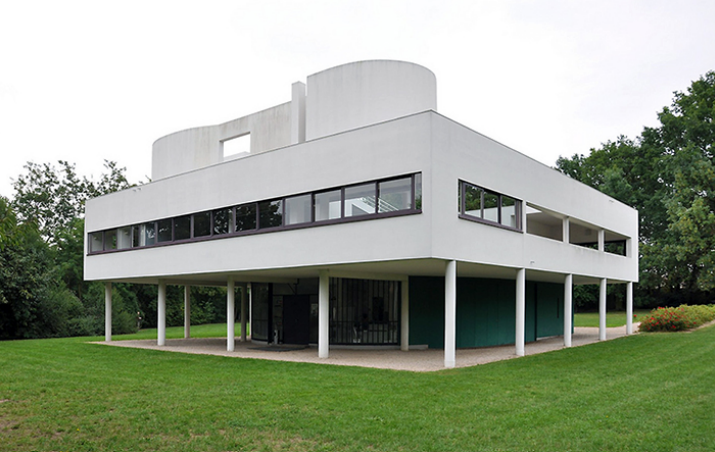
An example of the homes built for ideas on ways to create the next generation of homes. The design is very open in layout and meant for mid-class persons, but in the end was designed in a way for the wealthy elite. Uses ribbon windows and a free facade to be more open with a flat roof on top
Le Corbusier and Pierre Jeannaret, Villa Savoye, Poissy, France, 1931
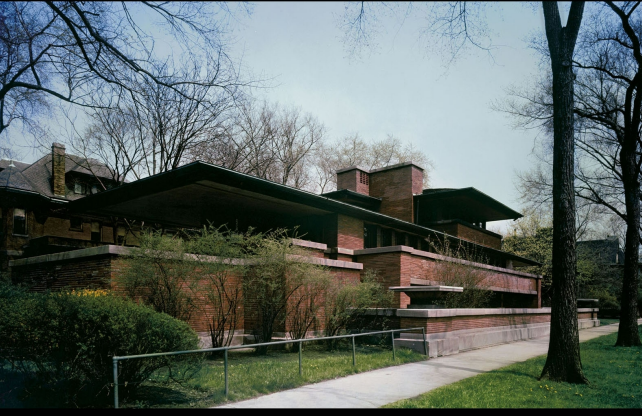
Has open floor plans and non-compartmentalized rooms meant to emprace industrialization. It also uses cantalivers supported by steel frames in the structure
Frank Lloyd Wright. Robie House, Chicago. 1908–10
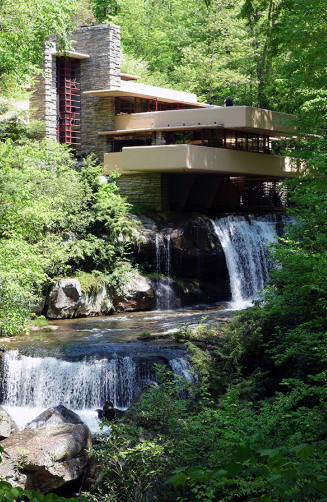
Implementing the home into the environment by building the house around the creek. Implements the shale from the creek into the design with steps that leads into the creek down below to “let in the water” when the creek floods a bit, as to not let the house get in the way of the creek
Frank Lloyd Wright, Fallingwater, steps to stream (Edgar J. Kaufmann House), Bear Run, Pennsylvania, 1936-39
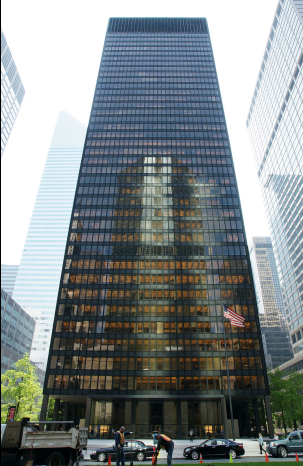
Ludwig Mies van der Rohe and Philip Johnson. Seagram Building, New York. 1954–58
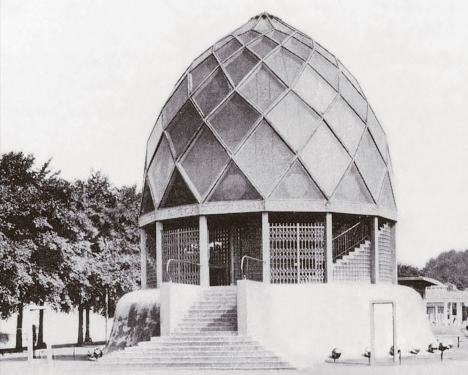
Built for a trade and art exhibition, it was an experimental design for colored glass and was a showcase for glass mass production.
Bruno Taut. Glass Pavilion, Werkbund Exhibition, Cologne. 1914
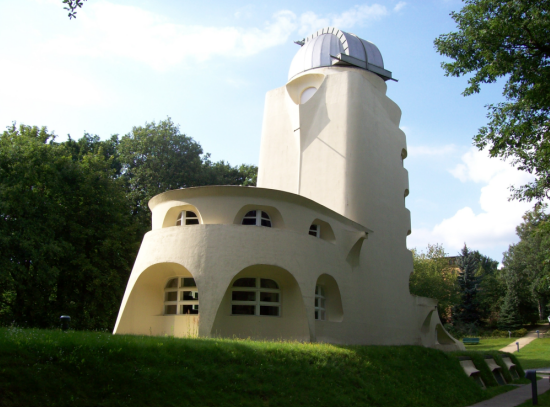
A solar observatory made out of brick then coated in concrete to help give it an ungulating organic shape. Form equals function with the telescope running through the towers core reflected by mirrors.
Erich Mendelshon, Einsteinturm, Potsdam, Germany, 1924
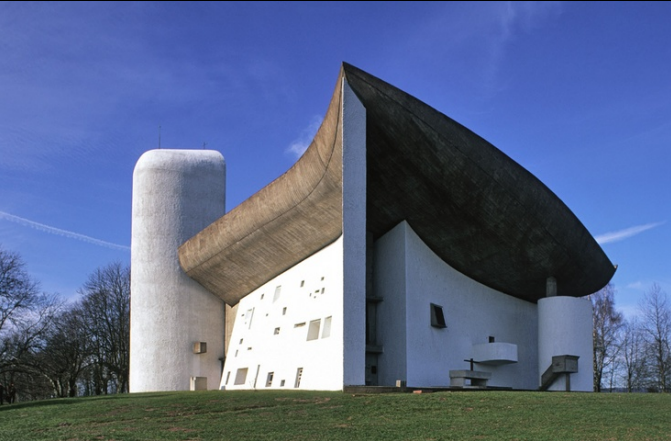
This simple oddly shaped expressionist pilgrim church that has irregular windows and a billowing concrete/steel roof. The odd windows allow for emotional light to spew through the barely roof-touching walls and the windows creating a magnificent light display
Le Corbusier, Notre Dame du Haut, Ronchamp, France 1954
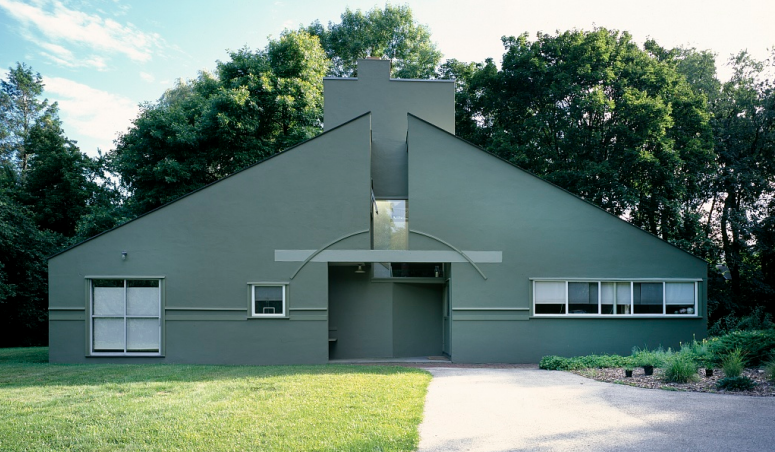
This Building plays with breaking the norm with a broken pediment style facade, supergraphic windows, and all the wrong curves where they’re not supposed to be all being deliberatly wrong by modernist standards
Robert Venturi- Vanna Venturi House, Chestnut Hill, PA, 1964
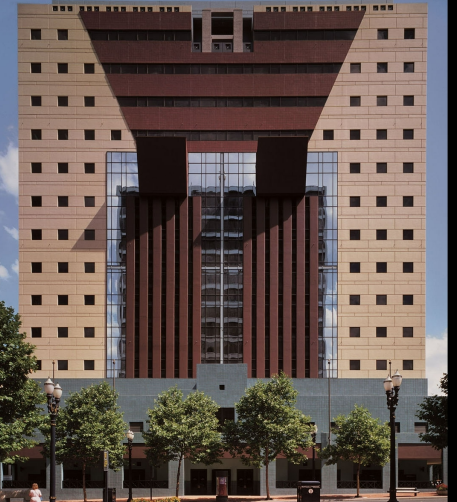
Uses cartoonish classical refrences with massive colored pilasters, mirror-glass ribbon windows, and was very controversial against being an eye sore or not. With this, the Keystone motif above the main entrance is widly out of scale ond is meant to reject post-modernism
Michael Graves. Public Services Building, Portland, Oregon. 1980–82
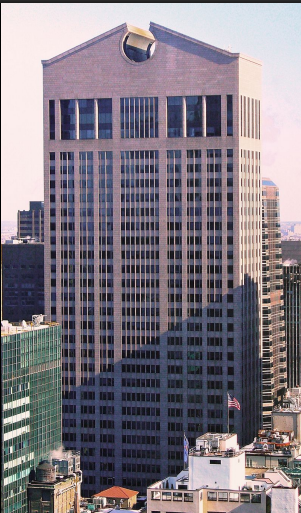
Has a massive broken pediment atop the building and a massive arch entrance, and allowed for the building to be individual and have its own personality than being a massive glass box going against Mies Van Der Rohe
Philip Johnson, AT&T (Sony) Building, New York, NY, 1978–1983.
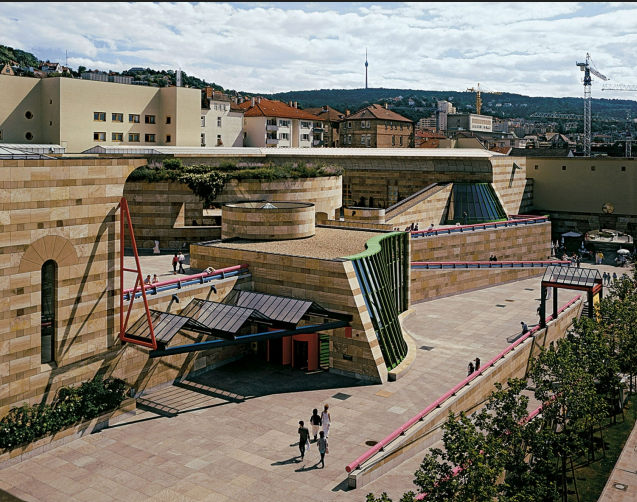
Alongside the outside of the building there is a public pedestrian ramp that winds through and around the building, connecting street levels and integrating the museum into the urban topography of the hillside. Uses all kinds of mateirals such as classical travertine and sandstone, then modernist glass and steel, utilizing material eclecticism
James Stirling. Neue Staatsgalerie, Stuttgart. 1977–83
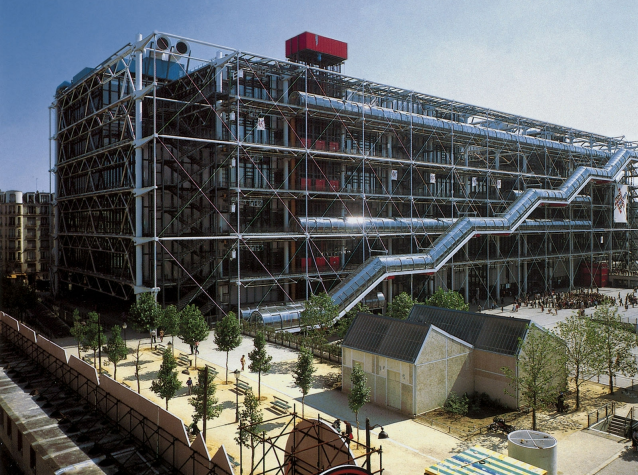
Form equals function, literally. Strucutral and mechanical systems are all on the exterior of the building allowing for a massive and empty interior with no columns or floor to ceiling supports to be found
Richard Rogers and Renzo Piano. Centre National d’Art et Culture Georges Pompidou, Paris. 1971–77
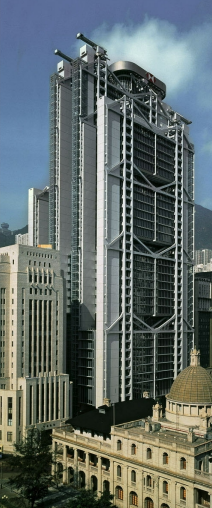
The floors to the building are suspeneded rather than stacked and supported by columns. Form equals function here where all mechanical systems have been pushed to the buildings exteror and are visible infrastructure.
Norman Foster. Hong Kong and Shanghai Bank, Hong Kong, China. 1979–86
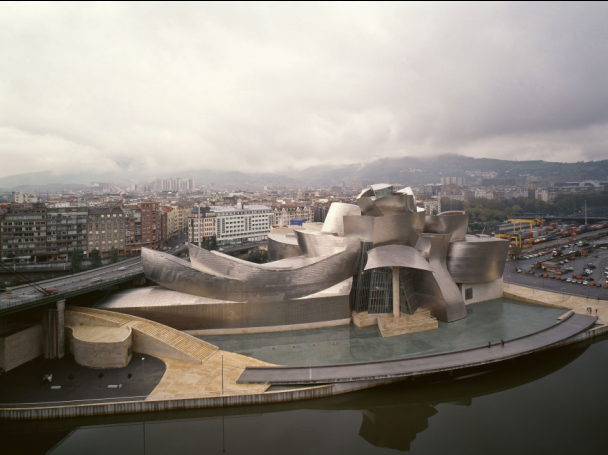
Utilized CAD in its design process, Exterior is titanium panels that change color in different light conditions. The museums surfaces are doubly curbed in 2 directions at the same time where no pannel is the same. WIthout CAD it would have been impossible to deisgn/build
Frank Gehry. Guggenheim Museum, Bilbao, Spain. 1992–97
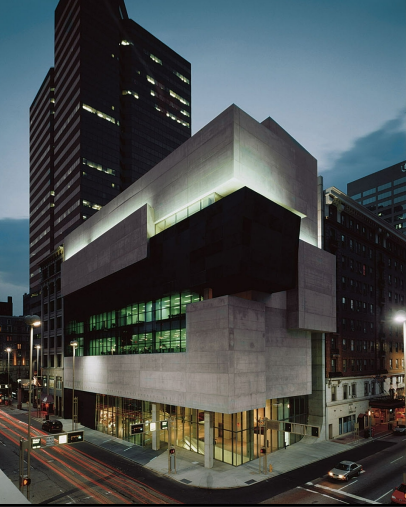
As Americas first woman-designed museum, the entrance became a “urban carpet” where the lobby sidewalk turns up and becomes the walls and floors of the interior
Zaha Hadid. Lois and Richard Rosenthal Center for Contemporary Art, Cincinnati. Opened 2003
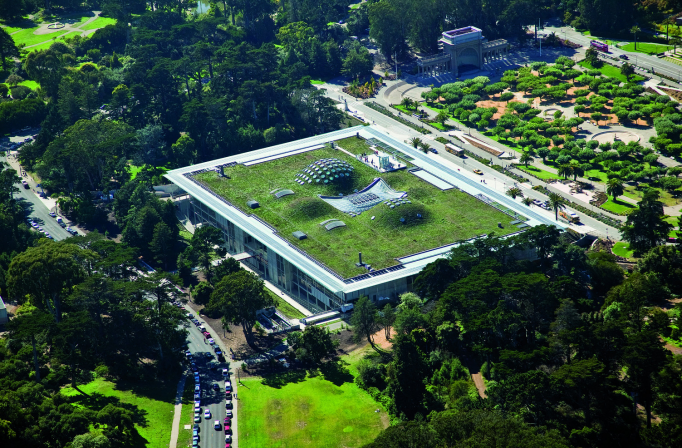
The natural history museum features a living 2.5 acre roof with native california wildflowers and grasses. Exemplifies 21st centry turn toward sustainable ecological architecture
Renzo Piano, California Academy of Sciences, Golden Gate Park, San Francisco, California, 2005–2008
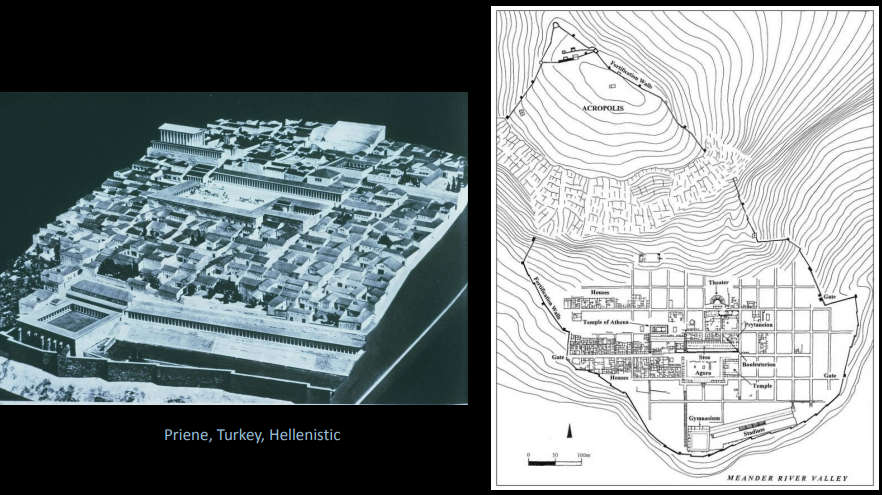
A rigid orthogonal city grid on the side of a sloping hillside. It was built on the hill with a valley seperating the city and its acropolis on the other side of the valley. The careful directions of each building in the grid demonstrate greeks belifes in rational urban order
Priene, Turkey, Hellenistic
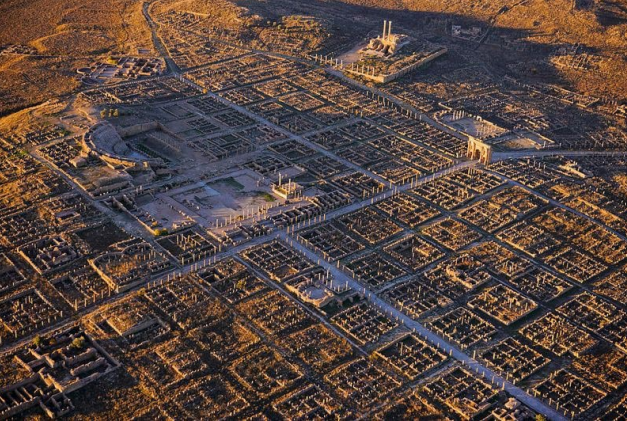
Oldest surviving and best preserved orthogonal planned site that was sophisticated and organized back in 100 AD. Founded as a military colony and demonstates Roman genius for standardized replicable urban planning
Timgad, Algeria, Roman.
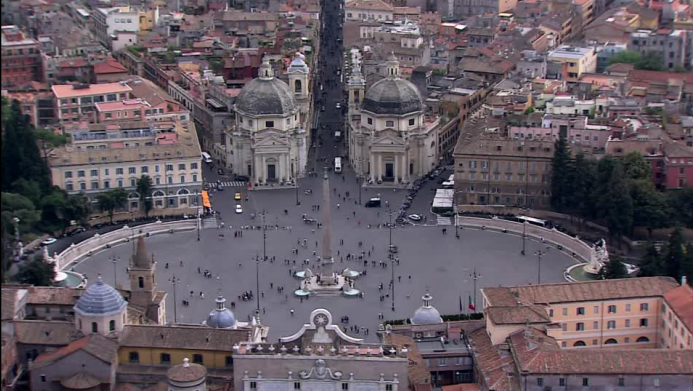
Small city organized into a somewhat grid like pattern according to the Duomo building. This city has 3 major roads as major pathways in a trident shape dividing the city into seperate parts. As puazza was first thing tourists saw, it was designed as a set starting point to discovering the city
Piazza del Popolo, Rome, Italy, 1585 (Baroque)
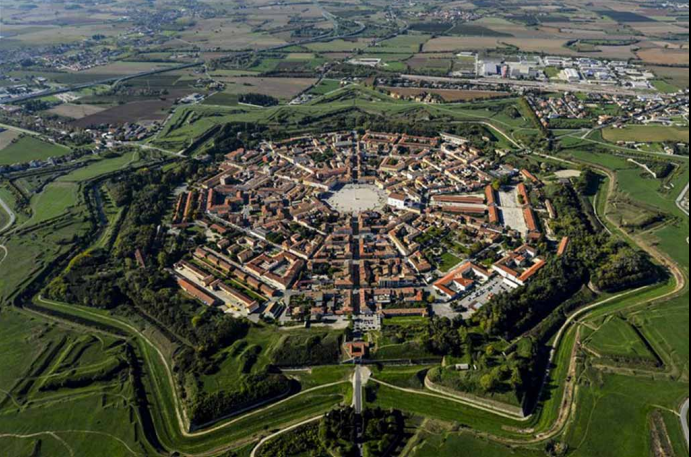
Originally planned for defense, it was a circular/star shaped bastion designed against cannons. Still a grid-like pattern, but circular instead of square. It was made as an ideal city, but as no one wanted to live there due to the design, they had to pay convicts to live there.
Vincenzo Scamozzi, Palmanova, Baroque
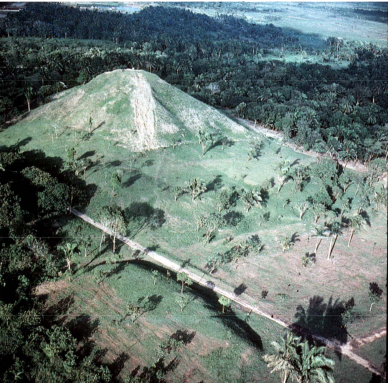
Features earliest pyramid in the americas with a mound shaped like a fluted cone made of purely compacted clay and dirt. The pyramid was angled for astronomical alignment and designed on a north-south axis with buildings surrounding it demonstrating urban planning before mayan or aztec influence
Pyramid Complex, La Venta, 900-400 BCE (Olmec), Mexico
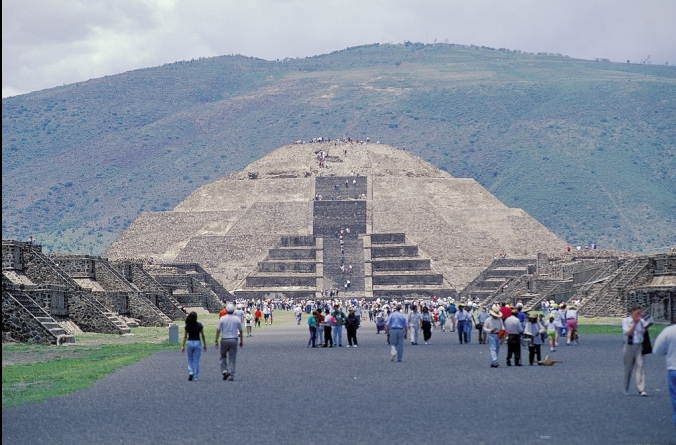
Built over 7 consecutive times, essentially erasing the previous pyramid entirely.Attached to the pyramid's south face is a large adosada (attached) platform — a flat-topped addition that partially conceals the original stair. This was added in the pyramid's final construction phase and served as the primary ritual stage, elevating priests and performers above the plaza level for maximum ceremonial visibility.
Temple of the Moon, Teotihuacan, Mexico, c. 200-250 CE
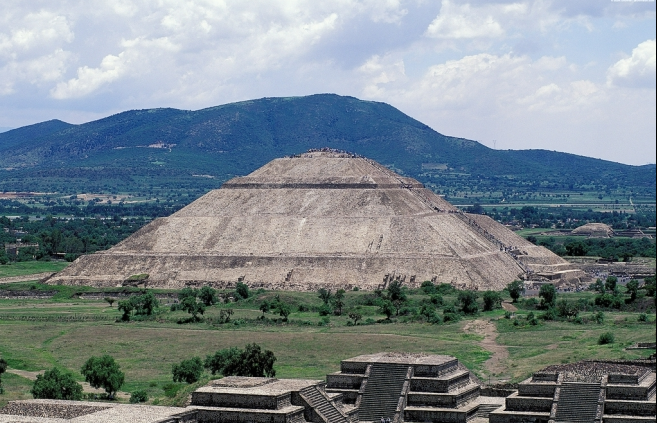
This pyramid is oriented so the sun will set directly behind it when the sun passes directly overhead, being a solar solstice kind of ideal. Made entirely of adobe bricks, rubble fill, and stone facings by pure human labor meaning no machiens. Built over a natural lava tube
Temple of the Sun, Teotihuacan, Mexico, c. 150 CE
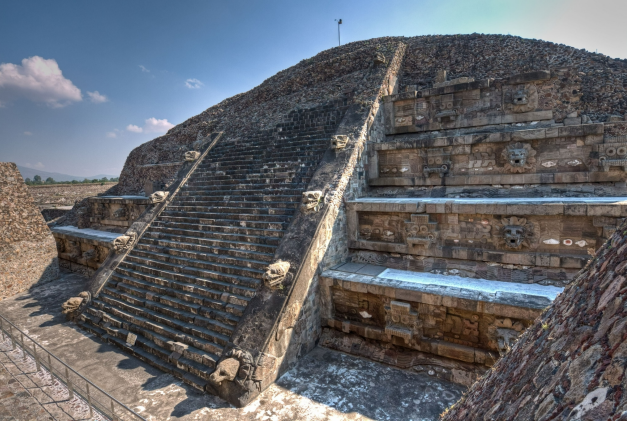
Covered by featherd serpent heads, this pyramid contains many sacrifical burials to the Quetzalcoatl diety. Was deliberatly burried under a second plain pyramid to hide it away and rejected the feathered serpent cult.
Temple of the Feathered Serpent (Quetzalcoatl), Teotihuacan, Mexico, ca. 350 CE
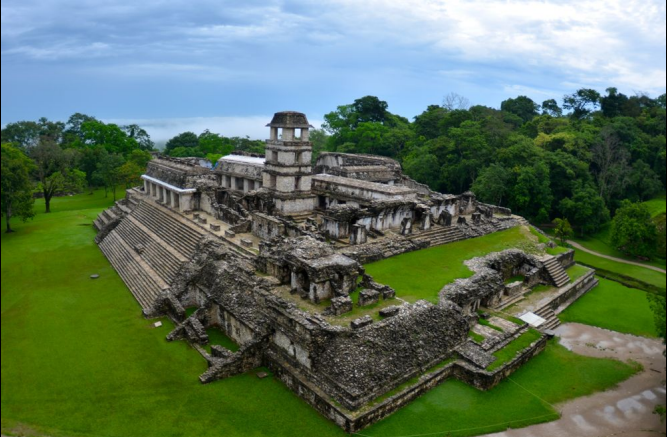
Palace of complex courtyards, galleries, and towers with corbelled arches, piers, and 4 story towers. This all shows lightness and elegance compared to other mayan sites. Piers covered in stucco sculptures and palace includes an aqueduct systems channeling hydraulic engineering
The Palace at Palenque, Mexico 7-8 Centuries CE.
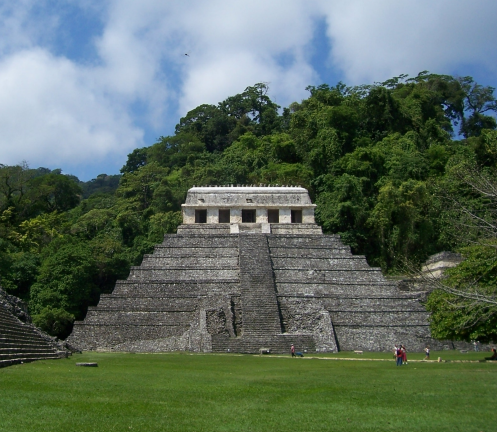
First mesoamerican temple with a tomb that compares to ancient egyptian pyramids. The temple is comprised of 9 levels all representing the 9 levels of the Mayan underworld
Temple of the Inscriptions, Palenque, Mexico, 7th c. CE
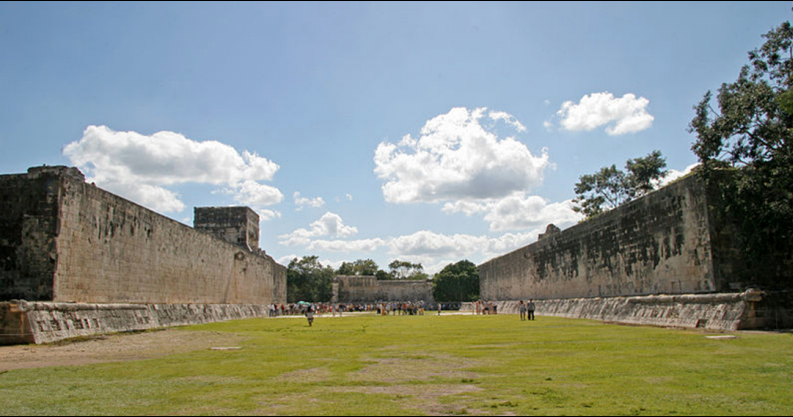
Largest and best-preserved masoamerican ball court with carvings depicting ritual sacrifices of players. This court was not used for play, but for sacrifice and reenacting the struggle of life and death ritualistic complex
Ball court, Chichen Itza, Mexico