The changing status of women
 Call Kai
 Learn
Learn Practice Test
 Spaced Repetition
 Match
Match Flashcards
 Knowt Play
1/24

Earn XP
Description and Tags
Name | Mastery | Learn | Test | Matching | Spaced | Call with Kai |
|---|
No analytics yet
Send a link to your students to track their progress
25 Terms
How did the Civil War (1918-1921) impact the lives of women in the workplace?
There was an increase on the number of women in the workforce.
This was driven less by ideological notions of equality and more by the reality of needing industrial workers during the war.
What did Zhenotdel do during the Civil War?
They recruited women from the towns and countryside to fill jobs in nursing and food distribution.
How many women fought in the Red Army?
Over 70,000 but few held high rank
What issue was created by women working instead of staying at home?
Social provisions for childcare were inadequate and the government lacked the resources to implement crèches for young children.
Why was the long term impact of the Civil War limited for women? (3)
Women generally were more likely to be unskilled and many lost their jobs when soldiers returned after the war
Traditional attitudes that women were unsuitable for heavy manual work persisted
The disruption of war and famine of 1921-22 left many women destitute causing a rise in prostitution
What areas of the Soviet Union were resistant to change?
Muslim areas of Central Asia where the polygamous male dominated family was well entrenched.
How did the Bolsheviks attempt to break down traditionalist attitudes in Central Asia?
By using young female activists to encourage unveiling while explaining basic contraception, personal hygiene and childcare.
What year was the government campaign against the veiling of women?
1927
Give two examples of violent resistance to change in Central Asia
At Baku, a Zhenotdel meeting was attacked by Muslim men with dogs and boiling water.
Women who refused to wear traditional dress were sometimes killed by members of their own family in ‘honour’ killings.
How did the policy of forced collectivisation impact women in the countryside?
Many men departed for the towns in search of better jobs so collectivisation came to rely more on the labours of women.
What were the conditions like for women performing agricultural work?
Agricultural work offered low wages and life in the countryside meant fewer services.
How did WW2 impact women in the countryside?
Men from the collectives were conscripted into the armed forces which meant women provided the bulk of the agricultural workforce.
After the war returning soldiers preferred to move to the city for work, meaning there was a severe shortage of men in the countryside. In 1950 you could still find entire villages populated by women and children.
How did the lives of rural women improve under Khrushchev and Brezhnev?
Health care and maternity benefits were extended to the countryside.
The internal passport system was extended to collective workers in 1974 so they could move and search for better jobs. BUT this opportunity was more likely to be taken by men.
How did the lives of women change under Stalin’s Five-Year Plans?
The pressure for rapid industrialisation meant more women were recruited into the workforce.
The number of female workers rose from 3 million in 1928 to over 13 million in 1940.
Give 2 examples of typically male dominated work done by women during the Five-Year Plans
Construction→ Parts of the Moscow underground were built by brigades of female workers
Heavy industry→ By 1940, 41% of workers in heavy industry were women
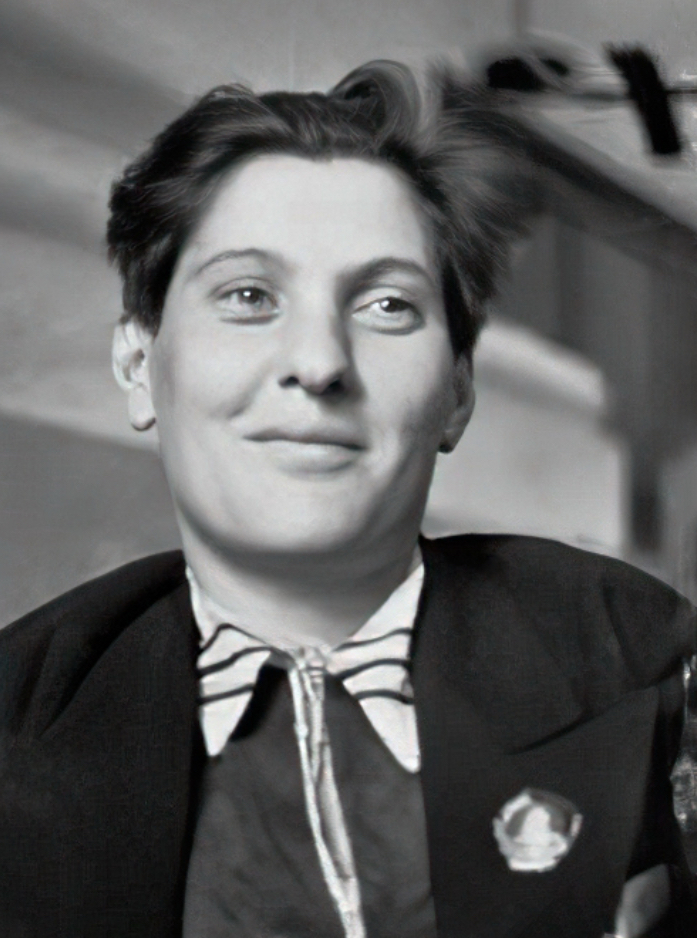
What was the name of the female role model used to encourage the female workforce?
The tractor driver Praskovia Angelina.
What were conditions like for women in the workforce? How did traditional attitudes prevail? (3)
Women doing the same jobs as men were paid 60-65% of men’s wages
Women were subjected to physical and verbal abuse by men in factories
Some men refused to work with women claiming they brought bad luck
How did education opportunities improve for women in towns?
In 1929 the government reserved 20% of higher education places for women as they started to recognise the importance of women in industry.
By 1940 over 40% of engineering students were female.
How would education improve the lives of women?
It was an opportunity for women to become independent from their male counterparts who they often relied on financially. Women now had a chance at promotion and gaining a skilled job.
How many women served in the armed forces during WW2? And how many received the Soviet Union’s highest military award?
800,000 served in the armed forces.
89 received the highest military award
How many women made up party membership in 1932?
Women made up 16% of Party membership. They were severely under represented.
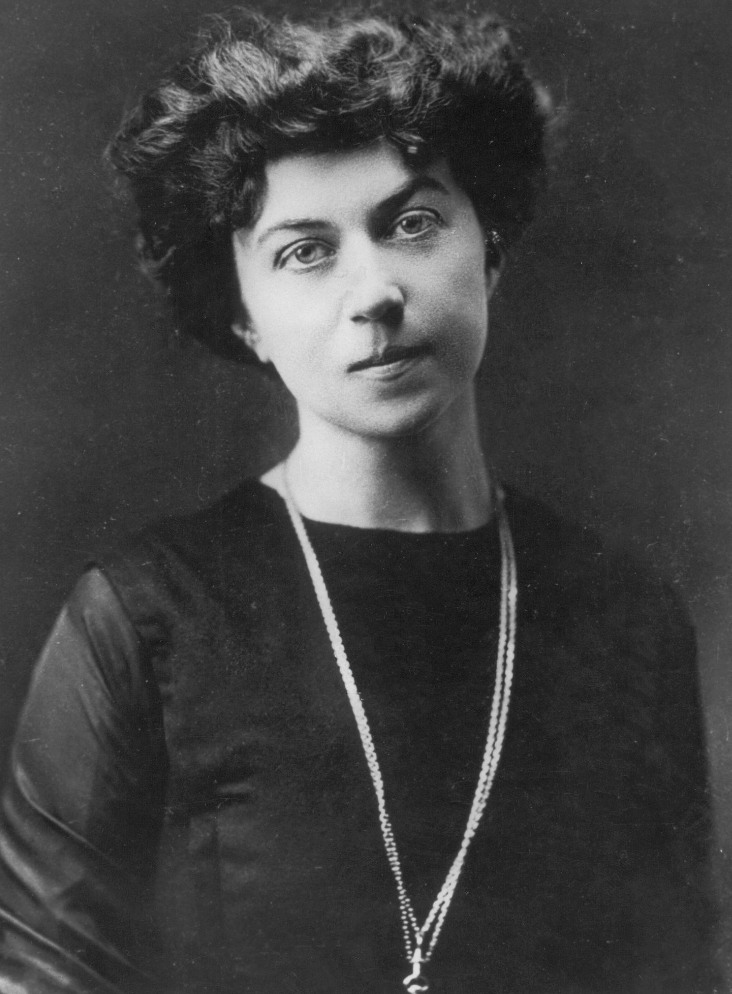
What was the name of the first woman to become a people’s commissar?
Alexandra Kollontai
She served as the Commissar for Public Welfare from 1917 to 1918.
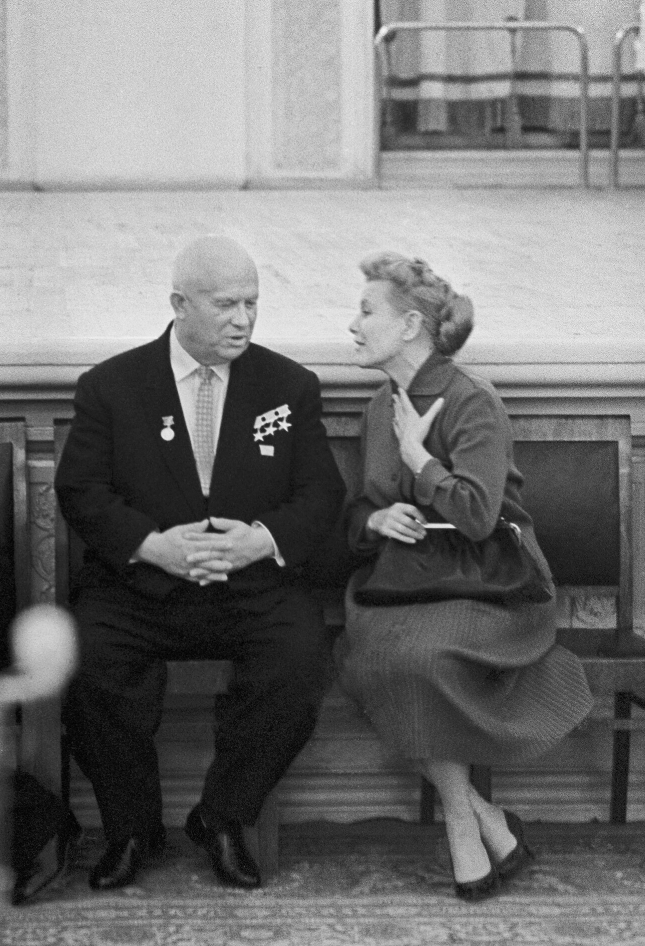
Who was the first woman to become a full candidate member of the top body within the party?
Yekaterina Furtseva who became a member of the presidium (renamed the Politburo) in 1957. She was favourite of Khrushchev and consequently her career declined when he was dismissed in 1964
Why were women still overwhelmingly under represented in politics?
The role of Kollontiai and Furtseva in politics were exceptions. They were individuals who did not represent the whole population and political power was still largely in the hands of men.
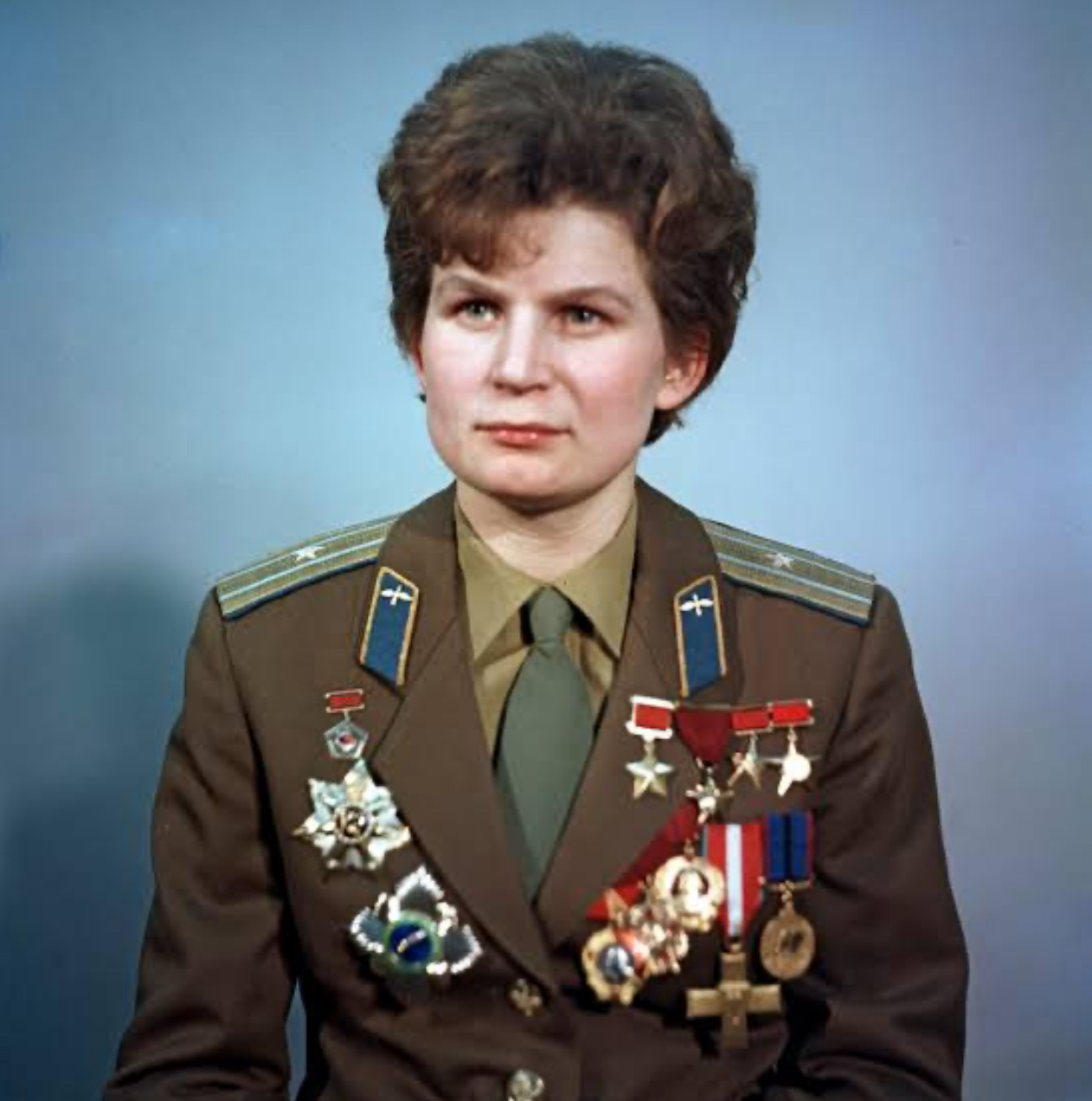
What woman was used as a Soviet role model for other women?
Valentina Tereshkova who in 1963 became the first woman in space.