Art + Eco Exam 2
 Call Kai
 Learn
Learn Practice Test
 Spaced Repetition
 Match
Match Flashcards
 Knowt Play
1/18

There's no tags or description
Looks like no tags are added yet.
Name | Mastery | Learn | Test | Matching | Spaced | Call with Kai |
|---|
No analytics yet
Send a link to your students to track their progress
19 Terms
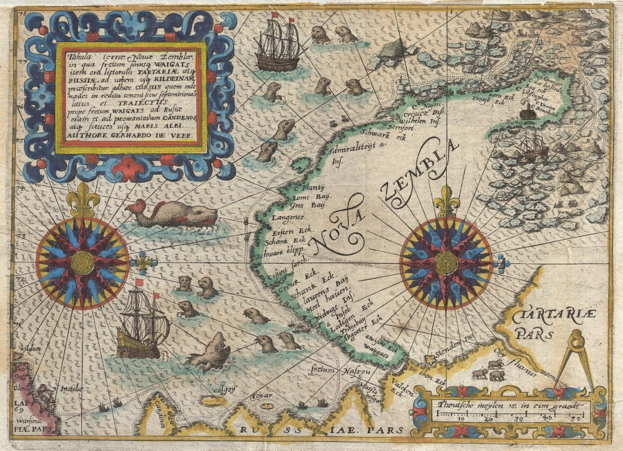
de Bry, Map of Nova Zembla, 1601
Search for Northeast passage - trade
Nova Zembla = New Land in Russia, the island is close to Russia
Depicts the expedition of William Barentsz, who became stranded there and died - iceberg w/ shipwreck supposed to represent this
Small cabin created on island out of shipwreck
Lots of creatures, fantastical
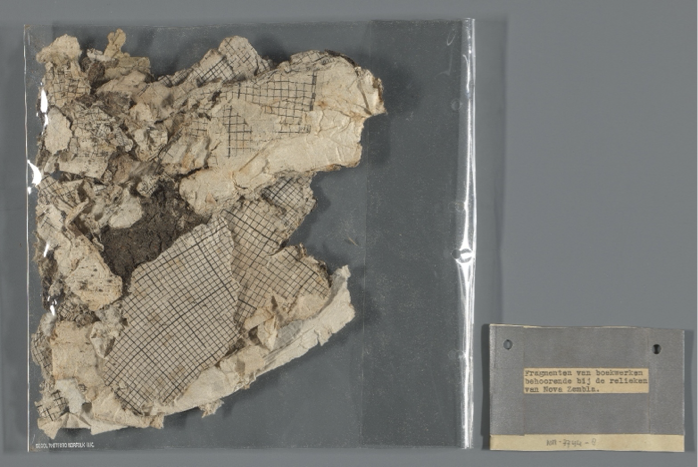
Anonymous, Navigational Grid of Northern Hemisphere, in or before 1596, engraving, 31.5 cm x 57.2 cm
Prints meant to be traded
Geographic use and art collecting
Conglomerated with the ice and snow, sat frozen since 1596
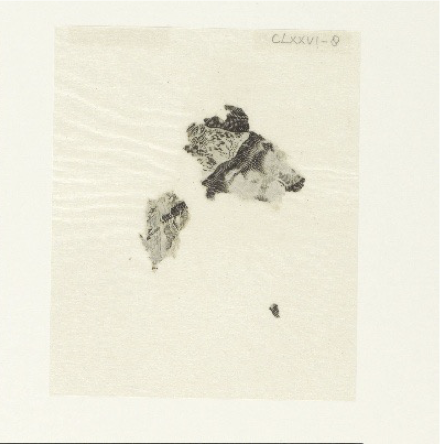
copy of Hendrick Goltzius after Bartholomeus Spranger, Adam and Eve, 1585-1596, engraving
Copies of famous prints
Art historians able to identify + tell that they were copies because it is flipped
Prints conserved in 1977
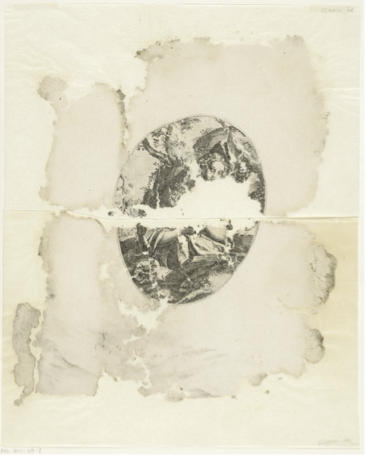
Copy of Hendrick Goltzius, Maria Magdalena, 1582–1590, engraving, 36.9 x 32.3 cm, Rijksmuseum, Amsterdam
damage along creaselines, showing folds
Biblical imagery
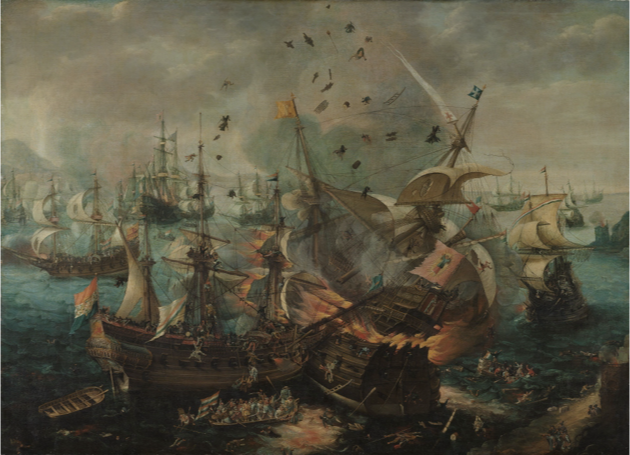
Cornelis Claesz van Wieringen, Battle of Gibraltar in April 1607, painted in 1621, oil on canvas, 136.8 cm x 187 cm
Big battle scene, not idealized
Dutch ramming into Spanish ship - Dutch superiority (even though the Spanish won this fight)
Smoke and clouds mixed together - natural and manmade
Nature not depicted benevolently^
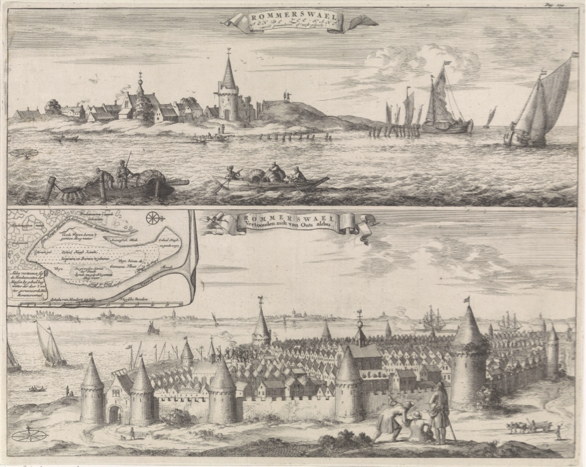
Jan Luyken, Reimerswaal in 1634 long after the Flood and Former Times before the Flood, printed in 1696, Amsterdam
Prosperous unflooded city on bottom, water is a source of benefits, with transportation and trade
Water completely covers city on top, a small town compared to a big city with walls
Big weather events as memorable phenomena worth reporting
Tracking patterns to help with military strategy and trade
Weather associated with divinity - before town is below
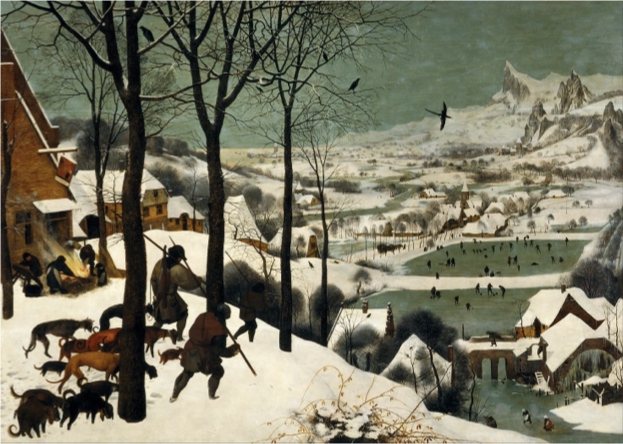
Pieter Bruegel the Elder, The Hunters in the Snow, 1565, oil on panel. 117 cm × 162 cm
Panoramic view, vast scenery
Small human details in vast landscape
Tradition of calendar illustrations - “Labours of the Month”
Little Ice Age and harsh winters
Hunt unsuccessful
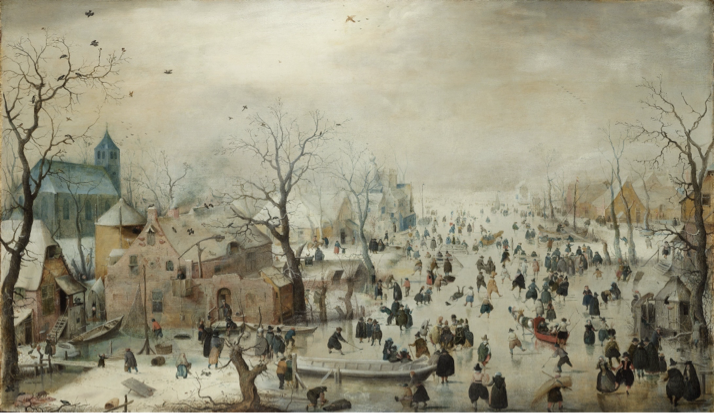
Hendrick Avercamp, Winter Landscape with Ice Skaters, c. 1608, 77.3 cm x 131.9 cm
Class differences - some people working, some out for enjoyment
Horse frozen to death with dog and birds eating it
Winters long and cold - lots or water, time on the ice
Avercamp’s landscapes very popular
More muted colors in background
People pooping and peeing
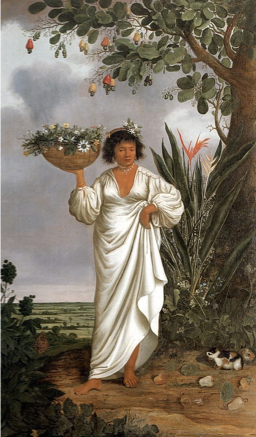
Albert Eckhout, mameluca woman, 1641, oil on canvas, 271 x 170 cm
Holding basket - labour
White dress + jewelry
Colonial project of categorizing people - ordering a “foreign world”
Indigenous and white ancestry
Guinea pig - idea of fertility
White dress is a symbol of Flora, Roman goddess of flowers and fertility
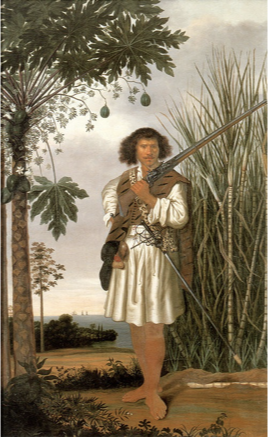
Eckhout, mulatto man
sugarcane symbolizes role as “middle man” in slave trade
military stance
European and foreign garments
Holding weapon - free state
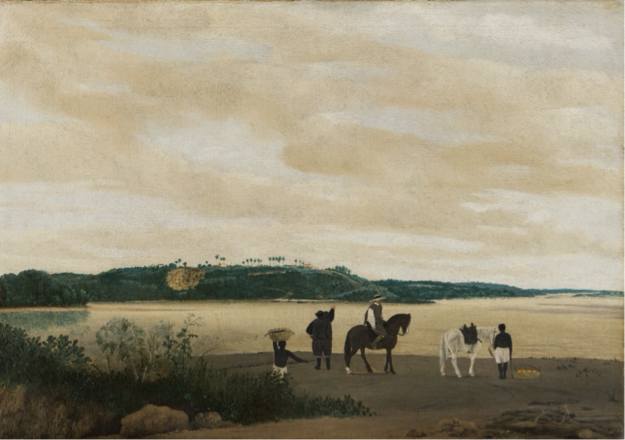
Frans Post, View of Itamaraca, 1637, oil on canvas, 63.5 x 88.5 cm
People are tiny and not the subject of painting
Originally title “this is the way of riding of the Portuguese”
^previous colonizers
In mainland Netherland, illegal to own slaves, so shows Portuguese in bad light that they have slaves here (reluctance to recognize that Dutch colonists owned slaves)
Post traveled with Maurits
Fort in background
Posts’ first painting on this trip with Maurits
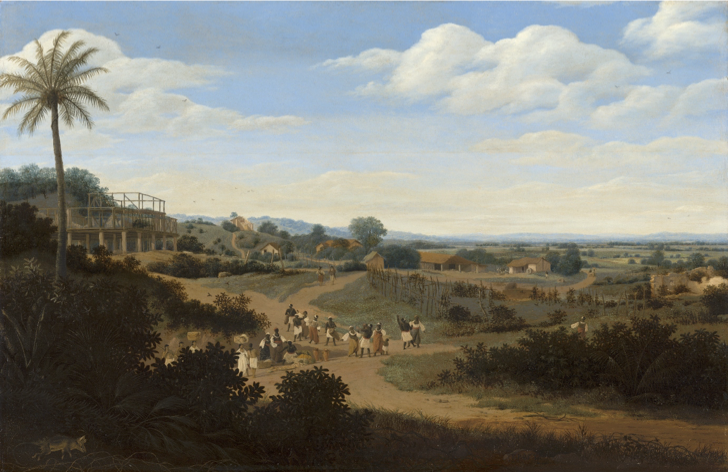
Frans Post, Brazilian Landscape with a House under Construction, 1655-1660, oil on canvas, 46 cm x 70 cm
Different groups meeting - “Black” people dancing with instruments, other setting up fruit stands for trade
Idealized image of European colonists living harmoniously with the indigenous Brazilians and enslaved Africans
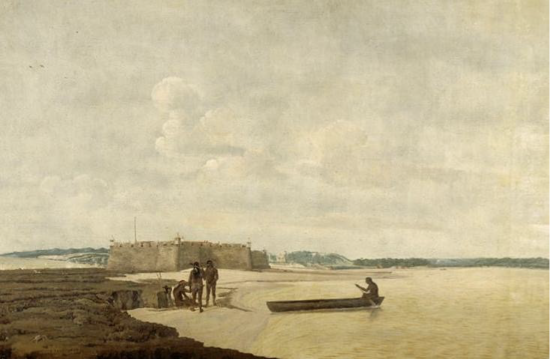
Frans Post, View of Fort Ceulen, 1638, oil on canvas, 62 x 95 cm
Supposed to show Tapuyas
Gallows in the background near Portuguese fort, showing history of landscape
^site of Dutch victory
Indigenous people as part of topography/landscape
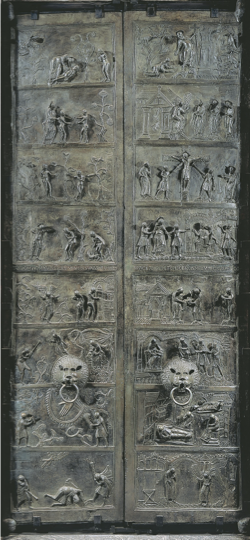
Bronze doors, Hildesheim, c. 1015,
472 x 226 cm.
(16 feet high)
One of the few (20) images of Eve nursing on here → Christian ancestry of human beings
Old Testament scenes on left, New Testament on right
Comparison scenes across doors: Garden of Eden on left, Crucifixion on right, showing cross made from wood
Dynamic/cartoonish movements rendered in bronze
Hand of God criticizing Cain in one depiction, God scolding Adam and Eve in another
Monumental size
Similar column w/ New Testament scenes in another place → Bernward column
Ottonian art
Bishop Bernward commissioned it
Lost wax method
Bernward went on pilgrimmage to Rome, saw monumental art, wanted his own big doors
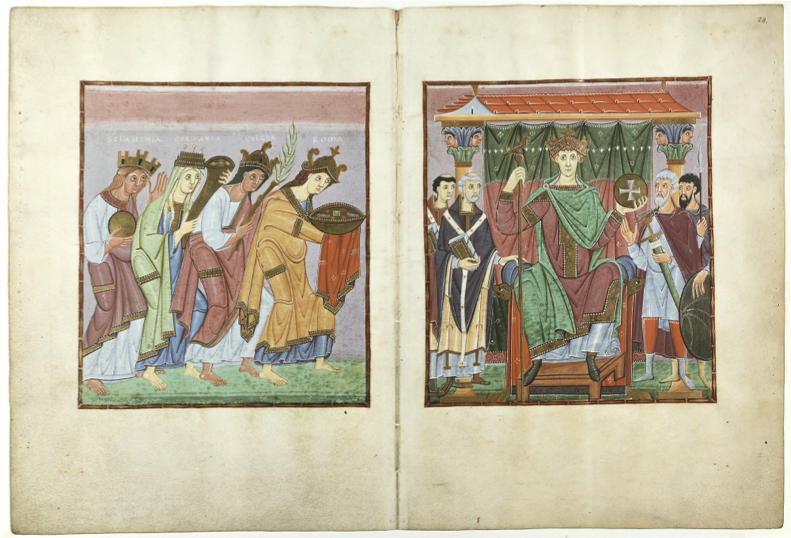
Gospels of Otto III, c. 1000, ink, gold, paint, parchment, each page 33.4 x 24.2 cm
Allegorical representations of Sclavinia, Germany, Gaul, and Rome
King Otto gaining all the wealth of his empire, being offered gifts by these different areas/women
Slavs wiped out by Ottonians
Otto in powerful stance, surrounded by members of his court (those who fight and those who pray)
^ Otto’s size in scale suggests his power
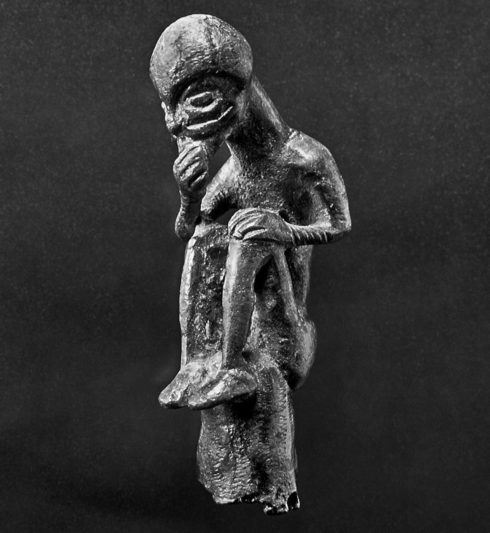
Small bronze deity, eleventh century, height 6.5 cm.
Earlier usage of bronze to make deities for indigenous Slavic people - later bronze used for Christian art
“Importance of small-scale objects to Slavic religious life. Standing in contrast to the complex lost-wax cast objects of Hildesheim, the simplicity of the design, fabrication, and execution of the Slavic bronzes may indicate a desire on Bernward’s part of exhibit a technologically advanced bronze creation that marked out the superiority of the Christian god” (Weinryb, 753-756).
Ecologically sound bronze casting processes of the Slavs versus big efforts that required deforestation of the Christians
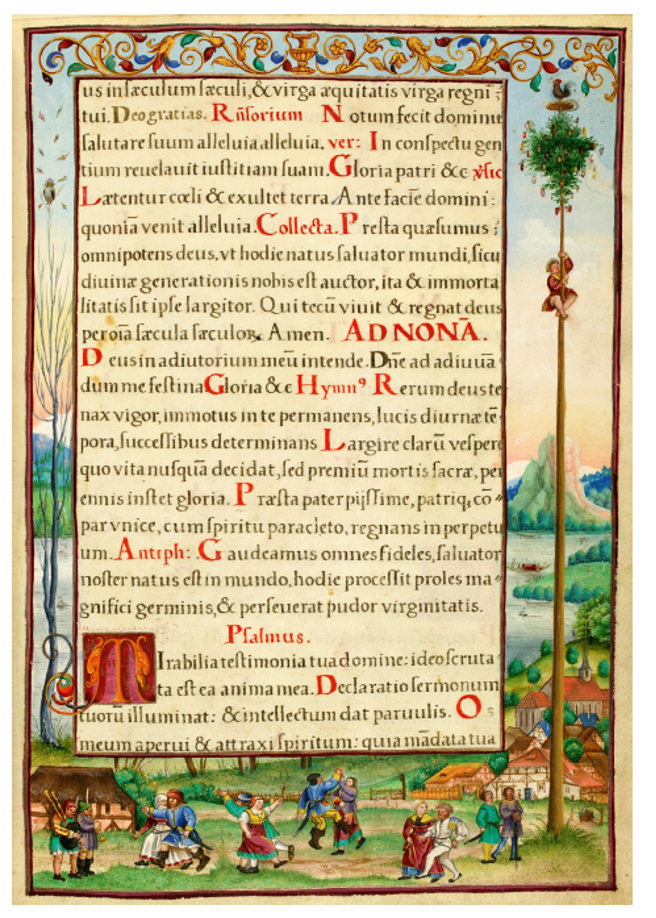
The Maypole Celebration, c. 1537–1540, manuscript illumination for Albrecht Glockendon’s Breviary
Contrast between leafless, wintry tree on left and maypole with leaves and Rooster on top
Owl on top of winter tree, which was seen as an evil bird (small birds are attacking it though which is good)
Man climbing the maypole for the rooster!
Breviary a structured prayer book
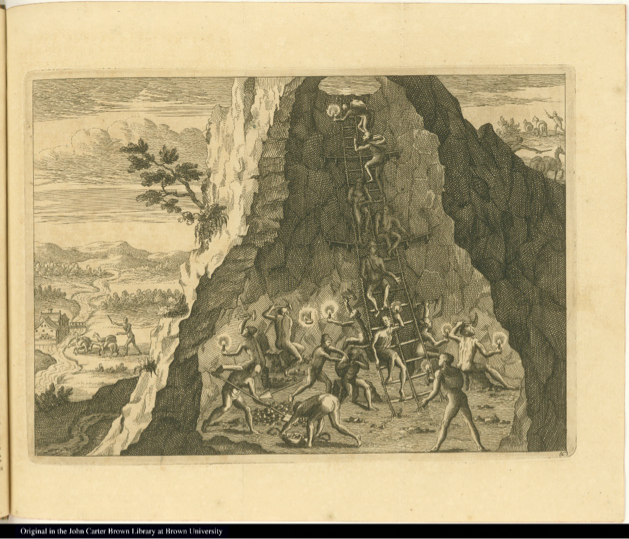
Theodore De Bry, Inside the Potosi mine, Americae part 6 (1596), engraving.
Colonial mining city, in today’s Bolivia. Under Spanish control
Intense slave labor in mines
Fixed rawhide ladder that workers climb up and down
Ore sack “backpacks”
Candles
Llamas
Silver a very important material
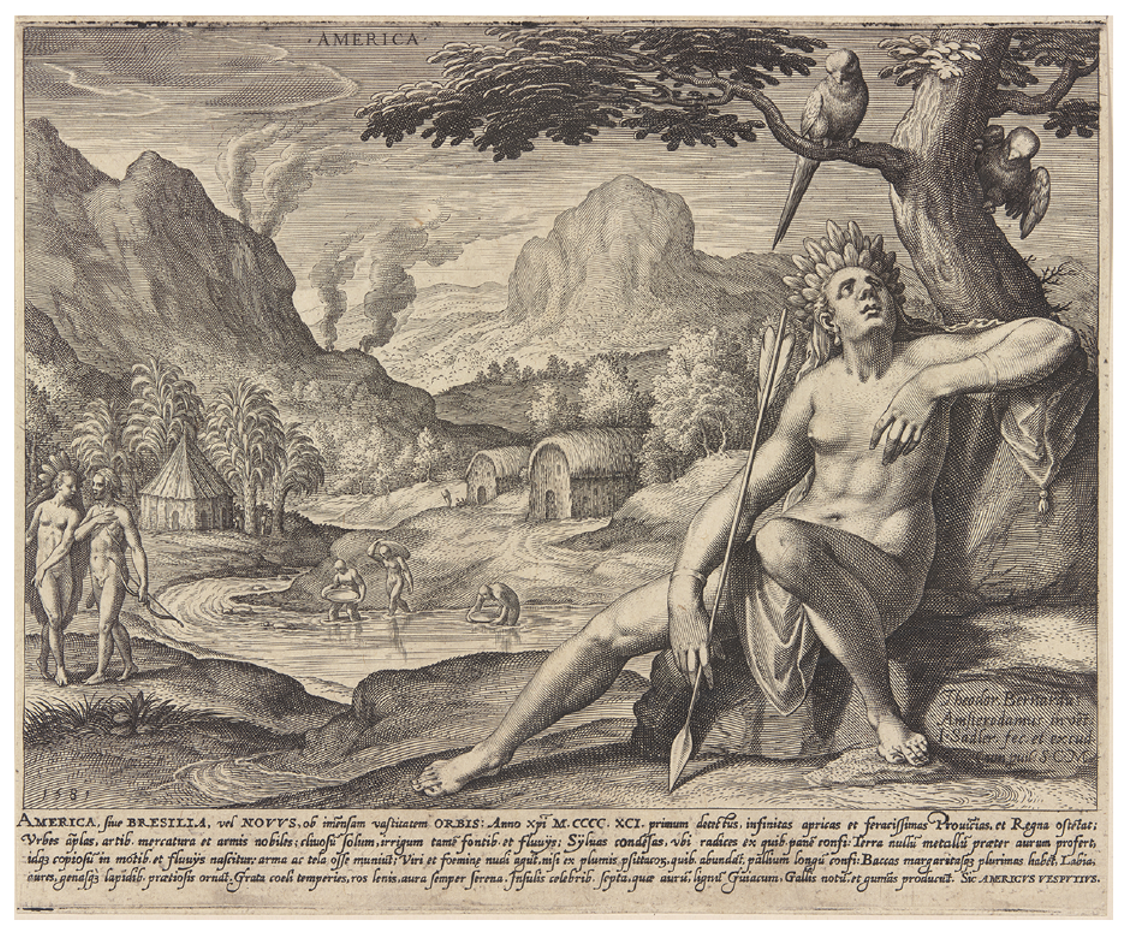
Jan Sadeler I after Dirck Barendsz, America, 1581, engraving, 18.7 × 22.7 cm
Wistful indigenous-coded person representing America under a tree
Space and time abiguous
Nervousness about ecological destruction
Languid/defeated/tired
Placer mining happening in background → idea of abundant wealth “The ground does not produce any metal except gold”
Indigenous people collecting gold for own use, not under duress
Part of a series of four allegories of the Continents
Smoke behind mountains suggest war/colonists coming
“Smoke from the mountain in the background seems to reveal the nightmare of her future, a world of environmental degradation alongside the enslavement and massacre of her peoples. The arrow, symbol of her courage and skill in hunting and war, is aimed at no one; it leans idle against her body. Pondering this uncertain future, and searching for a ground upon which to live, the American continent is sustained by the last of her strength” (Lee, 43).