ICEU - Revisions (Nadgos)
0.0(0)
Studied by 17 people Call Kai
 Learn
Learn Practice Test
 Spaced Repetition
 Match
Match Flashcards
 Knowt Play
Card Sorting
1/117

Earn XP
Description and Tags
Last updated 8:32 PM on 12/13/22
Name | Mastery | Learn | Test | Matching | Spaced | Call with Kai |
|---|
No analytics yet
Send a link to your students to track their progress
118 Terms
1
New cards
EUR6
1950s, France, Italy, West Germany, Luxemburg, Belgium, the Netherlands
2
New cards
EUR9
1973, EUR6, Denmark, Ireland, the United Kingdom
3
New cards
EUR10
1981, EUR9, Greece
4
New cards
EUR12
1982, EUR10, Portugal, Spain
5
New cards
EUR15
1995, EUR12, Austria, Finland, Sweden
6
New cards
EUR25
2004, EUR15, Poland, Czech Republic, Hungary, Slovakia, Slovenia, Latvia, Lithuania, Estonia, Malta, Cyprus
7
New cards
EUR27
2007, EUR25, Bulgaria, Romania
8
New cards
EUR28
2013, EUR27, Croatia
9
New cards
EUR27
2016, Brexit
10
New cards
Schuman Declaration (date)
9 May 1950
11
New cards
Treaty of Paris (date)
1951
12
New cards
Treaty of Rome (date)
1957
13
New cards
Single Act (date)
1986
14
New cards
Treaty of Maastricht (date)
1992
15
New cards
Treaty of Amsterdam (date)
1997
16
New cards
Treaty of Nice (date)
2001
17
New cards
Treaty of Lisbon (date)
2007
18
New cards
Inward narrative
* 2nd half of the 20th cy.
* Peace in the EU, Single market, Free circulation, problems solved together, within the EU
* Peace in the EU, Single market, Free circulation, problems solved together, within the EU
19
New cards
Outward narrative
* 21st cy.
* Because of exernal shocks
* Strategic economy, Eu sovereignty, foreign policies, EU as a geopolitical actor
* Because of exernal shocks
* Strategic economy, Eu sovereignty, foreign policies, EU as a geopolitical actor
20
New cards
Qualified majority
55% of member states (16 out of 27), representing at least 65% of the EU population
21
New cards
Veto
4 member states, representing at least 35% of the EU population
22
New cards
European Commission
Proposes legislation and supports its implementation
23
New cards
European Commission (History)
1951 : ECSC
1957 : 3 commissions (ECSC, EEC, Euratom)
1967 : Commission (3 in one)
1957 : 3 commissions (ECSC, EEC, Euratom)
1967 : Commission (3 in one)
24
New cards
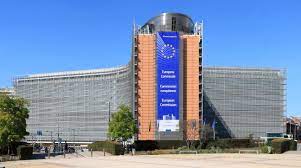
European Commission (Location)
Berlaymont, Brussels
25
New cards
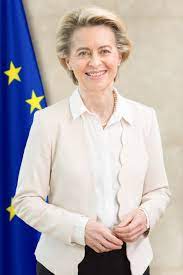
European Commission (President - who)
Ursula Von Der Leyen
German
Conservative
German
Conservative
26
New cards
European Commission (President - how)
Election. The European Council proposes a candidate to the Parliament, in accordance to the EU elections. Majority of MEPs
27
New cards
European Commission (Organisation)
* 27 commissioners (1 by country)
* Appointed by the EU Council ('common agreement' with the Commission's president : heard and voted)
* Principle of collegiality
* Bureaucracy : 33k civil servants, 30 general directors, 11 services
* Appointed by the EU Council ('common agreement' with the Commission's president : heard and voted)
* Principle of collegiality
* Bureaucracy : 33k civil servants, 30 general directors, 11 services
28
New cards
European Commission (Functions)
* Monopoly on legislative initiative/proposals (BUT : largely influenced by other actors)
* Implementation of EU policies (with the member states) '
* Guardian of the Treaties'
* Supranational institution
* Implementation of EU policies (with the member states) '
* Guardian of the Treaties'
* Supranational institution
29
New cards
European Commission (Decision-making)
* Collegial (i.e with consensus)
* Dossiers A : consensus without debate
* Dossier B : consensus after debate
* Dossiers A : consensus without debate
* Dossier B : consensus after debate
30
New cards
European Council
Sets the main political priorities
31
New cards
European Council (History)
1961 : 1st European 'summit'
1974 : institutionalisation
2009 : EU institution
1974 : institutionalisation
2009 : EU institution
32
New cards
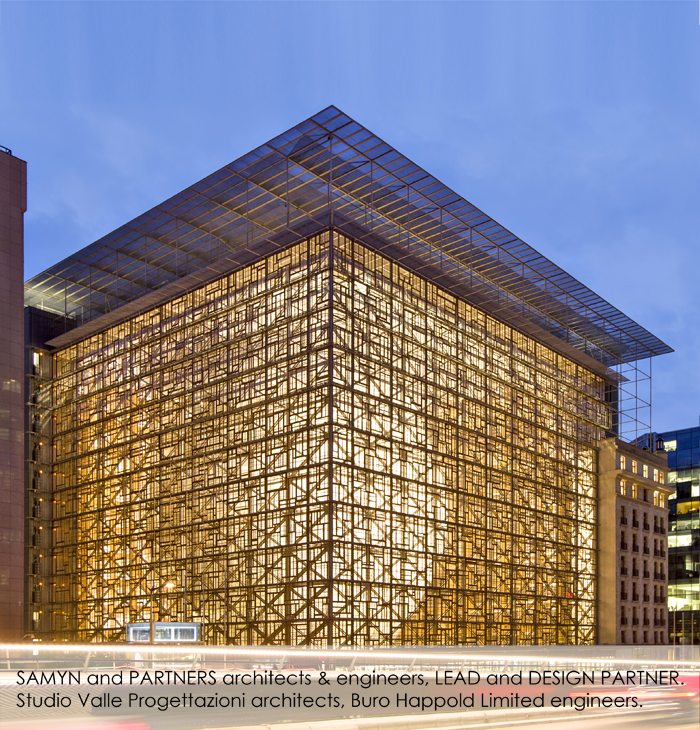
European Council (Location)
Europa, Brussels
33
New cards
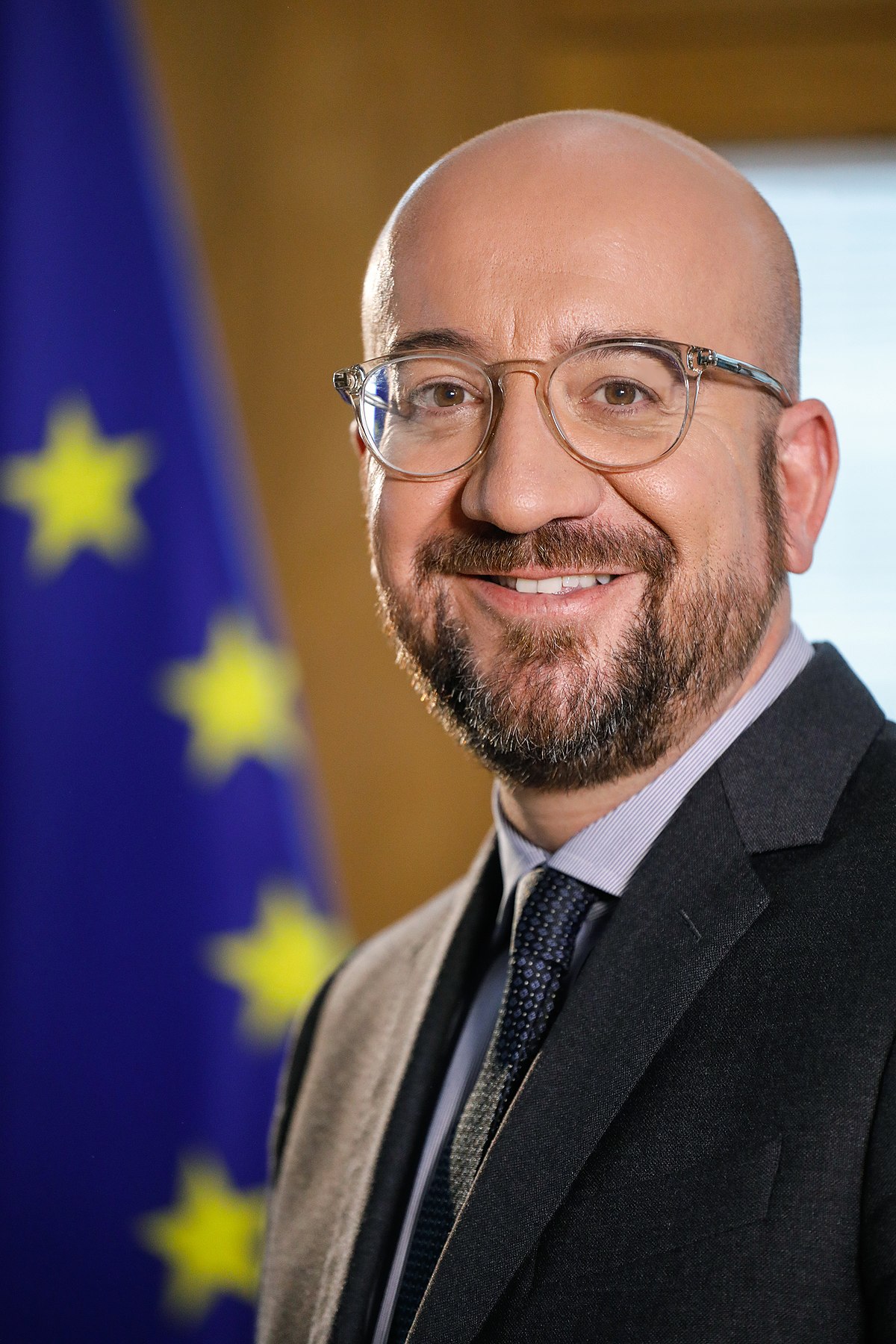
European Council (President -who)
* Charles Michel
* Belgium
* Liberal
* Belgium
* Liberal
34
New cards
European Council (President - how)
* Elected by the members of the European Council
* 2.5 years mandate
* 2.5 years mandate
35
New cards
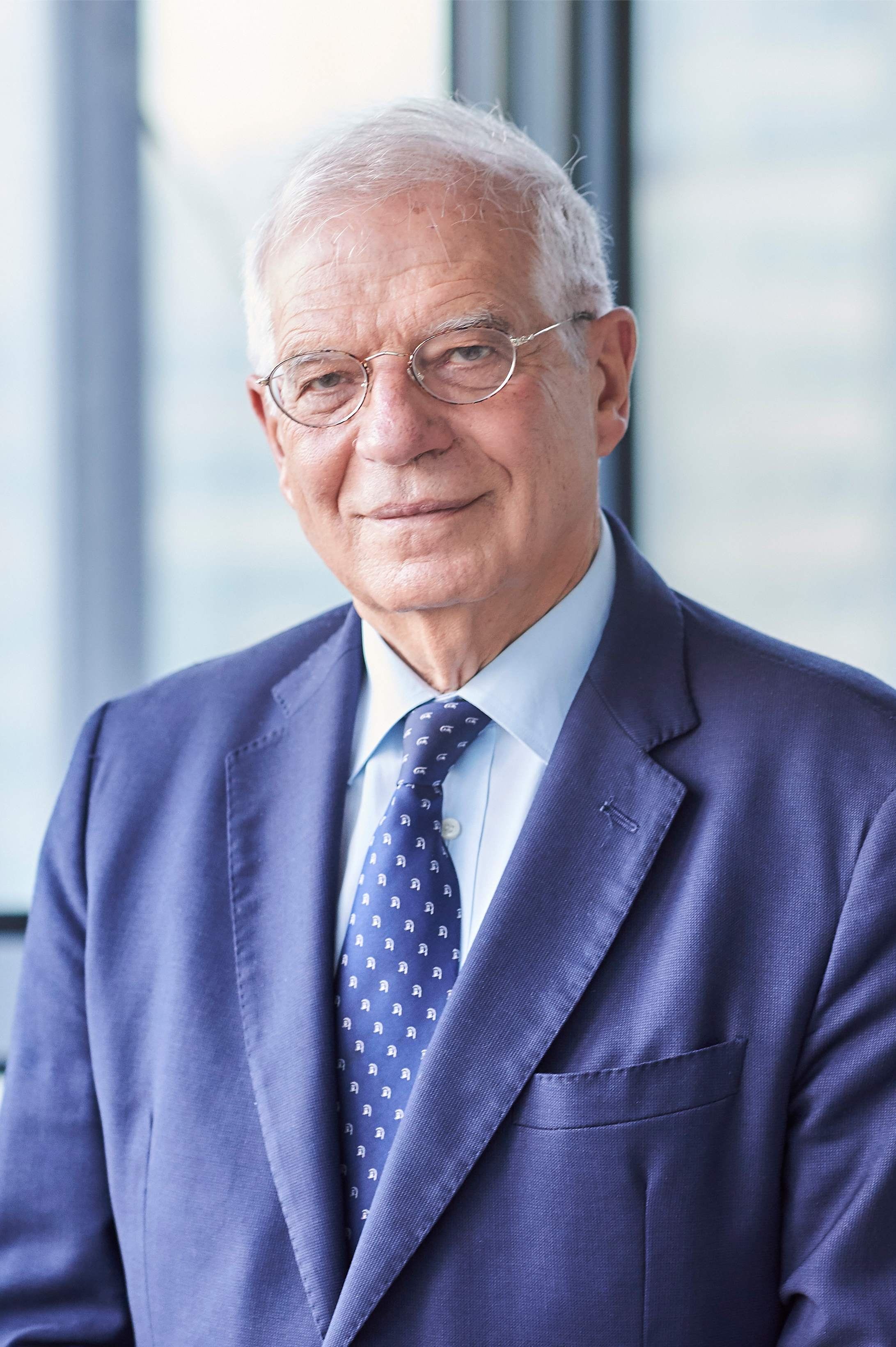
Josep Borrell
High Representative of the Union for Foreign Affairs and Security Policy (HRUFASP + VP of the European Commission)
36
New cards
European Council (Organisation)
- 27 heads of state + president of the EU Council + president of the European Commission + High Representative of the Union for Foreign Affairs and Security Policy
- 4 meetings per year
- Bureaucracy : same General Secretariat as the Council (3k seniors, Secretary General)
- 4 meetings per year
- Bureaucracy : same General Secretariat as the Council (3k seniors, Secretary General)
37
New cards
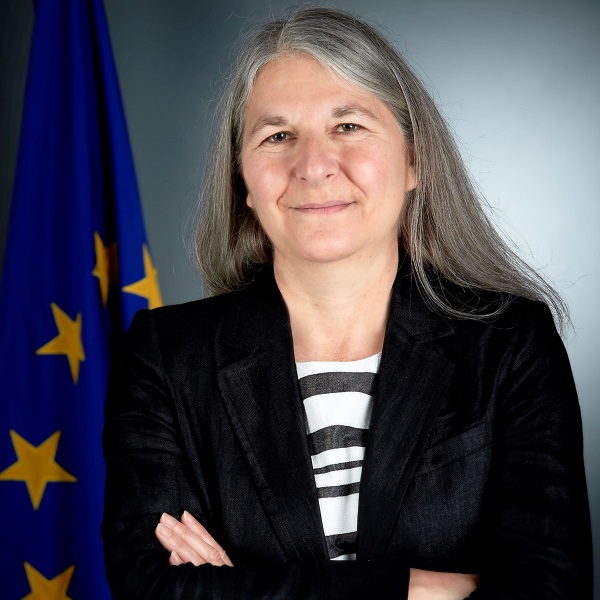
European Council (Secretary General)
Thérèse Blanchet
38
New cards
European Council (Functions)
- Define and set the EU's political priorities
- Defend national interests
- Adopt Treaty reforms and EU enlargements
- Elect its president (Qualified Majority)
- Propose the candidate for the presidency of the Commission
- Appoint the HRUFASP
- Appoint the commissioners
- Appoint the MB of the ECB executive board
Intergovernmental institution
- Defend national interests
- Adopt Treaty reforms and EU enlargements
- Elect its president (Qualified Majority)
- Propose the candidate for the presidency of the Commission
- Appoint the HRUFASP
- Appoint the commissioners
- Appoint the MB of the ECB executive board
Intergovernmental institution
39
New cards
European Council (Decision-making)
Unanimity, sometimes QM
40
New cards
Council of ministers
Council of the EU
Council of the EU
Adopts and amends draft laws emanatign from the Commission and votes on the budget
41
New cards
Council (History)
1951 : Special Council of ministers in the ECSC
1957 : Councils of min in EEC, ECSC and Euratom
1967 : Council of Min (3 in 1), several formats
2009 : Council of min (10 formats)
1957 : Councils of min in EEC, ECSC and Euratom
1967 : Council of Min (3 in 1), several formats
2009 : Council of min (10 formats)
42
New cards
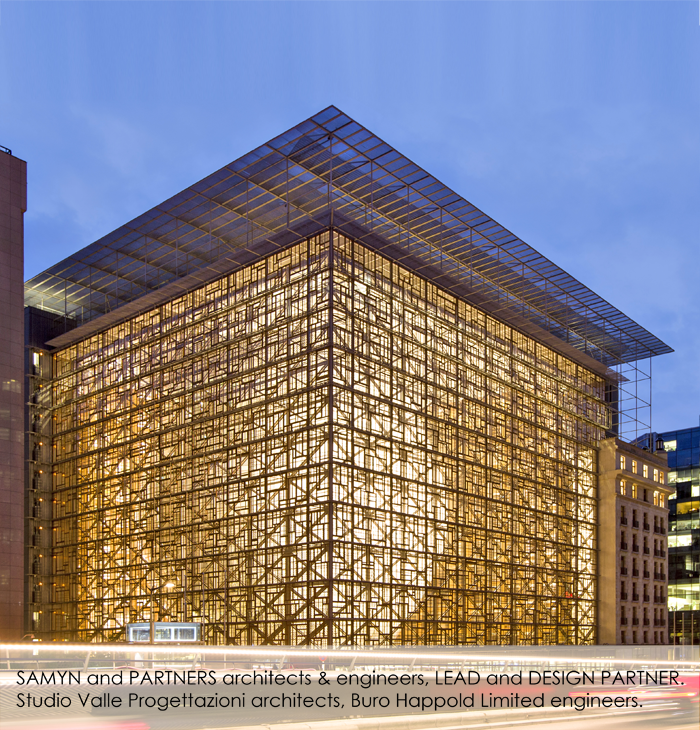
Council (Location)
Europa, Brussels
43
New cards
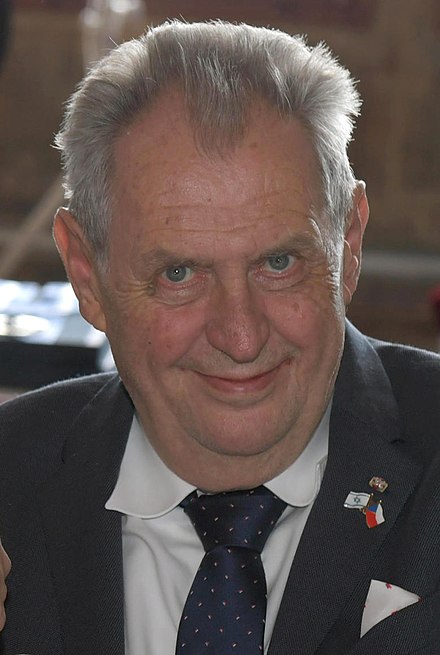
Council (President - who)
Czech Republic (Miloš Zeman)
44
New cards
Council (President - how)
Rotating presidency of 6 months
Czech Republic,
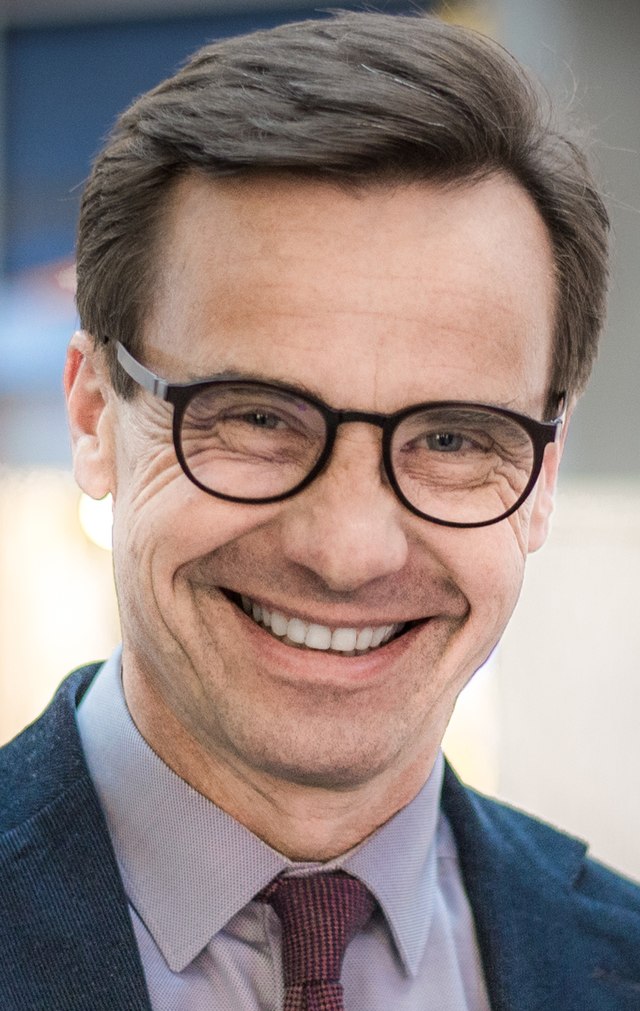
Starting Jan 2023, Sweden (Ulf Kristersson)
Czech Republic,
Starting Jan 2023, Sweden (Ulf Kristersson)
45
New cards
Council (Organisation)
- 10 formats (AGRI, ECOFIN...)
- Bureaucracy : same General Secretariat as the Council (3k seniors, Secretary General)
- Bureaucracy : same General Secretariat as the Council (3k seniors, Secretary General)
46
New cards
Council (Functions)
- Legislative power with the Parliament
- 'Ordinary Legislative Procedure' (art 294 of the TFUE -ToR)
- Coordination of national policies
- Define the CFSP
- 'Ordinary Legislative Procedure' (art 294 of the TFUE -ToR)
- Coordination of national policies
- Define the CFSP
47
New cards
Council (Decision-Making)
- Ministerial meetings prepared by COREPER
- QM and Veto, BUT consensus in practice (no vote if disagreement)
- Unanimity for CSDP/CFSP/tax issues
- SM for procedural and admin matters
- QM and Veto, BUT consensus in practice (no vote if disagreement)
- Unanimity for CSDP/CFSP/tax issues
- SM for procedural and admin matters
48
New cards
COREPER I
Deputy Permanent Representatives
Address technical issues
Address technical issues
49
New cards
COREPER II
Permanent Representative
Politically sensitive issues
Politically sensitive issues
50
New cards
European Parliament
Adopts and amends draft laws emanating from the Commission
51
New cards
Parliament (History)
1951 : Common Assembly in ECSC
1957 : Parliamentary Assembly
1962 : European Parliament (name)
1979 : Direct Universal Suffrage
1986 : European Parliament in the law (Single Act)
1957 : Parliamentary Assembly
1962 : European Parliament (name)
1979 : Direct Universal Suffrage
1986 : European Parliament in the law (Single Act)
52
New cards
Parliament (Location)
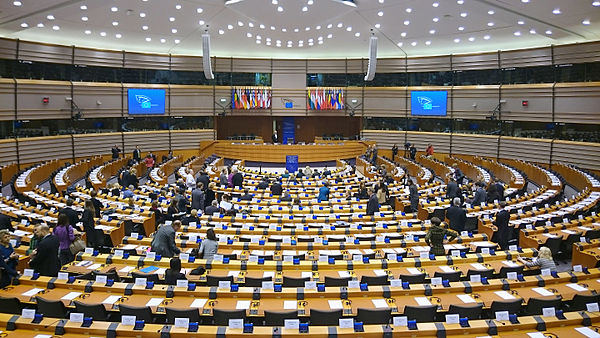
Strasbourg (Louise Weiss), Brussels (Léopold Space), Luxemburg
53
New cards
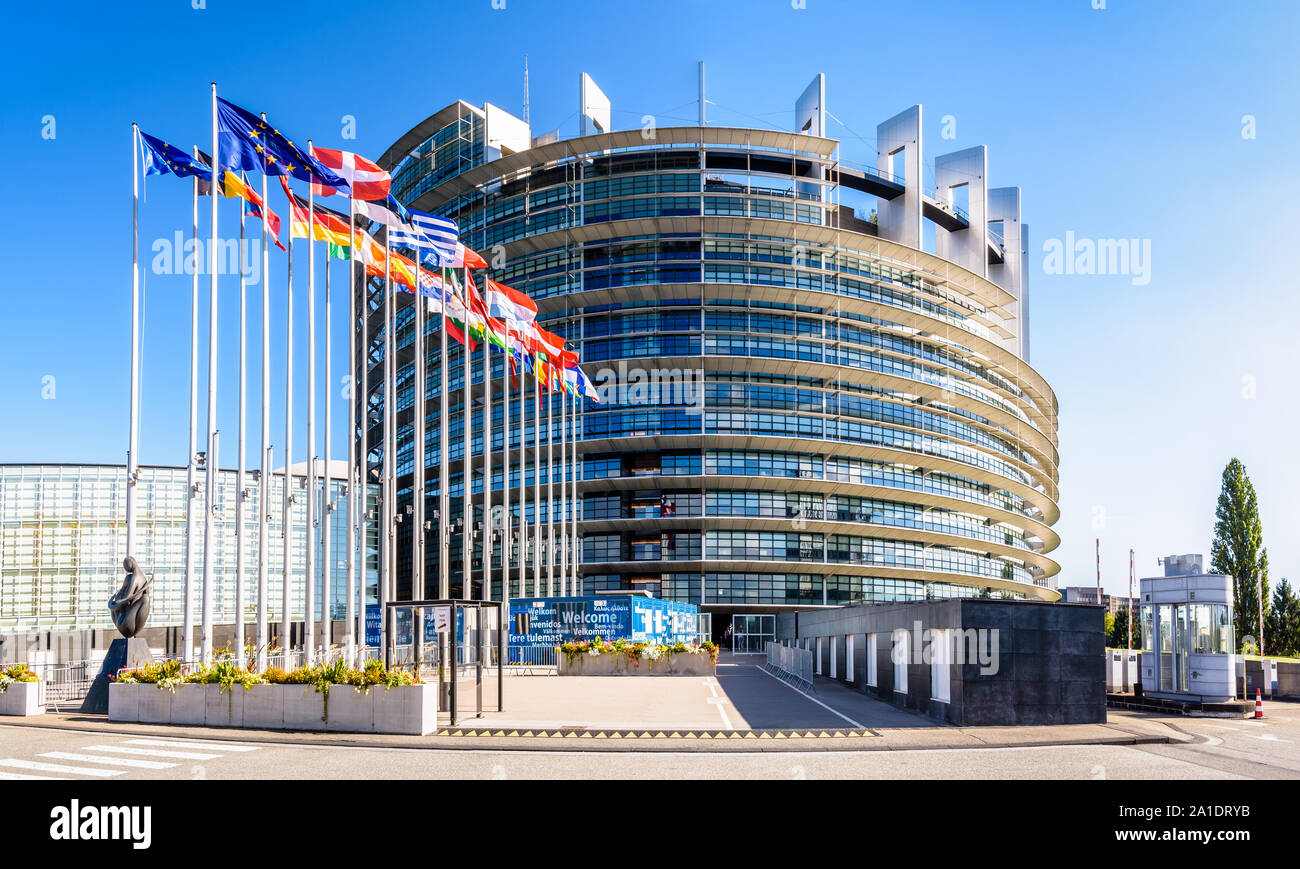
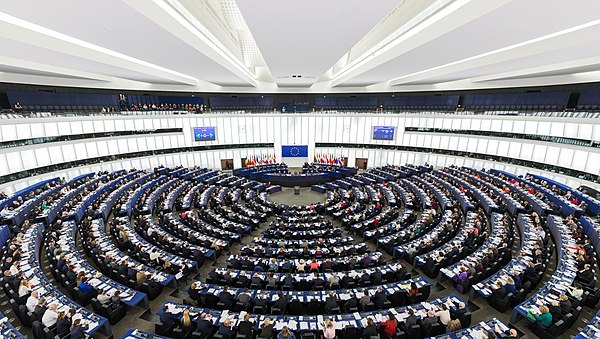
Louise Weiss
Strasburg, France
54
New cards
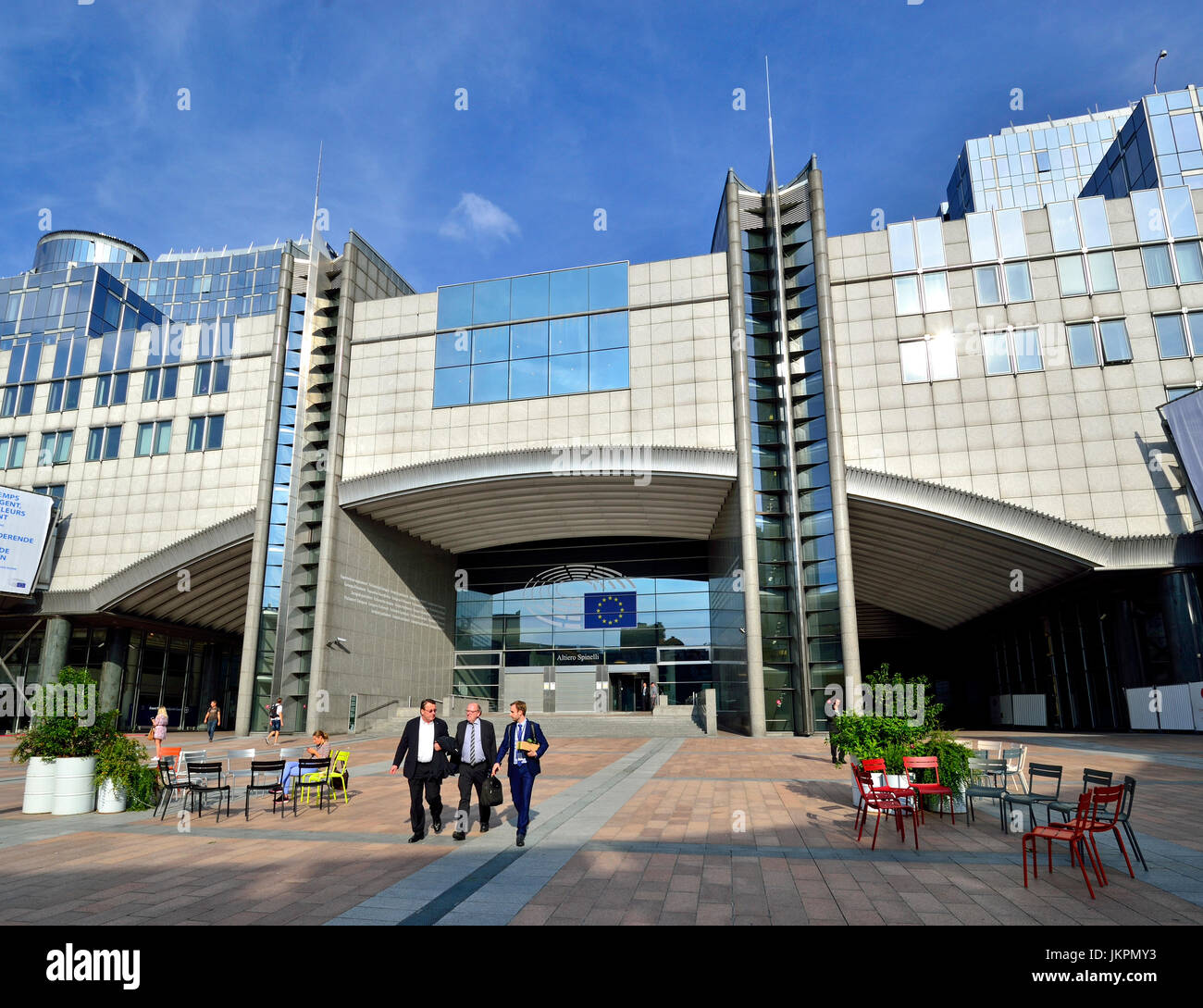
Léopold Space
Brussels, Belgium
55
New cards
Parliament (President - who)
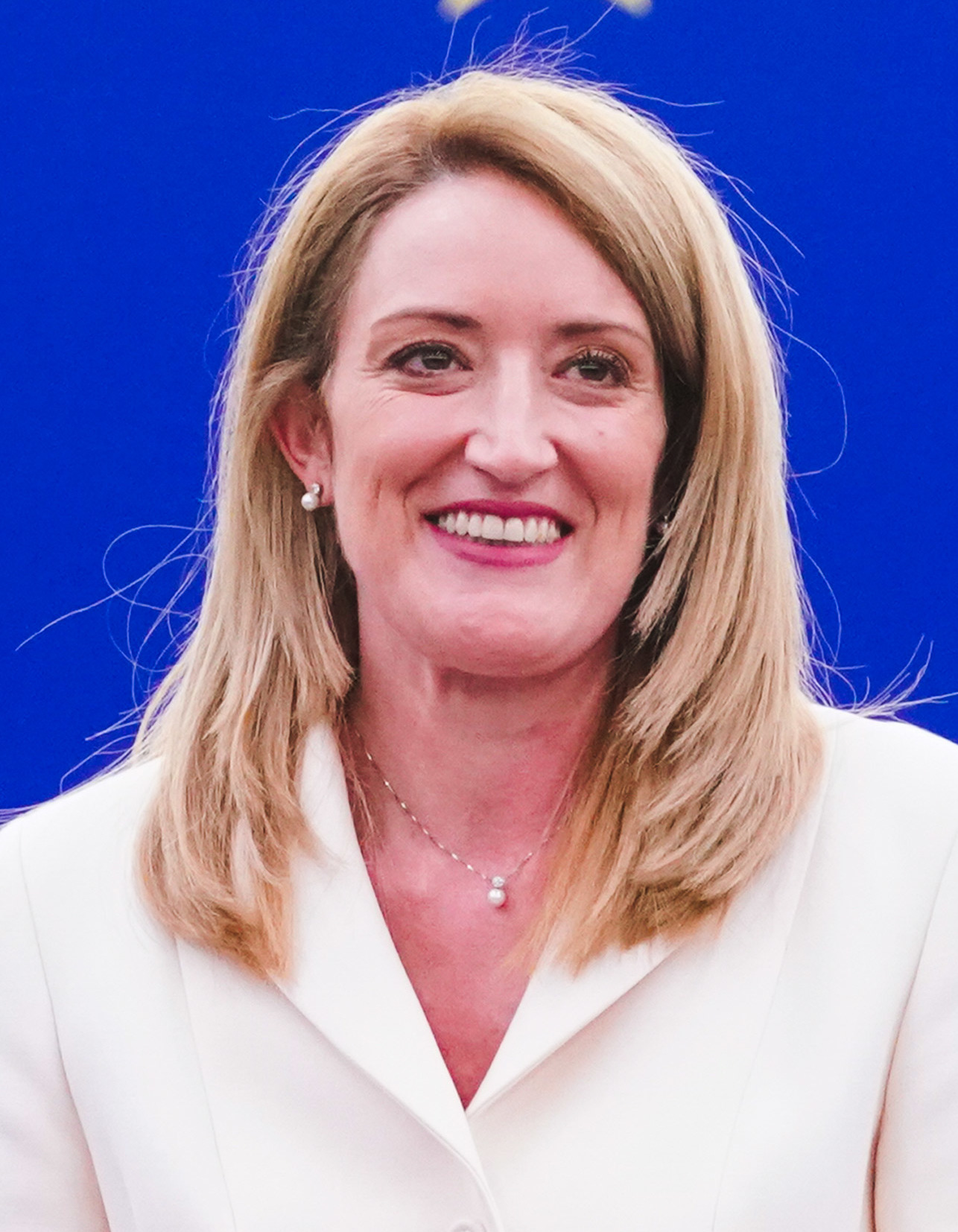
Roberta Metsola
Malta
Conservative
Malta
Conservative
56
New cards
Parliament (President - how)
Elected by the MEPs (single majority) for 2.5 years
57
New cards
Parliament (Organisation)
- 705 MEPs elected for 5 years
- Proportional voting
- Seats proportional to the population of each countries
- Work inside 20 parliamentary committees and 2 subcommittees
- Plenary session, once a month (red week)
- Committee work, once or twice a month (pink week)
- Constituency work, min four times a year (green)
- Bureaucracy : 6k civil servants
- Proportional voting
- Seats proportional to the population of each countries
- Work inside 20 parliamentary committees and 2 subcommittees
- Plenary session, once a month (red week)
- Committee work, once or twice a month (pink week)
- Constituency work, min four times a year (green)
- Bureaucracy : 6k civil servants
58
New cards
Parliament (Functions)
- Colegislate with the Council
- 'Ordinary Legislative Procedure', art 294, TFEU
- Approve the appointment of Commissioners
- Motion of censure against the Commission (allegations of fraud, mismanagement, nepotism...)
- 'Ordinary Legislative Procedure', art 294, TFEU
- Approve the appointment of Commissioners
- Motion of censure against the Commission (allegations of fraud, mismanagement, nepotism...)
59
New cards
Parliament (Decision-making)
Simple majority
60
New cards
Court of Justice of the European Union
Ensures the applicatio of the EU law and the uniformity of its interpretation on its territory
61
New cards
Court of Justice (History)
1951 : ECSC Court of Justice
1957 : Court of Justice of the ECSC, EEc and Euratom
2009 : Court of Justice of the European Union (art 19, TEU)
1957 : Court of Justice of the ECSC, EEc and Euratom
2009 : Court of Justice of the European Union (art 19, TEU)
62
New cards
Court of Justice (Location)
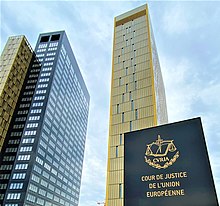
Luxemburg
63
New cards
Court of Justice (Organisation)
3 bodies :
- Court of Justice : 27 judges (named by agreement of all member states) + 11 advocate general
- General Court (tribunal) : 2 judges per MS
- Specialised courts
- Court of Justice : 27 judges (named by agreement of all member states) + 11 advocate general
- General Court (tribunal) : 2 judges per MS
- Specialised courts
64
New cards
Court of Justice (Function)
- Review the legality of the EU institutions acts
- Interpret the EU law at the request of national judges
- Ensure the compliance with EU law thorugh its equal application in all MS
- Interpret the EU law at the request of national judges
- Ensure the compliance with EU law thorugh its equal application in all MS
65
New cards
Court of Justice (Decision-making)
3 procedures : actions for
- Failure to fulfil obligations
- Failure to act
- Annulment
- Failure to fulfil obligations
- Failure to act
- Annulment
66
New cards
European Central Bank (History)
1999 : creation
2002 : launching of the euro currency
2009 : legal personality (Lisbon Treeaty)
2020 : 19 MS partake in
2002 : launching of the euro currency
2009 : legal personality (Lisbon Treeaty)
2020 : 19 MS partake in
67
New cards
European Central Bank (Location)
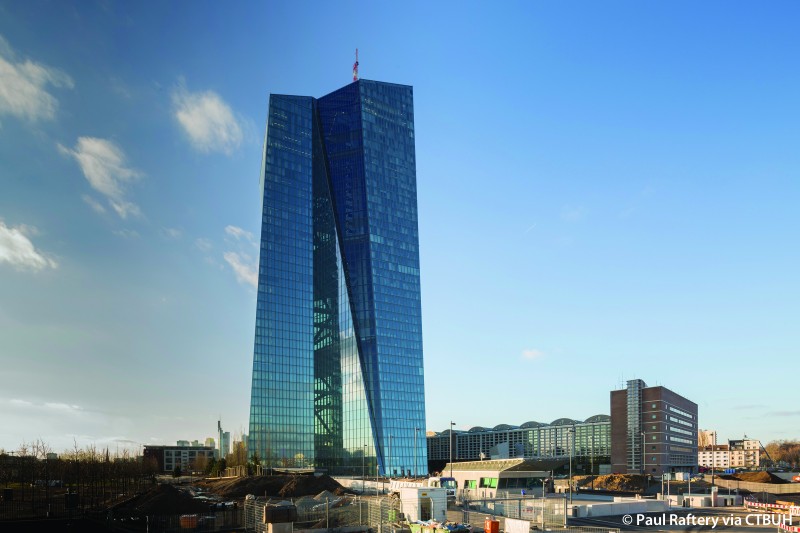
Skytower, Frankfurt
68
New cards
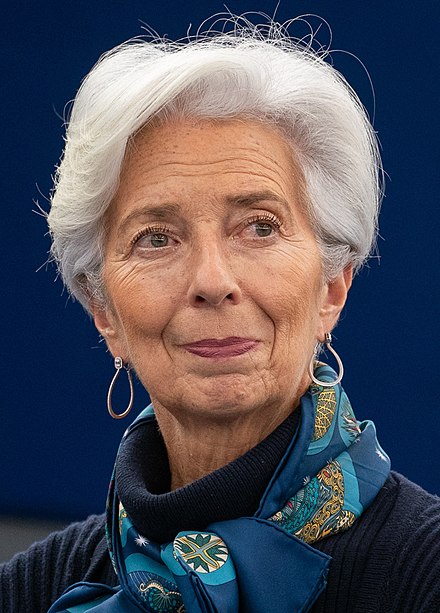
European Central Bank (President -who)
Christine Lagarde
French
Conservative
French
Conservative
69
New cards
European Central Bank (President - how)
- Recommanded by the Council of the EU
- Consultation of the Parliament
- Appointed by a qualified majority vote of the European Council
- Consultation of the Parliament
- Appointed by a qualified majority vote of the European Council
70
New cards
European Central Bank (Organisation)
2 main bodies :
- Executive board : president, vice-p, 4 other mb appointed by the European Council
- Governing Council : 10 governors of national central banks + mb of the executive board
Meetings every 2 months
3.5k civil servants
- Executive board : president, vice-p, 4 other mb appointed by the European Council
- Governing Council : 10 governors of national central banks + mb of the executive board
Meetings every 2 months
3.5k civil servants
71
New cards
European Central Bank (Functions)
Executive board :
- Prepares the meetings of the Governing Council
- Implements monetary policy
- Ensures day-to-day management
Governing Council :
- Adopt guidelines
- Take decisions
- Define the monetary policy
- Set interest rates (objective 2% inflation rate)
- Prepares the meetings of the Governing Council
- Implements monetary policy
- Ensures day-to-day management
Governing Council :
- Adopt guidelines
- Take decisions
- Define the monetary policy
- Set interest rates (objective 2% inflation rate)
72
New cards
European Central Bank (Decision-making)
- Economic and monetary analysis of informations
- Decision taken by the Governing Council according to the assessment of the risks to price stability
- Decision taken by the Governing Council according to the assessment of the risks to price stability
73
New cards
Decision-making (S. Novak) - 3 principles
Art 5 TFEU
- Attribution
- Proportionality
- Subsidiarity
- Attribution
- Proportionality
- Subsidiarity
74
New cards
Principle of attribution (S. Noval)
The EU must act only within the limits of the competences confered upon it by the treaties
75
New cards
Principle of subsidiarity (S. Novak)
In areas without exclusive competences, the EU can act only if and in so far as the objective of the purpose action cannot be sufficiently achieved by the MS and better achieved at the EU level.
76
New cards
Principle of Proportionality (S. Novak)
The content and form of the EU action may not exceed that which is necessary to achieve the objective of the treaties
77
New cards
Decision-making (S. Novak) - 3 types of competences
- Exclusive (art 3, TFEU : 6 areas)
- Shared (art 4, TFEU : 13 areas)
- Supporting (art 6, TFEU : 7 areas)
- Shared (art 4, TFEU : 13 areas)
- Supporting (art 6, TFEU : 7 areas)
78
New cards
Community method (S. Novak)
1- The European Commission prepares the decision
2- The Council and European Parliament codecide on taking the decision (QM)
3- The European Commission (thus the MS) implement the decision
--> all areas
2- The Council and European Parliament codecide on taking the decision (QM)
3- The European Commission (thus the MS) implement the decision
--> all areas
79
New cards
Intergovernmental method (S. Novak)
- The Commission and the European Council share the right of initiatives.
- The Parliament and Commission have a limited role (consultative).
- The Council adopts the decisions by unanimity
--> CSDP, CFSP, economic governance
- The Parliament and Commission have a limited role (consultative).
- The Council adopts the decisions by unanimity
--> CSDP, CFSP, economic governance
80
New cards
Primary Law
Treaties (Lisbon = TEU/ToM + TFEU/ToR)
81
New cards
Secondary Law
Binding legal acts
- Directive
- Regulations
- Decision
Non-binding legal acts :
- Recommendation
- Advice
- Directive
- Regulations
- Decision
Non-binding legal acts :
- Recommendation
- Advice
82
New cards
Directives
Legislative acts that set objective for all MS BUT each country is free to develop its own measures to achieve them.
83
New cards
Regulation
Legislative acts that set objective for all MS BUT must be fully implemented throughout the EU without delay.
84
New cards
Decision
Binding on the addresses to whom they are addressed and directly applicable.
85
New cards
Pillars (3)
1- Common provision principles, goals and institutions (community method)
2- Common Foreign and Security Policy (CFSP) - intergov. method
3- Judicial and internal affairs : intergov. method
2- Common Foreign and Security Policy (CFSP) - intergov. method
3- Judicial and internal affairs : intergov. method
86
New cards
Interest group (Saurugger)
"Entity that seeks to represent the interests of a specific section of society in the public space"
87
New cards
Lobbying (Saurugger)
"Activites aimed at influencing the policy developement and decision-making processes of the EU."
88
New cards
Lobbies
- Seen as : groups that pursue narrow interests + undermine the legitimacy/accountabilityof the EU institutions // an opportunity for the civil scty to participate in the EU policy-making
- Commission consults lobbies to improve the qlty of policies + enhance the involvment of interestedparties
- Council is a relevant contact for lobbies
- Parliament is for a stricter lobbying regulation (should be the basis of a democratic system)
- Commission consults lobbies to improve the qlty of policies + enhance the involvment of interestedparties
- Council is a relevant contact for lobbies
- Parliament is for a stricter lobbying regulation (should be the basis of a democratic system)
89
New cards
Schengen Principle (V. Giraudon)
- 1985, free internal movement + control at external borders.
- Integrated through the Amsterdam Treaty (1997). Intergovernmental governance.
- Since 2009, community method
- Integrated through the Amsterdam Treaty (1997). Intergovernmental governance.
- Since 2009, community method
90
New cards
Schengen mb
26 : MS except :
- Ireland
- Romania
- Bulgaria
- Croatia
- Cyprus
BUT plus :
- Island
- Lichtenstein
- Norway
- Switzerland
- Ireland
- Romania
- Bulgaria
- Croatia
- Cyprus
BUT plus :
- Island
- Lichtenstein
- Norway
- Switzerland
91
New cards
Schengen / Outsourcing of controls
States bordering the Schengen area have the responsability to control, arrest and return unwanted migrants BEFORE they enter Europe.
92
New cards
Defence (History, S. Faure)
- 1950s-1990s : NATO
- 1998-2001 : bilateralism (FR/UK : Saint-Malo agreement), outside the EU
- 2001-2009 : multilaterism (ESDP, Nice Treaty - CSDP, Lisbon Treaty), inside the EU
- 2009-2022 : intergov. tools and hybrid and supranational tools
- 1998-2001 : bilateralism (FR/UK : Saint-Malo agreement), outside the EU
- 2001-2009 : multilaterism (ESDP, Nice Treaty - CSDP, Lisbon Treaty), inside the EU
- 2009-2022 : intergov. tools and hybrid and supranational tools
93
New cards
N. Jabko
L'Europe par le marché (2009)
- How can the historical dynamics of the
- Not globalisation, the idea of federalism or convergence of national interests
- Crafting of a political strategy by the Commission (J. Delors) --> constructivism (ambiguous def of the market)
- How can the historical dynamics of the
- Not globalisation, the idea of federalism or convergence of national interests
- Crafting of a political strategy by the Commission (J. Delors) --> constructivism (ambiguous def of the market)
94
New cards
A. Moravcisk
The Choice for Europe (1998)
- Liberal argument for the European integration --> impulsed by national institutions to favour their economical interests
- Liberal argument for the European integration --> impulsed by national institutions to favour their economical interests
95
New cards
F. Mérand & J. Weisbein
Introduction à l'Union européenne (2001)
- EU more legitimate by out-puts than in-puts (decision is good bc its works/was taken after a collective work of different actors)
- Integration (supranational institutions)
- Tension (national interests prevail)
- Institutional triangle (Commission, Council, Parliament) --> interdependent
- EU more legitimate by out-puts than in-puts (decision is good bc its works/was taken after a collective work of different actors)
- Integration (supranational institutions)
- Tension (national interests prevail)
- Institutional triangle (Commission, Council, Parliament) --> interdependent
96
New cards
G. Courty and H. Michel
- How are relations between lobbyists and EU political and administrative actors structures in the Eurocracy field ?
- Institutional theory : political institutions have an effect on interest groups
- Distinction in lobbies : permanent v. intermittent
- Institutional theory : political institutions have an effect on interest groups
- Distinction in lobbies : permanent v. intermittent
97
New cards
C. Fontan
- How has the financial crisis affected EU institutions (in particular the ECB)
- 2012 : M. Draghi -> Sovereign Debt Crisis, "whatever it taked"
- The ECV was reinforced during the crisis, gained competecens, became a political actor
3 reasons :
1- Monopoly on liquidity
2- Expertise in financial markets
3- Moral authority over MS
- 2012 : M. Draghi -> Sovereign Debt Crisis, "whatever it taked"
- The ECV was reinforced during the crisis, gained competecens, became a political actor
3 reasons :
1- Monopoly on liquidity
2- Expertise in financial markets
3- Moral authority over MS
98
New cards
D. Georgakakis
- CSQ of the Covid crisis
- Health was a supporting competence
- EU council manages emergencies
- Commission and the Parliament handle routine and forecasts
- Health was a supporting competence
- EU council manages emergencies
- Commission and the Parliament handle routine and forecasts
99
New cards
V. Guiraudon
- How does europeanisation affect national immigration and asylum policies ?
- Europeanisation : vertical (bottom-up/top-down), horizontal (institutional isomorphism, w/o the EU)
- Europeanisation : vertical (bottom-up/top-down), horizontal (institutional isomorphism, w/o the EU)
100
New cards
V. A. Schmidt / La démocratie en Europe (2010)
- Typology of legitimacies to explain the democray deficit