Bio Unit 1 Chp 2 Variety of Living Organisms
 Call Kai
 Learn
Learn Practice Test
 Spaced Repetition
 Match
Match Flashcards
 Knowt Play
1/19

There's no tags or description
Looks like no tags are added yet.
Name | Mastery | Learn | Test | Matching | Spaced | Call with Kai |
|---|
No analytics yet
Send a link to your students to track their progress
20 Terms
OBJQ
What is the difference between prokaryotes & eukaryotes?
Prokaryote
Unicellular
No membrane-bounded organelles
No nucleus
Eukaryote
Multicellular
Have membrane-bounded organelles
Have nucleus
What are the similarities in all organisms?
-Cytoplasm
-Cell membrane
-DNA
-Ribosomes
OBJQ
Explain about the plant kingdom?
Multicellular
Eukaryote
Cell wall made out off cellulose
Have chloroplasts to absorb light energy for photosynthesis
Excessive glucose stored as starch, sucrose, and cellulose
EXAMPLES: maize, peas, beans
Nutrition = Autotrophic
OBJQ
Explain about animal kingdom
Multicellular
Invertebrae & vertebrae
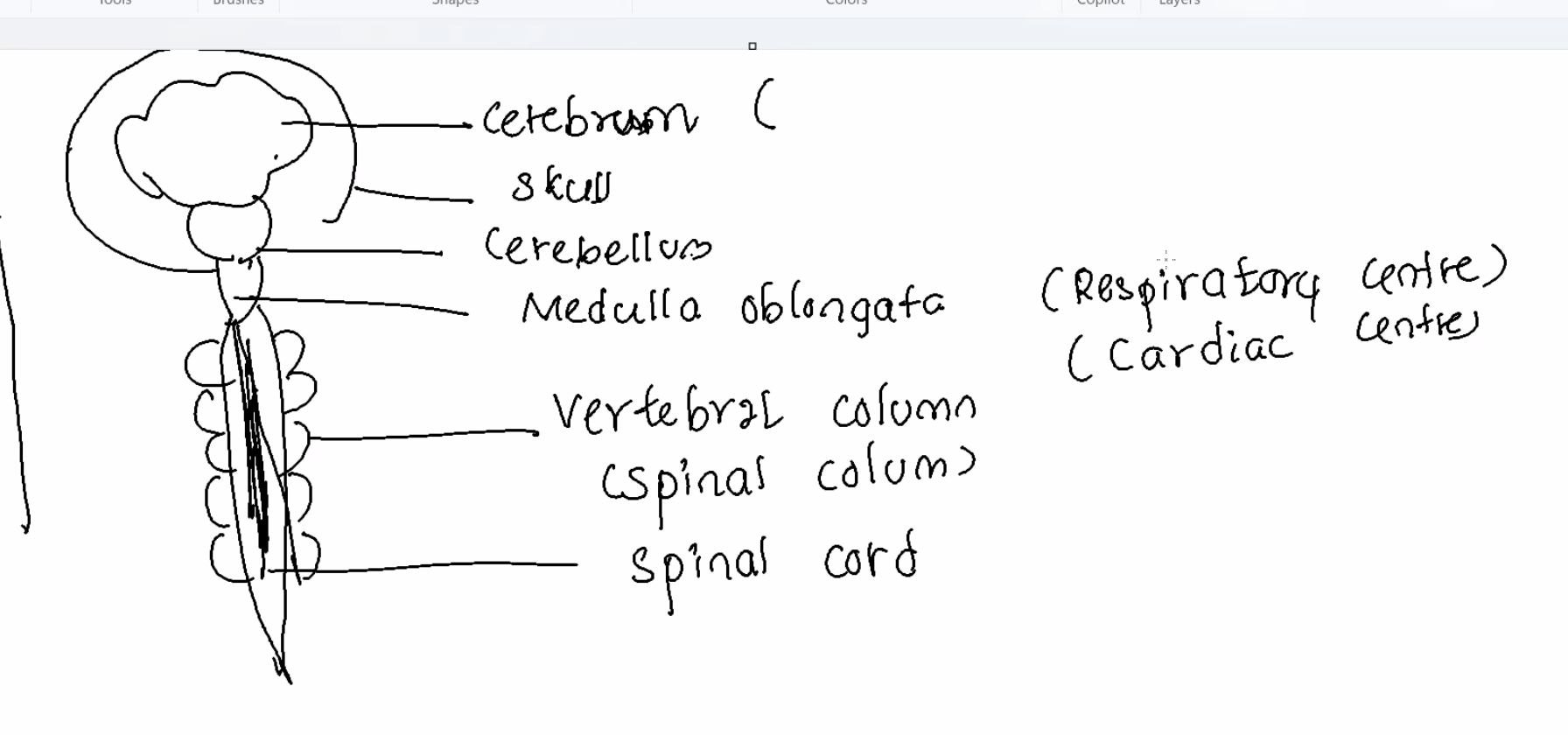
Invertebrate = doesn’t have skull and vertebral column
Vertebrae = have skull and vertebral column
Invertebrates EXAMPLES: Insect, arachnids, crustaceans, myriapods, mollusks, porifera, cnidaria, echinodermata, annelida, nematodes, and platyhelminths
Vertebrae EXAMPLES: Fish, amphibians, reptiles, birds and mammals
Nutrition = Holozoic = taking in of solid food; heterotrophic
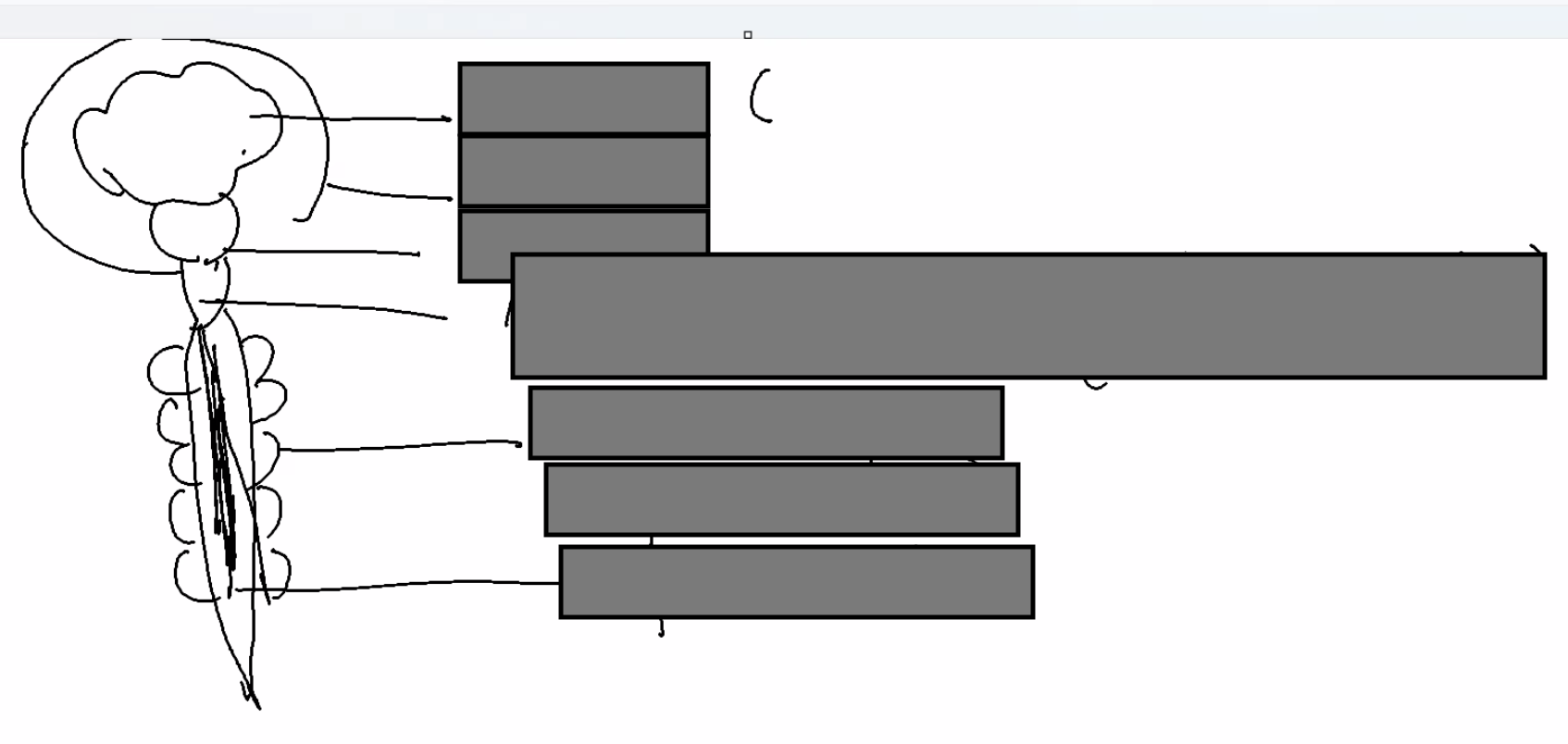
Name the components in the vertebral column.
FAQ
Explain about the fungus kingdom?
Cell wall made up of chitin
Both unicellular and multicellular
EXAMPLE: Mold/mushroom (multicellular) (asexual: spore formation or sexual)
Yeast (unicellular) (asexual: budding)
Mold: Has a branching structure called hyphae.
Mycelium (collection of hyphae)
Nutrition = saprotrophic
FAQ
What is extracellular/saprotrophic digestion?
Hyphae secrete digestive enzymes on the food, breaking it down into soluble substances such as sugar.
Then the sugar is absorb by mould
Food is used up and mould must infect another source of food by producing more spores
It is called saprotrophic nutrition
What is a mushroom or toadstool?
It is a reproductive structure of the organisms called the fruiting body.
Why are foods kept in the fridge to prevent rotting?
-Enzyme reactions take place at optimal temperatures.
-If enzyme reaction take place, food can rot easily and frequently
-So the food is put in the fridge to cool and prevent rotting and mold infection.
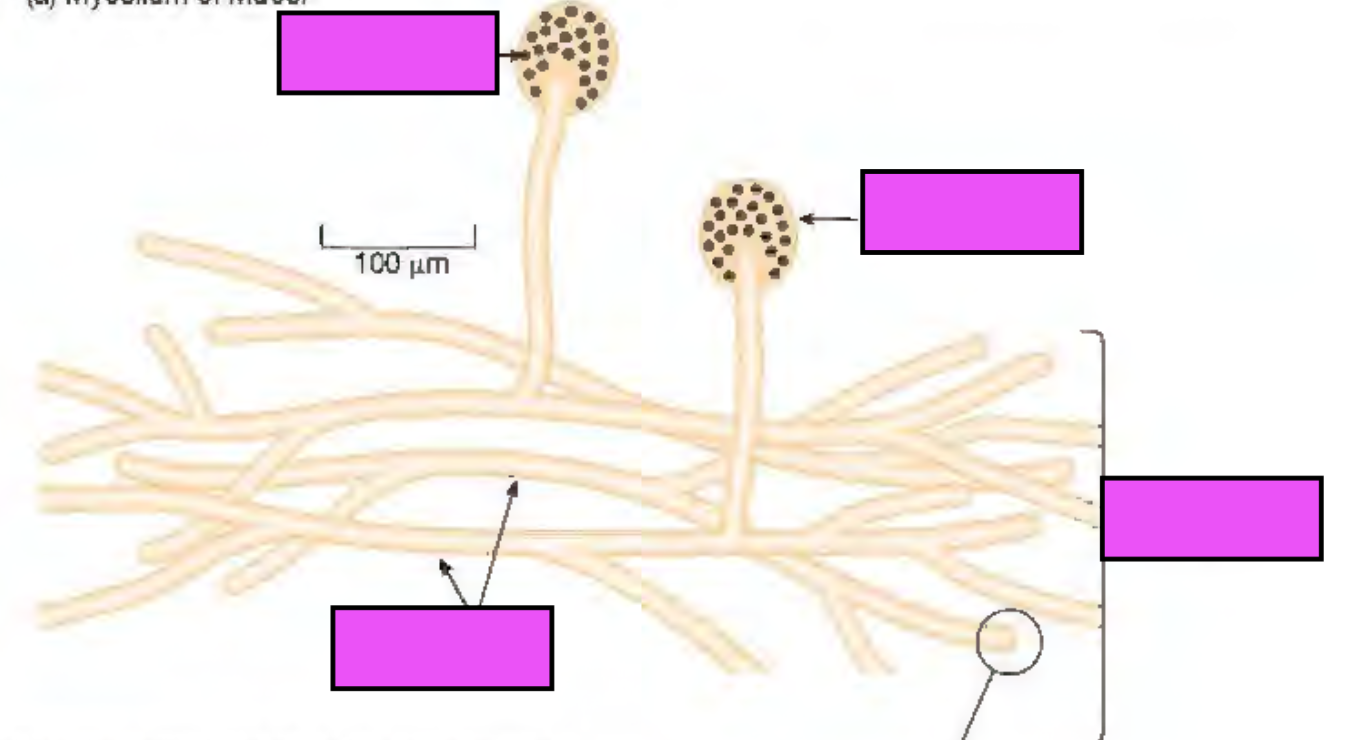
Label the structures of fungi?
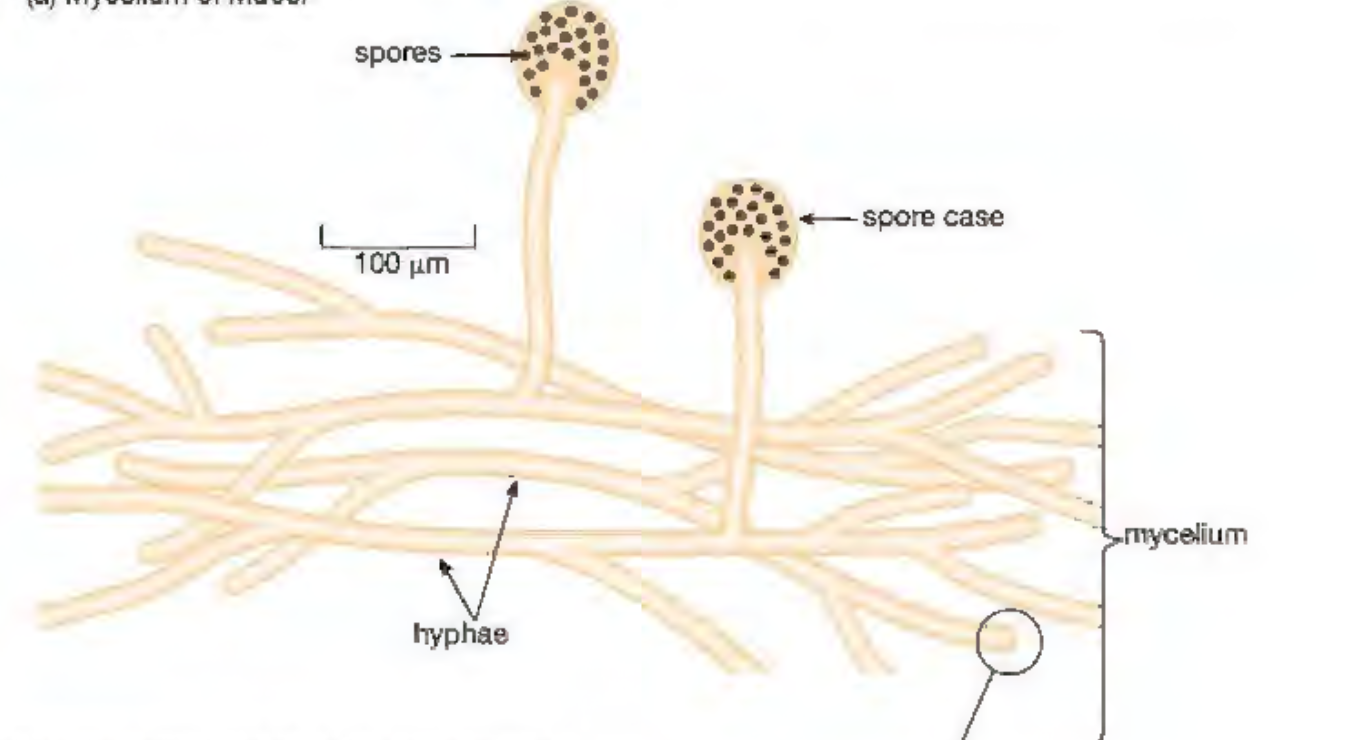
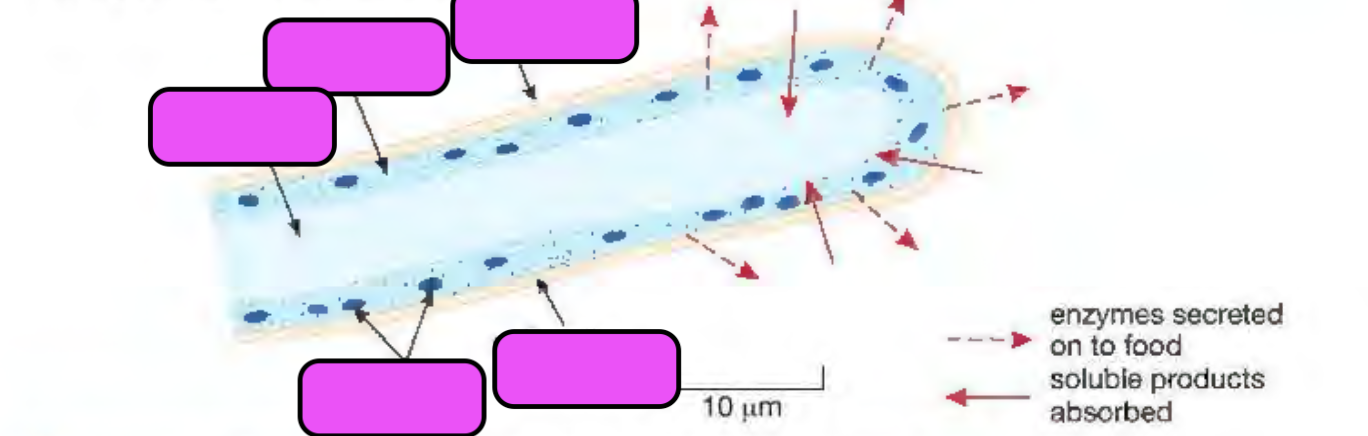
Label the structures of fungus in extracellular digestion.
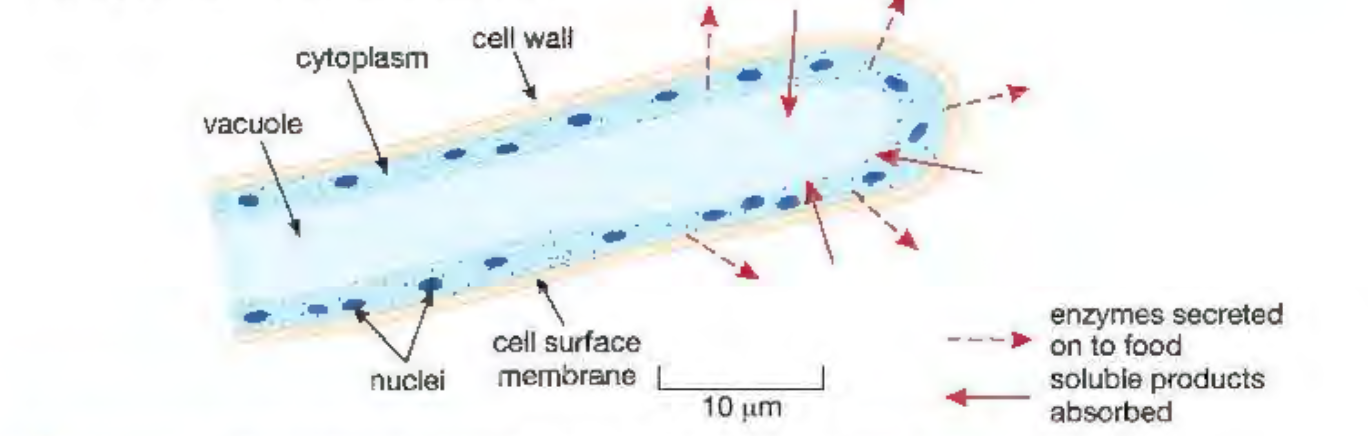
OBJQ
What is the protist kingdom?
Both multicellular and unicellular
- Animal-like protists and plant-like protists
EXAMPLE:
(Protozoa) Euglena,Algae (photosynthesis)
Euglena: no cell wall
Algae: Cellulose cellwall
Both are unicellular
What are the examples of protists?
Amoeba = In water (pseudopodia) animal like
Algae, chlorella = chloroplasts
Plasmodium = parasite (malaria)
OBJQ
Explain the bacteria kingdom
- Unicellular
-Decomposer
- No nucleus and membrane-bounded organelles
- Plasmid and flagellum (only ⅔)
-Asexual reproduction of binary fission
OBJR
What are the shapes of bacteria?
-Spherical
-Rods
-Spirals
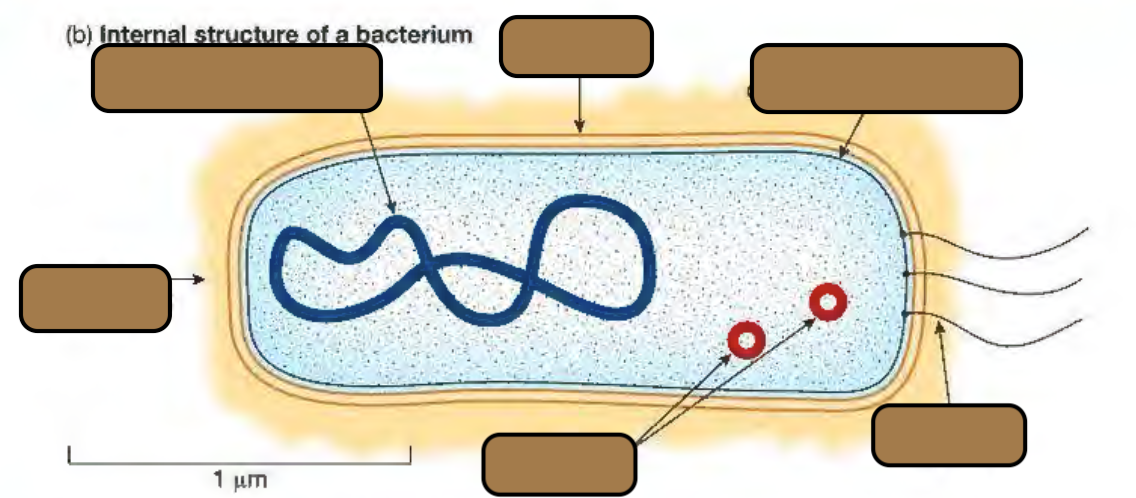
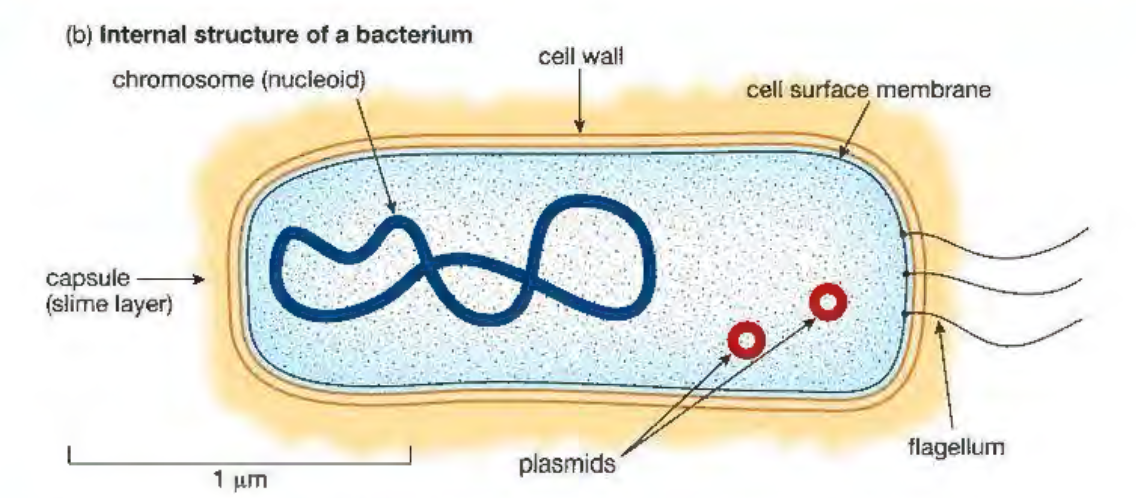
Label the anatomy and explain the function of bacteria
Capsule—>Prevent itself from antibiotics and WBC attack
Call wall—>Made out of peptidoglycan—>Extra protection
Cell surface membrane—>Control movement of substances in and out
Chromosome (nucleoid)—>Division and reproduction
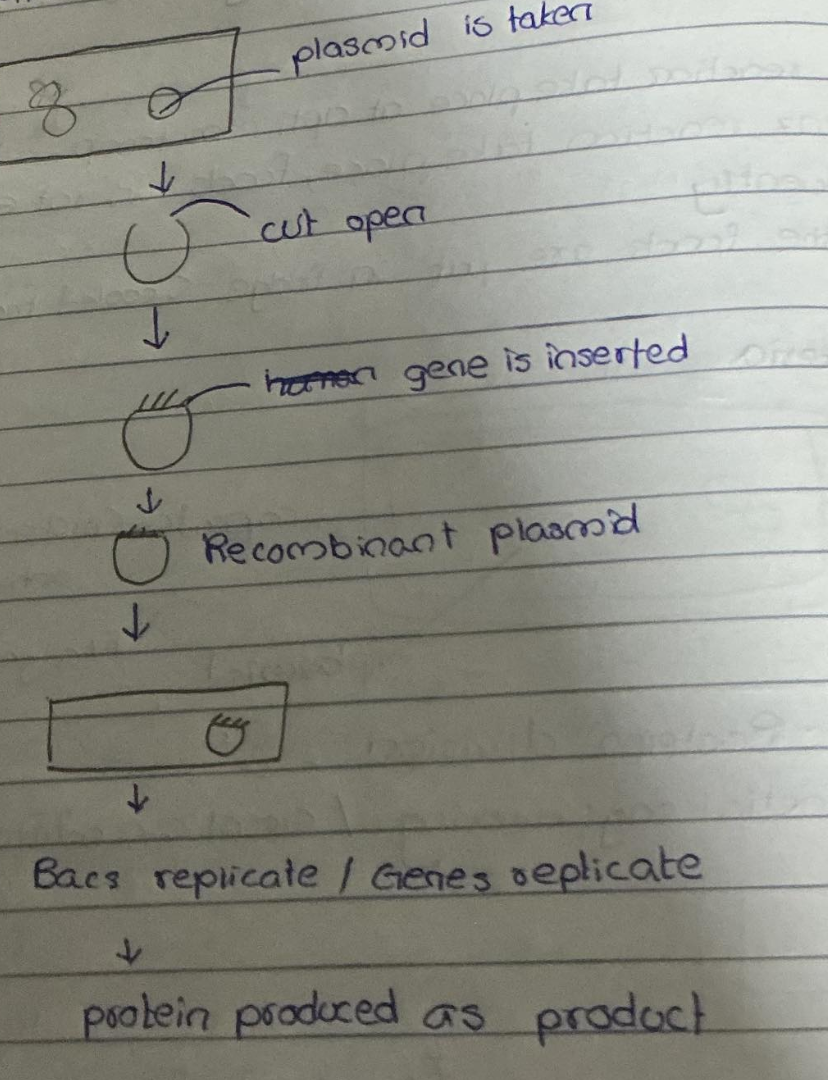
Plasmid—>Extrachromosomal DNA—>Genetic engineering
Flagellum—>Movement
Explain the advantages and disadvantages of bacteria
Benefits
-Genetic engineering, insulin production, growth hormones, vaccines
-Food making → yogurt (lactobacillus)
-act as decomposer in sewage system
Disadvantages
-Pathogen
What are pathogens?
Pathogens are organisms that cause diseases
What are the names of bacteria?
Lactobacillus —>yogurt
Pneumococcus→Pneumonia
Staphylococcus→skin infection
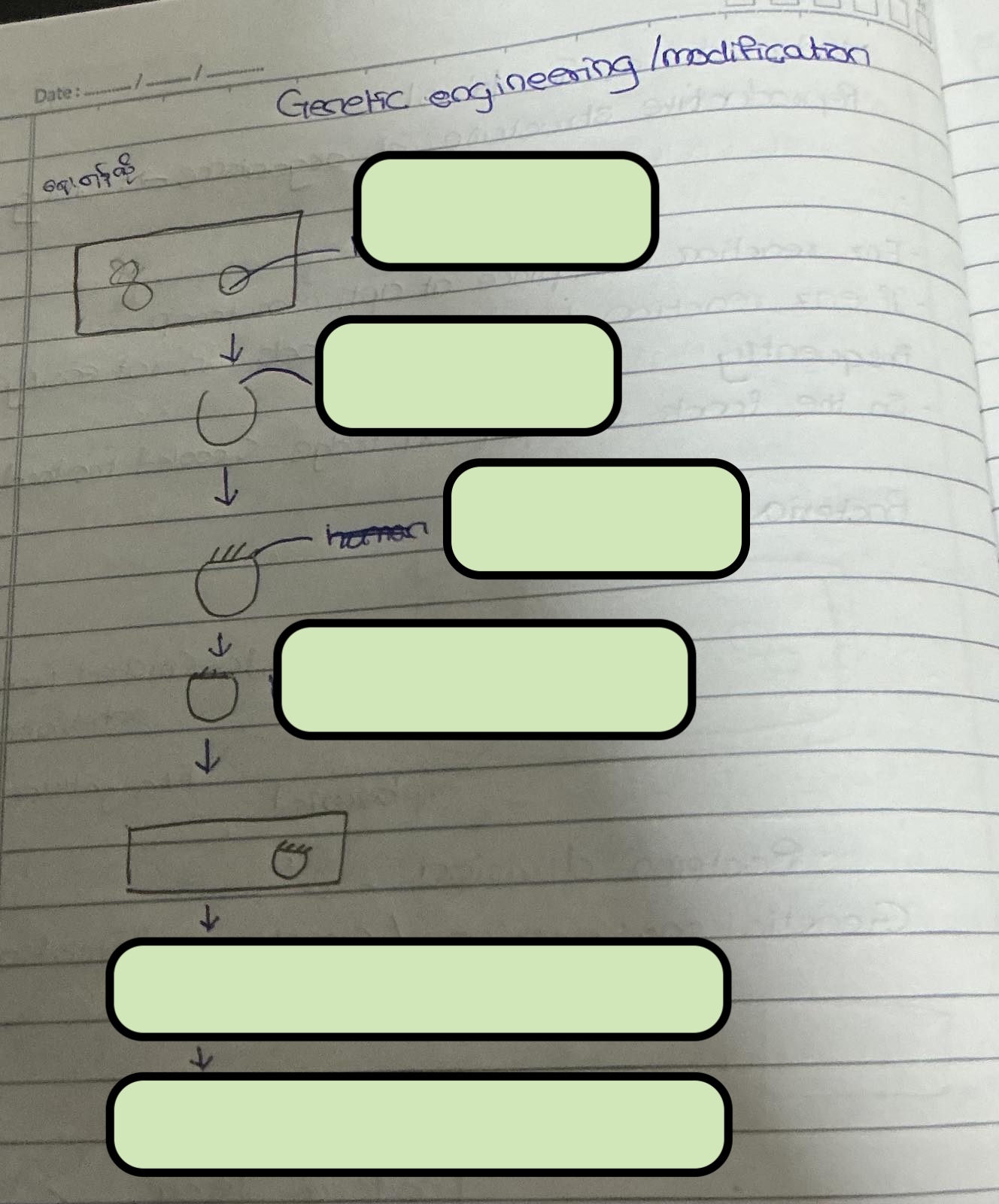
Explain the steps in genetic engineering