PHA 338 - Lecture 1 (Part A) Fundamentals
 Call Kai
 Learn
Learn Practice Test
 Spaced Repetition
 Match
Match Flashcards
 Knowt Play
1/24

There's no tags or description
Looks like no tags are added yet.
Name | Mastery | Learn | Test | Matching | Spaced | Call with Kai |
|---|
No analytics yet
Send a link to your students to track their progress
25 Terms
Drug vs Medicine
A drug is the active therapeutic substance, while a medicine includes the drug plus excipients (inactive ingredients)
Pharmaceutical Sciences
A broad field that includes pharmacology, pharmaceutics, medicinal chemistry, pharmacokinetics, pharmacodynamics, pharmacogenomics, toxicology, and biophysics/physical chemistry that studies drugs and their interactions with the body
Pharmacodynamics
Study of the interaction of a drug with its receptor and its effects on the body (“what the drug does to the body”)
Pharmacokinetics
Study of the body’s response to a drug and its effects on the drug (“what the body does to the drug”)
Drug
A therapeutic agent; any substance other than food used in the prevention, diagnosis, alleviation, treatment, or cure of disease
Medicine
A broader term that includes the active drug plus nonmedicinal ingredients (excipients) used for pharmaceutical purposes
Chemical Name
The precise chemical description of a drug’s structure
Pharmacologic Name (Generic Name)
The standardized nonproprietary name assigned by organizations like USAN (e.g., lisinopril)
Brand Name (Proprietary Name)
The trademarked name given by a pharmaceutical company (e.g., Prinivil®, Zestril®)
Company Code Name
A temporary name used during drug development (e.g., MK-521)
Drug-Target Complex
Formed when a drug binds to its receptor, causing both to change shape (conformation) and trigger a biological response
Drug Action Mechanism
A drug binds to a receptor → drug-receptor complex forms → conformational changes occur → biochemical events are triggered → biological response is produced
Molecular Targets for Drugs
Proteins (receptors, ion channels, enzymes, transporters), nucleic acids, lipids, and carbohydrates
Primary Drug Targets (Focus)
Proteins and nucleic acids are the main targets studied in this course
Covalent Bonds
Strong, often irreversible bonds formed by sharing electrons between drug and target
Ionic Bonds
Electrostatic attraction between oppositely charged ions
Hydrogen Bonds
Weak interactions between hydrogen and electronegative atoms (O, N, F)
Dipole-Dipole Interactions
Attraction between polar molecules
Ion-Dipole Interactions
Attraction between an ion and a polar molecule
van der Waals Interactions
Very weak, short-range interactions due to temporary dipoles
Hydrophobic Interactions
Nonpolar molecules cluster together to avoid water
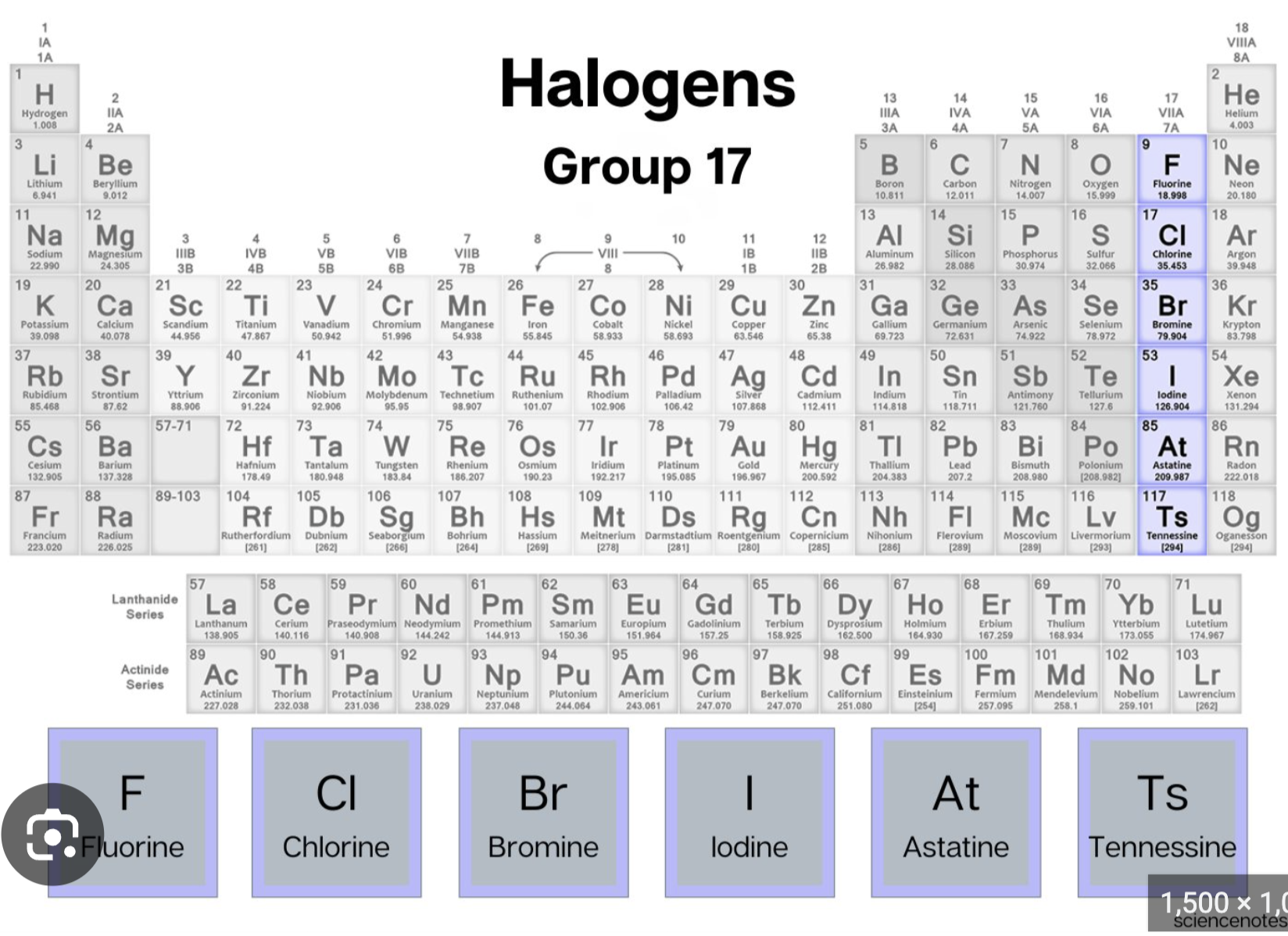
Halogen Bonds
Interaction involving halogen atoms contributing to binding specificity
Drug Classification Methods
Molecular structure, pharmacologic/physiologic effects, mechanism of action, target systems, and company products
Drug Sources
Animals (e.g., insulin), plants (e.g., atropine), synthetic derivatives, and genetic engineering
Cellular Sites of Drug Action
Drugs interact at structures like the cell membrane, cytoplasm, and organelles