CR SLP Quiz
 Call Kai
 Learn
Learn Practice Test
 Spaced Repetition
 Match
Match Flashcards
 Knowt Play
1/35

There's no tags or description
Looks like no tags are added yet.
Name | Mastery | Learn | Test | Matching | Spaced | Call with Kai |
|---|
No analytics yet
Send a link to your students to track their progress
36 Terms
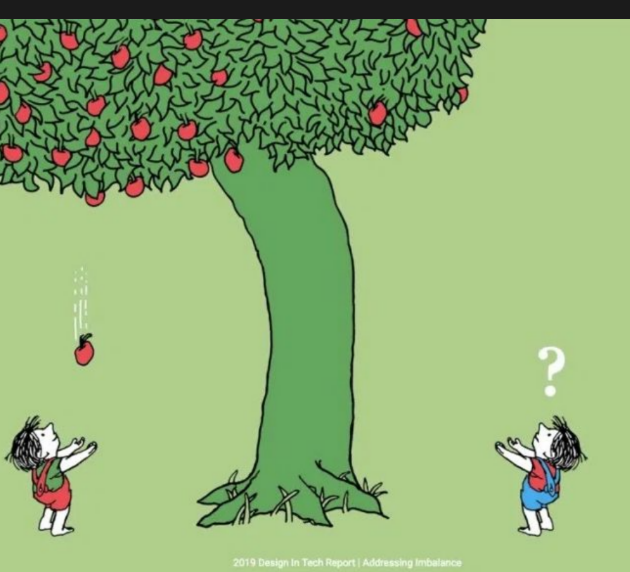
Inequality
Unequal access to opportunity
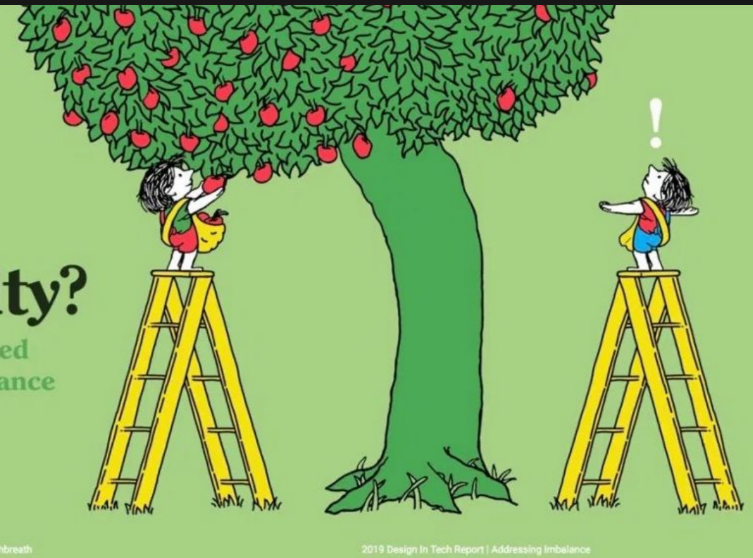
Equality
evenly distributed tools and assistance
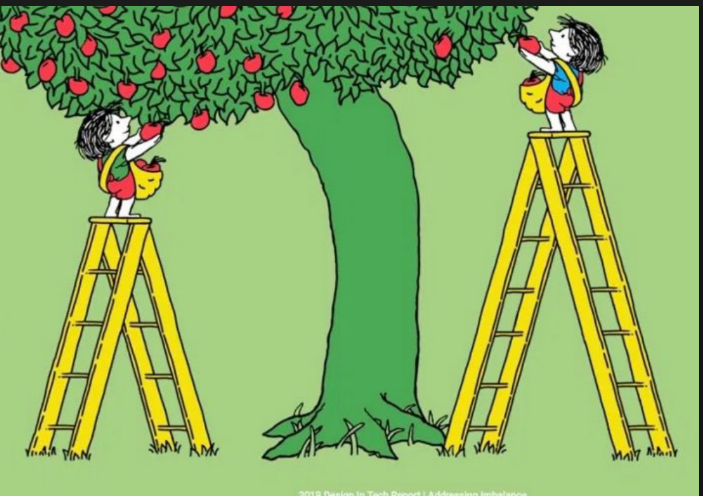
Equity
Custom tools that identify and address inequality
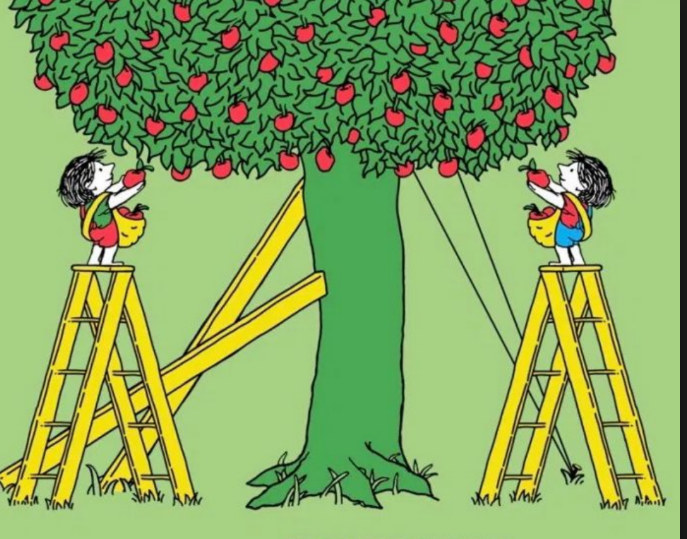
Justice
Fixing the system to offer equal access to both tools and opportunities
Cultural Destructiveness (red)
Forced assimilation, subjugation, rights and privileges for dominant group only
Cultural Incapacity (orange)
Racism, maintain stereotypes, unfair hiring practices
Cultural Blindness (yellow)
Differences ignored, “treat everyone the same”, only meet needs of dominant group ex. “I don’t see color”
Cultural Pre-Competence (green)
Explore cultural issues, committed to assess needs of organization and individuals
Cultural Competence (blue)
Recognize individual and cultural differences, seek advice from diverse groups, hire culturally unbiased staff
Cultural “Proficiency” (purple)
Implement changes to improve services based upon cultural needs of organization and individuals
Why is cultural “competency” a continuum
it is a continuous process, someone can always learn more and grow. You will never be fully competent
Social vs. Medical Model
The medical model views disability as an impairment or condition that should b secured or “fixed” to fit into society
The social model views disability is caused by environmental, attitudinal, and structural barriers that prevent people with impairments from fully participating
Cultural Humility
a lifelong process of self-reflection, examination of beliefs and identities, a “stepping back”
Cultural Responsiveness
impact of cultural humility across contexts
Recognizes the client as the expert in their own life and engages with them to help create solutions that are effective and impactful
Culture Tree Branches
Surface Culture(leaves), Shallow Culture (trunk), Deep Culture (roots)
Surface Culture
Observable patters, low emotional impact on trust (ex. art, music, holidays, clothes, hair, cooking, talking styles)
Shallow Culture
Unspoken rules, high emotional impact on trust (ex. concepts of time, acceptable food sources, personal space, nature of relationships, child rearing)
Deep Culture
Collective unconscious belief’s and norms ( concepts of self, decision making, cosmology, spirituality and concept of higher power)
Types of Implicit Bias
confirmation bias: The tendency to interpret new evidence as confirmation of one's existing beliefs or theories.
contrast effect bias: The tendency to judge two things together rather than separately when they are presented closely in time
affinity bias: Gravitate toward people who are like us. Possibly reject or hold at a distance those who are different from us.
halo/horns effect:
linguicism
What is power?
When a group dominates another and/or then makes decisions in the interest of one’s own group.
What is privilege
The rights, benefits, and opportunities that are awarded to an individual or individuals that creates advantages relative to (often at the expense of) other individuals
Aspects of power and privilege wheel
Citizenship
Color
Formal Education
Ability
Sexuality
Neurodiversity
Mental Health
Body Size
Housing
Wealth'
Language
Gender
Intersectionality
A lens where you can see that everyone has their own unique experiences of discrimination and privilege
ASHA Demographics
Race: 9.8% race other than white
Gender: 95% women
Language: 8.6% multilingual
Age: >44 years = 55.1%
ASHA & Multilingualism
1. 13,474 = Spanish
2. 912 = ASL
3. 742 = Russian
~20,000 self-reported multilingual Auds & SLPs (across 91 languages)
US Gender Demographic
50.5% Female, 49.5% Male
Microagression
everyday, often unintentional slights or insults that communicate hostile or negative biases toward marginalized groups
Disability
A disability is any condition of the body or mind (impairment) that makes it more difficult for the person with the condition to do certain activities (activity limitation) and interact with the world around them (participation restrictions)
impairment
is a loss or abnormality in a body structure or function.
Activity Limitation
is the impact of the impairment on the individual
Participation Restriction
is the impact on engagement in daily roles or activities
Abelism
A system of exploitation, oppression, and exclusion… aimed at othering people with disabilities
There are different types
Institutional Ableism
refers to the implicit or explicit rules and regulations within an organization that discriminates against a group of people
Physical Access
Pay Disparity
Hiring practices
Healthcare Priority
Interpersonal Ableism
occurs in everyday social interactions and relationships due to harmful messaging and misinformation about disabled people and disabilities
Parents/Caregivers
Appearance
Consideration of facilities when
making social plans
Internalized Ableism
when a person consciously or subconsciously believes the biased, negative, and harmful messages from other sources
Imposter Syndrome
Burden/Shame
Concealing/Masking
What are the SDOH
-Economic Stability
-Education Access and Quality
-Healthcare Access and Quality
-Neighborhood and Environment
-Social and Community Context