dennis miller psych 1000 iclickers
 Call Kai
 Learn
Learn Practice Test
 Spaced Repetition
 Match
Match Flashcards
 Knowt Play
1/203

There's no tags or description
Looks like no tags are added yet.
Name | Mastery | Learn | Test | Matching | Spaced | Call with Kai |
|---|
No analytics yet
Send a link to your students to track their progress
204 Terms
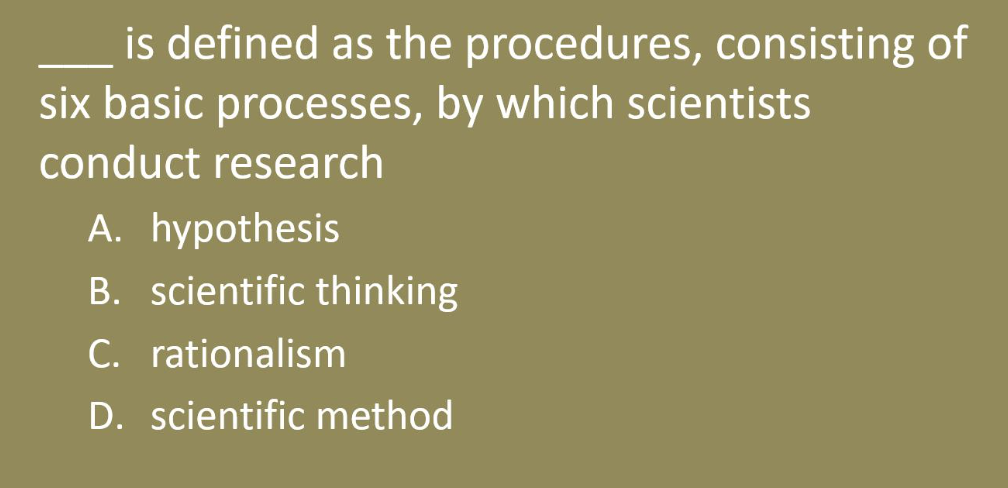
D. scientific method
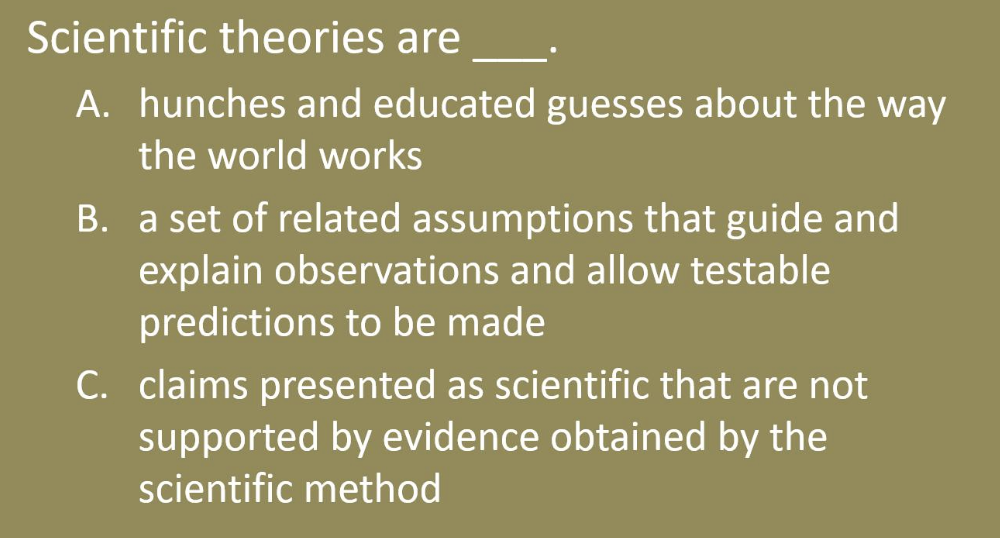
B. a set of related assumptions that guide and explain observations and allow testable predictions to be made
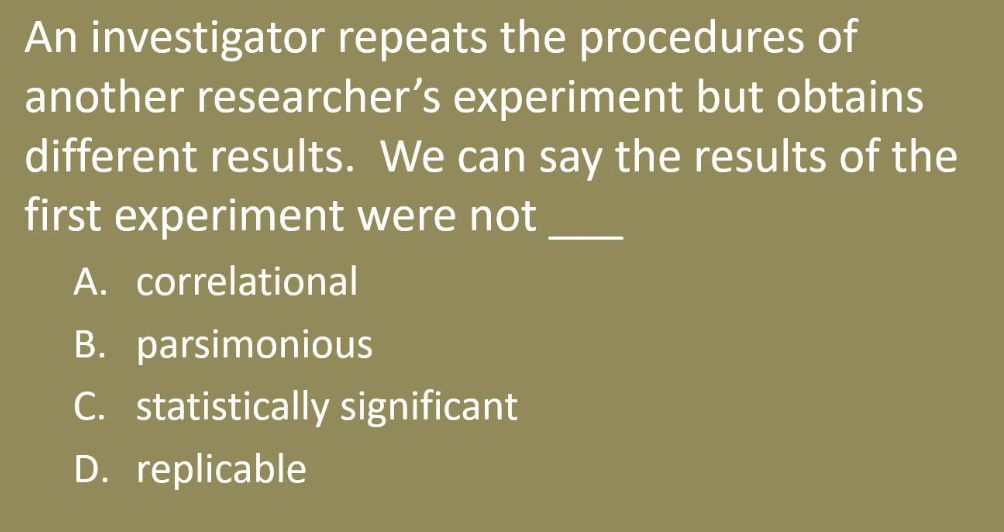
D. replicable
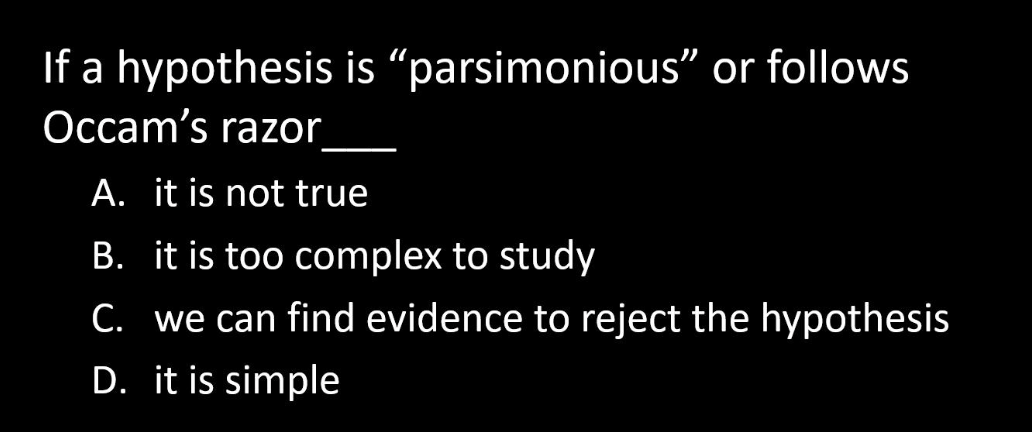
D. it is simple
falsifiable
population
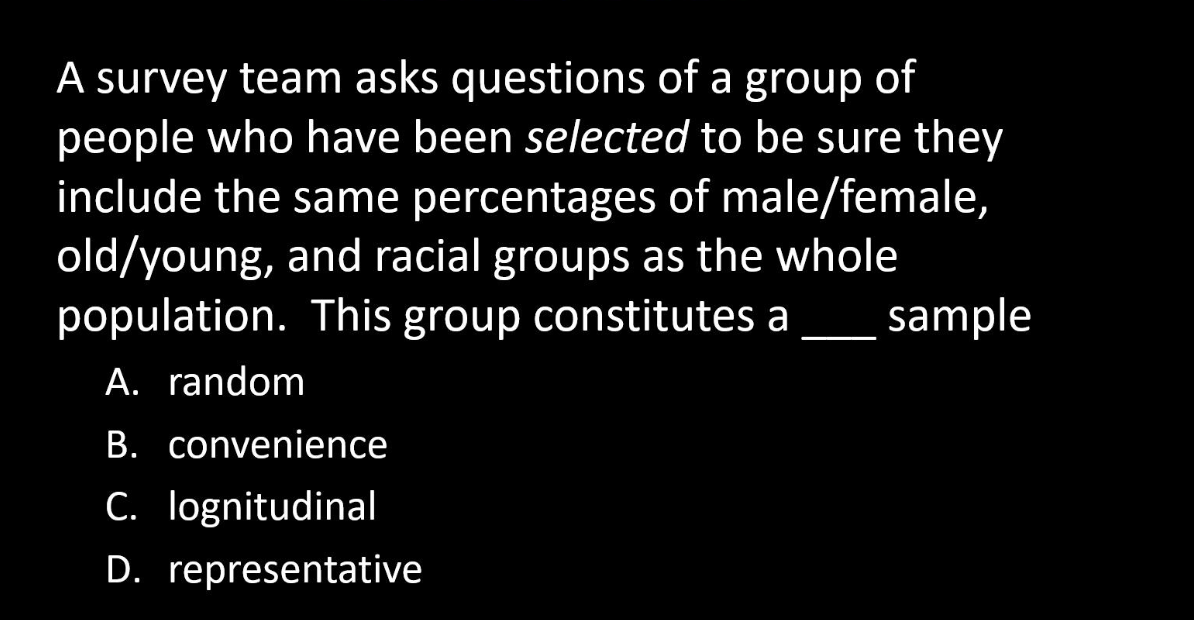
D. representative
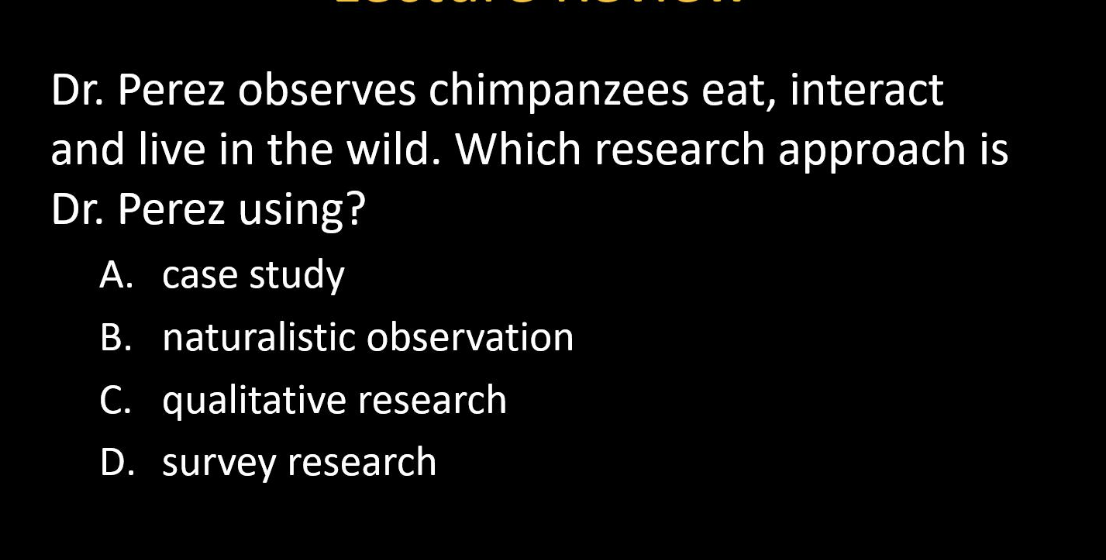
B. naturalistic observation
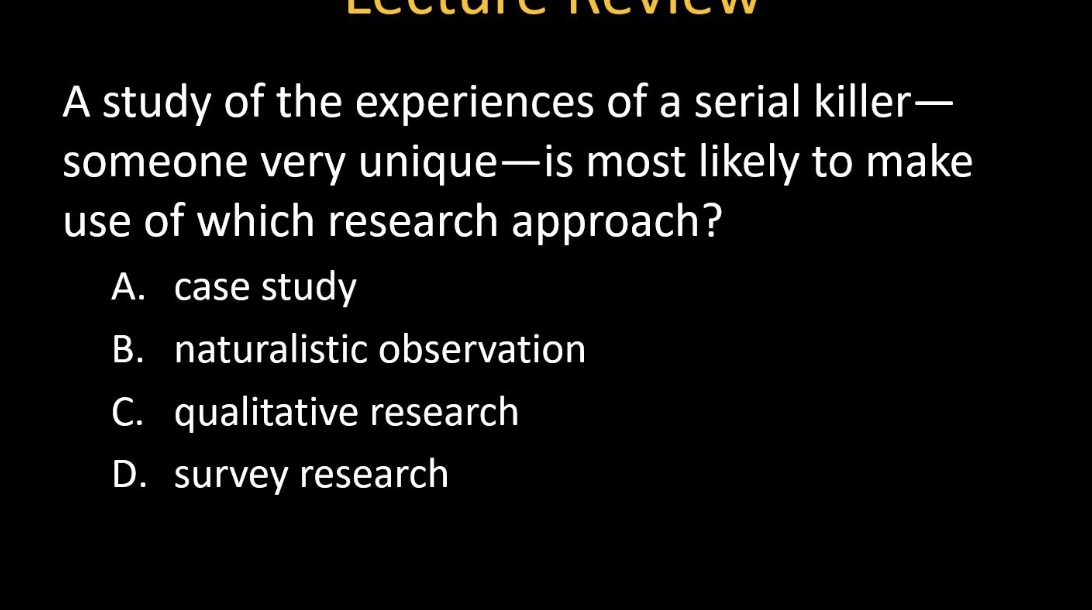
A. case study
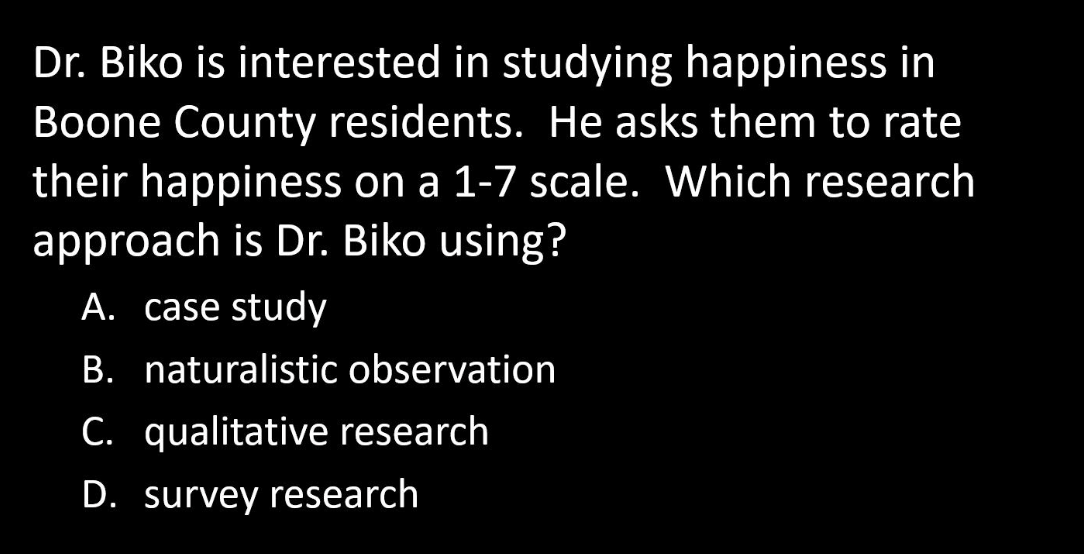
D. survey research
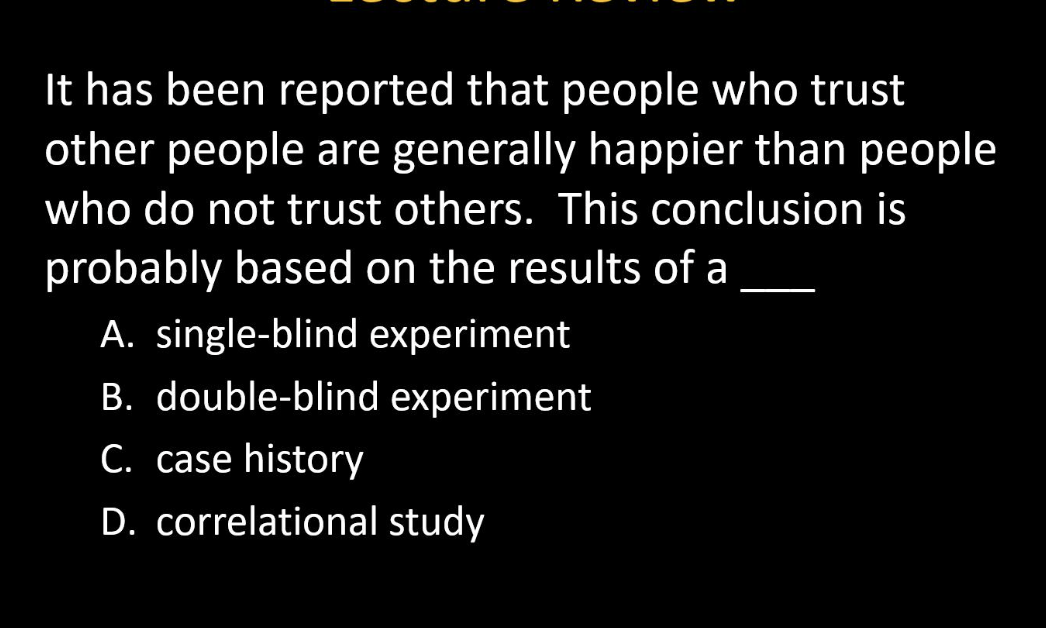
D. correlational study
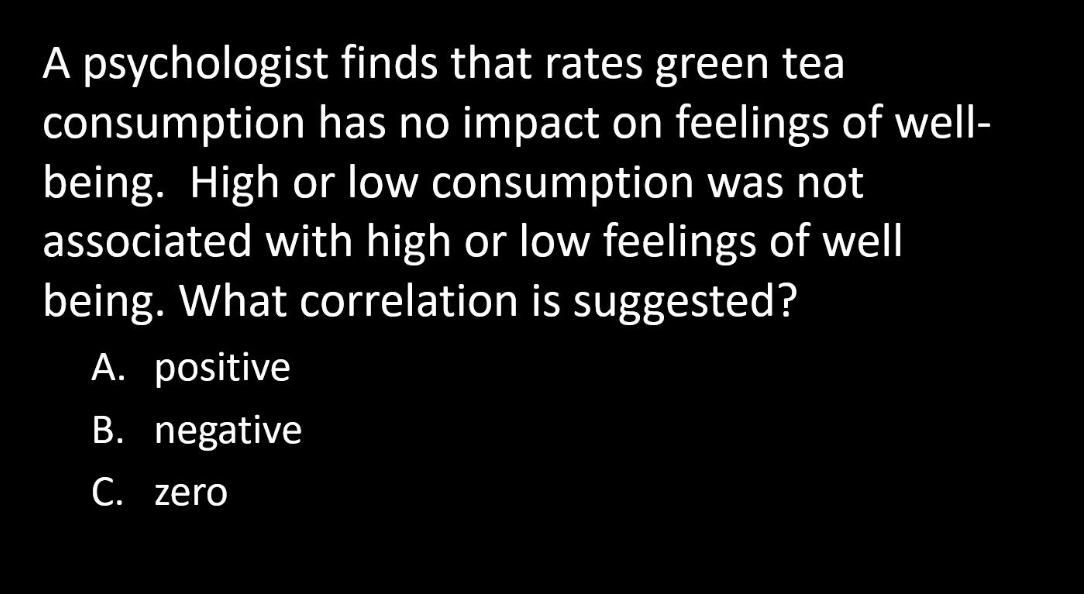
C. zero
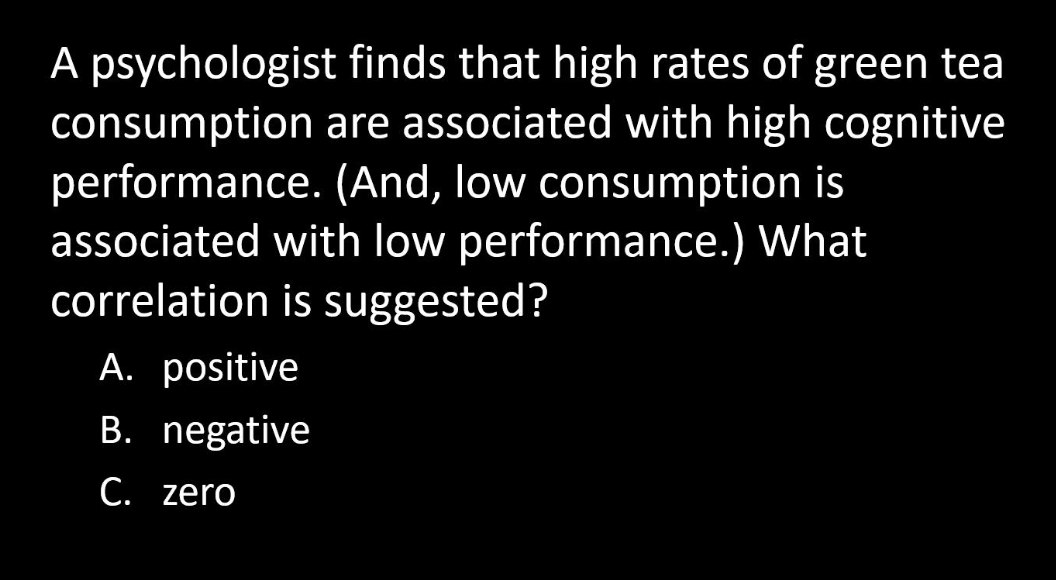
A. positive
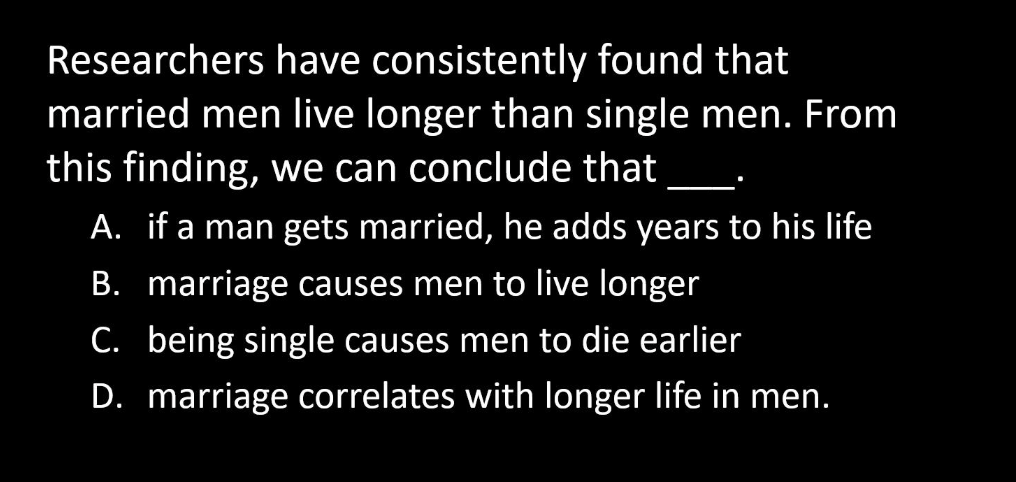
D. marriage correlates with longer life in men
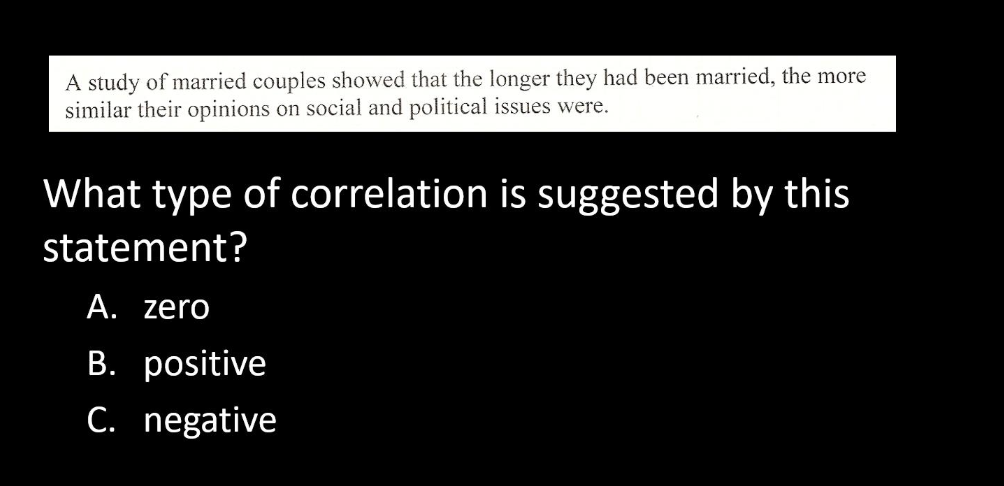
B. positive
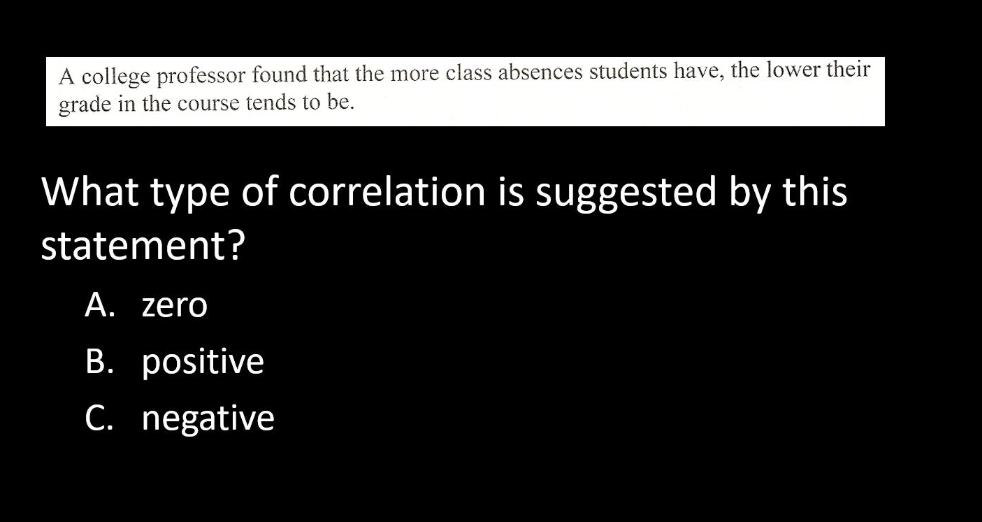
C. negative
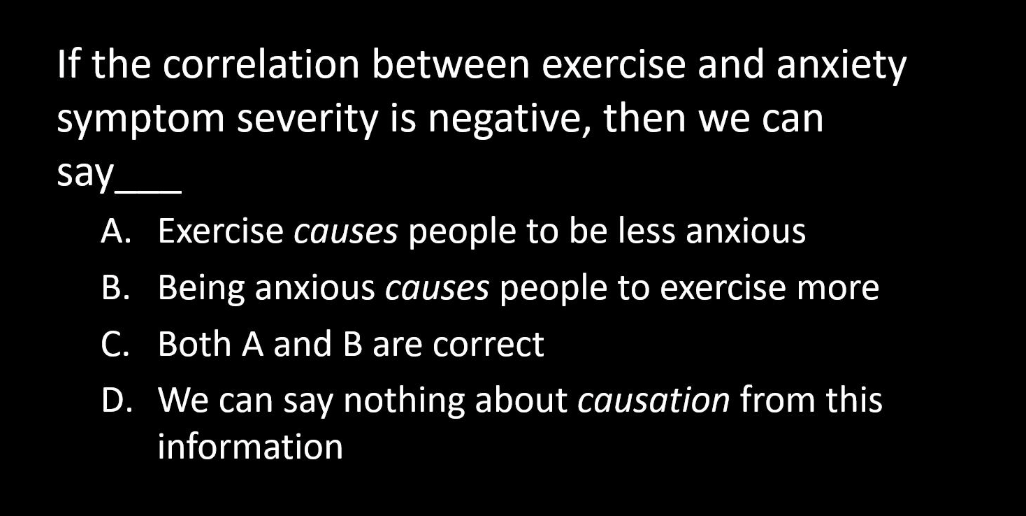
D. we can say nothing about causation from this information
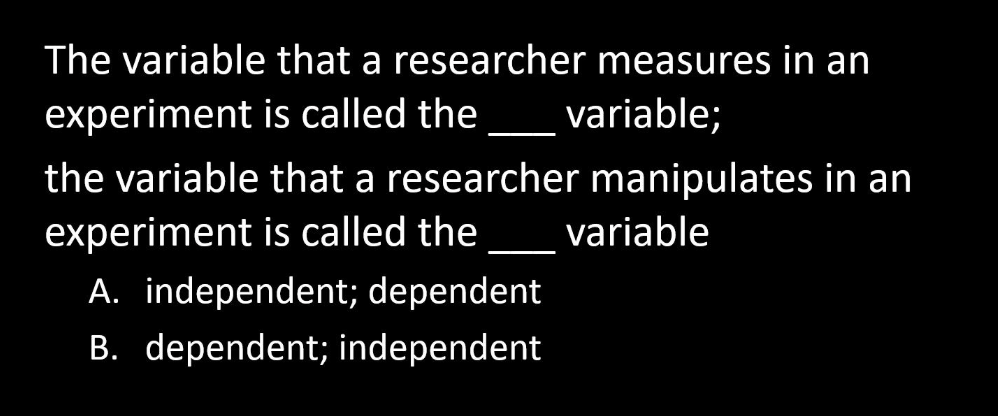
B. dependent; independent
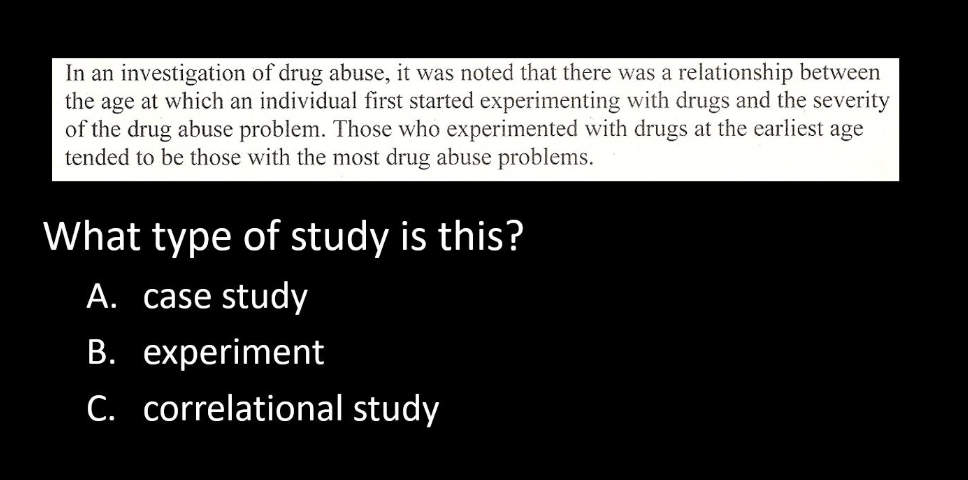
C. correlational study
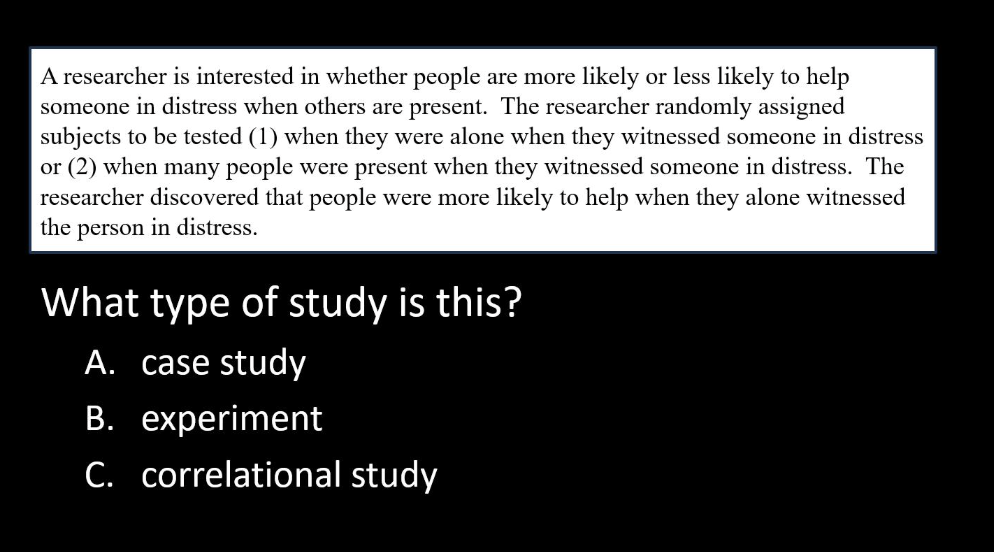
B. experiment
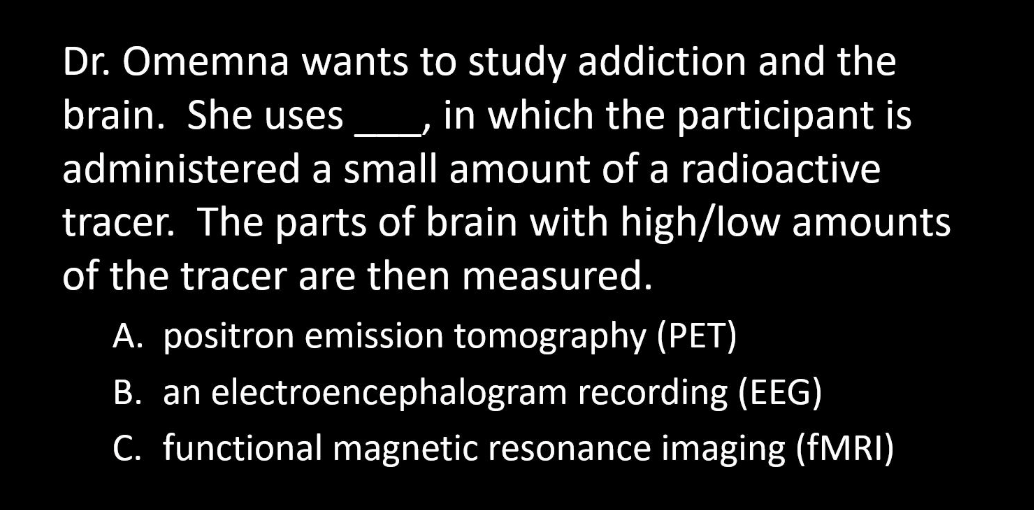
A. positron emission tomography (PET)
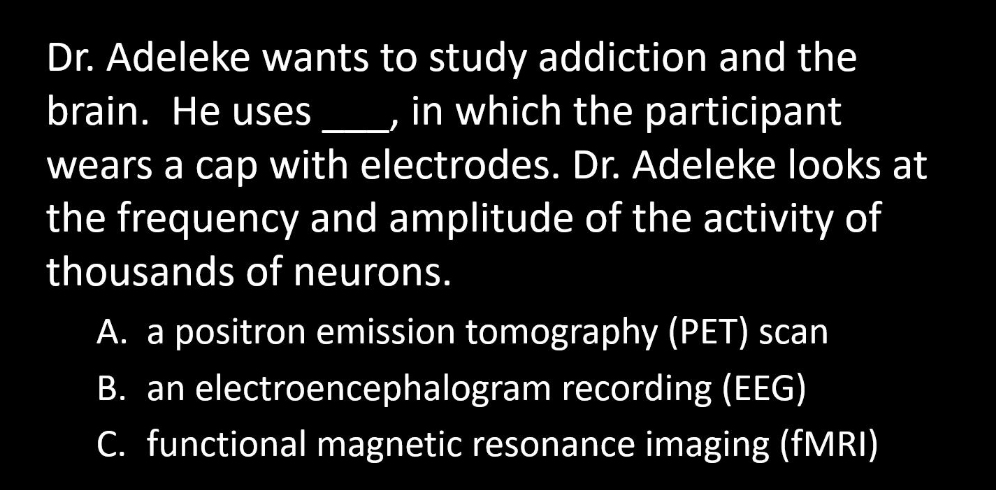
B. electroencephalogram recording (EEG)
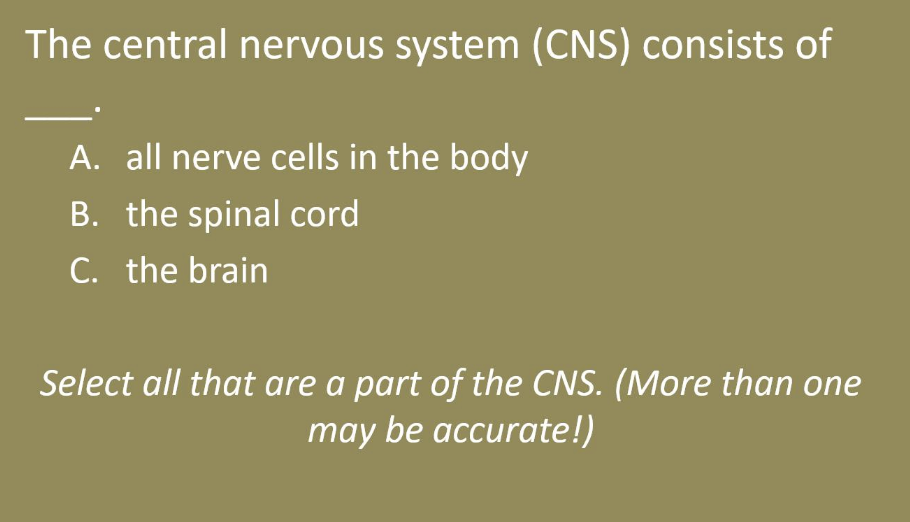
B. the spinal cord & C. the brain
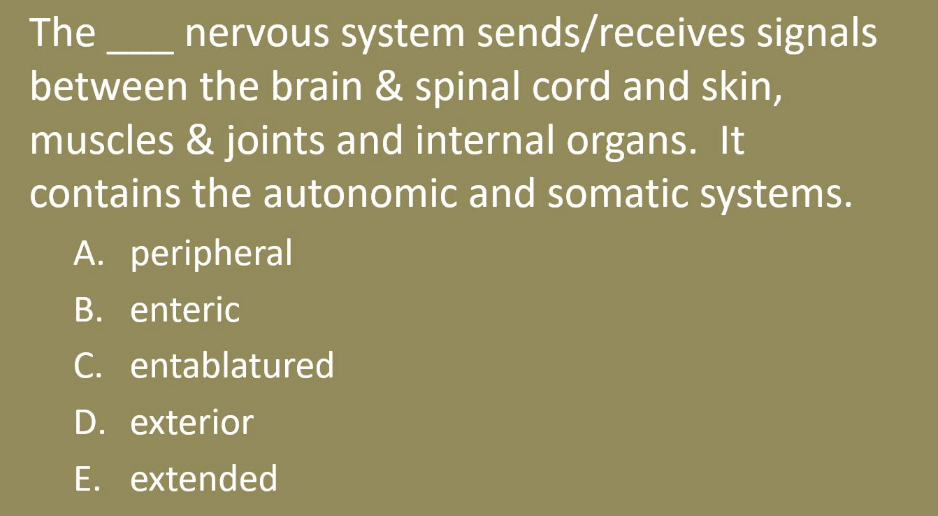
A. peripheral
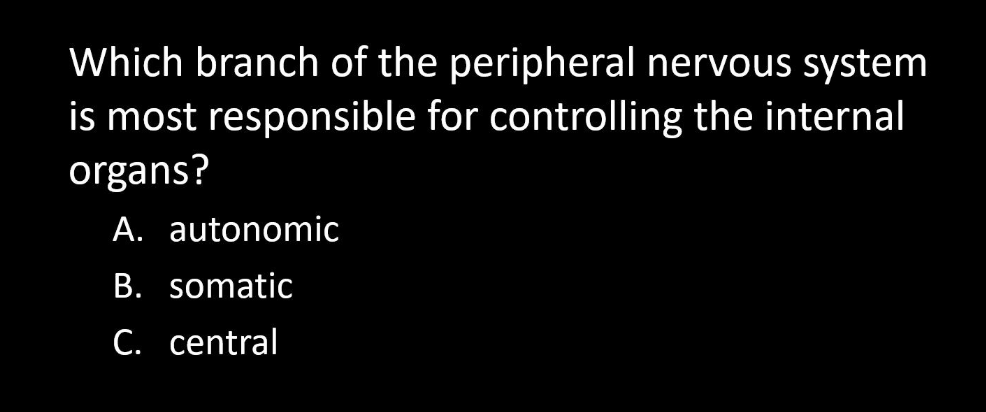
A. autonomic
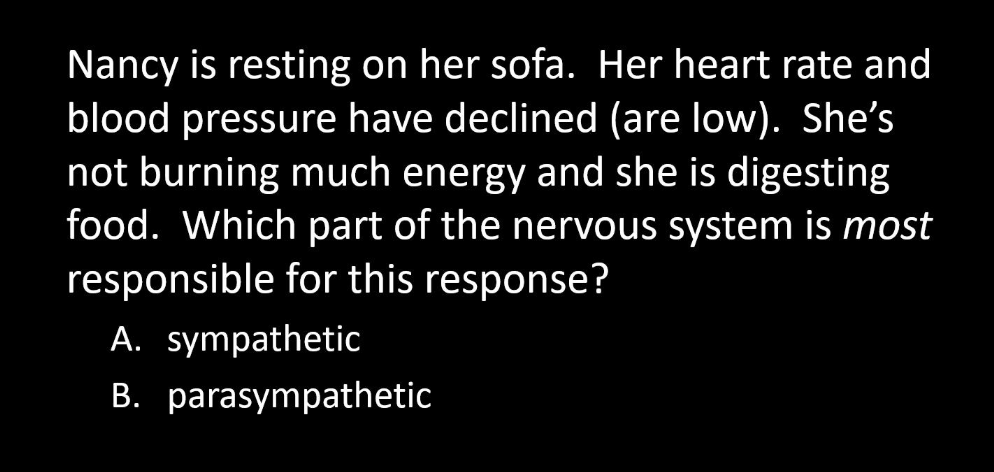
B. parasympathetic
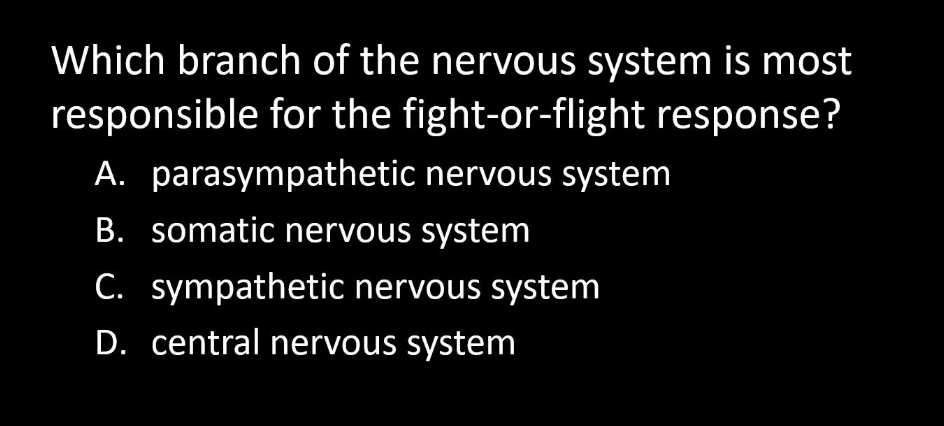
C. sympathetic nervous system
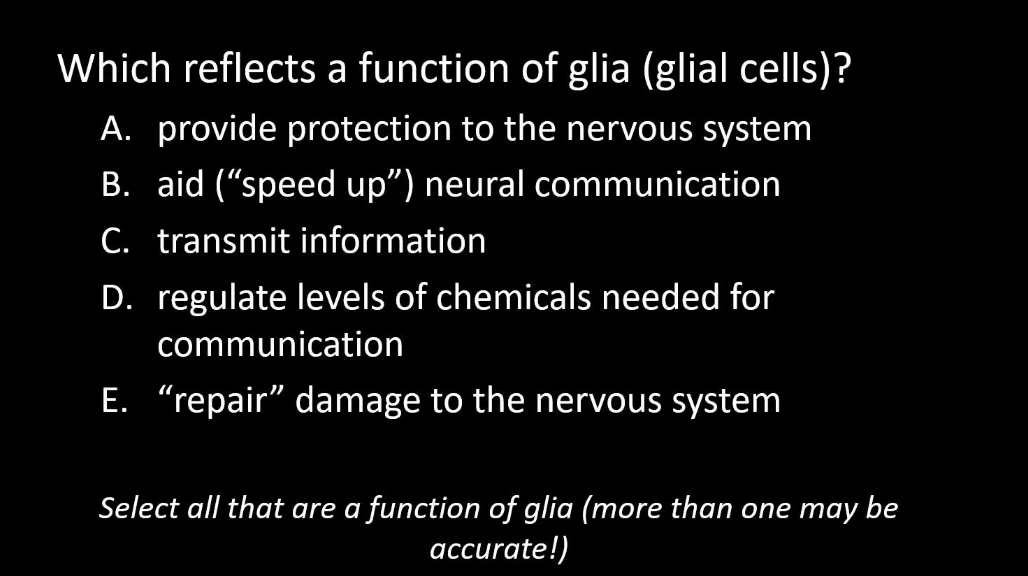
A. provide protection to the nervous system; B. aid neural communication; C. transmit information; & E. repair damage to the nervous system
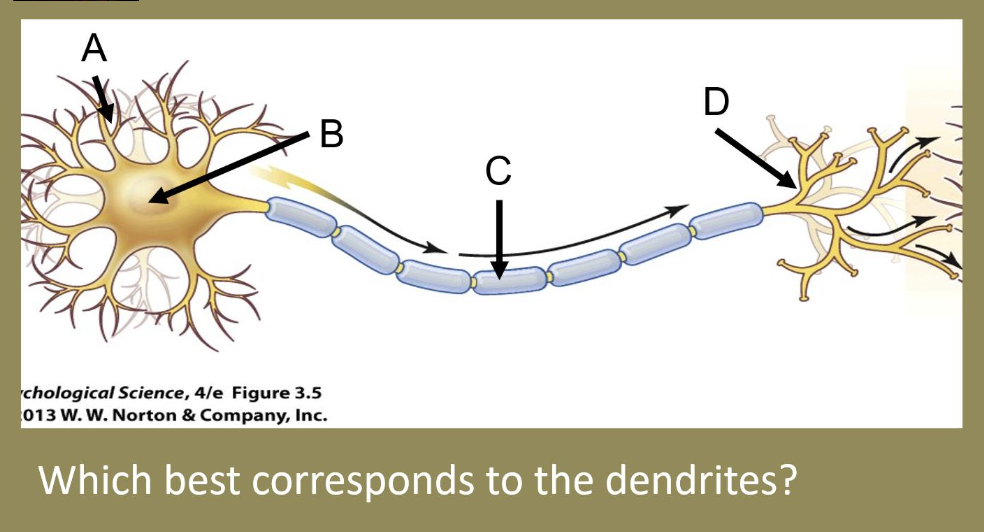
A
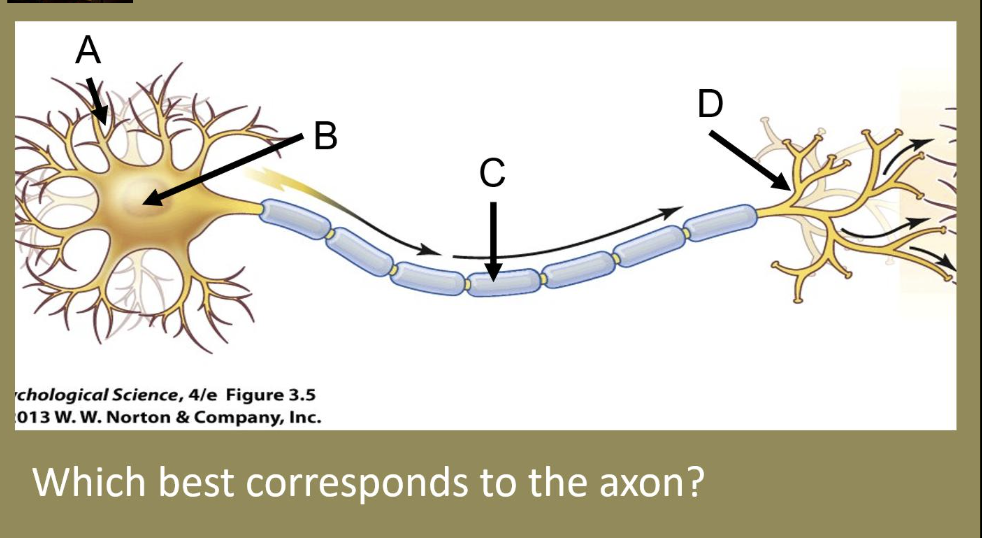
C
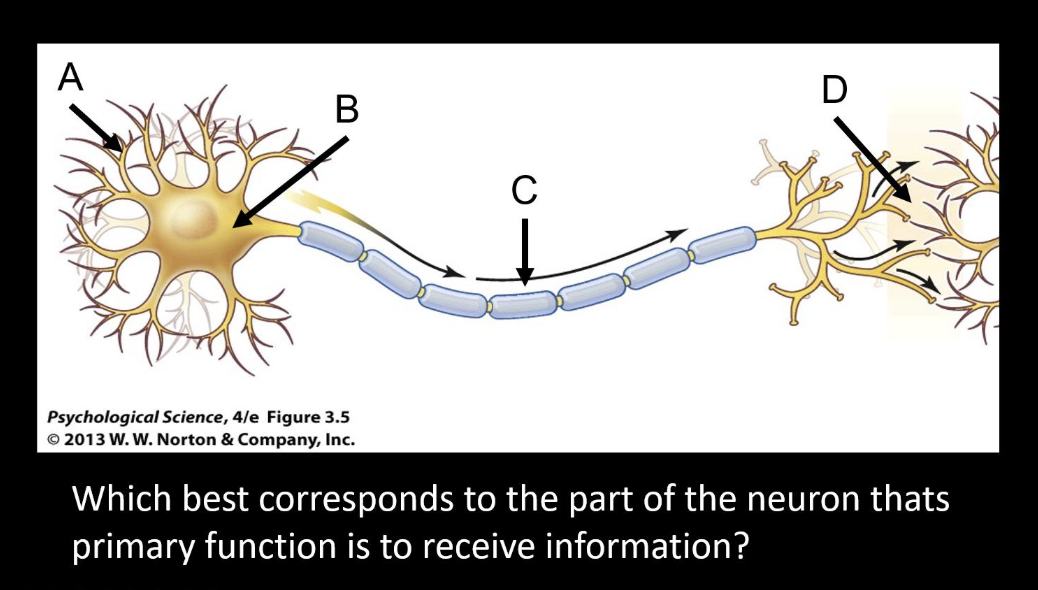
A
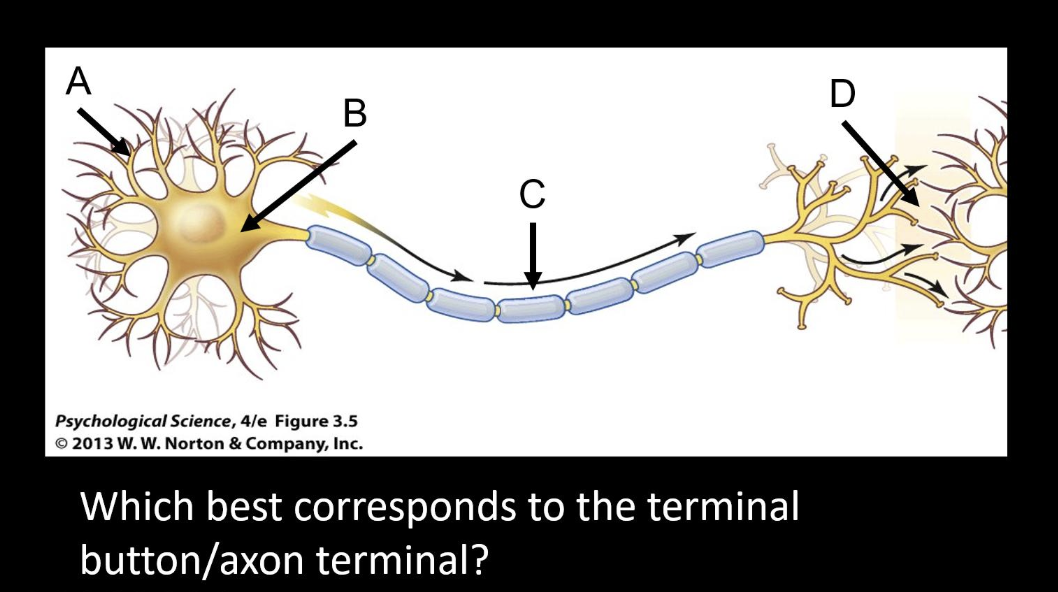
D
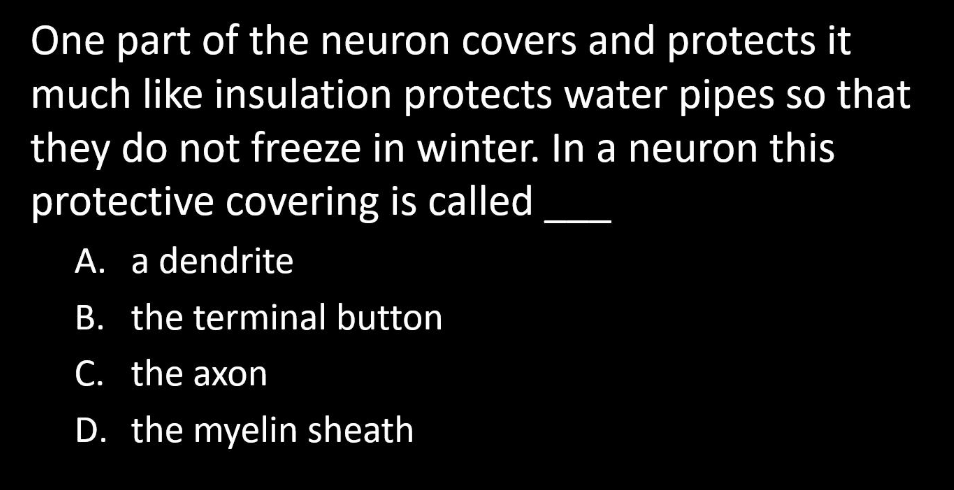
D. the myelin sheath
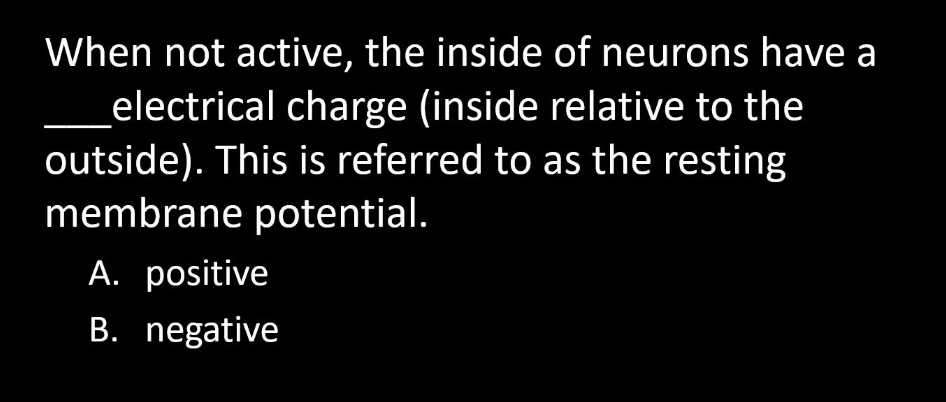
B. negative
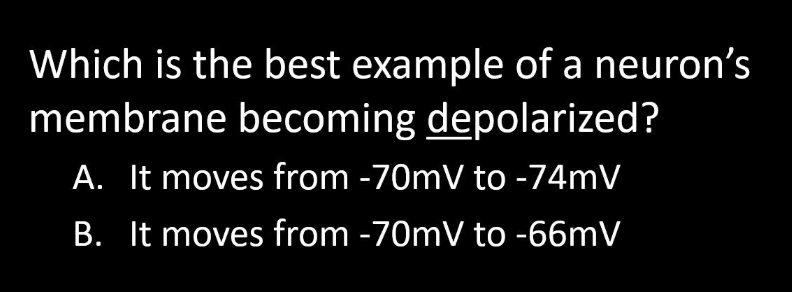
B. it moves from -70 mV to -66 mV
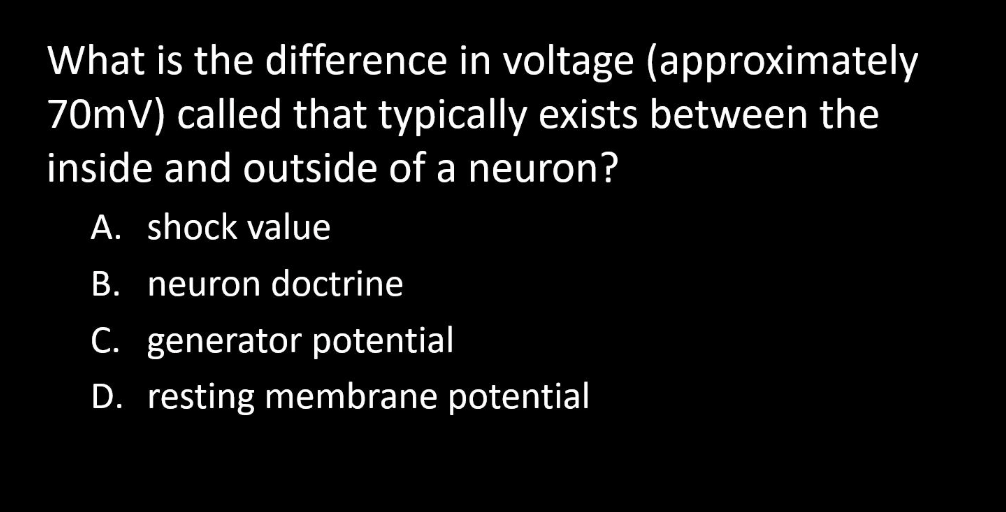
D. resting membrane potential
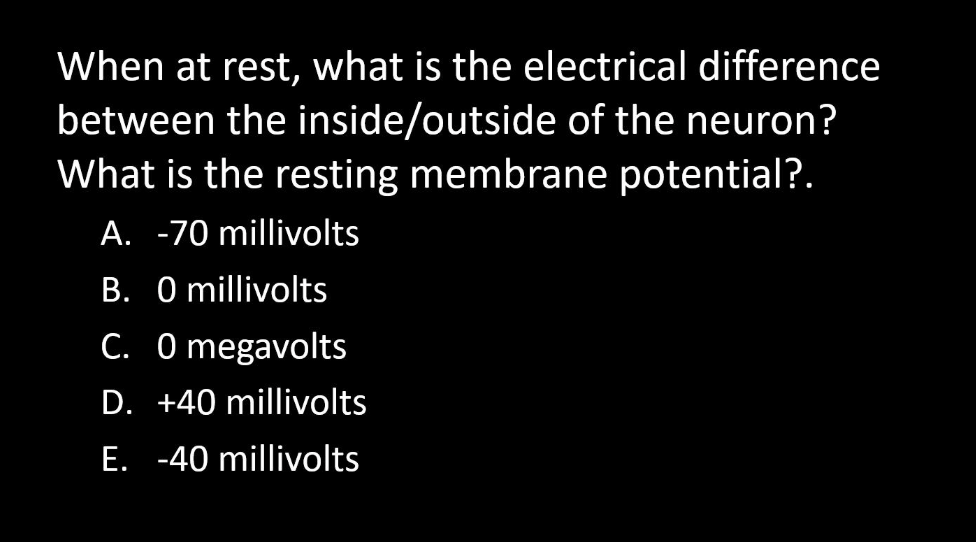
A. -70 millivolts
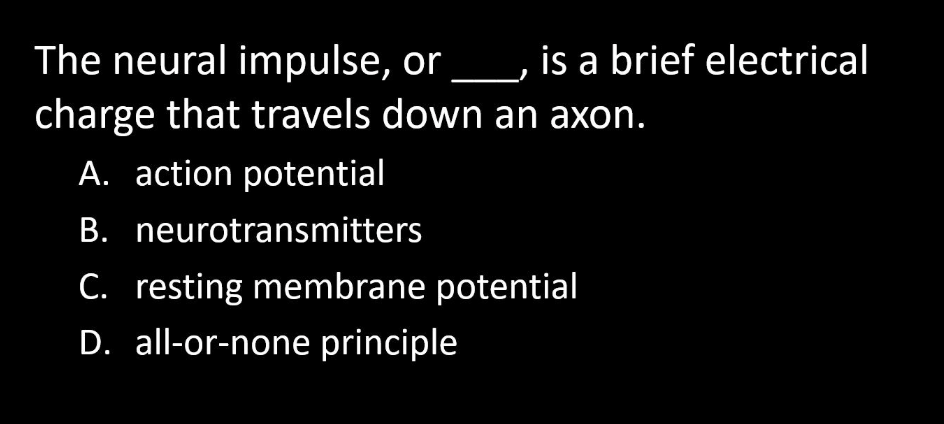
A. action potential
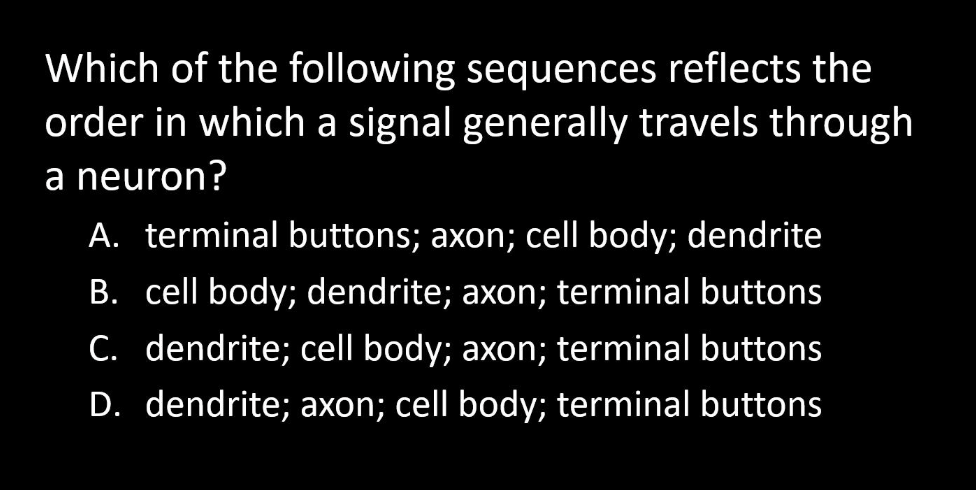
C. dendrite, cell body, axon, terminal buttons
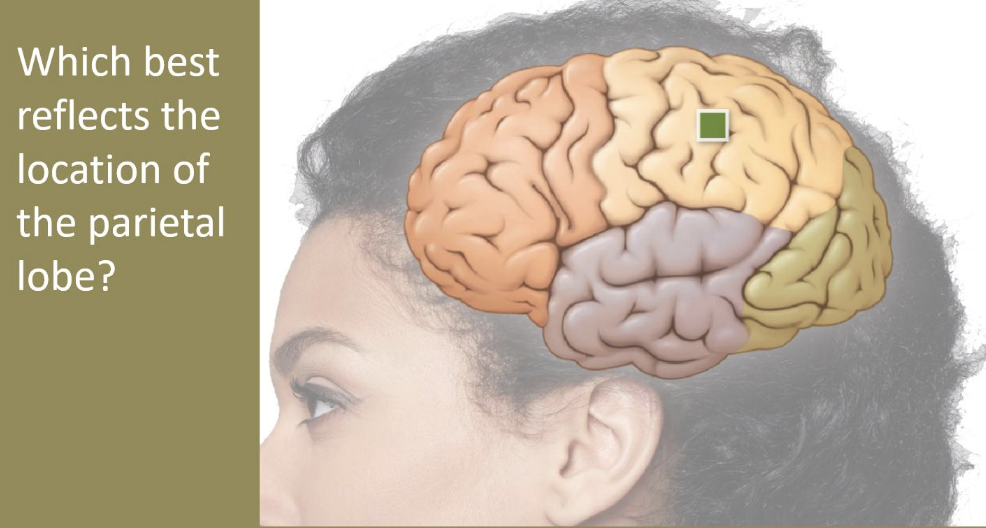
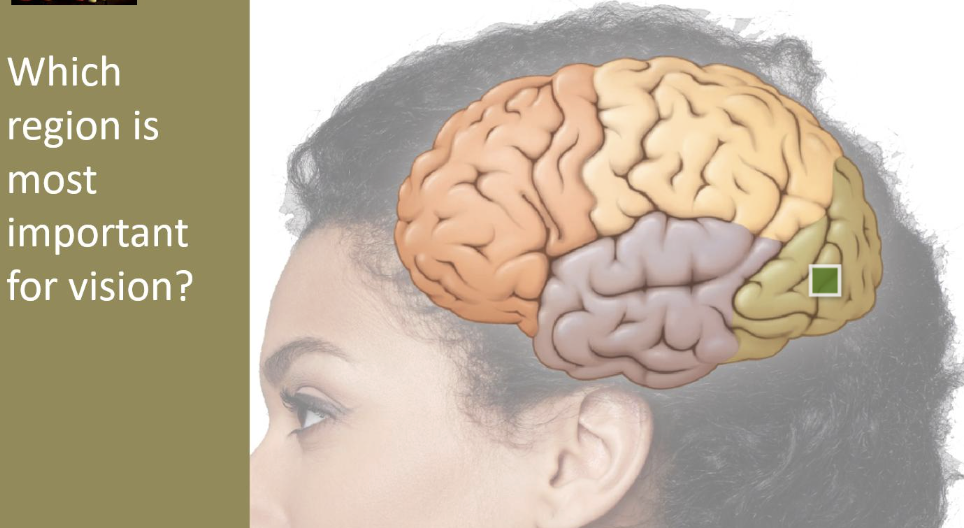
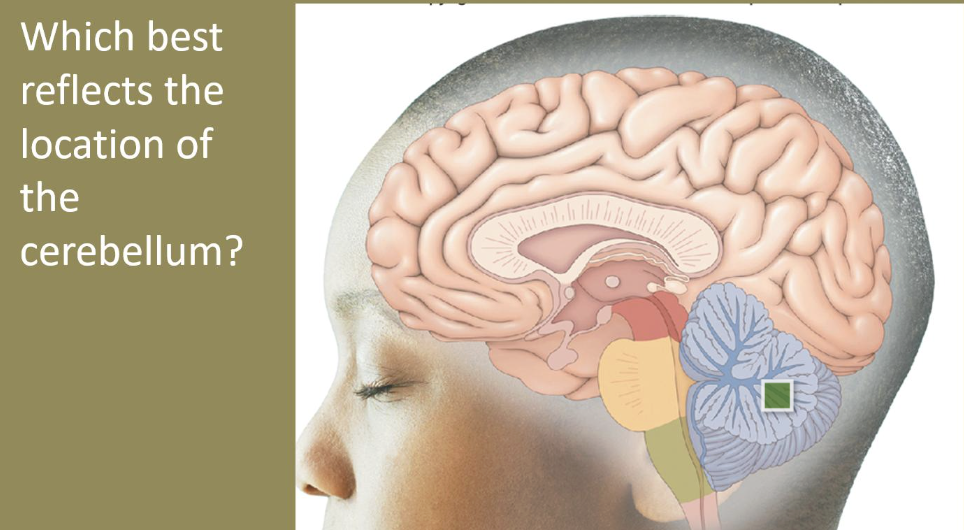
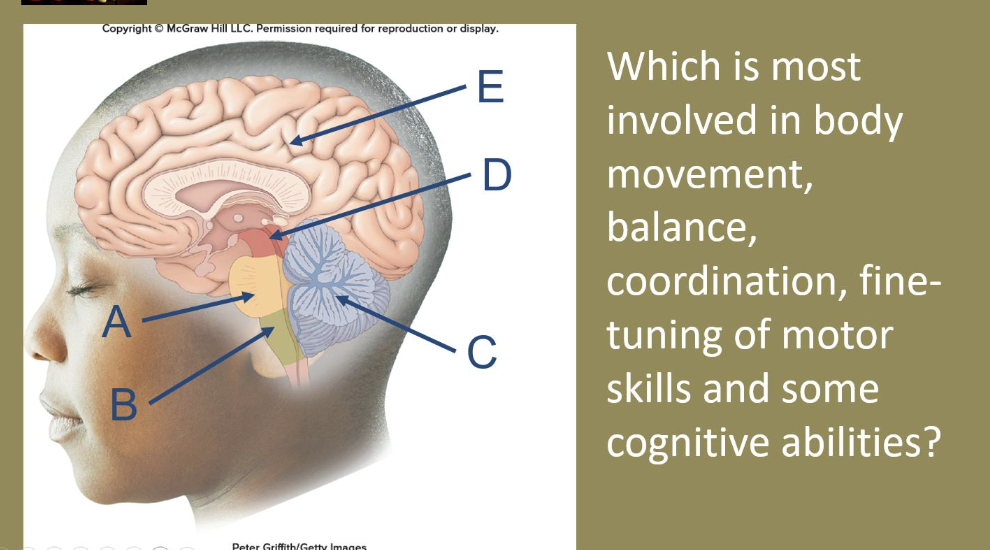
C
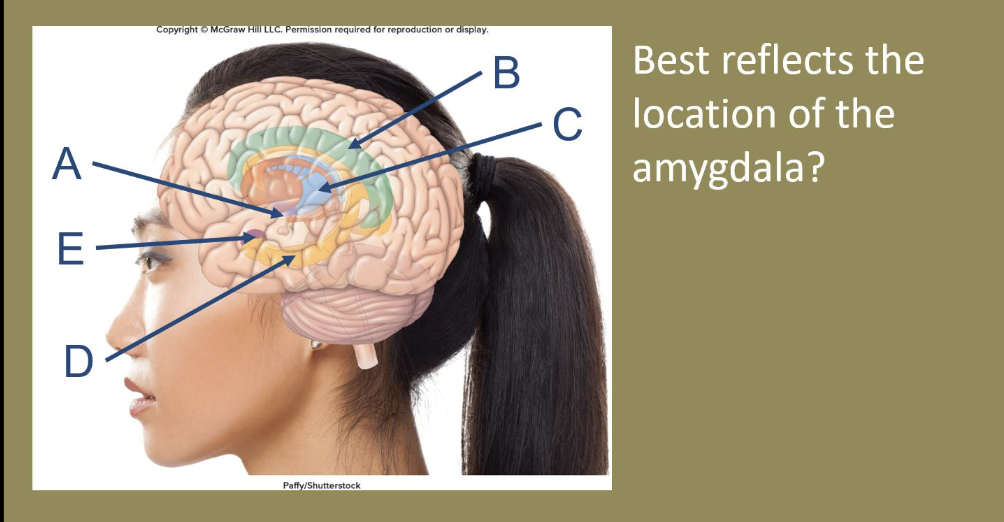
E
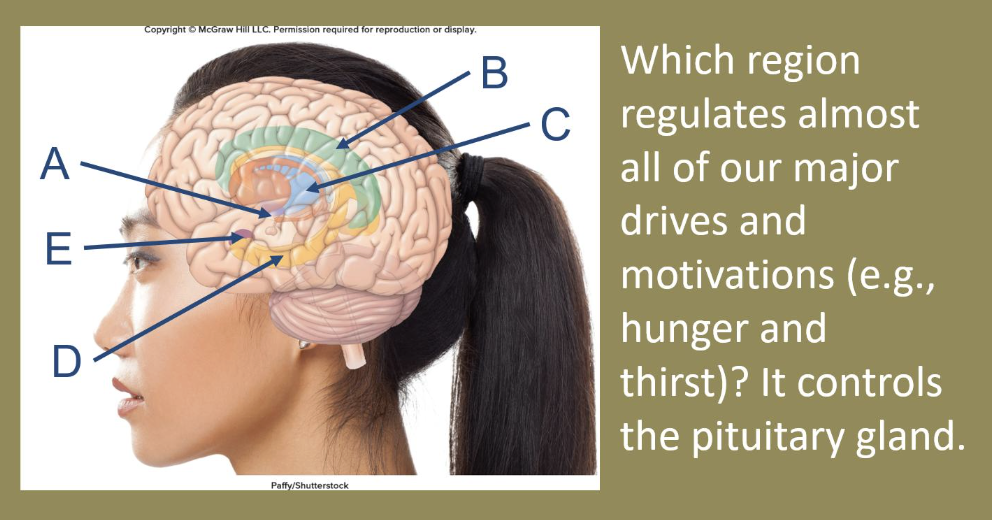
A
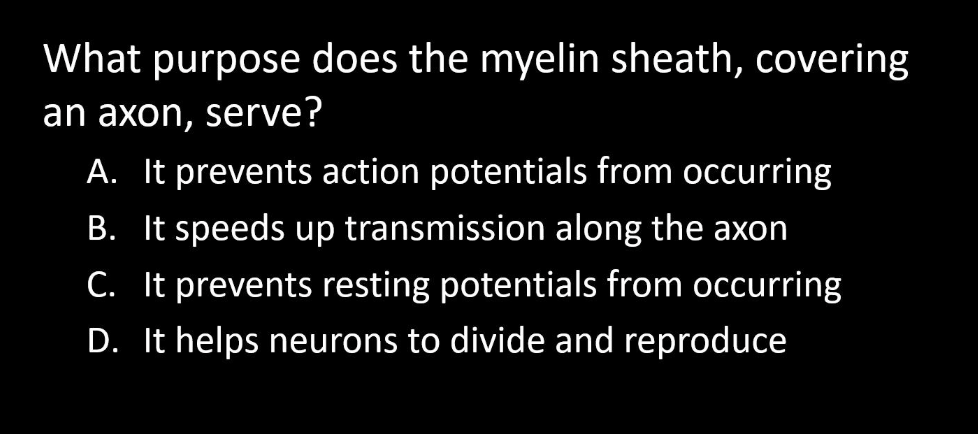
B. it speeds up transmission along the axon
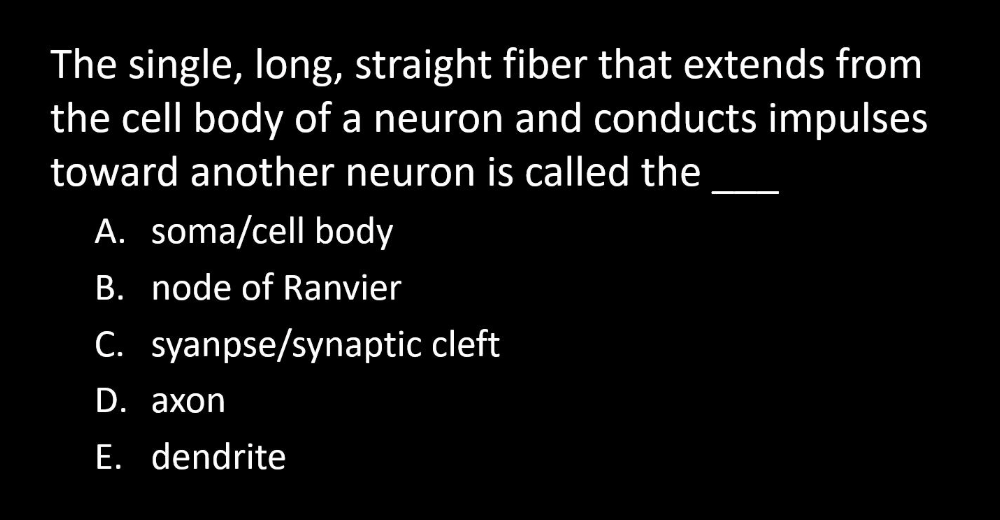
D. axon
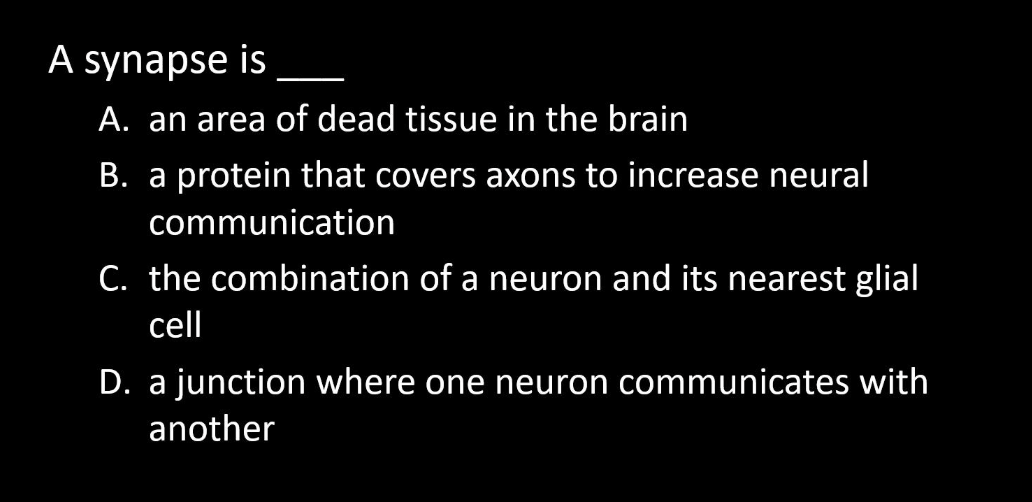
D. a junction where one neuron communicates with another
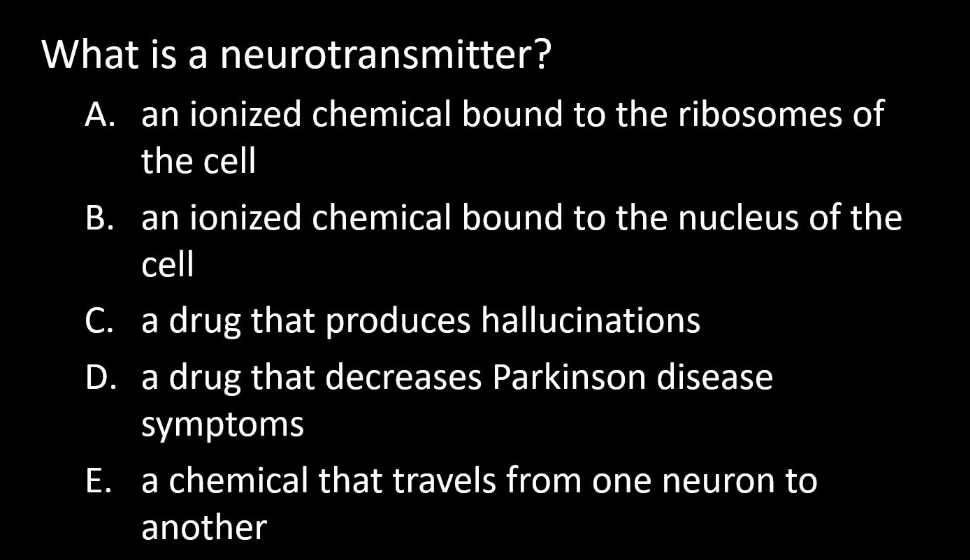
E. a chemical that travels from one neuron to another
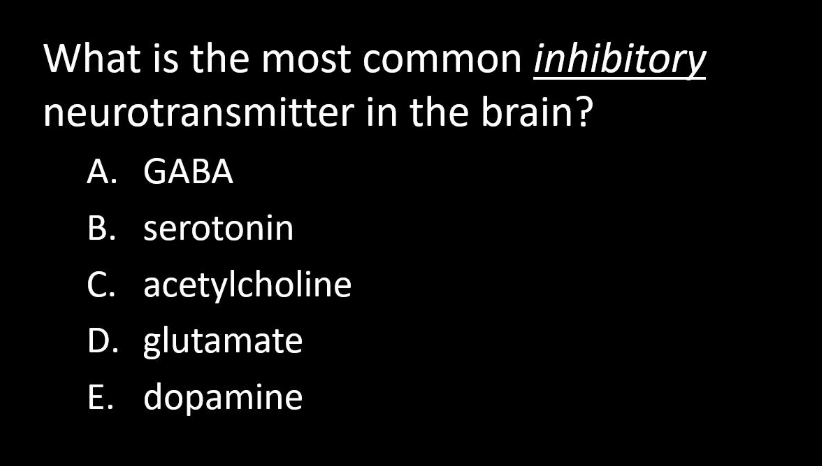
A. GABA
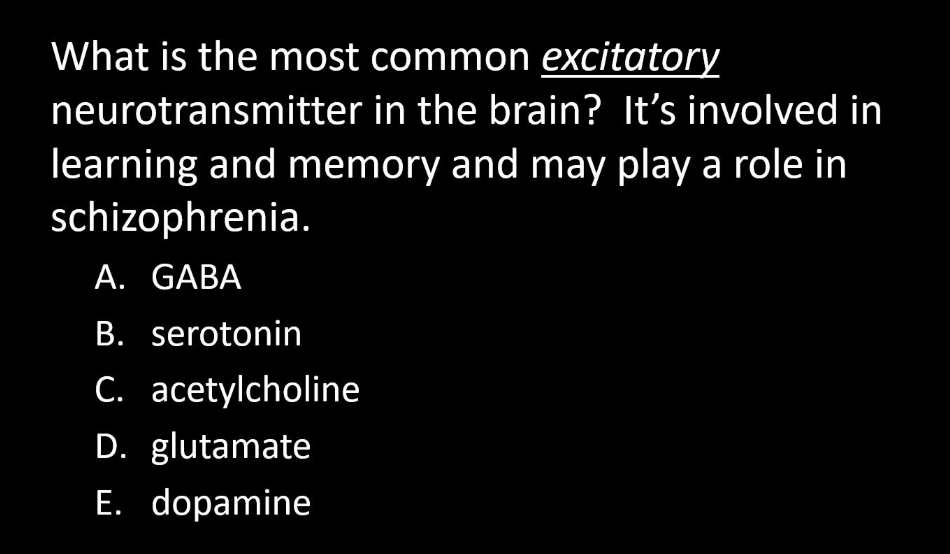
D. glutamate
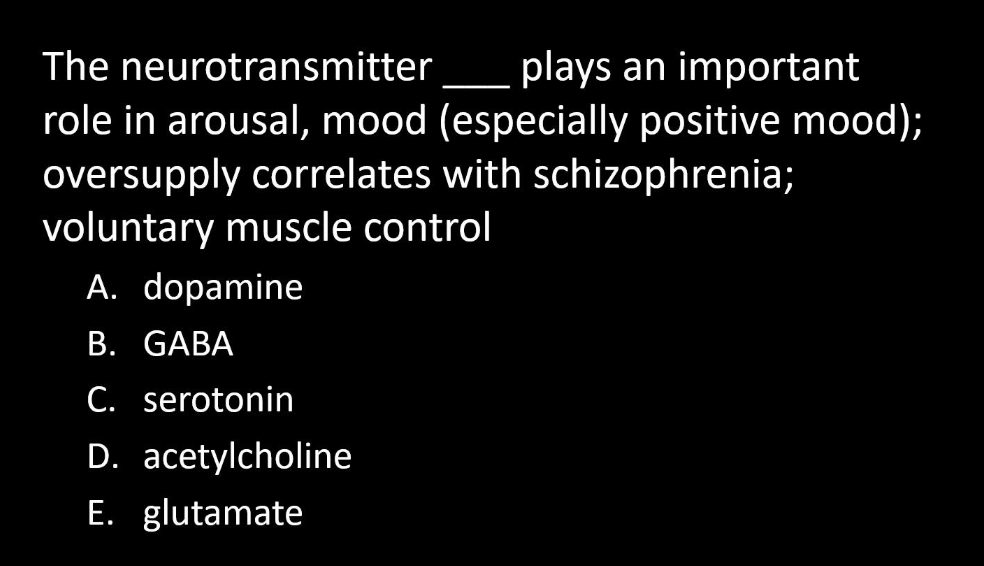
A. dopamine
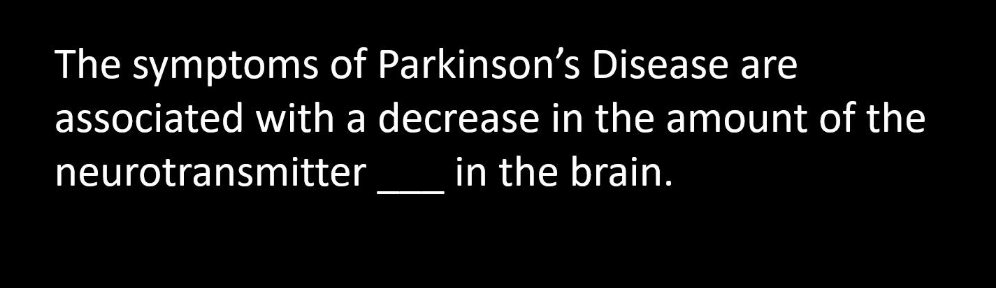
dopamine
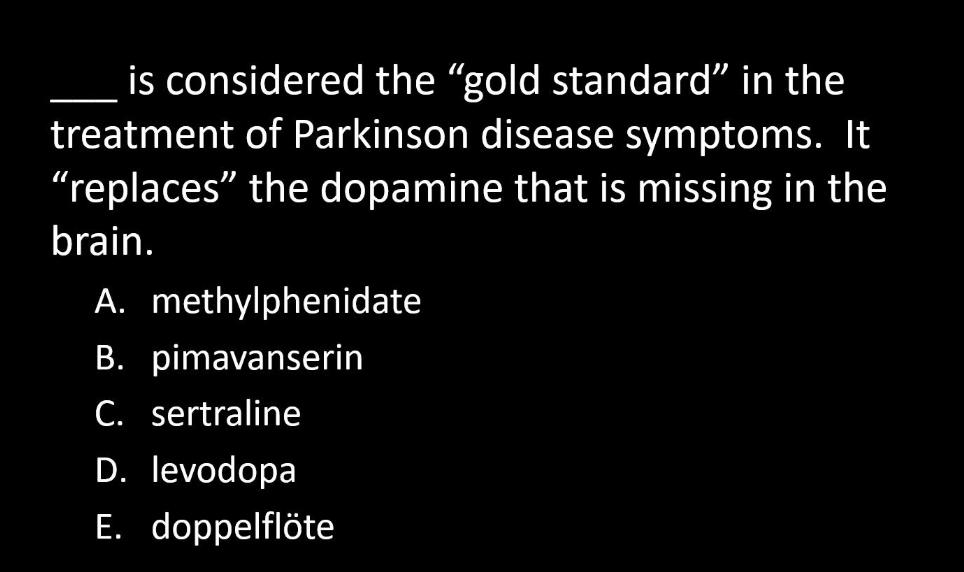
D. levodopa
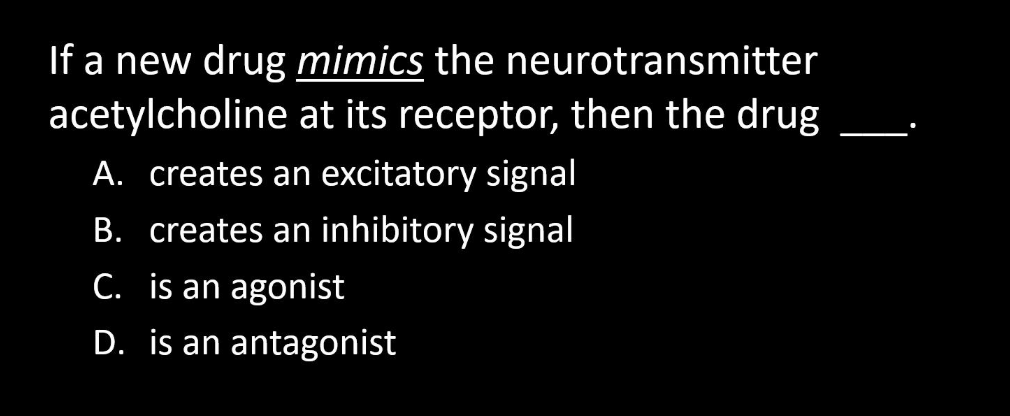
C, is an agonist
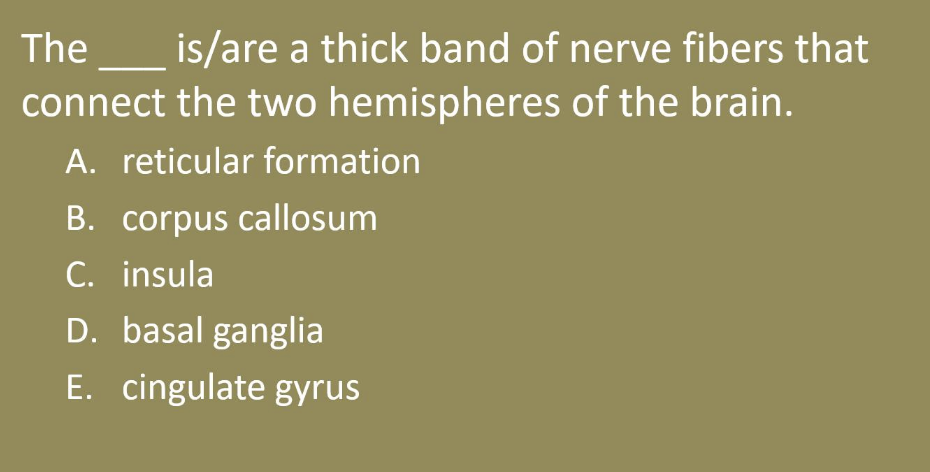
B. corpus callosum
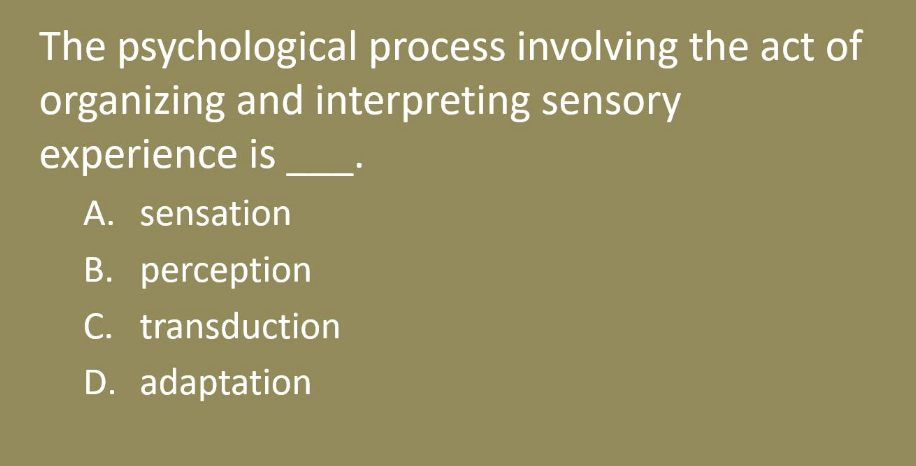
B. perception
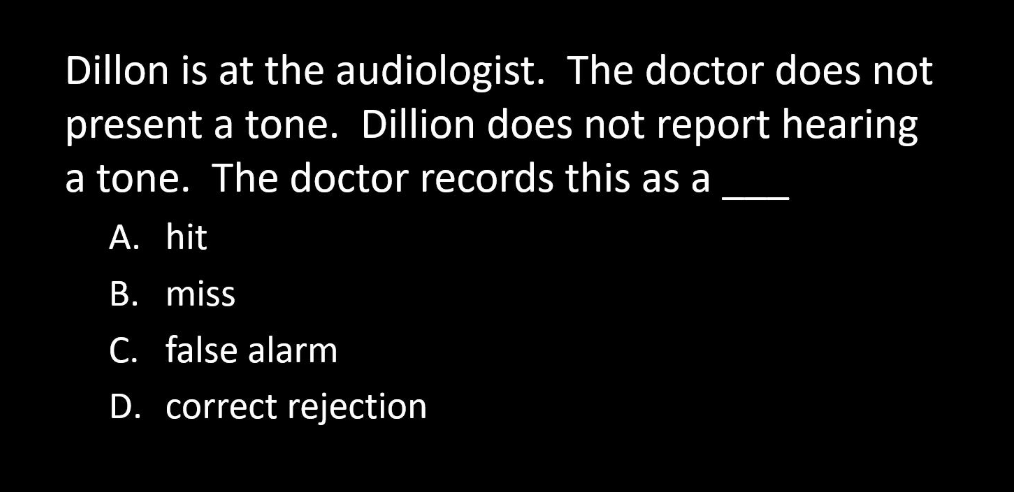
D. correct rejection
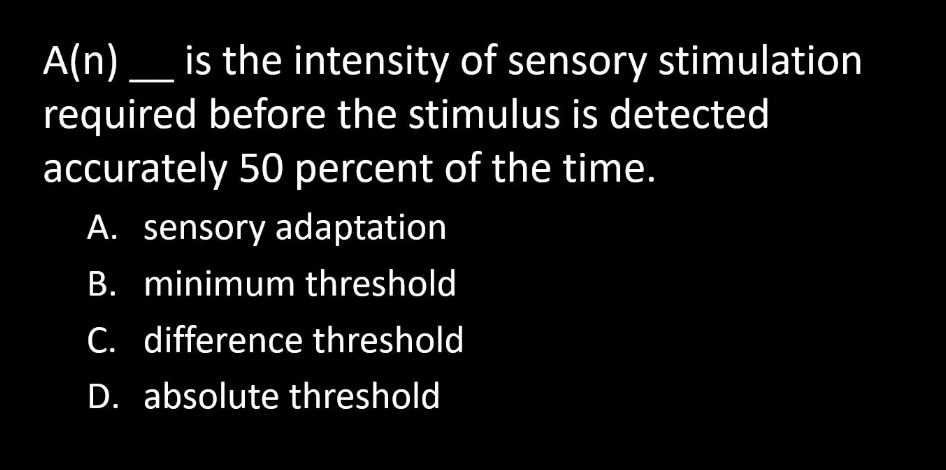
D. absolute threshold
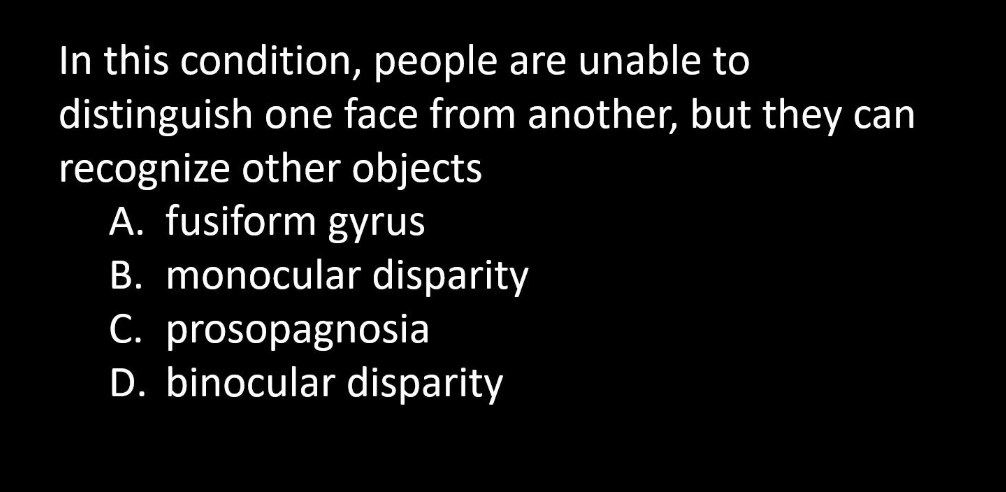
C. prosopgansosia
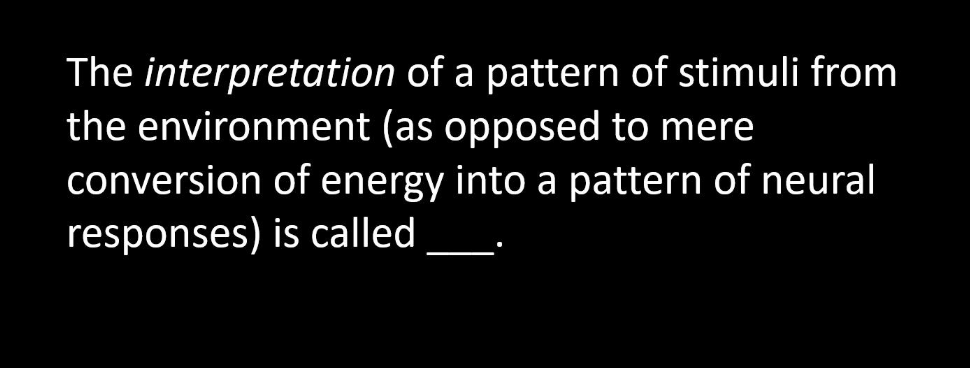
perception
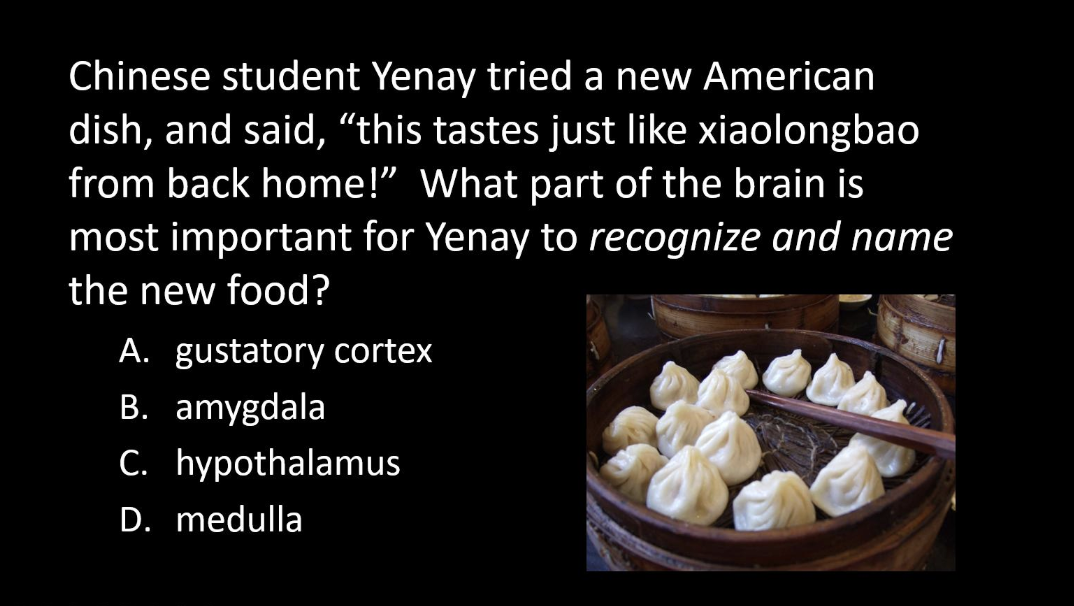
gustatory cortex
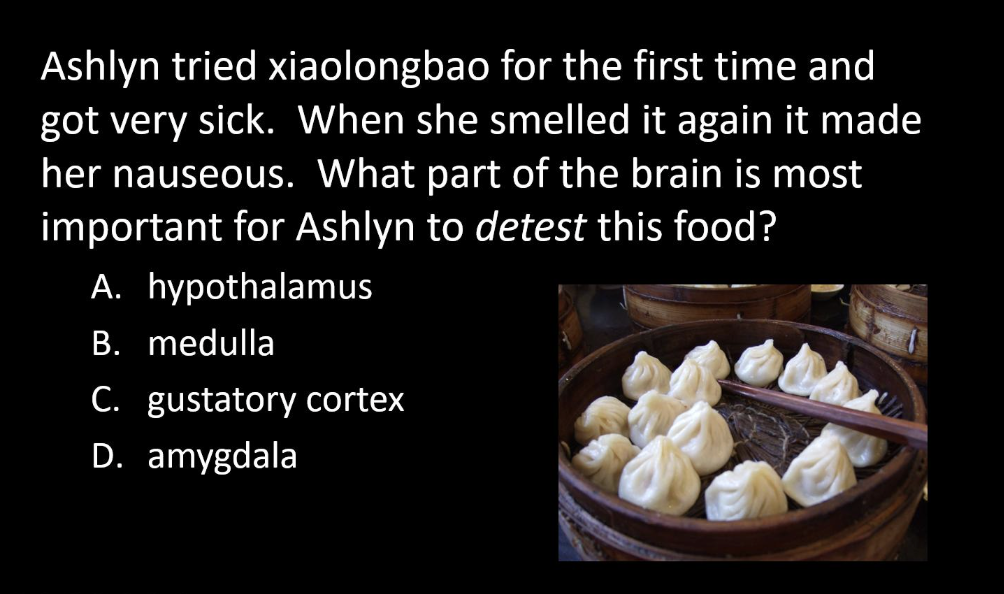
D. amygdala
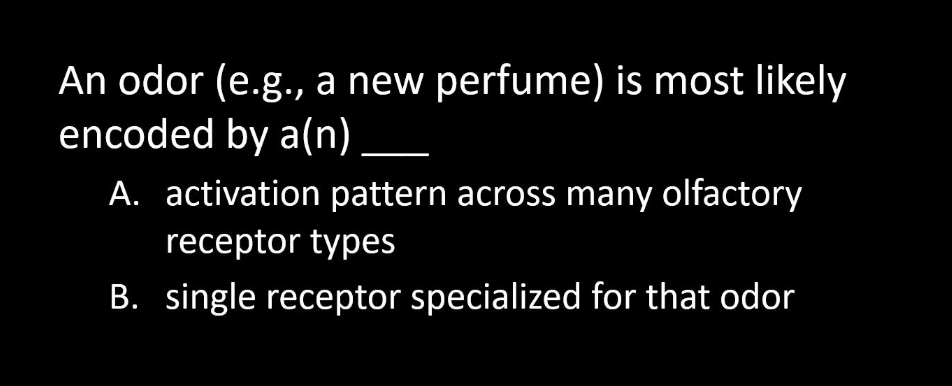
A. activation pattern across many olfactory receptor types
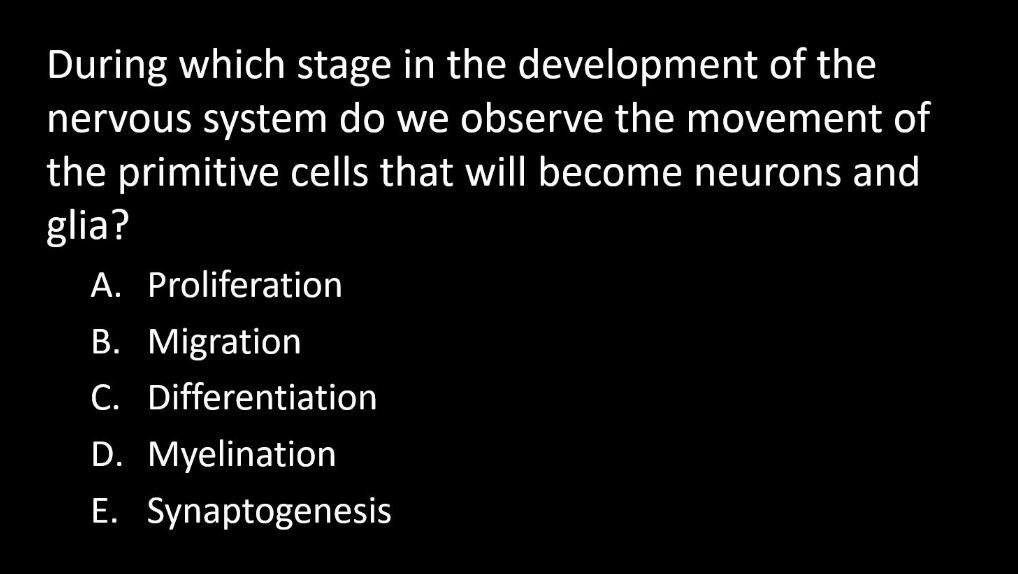
B. migration
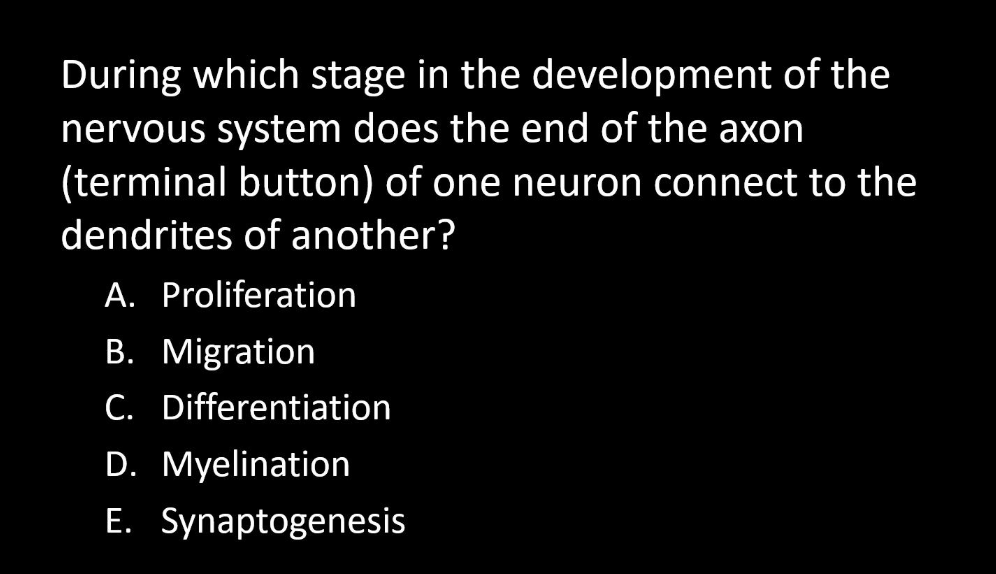
E. synaptogenesis
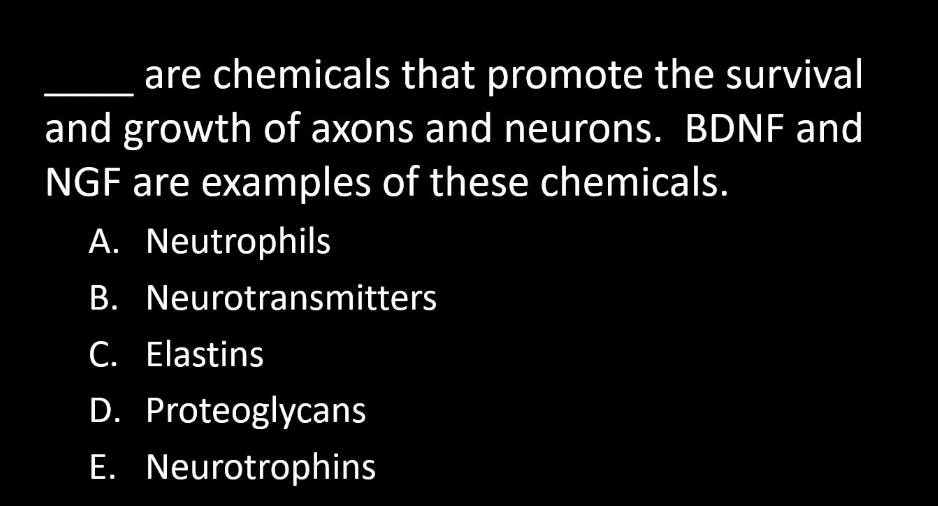
E. neurotrophins
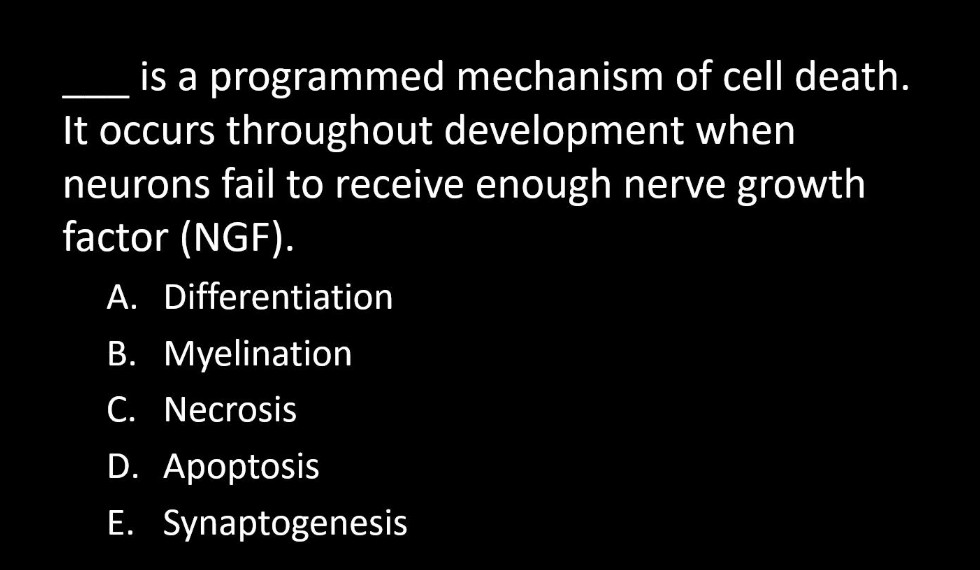
D. apoptosis
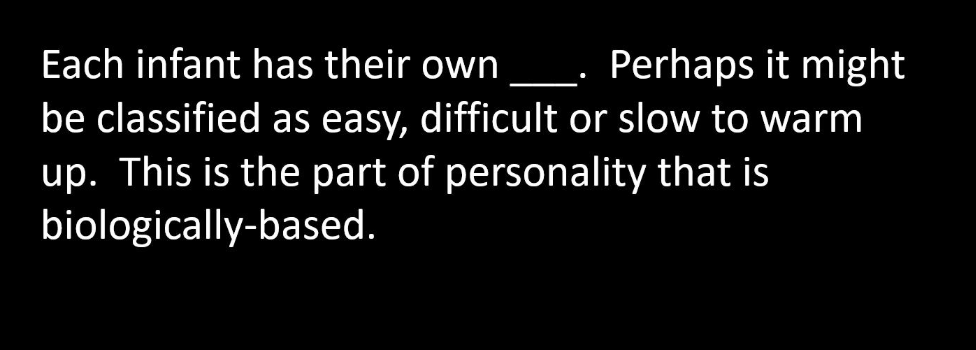
temperment
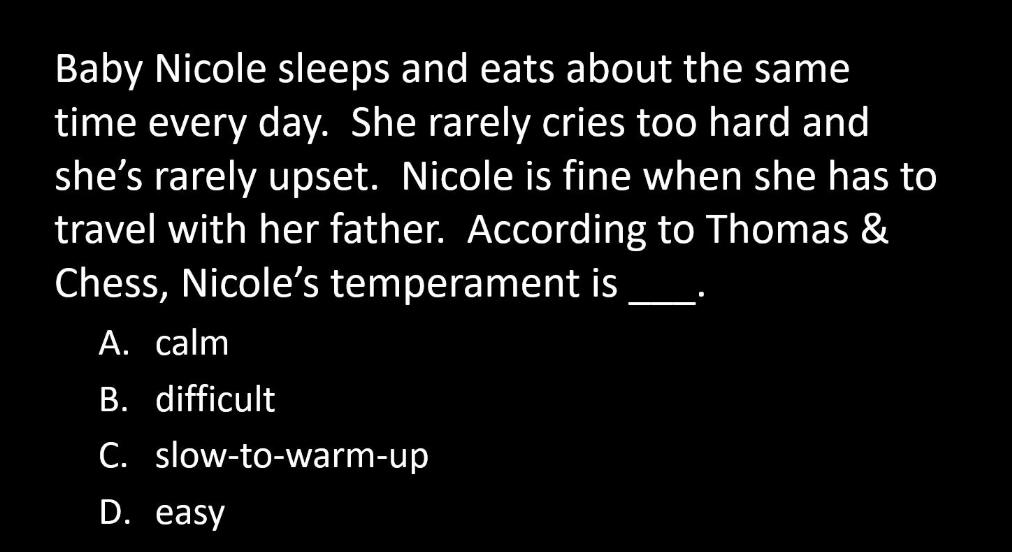
D. easy
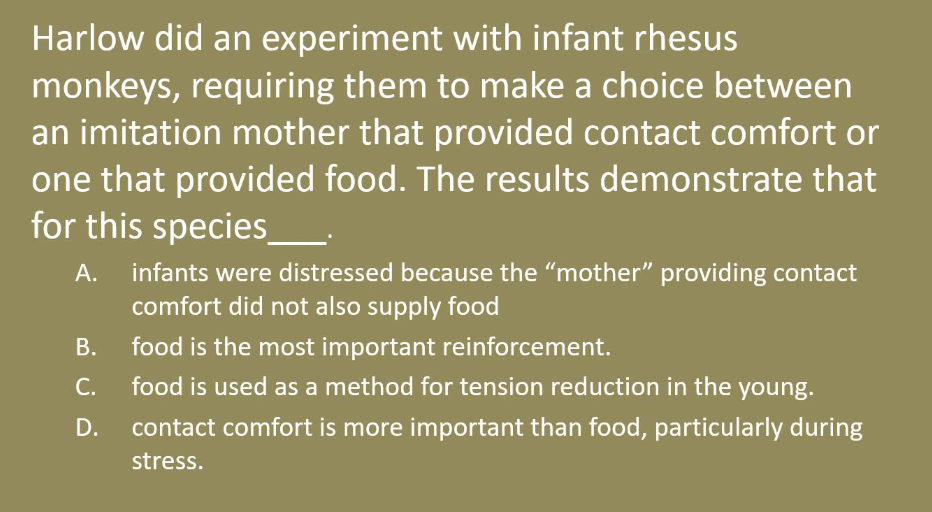
D. contact comfort is more important than food, particularly during stress
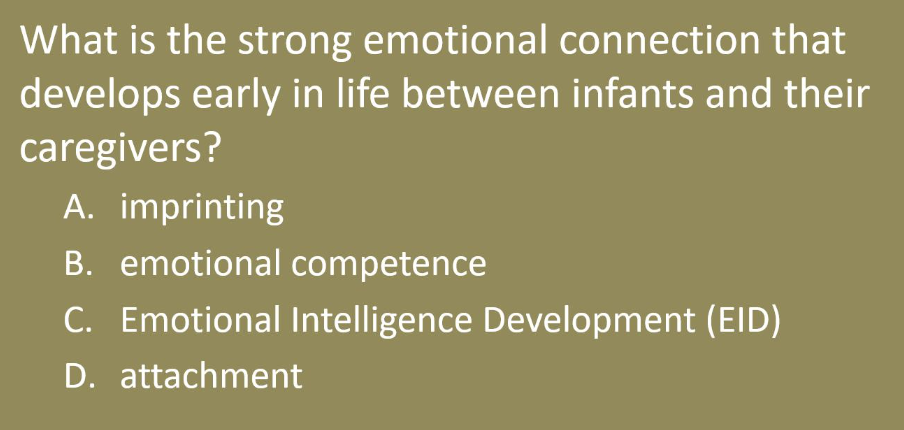
D. attachment
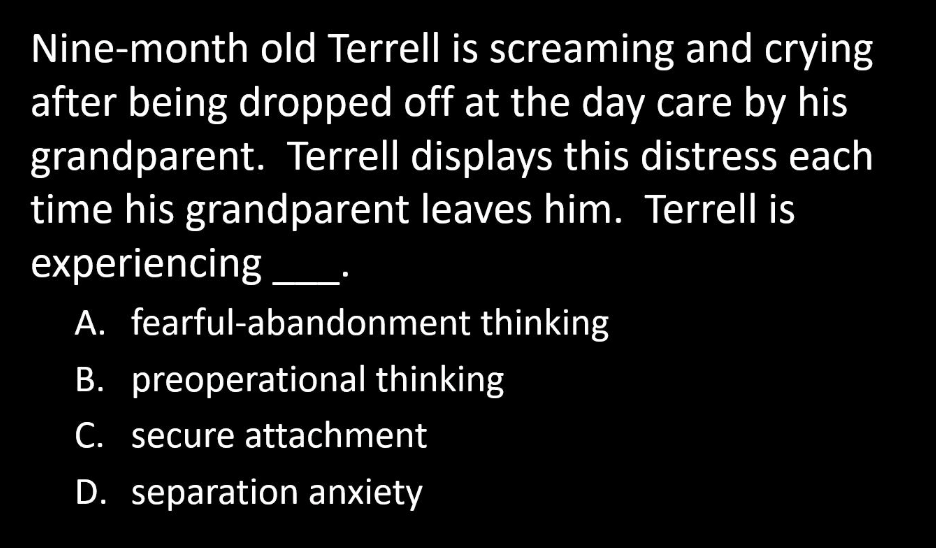
D. separation anxiety
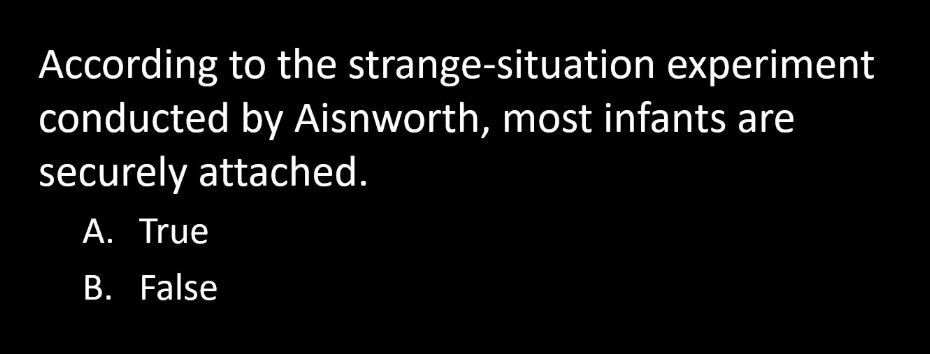
A. true
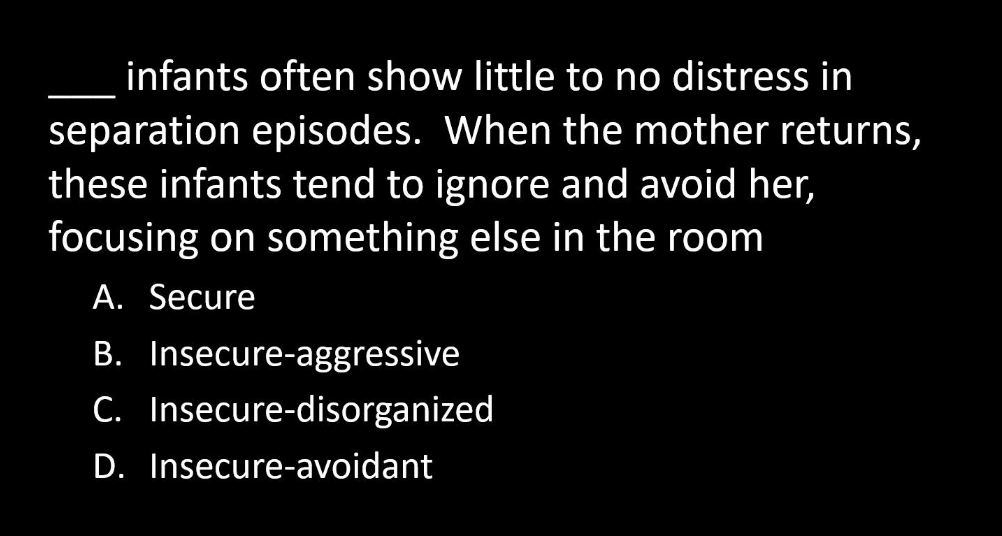
D. insecure-avoidant
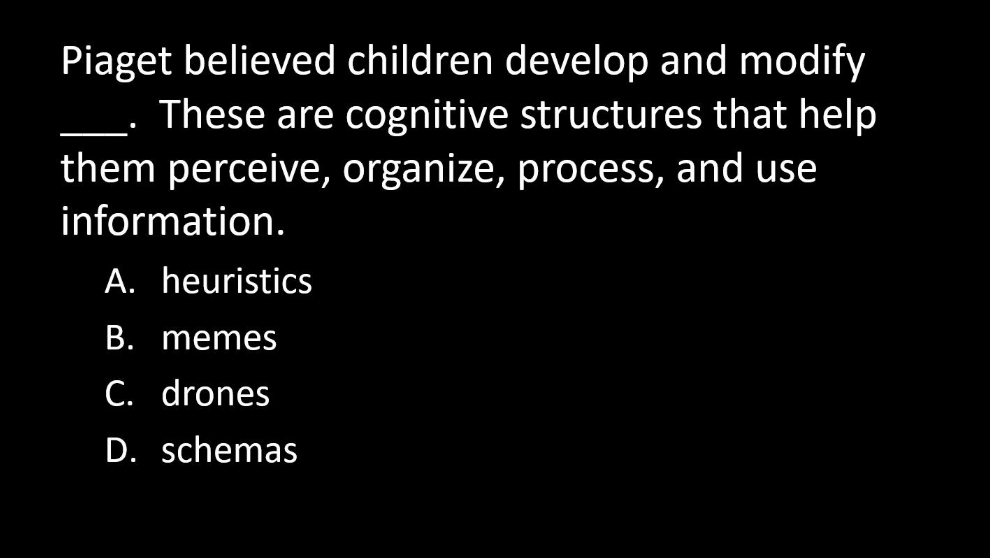
D. schemas
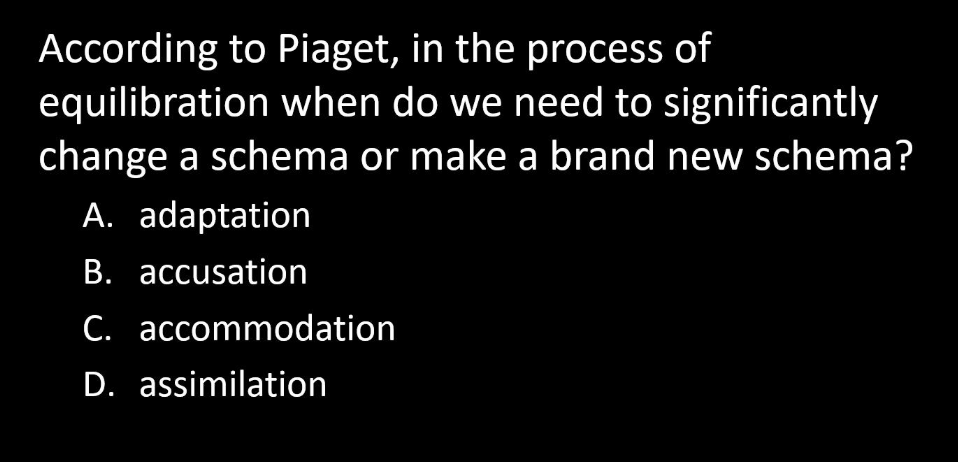
C. accommodation
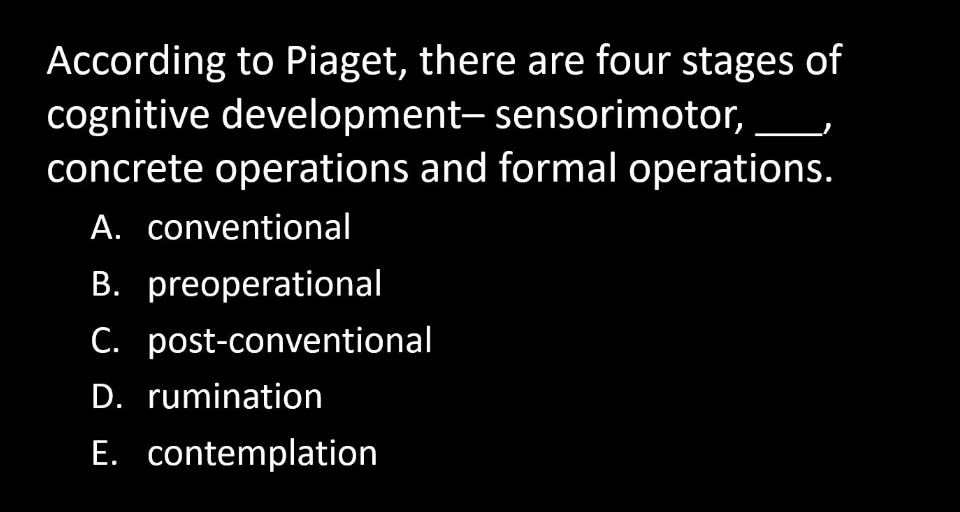
B. preoperational
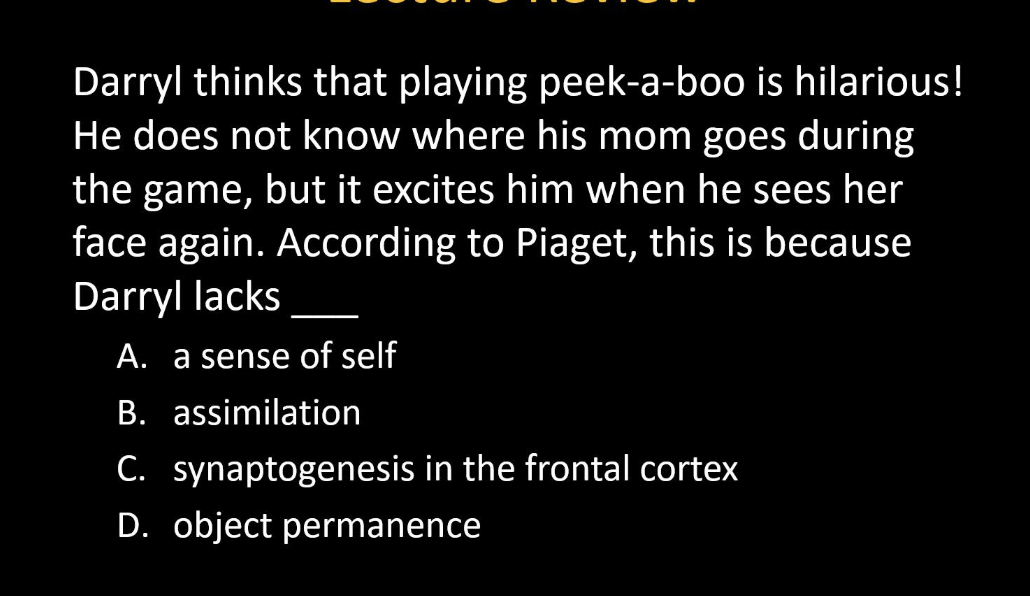
D. object permanence
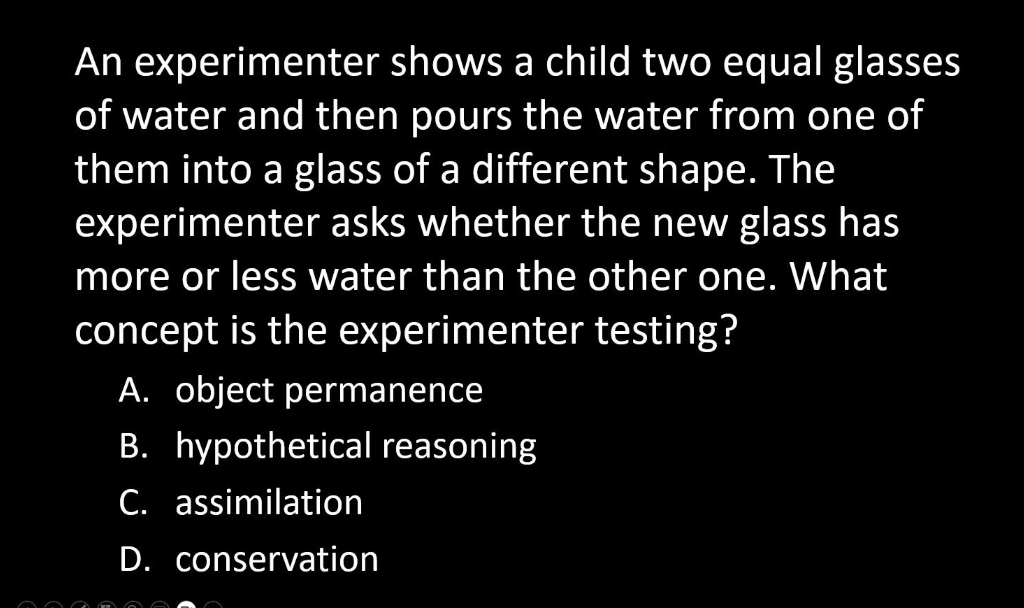
D. conservation
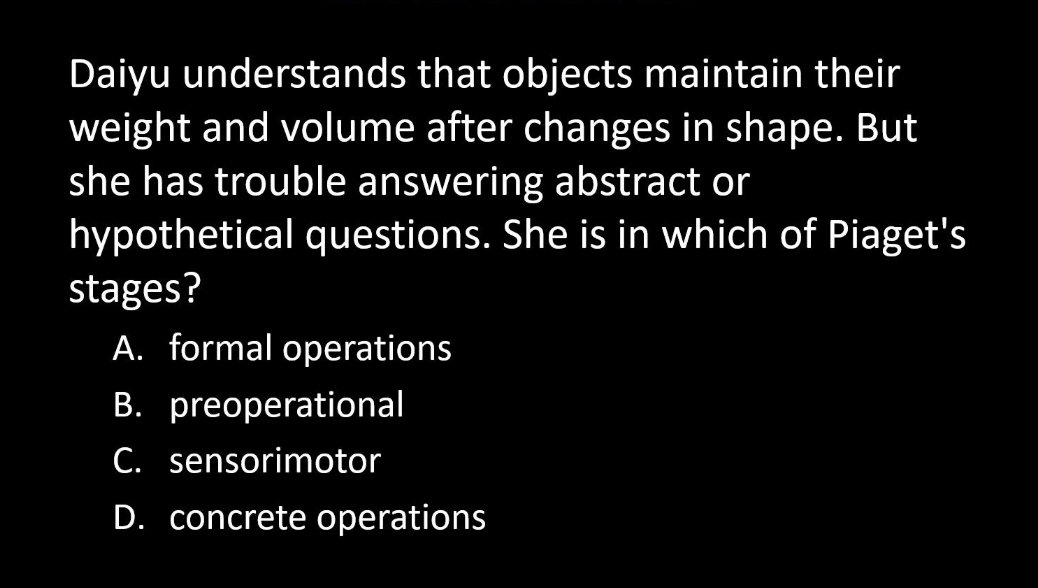
D. concrete operations
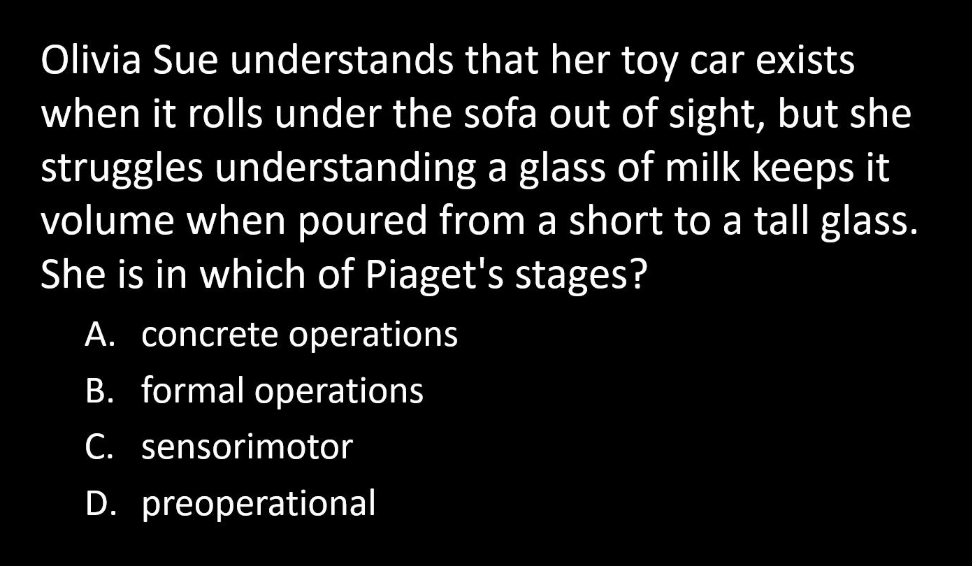
D. preoperational
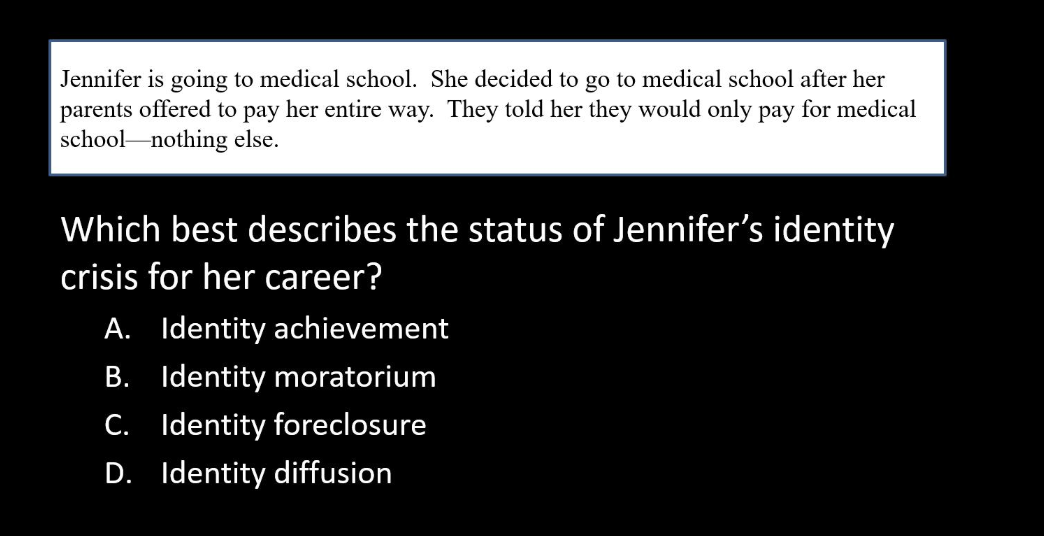
C. identity foreclosure
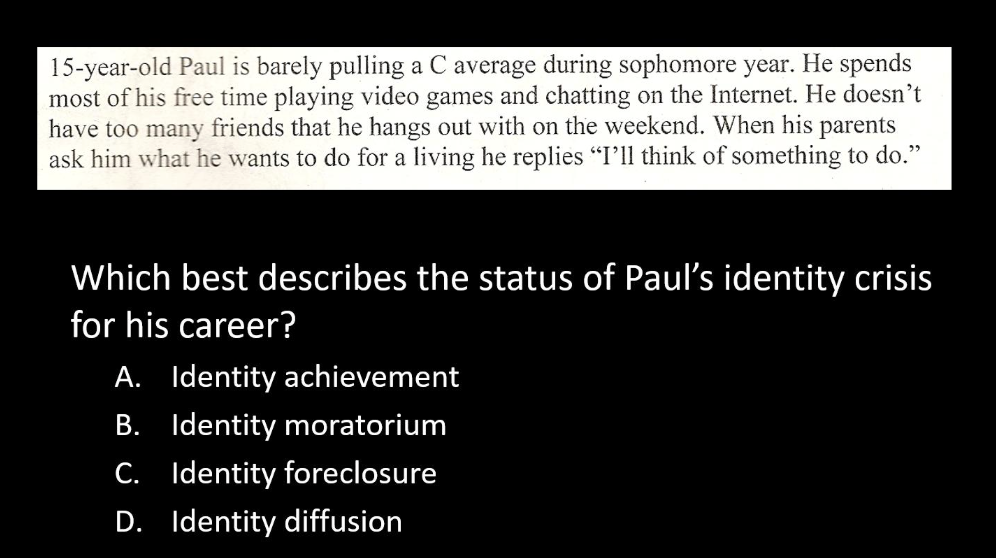
D. identity diffusion
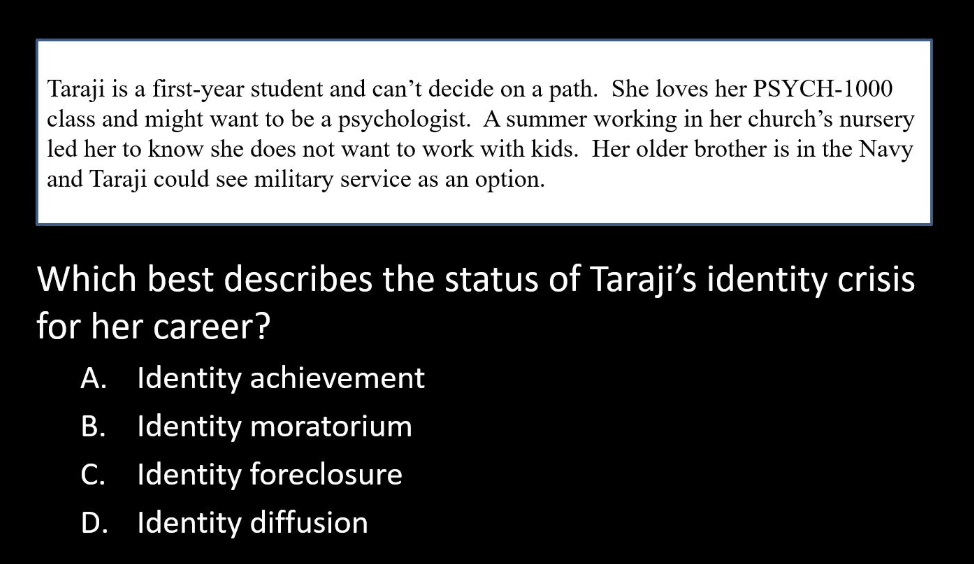
B. identity moratorium
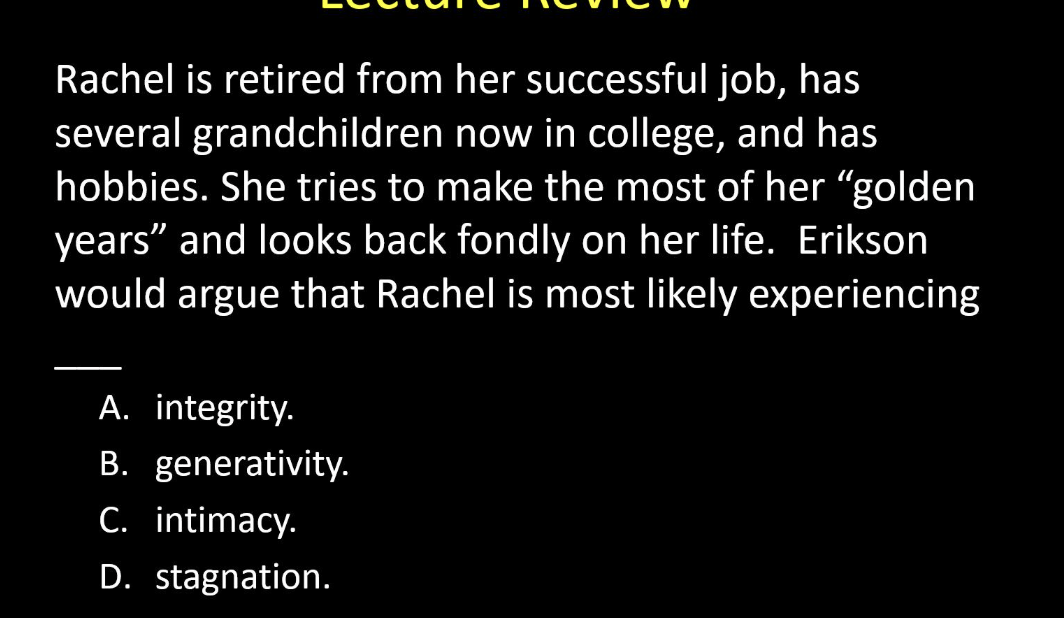
A. integrity
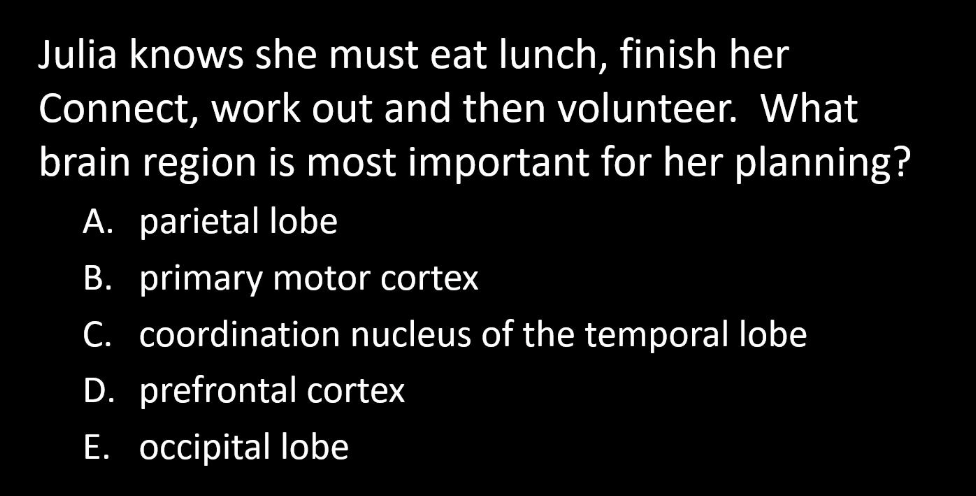
D. prefrontal cortex
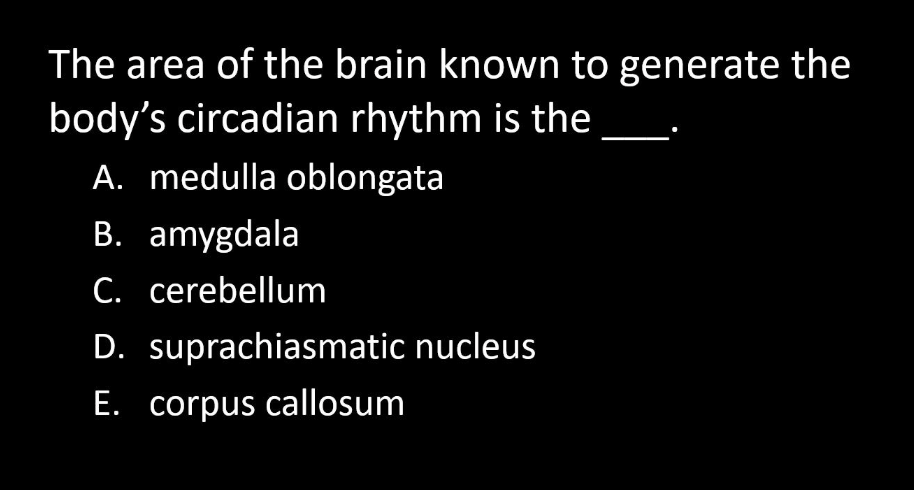
D. suprachiasmatic nucleus
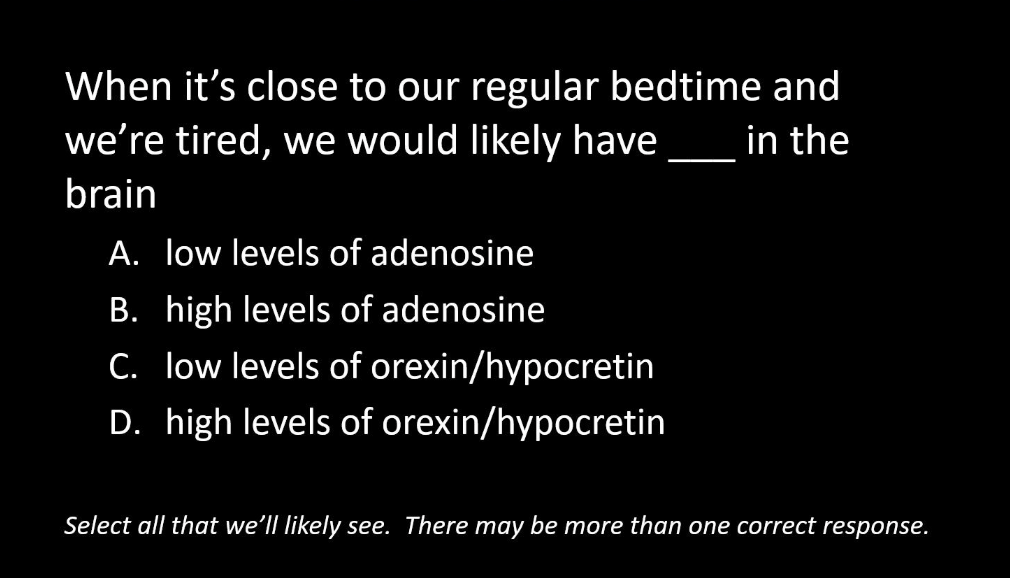
B, high levels of adenosine & C. low levels of orexin/hypocretin
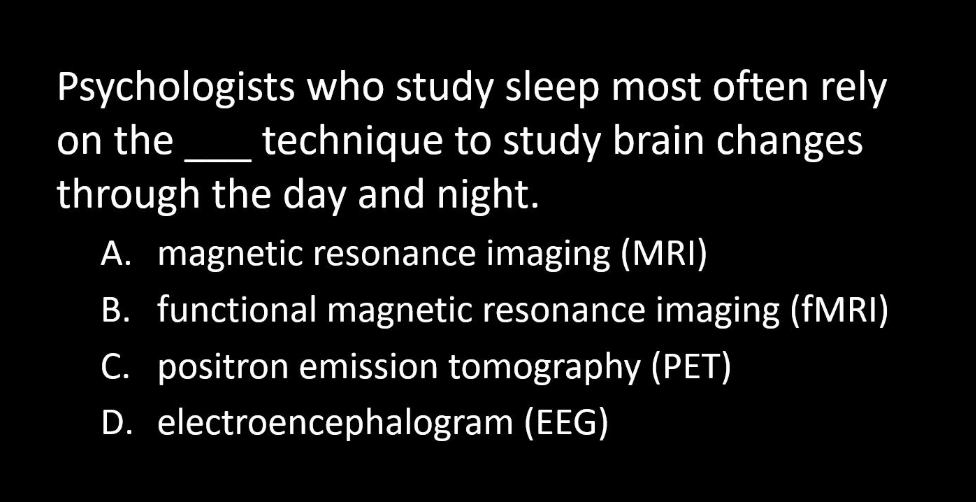
D. electroencephalogram (EEG)
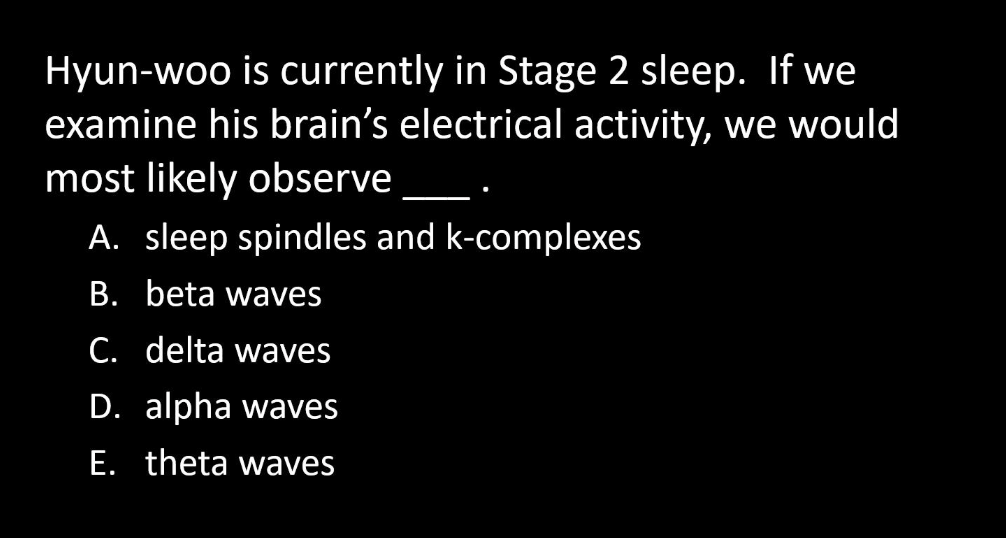
A. sleep spindles and k-complexes
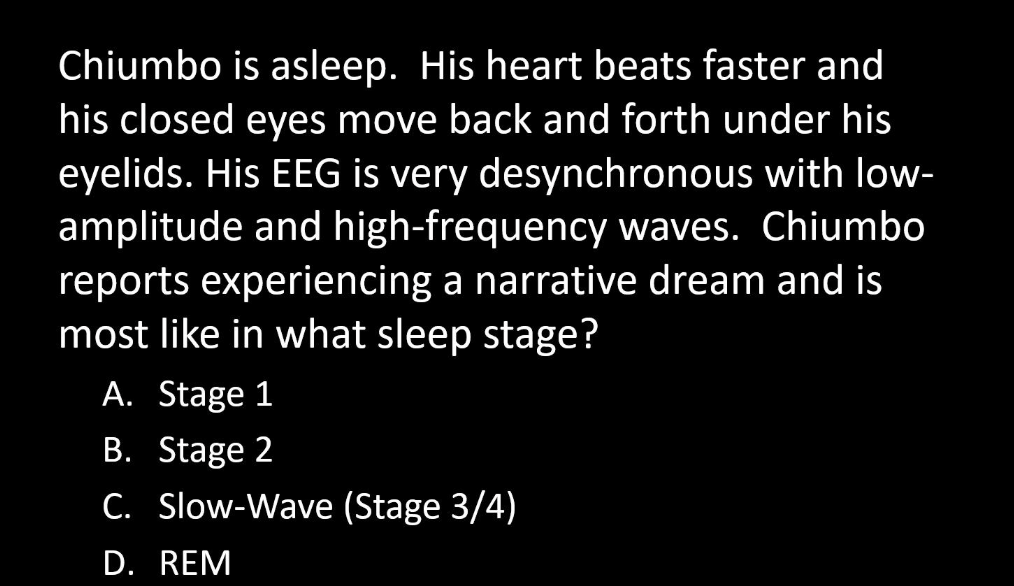
D. REM
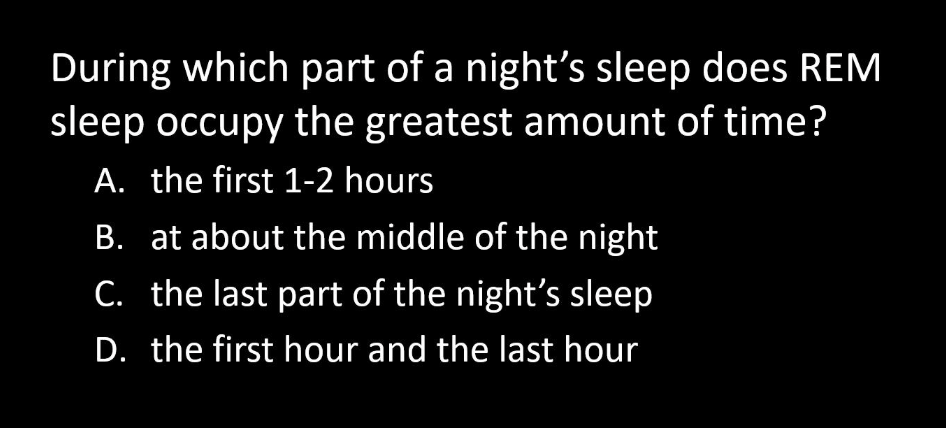
C. the last part of the night’s sleep
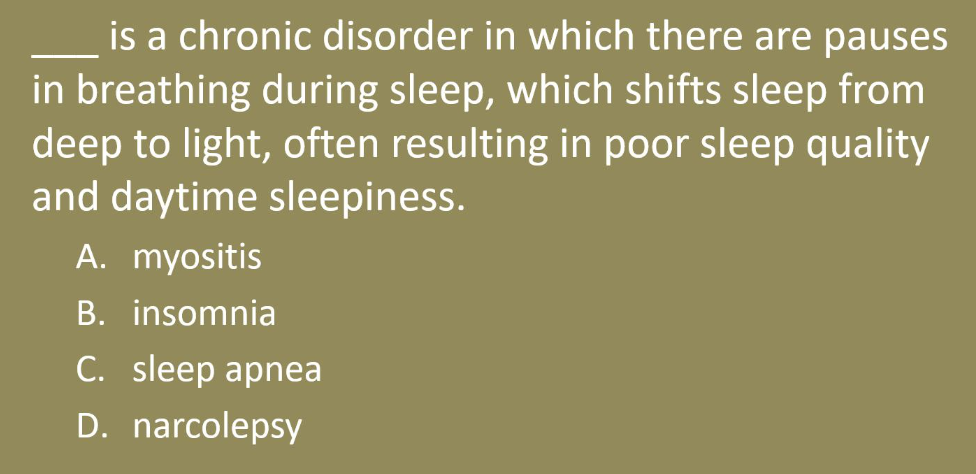
C. sleep apnea
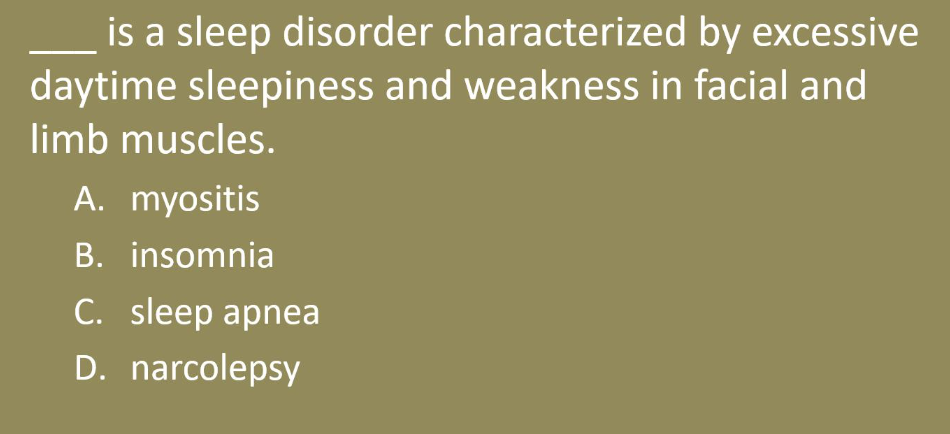
D. narcolepsy
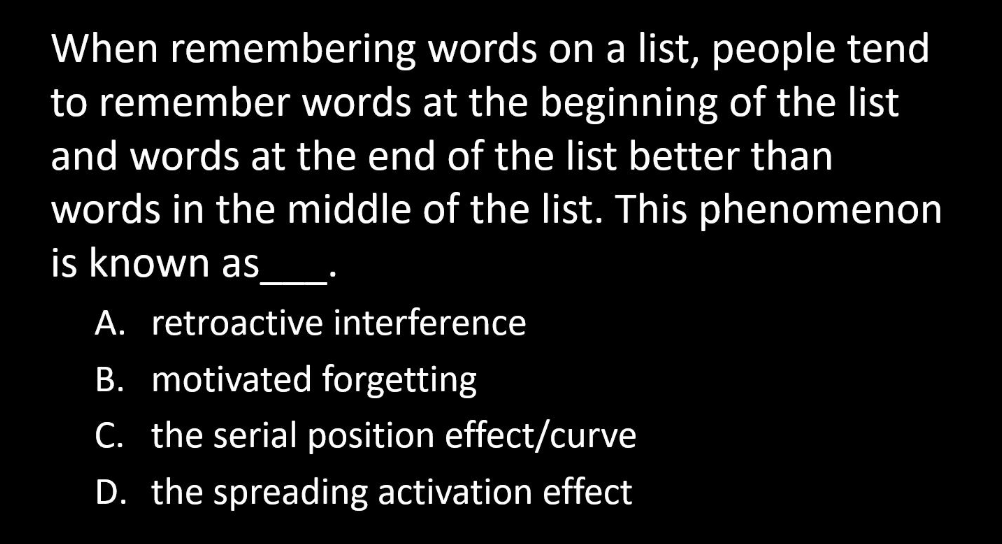
C. the serial position effect/curve
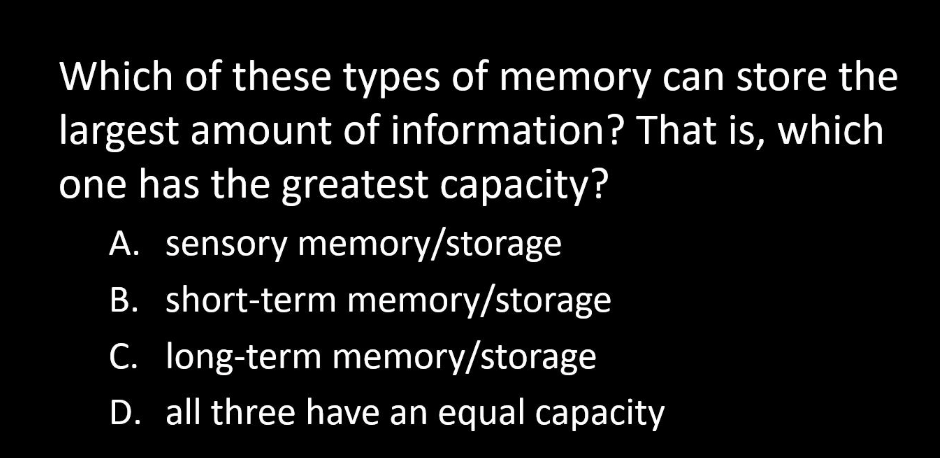
C. long term memory/storage
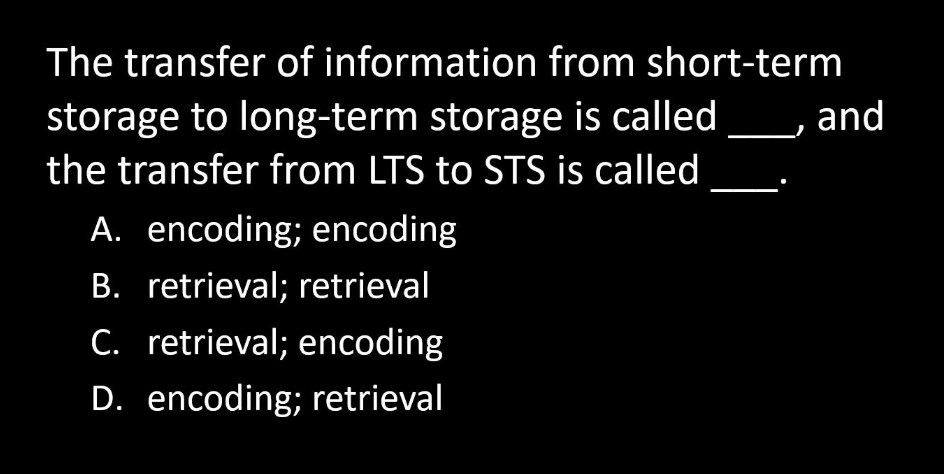
D. encoding; retrieval
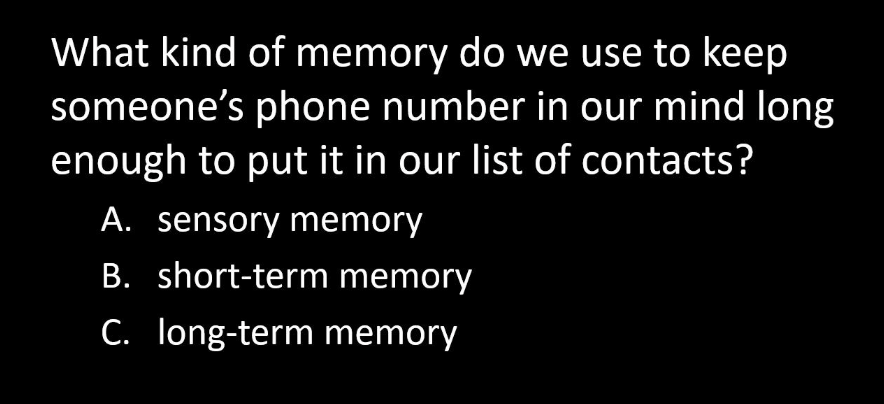
B. short-term memory
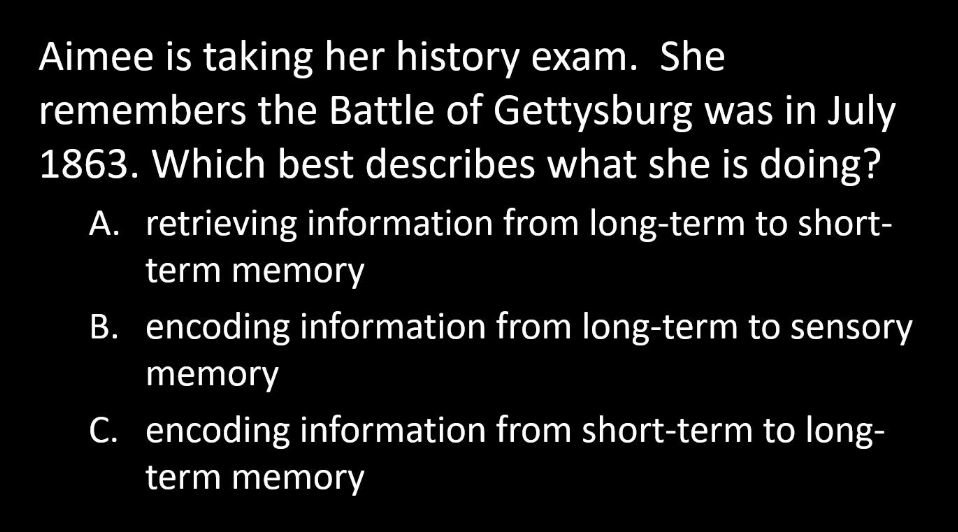
A. retrieving information from long term to short term memory