Bio 152: Unit 2 Physiology
 Call Kai
 Learn
Learn Practice Test
 Spaced Repetition
 Match
Match Flashcards
 Knowt Play
1/49

There's no tags or description
Looks like no tags are added yet.
Name | Mastery | Learn | Test | Matching | Spaced | Call with Kai |
|---|
No analytics yet
Send a link to your students to track their progress
50 Terms
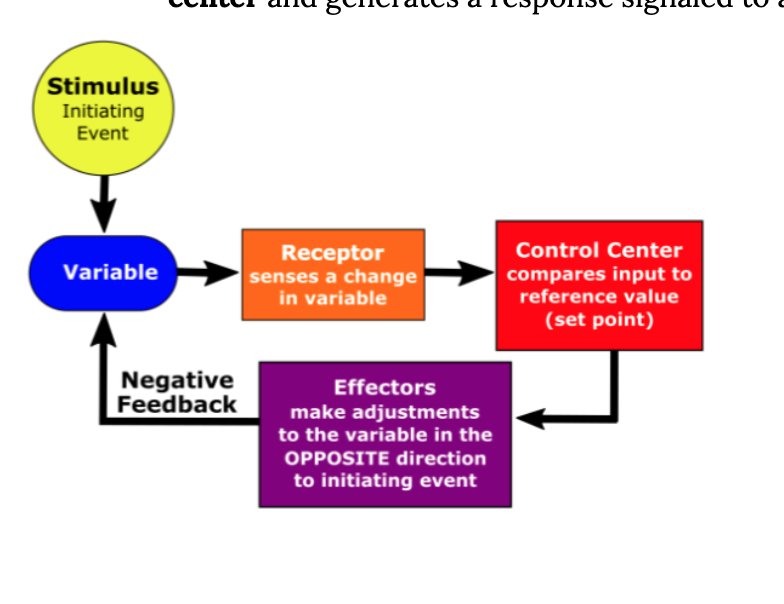
Set point
physiological value around which normal value fluctuates
feedback mechanism process order
stimulus, variable, receptor, control center, effector (back to variable)
stomata
pores allowing for CO2 to enter
vasculature
movement of fluids, sugars, ions
seeds
method of reproduction and dispersal
bryophytes (mosses, liverworts, hornworts)
non-vascular, reproduce by spores
vascular plants
ferns, gymnosperms, angiosperms that have tubes for moving water, minerals, and sugar around the plant
ferns
vascular, seedless (reproduce by spores), seeds are multicellular
seeds dispersal process in ferns
fertilize, disperse, germinate
gymnosperms (pine, spruces, cycads)
vascular, reproduce by seeds that develop on scale of cones
angiosperms
most diverse vascular plant, flowering plants with seeds that develop in fruits
guard cells
open and close based on turgor pressure, water moves in and out of cells based on osmotic pressure
osmotic pressure
diffusion of water
turgor pressure
pressure exerted by fluid on the cell membrane
guard cells opening (swollen) is what kind of process?
active process
guard cells closing (shrunken) is what kind of process?
passive process
light-dependent reactions
light and water → O2
calvin cycle
rubisco and carbon fixation
C3 photosynthesis
regular photosynthesis; no adaptations to avoid photorespiration or water loss, involves rubisco that attaches to 5C sugar and cuts new sugar chain in 1/2
photorespiration
rubisco binds with oxygen instead of glucose
C4 photosynthesis
increases CO2 concentration around rubisco and avoids photorespiration, has spatial separation
CAM photosynthesis (cacti)
reduces water loss and avoids photorespiration, has temporal separation
C3 plants thrive in what environment
cool, wet environment because it is normal photosynthesis
C4 plants thrive in what environment
warm, sunny environments because it can prevent photorespiration
CAM plants thrive in what environment
very hot, dry environments because it has temporal separation
xylem
transports water and minerals (ions - smaller molecules)
phloem
transports sugar and hormones (bigger macromolecules)
movement in xylem
one-way creates turgor pressure (high to low pressure)
movement in phloem
two-way movement from sources to sinks
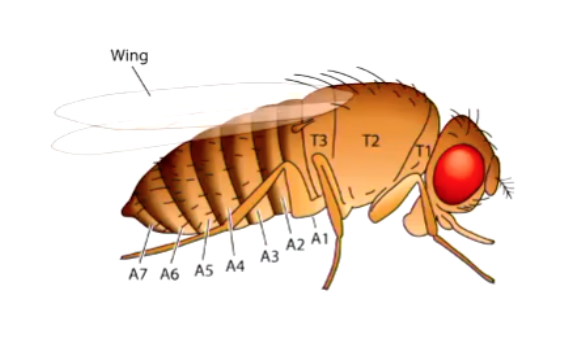
cephalization
concentration of nervous system, components at one end of the body “the front”
segmentation
axon
carries electrical signals to the next neuron/muscle
action potential is initiated here
axon hillock
dendrites
receive incoming signals
node of ranvier
area of high density of ion channels
axon terminal
releases neurotransmitters
chemical driving force
the difference in energy (such as concentration or chemical potential) between products and reactants
electrical driving force
the force exerted by the difference in voltage (charge) across the cell membrane, pulling charged ions toward opposite charges
resting membrane potential
negative value around -70mV
sodium-potassium pump
generates an electrochemical gradient by the difference in chemical concentration and charge across membrane
K+ leak channels
K+ flows down its electrochemical gradient
action potential
temporary change in membrane potential
depolarization (rising phase)
voltage-gated Na+ channels open, Na+ rushes into neuron, voltage-gated Na+ channels close at top of action potential
repolarization (falling phase)
lags before voltage-gated K+ channels open, then K+ ions rush out of neuron
hyperpolarization
K+ ions rush out of neuron that it drops below resting membrane potential
inhibitory postsynaptic potential
dendrites receive a signal that decreases the membrane potential in postsynaptic neuron (hyperpolarizes); makes it less likely to fire action potential
excitatory postsynaptic potential
dendrites receive a signal that increases the membrane potential in the postsynaptic neuron (depolarizes); makes it more likely to fire action potential
fish circulatory system
two-chambered heart and single circulatory system
amphibians circulatory system
three-chambered heart and partially divided double-circuit system
mammals circulatory system
four-chambered heart and true double-circuit system