England: Notable Scientists and Mathematicians
 Call Kai
 Learn
Learn Practice Test
 Spaced Repetition
 Match
Match Flashcards
 Knowt Play
1/4

There's no tags or description
Looks like no tags are added yet.
Name | Mastery | Learn | Test | Matching | Spaced | Call with Kai |
|---|
No analytics yet
Send a link to your students to track their progress
5 Terms
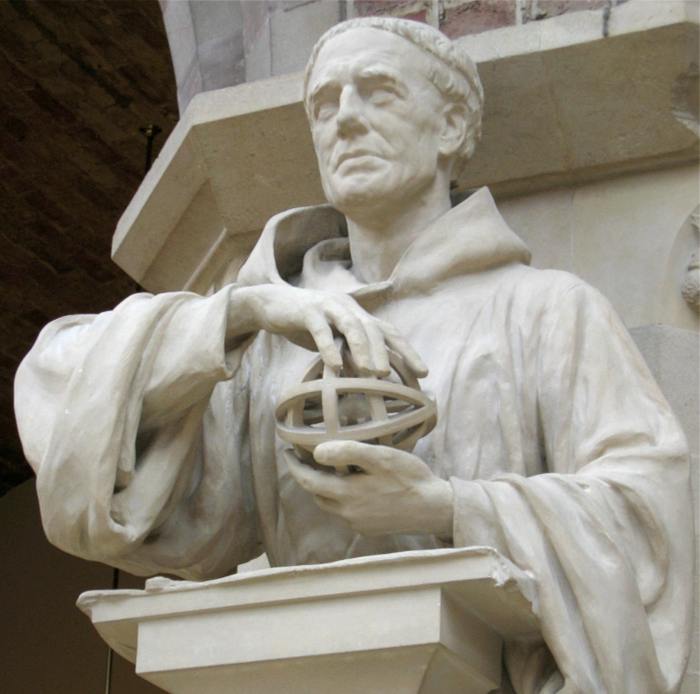
1219 - 1292 - Roger Bacon (All Facts)
Medieval English polymath, philosopher, scientist, theologian and Franciscan friar who placed considerable emphasis on the study of nature through empiricism
He was interested in science, magic, and mathematics
He was one of the few important experimenters in medieval English science, with an extensive knowledge of astronomy and medicine
He first employed lenses to correct defective vision
Spectacles, with convex lenses, were first recorded by the namesake
By the early 1300s, they were being factory-made in Venice
He was condemned by his superiors in the Franciscan Order for “certain suspect novelties” in his writing and spent over ten years in prison for it
He was born near Ilchester
After he moved from Oxford to Paris, Pope Clement IV asked him to send reports to him on his scientific studies
He wrote three major works for the pope and suggest a survey of the whole known world
He embraced astrology and alchemy
He argued that since deer, eagles, and snaked could prolong their lives by using toads and stones, men should be able to discover an elixir of life
1307 - 1392 - John Arderne (All Facts)
English Surgeon
He set moral standards for surgeons, saying that surgeons should
Never be foul-mouthed
Never take advantage of female patients
Have a stock of comfortable sayings
Never allow themselves to forget that not every patient can be cured
He published a lengthy treatise on his most successful operation, the lancing of an anal fistula (cutting open the infected tunnel that connects the anal canal to the skin near the anus - usually resulting from a previous, improperly healed abscess - in order to allow it to heal from the inside out)
He treated numerous knights, friars, merchants, and priests
He charged a considerable sum of money, plus a suit of clothing an an annuity for as long as the patient survived
Despite his success, he and other surgeons at the time failed to gain acceptance by physicians, who had been using elaborate medicines, bleeding, and cauterization to achieve the balance of humors which are believed to be part of a healthy body
He was only able to offer a 50% chance at survival given the lack of resources of his time
He learned his surgical skills while serving with Edward the Black Prince during campaigns in France
After the Black Death, he went to live in Newark, which had three hospitals and was a noted center for surgeons
1350 - 1400 - John Westwyk: The Equatorie of the Planetis (All Facts)
Work by the namesake English Astronomer and Benedictine Monk
Work which featured a device for predicting the paths and positions of planets
Work which was the first scientific work in English
Work which was previously attributed to Geoffrey Chaucer
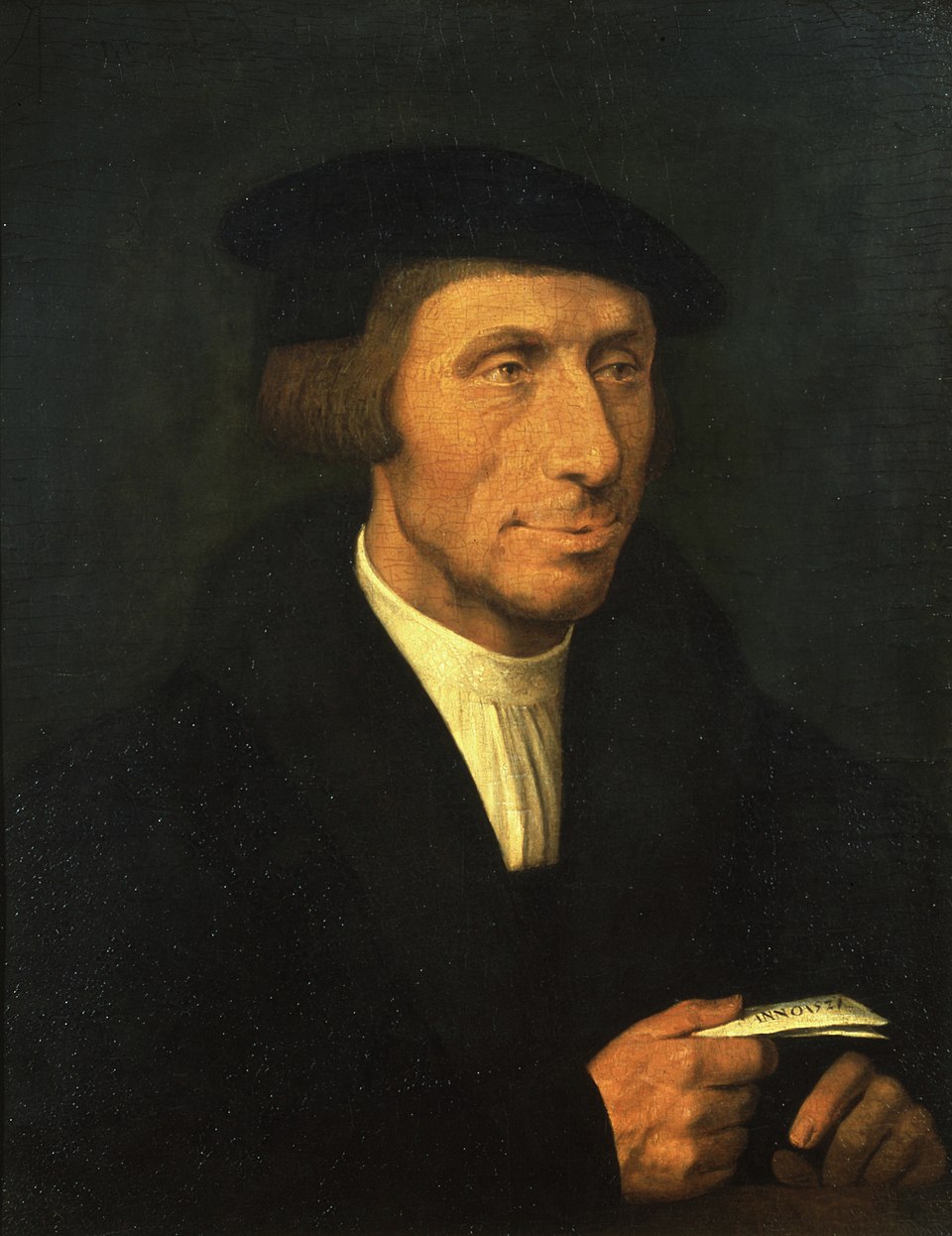
1460 - 1524 - Thomas Lynaker (All Facts)
English Catholic Physician and Scholar under King Henry VIII
He persuaded King Henry VIII to establish the College of Physicians